About Ayurveda
Ayurveda, which translates to "science of life" in Sanskrit, is one of the world's oldest holistic healing systems. It originated in India more than 3,000 years ago and is based on the belief that health and wellness depend on a delicate balance between the mind, body, and spirit. Here are some key aspects of Ayurveda:
-
Doshas: Central to Ayurvedic medicine are the three doshas: Vata, Pitta, and Kapha. These are considered the life forces or energies that govern the functioning of the body and mind. Each individual has a unique combination of these doshas, with one usually being predominant. Balancing these doshas according to individual constitution is essential for health.
-
Diagnosis and Treatment: Ayurveda emphasizes diagnosis through a comprehensive history-taking, physical examination, and observation. Treatments often include diet adjustments, herbal remedies, yoga, meditation, massages, and other specialized treatments.
-
Preventive Care: Prevention is a key aspect of Ayurveda, which stresses the importance of maintaining personal hygiene, regular detoxification, and a balanced diet, lifestyle, and mental health.
-
Natural Remedies: Ayurveda makes extensive use of plant-based treatments, which can include herbs, oils, spices, and other naturally derived ingredients.
-
Holistic Approach: Ayurveda seeks to integrate and balance the body, mind, and spirit, which is believed to help prevent illness and promote wellness. It treats not just the symptoms but the root cause of disease.
History of Ayurveda
The history of Ayurveda is both rich and ancient, spanning thousands of years and woven deeply into the cultural fabric of the Indian subcontinent. Here's a brief overview of its historical development:
-
Origins and Vedic Period: Ayurveda's roots can be traced back to the Vedic period in India, around 1500 to 500 BCE. It is during this time that the foundational texts of Ayurveda, the Charaka Samhita and the Sushruta Samhita, along with the Ashtanga Hridaya, were composed. These texts not only outline the principles of Ayurvedic medicine but also delve into aspects like surgery, pathology, and anatomy.
-
Classical Age: During this period, Ayurveda developed and flourished alongside other systems of traditional Indian philosophy and medicine. The Charaka Samhita was revised and expanded by Charaka, and it covers medicine and diagnostics. Sushruta, often called the father of surgery, composed the Sushruta Samhita, which describes surgical techniques, instruments, and procedures. This era solidified Ayurveda's approach to health and disease, emphasizing preventive and curative aspects.
-
Spread and Influence: Ayurveda influenced and was influenced by other traditional forms of medicine such as Tibetan and Greek medicine through trade and scholarship. During the early centuries of the Common Era, Ayurvedic knowledge spread to other parts of Asia.
-
Medieval Period: Ayurveda continued to be practiced and taught in various parts of India, evolving with time. Persian and Arab influences during the Islamic rule in India introduced new substances and practices into Ayurvedic medicine.
-
British Colonial Period: During the British colonization of India, Ayurveda faced significant challenges. The British promoted Western medicine and marginalized Ayurvedic practices. However, Ayurveda was kept alive through traditional families and scholars.
-
Modern Revival: In the 20th century, Ayurveda began to experience a revival as India sought to reclaim and promote its cultural heritage. Institutions for teaching and research were established, and Ayurveda began to integrate with modern health care approaches.
-
Global Presence: Today, Ayurveda is recognized globally, with practitioners and followers worldwide. It is considered a form of complementary or alternative medicine in many countries, and there is growing interest in its holistic approach to health.
A range of Ayurvedic Therapies and Treatments
Ayurveda offers a variety of therapies and treatments that are tailored to individual needs, based on the understanding of unique body types and imbalances. Here’s an overview of some common Ayurvedic therapies and treatments:
-
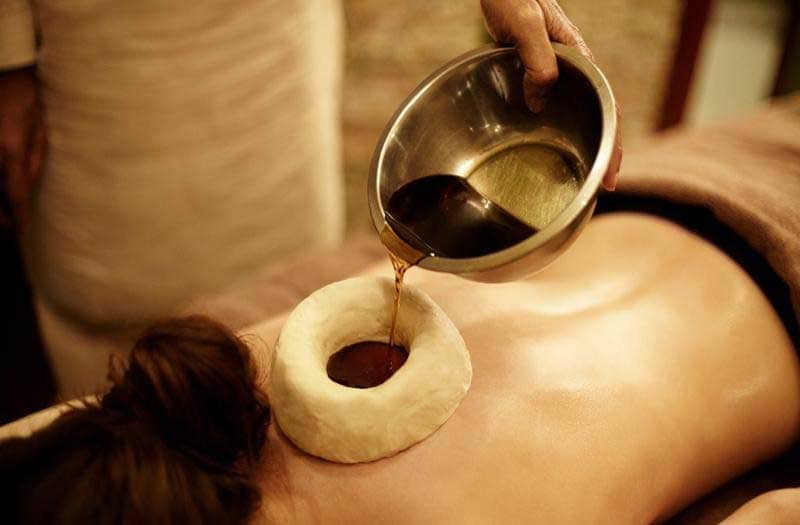
Abhyanga: This is a form of Ayurvedic massage involving oils that are usually infused with Ayurvedic herbs and heated to a comfortable temperature. The oils are chosen based on the patient’s dosha. Abhyanga is designed to penetrate the skin, relax the mind and body, increase blood circulation, and mobilize toxins.
-
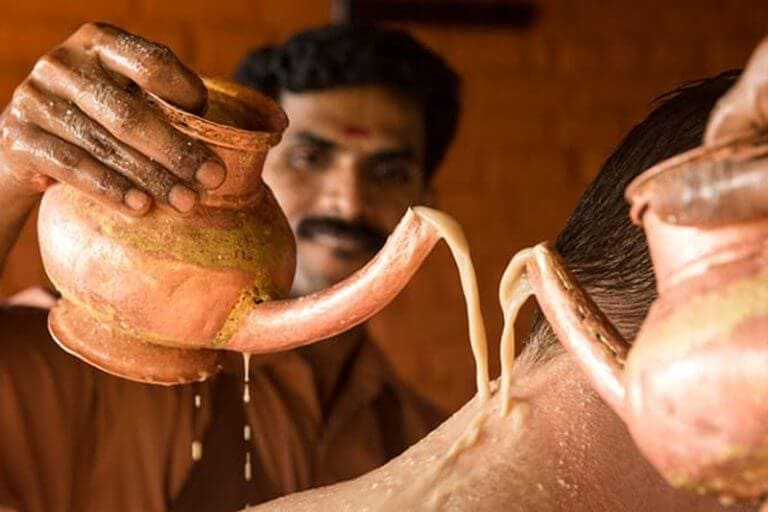
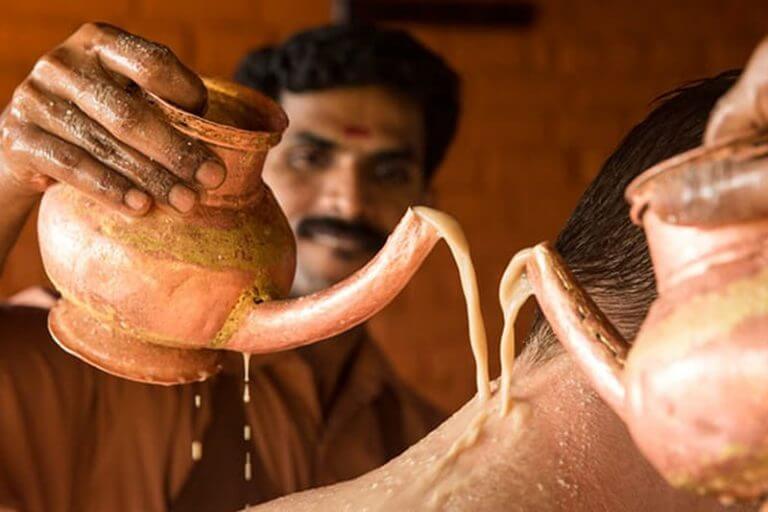
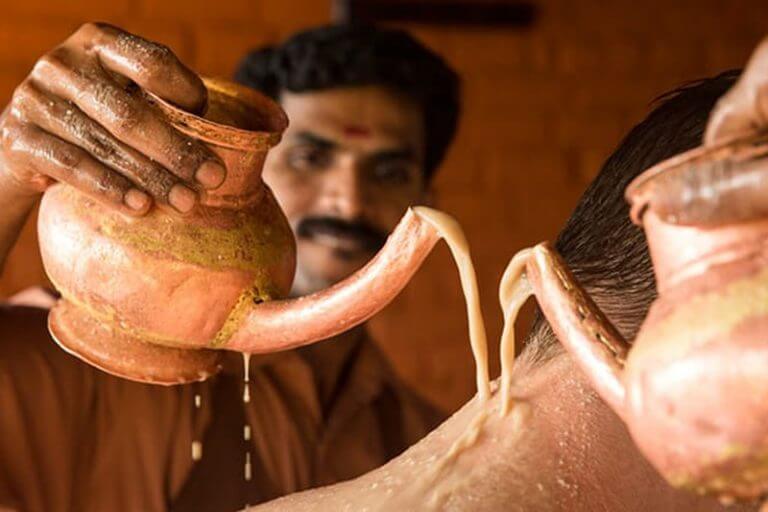
Shirodhara: In this treatment, a continuous stream of warm herbal oil, medicated milk, or buttermilk is poured over the forehead. It is particularly recommended for stress relief, and it also promotes mental clarity and deep relaxation.
-
Panchakarma: This is a cleansing therapy designed to purify the entire body by eliminating accumulated toxins. It is tailored to individual needs and may involve five procedures: Vamana (therapeutic vomiting), Virechana (purgation), Basti (enema), Nasya (nasal administration), and Raktamokshana (bloodletting).
-
Swedana: It is a steam therapy that usually follows Abhyanga. A tent-like cover is placed over the patient while herbal steam is circulated inside. It helps to open up the pores, flush out impurities through the skin, and relieve pain.
-
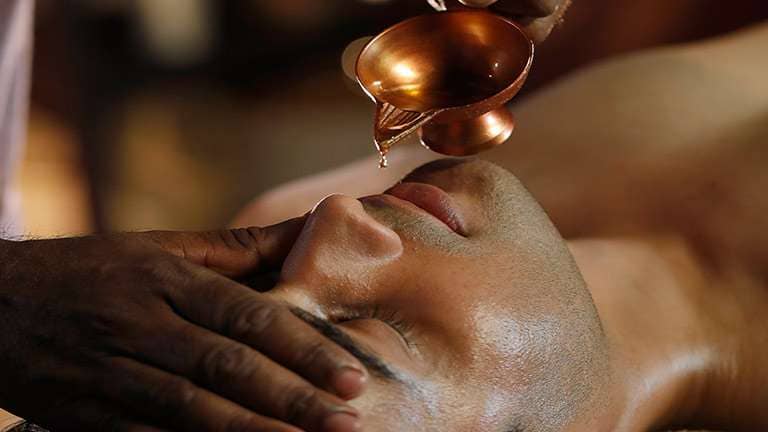
Nasya: This involves the administration of medicated oil through the nose to cleanse accumulated Kapha toxins from the head and neck region. It is beneficial for headaches, sinusitis, and other nasal congestions.
-
Ayurvedic Diet and Herbal Remedies: Ayurveda emphasizes the importance of a diet based on one’s dominant dosha. Herbs are extensively used either alone or in combination to treat various ailments and to maintain health.
-
Yoga and Meditation: Regular practice of yoga and meditation is considered crucial for balancing the mind and body, enhancing overall health, and promoting longevity.
-
Marma Therapy: This involves manipulating subtle energy (prana) in the body to promote healing. It focuses on stimulating specific energy points that help in balancing body energy and restoring health.
Benefits of Ayurveda
Ayurveda offers a holistic approach to health and wellness, emphasizing prevention and maintenance of health through a balance of mind, body, and spirit. Here are some of the key benefits associated with Ayurvedic practices:
-
Holistic Approach: Ayurveda doesn't just focus on treating the symptoms but aims to find the root cause of disease. It considers all aspects of an individual’s life, including physical health, mental balance, and emotional well-being.
-
Customization: Treatments in Ayurveda are highly personalized. Practitioners consider a person's unique constitution (dosha), lifestyle, and various personal and environmental factors when recommending treatments.
-
Preventive Care: Ayurveda emphasizes prevention as a key aspect of maintaining health. Through diet, lifestyle choices, and regular detoxification, it helps in preventing the onset of diseases.
-
Natural Remedies: Ayurveda makes extensive use of natural herbs, foods, and spices that typically have fewer side effects compared to conventional medicines. These natural remedies are used to boost the immune system, improve digestion, and maintain overall health.
-
Stress Reduction: Through practices such as yoga, meditation, and herbal treatments, Ayurveda helps reduce stress and anxiety. Techniques like Shirodhara are particularly effective in calming the mind.
-
Improved Digestion: Ayurvedic principles strongly emphasize the importance of strong digestion. Treatments often involve correcting digestive disorders and enhancing the digestion process, as good digestion is seen as a cornerstone of vitality and health.
-
Detoxification: Cleansing processes like Panchakarma are designed to remove toxins from the body, improve bodily function, and rejuvenate the entire system.
-
Chronic Disease Management: Ayurveda is often sought after for managing chronic conditions like arthritis, asthma, eczema, and even chronic stress or insomnia, providing relief where conventional medicine sometimes falls short.
-
Enhanced Physical and Mental Balance: Regular practice of Ayurvedic principles helps maintain and restore balance within the body and mind, promoting overall vitality and well-being.
-
Integration with Other Treatments: Ayurveda can often be integrated with conventional medical treatments, providing a more comprehensive approach to health and healing.
Is Ayurveda Treatment Effective?
The effectiveness of Ayurvedic treatment can vary depending on several factors such as the condition being treated, the practitioner's expertise, and the individual's response to the therapy. Here are some points to consider regarding the effectiveness of Ayurveda:
-
Evidence and Research: There is a growing body of research exploring the effectiveness of Ayurvedic methods, though it is not as extensive or standardized as conventional Western medicine. Some studies have shown positive results in treating conditions like arthritis, asthma, anxiety, and digestive disorders with Ayurvedic practices.
-
Personalized Approach: Ayurveda's strength lies in its personalized approach to treatment. It considers an individual's unique physical and psychological makeup, which can lead to more targeted and effective interventions compared to one-size-fits-all solutions.
-
Holistic Benefits: Many people find Ayurvedic practices beneficial not just for specific ailments but also for improving overall well-being, increasing vitality, and reducing stress.
-
Preventive Aspects: Ayurveda is highly effective in preventive care, helping to maintain health and prevent diseases through lifestyle and dietary management.
-
Chronic Conditions: Ayurveda is often sought after for managing chronic conditions, where conventional medicine may only offer symptomatic relief. Ayurvedic treatments aim to address the root cause of these conditions.
-
Integration with Conventional Medicine: When used in conjunction with conventional medicine, Ayurveda can offer a comprehensive approach that enhances overall health outcomes.
-
Professional Guidance: The effectiveness of Ayurvedic treatment greatly depends on the knowledge and skill of the practitioner. Qualified and experienced Ayurvedic practitioners can significantly impact the success of the treatments.
-
Safety and Side Effects: Generally, when practiced under the guidance of a knowledgeable practitioner, Ayurveda uses natural herbs and practices that are safe. However, it's important to source herbal supplements from reputable providers to avoid issues with contamination or adulteration.
List of diseases Ayurveda can cure.
Ayurveda is generally used not just for curing diseases but also for preventing health issues and maintaining overall wellness. However, it is particularly noted for its efficacy in managing and sometimes alleviating symptoms of various chronic conditions. Here’s a list of conditions that Ayurveda has been traditionally used to manage:
-
Digestive Disorders: Conditions like irritable bowel syndrome (IBS), constipation, gastritis, and acid reflux can be managed with dietary advice, herbal treatments, and lifestyle adjustments recommended in Ayurveda.
-
Respiratory Conditions: Ayurveda offers treatments for managing chronic respiratory ailments such as asthma and bronchitis.
-
Skin Problems: Ayurvedic practices are used to treat eczema, psoriasis, acne, and other skin ailments through both topical and oral treatments.
-
Metabolic and Endocrine Disorders: Ayurveda can be effective in managing diabetes, thyroid disorders, and obesity through dietary guidance and herbal supplements.
-
Neurological Conditions: Some neurodegenerative disorders and conditions like migraines and tension headaches are addressed through specific Ayurvedic therapies.
-
Musculoskeletal Disorders: Ayurveda is well known for its treatments for arthritis, osteoporosis, and spondylitis, utilizing massages, dietary recommendations, and herbal medicines.
-
Cardiovascular Health: Ayurveda may contribute to heart health through diet, lifestyle changes, and herbal treatments that aim to balance body energies.
-
Mental Health: Conditions such as anxiety, depression, and stress can be effectively managed with a combination of Ayurvedic counseling, herbal treatments, yoga, and meditation.
-
Reproductive Health: Ayurvedic treatments can help manage conditions like menstrual problems, infertility, and prenatal and postnatal health.
-
Immune-Related Disorders: Ayurveda offers various strengthening treatments and remedies that boost the immune system to fight off diseases like allergies and autoimmune diseases.
Wellness through Ayurveda
Ayurveda promotes wellness by striving for a balance between the body, mind, and spirit, and its approaches are preventative as well as curative. Here are key ways in which Ayurveda encourages overall wellness:
-
Understanding Your Dosha: Ayurveda is based on the concept that everyone has a unique mix of three fundamental bodily energies or doshas: Vata, Pitta, and Kapha. Understanding your predominant dosha helps in customizing diet, exercise, and lifestyle practices that maintain balance and health.
-
Diet and Nutrition: Ayurveda emphasizes the importance of a diet tailored to an individual’s dosha type and current imbalances. Foods are chosen for their energies and effects on the body, such as heating or cooling properties, which can help maintain digestive health and overall vitality.
-
Herbal Remedies: Natural herbs and spices play a critical role in Ayurvedic medicine. They are used to treat specific health issues, boost the immune system, and support long-term wellness.
-
Detoxification: Regular detoxification, or Panchakarma, is recommended to cleanse the body of toxins that can cause disease and imbalance. This practice is thought to rejuvenate the body, enhance energy levels, and improve overall health.
-
Yoga and Meditation: Integral to Ayurveda, these practices support both mental and physical health. Yoga helps maintain physical fitness and balance bodily functions, while meditation aids in mental clarity and stress reduction.
-
Lifestyle Adjustments: Ayurveda advocates for a lifestyle that is in sync with nature and its cycles. This includes following a daily routine (Dinacharya) and seasonal routines (Ritucharya) that align with natural rhythms, promoting optimal health.
-
Stress Management: Techniques such as meditation, yoga, herbal treatments, and massage are used to manage and reduce stress. Managing stress is crucial in Ayurveda as it is often seen as a root cause of illness.
-
Massage and Body Treatments: Therapeutic practices such as Abhyanga (oil massage) and Shirodhara are used not only for relaxation but also to stimulate circulation, reduce fatigue, and promote healing.
-
Spiritual Healing: Ayurveda also considers spiritual health as part of overall wellness. Practices that enhance spiritual well-being, including meditation, chanting, and prayer, are often incorporated into treatment plans.
-
Environmental Harmony: Living in harmony with your environment is a key aspect of Ayurveda. This includes using natural products, living according to seasonal cycles, and being in tune with your external and internal environments.
Beauty Care through Ayurveda
Ayurveda offers a unique perspective on beauty, emphasizing that true beauty emerges from overall well-being and balance within the body. Here are some Ayurvedic principles and practices that focus on enhancing beauty naturally:
-
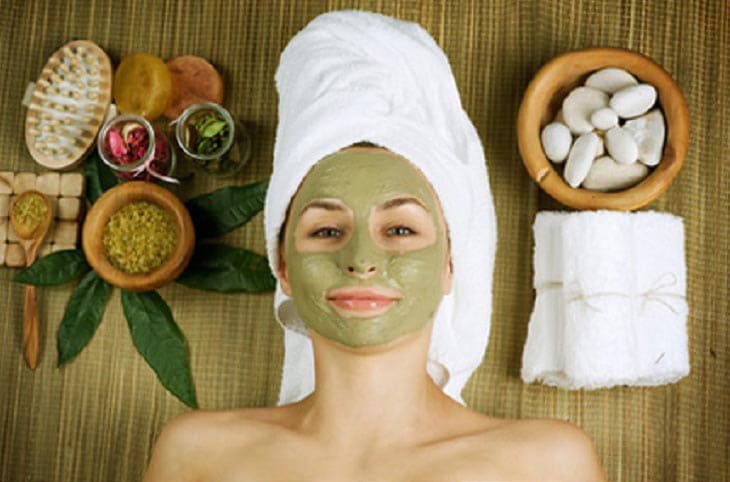
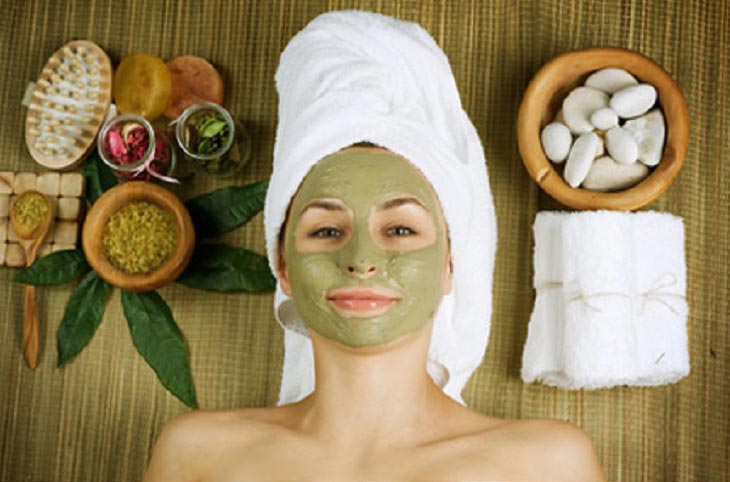
Skin Care: Ayurveda stresses the importance of a clean, healthy diet and adequate hydration to maintain skin vitality. Herbal treatments and natural oils are used according to skin type and dosha. Common practices include using face masks made from herbs like turmeric, neem, and sandalwood, which have cleansing and anti-inflammatory properties.
-
Hair Care: Ayurvedic hair care focuses on using natural nourishers like amla (Indian gooseberry), coconut oil, and sesame oil, which promote hair strength, luster, and growth. Scalp massages with these oils not only nourish the hair but also increase blood circulation and promote relaxation.
-
Body Treatments: Practices such as Abhyanga (oil massage) help in detoxifying the body and improving skin texture by increasing blood circulation. The oils used in Abhyanga are typically infused with herbs that balance one’s dosha, promoting overall skin health.
-
Diet and Nutrition: According to Ayurveda, a diet that balances the doshas can result in glowing skin and vibrant health. Foods high in antioxidants, healthy fats, and water content are emphasized to detoxify the body and nourish the skin.
-
Natural Cosmetics: Ayurveda advocates for the use of natural and non-toxic cosmetics derived from plants and minerals. These are considered safer for the skin and less likely to cause irritation or environmental harm.
-
Hydration: Internal hydration with water and hydrating foods, and external hydration with moisturizing natural oils and lotions, is considered crucial for maintaining the elasticity and health of the skin.
-
Detoxification: Regular detoxification through methods like Panchakarma is believed to purify the body and enhance natural beauty by clearing toxins that affect skin clarity and health.
-
Lifestyle Routines: Consistent lifestyle routines (Dinacharya) including adequate sleep, regular physical activity, and stress management techniques like yoga and meditation contribute significantly to overall beauty by promoting health and reducing aging.
-
Mind-Body Balance: Emotional and mental balance is crucial in Ayurveda. A calm mind reflects in the form of a radiant complexion and a vibrant appearance.
-
Herbal Supplements: Specific herbs are recommended for internal use to purify the blood and improve skin and hair health. Some of these include Neem, which is known for its blood purifying and antibacterial properties, and Gotu Kola, which supports collagen production.
Weight Loss and Weight Management through Ayurveda
Ayurveda offers a holistic approach to weight loss and management, emphasizing balance, natural healing, and sustainability. It focuses not just on the scale but on achieving and maintaining a healthy body and mind. Here’s how Ayurveda approaches weight loss and weight management:
-
Understanding Doshas: Ayurveda identifies three body types or doshas: Vata, Pitta, and Kapha. Overweight or obesity is often linked with a Kapha imbalance. The treatment plan often includes methods to reduce Kapha and balance other doshas through diet, exercise, and lifestyle changes.
-
Dietary Recommendations: Ayurveda promotes a diet tailored to one's dosha balance. For weight loss, it usually recommends:
- Warm, cooked, light meals that are easy to digest.
- Limiting sweet, salty, and oily foods which increase Kapha.
- Including bitter, astringent, and pungent foods which help reduce Kapha.
- Using spices like turmeric, ginger, black pepper, and cumin to stimulate digestion and metabolism.
-
Routine and Discipline: Regular eating and sleeping patterns are crucial. Ayurveda recommends eating the largest meal at noon when the digestive fire (Agni) is strongest, and having a lighter dinner. It also emphasizes the importance of getting enough sleep and waking up early.
-
Herbal Supplements: Certain herbs are recommended to boost metabolism and support digestion and detoxification. These include Triphala, Guggulu, Garcinia Cambogia, and others. Always consult with a healthcare provider before starting any herbal supplement.
-
Detoxification (Panchakarma): This involves deep cleansing processes designed to eliminate toxins and rejuvenate the body, which can kickstart a weight loss regimen. Treatments like dry massages (Udvartana) with herbal powders are specifically recommended for weight loss.
-
Physical Activity: Exercise tailored to one's dosha is important. For Kapha types, more vigorous and frequent exercise is recommended to counteract the natural tendency for stagnation and weight gain.
-
Yoga and Pranayama: Specific yoga asanas and breathing exercises can be very effective for weight loss. Asanas that stimulate the stomach and pancreas (such as twists) are good for improving digestion and metabolism, while pranayama techniques like Kapalabhati (skull shining breath) are good for burning fat.
-
Stress Management: Stress can lead to overeating and weight gain. Practices like yoga, meditation, and Ayurvedic massages help manage stress and its effects on the body.
-
Adequate Hydration: Drinking sufficient water is essential for digestion and avoiding unnecessary snacking. Warm water is particularly recommended as it helps in the breakdown of fats.
-
Mindful Eating: Mindfulness in eating helps one enjoy food, understand hunger cues, and avoid overeating. Chewing food thoroughly and eating without distractions like TV or smartphones are part of this practice.
Stress Relief through Ayurveda
Ayurveda offers a comprehensive approach to managing and relieving stress, focusing on balancing the mind, body, and spirit. Here are some Ayurvedic practices specifically tailored to reduce stress:
-
Herbal Remedies: Ayurveda uses a variety of herbs that are known to reduce stress and calm the mind. Some of the most commonly recommended herbs include Ashwagandha, Brahmi, and Jatamansi. These herbs can be taken as supplements, teas, or incorporated into daily meals.
-
Abhyanga (Ayurvedic Massage): This is a type of massage that involves the use of warm, medicated oils that are massaged into the skin to soothe the nervous system. The oils are selected based on your dosha type, and the massage helps to release tension and nourish the body.
-
Shirodhara: This treatment involves gently pouring liquids over the forehead and is particularly renowned for its ability to enhance mental clarity and calm the mind. The steady stream of warm oil on the forehead works directly on the nerves and is incredibly effective in reducing stress levels.
-
Yoga: Yoga is an integral part of Ayurveda. Specific poses are particularly effective for stress relief, including forward bends and gentle inversions that promote a sense of relaxation and peace. Yoga helps to balance the body’s physical and mental energies and enhances personal well-being.
-
Pranayama (Breathing Exercises): Techniques such as deep breathing, alternate nostril breathing (Nadi Shodhana), and Kapalabhati (skull shining breath) are very effective for managing stress. These exercises help regulate the body’s energy flows and calm the mind.
-
Meditation: Regular meditation practice is highly recommended in Ayurveda to reduce stress and achieve mental tranquility. Meditation helps in fostering clear thinking and relaxation.
-
Dietary Adjustments: According to Ayurveda, certain foods can help stabilize the body and reduce stress. Foods that are natural and easy to digest are encouraged. Incorporating warm, cooked foods and avoiding stimulants like caffeine can also help manage stress better.
-
Routine and Sleep: Establishing a regular daily routine helps to stabilize the body clock and reduce stress. Ensuring adequate sleep is crucial; going to bed early and waking up early can help maintain a natural balance.
-
Aromatherapy: Using essential oils such as lavender, sandalwood, and jasmine can have a calming effect on the mind and body. These can be used in baths, as part of massage therapy, or simply inhaled to reduce stress.
-
Connecting with Nature: Spending time in natural surroundings and engaging in outdoor activities can significantly reduce stress and improve overall health. Ayurveda encourages activities that connect the body and mind to the natural world.
Ayurvedic Diet
The Ayurvedic diet is a key component of Ayurveda and is tailored to individual needs, based on the unique balance of the three doshas (Vata, Pitta, and Kapha). This diet is not just about choosing foods for physical health, but also for emotional and spiritual balance. Here’s a basic overview of the principles and practices of an Ayurvedic diet:
-
Eat According to Your Dosha: Each dosha has specific dietary recommendations:
- Vata (air and space): Favor warm, moist, and grounding foods to balance the light, cold, and dry qualities of Vata. Examples include cooked grains like rice and oats, soups, stews, dairy products, nuts, and seeds.
- Pitta (fire and water): Choose cool, hydrating, and relatively bland foods to counterbalance Pitta’s hot, sharp, and oily nature. Good choices include vegetables like cucumbers and sweet potatoes, fruits like melons and pears, and dairy products.
- Kapha (water and earth): Opt for light, warm, and dry foods to balance the heavy, cold, and oily qualities of Kapha. Include plenty of vegetables, legumes, and light grains like barley and millet.
-
Six Tastes: Ayurveda emphasizes including all six tastes (sweet, sour, salty, bitter, pungent, and astringent) in each meal to promote balance and satisfy all dietary needs. This approach helps ensure a diversity of nutrients and keeps all doshas in equilibrium.
-
Food Combinations: Certain food combinations are considered beneficial or harmful in Ayurvedic tradition. For instance, eating fruits with other foods is generally discouraged, as fruits are believed to digest quicker and can ferment in the stomach.
-
Meal Timing: Ayurveda suggests that the largest meal should be at noon when the digestive fire (Agni) is strongest, and dinner should be lighter and eaten well before bedtime to ensure proper digestion.
-
Mindful Eating: Eating should be done mindfully and without distractions. Ayurveda encourages sitting down to eat in a calm environment, chewing food thoroughly, and truly enjoying the meal.
-
Seasonal Eating: Consuming fruits and vegetables that are in season is another cornerstone of the Ayurvedic diet. This practice aligns the body’s internal environment with the external environment, enhancing natural bodily functions.
-
Cooking Methods: How food is prepared is just as important as what is eaten. Cooking with spices that aid digestion and enhance flavor without overwhelming the food is a key practice. Gentle cooking methods like steaming and boiling are preferred over high-heat methods like frying.
-
Cleansing: Periodic cleansing or detoxification is often recommended in Ayurveda to clear the body of toxins (Ama) that can disrupt bodily systems. This might include fasting or consuming specific foods that aid in purification.
-
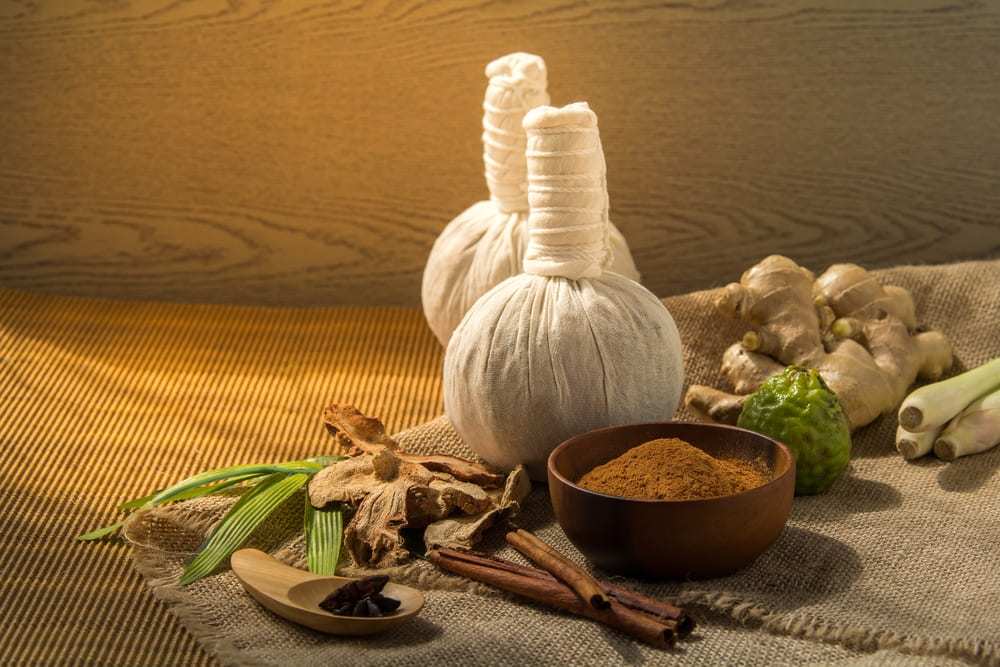
Herbs and Spices: Herbs and spices play a significant role in the Ayurvedic diet, both for their flavor enhancement and health benefits. Commonly used spices include turmeric, cumin, coriander, fennel, and ginger, all known for their digestive properties.
-
Avoid Processed Foods: Ayurveda advises against processed foods which are often devoid of prana (life force). Fresh, whole foods are considered the most nourishing.
Ayurvedic Lifestyle
An Ayurvedic lifestyle is about more than just diet and exercise; it's a holistic approach to living that emphasizes balance, wellness, and harmony with nature. Here are the key elements of an Ayurvedic lifestyle:
-
Daily Routine (Dinacharya): Ayurveda stresses the importance of a consistent daily routine to maintain balance in one's life. This includes waking up early in the morning, ideally before sunrise, to ensure synchronization with the natural rhythm of the sun. Morning routines often involve cleansing practices such as tongue scraping, teeth brushing, and oil pulling, followed by a period of physical activity like yoga or walking.
-
Seasonal Routine (Ritucharya): Adjusting your lifestyle according to the seasons is crucial in Ayurveda. This can involve changing your diet, exercise, and other activities to align with the qualities of each season, which helps to prevent seasonal diseases and maintain balance.
-
Balanced Diet: As previously discussed, eating a balanced diet according to one's dosha is vital. The diet should include all six tastes (sweet, sour, salty, bitter, pungent, astringent) and be composed of fresh, seasonal foods that are ideally cooked with digestive spices.
-
Physical Activity: Regular exercise tailored to one's dosha is recommended. Vata types benefit from gentle, grounding activities like yoga and Tai Chi, Pitta types from cooling activities like swimming and cycling at a moderate pace, and Kapha types from vigorous activities like jogging or aerobics.
-
Yoga and Meditation: Integral components of an Ayurvedic lifestyle, yoga helps maintain physical flexibility and strength, while meditation aids in mental clarity and stress reduction.
-
Pranayama (Breath Control): Breathing exercises are used to regulate the life force (Prana) in the body, which helps in managing physical and mental energy levels.
-
Adequate Rest: Getting enough sleep is crucial in Ayurveda. Going to bed early (around 10 PM) and waking up early (around 6 AM) is recommended to align with natural circadian rhythms.
-
Mindfulness and Meditation: Regular practice of mindfulness and meditation helps in maintaining mental balance, reducing stress, and promoting a peaceful state of mind.
-
Detoxification (Panchakarma): Ayurveda recommends periodic detoxification to cleanse the body of toxins accumulated due to diet, lifestyle, and environmental factors. This helps in rejuvenating the body and enhancing energy levels.
-
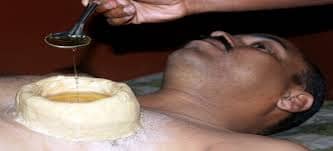
Self-Massage (Abhyanga): Regular self-massage with appropriate oils for one’s dosha type can improve circulation, strengthen the body, and reduce stress.
-
Herbal Remedies: Using herbs and natural supplements to support health and treat imbalances is a common practice. These should be used under the guidance of a qualified practitioner.
-
Social and Spiritual Practices: Community involvement, spending time with family and friends, and engaging in spiritual practices according to one’s beliefs are considered important for emotional and psychological well-being.
Pricing of Ayurveda Wellness Resorts and Retreats
The pricing of Ayurveda wellness resorts and retreats can vary significantly based on several factors, including location, duration of stay, type of accommodations, the extent of treatments offered, and the reputation of the facility. Here's a general breakdown of what might influence the costs and what you might expect:
-
Location: Resorts located in prime locations such as Kerala, India—which is renowned for its Ayurvedic heritage—might be more expensive compared to those in less known areas. International locations may also have different pricing standards based on the local economy.
-
Duration of Stay: Most Ayurvedic retreats offer packages that can range from a few days to several weeks. Longer stays typically provide a more comprehensive experience with more thorough treatment plans but are correspondingly more expensive.
-
Type of Treatments: The range of treatments offered can affect the price. A retreat that includes extensive Panchakarma (a deep cleansing and rejuvenation protocol) will generally be pricier than one offering basic relaxation and wellness treatments.
-
Accommodation and Amenities: Luxury resorts with high-end accommodations, organic food options, and additional amenities like swimming pools, guided meditation, yoga classes, and nature excursions usually charge more.
-
Inclusivity of the Package: Some retreats might offer all-inclusive packages that cover accommodation, all meals, daily treatments, and sometimes even transportation from the nearest airport. Others may charge extra for certain treatments, meals, or activities.
-
Expertise and Reputation: Resorts with highly experienced practitioners and a good reputation might charge more due to the perceived value of their expertise and the results they deliver.
Typical Pricing
-
Budget Options: In places like India, budget retreats could start as low as $50 to $100 per day, covering basic accommodations and treatments.
-
Mid-Range Options: A more comprehensive wellness retreat with better accommodations and a wider range of treatments might cost between $150 to $350 per day.
-
Luxury Resorts: High-end resorts can charge anywhere from $350 to over $1000 per day, especially those offering tailor-made treatment plans, luxury accommodations, gourmet food, and additional wellness activities.
Additional Considerations
-
Seasonal Fluctuations: Prices may vary depending on the season, with higher rates typically during peak tourist seasons.
-
Special Offers: Some resorts offer early booking discounts, last-minute deals, or lower prices during the off-season.
-
Group Packages: Booking as part of a group or attending a special retreat event may offer more value for the same price or even discounts.
List of countries that practice Ayurveda
Ayurveda, originally from India, has spread globally as people seek holistic and natural ways to improve their health and well-being. Here’s a list of countries where Ayurveda is practiced, both in traditional settings and through integration with other forms of wellness practices:
-
India: The birthplace of Ayurveda, it is extensively practiced across the country and is integrated into the general healthcare system.
-
Sri Lanka: Similar to India, Ayurveda is deeply rooted in the national culture and is widely practiced alongside conventional medicine.
-
Nepal: With its close cultural ties to India, Nepal also has a rich tradition of Ayurvedic practice.
-
Bangladesh: Ayurveda is part of the traditional medicine system and is practiced by many as an alternative to Western medicine.
-
Pakistan: Despite its political differences with India, Ayurveda is still part of traditional medicinal practices among people.
-
United States: There is a growing interest in Ayurveda in the U.S., particularly in wellness communities and among those looking for alternative health practices.
-
Canada: Ayurvedic practices are becoming more popular, with clinics and practitioners offering services in major cities.
-
United Kingdom: Ayurveda is part of the complementary and alternative medicine landscape, with several well-established centers and practices.
-
Germany: Known for its openness to alternative medicine, Germany hosts a number of Ayurvedic schools and wellness centers.
-
Australia: Interest in Ayurveda is growing, particularly for wellness and preventive health care practices.
-
Russia: Ayurveda is gaining popularity as an alternative and complementary option to conventional treatments.
-
Japan: Known for its appreciation of natural and preventive medicine, Ayurveda is slowly gaining recognition in Japan.
-
Brazil: There is increasing interest in holistic health practices, including Ayurveda, especially in urban areas.
-
South Africa: Ayurveda is part of a broader interest in alternative health practices among the population.
-
Switzerland: Recognized for its high standard of healthcare, Switzerland also shows growing interest in alternative treatments including Ayurveda.
List of Countries that banned Ayurveda
In some countries, specific Ayurvedic practices or the use of certain herbs may be restricted due to local laws regarding health treatments and the importation of non-native medicinal substances. For instance:
-
European Union: While Ayurveda itself is not banned, there are stringent regulations under the European Traditional Herbal Medicinal Products Directive which controls the sale and distribution of herbal medicines. Ayurvedic products must be approved and meet safety and efficacy standards to be legally sold.
-
United States: Ayurveda is practiced as a form of complementary and alternative medicine. However, the import and sale of some Ayurvedic supplements can be restricted if they contain herbs not approved by the FDA or if they contain heavy metals beyond safe limits.
-
Canada: Similar to the EU and the US, Canada allows the practice of Ayurveda, but herbal medicines must comply with Health Canada guidelines, which can be strict about product safety, efficacy, and labeling.
-
Australia: Ayurvedic medicines are regulated by the Therapeutic Goods Administration (TGA), and products need to meet specific standards before they can be marketed.
Pros and Cons of Ayurveda
Ayurveda, with its holistic approach to health and wellness, offers many benefits but also comes with some considerations that should be kept in mind. Here are some pros and cons of adopting Ayurvedic practices:
Pros
-
Holistic Approach: Ayurveda considers the entire individual—body, mind, and spirit—aiming not just to treat illness but to promote overall wellness.
-
Preventive Care: It emphasizes prevention of diseases through a balanced diet, lifestyle choices, and the use of herbal remedies, which can lead to long-term health improvements and reduced healthcare costs.
-
Natural Treatments: Ayurveda largely uses natural herbs and substances, which can be less invasive and have fewer side effects compared to conventional pharmaceuticals.
-
Personalized Care: Treatments in Ayurveda are customized to the individual’s constitution (dosha), which means that care is tailored specifically to each person’s unique health needs.
-
Stress Reduction: Practices such as yoga, meditation, and herbal treatments are integral to Ayurveda and are effective in managing stress and improving mental health.
-
Chronic Disease Management: Ayurveda offers methods for managing chronic conditions that may not respond well to conventional treatments, such as arthritis, asthma, and digestive disorders.
Cons
-
Limited Scientific Validation: Many Ayurvedic practices and treatments lack rigorous scientific studies to back up their efficacy. This can lead to skepticism and caution among those from medical communities accustomed to evidence-based practice.
-
Quality Control Issues: Since Ayurvedic products are often classified as dietary supplements, they might not be subject to the same strict regulatory standards as pharmaceuticals, leading to concerns about purity, safety, and dosage.
-
Potential for Harm: Some Ayurvedic preparations may contain heavy metals like lead, mercury, or arsenic in amounts that exceed safe limits, potentially leading to poisoning or other adverse effects.
-
Misdiagnosis or Delayed Treatment: Relying solely on Ayurvedic diagnosis and treatments without integrating conventional medical advice might lead to delays in identifying and treating serious medical conditions.
-
Regulatory Differences: The legal status and acceptance of Ayurveda vary widely between countries, affecting the availability of qualified practitioners and quality products.
-
Cost: Depending on the region, Ayurvedic treatments can be expensive, especially if they involve comprehensive detoxification processes or long-term treatment plans.