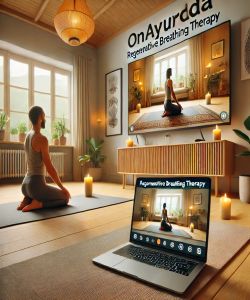
1. Overview of Meditation and Mindfulness
Meditation and mindfulness are practices rooted in ancient traditions, designed to cultivate a state of heightened awareness and focused attention. Meditation typically involves specific techniques such as focused attention, mindfulness, or mantra repetition to achieve a mentally clear and emotionally calm state. Mindfulness is the practice of being fully present and engaged in the moment, aware of your thoughts, feelings, and environment without judgment. Both practices are widely recognized for their ability to reduce stress, improve mental clarity, and enhance overall well-being.
2. Physical Health Benefits of Meditation and Mindfulness
The physical health benefits of meditation and mindfulness include:
-
Reduced Blood Pressure: Meditation helps relax the blood vessels, leading to lower blood pressure.
-
Improved Heart Health: Reducing stress through mindfulness decreases the risk of heart disease.
-
Enhanced Immune Function: Regular practice boosts the immune system, making the body more resilient to infections.
-
Pain Management: Mindfulness meditation has been shown to reduce the perception of pain and improve pain tolerance.
-
Better Sleep: Meditation practices help regulate sleep patterns, leading to better quality sleep.
-
Lower Inflammation: Reduced stress through mindfulness leads to lower levels of inflammation in the body.
-
Improved Respiratory Function: Deep breathing exercises in meditation enhance lung capacity and respiratory efficiency.
3. Mental Health Benefits of Meditation and Mindfulness
The mental health benefits of meditation and mindfulness are profound:
-
Reduced Anxiety: Mindfulness helps decrease anxiety by promoting a sense of calm and focus on the present moment.
-
Decreased Symptoms of Depression: Meditation can reduce the symptoms of depression by changing brain patterns associated with negative thoughts.
-
Improved Focus and Concentration: Regular practice enhances attention span and cognitive function.
-
Enhanced Emotional Regulation: Mindfulness allows individuals to respond rather than react to emotional triggers, improving emotional balance.
-
Increased Self-Awareness: Meditation fosters greater self-understanding and acceptance.
-
Stress Reduction: Meditation lowers cortisol levels, leading to a significant reduction in stress.
-
Boosted Creativity: Mindfulness encourages open-mindedness and creativity by allowing thoughts to flow freely without judgment.
4. Origins and Evolution of Meditation and Mindfulness
Meditation and mindfulness have ancient origins, deeply rooted in spiritual and philosophical traditions:
-
Origins: Meditation dates back thousands of years, with early practices found in Hinduism, Buddhism, and Taoism. Mindfulness, as a form of meditation, is particularly associated with Buddhist teachings.
-
Evolution: Over time, these practices have evolved from religious and spiritual contexts to become mainstream practices for mental and physical health. In the 20th century, mindfulness was popularized in the West, particularly through the work of Jon Kabat-Zinn, who developed Mindfulness-Based Stress Reduction (MBSR).
-
Modern Practice: Today, meditation and mindfulness are widely practiced in secular settings, including schools, hospitals, and workplaces, with a focus on their mental health benefits.
5. Who Needs Meditation and Mindfulness
Meditation and mindfulness can benefit nearly everyone, but specific groups may find particular value:
-
People with High Stress Levels: Those experiencing chronic stress or anxiety can benefit greatly.
-
Individuals with Mental Health Conditions: Such as depression, PTSD, or bipolar disorder.
-
Students and Professionals: To improve focus, concentration, and productivity.
-
Chronic Pain Sufferers: To manage pain and improve quality of life.
-
Older Adults: To maintain cognitive function and emotional well-being.
-
Parents and Caregivers: To reduce stress and increase patience and presence.
6. Types of Meditation and Mindfulness
There are several types of meditation and mindfulness practices, including:
-
Focused Attention Meditation: Concentrating on a single object, breath, or mantra.
-
Mindfulness Meditation: Observing thoughts and sensations without judgment.
-
Loving-Kindness Meditation (Metta): Cultivating compassion and love towards oneself and others.
-
Body Scan Meditation: Focusing on different parts of the body to increase awareness and relaxation.
-
Transcendental Meditation: Using a mantra to transcend ordinary thinking and reach a state of restful awareness.
-
Zen Meditation (Zazen): A sitting meditation focusing on posture and breathing.
-
Vipassana Meditation: Insight meditation that involves seeing things as they really are through deep mindfulness.
7. Core Principles and Practices of Meditation and Mindfulness
The core principles and practices of meditation and mindfulness include:
-
Presence: Being fully engaged in the present moment, without distraction or judgment.
-
Non-Judgment: Observing thoughts and feelings without labeling them as good or bad.
-
Acceptance: Embracing all experiences, even uncomfortable ones, with openness.
-
Compassion: Cultivating kindness towards oneself and others.
-
Breath Awareness: Using the breath as an anchor to maintain focus and calm.
-
Body Awareness: Connecting with bodily sensations to deepen the meditation experience.
-
Letting Go: Releasing attachment to outcomes and allowing thoughts to come and go naturally.
8. Online Classes of Meditation and Mindfulness
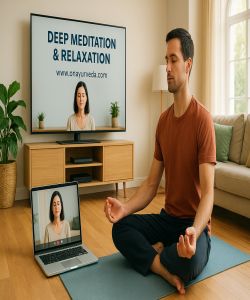
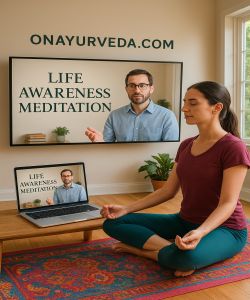
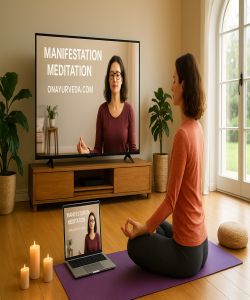
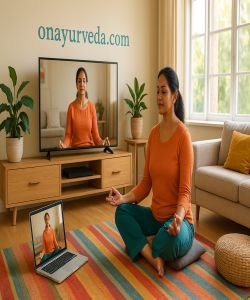
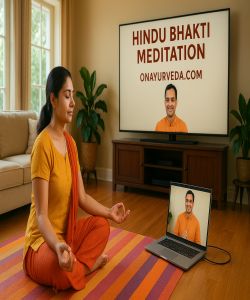
Online classes for meditation and mindfulness offer flexibility and accessibility, catering to various experience levels:
-
Platforms: Apps like Headspace, Calm, and Insight Timer offer guided meditations. Online platforms like Coursera, Udemy, and YouTube provide structured courses.
-
Advantages: Flexibility, wide variety of classes, practice from anywhere, and often more affordable than in-person sessions.
-
Disadvantages: Lack of personal interaction, potential difficulty in maintaining motivation, and challenges in receiving personalized feedback.
9. Meditation and Mindfulness Techniques
Key techniques in meditation and mindfulness include:
-
Breath Focus: Concentrating on the breath to anchor the mind.
-
Body Scan: Moving attention through different parts of the body, noticing sensations.
-
Loving-Kindness: Repeating phrases of goodwill towards oneself and others.
-
Walking Meditation: Mindfully walking, focusing on the movement and sensations of each step.
-
Mindful Eating: Eating slowly, savoring each bite, and noticing the flavors, textures, and smells of food.
-
Visualization: Imagining calming or empowering images to promote relaxation or focus.
10. Meditation and Mindfulness for Children
Meditation and mindfulness can be very beneficial for children:
-
Improved Focus: Helps children develop better concentration and attention.
-
Emotional Regulation: Teaches children to manage emotions like anger or frustration.
-
Enhanced Calmness: Reduces anxiety and stress, promoting a sense of calm.
-
Mindfulness Practices for Children: Simple breathing exercises, mindful listening, and guided imagery.
11. Meditation and Mindfulness for Teens
Teens can benefit greatly from meditation and mindfulness:
-
Stress Management: Helps teens cope with academic pressure, social challenges, and family dynamics.
-
Improved Focus: Enhances concentration and performance in school.
-
Emotional Balance: Supports teens in managing the emotional ups and downs of adolescence.
-
Techniques for Teens: Breathing exercises, body scans, and mindfulness of thoughts.
12. Meditation and Mindfulness for Adults
For adults, meditation and mindfulness offer numerous benefits:
-
Stress Reduction: Helps manage work-related stress and personal life challenges.
-
Improved Focus: Enhances productivity and mental clarity.
-
Better Emotional Health: Supports emotional resilience and reduces symptoms of anxiety and depression.
-
Techniques for Adults: Mindfulness meditation, loving-kindness meditation, and body scans.
13. Total Course Duration of Online Meditation and Mindfulness Classes
The duration of online meditation and mindfulness courses varies:
-
Introductory Courses: 4 to 6 weeks, with sessions lasting 20-30 minutes.
-
Intermediate Courses: 8 to 12 weeks, with sessions of 30-45 minutes.
-
Advanced Courses: 3 to 6 months, with sessions of 45-60 minutes.
-
Ongoing Classes: Membership platforms may offer continuous access to a library of sessions.
14. Things to Consider With Meditation and Mindfulness
When practicing meditation and mindfulness, consider:
-
Set Realistic Expectations: Progress may be slow, and that's normal.
-
Consistency: Regular practice is key to experiencing benefits.
-
Comfort: Ensure you are comfortable during practice, using cushions or chairs if needed.
-
Mindset: Approach the practice with openness and curiosity.
-
Time Commitment: Start with short sessions and gradually increase the duration as you become more comfortable.
15. Effectiveness of Meditation and Mindfulness
The effectiveness of meditation and mindfulness is well-supported by research:
-
Mental Health: Proven to reduce anxiety, depression, and stress.
-
Physical Health: Lowers blood pressure, improves immune function, and enhances sleep quality.
-
Emotional Well-Being: Increases emotional resilience and self-compassion.
-
Scientific Evidence: Numerous studies validate the benefits of regular practice, with effects seen in as little as 8 weeks.
16. Preferred Cautions During Meditation and Mindfulness
Cautions to consider during meditation and mindfulness include:
-
Physical Discomfort: Adjust your posture if you experience pain or discomfort.
-
Emotional Responses: Meditation can sometimes bring up strong emotions; if this happens, consider seeking support from a trained instructor or therapist.
-
Mind Wandering: It’s normal for the mind to wander—gently bring your focus back without judgment.
-
Pacing: Start slow and avoid pushing yourself too hard in the beginning.
17. Meditation and Mindfulness Course Outline
A typical meditation and mindfulness course outline might include:
-
Week 1: Introduction to meditation and mindfulness, focusing on breath awareness.
-
Week 2: Developing a regular practice routine and exploring body scan techniques.
-
Week 3: Introducing loving-kindness meditation and mindful movement.
-
Week 4: Deepening practice with mindfulness of thoughts and emotions.
-
Week 5: Exploring advanced techniques like visualization and mantra meditation.
-
Week 6: Integrating mindfulness into daily life and maintaining a consistent practice.
18. Detailed Objectives with Timeline of Meditation and Mindfulness
An example timeline with objectives for an 8-week meditation and mindfulness course:
-
Week 1-2: Build foundational skills in breath awareness and body scanning. Objective: Establish a daily practice routine.
-
Week 3-4: Introduce mindfulness of thoughts and emotions. Objective: Increase self-awareness and emotional regulation.
-
Week 5-6: Explore loving-kindness and gratitude practices. Objective: Enhance compassion towards self and others.
-
Week 7-8: Integrate mindfulness into everyday activities. Objective: Maintain mindfulness throughout the day and solidify long-term practice habits.
19. Requirements for Taking Online Meditation and Mindfulness
To participate in online meditation and mindfulness classes, you’ll need:
-
Reliable Internet: A stable connection for streaming classes.
-
Device: A computer, tablet, or smartphone with video and audio capabilities.
-
Quiet Space: A distraction-free area where you can sit or lie down comfortably.
-
Comfortable Seating: A cushion, chair, or yoga mat for seated or lying down practices.
-
Headphones: Optional, but can help enhance focus during guided sessions.
20. Things to Keep in Mind Before Starting Online Meditation and Mindfulness
Before starting online meditation and mindfulness, consider:
-
Choose the Right Course: Select a course that matches your experience level and goals.
-
Set Intentions: Clarify what you hope to achieve through practice.
-
Create a Routine: Establish a regular time and place for practice to build consistency.
-
Health Considerations: If you have any mental health conditions, consider consulting a healthcare provider before starting.
-
Stay Patient: Understand that benefits may take time to manifest, and progress can vary.
21. Average Pricing Per Session for Online and Onsite Meditation and Mindfulness
Pricing for meditation and mindfulness sessions varies widely:
-
Online Classes:
-
Single Session: ₹200 to ₹800 per session.
-
Monthly Subscription: ₹1,500 to ₹4,000 for unlimited access to classes.
-
Onsite Classes:
-
Single Session: ₹500 to ₹1,500 per session.
-
Monthly Membership: ₹2,000 to ₹8,000, depending on the studio and location.
22. Qualifications Required to Perform Meditation and Mindfulness
To teach meditation and mindfulness, instructors typically need:
-
Meditation Teacher Training: Certification from a recognized meditation or mindfulness program.
-
Mindfulness-Based Stress Reduction (MBSR) Certification: For those teaching MBSR specifically.
-
Yoga Teacher Training: (If teaching yoga-based meditation) A 200-hour Yoga Teacher Training (RYT-200) certification is often required.
-
Continued Education: Regular participation in workshops and advanced training is recommended to stay current.
23. Online Vs Offline/Onsite Meditation and Mindfulness
Online Meditation and Mindfulness:
-
Pros: Convenience, flexible scheduling, access to a variety of teachers and styles, and the ability to practice at home.
-
Cons: Lack of personalized feedback, potential for distractions, and limited interaction with the instructor.
Offline/Onsite Meditation and Mindfulness:
-
Pros: Direct guidance from instructors, personalized adjustments, and a supportive group environment.
-
Cons: Requires travel to a location, fixed schedule, and often higher cost.
24. FAQs about Online Meditation and Mindfulness
Q: Do I need prior experience to start online meditation and mindfulness?
A: No, there are classes available for all levels, including beginners.
Q: How often should I practice meditation and mindfulness?
A: Ideally, practice daily for at least 10-20 minutes to see consistent benefits.
Q: Can meditation and mindfulness help with sleep issues?
A: Yes, many people find that these practices improve sleep quality and help with insomnia.
Q: What equipment do I need for online classes?
A: A quiet space, comfortable seating (like a cushion or chair), and a device for accessing the classes.
Q: How soon will I see results from meditation and mindfulness?
A: Some benefits, like stress reduction, can be noticed in a few weeks, while others, like improved focus, may take longer.
25. Conclusion about Meditation and Mindfulness
Meditation and mindfulness are transformative practices that offer a wide range of physical, mental, and emotional benefits. Whether practiced online or in-person, these techniques can significantly enhance well-being, reduce stress, and improve overall quality of life. By committing to regular practice, setting realistic goals, and choosing the right classes, individuals of all ages can experience the profound effects of meditation and mindfulness. Whether you are a beginner or an advanced practitioner, the key to success lies in consistency, mindfulness, and the willingness to explore the depth of these ancient practices.