


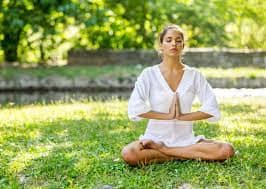
Mindfulness
Mindfulness is a type of meditation in which you focus on being intensely aware of what you're sensing and feeling in the moment, without interpretation or judgment.
View
Best Price Guaranteed for Retreats & Resorts | No Advance Payment | No Booking Fees | 24/7 Assistance
Meditation is a practice involving mental and physical techniques to improve brain health and overall well-being
Mindfulness is a type of meditation in which you focus on being intensely aware of what you're sensing and feeling in the moment, without interpretation or judgment.
View
Guided meditation is a great way to distract yourself from the stress of day-to-day life. There are many guided meditations available online that can help you find five minutes of centered relaxation.
View
A balanced mind is one of excellent emotional health and is often associated with people who are peaceful, intuitive and caring.
View
Ajapa Japa is a meditation technique specific to Satyananda yoga. It combines ujjayi pranayama, awareness of pranic channels and chakras with the mantra Soham
View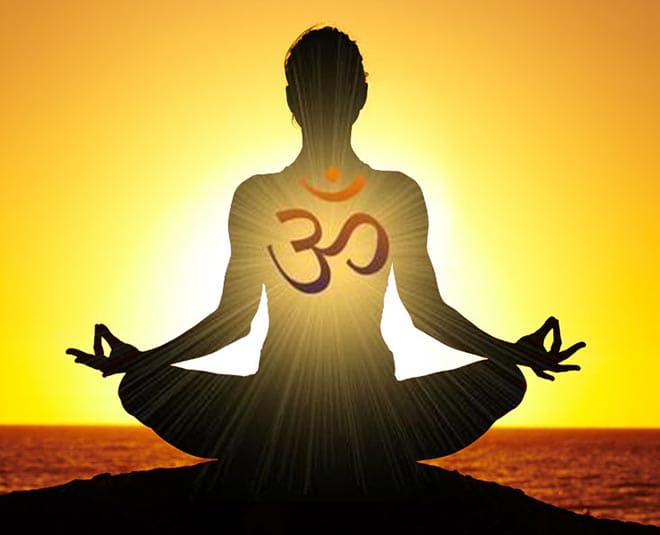
OM is a powerful tool for spiritual growth and self-realization. The sound of OM is said to represent the unity of the individual soul (Atma) with the universal consciousness (Brahma). Chanting OM helps you connect with your inner self and recognize the interconnectedness of all beings
View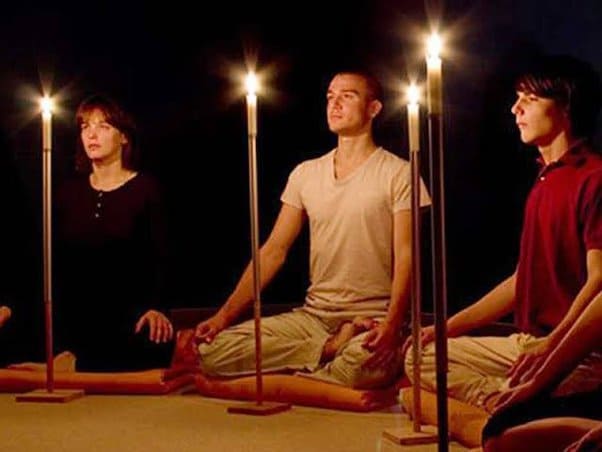
Tratak meditation helps in improving concentration power and mental strength. *It helps in preventing unnecessary thoughts and distractions. *It is known to cure ophthalmologic disorders like weak sight.
View
Enjoy a peaceful getaway designed around your comfort, well-being, and personal care. Our retreat holiday offers a soothing space where guests can step away from routine, relax deeply, and reconnect with themselves in a calm and supportive environment. With a people-first approach, every part of the experience is created to help you feel welcomed, cared for, and completely at ease throughout your stay. Whether you are looking for rest, gentle wellness activities, emotional balance, or simply time to recharge, this retreat holiday creates a nurturing setting for relaxation, renewal, and meaningful self-care. * Helps reduce stress and promote deep relaxation * Supports emotional balance and overall well-being * Encourages rest, renewal, and mindful self-care * Offers a peaceful escape from daily routine * Provides compassionate, personalized care throughout your stay
View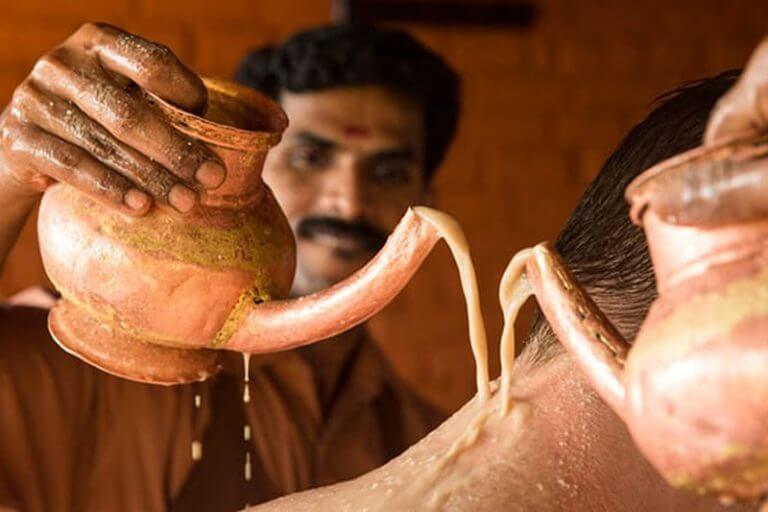
Find deep rest and inner stillness through a retreat experience designed around your comfort, well-being, and personal care. Our transcendental meditation retreat offers a calm and supportive setting where guests can step away from daily pressure and reconnect with a quieter state of mind. Every part of the experience is guided with a people-first approach, helping you feel welcomed, at ease, and gently supported throughout your stay. Whether you are seeking mental clarity, emotional balance, or simple rest, this retreat creates the space to slow down, breathe deeply, and restore yourself with care. * Helps reduce stress and mental overload * Supports inner calm and emotional stability * Encourages deep rest and mental clarity * Improves focus, balance, and overall well-being * Offers gentle, personalized care in a peaceful setting
View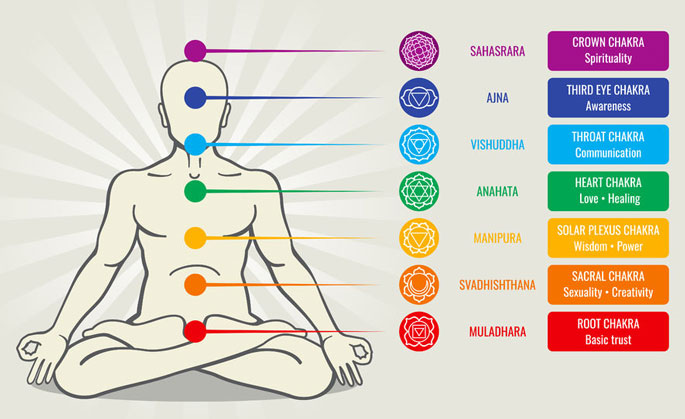
Enter a peaceful retreat experience where your comfort, inner calm, and personal well-being are treated with genuine care. Our guided meditation retreat is designed for guests who want to slow down, quiet the mind, and reconnect with themselves in a supportive and soothing environment. With gentle guidance and a people-first approach, every session helps you feel safe, relaxed, and emotionally supported at your own pace. Whether you are new to meditation or returning to deepen your practice, this retreat offers a comforting space to rest, reflect, and restore balance in both mind and body. * Helps calm the mind and reduce daily stress * Supports emotional balance and mental clarity * Encourages deep relaxation and inner peace * Improves focus, mindfulness, and self-awareness * Offers a caring space for personal healing and renewal
View
Feel deeply calm and genuinely cared for through a retreat experience designed around your comfort, inner peace, and personal well-being. Our meditation retreats and resorts offer a peaceful and nurturing space where guests can step away from daily pressure and reconnect with themselves through quiet reflection, mindful practice, and restorative rest. With a people-first approach, every part of the experience is guided with warmth and personal attention so you feel safe, supported, and completely at ease throughout your stay. Whether you are seeking mental clarity, emotional balance, deeper stillness, or a meaningful wellness escape, this retreat creates a soothing environment for renewal, reflection, and lasting calm. * Helps reduce stress and calm the mind * Supports emotional balance and inner peace * Promotes mental clarity and mindful self-awareness * Encourages deep relaxation and overall well-being * Offers compassionate, personalized care in a peaceful resort setting
View
Feel deeply at peace through a retreat experience designed around stillness, comfort, and personal well-being. Our silent retreats offer a calm and nurturing space where guests can step away from constant noise and reconnect with themselves through quiet reflection, mindful rest, and gentle daily routines. With a people-first approach, every part of the experience is guided with warmth, sensitivity, and genuine care so you feel safe, supported, and completely at ease throughout your stay. Whether you are seeking mental clarity, emotional calm, deeper self-awareness, or simple rest, this retreat creates a soothing environment for silence, healing, and inner renewal. * Helps calm the mind and reduce mental overload * Supports emotional balance and quiet self-reflection * Promotes deep relaxation and inner peace * Encourages mindfulness, clarity, and personal renewal * Offers compassionate, personalized care in a peaceful setting
View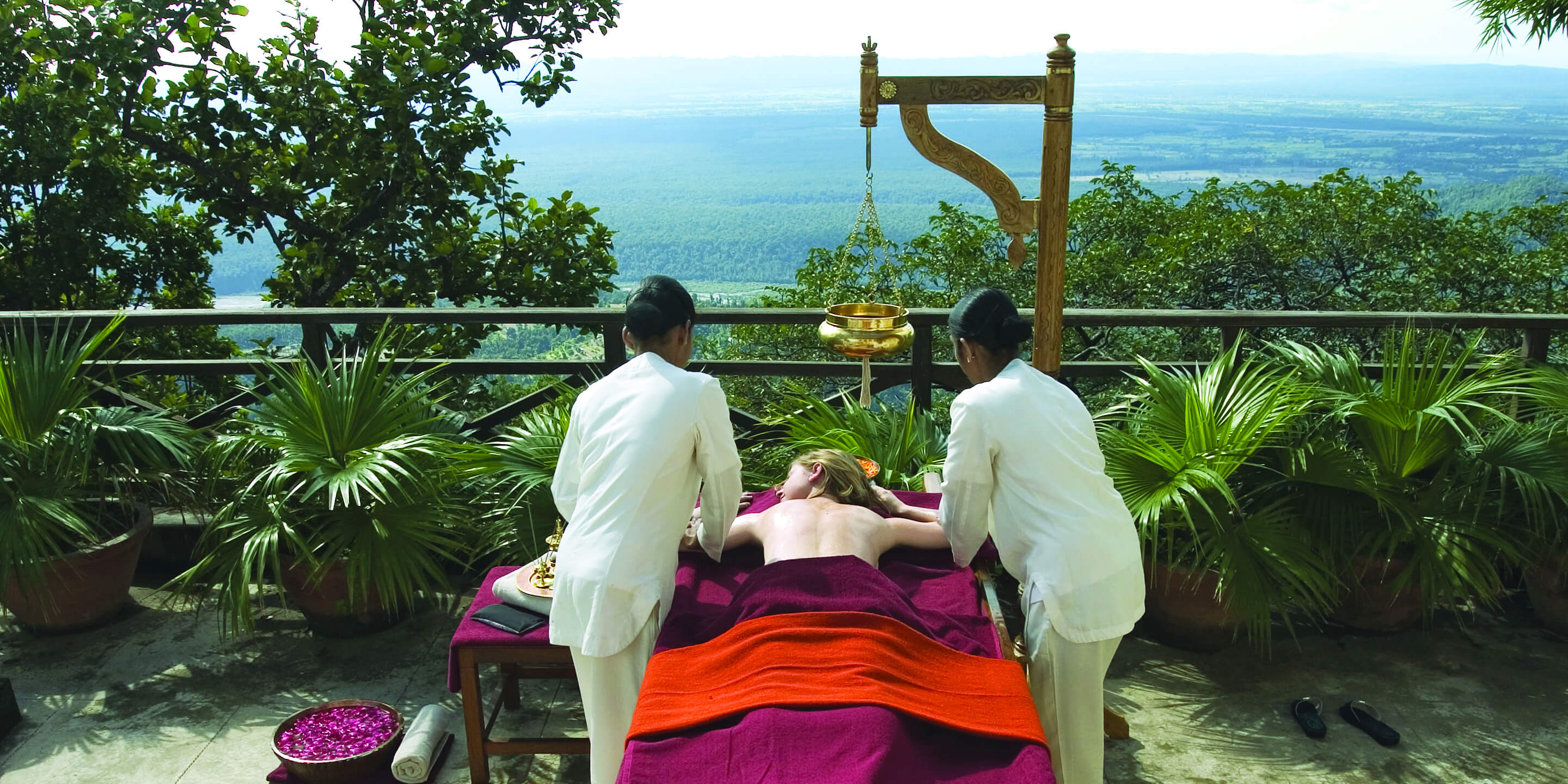
Feel deeply supported and gently renewed through a retreat experience designed around your comfort, emotional well-being, and personal care. Our emotional healing retreats offer a peaceful and nurturing space where guests can step away from daily pressures and reconnect with themselves through rest, reflection, and calming holistic practices. With a people-first approach, every part of the experience is guided with warmth, sensitivity, and genuine attention so you feel safe, understood, and cared for throughout your stay. Whether you are seeking emotional balance, quiet healing, inner clarity, or a meaningful wellness break, this retreat creates a soothing environment for restoration, self-discovery, and lasting peace. * Helps encourage emotional healing and inner balance * Supports self-reflection and gentle personal renewal * Promotes calmness, clarity, and overall well-being * Encourages a deeper connection with self and mindful living * Offers compassionate, personalized care in a peaceful setting
View
Feel deeply centered and gently supported through a retreat experience designed around your comfort, inner stillness, and personal well-being. Our Shiva meditation retreat offers a peaceful and nurturing space where guests can slow down, turn inward, and reconnect with themselves through calming meditative practices inspired by silence, awareness, and deep reflection. With a people-first approach, every part of the experience is guided with warmth and sensitivity so you feel safe, cared for, and fully at ease throughout your stay. Whether you are seeking inner peace, spiritual clarity, emotional balance, or meaningful rest, this retreat creates a soothing environment for stillness, renewal, and deeper self-connection. * Helps encourage inner peace and meditative awareness * Supports emotional balance and mental clarity * Promotes deep relaxation and spiritual reflection * Encourages a deeper connection with self and mindful living * Offers compassionate, personalized care in a peaceful setting
View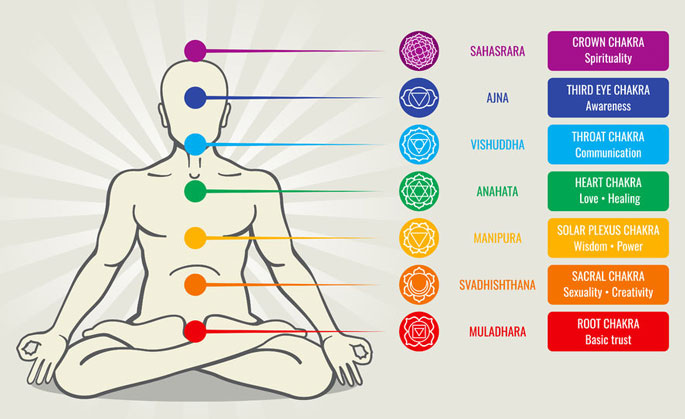
Feel deeply balanced and gently renewed through a retreat experience designed around your comfort, inner harmony, and personal well-being. Our chakra meditation retreat offers a peaceful and nurturing space where guests can slow down, reconnect with themselves, and explore calming meditative practices that support energy awareness and emotional balance. With a people-first approach, every part of the experience is guided with warmth and sensitivity so you feel safe, supported, and genuinely cared for throughout your stay. Whether you are seeking inner peace, mental clarity, emotional renewal, or a deeper sense of alignment, this retreat creates a soothing environment for reflection, healing, and mindful self-discovery. * Helps encourage inner balance and energy awareness * Supports emotional calm and mental clarity * Promotes deep relaxation and mindful self-reflection * Encourages a deeper connection with self and overall well-being * Offers compassionate, personalized care in a peaceful setting
View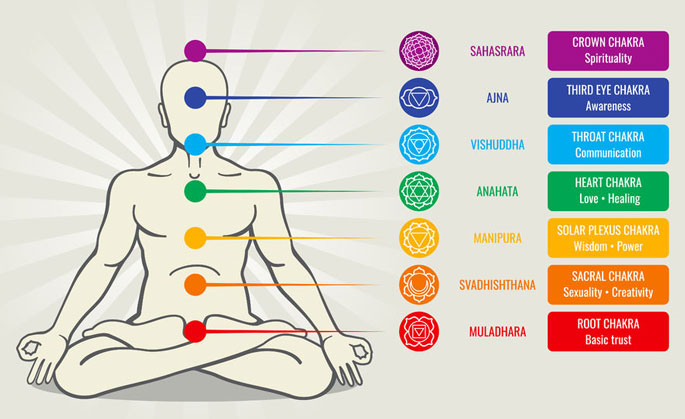
Feel deeply supported and gently uplifted through a retreat experience designed around your comfort, inner peace, and personal well-being. Our Enlightenment Retreats offer a peaceful and nurturing space where guests can step away from daily distractions and reconnect with themselves through quiet reflection, mindful practices, and holistic care. With a people-first approach, every part of the experience is guided with warmth, sensitivity, and genuine attention so you feel safe, understood, and cared for throughout your stay. Whether you are seeking deeper awareness, emotional balance, spiritual growth, or meaningful inner stillness, this retreat creates a soothing environment for clarity, renewal, and profound personal transformation. * Helps encourage deeper self-awareness and inner peace * Supports emotional balance and spiritual reflection * Promotes calmness, clarity, and overall well-being * Encourages mindful growth and a stronger connection with self * Offers compassionate, personalized care in a peaceful setting
View
Feel deeply at peace through a retreat experience designed around mindfulness, comfort, and personal well-being. Our Buddhist meditation retreat offers a calm and nurturing space where guests can step away from daily distractions and reconnect with themselves through quiet reflection, mindful breathing, and gentle meditative practice. With a people-first approach, every part of the experience is guided with warmth, sensitivity, and genuine care so you feel safe, supported, and fully at ease throughout your stay. Whether you are seeking inner calm, emotional balance, mental clarity, or meaningful stillness, this retreat creates a soothing environment for reflection, healing, and mindful renewal. * Helps calm the mind and encourage inner peace * Supports emotional balance and mindful self-awareness * Promotes mental clarity and deep relaxation * Encourages gentle reflection and present-moment living * Offers compassionate, personalized care in a peaceful setting
View
Feel calm, centered, and genuinely cared for through a retreat experience designed around your comfort, mindfulness, and personal well-being. Our Anapana meditation retreat offers a peaceful and nurturing space where guests can focus on the natural flow of breath and reconnect with a quieter, more balanced state of mind. With a people-first approach, every part of the experience is guided with warmth, sensitivity, and genuine attention so you feel safe, supported, and fully at ease throughout your stay. Whether you are seeking mental clarity, emotional calm, deeper awareness, or meaningful stillness, this retreat creates a soothing environment for reflection, balance, and inner renewal. * Helps calm the mind and reduce mental restlessness * Supports emotional balance and mindful self-awareness * Promotes mental clarity and deep relaxation * Encourages breath awareness and present-moment focus * Offers compassionate, personalized care in a peaceful setting
View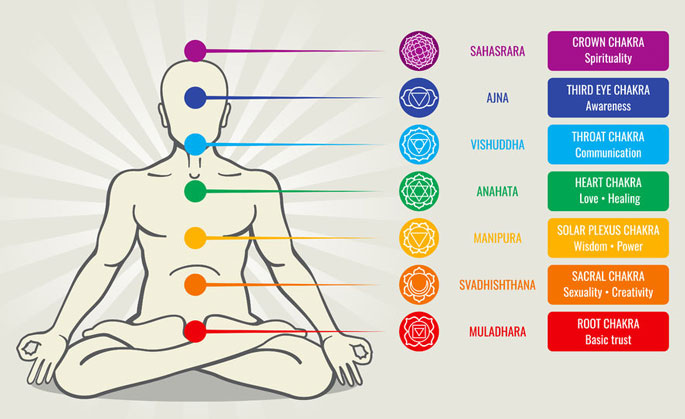
Feel calm, present, and genuinely cared for through a retreat experience designed around your comfort, mindfulness, and personal well-being. Our Anapanasati meditation retreat offers a peaceful and nurturing space where guests can deepen awareness through mindful observation of the breath in a quiet and supportive environment. With a people-first approach, every part of the experience is guided with warmth, sensitivity, and personal attention so you feel safe, relaxed, and fully supported throughout your stay. Whether you are seeking mental clarity, emotional balance, deeper self-awareness, or meaningful inner stillness, this retreat creates a soothing environment for reflection, renewal, and lasting peace. * Helps calm the mind and reduce mental restlessness * Supports emotional balance and mindful self-awareness * Promotes mental clarity and deep relaxation * Encourages breath awareness and present-moment focus * Offers compassionate, personalized care in a peaceful setting
View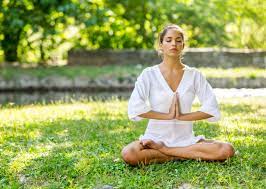
Feel gently centered and deeply cared for through a retreat experience designed around your comfort, inner calm, and personal well-being. Our Heartfulness meditation retreat offers a peaceful and nurturing space where guests can slow down, relax, and reconnect with themselves through simple meditative practices that encourage emotional balance and inner clarity. With a people-first approach, every part of the experience is guided with warmth, sensitivity, and genuine attention so you feel safe, supported, and fully at ease throughout your stay. Whether you are seeking mental peace, emotional renewal, deeper self-awareness, or meaningful rest, this retreat creates a soothing environment for reflection, balance, and heartfelt renewal. * Helps encourage inner peace and emotional balance * Supports mental clarity and mindful self-awareness * Promotes deep relaxation and overall well-being * Encourages a deeper connection with self and calm living * Offers compassionate, personalized care in a peaceful setting
View
Feel peaceful, centered, and genuinely cared for through a retreat experience designed around your comfort, inner balance, and personal well-being. Our Rajyoga meditation retreat offers a calm and nurturing space where guests can slow down, reflect, and reconnect with themselves through gentle meditation, mindful awareness, and quiet inner focus. With a people-first approach, every part of the experience is guided with warmth, sensitivity, and personal attention so you feel safe, supported, and fully at ease throughout your stay. Whether you are seeking emotional calm, mental clarity, spiritual reflection, or meaningful rest, this retreat creates a soothing environment for renewal, balance, and inner peace. * Helps encourage inner peace and emotional balance * Supports mental clarity and mindful self-awareness * Promotes deep relaxation and overall well-being * Encourages a deeper connection with self and calm living * Offers compassionate, personalized care in a peaceful setting
View
Feel deeply relaxed and gently supported through a retreat experience designed around your comfort, inner calm, and personal well-being. Our yoga nidra meditation retreat offers a peaceful and nurturing space where guests can slow down, release tension, and enter a state of guided deep rest that soothes both body and mind. With a people-first approach, every part of the experience is guided with warmth, sensitivity, and personal attention so you feel safe, cared for, and fully at ease throughout your stay. Whether you are seeking better rest, emotional balance, mental clarity, or quiet renewal, this retreat creates a soothing environment for restoration, healing, and lasting peace. * Helps reduce stress and mental fatigue * Supports deep relaxation and restful sleep * Encourages emotional balance and inner calm * Promotes mental clarity and overall well-being * Offers compassionate, personalized care in a peaceful setting
View
Feel gently balanced and deeply supported through a retreat experience designed around your comfort, inner peace, and personal well-being. Our Sahaja Yoga meditation retreat offers a peaceful and nurturing space where guests can relax, reconnect with themselves, and experience a natural sense of inner stillness through gentle meditation and mindful awareness. With a people-first approach, every part of the experience is guided with warmth, sensitivity, and personal attention so you feel safe, cared for, and fully at ease throughout your stay. Whether you are seeking emotional calm, mental clarity, spiritual balance, or meaningful rest, this retreat creates a soothing environment for renewal, harmony, and lasting inner peace. * Helps encourage inner peace and emotional balance * Supports mental clarity and mindful self-awareness * Promotes deep relaxation and overall well-being * Encourages a natural sense of inner harmony and calm * Offers compassionate, personalized care in a peaceful setting
View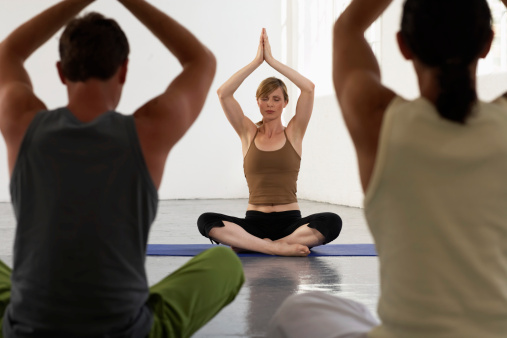
Feel deeply supported and gently renewed through a retreat experience designed around your comfort, inner peace, and personal well-being. Our spiritual meditation retreat offers a peaceful and nurturing space where guests can slow down, turn inward, and reconnect with themselves through quiet reflection, mindful practice, and calming stillness. With a people-first approach, every part of the experience is guided with warmth, sensitivity, and personal attention so you feel safe, cared for, and fully at ease throughout your stay. Whether you are seeking emotional balance, mental clarity, deeper awareness, or meaningful rest, this retreat creates a soothing environment for reflection, healing, and lasting inner calm. * Helps encourage inner peace and emotional balance * Supports mental clarity and mindful self-awareness * Promotes deep relaxation and overall well-being * Encourages a deeper connection with self and calm living * Offers compassionate, personalized care in a peaceful setting
View
Feel deeply relaxed and gently cared for through a retreat experience designed around your comfort, calm, and personal well-being. Our relaxation meditation retreat offers a peaceful and nurturing space where guests can slow down, release mental and physical tension, and reconnect with a quieter state of mind. With a people-first approach, every part of the experience is guided with warmth, sensitivity, and personal attention so you feel safe, supported, and fully at ease throughout your stay. Whether you are seeking stress relief, emotional calm, better rest, or a soothing pause from daily life, this retreat creates a serene environment for balance, renewal, and lasting relaxation. * Helps calm the mind and reduce daily stress * Supports deep relaxation and emotional balance * Promotes better rest and overall well-being * Encourages inner peace through mindful stillness * Offers compassionate, personalized care in a peaceful setting
View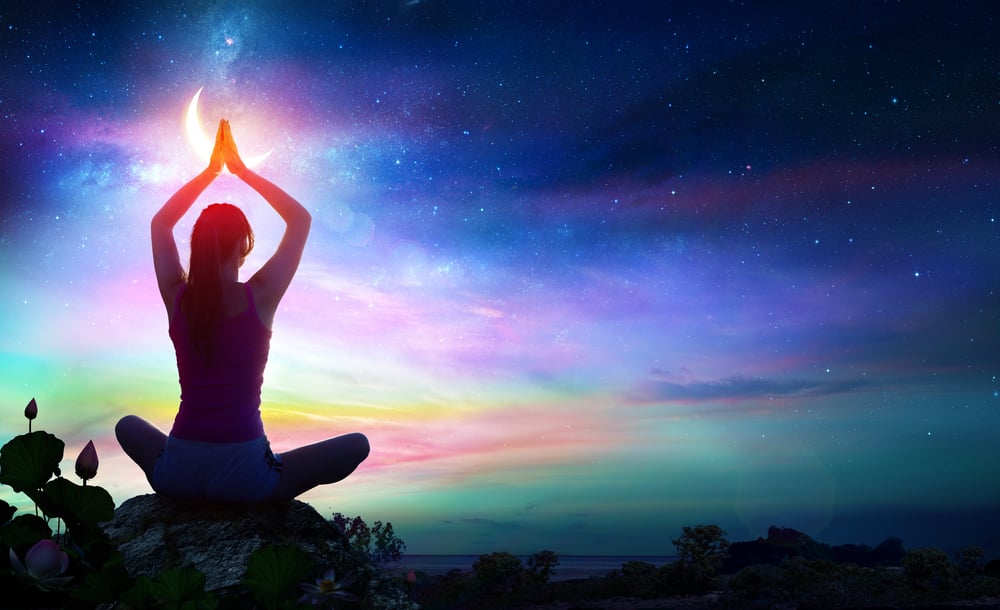
Feel deeply at peace and gently supported through a retreat experience designed around simplicity, mindfulness, and personal well-being. Our monk meditation retreat offers a calm and nurturing space where guests can step away from daily distractions and reconnect with themselves through quiet reflection, mindful breathing, and peaceful stillness. With a people-first approach, every part of the experience is guided with warmth, sensitivity, and personal attention so you feel safe, cared for, and fully at ease throughout your stay. Whether you are seeking inner calm, mental clarity, emotional balance, or meaningful silence, this retreat creates a soothing environment for reflection, renewal, and lasting peace. * Helps calm the mind and encourage inner peace * Supports emotional balance and mindful self-awareness * Promotes deep relaxation and mental clarity * Encourages quiet reflection and present-moment living * Offers compassionate, personalized care in a peaceful setting
View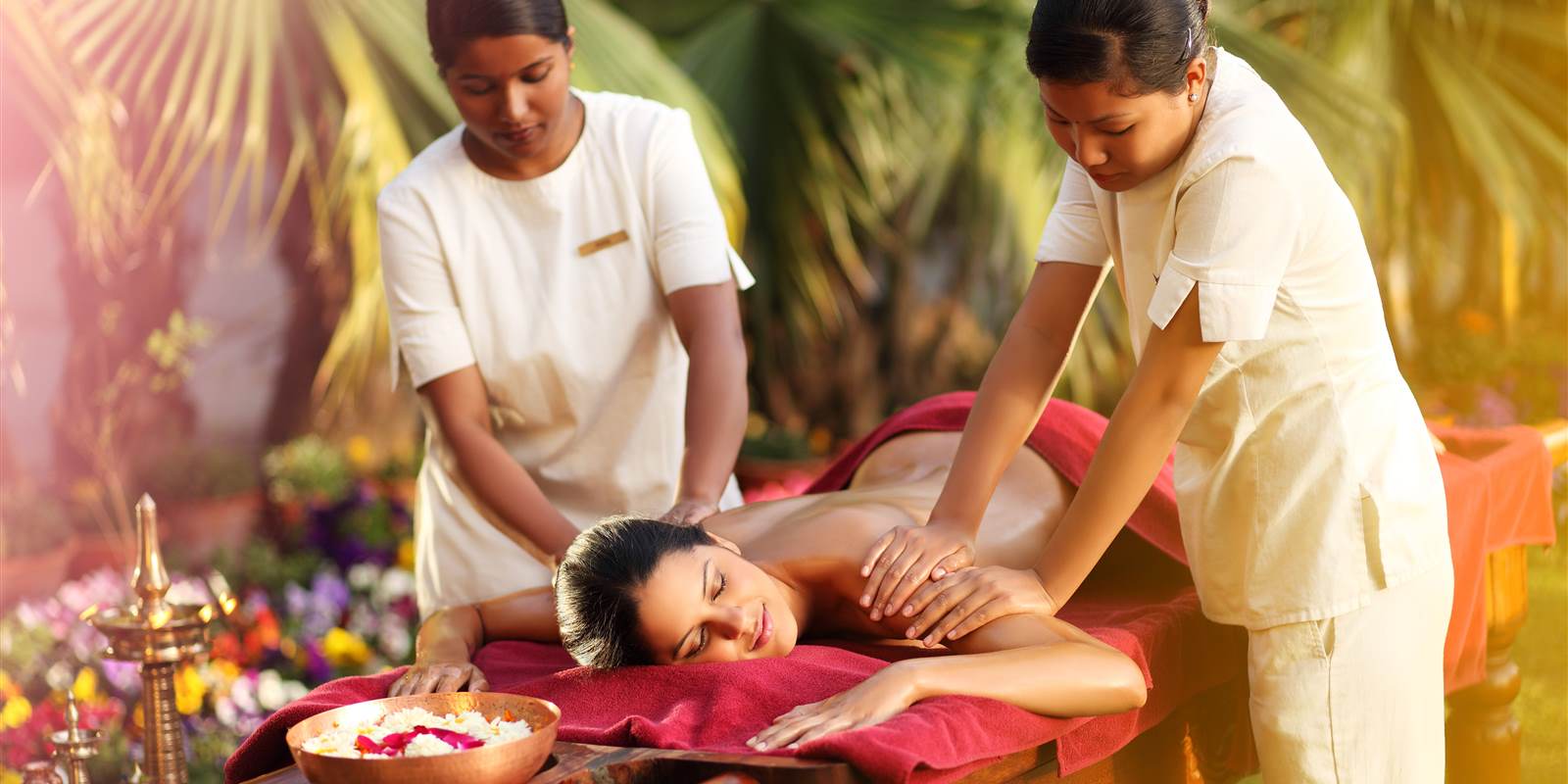
Feel supported, safe, and genuinely cared for through a retreat experience designed around emotional well-being, rest, and personal comfort. Our retreats for anxiety and depression offer a calm and nurturing space where guests can step away from daily pressure and reconnect with themselves through gentle routines, mindful practices, restorative rest, and compassionate care. With a people-first approach, every part of the experience is guided with warmth, sensitivity, and personal attention so you feel understood, relaxed, and supported at your own pace. Whether you are seeking emotional calm, quiet reflection, or a peaceful break to reset, this retreat creates a soothing environment for balance, renewal, and inner steadiness. * Helps encourage emotional calm and gentle relaxation * Supports rest, reflection, and reduced daily overwhelm * Promotes mindfulness, inner balance, and overall well-being * Encourages a peaceful routine focused on comfort and self-care * Offers compassionate, personalized care in a safe and nurturing setting
View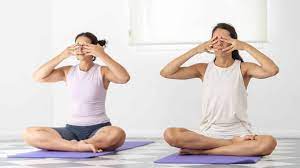
Feel deeply calm and inwardly renewed through a retreat experience designed around your comfort, mindfulness, and personal well-being. Our vipassana retreats offer a peaceful and nurturing space where guests can step away from daily distractions and reconnect with themselves through silent observation, mindful awareness, and quiet inner reflection. With a people-first approach, every part of the experience is guided with warmth, sensitivity, and genuine care so you feel safe, supported, and fully at ease throughout your stay. Whether you are seeking mental clarity, emotional balance, deeper self-awareness, or meaningful stillness, this retreat creates a soothing environment for reflection, renewal, and lasting inner peace. * Helps calm the mind and encourage deep self-awareness * Supports emotional balance and mindful inner observation * Promotes mental clarity and deep relaxation * Encourages stillness, reflection, and present-moment awareness * Offers compassionate, personalized care in a peaceful setting
View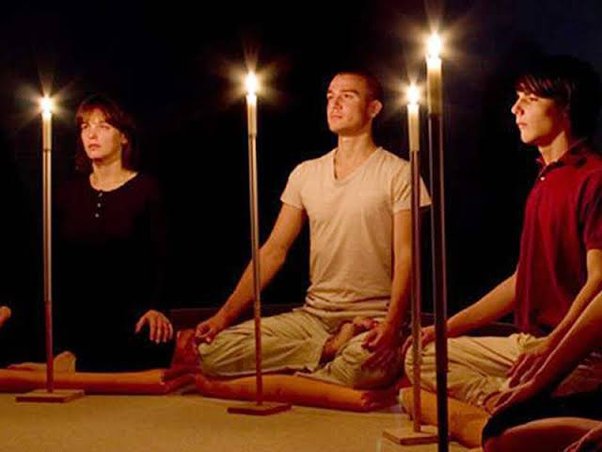
Feel deeply at peace and gently supported through a retreat experience designed around simplicity, mindfulness, and personal well-being. Our zen retreats offer a calm and nurturing space where guests can step away from daily distractions and reconnect with themselves through quiet reflection, meditative stillness, and mindful living. With a people-first approach, every part of the experience is guided with warmth, sensitivity, and personal attention so you feel safe, cared for, and fully at ease throughout your stay. Whether you are seeking inner calm, mental clarity, emotional balance, or meaningful silence, this retreat creates a soothing environment for reflection, renewal, and lasting peace. * Helps calm the mind and encourage inner peace * Supports emotional balance and mindful self-awareness * Promotes deep relaxation and mental clarity * Encourages simple living, stillness, and present-moment awareness * Offers compassionate, personalized care in a peaceful setting
View
Feel deeply at ease and gently supported through a retreat experience designed around privacy, comfort, and personal well-being. Our solitary retreats offer a peaceful and nurturing space where guests can step away from daily demands and spend meaningful time in quiet reflection, mindful rest, and inner renewal. With a people-first approach, every part of the experience is guided with warmth, sensitivity, and genuine care so you feel safe, comfortable, and fully supported throughout your stay. Whether you are seeking mental clarity, emotional balance, deeper self-awareness, or simply uninterrupted rest, this retreat creates a soothing environment for stillness, healing, and lasting peace. * Helps encourage deep rest and quiet self-reflection * Supports emotional balance and mental clarity * Promotes inner peace and personal renewal * Encourages mindful solitude in a safe and calming environment * Offers compassionate, personalized care in a peaceful setting
View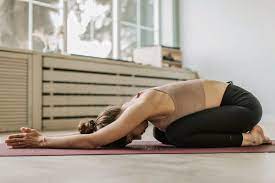
Feel deeply renewed and gently supported through a retreat experience designed around your comfort, inner balance, and personal well-being. Our Osho Retreats and Resorts offer a peaceful and nurturing space where guests can step away from daily routines and reconnect with themselves through meditation, mindful movement, relaxation, and reflective practices in a serene setting. With a people-first approach, every part of the experience is guided with warmth, sensitivity, and genuine care so you feel safe, comfortable, and fully supported throughout your stay. Whether you are seeking emotional calm, deeper awareness, renewed energy, or a meaningful wellness escape, this retreat creates a soothing environment for transformation, rest, and lasting renewal. * Helps encourage inner peace and emotional balance * Supports self-awareness and mindful personal growth * Promotes deep relaxation and overall well-being * Encourages renewed energy, clarity, and inner calm * Offers compassionate, personalized care in a peaceful resort setting
View
Feel deeply connected and gently supported through a retreat experience designed around your comfort, inner balance, and personal well-being. Our tantra meditation retreat offers a peaceful and nurturing space where guests can slow down, deepen self-awareness, and reconnect with mind, body, and inner energy through mindful stillness and reflective practice. With a people-first approach, every part of the experience is guided with warmth, sensitivity, and genuine care so you feel safe, respected, and fully supported throughout your stay. Whether you are seeking emotional balance, inner clarity, deeper presence, or meaningful personal renewal, this retreat creates a soothing environment for calm, connection, and lasting transformation. * Helps encourage deeper self-awareness and inner balance * Supports emotional calm and mindful presence * Promotes relaxation, clarity, and overall well-being * Encourages a stronger connection between mind, body, and inner energy * Offers compassionate, personalized care in a peaceful setting
ViewMeditation is a practice where an individual uses a technique – such as mindfulness, or focusing the mind on a particular object, thought, or activity – to train attention and awareness, and achieve a mentally clear and emotionally calm and stable state. Over thousands of years, meditation has been practiced in various forms across numerous cultures. Here are some key aspects of meditation:
Types of Meditation
Mindfulness Meditation: Based on Buddhist teachings and popular in the West, this form involves paying attention to thoughts as they pass through the mind without judgment. The practice often includes being aware of the body and breath.
Concentration Meditation: This involves focusing on a single point. This could include following the breath, repeating a single word or mantra, staring at a candle flame, listening to a repetitive gong, or counting beads on a mala.
Guided Meditation: Sometimes called guided imagery or visualization, with this method of meditation you form mental images of places or situations you find relaxing. This type of meditation is often led by a guide or teacher.
Transcendental Meditation: A specific form of silent mantra meditation and the organizations that constitute the Transcendental Meditation movement. It involves the use of a mantra and is practiced for 15–20 minutes twice per day.
Loving-kindness Meditation (Metta Meditation): This type focuses on developing feelings of goodwill, kindness, and warmth towards others. Practitioners open their minds to receiving loving kindness and then sending it out to others.
Body Scan or Progressive Relaxation: Often guided, this meditation involves scanning the body for areas of tension. The goal is to notice tension and to allow it to release.
Movement Meditation: Although most people think of yoga when they hear movement meditation, this practice may include walking through the woods, gardening, qigong, and other gentle forms of motion. It’s an active form of meditation where the movement guides you.
The history of meditation is rich and diverse, as meditation practices have been found in various cultures around the world for thousands of years. Here's an overview of the key historical developments in meditation:
Ancient Origins
India: Meditation has been practiced in India for millennia, with early references in the Hindu scriptures known as the Vedas, dating back to around 1500 BCE. These texts mention various meditation techniques, including what later developed into Yoga practices described in the Bhagavad Gita and the Yoga Sutras of Patanjali (circa 400 CE).
Buddhism: Meditation became a central practice in Buddhism, which developed in India around 500 BCE. Siddhartha Gautama, the Buddha, used meditation as a means to attain enlightenment. Buddhist meditation practices spread throughout Asia, taking on various forms as they moved through countries like Tibet, China, and Japan.
China and Zen: From India, meditation practices spread to China, where they became integral to Daoist philosophy and the development of Zen Buddhism, which emphasized the importance of meditation for spiritual awakening.
Expansion and Integration
Taoism: In China, alongside Buddhism, Taoist practices also developed which included forms of meditation focusing on energy flow and harmonious living with nature.
Japan: In Japan, Zen Buddhism became highly influential, with meditation (Zazen) as its core practice. The focus in Zazen is often on seated meditation and mindfulness in various daily activities.
Western Adoption
Early Interest: Meditation was introduced to the Western world as early as the 18th century through the translation of Eastern texts. However, it didn’t gain significant traction until the 20th century.
The 1960s and 1970s: Interest in meditation in the West surged during the 1960s and 1970s, driven by the counter-culture movement and figures like Maharishi Mahesh Yogi, who popularized Transcendental Meditation (TM). The Beatles' visit to India in 1968 and their study with Maharishi Mahesh Yogi brought further attention to meditation.
Modern Era
Scientific Exploration: In recent decades, the practice has been the subject of numerous scientific studies exploring its efficacy and mechanisms. These studies have helped meditation gain credibility and widespread acceptance as a beneficial practice for mental and physical health.
Mainstream Practice: Today, meditation is practiced in various forms worldwide, from traditional spiritual contexts to modern health and wellness environments. Techniques like mindfulness have been integrated into psychological therapies, such as Mindfulness-Based Stress Reduction (MBSR) and Mindfulness-Based Cognitive Therapy (MBCT).
Technological Integration: The rise of digital technology has also impacted meditation practices, with numerous apps and online programs making meditation more accessible.
Meditation therapies and treatments encompass a variety of practices aimed at promoting mental, emotional, and physical well-being. Here's a look at some popular forms:
Mindfulness Meditation: This involves paying attention to the present moment without judgment. It helps increase awareness of thoughts, feelings, and bodily sensations, and can reduce stress, anxiety, and depression.
Transcendental Meditation (TM): Practitioners repeat a specific mantra to help the mind settle down into a state of deep relaxation and restfulness. TM is known for reducing stress and enhancing overall well-being.
Guided Meditation: In this practice, a guide leads you through a meditative experience, often using visualization or guided imagery to invoke calm and peaceful scenarios. It's particularly helpful for those who find it challenging to focus during meditation.
Zen Meditation (Zazen): A form of seated meditation that is a cornerstone of Zen Buddhism. Practitioners focus on their breath and the posture they maintain, aiming to clear the mind and perceive the true nature of reality.
Yoga Meditation: Combines meditative practices with physical postures and breathing exercises from yoga. It enhances flexibility, balance, and mental focus.
Loving-kindness Meditation (Metta): Involves the cultivation of unconditional love and kindness towards all beings. This practice is known for enhancing empathy and emotional resilience.
Body Scan Meditation: A form of mindfulness where you focus on different parts of the body, often starting from the feet and moving upwards. It's used to tune into physical sensations and can be particularly beneficial for reducing bodily tension and stress.
Chakra Meditation: Focuses on the body's different energy centers (chakras). The meditation involves visualizing the energy flowing through the chakras and often incorporates mantras to activate each center.
Vipassana Meditation: One of the oldest forms of meditation, focusing on deep, interconnection between mind and body through disciplined attention to physical sensations.
Qigong and Tai Chi: Traditional Chinese practices that combine meditation, controlled breathing, and movement exercises. They are often recommended for stress management and overall health improvement.
Meditation offers a wide range of benefits that can enhance both mental and physical health. Here are some of the key benefits:
Stress Reduction: One of the most common reasons people try meditation is for stress relief. Meditation can decrease levels of cortisol, the stress hormone, and promote a sense of calmness.
Enhanced Emotional Health: Regular meditation can lead to an improved self-image and a more positive outlook on life. Techniques like mindfulness and loving-kindness meditation can decrease symptoms of depression and anxiety.
Improved Concentration: Many forms of meditation, such as mindfulness and concentration practices, help enhance the strength and endurance of your attention. This can help increase the ability to focus and perform tasks efficiently.
Reduction in Anxiety: Meditation can reduce symptoms of anxiety disorders, including phobias, social anxiety, paranoid thoughts, obsessive-compulsive behaviors, and panic attacks.
Increased Self-Awareness: Some forms of meditation help you develop a stronger understanding of yourself, helping you grow into your best self. This can be particularly beneficial for people working through self-destructive patterns or behaviors.
Promotes Emotional Health: Techniques like loving-kindness meditation can foster compassion and empathy, both towards oneself and others, reducing negative emotions and enhancing overall emotional resilience.
Can Decrease Blood Pressure: Meditation can also improve physical health by reducing strain on the heart. Over time, high blood pressure makes the heart work harder to pump blood, which can lead to poor heart function. Meditation can improve relaxation, which can reduce blood pressure.
Improved Sleep: Meditation can help calm the mind and body, making it easier to fall asleep and stay asleep longer. This can be a natural remedy for people who suffer from insomnia.
Help Manage Pain: Meditation can diminish the perception of pain in the brain. This can help reduce chronic pain when used as a supplement to medical care or physical therapy.
Can Assist in Addiction Recovery: By increasing self-control and awareness of triggers for addictive behaviors, meditation can help people recover from addiction and manage compulsive behaviors.
Meditation has been found effective for various health conditions and overall well-being, supported by a growing body of scientific research. However, the effectiveness can depend on several factors including the type of meditation practiced, the consistency of practice, and individual differences among practitioners. Here's a breakdown of how meditation can be effective in various contexts:
Mental Health: Meditation is particularly effective in reducing symptoms of stress, anxiety, and depression. Studies have shown that mindfulness meditation can help reduce symptoms in people suffering from clinical depression and anxiety when used as an adjunct to traditional therapies. It can also help in managing stress by reducing levels of cortisol, the stress hormone.
Cognitive Functions: Regular meditation practice has been associated with improved attention, increased clarity of thought, and better decision-making skills. Meditation helps in cultivating a greater ability to focus and maintain attention, which can be beneficial in all areas of life.
Physical Health: Meditation has demonstrated benefits in managing heart rate, reducing blood pressure, and lowering cholesterol levels. It can also help in pain management, as it changes the perception of pain in the brain and can help people cope with chronic pain when used alongside other treatments.
Sleep: Meditation can improve the quality of sleep by helping to ease the mind into a deeper and more restorative state, which is beneficial for those who suffer from insomnia and other sleep disorders.
Emotional Resilience: Techniques like loving-kindness meditation increase feelings of compassion and well-being, reduce symptoms of PTSD, and help in emotional recovery from negative events.
Substance Abuse: Meditation can support recovery from substance abuse by increasing self-awareness and control over impulses. It is often used as a complementary practice in various substance abuse treatment programs.
Meditation is a beneficial practice that can help manage symptoms and improve overall well-being, but it's important to clarify that it is not a cure for diseases in the strictest sense. Rather, meditation can be a powerful tool for managing and alleviating symptoms of various conditions, contributing to better health outcomes when used alongside conventional treatments. Here's a look at some conditions where meditation has been shown to be beneficial:
Stress and Anxiety Disorders: Meditation can significantly reduce symptoms of stress and anxiety, including generalized anxiety disorder and social anxiety.
Depression: Regular meditation can help alleviate symptoms of mild to moderate depression and may enhance the effects of traditional therapies like psychotherapy and medication.
Chronic Pain: Conditions like arthritis, back pain, and fibromyalgia can benefit from meditation by altering pain perception and helping individuals cope with chronic pain.
Heart Disease: Meditation can improve cardiovascular health by reducing risk factors such as high blood pressure and stress, which are significant contributors to heart disease.
Sleep Disorders: Practices like mindfulness and guided meditation can help improve sleep patterns and are often recommended for conditions like insomnia.
Addiction: Meditation aids in increasing self-control and awareness of triggers for addictive behaviors, which can be crucial in the treatment of substance abuse and dependency.
Gastrointestinal Issues: Stress-related gastrointestinal symptoms, such as irritable bowel syndrome (IBS), can be alleviated through meditation, as it helps reduce stress and promote relaxation.
High Blood Pressure: Meditation can lead to significant reductions in blood pressure levels, which is beneficial for hypertension control.
Autoimmune Diseases and Immune System Response: While not curing autoimmune diseases, meditation can impact the immune system positively, potentially reducing flare-ups in conditions like psoriasis.
Post-Traumatic Stress Disorder (PTSD): Meditation, particularly mindfulness, has been shown to help manage symptoms of PTSD by helping individuals process traumatic events more calmly.
Meditation is a powerful tool for promoting wellness across multiple dimensions of health—physical, mental, emotional, and sometimes even spiritual. Regular meditation practice can lead to profound improvements in overall well-being and quality of life. Here are some of the ways through which meditation fosters wellness:
1. Mental Clarity and Focus
Meditation helps clear the mind of cluttered thoughts and enhances concentration. This can lead to better decision-making, improved problem-solving abilities, and enhanced creativity.
2. Emotional Balance
Through practices like mindfulness and loving-kindness meditation, individuals can cultivate a greater sense of empathy and compassion, not just towards others but also towards themselves. This emotional balance can help in managing everyday stressors more effectively.
3. Stress Reduction
Regular meditation reduces the physiological impacts of stress by lowering cortisol levels, calming the nervous system, and helping the body return to a relaxed state more quickly after stressor events.
4. Improved Physical Health
Meditation has been linked to lower blood pressure, reduced symptoms of chronic pain, and improved sleep patterns. It can also have positive effects on the immune system, potentially resulting in fewer illnesses.
5. Enhanced Self-Awareness
Meditation encourages deeper self-reflection, which can lead to greater self-awareness. This can be a critical factor in personal development and growth, helping individuals understand their own needs, desires, and behaviors more clearly.
6. Resilience
By building a regular meditation practice, individuals can develop a stronger resilience to psychological stress and adversity. This can help in facing challenges with a more balanced and calm approach.
7. Relationships
The increased empathy and patience fostered by meditation can lead to stronger and more harmonious relationships. Whether it's with family, friends, or colleagues, meditation can improve communication and reduce conflicts.
8. Reduction of Anxiety and Depression Symptoms
For those suffering from anxiety or depression, meditation can serve as a supportive tool to reduce symptoms, particularly when combined with other treatments like therapy and medication.
9. Spiritual Growth
For many, meditation also has a spiritual component, helping individuals feel more connected to a deeper purpose or to a spiritual path. This aspect of meditation can be particularly fulfilling for those who seek a deeper understanding of themselves and the world around them.
10. Improved Sleep
Meditation can help quiet the mind and prepare the body for rest, facilitating easier onset of sleep and a deeper sleep cycle.
Meditation can surprisingly contribute to beauty care by promoting overall wellness, which in turn affects physical appearance. Here are some ways meditation can enhance beauty and skincare:
1. Stress Reduction and Skin Health
Stress can have noticeable effects on the skin, including causing or exacerbating conditions like acne, eczema, and psoriasis. Meditation helps reduce stress levels, which can lead to clearer, more radiant skin.
2. Improved Circulation
Regular meditation increases blood flow, which can improve the delivery of oxygen and nutrients to the skin. This enhanced circulation can help the skin look more vibrant and healthy.
3. Anti-Aging Effects
Chronic stress can accelerate the aging process, leading to early signs of aging such as wrinkles and fine lines. By reducing stress, meditation may help slow these effects, promoting a more youthful appearance.
4. Better Sleep
Since meditation can improve sleep quality, it can also contribute to a healthier appearance. Good sleep is crucial for the regeneration of skin cells and overall skin health. Lack of sleep can lead to dark circles, puffy eyes, and a dull complexion.
5. Hormonal Balance
Meditation can help regulate hormones that impact skin health. By reducing stress hormones like cortisol, meditation may help balance other hormones that affect the skin, potentially reducing breakouts and other skin irregularities.
6. Enhanced Mindfulness for Healthier Habits
Meditation enhances mindfulness, which can make you more aware of your skincare routine, dietary choices, and hydration—all important factors for maintaining healthy skin.
7. Emotional Well-being and Radiance
Meditation improves emotional health, which can influence how you look. A calmer, happier state often manifests physically, contributing to a more glowing, vibrant appearance.
8. Reduction in Inflammation
Chronic inflammation can lead to skin issues and premature aging. Meditation has been shown to reduce the body's inflammatory response to stressors, which can help maintain skin health and appearance.
9. Improved Self-care Routine
People who meditate regularly often develop a greater awareness of their overall well-being, leading to improved habits around health and beauty care, such as choosing healthier foods, using suitable skincare products, and avoiding harmful behaviors like smoking.
10. Boost in Confidence and Self-perception
Meditation boosts self-esteem and body image by fostering a greater connection with the self. This improved self-image can enhance your overall demeanor and the way you present yourself to the world.
Meditation can be a useful tool in the journey of weight loss and weight management, not by directly causing weight loss, but by supporting behaviors and psychological states that contribute to a healthier lifestyle. Here’s how meditation can assist in weight management:
1. Reducing Stress-Induced Eating
Stress is a common trigger for overeating and choosing unhealthy foods, which are often high in sugar and fat. Meditation helps reduce stress, which can decrease the likelihood of stress-induced eating and help maintain a healthier diet.
2. Increasing Awareness of Hunger and Satiety
Mindfulness meditation enhances body awareness, helping individuals become more attuned to hunger and fullness cues. This can prevent overeating by encouraging eating in response to physical hunger rather than emotional cues.
3. Improving Emotional Regulation
By fostering better emotional regulation, meditation can help manage emotions without turning to food for comfort. This is crucial for those who use eating as a way to cope with negative emotions like sadness, loneliness, or boredom.
4. Supporting Habit Change
Meditation increases self-awareness and mindfulness, which can make it easier to form new, healthier habits and break old, unhealthy ones. This is beneficial for sustaining long-term weight management strategies.
5. Enhancing Sleep Quality
Poor sleep can interfere with the body’s hunger hormones, ghrelin and leptin, leading to increased appetite and weight gain. Meditation can improve the quality of sleep, helping to regulate these hormones and reduce unwanted weight gain.
6. Boosting Self-Esteem and Body Image
Meditation can improve self-esteem and body image, which are often negatively affected in those struggling with weight issues. A positive self-image can motivate continued healthy behaviors and self-care practices.
7. Reducing Impulsive Behavior
Meditation enhances impulse control, helping individuals resist the temptation to indulge in unhealthy foods or excessive portion sizes. This control is crucial for adhering to a balanced diet.
8. Encouraging Physical Activity
A regular meditation practice can increase overall energy levels and reduce fatigue, potentially making physical activity more appealing and sustainable as part of a weight management plan.
9. Promoting Overall Well-being
As meditation contributes to overall well-being, it can create a more positive outlook on life, which is essential for anyone undergoing the challenges of changing their diet and lifestyle.
Meditation is highly effective for managing and reducing stress, which is why it's often recommended in stress management programs. The process works by influencing both the mental and physiological responses to stress. Here are several ways in which meditation can help alleviate stress:
1. Activating the Relaxation Response
Meditation helps trigger the body's relaxation response, a state of restfulness that is the opposite of the stress response. This can be achieved through various meditation techniques such as deep breathing, mindfulness, or guided imagery, which reduce stress hormone levels and promote relaxation.
2. Reducing Cortisol Levels
Regular meditation practice has been shown to decrease the production of cortisol, the hormone often referred to as the "stress hormone." Lower cortisol levels are associated with reduced stress.
3. Improving Emotional Regulation
Meditation enhances self-awareness and emotional intelligence, allowing for better management of emotional reactions to stress. It helps cultivate a state of mind that is less reactive to stressful situations, enabling a more measured and thoughtful response.
4. Enhancing Mindfulness
Mindfulness meditation helps individuals live more in the present moment rather than worrying about the future or ruminating on the past. This can reduce the tendency to stress over things that are beyond one's control.
5. Increasing Resilience
Regular meditation practice can increase mental and emotional resilience, making it easier to cope with the stresses of daily life. This enhanced resilience can also help in bouncing back more quickly from stressful events.
6. Improving Sleep
Stress can significantly disrupt sleep, which in turn can lead to more stress. Meditation can improve the quality and duration of sleep, thus creating a positive feedback loop that decreases overall stress levels.
7. Lowering Blood Pressure
Meditation can lead to reductions in blood pressure, which is often elevated during stress. This not only helps reduce stress but also benefits overall cardiovascular health.
8. Reducing Anxiety
The calming effect of meditation can also extend to anxiety, which often accompanies or exacerbates stress. Techniques like mindfulness and focused attention can help manage and reduce anxiety levels.
9. Building a Better Response to Stress
Meditation helps develop a set of skills for a more effective response to stress. By training the mind to focus and redirect thoughts, meditation can help prevent the mind from getting overwhelmed by stress.
10. Promoting a Peaceful and Clear Mind
Meditation clears the buildup of information that contributes to stress. The practice encourages a state of inner peace and calm, helping to maintain clarity and calm in the face of life's chaos.
Meditation doesn't come with a prescribed diet per se, but many who practice meditation prefer to follow a diet that complements their overall goals of health, well-being, and mindfulness. Such a diet generally focuses on nourishment, balance, and conscious eating. Here are some elements that might be included in a diet that complements a meditation practice:
1. Whole Foods
Eating whole foods—foods that are unprocessed and unrefined, or processed and refined as little as possible—ensures that the body receives more complete nutrition. This includes a variety of fruits, vegetables, whole grains, nuts, and seeds, which are rich in essential nutrients that support overall health.
2. Plant-Based Diet
Many people who meditate prefer a plant-based diet, which is high in vegetables, fruits, beans, legumes, nuts, seeds, and whole grains. This diet is not only considered healthier by many, but it also aligns with a mindfulness practice by promoting sustainability and compassion towards animals.
3. Mindful Eating
Mindfulness practices extend to eating habits as well. This involves being fully attentive to the experience of eating: noticing the colors, smells, textures, and flavors of food, and being aware of the body’s hunger and fullness cues. Mindful eating can prevent overeating and enhance the enjoyment of meals.
4. Reduced Intake of Stimulants
Many who meditate reduce their intake of stimulants like caffeine and sugar, as these can agitate the mind and counteract the calming effects of meditation. Instead, they might opt for natural, gentle stimulants like green tea, which has lower caffeine content and contains L-theanine, an amino acid that promotes relaxation.
5. Hydration
Staying well-hydrated is essential for overall health and helps maintain energy levels and cognitive function. Water is often the beverage of choice, though herbal teas are also popular among meditators for their calming properties.
6. Moderation in Eating
Following the principle of moderation in all things, including eating, ensures that the body is not overstressed by excessive digestion and helps maintain a steady energy level throughout the day.
7. Ayurvedic Principles
Some who meditate might follow Ayurvedic dietary principles, which involve choosing foods based on one’s dosha (body type) and the current season. This traditional Indian system of medicine emphasizes the balance of body, mind, and spirit and often complements meditation practices.
8. Avoiding Processed Foods
Minimizing intake of processed foods, which are often high in unhealthy fats, sugars, and salts, supports physical health and can also improve mental clarity.
9. Organic and Locally Sourced Foods
Choosing organic and locally sourced foods can also be part of a meditation-focused diet. These choices support environmental sustainability and reduce the intake of potentially harmful chemicals.
10. Sattvic Foods
In yogic traditions, sattvic foods are believed to promote clarity, happiness, and calmness. These include fresh fruits and vegetables, sprouted whole grains, nuts, seeds, oils, and herbal teas.
Adopting a meditation lifestyle means integrating the principles and practices of meditation into everyday life, not just during designated meditation sessions. This approach can help cultivate a more mindful, peaceful, and balanced existence. Here are some key elements that typically characterize a meditation lifestyle:
1. Regular Meditation Practice
Central to a meditation lifestyle is the regular practice of meditation. This could be daily sessions of mindfulness, transcendental meditation, guided meditation, or any other form that resonates with the individual. Consistency is key to reaping the full benefits.
2. Mindfulness in Daily Activities
Extending mindfulness beyond seated meditation into daily activities—like eating, walking, or even doing chores—helps maintain a state of awareness and presence throughout the day. This practice can transform routine activities into moments of deep presence and connection.
3. Simplicity and Minimalism
A meditation lifestyle often involves simplifying one’s environment and life. This can mean decluttering physical spaces, simplifying commitments, and focusing more on what truly matters. Minimalism helps reduce stress and distraction, allowing for a clearer mind and a more focused life.
4. Compassionate and Ethical Living
Many who embrace a meditation lifestyle also strive to live ethically and compassionately. This can involve making choices that are considerate of others and the environment, such as practicing kindness, volunteering, or choosing sustainable products.
5. Holistic Health Practices
A meditation lifestyle often includes a holistic approach to health, incorporating physical activities like yoga or tai chi that enhance both physical and mental well-being. Attention to diet, as discussed earlier, also plays a significant role, with an emphasis on nourishing and balanced food choices.
6. Connection with Nature
Spending time in nature is a common aspect of a meditation lifestyle, as it promotes relaxation, mindfulness, and a sense of connection to the earth. Activities might include hiking, gardening, or simply spending quiet time in natural settings.
7. Continuous Learning and Growth
Personal development is a significant part of a meditation lifestyle. This might involve studying philosophical or spiritual texts, attending workshops, or engaging in practices that encourage emotional and intellectual growth.
8. Community Engagement
Being part of a community, whether it’s a local meditation group, a spiritual center, or an online community, can provide support and deepen one’s practice. Sharing experiences and learning from others are valued aspects of this lifestyle.
9. Stress Management
Integrating effective stress management techniques is crucial. Beyond meditation, this might include strategies like journaling, art, or music, which help manage and reduce stress.
10. Quality Relationships
Fostering meaningful and positive relationships is another pillar of a meditation lifestyle. Mindfulness can improve communication and deepen connections with others, enhancing both personal and professional relationships.
The pricing of meditation wellness resorts and retreats can vary widely based on a range of factors, including location, duration, amenities, the reputation of the instructors, and the types of programs offered. Here's an overview of what might influence the cost and what you can generally expect in terms of pricing:
1. Location
Resorts and retreats located in exotic or remote locations, or in areas known for their natural beauty, often command higher prices. For example, a retreat in Bali or the Swiss Alps may be more expensive than one located closer to major cities or in less renowned destinations.
2. Duration
The length of the retreat significantly affects the cost. Weekend retreats can be less expensive, ranging from a few hundred to a couple of thousand dollars, whereas longer retreats, such as those lasting a week or more, can cost several thousand dollars.
3. Type of Accommodation
The type of accommodation offered can range from basic dormitory-style rooms to luxurious private suites. The level of comfort and privacy you choose will impact the price. Some retreats offer options to suit different budgets.
4. Inclusions
What the retreat includes beyond the meditation sessions can also affect the cost. Some retreats are all-inclusive, providing meals, accommodation, and additional activities like yoga, hiking, or cultural tours. Others might charge extra for meals or special sessions.
5. Instructor Reputation
Retreats led by renowned meditation teachers or featuring guest speakers known for their expertise may be pricier due to the premium on high-quality instruction.
6. Facilities and Amenities
Luxury retreats with spa facilities, gourmet dining, and other high-end amenities will cost more. Conversely, more modest retreats with fewer amenities might be more affordable.
7. Group Size
Smaller, more intimate retreats with personalized guidance might cost more than those accommodating larger groups where individual attention from instructors might be limited.
8. Purpose and Specialty
Specialized retreats, such as those aimed at specific health issues, career-related stress relief, or leadership skills development, can also vary in price depending on their focus and the expertise required to deliver them.
Meditation is a global practice with historical roots and contemporary popularity spanning many countries across the world. Different cultures have developed or adopted various forms of meditation, influenced by religious, spiritual, and secular practices. Here’s a list of countries where meditation is particularly prominent, often integrated into cultural and spiritual traditions:
India is the birthplace of many forms of meditation, including Yoga and Vipassana, both integral to Hindu and Buddhist practices. Meditation is deeply woven into the spiritual fabric of the country.
In China, meditation is practiced in various forms, most notably within Taoist and Confucian traditions as well as Zen Buddhism (known as Chan Buddhism in China), focusing on mindfulness and contemplation.
Japan is known for its practice of Zen meditation (Zazen), which is a cornerstone of Zen Buddhism. This form of meditation emphasizes sitting in silent reflection to gain insights into the nature of existence.
Thailand, with its strong Theravada Buddhist traditions, places a high emphasis on meditation, particularly Vipassana, which is taught and practiced widely throughout the country.
Tibetan Buddhism incorporates several meditation techniques, including mindfulness and visualization meditations, which are integral to its religious practices.
Myanmar is another stronghold of Theravada Buddhism where Vipassana meditation is extensively practiced and taught, often in retreat settings.
In Sri Lanka, meditation is an important practice in Theravada Buddhist life, with many meditation centers offering retreats and teachings to both locals and tourists.
In the United States, meditation has been popularized over the decades and is practiced in various forms, from Transcendental Meditation to mindfulness-based stress reduction (MBSR) programs in various settings including schools, corporate offices, and private wellness centers.
In the UK, meditation is widely practiced within Buddhist centers as well as through secular mindfulness programs, which have been integrated into some health services to help treat depression and anxiety.
Australia has seen growing interest in meditation and mindfulness practices, both in personal wellness routines and in some professional and educational settings.
Nepal, with its rich Buddhist heritage, offers numerous meditation retreats, especially in areas around Kathmandu, where Tibetan Buddhist practices are prevalent.
South Korea practices Korean Zen (Seon), a form of meditation similar to Japanese Zen, focusing on gaining self-awareness through seated meditation.
Vietnamese Zen Buddhism, known as Thiền, is widely practiced in Vietnam and emphasizes meditation and mindfulness.
Meditation is widely regarded as a beneficial practice for both mental and physical health, but like any activity, it comes with its own set of pros and cons. Here’s a detailed look at some of the advantages and potential disadvantages of incorporating meditation into your routine:
Reduces Stress: Meditation is highly effective at reducing stress, which is one of its most well-documented benefits. It lowers levels of cortisol, the body's stress hormone.
Improves Emotional Health: Regular meditation can lead to improvements in self-image and a more positive outlook on life, helping to alleviate symptoms of depression.
Enhances Self-Awareness: Some forms of meditation increase self-awareness, helping you to better understand yourself and how you relate to those around you.
Boosts Attention: Meditation practices like mindfulness can increase the strength and endurance of your attention span.
May Reduce Age-Related Memory Loss: Enhancing attention and clarity of thinking can help with age-related memory loss and dementia.
Promotes Emotional Well-Being: Techniques such as loving-kindness meditation foster compassion and empathy, potentially increasing overall life satisfaction.
Can Generate Kindness: Some types of meditation enhance positive feelings and actions toward oneself and others through structured practices aimed at thinking kindly thoughts.
May Help Fight Addictions: Meditation can develop mental discipline and can help break dependencies by increasing self-control and awareness of triggers for addictive behaviors.
Improves Sleep: By helping you relax and control the "runaway" thoughts that often lead to insomnia, meditation can enhance the quality of your sleep.
Helps Control Pain: Your perception of pain is connected to your state of mind, and it can be elevated in stressful conditions. Meditation can diminish the perception of pain in the brain, which can help manage chronic pain in conjunction with other treatments.
Can Cause or Worsen Symptoms in Certain Psychiatric Conditions: In a small number of cases, intensive meditation can trigger or exacerbate symptoms in individuals with existing psychiatric conditions like anxiety and depression.
May Lead to False Expectations: Some individuals might expect quick, transformative results from meditation, leading to frustration and a perception that the practice is not beneficial if immediate changes are not seen.
Physical Discomfort: Sitting in one position for prolonged periods during meditation can be uncomfortable, especially for those with physical conditions that may be exacerbated by stillness.
Requires Time and Discipline: Meditation requires a consistent practice to achieve the most benefit, which can be a commitment that some find difficult to maintain.
Cultural Misappropriation Concerns: In some contexts, the way meditation is marketed and practiced can strip it of its cultural and spiritual origins, leading to criticism.
Unpleasant Emotional Experiences: Some individuals may experience unpleasant emotional reactions during meditation, such as increased anxiety, intrusive thoughts, or re-experiencing traumatic memories, especially without proper guidance.
Discover Balance and Vitality with OnAyurveda

