About yoga
Yoga is a profound and multifaceted spiritual practice that originates from ancient India, dating back over 5,000 years. It is both a philosophical system and a set of physical, mental, and spiritual practices designed to bring about a greater sense of self-awareness, harmony, and connection with the universe.
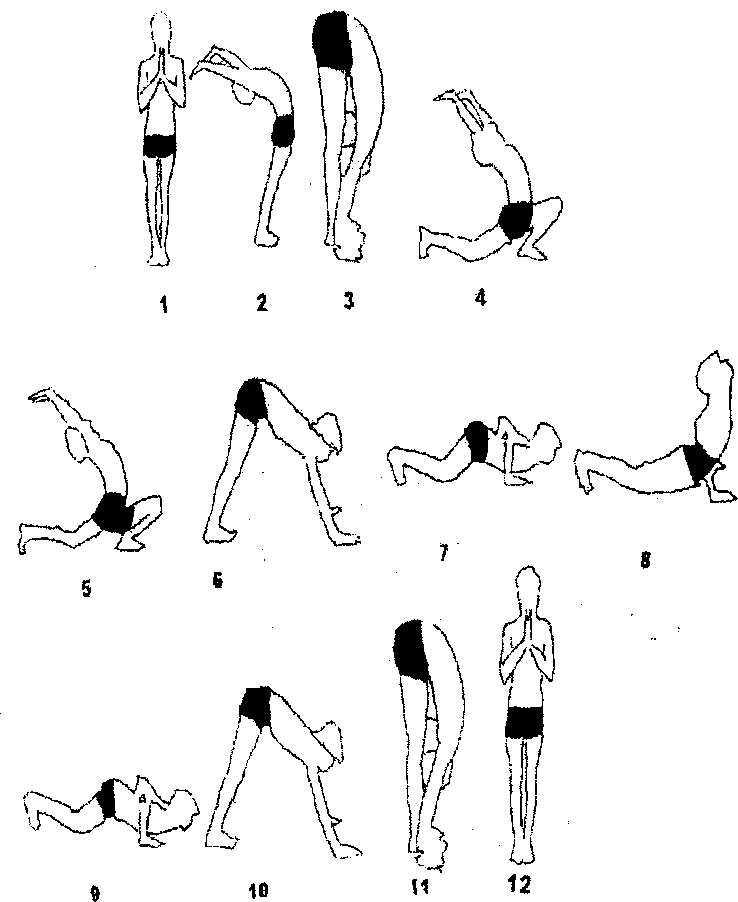
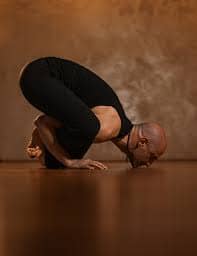
1. Physical Postures (Asanas): Yoga includes a variety of physical postures designed to improve strength, flexibility, and balance. These postures also help in enhancing bodily functions, aiding detoxification, and reducing the risk of injuries.
2. Breathing Techniques (Pranayama): Pranayama consists of breathing exercises aimed at improving lung capacity, calming the mind, and regulating the flow of prana (life energy) through the body.
3. Meditation and Mindfulness: Meditation is a vital component of yoga, encouraging deep relaxation and mental clarity. It helps reduce stress, improve concentration, and foster an inner sense of peace.
4. Ethical Disciplines (Yamas and Niyamas): Yoga incorporates a set of ethical precepts that guide interactions with others (Yamas) and self-disciplinary practices (Niyamas) to aid in spiritual growth and personal development.
History of yoga
The first clear references to yoga are found in the Vedas, ancient Indian scriptures that are the oldest layer of Sanskrit literature and the oldest scriptures of Hinduism. These texts mention yoga mainly in the context of achieving spiritual insight and harmony. Over time, yoga evolved into a more defined and structured practice, especially with the development of the Upanishads (around 800 BCE–500 BCE), which introduced the concepts of karma (action) and moksha (liberation).
Classical Period
The systematic presentation of yoga came with the Yoga Sutras of Patanjali, composed around the 2nd century BCE. This text became a central reference for yoga and is mostly devoted to understanding the mind, its functions, and how to attain spiritual liberation through the eight limbs of yoga, which include ethical disciplines, postures, breath control, sensory withdrawal, concentration, meditation, and finally, samadhi (a state of self-realization and union with the Divine).
Middle Ages
During the medieval period, yoga practices developed within the framework of various Hindu, Buddhist, and Jain traditions. Tantra Yoga emerged during this time, which includes techniques aimed at transcending the physical and spiritual planes. This period also saw the development of Hatha Yoga, which focuses more on the physical aspects of practice, as a way to clear the body and mind in preparation for higher meditation. The key texts for Hatha Yoga, such as the "Hatha Yoga Pradipika," written by Swami Swatmarama in the 15th century, detail postures, breathing techniques, and spiritual practices designed to purify the body and mind.
Modern Period
Yoga began to gain popularity in the West in the late 19th and early 20th centuries, driven by a global interest in Eastern spirituality and promoted by Indian teachers such as Swami Vivekananda, who introduced yoga to the Western world in the late 19th century. In the 1920s and 1930s, T. Krishnamacharya, often considered the "father of modern yoga," taught a form of yoga that blends Hatha Yoga with aspects of Indian wrestling exercises. His teachings became the foundation for several styles of modern yoga, from Ashtanga Yoga by K. Pattabhi Jois to Iyengar Yoga by B.K.S. Iyengar, and Viniyoga by T.K.V. Desikachar.
Contemporary Times
Today, yoga is globally recognized and practiced in various forms, ranging from the traditional approaches that emphasize spirituality and discipline to more modern adaptations that focus on physical fitness, stress relief, and overall wellness. It is a diverse practice that continues to evolve, adapting to the needs of its practitioners while retaining its roots in its ancient philosophies.
A range of yoga Therapies and Treatments
Yoga therapies and treatments are designed to harness the physical, mental, and spiritual benefits of yoga to address specific health issues, enhance well-being, and promote holistic healing. These therapies are often tailored to individual needs, making them highly adaptable to different conditions and preferences. Here’s an overview of some common yoga therapies and treatments:
-
Yoga for Stress and Anxiety: This involves gentle yoga poses, deep breathing techniques (Pranayama), and meditation to calm the mind and reduce symptoms of stress and anxiety. Restorative yoga and Yin yoga are particularly effective for these conditions.
-
Yoga for Back Pain: Specific sequences of poses can help strengthen the back and abdominal muscles, improve posture, and alleviate pressure on the spine. Poses like Cat-Cow, Bridge, and certain gentle twists can be particularly beneficial.
-
Yoga for Flexibility and Mobility: Regular practice of a variety of yoga poses can enhance flexibility, reduce stiffness, and increase range of motion. Poses that stretch the spine, legs, and hips are often emphasized.
-
Yoga for Chronic Conditions: There are tailored yoga routines that help manage symptoms of chronic diseases such as arthritis, diabetes, and cardiovascular diseases. These routines focus on gentle movements, relaxation, and stress reduction.
-
Yoga for Mental Health: Yoga can be an effective therapeutic tool for dealing with depression, PTSD, and other mental health issues. The combination of physical activity, mindful meditation, and controlled breathing helps to improve mood and manage emotional trauma.
-
Prenatal Yoga: Designed for pregnant women, this type of yoga focuses on poses that are safe during pregnancy. It helps strengthen the muscles used in childbirth, reduce lower back pain, and decrease nausea.
-
Yoga for Seniors: Gentle yoga can be beneficial for older adults, improving balance, flexibility, and strength, which are crucial for preventing falls and maintaining independence. Chair yoga is a popular option for those with limited mobility.
-
Therapeutic Yoga: This is a more specialized form of yoga, often practiced under the guidance of a yoga therapist. It integrates restorative yoga, gentle yoga, breathwork, and guided meditation to address specific health issues and promote healing.
-
Yoga for Weight Management: Yoga can be a useful component of a weight loss program, enhancing mindfulness, reducing stress, and improving metabolic health. Dynamic forms of yoga, such as Vinyasa or Ashtanga, can also help burn calories.
-
Breathing Exercises (Pranayama): Techniques like Ujjayi Breath, Anulom Vilom (Alternate Nostril Breathing), and Kapalabhati (Skull Shining Breath) are used to improve lung capacity, energize the body, or calm the mind, depending on the technique.
Benefits of yoga
Yoga offers a wide range of benefits that encompass physical, mental, and emotional well-being. Practiced regularly, yoga can significantly improve overall quality of life. Here are some of the key benefits associated with yoga:
PhysicaBenefits
-
Improves Flexibility: Regular yoga practice stretches and tones the body muscles and increases flexibility, often leading to better posture and relief from back pain.
-
Builds Strength: Many yoga poses require you to support your own body weight in new ways, including balancing on one leg or supporting yourself with your arms, which builds strength in various muscles.
-
Enhances Mobility: Through its various poses, yoga helps lubricate joints, which can decrease discomfort and stiffness, especially beneficial for conditions like arthritis.
-
Boosts Metabolism: Yoga helps stimulate the metabolic system, affecting weight loss and muscle repair.
-
Improves Respiratory Efficiency: Pranayama, or breath control practices, enhance lung capacity and improve the efficiency and health of the respiratory system.
Mental Benefits
-
Reduces Stress: Yoga is well-known for its ability to ease stress. Techniques such as mindfulness, meditation, and movements that release tension from the body can significantly lower stress levels.
-
Improves Concentration: Regular yoga practice improves concentration, memory, and focus through meditation and mind-calming exercises.
-
Promotes Better Sleep: By reducing stress levels and creating a routine, yoga can help normalize sleep patterns, beneficial for those suffering from insomnia or disrupted sleep.
Emotional Benefits
-
Enhances Mood: Yoga can lead to an increase in serotonin levels, reducing depression and leading to a feeling of happiness.
-
Increases Self-Awareness: The introspective and self-reflective nature of yoga encourages a greater awareness of self—both body and mind.
-
Supports Emotional Health: The meditative aspects of yoga help address anxiety and depression, providing tools to manage emotional turmoil.
Holistic Benefits
-
Encourages Mind-Body Connection: Yoga helps foster an integrated approach towards maintaining body and mind health, encouraging a balance that permeates all aspects of life.
-
Promotes a Balanced Lifestyle: The holistic approach of yoga encourages a healthier lifestyle and more disciplined habits, including better diet and sleep patterns.
-
Spiritual Growth: For many, yoga can be a spiritual practice that helps them connect more deeply with their inner self and the universe.
Therapeutic Effects
-
Chronic Disease Management: Yoga can help manage or control illnesses such as hypertension, diabetes, arthritis, and chronic pain.
-
Improves Posture and Body Alignment: Regular practice aligns the body correctly, which can reduce the risk of injury and help maintain physical health well into old age.
Is yoga Treatment Effective?
Yoga has been studied and recognized for its effectiveness in managing various physical and mental health conditions. Its efficacy can vary depending on the individual, the specific health issues, and how yoga is integrated into their lifestyle or treatment plan. Here are some insights into the effectiveness of yoga as a treatment:
Physical Health
-
Chronic Pain: Studies have shown that yoga can reduce pain and improve function in people with conditions like osteoarthritis, rheumatoid arthritis, and chronic lower back pain. The gentle stretching and strengthening exercises in yoga can help alleviate physical discomfort and improve mobility.
-
Heart Health: Regular yoga practice has been linked to better heart health, including reduced blood pressure and improved lipid profiles. This is particularly valuable for managing hypertension and supporting overall cardiovascular health.
-
Respiratory Function: Pranayama (breathing exercises) is an integral part of yoga that can enhance lung capacity and breathing efficiency. This is beneficial for those with asthma or chronic obstructive pulmonary disease (COPD).
-
Diabetes Management: Yoga can help regulate blood sugar levels and enhance the overall quality of life for diabetics by reducing stress, one of the risk factors in diabetes management.
Mental Health
-
Stress and Anxiety: Yoga is well-known for its ability to manage stress and reduce anxiety through its combination of physical poses, controlled breathing, and meditation. These practices help calm the mind and reduce the physical effects of stress on the body.
-
Depression: Several studies suggest that yoga can decrease depressive symptoms. The practice may influence neurotransmitter levels, reduce inflammation, and improve stress response systems, contributing to an uplifted mood and better emotional resilience.
-
Sleep Disorders: Yoga can promote better sleep quality due to its stress-reducing effects. It is particularly beneficial for people suffering from insomnia or sleep disturbances linked to anxiety.
Holistic and Preventative Health
-
Lifestyle Disease Prevention: By promoting a healthier lifestyle and reducing risk factors like high blood pressure and obesity, yoga can help prevent lifestyle-related diseases.
-
Overall Well-being: Beyond specific health issues, yoga is effective in improving overall well-being, quality of life, and self-efficacy, especially important in chronic disease management and recovery.
List of diseases yoga can cure.
Yoga, as a holistic practice, is more often associated with managing symptoms and improving overall health rather than curing diseases outright. However, it can be highly effective in managing, alleviating, and in some cases, significantly reversing symptoms of various health conditions. Here’s a list of conditions that yoga has been found to help manage effectively:
-
Chronic Pain Conditions: Yoga can help alleviate chronic pain associated with conditions like arthritis, fibromyalgia, lower back pain, and neck pain.
-
Mental Health Disorders: Regular practice of yoga can reduce symptoms of anxiety, depression, and post-traumatic stress disorder (PTSD).
-
Respiratory Disorders: Yoga breathing exercises (pranayama) can improve symptoms of asthma and other respiratory issues by enhancing lung function and respiratory endurance.
-
Cardiovascular Health: Yoga has been shown to lower blood pressure, reduce cholesterol levels, and improve circulation and heart function, which are beneficial for those with hypertension and heart disease.
-
Metabolic Syndrome: By helping with weight reduction, improving metabolism, and reducing stress levels, yoga can be beneficial for managing diabetes and other metabolic conditions.
-
Digestive Disorders: Conditions such as irritable bowel syndrome (IBS) and constipation can see improvement from the stress-reduction and physical postures of yoga, which can help to stimulate the digestive system.
-
Neurological Disorders: Yoga can improve motor functions and reduce symptoms in conditions such as Parkinson’s disease and multiple sclerosis.
-
Sleep Disorders: The relaxation and meditation practices in yoga can help those suffering from insomnia and other sleep-related issues.
-
Cancer-Related Symptoms: For those undergoing cancer treatment, yoga has been found to decrease symptoms of chemotherapy, such as nausea and fatigue, while also improving emotional resilience.
-
Osteoporosis and Bone Health: Certain types of yoga can help increase bone density by stimulating bone turnover and growth.
-
Stress-Related Conditions: By reducing the physical effects of stress on the body, yoga can help alleviate symptoms of conditions exacerbated by stress, such as gastrointestinal disorders, migraines, and autoimmune conditions.
Wellness through yoga
Yoga offers a comprehensive approach to wellness that benefits the mind, body, and spirit. Its practices are designed to harmonize and balance various aspects of the individual's life. Here’s how yoga contributes to overall wellness:
Physical Wellness
-
Improved Flexibility and Mobility: Regular yoga practice stretches and strengthens muscles, increasing flexibility and reducing the risk of injury.
-
Enhanced Strength and Posture: Many yoga poses build core strength, which is vital for proper posture and overall body strength.
-
Boosted Immunity: Yoga helps stimulate the lymphatic system, which plays a key role in fighting off infections and disposing of toxic waste products from the body.
-
Pain Relief: Yoga can be effective in alleviating pain from various conditions, including arthritis, back pain, and migraine.
-
Improved Respiratory Health: Pranayama (breathing exercises) increases lung capacity and breathing efficiency, beneficial for overall respiratory health and stress reduction.
Mental and Emotional Wellness
-
Stress Reduction: Yoga's mindfulness, breathing techniques, and meditation are known for their stress-relieving qualities, helping to calm the mind and reduce symptoms of anxiety.
-
Improved Concentration and Focus: Practices that require mindfulness and attention enhance cognitive functions, leading to better focus and concentration in daily life.
-
Mood Enhancement: Regular practice can increase serotonin levels, leading to improved mood and a feeling of happiness and well-being.
-
Self-Awareness and Mindfulness: Yoga encourages a greater awareness of the present moment, which can lead to a deeper understanding of one's thoughts, emotions, and body.
Spiritual Wellness
-
Connection with Self: Yoga provides a space to explore one’s inner world, fostering a deep connection with the self and enhancing personal growth.
-
Sense of Peace and Contentment: Many find that yoga nurtures a state of inner peace, helping practitioners to feel more grounded and content in their lives.
-
Ethical Living: The ethical and moral principles of yoga encourage a lifestyle of non-harm (Ahimsa), truthfulness (Satya), and other virtues that can lead to a more conscientious way of living.
Social Wellness
-
Community Connection: Participating in yoga classes can foster a sense of community and belonging, providing social support and deepening connections with others.
Integrative Wellness
-
Complementary to Medical Treatment: Yoga is often used as a complementary practice to enhance the effectiveness of medical treatments for various health issues without interfering with them.
-
Lifestyle Disease Prevention: By promoting a balanced lifestyle and mitigating risk factors associated with lifestyle diseases, yoga helps in the prevention and management of diseases like hypertension, cardiovascular disease, and type 2 diabetes.
Beauty Care through yoga
Yoga can be an excellent way to enhance your beauty care routine, primarily because it promotes overall well-being, which reflects in one's appearance. Here are some ways yoga can contribute to beauty care:
-
Improving Skin Health: Yoga enhances circulation, which means better oxygen and nutrient supply to the skin. Certain yoga poses can also help detoxify the body, which is often reflected in clearer skin. For example, poses like twists help in detoxification, and inversions like downward dog or headstands can increase blood flow to the face.
-
Stress Reduction: Stress can have significant effects on the skin, often leading to issues like acne, eczema, or psoriasis. Yoga incorporates breathing exercises and mindfulness practices which help in reducing stress and promoting a calm mind, thereby potentially improving skin health.
-
Anti-Aging Effects: Regular yoga practice can help to improve the elasticity of the skin. Poses that promote flexibility and involve stretching can help to reduce the signs of aging and give a more youthful appearance.
-
Boosting Natural Glow: Exercises that increase blood flow can help to provide a natural glow to the skin. Yoga practices that are vigorous, such as Vinyasa or Ashtanga, can have a warming effect on the body, improving glow and vitality of the skin.
-
Better Sleep: Yoga can improve sleep quality due to its calming effects on the mind and body. Better sleep is a critical component of beauty care, as it allows the body to recover and rejuvenate overnight.
-
Improved Posture: Yoga strengthens core muscles, which can improve posture. Good posture not only contributes to how confidently one carries themselves but can also influence the overall body function and appearance.
Weight Loss and Weight Management through yoga
Yoga can be a valuable component of a weight loss and weight management strategy. While it may not burn as many calories as some high-intensity workouts, yoga offers unique benefits that can contribute to weight management in several ways:
-
Increased Muscle Tone: Yoga involves a lot of muscle stretching and holding poses which helps in building muscle tone. Stronger muscles increase metabolism, which can help in burning more calories even at rest.
-
Improved Metabolism: Regular yoga practice helps in balancing the endocrine system, which includes glands that regulate metabolism. Poses that involve twisting and compression of the abdomen can stimulate sluggish digestive systems, helping to speed up metabolic rates.
-
Stress Reduction: Yoga is known for its ability to reduce stress, which is significantly linked to weight gain. High stress levels can lead to cortisol spikes, which may cause cravings for unhealthy food and weight gain, particularly around the abdomen. Practices like yoga that reduce stress can thus indirectly help in weight management.
-
Mindful Eating: Yoga encourages a greater awareness of the physical body and a mindful approach to life, which can extend to eating habits. Practitioners often report a heightened awareness of their bodies' hunger and fullness cues and a more thoughtful approach to eating, which can lead to reduced calorie intake.
-
Low Impact Option: Yoga is a low-impact exercise that can be adapted for people of all fitness levels and ages. This makes it a sustainable choice for long-term health and fitness, including for those who might be overweight and are initially unable to engage in high-impact exercise.
-
Flexibility and Balance: As yoga improves flexibility and balance, it can reduce the risk of injuries that might occur from other forms of exercise. This can keep individuals more active generally and aid ongoing weight management.
-
Types of Yoga for Weight Loss: While all forms of yoga can contribute to a weight management regimen, some styles are more vigorous than others and can help burn more calories. For instance, Vinyasa, Ashtanga, and Power Yoga are dynamic and can be excellent choices for those looking to use yoga for weight loss.
Stress Relief through yoga
Yoga is a highly effective tool for managing stress, thanks to its comprehensive approach that includes physical postures, controlled breathing, and meditation. Here’s how each component of yoga contributes to stress relief:
-
Physical Postures (Asanas): Yoga poses help release the tension held in different parts of the body. Stress often manifests physically in areas like the neck, shoulders, and back. Yoga poses target these areas and help alleviate stiffness and pain. Gentle stretching and relaxing poses can have a soothing effect on the physical body, which in turn reduces mental stress.
-
Breathing Exercises (Pranayama): Controlled breathing is a central part of yoga that helps calm the mind. Techniques like deep breathing (Diaphragmatic Breathing), alternate nostril breathing (Nadi Shodhana), and the energizing "Breath of Fire" (Kapalabhati) can help regulate the heart rate and reduce stress hormones. Breathing exercises are particularly effective in acute stress situations as they can be done anywhere and at any time to gain immediate relief.
-
Meditation and Mindfulness: Yoga encourages mindfulness, which involves staying present and more fully aware of your current experiences without judgment. This practice can decrease the prevalence of stress-triggering thoughts and enhance a state of relaxation. Meditation can help in managing the mind's reaction to stress, reducing the recurrence of anxiety-filled thoughts.
-
Yoga Nidra (Yogic Sleep): This is a guided relaxation practice that brings about a deep state of relaxation while maintaining full consciousness. It effectively reduces stress and anxiety and is known for improving sleep quality.
-
Restorative Yoga: This form of yoga is specifically designed for relaxation. Using props to support the body, restorative yoga poses allow the muscles to relax deeply. Poses are held for longer periods, giving the body and mind time to rejuvenate.
-
Increased Body Awareness: Regular yoga practice increases body awareness, which can help identify the physical manifestations of stress early on. Recognizing these symptoms early can help in addressing them more effectively.
-
Community and Support: Joining a yoga class can also provide social support, which is beneficial in managing stress. Being part of a community can help alleviate feelings of loneliness and isolation, which are often associated with increased stress levels.
yoga Diet
The concept of a "yoga diet" is rooted in the traditional yogic philosophy which emphasizes eating in moderation and choosing foods that are "sattvic" or pure, wholesome, and vital. A yoga diet is typically vegetarian and is designed to support your physical health and spiritual growth, aligning with the principles of yoga which advocate for non-harm (Ahimsa) and purity of body and mind.
Here’s what typically characterizes a yoga diet:
-
Predominantly Plant-Based: The diet primarily includes fruits, vegetables, whole grains, nuts, seeds, and legumes. It focuses on fresh, seasonal foods that are minimally processed.
-
Sattvic Foods: In yogic philosophy, foods are categorized into three types - Sattvic (pure), Rajasic (stimulating), and Tamasic (dulling). Sattvic foods are believed to promote calmness, clarity, and a peaceful mind. These include fresh fruits, most vegetables, sprouted whole grains, nuts, seeds, honey, and herbal teas.
-
Avoiding Rajasic and Tamasic Foods: Rajasic foods, like coffee and spicy foods, stimulate activity and restlessness, whereas Tamasic foods, such as meat, alcohol, and fermented foods, are believed to cause lethargy and negativity. A yoga diet recommends avoiding these as much as possible.
-
Dairy Products: Depending on one’s dietary preferences and tolerance, dairy products can be included, especially if they are organic and obtained without harming the animals. Dairy products like milk, ghee (clarified butter), yogurt, and cheese are considered Sattvic if consumed in moderation.
-
Moderation in Eating: Overeating is discouraged in a yoga diet. The practice of Mitahara (eating moderate amounts) is essential, which means eating neither too much nor too little, and eating only when hungry.
-
Mindful Eating: This involves being fully present while eating, appreciating the flavors, and being mindful of the nourishment the food provides. This approach can help improve digestion and satisfaction with meals.
-
Non-Harmful: Aligning with Ahimsa, the principle of non-violence, a yoga diet encourages choices that do not harm other beings or the environment. This ethical component is a significant reason why many who practice yoga choose vegetarianism or veganism.
-
Organic and Locally Sourced: Whenever possible, choosing organic, local, and sustainably sourced foods is preferred to reduce the environmental impact and to support local economies.
-
Herbal Teas and Natural Beverages: Instead of caffeinated drinks, herbal teas like chamomile, peppermint, or ginger tea are encouraged. These can aid digestion and soothe the mind.
yoga Lifestyle
Adopting a yoga lifestyle involves much more than practicing physical postures. It's about embracing a philosophy that extends to all areas of life, incorporating principles of mindfulness, ethics, and self-care. This lifestyle is rooted in the ancient texts of yoga, such as the Yoga Sutras of Patanjali, which outline paths to both physical and spiritual wellbeing. Here’s what a yoga lifestyle typically encompasses:
-
Daily Practice (Sadhana): This includes not only the physical postures (asanas) but also breathing exercises (pranayama), meditation, and chanting. Regular practice helps in maintaining both physical health and mental clarity.
-
Ethical Principles (Yamas and Niyamas): These are foundational to a yoga lifestyle and include non-violence (Ahimsa), truthfulness (Satya), non-stealing (Asteya), continence (Brahmacharya), and non-covetousness (Aparigraha). The Niyamas are personal observances like purity (Sauca), contentment (Santosha), self-discipline (Tapas), self-study (Svadhyaya), and surrender to a higher power (Ishvara Pranidhana).
-
Diet: As previously discussed, a yoga diet is generally vegetarian and focuses on sattvic foods that are pure, essential, and nourishing, promoting both physical health and a calm, clear mind.
-
Mindfulness and Meditation: Regular meditation is encouraged to foster a state of mindfulness in daily activities. This practice helps in managing stress, enhancing concentration, and promoting a state of peace and contentment.
-
Physical Detoxification: This might include practices like Kriyas (cleansing practices), which can range from simple techniques like nasal cleansing (neti pot) to more advanced practices like Shankhaprakshalana (deep intestinal cleanse).
-
Lifestyle Choices: Making choices that reflect the ethical teachings of yoga, such as choosing sustainable and ethical products, reducing waste, and living a life that minimizes harm to others and the environment.
-
Community (Sangha): Engaging with a community of fellow yogis can provide support and deepen one’s practice. Community can be found in yoga classes, retreats, or online groups.
-
Continual Learning and Growth: A yoga lifestyle is a journey of continual learning and personal development. This includes studying yogic texts and teachings, attending workshops, and learning from teachers and peers.
-
Balance: Finding a balance between effort and ease in both yoga practice and daily life is crucial. This means not pushing oneself too hard in practice and also not becoming complacent in personal or spiritual growth.
-
Integrative Wellness: A yoga lifestyle often incorporates other holistic practices such as Ayurveda, the traditional Indian system of medicine, to manage health in a more integrated way.
Pricing of yoga Wellness Resorts and Retreats
The pricing of yoga wellness resorts and retreats can vary widely depending on several factors, including location, duration, amenities, the reputation of the instructors, and the types of programs offered. Here's a general overview of what you might expect:
-
Location: Retreats held in exotic or high-demand locations (like Bali, Costa Rica, or the Swiss Alps) generally cost more due to the higher costs of local facilities and the allure of the destination. Urban retreats might be less expensive unless they're in premium city locations.
-
Duration: The length of the retreat affects the cost significantly. A weekend retreat will cost less than a week-long or month-long retreat, though the daily rate might be higher for shorter stays.
-
Type of Accommodation: Pricing can also vary based on the type of accommodation offered. Options might range from shared rooms to private luxury suites. The more privacy and luxury you opt for, the higher the cost.
-
Inclusions: What the retreat includes beyond the yoga sessions can also affect the price. Some retreats are all-inclusive, offering meals, yoga sessions, workshops, and even excursions. Others might include only the classes and accommodation, with meals and extra activities as add-ons.
-
Instructor Reputation: Retreats led by well-known or celebrity yoga instructors can be more expensive due to the premium on their teaching.
-
Facilities and Amenities: Resorts with extensive amenities such as spas, pools, gourmet dining, and private beaches usually charge more. The more luxurious the setting and the more services available, the higher the price tag.
-
Program Focus: Some retreats offer specialized programs that can influence pricing. For example, a retreat with a renowned health professional or a unique wellness program may cost more due to the specialized knowledge and experiences provided.
List of countries that practice yoga
Yoga is a global practice with roots in ancient India, and it's now widespread across many countries worldwide. People in nearly every nation practice yoga to some extent, but here are some of the countries where yoga is particularly popular and deeply integrated into the cultural fabric:
-
India: As the birthplace of yoga, India remains deeply connected to the practice both culturally and spiritually. Cities like Rishikesh are renowned as global centers for yoga practice and learning.
-
United States: Yoga is immensely popular in the U.S., with millions of practitioners and a wide range of styles available, from traditional to modern adaptations like power yoga and hot yoga.
-
Canada: Like its southern neighbor, Canada has a vibrant yoga community with a strong emphasis on wellness and holistic health practices.
-
United Kingdom: Yoga is widely practiced across the UK, with a significant number of yoga studios offering various styles, from Hatha to Vinyasa and beyond.
-
Australia: Australians have embraced yoga as part of a broader interest in fitness and wellness, with numerous yoga festivals and retreats happening across the country.
-
Germany: Yoga has a strong following in Germany, where it is often incorporated into health and wellness programs, and is supported by a growing number of yoga studios and practitioners.
-
Brazil: In Brazil, yoga has become popular in urban centers, reflecting the country's increasing focus on health and wellness lifestyles.
-
Japan: While initially slower to embrace yoga, Japan has seen a significant increase in interest, particularly in its major cities, where stress relief is a common motivation.
-
China: In recent years, yoga has started to gain popularity in China, especially among the urban middle class seeking to improve their quality of life.
-
Russia: Yoga is also gaining traction in Russia, with many Russians turning to the practice for both physical and mental health benefits.
-
France: Yoga is quite popular in France, with many French people practicing yoga as a way to maintain balance and reduce stress.
-
Italy: Italians have adopted yoga enthusiastically, with numerous yoga studios and retreats available throughout the country.
-
Spain: In Spain, yoga is part of the growing trend towards fitness and wellness, with a significant uptake in cities like Barcelona and Madrid.
List of Countries that banned yoga
Yoga, despite its widespread popularity, has occasionally faced restrictions or bans in certain regions due to cultural, religious, or political reasons. However, it's essential to note that outright bans are rare and often temporary or specific to particular contexts (like schools or government institutions). Here are a few instances where yoga has faced restrictions:
-
Russia: In the past, there were reports of yoga being banned in certain prisons in Russia, categorized under activities that could potentially be seen as religious practices.
-
Malaysia: Yoga has faced controversy in Malaysia, particularly among the Muslim community. In 2008, Malaysia's National Fatwa Council issued a fatwa (a religious ruling) against Muslims practicing yoga, citing its Hindu spiritual elements. This did not amount to a legal ban but advised Muslims against practicing yoga that includes Hindu spiritual elements.
-
Indonesia: Similar to Malaysia, Indonesia has seen fatwas issued against the practice of yoga that includes Hindu rituals by its Ulema Council. However, yoga is still widely practiced, particularly in regions with significant Hindu populations, like Bali.
-
Alabama, USA: For a long time, public schools in Alabama had restrictions on teaching yoga, considering it a "non-secular" practice. This was lifted only recently in 2021, though limitations on the use of Sanskrit names for poses and spiritual chants continue.
Pros and Cons of yoga
Yoga is a widely practiced discipline known for its numerous health benefits, but like any physical or mental health practice, it has both advantages and disadvantages. Here’s a detailed look at the pros and cons of yoga:
Pros
-
Improves Flexibility: Yoga involves a variety of poses that stretch and flex various muscle groups. Regular practice can significantly increase flexibility, which is beneficial for overall body health.
-
Enhances Strength: Many yoga poses require you to support the weight of your own body in new ways, including balancing on one leg or supporting yourself with your arms. Over time, this builds strength.
-
Boosts Mental Health: Yoga incorporates breathing exercises and meditation that can help reduce stress and anxiety. Regular practice is known to improve mood and overall mental well-being.
-
Promotes Better Breathing: Pranayama, or breathing exercises, are a central part of yoga. They teach you how to breathe more deeply and efficiently, which can improve your lung function and increase your oxygen intake.
-
Enhances Concentration and Focus: The meditative aspects of yoga help to calm the mind and improve concentration and memory.
-
Increases Body Awareness: Yoga helps you become more aware of your body's posture, alignment, and patterns of movement. This heightened awareness can carry over into daily life and improve how you move, which can help prevent injuries.
-
Supports Heart Health: Regular yoga practice is known to reduce stress levels and body-wide inflammation, contributing to healthier hearts. Some studies have found that yoga can potentially lower blood pressure and slow the heart rate, which are beneficial for people with high blood pressure and heart disease.
-
Management of Chronic Conditions: Yoga can be beneficial for people with diabetes, high blood pressure, high cholesterol, or chronic pain, as part of a comprehensive health plan.
Cons
-
Risk of Injury: If not practiced with proper guidance and awareness, yoga can lead to injuries, especially in people who have existing health concerns or physical limitations. Some poses require significant flexibility or strength and can be challenging to perform correctly without experienced instruction.
-
Time-Consuming: For yoga to be most effective, it needs to be practiced regularly, which can be a significant time commitment. Those with a busy schedule may find it challenging to maintain consistency.
-
Insufficient for Cardiovascular Fitness: While certain forms of yoga, such as Vinyasa or Ashtanga, can be quite physical, yoga might not provide enough cardiovascular benefits for someone looking to improve heart health or lose weight. It's often best combined with cardiovascular exercises like walking, running, or cycling.
-
May Not Align With Personal Beliefs: Some aspects of yoga are deeply rooted in Hindu and Buddhist traditions, which might not align well with everyone’s personal beliefs or religious practices.
-
Cost: Depending on where you live, yoga classes can be expensive, and joining a studio might represent a significant financial investment.
-
Cultural Misunderstanding: In some cases, the way yoga is taught can be divorced from its original cultural and spiritual context, leading to misinterpretation and commercialization of a profound and ancient practice.