About Pranayama
Pranayama is a core component of yoga that involves controlling the breath to influence the flow of prana, or vital life energy, in the body. This practice is designed to improve mental, physical, and spiritual well-being. By regulating breathing through various techniques, pranayama enhances oxygenation, calms the mind, helps reduce stress, and improves focus and concentration. Common pranayama techniques include Ujjayi (Ocean Breath), Kapalabhati (Skull Shining Breath), and Anulom Vilom (Alternate Nostril Breathing). Each technique has specific benefits and can be practiced to support different aspects of health and well-being.
History of Pranayama
Pranayama, as a formal yoga practice, has its roots deeply embedded in ancient Indian philosophy and has been a vital component of yoga since its inception. The practice and development of pranayama can be traced back over thousands of years, and its history is closely intertwined with the broader traditions of yoga.
Vedic Period
The earliest references to breath control practices resembling pranayama appear in the Vedic texts, which are among the oldest sacred scriptures of Hinduism, dating back to around 1500 BCE. These texts don't describe pranayama as we know it today but mention the importance of controlling the breath in spiritual practices.
Emergence in Upanishads
The concept of prana as a vital life force is more explicitly described in the Upanishads (circa 800 BCE - 500 BCE). The Upanishads expanded the Vedic ideas and introduced more detailed concepts of prana and its control. The Katha Upanishad, for instance, talks about controlling the senses by harnessing the mind through the practice of controlling the breath.
Classical Yoga and Patanjali’s Yoga Sutras
The systematization of pranayama is vividly presented in the Yoga Sutras of Patanjali, composed around the 2nd century BCE. Patanjali’s work is a seminal text in the Yoga tradition and defines pranayama as the fourth limb of Ashtanga Yoga (the eight limbs of yoga). According to Patanjali, pranayama is meant to prepare the mind for meditation and spiritual development.
Hatha Yoga and Medieval Texts
The medieval period marked the development of Hatha Yoga, which emphasizes the physical aspects of the practice, including more elaborate pranayama techniques. Texts like the Hatha Yoga Pradipika (15th century CE) and the Gheranda Samhita (late 17th century CE) describe various techniques of pranayama in detail, including benefits, methods, and precautions. These texts are crucial in understanding the evolution of pranayama into a more diverse and systematic practice.
Modern Era
In the 19th and 20th centuries, pranayama gained global attention through the work of prominent yoga gurus such as Swami Vivekananda, Paramahansa Yogananda, and later, B.K.S. Iyengar and T.K.V. Desikachar. These figures were instrumental in introducing and popularizing yoga and pranayama in the West.
Contemporary Practice
Today, pranayama is practiced worldwide as part of yoga routines. It is taught in various forms across different schools and traditions, each adapting and interpreting the ancient texts to suit modern needs and understandings of health and wellness.
A range of Pranayama Therapies and Treatments
Pranayama, with its roots in ancient yoga practices, has evolved into a therapeutic tool in modern health and wellness circles. Its techniques are often integrated into broader therapeutic programs to address a variety of physical, mental, and emotional issues. Here's a look at some specific pranayama therapies and treatments and the conditions they aim to improve:
1. Stress and Anxiety Reduction
-
Techniques: Nadi Shodhana (Alternate Nostril Breathing), Bhramari (Bee Breath)
-
Effect: These practices help balance the nervous system, induce relaxation, and reduce cortisol levels, which are often elevated in stress and anxiety disorders.
2. Improved Respiratory Health
-
Techniques: Kapalabhati (Skull Shining Breath), Bhastrika (Bellows Breath)
-
Effect: These techniques strengthen the respiratory muscles, increase lung capacity, and improve overall pulmonary function, beneficial for conditions like asthma and chronic bronchitis.
3. Enhanced Concentration and Mental Clarity
-
Techniques: Ujjayi (Ocean Breath), Surya Bhedana (Right Nostril Breathing)
-
Effect: These methods increase the oxygen flow to the brain, clear mental fog, and enhance concentration, helping individuals with attention deficit disorders or those seeking better focus.
4. Blood Pressure Regulation
-
Techniques: Anulom Vilom (Alternate Nostril Breathing), Sheetali (Cooling Breath)
-
Effect: By calming the nervous system and reducing stress, these pranayama practices can help lower high blood pressure and have a positive impact on cardiovascular health.
5. Emotional Balance
-
Techniques: Bhramari (Bee Breath), Chandra Bhedana (Left Nostril Breathing)
-
Effect: These breathing exercises are used to soothe the mind, reduce emotional turbulence, and promote emotional stability, especially useful for those dealing with depression or mood swings.
6. Sleep Enhancement
-
Techniques: Anulom Vilom, Brahmari
-
Effect: These techniques are known to promote relaxation and improve sleep patterns, making them useful for treating insomnia and other sleep disorders.
7. Detoxification
-
Techniques: Kapalabhati, Agnisar Kriya
-
Effect: These vigorous breathing techniques help increase the metabolic rate and aid in the elimination of toxins from the body, supporting digestive health.
8. Energy Boosting
-
Techniques: Bhastrika, Surya Bhedana
-
Effect: These pranayama methods are invigorating and can increase vitality and overall energy levels, especially beneficial when feeling lethargic or fatigued.
Benefits of Pranayama
Pranayama offers a range of benefits that encompass physical, mental, and spiritual well-being. Here are some of the key benefits associated with regular pranayama practice:
Physical Health
-
Improved Respiratory Function: Regular pranayama practice enhances lung capacity and efficiency, which can benefit those with respiratory issues like asthma and help everyone achieve better oxygenation of the blood.
-
Regulation of Blood Pressure: Techniques like slow breathing can help lower or stabilize blood pressure, reducing strain on the heart and improving cardiovascular health.
-
Detoxification: Some pranayama techniques increase the rate of blood circulation, which aids in flushing toxins from the body and improves organ function.
Mental and Emotional Well-being
-
Stress Reduction: Pranayama can activate the body's relaxation response through the parasympathetic nervous system, reducing stress and promoting a sense of calm.
-
Improved Concentration and Focus: Practices that involve focusing on the breath can enhance mental clarity and concentration, which is beneficial in all areas of life, from studying to work.
-
Emotional Stability: Regular practice helps balance the mind, reduce anxiety, and manage symptoms of depression, leading to greater emotional resilience.
Spiritual Growth
-
Enhanced Self-awareness: By focusing inward during pranayama, practitioners can cultivate a deeper awareness of their mental and physical states, leading to greater insight into their behaviors and thought patterns.
-
Preparation for Meditation: Pranayama is often practiced as a precursor to meditation, as it helps quiet the mind and makes it easier to reach a meditative state.
-
Connection with the Subtle Energy Body: Pranayama practices increase sensitivity to prana (life energy), helping practitioners experience and influence their internal energy flow, which is central to advanced yogic practices.
Overall Wellness
-
Boost in Energy Levels: Some techniques, especially those that involve rapid breathing, can invigorate the body and mind, providing a natural boost in energy levels.
-
Improved Sleep Patterns: Pranayama can be very effective in combating insomnia and improving overall sleep quality through its relaxing effects on the nervous system.
-
Immune System Enhancement: By reducing stress and improving bodily functions, pranayama can help strengthen the immune system, making the body more resilient against diseases.
Is PranayamaTreatment Effective?
Pranayama, as a component of yoga therapy, has been found effective for various health conditions according to both traditional use and modern research. The effectiveness of pranayama depends on several factors including the specific technique used, the regularity and duration of practice, and the particular health condition being addressed. Here’s a breakdown of how pranayama can be effective in different contexts:
1. Respiratory Health
Research suggests that pranayama can significantly improve lung function. Techniques such as Kapalabhati and Bhastrika are particularly noted for enhancing pulmonary efficiency and are often recommended for people with mild to moderate asthma and chronic bronchitis.
2. Cardiovascular Health
Pranayama practices like slow breathing and Anulom Vilom (Alternate Nostril Breathing) have been shown to help in regulating blood pressure and improving heart rate variability. This can be particularly beneficial for managing hypertension and reducing the risk of related cardiovascular diseases.
3. Stress and Mental Health
Many studies have reported that pranayama can reduce stress, anxiety, and symptoms of depression. The calming effects of techniques like Ujjayi (Ocean Breath) and Bhramari (Bee Breath) activate the parasympathetic nervous system, which helps to relax the body and mind.
4. Cognitive Functioning
Pranayama has been associated with improved cognitive functions such as better focus, memory, and attention span. The practice increases blood flow to the brain, which is beneficial for overall cognitive health and can be particularly helpful in educational and professional settings.
5. Sleep Quality
Certain pranayama techniques can have a significant positive impact on sleep quality. Practices like Brahmari and deep breathing exercises are known to facilitate relaxation and ease the transition into sleep, helping to manage conditions like insomnia.
6. Pain Management
There is also evidence that pranayama can aid in pain management. The relaxation and mind-body integration facilitated by regular pranayama practice can help reduce chronic pain from conditions such as arthritis and migraine headaches.
7. Overall Well-being
Beyond these specific benefits, pranayama enhances overall well-being by improving energy levels, mood, and bodily awareness. It supports a healthier lifestyle and promotes a deeper connection with one’s body and mind.
List of diseases Pranayama cure.
Pranayama, as a practice of breath control in yoga, is not typically considered a cure for diseases in the conventional medical sense. However, it is a valuable complementary therapy that can significantly support the management and alleviation of symptoms for various conditions. Here is a list of conditions where pranayama has been found to be beneficial:
-
Respiratory Conditions:
-
Cardiovascular Diseases:
-
Mental Health Issues:
-
Neurological Conditions:
-
Sleep Disorders:
-
Digestive Disorders:
-
Chronic Pain Conditions:
-
Arthritis
-
Fibromyalgia
-
Chronic back pain
-
Endocrine Disorders:
-
Cancer:
Wellness through Pranayama
Pranayama, the practice of breath control in yoga, plays a significant role in promoting overall wellness. By integrating pranayama into your daily routine, you can enhance your physical, mental, and spiritual health in several ways. Here’s how pranayama contributes to wellness:
Physical Wellness
-
Improved Respiratory Efficiency: Regular pranayama practice strengthens the lungs, increases lung capacity, and improves the efficiency of your respiratory system. This is especially beneficial for those with respiratory ailments and can enhance endurance in healthy individuals.
-
Enhanced Energy Levels: Pranayama techniques like Bhastrika (Bellows Breath) invigorate the body, increase circulation, and boost energy levels, helping you feel more vibrant and active throughout the day.
-
Detoxification: Some pranayama practices increase the rate of blood circulation, which aids in flushing toxins from the body and improves overall organ function.
Mental and Emotional Health
-
Stress Reduction: Techniques such as Ujjayi (Ocean Breath) and Anulom Vilom (Alternate Nostril Breathing) activate the parasympathetic nervous system, reducing stress levels and promoting relaxation.
-
Improved Concentration and Mental Clarity: Focusing on the breath during pranayama helps clear mental clutter, enhancing concentration and cognitive functions, which can improve productivity and learning abilities.
-
Emotional Stability: Regular practice helps balance emotional health, reduce anxiety, and manage symptoms of depression, leading to greater emotional resilience and a positive outlook on life.
Spiritual Development
-
Increased Mindfulness and Awareness: Pranayama requires mindfulness and focus on the breath, which enhances overall awareness of the present moment and fosters a deeper connection with oneself.
-
Preparation for Meditation: By calming the mind and stabilizing the body, pranayama prepares practitioners for deeper meditation, facilitating spiritual growth and personal insight.
Holistic Integration
-
Synergy with Yoga and Meditation: Pranayama is often practiced alongside yoga asanas (postures) and meditation, creating a holistic practice that addresses the health of the body, mind, and spirit.
-
Lifestyle Balance: Incorporating pranayama into daily life can promote a healthier lifestyle, encouraging habits that support physical and mental health, such as regular exercise and mindful eating.
Implementation in Daily Life
-
Morning Routine: Starting your day with a few minutes of pranayama can energize your morning, clear your mind, and set a positive tone for the day.
-
Stress Management: Using breathing exercises during stressful times can help manage acute stress and can be a quick tool for regaining composure.
-
Before Sleep: Practices like Bhramari (Bee Breath) can be performed before bedtime to promote relaxation and improve sleep quality.
Beauty Care through Pranayama
Pranayama, the yogic art of breath control, is not only beneficial for physical and mental health but also has several applications in beauty care. By improving overall health and enhancing bodily functions, pranayama can contribute to a more vibrant, youthful appearance. Here are some ways in which pranayama can be used as a part of a beauty care regimen:
1. Enhances Skin Health
-
Improved Oxygenation: Techniques like Kapalabhati (Skull Shining Breath) and Bhastrika (Bellows Breath) increase the circulation of oxygen-rich blood to the skin, which helps in cellular renewal and gives the skin a healthy glow.
-
Detoxification: Regular practice aids in the elimination of toxins from the body, which can reduce acne and skin dullness, leading to clearer and more radiant skin.
2. Reduces Signs of Aging
-
Stress Reduction: Stress can accelerate aging signs like wrinkles and sagging skin. Pranayama reduces stress, thereby potentially slowing down the aging process.
-
Cell Regeneration: Enhanced blood flow and oxygen supply to the skin help in the regeneration of skin cells, reducing the appearance of aging signs.
3. Promotes a Healthy Glow
-
Balanced Energy Levels: Practices such as Anulom Vilom (Alternate Nostril Breathing) help balance the body’s energy systems, contributing to a vibrant and energetic appearance.
-
Vitality and Vigor: Regular pranayama practice boosts vitality, which often reflects in the form of a natural glow on the face.
4. Improves Sleep
5. Regulates Hormones
Implementation in Beauty Routines
-
Morning Routine: Incorporating pranayama in your morning routine can kick-start your metabolism and enhance the natural radiance of your skin throughout the day.
-
Evening Routine: Evening practices can help remove the stress of the day and promote a restful sleep, contributing to better skin health
Weight Loss and Weight Management through Pranayama
Pranayama, the practice of controlled breathing in yoga, can be a supportive tool in weight loss and weight management efforts. Although not a primary method for burning calories, pranayama can influence weight management in several indirect but powerful ways:
1. Enhancing Metabolic Rate
-
Certain pranayama techniques, such as Kapalabhati (Skull Shining Breath) and Bhastrika (Bellows Breath), are active and involve vigorous abdominal movements. These practices can help increase the metabolic rate, potentially leading to a higher rate of calorie burn over time.
2. Reducing Stress
-
High levels of stress are linked to weight gain, especially in the abdominal region, due to the production of the hormone cortisol. Techniques like Anulom Vilom (Alternate Nostril Breathing) and Ujjayi (Ocean Breath) help reduce stress by activating the parasympathetic nervous system (the rest and digest system), which can mitigate stress-related eating and cortisol production.
3. Improving Digestive Efficiency
-
Pranayama can enhance the functioning of the digestive system, promoting better digestion and assimilation of nutrients, and alleviating problems like bloating and constipation. Improved digestive health is crucial for effective weight management.
4. Promoting Mindful Eating
5. Enhancing Overall Physical Fitness and Energy Levels
-
Regular practice of pranayama can increase overall vitality and energy levels, making it easier to engage in physical exercise and stay active, both of which are key components of a weight loss strategy.
6. Improving Sleep Quality
-
Poor sleep is linked to weight gain due to its effects on hormones that regulate hunger and appetite, such as ghrelin and leptin. Pranayama practices like Bhramari (Bee Breath) can improve sleep quality, helping to regulate these hormones and aid in weight management.
7. Balancing Hormones
-
Pranayama helps in balancing various bodily hormones, impacting body weight, especially in conditions like thyroid imbalances, which can significantly affect metabolism.
Stress Relief through Pranayama
Pranayama, the practice of controlled breathing in yoga, is highly effective for stress relief. It works on the principle of regulating the breath to influence the mind and the body's response to stress. Here’s how different pranayama techniques can help alleviate stress and create a sense of calm and relaxation:
1. Ujjayi (Ocean Breath)
-
Technique: Involves breathing deeply through the nose while constricting the back of the throat to create a soothing ocean-like sound during both inhalation and exhalation.
-
Benefits: Ujjayi breath is calming and soothing. It helps to slow down the breath rate and heart rate, fostering relaxation and easing the mind.
2. Nadi Shodhana (Alternate Nostril Breathing)
-
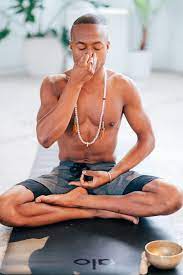
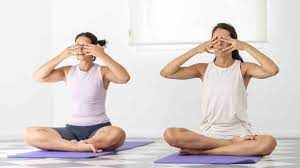
Technique: This involves closing one nostril and breathing through the other, alternating between nostrils after each breath.
-
Benefits: Nadi Shodhana is excellent for restoring balance and calm in the body and mind. It is particularly effective in harmonizing the left and right hemispheres of the brain, reducing anxiety, and promoting a peaceful mental state.
3. Bhramari (Bee Breath)
-
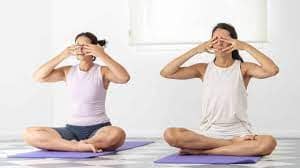
Technique: Closing the ears with the fingers, inhaling deeply, and making a humming sound like a bee during exhalation.
-
Benefits: Bhramari is very effective in instantly relieving stress. It helps to calm the mind, reduce anxiety, and improve mood by releasing cerebral tension.
4. Anulom Vilom (Alternate Nostril Breathing, similar to Nadi Shodhana)
-
Technique: Similar to Nadi Shodhana but often practiced with a different rhythmic pattern and without breath retention.
-
Benefits: This technique is great for mental cleansing and can help clear the channels that directly influence the processes of our mind, aiding in stress reduction.
5. Sheetali (Cooling Breath)
-
Technique: Inhaling through a rolled tongue (or pursed lips if rolling the tongue isn't possible) and exhaling through the nose.
-
Benefits: Sheetali cools the body, calms the mind, and reduces emotional and nervous tension.
6. Kapalabhati (Skull Shining Breath)
-
Technique: Consists of short, powerful exhales and passive inhales.
-
Benefits: Although slightly more stimulating, Kapalabhati is effective for clearing the mind, reducing stress, and rejuvenating the entire brain and body system.
Pranayama Diet
Pranayama, as part of a holistic yoga practice, often goes hand-in-hand with specific dietary recommendations to enhance its benefits and support overall well-being. The diet for those practicing pranayama typically emphasizes purity, simplicity, and balance, aligning with the principles of Ayurveda, the traditional Indian system of medicine. Here are some key aspects of a diet that complements pranayama practice:
1. Sattvic Diet
-
Characteristics: A Sattvic diet is considered the purest diet that promotes clarity, happiness, and calmness. It includes fresh fruits, vegetables, whole grains, legumes, nuts, and seeds. These foods are supposed to be minimally processed and freshly prepared.
-
Benefits: This diet is believed to enhance and purify the body and mind, creating the ideal state for yoga and pranayama.
2. Avoid Rajasic and Tamasic Foods
-
Rajasic Foods: These are stimulating foods that can agitate the mind and disrupt calmness. They include spicy foods, caffeinated drinks, and excessively pungent flavors.
-
Tamasic Foods: These are considered to make the body and mind lethargic and dull. They typically include meat, alcohol, tobacco, onions, garlic, fermented foods, and overly processed, stale, or preserved foods.
3. Light Meals
-
Recommendation: It is advised to eat light, especially before practicing pranayama. A heavy meal can make breathing exercises uncomfortable and less effective.
-
Timing: Ideally, pranayama should be practiced on an empty stomach or at least 2-3 hours after a meal to ensure the stomach is not full during the exercises.
4. Hydration
-
Importance: Adequate hydration is crucial for overall health and assists in the detoxification processes that pranayama promotes.
-
Practice: Drinking room temperature or warm water is recommended, as cold water is believed to dampen the digestive fire (Agni) in Ayurveda.
5. Natural and Whole Foods
-
Focus: Emphasis is placed on consuming foods that are natural, whole, and life-giving. This includes a wide variety of vegetables, fruits, whole grains, and foods rich in prana (life force).
-
Avoidance: Processed and fast foods are discouraged as they are considered to contain low prana and may contain unhealthy fats and additives.
6. Mindful Eating
-
Practice: Eating should be done mindfully, in a calm environment, focusing on the act of eating without distractions like television or intense conversations.
-
Chewing: Proper chewing is emphasized to aid digestion and absorption of nutrients.
7. Ayurvedic Principles
Pranayama Lifestyle
Adopting a lifestyle that complements pranayama practice can greatly enhance its benefits, leading to improved physical, mental, and spiritual well-being. A pranayama-centered lifestyle involves more than just regular breathing exercises; it encompasses various aspects of daily living, aligning them with the holistic principles of yoga. Here are key elements to consider for a lifestyle that supports pranayama practice:
1. Regular Practice
-
Consistency: Establishing a consistent pranayama routine is crucial. Ideally, pranayama should be practiced daily, usually in the morning or evening when the environment is calm.
-
Environment: Practicing in a quiet, clean, and serene space enhances the effectiveness of pranayama. Natural settings or a dedicated space in the home are ideal.
2. Balanced Diet
-
Sattvic Foods: As mentioned previously, a diet rich in Sattvic foods (fresh fruits, vegetables, grains) supports pranayama by keeping the body light and nourished.
-
Mindful Eating: Eating should be mindful and not rushed, ensuring that food is properly digested and assimilated.
3. Physical Activity
-
Yoga Asanas: Integrating yoga asanas with pranayama practice enhances physical flexibility and strength, prepares the body for sitting positions in pranayama, and stabilizes energy flow.
-
Moderate Exercise: Regular physical activity such as walking, swimming, or cycling can complement pranayama by improving overall cardiovascular health and stamina.
4. Adequate Rest
-
Sleep: Good quality sleep is vital. It rejuvenates the body and mind, making them more receptive to the benefits of pranayama.
-
Relaxation: Times of relaxation and stillness throughout the day can help in maintaining a calm and balanced mind.
5. Mental and Emotional Well-being
-
Mindfulness and Meditation: Practices that cultivate mindfulness and meditation are beneficial. They enhance the mental focus and spiritual depth required for effective pranayama.
-
Stress Management: Employing techniques to manage and reduce stress can prevent the negative impacts of stress on the body and mind, thereby supporting pranayama practices.
6. Lifestyle Choices
-
Avoidance of Stimulants: Reducing or avoiding stimulants like caffeine and nicotine, as well as excessive alcohol, supports the calming and balancing effects of pranayama.
-
Digital Detox: Limiting screen time, especially before bed, can help in maintaining mental clarity and reducing mental clutter.
7. Social Environment
-
Supportive Community: Engaging with a community of like-minded individuals who practice yoga and pranayama can provide encouragement, share insights, and enhance the practice through collective energy.
-
Positive Relationships: Cultivating positive relationships and minimizing conflict or emotional turmoil in personal interactions can help maintain emotional and mental balance.
8. Personal Development
-
Continuous Learning: Engaging in the study of yoga philosophy, scriptures, and advanced pranayama techniques can deepen understanding and commitment.
-
Self-reflection: Regular self-reflection helps to assess personal growth, understand the impacts of lifestyle choices, and realign goals.
Pricing of PranayamaWellness Resorts and Retreats
The pricing of Pranayama wellness resorts and retreats can vary widely depending on several factors, including location, duration of stay, the inclusivity of the package, and the amenities offered. Here’s a general guide on what you might expect in terms of pricing:
1. Location
-
Local vs. International: Retreats in countries like India, where pranayama and yoga are indigenous practices, might be less expensive than those in the Western countries. However, luxury resorts in India can also be quite pricey.
-
Remote or Exclusive Areas: Retreats located in remote or exclusive areas often charge more due to their unique settings and the costs associated with maintaining facilities in such locations.
2. Duration
-
Weekend Retreats: These are typically shorter and less expensive. Prices can range from $200 to $600, depending on the facilities and inclusiveness of the program.
-
Week-long Retreats: These are more immersive and can range from $500 to over $2,000. The longer the stay, the higher the price, generally offering a more comprehensive experience.
3. Inclusiveness
-
Basic Packages: Might include accommodation, meals, and a couple of pranayama sessions each day. These are usually on the lower end of the pricing spectrum.
-
All-inclusive Packages: These include multiple daily pranayama and yoga sessions, workshops, guided meditation, all meals (often gourmet or tailored to dietary needs), excursions, and sometimes spa treatments. Prices for these packages can be significantly higher.
4. Type of Accommodation
-
Shared vs. Private: Opting for a shared room can reduce the cost significantly compared to a private room or suite.
-
Luxury Level: High-end resorts with luxury accommodations can be quite expensive, sometimes costing thousands of dollars per week.
5. Additional Amenities and Services
-
Spa Treatments: Many wellness resorts offer spa services, which can add to the cost if they are not included in the price.
-
Special Workshops or Guest Instructors: Special events or sessions with renowned instructors can also increase the price.
6. Seasonality
List of countries that practice Pranayama
Pranayama, as a key component of yoga, is practiced globally. Originally from India, where it is an integral part of traditional yoga practice, pranayama has spread worldwide due to the growing popularity of yoga. Here’s a list of some countries where pranayama is notably practiced:
1. India
2. United States
-
Pranayama is widely practiced across the country, often incorporated into yoga classes in fitness centers, yoga studios, and wellness retreats.
3. United Kingdom
4. Canada
5. Australia
6. Germany
7. France
8. Italy
9. Brazil
10. China
11. Japan
12. Russia
13. South Africa
14. Thailand
15. Indonesia (especially Bali)
Pros and Cons of Pranayama
Pranayama, the practice of breath control in yoga, offers numerous benefits but, like any practice, it can also have drawbacks if not performed correctly or under appropriate conditions. Here’s a balanced look at the pros and cons of pranayama:
Pros of Pranayama
-
Enhances Respiratory Health: Regular pranayama can strengthen the respiratory muscles, increase lung capacity, and improve overall respiratory efficiency.
-
Reduces Stress and Anxiety: Techniques such as Ujjayi (Ocean Breath) and Anulom Vilom (Alternate Nostril Breathing) activate the parasympathetic nervous system, promoting relaxation and reducing stress levels.
-
Improves Mental Focus and Clarity: By focusing on the breath, pranayama can help clear the mind, improving concentration and mental clarity, which is beneficial for both personal and professional life.
-
Increases Energy Levels: Certain pranayama techniques, like Kapalabhati (Skull Shining Breath), invigorate the body and can boost energy levels, making you feel more alive and active.
-
Supports Emotional Balance: Regular practice helps manage emotions better, reducing the frequency and intensity of negative emotional states like anger and sadness.
-
Aids in Detoxification: Enhanced breath technique can help flush toxins from the blood, improving overall health and vitality.
-
Prepares for Meditation: Pranayama calms the mind and prepares it for deeper meditation, enhancing the meditation experience.
Cons of Pranayama
-
Risk of Improper Practice: If done incorrectly, pranayama can lead to dizziness, headaches, or even more severe health issues. It’s crucial to learn the techniques under the guidance of a knowledgeable instructor.
-
Not Suitable for Everyone: Individuals with certain health conditions, such as cardiovascular diseases, respiratory issues, or pregnant women, may need to modify or avoid certain pranayama practices. Always consult with a healthcare provider before starting.
-
Potential for Overdoing It: Over-practicing or excessively forceful breathing can lead to hyperventilation, heightened anxiety, and other respiratory issues.
-
Time and Discipline: Pranayama requires regular practice and discipline, which might be challenging for some individuals to maintain.
-
Cultural Misunderstandings: In culturally diverse settings, the spiritual or religious aspects of pranayama might be misunderstood or misinterpreted.
-
Temporary Side Effects: Some beginners might experience mild discomfort, like tingling sensations or lightheadedness, as they adjust to the breathing techniques.