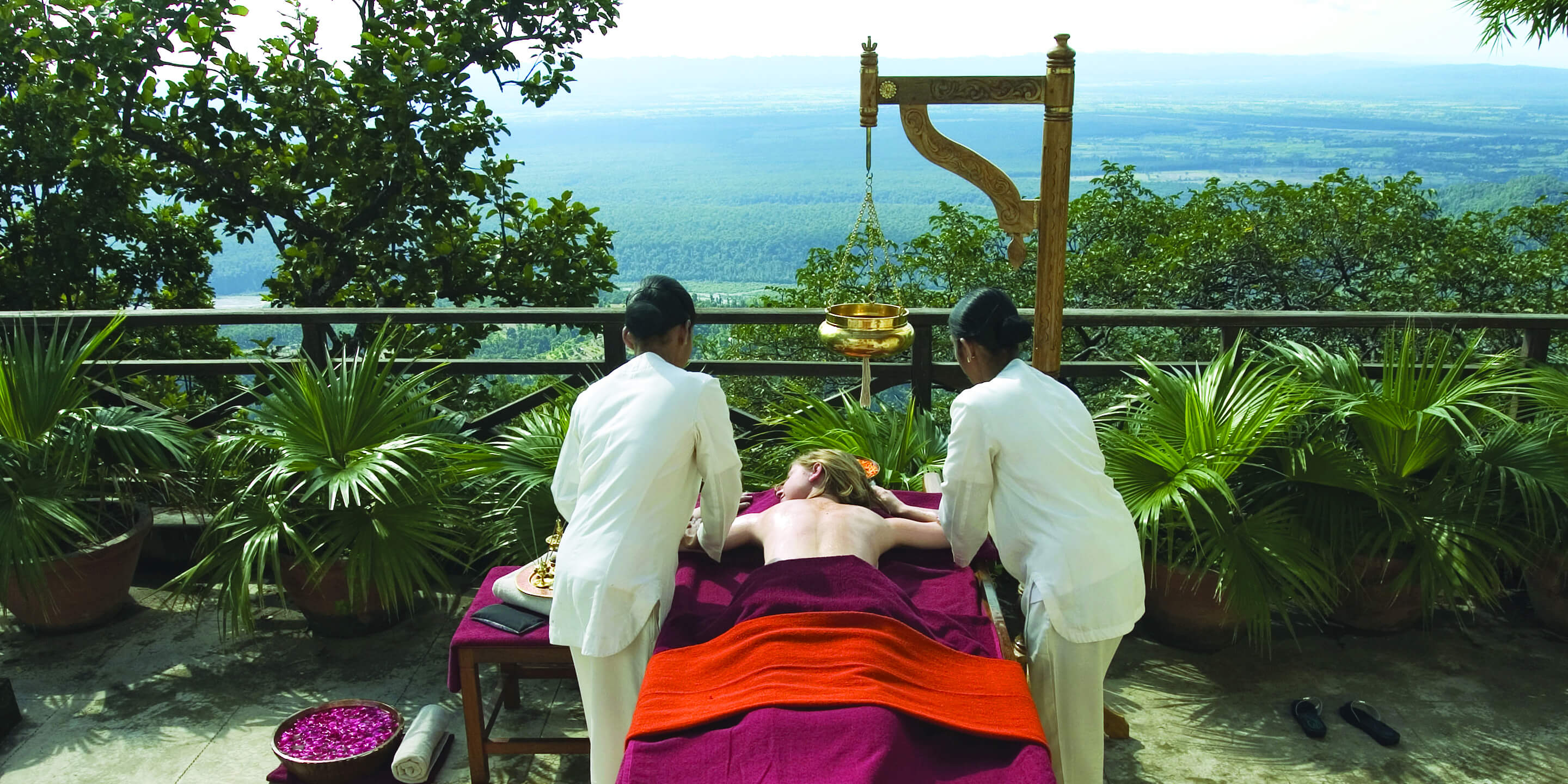
About Naturopathy
Naturopathy is a form of alternative medicine that emphasizes the body's intrinsic ability to heal and maintain itself. It integrates traditional natural therapeutic methods and practices, often including herbal medicine, acupuncture, physical therapy, exercise, and lifestyle counseling. The philosophy behind naturopathy is to treat the whole person, which means considering the physical, mental, emotional, and environmental factors affecting health. Practitioners of naturopathy often aim to support the body's health-restoring processes through natural, non-invasive techniques, emphasizing prevention and self-care. This approach seeks to find the root cause of illness, rather than merely eliminating or suppressing symptoms.
History of Naturopathy
The history of naturopathy dates back to the 19th century but is rooted in healing practices that are much older. The term "naturopathy" was first coined in 1895 by John Scheel, a German doctor, and was popularized by Benedict Lust, known as the "Father of U.S. Naturopathy." Lust established the American School of Naturopathy in New York in 1902, which marked the formal beginning of naturopathy as a medical system in the United States.
Naturopathy emerged as a response to the invasive and often harmful medical practices of the time, advocating a return to natural healing processes. It drew upon a diverse range of healing traditions, including European nature cure practices—such as hydrotherapy, herbal medicine, and dietetics—along with traditional Chinese medicine, Ayurveda, and indigenous healing philosophies.
The early 20th century saw a rise in the popularity of naturopathy, particularly in North America, where practitioners combined various natural health practices into a cohesive treatment approach centered on lifestyle changes, nutrition, and the use of natural therapies. Despite facing significant challenges and decline with the rise of biomedicine and pharmaceuticals mid-century, naturopathy experienced a resurgence in the latter part of the 20th century, paralleling a growing interest in alternative and holistic approaches to health.
Today, naturopathy is recognized in many parts of the world, with practitioners in countries such as the United States, Canada, Australia, and Germany. It remains focused on holistic care, prevention, and treating the underlying causes of disease, adhering to its foundational principle of supporting the body's own healing abilities.
A range of Ayurvedic Therapies and Treatments
Ayurveda offers a wide array of therapies and treatments that aim to balance the body's energies (doshas) and promote overall well-being. Here's an overview of some common Ayurvedic therapies and treatments:
1. Panchakarma
Panchakarma is a set of five procedures intended to cleanse the body of toxins. These procedures include Vamana (therapeutic vomiting), Virechana (purgation), Basti (enema), Nasya (nasal administration), and Raktamokshana (bloodletting). This intensive cleansing helps restore the body's balance and is often used to treat chronic diseases.
2. Abhyanga (Oil Massage)
Abhyanga involves massaging the body with large amounts of warm herbal oils. The oil is chosen based on the individual's dosha type. This massage enhances circulation, helps remove toxins, and promotes deeper relaxation of the muscles and nerves.
3. Shirodhara
In Shirodhara, a continuous stream of warm oil is poured onto the forehead, specifically over the third eye. It is renowned for its ability to relieve stress, enhance sleep quality, and improve concentration and mental clarity.
4. Swedana (Herbal Steam Bath)
Swedana is a full-body steam treatment that uses herbal decoctions. The steam opens up the pores, flushes out impurities through the skin, and can relieve pain, reduce stiffness, and increase circulation.
5. Ayurvedic Nutrition and Herbal Remedies
Diet is central to Ayurvedic treatment. Ayurvedic nutrition involves eating according to one's dosha type to balance the body's energies. Herbal remedies also play a crucial role, with various herbs prescribed to treat specific ailments or to promote general health.
6. Yoga and Meditation
While technically broader disciplines, yoga and meditation are integral to Ayurvedic treatment. They are prescribed to enhance energy flow, increase body flexibility, reduce stress, and improve mental focus.
7. Marma Therapy
Marma therapy involves massaging or stimulating specific energy points on the body called marma points. This is believed to promote healing and restore energy flow throughout the body.
8. Rasayana (Rejuvenation)
Rasayana therapies are aimed at rejuvenating the body, enhancing its resilience, and reversing the effects of aging. These treatments often involve specific herbs, diets, and special Ayurvedic practices.
Benefits of Naturopathy
Naturopathy offers a range of benefits due to its holistic approach to health and wellness. Here are some of the key advantages:
1. Holistic Care
Naturopathy treats the whole person, considering physical, mental, and emotional aspects. This approach aims to identify and address the root causes of illness, rather than just treating symptoms.
2. Prevention-Oriented
One of the fundamental principles of naturopathy is the prevention of disease. It emphasizes lifestyle modifications, nutrition, and stress management to prevent health issues before they develop.
3. Natural Remedies
Naturopathy focuses on natural therapies such as herbs, diet, and massage. These treatments generally have fewer side effects compared to conventional pharmaceutical treatments.
4. Personalized Treatment
Naturopathic practitioners often create tailored treatment plans based on the unique needs and conditions of their patients, which can lead to more effective outcomes.
5. Empowerment of Patients
Naturopathy encourages patients to play an active role in their health care through education and lifestyle changes, empowering them to take charge of their own health.
6. Support for Chronic Conditions
Naturopathy can be particularly beneficial for managing chronic conditions such as arthritis, diabetes, and cardiovascular diseases, where ongoing lifestyle management and natural therapies play significant roles.
7. Complementary Approach
Naturopathy can be used alongside conventional medicine, providing a complementary approach that enhances overall health and treatment outcomes.
8. Focus on Natural Healing
By promoting the body's natural healing processes, naturopathy can help patients achieve a balanced state of health without the extensive use of medications.
Is Naturopathy Treatment Effective?
The effectiveness of naturopathy treatment can vary based on several factors, including the condition being treated, the individual's overall health, and the specific therapies used. Here are some considerations regarding the efficacy of naturopathy:
Supportive Research
Research on naturopathy as a whole is less extensive than conventional medicine, but some studies suggest that certain naturopathic treatments can be effective, particularly for chronic conditions and overall well-being. For example, naturopathic approaches like dietary changes, stress reduction techniques, and herbal supplements have shown benefits for conditions such as anxiety, type 2 diabetes, and cardiovascular health.
Personalized Approach
Naturopathy is highly personalized, which can enhance its effectiveness for individuals. Treatments are tailored to the specific needs and conditions of each patient, taking into account their lifestyle, diet, and genetic predispositions. This individualized approach can lead to more effective management of symptoms and underlying health issues.
Complementary Nature
Naturopathy often serves as a complementary therapy alongside conventional treatments. Many patients report improvements when naturopathic methods are used to support traditional medical treatments, particularly in managing side effects and improving the quality of life.
Preventive Focus
One of the key strengths of naturopathy is its focus on prevention and health promotion, which can lead to long-term health benefits. By addressing lifestyle factors and promoting healthy habits, naturopathy can help prevent the onset of diseases and reduce the reliance on conventional medical interventions.
Limitations and Considerations
It's important to note that while naturopathy can be beneficial for many health issues, it may not be suitable for all medical conditions, especially acute emergencies or where advanced medical technologies are required. The quality of naturopathic care can also vary depending on the practitioner's training and experience.
List of diseases Naturopathy can cure.
Naturopathy is often considered more effective for managing and alleviating symptoms rather than curing diseases outright. It's particularly geared towards chronic, non-life-threatening conditions where lifestyle and natural therapies play significant roles. Here’s a list of conditions that naturopathy can help manage effectively:
-
Chronic Pain Conditions such as arthritis, fibromyalgia, and back pain. Naturopathic treatments like acupuncture, herbal medicine, and physical therapies can help reduce pain and improve mobility.
-
Digestive Disorders including irritable bowel syndrome (IBS), constipation, and acid reflux. Dietary changes, herbal remedies, and stress reduction techniques are commonly used to manage these issues.
-
Stress and Anxiety are often addressed with naturopathic approaches such as meditation, yoga, and herbal supplements like ashwagandha or lavender.
-
Hormonal Imbalances, including thyroid disorders and adrenal fatigue. Naturopathy may use botanical medicine, dietary modifications, and lifestyle changes to help balance hormone levels.
-
Allergies can be managed through dietary adjustments, environmental changes, and supplements to support the immune system.
-
Skin Conditions such as eczema and acne. Treatments may include dietary interventions, herbal preparations, and topical treatments designed to heal and nourish the skin.
-
Type 2 Diabetes - While not curable, naturopathy can help manage this condition through diet, exercise, and weight management strategies.
-
High Blood Pressure and Cardiovascular Health can be improved with dietary changes, stress management, and natural supplements like omega-3 fatty acids.
-
Weight Management issues are addressed through holistic nutrition, exercise, and counseling to promote long-term healthy lifestyle changes.
-
Respiratory Conditions such as asthma may be managed with dietary strategies, herbal medicine, and techniques to reduce environmental triggers.
Wellness through Naturopathy
Naturopathy emphasizes a holistic approach to wellness, focusing on natural healing processes and preventive care. Here's how wellness is promoted through naturopathy:
1. Diet and Nutrition
Naturopathy places a strong emphasis on diet and nutrition as foundations for good health. Personalized dietary advice aims to address individual nutritional needs and promote balance within the body. This may include the incorporation of whole, organic foods, elimination of toxins, and guidance on specific diets to manage or prevent health conditions.
2. Lifestyle Changes
Lifestyle counseling is a core component of naturopathy. Practitioners often work with individuals to identify and modify lifestyle factors that contribute to their health issues. This can include advice on sleep habits, physical activity, stress management, and environmental exposures.
3. Herbal Medicine
Herbal treatments are used extensively in naturopathy to support the body's healing process and maintain internal balance. Herbs are selected based on their therapeutic properties and potential to enhance overall health without the side effects often associated with synthetic drugs.
4. Physical Therapies
Various physical therapies such as massage, hydrotherapy, and other body treatments are employed to improve circulation, relieve pain, and stimulate the body’s natural healing responses.
5. Detoxification
Detoxification therapies are designed to purge toxins from the body. Techniques such as fasting, sweating, and bowel cleansing may be recommended to clear the body’s systems, enhance metabolic function, and improve energy levels.
6. Mind-Body Practices
Naturopathy often integrates mind-body techniques such as yoga, meditation, and guided imagery to enhance mental and emotional well-being. These practices help reduce stress, which is a significant factor in many chronic diseases, and support overall mental health.
7. Preventive Care
Naturopathy focuses on prevention as the best strategy for maintaining long-term health. This includes regular screenings, lifestyle adjustments, and natural supplements to prevent disease before it starts.
8. Education
Educating patients about their health conditions and how to manage them through natural means is fundamental in naturopathy. This empowerment helps individuals take control of their health and make informed decisions about their care.
Beauty Care through Naturopathy
Naturopathy approaches beauty care by focusing on internal health as the foundation for external beauty. Here’s how naturopathy promotes beauty care through natural means:
1. Holistic Skin Care
Naturopathic beauty care emphasizes skin health as a reflection of overall wellness. Treatments often include dietary recommendations to support skin health, such as increasing intake of antioxidants and water, while reducing processed foods and sugars. Herbal supplements and topical treatments are also used to improve skin clarity and elasticity.
2. Natural Topical Treatments
Using natural and organic skincare products is a hallmark of naturopathic beauty care. These might include herbal creams, oils, and masks that are free from synthetic chemicals. Common ingredients include aloe vera, coconut oil, tea tree oil, and shea butter, known for their soothing, moisturizing, and antibacterial properties.
3. Detoxification
Detoxification is believed to clear skin impurities and enhance overall beauty. Naturopathy may employ methods such as sauna, detox diets, and herbal cleanses to remove toxins from the body that can affect skin health.
4. Hydration and Nutrition
Proper hydration is vital for maintaining skin moisture and elasticity. Naturopathic practitioners stress the importance of drinking adequate water and consuming hydrating foods. Nutritional advice might also focus on foods rich in vitamins C and E, omega-3 fatty acids, and other nutrients essential for maintaining vibrant skin, healthy hair, and strong nails.
5. Stress Reduction Techniques
Stress can have significant negative effects on the skin, including causing breakouts and accelerating aging. Techniques such as yoga, meditation, and breathing exercises are recommended to manage stress effectively.
6. Physical Activity
Regular physical activity is encouraged not only for its health benefits but also for its role in improving circulation and promoting healthy skin. Exercise is seen as a natural beauty treatment that helps detoxify the body and keep the skin clear.
Weight Loss and Weight Management through Naturopathy
Naturopathy offers a comprehensive approach to weight loss and weight management, focusing on balancing physical, emotional, and nutritional factors to achieve sustainable results. Here’s how naturopathy addresses weight loss and management:
1. Personalized Nutrition Plans
Naturopathy emphasizes individualized dietary guidance based on each person's unique body constitution, metabolic rate, and health conditions. It encourages a diet rich in whole foods, nutrients, and herbs that can help in boosting metabolism and reducing cravings. This might include the use of foods that naturally promote satiety and balance blood sugar levels, such as high-fiber vegetables, lean proteins, and healthy fats.
2. Detoxification
Naturopathic treatment often includes detoxification protocols which are believed to remove toxins from the body that might be hindering weight loss. Techniques such as controlled fasting, juice cleansing, or specific herbal supplements are common methods to support the body’s natural detox processes.
3. Hormonal Balance
Weight issues are often related to hormonal imbalances. Naturopathy works on identifying and treating underlying hormonal issues such as thyroid dysfunction, adrenal fatigue, or insulin resistance, using natural therapies like herbal medicine or nutritional supplements.
4. Digestive Health
Improving gastrointestinal health is a key aspect of naturopathic weight management. Treatments may focus on enhancing gut health through probiotics, digestive enzymes, and dietary changes to ensure optimal digestion and nutrient absorption, which is crucial for weight management.
5. Stress Management
Stress can lead to hormonal imbalances that trigger weight gain, especially around the midsection. Naturopathic treatments such as meditation, yoga, and stress-relief therapies are incorporated to help manage stress and its effects on the body weight.
6. Physical Activity
Regular physical activity tailored to the individual’s capability and preference is another cornerstone of naturopathic weight management. Activities might include yoga, pilates, strength training, or aerobic exercises, which help burn calories, boost metabolism, and build muscle mass.
7. Behavioral Counseling
Naturopathy also addresses the psychological aspects of eating and weight management, providing counseling and support to help modify behaviors and develop healthier relationships with food.
8. Accountability and Support
Ongoing support from a naturopathic doctor can provide the necessary encouragement and accountability needed to stick to a weight loss plan. Regular follow-ups help in adjusting the plan as needed and addressing any challenges that arise.
Stress Relief through Naturopathy
Naturopathy offers a variety of methods to relieve stress, aiming to restore balance to the body and mind through natural and holistic approaches. Here's how naturopathy can help alleviate stress:
1. Herbal Remedies
Naturopathy often uses herbal supplements known for their calming properties to help manage stress. Herbs like Ashwagandha, Valerian Root, and Chamomile are commonly prescribed for their natural sedative effects and ability to improve sleep quality.
2. Dietary Changes
A naturopath may recommend dietary adjustments to help combat stress. This includes incorporating foods high in magnesium, omega-3 fatty acids, and B vitamins, which have been shown to help reduce the symptoms of stress. Reducing caffeine and sugar intake can also be beneficial as they can exacerbate anxiety and stress responses.
3. Physical Exercise
Regular physical activity is encouraged in naturopathy to help reduce stress. Exercise releases endorphins, the body's natural painkillers and mood elevators. Practices such as yoga and Tai Chi are particularly emphasized for their dual benefits of physical fitness and mental relaxation.
4. Mindfulness and Meditation
Mindfulness practices and meditation are central elements in naturopathy for stress relief. These practices help cultivate a state of awareness and presence, allowing for better management of stress and emotions.
5. Hydrotherapy
Hydrotherapy, which involves the use of water for pain relief and treatment, can also be used for stress management. Techniques might include baths, saunas, steam baths, or hydro-massage, all of which can help relax muscles and ease mental tension.
6. Aromatherapy
The use of essential oils in aromatherapy can have a calming effect on the nervous system. Oils such as lavender, sandalwood, and bergamot are used to reduce stress and anxiety levels through direct inhalation or massage.
7. Acupuncture
Acupuncture is another method used in naturopathy to relieve stress. By targeting specific points on the body, acupuncture aims to release muscle tension and improve circulation, which can help alleviate the physical symptoms of stress.
8. Counseling and Behavioral Therapies
Naturopathic doctors often provide counseling to help individuals understand and manage their stress better. Techniques such as cognitive-behavioral therapy (CBT) may be used to change negative thought patterns and behaviors that contribute to stress.
Naturopathy Diet
A naturopathy diet focuses on whole, unprocessed foods that nourish the body and support natural healing processes. Here are key elements and principles commonly found in a naturopathic diet:
1. Whole Foods
The diet emphasizes eating whole foods, which means foods that are unrefined and unprocessed. This includes whole grains, legumes, nuts, seeds, fruits, and vegetables. These foods are preferred over refined foods like white flour, sugar, and processed snacks because they retain their natural fiber, vitamins, and minerals.
2. Organic and Locally Sourced
Where possible, organic foods are recommended to avoid exposure to pesticides and chemicals. Locally sourced foods are also encouraged to ensure freshness and reduce the environmental impact of long-distance food transportation.
3. Balanced Nutrition
A naturopathy diet aims to provide a balanced mix of carbohydrates, proteins, and fats. Healthy fats from sources like avocados, nuts, seeds, and olive oil are included to support cell structure and hormone production. Proteins are chosen based on digestibility and health benefits, with a focus on plant-based sources and lean meats.
4. Hydration
Adequate hydration is crucial, and consuming plenty of water is a staple of the naturopathic diet. Herbal teas and natural vegetable juices can also be included as part of the daily fluid intake.
5. Dietary Exclusions
Depending on individual health conditions, certain foods might be excluded from the diet. Common exclusions include allergens like gluten or dairy, as well as stimulants like caffeine and alcohol, which can disrupt the body's natural processes.
6. Detoxifying Foods
Foods that naturally detoxify the body are often incorporated, such as garlic, beetroot, and greens like spinach and kale. These foods help cleanse the liver and improve overall detoxification.
7. Fermented Foods
Fermented foods such as yogurt, kefir, sauerkraut, and kombucha are included for their probiotic content, which supports gut health and digestion.
8. Anti-inflammatory Foods
The diet often includes foods known for their anti-inflammatory properties, such as turmeric, ginger, berries, and omega-3 rich foods like flaxseeds and fish. These can help manage chronic inflammation and associated conditions.
Naturopathy Lifestyle
Adopting a naturopathy lifestyle involves integrating principles and practices that promote natural health and preventive care. Here’s an overview of what a naturopathic lifestyle typically includes:
1. Holistic Nutrition
Eating a balanced diet based on whole, organic, and minimally processed foods is central to the naturopathic lifestyle. This includes plenty of fruits, vegetables, whole grains, lean proteins, and healthy fats. The focus is on foods that nourish the body and support its natural healing abilities.
2. Regular Physical Activity
Physical exercise is crucial, not just for fitness but for overall well-being. Naturopathy often recommends forms of exercise that promote flexibility, strength, and cardiovascular health, such as yoga, Pilates, walking, or swimming. Regular physical activity helps manage weight, improves mood, and reduces the risk of chronic diseases.
3. Adequate Rest and Sleep
Sleep is considered a foundational pillar of health in naturopathy. Ensuring a consistent sleep schedule and creating a restful environment free from distractions like electronic devices can help improve sleep quality and, by extension, overall health.
4. Stress Management
Effective stress management is key in a naturopathic lifestyle. Practices such as meditation, deep breathing exercises, mindfulness, and spending time in nature are encouraged to help manage stress.
5. Hydration
Drinking adequate amounts of clean, filtered water daily is essential for maintaining good health. Hydration is vital for digestion, detoxification, and cellular function.
6. Avoidance of Toxins
Reducing exposure to environmental toxins and pollutants where possible is another aspect of naturopathy. This includes avoiding chemical-laden personal care products, cleaning products, and processed foods with artificial additives.
7. Use of Natural Remedies
Rather than defaulting to pharmaceuticals for minor health issues, naturopathy promotes the use of natural remedies such as herbs, supplements, essential oils, and homeopathy under the guidance of a trained practitioner.
8. Community and Social Health
Building and maintaining healthy relationships and having a supportive community are considered important for mental and emotional health. Social interactions can provide emotional support and contribute to a sense of belonging and purpose.
9. Personal Development
Continual personal growth, including the pursuit of hobbies, learning new skills, and engaging in creative activities, is encouraged to enhance mental agility and emotional satisfaction.
10. Environmental Responsibility
Being mindful of one’s environmental impact, such as reducing waste, recycling, and using sustainable products, aligns with the naturopathic principle of living in harmony with nature.
Pricing of Naturopathy Wellness Resorts and Retreats
The pricing for wellness retreats and naturopathy programs in India can vary widely depending on the location, duration, and the specific services offered. Here’s a general idea of what you might expect:
-
Atmantan Wellness Centre near Mumbai offers packages that start from a minimum stay of 3 nights, which can extend up to 21 nights or more, depending on the specific wellness goals of the guest. The packages include accommodations, all meals tailored by doctors, daily fitness and holistic activities like yoga and meditation, various therapeutic services, and access to water therapy suites.
-
Sitaram Beach Retreat in Kerala provides a serene coastal experience with Ayurvedic treatments and wellness services. The retreat offers stays in luxurious cottages and villas, emphasizing natural healing and relaxation by the Arabian shores.
-
Kairali - The Ayurvedic Healing Village in Kerala offers a deeply traditional Ayurvedic experience, recognized for its quality of treatments and luxurious setting. The stay includes a variety of wellness therapies, yoga sessions, and organic, vegetarian cuisine tailored to enhance the healing process.
-
SwaSwara in Karnataka offers programs that can last from 5 to 21 days, focusing on yoga, meditation, and organic living in a serene setting near the beach. The programs are designed to rejuvenate the mind, body, and spirit through holistic practices and nature immersion.
List of countries that practice Naturopathy
Naturopathy is practiced in various countries around the world, each integrating it according to its own regulatory standards and cultural acceptance. Here is a list of some countries where naturopathy is notably practiced:
-
United States: Naturopathy is widely practiced in the United States, with several states offering licensure for naturopathic doctors. There are accredited naturopathic medical schools, and practitioners must pass a board exam to practice.
-
Canada: Similar to the U.S., Canada has a strong presence of naturopathic medicine, especially in provinces like British Columbia, Ontario, and Alberta, where naturopathic doctors are licensed.
-
Germany: Known for its long tradition of natural medicine, Germany recognizes naturopathy as Heilpraktiker (non-medical practitioner) and it is well integrated into the healthcare system.
-
India: Naturopathy is part of the traditional health practices and is recognized by the government alongside other forms of traditional medicine like Ayurveda and yoga under AYUSH (Ayurveda, Yoga & Naturopathy, Unani, Siddha, and Homeopathy).
-
Australia: Naturopathy is a popular form of alternative medicine in Australia, with many Australians using naturopathic treatments. It is regulated by professional associations, and practitioners are required to adhere to certain educational standards.
-
United Kingdom: While not as heavily regulated as in North America, naturopathy is practiced in the UK, and there are professional associations that provide guidelines and registration.
-
New Zealand: Naturopathy is well-accepted and practiced by registered health practitioners across the country, with recognition and regulation that ensure standards in practice.
-
Switzerland: Naturopathy is recognized and practitioners are required to obtain specific certifications to practice.
Pros and Cons of Naturopathy
Naturopathy, as a holistic approach to health care, offers both benefits and potential drawbacks. Here are some pros and cons associated with naturopathic medicine:
Pros
-
Holistic Approach: Naturopathy treats the whole person, addressing not just physical symptoms but also factors contributing to health issues, including emotional and mental health.
-
Prevention Focused: Naturopathic medicine emphasizes prevention and seeks to identify and treat the root causes of illness, rather than merely suppressing symptoms.
-
Personalized Treatments: Treatments are tailored to the individual, taking into account personal health history, lifestyle, and specific health conditions.
-
Natural Therapies: Naturopathy often utilizes natural remedies such as herbs, diet, and lifestyle changes, which can have fewer side effects compared to conventional pharmaceutical treatments.
-
Complementary Care: Naturopathy can be used alongside conventional medicine, offering supportive care and additional options for treatments that may enhance overall well-being.
Cons
-
Limited Research: Compared to conventional medicine, some naturopathic treatments lack extensive scientific research to back up efficacy claims. This can make it difficult to measure how effective certain naturopathic treatments are.
-
Regulation Variability: The licensing and regulation of naturopathic practitioners vary widely by country and even by region within countries, which can affect the standards of practice and professionalism.
-
Cost: Naturopathic treatments are not always covered by insurance plans, which can make them less accessible due to out-of-pocket costs.
-
Time-Consuming: Naturopathic treatments often require a commitment to long-term lifestyle changes and ongoing treatments, which may be time-consuming and require sustained effort.
-
Ineffectiveness for Acute Cases: For serious or acute medical conditions, such as major infections or emergencies, naturopathy may not provide adequate or timely care compared to conventional medical treatments.