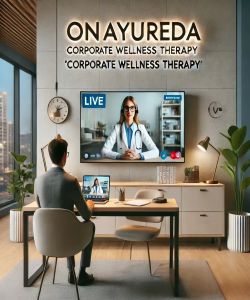
1. Overview of Corporate Wellness Therapy
Corporate Wellness Therapy represents a strategic, non-negotiable imperative for modern organisations committed to optimising human capital and ensuring operational resilience. It is a sophisticated, evidence-based framework designed to proactively address the psychological, emotional, and psychosocial wellbeing of the workforce, moving far beyond rudimentary employee assistance programmes or superficial perks. This integrated approach systematically identifies and mitigates workplace stressors, cultivates mental fortitude, and fosters an environment where peak performance is not just possible but sustainable. By embedding therapeutic principles and expert-led interventions directly into the corporate structure, it confronts the root causes of burnout, presenteeism, and diminished productivity. It is not a remedial measure for the few but a high-performance strategy for the entire organisation, directly linking employee wellbeing to tangible business outcomes such as enhanced innovation, reduced staff turnover, and a fortified organisational culture. This therapy is an investment in the most critical asset of any enterprise: its people. It mandates a cultural shift from a reactive, problem-focused model to a proactive, performance-oriented paradigm, where psychological health is recognised as a core driver of competitive advantage. The implementation of a robust Corporate Wellness Therapy programme is therefore not a matter of corporate social responsibility; it is a decisive act of strategic leadership, essential for navigating the complexities of the contemporary business landscape and securing long-term organisational vitality. It serves as the definitive mechanism for building a workforce that is not only productive but also psychologically robust, adaptive, and fully engaged with the organisation's mission. Failure to integrate such a system is a critical strategic oversight, exposing the organisation to unnecessary risk and competitive disadvantage.
2. What are Corporate Wellness Therapy?
Corporate Wellness Therapy constitutes a comprehensive and structured suite of interventions designed to enhance and sustain the psychological health of an organisation's workforce. It is a multi-faceted discipline that moves beyond traditional occupational health, which historically focused on physical safety, to address the full spectrum of an employee's wellbeing. Fundamentally, it is the strategic application of psychotherapeutic principles and practices within a corporate context, tailored to meet the unique pressures and demands of the modern workplace. This is not clinical treatment for severe mental illness but a proactive and preventative framework aimed at building resilience, managing stress, and improving interpersonal dynamics to optimise both individual and collective performance. It functions on the premise that a psychologically healthy workforce is the bedrock of a successful and sustainable organisation.
Its core components are designed to be both educational and interventional, including but not limited to:
- Stress Management and Resilience Training: Equipping employees with practical, evidence-based tools to cope with pressure, manage workloads, and recover from setbacks effectively. This involves cognitive-behavioural techniques and psychoeducation on the physiological and psychological impacts of stress.
- Mental Health Support Systems: Providing confidential access to qualified therapists and counsellors for one-to-one sessions, workshops, and critical incident debriefing. This ensures professional support is readily available to address issues before they escalate.
- Leadership and Management Coaching: Training leaders to recognise signs of psychological distress within their teams, foster a culture of psychological safety, and lead with empathy and emotional intelligence. This is critical for embedding wellness into the organisational hierarchy.
- Conflict Resolution and Communication Enhancement: Applying therapeutic communication models to improve team cohesion, resolve interpersonal conflicts constructively, and build a more collaborative and supportive work environment.
Ultimately, Corporate Wellness Therapy is an integrated system that embeds psychological wellbeing into the very fabric of an organisation's culture and operations.
3. Who Needs Corporate Wellness Therapy?
- High-Pressure, High-Stakes Professions: Individuals in sectors such as finance, law, technology, and emergency services operate under constant and extreme pressure. The relentless demand for peak performance, long hours, and critical decision-making necessitates structured psychological support to prevent burnout, cognitive fatigue, and decision degradation. For these professionals, wellness therapy is an essential performance-sustainment tool, not a luxury.
- Senior Leadership and Executive Teams: The burden of strategic responsibility, organisational stewardship, and accountability places a unique and isolating psychological load on leaders. They require dedicated, confidential support to manage this stress, maintain clarity of thought, and model healthy leadership behaviours. Their wellbeing directly impacts the entire organisation's culture and stability.
- Teams Undergoing Significant Organisational Change: Mergers, acquisitions, restructuring, or rapid technological shifts create profound uncertainty and anxiety. A targeted therapy programme is mandated to manage employee morale, mitigate resistance, and guide the workforce through the transition constructively, thereby safeguarding productivity and minimising operational disruption.
- Remote and Geographically Dispersed Workforces: Employees working remotely are highly susceptible to professional isolation, blurred work-life boundaries, and disengagement. Corporate Wellness Therapy provides a vital connection point, offering structured support to maintain mental health, foster a sense of belonging, and ensure continued alignment with organisational goals despite physical distance.
- Organisations with High Rates of Absenteeism or Presenteeism: Elevated levels of sickness absence or, more insidiously, presenteeism (attending work whilst unwell and underperforming) are definitive indicators of underlying wellbeing issues. These organisations require an immediate and robust intervention to diagnose and rectify the root causes, which are frequently stress, burnout, or a toxic work environment.
- Customer-Facing and Client-Service Roles: Staff who regularly manage customer complaints, handle sensitive interactions, or engage in emotionally laborious work are at high risk of compassion fatigue and emotional exhaustion. Structured therapeutic support is essential to equip them with coping mechanisms and prevent the degradation of service quality and employee morale.
4. Origins and Evolution of Corporate Wellness Therapy
The genesis of Corporate Wellness Therapy can be traced not to a single event, but to a gradual and necessary evolution in the understanding of organisational dynamics and human capital. Its earliest antecedents lie in the industrial welfare movements of the early 20th century, which were primarily concerned with physical safety and basic working conditions. This paternalistic approach, driven by a need to maintain a physically capable workforce, recognised a rudimentary link between worker welfare and output but lacked any psychological sophistication. The focus was on mitigating overt physical hazards, not the insidious pressures of the mind.
A significant paradigm shift occurred mid-century, catalysed by the Hawthorne studies and the burgeoning field of occupational psychology. For the first time, concepts such as employee morale, social dynamics, and job satisfaction were empirically linked to productivity. This era saw the rise of Employee Assistance Programmes (EAPs), which represented the first formal, albeit reactive, attempt to address personal problems—such as substance abuse or marital issues—that impacted work performance. However, these programmes were often stigmatised, positioned externally to the core business strategy, and focused on remediation rather than prevention or performance enhancement. They were a safety net, not a springboard.
The late 20th and early 21st centuries marked the true emergence of modern Corporate Wellness Therapy. This was driven by a confluence of factors: a greater societal understanding of mental health, compelling research linking psychological wellbeing to business outcomes, and the intensification of work in the knowledge economy. The concept evolved from a reactive, problem-focused EAP model to a proactive, integrated wellness strategy. The focus shifted from merely ‘fixing’ problems to actively building psychological resilience, enhancing emotional intelligence, and fostering a culture of holistic wellbeing. The integration of disciplines like cognitive-behavioural therapy, mindfulness, and positive psychology into the corporate lexicon signalled that employee mental health was no longer a peripheral HR issue, but a central component of strategic management and competitive advantage in a complex global market.
5. Types of Corporate Wellness Therapy
- Cognitive Behavioural Coaching (CBC): This is a highly structured and goal-oriented approach that applies Cognitive Behavioural Therapy (CBT) principles to workplace challenges. It is not clinical therapy but a performance-focused intervention. It equips employees with the tools to identify, challenge, and reframe negative or unhelpful thought patterns and behaviours that impede productivity, resilience, and effective decision-making. CBC is rigorously practical, focusing on tangible workplace stressors and performance objectives.
- Stress Management and Resilience Programmes: These are psychoeducational and skills-based interventions designed to provide the workforce with a robust toolkit for managing occupational stress. They typically involve modules on understanding the psychophysiology of stress, mindfulness and relaxation techniques, time management strategies rooted in psychological principles, and building personal resilience to navigate adversity and pressure without succumbing to burnout.
- Mindfulness-Based Stress Reduction (MBSR) for the Workplace: A specialised, evidence-based programme adapted for the corporate environment. It provides systematic training in mindfulness meditation and mindful awareness to improve focus, reduce emotional reactivity, and enhance cognitive clarity. This type of therapy fosters a state of non-judgemental present-moment awareness, which is critical for navigating complex and high-demand work environments.
- Critical Incident Stress Management (CISM): This is an acute and immediate intervention deployed following a traumatic event affecting the workplace, such as a major accident, security breach, or the death of a colleague. It is a structured group and individual process, led by trained specialists, designed to mitigate the psychological impact of the event, accelerate recovery, and restore normal team functioning. It is an essential component of organisational crisis response.
- Group and Team-Based Psychodynamic Interventions: These interventions focus on the underlying, often unconscious, dynamics within a team or group that affect its performance, communication, and overall health. A trained facilitator helps the team explore its collective behaviours, communication patterns, and hidden conflicts to foster deeper insight, improve psychological safety, and resolve systemic issues that hinder collaboration and effectiveness.
6. Benefits of Corporate Wellness Therapy
- Enhanced Organisational Resilience: A workforce equipped with superior stress management and coping skills is fundamentally more adaptive. The organisation becomes better able to withstand market volatility, internal restructuring, and external pressures without a catastrophic decline in performance or morale.
- Direct Mitigation of Productivity Losses: By proactively addressing the root causes of burnout, anxiety, and disengagement, these programmes directly combat presenteeism (working whilst unwell) and absenteeism. This translates into a quantifiable increase in focused, effective work hours and a reduction in unscheduled absences.
- Significant Improvement in Talent Retention: Organisations that invest demonstrably in the psychological wellbeing of their staff foster a culture of loyalty and high morale. This significantly reduces costly employee turnover, as valued personnel are less likely to seek opportunities in environments that neglect their mental health.
- Fortification of Leadership Capabilities: Dedicated wellness coaching for managers and executives enhances their emotional intelligence, decision-making clarity under pressure, and ability to lead with empathy. This creates a cascade effect, improving team dynamics and psychological safety throughout the entire organisational structure.
- Cultivation of a High-Performance Culture: Wellness therapy is not about remediation; it is about optimisation. It helps employees operate at their cognitive and emotional peak, fostering greater innovation, creativity, and problem-solving capabilities. It shifts the culture from one of mere survival to one of sustainable high performance.
- Reduction in Organisational Risk and Liability: By providing robust mental health support and actively managing workplace stress, organisations can mitigate the risk of stress-related litigation, employee grievances, and reputational damage associated with a toxic or neglectful work environment.
- Improved Interpersonal and Team Dynamics: Interventions focused on communication, conflict resolution, and psychological safety dismantle barriers to effective collaboration. This leads to more cohesive, efficient, and innovative teams, reducing the friction and lost time caused by interpersonal disputes.
7. Core Principles and Practices of Corporate Wellness Therapy
- Strategic Integration, Not Ancillary Addition: The therapy programme must be deeply embedded within the organisation's core strategy and culture. It cannot be treated as a peripheral HR benefit. Its principles must inform leadership decisions, performance management systems, and operational processes, demonstrating an authentic, top-down commitment to psychological wellbeing as a driver of business success.
- Proactive Prevention Over Reactive Cure: The primary focus must be on preventative measures that build psychological resilience and coping skills across the entire workforce. This involves identifying potential stressors within the work environment and equipping employees with the tools to manage them before they escalate into critical issues such as burnout or severe anxiety. The objective is to build strength, not just mend breaks.
- Absolute Confidentiality and Psychological Safety: The foundation of any effective programme is the unequivocal guarantee of confidentiality. Employees must be able to engage with therapeutic services without any fear of reprisal, stigma, or disclosure to management. This fosters the trust required for genuine engagement and disclosure, ensuring the interventions are impactful.
- Evidence-Based and Professionally Delivered: All interventions, from one-to-one coaching to group workshops, must be grounded in established, empirically validated psychological models (e.g., CBT, MBSR). Furthermore, they must be delivered exclusively by accredited, insured, and appropriately qualified mental health professionals with specific expertise in the corporate context.
- Customisation and Organisational Diagnosis: A one-size-fits-all approach is ineffective. The programme must begin with a thorough diagnostic phase to understand the specific stressors, cultural nuances, and unique challenges of the organisation. Interventions must then be tailored to address these identified needs, ensuring relevance and maximising impact.
- Multi-Level Intervention: The strategy must operate at all organisational levels. This includes individual support for employees, skills training for line managers to enable them to support their teams effectively, and strategic consultation with senior leadership to shape a psychologically healthy work environment from the top down.
- Data-Driven Measurement and Evaluation: The effectiveness of the programme must be rigorously and continuously evaluated using anonymised, aggregated data. Key metrics should include staff turnover, absenteeism rates, employee engagement scores, and qualitative feedback. This data-driven approach ensures accountability, demonstrates ROI, and allows for the continuous refinement of the strategy.
8. Online Corporate Wellness Therapy
- Unparalleled Accessibility and Discretion: The primary advantage of online delivery is the removal of geographical and logistical barriers. Employees can access confidential support from any location, be it their home, a different office, or during business travel. This inherent discretion is paramount, as it eliminates the potential stigma of being seen entering a therapist's office, thereby significantly increasing uptake among those who might otherwise hesitate to seek support.
- Enhanced Scalability and Consistency: Digital platforms allow organisations to deploy a standardised, high-quality wellness programme across the entire global workforce simultaneously. A consistent message and quality of care can be delivered to every employee, regardless of their location or time zone, something that is logistically impossible and prohibitively expensive to achieve with purely onsite models. This ensures equity in the provision of support.
- Greater Flexibility and Personalisation: Online therapy offers a level of scheduling flexibility that is unattainable with in-person appointments. Employees can book sessions that fit around their work and personal commitments, including outside of traditional business hours. Furthermore, digital platforms can offer a diverse range of modalities—video conferencing, text-based therapy, self-paced modules—allowing individuals to choose the format with which they are most comfortable.
- Robust Data Analytics for Strategic Insight: Anonymised and aggregated data collected through online platforms provides the organisation with powerful, real-time insights into the wellbeing of its workforce. This data can reveal prevalent stressors, identify at-risk departments, and measure the effectiveness of specific interventions. Such analytics are crucial for refining the wellness strategy and demonstrating its return on investment in a tangible, quantifiable manner.
- Efficient and Immediate Access to Specialist Support: Online platforms can connect employees with a vast network of accredited specialists who possess expertise in specific areas, such as trauma, financial stress, or leadership burnout. This bypasses local limitations, ensuring that every employee has access to the precise type of professional support they require, often with significantly reduced waiting times compared to traditional referral pathways.
9. Corporate Wellness Therapy Techniques
- Step 1: The Diagnostic and Scoping Phase. The process commences with a rigorous assessment of the organisation's specific psychological climate. This is not a generic survey. It involves confidential interviews with leadership, anonymous focus groups, and the analysis of organisational data (e.g., absenteeism, turnover rates). The objective is to identify the precise stressors, communication breakdowns, and cultural factors that are undermining wellbeing and performance. A bespoke intervention strategy is then designed based on this empirical data.
- Step 2: Cognitive-Behavioural Coaching (CBC) for Individuals. Identified individuals or high-potential employees engage in one-to-one sessions with a qualified practitioner. The technique involves a structured process where the employee is taught to identify the activating events (A) in their work environment, recognise their subsequent beliefs (B) about these events, and understand the emotional and behavioural consequences (C). The practitioner then works with them to dispute (D) irrational beliefs and develop more effective (E), rational responses, directly improving their resilience and performance.
- Step 3: Psychoeducational Group Workshops. These are not passive lectures. They are interactive, skills-based sessions delivered to teams or departments. A common technique is Stress Inoculation Training. This involves three phases: first, conceptualisation, where employees learn about the nature of stress; second, skills acquisition, where they are taught specific coping techniques like diaphragmatic breathing, progressive muscle relaxation, or reframing; and third, application, where they rehearse applying these skills to simulated workplace stressors.
- Step 4: Team-Based Psychodynamic Intervention. For dysfunctional teams, a facilitator guides the group to explore its underlying and often unspoken dynamics. A key technique is to map the team's 'system', identifying roles that individuals unconsciously adopt (e.g., the scapegoat, the hero). The facilitator maintains a firm but neutral stance, helping the team to bring these unconscious processes into conscious awareness, thereby enabling them to break dysfunctional patterns and build more mature, collaborative ways of working.
- Step 5: Leadership Consultation and Strategic Integration. The practitioner works directly with senior leadership, using a consultative technique. They present anonymised, thematic data from the earlier steps to provide an objective mirror to the organisation's culture. They then guide the leadership team to translate these insights into concrete policy changes, leadership behaviour commitments, and structural adjustments, ensuring that the therapeutic interventions are supported by a genuinely healthy and high-performing organisational system.
10. Corporate Wellness Therapy for Adults
Corporate Wellness Therapy for adults is a sophisticated, non-clinical intervention meticulously designed for the professional environment. It operates on the fundamental principle that adult learners and professionals require a therapeutic approach that is pragmatic, goal-oriented, and directly relevant to their immediate challenges in the workplace. This is not passive, open-ended counselling; it is a structured and active process that respects the autonomy and existing life experience of the individual. The focus is squarely on providing tangible skills and cognitive tools that can be immediately applied to manage stress, enhance interpersonal effectiveness, improve decision-making under pressure, and navigate complex organisational politics. Interventions for adults must be grounded in credibility and evidence, eschewing psychobabble in favour of clear, actionable strategies derived from established modalities like Cognitive Behavioural Coaching and solution-focused therapies. It empowers adults by treating them as partners in the process, encouraging them to take ownership of their psychological wellbeing as a core component of their professional development. The therapy acknowledges the multiple roles adults play—as employees, leaders, parents, and partners—and addresses the inevitable interplay between their professional and personal lives. By providing a confidential, professional space to deconstruct challenges and build robust coping mechanisms, it enables adults not merely to survive the modern workplace, but to thrive within it, fostering a sense of mastery and psychological fortitude that underpins sustainable, long-term career success and personal fulfilment. This approach is an essential tool for human capital optimisation, recognising that an adult professional's greatest asset is a resilient and well-regulated mind.
11. Total Duration of Online Corporate Wellness Therapy
The conceptualisation of duration within Online Corporate Wellness Therapy must be understood not as a single, finite period, but as a framework of scalable, modular engagement. The foundational unit of direct, synchronous therapeutic interaction is typically the 1 hr session. This 1 hr block is the cornerstone of the intervention, providing a focused and confidential space for one-to-one coaching, counselling, or small group work. However, to suggest the total duration is merely a sum of these hours would be a gross oversimplification and fundamentally misunderstand the strategic nature of a corporate programme. The true duration is continuous and integrated. The 1 hr sessions are embedded within a broader, ongoing ecosystem of support that includes asynchronous resources, self-paced learning modules, and strategically timed follow-ups. A typical individual engagement might involve an initial block of six to eight 1 hr sessions, but this is merely the intensive phase. The programme itself is designed to be a persistent feature of the corporate environment. For the organisation, the duration is perpetual, adapting in intensity and focus in response to business cycles, organisational changes, and real-time data on workforce wellbeing. The 1 hr session, therefore, should not be viewed as the entirety of the therapy, but as the most potent, concentrated element within a comprehensive and enduring strategy. The online model allows for this continuous, flexible deployment, where support can be dialled up or down as required, making the notion of a single "total duration" obsolete. The commitment is ongoing, and the 1 hr module is its most critical operational component.
12. Things to Consider with Corporate Wellness Therapy
Before embarking on the implementation of a Corporate Wellness Therapy programme, an organisation must engage in a rigorous and unsentimental strategic appraisal. The primary consideration is that of authentic commitment versus performative gesture. A programme introduced merely for optical or branding purposes, without genuine buy-in from the highest levels of leadership, is destined to fail. It will be perceived by employees as disingenuous, eroding trust rather than building it. Secondly, the organisation must be prepared to confront uncomfortable truths. An effective diagnostic phase will inevitably uncover systemic issues, dysfunctional leadership behaviours, or toxic elements within the culture. The leadership team must be resolute in its willingness to receive this feedback and act upon it decisively; otherwise, the entire exercise becomes a futile and demoralising process. Furthermore, careful consideration must be given to the selection of a provider. The market is saturated with vendors offering superficial solutions. It is imperative to choose a partner whose practitioners are not only clinically accredited but also possess a deep, nuanced understanding of corporate dynamics and pressures. A purely clinical approach that ignores the commercial and operational realities of the business will be ineffective. Finally, the organisation must define clear, measurable objectives from the outset. Vague goals like "improving morale" are insufficient. Success must be tied to concrete business metrics, such as reductions in staff turnover, improvements in engagement scores, or a decline in absenteeism. This ensures accountability and justifies the investment as a strategic imperative, not a discretionary expense.
13. Effectiveness of Corporate Wellness Therapy
The effectiveness of Corporate Wellness Therapy, when implemented with strategic rigour and professional expertise, is both demonstrable and profound. Its impact is not confined to the amelioration of individual distress but extends to the core operational and financial health of the organisation. Empirical evidence robustly supports the assertion that a psychologically well-supported workforce is a high-performing one. The therapy's efficacy is most clearly observed in the significant reduction of negative business indicators, such as absenteeism, presenteeism, and employee turnover. By equipping employees with superior stress-management and resilience skills, these programmes directly mitigate the primary drivers of burnout and disengagement, which are a major drain on productivity and institutional knowledge. Moreover, the effectiveness is evident in the enhancement of positive indicators. Organisations that invest in such programmes consistently report higher levels of employee engagement, greater innovation, and improved team cohesion. Leadership development, a key component of comprehensive wellness therapy, fosters more effective and empathetic managers, which has a powerful cascading effect on team morale and performance. The return on investment is therefore multifaceted, comprising both cost savings from reduced attrition and health-related expenses, and value creation through heightened productivity and a more resilient, adaptive organisational culture. The therapy is effective precisely because it is not a superficial perk but a systemic intervention that addresses the human element as the central driver of business success, proving that a direct investment in employee psychological health yields a powerful and sustainable competitive advantage.
14. Preferred Cautions During Corporate Wellness Therapy
It is imperative to proceed with a high degree of caution and strategic foresight during the execution of any Corporate Wellness Therapy programme. A primary caution is the absolute avoidance of any action that could compromise the principle of confidentiality. Any perceived breach, however minor, will irrevocably destroy trust in the programme and render it useless. Management must be explicitly trained to never request information about specific individuals using the service and to respect the professional boundaries of the practitioners. Another critical caution is to resist the temptation to use therapy as a surrogate for poor management or a tool to ‘fix’ employees to fit into a dysfunctional system. The therapy must not be weaponised as a performance management tool or a means to place the onus of coping entirely on the individual, whilst the organisation ignores its own systemic failings, such as excessive workloads or toxic leadership. This is a common and destructive misapplication. Furthermore, caution must be exercised to ensure that the programme promotes a culture of genuine wellbeing, not one of "toxic positivity" where employees feel pressured to suppress legitimate concerns or negative emotions. The environment must allow for authentic expression of difficulty within the confidential therapeutic context. Finally, organisations must be cautious about over-relying on digital-only, low-touch solutions. While technology offers scalability, it cannot fully replace the nuance and impact of human interaction, especially for more complex issues. A blended approach is frequently superior, and a failure to provide adequate human-led support can be a critical flaw.
15. Corporate Wellness Therapy Course Outline
- Module 1: Foundational Principles of Workplace Psychology
- Understanding the Stress-Performance Curve (Yerkes-Dodson Law).
- The Psychology of Motivation and Engagement in a Corporate Context.
- Identifying Key Organisational Stressors: Role Ambiguity, Workload, and Interpersonal Conflict.
- Introduction to Psychological Safety and Its Impact on Team Performance.
- Module 2: Cognitive Skills for Resilience and Peak Performance
- Core Techniques of Cognitive Behavioural Coaching (CBC).
- Identifying and Challenging Limiting Beliefs and Cognitive Distortions.
- Developing a Growth Mindset: Practical Application in Professional Development.
- Techniques for Emotional Regulation and Impulse Control Under Pressure.
- Module 3: Advanced Stress Management and Burnout Prevention
- The Psychophysiology of the Stress Response.
- Mindfulness-Based Stress Reduction (MBSR) Practices for the Workplace.
- Energy Management vs. Time Management: A Paradigm Shift.
- Developing a Personalised Burnout Prevention and Recovery Plan.
- Module 4: Effective Communication and Conflict Resolution
- Principles of Assertive Communication and Active Listening.
- Transactional Analysis for Understanding Workplace Interactions.
- A Structured Model for Navigating Difficult Conversations.
- Techniques for De-escalating Conflict and Mediating Disputes.
- Module 5: Leadership for a Psychologically Healthy Workplace
- Recognising the Signs of Mental Distress in Team Members.
- Conducting Effective and Empathic Wellbeing Check-ins.
- Fostering Psychological Safety: A Leader's Toolkit.
- Leading Through Organisational Change and Uncertainty.
- Module 6: Application and Integration
- Case Study Analysis of Complex Workplace Scenarios.
- Development of a Personalised Wellness and Performance Action Plan.
- Peer-led Coaching and Feedback Sessions.
- Measurement and Evaluation of Personal Progress and Impact.
16. Detailed Objectives with Timeline of Corporate Wellness Therapy
- Phase 1: Diagnostic and Strategy Formulation (First Month)
- Objective: To conduct a comprehensive audit of the organisation's psychosocial environment and establish baseline metrics.
- Actions: Within the first two weeks, complete confidential leadership interviews and deploy a validated, anonymous stress and wellbeing survey. By the end of the month, analyse all data to identify primary stressors and risk areas, and present a tailored, multi-level intervention strategy to the steering committee for approval.
- Phase 2: Foundational Skills Rollout (Months 2-4)
- Objective: To equip the entire workforce with a common language and core set of resilience and stress management skills.
- Actions: During this period, all employees will complete a mandatory 90-minute psychoeducational workshop on understanding stress and building resilience. Concurrently, launch confidential one-to-one coaching sessions, aiming for a minimum 15% uptake of the eligible workforce by the end of month four.
- Phase 3: Leadership and Management Empowerment (Months 5-7)
- Objective: To train all people managers in the skills required to foster a psychologically healthy team environment.
- Actions: All line managers and senior leaders will participate in a mandatory, multi-module training programme focused on recognising distress, having supportive conversations, and promoting psychological safety. This will be completed by the end of month seven, with a practical skills assessment included.
- Phase 4: Deep-Dive Interventions and Cultural Embedding (Months 8-11)
- Objective: To address specific 'hotspot' issues identified in Phase 1 and begin embedding wellness practices into organisational processes.
- Actions: Deploy targeted team-based interventions or group coaching for departments identified as high-risk. Work with HR to review and revise policies (e.g., performance management, flexible working) to ensure they support, rather than undermine, employee wellbeing.
- Phase 5: Evaluation and Strategic Review (Month 12)
- Objective: To measure the programme's impact against baseline metrics and refine the strategy for the following year.
- Actions: Re-deploy the stress and wellbeing survey to measure changes. Analyse data on absenteeism, staff turnover, and engagement scores. Present a comprehensive impact report to leadership, detailing return on investment and providing data-driven recommendations for the ongoing strategy.
17. Requirements for Taking Online Corporate Wellness Therapy
- Robust and Secure Technology Infrastructure: Participants must have access to a reliable, high-speed internet connection capable of sustaining uninterrupted video conferencing. They will require a functioning computer or mobile device equipped with a camera, microphone, and speakers that meet the specifications of the secure therapy platform. Use of corporate VPNs may need to be tested for compatibility.
- A Private and Confidential Physical Environment: It is an absolute requirement that the participant can engage in sessions from a location that is completely private and free from the risk of being overheard or interrupted. This is non-negotiable for ensuring the psychological safety and confidentiality that are foundational to the therapeutic process. Using open-plan offices is unacceptable.
- Implicit Organisational Endorsement and Sanctioned Time: The employee must have the explicit permission of the organisation to attend sessions during working hours without penalty. The requirement is not just for access, but for the cultural sanction that prioritises this activity. This demonstrates that the organisation views participation as a legitimate and important work-related activity, not a personal indulgence.
- Digital Literacy and Platform Competence: Users must possess basic digital literacy, including the ability to operate video conferencing software, manage login credentials securely, and troubleshoot minor technical issues. Pre-session guidance and clear instructions must be provided, but a baseline level of comfort with digital communication tools is required for effective engagement.
- Commitment to Active and Punctual Participation: The participant is required to commit to the scheduled sessions, arriving punctually and prepared to engage actively in the therapeutic process. Online therapy demands the same level of focus and commitment as an in-person session. A passive or distracted presence undermines the entire purpose of the intervention.
- Understanding of and Adherence to a Confidentiality Agreement: The user must read, understand, and formally agree to the terms of the service's confidentiality and data privacy policy. This includes understanding the limits of confidentiality (e.g., risk of harm) and their own responsibility in protecting the privacy of the sessions.
18. Things to Keep in Mind Before Starting Online Corporate Wellness Therapy
Before launching an online Corporate Wellness Therapy programme, it is critical to grasp that technology is merely the delivery mechanism, not the solution itself. The rigour, quality, and professional accreditation of the practitioners remain the most important determinants of success. An organisation must conduct exhaustive due diligence on any potential provider, verifying not only their clinical credentials but also their specific expertise in a corporate context and their data security protocols, which must be uncompromising. Furthermore, it is a grave error to assume that online access automatically equates to employee engagement. A robust internal communication strategy is non-negotiable. This strategy must clearly articulate the purpose of the programme, emphatically guarantee its confidentiality, and secure visible, authentic endorsement from senior leadership to destigmatise its use. The organisation must also be prepared to actively manage the boundaries between work and therapy. Clear policies must be established to ensure employees are given the sanctioned time and private space to attend sessions without fear of intrusion or negative perception. Merely providing a login and expecting employees to manage on their own is a formula for failure. Finally, one must remember that online therapy is not a panacea for a fundamentally toxic organisational culture. It is a powerful tool for building individual resilience but cannot, on its own, fix systemic issues like chronic overwork, poor leadership, or a lack of psychological safety. It must be implemented as one component of a broader, genuine commitment to creating a healthier work environment.
19. Qualifications Required to Perform Corporate Wellness Therapy
The performance of Corporate Wellness Therapy demands a stringent and multifaceted set of qualifications that blend clinical expertise with a sophisticated understanding of organisational dynamics. It is wholly insufficient for a practitioner to possess only standard therapeutic credentials; they must demonstrate a specialised competency tailored to the high-stakes corporate environment. The baseline requirement is, without exception, formal accreditation with a recognised professional body, such as the British Association for Counselling and Psychotherapy (BACP), the UK Council for Psychotherapy (UKCP), or the British Psychological Society (BPS). This ensures adherence to a strict ethical code and a proven standard of clinical practice. However, beyond this foundation, several specific qualifications are mandated:
- Advanced Training in Relevant Modalities: Practitioners must possess postgraduate-level qualifications and demonstrable expertise in evidence-based therapeutic models directly applicable to the workplace, such as Cognitive Behavioural Coaching (CBC), Mindfulness-Based Stress Reduction (MBSR), or Solution-Focused Brief Therapy.
- Substantial Corporate or Organisational Experience: A purely clinical background is inadequate. The qualified professional must have significant prior experience working within or consulting for corporate entities. This provides the essential commercial literacy to understand organisational structures, performance pressures, and the unique language and stressors of the business world.
- Specialised Training in Workplace Mental Health: Verifiable continuing professional development (CPD) or certifications in areas like Mental Health First Aid, critical incident debriefing, or management coaching for psychological wellbeing are required to demonstrate a specific focus on this field.
- Professional Indemnity Insurance: The practitioner must hold current and comprehensive professional indemnity insurance that explicitly covers the provision of psychological services and coaching within a corporate setting.
These qualifications are non-negotiable and serve as the minimum standard for any organisation seeking to implement a credible and effective therapy programme.
20. Online Vs Offline/Onsite Corporate Wellness Therapy
Online
Online Corporate Wellness Therapy is defined by its delivery via secure, digital platforms, primarily utilising video conferencing, messaging, and web-based modules. Its principal advantage lies in its supreme accessibility and scalability. It entirely removes geographical barriers, enabling a multinational corporation to provide a consistent standard of care to all employees, irrespective of their location. This model offers unparalleled discretion and flexibility, allowing staff to schedule sessions outside of core hours and from the privacy of their own homes, which can significantly reduce the stigma associated with seeking support. Furthermore, online platforms facilitate the collection of anonymised, aggregated data, providing the organisation with powerful, real-time insights into workforce wellbeing trends and the programme’s effectiveness. The primary limitation, however, is the potential for a lack of personal connection or 'therapeutic alliance' for some individuals who may find the digital interface impersonal. It is also less suited for complex group interventions or acute crisis situations where the physical presence of a practitioner is critical for managing group dynamics and ensuring immediate safety.
Offline/Onsite
Offline, or onsite, therapy involves a practitioner being physically present at the workplace to deliver one-to-one sessions, group workshops, or immediate post-crisis support. Its defining strength is the power of direct, face-to-face human interaction. This can foster a stronger therapeutic bond more quickly and is exceptionally effective for sensitive group work, team conflict resolution, and critical incident debriefing where non-verbal cues and a containing physical presence are paramount. The practitioner gains a much richer, first-hand understanding of the organisation's culture, environment, and daily pressures by being immersed in it. The significant disadvantages are its inherent limitations in scale, reach, and cost. It is logistically challenging and expensive to provide equitable onsite access across multiple locations. Moreover, the lack of discretion is a major concern; employees may be reluctant to be seen walking into a therapist’s office at work, which can severely depress uptake. It offers less scheduling flexibility and makes the systematic collection of engagement data more cumbersome compared to its online counterpart.
21. FAQs About Online Corporate Wellness Therapy
Question 1. What exactly is Online Corporate Wellness Therapy?
Answer: It is a suite of professional, confidential psychological support services, including coaching and counselling, delivered via secure digital platforms to employees to help them manage workplace stress and enhance wellbeing.
Question 2. Is it the same as clinical mental health treatment?
Answer: No. It is a non-clinical service focused on workplace issues, stress management, and performance enhancement. It is not designed to treat severe, long-term mental illness, for which a clinical referral would be made.
Question 3. Is my participation completely confidential?
Answer: Yes. Confidentiality is paramount. Your employer will only receive anonymised, aggregated data on usage and general themes, never information about who uses the service or what is discussed.
Question 4. Who are the therapists?
Answer: They are all professionally accredited and insured psychotherapists, counsellors, or psychologists who also have specific training and experience in the corporate environment.
Question 5. Can my manager force me to attend?
Answer: No. The service is strictly voluntary. Effective therapy requires willing participation.
Question 6. Will using this service affect my career progression?
Answer: No. On the contrary, by providing you with tools to manage stress and improve performance, it is designed to support your career. Your usage is confidential and is not shared with management.
Question 7. What kind of technology do I need?
Answer: You need a device with a camera and microphone (computer, tablet, or smartphone) and a stable internet connection in a private location.
Question 8. Can I choose my own therapist?
Answer: Most platforms offer profiles of available therapists, allowing you to select someone you feel is a good fit based on their specialisms and approach.
Question 9. What happens in a typical session?
Answer: It is a structured, collaborative conversation where you discuss your challenges, and the therapist provides expert guidance, tools, and strategies to help you address them.
Question 10. How many sessions can I have?
Answer: This is determined by your organisation’s specific programme, but it typically involves a set number of sessions per issue, with options for extension if required.
Question 11. Is it only for work-related problems?
Answer: Whilst the focus is on workplace wellbeing, it is understood that personal issues affect work. Therapists can address a range of issues that impact your professional life.
Question 12. What if I have a technical problem during a session?
Answer: The platform will have a clear protocol and technical support available to resolve the issue or reschedule the session promptly.
Question 13. Is this service available 24/7?
Answer: While live sessions must be scheduled, many platforms offer 24/7 access to resources like articles, self-help modules, and sometimes text-based support.
Question 14. How is my data protected?
Answer: Reputable providers use end-to-end encryption and comply with all relevant data protection regulations (like GDPR) to ensure your information is secure.
Question 15. What is the difference between this and our EAP?
Answer: This is often a more proactive, integrated, and specialised service than a traditional EAP, with a greater focus on performance, resilience-building, and high-quality therapeutic coaching.
Question 16. Can I access it from anywhere in the world?
Answer: Yes, this is a key benefit. As long as you have a secure internet connection, you can access the service whilst travelling or working abroad.
Question 17. What if I do not feel a connection with my therapist?
Answer: You have the right to request a change. The therapeutic relationship is key, and providers will facilitate a switch to another practitioner.
22. Conclusion About Corporate Wellness Therapy
In conclusion, Corporate Wellness Therapy must be unequivocally recognised not as a discretionary benefit, but as a core component of a sophisticated and resilient business strategy. It represents a definitive move away from the outdated, reactive models of employee support towards a proactive, data-driven system for optimising an organisation's most vital asset: its human capital. The implementation of a robust programme is a clear indicator of mature leadership that understands the inextricable link between the psychological wellbeing of its workforce and the sustainable achievement of its commercial objectives. By systematically building resilience, enhancing leadership capability, and mitigating the corrosive effects of workplace stress, this therapy directly fortifies the organisation against volatility, reduces costly attrition, and unlocks higher levels of innovation and productivity. It is an investment in performance, culture, and long-term viability. Any organisation that neglects this critical function in the modern economy does so at its own peril, exposing itself to unnecessary risk and ceding a significant competitive advantage to those who have the foresight to integrate psychological health into the very fabric of their operations. The evidence is conclusive: a thriving workforce is the engine of a thriving enterprise, and Corporate Wellness Therapy is the essential mechanism for maintaining that engine