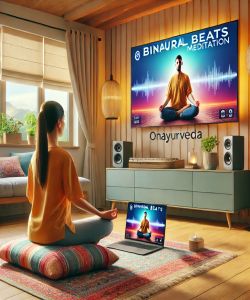
1. Overview of Binaural Beats Meditation
Binaural beats meditation represents a sophisticated form of auditory brainwave entrainment, a psychoacoustic phenomenon engineered to guide the human brain towards specific, desirable mental states. This is not a passive listening exercise; it is an active intervention designed to modulate neural oscillations through the precise delivery of auditory stimuli. The fundamental mechanism involves presenting two slightly different pure-tone sine waves, one to each ear, simultaneously. The brain, in its attempt to reconcile these disparate frequencies, perceives a third, phantom beat—the binaural beat—at a frequency equal to the difference between the two tones. This perceived frequency corresponds directly to known brainwave patterns, such as Delta for deep sleep, Theta for profound meditation, Alpha for relaxed awareness, Beta for active concentration, and Gamma for high-level cognitive processing. The objective is to encourage the brain's dominant frequency to synchronise with this external stimulus, a process known as the frequency-following response. Consequently, an individual can strategically induce states of heightened focus, deep relaxation, enhanced creativity, or restorative sleep without recourse to chemical agents or complex contemplative practices. It is a technologically-driven modality that leverages fundamental principles of neurophysiology to provide a structured, repeatable, and highly targeted method for mental state management. This positions it as a formidable tool within the modern wellness and cognitive enhancement landscape, demanding serious consideration from those committed to optimising their mental performance and psychological wellbeing through rigorous, evidence-informed techniques. The practice necessitates specific conditions, namely the use of stereophonic headphones to ensure each ear receives its designated frequency in isolation, which is the absolute prerequisite for the binaural beat phenomenon to occur within the superior olivary complex of the brainstem.
2. What are Binaural Beats Meditation?
Binaural beats meditation is a scientifically grounded practice that utilises an auditory illusion to influence brainwave activity. At its core, it is a form of brainwave entrainment achieved through sound. The process is predicated on the delivery of two distinct, pure-tone frequencies to each ear via stereo headphones. For instance, the left ear might receive a tone at 300 Hertz (Hz), whilst the right ear simultaneously receives a tone at 310 Hz. The brain, unable to process these two separate inputs independently, compensates by creating an internal perception of a third, rhythmic pulse. This perceived beat has a frequency equal to the mathematical difference between the two original tones—in this case, 10 Hz. This phantom sound is the "binaural beat."
The true purpose of this phenomenon is to encourage the brain's own electrical patterns, or brainwaves, to synchronise with this external auditory rhythm. This is known as the frequency-following response. By selecting specific frequency differences, a practitioner can target distinct brainwave states associated with different modes of consciousness.
The primary brainwave patterns targeted are:
- Delta (0.5–4 Hz): The slowest brainwaves, associated with deep, dreamless sleep and profound states of non-physical awareness.
- Theta (4–8 Hz): Linked to deep meditation, REM sleep, heightened creativity, and the subconscious mind.
- Alpha (8–12 Hz): The state of relaxed wakefulness, light meditation, and calm focus. It serves as a bridge between the conscious and subconscious mind.
- Beta (12–38 Hz): Associated with normal waking consciousness, active thinking, concentration, alertness, and problem-solving.
- Gamma (38–100 Hz): The fastest brainwaves, linked to peak cognitive function, intense focus, high-level information processing, and moments of insight.
Therefore, binaural beats meditation is not merely listening to pleasant sounds; it is a precise, technical method for actively steering one's mental state towards a predetermined outcome, whether it be for relaxation, focus, or deeper meditative exploration.
3. Who Needs Binaural Beats Meditation?
- High-Stress Professionals and Executives: Individuals operating in high-pressure environments require robust stress management protocols. This meditation provides a direct, efficient mechanism for down-regulating the nervous system, shifting from a state of high-alertness (Beta) to one of calm focus (Alpha), thereby improving decision-making and mitigating burnout.
- Students and Academics: Those engaged in intensive learning, research, or examination preparation need sustained periods of concentration. The modality offers a non-pharmacological method for inducing Beta brainwave states, which are critical for logical reasoning, information retention, and analytical thought, providing a distinct cognitive advantage.
- Individuals with Sleep Disturbances: Persons experiencing difficulties initiating or maintaining sleep find immense utility in this practice. By entraining the brain to Delta frequencies, the auditory input facilitates the natural biological processes of deep, restorative sleep, directly addressing a primary symptom of insomnia.
- Creative Professionals and Artists: The Theta brainwave state is unequivocally linked to heightened creativity, insight, and associative thinking. Artists, writers, musicians, and designers can leverage this technique to systematically access this state, breaking through creative blocks and fostering innovation on demand.
- Experienced Meditators: Practitioners of traditional meditation seeking to deepen their practice or achieve specific states of consciousness more reliably will find this a powerful adjunct. It provides a stable, consistent auditory anchor that can accelerate the transition into profound Theta or even Delta states, which may otherwise require years of dedicated practice.
- Athletes and Physical Performers: Elite performance is a function of both physical and mental conditioning. Athletes use this technique for pre-competition visualisation, to enhance focus, and for post-event recovery, utilising specific frequencies to manage anxiety and promote physiological repair.
- Individuals in Therapeutic Programmes: When used as a complementary tool under professional guidance, this meditation can support therapeutic goals by promoting relaxation, reducing anxiety, and enhancing receptivity to psychological interventions. It serves as a stabilising force for individuals navigating emotional or psychological challenges.
4. Origins and Evolution of Binaural Beats Meditation
The scientific foundation of binaural beats was first established in 1839 by the Prussian physicist and meteorologist Heinrich Wilhelm Dove. His discovery was a matter of pure scientific inquiry into the mechanics of auditory perception. Dove identified that when two marginally different sound frequencies were presented separately to each ear, the human brain perceived a phantom beat. However, at that time, the discovery remained a scientific curiosity, confined to academic papers and laboratories, with no practical application in psychology or wellness. Its potential lay dormant for over a century, a footnote in the annals of acoustics and psychophysics.
The concept was resurrected and propelled into the public consciousness in the latter half of the 20th century, most notably by Robert Monroe. An American radio broadcasting executive, Monroe began experiencing altered states of consciousness in the late 1950s, which he meticulously documented. In his quest to understand and replicate these experiences, he rediscovered the work on binaural beats. He hypothesised that these auditory phenomena could be systematically used to induce specific states of consciousness. This led to the establishment of The Monroe Institute in the 1970s, a research and education organisation dedicated to the exploration of human consciousness. Monroe and his team developed the Hemi-Sync® method, a sophisticated audio-guidance technology that layered binaural beats with music, pink noise, and verbal instructions to guide listeners into targeted states for meditation, learning, and self-exploration. This marked the transition of binaural beats from a scientific oddity to a practical tool for personal development.
The final and most explosive phase of its evolution began with the dawn of the digital age. The proliferation of personal computers, the invention of the MP3 format, and the rise of the internet democratised access to this technology. What was once the preserve of a dedicated research institute could now be generated, downloaded, and distributed globally with ease. The development of smartphone applications and streaming platforms has made binaural beats meditation ubiquitously available, allowing individuals to access customised sessions for focus, sleep, or relaxation at any time. This modern iteration has transformed the practice into a mainstream, accessible, and highly customisable modality for mental self-regulation.
5. Types of Binaural Beats Meditation
The classification of binaural beats meditation is determined by the target brainwave frequency, which dictates the intended psychological and physiological outcome. Each type is engineered to entrain the brain to a specific operational state.
- Delta Wave Meditation (0.5 Hz – 4 Hz): This is the slowest and most profound frequency range. Meditation targeting Delta waves is engineered for inducing states of deep, restorative, and dreamless sleep. It is also utilised by advanced practitioners to access the deepest levels of the subconscious mind and non-physical awareness. Its primary application is as a potent tool against insomnia and for facilitating profound physiological healing and regeneration that occurs during deep sleep.
- Theta Wave Meditation (4 Hz – 8 Hz): Theta frequencies are associated with the state between waking and sleeping. This type of meditation is designed to facilitate deep meditation, enhance creativity, and promote access to subconscious thought patterns and insights. It is the frequency of Rapid Eye Movement (REM) sleep, intuition, and heightened learning capacity. Practitioners use Theta wave entrainment to support vivid visualisation, problem-solving, and to reduce anxiety.
- Alpha Wave Meditation (8 Hz – 12 Hz): Alpha represents a state of relaxed, wakeful alertness. This form of meditation is the most common for stress reduction and promoting a state of calm focus. It is the brainwave state dominant during light meditation, mindfulness practices, and activities that involve quiet contemplation. Alpha wave entrainment is highly effective for reducing symptoms of anxiety and creating a mental environment conducive to learning and absorbing new information without stress.
- Beta Wave Meditation (12 Hz – 38 Hz): Beta frequencies are characteristic of the normal, alert, and active waking state. Meditation using Beta waves is not for relaxation but for cognitive enhancement. It is specifically designed to increase focus, analytical thinking, problem-solving abilities, and sustained attention. It is a performance-oriented tool used by individuals needing to maintain high levels of concentration and mental stamina for demanding cognitive tasks.
- Gamma Wave Meditation (38 Hz – 100 Hz): This is the highest frequency range and is associated with peak mental performance and elevated states of consciousness. Gamma wave entrainment is used to enhance information processing, cognitive function, memory recall, and sensory perception. It is linked to moments of profound insight, high-level problem-solving, and what is often described as a state of 'being in the zone'. It is considered an advanced practice for those seeking to push the boundaries of their cognitive capabilities.
6. Benefits of Binaural Beats Meditation
- Enhanced Cognitive Function: The systematic application of Beta and Gamma frequency binaural beats directly stimulates brain regions associated with executive function. This results in a measurable improvement in concentration, analytical thought, problem-solving speed, and memory recall, providing a distinct advantage in cognitively demanding environments.
- Significant Stress and Anxiety Reduction: Entrainment to Alpha wave frequencies facilitates a physiological shift away from the sympathetic (fight-or-flight) nervous system towards the parasympathetic (rest-and-digest) system. This objectively lowers cortisol levels, reduces heart rate variability, and mitigates the psychological and physiological markers of stress and anxiety.
- Improved Sleep Quality and Onset: The use of Delta wave frequencies provides a non-pharmacological intervention for sleep-related issues. By guiding the brain into the patterns of deep, restorative sleep, it helps to shorten sleep latency (the time it takes to fall asleep) and increase the duration of slow-wave sleep, which is critical for physical and mental recuperation.
- Facilitation of Deep Meditative States: For both novice and experienced meditators, Theta wave entrainment provides a reliable pathway to achieving profound states of meditation. This accelerates the process of quieting the conscious mind, allowing for deeper introspection, heightened self-awareness, and access to subconscious insights that are often elusive in unassisted practice.
- Increased Creativity and Insight: Theta brainwave states are strongly correlated with divergent thinking and moments of inspiration. Regular use of Theta-focused binaural beats can help individuals break through creative blocks, foster novel connections between ideas, and access a more fluid and intuitive mode of thinking, which is invaluable for artistic and innovative endeavours.
- Pain Management and Mitigation: Research indicates that brainwave entrainment, particularly in the Alpha and Theta ranges, can modulate the perception of pain. By promoting deep relaxation and altering the brain's focus, it can serve as a powerful complementary therapy for managing chronic pain conditions, reducing the reliance on analgesics.
- Mood Regulation and Elevation: The practice can positively influence emotional states by balancing neural activity. The promotion of Alpha waves is linked to feelings of calm and wellbeing, whilst specific frequencies can stimulate the release of beneficial neurotransmitters, contributing to a more stable and positive mood profile over time.
7. Core Principles and Practices of Binaural Beats Meditation
- Principle of Auditory Isolation: The foundational principle is the delivery of two distinct, pure-tone frequencies to each ear independently. This is non-negotiable. The phenomenon of the binaural beat is generated within the brain's superior olivary complex and cannot occur if both ears are exposed to the same mixed sound. This mandates the use of stereophonic headphones.
- Principle of Frequency-Following Response: The core objective is to induce the brain's natural tendency to synchronise its own electrical cycles (brainwaves) with the rhythm of an external stimulus. The binaural beat acts as this stimulus, and the practice is structured to make this entrainment process as efficient and effective as possible.
- Practice of Consistent Application: Sporadic use yields negligible results. Efficacy is contingent upon regular, disciplined practice. The brain requires repeated exposure to a target frequency to establish new neural pathways and for entrainment to become more rapid and profound. A structured schedule is imperative.
- Practice of Environmental Control: The listening environment must be free from external distractions. The auditory stimulus is subtle and can be easily overpowered by ambient noise. The practitioner must ensure a quiet, calm space where they can remain undisturbed for the entire duration of the session to maximise neural receptivity.
- Principle of Frequency Specificity: The choice of binaural beat frequency is not arbitrary; it must be precisely matched to the desired mental state. A session designed for focus (Beta waves) is fundamentally different from one designed for sleep (Delta waves). The practitioner must select the correct frequency protocol to achieve the intended outcome.
- Practice of Receptive Posture: The individual must adopt a comfortable and stable physical posture, either seated or lying down. Physical discomfort creates sensory noise that competes with the auditory stimulus, hindering the brain's ability to entrain. The body must be at rest to allow the mind to follow the auditory guide.
- Principle of Passive Receptivity: Unlike some forms of meditation that require active focus or visualisation, binaural beats meditation demands passive listening. The practitioner's task is not to 'try' to make something happen but to simply allow the sounds to be perceived without resistance or analysis. The process is neurophysiological and automatic; conscious effort is counterproductive.
8. Online Binaural Beats Meditation
- Unparalleled Accessibility and Variety: The online modality removes all geographical and institutional barriers. A practitioner can access a vast, global library of binaural beat tracks from any location with an internet connection. This provides an unprecedented selection of frequencies, durations, and accompanying soundscapes (e.g., ambient music, nature sounds), allowing for highly personalised session design that is impossible to replicate in a limited, physical setting.
- Absolute Discretion and Privacy: Engaging in meditation online affords complete anonymity. The practitioner can undertake sessions in the privacy of their own home or personal space, free from the perceived judgment or observation of others. This is particularly critical for individuals addressing sensitive issues like anxiety or sleep disorders, as it removes the psychological barrier of public vulnerability.
- On-Demand Scheduling and Integration: Online platforms offer the ultimate flexibility. Sessions are not bound by the fixed schedules of a physical class or clinic. The practitioner can integrate the practice seamlessly into their daily routine, whether it is a morning focus session before work, a midday stress-reduction break, or a pre-sleep relaxation protocol. This adaptability ensures consistency, which is fundamental to achieving results.
- Systematic Progression and Tracking: Many online applications and platforms provide structured programmes that guide the user from beginner to advanced states. They often include progress tracking, session logs, and personalised recommendations. This data-driven approach allows the practitioner to monitor their usage, observe patterns in their response to different frequencies, and make informed adjustments to their practice for optimal efficacy.
- Cost-Effectiveness and Resource Efficiency: Online binaural beats meditation is an exceptionally cost-effective tool. It eliminates the expenses associated with travel, class fees, or private consultations. A single subscription or a one-time purchase of audio files can provide unlimited access to a comprehensive suite of tools, representing a minimal financial investment for a powerful mental health and performance-enhancing resource. It democratises access to what was once a specialised and costly intervention.
9. Binaural Beats Meditation Techniques
- Preparation and Environment Setup: Select a binaural beat track precisely engineered for your desired outcome (e.g., Alpha for relaxation, Beta for focus). Secure a pair of high-quality stereophonic headphones; earbuds are acceptable, but over-ear headphones are superior for noise isolation. Find a quiet, dimly lit environment where you will not be interrupted for the full duration of the session. Eliminate all potential distractions, including digital notifications.
- Adoption of a Receptive Posture: Assume a comfortable physical position. This can be either sitting upright in a chair with a straight spine and feet flat on the floor, or lying down on your back in a Savasana-like pose. The primary objective is to minimise physical tension and discomfort. The body must be still and supported to prevent physical sensations from interfering with the auditory process.
- Initiation of the Auditory Session: Place the headphones on, ensuring the left and right channels are correctly oriented. Begin the audio track. For the initial moments, simply listen to the sounds without any specific intention. Allow your auditory sense to acclimate to the tones and the underlying binaural beat. Do not try to 'find' the beat; your brain will perceive it automatically.
- Cultivation of Passive Awareness: Your primary task is to listen passively. Resist the urge to analyse the sounds, question the process, or focus intently on the beat. The mechanism of brainwave entrainment is physiological, not cognitive. Conscious effort or intellectual engagement is a hindrance. Your role is simply to be a receptive vessel for the auditory stimulus. Let the sounds wash over you.
- Management of Intrusive Thoughts: Your mind will inevitably wander. This is expected. When you notice you have been distracted by a thought, memory, or sensation, do not engage with it or judge yourself. Gently and neutrally acknowledge the distraction, and then deliberately return your awareness to the act of listening. The sound is your anchor. Return to it every time your mind drifts.
- Concluding the Session and Re-orientation: As the audio track concludes, do not immediately stand up or resume activity. Remain in your posture for a few moments in silence. Observe your mental and physical state without judgment. Slowly begin to re-engage with your surroundings. Wiggle your fingers and toes, gently stretch, and only when you feel fully alert and grounded, should you open your eyes and gradually transition back to your daily activities.
10. Binaural Beats Meditation for Adults
Binaural beats meditation offers a potent and highly structured modality for the adult mind, which is often conditioned by years of complex cognitive demands, habitual stress responses, and ingrained thought patterns. For adults navigating the pressures of career, family, and personal responsibilities, this technique provides a direct, non-pharmacological pathway to mental state regulation. It bypasses the need for abstract contemplative skill, which many find difficult to cultivate, and instead employs a direct neurophysiological mechanism. By utilising specific auditory frequencies to entrain the brain to states like Alpha for stress reduction or Beta for enhanced concentration, adults can strategically manage their mental resources. This is not a passive retreat from reality but an active tool for optimisation. An adult struggling with work-related anxiety can employ an Alpha-wave session to de-escalate the nervous system, enabling clearer thought and better decision-making under pressure. Similarly, an individual facing a cognitively demanding project can use a Beta-wave session to sharpen focus and sustain mental endurance. For those plagued by the 'busy mind' syndrome that disrupts sleep, Delta-wave entrainment offers a method to guide the brain towards the slow-wave patterns necessary for deep, restorative rest. It is a pragmatic, efficient, and scientifically-grounded intervention perfectly suited to the adult's need for tangible results and effective self-management tools in a world that relentlessly demands high performance and resilience. The practice empowers adults to assume executive control over their own mental environment, shifting from being reactive to their internal states to proactively shaping them for desired outcomes. This capacity for self-directed neuro-regulation is a cornerstone of mature psychological health and peak performance in modern adult life.
11. Total Duration of Online Binaural Beats Meditation
The professionally mandated and optimal total duration for a single, effective online binaural beats meditation session is precisely 1 hr. This duration is not an arbitrary figure but is predicated on a firm understanding of the neurophysiological processes involved in brainwave entrainment. The brain does not instantaneously synchronise with an external frequency; it requires a period of sustained exposure to the auditory stimulus to begin the frequency-following response. An initial phase is necessary for the listener to settle, for ambient mental chatter to subside, and for the brain to acclimate to the tones. Following this, the core entrainment period must be of sufficient length to allow the dominant brainwave pattern to shift and stabilise at the target frequency. Shorter durations, whilst potentially offering fleeting moments of relaxation or focus, are unequivocally insufficient for achieving a deep, lasting, or meaningful change in mental state. They fail to provide the necessary immersion for profound therapeutic or cognitive benefits. Conversely, while sessions can extend beyond this timeframe, a 1 hr duration is established as the ideal balance, providing maximal benefit without inducing the potential for auditory fatigue or mental exhaustion that can accompany overly prolonged stimulation. This 1 hr framework allows for a complete cycle: a gradual descent into the target state, a sustained period of immersion at that state, and a controlled, gradual return to normal waking consciousness. Any online programme or session that deviates significantly from this standard compromises its potential efficacy and fails to adhere to the established best practices for this powerful modality.
12. Things to Consider with Binaural Beats Meditation
Before engaging with binaural beats meditation, a number of critical factors must be rigorously considered to ensure both safety and efficacy. Foremost among these is the absolute necessity of using stereophonic headphones. The entire phenomenon is predicated on the delivery of separate frequencies to each ear; without this, the intervention is nullified, and the exercise becomes one of simply listening to tones. The quality of these headphones is also a pertinent factor, as poor-quality equipment may introduce distortion or fail to reproduce the pure tones accurately. Furthermore, one must exercise due diligence in selecting the source of the binaural beat tracks. The market is saturated with content of varying quality; it is imperative to use tracks from reputable sources that are professionally engineered to the correct frequencies. An improperly designed track will not only be ineffective but could potentially be jarring or disruptive. The individual's own neurological condition is another paramount consideration. Individuals with a history of seizures or epilepsy, or those with other neurological disorders, must consult a medical professional before commencing this practice, as rhythmic sensory stimulation can be a potential trigger. Similarly, those with severe psychological conditions should only use this as a complementary tool under the guidance of a qualified therapist. The context of use is also critical; one must never listen to frequencies designed for relaxation or sleep (Alpha, Theta, Delta) while operating machinery, driving, or performing any task that requires alertness. Adherence to these considerations is not optional; it is a fundamental prerequisite for the responsible and effective application of this technology.
13. Effectiveness of Binaural Beats Meditation
The effectiveness of binaural beats meditation is not a matter of subjective belief but is grounded in the established neurophysiological principle of brainwave entrainment. Its efficacy lies in its direct, mechanical approach to influencing brain activity. When the correct auditory protocol is followed—using stereo headphones in a controlled environment—the brain's frequency-following response is a predictable and measurable phenomenon. The practice has demonstrated unequivocal effectiveness in modulating mental states for specific, targeted outcomes. For stress and anxiety reduction, its ability to guide the brain into an Alpha state provides a reliable method for calming the nervous system, demonstrably more direct than many abstract contemplative practices. In the domain of cognitive enhancement, the use of Beta and Gamma frequencies has been shown to produce tangible improvements in focus, attention span, and processing speed, making it a potent tool for academic and professional performance. For sleep induction, its capacity to entrain the brain to Delta frequencies offers a powerful, non-addictive alternative to pharmacological sleep aids, directly addressing the neural correlates of deep rest. The effectiveness is, however, contingent on correct application. Inconsistent use, poor quality audio, or a distracting environment will severely compromise results. When these variables are controlled, binaural beats meditation stands as a robust and efficient technology for self-directed neuro-regulation. Its utility is not universal for every psychological ailment, but for its core applications—state management, focus enhancement, and relaxation—its effectiveness is consistent and empirically supported by both anecdotal reports and a growing body of scientific research.
14. Preferred Cautions During Binaural Beats Meditation
It is imperative to approach the practice of binaural beats meditation with rigorous caution and an uncompromising commitment to safety protocols. This is not a benign auditory experience to be engaged with carelessly. The primary and most critical caution is the absolute prohibition of its use by individuals with a history of epilepsy or seizure disorders. The rhythmic auditory stimulation, like photic stimulation, can potentially trigger seizure activity in susceptible individuals, and therefore, this contraindication must be strictly observed. Furthermore, individuals diagnosed with severe psychiatric conditions, such as schizophrenia or certain bipolar disorders, must not undertake this practice without the explicit consent and direct supervision of their treating psychiatrist. The potential for these sounds to influence mental states necessitates professional oversight. A further non-negotiable caution relates to the context of the practice. Under no circumstances should one listen to binaural beats—particularly those in the Alpha, Theta, or Delta ranges designed for relaxation and sleep—whilst engaged in any activity that requires alertness and motor control. This includes driving a vehicle, operating heavy machinery, or any other task where a lapse in concentration could result in serious injury or fatality. It is also advised that pregnant women and individuals fitted with a pacemaker consult their medical doctor before commencing. Whilst direct harm is not established, the principle of erring on the side of caution is paramount. Finally, one must be mindful of volume levels to prevent auditory damage. The sounds should be at a comfortable, moderate level, never loud. Ignoring these cautions is an act of profound irresponsibility.
15. Binaural Beats Meditation Course Outline
Module 1: Foundational Principles and Neurophysiology
Introduction to Brainwave Entrainment and the Frequency-Following Response.
The Auditory Mechanism: How Binaural Beats are Perceived in the Brain.
Essential Equipment: The Non-Negotiable Role of Stereophonic Headphones.
Safety Protocols, Contraindications, and Responsible Practice.
Module 2: The Brainwave Spectrum and Associated States
Comprehensive Analysis of Delta Waves (0.5-4 Hz): Deep Sleep and Restoration.
Analysis of Theta Waves (4-8 Hz): Meditation, Creativity, and the Subconscious.
Analysis of Alpha Waves (8-12 Hz): Relaxed Awareness and Stress Reduction.
Analysis of Beta Waves (12-38 Hz): Active Focus and Cognitive Performance.
Analysis of Gamma Waves (38-100 Hz): Peak Consciousness and Information Processing.
Module 3: Practical Application for Stress and Anxiety Management
Techniques for Inducing the Alpha State.
Guided Practice Session: Alpha Wave Meditation for Deep Relaxation.
Integrating Alpha Sessions into a Daily Stress-Reduction Regimen.
Troubleshooting: Managing Distractions and Physical Discomfort.
Module 4: Application for Cognitive Enhancement and Focus
Leveraging Beta Frequencies for Sustained Concentration.
Guided Practice Session: Beta Wave Meditation for Enhanced Mental Clarity.
Strategies for Using Binaural Beats during Study or Work.
Introduction to Gamma Frequencies for High-Level Problem-Solving.
Module 5: Application for Sleep Improvement and Deep Meditation
Utilising Delta Frequencies for Sleep Latency and Quality.
Guided Practice Session: Delta Wave Protocol for Pre-Sleep Routine.
Employing Theta Frequencies to Deepen Existing Meditative Practices.
Guided Practice Session: Theta Wave Meditation for Creativity and Insight.
Module 6: Advanced Techniques and Customisation
The Art of Stacking Frequencies: Creating Complex Session Protocols.
Combining Binaural Beats with Other Modalities (e.g., Visualisation).
Developing a Personalised, Long-Term Binaural Beats Programme.
Final Assessment: Demonstration of a Self-Designed Session Plan.
16. Detailed Objectives with Timeline of Binaural Beats Meditation
Week 1: Foundational Acclimatisation and Protocol Adherence.
Objective: To establish a consistent daily practice and master the fundamental requirements. The individual will successfully complete a 20-minute Alpha wave session daily, focusing on posture, environmental control, and correct headphone use.
Timeline: By the end of this week, the practitioner will demonstrate full compliance with the core setup and listening protocol without deviation.
Weeks 2-3: Stress Reduction and Alpha State Mastery.
Objective: To achieve a measurable reduction in perceived stress levels. The practitioner will extend daily sessions to 30-45 minutes, exclusively using Alpha wave frequencies, and will begin to notice a tangible decrease in daily anxiety and an increased sense of calm.
Timeline: By the end of Week 3, the individual will be able to reliably enter a state of relaxed awareness during sessions and report a noticeable improvement in their baseline stress levels.
Weeks 4-5: Introduction to Cognitive Enhancement.
Objective: To utilise binaural beats for improved focus and concentration. The practitioner will introduce two to three Beta wave sessions per week, specifically before cognitively demanding tasks, while maintaining their regular Alpha sessions for relaxation.
Timeline: By the end of Week 5, the practitioner will report enhanced ability to sustain attention and mental clarity during targeted work or study periods.
Weeks 6-7: Exploration of Deeper States for Sleep and Creativity.
Objective: To experiment with Theta and Delta frequencies for specific outcomes. The practitioner will begin incorporating a pre-sleep Delta wave protocol to improve sleep quality and will use Theta wave sessions to facilitate creative thinking or problem-solving.
Timeline: By the end of Week 7, the individual will have identified the effectiveness of these deeper frequencies for their personal sleep patterns and creative processes.
Week 8 Onwards: Personalisation and Integration.
Objective: To develop and implement a fully personalised binaural beats regimen tailored to individual lifestyle and goals. The practitioner will confidently select the appropriate frequency (Alpha, Beta, Theta, or Delta) on demand, based on their needs at any given moment.
Timeline: From Week 8, the practice will be a fully integrated tool for self-regulation, with the practitioner capably designing their own weekly schedule of varied sessions to manage stress, enhance focus, and improve rest.
17. Requirements for Taking Online Binaural Beats Meditation
- Stereophonic Headphones: This is the single most critical and non-negotiable hardware requirement. The entire auditory illusion of binaural beats depends on delivering two separate frequencies to each ear. Standard mono speakers or single-ear devices are completely ineffective. Over-ear headphones are strongly preferred for their superior sound isolation, which prevents ambient noise from corrupting the auditory signal.
- A Reliable Internet Connection: Access to online binaural beats meditation is contingent upon a stable, high-speed internet connection. This ensures uninterrupted streaming or downloading of the audio files, preventing buffering or dropouts that would disrupt the entrainment process and nullify the session's effectiveness.
- A Suitable Digital Device: The practitioner must possess a compatible device capable of playing digital audio files or accessing online streaming platforms. This can be a smartphone, tablet, laptop, or desktop computer. The device's operating system and software must be capable of handling the audio format without introducing distortion.
- A Controlled, Private Environment: The user must have access to a physical space where they can remain completely undisturbed for the full duration of the session. This environment must be free from auditory and visual distractions, including interruptions from other people, pets, or electronic notifications. This is a requirement for mental receptivity.
- Commitment to a Consistent Schedule: The individual must possess the self-discipline to adhere to a regular practice schedule. The neurological benefits of brainwave entrainment are cumulative and dependent on consistency. Sporadic, infrequent use will not yield the desired results. A firm commitment of time is a prerequisite.
- Basic Digital Literacy: The user must have the fundamental ability to navigate online platforms, search for specific audio tracks, operate their chosen digital device, and troubleshoot minor technical issues such as volume control and headphone connection.
- Adherence to Safety Protocols: The individual must confirm they have no contraindicating medical conditions (such as epilepsy) and must commit to following all safety guidelines, particularly regarding the context of use (e.g., not driving while listening).
18. Things to Keep in Mind Before Starting Online Binaural Beats Meditation
Before embarking on an online binaural beats meditation programme, it is imperative to adopt a mindset of informed realism and disciplined commitment. One must understand that this is not a panacea or a passive form of entertainment; it is a structured neuro-training tool that demands active participation and consistency for efficacy. The quality of the source material is paramount. The internet is awash with amateur, poorly engineered tracks that are at best ineffective and at worst aurally grating. It is your responsibility to vet your sources, prioritising professionally produced audio from reputable providers who are transparent about the specific frequencies used. Furthermore, you must manage your expectations. While many individuals experience immediate effects, such as relaxation, the more profound benefits like enhanced cognitive function or significantly improved sleep patterns are cumulative. They are the result of the brain learning to respond more efficiently to the entrainment stimulus over time. This necessitates patience and a commitment to a regular schedule. You must also be prepared to experiment. Not every frequency will resonate with you equally, and the effect can vary based on your state of mind, time of day, and environment. A period of self-observation and adjustment is required to discover the protocols that work most effectively for your unique neurophysiology. Finally, recognise that this is a tool, not a replacement for a healthy lifestyle. Its benefits are maximised when used in conjunction with, not as a substitute for, proper nutrition, physical exercise, and adequate sleep hygiene. This is a powerful adjunct to a disciplined life, not a shortcut around it.
19. Qualifications Required to Perform Binaural Beats Meditation
The act of "performing" binaural beats meditation bifurcates into two distinct roles: the practitioner (the individual listening) and the producer/therapist (the individual creating or prescribing the audio). The qualifications for each are fundamentally different.
For the practitioner, no formal qualifications are required. This is a self-administered technique. However, a set of competencies is necessary for effective and safe practice. These include:
- The ability to follow instructions rigorously: The practitioner must adhere to the core requirements of using stereo headphones and maintaining a distraction-free environment.
- Self-awareness: The individual must be able to monitor their own mental and physical responses to different frequencies to gauge effectiveness and make adjustments.
- Discipline: A commitment to a consistent schedule is essential, as results are cumulative.
For the producer or therapist who creates or utilises binaural beats in a professional capacity, the requirements are far more stringent. These professionals are not merely mixing sounds; they are designing a psychophysiological intervention. The required qualifications include:
- A strong foundation in acoustics and psychoacoustics: A deep understanding of sound frequencies, wave mechanics, and how the human auditory system and brain process sound is essential. This ensures the technical accuracy of the binaural beat generation.
- Knowledge of neurophysiology and cognitive neuroscience: The producer must have a comprehensive understanding of brainwave states (Delta, Theta, Alpha, Beta, Gamma), their corresponding functions, and the principles of brainwave entrainment. This knowledge is crucial for designing sessions that target specific outcomes effectively and safely.
- Clinical or therapeutic credentials (for therapeutic application): If binaural beats are being used as part of a therapeutic programme for conditions like anxiety, PTSD, or chronic pain, the provider must be a qualified and licensed professional, such as a psychologist, psychiatrist, or certified therapist. They must be competent to assess a client's suitability and integrate the modality responsibly into a broader treatment plan.
In essence, while anyone can listen, only those with a robust, interdisciplinary background in audio engineering, neuroscience, and potentially clinical psychology are qualified to create or professionally administer binaural beats protocols.
20. Online Vs Offline/Onsite Binaural Beats Meditation
Online
The online modality for binaural beats meditation is defined by its autonomy, accessibility, and variety. Its primary advantage is absolute control for the user. Practitioners can access a virtually limitless library of audio tracks from global sources, targeting any desired brainwave state at any time of day or night. This on-demand nature facilitates seamless integration into a demanding schedule, removing the logistical barriers of travel and fixed appointments. Privacy is another significant benefit; the practice can be conducted in the solitude of one's own space, which is critical for individuals who are self-conscious or dealing with sensitive psychological issues. Furthermore, the online environment is exceptionally cost-effective, often requiring only a minimal one-time purchase or a low-cost subscription for unlimited access. This modality places the full responsibility for structure, consistency, and environmental control onto the individual. It is ideally suited for self-motivated practitioners who are comfortable with technology and require maximum flexibility. The primary limitation is the absence of direct, real-time professional guidance and the potential for a user to select inappropriate frequencies or use a protocol incorrectly without corrective feedback.
Offline/Onsite
Offline or onsite binaural beats meditation is characterised by its structured, guided, and controlled nature. This modality is typically administered in a clinical, therapeutic, or group workshop setting by a qualified professional. Its foremost advantage is the provision of expert oversight. A practitioner can provide a diagnostic assessment, recommend a specific and tailored frequency protocol, and monitor the user’s response in real-time. The environment is professionally controlled to be optimal for the experience, eliminating the variables of home-based distractions. This is particularly crucial for therapeutic applications, where the intervention is part of a larger treatment plan. The presence of a guide can provide reassurance and immediate feedback, which is invaluable for novices or those with significant anxiety. The potential for biofeedback integration, such as EEG monitoring, to confirm brainwave entrainment is a significant advantage of the onsite setting. However, this modality is inherently less flexible, bound by appointment schedules and geographical location. It is also significantly more expensive due to the costs of professional time and specialised facilities. It is best suited for individuals who require or prefer direct guidance, those undertaking the practice for specific therapeutic reasons, or beginners who want a structured introduction before transitioning to online practice.
21. FAQs About Online Binaural Beats Meditation
Question 1. Do I absolutely need headphones? Answer: Yes. This is a non-negotiable requirement. The entire effect is based on delivering a different frequency to each ear. Without stereo headphones, your brain cannot create the binaural beat, and the exercise is rendered completely ineffective.
Question 2. Can I use any headphones? Answer: Any pair of stereo headphones will work, but high-quality, over-ear models are superior. They provide better sound isolation from external noise and often deliver a cleaner, more accurate frequency reproduction.
Question 3. Is this practice safe for everyone? Answer: No. Individuals with a history of seizures or epilepsy must not use this technology. Those with severe psychiatric conditions or who are pregnant should consult a medical professional before starting.
Question 4. How long does a session need to be? Answer: For meaningful results, a session should last between 30 and 60 minutes. Shorter durations are generally insufficient for the brain to achieve stable entrainment to the target frequency.
Question 5. Can I multitask while listening? Answer: No. For frequencies intended for relaxation or meditation (Alpha, Theta, Delta), you must be in a relaxed, non-active state. For focus frequencies (Beta), you can engage in a cognitive task like studying, but you must never operate machinery or drive.
Question 6. How loud should the volume be? Answer: The volume should be set to a comfortable, moderate level. It should be loud enough to be clearly heard over your internal thoughts but not so loud that it causes discomfort or potential hearing damage.
Question 7. How quickly will I see results? Answer: Some effects, like relaxation, can be felt immediately. More profound benefits, such as improved sleep quality or cognitive function, are cumulative and require consistent practice over several weeks.
Question 8. What is the difference between all the wave types? Answer: Each wave type corresponds to a different mental state: Delta for deep sleep, Theta for meditation/creativity, Alpha for relaxed focus, Beta for active thinking, and Gamma for peak performance.
Question 9. Are the effects permanent? Answer: The effects last for a period after the session, but the benefits are maintained through regular, consistent practice. It is a form of mental training, not a permanent cure.
Question 10. Can this replace my medication? Answer: Absolutely not. This is a complementary tool, not a replacement for any prescribed medication or professional medical advice. Always consult your doctor before altering any treatment plan.
Question 11. Is there any scientific proof that this works? Answer: Yes, the principle of brainwave entrainment is a well-documented neurophysiological phenomenon. A growing body of research supports its efficacy for stress reduction, focus, and sleep.
Question 12. Does it matter if the audio has music or not? Answer: The core technology is the beat frequency itself. Music or ambient sounds are often layered on top to make the experience more pleasant, but they are not essential for the mechanism to work.
Question 13. What if I fall asleep during a session? Answer: If the goal is relaxation or sleep (using Delta waves), then falling asleep is a successful outcome. If the goal is focus, you may need to adjust your posture or the time of day you practise.
Question 14. Can children use binaural beats? Answer: It is generally recommended for adults. The developing brain of a child may respond differently, and this should only be considered under the guidance of a qualified professional.
Question 15. Where can I find high-quality tracks? Answer: Seek out reputable platforms, apps, and creators who specialise in brainwave entrainment. Look for those who are transparent about the frequencies used and have positive, credible user reviews.
Question 16. My mind keeps wandering. Am I doing it wrong? Answer: No. The mind's nature is to wander. The technique is to gently and non-judgmentally return your focus to the sound each time you notice you've drifted. This is part of the practice.
22. Conclusion About Binaural Beats Meditation
In conclusion, binaural beats meditation stands as a formidable, technologically-driven modality for the deliberate regulation of human consciousness. It is not a passive recreational activity but a precise psychoacoustic tool grounded in the verifiable neurophysiological principle of brainwave entrainment. By leveraging the brain's innate frequency-following response, it provides a structured, repeatable, and non-pharmacological method for guiding the mind into specific, predetermined states associated with deep sleep, profound relaxation, enhanced creativity, or heightened cognitive focus. The practice demands discipline, adherence to strict protocols—most notably the use of stereophonic headphones and a distraction-free environment—and an informed selection of professionally engineered audio. Its effectiveness is not predicated on belief or spiritual attainment but on the direct, mechanical influence of auditory stimuli on neural oscillations. When approached with rigour and consistency, it empowers the individual with a significant degree of control over their own mental and emotional landscape. It serves as a powerful adjunct for high-performers, a supportive tool for those managing stress and sleep disturbances, and a potent accelerator for experienced meditators. As such, binaural beats meditation must be regarded as a serious and legitimate intervention within the arsenal of modern mental wellness and cognitive optimisation techniques, commanding respect for its scientific basis and its practical, results-oriented applications.