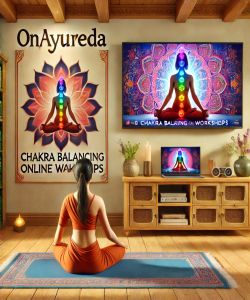
1. Overview of Chakra Balancing Online Workshops
Chakra Balancing Online Workshops represent a disciplined and structured engagement with the body’s subtle energy systems, delivered through a digital medium. These programmes are not passive learning experiences; they are rigorous, interactive forums designed to provide participants with the requisite knowledge and practical tools to identify, analyse, and correct imbalances within the seven primary chakras. The fundamental premise is that these energy centres, when obstructed or misaligned, manifest as tangible disruptions in an individual’s physical, emotional, and psychological well-being. Consequently, the curriculum of a professional workshop is uncompromising in its focus on restoring systemic equilibrium. Participants are guided through a series of sophisticated, evidence-based practices, including targeted meditation, breathwork, visualisation, and affirmative declarations, all meticulously curated to address specific energetic discordances. The online format demands a high degree of self-discipline and commitment, compelling individuals to create a sanctified space for practice, free from external distraction. The objective is not merely transient relief but the cultivation of a profound and enduring understanding of one’s own energetic anatomy. This empowers the individual with the autonomy to maintain their energetic hygiene long after the workshop’s conclusion. These workshops are therefore a formidable undertaking in self-mastery, requiring active participation and a resolute intention to enact meaningful personal transformation. They are a formalised educational pathway towards achieving a state of integrated health, where the flow of vital life force energy is optimised, promoting clarity, resilience, and a robust sense of personal power. The entire process is architected to be a deep, introspective journey, facilitated by expert guidance but ultimately driven by the participant’s own unwavering dedication to their personal energetic sovereignty.
2. What are Chakra Balancing Online Workshops?
Chakra Balancing Online Workshops are structured, educational programmes delivered via digital platforms, designed to instruct participants in the theory and practice of regulating the body's subtle energy centres, known as chakras. These are not informal gatherings but formal sessions with a defined curriculum, clear objectives, and expert facilitation. The core purpose is to equip individuals with the competence to diagnose and rectify energetic blockages or hyperactivity within their own systems, thereby fostering improved health and psychological stability. The content and methodology are rooted in ancient esoteric traditions, yet adapted for a contemporary, remote audience. This adaptation necessitates a highly disciplined approach, both from the facilitator and the participant, to ensure the integrity and efficacy of the practices are maintained despite the absence of physical co-presence.
A workshop’s composition typically includes several key components:
- Theoretical Instruction: A foundational module is dedicated to the comprehensive understanding of the chakra system. This covers the location, colour, function, and associated psychological and physiological attributes of each of the seven primary chakras, from the Muladhara (Root) to the Sahasrara (Crown). The instruction is factual and detailed, avoiding vague or unsubstantiated claims.
- Practical Application: The theoretical knowledge is immediately translated into practice. Participants are rigorously guided through a series of techniques designed to cleanse, activate, and harmonise the chakras. These techniques are demanding and require focused intention. Examples include specific breathing exercises (pranayama), guided visualisations, sound therapy using mantras or specific frequencies, and targeted physical postures.
- Interactive Guidance: Although online, these workshops are not passive. They incorporate mechanisms for real-time feedback and guidance. Facilitators observe and correct participants’ practice where possible, and dedicated segments for questions and answers ensure that all conceptual and practical queries are addressed with authority and clarity. This interactive element is critical for ensuring that techniques are performed correctly and safely.
Ultimately, a Chakra Balancing Online Workshop is a formal training in energetic self-management. It provides a robust framework for individuals to take command of their own well-being by mastering the principles of their internal energy dynamics.
3. Who Needs Chakra Balancing Online Workshops?
- Professionals Experiencing High-Stress and Burnout: Individuals in demanding careers who face chronic stress, mental exhaustion, and a diminished sense of purpose. The workshops provide a structured, non-pharmaceutical intervention to restore energetic resources, enhance mental clarity, and build resilience against workplace pressures. They are for those who recognise that sustained peak performance requires not just mental and physical, but also energetic, fortitude.
- Individuals Navigating Significant Life Transitions: Persons undergoing major life changes such as career shifts, relationship breakdowns, bereavement, or relocation. Such transitions invariably disrupt one’s energetic equilibrium. These workshops offer a stabilising framework to process emotional turbulence, release attachments to the past, and ground oneself in a new reality with renewed strength and a clear sense of direction.
- Practitioners of Yoga, Meditation, and Other Mind-Body Disciplines: Experienced practitioners seeking to deepen their understanding and application of energetic principles. For these individuals, the workshops serve as a form of advanced training, providing specialised knowledge of the chakra system that complements and enhances their existing practice, enabling a more profound and integrated level of self-awareness and mastery.
- Those with Unexplained Physical or Emotional Symptoms: Individuals presenting with persistent, non-specific ailments or emotional states that have not responded to conventional diagnosis and treatment. Where an underlying energetic imbalance is the suspected root cause, these workshops provide a direct method for investigating and addressing the issue at its source, offering a pathway to relief where others have failed.
- Individuals Seeking Personal and Spiritual Growth: Proactive individuals committed to a path of self-development who wish to move beyond surface-level wellness. They need these workshops to acquire a sophisticated toolkit for exploring deeper layers of consciousness, unlocking creative potential, and cultivating a more authentic and powerful connection to their core self. This is for the serious student of life, not the casual seeker.
- Therapists, Coaches, and Healers: Professionals in the wellness and therapeutic fields who must maintain their own energetic integrity to be effective practitioners. The workshops provide essential tools for energetic hygiene, preventing the absorption of clients’ negative energy and ensuring they can operate from a place of clarity, strength, and unwavering energetic balance in their demanding roles.
4. Origins and Evolution of Chakra Balancing Online Workshops
The conceptual foundations of Chakra Balancing Online Workshops are anchored in ancient Indian philosophical and spiritual traditions, most notably within the frameworks of Tantra and Yoga. The term ‘chakra’, originating from Sanskrit and meaning ‘wheel’ or ‘disk’, refers to spinning centres of subtle or pranic energy within the body. Early textual references can be traced back to the Vedas and more explicitly in later texts such as the Upanishads and the Yoga Sutras of Patanjali. These foundational scriptures, however, described a complex and varied system of chakras and nadis (energy channels), which was primarily the domain of ascetics and dedicated spiritual initiates. The knowledge was esoteric, transmitted directly from guru to disciple, and inextricably linked to a rigorous path of spiritual liberation. It was not a system designed for lay application or general wellness in the modern sense; its purpose was enlightenment.
The translation and popularisation of these concepts in the Western world from the late nineteenth century onwards marked a significant evolutionary shift. Theosophical writers such as C.W. Leadbeater were instrumental in presenting a simplified, often Westernised, seven-chakra system to a new audience. This interpretation, while losing some of the original nuance, made the concepts more accessible and gradually disassociated them from their strict spiritual context. During the twentieth century, particularly with the rise of the New Age movement and the human potential movement, chakra theory was further adapted and integrated into various therapeutic modalities. It became a diagnostic tool for understanding the interplay between mind, body, and spirit, with imbalances in chakras being linked to specific physical ailments and psychological issues.
The final and most recent evolutionary stage has been the migration of this practice into the digital realm. The advent of the internet and high-speed connectivity created the technological infrastructure for remote instruction. Early online formats were often simple, pre-recorded videos or text-based courses. However, the demand for more interactive and robust learning experiences has driven the evolution towards the modern online workshop. These workshops now leverage sophisticated platforms to offer live, real-time instruction, interactive Q&A sessions, and community support forums. This digital evolution represents a radical democratisation of ancient knowledge, yet it also presents a formidable challenge: to maintain the discipline, depth, and integrity of the original practice within a medium that is inherently susceptible to dilution and commercialisation. The modern online workshop must therefore be uncompromising in its standards to be considered a legitimate heir to this ancient lineage.
5. Types of Chakra Balancing Online Workshops
- Foundational Chakra Intensive Workshop: This type of workshop is designed for absolute beginners or those seeking to solidify their core understanding. Its curriculum is rigorously focused on the seven primary chakras. Each module is dedicated to a single chakra, exhaustively covering its location, function, associated element, developmental stage, and the psychological and physical manifestations of its balance and imbalance. The practical work is direct and unambiguous, involving fundamental meditation, breathing, and affirmation techniques for cleansing and activation. The objective is to build a non-negotiable, solid foundation of knowledge and practical skill.
- Modality-Specific Chakra Workshop: These are specialised workshops that employ a particular therapeutic tool as the primary mechanism for chakra balancing. Examples are numerous and distinct. A Crystal Healing Chakra Workshop will provide instruction on the selection, cleansing, and placement of specific stones corresponding to each chakra’s vibrational frequency. A Sound Bath Chakra Workshop utilises specific sonic frequencies, such as those produced by singing bowls, gongs, or tuning forks, to entrain the chakras back to a state of harmony. A Yoga for Chakras Workshop focuses on a prescribed sequence of asanas (postures) and pranayama (breathwork) designed to stimulate and open the energy channels connected to the chakras. Each workshop demands mastery of its chosen modality.
- Advanced or Esoteric Chakra Workshop: Aimed at seasoned practitioners, these workshops delve into more complex and subtle aspects of the energetic anatomy. The subject matter may include the exploration of minor chakras, the intricate network of nadis (energy channels), the concept of Kundalini energy, and the integration of the chakra system with other esoteric frameworks like Kabbalah or astrology. The practices are more demanding, requiring a high level of concentration, sensitivity, and prior experience. These are not for the novice and demand serious commitment.
- Issue-Specific Chakra Balancing Workshop: This is a highly targeted workshop that focuses on using the chakra system to address a particular life challenge or goal. For instance, a workshop on ‘Chakras for Abundance’ will concentrate on clearing blockages in the Root, Sacral, and Solar Plexus chakras to remove limiting beliefs about prosperity. A workshop on ‘Chakras for Relationship Healing’ would focus on the Heart and Throat chakras to foster compassion, forgiveness, and clear communication. The approach is pragmatic and results-oriented, applying chakra theory as a direct tool for tangible life improvement.
6. Benefits of Chakra Balancing Online Workshops
- Enhanced Emotional Regulation and Psychological Stability: Participants acquire a systematic framework for identifying and processing disruptive emotional states. By addressing imbalances at the energetic root—for instance, clearing a blocked Heart Chakra to alleviate grief or strengthening the Solar Plexus Chakra to combat feelings of powerlessness—individuals gain a formidable capacity for self-regulation, leading to a marked reduction in anxiety, mood swings, and reactive behaviour.
- Increased Physical Vitality and Well-being: The harmonisation of the chakra system directly impacts the body’s physiological processes. A balanced Root Chakra enhances physical grounding and security, while a clear Sacral Chakra can improve reproductive health and creative energy. The direct correlation between specific chakras and the endocrine glands means that balancing these centres supports hormonal equilibrium, leading to improved energy levels, better sleep patterns, and a more robust immune response.
- Profound Mental Clarity and Sharpened Focus: By clearing the upper chakras, particularly the Third Eye (Ajna) and Crown (Sahasrara), these workshops systematically dismantle mental fog and confusion. Participants report an enhanced ability to concentrate, think critically, and access intuitive insights. This mental purification allows for more effective decision-making and a greater sense of intellectual command over one’s life and work.
- Augmented Personal Power and Self-Confidence: The work on the Solar Plexus Chakra (Manipura) is central to building a strong sense of self. Clearing and strengthening this centre dismantles self-doubt and victim mentality, replacing them with assertiveness, decisiveness, and an unwavering belief in one’s own capabilities. This translates into a more confident and commanding presence in both personal and professional spheres.
- Deepened Spiritual Connection and Sense of Purpose: For those seeking more than just psychological or physical improvement, these workshops offer a structured pathway to connect with a deeper aspect of the self. Balancing the entire chakra system, culminating in the opening of the Crown Chakra, facilitates a powerful sense of connection to a larger whole, instilling a profound sense of meaning, purpose, and inner peace.
- Improved Interpersonal Relationships: By balancing the Heart Chakra (Anahata) and the Throat Chakra (Vishuddha), individuals cultivate greater compassion, empathy, and forgiveness, while also developing the ability to communicate their truth with clarity and integrity. This combination is transformative for all relationships, fostering healthier dynamics built on authenticity and mutual understanding.
7. Core Principles and Practices of Chakra Balancing Online Workshops
- Principle of Energetic Resonance: The fundamental principle is that all matter, including the human body, vibrates at specific frequencies. Each chakra possesses an optimal resonant frequency. When subjected to stress, trauma, or neglect, a chakra’s vibration can become discordant, leading to imbalance. The core practice is to use tools like sound (mantras, bowls), colour therapy, or specific crystals to reintroduce the correct frequency, allowing the chakra to return to its harmonious state through the law of resonance.
- Principle of Interconnectivity: No chakra operates in isolation. The seven primary chakras form an integrated, vertical system where the state of one directly influences all others. A blockage in a lower chakra, such as the Root, will invariably impede the flow of energy to the upper chakras. Therefore, a core practice is systemic balancing, a holistic approach that addresses the entire energetic column rather than just one symptomatic area. The work is always sequential and comprehensive, ensuring the foundation is stable before addressing higher centres.
- Principle of Mind-Body-Energy Synthesis: This principle asserts that thoughts, emotions, physical health, and energetic state are inextricably linked. A negative thought pattern can create an energetic blockage, which may then manifest as a physical ailment. Consequently, a central practice involves introspective analysis to identify the mental and emotional root causes of a chakra imbalance. This includes journaling, guided self-inquiry, and the formulation of powerful affirmations to reprogramme limiting beliefs and emotional habits.
- Practice of Focused Intention and Visualisation: Energy flows where attention goes. This is not a passive process. A critical practice is the conscious and deliberate direction of attention and intention towards a specific chakra. Participants are rigorously trained in guided visualisation techniques, such as imagining a spinning wheel of correctly coloured light at the chakra's location, cleansing it of debris and infusing it with pure, vibrant energy. This active mental engagement is non-negotiable for effecting change.
- Practice of Pranayama (Controlled Breathing): Breath is the primary vehicle for prana, or life force energy. A core practice within any legitimate workshop is the use of specific breathing techniques designed to direct this prana to stagnant areas of the energetic body. Techniques such as alternate nostril breathing (Nadi Shodhana) are employed to cleanse the energy channels, while others, like the breath of fire (Kapalabhati), are used to activate and energise specific chakras. The control of breath is paramount.
- Practice of Mantra and Sound Vibration: Sound is a powerful tool for altering vibrational frequencies. A core practice is the chanting of Bija Mantras, which are single-syllable seed sounds that correspond to each of the seven chakras (e.g., ‘LAM’ for the Root Chakra). The repeated intonation of these specific sounds creates a vibration that resonates with and purifies the target energy centre. This is a disciplined auditory practice, not mere singing.
8. Online Chakra Balancing Online Workshops
- Uncompromising Accessibility and Autonomy: The online format dismantles geographical barriers, providing access to expert instruction regardless of a participant’s physical location. This democratises access to specialised knowledge that was once confined to specific physical centres. It grants the individual complete autonomy over their learning environment, compelling them to take full responsibility for creating a space that is conducive to deep, focused work—a critical discipline in itself.
- Requirement for Enhanced Self-Discipline: Unlike an onsite workshop where the environment is controlled by the facilitator, the online participant must exert a higher degree of personal discipline. They are solely responsible for eliminating distractions, managing their time, and committing fully to the practices. This forced self-reliance is not a disadvantage; it is a core part of the training, cultivating a level of inner resolve and focus that is essential for genuine energetic mastery.
- Utilisation of Advanced Digital Tools for Instruction: Professional online workshops leverage a suite of digital technologies to deliver a robust educational experience. This includes high-definition video streaming for clear demonstration of techniques, interactive whiteboards for explaining complex concepts, dedicated Q&A functionalities for real-time clarification, and secure portals for a library of downloadable resources like guided meditations, worksheets, and theoretical manuals. The technology is a tool to enforce a structured and rigorous learning process.
- Structured Anonymity Fosters Deeper Vulnerability: The relative anonymity of an online setting can empower participants to be more open and honest in their self-exploration. Without the perceived judgment of a physical group, individuals may feel more secure in confronting and sharing deep-seated emotional blockages and personal vulnerabilities. This can lead to a more profound and accelerated healing process, as the core issues are addressed with uncompromising honesty.
- Provision of Replicable and Reviewable Content: A significant advantage of the online format is that sessions can be recorded and made available for later review. This allows participants to revisit complex theoretical explanations or repeat a guided practice as many times as necessary to achieve full comprehension and mastery. This capacity for repetition reinforces learning and ensures that the subtleties of the techniques are not lost, a feature absent in a one-off physical workshop. The onus is on the participant to utilise this resource diligently.
9. Chakra Balancing Online Workshops Techniques
- Step 1: Foundational Grounding and Centring: The initial and non-negotiable step is to establish a stable energetic foundation. The participant is instructed to assume a seated, dignified posture, with a straight spine. They are then guided through a specific breathing sequence, typically deep diaphragmatic breathing, to calm the nervous system and draw their awareness away from external distractions and into the physical body. This establishes the necessary stillness and focus for the work ahead.
- Step 2: Systematic Body Scan and Chakra Location: Following the initial centring, the facilitator directs a meticulous body scan. The participant is instructed to bring their focused attention to each of the seven primary chakra locations in sequence, starting from the base of the spine (Root Chakra) and moving methodically up to the crown of the head. The objective is not yet to change anything, but simply to develop a felt sense of these energy centres within their own body, noting any sensations of dullness, tension, or vibrancy.
- Step 3: Chakra Cleansing Visualisation: This is the active purification phase. For each chakra, beginning again with the Root, the participant is guided through a powerful visualisation. A common technique involves imagining a vortex of energy at the chakra’s location, spinning in a specific direction to draw out and release any dense, stagnant, or negative energy. This ‘energetic debris’ is visualised as being harmlessly absorbed and neutralised by the earth. This process is repeated for every chakra.
- Step 4: Chakra Activation and Energising: Once cleansed, each chakra must be activated and infused with vital energy. The facilitator will guide the participant to visualise a sphere of intensely vibrant, appropriately coloured light at the chakra’s location (e.g., brilliant red for the Root, vivid orange for the Sacral). Simultaneously, the participant is instructed to chant the corresponding Bija Mantra (seed sound) aloud, feeling its vibration resonate directly in that area of the body. This combination of colour and sound re-tunes the chakra to its optimal frequency.
- Step 5: Systemic Integration and Sealing: After each chakra has been individually cleansed and activated, the final step is to integrate the entire system. This involves a visualisation that connects all seven centres in a column of brilliant white or golden light, flowing unimpeded from the base of the spine up through the crown of the head and beyond. This seals the work that has been done, harmonises the entire energetic field, and leaves the participant in a state of balanced, coherent energy. The process concludes with a final moment of silent gratitude to anchor the new state.
10. Chakra Balancing Online Workshops for Adults
Chakra Balancing Online Workshops for adults are specifically architected to address the complex and multifaceted challenges inherent to modern adult life. The curriculum is not a whimsical exploration of abstract concepts; it is a pragmatic and robust toolkit for navigating the relentless pressures of careers, financial responsibilities, intricate interpersonal relationships, and the cumulative weight of past experiences and unresolved emotional baggage. For the adult participant, the chakra system serves as a sophisticated diagnostic map, providing a clear framework for understanding why they feel stuck, burnt out, or disconnected. For instance, chronic financial anxiety and professional insecurity are addressed not merely as psychological issues but as tangible blockages within the Root and Solar Plexus chakras. Relationship difficulties and an inability to communicate authentically are systematically tackled by focusing on the Heart and Throat chakras. The techniques employed are demanding, requiring a level of maturity, introspection, and commitment that is characteristic of an adult mindset. Participants are expected to engage in rigorous self-enquiry, to confront uncomfortable truths about their own patterns and behaviours, and to take uncompromising responsibility for their own energetic state. The ultimate objective of these workshops is empowerment and sovereignty. They are designed to move the adult from a state of passive reaction to life's circumstances to a position of conscious, deliberate creation. By mastering the ability to manage their own energetic system, adults gain a formidable advantage: the capacity to maintain inner stability, clarity, and resilience amidst external chaos. This is not about escapism; it is about forging a core of unshakeable strength from which to engage with the world more effectively, purposefully, and powerfully. The work is deep, the expectations are high, and the results are intended to be nothing less than transformative.
11. Total Duration of Online Chakra Balancing Online Workshops
The total duration of a standard, focused Online Chakra Balancing Workshop session is rigorously structured to be one hour. This 1 hr timeframe is not an arbitrary allocation but a deliberately calibrated duration, engineered for maximum impact and participant engagement within the constraints of a digital environment. A session shorter than this would lack the necessary depth to move beyond superficial relaxation and into the substantive work of energetic diagnosis and correction. It is imperative to have sufficient time to guide participants from a state of external distraction to one of deep inner focus, to systematically address each of the primary energy centres, and to complete the session with a proper grounding and integration sequence. Conversely, extending a single live session significantly beyond one hour risks cognitive fatigue and diminished focus, particularly for individuals new to disciplined energetic work. The intensity of the practice demands a contained and potent delivery. Within this 1 hr block, a skilled facilitator will orchestrate a precise sequence of activities: an initial period for grounding and setting intentions, a substantial core segment dedicated to the active cleansing and balancing techniques, and a concluding phase for integration, grounding, and a brief, focused Q&A. This structure ensures a complete and holistic energetic arc is experienced by the participant. While a single 1 hr session can produce a palpable shift, it is understood that consistent, repeated engagement is necessary for lasting transformation. Therefore, this one-hour session is best viewed as a single, powerful module within a broader, ongoing commitment to personal energetic hygiene. The efficacy of the 1 hr session lies in its potency and replicability, providing a manageable yet profound unit of practice that can be integrated into a busy adult life without becoming an overwhelming burden. It is a concentrated dose of intensive energetic work.
12. Things to Consider with Chakra Balancing Online Workshops
Before committing to a Chakra Balancing Online Workshop, a prospective participant must engage in a period of rigorous and honest self-assessment. This is not a passive recreational activity but a demanding course of personal development that requires significant inner commitment. The primary consideration must be one’s genuine intention. One must ask whether the motivation stems from a disciplined desire for self-mastery and tangible transformation, or from a fleeting curiosity or a desire for a quick fix. The latter is a foundation for failure. Efficacy is directly proportional to the seriousness of the participant’s intent. Another critical factor to consider is the credibility and lineage of the facilitator. The digital marketplace is saturated with self-proclaimed experts. It is imperative to investigate the facilitator's training, qualifications, and experience. Demand transparency. A reputable instructor will have a clear, verifiable background and will not make outlandish or unsubstantiated claims. Furthermore, one must consider their own capacity for self-discipline and their ability to create a sanctified, undisturbed environment for practice. The online format places the full responsibility for creating a conducive space squarely on the participant. An inability to secure a private, quiet space for the duration of the workshop will severely compromise its effectiveness. Finally, one must manage their expectations. While profound shifts are possible, chakra balancing is a practice, not a miracle cure. It is a gradual process of peeling back layers, and it requires patience, persistence, and the willingness to confront uncomfortable aspects of oneself. Approaching this work with a mindset of disciplined exploration, rather than an expectation of instant enlightenment, is the only tenable path to success.
13. Effectiveness of Chakra Balancing Online Workshops
The effectiveness of Chakra Balancing Online Workshops is not a matter of chance, but a direct consequence of specific, non-negotiable factors. Its success hinges fundamentally on the calibre of the instruction, the integrity of the curriculum, and, most critically, the unwavering commitment of the participant. When these elements are aligned, the modality is unequivocally potent. A competently designed workshop provides a structured, systematic methodology for accessing and influencing the body’s subtle energy systems—systems that are inextricably linked to psychological and physiological states. The techniques employed, such as targeted meditation, breathwork, and sound vibration, are not arbitrary; they are time-honoured practices designed to elicit specific energetic responses. The online format, when executed professionally with high-quality streaming and interactive components, successfully transmits the core principles and allows for guided practice that is both focused and profound. The participant’s role is paramount. Effectiveness is contingent on their ability to apply themselves with rigour, to follow instructions with precision, and to engage in the necessary introspection to identify the root causes of their imbalances. A passive or sceptical participant will derive minimal benefit. However, the individual who approaches the workshop with discipline, an open yet discerning mind, and a genuine resolve to enact personal change will find it to be a remarkably effective tool. They will gain not just temporary relief but a lasting skill set for self-regulation and energetic management, empowering them to maintain a state of equilibrium long after the workshop concludes. In essence, the workshop provides the map and the tools; the effectiveness is determined by the participant’s willingness to undertake the journey with uncompromising dedication.
14. Preferred Cautions During Chakra Balancing Online Workshops
It is imperative that participants approach Chakra Balancing Online Workshops with a grounded and discerning mindset, fully cognisant of several critical cautions. This work, while profoundly beneficial, is not without its potential for destabilisation if undertaken recklessly. Firstly, individuals with a history of severe mental health conditions, such as psychosis, schizophrenia, or severe dissociative disorders, must not proceed without consulting their primary mental healthcare provider. The intense introspective nature of the work and the deliberate alteration of energetic states can potentially exacerbate pre-existing vulnerabilities. Secondly, the phenomenon known as a ‘healing crisis’ or ‘energetic catharsis’ must be anticipated. As deep-seated blockages are dislodged, a temporary intensification of physical or emotional symptoms can occur. This may manifest as sudden emotional releases, heightened anxiety, or flu-like symptoms. While typically a transient sign of progress, participants must be prepared for this possibility and have a support system in place. They must not mistake it for a negative outcome. Furthermore, one must exercise extreme caution in selecting a facilitator. The unregulated nature of the online wellness space allows for unqualified individuals to offer these services. Engaging with an incompetent or irresponsible practitioner can lead to energetic mismanagement, the impartation of flawed techniques, and even the imposition of the facilitator's own unresolved issues onto the participant. Rigorous vetting is not optional; it is a mandatory safety measure. Finally, participants must avoid developing a dependency on the workshop or facilitator, instead focusing on cultivating their own energetic sovereignty. The goal is empowerment, not perpetual guidance. Adherence to these cautions is non-negotiable for a safe and productive engagement.
15. Chakra Balancing Online Workshops Course Outline
- Module 1: The Foundational Framework – Grounding and Presence
- Introduction to the principles of subtle energy and the human energy field.
- Instruction on creating a sanctified and energetically sealed practice space.
- Core techniques for grounding, centring, and achieving a state of mindful presence.
- Practical exercise: Guided grounding meditation and establishing energetic boundaries.
- Module 2: The Root Chakra (Muladhara) – Stability and Security
- In-depth theory of the Root Chakra: location, element, colour, and function.
- Diagnosis of common Muladhara imbalances (e.g., anxiety, financial insecurity, disconnection).
- Techniques for cleansing and activation: Bija mantra ‘LAM’, specific breathing exercises, and visualisation for earthy stability.
- Practical application: A focused meditation and affirmation sequence for Root Chakra fortification.
- Module 3: The Sacral Chakra (Svadhisthana) – Flow and Creativity
- Comprehensive theory of the Sacral Chakra: its role in emotion, creativity, and relationships.
- Identifying blockages related to guilt, emotional repression, and creative stagnation.
- Techniques for harmonisation: Bija mantra ‘VAM’, fluid movement exercises, and water-based visualisations.
- Practical application: Guided practice to release emotional rigidity and unlock creative flow.
- Module 4: The Solar Plexus Chakra (Manipura) – Power and Will
- Detailed exploration of the Solar Plexus Chakra as the centre of personal power and self-esteem.
- Addressing imbalances manifesting as victimhood, low confidence, or excessive control.
- Techniques for empowerment: Bija mantra ‘RAM’, breath of fire, and visualisations of inner fire.
- Practical application: A dynamic meditation to build core strength and reclaim personal authority.
- Module 5: The Heart and Throat Chakras (Anahata & Vishuddha) – Connection and Expression
- Combined module on the relational axis: Anahata for love and compassion, Vishuddha for authentic communication.
- Diagnosing issues of grief, resentment, and the inability to speak one’s truth.
- Balancing techniques: Mantras ‘YAM’ and ‘HAM’, heart-opening postures, and practices for clear expression.
- Practical application: A dual-focus meditation on forgiveness, compassion, and truthful communication.
- Module 6: The Third Eye and Crown Chakras (Ajna & Sahasrara) – Intuition and Consciousness
- Exploration of the upper chakras: Ajna for intuition and clarity, Sahasrara for spiritual connection.
- Addressing mental fog, lack of vision, and spiritual disconnection.
- Activation techniques: Mantras, focused gazing (trataka), and meditations on universal consciousness.
- Practical application: A guided journey to heighten intuition and experience expanded awareness.
- Module 7: Systemic Integration and Ongoing Practice
- Techniques for harmonising the entire chakra system as a unified whole.
- Instruction on full-body energy sweeps and sealing the aura.
- Developing a personalised daily practice for sustained energetic hygiene.
- Final Q&A and establishing a plan for continued self-mastery.
16. Detailed Objectives with Timeline of Chakra Balancing Online Workshops
- By the End of the Introductory Module: Participants will have mastered the fundamental skills of energetic grounding and centring. They will be able to establish a consecrated personal space for practice and will demonstrate proficiency in the core breathing techniques required to achieve a state of focused presence, forming the non-negotiable foundation for all subsequent work. They will comprehend the theoretical framework of the human energy field.
- Upon Completion of the Lower Chakra Modules (Root, Sacral, Solar Plexus): Participants will have acquired a comprehensive theoretical and practical understanding of the first three chakras. They will be able to accurately diagnose common imbalances within their own lower chakra system related to security, creativity, and personal power. They will have demonstrated the ability to apply specific mantras, visualisations, and breathwork to effectively cleanse and activate these foundational energy centres.
- Following the Heart and Throat Chakra Module: Participants will have gained the capacity to work directly with the energetic centres governing relationships and communication. They will be able to identify and begin to release emotional blockages such as grief and resentment located in the Heart Chakra, and will have practised techniques to clear the Throat Chakra, enabling more authentic and powerful self-expression. The objective is tangible improvement in their ability to connect and communicate.
- After the Upper Chakra Module (Third Eye, Crown): Participants will have engaged with the more subtle, higher-frequency energy centres. They will have learned specific techniques to sharpen their intuition and mental clarity by activating the Third Eye Chakra. They will have been guided in practices designed to open the Crown Chakra, with the objective of fostering a deeper, more palpable sense of connection to a larger consciousness and a clearer sense of life purpose.
- At the Conclusion of the Entire Workshop: Participants will possess a complete, integrated toolkit for self-assessment and balancing of all seven primary chakras. They will have synthesised the individual techniques into a holistic practice they can perform autonomously. The ultimate objective is energetic sovereignty: participants will be able to design and implement their own daily energetic hygiene routine, empowering them to maintain a state of balance, resilience, and clarity independently. They will leave not as students, but as competent practitioners of their own well-being.
17. Requirements for Taking Online Chakra Balancing Online Workshops
- Unyielding Personal Commitment: This is the foremost requirement. The participant must possess a resolute and unwavering commitment to the process. This entails a solemn dedication to attend all sessions, to complete all assigned practices with rigour, and to engage in the challenging work of self-reflection with absolute honesty. Passive attendance is unacceptable.
- A Secure and Private Physical Space: It is mandatory for the participant to secure a physical location where they will be completely undisturbed for the entire duration of each workshop session. This space must be private, quiet, and free from potential interruptions by family members, pets, or colleagues. This is a non-negotiable prerequisite for achieving the necessary depth of focus.
- Stable and High-Speed Internet Connection: The participant is solely responsible for ensuring they have a reliable, high-speed internet connection. Technical disruptions, poor audio-visual quality, or dropouts caused by an inadequate connection will severely impede the learning experience and are the participant’s liability. A wired Ethernet connection is strongly preferred over Wi-Fi.
- Functional Technical Equipment: A computer, laptop, or tablet with a high-quality webcam and microphone is required. The device must be capable of running the specified video conferencing software without issue. Participants must familiarise themselves with the platform's basic functions prior to the first session. Relying on a small-screen mobile phone is strongly discouraged as it limits visual and interactive engagement.
- Appropriate Attire and Materials: Participants are required to wear comfortable, non-restrictive clothing that allows for free movement and deep breathing. They must also have a comfortable place to sit, such as a cushion or a straight-backed chair, as well as any other materials specified by the facilitator, which may include a journal, pen, water, and a blanket.
- A Mindset of Receptivity and Discernment: The participant must enter the workshop with a mind that is open to new concepts and practices, yet also discerning. A disposition of pure scepticism will create an impenetrable energetic block. Conversely, blind acceptance without critical thought is also inappropriate. A mature balance of receptive curiosity and intelligent self-awareness is the required mental posture.
18. Things to Keep in Mind Before Starting Online Chakra Balancing Online Workshops
Before embarking on the first session of an Online Chakra Balancing Workshop, it is imperative to undertake a series of preparatory actions to ensure maximum efficacy. This is not a process to be entered into casually from the midst of a chaotic day. One must consciously and deliberately transition their mindset and environment into a state of readiness. At least one hour prior to the workshop's commencement, all engagement with stressful stimuli—such as work emails, confrontational news media, or demanding conversations—must cease. This period should be used to create a "buffer zone" of tranquillity. Physically prepare your designated space with meticulous care; it must be clean, decluttered, and energetically clear. This may involve simple acts such as lighting a candle, burning incense, or simply opening a window for fresh air. This transforms the space from a mere room into a sanctum for the work ahead. Ensure all technical equipment is tested and fully functional to prevent last-minute, stress-inducing failures. Hydrate your body adequately, but avoid consuming a heavy meal immediately beforehand, as a full digestive system diverts energy away from the subtle body. The most critical preparation, however, is mental. Take several minutes immediately before logging on to sit in silence, to formalise your intention for the session. Ask yourself with uncompromising clarity: "What do I intend to release? What do I intend to cultivate?" This act of setting a powerful, focused intention transforms you from a passive recipient of information into an active, co-creative participant in your own transformation. This rigorous preparation is not optional; it is the foundational act that determines the depth and quality of the entire experience.
19. Qualifications Required to Perform Chakra Balancing Online Workshops
The facilitation of Chakra Balancing Online Workshops demands a robust and verifiable set of qualifications that extend far beyond a superficial interest in the subject. A credible facilitator is not merely a guide but a responsible steward of a potent transformative process, and their credentials must reflect this gravity. Fundamentally, a practitioner must possess in-depth, formal training and certification from a reputable school or lineage of energy work. This is non-negotiable. The curriculum of such a training must have been comprehensive, covering not just the popularised seven-chakra model but also the intricate anatomy of the subtle body, including the nadis and the principles of prana. Furthermore, a qualified facilitator must demonstrate a profound personal mastery of the subject. This is not something that can be taught effectively from a purely theoretical standpoint. They must have an established, long-term personal practice and should be able to speak with the authority that only comes from deep, embodied experience.
Specific qualifications that a prospective participant should demand to see include:
- Formal Certification: Verifiable certification as an Energy Healer, Chakra Therapist, or in a related, established modality (e.g., advanced Reiki Master, certified Yoga Therapist with a specialisation in chakras, or graduate of a specific esoteric school).
- Anatomical and Physiological Knowledge: A solid understanding of conventional human anatomy and physiology is crucial to ensure that the practices are taught safely and to be able to distinguish between potential energetic phenomena and issues that require medical attention.
- Training in Trauma-Informed Practice: Given that this work can release deep-seated trauma, formal training in how to create a safe container and respond appropriately to emotional catharsis is an ethical imperative.
- Significant Practical Experience: A verifiable history of having worked with numerous clients or students, with testimonials that attest to their professionalism, integrity, and effectiveness. A novice practitioner, regardless of certification, may lack the nuanced skill to manage complex group dynamics or individual crises, particularly in an online setting.
In essence, the qualifications are a synthesis of rigorous theoretical knowledge, demonstrable practical skill, a deep personal commitment to the practice, and an unwavering ethical framework. Anything less is a compromise on safety and quality.
20. Online Vs Offline/Onsite Chakra Balancing Online Workshops
Online
The primary characteristic of the online workshop is its absolute removal of geographical constraints, offering unparalleled accessibility to a global pool of facilitators and participants. This format demands a high degree of participant autonomy and self-discipline. The individual is solely responsible for creating and maintaining a sacred, distraction-free environment, a practice which in itself builds personal resolve. Technology is central to the experience; high-quality audio-visual transmission is imperative for the clear communication of subtle concepts and the precise demonstration of techniques. The online space can foster a unique form of focused intimacy and vulnerability, as participants engage from the security of their own private space, potentially leading to more honest self-revelation. Furthermore, the ability to record and replay sessions provides a powerful tool for reinforcing learning and mastering practices through repetition. The experience is one of disciplined self-reliance, leveraging technology to engage in deep inner work. The onus for engagement, focus, and environmental control rests entirely with the individual, making it an excellent format for those who are internally motivated and self-directed.
Offline/Onsite
The offline, or onsite, workshop is defined by the power of physical co-presence and a shared, controlled environment. The facilitator has complete command over the space, curating the atmosphere with specific lighting, sound, and scents to create a potent energetic container that is difficult to replicate at home. The collective energy of a group practicing in unison can be a powerful amplifier, accelerating and deepening the experience for all involved. Direct, hands-on adjustments or energetic assistance from the facilitator are possible, providing a level of personalised physical feedback unavailable online. The dynamic is communal; shared experience and immediate, face-to-face interaction foster a strong sense of community and connection. Spontaneous and organic group discussions can flow more freely. However, this format is limited by geography, requiring physical travel and adherence to a fixed schedule. It may also be less comfortable for highly private individuals. The onsite workshop is an immersive, externally-held experience, ideal for those who thrive on group energy and prefer direct, in-person guidance and a completely managed environment.
21. FAQs About Online Chakra Balancing Online Workshops
Question 1. Is an online workshop as effective as an in-person one? Answer: Effectiveness is determined by the quality of the facilitator and the commitment of the participant, not the medium. Energy is not constrained by physical distance. For a disciplined individual, an online workshop can be equally, if not more, potent.
Question 2. Do I need any prior experience? Answer: This depends on the specific workshop. Foundational workshops require no prior experience, only a serious commitment to learn. Advanced workshops will have strict prerequisites.
Question 3. What technology do I need? Answer: A computer or tablet with a stable, high-speed internet connection, a functioning webcam, and a microphone. Using a smartphone is not recommended.
Question 4. Will I feel anything during the session? Answer: Sensations vary. Some individuals experience tingling, warmth, or emotional releases. Others may feel very little initially. A lack of sensation does not signify a lack of effectiveness. The effects are often cumulative.
Question 5. What if I get emotional during a session? Answer: Emotional release is a normal and often necessary part of the process. A professional facilitator is trained to hold a safe space for this to occur. You will be guided to process it constructively.
Question 6. Is this a religious practice? Answer: No. While its origins are in ancient Indian spiritual philosophy, modern chakra balancing is presented as a non-dogmatic practice of energetic self-management, accessible to individuals of any or no religious belief.
Question 7. Can this cure my physical illness? Answer: Chakra balancing is a complementary practice that supports overall well-being. It is not a substitute for professional medical diagnosis or treatment. It addresses the energetic component of health.
Question 8. What if I miss a live session? Answer: Most professional workshops provide recordings of live sessions to registered participants, allowing you to catch up. However, live participation is strongly encouraged.
Question 9. How do I know if a facilitator is qualified? Answer: Demand to see their formal certifications, inquire about their training lineage, and ask for testimonials. A credible facilitator will be transparent about their qualifications and experience.
Question 10. Is my privacy protected? Answer: Reputable workshops will have clear privacy policies and use secure platforms. You should never be required to share more personal information than you are comfortable with.
Question 11. What happens after the workshop ends? Answer: The goal is to empower you with tools for ongoing, independent practice. You will be equipped to continue managing your own energetic hygiene.
Question 12. Can I do this if I am pregnant? Answer: You must consult with your healthcare provider first. While many practices are gentle, some (like intense breathwork) may need to be modified or avoided.
Question 13. How should I prepare for a session? Answer: Ensure you are in a quiet, private space. Avoid heavy meals beforehand. Take a few minutes to disconnect from technology and set a clear intention for your practice.
Question 14. Is it safe to do this work? Answer: When guided by a qualified, ethical facilitator, it is a safe practice. However, individuals with severe mental health issues should seek medical advice before participating.
Question 15. Will the effects be permanent? Answer: The workshop provides the tools; maintaining the effects is your responsibility. Like physical fitness, energetic hygiene requires consistent, ongoing practice.
Question 16. What is a Bija Mantra? Answer: A single-syllable seed sound that resonates with the specific vibrational frequency of a particular chakra, used to cleanse and activate it.
Question 17. Will I have to share personal details with the group? Answer: Sharing is typically voluntary. While group discussion can be beneficial, you will not be forced to disclose personal information.
22. Conclusion About Chakra Balancing Online Workshops
In conclusion, Chakra Balancing Online Workshops constitute a formidable and highly disciplined approach to personal development and self-mastery. They are not to be mistaken for passive entertainment or a superficial wellness trend. On the contrary, they represent a rigorous framework for engaging directly with the body's subtle energetic anatomy, providing a sophisticated toolkit for diagnosing and rectifying the imbalances that underlie much of our physical, emotional, and psychological distress. The successful transition of this ancient practice to a digital format has democratised access, yet it simultaneously places a greater demand for autonomy, discipline, and uncompromising commitment upon the participant. The effectiveness of these workshops is not theoretical; it is a direct function of the facilitator's integrity, the curriculum's rigour, and the individual's unwavering dedication to the work. The ultimate aim extends far beyond temporary relief; it is the cultivation of energetic sovereignty. This is the enduring capacity for an individual to consciously manage their own inner state, to maintain resilience in the face of external pressures, and to operate from a core of unshakeable balance and power. To engage in this work is to make a definitive statement of personal responsibility, choosing to move from a position of passive reaction to one of active, conscious creation of one’s own reality. It is a serious undertaking for the serious individual, offering a clear and potent path towards a more integrated, powerful, and authentic existence. The online workshop is simply the modern conduit for this timeless and transformative discipline.