1. Overview of Chakra Healing
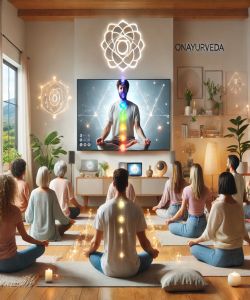
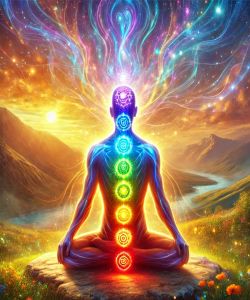
Chakra healing is a sophisticated and comprehensive system of energy medicine predicated on the principle that the human body is governed by a subtle energetic anatomy. Central to this system are the chakras, which are conceptualised as spinning vortices of vital life force energy, or prana, situated at specific points along the spinal axis. These centres are not physical entities but are considered crucial nexuses that regulate the flow of energy throughout the mind-body complex, influencing everything from physiological functioning and emotional states to psychological clarity and spiritual awareness. The fundamental objective of chakra healing is to identify, diagnose, and rectify imbalances within this energetic system. Such imbalances may manifest as blockages, where energy is stagnant; hyperactivity, where a chakra is excessively dominant; or hypoactivity, where it is deficient. Through the disciplined application of various modalities, including sound resonance, crystal therapy, meditation, and targeted energy manipulation, a practitioner seeks to cleanse, rebalance, and realign these centres. The ultimate aim is not merely the alleviation of symptoms but the restoration of a harmonious and coherent flow of energy throughout the individual's entire being. This holistic restoration is believed to foster profound well-being, enhance self-awareness, and unlock latent potential by ensuring the energetic framework that underpins physical and conscious existence is functioning at its optimal capacity. It is an exacting discipline demanding both practitioner expertise and client receptivity to address the root energetic causes of disharmony, rather than merely managing their superficial manifestations. The practice asserts that a balanced chakra system is the very foundation of robust health, emotional stability, and spiritual integrity.
2. What is Chakra Healing?
Chakra healing is a system of alternative medicine focused on the correction and optimisation of the body's subtle energy field. The term 'chakra', derived from Sanskrit, translates to 'wheel' or 'disk', and refers to specific energy centres that are believed to exist within the non-physical, or etheric, body. There are seven primary chakras, aligned vertically from the base of the spine to the crown of the head. Each chakra corresponds to major nerve plexuses and endocrine glands in the physical body and is associated with specific psychological, emotional, and spiritual states of being. Chakra healing operates on the premise that these energy centres can become imbalanced due to a variety of factors, including physical trauma, emotional distress, prolonged stress, and negative thought patterns. An imbalance is typically categorised as either blocked, underactive, or overactive. A blocked chakra impedes the flow of life force energy (prana), leading to stagnation and a sense of being 'stuck' in certain life areas. An underactive chakra results in a deficiency of energy in its corresponding domains, whilst an overactive chakra creates an excess, leading to overwhelming or erratic emotional and behavioural patterns. The practice of chakra healing involves a practitioner assessing the state of a client's chakras to identify these imbalances. Following this diagnosis, specific therapeutic techniques are employed to restore equilibrium. These techniques are designed to cleanse stagnant energy, stimulate underactive centres, and calm overactive ones. The overarching goal is to facilitate a smooth, unimpeded flow of energy throughout the entire system, thereby promoting holistic health. It is not a physical intervention but an energetic one, intended to address the foundational blueprint of well-being.
3. Who Needs Chakra Healing?
- Individuals experiencing persistent emotional dysregulation, such as chronic anxiety, unfounded fears, or an inability to process grief, who find conventional methods insufficient for achieving stability.
- Persons encountering creative or professional stagnation, characterised by a lack of inspiration, motivation, or the inability to manifest goals, suggesting a blockage in the sacral or solar plexus chakras.
- Those suffering from physical ailments that have no clear medical diagnosis or that persist despite conventional treatment, as such conditions may indicate an underlying energetic imbalance manifesting physically.
- Individuals feeling a profound sense of disconnection from themselves, others, or a sense of purpose, often described as spiritual malaise or existential emptiness, which points to imbalances in the upper chakras.
- People who are highly sensitive or empathetic and find themselves constantly overwhelmed by external energies and emotions, indicating porous energetic boundaries and a dysregulated root or solar plexus chakra.
- Individuals struggling with communication issues, either an inability to express their truth or a tendency towards domineering or inappropriate speech, which is a direct indicator of a throat chakra imbalance.
- Persons seeking to deepen their self-awareness and spiritual practice, who wish to move beyond theoretical knowledge and engage in direct, experiential work with their own energetic anatomy.
- Those recovering from trauma, whether physical or emotional, as traumatic imprints are held within the energetic body and require targeted healing to be fully released, allowing for complete recovery.
- Individuals who feel physically drained and suffer from chronic fatigue without a physiological cause, a classic symptom of depleted life force energy stemming from a compromised root chakra.
- Persons exhibiting patterns of self-sabotage or low self-worth, which are directly correlated with imbalances in the foundational chakras that govern security, identity, and personal power.
4. Origins and Evolution of Chakra Healing
The conceptual framework of the chakra system has its origins in the ancient spiritual traditions of India, with its earliest mentions found in sacred Hindu texts, most notably the Vedas and the later Upanishads. These texts, composed between 1500 and 500 BCE, laid the philosophical groundwork for understanding the human being as a composite of physical and subtle bodies animated by a universal life force known as prana. It was within the subsequent development of Tantric yoga, particularly between the 6th and 13th centuries CE, that the chakra system was most explicitly codified and elaborated upon. Texts such as the Sat-Cakra-Nirupana and the Padaka-Pancaka provided detailed descriptions of the chakras as vital centres of consciousness and energy, mapping their locations, corresponding elements, sounds (bija mantras), and psychological attributes. In these early traditions, working with the chakras was an esoteric practice, primarily aimed at spiritual liberation (moksha) through the awakening of kundalini energy, a dormant spiritual power believed to reside at the base of the spine.
The evolution of this ancient system saw a significant shift with its introduction to the Western world. This transmission began in the early 20th century, largely through the work of the Theosophical Society and figures like Sir John Woodroffe (under the pseudonym Arthur Avalon), whose translation of the Sat-Cakra-Nirupana in his book The Serpent Power (1919) was seminal. This exposed Western audiences to a complex system previously confined to initiates. However, this process of translation was also one of interpretation and adaptation. Western esotericists and, later, proponents of the New Age movement, integrated chakra theory with Western psychological models, such as Jungian archetypes, and other therapeutic modalities.
This synthesis led to the modern practice of chakra healing, which differs markedly from its ancient Tantric origins. Whilst the original focus was almost exclusively on spiritual transcendence, the contemporary application is predominantly therapeutic, aimed at psychological well-being, emotional balance, and the relief of physical symptoms. The emphasis has shifted from the rigorous, guru-led path of kundalini awakening to a more accessible model of energetic self-care and holistic health maintenance. This modern iteration, though detached from much of its original cultural and spiritual context, has evolved into a distinct and widely practised discipline within the broader field of complementary and alternative medicine, continually adapting to contemporary understandings of mind-body interconnectedness.
5. Types of Chakra Healing
- Crystal Healing: This modality involves the precise placement of specific crystals and gemstones on or around the body, aligned with the locations of the seven major chakras. Each crystal possesses a unique vibrational frequency that is believed to resonate with the corresponding chakra's energy. For instance, amethyst is used for the crown chakra to enhance spiritual connection, whilst red jasper is applied to the root chakra for grounding. The principle is that the stable, coherent energy of the crystal entrains the imbalanced energy of the chakra, clearing blockages and restoring its optimal vibrational state.
- Sound Healing (Vibrational Therapy): This technique utilises sound frequencies to rebalance the chakras. Tools such as Tibetan singing bowls, crystal bowls, tuning forks, or the human voice (chanting bija mantras) are employed. Each chakra is understood to have a specific resonant frequency. By introducing the correct frequency, the practitioner can dissolve energetic stagnation and harmonise an overactive or underactive chakra. The sound waves penetrate the energetic field, promoting a state of deep resonance and equilibrium.
- Reiki and Energy Work: Reiki is a Japanese technique wherein a practitioner channels universal life force energy into the client, typically through light touch or by holding hands just above the body. When applied to chakra healing, the practitioner directs this energy specifically into the imbalanced chakras. This infusion of pure, high-frequency energy is intended to dislodge blockages, cleanse the energy centre, and recharge a depleted system, facilitating the body’s innate healing capabilities.
- Guided Meditation and Visualisation: This is a mind-focused approach where the practitioner verbally guides the client into a state of deep relaxation and heightened awareness. The client is then instructed to visualise each chakra, often as a spinning wheel of coloured light. They may be guided to visualise cleansing light pouring into a blocked chakra or to imagine its colour becoming more vibrant and its spin more balanced. This technique leverages the power of intention and focus to directly influence the energetic body.
- Aromatherapy: This method uses concentrated essential oils extracted from plants to shift the energy of the chakras. Specific oils are associated with each chakra; for example, lavender for the crown chakra to calm the mind, or sandalwood for the root chakra to promote grounding. The oils can be diffused in the air, applied topically (diluted) to the corresponding body area, or inhaled directly. The aromatic molecules are believed to interact with the energetic field, providing a subtle yet powerful influence to restore balance.
6. Benefits of Chakra Healing
- Enhanced Emotional Regulation: Promotes the release of stagnant emotional energy, leading to greater stability, reduced reactivity, and an improved capacity to process and navigate complex feelings.
- Increased Mental Clarity and Focus: By clearing blockages in the third eye and crown chakras, individuals often report a significant improvement in concentration, decision-making, and overall cognitive function.
- Profound Stress and Anxiety Reduction: The practice directly addresses the energetic underpinnings of the body's stress response, inducing deep relaxation and calming the nervous system, which mitigates the effects of chronic anxiety.
- Heightened Self-Awareness and Intuition: Balancing the upper chakras, particularly the third eye, strengthens the connection to one's inner wisdom and intuitive faculties, fostering deeper self-understanding.
- Improved Physical Vitality and Well-being: By ensuring the unimpeded flow of life force energy (prana), the practice can alleviate unexplained fatigue and enhance the body's overall energy levels and innate healing processes.
- Strengthened Interpersonal Relationships: Healing the heart and throat chakras facilitates more authentic communication, deeper compassion, and the ability to form healthier, more meaningful connections with others.
- Release of Past Trauma: The energetic body stores the imprint of past traumas. Chakra healing provides a non-verbal mechanism to access and release these imprints, facilitating profound healing where conventional talk therapy may fall short.
- Greater Sense of Purpose and Spiritual Connection: Activating and balancing the crown chakra can lead to a more profound sense of connection to a higher purpose and a deeper understanding of one's place in the universe.
- Unlocking Creativity and Personal Power: Cleansing the sacral and solar plexus chakras removes creative blocks and dissolves feelings of powerlessness, empowering individuals to pursue their goals with confidence and inspiration.
- Establishment of Healthy Energetic Boundaries: The practice strengthens the overall auric field and grounds the individual through the root chakra, making them less susceptible to the negative energies and emotional states of others.
7. Core Principles and Practices of Chakra Healing
- The Principle of Energetic Anatomy: The foundational principle is that the physical body is supported by a subtle, non-physical energy body. This energetic framework contains seven primary chakras, or energy centres, aligned along the spinal column, which govern the flow of life force energy (prana) to all parts of the being.
- The Doctrine of Interconnectedness: Each chakra is inextricably linked to specific physical organs, endocrine glands, nerve plexuses, and corresponding emotional, psychological, and spiritual states. An imbalance in a single chakra will inevitably have cascading effects throughout the entire mind-body system.
- The Concept of Balance and Imbalance: A state of health is defined by the harmonious, unimpeded flow of energy through all chakras, with each spinning at its correct frequency. Disharmony arises when a chakra becomes blocked (stagnant), underactive (deficient), or overactive (excessive), disrupting this equilibrium.
- The Practice of Energetic Diagnosis: A core practice is the assessment of the chakra system to identify the location and nature of any imbalances. This can be performed through various means, including dowsing with a pendulum, hands-on energy scanning, or intuitive reading of the client's energetic field.
- The Application of Resonance and Entrainment: Healing is achieved by introducing a coherent, stable energetic frequency to an imbalanced chakra. Modalities like crystals, sound bowls, or chanted mantras provide a resonant template that the dissonant chakra can attune to, a process known as entrainment, thereby restoring its proper vibrational state.
- The Centrality of Intention: The focused intention of both the practitioner and the client is considered a potent force in directing the healing energy. The practitioner must hold a clear, unwavering intention to facilitate balance, whilst the client’s willingness to heal is crucial for the energy to be received and integrated effectively.
- The Practice of Cleansing and Charging: The process typically involves two stages. Firstly, 'cleansing' or 'clearing' the chakra of stagnant, negative, or foreign energy. Secondly, 'charging' or 'energising' it with pure, vital life force energy to restore its strength and proper function.
- The Principle of Grounding: Following any form of energy work, grounding is a non-negotiable practice. It involves techniques that reconnect the individual's consciousness and energy field firmly with the physical body and the Earth. This ensures stability and prevents feelings of being ungrounded or dissociated after the session.
8. Online Chakra Healing
- Unsurpassed Accessibility: Online chakra healing eliminates all geographical barriers, granting individuals access to highly specialised practitioners irrespective of their physical location. This democratises access to expert guidance that would otherwise be unavailable, ensuring that quality of care is not dictated by proximity.
- Creation of a Controlled Personal Sanctuary: The client engages in the session from their own private space. This environment, being familiar and secure, is inherently more conducive to relaxation and vulnerability than an unfamiliar clinical setting. The client has absolute control over lighting, temperature, and ambient sound, optimising their receptivity to the subtle energetic work.
- Enhanced Energetic Privacy and Purity: Conducting a session remotely ensures that the client's energy field is not influenced by the residual energies of previous clients in a shared physical space. The energetic exchange is exclusively between the practitioner and the client, creating a pure and focused therapeutic container that is free from external energetic contamination.
- Facilitation of Post-Session Integration: Following an online session, the client is not required to immediately navigate the external world by travelling home. Instead, they can remain in their tranquil state, allowing the energetic shifts to integrate deeply and organically without the jarring interruption of traffic, noise, or public interaction. This integration period is critical for the efficacy of the treatment.
- Consistency and Scheduling Flexibility: Online sessions offer greater flexibility, making it significantly easier for clients to schedule and maintain consistent appointments, which is crucial for cumulative healing progress. This removes the logistical challenges of travel time and coordinating complex schedules, ensuring the therapeutic momentum is not broken.
- Empowerment and Self-Responsibility: The online format necessitates a degree of active participation from the client in creating their healing space. This act fosters a sense of empowerment and personal responsibility for their own healing journey, transforming them from a passive recipient of treatment into an active co-creator of their well-being.
9. Techniques Used in Chakra Healing
- Step 1: Initial Assessment and Intention Setting: The practitioner conducts a thorough assessment of the client's energetic state to identify which chakras are imbalanced. This may be achieved through verbal consultation, pendulum dowsing over the body, or intuitive scanning. Following the diagnosis, a clear, precise intention for the healing session is collaboratively established. This intention acts as a guiding command for the energy work that follows.
- Step 2: Creating a Sacred and Protected Space: The practitioner establishes a high-vibrational, energetically protected space, whether physically or remotely. This involves energetic clearing techniques, such as burning sage or using sound, and invoking protective energies or guides. This ensures that the healing work is conducted in a pure container, free from disruptive external influences.
- Step 3: Induction into a Receptive State: The client is guided into a state of deep relaxation and heightened awareness, typically through controlled breathing exercises (pranayama) and guided meditation. This calms the conscious mind and makes the subtle body more receptive to the energetic adjustments that will be made.
- Step 4: Application of the Chosen Healing Modality: The practitioner systematically addresses each imbalanced chakra using a specific technique. This could involve placing corresponding crystals on the body, using tuning forks to introduce a specific frequency, directing Reiki energy into the chakra, or guiding the client through a powerful colour visualisation to cleanse and activate the energy centre. This is the core therapeutic phase of the session.
- Step 5: System-Wide Energy Balancing and Sealing: After addressing individual chakras, the practitioner performs techniques to ensure the entire energy system is harmonised and flowing cohesively. This may involve energy sweeping motions down the length of the body or visualising connections between the chakras. Finally, the practitioner energetically 'seals' the client's aura to protect the newly balanced state.
- Step 6: Grounding and Reorientation: The client is gently guided back to full waking consciousness. Crucial grounding techniques are employed, such as visualising roots growing from the feet into the earth or focusing on physical sensations. This anchors the client firmly in their body and the present moment, ensuring they are stable and integrated before concluding the session.
10. Chakra Healing for Adults
Chakra healing for adults serves as a sophisticated and potent framework for navigating the complex pressures and existential inquiries inherent to mature life. The adult experience is frequently characterised by an accumulation of unresolved emotional burdens, chronic stress from professional and personal responsibilities, and ingrained psychological patterns that have solidified over decades. These life factors invariably create significant imbalances and blockages within the subtle energy system, manifesting as anxiety, creative sterility, physical ailments, and a pervasive sense of disconnection. Chakra healing offers a direct, non-discursive modality to address these deeply embedded energetic imprints. It provides a structured method for identifying and releasing the energetic residue of past traumas and disillusionments, which a purely cognitive approach may fail to access. Furthermore, for many adults, the pursuit of a deeper sense of purpose and self-understanding becomes paramount. The hierarchical structure of the chakra system offers a coherent map for this journey of self-actualisation, moving from the foundational issues of security and identity in the lower chakras to the higher domains of love, expression, intuition, and spiritual connection. It is not a simplistic remedy but a rigorous discipline of self-excavation and realignment, demanding a level of introspection and commitment that is uniquely suited to the adult consciousness. By systematically cleansing and balancing their energetic anatomy, adults can dismantle long-standing limitations, restore their vitality, and cultivate the emotional resilience and spiritual clarity required to engage with their lives with renewed power, authenticity, and a profound sense of purpose.
11. Total Duration of Chakra Healing
The established professional standard for a single, comprehensive chakra healing session is a total duration of 1 hr. This specific timeframe is not arbitrary but is methodically structured to ensure a thorough and effective therapeutic process without inducing energetic exhaustion in the client. A typical session is logically partitioned to maximise its efficacy. It commences with an initial consultation and diagnostic phase, where the practitioner assesses the client's energetic state and establishes a clear intention for the work. This is followed by a period of induction, guiding the client into a state of deep relaxation necessary for the subtle body to become receptive. The central and most substantial portion of the 1 hr is dedicated to the core therapeutic intervention itself, where the practitioner systematically addresses the identified chakra imbalances using their chosen modalities. This demands meticulous focus and cannot be rushed. The final segment of the hour is reserved for the crucial processes of energetic integration, sealing the aura, and, most importantly, grounding the client firmly back into their physical body. Rushing these final steps can leave an individual feeling disoriented and energetically vulnerable. Consequently, the 1 hr duration provides the necessary container to move through all these essential phases—assessment, induction, treatment, and integration—in a deliberate, safe, and complete manner, respecting the complexities of energetic work and ensuring a stable and lasting outcome.
12. Things to Consider with Chakra Healing
Before engaging with chakra healing, it is imperative to adopt a mindset of critical discernment and informed responsibility. This practice operates within the realm of subtle energy, a domain that is inherently subjective and currently beyond the validation of conventional scientific metrics. Consequently, the field is largely unregulated, making the practitioner’s credentials, experience, and ethical integrity of paramount importance. Prospective clients must undertake rigorous due diligence, seeking verifiable testimonials, querying the practitioner’s training lineage, and ensuring a professional rapport. It is equally crucial to manage one's expectations. Chakra healing is not a panacea or a replacement for orthodox medical treatment. It should be regarded as a complementary modality designed to support holistic well-being by addressing energetic imbalances, not as a cure for serious physical or psychological pathologies. The efficacy of the practice is also profoundly contingent upon the client's own receptivity and willingness to participate in their healing process; a passive or sceptical disposition will invariably hinder the potential for positive outcomes. One must be prepared for the possibility of an emotional or physical catharsis as stagnant energies are released, a phenomenon known as a 'healing crisis'. Finally, understanding that meaningful change often requires a series of sessions, rather than a single intervention, is essential for a realistic and committed approach to this profound energetic work.
13. Effectiveness of Chakra Healing
The effectiveness of chakra healing is a complex issue, contingent upon a triad of factors: the proficiency of the practitioner, the receptivity of the client, and the specific nature of the imbalance being addressed. When conducted by a skilled and ethically grounded practitioner, the modality can be profoundly effective in the domains it purports to influence—namely, the emotional, psychological, and subtle energetic strata of human experience. Its primary efficacy lies in its capacity to facilitate the release of stored emotional trauma, alleviate the somatic symptoms of chronic stress, and restore a subjective sense of vitality and mental clarity. Clients frequently report significant reductions in anxiety, enhanced emotional equilibrium, and a greater sense of purpose and connection. The practice is particularly potent for addressing issues that are psychosomatic in origin or where individuals feel 'stuck' in life patterns that cognitive therapies alone have not resolved. However, its effectiveness cannot be quantified by the empirical standards applied to allopathic medicine. Its outcomes are subjective and experiential. The modality's power is in recalibrating the individual's foundational energy field, which is believed to underpin and influence physical and psychological health. Therefore, its success is measured not in the language of clinical trials, but in the observable improvements in a client's overall well-being, resilience, and self-awareness. It is a potent tool for holistic health, provided its scope is correctly understood and its application is expertly administered.
14. Preferred Cautions During Chakra Healing
It is of absolute and non-negotiable importance that chakra healing is never, under any circumstances, considered a substitute for professional medical or psychological diagnosis and treatment. Any practitioner who suggests otherwise, or who promises a 'cure' for a diagnosed medical condition, is operating outside the ethical bounds of the practice and must be regarded with extreme prejudice. Individuals with serious health conditions, particularly severe mental health disorders such as psychosis or major depressive disorder, must proceed with extreme caution and only with the full consent and knowledge of their primary medical doctor or psychiatrist, as profound energetic shifts can potentially be destabilising. During a session, the individual must remain the sovereign authority of their own experience. If at any point the process feels invasive, uncomfortable, or emotionally overwhelming beyond a manageable threshold, it is their right and responsibility to instruct the practitioner to cease immediately. Post-session, one should be prepared for a temporary period of heightened emotional sensitivity or physical detoxification symptoms as the body and energy field integrate the changes; this is a normal part of the process but should be monitored. Ultimately, the paramount caution is one of discernment. The onus is on the individual to choose a practitioner who demonstrates the highest levels of integrity, professionalism, and a clear understanding of the complementary, not contradictory, role that chakra healing plays in an integrated approach to health.
15. Chakra Healing Course Outline
- Module 1: The Foundational Anatomy of the Subtle Body
- Introduction to the Concept of Prana and the Energetic Body.
- Detailed Exploration of the Seven Primary Chakras: Location, Colour, Element, and Function.
- The Secondary and Minor Chakras: An Overview.
- The Role of the Nadis (Energy Channels) and the Aura.
- Module 2: Diagnostics of Energetic Imbalance
- Identifying Blocked, Underactive, and Overactive Chakras.
- Techniques for Energetic Assessment: Pendulum Dowsing, Hand Scanning, and Intuitive Diagnosis.
- Correlating Physical and Emotional Symptoms to Specific Chakra Dysfunctions.
- Client Consultation: The Art of a Professional Intake.
- Module 3: Core Healing Modalities and Their Application
- Crystal Therapy: Selection, Cleansing, and Application of Stones for Each Chakra.
- Sound Therapy: The Use of Singing Bowls, Tuning Forks, and Bija Mantra Chanting.
- Energy Channelling: Principles of Reiki and Directed Intention.
- Visualisation and Colour Therapy: Guided Meditations for Cleansing and Activation.
- Module 4: The Structure and Execution of a Healing Session
- Preparing the Sacred Space: Energetic Hygiene and Protection Protocols.
- The Professional Session Protocol: From Client Welcome to Grounding.
- Techniques for Integration and Sealing the Auric Field.
- Managing a Healing Crisis: Protocols for Client Support.
- Module 5: Advanced Principles and Professional Practice
- Working with Chakra Archetypes and Psychological Patterns.
- Distance Healing: Theory and Practical Application.
- Practitioner Ethics, Professional Boundaries, and Scope of Practice.
- Building a Professional Practice: Legal and Administrative Considerations.
16. Detailed Objectives with Timeline of Chakra Healing
- Weeks 1-2: Mastery of Foundational Theory.
- Objective: To achieve a comprehensive and detailed understanding of the seven-chakra system, including their Sanskrit names, locations, corresponding endocrine glands, psychological functions, and signs of imbalance. The student will be able to articulate this system with precision and authority.
- Weeks 3-4: Development of Diagnostic Competence.
- Objective: To gain proficiency in at least two methods of energetic assessment, such as pendulum dowsing and hands-on scanning. The student will accurately diagnose the state of each chakra in a test subject and correlate findings with presented physical and emotional symptoms.
- Weeks 5-6: Practical Application of Core Modalities.
- Objective: To demonstrate competent application of crystal healing and sound therapy. The student will correctly select, cleanse, and apply crystals according to a diagnostic plan, and effectively use singing bowls or tuning forks to address specific chakra imbalances in a supervised practical setting.
- Weeks 7-8: Integration of Techniques into a Full Session Protocol.
- Objective: To synthesise all learned skills by conducting a complete, simulated 1-hour healing session. The student will manage the entire process from initial client intake and intention setting, through the application of multiple modalities, to the final grounding and closing of the session.
- Weeks 9-10: Proficiency in Remote Healing and Energetic Hygiene.
- Objective: To understand the principles of non-local healing and successfully conduct a documented distance healing session. Concurrently, the student will master protocols for personal energetic hygiene and the preparation and clearing of a sacred therapeutic space.
- Weeks 11-12: Cultivation of Professional Ethics and Practice Management.
- Objective: To internalise a strict code of professional ethics, including scope of practice, confidentiality, and client boundaries. The student will formulate a basic business plan and demonstrate understanding of the legal and insurance requirements for establishing a professional practice.
17. Requirements for Taking Chakra Healing
- A Stable High-Speed Internet Connection: Non-negotiable for ensuring an uninterrupted and clear audio-visual stream, which is essential for the transmission of subtle energetic instructions and practitioner guidance.
- A Private, Uninterrupted, and Dedicated Space: The participant must secure a physical location where they will not be disturbed for the full duration of the session. This space must be treated as a sacred container, free from intrusions from family, pets, or work obligations.
- Functional and High-Quality Audio-Visual Equipment: A computer or device with a reliable camera and microphone is mandatory. The use of headphones is strongly recommended to minimise external noise and create an immersive auditory experience.
- Physical Comfort and Preparation: The ability to lie down comfortably for an extended period is required. This necessitates a yoga mat, bed, or comfortable recliner. A blanket and pillow should be on hand to maintain physical comfort and warmth, as body temperature can fluctuate during energy work.
- A Commitment to Punctuality and Presence: The participant must commit to being present and ready at the scheduled time. A disciplined approach is required to turn off all other notifications and distractions, treating the online session with the same gravitas as an in-person appointment.
- A Disposition of Openness and Receptivity: A willingness to engage with non-physical concepts and to suspend disbelief is crucial. Scepticism creates an energetic barrier. The participant must be prepared to follow guided visualisations and be receptive to subjective energetic sensations.
- Emotional and Psychological Stability: The participant must be in a state of sufficient psychological stability to process any emotions that may arise. This modality is not a substitute for crisis care.
18. Things to Keep in Mind Before Starting Chakra Healing
Before commencing an online chakra healing journey, it is critical to approach the endeavour with a strategic and discerning mindset. The first and most vital step is the rigorous vetting of the practitioner. In the anonymous expanse of the internet, one must aggressively seek out substantiated credentials, verifiable client testimonials, and a clearly articulated professional philosophy and code of ethics. Do not proceed without a preliminary consultation to assess rapport and ensure their methodology aligns with your objectives. Secondly, one must prepare their physical environment with absolute discipline. Your designated space is not merely a room; it is the therapeutic vessel. It must be meticulously tidied, cleansed of clutter, and guaranteed to be free from any potential interruption for the session's full duration. This preparation is a non-negotiable component of the process. Furthermore, it is essential to set a clear, concise intention for what you wish to achieve. Vague aspirations yield vague results. Define your goal, whether it is to release a specific emotional pattern, enhance clarity on a particular issue, or alleviate an energetic blockage. Finally, understand the nature of the transaction. You are not a passive recipient. You are an active co-creator in your healing. Your focused presence, willingness to be vulnerable, and commitment to integrating the work post-session are as crucial as the practitioner’s skill.
19. Qualifications Required to Perform Chakra Healing
The domain of chakra healing operates largely outside the purview of governmental or mainstream academic accreditation, which makes the assessment of a practitioner's qualifications a matter of diligent, private scrutiny. A credible and professional practitioner, however, will be able to substantiate their competence through a combination of formal training, documented experience, and adherence to professional standards. The baseline qualification is the verifiable completion of a comprehensive training programme from a reputable and well-established institution or lineage. Key indicators of a programme's quality include:
- A structured and extensive curriculum covering energetic anatomy, diagnostic techniques, multiple healing modalities, and client management.
- A significant number of required hours for both theoretical study and supervised practical application.
- A clear lineage of teaching that can be traced back to an established master or tradition.
Beyond this foundational certificate, a superior practitioner will demonstrate a commitment to ongoing professional development, often holding advanced certifications in related modalities such as Reiki (Master level), sound healing, or crystal therapy. Furthermore, significant practical experience is non-negotiable. This should be evidenced by a substantial body of client work, often supported by professional testimonials. Finally, true professionalism is marked by adherence to a strict code of ethics, which includes maintaining client confidentiality, understanding the scope of practice, and carrying professional liability insurance. The absence of these markers should be considered a significant disqualifier for any prospective client seeking serious, effective, and safe energetic work.
20. Online Vs Offline/Onsite Chakra Healing
Online
The online delivery of chakra healing is characterised by its supreme convenience and accessibility. It eradicates geographical constraints, enabling a client to connect with a master practitioner located anywhere in the world. The session is conducted within the client's own environment, a space that is inherently safe, familiar, and private, which can significantly lower barriers to relaxation and vulnerability. This modality also provides a pure energetic container, as the exchange is direct and not influenced by the residual energies of a shared clinical space. Furthermore, the absence of travel requirements allows for a seamless transition from the therapeutic state into a period of quiet integration, which is critical for the energetic shifts to settle. The efficacy of online healing hinges on the principle that energy is not bound by physical proximity and can be directed and received effectively at a distance through the focused intention of a skilled practitioner. It demands a high degree of client self-discipline in preparing a sacred, uninterrupted space.
Offline/Onsite
Offline, or onsite, chakra healing offers a distinctly different and more visceral experience. The primary advantage is the direct physical presence of the practitioner, which allows for a palpable energetic transmission that some find more potent and grounding. Modalities that involve physical touch or the precise placement of tools, such as hands-on Reiki or the laying of crystals upon the body, are executed with greater immediacy and precision. The practitioner has complete control over the therapeutic environment, curating a purpose-built sanctuary with specific lighting, sounds, and scents designed to maximise the healing effect. This removes the onus of environmental preparation from the client. The physical proximity also allows the practitioner to observe subtle, non-verbal cues from the client's body, which can provide additional diagnostic information. This format is often preferred by those who find it challenging to relax without a clear physical separation from their daily life or who value the tangible human connection in a therapeutic context.
21. FAQs About Chakra Healing
Question 1. What precisely is a chakra?
Answer: A chakra is a non-physical centre of subtle energy within the body. There are seven primary chakras aligned along the spine, each acting as a vortex that regulates the flow of life force energy to specific physical and psychological functions.
Question 2. How do I know if my chakras are imbalanced?
Answer: Symptoms of imbalance can be emotional (e.g., anxiety, apathy), mental (e.g., lack of focus, indecisiveness), or physical (e.g., persistent issues in a specific body area corresponding to a chakra).
Question 3. Is chakra healing a religious practice?
Answer: No. Whilst its origins are in ancient Indian spiritual traditions, modern chakra healing is a non-denominational practice focused on energetic well-being, and it requires no specific religious belief.
Question 4. What occurs during a typical online session?
Answer: A session typically begins with a consultation, followed by guided relaxation. The practitioner then works remotely on your energy field using various techniques, concluding with grounding to ensure you are centred.
Question 5. Can healing really be effective from a distance?
Answer: Yes. The principles of quantum physics and energetic medicine posit that energy and intention are not limited by physical distance. A skilled practitioner can connect with and influence a client's energy field remotely.
Question 6. What might I feel during a session?
Answer: Sensations vary widely. You may feel tingling, warmth, coolness, emotional releases, see colours, or simply experience a state of profound relaxation. Some feel very little, which does not diminish the effectiveness.
Question 7. Is chakra healing safe?
Answer: When performed by a qualified and ethical practitioner, it is an extremely safe, non-invasive practice.
Question 8. How many sessions will I require?
Answer: This is highly individual. A single session can provide significant relief, but deep-seated imbalances typically require a series of sessions to resolve fully.
Question 9. Must I do anything to prepare for a session?
Answer: Yes. Ensure you are in a private, quiet space, will not be interrupted, have a stable internet connection, and are hydrated. Set a clear intention for what you wish to achieve.
Question 10. Can chakra healing cure physical illness?
Answer: No. Chakra healing is a complementary modality that addresses the energetic body. It is not a substitute for conventional medical treatment and must not be used to treat or diagnose any illness.
Question 11. What is the Root Chakra?
Answer: Located at the base of the spine, it governs security, survival, and grounding.
Question 12. What is the Sacral Chakra?
Answer: Located in the lower abdomen, it relates to creativity, emotion, and sexuality.
Question 13. What is the Solar Plexus Chakra?
Answer: Located in the upper abdomen, it is the centre of personal power, will, and self-esteem.
Question 14. What is the Heart Chakra?
Answer: Located in the centre of the chest, it governs love, compassion, and relationships.
Question 15. What is the Throat Chakra?
Answer: Located in the throat, it is the centre for communication and self-expression.
Question 16. What is the Third Eye Chakra?
Answer: Located between the eyebrows, it governs intuition, foresight, and imagination.
Question 17. What is the Crown Chakra?
Answer: Located at the top of the head, it is our connection to spiritual consciousness.
22. Conclusion About Chakra Healing
In conclusion, chakra healing must be recognised as a rigorous and structured discipline of energetic medicine, not a passive or whimsical pursuit. It operates on the sophisticated premise that the human experience is underpinned by a complex anatomy of subtle energy, and that true, holistic well-being is contingent upon the balanced and harmonious functioning of this system. The practice offers a formidable toolkit for addressing the non-physical, yet profoundly impactful, dimensions of health—the emotional, psychological, and spiritual strata that are often inaccessible to purely conventional methodologies. Whether conducted in person or through the focused container of an online session, its objective remains constant: to diagnose and rectify energetic dissonance, thereby restoring the individual’s innate capacity for vitality, clarity, and self-actualisation. It demands both a highly skilled, ethically grounded practitioner and a committed, receptive client. When these conditions are met, chakra healing serves as a potent complementary modality, providing a direct pathway to releasing ingrained patterns, enhancing self-awareness, and establishing a resilient foundation of energetic integrity. It is, ultimately, a formal system for the mastery and maintenance of one’s own life force, representing a proactive and empowered stance on personal health and consciousn