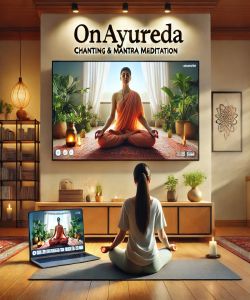
1. Overview of Chanting and Mantra Meditation
Chanting and mantra meditation constitute rigorous disciplines focused on the systematic utilization of sound, vibration, and repetition to achieve profound alterations in consciousness and psychological equilibrium. This practice is not merely a passive auditory experience but an active engagement with specific phonetic structures—mantras—which are believed to possess inherent vibratory qualities capable of influencing the practitioner’s energetic and mental states. The core mechanism involves the focused repetition (Japa) of a sound, word, or phrase, which serves to anchor the mind, effectively interrupting the incessant flow of discursive thought. This process demands significant mental discipline, as the practitioner must continuously redirect attention to the mantra, thereby cultivating sustained concentration and an internalized awareness. Chanting, often performed melodically and sometimes within a communal context, utilizes pitch, tone, and rhythm to enhance the physiological impact of the vocalization, engaging the nervous system through controlled respiration and the physical vibration generated within the body. Mantra meditation, conversely, may be practiced silently (Manasika Japa), focusing purely on the mental reverberation of the sound, which is considered a more subtle and potent form of the practice. The efficacy of these techniques rests upon the precision of pronunciation and the intention (Sankalpa) behind the recitation. They are engineered to clear mental obfuscation, stabilize emotional volatility, and facilitate a state of transcendental awareness beyond ordinary cognitive processing. The neurophysiological impact is substantial; the rhythmic nature of chanting regulates autonomic functions, whilst the focused attention required for mantra repetition strengthens neural pathways associated with executive function and emotional regulation. These practices are therefore deterministic tools for mental reorganization, demanding commitment and precision. They are not rudimentary relaxation techniques but sophisticated methodologies for achieving mastery over the mind's inherent instability, systematically dismantling ingrained patterns of distraction and leading towards profound internal coherence. The disciplined application of these sonic tools is essential for unlocking their transformative potential, establishing a foundation of unwavering mental fortitude and profound introspective clarity. Mastery of chanting and mantra meditation is predicated on sustained, rigorous practice and an uncompromising adherence to the established methodologies of the tradition from which the specific mantra originates.
2. What are Chanting and Mantra Meditation?
Chanting and mantra meditation are specialized contemplative practices utilizing sound as the primary instrument for focusing the mind and transforming consciousness. These methodologies are predicated on the understanding that specific sonic vibrations possess the capacity to influence physiological and psychological states.
Mantra meditation specifically involves the systematic repetition of a calibrated sound structure—a syllable, word, or series of phrases, often derived from ancient languages such as Sanskrit. The term 'mantra' itself is derived from 'manas' (mind) and 'tra' (tool or instrument), signifying its function as an instrument of the mind, or alternatively, that which protects the mind when contemplated. The practice operates on several levels:
- Audible Repetition (Vaikhari Japa): The vocalized recitation of the mantra, utilized to harness the wandering mind through overt auditory feedback. This method leverages the physical vibration generated by the vocal apparatus.
- Whispered Repetition (Upamshu Japa): A subdued recitation, involving minimal movement of the lips and audible only to the practitioner. This represents a transition towards internalization.
- Mental Repetition (Manasika Japa): The silent, internal recitation of the mantra, synchronized with the breath or heartbeat. This is considered a more advanced and potent stage, requiring superior concentration.
- Spontaneous Awareness (Ajapa Japa): The state where the mantra repeats automatically within the consciousness without deliberate effort.
Chanting, while often utilizing mantras, typically emphasizes melodic structure, rhythm, and pitch. It is frequently a more extensive vocalization, involving hymns, scriptures, or extended phrases. Chanting engages the physiological systems more robustly, particularly through breath control (Pranayama) and the resonance of the vocal cords.
Both practices function by employing the mantra as a focal anchor. The mind’s natural tendency towards distraction (Vikshepa) is counteracted by the continuous return to the sonic structure. This process effectively displaces negative or superfluous thought patterns, inducing a state of neurological coherence and mental quiescence. These are not arbitrary sounds; they are precise tools designed to generate specific energetic frequencies within the practitioner’s system. The successful application of chanting and mantra meditation requires discipline, consistency, and an understanding of the phonetic precision required to activate the intended effects. They are rigorous techniques for achieving profound mental clarity and systemic harmonization.
3. Who Needs Chanting and Mantra Meditation?
The requirement for chanting and mantra meditation extends to various individuals and professional cohorts seeking enhanced cognitive function, emotional regulation, and psychological resilience. The necessity for these disciplines is not universal but is acutely indicated for the following categories:
- Individuals Experiencing Chronic Mental Dispersion: Persons whose cognitive faculties are characterized by incessant, unproductive thought patterns, lack of focus, and an inability to sustain attention on critical tasks. The repetitive nature of mantra provides a necessary anchor for stabilizing the mind.
- Professionals in High-Stress Environments: Executives, emergency responders, and others operating under sustained pressure who require robust mechanisms for rapid stress mitigation and the maintenance of composure under duress. Chanting regulates the autonomic nervous system, counteracting hyperarousal.
- Persons Seeking Enhanced Emotional Regulation: Individuals prone to emotional volatility, anxiety, or reactive behaviours. Mantra meditation facilitates the decoupling of awareness from affective responses, promoting equanimity and measured reactions.
- Contemplative Practitioners Seeking Deeper States of Meditation: Experienced meditators who encounter plateaus using standard mindfulness or breath-awareness techniques. Mantras provide a specific, potent object of concentration capable of inducing deeper states of absorption (Dhyana).
- Individuals Addressing Habitual Negative Cognition: Those endeavoring to overwrite entrenched negative thought loops or compulsive behaviours. The vibrational quality and focused repetition of mantras serve to disrupt and replace detrimental mental patterns.
- Persons Requiring Improved Vocal and Respiratory Control: Public speakers, vocalists, and individuals with respiratory challenges benefit from the disciplined breathwork and vocal resonance inherent in chanting practices.
- Those Undergoing Significant Life Transitions or Crisis: Individuals navigating periods of instability who require a reliable method for grounding their awareness and cultivating internal stability amidst external chaos.
- Cognitive Enhancement Seekers: Individuals committed to optimizing memory, concentration, and executive function. The focused attention required in mantra practice strengthens the neural circuits associated with these capabilities.
- Spiritual Aspirants: Persons dedicated to transcendental pursuits who utilize specific mantras as prescribed tools for spiritual evolution, energetic purification, and the realization of higher states of consciousness within established traditions.
- Individuals Suffering from Insomnia or Sleep Irregularities: Those requiring non-pharmacological interventions to calm the nervous system and facilitate the transition into restorative sleep cycles.
4. Origins and Evolution of Chanting and Mantra Meditation
The genesis of chanting and mantra meditation is deeply embedded within the ancient Vedic traditions of India, representing one of the earliest recorded systematizations of sound utilization for spiritual and psychological transformation. The Vedas, foundational scriptures of Hinduism, are essentially compilations of hymns and mantras (Samhitas) intended for precise recitation during sacrificial rituals (Yajna). The Vedic understanding postulated that sound (Shabda) is eternal and possesses creative potency; mantras were perceived not merely as symbols, but as the sonic embodiment of specific deities or cosmic principles. The efficacy of Vedic ritual was entirely contingent upon the flawless pronunciation and intonation of these chants, necessitating rigorous training in phonetics (Shiksha) and meter (Chandas). This emphasis on sonic precision underscores the ancient recognition of the profound impact of vibration on reality.
The evolution of mantra practice transitioned from external ritual to internal contemplation during the Upanishadic period. The focus shifted from propitiating external deities to realizing the internal self (Atman). Mantras such as 'Om' (Aum) emerged as quintessential sonic representations of the ultimate reality (Brahman), utilized as tools for meditative absorption. The concept of Nada Yoga, the yoga of sound, further formalized the understanding of internal, subtle vibrations as a path to liberation.
The development of Tantric traditions marked a significant evolution in mantra science (Mantra Shastra). Tantra expanded the repertoire of mantras exponentially, introducing Bija (seed) mantras—monosyllabic sounds believed to contain the concentrated essence of specific energies. Tantric practice emphasized the empowerment of mantras through systematic repetition (Japa) and visualization, utilizing them for both spiritual enlightenment and the acquisition of specific powers (Siddhis). The integration of mantras into complex rituals involving yantras (geometric diagrams) and mudras (hand gestures) created a sophisticated technology of consciousness alteration.
Buddhism, particularly the Mahayana and Vajrayana schools, adopted and adapted mantra practices extensively. In Tibetan Buddhism, mantras such as "Om Mani Padme Hum" became central to the meditative practice of millions, utilized to cultivate compassion and wisdom. The transmission of these practices across Asia saw their integration into diverse cultural contexts, from Zen Buddhist chanting in Japan to Taoist incantations in China.
In the contemporary era, the application of chanting and mantra meditation has transcended its religious origins. Clinical and neuroscientific research has begun to validate the physiological and psychological effects of these practices, observing measurable changes in brain activity (increased alpha wave production) and autonomic nervous system regulation. This secularization has led to their incorporation into mindfulness-based therapies and stress-reduction protocols, representing a modern adaptation of ancient sonic technologies for addressing the complexities of contemporary mental health challenges.
5. Types of Chanting and Mantra Meditation
The landscape of chanting and mantra meditation is diverse, encompassing various methodologies categorized by their intended purpose, structure, and mode of application. A precise understanding of these typologies is essential for effective implementation. The primary classifications are delineated as follows:
- Bija (Seed) Mantras:
- Definition: Monosyllabic sounds devoid of literal semantic meaning, considered the sonic essence of specific energies or deities. They are potent vibrational tools used to activate subtle energy centres (Chakras).
- Examples: Om (universal consciousness), Hrim (purification), Klim (attraction).
- Application: Typically used for focused Japa meditation, often integrated into more complex mantras or utilized independently for profound energetic impact.
- Saguna (With Form) Mantras:
- Definition: Mantras dedicated to a specific deity or personalized aspect of the divine. They invoke the qualities and energies associated with that archetype.
- Examples: Om Namah Shivaya (invoking Shiva consciousness), Om Gam Ganapataye Namaha (invoking Ganesha energy).
- Application: Used in devotional (Bhakti) practices and for cultivating specific virtues or overcoming obstacles associated with the invoked archetype.
- Nirguna (Without Form) Mantras:
- Definition: Abstract mantras that point towards the formless, absolute reality. They are utilized for self-inquiry and the realization of non-dual consciousness.
- Examples: So’ham (I am That), Aham Brahmasmi (I am Brahman).
- Application: Predominantly used in Jnana Yoga and Advaita Vedanta traditions for transcendental meditation and self-realization.
- Vedic Chanting:
- Definition: The recitation of hymns from the Vedas, characterized by strict adherence to specific rules of pronunciation, intonation (Svara), and meter (Chandas).
- Examples: Gayatri Mantra, Purusha Suktam.
- Application: Performed for spiritual purification, ritual efficacy, and the preservation of the ancient oral tradition. It requires precise training to maintain sonic integrity.
- Kirtan and Bhajan (Devotional Chanting):
- Definition: Musical, often communal, chanting practices. Kirtan typically involves call-and-response repetition of divine names or mantras, while Bhajan refers to the singing of devotional hymns.
- Application: Focused on cultivating emotional engagement and devotional ecstasy (Bhava). Highly accessible and emphasizes participation over technical precision.
- Likhita Japa (Written Mantra):
- Definition: The practice of writing a mantra repeatedly whilst maintaining mental focus on its sound and meaning.
- Application: Engages multiple senses (visual, kinaesthetic) to enhance concentration and internalize the mantra’s vibration, particularly useful for stabilizing highly distracted minds.
6. Benefits of Chanting and Mantra Meditation
The systematic application of chanting and mantra meditation yields quantifiable physiological and psychological advantages. These benefits are not incidental but are the direct result of the focused cognitive engagement and vibrational impact inherent in these practices. The principal benefits are enumerated below:
- Neurological Stabilization and Stress Reduction:
- Induces the relaxation response, shifting the autonomic nervous system from sympathetic (fight-or-flight) dominance to parasympathetic (rest-and-digest) activation.
- Facilitates a reduction in the levels of stress hormones, such as cortisol and adrenaline.
- Enhanced Cognitive Function:
- Significantly improves concentration, attention span, and focus by training the mind to sustain single-pointed awareness (Ekagrata).
- Strengthens executive functions, including working memory and cognitive flexibility, through the disciplined redirection of attention to the mantra.
- Emotional Regulation and Equanimity:
- Reduces emotional reactivity by creating cognitive distance between the observer and affective states.
- Cultivates a state of mental calmness and resilience in the face of external stressors.
- Modification of Brainwave Activity:
- Promotes an increase in alpha and theta brainwave patterns, associated with states of relaxed alertness, creativity, and deep meditation.
- May facilitate the synchronization of the brain’s hemispheres.
- Physiological Optimization:
- Regulates respiratory rhythms and enhances lung capacity, particularly through vocalized chanting which demands controlled exhalation.
- Improves heart rate variability (HRV), indicating enhanced cardiovascular resilience and autonomic balance.
- Disruption of Negative Thought Patterns:
- Interrupts rumination and obsessive cognitive loops by occupying the mental bandwidth with the mantra’s structure.
- Facilitates the reprogramming of subconscious patterns through the continuous imposition of positive vibrational input.
- Vagal Tone Improvement:
- Vocal chanting stimulates the vagus nerve, which plays a critical role in regulating inflammation, mood, and the connection between the brain and the digestive system.
- Facilitation of Transcendental States:
- Enables the practitioner to access deeper states of consciousness and meditative absorption (Samadhi) by providing a potent object of focus that transcends conceptual thought.
- Improved Sleep Quality:
- Alleviates insomnia by reducing mental agitation and promoting neurological relaxation prior to sleep.
- Enhanced Self-Awareness:
- Cultivates introspection and a refined understanding of one’s own mental processes by observing the mind's interaction with the mantra.
7. Core Principles and Practices of Chanting and Mantra Meditation
The efficacy of chanting and mantra meditation is contingent upon adherence to specific core principles and the correct execution of established practices. These elements form the methodological framework essential for achieving the intended outcomes of these disciplines.
Core Principles:
- Sonic Precision (Shabda): The belief that mantras are potent sound formulas whose effectiveness depends on accurate pronunciation and intonation. Vibrational integrity is paramount; deviation nullifies the intended effect.
- Intention (Sankalpa): The clarity of purpose behind the practice. A focused intention directs the energy generated by the mantra towards a specific outcome, whether it be purification, concentration, or healing.
- Repetition (Japa): The systematic and continuous recitation of the mantra. Repetition is the mechanism that allows the mantra’s vibration to permeate the deeper levels of consciousness and displace habitual thought patterns.
- Concentration (Dharana): The ability to maintain unwavering focus on the sound, meaning, or vibrational sensation of the mantra. This single-pointedness is the prerequisite for meditative absorption.
- Rhythm and Meter (Chandas): Particularly in chanting, adherence to a specific rhythm and structure is crucial. This regulates the breath, synchronizes physiological rhythms, and enhances the mantra’s potency.
- Faith and Devotion (Shraddha and Bhakti): While not strictly necessary in purely technical applications, an attitude of reverence and trust in the efficacy of the mantra significantly amplifies its psychological and spiritual impact.
Core Practices:
- Selection of the Appropriate Mantra: Choosing a mantra congruent with the practitioner’s goals, temperament, and, if applicable, lineage instructions.
- Japa Mala Utilization: The use of a string of beads (typically 108) to track the number of repetitions. This tactile engagement anchors the mind and ensures procedural discipline.
- Modes of Recitation: The graduated application of Vaikhari (audible chanting), Upamshu (whispering), and Manasika (mental recitation), progressing towards internalization as concentration deepens.
- Asana (Posture): Maintaining a stable, upright posture (e.g., Sukhasana, Padmasana) to facilitate unobstructed energy flow and sustained alertness during the practice.
- Integration with Breath (Pranayama): Synchronizing the mantra with the inhalation and exhalation to harmonize physiological rhythms and deepen mental focus.
- Visualization (Dhyana): Accompanying the mantra recitation with the visualization of a corresponding deity, yantra, or energy centre, enhancing the multifaceted impact of the practice.
- Consistency and Duration (Abhyasa): Establishing a regular, dedicated practice schedule, often at specific times (e.g., dawn and dusk), to build momentum and achieve lasting transformation.
8. Online Chanting and Mantra Meditation
The migration of chanting and mantra meditation instruction to digital platforms presents distinct advantages, optimizing accessibility and facilitating structured learning. Online delivery mechanisms enable the dissemination of these rigorous disciplines irrespective of geographical constraints, offering specific benefits for dedicated practitioners.
- Accessibility to Specialized Instruction:
- Provides access to highly qualified instructors and lineage-specific teachings that may be unavailable in the practitioner's local vicinity. This is critical for practices requiring precise phonetic instruction, such as Vedic chanting.
- Structured Learning Environment:
- Online courses offer systematic curricula, allowing for the progressive development of skills from foundational principles to advanced techniques. Modules can be revisited, ensuring mastery of concepts before progression.
- Enhanced Focus on Auditory Acuity:
- The digital medium necessitates a heightened focus on listening to ensure correct pronunciation and intonation of mantras. High-fidelity audio resources support the accurate learning of complex sonic structures.
- Flexibility and Consistency of Practice:
- Asynchronous learning materials and recorded sessions allow practitioners to engage in disciplined practice at times conducive to their schedules, facilitating the consistency (Abhyasa) essential for mantra efficacy.
- Utilization of Technological Aids:
- Access to digital tools such as mantra counters, precise audio loops for Japa practice, and software for analyzing chanting pitch and rhythm enhances the technical precision of the practice.
- Privacy and Internalization:
- The online format allows individuals to practice vocalized chanting (Vaikhari Japa) in complete privacy, reducing self-consciousness and facilitating uninhibited vocal expression, which is crucial for beginners.
- Global Sangha (Community) Access:
- Virtual platforms enable participation in group chanting sessions (Kirtan) and meditation circles with participants worldwide, leveraging the amplified energetic effect of collective practice without the need for physical congregation.
- Cost-Effectiveness and Efficiency:
- Eliminates the necessity for travel and accommodation associated with retreats or specialized workshops, directing resources solely towards instruction and practice development.
- Immediate Feedback Mechanisms:
- Live online sessions permit instructors to provide real-time correction of pronunciation and posture, ensuring the integrity of the practice is maintained despite the physical distance.
- Archival Resource Access:
- Provides a permanent repository of instructional materials, including complex chant notations and philosophical discourses on mantra science, for ongoing reference and study.
9. Chanting and Mantra Meditation Techniques
The application of chanting and mantra meditation requires the implementation of specific techniques to maximize efficacy and ensure correct practice. These techniques are designed to systematically harness the mind and leverage the vibrational power of sound. Adherence to these methodologies is mandatory for achieving profound results.
- Establishing the Foundational Posture (Asana):
- Adopt a stable and comfortable seated position (e.g., Sukhasana, Siddhasana, or on a chair) ensuring the spine is erect and the head, neck, and trunk are aligned. This facilitates alertness and proper energy flow.
- Setting Intention (Sankalpa):
- Clearly define the purpose of the practice session before commencement. This directs the cognitive and energetic focus throughout the meditation.
- Breath Synchronization (Pranayama Integration):
- Coordinate the mantra repetition with the respiratory cycle. For instance, mentally reciting one part of the mantra during inhalation and the remainder during exhalation. This harmonizes physiological rhythms.
- Vocalization Levels (Japa Techniques):
- Vaikhari (Audible): Begin with loud, clear recitation. This is essential for correcting pronunciation and engaging the conscious mind forcefully. It is particularly effective in noisy environments or when the mind is highly agitated.
- Upamshu (Whispering): Transition to a subtle whisper, where the lips move but the sound is audible only to the practitioner. This marks a shift towards internalization.
- Manasika (Mental): Practice silent, internal repetition of the mantra. This requires superior concentration and is considered the most potent form of Japa for subtle impact.
- Utilization of a Mala (Bead Rotation):
- Employ a 108-bead mala to count repetitions. Hold the mala in the right hand, using the thumb to advance each bead over the middle finger. The index finger (representing the ego) should remain separate. Do not cross the Guru (head) bead; reverse direction upon reaching it.
- Fixed Count Repetition (Purascharana):
- Engage in the practice of completing a predetermined number of mantra repetitions over a specific period. This builds discipline and intensifies the mantra’s energetic signature.
- Rhythmic Chanting (Vedic or Tantric):
- When chanting extensive texts, adhere strictly to the prescribed rhythm (Chandas) and tonal variations (Svara). Precision is paramount for efficacy.
- Visualization (Dhyana):
- Simultaneously visualize the form associated with the mantra (e.g., a deity, a yantra, or light) at a specific energy centre (Chakra), such as the heart (Anahata) or the eyebrow centre (Ajna).
- Attentive Listening (Nada Yoga):
- Focus intently on the vibration of the sound, whether external or internal. This shifts the practice from mere mechanical repetition to an absorption in the sonic essence.
10. Chanting and Mantra Meditation for Adults
Chanting and mantra meditation are exceptionally pertinent disciplines for adults, addressing the specific cognitive and psychological challenges inherent in mature life. The adult mind, often characterized by entrenched behavioural patterns, significant responsibilities, and exposure to chronic stress, requires potent methodologies to achieve mental clarity and emotional equilibrium. These practices are not merely palliative; they are rigorous tools for cognitive restructuring and autonomic nervous system regulation. For adults grappling with the demands of professional life and the complexities of interpersonal relationships, mantra repetition provides a reliable mechanism for interrupting cycles of rumination and anxiety. The focused attention required (Dharana) directly counteracts the cognitive fragmentation often induced by contemporary multitasking environments, strengthening executive function and improving decision-making capabilities.
The physiological impact of chanting is particularly relevant for adult health management. The controlled respiration and vocalization inherent in chanting regulate heart rate variability, improve respiratory efficiency, and stimulate the vagus nerve, thereby enhancing parasympathetic tone. This is crucial for mitigating the long-term physiological damage associated with sustained sympathetic nervous system activation common in adult life. Furthermore, adults often possess the cognitive maturity and self-discipline necessary to engage in the more subtle and demanding forms of mantra practice, such as Manasika Japa (silent repetition), which requires significant internalization and focus.
In the context of psychological development, these practices offer adults a structured method for introspection and the dismantling of limiting beliefs acquired over decades. Unlike passive relaxation techniques, mantra meditation demands active engagement, cultivating mental resilience and emotional detachment. For adults seeking deeper existential meaning or spiritual development, chanting and mantra provide established frameworks for exploring transcendental states of consciousness. The disciplined application of these sonic techniques enables adults to manage stress effectively, enhance cognitive vitality, and facilitate continued psychological and spiritual maturation. It is an essential discipline for any adult committed to optimizing their mental and physiological functioning, demanding serious application for substantive results. The commitment to regular practice is non-negotiable for realizing the profound transformative potential these methodologies offer the adult practitioner.
11. Total Duration of Online Chanting and Mantra Meditation
The total duration allocated for a structured session of online chanting and mantra meditation is precisely 1 hr. This timeframe is optimally designed to accommodate the essential components of a comprehensive practice whilst respecting the constraints of digital engagement and the necessity for sustained concentration. The 1 hr duration is strategically segmented to facilitate physiological preparation, the core practice of Japa or chanting, and a period of silent integration. A typical session structure within this 60-minute allocation involves an initial phase dedicated to establishing an appropriate posture (Asana) and preparatory breathwork (Pranayama), designed to stabilize the nervous system and cultivate initial mental focus. This is followed by the main body of the practice, which may involve guided instruction on pronunciation, rhythmic chanting (Kirtan), or sustained periods of Japa meditation utilizing a mala. The duration permits a sufficient number of repetitions (e.g., multiple rounds of 108 mantras) necessary to induce a measurable shift in consciousness and neurological state. The concluding segment of the 1 hr session is reserved for silent meditation or Shavasana, allowing the vibrational impact of the mantra to settle and the practitioner to absorb the effects of the practice in stillness. Adherence to this 1 hr framework ensures a potent and complete meditative experience. It is sufficiently long to achieve depth yet concise enough to be integrated consistently into a demanding schedule. The efficacy of the online format hinges on the efficient utilization of this dedicated time block, maximizing the instructional impact and the meditative absorption achieved by the participant. Maintaining the integrity of this duration is critical; curtailing the session undermines the potential for deep meditative states, while excessive extension risks cognitive fatigue in the online environment. The 1 hr standard is therefore the established benchmark for effective online chanting and mantra meditation instruction and practice.
12. Things to Consider with Chanting and Mantra Meditation
The engagement with chanting and mantra meditation necessitates careful consideration of several critical factors to ensure efficacy, appropriateness, and safety. These practices, while potent, are not monolithic and require a nuanced approach. Foremost is the selection of the mantra. Mantras are specific vibrational keys; choosing one that is misaligned with the practitioner’s psychological constitution or objectives can be counterproductive. Therefore, seeking guidance from a qualified instructor regarding mantra suitability is strongly advised, particularly with potent Bija (seed) mantras. The authenticity and precision of pronunciation are paramount. Mantras, especially those derived from Sanskrit, rely on exact phonetic execution to generate the intended vibrational effect. Slovenly recitation renders the practice inert or potentially disharmonious.
Practitioners must also consider the context and lineage of the mantra. Mantras are often embedded within specific spiritual traditions; understanding this context enriches the practice and ensures respectful engagement. Secular application is possible, but the underlying science (Mantra Shastra) should be respected. The intensity and duration of practice must be calibrated carefully. Excessive or improperly motivated practice, particularly with high-energy mantras, can lead to energetic imbalances or psychological destabilization, a phenomenon sometimes referred to as 'Kundalini syndrome' if combined with intense energy practices. Gradual progression is mandatory.
The environment for practice is another crucial consideration. A conducive setting, characterized by cleanliness and minimal distraction, supports the necessary internalization. Furthermore, the practitioner’s mental and emotional state prior to practice should be assessed. While mantras are tools for stabilization, individuals with acute psychiatric conditions should approach these techniques with caution and under professional supervision, as deep meditative practices can sometimes exacerbate underlying instabilities.
Expectations must be managed realistically. Mantra meditation is a discipline requiring sustained effort (Abhyasa) and patience. Results are cumulative, not instantaneous. The tendency to seek immediate gratification must be abandoned in favour of consistent, long-term application. Finally, the integration of the practice into daily life is essential. The equanimity and clarity cultivated during meditation must be transferred to active life; otherwise, the practice remains isolated and its transformative potential unrealized. Consideration of these factors is imperative for a rigorous and effective engagement with mantra and chanting disciplines.
13. Effectiveness of Chanting and Mantra Meditation
The effectiveness of chanting and mantra meditation is well-established, manifesting in measurable psychological and physiological transformations. These disciplines are not predicated on belief systems but on the pragmatic application of sound and focused attention to influence the human nervous system. The primary mechanism of effectiveness lies in the interruption of the Default Mode Network (DMN) in the brain. The DMN is associated with self-referential thought, rumination, and mind-wandering. The continuous, focused repetition of a mantra actively disengages the DMN, leading to a state of internalized awareness and mental quiescence. This neurological shift is verifiable through neuroimaging studies, which consistently demonstrate altered brain activity patterns, including increased alpha and theta wave coherence, indicative of deep relaxation and meditative absorption.
Physiologically, the effectiveness of chanting is profound, particularly concerning the autonomic nervous system. The rhythmic vocalization and the elongated exhalations required during chanting stimulate the vagus nerve, enhancing parasympathetic activity. This results in improved heart rate variability (HRV), reduced blood pressure, and a decrease in circulating stress hormones such as cortisol. The practice effectively counteracts the detrimental effects of chronic sympathetic nervous system activation.
Cognitively, the discipline of sustaining attention on the mantra (Dharana) strengthens the neural pathways responsible for executive function. Practitioners demonstrate marked improvements in concentration, working memory, and emotional regulation. The mantra acts as a cognitive anchor, training the mind to resist distraction and maintain focus under pressure. This makes it a highly effective tool for managing attention deficit disorders and enhancing performance in high-demand environments.
Furthermore, the vibrational aspect of chanting (Nada Yoga) exerts a physical effect. The resonance generated during vocalization impacts the body at a cellular level, promoting energetic harmonization. While this aspect is more subtle, it contributes to the overall efficacy of the practice in promoting well-being and vitality. The effectiveness of mantra meditation is contingent upon the regularity of practice and the precision of execution. When applied with discipline and methodological rigour, chanting and mantra meditation constitute highly effective modalities for achieving profound mental clarity, emotional stability, and physiological balance. They are potent instruments for systematic self-regulation and consciousness alteration.
14. Preferred Cautions During Chanting and Mantra Meditation
Engagement in chanting and mantra meditation, while beneficial, demands the observance of specific cautions to mitigate potential adverse effects and ensure the integrity of the practice. These disciplines manipulate subtle energies and profoundly influence psychological states; therefore, a cavalier approach is ill-advised. The primary caution concerns mantra selection and initiation. Utilizing powerful mantras, particularly Tantric Bija mantras, without proper guidance or understanding of their energetic impact can lead to significant psychological destabilization or energetic imbalances. It is imperative to receive such mantras from a qualified preceptor who can assess the practitioner's readiness and provide the necessary context.
Secondly, the risk of spiritual bypassing must be acknowledged. This occurs when practitioners use the meditative state to avoid addressing unresolved psychological issues or interpersonal conflicts. Mantra meditation is a tool for clarity, not escapism; it should support, not supplant, necessary psychological work. Individuals with a history of psychosis, severe trauma, or significant psychiatric disorders must exercise extreme caution. Deep meditative practices can sometimes precipitate the release of repressed material too rapidly or exacerbate dissociative tendencies. In such cases, practice should only be undertaken with the concurrent supervision of a mental health professional experienced in contemplative practices.
Over-exertion is a further concern. Excessive chanting can strain the vocal cords if performed without correct technique. More subtly, overly aggressive Japa practice, driven by ambition or impatience, can lead to mental fatigue, agitation, or insomnia, counteracting the intended stabilizing effects. The practice must be balanced and gradual, respecting the individual's current capacity.
Practitioners must also be cautious of an inflated ego (spiritual materialism) developing from perceived attainments or experiences during meditation. Mantras are tools for ego dissolution, not reinforcement. Maintaining humility and detachment from experiences, whether pleasant or challenging, is essential.
Finally, environmental and postural considerations are necessary. Practicing in unstable or energetically disruptive environments can impede progress and potentially lead to negative experiences. Maintaining correct spinal alignment during meditation is crucial to prevent physical discomfort and ensure unobstructed energy flow. Neglecting these cautions can transform a potent tool for liberation into a source of imbalance and complication. Rigorous adherence to these preventative measures is mandatory for safe and effective practice.
15. Chanting and Mantra Meditation Course Outline
A comprehensive course in chanting and mantra meditation must follow a structured progression, ensuring theoretical understanding and practical competency. The outline below delineates the essential modules required for a rigorous instructional programme, designed to equip participants with the necessary skills for proficient practice.
Module I: Foundations of Sonic Meditation
- The Philosophy of Sound: Introduction to Shabda (Eternal Sound) and Nada Yoga (Yoga of Sound).
- Mantra Shastra (Science of Mantra): Definition, components (Rishi, Chandas, Devata), and mechanisms of action.
- Psychology of Japa: How repetition influences cognitive patterns and the autonomic nervous system.
- Establishing the Practice: Posture (Asana), environment, and the importance of regularity (Abhyasa).
Module II: The Mechanics of Japa Meditation
- The Three Levels of Recitation: Vaikhari (audible), Upamshu (whispered), and Manasika (mental).
- Utilization of the Mala: Correct technique for using Japa beads (108-count), significance, and methodology.
- Breath Synchronization: Integrating mantra with Pranayama for enhanced focus and physiological balance.
- Obstacles in Meditation: Identifying and overcoming distraction (Vikshepa), drowsiness (Laya), and attachment (Raga).
Module III: Categories and Selection of Mantras
- Universal Mantras: The significance and practice of 'Om' (Aum) and 'So’ham'.
- Bija (Seed) Mantras: Introduction to monosyllabic vibrations and their relation to the Chakras.
- Saguna and Nirguna Mantras: Understanding mantras with form (deity) and abstract mantras.
- Mantra Selection: Guidelines for choosing a personal mantra; the role of initiation (Diksha).
Module IV: The Discipline of Chanting
- Vedic Chanting Principles: Introduction to Svara (intonation) and Chandas (meter).
- Practice of Key Vedic Chants: Gayatri Mantra and Shanti Mantras (Peace Invocations) with precise pronunciation.
- Kirtan and Bhajan: The role of devotional chanting, call-and-response techniques, and emotional engagement (Bhava).
- Vocal Health and Technique: Proper breath support and vocalization to ensure sustainability and resonance.
Module V: Advanced Practices and Integration
- Likhita Japa: The technique of written mantra meditation.
- Purascharana: The discipline of undertaking fixed, intensive mantra repetition commitments.
- Integration with Visualization: Combining mantra with Yantra or deity visualization.
- Sustaining the Practice: Strategies for integrating mantra awareness into daily activities (Ajapa Japa).
16. Detailed Objectives with Timeline of Chanting and Mantra Meditation
The objectives of a structured chanting and mantra meditation programme are designed to cultivate specific competencies and realizations over a defined timeline. Adherence to this progression is essential for systematic development. The following objectives outline the expected trajectory for a dedicated practitioner.
Phase I: Stabilization and Foundation (Weeks 1-4)
- Establish Consistent Practice: Achieve unwavering regularity in daily practice, completing a minimum of one full mala (108 repetitions) per session.
- Master Foundational Techniques: Demonstrate proficiency in maintaining a stable Asana (posture) and correct utilization of the Japa mala.
- Develop Auditory Precision: Achieve accurate pronunciation and rhythm in Vaikhari Japa (audible recitation) of the designated mantra.
- Initial Cognitive Control: Increase the duration of sustained attention on the mantra, reducing the frequency of mental distractions during the practice session.
Phase II: Internalization and Refinement (Weeks 5-12)
- Transition to Subtle Japa: Successfully transition from Vaikhari to Upamshu (whispering) and initiate Manasika (mental) Japa, demonstrating the capacity for internalized focus.
- Integrate Breath Synchronization: Seamlessly coordinate the mental recitation of the mantra with the respiratory rhythm, inducing enhanced physiological calmness.
- Enhance Physiological Regulation: Demonstrate measurable improvements in autonomic balance, characterized by reduced resting heart rate and increased parasympathetic tone post-practice.
- Cultivate Emotional Equanimity: Exhibit reduced emotional reactivity to external stressors, utilizing the mantra as an anchoring tool during daily activities.
Phase III: Intensification and Absorption (Weeks 13-26)
- Dominance of Manasika Japa: Conduct the majority of Japa practice mentally, achieving prolonged periods of absorption where the mantra displaces discursive thought.
- Vedic Chanting Proficiency: Master the precise intonation (Svara) and meter (Chandas) of selected Vedic chants (e.g., Gayatri Mantra).
- Deepen Meditative States: Experience sustained periods of Dhyana (meditative absorption), characterized by profound mental stillness and clarity.
- Energetic Awareness: Develop sensitivity to the vibrational quality of the mantra and its impact on the subtle energy centres (Chakras).
Phase IV: Integration and Mastery (Weeks 27-52 and ongoing)
- Achieve Ajapa Japa (Spontaneous Repetition): Experience the mantra repeating spontaneously in the background of the mind during daily activities.
- Sustained Mental Clarity: Maintain a state of focused awareness and cognitive clarity consistently, beyond formal practice sessions.
- Mastery of Advanced Techniques: Competently integrate visualization (Dhyana) with mantra repetition for enhanced energetic impact.
- Establishment in Self-Awareness: Utilize the clarity gained from the practice for profound self-inquiry and sustained psychological resilience.
17. Requirements for Taking Online Chanting and Mantra Meditation
Participation in online chanting and mantra meditation courses demands adherence to specific technical and personal prerequisites. These requirements are non-negotiable to ensure the integrity of the learning process and the efficacy of the practice within a virtual environment.
Technical Requirements:
- Stable High-Speed Internet Connection: Essential for uninterrupted streaming of live sessions and high-fidelity audio transmission, which is critical for accurate mantra pronunciation.
- Appropriate Hardware: A functional computer, laptop, or tablet with a working webcam and microphone. Mobile phones are generally inadequate for optimal engagement.
- High-Quality Audio Equipment: Use of headphones with an integrated microphone is mandatory. This minimizes ambient noise interference and ensures the instructor can clearly hear the participant’s chanting for correction.
- Proficiency with Digital Platforms: Basic competence in utilizing the designated video conferencing software (e.g., Zoom, Webex) and the course learning management system (LMS).
Environmental Requirements:
- Dedicated Practice Space: A quiet, private, and undisturbed location where the participant can practice vocalized chanting without inhibition and maintain focus without interruption.
- Appropriate Seating: A firm meditation cushion (zafu) or an ergonomic chair that facilitates an erect spinal posture throughout the session.
- Adequate Lighting: The space must be well-lit so the instructor can visually verify posture and engagement.
Material Requirements:
- Japa Mala: A 108-bead mala (e.g., rudraksha, crystal) is required for tracking mantra repetitions.
- Notebook and Writing Implement: For recording instructions, reflections, and specific phonetic guidance.
Personal Commitments:
- Punctuality and Attendance: Mandatory attendance at all live sessions, arriving prepared and on time.
- Commitment to Daily Practice: Willingness to engage in prescribed daily Japa or chanting exercises outside of the scheduled online sessions.
- Mental Stability: Participants must possess sufficient psychological stability to engage in introspective practices. Individuals with acute psychiatric conditions must obtain clearance from a healthcare professional.
- Discipline and Receptivity: A commitment to follow instructions precisely, particularly regarding pronunciation and methodology, and an openness to corrective feedback.
- Confidentiality: Agreement to maintain the privacy of other participants and the integrity of the course materials.
18. Things to Keep in Mind Before Starting Online Chanting and Mantra Meditation
Before commencing an online programme in chanting and mantra meditation, prospective practitioners must undertake a rigorous self-assessment and establish appropriate preparatory conditions. The digital format offers accessibility but demands a higher degree of self-discipline and environmental control compared to in-person instruction. It is imperative to recognize that mantras are potent tools for consciousness alteration, not mere relaxation aids. Their application requires respect for their vibrational power and the traditions from which they emanate. Therefore, the primary consideration must be the authenticity and qualification of the online instructor. Ensure the teacher possesses deep knowledge of Mantra Shastra and a verifiable lineage or extensive training; the absence of competent guidance can render the practice ineffective or potentially detrimental.
Technical readiness is non-negotiable. The efficacy of learning mantra, particularly Vedic chanting, is heavily reliant on auditory precision. Substandard audio equipment or unstable internet connectivity will fundamentally compromise the learning process. Participants must ensure their technology is robust enough to convey and receive subtle sonic nuances. Furthermore, the creation of a conducive practice environment is the sole responsibility of the participant in an online setting. A dedicated, undisturbed space is essential to facilitate the deep internalization required for Manasika Japa (mental repetition) and to allow for uninhibited Vaikhari Japa (vocalized chanting).
Prospective students must also calibrate their expectations. Online learning requires significant personal motivation. The absence of the immediate energetic presence of a teacher and group necessitates a strong internal commitment (Sankalpa) to maintain the regularity and intensity of the practice. The process of mantra meditation is gradual; it involves the systematic reorganization of cognitive patterns, which requires patience and perseverance. Immediate transformative experiences should not be anticipated; the focus must be on the consistency of the effort. Finally, one must be prepared for psychological discomfort. As the mind begins to settle, suppressed emotions or challenging thought patterns may surface. Recognizing this purification process (Chitta Shuddhi) as an inherent part of the meditative path, rather than a failure of the practice, is crucial for sustained engagement. A thorough understanding of these factors is prerequisite to embarking on the serious study of mantra meditation via online modalities.
19. Qualifications Required to Perform Chanting and Mantra Meditation
The qualifications required to perform chanting and mantra meditation effectively are not academic credentials but rather a set of cultivated personal attributes and technical competencies. While the practice is accessible to all, realizing its profound potential demands specific prerequisites. There is a critical distinction between rudimentary participation and proficient performance of these disciplines.
Foremost among the qualifications is Discipline (Abhyasa). Mantra meditation yields results through cumulative effect. The practitioner must possess the capacity for unwavering regularity and the commitment to adhere to prescribed methodologies without deviation. This includes the discipline to maintain a correct posture and to complete the intended number of repetitions.
Patience (Dhriti) and Perseverance are essential. The mind's inherent tendency towards distraction is robust; overcoming this requires sustained effort over a significant duration. The practitioner must be qualified to withstand periods of stagnation, boredom, or mental resistance without abandoning the practice.
Auditory Acuity and Phonetic Precision are technical qualifications, particularly for chanting and Vaikhari Japa. The ability to discern subtle variations in tone, pitch, and pronunciation, and to reproduce them accurately, is crucial for the vibrational efficacy of the mantra. This requires attentive listening and a commitment to precision.
Cognitive Focus (Dharana) is a fundamental requirement. The essence of mantra practice is the ability to anchor the mind to a single point. While this ability is developed through the practice, a baseline capacity for concentration is necessary to begin the process effectively.
Furthermore, a degree of Emotional Stability is advisable. While mantra practice enhances emotional regulation, individuals with acute psychological instability may find the introspective nature of the practice destabilizing. A foundational level of self-awareness and psychological resilience is therefore a significant qualification.
Specific qualifications for advanced practice include:
- Mastery of Manasika Japa: The ability to maintain continuous mental repetition of the mantra without losing the thread of awareness or succumbing to drowsiness (Laya).
- Pranic Control: The capacity to synchronize the mantra with the breath and to perceive its movement within the subtle energy channels (Nadis).
- Integrity of Intention (Sankalpa): The clarity of purpose and the ethical framework (Yama and Niyama) within which the power generated by the mantra is utilized.
Ultimately, the qualification is not about initial perfection but about the sincere commitment to the process of refinement and internalization. The practitioner must be prepared to engage with the methodology as a rigorous discipline, not a casual hobby.
20. Online Vs Offline/Onsite Chanting and Mantra Meditation
The modalities of online versus offline (onsite) instruction for chanting and mantra meditation present distinct advantages and limitations. A comparative analysis is essential for determining the most appropriate format for individual needs and objectives. The choice between them hinges on factors such as accessibility, the nature of the instruction required, and the practitioner's level of self-discipline.
Online Chanting and Mantra Meditation
The online format excels in accessibility and convenience. It eradicates geographical barriers, allowing students to receive instruction from specialized teachers regardless of location. This is particularly valuable for learning specific traditions or advanced techniques not locally available. The digital medium supports focused auditory learning; high-quality audio transmission is crucial for the phonetic precision required in mantra practice. Online courses often provide archival access to recordings, enabling repeated review of complex chants and instructions. This format demands a high degree of self-motivation and a controlled home environment. However, it may lack the immediate transmission of subtle energy (Shaktipat) sometimes associated with the physical presence of a master. The correction of posture and subtle errors in practice relies heavily on the instructor's observational acuity via webcam and the student's ability to implement verbal feedback accurately. Technological dependence is a significant limitation; technical failures can disrupt the meditative flow.
Offline/Onsite Chanting and Mantra Meditation
Offline or onsite instruction provides an immersive environment conducive to deep practice. The physical presence of an instructor allows for immediate, hands-on correction of posture and precise feedback on vocalization techniques. The energetic atmosphere of a dedicated space (ashram, studio) or a retreat setting significantly supports the meditative state, minimizing external distractions. Group practice in an onsite setting (e.g., Kirtan or group Japa) amplifies the collective energy, which can be highly motivating and transformative. This format facilitates the development of a direct teacher-student relationship, which is traditionally considered essential for the transmission of authentic mantra initiation (Diksha). However, onsite instruction requires geographical proximity or the commitment to travel. Scheduling is typically rigid, offering less flexibility than online platforms. The logistical demands of attending onsite sessions may present a barrier for individuals with significant professional or domestic commitments. Furthermore, the availability of highly qualified instructors is geographically uneven.
In summary, online instruction prioritizes accessibility and flexibility, suitable for disciplined individuals seeking specialized knowledge, while offline instruction offers an immersive, energetically potent environment ideal for foundational training and deep communal practice.
21. FAQs About Online Chanting and Mantra Meditation
Question 1. Is online instruction effective for learning the correct pronunciation of mantras? Answer: Yes, provided that high-fidelity audio transmission is utilized and the instructor is vigilant in providing corrective feedback. Students must use quality microphones and headphones.
Question 2. Can I receive mantra initiation (Diksha) online? Answer: Traditionally, Diksha is conferred in person. However, some traditions have adapted to allow for remote initiation, though the efficacy remains a point of debate among orthodox practitioners.
Question 3. Is a webcam mandatory for online sessions? Answer: Yes. The instructor must be able to observe the participant’s posture, mala usage, and engagement to provide accurate guidance.
Question 4. How does online group chanting compare to in-person Kirtan? Answer: Online group chanting lacks the acoustic resonance and immediate energetic feedback of in-person gatherings, but it still facilitates a sense of community and synchronized practice.
Question 5. What technical equipment is essential? Answer: A stable internet connection, a reliable device, and high-quality headphones with a microphone are non-negotiable requirements.
Question 6. Can I practice Manasika (mental) Japa effectively in an online course? Answer: Yes. Manasika Japa is an internal practice, and guidance regarding its execution can be effectively delivered virtually.
Question 7. Is it necessary to have a dedicated meditation space for online learning? Answer: It is imperative. A quiet, undisturbed environment is essential to maintain the concentration required for mantra meditation.
Question 8. Are online mantra courses suitable for absolute beginners? Answer: Yes, structured online courses can provide a solid foundation, provided the curriculum is systematic and the instruction is clear.
Question 9. How is progress monitored in an online setting? Answer: Progress is monitored through verbal check-ins, observation of practice during live sessions, and the student’s self-reported experiences and adherence to practice commitments.
Question 10. Can online chanting help with stress management? Answer: Absolutely. The modality of instruction does not diminish the inherent efficacy of chanting in regulating the autonomic nervous system and reducing stress.
Question 11. What should I look for in an online mantra instructor? Answer: Seek instructors with verifiable lineage, extensive personal practice experience, and a profound understanding of Mantra Shastra, not merely superficial knowledge.
Question 12. Is a Japa Mala required for online practice? Answer: Yes, a mala is an essential tool for counting repetitions and anchoring the mind, regardless of the learning environment.
Question 13. Can online sessions address energetic or Kundalini experiences? Answer: Qualified instructors can provide guidance, but intense energetic phenomena may require specialized, often in-person, support.
Question 14. How do I maintain motivation without a physical group? Answer: Self-discipline is paramount. Utilizing online community forums associated with the course and adhering strictly to a practice schedule are necessary strategies.
Question 15. Are recorded sessions as effective as live online instruction? Answer: Recorded sessions are excellent for review and practice, but live instruction is necessary for real-time feedback and personalized guidance.
Question 16. Can I learn advanced Vedic chanting online? Answer: Yes, but it requires exceptional dedication and high-quality audio technology to master the precise Svara (intonation) required.
22. Conclusion About Chanting and Mantra Meditation
Chanting and mantra meditation represent sophisticated methodologies for the systematic training of the mind and the harmonization of the human physiological system. These are not archaic rituals but precise sonic technologies designed to leverage the inherent power of vibration and focused attention. The disciplined application of Japa and chanting induces verifiable neurological and autonomic changes, ranging from the deactivation of the Default Mode Network to the enhancement of vagal tone and heart rate variability. The effectiveness of these practices is directly proportional to the precision of their execution and the consistency of their application. They demand rigour, patience, and a commitment to phonetic accuracy, moving beyond superficial engagement to a profound internalization of the sonic structure. When utilized correctly, mantras serve as potent instruments for interrupting detrimental cognitive loops, stabilizing emotional volatility, and cultivating a state of profound mental clarity (Ekagrata). The transition from audible recitation (Vaikhari) to mental repetition (Manasika) marks a progression from gross to subtle engagement, unlocking deeper states of consciousness and meditative absorption. Whether pursued within a traditional spiritual framework or utilized as a secular tool for cognitive enhancement and stress reduction, the transformative potential of mantra meditation is undeniable. It is a discipline that confers mastery over the internal environment, equipping the practitioner with the resilience and focus necessary to navigate the complexities of existence. The assertion remains clear: chanting and mantra meditation are essential tools for those committed to achieving superior mental performance, emotional equilibrium, and profound self-awareness. The onus rests upon the practitioner to engage these powerful disciplines with the seriousness and dedication they command, thereby realizing their full transformative capacity. Casual application yields negligible results; mastery requires unwavering commitment to the established principles of Mantra Shastra.