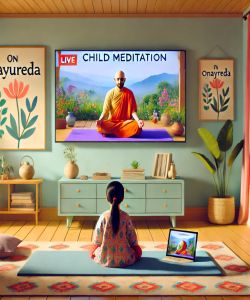
1. Overview of Child Meditation
Child meditation represents a structured and systematic discipline for the cultivation of mental and emotional faculties, specifically adapted for the developmental stages of youth. It is fundamentally distinct from ambiguous notions of ‘quiet time’ or simple relaxation; it is a rigorous form of cognitive training. The core objective is to equip a child with the capacity for sustained attention, emotional regulation, and heightened self-awareness, thereby building a foundation of psychological resilience. In practice, this involves guided exercises that train the mind to focus on a designated anchor—such as the breath or bodily sensations—and to observe internal experiences like thoughts and emotions with a non-judgemental and detached perspective. This process systematically develops the executive functions of the brain, including impulse control, working memory, and cognitive flexibility. Far from being a reactive intervention for existing behavioural issues, child meditation is a proactive strategy for mental fortification. It provides a child with an internal locus of control, enabling them to navigate the incessant stimuli and social pressures of the modern world with greater equanimity and competence. The techniques are delivered using age-appropriate language, metaphors, and session durations, ensuring that the profound principles of contemplative practice are accessible without being diluted. It is not about emptying the mind, but about understanding its mechanics. By demystifying the internal world of thoughts and feelings, it empowers the child to relate to their experiences with clarity and skill, rather than being controlled by them. This discipline, therefore, should be viewed as an essential component of a holistic education, as fundamental as literacy or numeracy, providing the indispensable tools for a well-managed and focused life. It is the deliberate construction of a robust and adaptable mind.
2. What are Child Meditation?
Child meditation is a formal methodology of mental training, systematically adapted from traditional contemplative practices to align with the cognitive and emotional development of children. It is not merely a simplified version of adult meditation but a distinct discipline tailored to the specific neurodevelopmental capacities of a younger audience. The overarching purpose is to cultivate core psychological skills, primarily focused attention, emotional literacy, and self-regulation. This is achieved through a suite of structured, guided techniques that are made accessible through the use of simple language, relatable metaphors, and significantly shorter practice durations than would be appropriate for adults. The practice fundamentally diverges from passive relaxation by actively engaging the child’s executive functions.
The core components of this discipline can be defined as follows:
- Structured Attention Training: This is the foundational element, where a child learns to place and sustain their focus on a specific, neutral anchor point, most commonly the physical sensation of breathing. They are taught the crucial skill of noticing when the mind has wandered and gently but firmly guiding it back. This is a direct exercise for the attention networks of the brain.
- Emotional and Sensory Literacy: Child meditation guides the young practitioner to notice and name internal experiences—be they emotions or physical sensations—without judgement. Through practices like the body scan, they develop interoception, the awareness of their own internal state, which is a cornerstone of effective emotional regulation.
- Cognitive Defusion: Children are taught to observe their thoughts as transient mental events, like clouds passing in the sky, rather than as absolute truths with which they must identify. This creates a psychological space between the child and their thoughts, reducing reactivity and rumination.
- Developmentally Appropriate Practice: All techniques are framed within engaging narratives or activities. Movement meditation, sensory exploration, and creative visualisations are frequently integrated to maintain interest and accommodate a child’s natural inclination towards activity and imagination, ensuring the practice remains effective and not a source of frustration.
3. Who Needs Child Meditation?
The implementation of a structured meditation practice offers significant, measurable advantages to a broad spectrum of children. While universally beneficial as a foundational life skill, its application is particularly critical for those exhibiting specific developmental and behavioural challenges. The individuals who stand to gain the most immediate and profound benefits are delineated as follows:
- Children Exhibiting Difficulties with Concentration and Focus. This category includes individuals who consistently struggle to maintain attention on academic tasks, follow multi-step instructions, or complete assignments in a timely manner. The practice directly trains the neural circuits responsible for sustained attention, providing a systematic method for improving focus and reducing distractibility in educational and home environments.
- Children Prone to Heightened Anxiety and Worry. For those who experience excessive worry, social anxiety, or stress-related somatic symptoms, meditation provides concrete tools for self-soothing. It teaches them to activate the body’s parasympathetic nervous system response, thereby physiologically calming the state of high alert and reducing the cognitive habit of rumination.
- Children Struggling with Emotional Regulation. This includes children who display frequent, intense emotional outbursts, low frustration tolerance, or difficulty managing anger and disappointment. Meditation cultivates the crucial pause between stimulus and response, allowing the child to recognise an emerging emotion and choose a more constructive reaction.
- Children Facing Social Integration Challenges. For those who find peer interactions difficult, withdraw from social contact, or engage in frequent conflicts, practices like loving-kindness meditation can foster empathy, compassion, and a more positive orientation toward others, improving their capacity for prosocial behaviour.
- Highly Sensitive Children. Individuals who are easily overwhelmed by sensory input—noise, crowds, or intense environments—can use meditation as a tool to ground themselves. It helps them to manage overstimulation by providing a predictable internal anchor, reducing the likelihood of sensory and emotional overload.
- Children in High-Pressure Environments. Those involved in competitive academics, sports, or arts programmes face significant performance pressure. Meditation equips them with mental resilience, enhances their ability to perform under stress, and protects against burnout by teaching effective stress-management techniques.
4. Origins and Evolution of Child Meditation
The conceptual origins of child meditation are deeply rooted in ancient Eastern contemplative traditions, primarily Buddhism, which have for millennia expounded the value of mindfulness and mental training. Within these philosophical systems, practices designed to cultivate focused attention (Samatha) and insightful awareness (Vipassanā) were central. However, these practices were historically designed for and undertaken by adult monastics, with little to no formal adaptation for a lay or juvenile audience. The foundational principles—the non-judgemental observation of experience and the deliberate training of attention—were universally applicable, but their pedagogical framework remained exclusively adult-centric for centuries.
The evolution towards a secular, Westernised form of meditation began in the latter half of the twentieth century. This transition was catalysed by pioneers who sought to extract the psychological and physiological benefits of these practices from their religious and cultural contexts. The development of programmes like Mindfulness-Based Stress Reduction (MBSR) marked a pivotal moment, demonstrating that secular, systematic mindfulness training could yield significant, verifiable health benefits for adults in clinical and mainstream settings. This secularisation was crucial, as it reframed meditation as a form of mental hygiene and skill development, making it palatable to a Western scientific and educational establishment.
It was from this secular adult framework that the specific discipline of child meditation emerged. Educators, developmental psychologists, and clinicians in the late twentieth and early twenty-first centuries began to recognise the immense potential of these practices for younger populations. This phase was characterised by deliberate adaptation. The abstract language of contemplative science was translated into simple, concrete instructions and metaphors. Session durations were drastically shortened to align with a child’s attentional capacity. Critically, practices were integrated with movement, art, and storytelling to make them engaging and developmentally appropriate.
The contemporary form of child meditation is a product of this multi-stage evolution. It now stands as a distinct, evidence-based field, supported by a growing body of neuroscientific and psychological research. Its delivery has further evolved to embrace digital platforms, making structured, expert-led programmes more accessible than ever before. It has moved from the esoteric domain of ancient monasteries to the forefront of modern education and mental health, representing the successful adaptation of a timeless practice to meet the pressing needs of children in the twenty-first century.
5. Types of Child Meditation
The practice of child meditation is not a monolithic entity but comprises several distinct types, each designed to cultivate specific mental skills and dispositions. These modalities are selected and adapted based on the child's age, temperament, and the specific objectives of the training. A competent instructor will utilise a combination of these types to create a comprehensive and engaging programme.
- Focused Attention Meditation. This is the foundational practice and the most fundamental form of cognitive training. The child is instructed to direct and sustain their full attention on a single, chosen anchor point. The most common anchor is the physical sensation of the breath—feeling the air at the nostrils or the rise and fall of the abdomen. The core exercise is not to prevent the mind from wandering, but to notice when it has wandered and to repeatedly, gently, and firmly guide it back to the anchor. This systematically strengthens the brain's executive control networks.
- Mindfulness (Open-Monitoring) Meditation. In this practice, rather than focusing on a single point, the child is guided to cultivate a broad, non-judgemental awareness of all experiences as they arise and pass. This includes thoughts, emotions, sounds, and bodily sensations. They are taught to observe these phenomena with a sense of detached curiosity, without getting entangled in them. This fosters cognitive defusion and emotional literacy.
- Visualisation Meditation. This type uses the power of guided imagery to evoke specific mental and emotional states. The instructor leads the child through a narrative, encouraging them to imagine a peaceful place, to visualise success in a challenging situation, or to picture a warm, protective light around them. It is a powerful tool for cultivating feelings of safety, calm, confidence, and self-compassion.
- Movement Meditation. Acknowledging that many children learn kinaesthetically and find prolonged stillness challenging, this type integrates mindfulness with gentle, deliberate physical activity. Practices such as mindful walking, where attention is paid to the sensation of the feet on the ground, or slow, mindful stretching, serve to connect the mind and body and to ground awareness in the present moment through physical action.
- Loving-Kindness (Metta) Meditation. This practice is explicitly designed to cultivate prosocial emotions. The child is guided to silently repeat phrases of goodwill and well-wishing, directing them first towards themselves, then towards loved ones, neutral people, and eventually to all beings. This is a direct method for strengthening a child's capacity for empathy, compassion, and positive social connection.
6. Benefits of Child Meditation
The consistent and structured practice of child meditation yields a wide range of tangible and empirically validated benefits across cognitive, emotional, and behavioural domains. These outcomes are not speculative but are the direct result of systematic mental training.
- Enhanced Executive Function. The practice directly exercises the prefrontal cortex, leading to measurable improvements in core executive functions. This manifests as an enhanced ability to sustain attention, resist distractions, hold and manipulate information in working memory, and shift between tasks with greater cognitive flexibility.
- Superior Emotional Regulation. By cultivating awareness of internal states, children learn to recognise emotions as they arise. This creates a crucial cognitive space between emotional impulse and behavioural reaction, affording them the capacity to manage intense feelings such as anger, frustration, and anxiety more effectively and with less reactivity.
- Quantifiable Reduction in Stress and Anxiety. Meditation practice activates the parasympathetic nervous system, inducing a physiological state of calm that counteracts the body’s stress response. Over time, this leads to lower baseline levels of stress hormones, reduced anxiety symptoms, and greater psychological equanimity.
- Improved Behavioural Outcomes. The enhancement of impulse control and emotional regulation translates directly into improved behaviour. A decrease in disruptive, oppositional, and aggressive behaviours is commonly observed in both school and home settings, leading to more harmonious social interactions.
- Increased Empathy and Prosocial Behaviour. Practices such as loving-kindness meditation are specifically designed to cultivate compassion. This training fosters a greater understanding of others' perspectives and promotes altruistic and cooperative behaviours, enhancing the child's social competence and quality of relationships.
- Greater Self-Awareness (Metacognition). Meditation teaches children to observe their own thought patterns without judgement. This metacognitive skill allows them to see that thoughts are transient mental events, not absolute facts. This insight is foundational to robust mental health, reducing identification with negative self-talk.
- Augmented Psychological Resilience. By equipping children with practical tools to manage internal states and navigate external challenges, meditation builds mental fortitude. Practitioners become better able to cope with setbacks, adapt to change, and recover from adversity, establishing a lifelong capacity for resilience.
7. Core Principles and Practices of Child Meditation
The effective implementation of child meditation is contingent upon strict adherence to a set of core principles and practices. These form the ethical and pedagogical foundation of the discipline, ensuring it is delivered safely and achieves its intended objectives.
- Non-Judgement. This is the paramount principle. Children are explicitly taught to observe their internal experiences—thoughts, feelings, sensations—without labelling them as 'good' or 'bad'. The instruction is to cultivate an attitude of neutral, curious observation. This prevents the practice from becoming another domain for self-criticism and is essential for developing true self-awareness.
- Patience. It must be consistently emphasised that meditation is a skill that develops gradually over time, much like learning a musical instrument. There is no 'perfect' session. This principle helps to manage expectations for both the child and the parent, fostering a commitment to the process rather than a fixation on immediate results.
- Beginner's Mind. This principle encourages approaching each practice session as if for the first time, free from the assumptions or expectations of previous sessions. For children, this fosters an attitude of curiosity and openness, keeping the practice fresh and preventing it from becoming a rigid or stale routine.
- Letting Go (Non-Attachment). A central practice involves teaching the child to not cling to or suppress experiences. Whether it is a pleasant feeling or a distracting thought, the instruction is to notice it and then allow it to pass without getting carried away by it. This cultivates mental flexibility and emotional non-reactivity.
- Anchoring. All focused meditation techniques rely on a stable anchor for the attention. The most common anchor is the breath, but it can also be a sound, a physical sensation, or a visual point. The practice of repeatedly returning the attention to this anchor is the primary mechanism for strengthening focus.
- Consistency Over Duration. The emphasis must be on regular, short, and consistent practice rather than infrequent, long sessions. A few minutes of daily practice is far more effective in building neural pathways and establishing a habit than one long session per week.
- Developmental Appropriateness. This is a non-negotiable practical principle. All instructions, metaphors, activities, and session lengths must be rigorously tailored to the specific age and developmental stage of the child. A 'one-size-fits-all' approach is ineffective and can be counterproductive, leading to frustration and disengagement.
8. Online Child Meditation
The delivery of child meditation through online platforms represents a significant evolution in the accessibility and standardisation of this discipline. When executed with professional rigour, the online modality offers distinct and compelling advantages.
- Unrivalled Accessibility and Reach. Online programmes eliminate the constraints of geography. This provides children and families, regardless of their location, with access to highly specialised, evidence-based curricula and expert instructors who would otherwise be unavailable. It democratises access to high-quality mental skills training.
- Structured and Controlled Learning Environments. Professional online platforms offer a highly curated experience. They utilise age-appropriate interfaces, guided animations, and structured lesson plans that minimise external variables and distractions. This controlled environment can be more conducive to initial learning than a potentially unpredictable physical classroom.
- Logistical Convenience and Consistency. The elimination of travel and the flexibility of scheduling facilitate more regular and consistent practice. Sessions can be integrated seamlessly into a family’s routine from the comfort and security of home, a factor that significantly increases long-term adherence to the programme.
- Facilitated Parental Co-participation. The online format provides a unique opportunity for parents to observe and participate in sessions directly. This enables them to understand the techniques being taught, to learn alongside their child, and to effectively support and reinforce the practice outside of formal session times, creating a powerful synergy.
- Anonymity and Psychological Safety. For children who are shy, socially anxious, or self-conscious, the online environment can provide a greater sense of psychological safety. The ability to participate from a private space, without the perceived scrutiny of peers, can lower the barrier to engagement and encourage more authentic participation.
- Standardisation and Quality Control. Reputable online providers deliver a standardised curriculum, ensuring that every participant receives the same high-quality, methodologically sound instruction. This consistency is often more difficult to guarantee across multiple instructors in a fragmented offline setting, ensuring a reliable and predictable learning trajectory for the child.
9. Child Meditation Techniques
The following points delineate a fundamental and widely used technique in child meditation: Focused Attention on the Breath. This practice is a cornerstone for developing concentration and self-awareness. Each step must be guided with clear, simple, and direct language.
- Preparation and Posture. The first step is to establish the correct physical and environmental conditions. Guide the child to a quiet location, free from potential interruptions. Instruct them to adopt a posture that is both stable and comfortable. This can be seated upright in a chair, with feet flat on the floor and hands resting on the thighs, or cross-legged on a floor cushion. The spine should be straight but not rigid, embodying a state of relaxed alertness.
- Initiating the Practice. Instruct the child to either gently close their eyes or, if that is uncomfortable, to let their gaze rest softly on a spot on the floor a few feet in front of them. Begin with a clear signal, such as ringing a small bell or guiding them to take three slow, deliberate breaths. This formally marks the transition from regular activity to the focused practice period.
- Anchoring Attention. Direct the child's full and undivided attention to the physical sensations of their own breathing. It is crucial to be specific about the anchor point. Instruct them to notice the feeling of the cool air entering their nostrils, the slight tickle in their throat, or the gentle rise and fall of their chest or abdomen with each inhalation and exhalation.
- Sustaining Focus. The core instruction is to remain focused exclusively on this chosen sensation. The guide should use minimal, repetitive verbal cues, such as "Breathing in... breathing out..." This helps to keep the child’s attention tethered to the present-moment experience of the breath.
- Managing Mental Wandering. It is critical to normalise the experience of distraction. Explicitly state that the mind will inevitably wander to thoughts, sounds, or feelings. The instruction is not to fight or suppress these distractions. Instead, the technique is a three-step process: first, notice that the mind has wandered; second, acknowledge where it went without any judgement or criticism; third, firmly but gently escort the attention back to the anchor of the breath. This act of returning is the central exercise.
- Concluding the Practice. After the predetermined time has elapsed, guide the child to slowly expand their awareness. Instruct them to notice the sounds in the room, the feeling of the chair or floor beneath them, and then, when ready, to slowly and gently open their eyes, bringing the practice to a formal close.
10. Child Meditation for Adults
Engaging with child meditation techniques as an adult is not an act of regression or oversimplification, but rather a highly strategic and efficient approach to mastering foundational contemplative skills. The core principles of attention training and non-judgemental awareness are universal and do not differ between age groups. What differs is the pedagogical delivery system. Child-centric programmes strip away the complex philosophical language, esoteric jargon, and extended periods of silent practice that can be intimidating or inaccessible to adult beginners. The methodology is distilled to its most essential, actionable components. The use of simple, concrete metaphors, such as visualising thoughts as leaves on a stream, can be profoundly more effective for a busy, overstimulated adult mind than abstract instructions about the nature of consciousness. Similarly, the shorter, more manageable session durations designed for a child's attention span can facilitate the establishment of a consistent daily practice for adults who feel they lack the time for longer commitments. This approach allows an adult to bypass intellectual barriers and engage directly with the experiential reality of the practice. It is a method for building the fundamental architecture of mindfulness from the ground up, using the clearest and most direct tools available. The objective is not to become childlike, but to achieve mastery of core mental disciplines with maximum efficiency and minimal conceptual baggage. It is a testament to the fact that profound skills can be, and often are, cultivated through the simplest and most direct means. This is an exercise in practical effectiveness, not a compromise of intellectual rigour.
11. Total Duration of Online Child Meditation
The prescribed total duration for an effective, professionally facilitated, live online child meditation session is precisely 1 hr. This specific timeframe is not arbitrary but is a functional necessity dictated by the pedagogical requirements for delivering this discipline effectively in a virtual format. The 1 hr block is a carefully structured container, allocated to distinct and essential components that collectively ensure the child not only participates in a practice but genuinely learns and integrates a skill. A significant portion of this time is dedicated to activities that bookend the core meditation itself. The session commences with rapport-building, a technology check, and a clear introduction to the day’s theme, which establishes a safe and focused learning environment. The formal meditation practice is intentionally brief, typically lasting between five to fifteen minutes, depending on the age and experience of the children, to align with their developmental capacity for sustained attention. The period immediately following the practice is critical; it is reserved for a reflective or creative activity, such as drawing or journaling, which allows the child to process and externalise their internal experience. The final segment of the 1 hr is allocated for a guided group discussion, where insights can be shared and consolidated, followed by a structured closing to the session. To truncate this process would be to offer a superficial experience, devoid of the necessary integration and reinforcement. Conversely, to extend it beyond 1 hr would risk cognitive and attentional fatigue, rendering the latter part of the session counterproductive. This duration is optimal for deep engagement without exhaustion.
12. Things to Consider with Child Meditation
Before implementing or engaging with any child meditation programme, a number of critical factors must be rigorously considered to ensure its ethical application and effectiveness. The most fundamental consideration is the principle of voluntary participation. Meditation must be presented as an opportunity or a skill to be learned, never as a punishment, a corrective measure for misbehaviour, or a coerced activity. Imposing the practice engenders resistance and negative associations, which is antithetical to its purpose and can be psychologically damaging. The qualifications and suitability of the instructor are of paramount importance. The individual must possess a dual expertise: a deep, authentic understanding of contemplative practice derived from their own sustained personal discipline, and a comprehensive, formal knowledge of child development and psychology. An instructor lacking in either domain is unqualified to lead children. Furthermore, the developmental appropriateness of the chosen techniques is non-negotiable. Techniques must be meticulously tailored to the age, cognitive level, and emotional maturity of the child. One must also maintain realistic expectations. Meditation is not a panacea or a rapid cure for deep-seated psychological or behavioural issues. It is a gradual, skill-building process, and its most profound benefits accrue slowly over time with consistent, dedicated practice. Finally, the context and intention must be clear. Secular programmes should remain strictly secular, free of any spiritual or religious dogma, to ensure inclusivity and psychological safety. Ignoring these considerations transforms a potent tool for wellbeing into an intervention that is, at best, ineffective and, at worst, potentially harmful.
13. Effectiveness of Child Meditation
The effectiveness of child meditation, when delivered through structured, age-appropriate programmes by qualified instructors, is firmly established by a robust and expanding body of scientific evidence. It is not a matter of anecdotal belief but of verifiable outcomes across multiple domains of function. Neuroimaging studies have demonstrated its capacity to induce neuroplastic changes in the brain. Specifically, consistent practice is correlated with increased grey matter density and activation in the prefrontal cortex, the region responsible for executive functions such as attention control, emotional regulation, and considered decision-making. Concurrently, a decrease in activity in the amygdala, the brain's threat-detection centre, is observed, providing a neurological basis for the practice’s effectiveness in reducing stress and anxiety. From a psychological perspective, randomised controlled trials have consistently shown that children who participate in mindfulness and meditation programmes report significantly lower levels of stress, anxiety, and depressive symptoms compared to control groups. In educational contexts, its implementation leads to measurable improvements in classroom behaviour, including enhanced on-task focus, reduced impulsivity, and a decrease in disruptive incidents. Furthermore, the practice equips children with critical metacognitive skills—the ability to observe their own mental processes from a detached perspective. This capacity to uncouple from distressing thoughts and emotions is a cornerstone of psychological resilience, empowering children to navigate life's inherent challenges with greater competence and equanimity. Therefore, the effectiveness of child meditation is not a hypothesis; it is a demonstrable reality, positioning it as a powerful, evidence-based intervention for fostering robust mental health.
14. Preferred Cautions During Child Meditation
During the active practice of child meditation, the instructor must operate with a heightened sense of caution and vigilance to maintain the psychological safety and integrity of every participant. It is imperative to avoid any technique that has the potential to induce fear or distress. This includes the use of prolonged, unguided silence for very young or anxious children, and the avoidance of any visualisations that could contain frightening or unsettling imagery. The instructor must be skilled in observing subtle cues of discomfort, such as physical restlessness, changes in breathing, or emotional withdrawal. Upon noticing such signs, they must be prepared to intervene immediately, either by gently redirecting the child’s attention, modifying the technique, or bringing the practice to a calm and supportive conclusion. A critical caution is to never frame meditation as a tool for suppressing or eliminating emotions. The goal is awareness and regulation, not repression. Language such as “ignore that feeling” or “push that thought away” is counterproductive and invalidating. The correct and ethical approach is to guide the child to acknowledge and make space for all experiences with non-judgemental acceptance. For any child with a known history of significant trauma, meditation must be approached with extreme care and preferably only in consultation with a qualified clinical professional. The practice can, in some cases, bring difficult memories or feelings to the surface, and an unqualified instructor will not be equipped to manage this safely. Failure to adhere to these in-session cautions constitutes a serious breach of professional responsibility.
15. Child Meditation Course Outline
A comprehensive and effective child meditation course is structured as a progressive, multi-module programme, with each stage building systematically upon the last. The following outline represents a standard, evidence-based curriculum designed to cultivate a complete set of foundational skills.
- Module One: Establishing the Anchor – Foundations of Attention.
- Objective: To introduce and master the fundamental skill of focused attention.
- Core Practice: Guided meditation focusing on the physical sensations of the breath as the primary anchor.
- Key Skill: Learning to notice when the mind has wandered and repeatedly, non-judgementally, returning the focus to the breath. This is the core cognitive exercise.
- Module Two: Inhabiting the Body – Cultivating Sensory Awareness.
- Objective: To develop a stronger mind-body connection and interoceptive awareness.
- Core Practice: The Body Scan meditation, where attention is systematically and sequentially guided through different parts of the body, noticing any sensations without judgement.
- Key Skill: Grounding oneself in physical sensations as a tool for managing agitation and distraction.
- Module Three: Observing the Mind – Working with Thoughts.
- Objective: To introduce metacognition and foster a detached relationship with thoughts.
- Core Practice: Using metaphors like 'thoughts as clouds' or 'leaves on a stream' to practice observing thoughts as transient mental events, without engaging or identifying with their content.
- Key Skill: Cognitive defusion; the understanding that one is not their thoughts.
- Module Four: Navigating the Heart – Awareness of Emotions.
- Objective: To build emotional literacy and the capacity for emotional regulation.
- Core Practice: Mindfully noticing the physical location and texture of emotions in the body. The practice is to 'make space' for feelings, allowing them to be present without being overwhelming.
- Key Skill: Responding to emotions with awareness rather than reacting to them impulsively.
- Module Five: Expanding Kindness – Fostering Compassion.
- Objective: To cultivate prosocial emotions and a positive orientation towards self and others.
- Core Practice: Loving-Kindness (Metta) meditation, involving the silent repetition of phrases of goodwill directed towards oneself and others.
- Key Skill: Developing empathy and reducing negative judgement.
- Module Six: Living Mindfully – Integration into Daily Life.
- Objective: To bridge formal practice with real-world application.
- Core Practice: Applying mindful awareness to routine activities such as eating, walking, listening, and even brushing teeth.
- Key Skill: Generalising mindfulness skills beyond the meditation cushion to everyday moments.
16. Detailed Objectives with Timeline of Child Meditation
The following timeline details the specific, measurable objectives for a structured child meditation programme, charting the expected progression of skills over a typical course duration.
- Initial Phase (Weeks 1-2): Establishment of Foundational Attentional Control.
- Objective: The child will demonstrate the ability to voluntarily sustain focus on a designated anchor (e.g., the breath) for a continuous period of one minute. They will be able to articulate the core instruction of noticing distraction and returning attention to the anchor, demonstrating conceptual understanding. They will successfully participate in short, guided sessions with minimal signs of disruptive resistance.
- Developmental Phase (Weeks 3-4): Cultivation of Bodily and Sensory Awareness.
- Objective: The child will successfully complete a guided body scan meditation without significant prompting. They will be able to identify and name at least three different physical sensations (e.g., warmth, tingling, pressure) within their own body. They will begin to use simple physical grounding techniques, such as focusing on their feet on the floor, when prompted during moments of restlessness.
- Metacognitive Phase (Weeks 5-6): Introduction to Observing Thoughts.
- Objective: The child will be able to explain, using a learned metaphor (e.g., "thoughts are like clouds"), the concept that thoughts are separate from themselves. They will demonstrate the ability to sit with awareness of their thoughts for a short period without becoming visibly distressed or completely distracted, reporting back on the 'busyness' of their mind.
- Emotional Literacy Phase (Weeks 7-8): Building Awareness of Feelings.
- Objective: The child will demonstrate the capacity to identify and name a core emotion (e.g., anger, sadness, happiness) as it arises during practice or reflection. They will be able to point to where they feel this emotion in their body, thereby connecting the emotional experience to a physical sensation.
- Prosocial Phase (Weeks 9-10): Fostering Compassion and Kindness.
- Objective: The child will actively participate in a guided loving-kindness meditation. They will be able to articulate the intention of the practice—wishing themselves and others well. They will provide at least one example of applying this kind attitude in a real-world interaction during the week.
- Integration Phase (Weeks 11-12): Generalisation of Skills.
- Objective: The child will independently and spontaneously use a simple mindfulness technique (e.g., taking three deep breaths) to self-regulate in response to a minor, everyday stressor (e.g., frustration with a toy or task). This demonstrates the successful transfer of the learned skill from the formal practice setting to daily life.
17. Requirements for Taking Online Child Meditation
Successful participation in a structured online child meditation programme is contingent upon meeting a set of non-negotiable technical, environmental, and personal requirements. Adherence to these prerequisites is essential for maintaining the integrity of the instruction and ensuring the child can derive maximum benefit from the experience.
- A Stable, High-Bandwidth Internet Connection. The connection must be robust and reliable. Intermittent or slow connectivity disrupts the flow of a live, guided session, undermines the child’s focus, and compromises the instructor’s ability to lead the group effectively.
- A Fully Functional Computing Device. A laptop, desktop computer, or modern tablet is required. The device must have a working, high-quality camera and microphone, as two-way audio-visual communication is mandatory for instructor-participant interaction, observation, and safety.
- A Dedicated, Secure, and Quiet Physical Space. The child must have access to a specific location for the duration of the session that is free from household traffic, intrusive noise (e.g., television, other conversations), pets, and other potential distractions. This space must be consistent from week to week to create a sense of ritual and focus.
- Appropriate and Stable Seating. A firm, upright chair that allows the child’s feet to rest flat on the floor, or a suitable meditation cushion for comfortable floor seating, is required. The seating must facilitate an alert, upright posture, not a slumped or reclining one, which is counterproductive to the practice.
- Committed Parental or Guardian Support. An adult must be physically present in the home and readily available during the session. Their role is to manage the initial technical login, ensure the physical environment remains undisturbed, and be on hand to assist with any technical issues or provide support should the child experience any difficulty.
- Adherence to Digital Classroom Etiquette. Both the child and the parent must agree to and uphold the rules of conduct for the online environment. This includes appropriate use of the mute function, respectful communication via the chat feature, and maintaining visual presence on camera as required by the instructor for safety and engagement.
- The Uncoerced and Willing Participation of the Child. This is an absolute prerequisite. The programme is designed for willing learners. An explicit confirmation that the child understands the activity and is agreeable to participating is essential before enrolment.
18. Things to Keep in Mind Before Starting Online Child Meditation
Before committing a child to an online meditation programme, a parent or guardian must undertake a process of rigorous due diligence to ensure the endeavour is both appropriate and poised for success. It is imperative to critically evaluate the credibility of the programme provider. This involves investigating the specific qualifications and experience of the instructors, demanding evidence of certification in child-specific mindfulness, not merely adult practice. The curriculum itself should be scrutinised; it must be evidence-based and developmentally appropriate, not a collection of whimsical animations masquerading as substantive training. The logistical capacity of the home environment must be honestly assessed. A commitment to providing a consistently quiet, private, and distraction-free space for each session is non-negotiable; failure to do so will nullify the programme's benefits. Furthermore, one must establish realistic expectations. Child meditation is a long-term skill-building discipline, not a therapeutic quick fix for complex behavioural issues. Progress will be incremental and non-linear. A frank and open conversation must be held with the child to secure their genuine, uncoerced willingness to participate. The practice should be framed as a new skill to explore, like sport or music, not as a corrective mandate. Finally, a pre-enrolment consultation with the programme provider is a prudent step to discuss the child’s individual temperament and needs, ensuring a good fit between the child and the pedagogical approach. To proceed without this careful consideration is to risk a frustrating and fruitless experience.
19. Qualifications Required to Perform Child Meditation
The instruction of child meditation is a specialised professional practice that demands a rigorous and specific combination of qualifications. It is wholly insufficient for an individual to be merely an experienced adult meditator or a certified yoga teacher; such credentials do not translate to competence in this distinct field. The safe, ethical, and effective delivery of these techniques to a youth audience necessitates a multi-faceted expertise. The non-negotiable qualifications required for an instructor are as follows:
- Formal Certification in Child-Specific Meditation and Mindfulness. This is the foundational requirement. The certification must be from a reputable, internationally recognised organisation with a comprehensive, evidence-based curriculum. The training must explicitly cover pedagogical strategies for different developmental stages (early childhood, middle childhood, adolescence), classroom management in a contemplative context, and the science of mindfulness in youth.
- A Demonstrable and Verifiable Background in Child Development, Psychology, or Education. An instructor must possess a thorough theoretical and practical understanding of how children learn, think, and regulate emotionally at different ages. This knowledge is critical for adapting language, metaphors, and activities to be developmentally congruent and effective, and for recognising signs of distress.
- A Sustained and Disciplined Personal Meditation Practice. An instructor cannot authentically guide others where they have not consistently travelled themselves. A long-term personal practice is essential for embodying the principles being taught and for developing the equanimity and insight required to hold a safe space for children's diverse experiences.
- Current and Valid Safeguarding and Vetting Clearances. As the role involves direct work with children, a thorough criminal background check (such as an enhanced DBS check in the United Kingdom) is an absolute legal and ethical mandate. The instructor must be fully trained in safeguarding protocols.
Possession of these combined qualifications is the minimum standard required to ensure that the practice is a beneficial tool for mental development, rather than a potentially harmful activity delivered by a well-intentioned but unqualified individual.
20. Online Vs Offline/Onsite Child Meditation
The decision between online and offline modalities for child meditation involves a trade-off between distinct sets of advantages and limitations. A thorough understanding of their comparative characteristics is essential for selecting the appropriate format for a specific child and family context.
Online The principal advantage of the online modality is its unparalleled accessibility. It transcends geographical constraints, granting access to elite, specialised instructors and evidence-based programmes that are frequently unavailable at a local level. This format offers significant logistical convenience, eliminating travel time and costs, and allowing for easier integration into complex family schedules. The practice takes place within the home environment, which can be a source of comfort and security for many children, particularly those with social anxiety or who are easily overstimulated in group settings. High-quality online programmes provide a standardised, consistent curriculum, ensuring a reliable and predictable learning experience. Furthermore, the format facilitates direct parental oversight and co-participation, which can powerfully reinforce the learning. The inherent challenge lies in the potential for digital distraction and the difficulty of establishing the same level of interpersonal rapport as in-person instruction. The efficacy of the online model is therefore highly dependent on the quality of the digital platform and the instructor's skill in creating an engaging virtual environment.
Offline/Onsite The offline, or onsite, modality excels in its capacity for direct, unmediated human connection. The instructor is physically present, enabling them to observe subtle non-verbal cues, offer immediate postural corrections, and manage group dynamics with a nuance that is challenging to replicate digitally. This direct interaction fosters a tangible sense of community and shared experience among participants, which can be a powerful motivator. For kinaesthetic learners, the physical presence of the instructor and peers provides a more concrete and engaging learning experience. The primary limitations are logistical and geographical. Availability is restricted to the local area, potentially limiting access to expert instruction. Participation requires travel, adding time and complexity to scheduling. Moreover, the group setting, while beneficial for some, can be a source of intimidation or distraction for others. The offline modality is superior for fostering interpersonal bonds and providing immediate, physically-grounded feedback, but it does so at the cost of the convenience, accessibility, and environmental control offered by its online counterpart.
21. FAQs About Online Child Meditation
Question 1. Is online meditation genuinely as effective as in-person sessions? Answer: Yes. When the programme is high-quality, evidence-based, and led by a qualified instructor, research indicates comparable efficacy. The determining factor is the integrity of the programme, not the delivery medium.
Question 2. What is the correct age for a child to begin online meditation? Answer: Foundational, playful practices can be introduced from approximately four or five years of age. More formal, structured online courses are typically most effective for children aged six and above, as cognitive and self-regulatory capacities develop.
Question 3. Is this practice suitable for a child diagnosed with ADHD? Answer: Yes, it is highly suitable. The practice is a direct training of the attention and impulse-control networks that are central to the challenges of ADHD. It is a powerful management tool, but it is not a cure.
Question 4. How long does it take to observe tangible benefits? Answer: This is skill acquisition, not a rapid intervention. Immediate benefits include a temporary state of calm post-session. Lasting neuroplastic changes in attention and emotional regulation require consistent practice over several weeks and months.
Question 5. My child is incapable of sitting still. How can they possibly meditate? Answer: The goal is not forced stillness; it is mental training. Effective programmes for younger children incorporate mindful movement, walking, and sensory activities. The ability to sit with greater ease is an outcome of the practice, not a prerequisite for starting it.
Question 6. Is online child meditation linked to any religion? Answer: No. Reputable, professional programmes are entirely secular. They are grounded in developmental psychology and neuroscience, not religious dogma.
Question 7. What should I do if my child complains that the sessions are boring? Answer: A skilled instructor uses engaging, age-appropriate metaphors and activities. Initial resistance to any new discipline is normal. The key is to maintain a consistent routine and a positive, non-coercive framework.
Question 8. Is active parental involvement a requirement for online sessions? Answer: Yes. At a minimum, parental support is essential for managing the technology, ensuring a quiet environment, and being available. Deeper involvement in reinforcing the skills outside of sessions significantly enhances the outcomes.
Question 9. What specific qualifications must an online instructor possess? Answer: Non-negotiable qualifications include formal certification in child-specific mindfulness, a verifiable background in child development or education, and full, current safeguarding clearances.
Question 10. I am concerned meditation might make my child too passive or compliant. Answer: This is a misconception. The practice cultivates focus, clarity, and emotional regulation, which leads to more considered, confident, and effective action. It teaches response, not passivity.
Question 11. What is the essential technology needed to participate? Answer: A reliable, high-speed internet connection and a computer or tablet with a functional camera and microphone are mandatory.
Question 12. Is it a safe practice for a child who experiences high anxiety? Answer: Yes, it is one of the most effective tools for anxiety. However, it is critical that the instructor is trauma-informed and capable of creating a psychologically safe and supportive virtual space.
Question 13. What is the typical structure of a single online session? Answer: A professional session includes an initial check-in and rapport-building, a brief, guided core practice, a creative or reflective activity to integrate the experience, and a concluding group discussion.
Question 14. Can online meditation serve as a replacement for clinical therapy? Answer: Absolutely not. It is an educational and preventative discipline. For significant mental health conditions, it is a valuable complementary tool to be used alongside, and often in consultation with, professional clinical treatment.
Question 15. What does it mean if my child frequently falls asleep during practice? Answer: It typically indicates that the child is sleep-deprived. While the goal of meditation is alert awareness, falling asleep is not a failure; it simply highlights a physiological need for rest.
Question 16. Will my child be forced to share personal feelings with the group? Answer: No. Sharing in a well-facilitated group is always optional and invitational. The primary focus is on developing a child’s private, internal awareness, not on public disclosure.
Question 17. How do I vet the quality of an online programme? Answer: Demand to see instructor qualifications, ask for the evidence-base of their curriculum, and request to observe a session or speak to other parents if possible. Reputable providers will be transparent.
22. Conclusion About Child Meditation
In conclusion, child meditation must be decisively reframed from a marginal, alternative practice into a fundamental and indispensable component of a modern, holistic education. In a contemporary environment defined by pervasive digital distraction and escalating psychological pressures on youth, the deliberate, systematic cultivation of focused attention, emotional regulation, and metacognitive awareness is no longer a luxury but a developmental necessity. The practice provides children with a robust, internalised toolkit, empowering them to proactively manage their mental and emotional landscapes with skill and competence, rather than being passively subjected to their internal states. Grounded in the complementary wisdom of ancient contemplative traditions and the rigorous validation of modern neuroscience, child meditation offers a powerful, evidence-based methodology for building profound psychological fortitude from the earliest and most formative stages of life. To continue to treat this discipline as optional or remedial is to wilfully leave children ill-equipped to navigate the complexities and challenges of the world they will inherit. Therefore, the strategic integration of child meditation into mainstream educational curricula and family structures is not merely a beneficial choice, but a critical and urgent imperative for fostering focused, resilient, and emotionally intelligent future generations. It is, in the most literal sense, an investment in the foundational architecture of the human mind.