1. Overview of Energy Healing
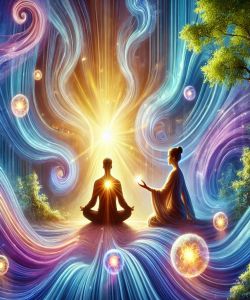
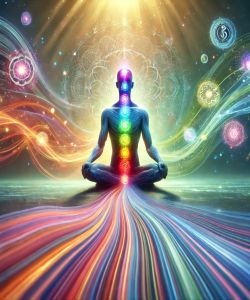
Energy Healing constitutes a comprehensive and multifaceted discipline predicated on the fundamental principle that a subtle, universal life force energy permeates and animates all living beings. The central tenet of this paradigm posits that disruptions, imbalances, or blockages within an individual's energetic field are the direct precursors to manifestations of physical, emotional, and psychological distress. Consequently, practitioners of Energy Healing operate as conduits or facilitators, employing a systematic repertoire of non-invasive techniques to identify, correct, and harmonise these energetic irregularities. This practice is inherently holistic, addressing the client not merely as a collection of symptoms, but as an integrated system of mind, body, and spirit. The overarching objective is not to supplant conventional medical treatment, but to function as a complementary modality, enhancing the body’s innate capacity for self-regulation and recovery. It operates on the premise that by restoring coherence and flow to the subtle energy anatomy—which includes concepts such as meridians, chakras, and the aura—one can profoundly influence physiological and psychological wellbeing. The practitioner’s role is one of focused intention and skilled energetic modulation, creating an optimal environment for the recipient’s own healing mechanisms to activate. It is a field demanding rigorous personal discipline, intuitive acuity, and a profound understanding of energetic dynamics. The interaction is a structured, professional engagement designed to recalibrate the client’s foundational energetic blueprint, thereby fostering a state of equilibrium and vitality. This is not a passive process but an active intervention into the subtle energetic architecture of an individual, aimed at reinstating systemic integrity and promoting a resilient state of health. The discipline commands a serious and focused approach, grounded in established principles and executed with precision to address the root energetic causes of imbalance, rather than merely palliating their surface-level expressions.
2. What is Energy Healing?
Energy Healing is a therapeutic modality grounded in the principle of manipulating the subtle energy systems that are held to permeate and regulate the physical body. It operates from the foundational assertion that a universal life force, known by various names across different cultures, underpins all physiological and psychological processes. When this energy flows freely and in a balanced state, an individual experiences health and vitality. Conversely, when this flow is obstructed, depleted, or otherwise imbalanced, it is believed to manifest as illness, emotional distress, or mental dysfunction. The practitioner of Energy Healing is a trained individual who has developed the sensitivity and skill to perceive and interact with these energy fields. Using a range of techniques, which may be hands-on, hands-off, or conducted remotely, the practitioner works to correct energetic imbalances. This process is not a matter of conjecture but a deliberate application of specific protocols designed to achieve a clear objective: the restoration of energetic homeostasis.
The core functions of an Energy Healing session typically involve:
- Assessment: The practitioner first evaluates the state of the client's energy field, often referred to as the aura or biofield, to identify areas of congestion, depletion, or disharmony.
- Clearing: This step involves the systematic removal of stagnant or disruptive energies that are impeding the natural flow. This is analogous to removing debris from a blocked channel.
- Balancing and Energising: Once cleared, the practitioner channels refined, vital energy into the deficient areas of the client’s system and works to harmonise the overall field, ensuring all components are functioning in a coherent and integrated manner.
- Stabilising: The final phase ensures that the newly established energetic pattern is sealed and integrated, promoting lasting stability and preventing an immediate reversion to the previous state of imbalance.
This is a structured, non-invasive discipline that aims to support the body’s intrinsic healing capabilities by addressing the energetic blueprint upon which physical health is built.
3. Who Needs Energy Healing?
- Individuals experiencing persistent psychophysical distress that has not responded adequately to conventional interventions. These are persons whose conditions present as a complex interplay of physical discomfort and emotional turmoil, necessitating a holistic approach that addresses the underlying energetic constitution.
- Professionals operating in high-stress environments who require a robust method for managing systemic overload and preventing burnout. This category includes executives, emergency service personnel, and caregivers who must maintain peak performance under relentless pressure and need to discharge accumulated stress energy.
- Clients undergoing significant life transitions, such as bereavement, career changes, or relationship breakdowns. Such individuals require energetic support to process intense emotional states, release attachments to past circumstances, and stabilise their systems to navigate change with resilience and clarity.
- Persons committed to a rigorous path of personal or spiritual development. These individuals seek to clear subtle energetic blockages that impede self-awareness, intuitive faculty, and the realisation of their full potential. They use it as a tool for profound self-enquiry and transformation.
- Athletes and performers seeking to optimise their physical and mental capabilities. For this cohort, Energy Healing serves to enhance focus, accelerate physical recovery, and clear a Mmental or emotional interference that could otherwise compromise their performance.
- Individuals recovering from physical trauma, injury, or surgery. The modality is employed to support and accelerate the body's natural healing processes, reduce inflammation, manage pain, and address the energetic shock that invariably accompanies significant physical insults.
- Those who feel a pervasive sense of being 'stuck', unmotivated, or disconnected from their purpose. This state is often indicative of profound energetic stagnation, which requires a direct and powerful intervention to restore dynamism, motivation, and a clear sense of direction.
- Individuals seeking to break free from ingrained negative patterns of thought and behaviour. Energy Healing is utilised to deconstruct and clear the energetic imprints of past experiences that anchor these self-limiting patterns, thereby creating the foundation for substantive and lasting change.
4. Origins and Evolution of Energy Healing
The conceptual foundations of Energy Healing are not a modern invention but are deeply rooted in ancient civilisations and philosophical traditions that recognised the existence of a vital life force. Millennia ago, cultures across the globe independently developed sophisticated systems for understanding and manipulating this subtle energy to maintain health and treat illness. In traditional Chinese medicine, this energy was termed 'Qi', and practices such as acupuncture and Qigong were meticulously developed to regulate its flow through a complex network of channels known as meridians. Similarly, ancient Indian scriptures, the Vedas, described 'Prana' as the fundamental life force, with Ayurvedic medicine and Yoga providing a comprehensive framework for managing its circulation through energy centres called 'chakras'. These systems were not based on casual observation but on rigorous, empirical study conducted over generations by dedicated practitioners.
The evolution of these practices continued through various esoteric and spiritual traditions. In ancient Egypt, temple priests were known to use hands-on techniques for healing, and similar practices can be traced through Greek and Roman history. Throughout the mediaeval period in Europe, these concepts were often suppressed or driven underground, relegated to the domains of alchemy and mysticism. However, the core principles were preserved and transmitted through select lineages, re-emerging in different forms, such as the work of Paracelsus in the 16th century, who wrote extensively on the vital forces that animate the body. The modern resurgence of Energy Healing began in the 19th and early 20th centuries, marked by a renewed interest in these ancient concepts, often framed within the context of new scientific paradigms.
The contemporary landscape of Energy Healing is a synthesis of these ancient traditions and more recent innovations. The development of modalities such as Reiki in Japan by Mikao Usui in the early 20th century marked a significant step in codifying and simplifying the transmission of healing energy. In subsequent decades, further systems like Pranic Healing, developed by GrandMaster Choa Kok Sui, introduced a more clinical and diagnostic approach, emphasising systematic scanning, cleansing, and energising protocols. The evolution continues today, with an increasing effort to integrate these practices with modern scientific understanding, particularly in fields like quantum physics and biofield science, which provide a conceptual framework for understanding the non-local and instantaneous effects often reported in distance healing. The discipline has thus evolved from its ancient, esoteric roots into a structured and increasingly professionalised field of complementary medicine.
5. Types of Energy Healing
- Reiki: A Japanese technique wherein the practitioner channels universal life force energy ('Ki') into the recipient, typically through light, non-invasive touch or by holding the hands slightly above the body. Its primary function is to promote stress reduction, relaxation, and the body’s innate healing capabilities by restoring energetic balance. The system is structured into distinct levels of attunement, which progressively enable the practitioner to work with greater intensity and at a distance.
- Pranic Healing: A highly structured and systematic modality that does not involve touch. Practitioners meticulously scan the recipient's bio-plasmic body (aura) to diagnose energetic imbalances, such as congestion or depletion in specific chakras or organs. Protocols then involve the rigorous cleansing of diseased or stagnant energy, followed by the projection of fresh, vital energy ('Prana') to accelerate healing. It is a precise, protocol-driven methodology.
- Qigong: An ancient Chinese system that integrates physical postures, breathing techniques, and focused intention. Qigong is both a personal practice for cultivating one's own life force energy ('Qi') and a therapeutic modality (External Qigong) where a master projects their cultivated Qi to clear blockages and restore balance in another person. It is a discipline demanding immense personal cultivation.
- Therapeutic Touch: A contemporary modality developed by nurses, which involves the practitioner centring their consciousness and using their hands to consciously direct energy to support and balance the recipient's energy field. The process includes assessing the field, clearing imbalances, and directing energy to facilitate healing, often performed without physical contact. It is a standardised practice used within some clinical settings.
- Crystal Healing: This practice utilises the specific, stable resonant frequencies of crystals and gemstones to interact with and rebalance the human energy field. Different stones are held to possess unique vibrational properties that correspond to different chakras or energetic issues. They are placed on or around the body to absorb negative energy, project stabilising frequencies, and restore energetic coherence.
- Acupuncture/Acupressure: These are modalities of Traditional Chinese Medicine that focus on stimulating specific points along the body’s meridians to clear blockages and regulate the flow of 'Qi'. Acupuncture uses fine needles, whilst Acupressure uses firm finger pressure. Both are precise, anatomically-based systems for manipulating the body’s energy grid to resolve a wide range of physical and emotional conditions.
6. Benefits of Energy Healing
- Profound Stress and Anxiety Reduction: Systematically dismantles the energetic architecture of stress within the biofield, promoting a state of deep physiological and psychological calm that is often unattainable through conventional relaxation methods alone.
- Enhanced Mental Clarity and Focus: Clears energetic congestion around the higher chakras and mental bodies, leading to a demonstrable improvement in cognitive function, decision-making capacity, and the ability to maintain sustained concentration.
- Acceleration of the Body’s Natural Healing Processes: By removing energetic impediments and supplying targeted areas with vital life force, it supports and accelerates the body’s intrinsic ability to repair tissue, reduce inflammation, and recover from injury, illness, or surgical procedures.
- Resolution of Emotional and Psychological Trauma: Addresses the energetic imprints left by traumatic experiences, which are often stored within the cellular memory and energy field. It facilitates the safe release of these imprints, leading to emotional liberation and the resolution of associated behavioural patterns.
- Increased Vitality and Mitigation of Fatigue: Recharges the body's overall energy levels by clearing systemic depletion and rectifying inefficiencies in the uptake and distribution of vital energy, thereby combating chronic fatigue and restoring a robust sense of physical stamina.
- Support for Spiritual Growth and Self-Awareness: Facilitates a deeper connection to one’s inner self by clearing the energetic 'noise' that obscures intuitive guidance and higher consciousness. It fosters a state of greater self-awareness, purpose, and spiritual alignment.
- Strengthening of the Immune System: By balancing the overall energy system and ensuring the unimpeded flow of life force, the body’s primary defence mechanisms are fortified, leading to enhanced resilience against pathogens and environmental stressors.
- Pain Relief and Management: Effectively addresses the energetic components of both acute and chronic pain. By clearing energetic blockages and reducing inflammation at a subtle level, it can provide significant relief where other methods have proven insufficient.
- Improved Interpersonal Relationships: By clearing personal energetic blockages and fostering a state of internal balance, individuals often experience a positive shift in their interactions, attracting more harmonious relationships and navigating existing ones with greater emotional intelligence and less reactivity.
7. Core Principles and Practices of Energy Healing
- The Principle of the Universal Energy Field: The fundamental axiom is that a universal, conscious, and intelligent life force energy (known as Qi, Prana, Ki) permeates all of existence. This energy is the foundational substance from which all matter is formed and is the animator of all living things. All practices are predicated on this non-negotiable principle.
- The Principle of the Human Energy Field: Every individual possesses and is surrounded by a personal energy field or biofield (aura) which is a dynamic, multi-layered energetic blueprint of their physical, emotional, mental, and spiritual state. This field is not static but is in constant interaction with the universal field and the fields of others.
- The Principle of Energetic Correspondence: It is held that the state of the human energy field directly corresponds to the state of the physical body and psyche. Imbalances, blockages, or depletions in the energy field precede and are the root cause of physical illness and psychological distress. Health is the direct result of a balanced and free-flowing energy field.
- The Practice of Energetic Assessment (Scanning): A core practice involves the practitioner utilising heightened sensory perception—often through the hands—to systematically scan the recipient's energy field. This diagnostic step is crucial for identifying the precise location, quality, and nature of energetic imbalances without relying on verbal feedback from the client.
- The Practice of Energetic Cleansing (Purification): Before any restorative work can be done, stagnant, diseased, or negative energetic patterns must be meticulously removed from the client's field. This is a deliberate and active process of extraction and disposal, akin to energetic surgery, which prevents contamination and prepares the area for healing.
- The Practice of Energising (Recharging): Following cleansing, the practitioner acts as a conduit to channel concentrated, vital life force energy from the universal field into the depleted or cleansed areas of the recipient's system. This practice recharges and revitalises the field, providing the raw energy required for self-repair and regeneration.
- The Principle of Intention and Resonance: The focused, disciplined intention of the practitioner is a critical catalyst in the healing process. Through the principle of resonance, the practitioner’s coherent and stable energy field can entrain the recipient's disordered field, guiding it back towards a state of harmony and balance. The practitioner’s state of mind is a functional tool.
8. Online Energy Healing
- Transcendence of Geographical Constraints: The primary and most formidable benefit of online Energy Healing is its complete liberation from physical location. This allows clients to access elite practitioners anywhere in the world, eliminating all travel-related time, cost, and logistical impediments. Expertise is no longer a local commodity but a global resource, available on demand.
- Enhanced Client Receptivity and Comfort: By receiving the session within their own secure and familiar environment, clients are inherently more relaxed and less guarded. This absence of environmental stress or the anxiety of a clinical setting allows their energy system to be significantly more open and receptive to the practitioner’s intervention, thereby maximising the session's efficacy.
- Purity of Energetic Transmission: Online or remote sessions operate purely on the subtle energetic planes, free from the physical distractions and potential energetic interference present during an in-person session. The connection is direct, non-local, and unadulterated, relying solely on the practitioner’s focused intent and skill, which many purists argue results in a more potent and refined form of healing.
- Absolute Privacy and Confidentiality: The online format affords an unparalleled level of privacy. Clients can engage in deeply personal healing work from the sanctity of their own space, without the need to navigate public spaces or waiting rooms before or after a potentially emotional session. This containment is crucial for deep therapeutic processing.
- Greater Flexibility and Scheduling Efficiency: Online sessions provide a degree of scheduling flexibility that is impossible to achieve with in-person appointments. This efficiency is critical for busy professionals, individuals with mobility issues, or those with demanding caregiving responsibilities, ensuring that essential energetic maintenance is not compromised by logistical hurdles.
- Immediate Post-Session Integration: Following an online session, the client is not required to immediately re-engage with the external world by travelling home. They can remain in a state of rest and integration for as long as necessary, allowing the energetic adjustments to settle and stabilise within their system far more effectively. This undisturbed integration period is a critical and often overlooked component of the healing process.
9. Techniques Used in Energy Healing
- Step One: Establishing the Energetic Link and Initial Assessment: The practitioner begins by consciously and intentionally establishing a resonant, non-local connection with the client's energy field. This is a focused mental and energetic act, not a passive thought. Once the link is secured, a systematic scan is performed. The practitioner methodically passes their hands over the client’s biofield (either in-person or remotely via visualisation) to detect energetic irregularities such as heat, coldness, tingling, density, or energetic voids, which indicate areas of imbalance. This creates a precise map for the intervention.
- Step Two: Dislodging and Clearing Stagnant Energy: Based on the assessment, the practitioner targets areas of energetic congestion or contamination. Using specific hand motions—often sweeping, plucking, or flicking gestures—they work to dislodge and remove the stagnant energy from the client’s field. This is an active, directive process. The removed energy is then neutralised by projecting it into a designated energetic disposal unit, such as a bowl of saltwater, to prevent re-contamination of the space or the practitioner.
- Step Three: Disintegrating Negative Energetic Cords and Patterns: The practitioner identifies and addresses unhealthy energetic attachments, known as cords, which may connect the client to other people, places, or past events, draining their vitality. Specialised techniques are employed to sever and dissolve these cords at their root. Similarly, ingrained negative thought-forms or emotional patterns, which appear as dense structures in the aura, are targeted and systematically disintegrated.
- Step Four: Channelling and Projecting Vital Energy: With the field cleared of debris, the practitioner acts as a conduit for universal life force energy. They draw this refined energy into their own system and then project it with focused intention into the depleted areas of the client's energy body and chakras. The colour and quality of the projected energy may be modulated to match the specific needs of the area being treated, for example, using different colour pranas for different functions.
- Step Five: Balancing and Stabilising the Energy Field: Once the individual chakras and organs have been sufficiently energised, the practitioner works on the entire energy field to ensure a smooth, harmonious flow and integration. This involves techniques to balance the chakras relative to one another and to smooth out the aura, removing any remaining energetic ripples. Finally, the field is sealed or stabilised to lock in the positive changes and create a protective energetic shield, making the client less susceptible to immediate negative influences.
10. Energy Healing for Adults
Energy Healing for adults is a rigorous, no-nonsense discipline designed to address the complex energetic entanglements accumulated throughout a lifetime. Unlike interventions for younger individuals, the adult energy system is often characterised by deeply entrenched patterns of energetic stagnation, chronic depletion from sustained stress, and complex psycho-emotional imprints from past traumas, responsibilities, and disillusionments. The work is therefore not palliative but deeply restorative and often confrontational, demanding a willingness from the client to face the root causes of their systemic imbalance. The practitioner’s approach must be robust and systematic, addressing not only surface-level symptoms like fatigue or anxiety but also the foundational energetic architecture that perpetuates these states. This involves a meticulous process of identifying and deconstructing calcified energetic blockages within the chakras and meridians, severing debilitating energetic cords to past relationships and events, and purging the biofield of toxic emotional residue. The objective is to facilitate a profound recalibration of the adult’s entire being, restoring the vitality required to manage professional and personal obligations effectively. It is a tool for empowerment, enabling adults to reclaim their energetic sovereignty, enhance their resilience to external pressures, and regain the mental clarity necessary for strategic decision-making. This is not a passive experience; it is an active engagement in personal transformation, demanding commitment and yielding tangible improvements in health, focus, and overall life-force. For the mature individual, Energy Healing is a critical component of a comprehensive strategy for maintaining peak performance and navigating the formidable challenges of adult life with power and grace. It is an investment in one’s fundamental energetic capital.
11. Total Duration of Energy Healing
The standard professional engagement for a single, comprehensive online Energy Healing session is unequivocally structured to last for a total duration of 1 hr. This timeframe is not arbitrary but is a calculated necessity to ensure the thorough and systematic execution of all critical phases of the therapeutic process. It provides the practitioner with the requisite time to first establish a stable and coherent energetic connection with the client, a step that cannot be rushed. Following this, a meticulous and detailed assessment of the client’s entire energy field must be conducted to accurately diagnose the specific locations and nature of any imbalances. The subsequent and most labour-intensive phase—the comprehensive clearing of stagnant energies and the disintegration of negative patterns—demands a significant portion of this allocated hour to be performed with the necessary precision and without compromise. Once the field has been rigorously purified, the process of channelling, projecting, and integrating fresh vital energy requires a sustained period of focused application to ensure the client’s system is adequately recharged. The final, critical stage involves balancing the entire biofield and stabilising the newly implemented energetic structure to ensure the longevity of the work performed. To attempt to compress these non-negotiable stages into a shorter period would be to sacrifice efficacy and professionalism, resulting in a superficial treatment that fails to address the root of the energetic dysfunction. Consequently, the 1 hr duration is the industry standard, representing the minimum professional commitment required to deliver a potent, effective, and integral therapeutic intervention.
12. Things to Consider with Energy Healing
Engaging with Energy Healing necessitates a sober and discerning perspective, free from naive expectations. It is imperative to understand that this modality is not a panacea, nor is it a passive process where the client abdicates all responsibility. The efficacy of any session is profoundly influenced by the client’s own mindset, openness, and willingness to participate in their own recovery process. Scepticism is permissible, but a rigidly closed or hostile mental posture can create an energetic barrier that impedes the practitioner's efforts. Furthermore, one must rigorously vet the practitioner. The field is unregulated, and it is incumbent upon the potential client to ascertain the individual’s training, lineage, experience, and professional conduct. A credible practitioner will operate with clear boundaries, communicate transparently, and never promise specific outcomes or cures. It is also crucial to recognise that Energy Healing is a process, not a singular event. Chronic or deeply seated issues will invariably require a series of sessions to unravel and resolve; expecting a complete transformation from one encounter is unrealistic. The client must also be prepared for a potential "healing crisis," where symptoms may temporarily intensify as stagnant energies are dislodged and purged from the system. This is a normal, albeit uncomfortable, part of the purification process and should not be mistaken for a worsening of the condition. Finally, Energy Healing must be viewed as a complement to, not a replacement for, conventional medical care. Any serious medical condition demands the attention of a qualified medical doctor, and one must never abandon prescribed medical treatments in favour of any complementary therapy.
13. Effectiveness of Energy Healing
The effectiveness of Energy Healing is predicated on a confluence of specific, non-negotiable factors, and its outcomes cannot be guaranteed with the same statistical certainty as a pharmacological intervention. Its success is fundamentally contingent upon the skill, energetic purity, and focused intent of the practitioner. A highly trained and disciplined practitioner can facilitate profound and demonstrable shifts in a client's physical, emotional, and mental state. Conversely, an unskilled or unfocused individual will achieve little to nothing. The recipient's state of being is an equally critical variable. A client who is open, receptive, and actively willing to release old patterns will experience significantly greater benefits than one who is resistant, deeply sceptical, or subconsciously invested in maintaining their state of imbalance. The nature of the issue being addressed also dictates the perceived effectiveness; acute energetic disturbances, such as recent emotional shock or stress, often respond rapidly and dramatically. In contrast, chronic, deeply entrenched conditions that have developed over decades require a sustained and systematic application of healing protocols over multiple sessions to deconstruct the complex layers of energetic dysfunction. Therefore, to speak of effectiveness in absolute terms is a misnomer. The modality is a dynamic, interactive process whose results are emergent from the unique interplay between practitioner, client, and the specific energetic condition. When these factors align favourably, the results can be transformative, leading to significant reductions in pain and anxiety, accelerated recovery, and enhanced overall wellbeing. The modality’s effectiveness is therefore conditional, demanding a precise alignment of competence, intention, and receptivity.
14. Preferred Cautions During Energy Healing
It is imperative to approach any Energy Healing engagement with a posture of disciplined caution and critical awareness. The practitioner must maintain an unyielding state of energetic hygiene, ensuring they are thoroughly grounded and shielded before commencing any work, thereby preventing any transference of energetic contamination between themselves and the client, or vice-versa. For the recipient, it is non-negotiable that they do not cease any prescribed medical treatment or disregard professional medical advice in favour of this complementary modality. Energy Healing is an adjunct to, not a substitute for, conventional medicine. Clients should also be cautioned against developing an unhealthy dependency on the practitioner; the ultimate goal of any competent healer is to empower the client towards energetic self-sufficiency, not to foster reliance. During the session, particularly if it involves deep emotional release, both parties must be prepared for abreactions or intense emotional catharsis. A professional practitioner must have the capacity to hold a stable, non-judgmental space for such releases without becoming emotionally entangled. Post-session, the client must be advised to engage in gentle activity, ensure adequate hydration, and avoid jarring environments or emotionally charged interactions, as their energy system will be in a temporarily sensitive and malleable state. Any practitioner who guarantees a cure, pressures the client into lengthy and expensive packages, or claims their method is the only valid path must be regarded with extreme suspicion. The entire process must be governed by clear professional boundaries, informed consent, and a mutual understanding of the modality’s scope and limitations.
15. Energy Healing Course Outline
- Module One: Foundational Principles and Energetic Anatomy
- Core Tenets of Energy Healing: The Universal Life Force Principle.
- The Human Biofield: In-depth study of the aura, its layers, and functions.
- The Chakra System: Detailed analysis of the seven major chakras, their psychological and physiological correspondences, and states of balance versus imbalance.
- Introduction to the Meridian System: Understanding the primary energy channels as mapped in Traditional Chinese Medicine.
- Module Two: Energetic Hygiene and Self-Cultivation
- Techniques for Grounding, Centring, and Shielding.
- Protocols for maintaining practitioner energetic integrity.
- Practices for cultivating and increasing one’s own vital energy (e.g., specific breathing exercises, meditation).
- Ethics and Professional Conduct: Establishing firm boundaries and responsible practice.
- Module Three: The Diagnostic Toolkit – Scanning and Assessment
- Developing Energetic Sensitivity: Exercises to sensitise the hands and perception.
- The Art of Scanning: Systematic, hands-on techniques for assessing the state of the aura and chakras.
- Interpreting Energetic Information: Differentiating between congestion, depletion, and other forms of energetic imbalance.
- Remote Scanning: Principles and techniques for conducting an accurate assessment at a distance.
- Module Four: Core Therapeutic Interventions
- Energetic Cleansing Techniques: Protocols for sweeping, extracting, and neutralising diseased or stagnant energy.
- Chakra Deconstruction and Reconstruction: Advanced methods for breaking down and clearing deep-seated blockages within the energy centres.
- Energising Protocols: Techniques for drawing in and projecting specific types of Prana/Qi for healing and revitalisation.
- Balancing and Stabilising the Field: Methods for harmonising the entire energy system post-intervention.
- Module Five: Advanced and Specialised Applications
- Distance Healing: Mastering the theory and practice of non-local healing.
- Psychological Applications: Techniques for addressing trauma, phobias, and limiting beliefs at an energetic level.
- Physical Applications: Protocols for supporting the healing of specific physical ailments.
- Integration and Practice: Supervised practical sessions and case study analysis to consolidate learning and build clinical confidence.
16. Detailed Objectives with Timeline of Energy Healing
- Initial Phase (Sessions 1-2): Assessment and Foundational Stabilisation.
- Objective: To conduct a comprehensive diagnostic scan of the client's entire energy system to identify primary areas of congestion, depletion, and structural weakness. To establish a baseline and identify the most critical targets for intervention.
- Action: Execute a full biofield and chakra assessment. Perform an initial, system-wide energetic cleansing to remove surface-level contamination. Begin strengthening the foundational chakras (Root and Sacral) to improve grounding and stability.
- Timeline: The first two sessions are dedicated to establishing a clear therapeutic framework and addressing the most urgent systemic imbalances.
- Mid-Phase (Sessions 3-6): Deep Cleansing and Pattern Deconstruction.
- Objective: To systematically address and dismantle the deeper, more chronic energetic blockages and negative patterns identified in the initial phase. To begin releasing the energetic imprints of past traumas and conditioned responses.
- Action: Employ advanced cleansing techniques to target specific chakras, organs, and layers of the aura. Identify and sever debilitating energetic cords. Begin the process of disintegrating deep-seated negative thought-forms and emotional patterns.
- Timeline: This core phase of the work requires sustained effort over several sessions to unravel complex and long-standing energetic issues. Progress is methodical and cumulative.
- Energising and Rebuilding Phase (Sessions 7-9): Systemic Revitalisation.
- Objective: To thoroughly energise the entire system following the deep cleansing phase. To rebuild and fortify depleted areas of the energy body and restore optimal function to the chakras.
- Action: Systematically project potent, vitalising energy into each major chakra and affected organ system. Introduce specific energetic frequencies to facilitate psychological and emotional re-patterning. Begin to work on integrating the higher and lower energy centres.
- Timeline: This phase focuses on reconstruction and reinforcement, shifting the focus from removal of the negative to the active building of a new, resilient energetic template.
- Final Phase (Sessions 10-12): Integration, Harmonisation, and Empowerment.
- Objective: To harmonise the entire energy field, ensuring all components are working together coherently. To stabilise the newly established energetic pattern and provide the client with tools for self-maintenance.
- Action: Perform full-body balancing and aura-smoothing techniques. Seal and shield the energy field to enhance its resilience. Instruct the client on basic energetic hygiene practices, grounding techniques, and meditations to empower them to maintain their own energetic health moving forward.
- Timeline: The final sessions are focused on consolidating the gains made, ensuring lasting stability, and transitioning responsibility for ongoing energetic maintenance to the client.
17. Requirements for Taking Energy Healing
- A Stable and High-Speed Internet Connection: This is a non-negotiable technical prerequisite. The integrity of the online session depends entirely on an uninterrupted audio and video link. Any instability compromises the practitioner’s focus and the coherence of the energetic transmission.
- A Private, Secure, and Undisturbed Physical Space: The client must secure a location where they will not be interrupted for the entire duration of the session. This space must be free from the presence of other people, pets, and intrusive background noise. This is essential for maintaining a sacred and focused therapeutic environment.
- Appropriate Technology and Platform Familiarity: The client must possess a functional device (computer, tablet) with a working camera and microphone. They must also have the designated communication software (e.g., Zoom, Skype) installed and tested prior to the appointment, demonstrating basic technical self-sufficiency.
- A Position of Physical Repose: The client must have a comfortable place to sit or lie down where their body can remain relaxed and still throughout the session. This could be a comfortable chair, a recliner, or a bed. Physical comfort is paramount to allow for maximum energetic receptivity.
- Commitment to Punctuality and Full Engagement: The client is required to be present and ready at the exact scheduled time. They must commit to remaining fully present and engaged for the entire session, refraining from multitasking or any other distracting activities.
- A State of Sobriety: The client must not be under the influence of alcohol or any non-prescribed psychoactive substances before or during the session. A clear and unaltered state of consciousness is mandatory for the work to be effective and for the client to process the experience properly.
- An Attitude of Receptivity: While belief is not a strict requirement, a disposition of openness and willingness to receive the healing is essential. A mindset of rigid hostility or determined scepticism creates an energetic barrier that will severely impede the process.
- Agreement to Professional and Energetic Boundaries: The client must understand and consent to the professional framework of the session, including confidentiality and the specific scope of the practitioner's role as a facilitator of healing, not a medical doctor.
18. Things to Keep in Mind Before Starting Energy Healing
Before commencing any online Energy Healing engagement, a prospective client must adopt a mindset of rigorous self-assessment and realistic expectation. It is imperative to understand that this modality is a collaborative process, not a passive cure. The practitioner is a facilitator, not a miracle worker; the ultimate impetus for healing resides within the client's own system. Therefore, you must be prepared to take an active role in your own transformation, which includes a willingness to confront uncomfortable emotional or psychological material as it arises from the subconscious during the clearing process. It is crucial to disabuse oneself of the notion of an instantaneous fix. Deeply ingrained energetic patterns, often cultivated over a lifetime, require a systematic and sustained approach to unravel. This demands patience, commitment, and an understanding that progress may be incremental rather than a single, dramatic event. You must also be prepared for the phenomenon of energetic detoxification, where a temporary intensification of physical or emotional symptoms may occur as the body purges long-held toxins and stagnant energies. This is a positive indicator of the process working, not a sign of failure. Furthermore, ensure you have established a clear and unambiguous line of communication with your chosen practitioner regarding your goals, boundaries, and any concerns. The therapeutic alliance is foundational. Finally, commit to creating the proper conditions for receiving the work; this means guaranteeing a private, quiet space for your online session and allowing for a period of quiet integration afterwards, free from the demands and stresses of your daily routine. This preparatory and post-session discipline is non-negotiable for maximising the efficacy of the intervention.
19. Qualifications Required to Perform Energy Healing
The qualifications required to perform Energy Healing professionally are not standardised by any governmental or overarching regulatory body, a fact that places a significant onus on the practitioner to demonstrate credibility through a rigorous and transparent portfolio of training and experience. A legitimate practitioner must possess, at a minimum, certified completion of formal training in one or more recognised Energy Healing modalities. This is not a matter of a weekend workshop but constitutes a comprehensive and structured course of study. Key qualifications and competencies include:
- Verifiable Certification from a Reputable Lineage or School: The practitioner must be able to produce certificates of completion for all levels of their chosen modality (e.g., Reiki Master/Teacher, Certified Pranic Healer). The lineage or institution from which this training was received must be identifiable and respected within the field.
- In-Depth Knowledge of Subtle Anatomy and Physiology: A qualified practitioner must demonstrate a profound theoretical and practical understanding of the human energy system, including the functions and interrelationships of the chakras, meridians, and layers of the aura.
- Extensive Supervised Practical Experience: Theoretical knowledge is insufficient. A credible professional will have logged a substantial number of supervised and documented case hours before practicing independently. This ensures they have encountered a wide range of energetic conditions and have honed their practical skills under expert guidance.
- Commitment to Continuing Professional Development: The field is constantly evolving. A serious practitioner will be engaged in ongoing education, advanced training, and personal development to refine their skills and deepen their understanding.
- Adherence to a Strict Code of Professional Ethics: This includes maintaining client confidentiality, establishing clear boundaries, operating with full transparency, and understanding the scope of their practice—specifically, that they are not a medical doctor and cannot diagnose or treat medical diseases.
A practitioner's true qualification is a synthesis of formal training, demonstrable practical skill, unwavering ethical conduct, and a profound personal commitment to their own energetic cultivation and discipline.
20. Online Vs Offline/Onsite Energy Healing
Online
Online, or remote, Energy Healing operates on the fundamental principle of non-locality, asserting that energy is not bound by physical proximity and can be directed instantaneously across any distance by a focused and skilled practitioner. This format’s primary advantage is its absolute accessibility, removing all geographical and logistical barriers. The client receives the treatment in their own familiar and secure environment, which can significantly lower anxiety and increase their energetic receptivity. The session’s integrity rests entirely on the practitioner's ability to establish and maintain a clear energetic connection and to visualise the client’s energy field with precision. This demands a high level of discipline and concentration. The interaction is purely energetic, devoid of the physical cues and potential distractions of an in-person session. This can be seen as a purer form of energy work, as it relies solely on the core mechanics of the discipline. However, it lacks the element of physical touch, which some clients find reassuring, and it requires the client to be more self-sufficient in managing their own space and post-session integration.
Offline/Onsite
Offline, or onsite, Energy Healing is the traditional format, where the practitioner and client are physically present in the same room. This modality allows for the use of light physical touch or close proximity hands-on techniques, which can enhance the client’s sense of connection and grounding. The practitioner can create a highly controlled, therapeutic environment—a dedicated healing space with specific lighting, sound, and ambient energy designed to maximise the session’s impact. They can also directly observe the client’s physical responses, such as changes in breathing or muscle tension, providing an additional layer of feedback. The physical presence can foster a powerful rapport and sense of safety for the client. The primary disadvantages are logistical. It requires travel for the client, is limited by geographical location, and may expose the client to external stressors immediately before and after the session. There is also a greater potential for energetic transference if the practitioner is not meticulously hygienic in their practice.
21. FAQs About Energy Healing
Question 1. What is the fundamental principle of online Energy Healing?
Answer: It is based on the quantum principle of non-locality, which states that energy and intention are not constrained by distance. A practitioner can connect with and influence a client's energy field regardless of physical location.
Question 2. Do I need to believe in it for it to work?
Answer: Belief is not a prerequisite. However, a state of openness and receptivity is required. Strong, active hostility or determined scepticism can create an energetic barrier that impedes the process.
Question 3. What will I physically feel during a session?
Answer: Sensations vary widely. Common experiences include warmth, tingling, coolness, gentle pressure, a sense of lightness, or deep relaxation. Some individuals feel very little, which does not negate the efficacy of the work.
Question 4. Is it possible to feel worse after a session?
Answer: Yes. A temporary "healing crisis" can occur, where symptoms briefly intensify as the body purges stagnant energy and toxins. This is a positive sign of deep cleansing.
Question 5. Is this a religious practice?
Answer: No. Energy Healing is a spiritual modality but is not affiliated with any specific religion. It is based on universal principles of life force energy.
Question 6. How does the practitioner know where to work without seeing me?
Answer: The practitioner uses highly developed sensory perception to remotely scan and assess your energy field (aura and chakras) to identify imbalances with precision.
Question 7. What is my role during the session?
Answer: Your role is to relax in a quiet, undisturbed space and to remain open to the process. You do not need to do anything specific other than give permission for the healing to occur.
Question 8. Is it safe?
Answer: When performed by a qualified and ethical practitioner, it is a completely safe and non-invasive modality.
Question 9. How many sessions will I need?
Answer: This depends entirely on the nature and chronicity of the issue. Acute problems may resolve quickly, while deep-seated patterns require a series of sessions.
Question 10. Can it be used alongside my regular medical treatment?
Answer: Absolutely. It is a complementary therapy and should never be used as a substitute for professional medical care.
Question 11. What is a chakra?
Answer: A chakra is a vortex-like energy centre that regulates the flow of life force energy to specific areas of the body and consciousness.
Question 12. What is an aura?
Answer: The aura, or biofield, is the multi-layered energy field that surrounds and permeates the physical body, acting as a blueprint for your health.
Question 13. Can this help with specific physical illnesses?
Answer: It works to correct the energetic imbalances that underlie physical conditions, thereby supporting the body's natural ability to heal itself. It does not directly "cure" disease.
Question 14. Can Energy Healing help with anxiety or depression?
Answer: Yes, it is highly effective for clearing the energetic congestion and depletion associated with psychological and emotional distress.
Question 15. How should I prepare for my online session?
Answer: Ensure you have a quiet, private space, stable internet, and a comfortable place to rest. Avoid heavy meals or stimulants immediately prior.
Question 16. Is practitioner certification important?
Answer: Yes. It demonstrates a commitment to a formal and structured course of study under a recognised lineage, which is a key indicator of professionalism.
22. Conclusion About Energy Healing
In conclusion, Energy Healing stands as a formidable and disciplined modality of complementary therapy, grounded in the systematic manipulation of the human biofield. It operates on the unequivocal premise that the foundational blueprint for physical health and psychological equilibrium resides within the subtle energy anatomy. Its efficacy is not a matter of chance or faith, but a direct consequence of the practitioner's skill, the precision of the techniques employed, and the recipient's own willingness to engage in the process of transformation. This discipline demands a rigorous, non-sentimental approach, addressing the root energetic causes of distress rather than merely managing their superficial symptoms. It serves as a powerful tool for dismantling entrenched patterns of imbalance, purging the system of accumulated energetic toxicity, and restoring the body’s innate capacity for self-regulation and vitality. Whether conducted in-person or remotely, the core principles remain constant: meticulous assessment, thorough cleansing, and potent energising, all governed by the practitioner’s focused and unwavering intention. It is not a passive treatment but an active recalibration of an individual’s entire being. As such, it must be approached with the gravity and respect it commands, recognised not as a replacement for conventional medicine, but as an essential and potent ally in the comprehensive pursuit of robust health, mental clarity, and profound personal sovereignty. The discipline, in its proper execution, is a direct and powerful intervention into the very fabric of one's being, aimed at reinstating coherence and resilience at the most fundamental level