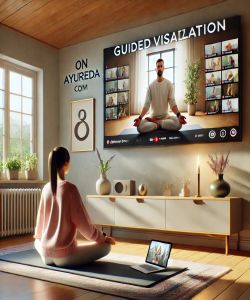
1. Overview of Guided Visualization
Guided visualisation represents a sophisticated cognitive intervention designed to harness the intrinsic connection between the mental and physiological realms. It is fundamentally distinct from mere daydreaming or passive imagination; rather, it constitutes a structured, goal-orientated process wherein an individual is directed, typically via auditory cues provided by a facilitator or recording, to generate specific mental images, sensations, and scenarios. The objective is to deliberately influence emotional states, modify behavioural patterns, or catalyse physiological responses. This methodology operates on the established principle that the human brain often processes vividly imagined experiences similarly to actual physical events, thereby triggering corresponding neurochemical and autonomic nervous system reactions. Consequently, the strategic deployment of guided visualisation facilitates profound alterations in perception and somatic experience. In professional contexts, it is utilised as a potent tool for stress reduction, performance enhancement, and therapeutic support, demanding active participation and focused mental engagement from the subject. The process necessitates the suspension of disbelief and a commitment to immersing oneself fully in the suggested imagery. Effective execution relies upon the careful crafting of the narrative script, which must be tailored to the specific outcomes desired, whether they be the alleviation of psychological distress, the rehearsal of complex procedures, or the cultivation of specific competencies. The practitioner guiding the visualisation must possess a thorough understanding of psychological principles to ensure the imagery employed is both efficacious and ethically sound. It is an evidence-based modality, increasingly integrated into mainstream clinical practice and high-performance training regimens, underscoring its utility beyond alternative or complementary frameworks. The rigour of its application determines its impact; therefore, a disciplined approach to its implementation is non-negotiable. Mastery of guided visualisation allows individuals to exert greater control over their internal environment, transforming abstract goals into tangible outcomes through the focused application of mental faculty. This intervention is not a passive receipt of information but an active process of internal creation, demanding significant cognitive resources and commitment for optimal results.
2. What are Guided Visualization?
Guided visualisation, often termed guided imagery, is a cognitive-behavioural technique that employs the directed use of imagination to achieve specific therapeutic, performance-related, or personal development objectives. It is a deliberate and structured process where individuals are led by a script or facilitator to generate detailed mental representations of an environment, scenario, or sensation. This methodology transcends simple visual imagining, engaging multiple sensory modalities—auditory, olfactory, tactile, and kinaesthetic—to create a comprehensive and immersive internal experience.
The underlying premise of guided visualisation rests upon the mind-body connection, specifically the capacity of the brain to react to imagined stimuli as if they were real. When an individual engages in vivid visualisation, physiological changes can occur, mirroring those that would happen during the actual event. This can include alterations in heart rate, blood pressure, hormone levels, and immune system response.
Key characteristics of guided visualisation include:
- Intentional Focus: The practice requires concentrated mental effort directed towards a specific outcome, such as relaxation, skill acquisition, or emotional regulation. It is not passive mental wandering.
- Facilitated Guidance: Unlike self-directed meditation, guided visualisation typically involves external direction, either from a trained practitioner or a pre-recorded audio track. This guidance provides the narrative structure and sensory cues necessary to shape the experience.
- Multi-Sensory Engagement: Effective visualisation incorporates all senses to enhance the realism and impact of the mental imagery. The depth of this engagement correlates directly with the efficacy of the technique.
- Goal Orientation: The content of the visualisation is meticulously designed to address specific issues. For instance, an athlete might rehearse a flawless performance, whilst a patient might visualise their immune system functioning optimally.
In professional application, guided visualisation serves as a potent adjunct to various disciplines. In clinical psychology, it is employed to manage anxiety, process trauma, and modify maladaptive behaviours. In sports science, it is a critical component of mental rehearsal strategies. In corporate environments, it is utilised for stress management and enhancing executive function. The process demands a state of relaxed alertness, allowing the participant to remain conscious and in control whilst being receptive to the suggestive power of the guided narrative. It is an active, participatory intervention requiring commitment to the process.
3. Who Needs Guided Visualization?
The requirement for guided visualisation spans diverse populations, addressing specific psychological, physiological, and performance-related imperatives. Utilisation of this modality is indicated for the following cohorts:
- High-Performance Professionals: Individuals operating in high-stakes environments, including executives, surgeons, and emergency responders, who must manage acute stress, enhance decision-making acuity, and mentally rehearse complex procedures under pressure.
- Competitive Athletes: Sports personnel requiring superior mental resilience, focus, and the ability to meticulously rehearse techniques, strategies, and successful outcomes to gain a competitive advantage and manage performance anxiety.
- Individuals Undergoing Medical Treatment: Patients confronting significant health challenges who need adjunct support for pain management, reduction of treatment-related anxiety, and the potential enhancement of physiological recovery processes through psycho-neuro-immunological pathways.
- Personnel with Anxiety and Stress Disorders: Individuals requiring robust, non-pharmacological strategies to regulate the autonomic nervous system, reduce cortisol levels, and develop coping mechanisms for chronic stress, panic disorders, or generalised anxiety.
- Trauma Survivors: Persons necessitating structured therapeutic interventions to safely process traumatic memories, reduce intrusive thoughts, and re-establish a sense of safety and control within their internal environment, often as part of a broader psychotherapeutic regimen.
- Professionals Seeking Enhanced Creativity and Problem-Solving: Individuals in creative or strategic fields who need methodologies to bypass cognitive barriers, foster innovative thinking, and conceptualise complex solutions through non-linear mental exploration.
- Individuals Facing Significant Life Transitions: Persons navigating substantial changes such as career shifts, relocation, or bereavement, who require tools to manage uncertainty, clarify objectives, and cultivate emotional equilibrium.
- Chronic Pain Sufferers: Individuals seeking to alter their perception of pain, reduce reliance on medication, and improve overall quality of life by redirecting focus and modulating the neurological pain signals.
- Public Speakers and Performers: Professionals who must consistently deliver optimal performance in front of audiences, utilising visualisation to build confidence, manage stage fright, and ensure flawless execution of their material.
- Military Personnel: Service members requiring advanced techniques for emotional regulation in combat scenarios, rehearsal of tactical operations, and post-deployment decompression and reintegration support.
4. Origins and Evolution of Guided Visualization
The utilisation of mental imagery for healing and empowerment possesses ancient antecedents, traceable across numerous cultural and spiritual traditions. Indigenous cultures and early civilisations frequently incorporated ritualistic practices involving focused imagination and symbolic representation to influence physical health and external outcomes. In ancient Greece, Hippocratic medicine acknowledged the profound impact of the mind on the body, suggesting that mental states could either precipitate illness or facilitate recovery. Similarly, traditional Eastern philosophies, particularly within Tibetan Buddhism and various yogic traditions, have long employed sophisticated visualisation techniques as central components of spiritual practice and physical well-being, demonstrating an early understanding of psycho-physiological integration.
The formal integration of guided visualisation into Western therapeutic practice began to crystallise in the 20th century. Early psychoanalytic theory, whilst primarily focused on unconscious conflicts, acknowledged the power of mental imagery. Carl Jung, in particular, developed 'active imagination' as a method for engaging with unconscious material through spontaneous imagery. Concurrently, in the 1920s, Edmund Jacobson developed progressive muscle relaxation, a technique often used as a precursor to visualisation, establishing a clearer link between mental focus and physiological relaxation. French psychotherapist Robert Desoille further advanced the field with his 'guided affective imagery' approach, utilising symbolic narratives to address psychological issues.
The latter half of the 20th century marked a significant evolution, moving visualisation from psychodynamic exploration towards empirical validation and application. The cognitive-behavioural revolution provided a robust framework for understanding how mental processes influence behaviour and emotion. Researchers began to systematically investigate the physiological correlates of mental imagery. Notably, the work of Dr. Carl Simonton and Stephanie Matthews-Simonton in the 1970s applied visualisation techniques to cancer patients, pioneering the field of psycho-oncology and bringing guided imagery into the medical sphere.
The rise of sports psychology further propelled the evolution of guided visualisation. Athletes and coaches adopted mental rehearsal techniques, demonstrating measurable improvements in performance, skill acquisition, and confidence. This practical application provided compelling evidence of the technique's efficacy. Today, guided visualisation is a recognised, evidence-based modality integrated into diverse fields, including clinical psychology, medicine, sports science, and professional development. Its evolution reflects a convergence of ancient practices and contemporary neuroscience, validating the capacity of directed mental imagery to effect tangible change.
5. Types of Guided Visualization
Guided visualisation is not a monolithic practice; it encompasses several distinct methodologies tailored to specific objectives. The efficacy of the intervention depends on selecting the appropriate type for the intended outcome. The principal types are delineated as follows:
- Relaxation and Stress Reduction Imagery:
- Definition: This type focuses on inducing a state of profound physiological and mental calm. Scripts typically guide the participant to imagine serene, safe environments (e.g., natural landscapes) and focus on sensory details associated with tranquillity. The objective is the activation of the parasympathetic nervous system and the reduction of stress indicators.
- Mental Rehearsal and Performance Optimisation:
- Definition: Utilised extensively in sports and professional training, this involves the systematic and repeated visualisation of performing a specific task or activity successfully and flawlessly. It aims to enhance skill acquisition, improve execution under pressure, and build confidence through the reinforcement of neural pathways associated with the desired action.
- Physiological Healing Imagery:
- Definition: This modality directs the participant to visualise internal bodily processes functioning optimally. It may involve imagining the immune system working effectively, tissues repairing, or pain diminishing. Employed as an adjunct in medical settings, it aims to leverage the mind-body connection to support physical recovery and manage symptoms.
- Receptive Imagery:
- Definition: A more exploratory technique where the participant is guided into a relaxed state and invited to allow images, symbols, or insights to emerge spontaneously from the subconscious in response to a specific question or issue. The objective is to gain clarity, facilitate problem-solving, or access intuitive understanding.
- Guided Affective Imagery (Symbolic Imagery):
- Definition: Rooted in psychodynamic principles, this type uses symbolic narratives and archetypal scenarios (e.g., visualising a journey, encountering obstacles) to explore and resolve underlying emotional conflicts or psychological blocks. The interpretation of the symbols encountered is central to the therapeutic process.
- End-State Visualisation:
- Definition: Focused exclusively on the achievement of a specific goal. Participants are guided to vividly imagine the experience of having already attained the desired outcome, focusing on the positive emotions and sensory details associated with success. This is employed to enhance motivation and align cognitive focus with goal attainment.
6. Benefits of Guided Visualization
The systematic application of guided visualisation yields significant, measurable benefits across physiological, psychological, and performance domains. These advantages are contingent upon consistent practice and proper technique execution. The primary benefits include:
- Autonomic Nervous System Regulation: Facilitates a shift from sympathetic (stress response) to parasympathetic (relaxation response) dominance, leading to reduced physiological arousal.
- Stress and Anxiety Mitigation: Directly counteracts the effects of chronic stress by lowering cortisol levels and reducing subjective experiences of anxiety and tension.
- Enhanced Performance and Skill Acquisition: Improves motor skills, strategic execution, and overall performance in athletic, professional, and academic contexts through mental rehearsal, reinforcing relevant neural pathways.
- Improved Pain Management: Alters the perception of pain, reducing the intensity and distress associated with chronic or acute pain conditions by redirecting cognitive focus and promoting relaxation.
- Augmented Emotional Regulation: Provides a structured method for processing difficult emotions, increasing emotional resilience, and cultivating positive affective states.
- Increased Self-Efficacy and Confidence: By repeatedly visualising success and competence in challenging scenarios, individuals develop a stronger belief in their capabilities, which translates to improved real-world execution.
- Enhanced Immune Function (Psycho-neuro-immunology): Preliminary evidence suggests that specific types of guided imagery may positively influence immune system markers, supporting overall physiological health.
- Improved Sleep Quality: Assists in mitigating insomnia and improving sleep latency and duration by calming the mind, reducing rumination, and inducing pre-sleep relaxation.
- Accelerated Recovery from Injury: Supports the physical rehabilitation process by reducing inflammation-related stress responses and maintaining a positive psychological outlook during recovery.
- Enhanced Creativity and Problem-Solving: Facilitates access to non-linear thinking processes, enabling individuals to generate novel solutions and insights by bypassing conventional cognitive constraints.
- Reduction in Maladaptive Behaviours: Supports behavioural modification efforts, such as smoking cessation or dietary management, by allowing individuals to rehearse desired behaviours and coping strategies in a controlled mental environment.
7. Core Principles and Practices of Guided Visualization
The efficacy of guided visualisation is predicated upon adherence to specific core principles and the rigorous application of established practices. These elements ensure the intervention is structured, impactful, and aligned with the intended objectives.
Core Principles:
- The Principle of Mind-Body Unity: The foundational understanding that mental processes, specifically imagery, exert a direct and measurable influence on physiological functions. The brain interprets vivid visualisations as real events, triggering corresponding bodily responses.
- The Principle of Dominant Thought: The concept that the mind tends to move in the direction of its most dominant thoughts or images. Guided visualisation seeks to replace negative or anxious imagery with positive, goal-orientated mental representations.
- The Principle of Neuroplasticity: The brain's ability to reorganise itself by forming new neural connections. Mental rehearsal strengthens the neural pathways associated with a desired skill or behaviour, similar to physical practice.
- The Principle of Active Participation: Guided visualisation is not a passive experience. It demands focused concentration, active generation of sensory details, and intentional engagement from the participant for maximum effectiveness.
Core Practices:
- Induction of Relaxation: The practice invariably begins with a relaxation technique (e.g., diaphragmatic breathing, progressive muscle relaxation) to quiet the conscious mind, reduce physiological arousal, and enhance receptivity to imagery.
- Multi-Sensory Engagement (Vividness): Effective visualisation requires incorporating all senses—visual, auditory, kinaesthetic, olfactory, and gustatory. The richness and detail of the sensory experience correlate directly with the impact of the visualisation.
- Structured Narrative Guidance: The use of carefully crafted scripts or verbal guidance that directs the participant through a specific sequence of images or scenarios aligned with their goals. The language used must be positive, assertive, and evocative.
- Repetition and Consistency: The benefits of guided visualisation are cumulative. Regular, consistent practice is essential to reinforce the desired changes in cognition, behaviour, or physiology.
- Personalisation of Imagery: Whilst guided, the imagery should ideally resonate personally with the individual. Allowing participants to utilise symbols or scenarios that hold specific meaning for them enhances engagement and efficacy.
- Maintaining Control and Perspective: Participants must maintain awareness that they are in control of the visualisation process. They should be able to modify or terminate the imagery if it becomes distressing, ensuring psychological safety.
8. Online Guided Visualization
The delivery of guided visualisation via online platforms offers distinct advantages, expanding accessibility and providing flexible modalities for implementation. The benefits inherent in the online format are substantial for both practitioners and participants.
- Unrestricted Accessibility and Convenience: Online delivery eradicates geographical barriers, allowing individuals to access high-quality guided visualisation sessions irrespective of their location. This modality permits engagement at times congruent with the participant's schedule, eliminating the logistical constraints associated with in-person attendance.
- Enhanced Comfort and Reduced Inhibition: Participants engage in the visualisation process within their own familiar environment. This heightened sense of privacy and comfort can significantly reduce anxiety or self-consciousness often present in group or clinical settings, thereby deepening the immersive quality of the experience and enhancing receptivity.
- Access to Specialised Expertise: Online platforms facilitate connection with practitioners possessing highly specialised expertise in specific types of guided visualisation (e.g., elite sports performance, psycho-oncology), who might otherwise be geographically inaccessible.
- Immediate Application and Reinforcement: Digital resources, such as downloadable audio recordings or application-based modules, allow for immediate and frequent reinforcement of the visualisation practice. This consistency is critical for achieving lasting benefits and integrating the techniques into daily life.
- Customisation and Self-Pacing: Online courses and digital libraries often provide a wide array of visualisation scripts catering to diverse needs. Participants can select and revisit sessions that are most relevant to their current objectives, allowing for a highly personalised and self-paced approach to development.
- Anonymity and Discretion: For individuals addressing sensitive issues, such as trauma or addiction recovery, the online format provides a layer of anonymity. This discretion can be crucial in overcoming barriers to seeking support.
- Technological Integration: Online platforms can integrate biofeedback tools or tracking mechanisms, allowing users to monitor their progress (e.g., relaxation levels, consistency of practice) in a quantifiable manner, reinforcing commitment and efficacy.
- Scalability for Organisations: Corporations and large institutions can deploy online guided visualisation programmes for stress management and performance enhancement across their entire workforce efficiently and uniformly, ensuring standardized delivery of content.
9. Guided Visualization Techniques
Effective guided visualisation relies on the precise execution of specific techniques. These steps are designed to transition the participant from their normal state of awareness into a receptive state conducive to impactful imagery, and then to utilise that state for a defined purpose.
- Preparation and Intention Setting:
- The initial step involves establishing a conducive environment, free from distractions, and adopting a comfortable physical posture. Crucially, the participant must define a clear intention or objective for the session (e.g., relaxation, rehearsal, problem-solving).
- Induction of Relaxation (The Gateway):
- This phase is critical for reducing cognitive noise and physiological tension. Techniques employed include:
- a. Diaphragmatic Breathing: Deep, controlled breathing to activate the parasympathetic nervous system.
- b. Progressive Muscle Relaxation (PMR): Systematically tensing and releasing muscle groups throughout the body.
- c. Autogenic Training: Repeating self-statements about heaviness and warmth in the limbs.
- Initiation of Imagery (The Safe Place):
- Once relaxed, the visualisation often begins with establishing a 'safe place' or sanctuary. This is a mentally constructed environment where the participant feels completely secure and calm. This serves as a grounding point and enhances receptivity.
- Multi-Sensory Detailing (Vividness Enhancement):
- The core of the technique involves enriching the mental imagery by engaging all sensory modalities. The guidance must prompt the participant to explore not just what they see, but what they hear, feel (tactile and kinaesthetic), smell, and taste within the imagined scenario.
- Goal-Directed Narrative (The Scenario):
- This involves the introduction of the specific visualisation scenario aligned with the initial intention. This could be:
- a. Rehearsal: Mentally practicing a skill or event flawlessly.
- b. Symbolic Exploration: Interacting with symbols to gain insight.
- c. Physiological Focus: Visualising bodily healing or optimal function.
- The narrative must be delivered using positive, assertive language, focusing on desired outcomes rather than avoiding negative ones.
- Affirmation Integration:
- Embedding positive affirmations within the visualisation deepens their impact, leveraging the heightened state of suggestibility achieved during the process.
- Re-orientation and Grounding (The Return):
- The final step involves gradually guiding the participant back to full, alert awareness of their physical surroundings. This ensures they feel grounded, refreshed, and ready to resume activities, integrating the benefits of the session into their conscious state.
10. Guided Visualization for Adults
Guided visualisation for adults is a sophisticated intervention tailored to address the complex cognitive, emotional, and performance demands inherent in adult life. Unlike applications for younger populations, which may focus on basic emotional regulation or imaginative play, adult-centric visualisation targets specific, often high-stakes outcomes. In professional domains, it is rigorously employed for executive function enhancement, including improving strategic decision-making, focus, and stress resilience under pressure. Adults frequently face chronic stressors related to career, finance, and relationships; guided visualisation provides a potent, self-administered tool for regulating the autonomic nervous system and mitigating the physiological impact of these pressures. Furthermore, the technique is critical in adult performance optimisation, whether in competitive sports, public speaking, or complex procedural tasks, where mental rehearsal is used to refine skills and ensure flawless execution. Therapeutically, guided visualisation assists adults in processing complex emotional landscapes, managing anxiety disorders, and supporting behavioural modification efforts such as addiction recovery or weight management. The methodology for adults emphasizes autonomy and self-efficacy, training individuals to utilise imagery to actively shape their internal experience and external performance. The scripts used are often more nuanced, leveraging the adult capacity for abstract thought and detailed sensory recall. Success in adult application demands discipline, consistency, and a clear understanding of the goal-orientated nature of the practice. It is not merely a relaxation exercise but a targeted cognitive tool for achieving measurable improvements in well-being and professional capability. The capacity of adults to engage deeply with multi-sensory imagery and integrate the insights gained into their daily functioning makes guided visualisation an indispensable modality for mature development and adaptation.
11. Total Duration of Online Guided Visualization
The total duration of an online guided visualisation session is a critical parameter, requiring precise calibration to maximise efficacy without inducing cognitive fatigue. While flexibility is inherent in online delivery, structured professional sessions often adhere to specific timeframes to achieve defined objectives. A typical, focused online session designed for a specific outcome, such as acute stress reduction or mental rehearsal of a discrete task, may be relatively brief. However, for comprehensive training or deeper therapeutic exploration conducted via digital platforms, a longer duration is necessitated. When considering a standard, intensive online guided visualisation module, the allocated time is frequently exactly 1 hr. This duration is optimal as it allows sufficient time for the essential phases of the practice: a thorough induction phase to achieve deep relaxation (which cannot be rushed), the core visualisation narrative which requires ample time for multi-sensory development and immersion, and a gradual re-orientation phase to ensure the participant is fully grounded before concluding the session. Allocating a full 1 hr ensures that the participant can transition into the necessary receptive state without time pressure, thereby enhancing the depth and impact of the imagery. Shorter durations risk superficial engagement, while excessively long sessions may lead to mental drift or physical discomfort. Therefore, the 1 hr standard for online guided visualisation represents a calculated balance, ensuring sufficient depth for meaningful cognitive and physiological impact within the constraints of a virtual session. This timeframe demands focused engagement and is structured to deliver maximum benefit within an efficient period, respecting the participant's commitment whilst upholding the rigour of the practice.
12. Things to Consider with Guided Visualization
The implementation of guided visualisation, whilst beneficial, necessitates careful consideration of several critical factors to ensure its efficacy and appropriateness. It is not a universally applicable panacea and must be deployed with professional discernment. Primarily, the psychological stability of the participant is paramount. Individuals with certain psychiatric conditions, particularly those involving psychosis, dissociation, or severe untreated trauma, may find guided imagery destabilising. In such cases, visualisation should only be undertaken under the supervision of a qualified mental health professional experienced in these conditions, as improperly managed imagery can exacerbate symptoms or trigger distressing responses. Furthermore, the nature of the imagery employed must be meticulously scrutinised. The script or guidance must be ethically sound, avoiding manipulative content and respecting the participant’s autonomy. The imagery should be empowering and aligned with the participant’s value system. Overly prescriptive or inappropriate imagery can be counterproductive or harmful. The facilitator's competence is another crucial consideration. Effective guided visualisation requires more than simply reading a script; it demands an understanding of psychological principles, the ability to modulate tone and pace, and the skill to manage unexpected emotional reactions (abreactions) that may arise during the process. The distinction between visualisation and hallucination must be maintained; participants should always remain aware that they are engaging in a self-generated mental experience. Expectations must also be managed realistically. Guided visualisation is a skill that develops with practice; profound results may not occur instantaneously. Consistency is more important than intensity. Moreover, it should often be viewed as an adjunct therapy rather than a replacement for necessary medical or psychological treatment. Finally, the environment in which the visualisation occurs must be conducive to the practice—safe, quiet, and free from interruption. Failure to consider these factors compromises the integrity of the intervention and risks undermining the potential benefits for the participant.
13. Effectiveness of Guided Visualization
The effectiveness of guided visualisation as a cognitive intervention is well-documented across multiple disciplines, demonstrating significant impact on psychological, physiological, and behavioural outcomes. Its efficacy stems from the established neurobiological principle that imagined experiences can activate neural pathways similar to those engaged during actual physical execution. This mechanism is particularly evident in sports science and performance psychology, where mental rehearsal (a form of guided visualisation) has consistently been shown to enhance skill acquisition, improve execution accuracy, and boost self-efficacy. Athletes who systematically employ visualisation demonstrate superior performance compared to those relying solely on physical training. In clinical settings, the effectiveness of guided visualisation in stress reduction is robust; it demonstrably activates the parasympathetic nervous system, leading to reductions in heart rate, blood pressure, and cortisol levels. It is an established component of evidence-based treatments for anxiety disorders and post-traumatic stress disorder (PTSD), where it aids in emotional regulation and the processing of distressing memories in a controlled manner. Furthermore, its application in pain management is significant. By altering the cognitive appraisal of pain and redirecting focus, guided visualisation effectively reduces the perceived intensity of both acute and chronic pain. In the realm of psycho-oncology and integrated medicine, studies indicate that guided imagery can mitigate the side effects of medical treatments (such as nausea and fatigue) and potentially enhance immune function, although the latter requires further rigorous investigation. The effectiveness, however, is not uniform; it is moderated by several factors, including the participant's imaginative capacity (imagery ability), the consistency of practice, and the quality of the guidance provided. When implemented correctly, guided visualisation constitutes a potent, non-invasive, and empowering modality for facilitating human adaptation and performance optimisation. The empirical evidence firmly supports its inclusion in therapeutic and performance enhancement protocols.
14. Preferred Cautions During Guided Visualization
The application of guided visualisation, while potent, mandates the observance of stringent cautions to ensure participant safety and prevent adverse outcomes. It is imperative that this modality is treated with the seriousness accorded to any psychological intervention. A primary caution concerns the potential for abreaction, particularly in individuals with a history of trauma. Guided imagery can inadvertently access repressed or distressing memories, leading to intense emotional release or re-traumatisation if not managed by a qualified professional. Facilitators must therefore conduct thorough screening for contraindications, such as severe mental health disorders (e.g., schizophrenia, dissociative disorders) where the boundary between imagery and reality may be blurred. In such populations, guided visualisation should be avoided or implemented only with extreme prudence by clinicians trained in these specific pathologies. Furthermore, the content of the visualisation must be carefully managed. Imagery that induces fear, helplessness, or loss of control is strictly contraindicated. Participants must always be empowered with the understanding that they retain ultimate control over the mental experience and can pause or modify the visualisation at any point. The induction of a relaxed state, while generally beneficial, requires caution in individuals with certain medical conditions; for instance, techniques inducing significant relaxation might affect blood pressure or insulin requirements, necessitating consultation with medical personnel. It is also essential to avoid creating false memories or unrealistic expectations of outcomes, particularly in health-related visualisations. The technique is an adjunct, not a cure. Finally, the post-visualisation phase requires careful handling. Participants must be thoroughly grounded and re-oriented to their environment before concluding the session. Failure to ensure complete alertness, especially if the individual is to drive or operate machinery subsequently, constitutes negligence. Adherence to these cautions is non-negotiable for the ethical and effective practice of guided visualisation.
15. Guided Visualization Course Outline
A comprehensive course in guided visualisation must be structured to provide a rigorous understanding of the theory, techniques, and ethical application of the modality. The following outline details the essential components required for mastery.
Module I: Theoretical Foundations
- The Neurobiology of Imagery: Understanding the mind-body connection and neural pathways involved.
- Historical and Conceptual Frameworks: Evolution of visualisation from ancient practices to contemporary clinical application.
- Psycho-physiological Effects: The impact of imagery on the autonomic nervous system, endocrine function, and immune response.
- Cognitive-Behavioural Principles: How visualisation integrates with established psychological theories of change.
Module II: Core Techniques and Induction
- Environmental Preparation and Intention Setting.
- Induction Methods: Mastery of progressive muscle relaxation, autogenic training, and diaphragmatic breathing techniques.
- Enhancing Vividness: Strategies for engaging multi-sensory perception (visual, auditory, kinaesthetic, olfactory).
- The 'Safe Place' Protocol: Establishing foundational grounding imagery.
Module III: Types and Applications of Guided Visualization
- Stress Management and Relaxation Scripts.
- Performance Enhancement and Mental Rehearsal (Sports and Professional).
- Physiological Applications: Pain management and adjunct healing imagery.
- Exploratory and Receptive Imagery: Accessing insight and problem-solving.
- Symbolic and Affective Imagery: Addressing emotional and psychological barriers.
Module IV: Script Development and Delivery
- Language and Pacing: The use of evocative, positive, and permissive language.
- Vocal Delivery: Tone, rhythm, and timing in guidance.
- Customisation: Tailoring scripts to specific individual needs and goals.
- Integrating Affirmations and Post-Hypnotic Suggestions.
Module V: Ethical Considerations and Professional Practice
- Contraindications and Risks: Identifying when visualisation is inappropriate.
- Managing Abreaction: Protocols for handling intense emotional responses.
- Scope of Practice and Ethical Boundaries.
- Integration with Other Modalities: Utilising visualisation within a broader therapeutic or coaching context.
Module VI: Practical Assessment
- Case Study Analysis and Treatment Planning.
- Supervised Practice: Leading guided visualisation sessions.
- Development and Delivery of a Custom Visualisation Script.
16. Detailed Objectives with Timeline of Guided Visualization
The objectives of a structured guided visualisation programme are designed to progressively build competence and facilitate measurable changes over a defined timeline. Adherence to this trajectory is essential for optimal outcomes.
Weeks 1-2: Foundational Skill Development and Stress Reduction
- Objective: Master relaxation induction techniques (diaphragmatic breathing, PMR).
- Timeline: Daily practice, 15 minutes.
- Outcome: Demonstrated ability to rapidly reduce physiological arousal and achieve a receptive state.
- Objective: Establish and utilize 'Safe Place' imagery.
- Timeline: Sessions 1-4.
- Outcome: Consistent access to a calming internal environment, reducing baseline anxiety levels.
- Objective: Enhance multi-sensory awareness within imagery.
- Timeline: Week 2 onwards.
- Outcome: Increased vividness and realism of visualisations, strengthening the mind-body connection.
Weeks 3-4: Mental Rehearsal and Performance Optimization
- Objective: Identify specific performance goals (e.g., public speaking, athletic technique).
- Timeline: Session 5.
- Outcome: Clear definition of targets for visualisation.
- Objective: Develop and practice detailed mental rehearsal scripts.
- Timeline: Sessions 6-8.
- Outcome: Flawless mental execution of the target behaviour or skill.
- Objective: Integrate kinaesthetic and emotional aspects of success into rehearsal.
- Timeline: Week 4.
- Outcome: Enhanced self-efficacy and automaticity in the target performance area.
Weeks 5-6: Emotional Regulation and Insight
- Objective: Utilise symbolic imagery to address identified emotional blocks or challenges.
- Timeline: Sessions 9-10.
- Outcome: Increased understanding and resolution of underlying emotional issues.
- Objective: Practice receptive imagery for problem-solving and decision-making.
- Timeline: Session 11.
- Outcome: Enhanced access to intuitive insights and creative solutions.
Weeks 7-8: Integration and Autonomous Practice
- Objective: Transition from guided sessions to self-directed visualisation.
- Timeline: Week 7.
- Outcome: Ability to initiate and conduct effective visualisation independently.
- Objective: Integrate visualisation techniques into daily life for ongoing stress management and goal achievement.
- Timeline: Week 8 and ongoing.
- Outcome: Sustained improvements in well-being, resilience, and performance; establishment of a long-term practice regimen.
17. Requirements for Taking Online Guided Visualization
Participation in online guided visualisation programmes necessitates adherence to specific technical and environmental prerequisites. These requirements are non-negotiable to ensure the integrity, safety, and effectiveness of the virtual delivery format.
Technical Requirements:
- Stable High-Speed Internet Connection: Essential for uninterrupted audio and video streaming, preventing disruptions during the critical induction and immersion phases of the visualisation.
- Appropriate Hardware: A functional computer, tablet, or smartphone capable of running the required video conferencing or course delivery software.
- High-Quality Audio Equipment: Noise-cancelling headphones with a microphone are strongly recommended. Clear audio is paramount for effective guided visualisation, as the practice relies heavily on vocal cues, tone, and pacing.
- Functional Webcam: Required for interactive sessions where the facilitator needs to observe the participant’s state of relaxation or monitor for signs of distress.
Environmental Requirements:
- Private and Undisturbed Space: The participant must secure a location where they will not be interrupted for the duration of the session. Confidentiality and focus are critical.
- Quiet Environment: External noise must be minimised to facilitate deep immersion in the guided imagery.
- Comfortable Seating or Reclining Position: A supportive chair or space to lie down is necessary to allow for complete physical relaxation without falling asleep, unless sleep induction is the objective.
Participant Preparedness:
- Commitment to an Undistracted State: All notifications, phones, and other potential distractions must be disabled prior to the commencement of the session.
- Basic Technological Competence: Familiarity with the operation of the chosen online platform (e.g., muting/unmuting, camera operation).
- Screening Clearance: Participants must complete any required pre-session questionnaires regarding mental health history to identify potential contraindications.
- Punctuality and Respect for Protocol: Logging in promptly and adhering to the session structure established by the facilitator.
Failure to meet these requirements compromises the potential efficacy of the online guided visualisation experience and may result in exclusion from the programme.
18. Things to Keep in Mind Before Starting Online Guided Visualization
Prior to commencing an online guided visualisation programme, prospective participants must undertake a rigorous self-assessment and establish appropriate parameters to ensure a productive and safe experience. It is imperative to recognise that the online modality, whilst convenient, places greater responsibility on the individual for managing their environment and engagement. One must ensure the physical setting is entirely secure and free from interruption; the efficacy of visualisation is severely compromised by external distractions. Technological robustness is equally critical; substandard internet connectivity or poor audio quality will undermine the immersive nature of the guidance. Participants must also critically evaluate their own psychological readiness. Guided visualisation can evoke strong emotions or latent memories. Individuals with a history of severe trauma or dissociative disorders must secure clearance from a mental health professional before engaging in online sessions, as virtual facilitators may have limited capacity to manage acute distress remotely. Establishing realistic expectations is essential. Online guided visualisation is not a passive entertainment medium; it is an active cognitive exercise demanding focused concentration and commitment. Improvement in symptoms or performance is typically gradual and contingent upon consistent practice, not instantaneous transformation. Furthermore, vetting the credentials of the online provider is non-negotiable. The field is unregulated in many jurisdictions, necessitating due diligence to ensure the facilitator possesses appropriate qualifications and adheres to ethical standards. Participants should clarify the specific type of visualisation being offered and ascertain its alignment with their personal objectives. Finally, it is crucial to approach the practice with a mindset of openness coupled with self-control, understanding that one remains the ultimate arbiter of their internal experience throughout the guided process.
19. Qualifications Required to Perform Guided Visualization
The competent administration of guided visualisation demands a specific set of qualifications and skills, extending significantly beyond mere script reading. While regulatory standards can vary by jurisdiction, the ethical and effective facilitation of this modality necessitates a robust foundation in relevant disciplines. The practitioner must possess the expertise to assess suitability, tailor interventions, and manage potential adverse reactions. A lack of appropriate qualification compromises client safety and the integrity of the practice.
Essential qualifications include a foundational education in psychology, counselling, medicine, or a related health science field. This academic grounding ensures the practitioner understands the underlying mechanisms of the mind-body connection, cognitive processes, and psychological pathologies.
Specific requirements for professional practice include:
- Accredited Professional Certification: Completion of a recognised training programme specifically in guided imagery, hypnotherapy, or advanced cognitive-behavioural techniques. This training must include supervised practice and competency assessment.
- Relevant Professional Licensure: Practitioners offering guided visualisation within a therapeutic context (e.g., for treating anxiety or trauma) must hold current licensure as a mental health professional (e.g., psychologist, clinical social worker, licensed counsellor). This ensures adherence to established ethical codes and scope of practice.
- Expertise in Contraindications and Risk Management: The ability to screen clients for conditions where guided visualisation may be harmful (e.g., psychosis, severe dissociation) and the skills to manage abreactions (intense emotional releases) if they occur.
- Advanced Communication Skills: Mastery of vocal delivery, including tone, pacing, and the use of evocative, permissive language tailored to the client's needs.
For non-clinical applications, such as sports performance enhancement, practitioners should possess qualifications in sports psychology or certified coaching credentials, coupled with specific training in mental rehearsal techniques. It is imperative that practitioners operate strictly within their defined scope of competence. A yoga instructor utilizing simple relaxation imagery operates under different parameters than a therapist using guided visualisation to process trauma. Upholding these qualification standards is crucial for the professional application of guided visualisation.
20. Online Vs Offline/Onsite Guided Visualization
The modality of delivery for guided visualisation—online versus offline (onsite)—presents distinct advantages and limitations that must be weighed against the participant's needs and the objectives of the intervention. The choice between these formats significantly impacts the nature of the experience and the facilitator-client dynamic.
Online Guided Visualization
The online format prioritises accessibility and convenience. It eliminates geographical constraints, allowing clients to access specialised practitioners globally. Delivery occurs within the participant's own environment, which can enhance comfort and reduce anxiety associated with clinical settings. Digital platforms facilitate the easy distribution of supplementary materials and recordings for home practice, supporting consistency. However, the online modality is heavily reliant on the participant’s technological setup and environmental control; distractions or technical failures can disrupt the immersive experience. Crucially, the facilitator’s ability to observe subtle non-verbal cues (e.g., shifts in breathing patterns, minor physical tension) is diminished. This limitation can be significant when dealing with complex psychological issues or potential distress, as remote intervention capabilities are restricted. The establishment of therapeutic rapport may also require more deliberate effort in a virtual setting.
Offline/Onsite Guided Visualization
Offline, or onsite, visualisation provides an optimally controlled environment. The facilitator has direct oversight of the setting, ensuring it is conducive to deep relaxation and focus, free from the potential distractions of the participant's home or office. The primary advantage of in-person sessions is the immediacy of the facilitator-client interaction. The practitioner can fully perceive non-verbal communication, allowing for real-time adjustments to the pace, tone, and content of the visualisation based on the client’s physiological responses. This direct presence is invaluable for establishing strong therapeutic alliance and providing immediate support should the participant experience emotional distress or abreaction. Onsite delivery is often superior for individuals with severe anxiety, trauma, or those who struggle with self-directed focus. The constraints of offline delivery include the logistical demands of travel, scheduling rigidity, and potential geographical limitations in accessing specialised expertise. The clinical or professional setting itself may also induce anxiety in some individuals.
21. FAQs About Online Guided Visualization
Question 1. Is online guided visualisation as effective as in-person sessions? Answer: The efficacy of online guided visualisation is comparable to in-person sessions for many objectives, such as stress reduction and performance rehearsal, provided the participant maintains a controlled environment and high-quality audio connection.
Question 2. What technology is mandatory for online sessions? Answer: A stable internet connection, a reliable device, and high-quality headphones are mandatory to ensure uninterrupted and clear auditory guidance.
Question 3. Can I participate if I have difficulty visualising? Answer: Yes. Visualisation encompasses all senses. If visual imagery is challenging, the guidance can focus on kinaesthetic (feeling), auditory, or other sensory experiences.
Question 4. Is online guided visualisation safe for everyone? Answer: No. Individuals with certain severe mental health conditions, such as psychosis or untreated dissociative disorders, should avoid guided visualisation or undertake it only under close clinical supervision.
Question 5. How do I prepare my space for an online session? Answer: Ensure complete privacy, silence all notifications, inform others not to interrupt you, and establish a comfortable position where you can relax without falling asleep.
Question 6. Can I fall asleep during the session? Answer: While deep relaxation is the goal, falling asleep may reduce the effectiveness of goal-orientated visualisation. The objective is typically to maintain a state of relaxed alertness.
Question 7. What if I experience uncomfortable emotions during an online session? Answer: You are always in control. You can open your eyes, stop the session, or use pre-agreed grounding techniques. Inform your facilitator immediately if in a live session.
Question 8. Are group online sessions effective? Answer: Group sessions are effective for general objectives like relaxation, but individual sessions are superior for tailored therapeutic or performance goals.
Question 9. How often should I practice using online recordings? Answer: Consistency is key. Daily practice, even if brief, is generally recommended for reinforcing the desired cognitive and physiological changes.
Question 10. Can online visualisation help with physical pain? Answer: Yes, it is a recognised adjunct technique for pain management, helping to alter the perception of pain and reduce associated distress.
Question 11. Do I need a live facilitator, or are apps sufficient? Answer: Applications are sufficient for basic relaxation. However, for complex issues or specific performance goals, a live, qualified facilitator provides necessary customisation and support.
Question 12. Can I drive immediately after an online session? Answer: It is imperative to ensure you are fully alert and grounded after a session before operating a vehicle or machinery.
Question 13. How do I verify the qualifications of an online practitioner? Answer: Request details of their professional licensure (if offering therapy) and certifications in guided imagery or related modalities.
Question 14. Will I lose control during the visualisation? Answer: No. Guided visualisation is not hypnosis. You remain aware and in control of your experience throughout the process.
Question 15. Can online visualisation replace medical treatment? Answer: Absolutely not. It is a complementary modality and should never be used as a substitute for necessary medical or psychiatric care.
Question 16. What is the difference between meditation and guided visualisation? Answer: Meditation often focuses on awareness of the present moment or breath, while guided visualisation is typically goal-directed, using specific imagery to achieve a desired outcome.
22. Conclusion About Guided Visualization
Guided visualisation stands as a rigorous and potent cognitive modality, firmly established within both therapeutic and performance enhancement domains. It is not a superficial relaxation technique but a sophisticated intervention that leverages the intrinsic capacity of the human mind to influence physiological and psychological states. The evidence unequivocally supports its efficacy in modulating stress responses, accelerating skill acquisition, managing pain, and facilitating emotional regulation. By harnessing the neurological mechanisms through which the brain processes imagined scenarios as real events, guided visualisation provides a direct pathway to behavioural modification and optimized functioning. The successful application of this tool, however, is contingent upon a disciplined approach, characterized by structured guidance, consistent practice, and the appropriate selection of imagery tailored to specific objectives. It demands active cognitive engagement from the participant and skilled facilitation from the practitioner. Furthermore, the ethical deployment of guided visualisation requires a thorough understanding of its contraindications and limitations; it is not a universal remedy and must be integrated judiciously within broader treatment or training protocols. When implemented with precision and professional integrity, guided visualisation constitutes an indispensable tool for individuals committed to achieving mastery over their internal environment and maximizing their performance potential. The transition of this modality into online formats has further democratized access, yet the core principles of practice remain immutable. Ultimately, guided visualisation empowers individuals to systematically deconstruct limitations and construct desired realities through the focused application of mental faculty.