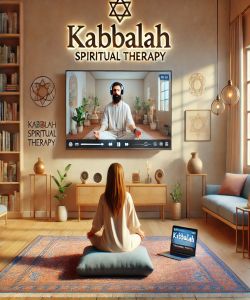
1. Overview of Kabbalah Spiritual Therapy
Kabbalah Spiritual Therapy is a profound and ancient practice that delves into the mystical aspects of Jewish tradition, aiming to provide spiritual healing and enlightenment. This therapeutic approach integrates deep spiritual insights with practical techniques to address emotional, psychological, and spiritual imbalances. By exploring the hidden dimensions of the self and the universe, Kabbalah Spiritual Therapy seeks to foster a deeper connection with the divine, thereby promoting inner peace, clarity, and personal growth. It is a rigorous and disciplined practice that requires dedication and an open mind, offering transformative experiences for those who engage with it sincerely.
2. What are Kabbalah Spiritual Therapy?
Kabbalah Spiritual Therapy is a holistic approach to healing that draws from the mystical teachings of Kabbalah, a branch of Jewish mysticism. This therapy aims to address the spiritual, emotional, and psychological well-being of individuals by exploring the deeper layers of the self and the universe. It involves a range of practices, including meditation, ritual, and the study of sacred texts, all designed to foster a deeper connection with the divine. Kabbalah Spiritual Therapy is not merely a set of techniques but a comprehensive way of life that encourages individuals to seek spiritual enlightenment and inner peace. It is grounded in the belief that understanding the divine mysteries can lead to profound personal transformation and healing.
3. Who Needs Kabbalah Spiritual Therapy?
- Individuals seeking spiritual enlightenment and a deeper connection with the divine.
- Those experiencing emotional or psychological distress who wish to explore spiritual solutions.
- People who have exhausted conventional therapeutic methods and are looking for alternative approaches.
- Individuals interested in understanding the mystical aspects of Jewish tradition and its practical applications.
- Those who wish to integrate spiritual practices into their daily lives for overall well-being.
- People who are curious about the hidden dimensions of the self and the universe.
- Individuals who are open to exploring ancient wisdom and its relevance in modern life.
- Those who are looking to foster inner peace, clarity, and personal growth through spiritual means.
4. Origins and Evolution of Kabbalah Spiritual Therapy
The origins of Kabbalah Spiritual Therapy can be traced back to the mystical traditions of Judaism, which have been passed down through generations. Kabbalah, meaning "reception" or "tradition," emerged as a distinct branch of Jewish thought in the 12th and 13th centuries, with roots extending back to ancient times. The Zohar, a foundational text of Kabbalah, is believed to have been written in the 13th century by Moses de León, although its authorship remains a subject of debate. This text, along with other Kabbalistic writings, provided the framework for understanding the divine mysteries and the hidden dimensions of the universe.
The evolution of Kabbalah Spiritual Therapy has been influenced by various historical and cultural factors. During the Middle Ages, Kabbalistic teachings were often kept secret and were only shared among a select group of scholars and mystics. However, with the advent of the printing press and the spread of knowledge, Kabbalistic ideas began to reach a wider audience. The Renaissance period saw a renewed interest in mystical and esoteric traditions, leading to the further development and dissemination of Kabbalistic teachings. In the modern era, Kabbalah Spiritual Therapy has gained popularity as a means of addressing spiritual and emotional well-being, drawing on ancient wisdom to provide contemporary solutions.
5. Types of Kabbalah Spiritual Therapy
- Meditation Practices: Involves deep contemplation and focus on divine mysteries to achieve spiritual enlightenment and inner peace.
- Ritual Practices: Includes the performance of sacred rituals and ceremonies to connect with the divine and seek spiritual healing.
- Study of Sacred Texts: Engages in the in-depth study of Kabbalistic texts, such as the Zohar and the Sefer Yetzirah, to gain spiritual insights and understanding.
- Divine Names and Letters: Utilises the mystical significance of divine names and the Hebrew alphabet to perform spiritual healing and transformation.
- Tree of Life: Focuses on the symbolic representation of the Tree of Life, which illustrates the divine emanations and their interconnections.
- Astrology and Numerology: Incorporates astrological and numerological principles to understand the hidden dimensions of the self and the universe.
- Energy Healing: Employs techniques to balance and harmonise the spiritual energies within the individual, promoting overall well-being.
- Prayer and Chanting: Involves the use of sacred prayers and chants to invoke divine blessings and seek spiritual healing.
6. Benefits of Kabbalah Spiritual Therapy
- Spiritual Enlightenment: Provides a deeper understanding of the divine mysteries and the hidden dimensions of the self and the universe.
- Emotional Healing: Addresses emotional distress and promotes inner peace and clarity.
- Psychological Well-being: Offers a holistic approach to mental health, integrating spiritual practices with psychological insights.
- Personal Growth: Encourages self-discovery and personal transformation, fostering a sense of purpose and direction.
- Connection with the Divine: Facilitates a deeper connection with the divine, promoting spiritual growth and enlightenment.
- Inner Peace: Helps individuals achieve a state of inner tranquillity and harmony, reducing stress and anxiety.
- Clarity and Focus: Enhances mental clarity and focus, enabling individuals to make better decisions and navigate life's challenges.
- Holistic Healing: Addresses the spiritual, emotional, and psychological aspects of well-being, promoting overall health and vitality.
7. Core Principles and Practices of Kabbalah Spiritual Therapy
- Divine Connection: Emphasises the importance of establishing and maintaining a deep connection with the divine.
- Mystical Insights: Draws on the mystical teachings of Kabbalah to provide spiritual insights and understanding.
- Ritual and Ceremony: Incorporates sacred rituals and ceremonies to facilitate spiritual healing and transformation.
- Study and Contemplation: Encourages the in-depth study of sacred texts and deep contemplation of divine mysteries.
- Energy Balance: Focuses on balancing and harmonising the spiritual energies within the individual.
- Symbolism and Metaphor: Utilises symbolic representations and metaphors to convey spiritual truths and insights.
- Prayer and Meditation: Employs prayer and meditation as tools for spiritual growth and enlightenment.
- Holistic Approach: Addresses the spiritual, emotional, and psychological aspects of well-being, promoting overall health and vitality.
- Personal Transformation: Encourages self-discovery and personal growth, fostering a sense of purpose and direction.
- Community and Support: Emphasises the importance of community and mutual support in the spiritual journey.
8. Online Kabbalah Spiritual Therapy
Online Kabbalah Spiritual Therapy offers a convenient and accessible way to engage with the ancient wisdom of Kabbalah. This modality leverages digital platforms to provide spiritual guidance, meditation practices, and the study of sacred texts. Participants can join virtual sessions, access recorded lectures, and engage in online forums to deepen their understanding and connection with the divine. The flexibility of online therapy allows individuals to integrate spiritual practices into their daily lives, regardless of geographical constraints. Moreover, online Kabbalah Spiritual Therapy can be tailored to meet the unique needs and preferences of each participant, ensuring a personalised and effective spiritual journey.
9. Kabbalah Spiritual Therapy Techniques
- Meditation: Begin by finding a quiet and comfortable space. Close your eyes and focus on your breath, allowing your mind to settle.
- Visualisation: Visualise a divine light or symbol, such as the Tree of Life, and imagine it filling your being with positive energy.
- Prayer: Recite sacred prayers or chants, focusing on the meaning and intention behind the words.
- Ritual Performance: Engage in sacred rituals, such as lighting candles or burning incense, to create a sacred space and invoke divine blessings.
- Study of Sacred Texts: Dedicate time to the in-depth study of Kabbalistic texts, such as the Zohar or the Sefer Yetzirah, to gain spiritual insights.
- Energy Healing: Use techniques to balance and harmonise the spiritual energies within your body, such as visualising energy centres or chakras.
- Divine Names and Letters: Focus on the mystical significance of divine names and the Hebrew alphabet, using them to perform spiritual healing and transformation.
- Astrology and Numerology: Incorporate astrological and numerological principles to understand the hidden dimensions of the self and the universe.
- Journaling: Write down your thoughts, insights, and experiences, reflecting on how they relate to your spiritual journey.
- Community Engagement: Join online forums or local groups to share experiences, seek support, and deepen your understanding of Kabbalah.
10. Kabbalah Spiritual Therapy for Adults
Kabbalah Spiritual Therapy for adults offers a profound and transformative experience, providing a deeper understanding of the divine mysteries and the hidden dimensions of the self. This therapy is particularly beneficial for individuals who have exhausted conventional therapeutic methods and are seeking alternative approaches to address emotional and psychological distress. By engaging with ancient wisdom and mystical practices, adults can foster inner peace, clarity, and personal growth. The structured and disciplined nature of Kabbalah Spiritual Therapy ensures that participants receive a comprehensive and effective spiritual journey, tailored to their unique needs and preferences. Moreover, the flexibility of online therapy allows adults to integrate spiritual practices into their daily lives, regardless of geographical constraints.
11. Total Duration of Online Kabbalah Spiritual Therapy
The total duration of online Kabbalah Spiritual Therapy can vary depending on the individual's needs and the specific programme chosen. Typically, a comprehensive course may span several weeks, with each session lasting approximately 1 hr. This structured approach ensures that participants receive a thorough and in-depth understanding of Kabbalistic teachings and practices. The flexibility of online therapy allows individuals to progress at their own pace, ensuring a personalised and effective spiritual journey. Moreover, the convenience of online sessions enables participants to integrate spiritual practices into their daily lives, regardless of geographical constraints.
12. Things to Consider with Kabbalah Spiritual Therapy
When considering Kabbalah Spiritual Therapy, it is essential to approach the practice with an open mind and a willingness to engage deeply with ancient wisdom. This therapy is not merely a set of techniques but a comprehensive way of life that requires dedication and commitment. It is crucial to seek guidance from experienced practitioners who can provide a structured and disciplined approach to the spiritual journey. Additionally, individuals should be prepared to integrate spiritual practices into their daily lives, fostering a deeper connection with the divine. It is also important to consider the potential emotional and psychological challenges that may arise during the therapeutic process and to seek support when needed. Furthermore, individuals should be aware of the cultural and historical context of Kabbalah and approach the practice with respect and reverence.
13. Effectiveness of Kabbalah Spiritual Therapy
The effectiveness of Kabbalah Spiritual Therapy lies in its holistic approach to addressing spiritual, emotional, and psychological well-being. By drawing on ancient wisdom and mystical practices, this therapy provides a deep and transformative experience that fosters inner peace, clarity, and personal growth. The structured and disciplined nature of Kabbalah Spiritual Therapy ensures that participants receive a comprehensive and effective spiritual journey, tailored to their unique needs and preferences. Moreover, the flexibility of online therapy allows individuals to integrate spiritual practices into their daily lives, regardless of geographical constraints. The effectiveness of this therapy is further enhanced by the guidance of experienced practitioners who can provide support and direction throughout the spiritual journey.
14. Preferred Cautions During Kabbalah Spiritual Therapy
During Kabbalah Spiritual Therapy, it is crucial to approach the practice with caution and respect for its ancient and sacred origins. Individuals should be mindful of the potential emotional and psychological challenges that may arise during the therapeutic process and seek support when needed. It is essential to engage with experienced practitioners who can provide a structured and disciplined approach to the spiritual journey. Additionally, participants should be prepared to integrate spiritual practices into their daily lives, fostering a deeper connection with the divine. Furthermore, individuals should be aware of the cultural and historical context of Kabbalah and approach the practice with reverence and humility. It is also important to maintain a balanced and grounded perspective, avoiding any form of extremism or fanaticism.
15. Kabbalah Spiritual Therapy Course Outline
- Introduction to Kabbalah: Overview of the origins, history, and core principles of Kabbalah.
- Sacred Texts and Teachings: In-depth study of foundational Kabbalistic texts, such as the Zohar and the Sefer Yetzirah.
- Meditation and Visualisation: Techniques for deep contemplation and visualisation of divine mysteries.
- Ritual and Ceremony: Performance of sacred rituals and ceremonies to connect with the divine.
- Energy Healing: Methods for balancing and harmonising spiritual energies within the individual.
- Divine Names and Letters: Exploration of the mystical significance of divine names and the Hebrew alphabet.
- Astrology and Numerology: Incorporation of astrological and numerological principles for spiritual insight.
- Prayer and Chanting: Use of sacred prayers and chants to invoke divine blessings and seek spiritual healing.
- Personal Transformation: Encouragement of self-discovery and personal growth through spiritual practices.
- Community and Support: Importance of community and mutual support in the spiritual journey.
16. Detailed Objectives with Timeline of Kabbalah Spiritual Therapy
- Week 1-2: Introduction to Kabbalah and its core principles. Participants will gain an overview of the origins, history, and foundational teachings of Kabbalah.
- Week 3-4: Study of sacred texts, including the Zohar and the Sefer Yetzirah. Participants will engage in in-depth analysis and discussion of these texts.
- Week 5-6: Meditation and visualisation techniques. Participants will learn and practice deep contemplation and visualisation of divine mysteries.
- Week 7-8: Ritual and ceremony performance. Participants will engage in sacred rituals and ceremonies to connect with the divine.
- Week 9-10: Energy healing methods. Participants will learn techniques for balancing and harmonising spiritual energies within the individual.
- Week 11-12: Exploration of divine names and letters. Participants will delve into the mystical significance of divine names and the Hebrew alphabet.
- Week 13-14: Incorporation of astrology and numerology. Participants will use astrological and numerological principles for spiritual insight.
- Week 15-16: Prayer and chanting practices. Participants will utilise sacred prayers and chants to invoke divine blessings and seek spiritual healing.
- Week 17-18: Personal transformation and self-discovery. Participants will engage in spiritual practices to foster inner peace, clarity, and personal growth.
- Week 19-20: Community and support. Participants will explore the importance of community and mutual support in the spiritual journey.
17. Requirements for Taking Online Kabbalah Spiritual Therapy
- Stable Internet Connection: Ensure a reliable and stable internet connection for seamless online sessions.
- Comfortable and Quiet Space: Create a dedicated space for online therapy, free from distractions and conducive to deep contemplation.
- Basic Technical Skills: Familiarity with online platforms and basic technical skills for navigating virtual sessions.
- Open Mind and Willingness: Approach the practice with an open mind and a willingness to engage deeply with ancient wisdom.
- Commitment and Dedication: Be prepared to commit to the structured and disciplined nature of the therapeutic process.
- Support System: Have a support system in place to address any emotional or psychological challenges that may arise.
- Respect for Cultural Context: Approach the practice with respect and reverence for its cultural and historical context.
- Balanced Perspective: Maintain a balanced and grounded perspective, avoiding any form of extremism or fanaticism.
- Guidance from Experienced Practitioners: Seek guidance from experienced practitioners who can provide a structured and disciplined approach to the spiritual journey.
- Integration into Daily Life: Be prepared to integrate spiritual practices into daily life, fostering a deeper connection with the divine.
18. Things to Keep in Mind Before Starting Online Kabbalah Spiritual Therapy
Before starting online Kabbalah Spiritual Therapy, it is crucial to approach the practice with a clear understanding of its depth and complexity. This therapy is not merely a set of techniques but a comprehensive way of life that requires dedication and commitment. It is essential to seek guidance from experienced practitioners who can provide a structured and disciplined approach to the spiritual journey. Additionally, individuals should be prepared to integrate spiritual practices into their daily lives, fostering a deeper connection with the divine. It is also important to consider the potential emotional and psychological challenges that may arise during the therapeutic process and to seek support when needed. Furthermore, individuals should be aware of the cultural and historical context of Kabbalah and approach the practice with respect and reverence.
19. Qualifications Required to Perform Kabbalah Spiritual Therapy
To perform Kabbalah Spiritual Therapy, individuals must possess a deep and comprehensive understanding of the mystical teachings of Kabbalah. This includes:
- Extensive Study: In-depth study of foundational Kabbalistic texts, such as the Zohar and the Sefer Yetzirah.
- Mentorship and Guidance: Training under experienced practitioners who can provide guidance and support.
- Spiritual Practices: Proficiency in meditation, ritual performance, and energy healing techniques.
- Cultural and Historical Knowledge: Understanding of the cultural and historical context of Kabbalah.
- Ethical and Moral Integrity: Adherence to ethical and moral principles in the practice of Kabbalah Spiritual Therapy.
- Personal Transformation: Experience of personal transformation and spiritual growth through Kabbalistic practices.
- Community Engagement: Ability to foster a sense of community and mutual support among participants.
- Respect for Sacred Traditions: Approach the practice with respect and reverence for its sacred origins.
- Holistic Approach: Ability to address the spiritual, emotional, and psychological aspects of well-being.
- Continuous Learning: Commitment to continuous learning and development in the field of Kabbalah Spiritual Therapy.
20. Online Vs Offline/Onsite Kabbalah Spiritual Therapy
Online Kabbalah Spiritual Therapy
Online Kabbalah Spiritual Therapy offers a convenient and accessible way to engage with the ancient wisdom of Kabbalah. This modality leverages digital platforms to provide spiritual guidance, meditation practices, and the study of sacred texts. Participants can join virtual sessions, access recorded lectures, and engage in online forums to deepen their understanding and connection with the divine. The flexibility of online therapy allows individuals to integrate spiritual practices into their daily lives, regardless of geographical constraints. Moreover, online Kabbalah Spiritual Therapy can be tailored to meet the unique needs and preferences of each participant, ensuring a personalised and effective spiritual journey.
Offline/Onsite Kabbalah Spiritual Therapy
Offline or onsite Kabbalah Spiritual Therapy provides a more immersive and interactive experience, allowing participants to engage directly with experienced practitioners and fellow seekers. This modality involves in-person sessions, workshops, and retreats, providing a deeper and more intimate connection with the spiritual practices. The physical presence of participants and practitioners fosters a sense of community and mutual support, enhancing the overall therapeutic experience. Additionally, onsite therapy allows for hands-on guidance and immediate feedback, ensuring a more comprehensive and effective spiritual journey. However, the geographical constraints and logistical challenges of onsite therapy may limit accessibility for some individuals.
21. FAQs About Online Kabbalah Spiritual Therapy
Questions 1. What is the primary goal of online Kabbalah Spiritual Therapy?
Answer: The primary goal of online Kabbalah Spiritual Therapy is to provide a deep and transformative spiritual experience, fostering inner peace, clarity, and personal growth through the ancient wisdom of Kabbalah.
Questions 2. How does online Kabbalah Spiritual Therapy differ from onsite therapy?
Answer: Online Kabbalah Spiritual Therapy leverages digital platforms to provide spiritual guidance and practices, offering flexibility and accessibility. Onsite therapy, however, provides a more immersive and interactive experience with direct engagement with practitioners and fellow seekers.
Questions 3. What are the benefits of online Kabbalah Spiritual Therapy?
Answer: The benefits include convenience, accessibility, personalised spiritual guidance, and the ability to integrate spiritual practices into daily life, regardless of geographical constraints.
Questions 4. Who can benefit from online Kabbalah Spiritual Therapy?
Answer: Individuals seeking spiritual enlightenment, emotional healing, and personal growth can benefit from this therapy, especially those who have exhausted conventional therapeutic methods.
Questions 5. What qualifications are required to perform online Kabbalah Spiritual Therapy?
Answer: Practitioners must have extensive study of Kabbalistic texts, training under experienced mentors, proficiency in spiritual practices, and a deep understanding of the cultural and historical context of Kabbalah.
Questions 6. How can I prepare for online Kabbalah Spiritual Therapy?
Answer: Ensure a stable internet connection, create a comfortable and quiet space, familiarise yourself with online platforms, and approach the practice with an open mind and willingness to engage deeply with ancient wisdom.
Questions 7. What are the core principles of Kabbalah Spiritual Therapy?
Answer: The core principles include divine connection, mystical insights, ritual performance, study and contemplation, energy balance, symbolism, prayer and meditation, holistic approach, personal transformation, and community support.
Questions 8. What techniques are used in online Kabbalah Spiritual Therapy?
Answer: Techniques include meditation, visualisation, prayer, ritual performance, study of sacred texts, energy healing, divine names and letters, astrology and numerology, and journaling.
Questions 9. How long does an online Kabbalah Spiritual Therapy session typically last?
Answer: An online Kabbalah Spiritual Therapy session typically lasts approximately 1 hr, but the total duration of the course can vary depending on the specific programme and individual needs.
Questions 10. What should I consider before starting online Kabbalah Spiritual Therapy?
Answer: Consider the depth and complexity of the practice, seek guidance from experienced practitioners, be prepared to integrate spiritual practices into daily life, and be aware of potential emotional and psychological challenges.
Questions 11. How can I ensure the effectiveness of online Kabbalah Spiritual Therapy?
Answer: Ensure a structured and disciplined approach, seek guidance from experienced practitioners, maintain a balanced and grounded perspective, and be prepared to engage deeply with ancient wisdom.
Questions 12. What are the preferred cautions during online Kabbalah Spiritual Therapy?
Answer: Approach the practice with caution and respect for its sacred origins, be mindful of potential emotional and psychological challenges, seek support when needed, and maintain a balanced and grounded perspective.
Questions 13. What are the requirements for taking online Kabbalah Spiritual Therapy?
Answer: Requirements include a stable internet connection, comfortable and quiet space, basic technical skills, open mind and willingness, commitment and dedication, support system, respect for cultural context, balanced perspective, guidance from experienced practitioners, and integration into daily life.
Questions 14. How can I integrate online Kabbalah Spiritual Therapy into my daily life?
Answer: Create a dedicated space for spiritual practices, set aside time for meditation and study, engage in rituals and ceremonies, and seek support from the community.
Questions 15. What are the potential challenges of online Kabbalah Spiritual Therapy?
Answer: Potential challenges include emotional and psychological distress, logistical issues with online platforms, and the need for a structured and disciplined approach.
Questions 16. How can I deepen my understanding of Kabbalah through online therapy?
Answer: Engage in in-depth study of sacred texts, participate in virtual sessions and forums, seek guidance from experienced practitioners, and integrate spiritual practices into daily life.
Questions 17. What role does community play in online Kabbalah Spiritual Therapy?
Answer: Community fosters mutual support, shared experiences, and a deeper understanding of Kabbalistic teachings, enhancing the overall therapeutic experience.
Questions 18. How can I maintain a balanced perspective during online Kabbalah Spiritual Therapy?
Answer: Approach the practice with respect and reverence, avoid extremism or fanaticism, and seek guidance from experienced practitioners to maintain a grounded and balanced perspective.
Questions 19. What are the ethical considerations in online Kabbalah Spiritual Therapy?
Answer: Ethical considerations include adherence to moral principles, respect for sacred traditions, and the well-being of participants, ensuring a safe and supportive therapeutic environment.
Questions 20. How can I ensure the authenticity of online Kabbalah Spiritual Therapy?
Answer: Seek guidance from experienced practitioners, verify the credentials and qualifications of practitioners, and engage with reputable online platforms and communities.
22. Conclusion About Kabbalah Spiritual Therapy
Kabbalah Spiritual Therapy stands as a profound and transformative practice, drawing from the ancient wisdom of Jewish mysticism to address spiritual, emotional, and psychological well-being. This therapy offers a holistic approach, integrating deep contemplation, ritual performance, and the study of sacred texts to foster inner peace, clarity, and personal growth. Whether engaged online or onsite, Kabbalah Spiritual Therapy provides a structured and disciplined journey towards spiritual enlightenment, guided by experienced practitioners and supported by a community of seekers. By approaching this practice with respect, dedication, and an open mind, individuals can achieve a deeper connection with the divine, promoting overall health and vitality.