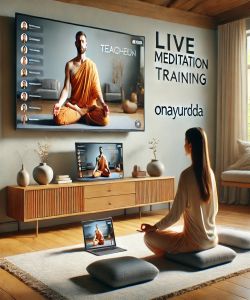
1. Overview of Meditation Teacher Training
Meditation Teacher Training represents the definitive and most rigorous pathway for individuals committed to transitioning from personal practitioner to professional guide. It is a comprehensive, structured immersion designed not merely to deepen one’s own practice, but to systematically cultivate the pedagogical skills, philosophical understanding, and ethical integrity required to teach meditation with authority and responsibility. This is not a casual undertaking; it is a profound professional development programme that demands unwavering dedication and a readiness for deep self-enquiry. The core purpose of such training is to deconstruct the art and science of meditation, enabling the aspirant to understand its mechanisms, its historical context, and its practical application in guiding others. Participants are rigorously schooled in holding space, fielding difficult questions, adapting techniques for diverse populations, and upholding the highest ethical standards of the teacher-student relationship. The curriculum extends beyond simple technique, delving into the anatomy of the mind, the psychology of human suffering and flourishing, and the classical philosophies that underpin contemplative practices. Ultimately, a Meditation Teacher Training programme is a crucible, forging a practitioner’s raw experience into the refined, articulate, and embodied presence of a competent teacher, capable of transmitting this transformative practice with clarity, precision, and profound respect for its lineage. It is the essential qualification for anyone who seeks to lead others on this path, ensuring that the guidance offered is safe, effective, and grounded in a tradition of disciplined wisdom. This is the sole legitimate gateway to professional instruction in the contemplative arts.
2. What are Meditation Teacher Training?
Meditation Teacher Training programmes are structured educational frameworks designed to equip individuals with the comprehensive knowledge and practical skills necessary to teach meditation competently and ethically. They are far more than an extended retreat or a simple deepening of personal practice; they are professional qualifications. The training mandates a systematic study of both the theory and the application of contemplative disciplines, ensuring a graduate is not merely an enthusiast but a qualified instructor. The core components of these rigorous programmes are multifaceted and non-negotiable for any serious aspirant.
A defining feature is the in-depth exploration of foundational philosophies. Trainees are required to study the historical and cultural origins of meditation, from Vedantic and Buddhist roots to their modern secular adaptations. This ensures that the practice is taught with an appreciation for its context and lineage, rather than as a disconnected life-hack.
Furthermore, a critical element is the focus on pedagogy—the art and science of teaching itself. This involves intensive practicums where trainees lead meditation sessions under supervision, receive direct and often uncompromising feedback, and learn to articulate complex internal states with clarity and precision. They are trained to manage group dynamics, hold a safe and supportive space, and respond to a wide range of participant experiences, including challenging emotional or psychological reactions.
Finally, these programmes invariably include a robust ethical component. This training instils a profound understanding of the responsibilities inherent in the teacher-student dynamic, covering crucial topics such as scope of practice, confidentiality, maintaining professional boundaries, and the importance of ongoing personal development and supervision. In essence, Meditation Teacher Training is the formal process that transforms a proficient practitioner into a professional educator, capable of guiding others with integrity, skill, and a deep, embodied understanding of the path.
3. Who Needs Meditation Teacher Training?
- Aspiring Professional Meditation Instructors. Individuals whose explicit career objective is to teach meditation professionally in studios, retreat centres, or as independent practitioners. For this group, formal training is not an option but an absolute prerequisite for credibility, competence, and insurability. It provides the foundational qualification upon which a professional practice must be built.
- Existing Wellness and Health Professionals. Yoga instructors, psychotherapists, counsellors, life coaches, and physical therapists who seek to integrate mindfulness and meditation into their existing practices. This training provides the specialised, in-depth knowledge required to do so ethically and effectively, moving beyond a superficial application to a truly integrated and informed therapeutic tool.
- Corporate and Organisational Leaders. Managers, human resources professionals, and corporate trainers who intend to implement credible mindfulness programmes within their organisations. Formal training ensures that such initiatives are not mere token gestures but are delivered with a professional understanding of the techniques, benefits, and potential contraindications, thereby maximising impact and minimising risk.
- Educators and School Personnel. Teachers, school counsellors, and administrators who wish to bring the benefits of meditation and mindfulness to student populations. Proper training is imperative to adapt practices appropriately for different age groups and to manage the unique dynamics of a classroom or school environment, ensuring student well-being is paramount.
- Healthcare Practitioners. Doctors, nurses, and other clinical professionals who recognise the therapeutic utility of meditation for patient care, particularly in stress reduction and pain management. A teacher training programme equips them with the structured framework to guide patients safely, complementing their existing medical expertise with validated contemplative methods.
- Experienced Meditators Seeking Deeper Mastery. Long-term practitioners who, whilst not necessarily intending to teach commercially, desire to deconstruct and fully comprehend the architecture of their practice. The training provides the ultimate deep dive, forcing a level of analytical and philosophical engagement that personal practice alone cannot provide.
4. Origins and Evolution of Meditation Teacher Training
The concept of training individuals to teach meditation is rooted in ancient traditions, though its modern form is a distinct evolution. Historically, the transmission of contemplative knowledge was not conducted through formal, structured "teacher training programmes" as we understand them today. Instead, it occurred within rigorous, long-term, master-disciple relationships, primarily within monastic or ascetic settings in Eastern cultures, such as the Buddhist Sangha or Hindu Gurukula systems. Here, an aspirant would spend years, often decades, in close proximity to a master, learning not through a set curriculum but through direct experience, oral transmission, and embodied osmosis. The qualification to teach was not a certificate, but the master's direct acknowledgement of the student's realisation and readiness. It was a deeply personal and non-standardised process.
The evolution towards modern, formalised teacher training began as these practices migrated to the West and underwent a process of secularisation and systematisation throughout the twentieth century. As interest grew beyond the purely spiritual, a need arose for a more accessible and replicable method of training instructors. Pioneers who had studied in the East began to synthesise their knowledge into structured curricula that could be taught to a lay audience. This marked a significant shift from the holistic, immersive discipleship model to a more academic and pedagogical framework, focusing on definable skills and theoretical knowledge.
The establishment of influential programmes, such as those for Mindfulness-Based Stress Reduction (MBSR), was a watershed moment. These programmes codified a secular approach, complete with a standardised curriculum, teaching manuals, and a clear pathway for instructor certification. This model became highly influential, demonstrating that teacher training could be both rigorous and scalable. It created a blueprint for accountability and professional standards where none had previously existed in the secular domain.
The final stage of this evolution is the digital proliferation of teacher training. The advent of online platforms has further democratised access, removing geographical barriers. Whilst this presents challenges in replicating the immersive quality of in-person training, it has forced an innovation in pedagogy, focusing on creating virtual community and delivering high-quality theoretical content. The evolution continues, with an increasing emphasis on trauma-informed practices, ethical oversight, and professional accreditation, solidifying Meditation Teacher Training as a distinct and serious professional discipline.
5. Types of Meditation Teacher Training
The landscape of Meditation Teacher Training is diverse, with programmes distinguished by their lineage, focus, and intended application. A discerning individual must understand these distinctions to select a path aligned with their objectives.
- Mindfulness-Based Stress Reduction (MBSR) Teacher Training. This is a highly structured, secular, and evidence-based pathway. It is rigorously designed to train instructors to deliver the specific, standardised eight-week MBSR curriculum. The training is intensive, often requiring multiple stages, silent retreats, and strict adherence to the established protocol. It is primarily aimed at healthcare, therapeutic, and clinical professionals.
- Vipassanā and Insight Meditation Teacher Training. Rooted directly in Theravada Buddhist tradition, this type of training focuses on the cultivation of moment-to-moment awareness and insight into the nature of reality. Training is typically long-term and deeply immersive, demanding extensive silent retreat experience and a profound commitment to the Dharma. It is less about a replicable curriculum and more about embodying the teachings.
- Transcendental Meditation (TM) Teacher Training. This is a proprietary and highly controlled training programme exclusive to the TM organisation. It involves a lengthy and intensive residential course focused solely on the specific techniques and theories of Transcendental Meditation. Qualification is contingent upon meeting the organisation's strict prerequisites and adherence to its precise teaching methodology.
- Yoga-Based Meditation Teacher Training. Often integrated into advanced yoga teacher trainings (e.g., 300-hour or specialised modules), this type focuses on meditative practices found within the broader yogic tradition. This includes Dhyana (meditation), Yoga Nidra (yogic sleep), and trataka (gazing). The training emphasis is on integrating meditation with asana, pranayama, and yogic philosophy.
- Secular and Corporate Mindfulness Teacher Training. These programmes are specifically designed to strip meditation of all religious or spiritual connotations, framing it as a tool for mental fitness, focus, and emotional regulation. The curriculum is tailored for application in corporate, educational, or high-performance settings. The focus is on practical, accessible techniques and the neuroscience that supports them.
- Lineage-Specific Buddhist Teacher Training (e.g., Zen, Tibetan). These are deeply traditional programmes requiring a long-standing commitment to a particular school of Buddhism. The training to become a Sensei (in Zen) or Lama (in Tibetan Buddhism) is a lifelong path of study, practice, and service, far exceeding the scope of a typical time-bound course.
6. Benefits of Meditation Teacher Training
- Profound Deepening of Personal Practice. The intense and analytical nature of teacher training forces a deconstruction of one's own meditative experience. This rigorous self-enquiry and structured study moves a practitioner from intuitive practice to a sophisticated, nuanced understanding, invariably leading to greater depth and stability.
- Acquisition of Professional Credibility and Authority. Successful completion of a reputable training programme confers a formal qualification. This is the non-negotiable standard that distinguishes a professional instructor from an amateur enthusiast, providing the credibility required to teach in professional settings, secure insurance, and command respect.
- Mastery of Pedagogical Skills. The training explicitly teaches the art of instruction. This includes learning to guide meditations with precise and effective language, structure a class, hold a safe and inclusive space, and skilfully manage group dynamics and challenging questions—skills that personal practice alone cannot bestow.
- Development of a Robust Ethical Framework. A core benefit is the intensive training in professional ethics. Trainees learn about the profound responsibilities of the teacher role, including scope of practice, maintaining boundaries, confidentiality, and navigating the complexities of the teacher-student relationship with unwavering integrity.
- Comprehensive Philosophical and Theoretical Knowledge. Participants gain a systematic understanding of the historical, psychological, and philosophical underpinnings of meditation. This intellectual foundation enables a teacher to answer questions with depth and confidence, and to adapt teachings to diverse audiences without diluting the core principles.
- Building a Professional Network and Community. These programmes bring together a cohort of dedicated and serious practitioners. This creates an invaluable professional network for future collaboration, peer support, and continued learning, mitigating the isolation that can come with being an independent instructor.
- Enhanced Communication and Interpersonal Skills. The requirement to articulate subtle internal experiences and to listen with deep presence to the experiences of others cultivates superior communication skills. This heightened capacity for articulate and empathetic interaction is a significant benefit in all aspects of professional and personal life.
7. Core Principles and Practices of Meditation Teacher Training
- Embodied Presence (The Primacy of Personal Practice). The foundational principle is that one can only teach from a place of deep, personal, and consistent practice. The training demands and rigorously assesses the trainee's own 'sadhana' or daily discipline. It is understood that the teacher's primary tool is their own stabilised and embodied presence. Without this, any instruction is hollow.
- Unwavering Ethical Integrity. A non-negotiable cornerstone is the exhaustive study and application of ethical guidelines. This includes a profound understanding of scope of practice (not acting as a therapist), the power dynamics inherent in the teacher-student relationship, absolute confidentiality, and the imperative to create a safe, non-exploitative environment. Trainees are drilled in these principles until they become second nature.
- Pedagogical Mastery (The Art of Transmission). The training moves beyond personal experience to the science of teaching. This involves mastering precise and evocative language for guiding practices, structuring coherent and progressive lesson plans, and developing the skill of 'holding space'—creating a container of silent, supportive presence that allows participants to have their own authentic experience.
- In-Depth Philosophical and Scientific Grounding. A trainee must master the 'why' behind the 'how'. This requires rigorous study of the traditional philosophical frameworks (e.g., Buddhist Abhidharma, Yoga Sutras) and/or the contemporary scientific evidence (neuroscience, psychology) that explains the mechanisms and effects of meditation. This knowledge provides the authority to teach with intellectual honesty.
- The Skill of Inquiry and Dialogue. A significant practice within the training is learning how to conduct skilful inquiry. This involves fielding questions from participants not with simplistic answers, but by guiding them to explore their own direct experience. It is the art of turning a question back into a vehicle for the student's self-discovery.
- Adaptability and Customisation. Trainees are drilled in the practice of adapting core meditation techniques for diverse populations and contexts. This includes understanding contraindications and making appropriate modifications for individuals with trauma histories, physical limitations, or those in specific settings like corporations or clinical environments.
- Practicum with Rigorous Feedback. The core practice is teaching and being taught. Trainees must repeatedly lead meditation sessions for their peers and instructors and receive direct, constructive, and often challenging feedback. This iterative process of practice, critique, and refinement is what forges a competent teacher.
8. Online Meditation Teacher Training
Online Meditation Teacher Training delivers the comprehensive curriculum of a traditional programme through a digital medium, leveraging technology to overcome geographical limitations. It is a demanding and structured format that requires significant self-discipline from the participant.
- Unprecedented Accessibility and Geographic Freedom. The foremost characteristic of online training is its capacity to connect aspirants with world-class instructors and institutions irrespective of their physical location. This democratises access to high-calibre education, removing the substantial barriers of travel and relocation that once restricted such training to a select few.
- A Blend of Synchronous and Asynchronous Learning. These programmes are structured to provide a robust educational experience through a mix of learning modalities. Live, real-time sessions via video conferencing (synchronous) are used for interactive lectures, group discussions, and supervised teaching practicums. This is complemented by a wealth of pre-recorded lectures, readings, and assignments that participants can engage with at their own pace (asynchronous), allowing for flexibility around existing professional and personal commitments.
- Cultivation of Digital Pedagogical Skills. An intrinsic part of the online format is that it inherently trains the future teacher in the art of digital instruction. Trainees learn not only the content of meditation but also the technical and interpersonal skills required to hold space, build community, and guide practices effectively through a screen. This is an essential competency in the modern wellness landscape.
- Emphasis on Self-Accountability and Discipline. The online environment places a greater onus on the individual's commitment and internal motivation. Without the physical container of a retreat centre, the participant must proactively carve out dedicated time and space for study, practice, and engagement. The successful online trainee is one who possesses exceptional self-discipline.
- Formation of Global Learning Cohorts. A unique strength of the online model is the creation of diverse, international cohorts. Trainees learn alongside peers from a vast array of cultural and professional backgrounds, enriching the learning experience with a multiplicity of perspectives that would be impossible to assemble in a single physical location. This global networking is a significant professional asset.
9. Meditation Teacher Training Techniques
The techniques taught within a Meditation Teacher Training programme are not merely for personal practice; they are pedagogical tools to be mastered for the purpose of instruction. The process is systematic and layered.
Step 1: Mastering and Articulating the Foundational Stance. Trainees are first drilled in the fundamentals of posture (Seiza, Burmese, chair-based) and physical alignment. The objective is not just to achieve personal comfort but to learn how to precisely instruct others in establishing a stable, dignified, and sustainable physical foundation for practice, offering clear modifications for diverse bodies.
Step 2: Deconstructing and Guiding Breath Awareness (Anapana). The trainee moves from simply watching their own breath to analysing its components. They learn the precise language required to guide a novice's attention to the subtle sensations of the breath without causing strain or self-consciousness. They practice guiding techniques focusing on different anchor points—the nostrils, the abdomen—and learn to articulate the purpose behind each.
Step 3: The Technique of Anchoring and Noticing Distraction. This involves mastering the pedagogical skill of teaching concentration. Trainees practice-teach how to use a primary object of meditation (the anchor) and, crucially, how to instruct students in the non-judgemental labelling and releasing of thoughts, sounds, and sensations. The technique is about teaching the process of returning attention, not about achieving a blank mind.
Step 4: Introducing and Holding Space for Expansive Awareness. Once concentration is established, trainees learn techniques to guide students into open-monitoring or choiceless awareness. This requires a shift in language from directive to invitational. The skill lies in creating a verbal and energetic container that allows participants to rest in a broader field of experience without feeling lost or overwhelmed.
Step 5: Skilful Application of Specific Meditations. The training provides a toolkit of specific techniques, such as Metta (Loving-Kindness), body scan meditations, and walking meditation. For each, the trainee must learn the specific verbal formulae, the underlying intention, and how to sequence it appropriately within a class or course structure.
Step 6: The Technique of Leading Inquiry. This is an advanced technique. Trainees are taught how to facilitate post-meditation dialogue. This is not a simple Q&A session. It is a structured method of asking open-ended, probing questions that help students connect with and articulate their own direct experience, thereby deepening their insight.
10. Meditation Teacher Training for Adults
Meditation Teacher Training is an undertaking uniquely suited to the adult learner, leveraging the very life experience, cognitive maturity, and existential questioning that characterise adulthood. For adults, this training is often not merely an acquisition of a new skill but a profound integration of a lifetime of experiences, challenges, and insights. The curriculum’s demand for self-reflection, emotional regulation, and deep, sustained focus aligns perfectly with the developmental capacities that are refined through adult life. Unlike younger learners, adults typically bring a more urgent and pragmatic motivation to the training—whether it is a desire for a meaningful career transition, a tool to manage the accumulated stresses of professional and personal life, or a search for deeper purpose after years in the workforce. The training provides a structured, rigorous container for this exploration. It respects the adult's capacity for autonomous learning whilst providing the expert guidance necessary to navigate the complex philosophical and psychological terrain. Furthermore, the pedagogical component, which requires trainees to hold space for others, draws upon the empathy and interpersonal wisdom that adults have often cultivated through decades of navigating relationships, careers, and family life. The training refines this raw life-wisdom into a professional, ethical, and highly effective teaching skill. It is a demanding process that treats the adult as a capable, self-directed individual, ready to engage with profound truths and assume the serious responsibility of guiding others. It is the definitive adult education for those committed to inner work and outer service.
11. Total Duration of Online Meditation Teacher Training
The total duration of an online meditation teacher training programme is not a fixed commodity but is instead dictated by the depth, rigour, and comprehensiveness of its curriculum. Reputable programmes are defined by their content and required contact hours, not by a rush to completion. The structure of these online courses is deliberately designed for adult learners, often balancing intensive study with the practicalities of ongoing professional and personal lives. Learning is typically segmented into manageable components. A participant's week might involve several hours of self-paced study, including pre-recorded lectures and assigned readings, which are then integrated and explored during live, interactive sessions with instructors and peers. These live components are of a set length, for example a focused one-hour session, to ensure maximum engagement and prevent digital fatigue. The overall timeline for a programme is therefore a function of how these various elements—live instruction, self-study, peer practice groups, and extensive practicum requirements—are sequenced. A superficial course may be completed quickly, but a truly professional qualification demands a significant and extended commitment of time. The emphasis is steadfastly on the quality and assimilation of the learning, not the speed of its delivery. Consequently, a prospective trainee must assess a programme based on its stated learning objectives and required hours of engagement, understanding that a credible qualification necessitates a substantial investment of their time and unwavering dedication over an extended period.
12. Things to Consider with Meditation Teacher Training
Undertaking a Meditation Teacher Training programme is a decision of significant gravity that demands careful and pragmatic consideration. It is imperative that an aspirant scrutinises the accreditation and lineage of any potential programme. A certificate's value is directly proportional to the reputation and rigour of the issuing institution. Investigate who accredits the course and whether that body is recognised within the professional sphere you wish to enter. Furthermore, the lineage and direct experience of the primary instructors are paramount. You are not merely buying information; you are entrusting your development to a guide. Their depth of personal practice, their own training history, and their experience in teaching others are non-negotiable points of due diligence. One must also honestly assess the curriculum's balance between theory, personal practice, and teaching practicum. A course heavily weighted towards philosophy with little supervised teaching practice will not produce a competent instructor. Conversely, a course focused only on technique without a deep ethical and philosophical grounding is dangerously superficial. Critically, an individual must conduct a frank self-assessment of their own readiness. This extends beyond having a consistent meditation practice; it requires a stability of mind and emotional maturity to face the intense self-inquiry and challenging feedback that are hallmarks of a quality training. It is not a therapeutic intervention, but a professional training programme, and one must be psychologically robust enough to engage with it as such. These considerations are not peripheral; they are the essential framework for making a sound and responsible choice.
13. Effectiveness of Meditation Teacher Training
The effectiveness of a Meditation Teacher Training programme is contingent upon a triad of non-negotiable factors: the rigour of its curriculum, the expertise of its faculty, and the unwavering commitment of the participant. When these three elements converge, the training is unequivocally effective in transforming a dedicated practitioner into a competent, ethical, and confident teacher. A well-designed programme's effectiveness stems from its systematic approach. It deconstructs the multifaceted skill of teaching into manageable components—philosophy, pedagogy, ethics, and practicum—and insists on mastery of each. The supervised teaching practice, in particular, is the crucible where effectiveness is forged. Through repeated cycles of teaching, receiving direct and often blunt feedback, and refining their approach, trainees move from theoretical knowledge to embodied competence. This practical, iterative process is what ensures a graduate can actually lead a class, not just talk about meditation. Furthermore, the effectiveness is magnified by the deep immersion in the underlying principles. By forcing a trainee to articulate complex concepts, the training deepens their own understanding to a level that personal practice alone cannot achieve. The ultimate measure of the training's effectiveness is not merely the certificate awarded, but the graduate's demonstrable ability to guide others safely and skilfully, to hold space with integrity, and to answer questions with a confidence born of deep knowledge and direct experience. It is a demanding process, and its potent effectiveness is reserved for those programmes, and those individuals, who engage with that demand fully.
14. Preferred Cautions During Meditation Teacher Training
Engaging in Meditation Teacher Training requires a posture of extreme caution and self-awareness, as the process can unearth significant psychological and emotional challenges. It is imperative that participants understand this is not a therapeutic container. Whilst meditative practice can have therapeutic benefits, the primary function of a teacher training is professional and pedagogical. Instructors are not therapists, and trainees must not treat the programme as a substitute for professional mental health care. A critical caution pertains to the potential for latent psychological issues, including unresolved trauma, to surface during intensive practice. An aspirant must enter the training with a degree of psychological stability and have access to external, professional support should difficult material arise. Furthermore, a severe caution must be exercised against spiritual bypassing—the tendency to use spiritual concepts to avoid dealing with unresolved emotional issues or personal responsibilities. The training environment can inadvertently encourage this if one is not vigilant. Trainees must also be wary of grandiosity and the inflation of ego that can accompany the acquisition of specialist knowledge and the title of "teacher." The training should dismantle the ego, not reinforce it. Finally, upon completion, graduates must exercise extreme caution in adhering to their scope of practice. They are qualified to teach meditation, not to diagnose or treat mental health conditions. A newly qualified teacher must resist the temptation to overstate their expertise or act as a counsellor. These cautions are not suggestions; they are mandates for safe and ethical engagement.
15. Meditation Teacher Training Course Outline
A comprehensive and rigorous Meditation Teacher Training programme is structured through a series of progressive modules, each building upon the last to ensure a holistic development of the necessary competencies. The outline is as follows:
Module One: Foundations in Contemplative Philosophy and History.
Study of the primary source traditions (e.g., Buddhism, Yoga).
Exploration of key philosophical concepts: suffering, impermanence, non-self.
Historical transmission from East to West and the secularisation of practice.
Module Two: The Science and Psychology of Meditation.
Neuroscientific correlates of meditative states.
Psychological effects on stress, attention, and emotional regulation.
Understanding the frameworks of modern mindfulness-based interventions.
Module Three: The Taxonomy of Meditative Techniques.
In-depth practice and analysis of concentration techniques (Samatha).
In-depth practice and analysis of insight techniques (Vipassanā).
Exploration of compassion and heart-based practices (Metta).
Instruction in ancillary practices: body scan, walking meditation.
Module Four: Pedagogy - The Art and Science of Teaching.
Developing precise and effective verbal guidance.
Structuring and sequencing a meditation class or course.
The art of holding space and cultivating a safe learning environment.
Techniques for leading skilful inquiry and post-meditation dialogue.
Module Five: Professional Ethics and Scope of Practice.
Deep dive into the teacher-student relationship and power dynamics.
Upholding confidentiality and professional boundaries.
Recognising contraindications and knowing when to refer to mental health professionals.
Module Six: Intensive Teaching Practicum.
Repeated practice-teaching sessions with peer groups.
Leading sessions for external volunteer groups (where applicable).
Receiving direct, structured feedback from senior instructors.
Video-recording and self-review of teaching sessions.
Module Seven: Establishing a Professional Practice.
Guidance on the business and marketing aspects of teaching meditation.
Understanding insurance, liability, and professional standards.
The importance of ongoing supervision and continuing professional development.
16. Detailed Objectives with Timeline of Meditation Teacher Training
The objectives of a Meditation Teacher Training programme are achieved through a phased timeline, designed to build knowledge and skill progressively. The timeline is not measured in dates but in developmental stages.
Initial Phase: Foundational Immersion
- Objective: To establish a profound and non-negotiable personal practice and master foundational theory.
- Actions: Engage in daily, intensive personal meditation as mandated by the programme. Absorb and demonstrate comprehension of core philosophical texts and scientific principles. Begin to articulate the key differences between major meditative traditions. The participant must demonstrate discipline and intellectual rigour from the outset.
Mid-Programme Phase: Pedagogical Development
- Objective: To transition from student to nascent teacher by developing the core skills of instruction and inquiry.
- Actions: Commence teaching practicums within the peer group. Learn to craft and deliver guided meditations with precision. Practice leading inquiry sessions, shifting from providing answers to facilitating self-discovery. Receive and integrate initial rounds of direct, often challenging, feedback on teaching style, language, and presence.
Consolidation Phase: Refinement and Embodiment
- Objective: To refine teaching skills, handle complex group dynamics, and embody the ethical principles of a teacher.
- Actions: Lead longer, more complex meditation sessions. Demonstrate the ability to adapt teachings for specific needs or scenarios. Engage in nuanced discussions on ethical dilemmas and scope of practice. The trainee’s teaching should begin to exhibit a quality of authenticity and presence beyond mere technical proficiency.
Final Phase: Professional Integration and Assessment
- Objective: To demonstrate comprehensive mastery and readiness to teach professionally and independently.
- Actions: Undertake a final teaching assessment, often involving leading a full class for instructors or an external group. Present a final project or thesis demonstrating deep integration of a chosen topic. Articulate a clear plan for ongoing personal practice, supervision, and professional development post-graduation. The participant must prove they are not just completing a course but launching a professional vocation.
17. Requirements for Taking Online Meditation Teacher Training
Participation in a serious online Meditation Teacher Training programme is contingent upon meeting a set of strict, non-negotiable requirements. These are in place to ensure the integrity of the training and the candidate's capacity for success.
- A Pre-Existing and Consistent Meditation Practice. This is the foremost requirement. Candidates must demonstrate a stable, long-term personal meditation practice. The training is designed to teach one how to instruct others, not how to meditate for the first time. Applicants will be vetted on the depth and duration of their personal experience.
- Robust and Reliable Technical Infrastructure. The participant is solely responsible for ensuring they possess a high-speed, stable internet connection, a modern computer capable of running video conferencing software without issue, a high-quality webcam, and a clear microphone. Technical failures are the participant's responsibility, not the programme's.
- A Dedicated and Private Learning Environment. The participant must commit to having a quiet, private, and interruption-free space for the duration of all live sessions, personal practice, and study. The sanctity of the learning container must be respected, and participating from a public or chaotic environment is unacceptable.
- Demonstrable Digital Literacy. Competence in using the required online platforms (e.g., video conferencing software, learning management systems) is mandatory. The training will not provide basic IT support. The participant must be self-sufficient in navigating the digital environment.
- Absolute Commitment to Synchronous and Asynchronous Engagement. The candidate must be able to commit fully to attending all mandatory live sessions in real-time. Furthermore, they must possess the self-discipline to complete all asynchronous work—readings, recorded lectures, and assignments—independently and on schedule.
- Psychological and Emotional Stability. Aspirants must possess the maturity and emotional resilience to engage in deep self-inquiry and to receive direct, constructive feedback without defensiveness. The programme is not a therapeutic space, and participants must be stable enough to handle its rigorous professional demands.
18. Things to Keep in Mind Before Starting Online Meditation Teacher Training
Before committing to an online Meditation Teacher Training programme, it is imperative to conduct a frank and rigorous self-assessment. The digital format, whilst offering convenience, presents a unique set of challenges that demand a specific temperament and unwavering self-discipline. You must understand that the onus of creating a sacred and focused learning environment falls entirely upon you. Unlike an in-person retreat where the container is provided, you must actively carve out a physical and temporal space in your own home that is free from domestic and professional interruptions. This requires a level of personal discipline that is far greater than what is required for an immersive, onsite course. Furthermore, be prepared for the reality of 'digital fatigue'. Spending extensive hours engaged in intense, focused learning through a screen can be draining. You must proactively manage your energy and screen time to prevent burnout. It is also critical to recognise the potential for isolation. To counteract this, you must commit to actively engaging with your cohort and instructors through all available channels—forums, breakout rooms, and peer practice sessions. Passive consumption of content will not suffice. You are responsible for building the community connection that is vital for a rich learning experience. Finally, assess your learning style honestly. If you thrive on the subtle energetic exchange and visceral presence of in-person learning, you must consider whether the online format, no matter how well-designed, can truly meet your needs. This is a serious commitment, and success depends on a clear-eyed understanding of its demands.
19. Qualifications Required to Perform Meditation Teacher Training
The responsibility of "performing" or delivering a Meditation Teacher Training programme is immense, and the qualifications required are accordingly stringent. This is a role reserved not merely for competent meditation teachers, but for master educators with a profound depth of experience and knowledge. An individual qualified to lead such a training must possess a distinguished and extensive personal practice, typically measured in decades, not years. This long-term, embodied understanding is the non-negotiable foundation upon which all other qualifications are built. They are expected to have graduated from one or more rigorous, high-level teacher training programmes themselves, and to have moved far beyond that initial qualification. The essential qualifications include:
- Extensive Teaching Experience: The lead instructor must have a substantial track record of teaching meditation to a wide variety of individuals and groups across diverse settings (e.g., clinical, corporate, retreat centres). This experience should amount to thousands of hours of direct teaching.
- Seniority within a Lineage or Tradition: In many cases, a qualified trainer is recognised as a senior teacher or lineage holder within a specific contemplative tradition. This denotes a level of mastery and trust bestowed by their own teachers.
- Academic or Advanced Credentials: Often, lead trainers will hold advanced degrees or professional qualifications in related fields such as psychology, philosophy, comparative religion, or neuroscience. This provides the intellectual rigour required to teach the theoretical components of the curriculum.
- Experience in Training Teachers: Crucially, the individual must have specific experience not just in teaching meditation, but in training and mentoring other teachers. This is a distinct pedagogical skill set, involving assessment, feedback, and professional development.
- Recognition by Professional Bodies: Qualification is often validated by holding the highest level of certification or registration with established professional accreditation organisations, signifying adherence to the profession's most stringent standards of practice and ethics.
In short, leading a teacher training programme is the domain of senior professionals who are not only masters of the practice but also proven educators of other educators.
20. Online Vs Offline/Onsite Meditation Teacher Training
A critical distinction exists between online and offline/onsite Meditation Teacher Training programmes. The choice between them is a matter of weighing accessibility against immersion, and a candidate must understand the fundamental differences in the experience.
Online The primary advantage of the online format is its unparalleled accessibility. It removes geographical and logistical barriers, allowing participants from anywhere in the world to access elite-level instruction without the associated costs and time commitments of travel and accommodation. This format offers significant flexibility, with a blend of live sessions and self-paced learning that can often be integrated around existing work and family responsibilities. It inherently cultivates a high degree of self-discipline and accountability, as the onus is on the student to create their own focused learning environment. Furthermore, online training develops essential digital teaching skills, preparing graduates for the reality of a modern, hybrid wellness industry. The cohort is often more diverse internationally, providing a rich cross-cultural exchange. However, it lacks the visceral, energetic component of shared physical presence and can present challenges in building deep, spontaneous community bonds. The direct, in-the-moment feedback on physical posture and presence is also more difficult to convey through a screen.
Offline/Onsite The defining characteristic of offline, residential training is its immersive nature. By removing participants from their daily routines and distractions, it creates a powerful, focused container for deep practice and learning. The constant, shared physical presence with instructors and peers fosters a unique and profound sense of community (sangha). The energetic transmission and subtle communication that occur in a shared space are potent and cannot be fully replicated online. Feedback is immediate and direct, whether it is a subtle postural adjustment from a teacher or the non-verbal cues from fellow students during practice teaching. This format excels at cultivating the embodied aspect of teaching. The primary disadvantages are the significant financial and time investment required, the logistical challenges of travel, and the lack of flexibility. It demands that a participant completely steps away from their life, which is a barrier for many.
21. FAQs About Online Meditation Teacher Training
Question 1. Is online training as effective as in-person training? Answer: Its effectiveness is different. Online training excels in accessibility and theoretical delivery, whilst in-person training excels in immersive experience and energetic transmission. A high-quality online programme with rigorous practicums can produce an equally competent teacher.
Question 2. Will I receive a recognised certification? Answer: Yes, provided you choose a programme accredited by a reputable, independent professional body. The credibility of the certification is tied to the institution's standards and accreditation.
Question 3. How much live interaction is there? Answer: This varies, but reputable programmes mandate significant synchronous (live) hours for lectures, Q&A, and, most importantly, supervised teaching practicums in real-time.
Question 4. Do I need to be technically skilled? Answer: You need to be proficient with basic technology: stable internet, a functional computer, webcam, microphone, and the ability to use standard video conferencing and learning platforms.
Question 5. What if I miss a live session? Answer: Policies vary. Most rigorous programmes mandate attendance at live sessions, especially practicums. Some may offer recordings for lectures, but absence from interactive components is often not permitted.
Question 6. How am I assessed? Answer: Assessment is multifaceted, including written assignments, participation in discussions, and, crucially, a final teaching practicum where you lead a session and are evaluated by instructors.
Question 7. Can I really learn to 'hold space' online? Answer: Yes. It is a different skill set, but learning to create a sense of safety, presence, and connection through a digital medium is a core part of modern online training.
Question 8. Is there a strong sense of community? Answer: This depends on the programme's design and your active participation. Quality programmes use breakout rooms, peer groups, and forums to foster connection. You must engage proactively.
Question 9. What are the prerequisites? Answer: Typically, a consistent and established personal meditation practice of a significant duration is a non-negotiable prerequisite. Some programmes have further requirements.
Question 10. Is this training religious? Answer: Most modern programmes are secular, focusing on the psychological and physiological aspects of meditation. Those rooted in a specific lineage (e.g., Buddhist) will be explicitly faith-based.
Question 11. Can I start teaching immediately after? Answer: You will be qualified to teach, but it is strongly advised to start with simple, foundational classes and to continue your learning through mentorship and supervision.
Question 12. Does it cover the business side of teaching? Answer: Comprehensive programmes include modules on ethics, insurance, marketing, and setting up a professional practice.
Question 13. How much self-study is required? Answer: A significant amount. Expect to dedicate several hours per week outside of live sessions for reading, watching pre-recorded content, and personal practice.
Question 14. What kind of support is offered? Answer: Support typically includes access to instructors via Q&A, peer support within your cohort, and sometimes dedicated mentors. Technical support is usually limited.
Question 15. Is it suitable if I have a full-time job? Answer: Many online programmes are designed for working professionals, offering flexibility. However, they are still a major time commitment that must be taken seriously.
Question 16. How is my teaching practice evaluated? Answer: Through live or recorded sessions where you guide peers. You receive direct, structured feedback from senior faculty on your language, presence, structure, and ability to hold space.
22. Conclusion About Meditation Teacher Training
In conclusion, Meditation Teacher Training stands as the definitive and indispensable process for any individual who seeks to guide others in contemplative practice with integrity and competence. It is not a casual certificate course or a wellness retreat; it is a rigorous professional development programme grounded in a profound commitment to both self-mastery and ethical service. The journey through such a training is a demanding one, requiring unwavering discipline, intellectual honesty, and the emotional maturity to undergo intense self-scrutiny. It systematically deconstructs the art of meditation and reconstructs it as a teachable science, equipping the practitioner with the essential pedagogical skills, deep philosophical understanding, and robust ethical framework necessary to teach safely and effectively. Whether undertaken online or in person, the core purpose remains the same: to transform personal experience into a professional qualification. It forges a guide who can hold space with authority, speak with clarity, and embody the very presence they seek to cultivate in others. Ultimately, completing a Meditation Teacher Training is the minimum standard of due diligence, an ethical imperative for protecting students, and the sole legitimate foundation upon which a professional teaching practice can be built. It is the critical bridge between being a student of meditation and becoming a trusted teacher of it.