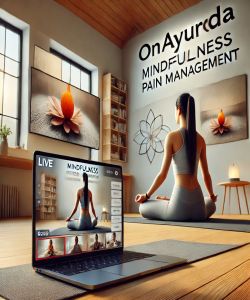
1. Overview of Mindfulness Based Pain Management
Mindfulness Based Pain Management (MBPM) represents a sophisticated, structured approach to alleviating chronic pain through the utilisation of mindfulness techniques. This methodology integrates psychological principles with mindfulness practices to enable individuals to manage and reduce their perception of pain. Unlike traditional pain management, which often relies heavily on pharmacological interventions, MBPM emphasises the development of mental resilience and the re-framing of the pain experience. Through disciplined practice, patients learn to observe their pain without judgement, thereby diminishing its emotional and psychological impact. This approach not only addresses the symptoms but also targets the underlying cognitive and emotional responses to pain, fostering a sustainable, long-term management strategy. MBPM is increasingly recognised within medical and psychological communities for its efficacy in improving patients' quality of life, reducing reliance on medication, and promoting holistic well-being.
2. What are Mindfulness Based Pain Management?
Mindfulness Based Pain Management (MBPM) encompasses a series of therapeutic interventions designed to help individuals suffering from chronic pain. It utilises mindfulness—the practice of maintaining a moment-by-moment awareness of thoughts, feelings, bodily sensations, and surrounding environment—to alter the perception and experience of pain. MBPM programmes typically involve guided meditation, body scanning, and mindful movement, all aimed at increasing patients' ability to cope with pain. These practices encourage a non-reactive, present-focused awareness which can reduce the emotional suffering associated with chronic pain. By fostering a deeper understanding of the mind-body connection, MBPM empowers patients to develop greater control over their pain responses, ultimately leading to improved physical and psychological health.
3. Who Needs Mindfulness Based Pain Management?
Chronic Pain Sufferers: Individuals experiencing persistent pain conditions, such as fibromyalgia, arthritis, or neuropathic pain, who have not found adequate relief through conventional treatments.
Post-Surgical Patients: Those recovering from surgery who experience ongoing pain and seek non-pharmacological methods to manage discomfort.
Mental Health Patients: Individuals with comorbid mental health conditions, such as anxiety or depression, where pain exacerbates psychological distress.
Elderly Patients: Older adults who may prefer or require non-pharmacological pain management due to potential side effects or interactions with other medications.
Patients Resistant to Medication: Those who have developed tolerance or adverse reactions to pain medications and are seeking alternative management strategies.
Holistic Health Advocates: Individuals interested in complementary and alternative medicine (CAM) and a more integrated approach to health and wellness.
High-Stress Occupations: Professionals in high-stress jobs who experience tension-related pain and seek effective coping mechanisms.
Athletes: Sportspersons dealing with injury-related pain who wish to avoid or reduce dependency on pain relievers.
4. Origins and Evolution of Mindfulness Based Pain Management
The concept of Mindfulness Based Pain Management (MBPM) finds its roots in ancient mindfulness practices, particularly those derived from Buddhist meditation traditions. However, its formal integration into pain management stems from the development of Mindfulness-Based Stress Reduction (MBSR) by Dr. Jon Kabat-Zinn in the late 1970s. MBSR was initially designed to help patients with chronic stress and pain, marking the first structured programme that combined mindfulness meditation with psychological therapy.
As MBSR gained empirical support and popularity, researchers and clinicians began to adapt its principles specifically for pain management, leading to the emergence of MBPM. Early studies demonstrated that mindfulness could significantly reduce the perception of pain and improve emotional regulation, prompting further investigation and refinement. Throughout the 1990s and 2000s, MBPM programmes were developed and standardised, incorporating elements such as body scanning, mindful movement, and cognitive behavioural techniques.
The evolution of MBPM has been supported by a growing body of scientific research validating its efficacy. Neuroimaging studies have shown that mindfulness practices can alter brain activity in areas associated with pain perception and emotional regulation. This scientific backing has led to wider acceptance within the medical community and the integration of MBPM into multidisciplinary pain management programmes. Today, MBPM is recognised as a viable, evidence-based intervention for chronic pain, continually evolving with ongoing research and clinical innovation.
5. Types of Mindfulness Based Pain Management
Mindfulness-Based Stress Reduction (MBSR):
Definition: An 8-week programme that incorporates mindfulness meditation, body awareness, and yoga to help manage stress and pain.
Application: Widely used for various chronic pain conditions, including lower back pain, arthritis, and fibromyalgia.
Mindfulness-Based Cognitive Therapy (MBCT):
Definition: Combines mindfulness practices with cognitive behavioural therapy (CBT) techniques to address the cognitive aspects of pain perception.
Application: Effective for patients with comorbid depression and chronic pain.
Acceptance and Commitment Therapy (ACT):
Definition: Focuses on accepting painful thoughts and feelings rather than fighting them, promoting psychological flexibility.
Application: Useful for patients who struggle with the emotional burden of chronic pain.
Mindful Movement:
Definition: Integrates gentle, mindful physical activities such as yoga, tai chi, or qigong to enhance body awareness and reduce pain.
Application: Beneficial for patients with musculoskeletal pain and those seeking a more active approach to pain management.
Body Scan Meditation:
Definition: A detailed, systematic practice of focusing attention on different parts of the body to enhance awareness and relaxation.
Application: Particularly effective for patients with widespread pain conditions like fibromyalgia.
Loving-Kindness Meditation (Metta):
Definition: Focuses on developing an attitude of compassion and kindness towards oneself and others, which can alleviate the emotional distress associated with chronic pain.
Application: Suitable for patients experiencing significant emotional suffering due to their pain.
Mindfulness-Based Pain Management (MBPM) Programmes:
Definition: Structured programmes specifically designed for chronic pain management, often incorporating a combination of the above techniques.
Application: Delivered in clinical settings, these programmes provide a comprehensive approach to managing chronic pain.
6. Benefits of Mindfulness Based Pain Management
Reduced Pain Perception:
Mindfulness practices have been shown to decrease the intensity and discomfort of chronic pain by altering the brain's pain processing pathways.
Improved Emotional Regulation:
Patients develop better coping mechanisms for the emotional and psychological distress associated with chronic pain, leading to reduced anxiety and depression.
Enhanced Quality of Life:
By fostering a greater sense of control and acceptance, MBPM improves overall life satisfaction and daily functioning.
Decreased Medication Dependence:
Many patients report reduced reliance on pain medications, minimising potential side effects and health risks.
Better Sleep:
Mindfulness techniques promote relaxation and reduce stress, which can improve sleep quality for those suffering from pain-related insomnia.
Increased Body Awareness:
Enhanced awareness of bodily sensations helps patients recognise and manage pain triggers more effectively.
Cognitive Flexibility:
MBPM encourages a non-reactive, present-focused awareness that can help patients adapt to and manage their pain more effectively.
Social and Relational Improvements:
As patients experience less pain and emotional distress, their interactions with others often improve, enhancing social support networks.
Long-Term Sustainability:
Unlike temporary pharmacological solutions, mindfulness skills provide lifelong tools for managing pain and stress.
Cost-Effectiveness:
MBPM programmes can reduce healthcare costs associated with chronic pain management by decreasing the need for ongoing medical interventions and hospitalisations.
Holistic Health Benefits:
Beyond pain management, mindfulness practices contribute to overall mental and physical health, including reduced blood pressure and improved immune function.
7. Core Principles and Practices of Mindfulness Based Pain Management
Mindfulness Meditation:
Practice: Sitting meditation focusing on the breath, bodily sensations, or a mantra.
Purpose: To cultivate present-moment awareness and reduce reactivity to pain.
Body Scan:
Practice: Systematically focusing attention on different parts of the body, typically from toes to head.
Purpose: To enhance body awareness and promote relaxation, helping to alleviate pain.
Mindful Movement:
Practice: Gentle, intentional movements such as yoga, tai chi, or walking meditation.
Purpose: To integrate mindfulness into physical activity, improving body awareness and reducing pain during movement.
Cognitive Reframing:
Practice: Identifying and challenging negative thought patterns related to pain.
Purpose: To alter the cognitive and emotional response to pain, reducing suffering.
Acceptance:
Practice: Acknowledging and accepting pain without judgement or resistance.
Purpose: To reduce the emotional and psychological impact of pain, fostering a more balanced response.
Non-Attachment:
Practice: Observing thoughts and sensations without becoming attached or identified with them.
Purpose: To create distance between the self and the pain experience, diminishing its power.
Compassion:
Practice: Developing kindness and compassion towards oneself, particularly in moments of pain.
Purpose: To alleviate the emotional distress associated with chronic pain, promoting a more supportive internal dialogue.
Present-Moment Focus:
Practice: Consistently bringing attention back to the present moment, rather than dwelling on past pain or fearing future pain.
Purpose: To reduce the anticipatory anxiety and rumination that can exacerbate pain perception.
Routine Practice:
Practice: Establishing a daily mindfulness routine, incorporating various techniques.
Purpose: To reinforce mindfulness skills and ensure consistent benefits in pain management.
8. Online Mindfulness Based Pain Management
Online Mindfulness Based Pain Management (MBPM) programmes offer a flexible, accessible alternative to traditional in-person sessions. These digital platforms provide structured courses, guided meditations, and educational resources that patients can access from the comfort of their homes. Online MBPM maintains the core principles and practices of mindfulness, including meditation, body scanning, and cognitive reframing, delivered through video sessions, audio recordings, and interactive modules.
The advantages of online MBPM include convenience, as participants can engage with the material at their own pace and on their schedule. This flexibility is particularly beneficial for those with mobility issues or those living in remote areas. Additionally, online programmes often provide a sense of community through discussion forums and live Q&A sessions, fostering social support among participants. The digital format also allows for easy tracking of progress and the ability to revisit materials, reinforcing learning and practice. Overall, online MBPM extends the reach of mindfulness techniques, making effective pain management more accessible to a broader audience.
9. Mindfulness Based Pain Management Techniques
Breathing Exercises:
Step 1: Find a comfortable, quiet space.
Step 2: Sit or lie down in a relaxed position.
Step 3: Close your eyes and take a few deep breaths.
Step 4: Focus your attention on your breath as it enters and leaves your nostrils.
Step 5: If your mind wanders, gently bring your focus back to your breath.
Body Scan Meditation:
Step 1: Lie down in a comfortable position.
Step 2: Close your eyes and take a few deep breaths.
Step 3: Begin at your toes, mentally scanning each part of your body, moving upwards.
Step 4: As you focus on each area, notice any sensations without judgement.
Step 5: If you encounter pain, acknowledge it and move your attention to the next area.
Mindful Movement:
Step 1: Choose a gentle activity, such as yoga or tai chi.
Step 2: Move slowly and deliberately, paying close attention to each movement.
Step 3: Notice the sensations in your body as you move.
Step 4: If pain arises, observe it without resistance and continue moving mindfully.
Cognitive Reframing:
Step 1: Identify negative thoughts related to your pain.
Step 2: Challenge these thoughts by questioning their validity.
Step 3: Replace negative thoughts with more balanced, compassionate ones.
Step 4: Practice this reframing regularly to change your pain narrative.
Loving-Kindness Meditation:
Step 1: Sit comfortably and close your eyes.
Step 2: Think of someone you care about and wish them well.
Step 3: Gradually extend these wishes to yourself, then to others, including those who may cause you difficulty.
Step 4: Repeat phrases such as “May you be happy, may you be healthy, may you be safe, may you live with ease.”
Progressive Muscle Relaxation:
Step 1: Sit or lie down comfortably.
Step 2: Tense each muscle group for a few seconds, then release.
Step 3: Start from your toes and move upwards, focusing on the sensation of tension and relaxation.
Step 4: Notice the contrast between tension and relaxation, using it to enhance body awareness.
10. Mindfulness Based Pain Management for Adults
Mindfulness Based Pain Management (MBPM) for adults is a structured, evidence-based approach designed to help individuals cope with chronic pain through mindfulness practices. Adults suffering from conditions such as arthritis, fibromyalgia, or back pain can benefit significantly from MBPM. The programme typically involves a series of guided meditations, body scanning exercises, and mindful movement activities, all aimed at increasing awareness and acceptance of pain without judgement. By fostering a non-reactive, present-focused awareness, MBPM helps adults reduce the emotional and psychological impact of pain, leading to improved quality of life. Additionally, MBPM encourages the development of cognitive flexibility, allowing adults to reframe their pain experiences and adopt more adaptive coping strategies. This holistic approach not only addresses the physical symptoms of pain but also enhances overall mental and emotional well-being, making it an invaluable resource for adults seeking sustainable pain management solutions.
11. Total Duration of Online Mindfulness Based Pain Management
The total duration of an Online Mindfulness Based Pain Management (MBPM) programme is standardised at 1 hour per session. This duration has been meticulously determined to ensure that participants receive a comprehensive yet manageable mindfulness practice. Each 1-hour session is designed to incorporate various mindfulness techniques, including guided meditation, body scanning, and cognitive reframing, providing a balanced and effective approach to pain management. The 1-hour format allows for sufficient time to engage deeply with the material while remaining accessible for individuals with busy schedules. Participants can expect to devote this consistent, dedicated time to each session, fostering a routine that reinforces the benefits of mindfulness over the course of the programme. This structured duration ensures that the programme remains both rigorous and feasible, maximising its effectiveness in managing chronic pain.
12. Things to Consider with Mindfulness Based Pain Management
When engaging in Mindfulness Based Pain Management (MBPM), there are several critical factors to consider to ensure the effectiveness and safety of the practice. Firstly, it is essential to recognise that MBPM is a complementary approach and should not replace conventional medical treatments without consulting healthcare professionals. Patients should inform their doctors about their intention to participate in MBPM to ensure it aligns with their overall treatment plan. Secondly, consistency is key; regular practice is necessary to reap the benefits of mindfulness, so participants must commit to a routine. Thirdly, while MBPM can significantly reduce the perception of pain, it may not eliminate it entirely, and managing expectations is crucial. Additionally, individuals with severe mental health conditions should approach MBPM with caution and preferably under the guidance of a qualified therapist. Lastly, the quality of the MBPM programme matters; participants should seek out reputable, evidence-based programmes led by certified instructors to ensure they receive accurate and effective guidance. By considering these factors, individuals can maximise the benefits of MBPM while ensuring their safety and well-being.
13. Effectiveness of Mindfulness Based Pain Management
The effectiveness of Mindfulness Based Pain Management (MBPM) is well-documented through numerous scientific studies and clinical trials. Research has consistently shown that MBPM can significantly reduce the perception of pain and improve the quality of life for individuals suffering from chronic pain conditions. Neuroimaging studies have revealed that mindfulness practices can alter brain activity in areas associated with pain processing, leading to decreased pain intensity. Additionally, MBPM has been found to enhance emotional regulation, reducing the anxiety and depression often associated with chronic pain. Patients participating in MBPM programmes report improved coping mechanisms, greater body awareness, and a more balanced response to pain. The long-term sustainability of mindfulness skills further contributes to its effectiveness, as patients continue to benefit from their practice even after completing formal programmes. Overall, the robust evidence supporting MBPM underscores its value as a viable, complementary approach to traditional pain management strategies.
14. Preferred Cautions During Mindfulness Based Pain Management
During Mindfulness Based Pain Management (MBPM), certain cautions must be rigorously observed to ensure the safety and efficacy of the practice. Firstly, individuals with severe mental health conditions, such as acute depression or psychosis, should approach MBPM with caution and ideally under the supervision of a qualified mental health professional. The introspective nature of mindfulness can sometimes exacerbate symptoms in vulnerable individuals. Secondly, patients should maintain open communication with their healthcare providers, ensuring that MBPM complements rather than replaces conventional medical treatments. Thirdly, it is crucial to set realistic expectations; while MBPM can significantly alleviate pain, it may not completely eliminate it, and understanding this can prevent disappointment and frustration. Additionally, participants should be mindful of their physical limitations, especially during mindful movement exercises, to avoid exacerbating their pain or causing new injuries. Lastly, the quality of the MBPM programme is paramount; participants should seek out certified instructors and evidence-based programmes to ensure they receive accurate and effective guidance. Adhering to these cautions will help maximise the benefits of MBPM while minimising potential risks.
15. Mindfulness Based Pain Management Course Outline
Introduction to Mindfulness and Pain Management:
Overview of mindfulness principles.
Understanding the relationship between mindfulness and pain.
Basic Mindfulness Techniques:
Introduction to breathing exercises.
Guided body scan meditation.
Deepening Mindfulness Practice:
Advanced breathing techniques.
Extended body scan sessions.
Introduction to mindful movement (e.g., yoga, tai chi).
Cognitive Aspects of Pain:
Understanding cognitive distortions related to pain.
Techniques for cognitive reframing.
Emotional Regulation:
Strategies for managing anxiety and depression associated with chronic pain.
Loving-kindness meditation for self-compassion.
Integrating Mindfulness into Daily Life:
Practical exercises for incorporating mindfulness into everyday activities.
Developing a personal mindfulness routine.
Pain Management Strategies:
Techniques for managing acute pain episodes.
Long-term strategies for sustained pain relief.
Group Discussion and Support:
Sharing experiences and challenges.
Building a supportive community.
Review and Reinforcement:
Recap of key techniques and principles.
Strategies for maintaining mindfulness practice post-course.
Final Assessment and Feedback:
Evaluation of progress and areas for improvement.
Collecting participant feedback for course enhancement.
16. Detailed Objectives with Timeline of Mindfulness Based Pain Management
Week 1: Introduction to Mindfulness
Objective: Understand the basic principles of mindfulness and its application in pain management.
Activities: Introductory lecture, basic breathing exercises.
Week 2: Basic Mindfulness Techniques
Objective: Learn and practise foundational mindfulness techniques.
Activities: Guided body scan meditation, breathing exercises.
Week 3: Deepening Mindfulness Practice
Objective: Enhance mindfulness skills through advanced techniques.
Activities: Advanced breathing exercises, extended body scan sessions, introduction to mindful movement.
Week 4: Cognitive Aspects of Pain
Objective: Explore the cognitive distortions related to pain and learn reframing techniques.
Activities: Cognitive reframing exercises, group discussions.
Week 5: Emotional Regulation
Objective: Develop strategies for managing anxiety and depression associated with chronic pain.
Activities: Loving-kindness meditation, emotional regulation exercises.
Week 6: Integrating Mindfulness into Daily Life
Objective: Learn how to incorporate mindfulness into everyday activities.
Activities: Practical exercises, development of personal mindfulness routines.
Week 7: Pain Management Strategies
Objective: Acquire techniques for managing acute pain episodes and long-term pain relief.
Activities: Pain management workshops, strategy development sessions.
Week 8: Group Discussion and Support
Objective: Foster a supportive community and share experiences.
Activities: Group discussions, peer support sessions.
Week 9: Review and Reinforcement
Objective: Reinforce key techniques and principles learned throughout the course.
Activities: Review sessions, reinforcement exercises.
Week 10: Final Assessment and Feedback
Objective: Evaluate progress and gather feedback for course improvement.
Activities: Final assessment, participant feedback collection.
17. Requirements for Taking Online Mindfulness Based Pain Management
Stable Internet Connection:
A reliable internet connection is essential for accessing online course materials and participating in live sessions.
Computer or Mobile Device:
A device with audio and video capabilities is required to engage with video lectures, guided meditations, and interactive modules.
Quiet, Comfortable Space:
A dedicated, quiet space free from distractions is necessary for effective participation in mindfulness practices.
Headphones or Speakers:
Quality audio equipment is important for clearly hearing guided meditations and instructional content.
Time Commitment:
Participants must be willing to commit to the scheduled duration of each session, typically 1 hour, and engage with the material consistently.
Basic Technical Skills:
Familiarity with using online platforms, navigating websites, and participating in virtual meetings is required.
Open Mind and Willingness to Engage:
A positive attitude and openness to mindfulness practices are crucial for benefiting from the programme.
Access to Course Materials:
Participants need to ensure they have access to any required course materials, such as textbooks or supplementary readings, if provided.
18. Things to Keep in Mind Before Starting Online Mindfulness Based Pain Management
Before embarking on an Online Mindfulness Based Pain Management (MBPM) programme, there are several critical considerations to ensure a successful and beneficial experience. Firstly, assess your current health status and consult with a healthcare professional to ensure that MBPM is appropriate for your specific pain condition and overall health. Secondly, establish a consistent, dedicated time for your sessions to foster a routine and maximise the benefits of regular practice. Thirdly, create a quiet, comfortable space free from distractions where you can fully engage with the mindfulness exercises. Additionally, familiarise yourself with the basic technical requirements, such as a stable internet connection, a suitable device, and necessary audio equipment, to avoid any technical difficulties during sessions. It is also important to approach the programme with an open mind and a willingness to fully engage with the practices, as mindfulness requires active participation and commitment. Lastly, be prepared to communicate openly with the course instructor and fellow participants, as sharing experiences and seeking support can enhance the learning process. By keeping these factors in mind, you can optimise your experience and achieve the best possible outcomes from your Online MBPM programme.
19. Qualifications Required to Perform Mindfulness Based Pain Management
To perform Mindfulness Based Pain Management (MBPM), practitioners must possess specific qualifications and training to ensure they can effectively guide participants and deliver evidence-based practices. Firstly, a foundational understanding of mindfulness principles and practices is essential, typically gained through formal education in psychology, counselling, or a related field. Secondly, certification in mindfulness-based interventions, such as Mindfulness-Based Stress Reduction (MBSR) or Mindfulness-Based Cognitive Therapy (MBCT), is highly recommended. These certifications involve rigorous training and supervised practice, ensuring that practitioners are competent in delivering mindfulness techniques. Additionally, experience in working with chronic pain patients is beneficial, as it provides practitioners with the necessary insights and strategies to address the unique challenges associated with pain management. Continuing education and professional development are also crucial, as they help practitioners stay updated on the latest research and best practices in MBPM. Furthermore, strong communication and interpersonal skills are essential for effectively guiding participants and fostering a supportive learning environment. By meeting these qualifications, practitioners can ensure they provide high-quality, evidence-based MBPM services that effectively address the needs of individuals suffering from chronic pain.
20. Online Vs Offline/Onsite Mindfulness Based Pain Management
Online Mindfulness Based Pain Management
Online Mindfulness Based Pain Management (MBPM) offers a flexible, accessible approach to pain management, allowing participants to engage with the programme from the comfort of their own homes. This format utilises digital platforms to deliver structured courses, guided meditations, and educational resources. Key advantages of online MBPM include convenience, as participants can access materials at their own pace and on their schedule. Additionally, online programmes often provide a sense of community through discussion forums and live Q&A sessions, fostering social support among participants. The digital format also allows for easy tracking of progress and the ability to revisit materials, reinforcing learning and practice. However, the lack of in-person interaction can be a drawback for some, as face-to-face sessions often provide a more immersive and supportive environment.
Offline/Onsite Mindfulness Based Pain Management
Offline or onsite Mindfulness Based Pain Management (MBPM) involves in-person sessions led by a qualified instructor. This format provides a more immersive and interactive experience, as participants can engage directly with the instructor and fellow participants. The immediate feedback and support available in onsite sessions can enhance the learning process and foster a stronger sense of community. Additionally, the physical presence of an instructor allows for more personalised guidance and the opportunity to address individual needs more effectively. However, onsite programmes may be less convenient for participants with mobility issues or those living in remote areas, as they require travel to a specific location. Furthermore, the fixed schedule of onsite sessions may not accommodate the varying availability of all participants.
21. FAQs About Online Mindfulness Based Pain Management
Question 1. What is Online Mindfulness Based Pain Management? Answer: Online Mindfulness Based Pain Management (MBPM) is a digital programme that utilises mindfulness techniques to help individuals manage chronic pain. It includes guided meditations, educational resources, and interactive modules accessible through online platforms.
Question 2. How does Online MBPM work? Answer: Online MBPM works by providing structured courses and guided practices that participants can access from their own devices. Sessions typically include mindfulness meditation, body scanning, and cognitive reframing exercises.
Question 3. Is Online MBPM as effective as in-person sessions? Answer: Research has shown that online MBPM can be just as effective as in-person sessions. The convenience and flexibility of online programmes can even enhance participant engagement and consistency.
Question 4. Who can benefit from Online MBPM? Answer: Online MBPM is beneficial for individuals suffering from chronic pain conditions such as arthritis, fibromyalgia, and back pain. It is also suitable for those who prefer or require a flexible, remote learning format.
Question 5. Do I need any special equipment for Online MBPM? Answer: Participants need a device with internet access, such as a computer or smartphone, and a quiet, comfortable space for practising mindfulness exercises.
Question 6. How long are the Online MBPM sessions? Answer: Online MBPM sessions typically last 1 hour, providing a comprehensive yet manageable practice period.
Question 7. Can I access the materials at any time? Answer: Yes, one of the advantages of online programmes is the ability to access materials at your own pace and on your schedule.
Question 8. Is there any interaction with instructors or other participants? Answer: Yes, many online MBPM programmes include live Q&A sessions, discussion forums, and email support to foster interaction and community.
Question 9. How do I know if Online MBPM is right for me? Answer: Consulting with a healthcare professional can help determine if Online MBPM is appropriate for your specific pain condition and overall health.
Question 10. Are there any prerequisites for participating in Online MBPM? Answer: Participants should have a stable internet connection, a suitable device, and a quiet space for practice. Basic technical skills and an open mind are also beneficial.
Question 11. Can I combine Online MBPM with other treatments? Answer: Yes, Online MBPM is often used as a complementary approach alongside conventional medical treatments. It is important to inform your healthcare provider about your participation in MBPM.
Question 12. What if I miss a session? Answer: Most online programmes allow participants to revisit missed sessions, ensuring that you can keep up with the course material at your own pace.
Question 13. How do I track my progress in Online MBPM? Answer: Online platforms often include progress tracking features, allowing participants to monitor their development and revisit materials as needed.
Question 14. Is there a community aspect to Online MBPM? Answer: Yes, many online programmes include discussion forums, live sessions, and peer support to foster a sense of community among participants.
Question 15. What qualifications do Online MBPM instructors have? Answer: Qualified instructors typically have certifications in mindfulness-based interventions, such as MBSR or MBCT, and experience working with chronic pain patients.
Question 16. How do I choose a reputable Online MBPM programme? Answer: Look for programmes led by certified instructors, with positive reviews and evidence-based practices. Ensure the programme aligns with your specific needs and goals.
22. Conclusion About Mindfulness Based Pain Management
Mindfulness Based Pain Management (MBPM) stands as a robust, evidence-based approach to alleviating the burdens of chronic pain. Through disciplined practice and the integration of mindfulness techniques, MBPM empowers individuals to reframe their pain experiences, reduce emotional suffering, and enhance their overall quality of life. The structured programmes, whether delivered online or onsite, provide comprehensive guidance and support, fostering a sustainable, long-term management strategy. As research continues to validate its efficacy, MBPM is increasingly recognised within medical and psychological communities as a viable complementary therapy. By cultivating present-moment awareness, cognitive flexibility, and compassionate self-care, MBPM not only addresses the symptoms of pain but also targets the underlying cognitive and emotional responses, offering a holistic pathway to wellness. For those seeking an effective, non-pharmacological method to manage chronic pain, MBPM presents a compelling and empowering solution.