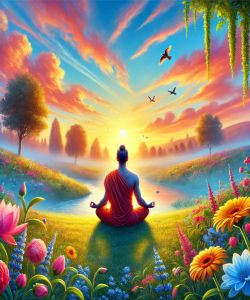
1. Overview of Relaxation Meditation
Relaxation meditation constitutes a systematic and disciplined methodology engineered for the targeted reduction of acute and chronic stress responses and the cultivation of profound psychophysiological equilibrium. It is not a passive state of lethargy but an active, structured process of intentional disengagement from external stimuli and internal cognitive agitation. The core objective is to guide the practitioner’s awareness away from the relentless cycle of analytical thought, anxiety, and rumination, and towards a state of deep, restorative calm. This is achieved by systematically regulating the autonomic nervous system, primarily by down-regulating the sympathetic ‘fight-or-flight’ response and activating the parasympathetic ‘rest-and-digest’ system. Through dedicated practices that focus on breath control, progressive muscle relaxation, and focused mental imagery, the individual learns to command their own internal state, rather than being subject to its whims. This discipline transcends mere stress relief; it is a formidable tool for enhancing cognitive clarity, emotional regulation, and overall resilience. It operates on the fundamental principle that the mind and body are an integrated system, where a deliberately calmed mind can directly induce a state of physical relaxation, and conversely, a relaxed body can facilitate mental tranquillity. The practice demands consistency and commitment, rewarding the practitioner not with fleeting moments of peace, but with a foundational and enduring capacity for internal self-regulation. It is a rigorous mental training regimen, designed to build a robust internal architecture capable of withstanding the considerable pressures of modern existence. The ultimate aim is to forge a state of being where calmness is not an occasional luxury but a readily accessible and default internal state, available on command. This mastery over one’s own physiological and psychological reactions is the hallmark of a successful and dedicated practice.
2. What are Relaxation Meditation?
Relaxation meditation encompasses a specific category of contemplative practices explicitly designed to induce a state of deep rest and tranquillity. Unlike other meditative forms that may focus on insight, spiritual awakening, or the detached observation of all mental phenomena, the primary and unwavering objective here is the intentional and systematic calming of the mind and body. The practice is fundamentally a psychophysiological intervention. It operates by interrupting the feedback loop of stress, wherein anxious thoughts trigger physical tension, which in turn fuels further mental distress. By focusing on tangible anchors such as the breath or physical sensations, relaxation meditation provides a non-negotiable directive to the wandering mind, compelling it to disengage from its habitual patterns of worry and over-analysis.
This discipline can be understood through several key characteristics:
- Purpose-Driven: Its function is unequivocally therapeutic and restorative. The goal is to achieve a measurable reduction in physiological markers of stress, such as heart rate, blood pressure, and cortisol levels, whilst concurrently fostering a subjective feeling of profound peace. It is a direct and pragmatic approach to mental and physical self-regulation.
- Active Engagement: It is a misconception that this practice is passive. It requires deliberate focus, sustained attention, and a conscious, methodical release of physical and mental tension. The practitioner is not merely ‘zoning out’; they are actively orchestrating a complex internal process of unwinding.
- Somatic Focus: A significant emphasis is placed on the body. Techniques frequently involve directing awareness to different parts of the body to release held tension or using the rhythm of the breath as a primary tool to soothe the nervous system. This somatic grounding is crucial for anchoring the mind in the present moment and preventing it from drifting into abstract anxieties.
- Accessibility: Whilst mastery requires discipline, the foundational techniques are designed to be accessible to all individuals, irrespective of their physical condition or prior experience with meditation. The practice is not predicated on achieving esoteric states but on executing a clear set of instructions to achieve a predictable and calming outcome.
3. Who Needs Relaxation Meditation?
- High-Performance Professionals: Executives, entrepreneurs, surgeons, and legal professionals operating under relentless pressure and cognitive load. The practice provides an essential mechanism for mitigating decision fatigue, preventing burnout, and restoring the mental acuity required for sustained peak performance. It is a strategic tool for career longevity.
- Individuals Experiencing Chronic Stress or Anxiety: Those for whom a state of heightened alert has become the physiological and psychological norm. Relaxation meditation offers a direct, non-pharmacological method for retraining the nervous system, systematically reducing the baseline level of anxiety and breaking the debilitating cycle of worry.
- Students and Academics: Individuals subjected to intense periods of study, examination pressures, and the constant demand for information retention. The practice enhances concentration, improves memory consolidation by reducing cognitive interference, and provides a vital counterbalance to the sedentary, high-stress nature of academic life.
- Athletes and Physical Performers: Both professional and amateur athletes who must manage performance anxiety and optimise physical recovery. This meditation aids in accelerating muscle repair by improving circulation and reducing stress hormones, whilst mentally fortifying the individual against the pressures of competition.
- Individuals with Sleep Disturbances: Persons suffering from insomnia or poor-quality sleep, often driven by a hyper-aroused nervous system and an overactive mind. The techniques directly address these root causes, promoting the requisite state of calm for initiating and maintaining deep, restorative sleep.
- Caregivers and Healthcare Workers: Professionals and family members who consistently prioritise the needs of others, often at great personal cost. The practice is a non-negotiable act of self-preservation, providing a structured opportunity to discharge accumulated stress and replenish the emotional and physical reserves necessary to continue their vital work.
- Anyone Seeking Proactive Mental Health Maintenance: Proactive individuals who recognise that mental and emotional hygiene is as critical as physical hygiene. It is a preventative discipline for building resilience, enhancing emotional regulation, and maintaining a stable internal foundation in the face of life’s inevitable challenges.
4. Origins and Evolution of Relaxation Meditation
The conceptual roots of relaxation meditation, whilst now framed in secular, scientific terms, are deeply embedded in ancient contemplative traditions. For millennia, Eastern philosophies, particularly those originating from the Indian subcontinent such as Yoga and various schools of Buddhism, have incorporated practices designed to pacify the mind and body. Techniques like pranayama (breath control) and dhyana (meditation) were integral components of a broader spiritual quest, with the resulting relaxation being a beneficial, if secondary, outcome of the pursuit of enlightenment or self-realisation. These ancient systems possessed a sophisticated, albeit pre-scientific, understanding of the mind-body connection, recognising that a controlled breath and focused mind could profoundly influence one’s physiological and emotional state.
The transition of these practices into the Western world marked a significant evolutionary shift, stripping them of their spiritual and cultural metaphysics and re-purposing them for clinical and secular application. This process began in earnest in the early twentieth century, as Western physicians and psychologists grew interested in autogenic training and progressive muscle relaxation. Dr Edmund Jacobson’s work in the 1920s on progressive muscle relaxation was a landmark development, providing a purely physiological, systematic method for inducing deep relaxation without reference to any spiritual doctrine. He rigorously demonstrated that by consciously tensing and then releasing muscle groups, an individual could achieve a state of profound physical rest, which in turn calmed the mind.
The latter half of the twentieth century saw the synthesis of these Western physiological approaches with the Eastern contemplative techniques. This was catalysed by the work of figures like Dr Herbert Benson, whose research at Harvard University identified the ‘relaxation response’. Benson demystified meditation, defining it as a universal human capacity to elicit a specific set of physiological changes that are the direct opposite of the stress response. His work provided a robust scientific framework that legitimised these practices within mainstream medicine and psychology. The subsequent development of Mindfulness-Based Stress Reduction (MBSR) by Jon Kabat-Zinn further solidified this evolution, integrating mindfulness meditation with a structured, secular programme aimed at stress and pain management. Today, relaxation meditation has fully evolved into a standalone, evidence-based discipline, valued for its demonstrable utility in healthcare, corporate wellness, and personal development.
5. Types of Relaxation Meditation
- Progressive Muscle Relaxation (PMR): This is a highly structured, somatic technique. It involves the systematic tensing of specific muscle groups for a short period, followed by a longer period of intentional and complete release. The practitioner moves through the body in a set sequence, for instance, from the feet upwards to the face. The core principle is that by experiencing the stark contrast between tension and relaxation, the individual learns to recognise and discharge residual physical stress more effectively, leading to profound physical and mental calm.
- Autogenic Training: A method rooted in self-hypnosis, developed by the German psychiatrist Johannes Heinrich Schultz. It uses a series of directed mental statements about bodily sensations to elicit the relaxation response. Practitioners repeat phrases such as “My right arm is heavy” or “My heartbeat is calm and regular.” This process leverages the power of suggestion to influence autonomic bodily functions that are typically outside of conscious control, thereby inducing a state of deep, passive relaxation from within.
- Body Scan Meditation: This practice involves methodically sweeping one's attention through the entire body, from the toes to the head, without judgment or the need to change anything. The objective is to bring a focused, non-evaluative awareness to each part of the body, observing any sensations such as warmth, tingling, pressure, or contact. It cultivates a heightened sense of bodily awareness and helps to release unconscious tension by simply acknowledging its presence.
- Breath Awareness Meditation: Perhaps the most fundamental form, this technique uses the natural rhythm of inhalation and exhalation as the exclusive object of focus. The practitioner observes the sensation of the breath as it enters and leaves the body. Whenever the mind wanders, it is firmly but gently redirected back to the breath. This simple yet powerful practice anchors the mind in the present moment and has a direct, calming effect on the nervous system.
- Guided Imagery and Visualisation: In this form, a facilitator or a recording guides the practitioner to conjure detailed, peaceful, and restorative mental images. This might involve visualising a serene natural landscape, a safe and comfortable place, or a light moving through the body, dissolving tension. This technique engages the imagination as a powerful tool to shift focus away from stressors and evoke the emotional and physiological states associated with the imagined scene.
6. Benefits of Relaxation Meditation
- Systematic Reduction of Physiological Stress: Directly counteracts the ‘fight-or-flight’ response. It methodically decreases heart rate, lowers blood pressure, and reduces the production of stress hormones such as cortisol and adrenaline, fostering a state of deep physiological equilibrium.
- Enhanced Emotional Regulation: Cultivates a greater capacity to observe emotions without being immediately overwhelmed by them. This creates a crucial psychological space between stimulus and response, allowing for more measured and deliberate emotional reactions rather than impulsive ones.
- Improved Cognitive Function: By quieting mental 'noise' and reducing anxiety-driven distractions, the practice sharpens focus, enhances concentration, and improves working memory. It allows for greater mental clarity and more efficient cognitive processing.
- Increased Resilience to External Pressures: Regular practice builds a robust internal foundation of calm. This makes the individual less susceptible to being destabilised by external stressors, fostering a durable sense of inner stability and control in challenging environments.
- Alleviation of Chronic Pain: Modifies the perception of pain by reducing the anxiety and muscle tension that often accompany and exacerbate chronic pain conditions. It can decrease the subjective intensity of pain and improve the individual’s ability to cope with it.
- Superior Sleep Quality: Effectively addresses the root causes of many sleep disturbances, such as a racing mind and a hyper-aroused nervous system. It facilitates the transition into sleep and promotes deeper, more restorative sleep cycles.
- Strengthened Immune Function: By mitigating the immunosuppressive effects of chronic stress, regular relaxation can contribute to a more robust and effective immune system response, enhancing the body’s natural defence mechanisms.
- Heightened Self-Awareness: Fosters a more profound connection to and understanding of one’s own internal states, both mental and physical. This leads to a greater ability to recognise early signs of stress or emotional imbalance and to take proactive corrective action.
7. Core Principles and Practices of Relaxation Meditation
- Intentionality: The practice is not accidental; it is a deliberate and conscious act. The practitioner must begin with the clear intention to disengage from distractions and to actively cultivate a state of relaxation. This initial commitment is the foundational prerequisite for success.
- Non-Judgmental Awareness: A core tenet is to observe thoughts, feelings, and bodily sensations as they arise without attaching labels of ‘good’ or ‘bad’ to them. When the mind wanders, as it inevitably will, the practice is to notice this without self-criticism and gently but firmly guide the attention back to the object of focus.
- The Anchor: A stable point of focus is essential to prevent the mind from drifting into habitual patterns of thought. This anchor is most commonly the physical sensation of the breath, but can also be a mantra, a visual image, or the sensations within the body. The anchor provides a constant, reliable reference point in the present moment.
- Systematic Release: The process of relaxation is methodical. Practices like Progressive Muscle Relaxation or the Body Scan follow a structured sequence, ensuring that no part of the body is overlooked. This systematic approach guarantees a comprehensive release of physical tension, which in turn facilitates mental calm.
- Physiological Regulation: The practice explicitly targets the autonomic nervous system. Techniques such as diaphragmatic breathing (deep belly breathing) are employed to directly stimulate the vagus nerve, which activates the parasympathetic nervous system and initiates the body’s innate relaxation response.
- Patience and Consistency: Mastery is not achieved in a single session. The benefits are cumulative and are cultivated through regular, consistent practice. The principle is to approach each session with patience, accepting that some sessions will feel more ‘successful’ than others, but that the act of practicing itself is what builds the skill over time.
- The Present Moment: The unwavering focus is on the ‘here and now’. By concentrating on immediate sensory experience—the feeling of the breath, the contact of the body with a surface—the practitioner is compelled to disengage from ruminations about the past and anxieties about the future, which are the primary fuels for stress.
8. Online Relaxation Meditation
- Unparalleled Accessibility and Convenience: The primary advantage of the online format is its removal of geographical and logistical barriers. Practitioners can engage in high-quality, guided sessions from any location with an internet connection, eliminating the time and expense associated with travel to a physical centre. This allows for seamless integration of the practice into demanding daily schedules.
- Structured, Expert-Led Guidance: Reputable online platforms provide access to highly qualified instructors who deliver structured, progressive curricula. This ensures that even complete novices are guided through foundational techniques with precision and clarity, mitigating the risk of improper practice and establishing a solid technical foundation from the outset.
- Anonymity and Psychological Safety: For individuals who may feel self-conscious or uncomfortable practicing in a group setting, the online environment offers a private and psychologically safe space. This anonymity can facilitate deeper engagement and a more uninhibited exploration of the practice, free from the perceived judgment of others.
- Diverse Range of Modalities: Digital platforms typically offer a broad spectrum of relaxation meditation types, from Progressive Muscle Relaxation and Body Scans to Guided Imagery and Breath Awareness. This allows the practitioner to experiment with different techniques and identify the modality that is most effective for their specific needs and temperament.
- On-Demand Availability: Unlike fixed-schedule offline classes, online resources are available on demand, twenty-four hours a day. This empowers the practitioner to engage with the practice precisely when it is needed most—be it to de-stress after a challenging meeting, to prepare for sleep, or to start the day with a foundation of calm.
- Cost-Effectiveness: Online meditation programmes are often significantly more cost-effective than their in-person counterparts. They eliminate costs related to facility overheads, travel, and materials, making sustained, long-term practice financially viable for a much broader audience.
- Reinforcement Through Repetition: The ability to revisit and repeat specific sessions as needed is a powerful benefit. If a practitioner finds a particular guided meditation especially effective, they can access it repeatedly to deepen their mastery and reinforce its calming effects, a feature not readily available in live, one-off classes.
9. Relaxation Meditation Techniques
- Preparation and Posture: Select a quiet environment where you will not be disturbed. Assume a dignified yet comfortable posture. This may be seated upright in a chair with feet flat on the floor and spine erect, or lying down on a firm surface. The posture must support alertness and prevent sleep. Close your eyes gently to minimise external visual stimulation.
- Initiating Diaphragmatic Breathing: Place one hand on your chest and the other on your abdomen. Begin to breathe slowly and deeply through your nose. Your primary objective is to direct the breath into your abdomen, so that the hand on your stomach rises with the inhalation and falls with the exhalation, whilst the hand on your chest remains relatively still. This action directly engages the parasympathetic nervous system.
- Establishing a Rhythm: Do not force the breath. Allow it to find a natural, slow, and effortless rhythm. You may introduce a silent count to regulate the pace, for example, inhaling for a count of four and exhaling for a count of six. The slightly longer exhalation further enhances the relaxation response. Maintain this rhythmic breathing for several minutes to establish a baseline of calm.
- Conducting the Body Scan: Begin to direct your focused attention to the toes of your left foot. Without judgment, simply observe any sensations present: warmth, coolness, tingling, or contact. On an exhalation, imagine any tension in that area dissolving. Methodically move your awareness up your left leg—to the ankle, shin, calf, knee, and thigh—repeating this process of focused observation and intentional release.
- Systematic Progression: Continue this systematic scan through the right leg, then the pelvis, abdomen, and lower back. Proceed to the chest, upper back, and shoulders, an area of common tension. Move your awareness down both arms to the fingertips. Finally, scan the neck, jaw, face, and scalp, consciously softening each area as your attention rests upon it.
- Dwelling in Full-Body Awareness: Once the scan is complete, expand your awareness to encompass the entire body as a single field of sensation. Rest in this state of holistic, relaxed awareness for several minutes, continuing the deep, rhythmic breathing. Acknowledge the profound state of stillness you have cultivated.
- Concluding the Practice: Gently begin to bring your awareness back to your surroundings. Wiggle your fingers and toes to reintroduce movement. When you feel ready, slowly and gently open your eyes. Remain seated for a moment before resuming your activities, carrying the cultivated calm with you.
10. Relaxation Meditation for Adults
Relaxation meditation for the adult population serves as a critical and potent antidote to the complex, high-stakes pressures that define modern adult life. It is not an esoteric pursuit but a pragmatic skillset for managing the tripartite burdens of professional responsibility, personal commitments, and the relentless cognitive load of a hyper-connected world. For adults, the practice functions as a strategic intervention, providing a structured mechanism to deliberately disengage the sympathetic nervous system, which is often chronically activated by deadlines, financial concerns, and interpersonal challenges. It offers a sanctuary of internal control in a world of external demands. The discipline equips adults with the capacity to regulate their own emotional and physiological states, moving from a position of reactive stress to one of proactive calm. This self-regulation is paramount, enhancing decision-making capabilities, improving interpersonal communication by reducing irritability, and fortifying the mental resilience required to navigate setbacks and adversity. Furthermore, it directly addresses lifestyle-induced ailments such as tension headaches, digestive issues, and insomnia, which are frequently downstream consequences of unabated stress. The practice is an investment in personal capital, preserving cognitive function and preventing the long-term attrition of mental and physical health. It is a mature, responsible approach to self-stewardship, acknowledging that one's internal state is not merely a matter of mood, but a fundamental determinant of overall effectiveness, health, and quality of life. The commitment to such a practice is a declaration of personal sovereignty over one’s own well-being.
11. Total Duration of Online Relaxation Meditation
The standard benchmark for a single, comprehensive online relaxation meditation session is established at 1 hr. This duration is not arbitrary; it is purposefully structured to facilitate a profound and systematic descent into a state of deep psychophysiological rest. Within this 1 hr timeframe, a practitioner is guided through a complete therapeutic arc. The initial phase is dedicated to settling in, transitioning from the external environment, and establishing a foundation of mindful breathing. This is followed by the core practice, which may consist of a thorough progressive muscle relaxation sequence, a detailed body scan, or an immersive guided visualisation. These central techniques require sufficient time to be executed without haste, ensuring that each muscle group or body part receives focused attention, thereby maximising the release of accumulated tension. The latter portion of the 1 hr session is reserved for a period of quiet integration, allowing the body and mind to absorb the benefits of the practice before a guided, gradual return to full waking consciousness. This measured conclusion is critical to prevent a jarring transition back to an active state, enabling the practitioner to carry the cultivated calmness forward into their subsequent activities. Shorter sessions certainly have their utility for maintenance, but the 1 hr duration represents the gold standard for a deep, restorative, and transformative experience, providing the necessary temporal space for the nervous system to fully shift from a state of stress to one of profound and lasting repose.
12. Things to Consider with Relaxation Meditation
Before embarking upon a regimen of relaxation meditation, it is imperative to approach the discipline with a pragmatic and informed perspective. This is not a panacea, but a skill that demands consistency, patience, and a realistic understanding of its process and outcomes. The practitioner must recognise that progress is non-linear; there will be sessions of profound calm and others marked by distraction and restlessness. The objective is not to forcefully eliminate all thoughts but to change one's relationship to them, learning to observe them without engagement. It is crucial to manage expectations and understand that the most significant benefits are cumulative, materialising over weeks and months of dedicated practice, rather than instantaneously. Furthermore, one must consider the environment. A quiet, private space where interruptions are minimised is not a luxury but a necessity for effective practice, particularly in the initial stages. One should also be aware that for some individuals, particularly those with a history of significant trauma, turning inward can initially heighten feelings of anxiety or distress. In such cases, undertaking the practice under the guidance of a qualified, trauma-informed instructor is non-negotiable. Finally, the practitioner must assume full responsibility for their practice. It requires carving out non-negotiable time in one's schedule, treating it with the same seriousness as any other critical commitment to health and well-being. A passive or sporadic approach will yield negligible results; only a disciplined and committed engagement will unlock the formidable potential of this practice.
13. Effectiveness of Relaxation Meditation
The effectiveness of relaxation meditation as a potent intervention for stress reduction and mental fortification is unequivocally established through a substantial body of empirical evidence. Its efficacy is not a matter of subjective belief but of measurable, physiological and psychological change. The practice operates with clinical precision, directly targeting the autonomic nervous system to systematically dismantle the 'fight-or-flight' response. Rigorous studies have demonstrated its capacity to lower blood pressure, reduce resting heart rate, decrease levels of the stress hormone cortisol, and even induce beneficial changes in brain activity, particularly by increasing alpha wave patterns associated with calm alertness. Psychologically, its effectiveness lies in its ability to disrupt the vicious cycle of ruminative thought and anxiety. By training the executive functions of the brain, such as attention and emotional regulation, it empowers the individual to gain command over their internal landscape. This results in a marked reduction in perceived stress, a decrease in symptoms of anxiety and depression, and an enhanced sense of overall well-being. The practice is effective because it is a form of active mental training, not a passive escape. It builds psychological 'muscle', fostering a durable resilience that makes individuals less reactive to external pressures. Its effects are dose-dependent; consistent, regular practice yields profound and lasting results, transforming a state of calm from a fleeting experience into an enduring personal trait. The verdict is clear: when practiced with discipline and consistency, relaxation meditation is a formidable and highly effective tool for mastering the mind and body.
14. Preferred Cautions During Relaxation Meditation
Whilst relaxation meditation is a predominantly safe and highly beneficial practice, a tough-minded and responsible approach necessitates the observance of specific cautions. It is a powerful psychological tool and must be treated with due respect. Individuals with a history of severe mental health conditions, such as major depressive disorder, psychosis, or complex post-traumatic stress disorder (C-PTSD), must not undertake this practice without the explicit approval and concurrent guidance of a qualified mental health professional. For this cohort, turning inward without appropriate support can risk exacerbating symptoms or triggering distressing psychological material. Furthermore, the practitioner must remain vigilant against using meditation as a form of experiential avoidance—that is, as a tool to numb or bypass difficult emotions or life situations that require direct, practical action. The goal is to build resilience to face challenges, not to perpetually retreat from them. A robust practice cultivates clarity, and that clarity should be used to engage with life more effectively. One must also be cautious of the 'spiritual bypass', where the language of peace and acceptance is used to rationalise inaction or avoid personal responsibility. Finally, it is imperative to select instructors and platforms with rigour. The burgeoning wellness industry contains many unqualified guides. Ensure any facilitator has credible, formal training and a deep understanding of the psychological principles at play. An undisciplined or poorly guided practice is, at best, ineffective and, at worst, potentially destabilising. Prudence is not a sign of weakness but of professional seriousness.
15. Relaxation Meditation Course Outline
Module 1: Foundational Principles and Posture
Introduction to the rationale and objectives of relaxation meditation.
Establishing the core principles: intention, non-judgment, and the present moment.
Instruction on correct posture (seated and supine) to support alertness and comfort.
Initial guided practice in establishing a quiet, dedicated practice space.
Module 2: The Science and Art of Breath
Exploration of the psychophysiology of the relaxation response.
Mastering diaphragmatic (belly) breathing as the primary tool for nervous system regulation.
Techniques for rhythmic breathing and extending the exhalation to deepen calm.
Guided practice: Breath Awareness Meditation.
Module 3: Body-Centric Relaxation I - Progressive Muscle Relaxation (PMR)
Detailed instruction in the theory and execution of PMR.
Systematic practice of tensing and releasing major muscle groups.
Developing the skill of identifying and discharging residual physical tension.
Full-length guided PMR session.
Module 4: Body-Centric Relaxation II - The Body Scan
Introduction to the principles of somatic awareness without judgment.
Step-by-step guidance on conducting a full-body scan.
Cultivating mindful attention to subtle bodily sensations.
Full-length guided Body Scan Meditation.
Module 5: Mind-Centric Relaxation - Guided Imagery
Understanding the power of visualisation to evoke physiological calm.
Techniques for creating and sustaining a vivid, restorative mental sanctuary.
Practice in using imagery to dissolve mental and emotional tension.
Guided Visualisation for Deep Relaxation.
Module 6: Managing Distractions and Deepening the Practice
Strategies for working with a wandering mind and difficult emotions.
Techniques for deepening concentration and sustaining focus.
Introduction to using a mantra as a focal point.
Extended silent or minimally guided practice session.
Module 7: Integration into Daily Life
Methods for applying learned skills in real-world, high-stress situations.
Developing a sustainable, long-term personal practice plan.
Guidance on using 'micro-relaxations' throughout the day.
Concluding review and forward-looking strategy.
16. Detailed Objectives with Timeline of Relaxation Meditation
Weeks 1-2: Foundational Establishment
Objective: To establish a consistent daily practice schedule and master the core mechanics of posture and diaphragmatic breathing. By the end of this period, the practitioner will be able to initiate the relaxation response on command through controlled breathing, independent of guided instruction.
Weeks 3-4: Somatic Awareness and Release
Objective: To achieve proficiency in both Progressive Muscle Relaxation (PMR) and Body Scan techniques. The practitioner will develop a heightened sensitivity to physical tension within the body and will be able to systematically release it, leading to a noticeable decrease in baseline physical stress.
Weeks 5-6: Cognitive Anchoring and Focus
Objective: To significantly enhance the ability to sustain attention on a chosen anchor (breath, body sensation). The practitioner will be able to recognise the onset of mental wandering more quickly and redirect focus back to the present moment with greater efficiency, reducing periods of rumination.
Weeks 7-8: Emotional Regulation and Equanimity
Objective: To cultivate the capacity to observe arising emotions without immediate reactive engagement. The practitioner will begin to experience a greater sense of emotional stability and a reduction in emotional reactivity to daily stressors, creating a distinct space between emotional impulse and behavioural response.
Weeks 9-10: Deepening and Integration
Objective: To increase the duration of unguided or minimally guided practice, thereby deepening self-reliance. The practitioner will begin to integrate the state of relaxed awareness into activities outside of formal meditation, applying the principles of mindfulness in challenging situations.
Weeks 11-12: Autonomous Practice and Lifestyle Consolidation
Objective: To have fully consolidated the practice as a non-negotiable component of one’s personal wellness regimen. The practitioner will possess the skills and confidence to guide themselves through various relaxation techniques, adapting them to specific needs and situations, thereby achieving a sustainable, long-term capacity for self-regulation.
17. Requirements for Taking Online Relaxation Meditation
- A Stable Internet Connection: This is non-negotiable. A reliable, high-speed connection is paramount to ensure uninterrupted streaming of guided sessions. Buffering or disconnection critically disrupts the meditative state and undermines the entire practice.
- A Suitable Electronic Device: A computer, tablet, or smartphone with adequate audio capabilities. The screen must be large enough to be viewed without strain if visual instruction is provided, and the speakers or connected headphones must deliver clear, high-quality audio.
- Dedicated, Uninterrupted Space: A specific physical location where the practitioner can be assured of privacy and quiet for the full duration of the session. This space must be free from potential interruptions from colleagues, family members, or pets. This is a critical requirement for deep engagement.
- Appropriate Seating or Surface: A supportive, upright chair that allows the feet to be flat on the floor, or a firm, comfortable mat or rug for supine (lying down) practices. The surface must support a posture that is both relaxed and alert.
- Commitment to a Fixed Schedule: The discipline to designate a specific, recurring time for practice. Online flexibility is an advantage, but it demands self-governance. The practitioner must treat their online session with the same punctuality and commitment as a physical appointment.
- High-Quality Headphones: Whilst not strictly mandatory, noise-cancelling or high-fidelity headphones are strongly recommended. They are instrumental in blocking out ambient environmental noise and creating an immersive auditory environment, which significantly enhances focus and the effectiveness of guided audio.
- An Attitude of Rigorous Self-Discipline: The online format requires a higher degree of personal accountability than in-person classes. The practitioner must possess the mental fortitude to minimise digital distractions—disabling notifications, closing other applications, and dedicating their full attention to the session.
18. Things to Keep in Mind Before Starting Online Relaxation Meditation
Before commencing an online relaxation meditation programme, a prospective practitioner must engage in a rigorous self-assessment and logistical preparation. The perceived convenience of the digital format must not be mistaken for a lack of requisite discipline. One must first commit to creating a sanctuary within their own environment. This involves identifying a physical space that is not merely quiet but inviolable for the duration of the practice; this commitment is absolute. Secondly, it is imperative to vet the chosen online platform or instructor with exacting standards. Investigate their credentials, teaching philosophy, and the structure of their curriculum. Do not gravitate towards superficially appealing platforms that lack substantive, expert-led content. A poorly designed programme is a waste of the most valuable resource: your time. Furthermore, you must possess the self-discipline to disengage completely from the digital world beyond the session itself. This means silencing all notifications, closing extraneous browser tabs, and resisting the urge to multitask. The online environment is rife with distractions, and the onus is on you to erect a digital fortress around your practice. Finally, be prepared to take full ownership of your progress. There is no instructor physically present to correct your posture or hold you accountable. You must be your own drill sergeant, ensuring consistency, maintaining focus, and honestly evaluating your engagement. Success in this domain is forged through autonomy and unwavering personal commitment.
19. Qualifications Required to Perform Relaxation Meditation
The act of personally practicing relaxation meditation requires no formal qualifications; it is a skill accessible to any individual with the discipline to learn and apply the techniques. However, the qualifications required to teach or guide others in this practice are stringent and non-negotiable. A credible facilitator is not merely someone who has a personal practice but a professional who has undergone rigorous, formal training. The baseline requirements include:
- Certified Training from a Reputable Institution: The instructor must hold a certification from an established and recognised meditation or mindfulness training organisation. This training should be comprehensive, covering not only the techniques themselves but also the underlying physiology and psychology of stress and relaxation, pedagogical skills, and ethical considerations. Examples include certifications in Mindfulness-Based Stress Reduction (MBSR) or similar evidence-based modalities.
- A Deep and Sustained Personal Practice: A qualified instructor must have a long-standing, dedicated personal meditation practice. This is the bedrock of authentic teaching. It provides them with the experiential understanding necessary to guide others through the nuances, challenges, and subtleties of the practice, which cannot be learned from textbooks alone.
- Knowledge of Contraindications and Safety: A professional guide must possess a thorough understanding of the psychological risks involved, particularly for individuals with histories of trauma or severe mental illness. They must be qualified to screen participants, recognise signs of distress, and know when to refer an individual to a clinical professional. This knowledge of scope of practice is a critical safety requirement.
- Relevant Academic or Professional Background: Whilst not always mandatory, a background in a related field such as psychology, counselling, social work, or healthcare significantly enhances a facilitator's credibility and competence. It provides a robust framework for understanding the individuals they are guiding.
An unqualified guide is a liability. A practitioner seeking instruction must demand evidence of these qualifications to ensure they are receiving safe, effective, and professional guidance.
20. Online Vs Offline/Onsite Relaxation Meditation
Online
The online modality for relaxation meditation is defined by its supreme flexibility and accessibility. It eradicates geographical constraints, granting practitioners access to a global pool of expert instructors and a vast array of specialised programmes from their own chosen location. This format is exceptionally efficient, eliminating travel time and associated costs, which allows for a more seamless integration of the practice into a demanding professional or personal schedule. The inherent privacy of practicing alone can be a significant advantage, fostering a sense of psychological safety that may encourage deeper and more uninhibited engagement, free from the social pressures of a group environment. Furthermore, digital platforms provide the benefit of on-demand access and repetition, allowing a practitioner to revisit specific sessions to reinforce learning or to engage in practice at unconventional hours. However, this modality places a heavy burden of self-discipline on the individual. It requires the practitioner to single-handedly create a conducive environment, resist digital distractions, and maintain motivation without the direct energy and accountability of a physical group.
Offline/Onsite
The offline, or onsite, format provides a powerful, immersive experience that is difficult to replicate digitally. Practicing within a dedicated space, specifically designed for contemplation, and under the direct, in-person guidance of an instructor offers a unique dynamic. The facilitator can provide immediate, personalised feedback on posture and technique, and the collective energy of a group practicing in unison can create a potent atmosphere of shared intention and focus, which many find deeply supportive and motivating. This format enforces a commitment; the act of travelling to a physical location creates a clear and deliberate transition from daily life into a state of practice. The absence of digital devices and home-life distractions is a built-in advantage, ensuring complete immersion. The primary disadvantages are logistical. Onsite classes are bound by a fixed schedule and location, demanding greater time commitment and potentially incurring higher costs. They offer less flexibility and may not be a viable option for those with unpredictable schedules or limited mobility.
21. FAQs About Online Relaxation Meditation
Question 1. Is online relaxation meditation as effective as in-person classes? Answer: Yes, provided the practitioner possesses the self-discipline to create a dedicated practice space and minimise distractions. The core techniques are identical, and effectiveness is determined by consistency and quality of engagement, not location.
Question 2. Do I need any special equipment? Answer: No. A stable internet connection, a device for streaming, and a quiet place to sit or lie down are all that is fundamentally required. Headphones are highly recommended.
Question 3. Is it suitable for absolute beginners? Answer: Absolutely. Reputable online programmes are structured specifically to guide novices through foundational principles and techniques in a clear, step-by-step manner.
Question 4. How do I choose a credible online programme? Answer: Vet the instructors. Look for formal certifications (e.g., MBSR), extensive teaching experience, and a professional, evidence-based approach. Avoid platforms that make unsubstantiated claims.
Question 5. Can I practice if I am not flexible? Answer: Yes. Relaxation meditation is not yoga. It requires no physical flexibility, only a posture—seated in a chair or lying down—that is comfortable and supports alertness.
Question 6. What if I fall asleep during a session? Answer: It indicates you are deeply relaxed, but the goal is calm alertness, not sleep. If it happens consistently, ensure your posture is more upright and engaged.
Question 7. How long until I see results? Answer: Some calming effects can be immediate. However, significant, lasting changes in stress levels and emotional regulation are cumulative and typically become evident after several weeks of consistent, daily practice.
Question 8. Is it a religious practice? Answer: No. The online programmes discussed here are entirely secular and evidence-based, focusing on the psychological and physiological benefits without any religious or spiritual doctrine.
Question 9. What if my mind is too busy to meditate? Answer: That is precisely the condition the practice is designed to address. The goal is not to stop thoughts but to learn to not be controlled by them. A busy mind is the primary qualification for starting.
Question 10. Can this replace therapy? Answer: No. It is a powerful tool for stress management but it is not a substitute for professional mental healthcare for clinical conditions. It can, however, be an excellent complement to therapy.
Question 11. Do I need to have my camera on? Answer: This depends on the specific programme. Many platforms do not require it, prioritising practitioner privacy. Check the requirements before enrolling.
Question 12. How much time should I dedicate daily? Answer: Consistency is more important than duration. Starting with a manageable period and maintaining it daily is more effective than sporadic long sessions.
Question 13. Can I do this at my desk at work? Answer: Yes. Short, guided ‘micro-relaxations’ can be highly effective and can be discreetly practiced at a desk to manage acute stress during the workday.
Question 14. What is the difference between this and a meditation app? Answer: Online courses often provide a structured curriculum, live interaction, and a progressive learning path, which is a more comprehensive educational experience than a simple library of standalone recordings.
Question 15. Is there a community aspect to online meditation? Answer: Many platforms foster community through forums or optional group discussions, allowing practitioners to share experiences and feel a sense of connection.
Question 16. What if I miss a live session? Answer: Most online courses record their live sessions, allowing you to access the material at a later, more convenient time.
22. Conclusion About Relaxation Meditation
In conclusion, relaxation meditation stands as a formidable and empirically validated discipline for the intentional cultivation of mental and physiological control. It is a rigorous training of the mind, not a passive retreat from reality, designed to forge a resilient internal architecture capable of withstanding the relentless pressures of contemporary existence. The practice systematically dismantles the corrosive feedback loop of stress, replacing it with a learned, default state of calm, clarity, and composure. Its principles are direct, its techniques are methodical, and its benefits—spanning improved cognitive function, emotional regulation, and physical health—are profound and cumulative. Whether pursued through the focused, immersive environment of an onsite class or the flexible, accessible modality of an online platform, the core imperative remains the same: unwavering consistency and disciplined engagement. This is not a remedy to be applied sporadically but a fundamental skill to be integrated into the very fabric of one’s life. The mastery of relaxation meditation is the mastery of self; it is the ultimate assertion of sovereignty over one’s own internal state, transforming a reactive existence into one of proactive, intentional command. It is an essential component of any serious strategy for long-term well-being and peak performance. The capacity for profound, self-induced relaxation is not a luxury; it is a necessity for navigating the modern world with power and grace.