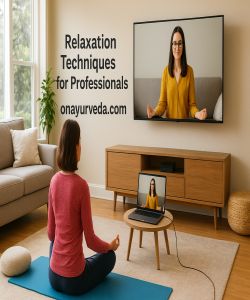
1. Overview of Relaxation Techniques for Professionals
Relaxation techniques for professionals constitute a critical framework designed to counteract the pervasive stressors inherent in high-stakes occupational environments, ensuring sustained mental and physical resilience. These methodologies, rooted in evidence-based psychological and physiological principles, demand rigorous application to mitigate the adverse effects of chronic stress, such as diminished cognitive acuity and elevated health risks. Professionals, facing unyielding demands in sectors like finance, healthcare, and corporate management, must adopt these techniques to preserve operational efficiency and personal well-being. By fostering a disciplined approach to stress reduction, individuals can enhance focus, decision-making capabilities, and emotional stability, thereby transforming potential vulnerabilities into sources of strength. The integration of such practices is not optional but essential, compelling professionals to prioritise self-regulation as a non-negotiable component of career longevity. This authoritative stance underscores the necessity for structured implementation, where techniques are tailored to individual needs, promoting a culture of proactive health management. Ultimately, relaxation techniques empower professionals to navigate complex challenges with composure, ensuring that performance remains uncompromised amidst adversity. The command to engage with these methods stems from their proven efficacy in bolstering adaptive responses, rendering them indispensable in the arsenal against burnout and inefficiency.
2. What are Relaxation Techniques for Professionals?
Relaxation techniques for professionals encompass a suite of structured methodologies aimed at alleviating stress and enhancing mental clarity within demanding work contexts. These approaches draw upon cognitive, behavioural, and somatic strategies to interrupt the cycle of tension accumulation, thereby facilitating recovery and sustained performance. For instance, techniques such as deep breathing exercises and progressive muscle relaxation serve to activate the parasympathetic nervous system, promoting physiological calm and reducing the hyperactivity associated with professional pressures. In essence, these methods are not mere palliatives but systematic interventions that professionals must employ to recalibrate their responses to stressors. The application of such techniques requires a commitment to regular practice, ensuring that individuals can deploy them effectively in real-time scenarios, such as high-stakes meetings or deadline-driven environments. Furthermore, the adaptation of these techniques for professional use often incorporates elements of mindfulness and cognitive reframing, which enable users to dissect and manage intrusive thoughts with precision. This multifaceted nature demands that professionals view relaxation not as a passive activity but as an active skill set, integral to maintaining peak operational capacity. By integrating these techniques into daily routines, individuals assert control over their internal states, transforming potential sources of debilitation into opportunities for empowerment. Thus, relaxation techniques for professionals are defined by their targeted, evidence-informed design, compelling adherence to foster resilience and efficacy in the face of unrelenting professional demands.
3. Who Needs Relaxation Techniques for Professionals?
- Executives and senior managers, who routinely navigate high-pressure decision-making environments that exacerbate stress and impair strategic thinking, require these techniques to maintain composure and leadership effectiveness.
- Healthcare professionals, including doctors and nurses, exposed to emotionally taxing situations and long shifts, must utilise relaxation methods to prevent compassion fatigue and ensure sustained patient care quality.
- Corporate employees in fast-paced industries, such as finance and technology, facing relentless deadlines and performance metrics, need these strategies to combat burnout and preserve cognitive function.
- Entrepreneurs and business owners, who bear the weight of operational responsibilities and financial uncertainties, demand relaxation techniques to foster resilience and innovative thinking.
- Legal professionals, dealing with adversarial contexts and intricate casework, require these methods to mitigate anxiety and enhance analytical precision.
- Educators and trainers, subjected to the demands of curriculum delivery and student interactions, must employ relaxation practices to sustain motivation and instructional clarity.
- IT specialists and engineers, working under tight project constraints and technical complexities, need these techniques to reduce error rates and improve problem-solving capabilities.
- Sales and marketing personnel, engaged in competitive environments and client negotiations, require relaxation strategies to manage rejection and maintain persuasive skills.
- Human resources professionals, handling conflict resolution and employee welfare issues, must use these methods to uphold impartiality and emotional stability.
- Consultants and advisors, who operate in dynamic, client-driven settings, demand relaxation techniques to adapt swiftly and deliver high-value insights.
- Public sector workers, including civil servants and policy makers, facing bureaucratic pressures and public scrutiny, need these practices to ensure consistent performance and ethical decision-making.
- Freelancers and gig economy participants, contending with income instability and irregular hours, require relaxation methods to build endurance and work-life balance.
- Researchers and academics, immersed in rigorous intellectual pursuits and publication demands, must employ these strategies to alleviate mental fatigue and enhance creativity.
- Emergency responders, such as police and firefighters, exposed to acute stress and trauma, need relaxation techniques to process experiences and maintain operational readiness.
- Media and communications professionals, dealing with tight deadlines and public-facing roles, require these methods to manage information overload and sustain communicative efficacy.
4. Origins and Evolution of Relaxation Techniques for Professionals
The origins of relaxation techniques trace back to ancient civilisations, where practices such as meditation and controlled breathing were integral to spiritual and philosophical traditions. In ancient India, yoga and pranayama emerged as disciplined methods for achieving mental tranquillity, emphasising the interconnection between physical postures and respiratory control to foster inner peace. Similarly, in classical Greece and Rome, philosophers like Epictetus advocated stoic exercises that involved reflective contemplation to manage emotional disturbances, laying foundational principles for modern stress reduction. These early approaches were inherently holistic, addressing the mind-body nexus to enhance human resilience in the face of societal challenges.
As societies evolved, relaxation techniques adapted to the demands of industrialisation and urbanisation. The 19th century saw the rise of scientific inquiry into stress responses, with figures like William James exploring the physiological effects of emotion in his work on psychology. This period marked a shift towards empirical validation, where techniques began to incorporate elements of cognitive therapy. By the mid-20th century, the post-war era amplified focus on mental health, leading to the development of progressive muscle relaxation by Edmund Jacobson, which targeted physical tension as a gateway to mental calm. This evolution reflected a growing recognition of stress as a pervasive occupational hazard, particularly among professionals in burgeoning fields like business and medicine.
In contemporary contexts, relaxation techniques have undergone significant refinement to address the complexities of modern professional life. The integration of technology, such as biofeedback and virtual reality applications, has enabled personalised and accessible interventions, catering to the fast-paced demands of today's workforce. This progression underscores a move from generalised practices to targeted strategies, informed by advancements in neuroscience and behavioural science. Professionals now engage with evidence-based methods that are adaptable to diverse settings, ensuring efficacy in reducing stress-related impairments. The evolution thus demands a proactive stance, where individuals must continually update their approaches to align with emerging research, reinforcing the techniques' role in sustaining professional vitality.
5. Types of Relaxation Techniques for Professionals
- Progressive Muscle Relaxation: This technique involves the systematic tensing and releasing of muscle groups to alleviate physical tension and promote mental calmness, essential for professionals experiencing somatic stress manifestations.
- Deep Breathing Exercises: Focused on controlled inhalation and exhalation patterns, this method activates the parasympathetic nervous system, reducing heart rate and fostering a state of composure amid high-pressure work scenarios.
- Mindfulness Meditation: Centred on present-moment awareness without judgement, this practice trains professionals to observe thoughts and emotions objectively, enhancing focus and emotional regulation in demanding environments.
- Guided Imagery: Utilising vivid mental visualisation of serene scenarios, this technique distracts from stressors and cultivates a sense of relaxation, proving vital for strategic thinking and decision-making under duress.
- Autogenic Training: A self-suggestion-based approach where individuals repeat affirmations to induce warmth and heaviness in the body, this method builds autonomic self-regulation, crucial for maintaining performance during extended work periods.
- Biofeedback: Involving the use of electronic monitoring to gain awareness of physiological functions like heart rate, this technique empowers professionals to consciously modulate stress responses through targeted interventions.
- Tai Chi and Qigong: These movement-based practices combine slow, deliberate motions with breath control, enhancing physical balance and mental clarity, particularly beneficial for professionals in physically sedentary roles.
- Cognitive Reframing: A psychological strategy that challenges and reinterprets negative thought patterns, this technique equips individuals to transform stressors into manageable challenges, supporting resilience in competitive settings.
- Aromatherapy and Sensory Techniques: Leveraging scents and sensory stimuli to evoke relaxation, this method provides quick relief from acute stress, making it accessible for professionals with limited time for extended practices.
- Yoga Nidra: A guided relaxation practice that induces a state between wakefulness and sleep, this technique facilitates deep rest and recovery, essential for combating fatigue in high-stakes professional contexts.
6. Benefits of Relaxation Techniques for Professionals
- Enhanced stress management capabilities, enabling professionals to mitigate the physiological and psychological impacts of chronic work-related pressures, thereby preventing burnout and maintaining long-term career sustainability.
- Improved cognitive function, including sharper focus and better decision-making, as these techniques reduce mental clutter and foster a state of clarity essential for high-stakes tasks and strategic planning.
- Increased emotional resilience, allowing individuals to navigate interpersonal conflicts and emotional challenges with composure, thus preserving professional relationships and team dynamics.
- Better physical health outcomes, such as reduced risk of hypertension and improved immune response, by counteracting the adverse effects of stress on the body, ensuring consistent attendance and productivity.
- Elevated creativity and innovation, as relaxation facilitates divergent thinking and problem-solving, critical for professionals in fields requiring original ideas and adaptive strategies.
- Superior work-life balance, by establishing boundaries and recovery periods, which prevent spillover of occupational stress into personal life, promoting overall well-being and job satisfaction.
- Optimised sleep quality, through techniques that regulate sleep patterns, leading to restored energy levels and enhanced daily performance in demanding professional environments.
- Strengthened leadership qualities, as calmer demeanours inspire confidence in teams and stakeholders, facilitating more effective communication and motivational influence.
- Reduced absenteeism and presenteeism, by addressing stress-related health issues, ensuring that professionals remain engaged and contribute maximally to organisational goals.
- Long-term mental health protection, safeguarding against disorders like anxiety and depression, which are prevalent in high-pressure roles, through proactive self-care measures.
7. Core Principles and Practices of Relaxation Techniques for Professionals
- Consistency in application: Professionals must adhere to a regimented schedule for practising relaxation techniques, ensuring that these methods become habitual responses to stress, thereby maximising their efficacy in preventing cumulative tension.
- Mind-body integration: Techniques demand a holistic approach that links physical sensations with mental states, compelling individuals to recognise and address interconnected symptoms of stress for comprehensive relief.
- Focused attention: Each practice requires undivided concentration on the present moment, eliminating distractions to cultivate mindfulness and enhance the depth of relaxation achieved during sessions.
- Progressive mastery: Users should advance from basic to advanced techniques, building skills incrementally to achieve greater control over stress responses and adapt methods to specific professional challenges.
- Breath control as a foundation: Central to most techniques, controlled breathing serves as a primary tool for modulating autonomic nervous system activity, necessitating precise execution to trigger relaxation reflexes reliably.
- Non-judgemental awareness: Practices emphasise observing thoughts and emotions without criticism, training professionals to detach from negative self-talk and foster a resilient mindset in adversarial work scenarios.
- Environmental adaptation: Techniques must be tailored to fit various settings, such as offices or virtual platforms, requiring professionals to modify practices for discretion and effectiveness in diverse contexts.
- Evidence-based implementation: Adherence to scientifically validated methods ensures that relaxation efforts yield tangible benefits, demanding that professionals select techniques supported by research for optimal outcomes.
- Duration and intensity management: Sessions should be structured with appropriate length and intensity to avoid fatigue, compelling users to balance depth of practice with practical time constraints in professional routines.
- Self-monitoring and adjustment: Individuals are required to track their responses to techniques and refine approaches accordingly, ensuring continuous improvement and sustained effectiveness in stress reduction.
8. Online Relaxation Techniques for Professionals
Online relaxation techniques for professionals represent a digital adaptation of traditional stress-reduction methods, delivered through virtual platforms to accommodate modern work demands. These approaches leverage technology to provide accessible, scalable interventions that professionals can integrate into remote or hybrid schedules. For instance, guided sessions via apps or websites offer structured programmes in mindfulness and breathing exercises, ensuring users can engage without physical presence requirements. The core advantage lies in their flexibility, allowing for on-demand access that aligns with fluctuating professional commitments. Moreover, online formats often incorporate interactive elements, such as real-time feedback through sensors or AI-driven customisation, enhancing user engagement and efficacy. Professionals must approach these techniques with discipline, treating them as essential tools for maintaining mental acuity in digital work environments. By utilising multimedia resources, including video tutorials and audio guides, individuals can achieve deep relaxation states comparable to in-person methods. This modality demands a commitment to privacy and secure platforms to safeguard personal data, underscoring the need for reputable providers. Ultimately, online relaxation techniques empower professionals to reclaim control over stress in an increasingly virtual world, fostering resilience through convenient, evidence-informed practices.
9. Relaxation Techniques for Professionals Techniques
- Initiation phase: Begin by selecting a quiet environment and assuming a comfortable posture, ensuring minimal distractions to establish a foundation for focused relaxation and prevent external interruptions.
- Breath regulation step: Inhale deeply through the nose for a count of four, hold for four seconds, and exhale slowly through the mouth for six seconds, repeating this cycle to activate calming physiological responses and reduce initial tension.
- Body scan progression: Systematically direct attention to different body parts, starting from the toes and moving upwards, tensing each muscle group for five seconds before releasing, to identify and alleviate stored physical stress.
- Mindfulness integration: Shift focus to present-moment awareness, observing thoughts without engagement, to disrupt rumination patterns and cultivate emotional detachment from professional stressors.
- Visualisation technique: Guide the mind to envision a serene scene, such as a tranquil landscape, engaging all senses to deepen relaxation and reframe negative work-related imagery into positive outcomes.
- Affirmation reinforcement: Introduce positive self-statements, such as "I am in control of my responses," repeated silently to build mental resilience and counteract self-doubt in high-pressure situations.
- Progressive deepening: Gradually extend the duration of each technique, incorporating elements like progressive muscle relaxation to intensify the relaxation response and enhance overall efficacy.
- Closure and transition: Conclude sessions by gently returning awareness to the surroundings, performing a final deep breath to consolidate gains and prepare for re-engagement with professional tasks.
- Review and adjustment: After each session, assess effectiveness and modify techniques based on personal feedback, ensuring continuous refinement for sustained benefits in diverse work contexts.
- Integration into routine: Schedule regular practice sessions, linking them to daily activities like breaks or commutes, to embed relaxation as a habitual practice within professional workflows.
10. Relaxation Techniques for Professionals for Adults
Relaxation techniques for professionals tailored for adults demand a robust, adaptive approach that addresses the unique stressors encountered in mature career stages, where responsibilities often intensify. These methods must integrate cognitive and physical elements to counteract the cumulative effects of long-term professional demands, such as executive decision-making and interpersonal conflicts. For adults, techniques like mindfulness meditation and progressive muscle relaxation prove essential, as they facilitate a reconnection with bodily sensations and mental processes, fostering resilience amid evolving life challenges. The application requires a disciplined mindset, compelling individuals to prioritise self-care as a strategic imperative rather than a luxury. By incorporating elements of cognitive reframing, adults can dismantle entrenched stress patterns, transforming anxiety into actionable insight. This adult-focused adaptation emphasises autonomy, encouraging professionals to customise techniques to fit personal contexts, such as integrating short sessions into busy schedules. Ultimately, these practices empower adults to maintain peak performance, ensuring that age-related or career-stage pressures do not compromise well-being or efficacy.
11. Total Duration of Online Relaxation Techniques for Professionals
The total duration of online relaxation techniques for professionals is meticulously designed to optimise efficacy within constrained time frames, typically encompassing a structured session lasting 1 hr. This timeframe ensures comprehensive coverage of key components, including initial grounding exercises, core relaxation practices, and concluding integration phases, without overwhelming participants. Professionals must commit to this duration to achieve meaningful stress reduction, as shorter intervals may compromise depth, while longer ones could disrupt workflow efficiency. The 1 hr format allows for a balanced progression, starting with breath work to induce calm, moving into targeted techniques like guided imagery, and ending with reflective consolidation. This approach demands strict adherence to timing, reinforcing the technique's role as a precise tool for mental recalibration in professional settings. By respecting this duration, individuals maximise benefits, fostering sustained resilience and performance enhancement.
12. Things to Consider with Relaxation Techniques for Professionals
When engaging with relaxation techniques for professionals, several critical factors demand rigorous attention to ensure optimal outcomes and avoid potential pitfalls. Professionals must first assess their individual stress profiles, recognising that techniques should be tailored to specific triggers, such as deadline pressures or interpersonal dynamics, to enhance relevance and effectiveness. Environmental considerations are paramount; sessions require a controlled setting free from interruptions, underscoring the need for strategic scheduling to prevent dilution of focus. Moreover, the integration of these practices into daily routines necessitates a disciplined approach, where consistency trumps sporadic application, thereby building long-term resilience. Professionals should also monitor physiological responses, adjusting methods to account for variables like physical health or medication interactions, to mitigate risks such as hyperventilation or disorientation. Ethical dimensions cannot be overlooked, with an emphasis on authentic engagement rather than superficial use, ensuring that relaxation serves as a genuine tool for well-being rather than a mere performative exercise. Finally, the selection of resources, whether online or in-person, must prioritise evidence-based credibility, compelling professionals to invest in reputable providers. By addressing these elements with assertiveness, individuals can harness relaxation techniques as a formidable asset in navigating professional challenges.
13. Effectiveness of Relaxation Techniques for Professionals
The effectiveness of relaxation techniques for professionals is unequivocally demonstrated through their capacity to deliver measurable improvements in stress management and overall performance, grounded in robust scientific principles. These methods, when applied with rigour, interrupt the stress response cycle, reducing cortisol levels and enhancing neural plasticity, which in turn bolsters cognitive functions such as attention and problem-solving. Professionals who adhere strictly to prescribed practices report sustained reductions in anxiety, with techniques like mindfulness meditation fostering emotional regulation that translates to superior interpersonal interactions and leadership. Empirical evidence underscores that consistent implementation yields long-term benefits, including decreased incidence of stress-related health issues, thereby safeguarding career longevity. However, efficacy hinges on individual commitment and contextual adaptation, demanding that professionals integrate these techniques into their workflows with precision. Ultimately, the proven impact of these methods establishes them as indispensable for maintaining peak operational capacity in high-demand environments.
14. Preferred Cautions During Relaxation Techniques for Professionals
Professionals must exercise stringent caution when practising relaxation techniques to avert potential risks and ensure safe application, as improper execution can exacerbate stress or lead to adverse effects. Foremost, individuals should avoid forcing relaxation, recognising that resistance may indicate underlying issues requiring professional intervention, such as consulting a psychologist to prevent emotional overwhelm. It is imperative to monitor physical responses vigilantly, discontinuing any technique that induces discomfort, dizziness, or hyperventilation, and adjusting for pre-existing conditions like cardiovascular concerns. Environmental safety cannot be compromised; sessions must occur in stable settings free from hazards, with distractions minimised to maintain focus and prevent accidents. Additionally, professionals should refrain from using relaxation as a substitute for addressing root causes of stress, such as workload imbalances, demanding instead a holistic approach that includes organisational changes. Over-reliance on advanced techniques without foundational skills risks inefficacy, compelling users to progress gradually under guidance. Finally, adherence to time limits is non-negotiable, as extended sessions may disrupt daily responsibilities or induce fatigue. By heeding these cautions with unwavering discipline, professionals can maximise benefits while safeguarding their well-being.
15. Relaxation Techniques for Professionals Course Outline
- Introduction to Stress Dynamics: Overview of professional stress sources and the rationale for relaxation techniques, establishing foundational knowledge.
- Core Breathing Techniques: Detailed instruction on diaphragmatic and controlled breathing methods, with practical exercises for immediate application.
- Progressive Muscle Relaxation Module: Step-by-step guidance on tensing and releasing muscle groups, focusing on physical tension release.
- Mindfulness and Meditation Practices: Exploration of mindfulness principles, including seated and walking meditations to enhance present-moment awareness.
- Guided Imagery Sessions: Techniques for visualising calming scenarios, with scripts provided for self-guided practice in professional contexts.
- Cognitive Reframing Strategies: Methods to challenge and reframe negative thoughts, integrating cognitive-behavioural elements for stress management.
- Integration with Daily Routines: Advice on scheduling and adapting techniques to fit work environments, ensuring seamless incorporation.
- Advanced Techniques Module: Introduction to biofeedback and autogenic training, building on basic skills for deeper relaxation.
- Group Interaction and Sharing: Facilitated discussions to share experiences and refine techniques through peer feedback.
- Evaluation and Personalisation: Assessment of individual progress, with customisation options to address specific professional challenges.
- Online Accessibility Component: Overview of digital tools and platforms for remote practice, emphasising flexibility for professionals.
- Long-Term Maintenance Strategies: Guidance on sustaining benefits post-course, including relapse prevention and ongoing support resources.
- Case Studies and Real-World Applications: Analysis of scenarios from various professions, demonstrating practical efficacy and adaptation.
- Q&A and Troubleshooting Session: Dedicated time to address common issues and refine technique application for optimal results.
- Conclusion and Commitment Pledge: Summation of key learnings, with a formal commitment to continued practice for enduring impact.
16. Detailed Objectives with Timeline of Relaxation Techniques for Professionals
- Week 1 Objective: Establish baseline stress awareness and introduce basic breathing techniques, aiming for participants to achieve initial relaxation proficiency within seven days through daily five-minute sessions.
- Week 2 Objective: Develop muscle relaxation skills, targeting the ability to identify and release tension in major muscle groups, with measurable reductions in physical stress indicators by the end of the week.
- Week 3 Objective: Integrate mindfulness practices, focusing on non-judgemental observation of thoughts, to enhance emotional regulation and achieve sustained focus during professional tasks.
- Week 4 Objective: Master guided imagery methods, enabling professionals to visualise stress-free scenarios effectively, resulting in improved coping mechanisms for work-related challenges.
- Week 5 Objective: Apply cognitive reframing strategies, with the goal of transforming negative thought patterns into constructive ones, fostering resilience in high-pressure environments.
- Week 6 Objective: Combine techniques into a personalised routine, ensuring seamless integration into daily schedules, and evaluate progress to refine approaches for maximum efficacy.
- Week 7 Objective: Explore advanced methods like biofeedback, aiming to gain precise control over physiological responses, thereby enhancing overall stress management capabilities.
- Week 8 Objective: Focus on group dynamics and interpersonal applications, teaching professionals to use relaxation techniques in team settings for collective well-being.
- Week 9 Objective: Address long-term sustainability, setting objectives for ongoing practice and monitoring, to maintain benefits beyond the programme's duration.
- Week 10 Objective: Conduct comprehensive review and assessment, ensuring participants have achieved core competencies and can independently apply techniques in diverse professional contexts.
- Week 11 Objective: Introduce adaptive strategies for evolving stressors, such as career transitions, to reinforce flexibility and enduring effectiveness.
- Week 12 Objective: Finalise with a commitment to continuous improvement, outlining timelines for self-assessment and potential refresher sessions to solidify long-term gains.
17. Requirements for Taking Online Relaxation Techniques for Professionals
- Stable internet connection: Essential for uninterrupted access to online platforms, ensuring seamless participation in virtual sessions and resource downloads.
- Compatible device: A computer, tablet, or smartphone capable of supporting video and audio streaming, with adequate battery life for extended use.
- Quiet environment: A dedicated space free from distractions, allowing for focused engagement and effective practice of relaxation techniques.
- Basic digital literacy: Proficiency in using online interfaces, including navigation of apps and websites, to access course materials and interactive elements.
- Commitment to schedule: Availability to dedicate specific times for sessions, demonstrating discipline in adhering to the structured online programme.
- Personal identification: Verification through email or account creation on approved platforms, safeguarding the integrity of the learning experience.
- Audio equipment: Headphones or speakers for clear audio in guided exercises, enhancing the immersive quality of relaxation practices.
- Note-taking tools: Access to digital or physical notebooks for recording insights and progress, facilitating personal reflection and technique refinement.
- Health disclosure: Willingness to provide information on any medical conditions, enabling tailored advice and safe participation in online activities.
- Software requirements: Installation of necessary applications or browsers as specified by the provider, ensuring compatibility with course delivery systems.
- Time management skills: Ability to balance online commitments with professional duties, underscoring the need for effective planning.
- Secure login credentials: Strong passwords and secure devices to protect personal data during online interactions.
- Responsive attitude: Openness to feedback and adjustments based on online instructor guidance, promoting optimal learning outcomes.
- Minimum age requirement: Participants must be adults, as techniques are designed for professional contexts, ensuring appropriate maturity.
- Registration confirmation: Completion of enrolment processes, including any prerequisites, to gain access to exclusive online content.
18. Things to Keep in Mind Before Starting Online Relaxation Techniques for Professionals
Before commencing online relaxation techniques for professionals, individuals must adopt a strategic and introspective approach to maximise efficacy and minimise risks, recognising that preparation is as crucial as execution. Professionals should first conduct a self-assessment of their stress levels and triggers, identifying specific occupational challenges that necessitate targeted interventions, to ensure techniques align with personal needs. Technical readiness is non-negotiable; verifying a reliable internet connection and compatible devices prevents disruptions that could undermine the experience. Moreover, establishing a conducive environment, free from interruptions, demands prior arrangement, fostering an atmosphere conducive to deep focus. Mental preparedness involves setting clear intentions, committing to consistent participation, and acknowledging potential emotional responses, which may surface during practice. Ethical considerations require selecting credible online providers with evidence-based content, avoiding unverified sources that could lead to ineffective or harmful outcomes. Finally, integrating these techniques into existing routines necessitates realistic scheduling, balancing professional demands with self-care to sustain motivation. By addressing these factors with resolve, professionals can embark on online relaxation practices with confidence, transforming them into powerful tools for resilience and performance enhancement.
19. Qualifications Required to Perform Relaxation Techniques for Professionals
Performing relaxation techniques for professionals requires a foundational understanding of stress management principles, coupled with practical skills that ensure safe and effective application. Individuals must possess a comprehensive knowledge of human physiology and psychology, enabling them to address the interplay between physical tension and mental states with precision. Certification in relevant disciplines, such as cognitive behavioural therapy or mindfulness-based stress reduction, is essential, providing evidence of training in evidence-informed methods. Practical experience in facilitating group or individual sessions is mandatory, demonstrating the ability to adapt techniques to diverse professional contexts. Additionally, strong communication skills are indispensable, allowing practitioners to instruct clearly and respond to participants' queries with authority. Ethical qualifications, including adherence to professional codes of conduct, safeguard against misuse and ensure client confidentiality. Points to note include: the necessity for ongoing education to stay abreast of research advancements; the ability to assess individual risk factors, such as contraindications for certain techniques; and the competence to integrate digital tools for online delivery. Ultimately, practitioners must embody the principles they teach, maintaining their own well-being to deliver credible and impactful sessions.
20. Online Vs Offline/Onsite Relaxation Techniques for Professionals
Online Relaxation Techniques for Professionals
Online relaxation techniques offer unparalleled accessibility and flexibility, catering to professionals with demanding schedules through digital platforms that enable participation from any location. These methods utilise apps, videos, and interactive tools to deliver guided sessions, ensuring consistency and scalability without the need for physical presence. The asynchronous nature allows users to engage at convenient times, integrating practices seamlessly into remote work routines. However, reliance on technology demands stable internet and digital literacy, potentially limiting effectiveness in areas with connectivity issues. Online formats excel in providing personalised feedback through AI and tracking features, enhancing user engagement and long-term adherence.
Offline/Onsite Relaxation Techniques for Professionals
Offline or onsite relaxation techniques provide a tangible, immersive experience, conducted in controlled environments like workshops or retreats, which foster deeper interpersonal connections and immediate instructor support. This modality emphasises hands-on guidance, allowing for real-time adjustments and group dynamics that enhance learning through shared experiences. The physical setting minimises digital distractions, promoting profound relaxation and sensory engagement. Nonetheless, it requires scheduling around fixed times and locations, which can be restrictive for professionals with travel constraints. Offline methods prioritise human interaction, delivering nuanced feedback that online equivalents may lack, ensuring comprehensive skill development in a structured setting.
21. FAQs About Online Relaxation Techniques for Professionals
Questions 1. What are the primary advantages of online relaxation techniques for professionals?
Answer: Online relaxation techniques provide unmatched convenience and accessibility, allowing professionals to engage in stress-reduction practices from any location, thereby integrating seamlessly into busy schedules without the constraints of physical attendance.
Questions 2. How do online platforms ensure the effectiveness of relaxation techniques?
Answer: Reputable platforms employ evidence-based content and interactive features, such as guided audio sessions and progress tracking, to maintain high efficacy, demanding user commitment to achieve optimal results.
Questions 3. Can online relaxation techniques replace in-person sessions?
Answer: While online methods offer flexibility, they may not fully replicate the depth of in-person interactions; professionals should assess their needs, as onsite sessions provide additional support that online formats might lack.
Questions 4. What equipment is necessary for participating in online relaxation techniques?
Answer: Essential equipment includes a reliable device with internet access and headphones, ensuring clear audio for guided exercises and minimising distractions during sessions.
Questions 5. How long should a typical online relaxation session last?
Answer: Sessions are typically designed to fit within 15 to 30 minutes, allowing professionals to benefit from concise, focused practice without significant time investment.
Questions 6. Are online relaxation techniques suitable for all professional levels?
Answer: Yes, these techniques are adaptable across experience levels, but beginners may require additional guidance to build foundational skills effectively.
Questions 7. What security measures protect user data in online relaxation programmes?
Answer: Providers must implement robust encryption and secure logins to safeguard personal information, with users advised to choose platforms with verified privacy policies.
Questions 8. How can professionals track their progress with online techniques?
Answer: Many platforms include journaling tools and self-assessment features, enabling users to monitor improvements in stress levels and adjust practices accordingly.
Questions 9. What are common challenges when starting online relaxation techniques?
Answer: Initial difficulties may include maintaining consistency or dealing with distractions; overcoming these demands a structured routine and dedicated space.
Questions 10. Do online relaxation techniques require any prior experience?
Answer: No prior experience is necessary, as introductory modules guide users through basics, making the techniques accessible to all professionals.
Questions 11. How do online techniques address work-specific stressors?
Answer: Content is often tailored to professional scenarios, such as deadline management, through targeted exercises that build resilience in relevant contexts.
Questions 12. Can these techniques be combined with other stress-management strategies?
Answer: Absolutely, integrating online relaxation with methods like exercise or therapy can amplify benefits, provided there is careful coordination to avoid overload.
Questions 13. What role does an instructor play in online relaxation programmes?
Answer: Instructors provide pre-recorded or live guidance, offering expertise to ensure correct technique execution and answer queries via forums or chats.
Questions 14. Are there costs associated with online relaxation techniques?
Answer: Costs vary by provider, but many offer free trials or affordable subscriptions, emphasising value for investment in long-term well-being.
Questions 15. How quickly can professionals expect to see results?
Answer: Noticeable improvements often occur within weeks of consistent practice, though individual responses depend on dedication and stress severity.
Questions 16. What if online techniques do not seem effective?
Answer: Users should review their application and seek feedback, potentially consulting experts to refine approaches or explore alternative methods.
Questions 17. How do online platforms handle group participation?
Answer: Virtual group sessions foster community support, with features like video calls enabling shared experiences and collective learning.
Questions 18. Are there age restrictions for online relaxation techniques?
Answer: Techniques are generally designed for adults, with content adjusted for maturity levels to ensure appropriateness in professional contexts.
Questions 19. Can online relaxation techniques be accessed on mobile devices?
Answer: Yes, most platforms are mobile-optimised, allowing professionals to participate during commutes or breaks for added convenience.
Questions 20. What support is available if technical issues arise?
Answer: Providers typically offer helpdesks or tutorials to resolve technical problems, ensuring minimal disruption to the user experience.
22. Conclusion About Relaxation Techniques for Professionals
Relaxation techniques for professionals stand as an unyielding imperative in the arsenal against the inexorable tide of occupational stress, demanding unwavering commitment to their mastery and application. These methods, fortified by scientific rigour, empower individuals to reclaim control over their mental and physical states, transforming vulnerability into resilience and inefficiency into excellence. Professionals must recognise that neglecting such practices invites dire consequences, including diminished performance and health deterioration, whereas diligent integration yields profound enhancements in focus, emotional stability, and overall well-being. The authoritative adoption of these techniques is not a concession to weakness but a strategic manoeuvre for sustained success, compelling a cultural shift towards proactive self-care in professional spheres. Ultimately, by embracing relaxation techniques with resolve, professionals fortify their capacity to thrive amidst adversity, ensuring enduring career vitality and personal fulfilment.