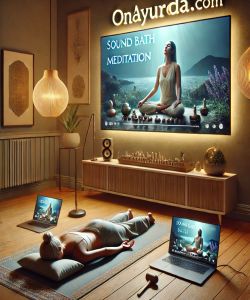
1. Overview of Sound Bath Meditation
Sound Bath Meditation constitutes a sophisticated, passive, and immersive auditory experience, engineered to induce profound states of relaxation, meditative contemplation, and physiological equilibrium. It is not a musical performance in the conventional sense; rather, it is a therapeutic modality that utilises the principles of acoustic resonance and frequency to engage the participant’s mind and body on a cellular level. During a session, individuals are typically positioned in a comfortable, reclining posture, enveloped by a complex soundscape generated from a curated selection of resonant instruments. These include, but are not limited to, Himalayan singing bowls, crystal bowls, gongs, and chimes. The practitioner, or sound facilitator, meticulously orchestrates these instruments to produce sustained harmonic frequencies and rich overtones. The fundamental premise is that these specific vibrations can synchronise with and recalibrate the body's own energetic and biological systems. This process, known as brainwave entrainment, guides the mind from the active Beta state towards the more restorative Alpha, Theta, and even Delta states, which are associated with deep meditation, reduced stress, and heightened creativity. The experience is therefore not merely auditory but profoundly somatic, as the sound waves permeate the body, creating a subtle internal massage of tissues and organs. This discipline stands at the intersection of ancient wisdom traditions and modern psychoacoustic science, offering a potent, non-invasive method for managing the pervasive stressors of contemporary existence and facilitating a return to a state of internal coherence and stillness. It demands nothing of the participant but receptivity, offering a powerful tool for mental and physical optimisation without requiring active cognitive effort, making it an exceptionally accessible form of deep meditative practice for a broad spectrum of individuals.
2. What are Sound Bath Meditation?
Sound Bath Meditation is a form of passive, somatic meditation wherein participants are ‘bathed’ in sound waves. This is a meticulously structured acoustic environment created by a facilitator using a variety of resonant instruments. The objective is to guide the listener into a state of deep relaxation and internal reflection through the medium of sound frequency and vibration. Unlike active meditation practices that require focused concentration or visualisation, a sound bath requires only that the participant lie down and receive the auditory and vibratory stimuli. The core of the practice rests on the principle of sympathetic resonance and brainwave entrainment.
The key components that define this modality are:
Immersive Soundscape: The experience is characterised by the continuous and overlapping sounds produced by instruments specifically chosen for their harmonic and overtone-rich qualities. The sound is not merely heard but is felt throughout the body, creating a holistic, full-body experience.
Therapeutic Intention: Each session is conducted with a clear therapeutic objective, whether it be stress reduction, emotional release, or enhanced mental clarity. The facilitator is not performing music for entertainment but is applying sound as a tool for physiological and psychological adjustment.
Brainwave Entrainment: This is the primary mechanism through which a sound bath functions. The consistent, rhythmic frequencies produced by the instruments influence the brain's own electrical patterns, encouraging a shift from the high-alert Beta state to the relaxed Alpha and meditative Theta states. This neurological shift is directly responsible for the profound sense of calm and release reported by participants.
Vibrational Impact: The physical vibrations generated, particularly by gongs and large singing bowls, permeate the body’s tissues. Proponents assert that these vibrations can help to release tension held in muscles and fascia, improve circulation, and recalibrate the body’s bioenergetic field on a deep, cellular level. It is a direct physical intervention facilitated by acoustic energy.
3. Who Needs Sound Bath Meditation?
Individuals experiencing elevated levels of chronic stress, anxiety, or occupational burnout. The practice is specifically engineered to downregulate the sympathetic nervous system (the ‘fight-or-flight’ response) and activate the parasympathetic nervous system, inducing a state of deep physiological rest that counteracts the cumulative effects of stress.
Professionals and creatives seeking to overcome mental blocks and enhance cognitive function. By inducing Alpha and Theta brainwave states, sound bath meditation facilitates access to subconscious thought patterns, fostering greater creativity, intuition, and problem-solving capabilities.
Persons suffering from sleep-related disorders such as insomnia or disturbed sleep patterns. The deep relaxation achieved during a session can help to reset the body’s natural sleep-wake cycles and promote more restorative and uninterrupted sleep.
Individuals managing chronic pain or physical tension. The somatic, vibrational aspect of the sound bath provides a subtle internal massage to the body’s tissues, which can alleviate muscle soreness, joint stiffness, and discomfort associated with certain chronic conditions.
Those engaged in intensive personal development or emotional processing work. The non-verbal, non-analytical nature of the experience provides a safe and supportive container for the release of suppressed emotions and the integration of profound personal insights without the need for cognitive engagement.
Athletes and individuals focused on physical recovery. The modality can accelerate the body’s natural healing processes by reducing inflammation, increasing circulation, and promoting cellular regeneration through the targeted application of sound frequencies.
Anyone seeking a direct and accessible entry point into meditative states without the steep learning curve of traditional, active meditation techniques. Its passive nature makes it exceptionally suitable for beginners or those who find silent meditation challenging.
Individuals aiming to improve their overall sense of well-being and establish a greater mind-body connection. Regular participation cultivates heightened self-awareness and promotes a state of internal harmony and balance.
4. Origins and Evolution of Sound Bath Meditation
The foundational principles of Sound Bath Meditation are rooted in ancient cultures that understood the profound impact of sound on human consciousness and physiology. The use of sound as a healing tool is not a modern invention but a practice with a lineage stretching back thousands of years. Indigenous cultures across the globe, most notably Tibetan Bon traditions and Aboriginal Australian societies, utilised instruments like singing bowls, gongs, and didgeridoos in sacred ceremonies to induce trance-like states, facilitate healing, and connect with the spiritual realm. These practices were based on an intuitive, empirical understanding that specific frequencies and rhythms could effect significant changes in an individual's mental, emotional, and physical state.
The evolution from these ancient ritualistic practices to the modern therapeutic modality began in the latter half of the twentieth century. This transition was catalysed by a confluence of factors, including the Western counter-culture's growing interest in Eastern philosophy and meditative practices, alongside burgeoning scientific inquiry into the fields of acoustics, cymatics, and psychoacoustics. Pioneers and researchers began to systematically study and codify the effects of sound on the human body and brain. They moved the practice from a purely spiritual context into a more structured, secular, and therapeutic framework. The term 'sound bath' itself emerged to describe the immersive, full-body experience, distinguishing it from other forms of music therapy or performance.
In the contemporary era, the evolution has accelerated further, driven by the wellness movement and increasing empirical evidence supporting its efficacy. The practice has been refined and diversified, with practitioners now specialising in specific instruments and techniques. Furthermore, the advent of digital technology has enabled the creation of high-fidelity online sound baths, making the modality accessible to a global audience. This latest evolutionary step has democratised access but also presented new challenges, such as replicating the profound somatic, vibrational experience of an in-person session. The practice now stands as a sophisticated synthesis of ancient wisdom, artistic expression, and modern scientific understanding, continually evolving to meet the demands of a world in desperate need of effective tools for stress management and self-regulation.
5. Types of Sound Bath Meditation
Himalayan/Tibetan Singing Bowl Meditation: This is one of the most traditional forms. It utilises a set of handcrafted metal bowls, typically a seven-metal alloy, which are struck or rimmed with a mallet. Each bowl produces a rich, layered sound with complex overtones. The focus is on creating a resonant field that promotes deep relaxation and balances the body's energy centres, or chakras. The physical vibrations are palpable and are often used directly on the body in more targeted therapeutic applications.
Crystal Singing Bowl Meditation: A more modern iteration, this type uses bowls made from pure quartz crystal, sometimes infused with other gemstones or precious metals. These bowls produce a very pure, high-frequency sine-wave tone that is intense and penetrating. The sound is often described as celestial and is considered highly effective for clearing mental fog, elevating mood, and working on a specific energetic or emotional intention.
Gong Bath Meditation: This is an exceptionally powerful and transformative type of sound bath. A facilitator uses one or more large gongs, often Paiste or Meinl symphonic gongs, to create a complex and unpredictable wall of sound. The gong's soundscape builds from quiet rumbles to thunderous crescendos, generating a vast spectrum of frequencies and overtones. This intensity is designed to overwhelm the analytical mind, shatter energetic blockages, and induce a profound state of egolessness and cathartic release.
Tuning Fork Therapy: This is a highly targeted form of sound healing that can be incorporated into a broader sound bath or used as a standalone treatment. Precision-calibrated tuning forks are activated and then applied to specific points on the body, such as acupuncture points or areas of pain and tension. The practice, known as sonopuncture, uses direct vibration to release tension, reduce inflammation, and restore energetic flow along the body's meridians.
Vocal Toning and Chanting Meditation: In this type, the primary instrument is the human voice. The facilitator, and sometimes the participants, will produce sustained vocal tones, chants, or mantras. This practice harnesses the power of self-generated vibration and the specific frequencies of vowels and sacred syllables to resonate within the body, clear the throat chakra, and cultivate a deep sense of presence and internal connection.
6. Benefits of Sound Bath Meditation
Profound Stress and Anxiety Reduction: Facilitates a significant decrease in the production of the stress hormone cortisol, while simultaneously stimulating the release of mood-elevating neurotransmitters like serotonin and dopamine, leading to a state of deep calm.
Inducement of Meditative States: Effectively guides brainwave activity from the alert Beta state to the relaxed Alpha and deeply meditative Theta states, making profound meditative experiences accessible even to those who struggle with traditional active meditation.
Enhanced Mental Clarity and Focus: By quieting the incessant internal monologue of the 'monkey mind', the practice clears mental clutter, allowing for improved concentration, heightened awareness, and more incisive cognitive function post-session.
Regulation of the Autonomic Nervous System: Promotes a decisive shift from sympathetic ('fight-or-flight') to parasympathetic ('rest-and-digest') nervous system dominance, which has cascading benefits for heart rate, blood pressure, and digestive function.
Alleviation of Physical Pain and Tension: The somatic vibrations produced by instruments like gongs and singing bowls permeate the body’s tissues, helping to release deep-seated muscular tension, alleviate chronic pain, and reduce inflammation.
Improved Sleep Quality: By calming the nervous system and resetting the body's internal rhythms, regular participation can lead to a marked improvement in the ability to fall asleep, stay asleep, and achieve more restorative deep sleep cycles.
Facilitation of Emotional Release: The immersive soundscape creates a safe and non-judgemental space for suppressed or unprocessed emotions to surface and be released without the need for cognitive analysis or verbal expression.
Stimulation of Cellular Rejuvenation: Certain sound frequencies are theorised to promote healing and regeneration at a cellular level by optimising the body's natural restorative processes.
Heightened Creativity and Intuition: Accessing Theta brainwave states allows for a more direct connection to the subconscious mind, often resulting in bursts of creative insight, enhanced intuition, and novel solutions to complex problems.
Cultivation of Mind-Body Coherence: Fosters a stronger, more integrated connection between the mind and body, leading to greater self-awareness, emotional intelligence, and a more profound sense of internal balance and well-being.
7. Core Principles and Practices of Sound Bath Meditation
The Principle of Resonance: This is the foundational concept. Every object, including the cells and organs of the human body, possesses a natural vibratory rate known as its resonant frequency. The core practice involves introducing pure, coherent sound frequencies from instruments like singing bowls or gongs into the environment. The body, through the law of sympathetic resonance, will naturally synchronise with these powerful external vibrations, compelling its own dissonant, imbalanced frequencies to return to their optimal, harmonious state.
The Principle of Brainwave Entrainment: The human brain operates at different frequencies, or brainwave states (Beta, Alpha, Theta, Delta, Gamma). The practice meticulously employs specific rhythmic and tonal patterns to guide the brain from the active, often stressful, Beta state to the deeply relaxed Alpha and meditative Theta states. This is not a passive hope but an active technique; the consistent pulse of the sound entrains the brain's own neural oscillations, forcing a downshift in cognitive activity and inducing a state of profound relaxation and heightened receptivity.
The Practice of Intentionality: A sound bath is not an arbitrary collection of pleasant noises. The practitioner must conduct the session with a clear, focused intention, whether it is for healing, stress reduction, or energetic clearing. This intention is believed to be encoded within the sound waves, directing their therapeutic potential. Participants are likewise encouraged to set their own personal intention, which magnifies the efficacy of the experience by focusing their own consciousness.
The Practice of Creating a Sacred, Uninterrupted Space: The environment is paramount. A core practice is the meticulous preparation of the physical space to be acoustically sealed, free from external distractions, and conducive to deep introspection. This involves managing light, temperature, and comfort to ensure the participant feels secure and can surrender completely to the experience without external interference. This container is non-negotiable for effective practice.
The Practice of Somatic Immersion: The experience must be understood as physical, not just auditory. Participants are instructed to adopt a reclining posture (savasana) to maximise the body's surface area for receiving sound vibrations. The practice is to consciously feel the sound permeating the body—a subtle internal massage that targets tissues, bones, and fluids. The focus is on receiving, not just listening.
The Practice of Rhythmic and Tonal Sequencing: A skilled practitioner does not play instruments randomly. There is a deliberate and structured arc to the session. It typically begins with grounding, higher-frequency sounds to capture attention, moves into a deeper, more complex sequence to facilitate entrainment and release, and concludes with gentle, integrating sounds to guide the participant back to waking consciousness. This structured journey is essential for a safe and effective experience.
8. Online Sound Bath Meditation
Unparalleled Accessibility and Convenience: The online format eradicates geographical and logistical barriers. Participants can access high-calibre sessions from experienced practitioners globally, without the need for travel or adherence to a fixed local schedule. This democratises access, allowing individuals in remote locations or with mobility constraints to participate fully. The convenience of engaging from one’s own residence significantly lowers the threshold for consistent practice.
Creation of a Personally Controlled Environment: Unlike a group setting, an online session grants the participant absolute control over their environment. They can meticulously adjust lighting, temperature, and ambient scents to their precise preference. They can use their own blankets, pillows, and mats, ensuring a level of physical comfort and familiarity that is often unattainable in a public venue. This personal control enhances the feeling of safety and deepens the potential for surrender.
Enhanced Auditory Fidelity through Headphones: The use of high-quality headphones is a mandatory requirement for effective online sessions. This creates a binaural, immersive soundscape that can be more direct and intimate than the ambient sound of a group session. Headphones deliver the frequencies directly to the auditory system, eliminating environmental acoustic interference and enhancing the effectiveness of brainwave entrainment technologies like binaural beats, which are often integrated into digital sessions.
Increased Anonymity and Reduced Self-Consciousness: For individuals who may feel self-conscious or vulnerable in a group setting, the online format provides a crucial layer of anonymity. There is no pressure to conform to group behaviour and no distraction from the presence of others. This privacy can facilitate a more profound and uninhibited emotional or physical release, as the participant feels completely unobserved.
Cost-Effectiveness and Replayability: Online sessions are frequently more cost-effective than their in-person counterparts due to lower overheads for the practitioner. Furthermore, many online platforms offer recordings of live sessions, granting the participant the ability to repeat the experience as needed. This capacity for repetition reinforces the therapeutic benefits and allows for deeper integration of the practice over time.
9. Sound Bath Meditation Techniques
Step 1: Environmental and Personal Preparation: The practitioner must first establish an environment of absolute sanctuary. This involves minimising external light, eliminating potential auditory distractions, and ensuring a comfortable ambient temperature. Participants are instructed to assume a supine position (Savasana), typically on a yoga mat, with support from bolsters under the knees and a blanket for warmth. An eye pillow is essential to block out residual light and encourage inward focus. The participant’s role is to become physically still and receptive.
Step 2: Grounding and Initial Immersion: The session commences with grounding techniques. This may involve a brief, guided verbal meditation to bring the participant’s awareness into their body and the present moment. The practitioner then introduces the first layers of sound, often using gentle, high-frequency instruments like Koshi chimes or a small Tingsha bell. The purpose is to capture the listener’s attention and begin the process of shifting their awareness from the external world to the internal soundscape.
Step 3: Building the Soundscape and Deepening Entrainment: The practitioner systematically introduces the primary instruments, such as Himalayan or crystal singing bowls. They employ striking and rimming techniques to create sustained tones and rich overtones. The sequence is deliberate, moving from higher, more clarifying frequencies to deeper, more grounding ones. The rhythm is kept consistent to facilitate brainwave entrainment, guiding the mind from Beta into Alpha and Theta states. This phase constitutes the core of the 'bath'.
Step 4: The Gong Climax and Energetic Release: In sessions that utilise a gong, this marks the peak of the experience. The practitioner builds the gong's volume and complexity, creating a powerful crescendo of sound. This 'wall of sound' is designed to be overwhelming, bypassing the analytical ego-mind and facilitating a cathartic release of deep-seated physical tension and suppressed emotional energy. This is the most intense and transformative phase of the technique.
Step 5: Gradual Re-integration and Silence: Following the climax, the practitioner skillfully deconstructs the soundscape. The volume and intensity are gradually reduced, using softer instruments to create a gentle, soothing atmosphere. This is a critical phase of integration, allowing the participant’s nervous system to recalibrate. The sound eventually fades into a period of profound silence, allowing the resonance to settle and the full benefits to be absorbed before the participant is gently guided back to full waking consciousness.
10. Sound Bath Meditation for Adults
Sound Bath Meditation presents a uniquely potent and efficient modality for the adult demographic, addressing the complex matrix of physiological and psychological stressors endemic to modern professional and personal life. For the adult mind, often conditioned to incessant activity and analytical thought, the passive nature of a sound bath offers a crucial advantage. It bypasses the need for cognitive effort, which can be a significant barrier in traditional meditation, and provides a direct, somatic pathway to profound relaxation. The practice is engineered to counter the prevalent state of chronic sympathetic nervous system activation—the ‘fight-or-flight’ response—driven by workplace pressures, financial responsibilities, and relational complexities. By inducing a dominant parasympathetic state, it facilitates a systemic reset, mitigating the deleterious effects of the stress hormone cortisol on everything from cardiovascular health to cognitive function and immune response. For adults grappling with creative stagnation or decision fatigue, the entrainment of the brain into Alpha and Theta states can unlock new neural pathways, fostering enhanced problem-solving capabilities, heightened intuition, and a renewed sense of purpose. Furthermore, it addresses the pervasive issue of sleep deprivation by helping to regulate circadian rhythms and improve the quality of deep, restorative sleep. It is not an escape, but a strategic tool for enhancing resilience, optimising mental performance, and maintaining physiological equilibrium. For adults, a sound bath is not a mere relaxation technique; it is a sophisticated, non-invasive intervention for managing the high-stakes demands of contemporary existence and cultivating a state of coherent, centred, and effective being. It is a necessary tool for recalibration in an over-stimulated world.
11. Total Duration of Online Sound Bath Meditation
The standard and professionally accepted total duration for a complete and effective online Sound Bath Meditation session is precisely 1 hr. This specific timeframe is not arbitrary but is meticulously structured to facilitate the full cycle of therapeutic sound immersion. A session of less than one hour is generally insufficient to guide a participant through the necessary physiological and neurological shifts. The initial segment of the session is dedicated to settling the body, grounding the mind, and gradually introducing the soundscape, a process that requires a dedicated portion of time to be effective. The core of the 1 hr duration is allocated to the deep immersion phase, where sustained frequencies from instruments like singing bowls and gongs work to entrain the brainwaves from the active Beta state into the deeply restorative Alpha and Theta states. This process of entrainment is cumulative and requires a significant period of uninterrupted exposure to be fully realised. The latter part of the hour is then critically reserved for a gradual return to waking consciousness. This includes a phase of de-escalating sound, followed by a period of profound silence for integration, which is paramount for absorbing the benefits of the session. Abruptly ending the experience would be jarring to the nervous system and would negate much of the therapeutic effect. Therefore, the 1 hr duration is the established industry standard, providing the necessary container for a safe, deep, and fully integrated therapeutic journey from start to finish, ensuring the participant emerges feeling recalibrated and not rushed.
12. Things to Consider with Sound Bath Meditation
Before engaging in Sound Bath Meditation, a number of critical factors must be rigorously considered to ensure both safety and efficacy. Firstly, one must assess their own physical and psychological disposition. While generally safe, the intense auditory and vibratory stimuli can be contraindicated for certain individuals. Those with specific conditions such as tinnitus, Ménière's disease, or severe auditory sensitivity must exercise extreme caution. Similarly, individuals with epilepsy or other seizure disorders should consult a medical professional, as specific frequencies can potentially act as a trigger. The profound vibrations from gongs may also interfere with medical devices like pacemakers. On a psychological level, those with a history of severe trauma or certain psychiatric conditions, such as schizophrenia, should approach the practice with caution and preferably under the guidance of a therapist, as the deep, non-verbal state can sometimes bring forth challenging and unexpected emotional material. Beyond personal health, the competence and qualification of the practitioner are paramount. The field is largely unregulated, and one must diligently vet the facilitator's training, experience, and adherence to ethical standards. A poorly conducted session can be ineffective at best and unsettling at worst. Finally, managing one's expectations is crucial. While the benefits are well-documented, a sound bath is not a panacea or a one-time cure. It is a therapeutic tool whose effectiveness is amplified through consistency and receptivity. Approaching the practice with an open, non-judgmental attitude, free from preconceived notions of a specific outcome, is essential for a beneficial experience.
13. Effectiveness of Sound Bath Meditation
The effectiveness of Sound Bath Meditation as a therapeutic modality is substantiated by a convergence of empirical data, psychoacoustic principles, and extensive anecdotal evidence. Its primary efficacy lies in its direct and measurable impact on the human nervous system. The core mechanism, brainwave entrainment, is a well-documented phenomenon where the brain's own electrical cycles synchronise with an external rhythmic stimulus. By employing specific, consistent frequencies, sound baths reliably guide the brain from the high-arousal Beta state, associated with stress and anxiety, into the relaxed Alpha and deeply meditative Theta states. This neurological shift is not a matter of belief but a physiological response, triggering a cascade of positive effects, including a reduction in heart rate, lower blood pressure, and a measurable decrease in the stress hormone cortisol. The effectiveness is also somatic; the physical vibrations produced by instruments like gongs and Himalayan bowls permeate the body's tissues and fluids, which are composed largely of water and are therefore excellent conductors of sound. This internal vibrational massage can release deep-seated muscular tension and fascial adhesions that are often unresponsive to other modalities. Furthermore, from a psychological perspective, the practice is highly effective at interrupting the ruminative thought patterns characteristic of anxiety and depression. The all-encompassing nature of the soundscape overwhelms the brain's Default Mode Network, forcing a state of present-moment awareness and providing a respite from mental agitation. Consequently, its effectiveness is not rooted in esotericism but in its capacity to leverage fundamental principles of physics and neuroscience to induce a state of profound homeostatic balance.
14. Preferred Cautions During Sound Bath Meditation
Strict adherence to a protocol of caution is non-negotiable to ensure the safety and integrity of the Sound Bath Meditation experience. It is incumbent upon the practitioner to communicate, and the participant to respect, several critical contraindications. Individuals with sound-induced epilepsy or a history of seizures must abstain from this practice, as the fluctuating frequencies and rhythmic pulses could potentially trigger a neurological event. Similarly, those with advanced tinnitus or Ménière's disease may find the intense auditory stimuli exacerbates their condition and should therefore avoid participation. The powerful somatic vibrations, particularly those generated by large gongs, present a direct risk to individuals fitted with pacemakers or other sensitive electronic medical implants; participation is strongly discouraged. First-trimester pregnancy is another area where extreme caution is advised, and it is often recommended to avoid sessions due to the unknown effects of intense vibration on early foetal development. Furthermore, individuals currently experiencing acute psychotic episodes or those with diagnoses such as schizophrenia must approach with extreme caution, as the ego-dissolving nature of a deep session can be destabilising. Participants should be explicitly warned against operating heavy machinery or making critical decisions immediately following a session, as the induced state of deep relaxation can temporarily impair reaction time and cognitive sharpness. Hydration is also a key consideration; participants must be well-hydrated before the session and encouraged to drink water afterwards to support the body in processing the energetic and physiological shifts that have occurred. These are not suggestions; they are mandatory safety parameters.
15. Sound Bath Meditation Course Outline
Module I: Foundational Principles and The Science of Sound
Historical and Cultural Origins of Sound Healing.
Psychoacoustics: The Human Response to Sound.
Core Principles: Resonance, Entrainment, and Cymatics.
The Autonomic Nervous System: Sympathetic vs. Parasympathetic Activation.
Anatomy of the Human Ear and Auditory Processing.
Ethics and Scope of Practice for a Sound Facilitator.
Module II: Instrumentation and Technique: Himalayan and Crystal Bowls
Typology of Himalayan Singing Bowls: Alloys, Frequencies, and Uses.
Typology of Quartz Crystal Singing Bowls: Clear, Frosted, and Alchemy Bowls.
Techniques: Striking, Rimming, and Creating Harmonics.
Mallets and Wands: Selection and Proper Utilisation.
Bowl Placement for Individual and Group Sessions.
Practical Application and Supervised Practice.
Module III: Instrumentation and Technique: Gongs, Chimes, and Auxiliary Instruments
Introduction to the Gong: Symphonic, Planetary, and Wind Gongs.
Fundamental Gong Playing Techniques: Building Crescendos, Washing, and Isolating Tones.
The Role of Auxiliary Instruments: Tingshas, Koshi Chimes, Tuning Forks, and Drums.
Integrating Multiple Instruments into a Cohesive Soundscape.
Advanced Techniques and Intuitive Playing.
Instrument Care and Maintenance.
Module IV: Session Architecture and Professional Practice
Crafting the Therapeutic Arc: Opening, Deepening, Climax, and Integration.
Designing Sessions for Specific Intentions (e.g., Stress Reduction, Emotional Release).
Managing Group Dynamics and Holding Space.
Client Communication: Pre-session Briefing and Post-session Grounding.
Contraindications and Safety Protocols.
Business and Marketing for a Sound Meditation Practice.
Final Assessment: Practical Demonstration and Theoretical Examination.
16. Detailed Objectives with Timeline of Sound Bath Meditation
Weeks 1-2: Foundational Knowledge Acquisition.
Objective: To achieve a comprehensive theoretical understanding of the core principles governing sound therapy.
Activities: Assimilate course material on the science of psychoacoustics, resonance, and brainwave entrainment. Analyse the history of sound healing and articulate the ethical responsibilities of a practitioner.
Deliverable: Successful completion of a theoretical examination demonstrating mastery of foundational concepts.
Weeks 3-4: Primary Instrument Proficiency (Singing Bowls).
Objective: To develop technical competence and sensitivity in playing both Himalayan and crystal singing bowls.
Activities: Engage in daily, supervised practice focusing on striking, rimming, and volume control. Learn to identify and produce distinct tones and overtones. Practice sequencing bowl progressions.
Deliverable: A practical demonstration of a 15-minute bowl-only sound sequence that exhibits fluid technique and tonal control.
Weeks 5-6: Advanced Instrumentation Mastery (Gong and Auxiliaries).
Objective: To gain proficiency in playing the gong and integrating auxiliary instruments into a cohesive session.
Activities: Learn fundamental gong strokes and how to build and release a "wall of sound" safely and effectively. Practice layering chimes, Tingshas, and other instruments to enhance the therapeutic arc.
Deliverable: A practical demonstration combining gong and bowl work, showcasing seamless transitions and dynamic control.
Weeks 7-8: Session Design and Practical Application.
Objective: To design and execute a full-length, professional-standard Sound Bath Meditation session from start to finish.
Activities: Develop a complete 1-hour session plan, including intention setting, instrument sequencing, and integration protocols. Lead multiple practice sessions with peers, receiving and incorporating constructive feedback.
Deliverable: Successful facilitation of a full 1-hour sound bath for a final practical assessment, demonstrating mastery of all technical skills, session architecture, and professional conduct. This includes pre-session briefing and post-session grounding of participants.
17. Requirements for Taking Online Sound Bath Meditation
High-Fidelity Audio Equipment: This is the most critical requirement and is non-negotiable. Participants must possess a high-quality pair of over-ear headphones. Standard earbuds or laptop speakers are wholly inadequate as they cannot reproduce the rich harmonic overtones and low-frequency vibrations essential for the experience. The headphones must be capable of delivering a full-spectrum stereo soundscape to facilitate proper brainwave entrainment.
A Stable, High-Speed Internet Connection: The session is delivered via live stream or high-resolution audio file. Any buffering, lagging, or disconnection will shatter the immersive experience and negate the therapeutic effect. A reliable broadband connection is mandatory to ensure an uninterrupted flow of sound.
A Secluded and Uninterrupted Physical Space: Participants must secure a private room where they will not be disturbed for the entire duration of the session. This necessitates communicating with other household members and silencing all potential sources of external noise, including phones, notifications, and domestic appliances. The sanctity of this space is paramount.
Appropriate Physical Support and Comfort: A yoga mat or other comfortable padded surface on the floor is required for the participant to lie in a supine position. Essential accoutrements include a pillow or cushion for head support, a bolster or rolled blanket to place under the knees to release lower back tension, and another blanket to cover the body for warmth, as body temperature naturally drops during deep relaxation.
An Eye Mask or Covering: To fully eliminate visual stimuli and encourage a deep inward journey, an eye mask or a soft cloth to cover the eyes is required. This simple tool significantly enhances the immersive quality of the auditory experience by preventing distractions from ambient light.
Commitment to Stillness and Receptivity: The participant must commit to remaining as still as possible throughout the session. Fidgeting or frequent repositioning disrupts the meditative state. An attitude of passive receptivity, without analysis or judgment of the sounds, is required to allow the frequencies to perform their function.
18. Things to Keep in Mind Before Starting Online Sound Bath Meditation
Before commencing an online Sound Bath Meditation, it is imperative to comprehend that the onus of creating a sacred and effective therapeutic environment shifts entirely to you, the participant. The digital format, while convenient, demands a higher degree of personal discipline and meticulous preparation. You must proactively engineer a sanctuary within your own home, a space that is not merely quiet but energetically sealed from the intrusions of daily life. This involves more than just closing a door; it requires silencing all digital devices, managing potential interruptions from family or pets, and ensuring your physical comfort is completely addressed beforehand. The quality of your experience is directly proportional to the quality of your audio equipment; do not attempt to engage with subpar headphones, as you will only receive a hollow echo of the intended therapeutic frequencies. Furthermore, you must mentally prepare to surrender. The temptation to ‘check out’, multitask, or remain in an analytical frame of mind is significantly higher in a familiar home environment. You must make a conscious, unwavering commitment to remain present, still, and receptive for the full duration. Treat the online session with the same gravitas you would an in-person appointment. Do not underestimate the power of the experience or the depth of the emotional or physical release that can occur. Ensure you have allocated time after the session for silent integration, as the effects will continue to resonate long after the sound has ceased. Your preparation is not preliminary; it is integral to the practice itself.
19. Qualifications Required to Perform Sound Bath Meditation
The qualifications required to perform Sound Bath Meditation exist within a complex and largely unregulated professional landscape. There is no single, universally mandated governmental or medical board certification for sound healing practitioners. Consequently, the onus is on the practitioner to pursue rigorous training and on the consumer to diligently vet their credentials. However, a competent and ethically-bound practitioner will typically possess a multi-faceted qualification profile. This profile must extend beyond mere technical ability with the instruments. A credible facilitator should be able to demonstrate formal training and certification from a reputable sound healing academy or a recognised master teacher. Such a programme should include:
Certified Training in Sound Healing/Therapy: This is the cornerstone qualification. It should cover the theoretical principles of acoustics, resonance, and brainwave entrainment, alongside extensive hands-on, practical training with the primary instruments (bowls, gongs, etc.).
A Foundational Understanding of Music Theory: While not a musical performance, a grasp of harmony, tone, and rhythm is essential for creating a soundscape that is cohesive and therapeutic rather than chaotic and jarring.
Knowledge of Human Anatomy and Physiology: A basic understanding of the human nervous system, cellular biology, and the body's energetic systems (such as the chakra system or meridians) is critical for applying sound with intention and for understanding contraindications.
Training in Holding Space and Therapeutic Presence: A practitioner must be skilled in creating a safe, non-judgemental container for participants. This often involves training in mindfulness, meditation facilitation, or related therapeutic modalities to manage group energy and support individuals through potential emotional releases.
Ultimately, the most profound qualification is a deep, embodied understanding of the practice, cultivated through years of personal experience, dedicated study, and a commitment to ongoing professional development and ethical conduct.
20. Online Vs Offline/Onsite Sound Bath Meditation
Online An online Sound Bath Meditation offers a distinct set of advantages centred on accessibility, control, and auditory precision. Its primary benefit is the eradication of geographical barriers, granting individuals access to world-class facilitators irrespective of their physical location. The participant maintains absolute authority over their personal environment, meticulously curating lighting, temperature, and physical comfort to their exact specifications, which can foster a deeper sense of safety and surrender. The mandatory use of high-fidelity, over-ear headphones creates a uniquely intimate and immersive binaural soundscape. This direct audio input can be more effective for brainwave entrainment and eliminates the acoustic inconsistencies of a large, shared space. Furthermore, the anonymity of the online format can be liberating for those who feel self-conscious in group settings, potentially allowing for a more uninhibited emotional experience. The digital model also often provides the ability to replay sessions, reinforcing the therapeutic benefits through repetition.
Offline/Onsite An offline, or onsite, Sound Bath Meditation provides a powerful, multi-sensory experience that cannot be fully replicated in a digital format. The most significant differentiator is the somatic component. In an in-person session, the participant is not only hearing the sound but is physically feeling the vibrations permeate their body and the space around them. The resonance from a large gong or a collection of Himalayan bowls is a palpable, full-body phenomenon that constitutes a major part of the therapeutic effect. The facilitator's physical presence is another key element; a skilled practitioner can read the energy of the room and subtly adjust the soundscape in real-time to meet the group's needs. There is also a powerful element of collective, shared experience. Being in a room with others on a similar journey can create a potent, amplified field of intention and coherence that enhances the individual experience. The session is a contained, dedicated event, free from the potential digital and domestic distractions inherent in the online format.
21. FAQs About Online Sound Bath Meditation
Question 1. Is an online sound bath as effective as an in-person one? Answer: It is differently effective. While it lacks the deep somatic vibration of an in-person session, the use of headphones can create a more direct and potent binaural audio experience for brainwave entrainment. Its effectiveness is highly dependent on your preparation and equipment.
Question 2. What equipment is absolutely necessary? Answer: High-quality, over-ear headphones are non-negotiable. Laptop speakers or earbuds are insufficient. A stable internet connection and a comfortable place to lie down are also mandatory.
Question 3. What if I fall asleep? Answer: This is a common and acceptable response. It signifies that your body has entered a state of deep relaxation. The therapeutic sound frequencies will continue to work on your subconscious mind and nervous system even in a state of sleep.
Question 4. Can I do it sitting up? Answer: While possible, it is strongly discouraged. A reclining position allows for maximum physical relaxation, prevents the distraction of maintaining posture, and exposes more of the body to receive the subtle energetic effects.
Question 5. What should I wear? Answer: Wear loose, comfortable, non-restrictive clothing. The priority is physical ease. It is also advisable to have a blanket nearby as body temperature can drop during deep relaxation.
Question 6. Do I need any prior meditation experience? Answer: No. Sound bath meditation is a passive practice, making it ideal for beginners. Your only task is to lie still and receive the sound.
Question 7. Is this a religious practice? Answer: No. While its roots are in ancient spiritual traditions, modern sound baths are presented as a secular, science-based therapeutic modality focused on physiology and psychology.
Question 8. How will I feel afterwards? Answer: Most people report feeling profoundly relaxed, calm, and mentally clear. Some may feel tired as the body processes the deep rest, while others may feel energised. It is also normal to feel emotional.
Question 9. Can a sound bath cure my medical condition? Answer: No. A sound bath is a complementary therapeutic modality for stress reduction and well-being. It is not a substitute for professional medical diagnosis or treatment.
Question 10. What if I don't feel anything? Answer: This can happen, especially during a first session. The effects are sometimes subtle. Approach it without expectation and trust that the frequencies are still having a positive effect on your nervous system.
Question 11. How do I prepare my space? Answer: Choose a room where you will not be disturbed. Dim the lights, silence your phone and all notifications, and ensure the temperature is comfortable.
Question 12. Should I eat before the session? Answer: It is best to avoid a heavy meal immediately before a session. A light snack is acceptable, but practicing on a full stomach can cause discomfort.
Question 13. Is it safe for everyone? Answer: No. It is not recommended for individuals with sound-induced epilepsy, pacemakers, or severe tinnitus. Consult a professional if you have concerns.
Question 14. How does it work without the physical vibrations? Answer: The primary mechanism online is brainwave entrainment via the auditory system. The precise frequencies delivered through headphones guide your brain into meditative states, which is a powerful effect in its own right.
Question 15. What if I get distracted by thoughts? Answer: This is normal. Do not fight the thoughts. Simply acknowledge them without judgment and gently guide your awareness back to the sound. The sound itself is the anchor.
Question 16. Can I use my Bluetooth headphones? Answer: A wired connection is superior to avoid potential latency, dropouts, or compression issues that can occur with Bluetooth, which would disrupt the experience.
Question 17. Why is a blanket recommended? Answer: As you enter a deep state of relaxation (the parasympathetic response), blood pressure and heart rate decrease, which can cause your core body temperature to drop slightly. The blanket ensures you remain comfortable.
22. Conclusion About Sound Bath Meditation
In conclusion, Sound Bath Meditation stands as a formidable and legitimate therapeutic modality, expertly positioned at the nexus of ancient contemplative practice and modern neuroscientific understanding. It is not a passive leisure activity but a potent, targeted intervention designed to recalibrate the human autonomic nervous system and induce profound states of psychological and physiological coherence. Its efficacy is rooted in the immutable principles of resonance and entrainment, utilising meticulously curated sound frequencies to guide the brain into restorative states that are otherwise difficult to access amidst the relentless cognitive demands of contemporary life. The practice offers a powerful, non-invasive solution for mitigating chronic stress, enhancing mental clarity, and promoting holistic well-being. Whether experienced in the somatic, vibrational richness of an onsite session or the focused, binaural intimacy of an online format, its core function remains the same: to interrupt dysfunctional patterns of thought and physiological stress and facilitate a return to a state of internal equilibrium. It demands a re-evaluation of sound, not as mere entertainment, but as a fundamental tool for human optimisation. As such, Sound Bath Meditation must be regarded as a serious and highly effective discipline for anyone committed to the rigorous pursuit of mental and physical mastery.