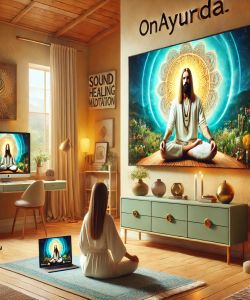
1. Overview of Sound Healing Meditation
Sound healing meditation is a rigorous and structured discipline that employs vibrational frequencies to induce a state of profound physiological and psychological equilibrium. It is not an arbitrary or passive listening experience; rather, it is a targeted therapeutic modality engineered to interact directly with the body's autonomic nervous system, brainwave patterns, and cellular structures. The fundamental premise of this practice is that all matter, including the human body, exists in a state of vibration, and that states of disease or distress correspond to frequencies that are disharmonious or out of balance. By introducing coherent, resonant sound frequencies through instruments such as Himalayan singing bowls, crystal bowls, gongs, tuning forks, and vocal toning, this practice facilitates a process known as entrainment. This is the principle whereby the body’s own vibratory rate synchronises with the more stable and harmonious external frequency, thereby recalibrating its own internal systems. The objective is to guide the participant from an active beta brainwave state, associated with cognitive thought and stress, into deeper alpha, theta, and even delta states, which are correlated with deep relaxation, meditation, creativity, and restorative sleep. This modality operates beyond the auditory system, delivering therapeutic vibrations that permeate tissues, organs, and bones, aiming to release energetic blockages, alleviate tension, and restore the body's innate capacity for self-regulation and healing. It is a non-invasive, potent methodology for managing stress, enhancing mental clarity, and promoting a state of integrated well-being, demanding focus and receptivity from the participant to achieve its full therapeutic potential. The practice is therefore a precise application of acoustic science principles within a meditative framework, designed for tangible and measurable outcomes.
2. What are Sound Healing Meditation?
Sound healing meditation constitutes a formal category of therapeutic and meditative practices that utilise the physical properties of sound waves—specifically their frequency, vibration, and resonance—to influence human physiology and consciousness. At its core, it is an application of applied physics and neurology, predicated on the principle of sympathetic resonance and brainwave entrainment. When a living system is exposed to a specific sound frequency, its own internal rhythms begin to synchronise with that external stimulus. This is not a metaphorical concept but a demonstrable physical phenomenon. Sound healing meditation sessions are meticulously designed to generate frequencies that correspond to states of deep relaxation, mental focus, or emotional release. For instance, specific hertz ranges are known to correlate with alpha brainwaves (relaxed awareness), theta brainwaves (deep meditation and insight), and delta brainwaves (restorative sleep). The practitioner employs a curated selection of instruments—each chosen for its unique harmonic profile and vibrational signature—to create a comprehensive soundscape. This is not mere music; it is a structured sonic environment intended to guide the participant’s internal state without the need for conscious effort or traditional meditative discipline. The vibrations produced are experienced not only through the auditory cortex but also as a tactile sensation throughout the body, engaging the mechanoreceptors in the skin, tissues, and bones. This somatic engagement is critical, as it bypasses the cognitive mind to address tension and energetic imbalances at a cellular level. Therefore, sound healing meditation is a non-linguistic, non-cognitive modality for achieving profound systemic regulation and is defined by its intentional use of specific acoustic tools to produce predictable and replicable physiological and psychological outcomes.
3. Who Needs Sound healing Meditation?
Individuals Experiencing High Levels of Systemic Stress: Those in high-pressure occupations or life circumstances who exhibit symptoms of chronic stress, such as elevated cortisol levels, hypertension, and persistent anxiety. The modality is engineered to directly down-regulate the sympathetic nervous system (fight-or-flight response) and activate the parasympathetic nervous system (rest-and-digest response), providing essential physiological respite and recalibration.
Professionals Suffering from Cognitive Overload and Mental Fatigue: Individuals whose work demands sustained mental exertion, leading to diminished focus, creative blocks, and decision-making fatigue. The practice facilitates a shift to alpha and theta brainwave states, which are crucial for mental restoration, the consolidation of learning, and the emergence of novel insights, thereby enhancing cognitive performance and clarity.
Persons with Chronic Pain and Physical Tension: Individuals managing conditions characterised by persistent physical discomfort, muscle tightness, or inflammation. The vibrational aspect of the practice provides a form of internal massage, promoting circulation, releasing deep-seated muscular tension, and potentially disrupting the neural pathways that perpetuate the sensation of pain.
Those Undergoing Emotional or Psychological Distress: Individuals navigating periods of grief, emotional turbulence, or mild to moderate depression. The non-verbal nature of sound healing provides a safe and effective medium for processing and releasing suppressed emotions without the necessity for cognitive analysis or verbal articulation, facilitating emotional catharsis and equilibrium.
Individuals Seeking to Deepen Meditative Practices: Both novice and experienced meditators who find it challenging to quiet the "monkey mind" through conventional silent meditation. Sound healing acts as a powerful anchor for attention, using the principle of entrainment to guide the brain into meditative states more rapidly and consistently than may be achievable through willpower alone.
Anyone with Disrupted Sleep Patterns or Insomnia: Individuals struggling to achieve restorative sleep. The practice is specifically designed to induce delta brainwave activity, the state associated with the deepest and most regenerative phases of the sleep cycle, thereby helping to reset the body's natural sleep rhythms.
4. Origins and Evolution of Sound Healing Meditation
The origins of sound healing meditation are not attributable to a single culture or historical epoch; rather, they are deeply rooted in the ancient traditions of multiple civilisations that independently recognised the profound influence of sound on the human condition. The foundational understanding that specific tones and rhythms could alter consciousness and promote healing is evident in the practices of Indigenous Australians, who have used the didgeridoo for ceremonial and healing purposes for millennia. Similarly, ancient Egyptian medical papyri refer to the use of sound incantations for treating the sick, indicating a sophisticated, albeit esoteric, understanding of sonic influence. In the East, the practice became highly refined, particularly within Tibetan Buddhism, where the use of Himalayan singing bowls, gongs, and overtone chanting was systematised for meditation and spiritual development. These practices were not merely musical; they were based on a complex cosmology wherein specific vibrational frequencies were believed to correspond to and influence various energy centres, or chakras, within the body.
The evolution of these ancient arts into a modern, secular modality began in earnest during the twentieth century, driven by a convergence of scientific inquiry and a renewed Western interest in esoteric knowledge. The scientific field of cymatics, pioneered by Hans Jenny, provided visual, empirical evidence of how sound vibrations create geometric patterns in matter, lending a degree of scientific credibility to the ancient concept that sound structures reality. Concurrently, biophysical research began to explore the phenomenon of brainwave entrainment, demonstrating that the brain's electrical cycles would synchronise with rhythmic external stimuli, such as sound. This provided a neurological basis for how specific frequencies could induce meditative or relaxed states.
In the contemporary era, sound healing meditation has evolved into a structured wellness practice, integrating principles from acoustics, psychoacoustics, neuroscience, and vibrational medicine. It has moved from the temple and the esoteric school into the clinic, the yoga studio, and the digital domain. The modern practitioner employs a diverse and precise toolkit, from ancient instruments like gongs to modern innovations like precision-calibrated tuning forks and crystal bowls. The emphasis has shifted from a purely spiritual or ceremonial context to a therapeutic one, with clearly defined objectives such as stress reduction, pain management, and emotional regulation. This evolution represents a synthesis of ancient wisdom and modern science, transforming an archaic art into a rigorous, evidence-informed modality for contemporary well-being.
5. Types of Sound Healing Meditation
Himalayan or Tibetan Singing Bowl Meditation: This is a foundational modality employing metallic bowls forged from a traditional alloy of multiple metals. When struck or rimmed with a mallet, these bowls produce a complex and rich array of harmonic overtones. The practice involves placing bowls on or around the body, allowing the deep, resonant vibrations to permeate tissues and induce a state of profound relaxation. The focus is on the direct, somatic transference of vibration for releasing physical and energetic blockages.
Crystal Singing Bowl Meditation: This type utilises bowls made from high-purity quartz crystal, often tuned to specific musical notes that are sometimes correlated with the body's energy centres (chakras). The sound produced is typically a purer, more singular tone with a powerful, sustained resonance compared to metal bowls. The vibrational quality is often described as lighter and more ethereal, primarily targeting the mental and energetic fields to promote clarity, emotional balance, and elevated states of awareness.
Gong Bath Meditation: This is an immersive sound experience where one or more large gongs are played in a continuous and dynamic manner. The practitioner builds a complex and overwhelming soundscape, rich with dissonant and consonant frequencies that are impossible for the analytical mind to follow. This cognitive bypass is the primary objective, forcing the participant to surrender and enter deep theta or delta brainwave states. It is a powerful and often cathartic form of sound-induced meditation.
Tuning Fork Therapy: This modality uses precisely calibrated tuning forks, which are struck and then applied to specific points on the body, such as acupuncture points, meridians, or areas of pain and tension. Based on the principles of vibrational acupuncture, this technique delivers a focused frequency directly into the body's energetic and physical structures. It is a highly targeted method for addressing specific imbalances, releasing localised tension, and restoring coherent energetic flow.
Vocal Toning and Chanting: This form of sound healing utilises the human voice as the primary instrument. It involves the sustained production of specific vowel sounds, seed syllables (such as Bija mantras), or overtone singing. The participant's own voice creates internal vibrations that resonate throughout the cranial and thoracic cavities. This self-generated sound is exceptionally powerful for self-regulation, emotional release, and activating the vagus nerve, which is central to the relaxation response.
6. Benefits of Sound Healing Meditation
Profound Stress and Anxiety Reduction: The practice is unequivocally effective at down-regulating the body’s sympathetic nervous system. The induced entrainment to slower, coherent frequencies directly counteracts the physiological markers of stress, reducing heart rate, blood pressure, and cortisol levels, leading to an immediate and sustained state of calm.
Enhanced Mental Clarity and Focus: By guiding the brain from a hyperactive beta state to a more relaxed and ordered alpha state, sound healing meditation clears mental fog and cognitive clutter. This facilitates improved concentration, heightened awareness, and an increased capacity for focused, productive thought post-session.
Facilitation of Deep Meditative States: The modality serves as a direct conduit to profound states of meditation. It bypasses the common obstacle of a restless mind by providing an inescapable sonic anchor, making deep theta states—associated with heightened creativity, intuition, and memory consolidation—more accessible, even for novices.
Improved Sleep Quality and Management of Insomnia: The targeted use of frequencies designed to induce delta brainwave patterns helps to reset the body's natural sleep-wake cycle. Regular practice can lead to a significant improvement in sleep latency (the time it takes to fall asleep) and an increase in the duration of restorative, deep sleep.
Alleviation of Physical Pain and Muscular Tension: The somatic vibrations produced by instruments like singing bowls and gongs penetrate deep into the body’s tissues. This acts as a form of cellular massage, promoting circulation, releasing chronic muscular contractions, and potentially disrupting the pain-signal feedback loops in the nervous system.
Emotional Regulation and Catharsis: Sound provides a non-verbal medium for the processing and release of suppressed or difficult emotions. The immersive nature of a session can bring latent emotional energy to the surface in a safe, controlled environment, allowing for its release and integration, leading to greater emotional balance and resilience.
Systemic Energetic and Physiological Balancing: Based on the principle of resonance, the practice encourages every cell in the body to return to its optimal, harmonious vibrational state. This promotes homeostasis across all bodily systems, from the endocrine to the nervous system, fostering a holistic sense of integrated well-being.
7. Core Principles and Practices of Sound Healing Meditation
The Principle of Resonance: This is the fundamental tenet of the practice. It posits that every component of the universe, including every cell, organ, and thought within the human system, possesses a natural vibratory rate, known as its resonant frequency. A state of optimal health is characterised by harmonic resonance throughout the body. The core practice involves introducing a stable, coherent frequency to a part of the system that is vibrating in a disharmonious or incoherent manner, encouraging it to return to its natural, healthy state of vibration.
The Principle of Entrainment: A direct corollary of resonance, entrainment is the scientific principle describing the tendency of one vibrating system to synchronise its rhythm with another, more powerful vibrating system in its vicinity. In sound healing, the coherent and stable frequencies of instruments like singing bowls or tuning forks act as the dominant stimulus, compelling the body's less stable internal rhythms—such as brainwaves, heart rate, and respiration—to lock in and synchronise with the external sound, thereby guiding the system into a desired state of relaxation or focus.
Intention and Focused Awareness: The practice is not passive. The practitioner must hold a clear, focused intention for the session's outcome, whether it be for healing, relaxation, or insight. This intention is believed to be encoded within the sound waves themselves. Concurrently, the participant is required to maintain a state of receptive awareness, directing their focus to the sonic and somatic sensations. This active, mindful participation is critical for amplifying the therapeutic effects and moving beyond mere auditory enjoyment.
Creation of a Coherent Soundscape: The practice involves the meticulous selection and application of specific sound tools to build a therapeutic sonic environment. This is not an arbitrary performance. Instruments are chosen for their specific frequency ranges, timbres, and harmonic profiles. The practitioner structures the session with a clear arc—an induction phase to settle the mind, a deep immersion phase for therapeutic work, and a re-integration phase to return the participant to normal waking consciousness.
Holistic Systemic Engagement: Sound healing operates on the principle that the human being is an integrated system of mind, body, and energy. The practice is designed to engage all these levels simultaneously. The sound is heard by the ears (psychoacoustic effect), felt as vibration in the body (somatic effect), and perceived to influence the subtle energy field (bioenergetic effect). Effective practice addresses the individual holistically, acknowledging that a blockage on one level will have repercussions on all others.
8. Online Sound Healing Meditation
Unprecedented Accessibility and Consistency: The online format democratises access to this potent modality, removing all geographical barriers. Participants can engage with highly qualified practitioners from anywhere in the world, ensuring access to specialised expertise that would otherwise be unavailable. This enables a level of consistency in practice that is crucial for achieving cumulative therapeutic benefits, as sessions are not contingent on travel or physical proximity.
Optimisation of the Personal Environment: Engaging from one’s own private space allows for the complete customisation and control of the therapeutic environment. The participant can meticulously manage lighting, temperature, and physical comfort to a degree impossible in a public group setting. This personal sanctuary minimises external distractions and fosters a deeper sense of safety and security, which is paramount for surrendering to the meditative state and facilitating profound release.
Enhanced Auditory Immersion through Technology: The use of high-quality headphones is a non-negotiable requirement for effective online sessions. This creates a binaural listening experience that is arguably more immersive and direct than an in-person session where sound waves travel through open air. The sound is delivered directly to the auditory cortex, creating an intensely focused and internalised experience that maximises the potential for brainwave entrainment and cognitive surrender.
Increased Personal Privacy and Reduced Self-Consciousness: The solitude of the online experience eliminates the social pressures and self-consciousness that can arise in group settings. Participants are free to respond authentically to the experience—be it through emotional release, involuntary movement, or deep relaxation—without fear of judgement or observation from others. This heightened sense of privacy is a powerful catalyst for deeper and more authentic therapeutic work.
Integration of Practice into Daily Life: The online format seamlessly integrates the therapeutic experience into the participant’s home environment. The transition from the deep meditative state back to normal waking consciousness is gentler and more contained. There is no disruptive travel required post-session, allowing the participant to prolong the state of relaxation and integrate the benefits of the practice more fully into their evening or daily routine. This supports a more sustained and integrated wellness architecture.
9. Sound Healing Meditation Techniques
Preparation of the Self and Space: Before initiating any sound, it is imperative to establish a consecrated and controlled environment. This involves eliminating all potential auditory and visual distractions. The practitioner and participant must set a clear, unwavering intention for the session. This mental and energetic preparation is not a preliminary step but a foundational component of the technique itself, creating the requisite container for the therapeutic work to unfold effectively.
Induction and Initial Grounding: The session commences with grounding frequencies. This is typically achieved using lower-pitched instruments like a large root-frequency singing bowl, a low-octave tuning fork, or deep, resonant vocal tones. The objective is to anchor the participant's awareness firmly in their physical body and the present moment. The sound is introduced slowly and rhythmically to begin the process of down-regulating the nervous system and guiding the brainwaves from an active beta state towards a more relaxed alpha state.
Sustained Sound Immersion (The Sound Bath): This is the core phase of the technique. The practitioner systematically introduces a complex layering of sounds using a variety of instruments such as gongs, multiple crystal and Himalayan bowls, and chimes. The sounds are not played randomly but are woven into a continuous, evolving tapestry. The goal is to create a state of sonic saturation where the analytical mind is overwhelmed and surrenders, allowing the participant to enter deep theta brainwave states. The practitioner dynamically adjusts the volume, rhythm, and combination of instruments in response to the perceived energetic state of the participant.
Targeted Vibrational Application: Within the broader sound immersion, specific techniques may be employed to address localised issues. This involves using a specific instrument, such as a weighted tuning fork or a single singing bowl, and applying its vibration directly to a specific area of the body. The focused frequency is intended to break up energetic stagnation, release deep-seated muscular tension, or harmonise a specific energy centre (chakra). This is a precise and deliberate intervention within the larger soundscape.
Integration and Return to Stillness: The session does not end abruptly. The practitioner gradually reduces the intensity and complexity of the sound, slowly fading the instruments out until there is only silence. This period of profound silence is a critical part of the technique. It is within this stillness that the body and mind integrate the vibrational shifts that have occurred. After a period of silence, a gentle, high-frequency instrument like a small bell or tingsha is used to signal the end of the session and guide the participant's awareness gently back to full, waking consciousness.
10. Sound Healing Meditation for Adults
Sound healing meditation offers a uniquely potent and efficient modality for the adult demographic, which is characteristically burdened by the cumulative stresses of professional obligations, financial pressures, and personal responsibilities. For adults, the primary challenge in any wellness practice is often the "monkey mind"—a relentless internal monologue of planning, analysing, and worrying. This modality confronts this challenge directly and effectively. Unlike silent meditation, which requires significant mental discipline to quieten internal chatter, sound healing provides an external, all-encompassing stimulus that commands the attention. The complex harmonics and resonant vibrations of instruments like gongs and singing bowls are intentionally structured to be too overwhelming for the analytical mind to follow, forcing a state of cognitive surrender. This induced letting-go provides a direct pathway to the deep physiological and psychological rest that is often elusive for the stressed adult. Furthermore, the practice addresses the somatic embodiment of stress—the chronic muscle tension in the shoulders, neck, and back that is a hallmark of adult life. The physical vibrations permeate the body, acting as a form of internal, cellular massage that releases deep-seated tension without the need for physical manipulation. For adults grappling with emotional complexities, from unresolved grief to professional burnout, the non-verbal nature of sound healing provides a safe and powerful container for emotional processing and release. It allows for catharsis without the need for arduous verbalisation, offering a direct route to emotional equilibrium and enhanced resilience in the face of life's unceasing demands. It is, therefore, a highly sophisticated and targeted intervention, perfectly suited to the complex needs of the contemporary adult.
11. Total Duration of Online Sound Healing Meditation
The total, non-negotiable duration for a standard, professional online sound healing meditation session is precisely 1 hr. This specific timeframe is not arbitrary; it is a meticulously structured period designed to maximise therapeutic efficacy while respecting the participant’s capacity for sustained receptivity. A duration of less than 1 hr is insufficient to guide the participant through the essential phases required for profound systemic change. The initial phase of induction, where the nervous system is calmed and brainwaves are guided from an active beta state to a relaxed alpha state, requires a dedicated portion of time. Following this, the central and most critical phase—the deep immersion in the soundscape to facilitate entry into theta and potentially delta brainwave states—demands a substantial and uninterrupted period to allow for the full entrainment and therapeutic processes to unfold. The final phase, a gradual return to silence for integration, followed by a gentle re-grounding into waking consciousness, is equally crucial and cannot be rushed. Rushing this re-entry can be jarring and counter-productive, negating the benefits accrued during the session. Conversely, extending the session significantly beyond 1 hr can lead to diminishing returns, potential sensory fatigue, or difficulty in re-integrating into a functional state. Therefore, the 1 hr duration is the optimal therapeutic window, providing adequate time for a deep and meaningful journey while ensuring the participant emerges feeling rested, recalibrated, and fully integrated, rather than disoriented or overwhelmed. This structure represents a professional standard for safety, effectiveness, and respect for the participant's process.
12. Things to Consider with Sound Healing Meditation
Engaging with sound healing meditation demands a rigorous and informed approach, as its effectiveness is contingent upon several critical factors beyond the mere act of listening. Foremost among these is the qualification and integrity of the practitioner. The field is largely unregulated, making it imperative for the participant to verify the practitioner’s lineage, training, and depth of understanding of both the energetic and scientific principles at play. A poorly conducted session is not merely ineffective; it can be disharmonious and agitating. Secondly, one must consider the quality and tuning of the instruments themselves. The therapeutic power lies in the coherence and purity of the frequencies produced; low-quality or poorly maintained instruments can generate discordant vibrations that are counter-productive. Participants must also assess their own state of readiness and intention. This is not a passive entertainment but an active co-creative process. Approaching a session with a cynical, closed-off mindset or an expectation of a miraculous, instantaneous cure will severely inhibit the potential for benefit. A state of open, non-judgemental receptivity is a prerequisite. Furthermore, one must be prepared for the potential emergence of strong physical sensations or emotional releases. The vibrations can dislodge stored somatic and emotional tension, which can manifest as temporary discomfort, involuntary movements, or cathartic emotional experiences. It is essential to understand that this is a normal and productive part of the healing process and to be in an environment where such a release feels safe and contained. Finally, managing expectations regarding outcomes is crucial. While many experience immediate and profound effects, for others, the benefits are cumulative and subtle, unfolding over a series of sessions.
13. Effectiveness of Sound Healing Meditation
The effectiveness of sound healing meditation is not a matter of subjective belief but is grounded in demonstrable physiological and neurological principles. Its efficacy stems from its direct, non-cognitive influence on the human body's core regulatory systems. The primary mechanism, brainwave entrainment, is a well-documented neurological phenomenon. By exposing the brain to stable, rhythmic sound frequencies, the practice reliably guides brainwave patterns away from the high-beta state associated with stress and anxiety, and towards the alpha, theta, and delta states correlated with relaxation, creativity, and deep, restorative rest. This shift is not incidental; it is a predictable and measurable outcome that underpins the modality's profound impact on stress reduction and mental clarity. Furthermore, the vibrational aspect of the practice engages the body on a cellular level. The law of resonance dictates that the vibrations from instruments like singing bowls and gongs can restore a more coherent and harmonious vibratory state in tissues and organs that have become "stuck" in patterns of tension and disharmony. This somatic impact explains the modality's effectiveness in alleviating physical pain, releasing chronic muscular contractions, and promoting a sense of deep physical release. The practice also has a direct effect on the autonomic nervous system, powerfully activating the vagus nerve and stimulating the parasympathetic (rest-and-digest) response. This activation measurably lowers heart rate, blood pressure, and the production of stress hormones like cortisol. The cumulative result of these integrated mechanisms is a potent, holistic recalibration of the mind-body system, making sound healing an exceptionally effective and efficient tool for achieving systemic balance and well-being.
14. Preferred Cautions During Sound Healing Meditation
It is imperative to approach sound healing meditation with a disciplined awareness of specific contraindications and necessary precautions to ensure both safety and therapeutic integrity. This modality is not universally suitable, and its potent effects demand rigorous screening. Individuals fitted with pacemakers or other electronic medical implants must exercise extreme caution or abstain entirely, as the strong vibrations, particularly from instruments placed directly on the body, could potentially interfere with device functionality. Similarly, those with a history of seizures, particularly sound-induced epilepsy, must not engage in this practice without explicit, informed clearance from a qualified medical neurologist, as the rhythmic sonic patterns could act as a trigger. Pregnant individuals, especially in the first trimester, are advised to proceed with extreme caution and only under the guidance of a practitioner specifically trained in prenatal sound work; the use of strong vibrations on the body is strictly contraindicated. Furthermore, individuals currently experiencing acute psychosis, severe clinical depression, or significant psychological distress should understand that this is not a substitute for professional psychiatric care. While it can be a valuable complementary therapy, the potential for intense emotional release requires a stable psychological foundation and, ideally, the support of a primary mental health provider. Participants should also be cautioned against engaging in sessions conducted by untrained or unqualified individuals, as an improper application of sound can create a jarring, dissonant experience that may exacerbate anxiety or energetic imbalance rather than alleviate it. A professional and responsible approach is not merely preferred; it is mandatory.
15. Sound Healing Meditation Course Outline
Module 1: Foundational Principles and Theoretical Framework
Introduction to Vibrational Medicine: The Physics of Sound.
The Law of Resonance and the Principle of Entrainment.
Cymatics: Visualising the Impact of Sound on Matter.
Anatomy of the Human Energetic System: Chakras and Meridians.
Neuroscience of Sound: Brainwave States (Beta, Alpha, Theta, Delta) and Auditory Pathways.
Module 2: The Practitioner's Toolkit - Instrument Mastery
Himalayan (Tibetan) Singing Bowls: Metallurgy, Typology, and Striking/Rimming Techniques.
Quartz Crystal Singing Bowls: Properties of Crystal, Tonal Purity, and Care.
Gongs: Sympathetic vs. Paiste Gongs, Mallet Techniques, and Building Soundscapes.
Tuning Forks: Weighted vs. Unweighted, Application Protocols for Acupressure Points.
The Human Voice: Vocal Toning, Mantra, and Overtone Singing.
Module 3: Session Architecture and Facilitation Skills
Creating a Sacred and Safe Therapeutic Space.
The Art of Holding Space: Practitioner Presence and Intention.
Structuring a Session: The Arc of a Sound Bath (Induction, Immersion, Integration).
Intuitive vs. Protocol-Based Approaches.
Client Communication: Intake, Contraindications, and Post-Session Guidance.
Module 4: Therapeutic Applications and Protocols
Protocols for Stress and Anxiety Reduction.
Protocols for Pain Management and Physical Tension.
Techniques for Emotional Release and Mental Clarity.
Working with Groups vs. Individual Clients.
Adapting Sessions for Specific Populations (e.g., Corporate, Yoga Studios).
Module 5: Professional Practice and Integration
Ethics and Professional Conduct for Sound Healers.
Business and Marketing for a Sound Healing Practice.
Advanced Techniques and Instrument Combinations.
Self-Care and Energetic Hygiene for the Practitioner.
Practicum: Supervised Practice Sessions and Case Study Submission for Certification.
16. Detailed Objectives with Timeline of Sound Healing Meditation
Phase 1: Induction and Systemic Down-Regulation (First Quarter of Session)
Objective: To transition the participant from an active, cognitive beta brainwave state to a relaxed, receptive alpha state. This involves calming the autonomic nervous system and beginning the process of muscular release.
Timeline: During the initial part of the session, the focus is on introducing slow, rhythmic, and low-frequency sounds. The objective is to achieve a measurable decrease in heart rate and respiration within this timeframe, establishing a baseline of physiological calm.
Phase 2: Deep Immersion and Therapeutic Entrainment (Second and Third Quarters of Session)
Objective: To guide the participant into the deeper theta brainwave state, bypassing the conscious, analytical mind. This phase aims to facilitate profound release of stored somatic tension, process subconscious emotional material, and recalibrate the body’s energetic systems towards coherence.
Timeline: This central, longest phase involves the creation of a complex, immersive soundscape. The objective is to sustain a state of deep meditation for a significant duration, allowing the principles of resonance and entrainment to effect change at a cellular and neurological level.
Phase 3: Integration in Stillness (Beginning of Final Quarter)
Objective: To allow the participant's system to fully absorb and integrate the vibrational and neurological shifts that occurred during the immersion phase. This is a critical period of recalibration where the new, more harmonious state is anchored.
Timeline: Immediately following the cessation of sound, a period of pure silence is maintained. The objective is for the participant to experience the resonance of the session within their own being, without external stimulus. This is a non-negotiable component for lasting effect.
Phase 4: Gentle Re-emergence and Grounding (End of Final Quarter)
Objective: To guide the participant safely and gently back to full, waking consciousness, ensuring they are grounded, present, and able to transition back into their day. The aim is to avoid a jarring or abrupt return that could disrupt the newly established state of equilibrium.
Timeline: The final moments of the session are dedicated to this process. The objective is achieved through the use of specific, gentle sounds (like tingshas or a soft chime) and guided awareness, ensuring the participant feels fully integrated and centred upon completion.
17. Requirements for Taking Online Sound Healing Meditation
High-Fidelity Audio Equipment: It is mandatory for the participant to use high-quality stereo headphones or earphones. The use of laptop speakers, phone speakers, or television sound systems is strictly prohibited as they are incapable of reproducing the rich harmonic overtones and specific frequencies essential for the therapeutic effect. This requirement ensures an immersive, binaural experience critical for brainwave entrainment.
A Secure, Private, and Uninterruptible Space: The participant must secure a physical environment where they can lie down comfortably and will be completely undisturbed for the entire duration of the session. This necessitates informing cohabitants, silencing all notifications on electronic devices, and ensuring pets or other potential disturbances are managed. The space must be a sanctuary of absolute privacy.
A Stable, High-Speed Internet Connection: A robust and reliable internet connection is non-negotiable. Any buffering, lagging, or disconnection during the session will shatter the immersive experience, jolt the nervous system, and render the practice ineffective. A hardwired Ethernet connection is strongly preferred over Wi-Fi to guarantee stability.
Physical Comfort and Support: The participant must prepare a comfortable surface to lie on, such as a yoga mat, mattress, or recliner. It is requisite to have blankets for warmth, as the body temperature naturally drops during deep meditative states. A small pillow or bolster for under the knees is also required to support the lower back and facilitate complete physical surrender.
Commitment to Receptivity and Stillness: The participant is required to enter the session with a formal commitment to remain as still as possible and to cultivate an attitude of open, non-judgemental receptivity. This is not a passive experience; it requires the conscious decision to surrender to the process and allow the sounds to work without cognitive resistance or analysis.
Appropriate Technical Setup and Punctuality: The participant must log into the session platform ahead of the scheduled start time to test audio and video functionality. Punctuality is mandatory; late entry is disruptive to both the individual and the practitioner and is generally not permitted, as the initial grounding phase is critical to the session's architecture.
18. Things to Keep in Mind Before Starting Online Sound Healing Meditation
Before commencing an online sound healing meditation practice, it is imperative to establish a mindset of disciplined preparation and realistic expectation. This is not a passive digital entertainment; it is a potent therapeutic engagement that demands your full, undivided participation. You must fundamentally understand that the quality of your experience is directly proportional to the quality of the environment you create. Your primary responsibility is to eliminate every potential variable that could disrupt the sanctity of the session. This means conducting a rigorous audit of your technological setup—your headphones are not an accessory, they are the primary delivery mechanism for the therapy and must be of high fidelity. Your internet connection must be robust and unwavering. You must also proactively engineer your physical space into a secure, private container, free from the possibility of intrusion by people, pets, or electronic notifications for the full duration. Be prepared for the experience to be profoundly internal. Without the physical presence of a practitioner or a group, the journey is entirely your own, which can be more intense and requires a greater degree of self-responsibility. Understand that emotional and physical releases are not a sign of something going wrong; they are a sign of the modality working correctly. Finally, divest yourself of specific, rigid expectations for the outcome. The benefits unfold uniquely for each individual. Approach the session not with a demand for a specific result, but with a disciplined commitment to surrender, receive, and allow the process to unfold as it must. This disciplined receptivity is the key to unlocking the modality's full potential.
19. Qualifications Required to Perform Sound Healing Meditation
The performance of professional-grade sound healing meditation mandates a rigorous and multi-faceted qualification profile that extends far beyond mere musical ability or the simple ownership of instruments. A credible practitioner must demonstrate comprehensive, certified training from a reputable institution or a recognised lineage. This training must cover not only the technical skills of playing the instruments but also the deep theoretical underpinnings of the practice. Essential areas of formal knowledge include:
Acoustic Physics and Psychoacoustics: A thorough understanding of sound theory, including frequency, amplitude, harmonics, dissonance, and consonance, as well as how the human brain and nervous system perceive and process sound.
The Principles of Resonance and Entrainment: Deep, non-negotiable knowledge of these core scientific principles is fundamental. The practitioner must be able to articulate precisely how these phenomena are leveraged to produce therapeutic outcomes.
Anatomy and Physiology: A solid working knowledge of the human nervous system (particularly the autonomic nervous system and the vagus nerve), brainwave states, and the human energetic system (such as the chakra system) is required to apply the modality safely and effectively.
Therapeutic Facilitation Skills: The practitioner must be trained in the art of holding therapeutic space. This includes client intake procedures, the ability to screen for contraindications, impeccable ethical conduct, and the capacity to guide a client through potential emotional or physical releases with confidence and safety.
Furthermore, a qualified practitioner is defined by significant experiential practice. This involves hundreds of hours of personal practice and the facilitation of numerous sessions under supervision or mentorship. This hands-on experience is where theoretical knowledge is transmuted into embodied wisdom. True qualification is therefore a synthesis of formal education, technical mastery, scientific understanding, therapeutic acumen, and extensive practical experience. Anything less represents a significant compromise in quality and safety.
20. Online Vs Offline/Onsite Sound Healing Meditation
Online
The online delivery of sound healing meditation presents a distinct set of characteristics defined by accessibility and control. Its primary advantage is the elimination of geographical constraints, offering global access to specialised practitioners. The participant engages from a self-curated environment, allowing for absolute control over comfort, temperature, and lighting, fostering a unique sense of security and privacy. The mandatory use of high-quality headphones creates a direct, binaural auditory input that can be profoundly immersive, delivering the sound frequencies directly to the auditory system with minimal environmental diffusion. This can enhance the potential for brainwave entrainment. However, the online modality is entirely dependent on the quality of technology; any failure in internet stability or audio equipment immediately shatters the therapeutic container. It also lacks the somatic element of direct physical vibration from instruments placed on or near the body, a key feature of many in-person techniques. The practitioner's ability to read subtle energetic cues from the participant is limited, requiring a greater reliance on intuition and pre-established protocols. The responsibility for creating and maintaining the sacred space falls entirely upon the participant.
Offline/Onsite
Offline, or onsite, sound healing meditation is a fundamentally different experience, characterised by physical immediacy and communal energy. The participant is enveloped in sound waves that travel through the air and are felt as palpable vibrations throughout the entire body, not just heard through headphones. This full-body somatic resonance is a powerful therapeutic component that cannot be replicated online. The practitioner has the distinct advantage of being physically present, allowing them to place instruments like singing bowls directly on the participant's body for targeted work and to dynamically adjust the session in real-time based on direct observation of the participant's breathing, physical cues, and energetic field. In a group setting, a shared energetic field is created, which many find to be a powerful, supportive, and amplifying force. However, the onsite modality is limited by geography and scheduling. The environment is controlled by the practitioner, not the participant, which may not be optimal for all individuals. The presence of others can also lead to self-consciousness, potentially inhibiting deep release for some. The experience is subject to the acoustics of the physical space and potential minor disturbances inherent in a shared environment.
21. FAQs About Online Sound Healing Meditation
Question 1. Is online sound healing as effective as in-person? Answer: The effectiveness is different, not necessarily lesser. Online excels at auditory immersion and privacy, while in-person provides direct somatic vibration. The efficacy of the online format is heavily dependent on the quality of your audio equipment and environment.
Question 2. What kind of headphones are required? Answer: High-quality, over-ear, noise-cancelling stereo headphones are mandatory. In-ear buds are acceptable if they are high-fidelity. Bluetooth headphones are permissible only if the connection is flawless, but a wired connection is superior.
Question 3. Can I use my laptop or phone speakers? Answer: Absolutely not. Speakers cannot reproduce the necessary range of frequencies or create the binaural effect required for brainwave entrainment. Using them will render the session ineffective.
Question 4. What if my internet connection drops? Answer: A stable connection is your responsibility. A dropped connection will abruptly end the therapeutic state. It is highly recommended to use a wired Ethernet connection for maximum stability.
Question 5. Do I need to have my camera on? Answer: This depends on the practitioner’s protocol. Most require it to be on at the beginning for a check-in but may allow you to turn it off during the session for privacy. You must clarify this beforehand.
Question 6. What is the best way to prepare my space? Answer: Choose a quiet, dark room where you will not be interrupted. Lie on a comfortable surface like a yoga mat or bed. Have a blanket and a pillow for your knees. Ensure the temperature is comfortable.
Question 7. What should I do if I fall asleep? Answer: This is a common and acceptable response. The subconscious mind continues to receive the therapeutic frequencies. It indicates a deep level of relaxation has been achieved.
Question 8. What if I experience strong emotions? Answer: This is a normal part of the process, indicating a release of stored emotional energy. Allow the feelings to arise and pass without judgement. The privacy of the online setting is an advantage here.
Question 9. Can this practice cure my medical condition? Answer: No. Sound healing is a complementary therapy for well-being, stress reduction, and energetic balance. It is not a substitute for professional medical diagnosis or treatment.
Question 10. How will I feel after the session? Answer: Most people report feeling deeply relaxed, calm, and clear-headed. Some may feel tired as the body has undergone deep restorative work. It is advisable to have a quiet evening afterwards.
Question 11. Can I do other things while listening? Answer: No. This is not background music. It requires your full, focused, and receptive attention in a meditative posture (lying down) to be effective.
Question 12. How often should I have a session? Answer: For cumulative benefits, a consistent practice is recommended. This could range from weekly to monthly, depending on your individual needs and goals.
Question 13. Are there any individuals who should not do this? Answer: Yes. Individuals with pacemakers, sound-induced epilepsy, or in the first trimester of pregnancy should consult a medical professional and the practitioner before participating.
Question 14. What is the difference between a 'sound bath' and 'sound healing'? Answer: The terms are often used interchangeably. 'Sound healing' can imply a more targeted, one-on-one therapeutic application, while a 'sound bath' often refers to a group immersion experience.
Question 15. Why do I need a blanket if I don’t feel cold? Answer: Your body temperature will naturally drop as you enter deep states of relaxation (the parasympathetic response). The blanket prevents this drop from becoming a physical distraction.
Question 16. Is it normal to feel tingling or other physical sensations? Answer: Yes. Tingling, warmth, or a sense of energy moving are common sensations as the vibrations interact with your body’s energetic and nervous systems.
22. Conclusion About Sound Healing Meditation
In conclusion, sound healing meditation stands as a formidable and sophisticated modality, rigorously grounded in the principles of physics and neuroscience. It is not a passive or whimsical practice but a disciplined application of acoustic science designed to elicit specific and profound physiological and psychological outcomes. By leveraging the demonstrable phenomena of resonance and entrainment, it directly engages the body's autonomic nervous system and brainwave patterns, compelling a systemic shift from states of stress and cognitive agitation to those of deep rest, clarity, and equilibrium. Its unique capacity to bypass the analytical mind and work on a somatic and cellular level makes it an exceptionally efficient tool for addressing the complex, embodied stresses of contemporary life. Whether experienced in the direct, visceral context of an in-person session or the immersive, controlled environment of an online format, its core function remains unchanged: to use coherent vibrational frequency as a powerful agent of recalibration. The practice demands respect, requires proper facilitation by qualified practitioners, and calls for active receptivity from the participant. It is a potent, non-invasive pathway to holistic well-being, representing a masterful synthesis of ancient wisdom and modern scientific understanding, and its utility as a primary tool for stress management and self-regulation is unequivocal. It is, in its highest form, a precise and powerful technology for restoring harmony to the human system.