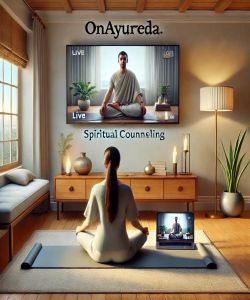
1. Overview of Spiritual Counseling
Spiritual counseling represents a specialised domain within the broader field of psychological and emotional support, focusing on the intangible, metaphysical aspects of an individual's existence. This form of counseling transcends conventional therapeutic methods by addressing the soul's needs, fostering a deeper understanding of one’s spiritual self. It integrates various spiritual practices, philosophies, and beliefs to guide individuals towards achieving inner peace, purpose, and enlightenment. Unlike traditional therapy which often centres around behavioural and cognitive adjustments, spiritual counseling delves into the profound, often existential questions of life, death, purpose, and connection to a higher power or universal consciousness. It is a rigorous, intellectually demanding practice requiring the counselor to possess not only psychological acumen but also a profound understanding of diverse spiritual traditions and the ability to navigate complex metaphysical concepts with precision and sensitivity.
2. What are Spiritual Counseling?
Spiritual counseling is an advanced, specialised form of therapeutic intervention that addresses the spiritual dimensions of an individual's well-being. It encompasses a range of practices designed to explore and resolve spiritual crises, enhance spiritual awareness, and foster a deeper connection to one’s inner self and the universe. This type of counseling may involve guided meditation, exploration of religious texts, energy healing, and other metaphysical practices. The primary objective is to help individuals find meaning, purpose, and tranquillity through spiritual insight and growth. Spiritual counselors often work with clients experiencing existential dread, loss of faith, or a profound sense of disconnection, providing them with tools and frameworks to reconnect with their spiritual essence and achieve a state of higher consciousness.
3. Who Needs Spiritual Counseling?
- Individuals Experiencing Existential Crises: Those grappling with profound questions about the meaning and purpose of life.
- Those in Spiritual Transition: Individuals undergoing significant changes in their spiritual beliefs or practices.
- People Seeking Deeper Connection: Those who feel a void in their spiritual life and seek to deepen their connection to a higher power or universal consciousness.
- Grief and Loss Sufferers: Individuals dealing with the loss of a loved one and seeking spiritual comfort and understanding.
- Those with Religious or Spiritual Conflicts: People experiencing conflicts between their spiritual beliefs and everyday life, requiring resolution and guidance.
- Seekers of Enlightenment: Individuals on a quest for higher consciousness, spiritual awakening, and enlightenment.
- Those Dealing with Moral and Ethical Dilemmas: People facing challenging moral or ethical decisions who seek spiritual guidance.
- Individuals with Chronic Stress or Anxiety: Those whose spiritual well-being is affected by persistent stress or anxiety, requiring holistic healing.
4. Origins and Evolution of Spiritual Counseling
The origins of spiritual counseling can be traced back to ancient civilisations where shamans, priests, and spiritual leaders provided guidance and healing through spiritual means. In these early societies, spiritual and physical health were often seen as interconnected, with spiritual leaders playing a crucial role in maintaining both. As civilisations evolved, so did the practices of spiritual guidance. In medieval Europe, confessors and monastic advisors offered spiritual counsel, focusing on moral and ethical guidance within the context of religious doctrine. The Renaissance period saw a shift towards humanism, with an increased emphasis on individual spirituality and self-discovery. The 19th and 20th centuries marked significant developments in the field, as psychology and spirituality began to intersect. Pioneers like Carl Jung introduced concepts of the collective unconscious and archetypes, bridging the gap between psychological and spiritual healing. In contemporary times, spiritual counseling has become a recognised and respected field, integrating various spiritual traditions with modern psychological practices to address the holistic needs of individuals. This evolution reflects a growing understanding of the importance of spiritual well-being in achieving overall health and fulfilment.
5. Types of Spiritual Counseling
- Religious Counseling: Focuses on guiding individuals within the context of a specific religious tradition, utilising religious texts, rituals, and teachings to address spiritual concerns.
- Transpersonal Counseling: A holistic approach that integrates psychological and spiritual practices, emphasising personal growth, self-actualisation, and connection to a higher consciousness.
- Energy Healing Counseling: Involves practices such as Reiki, acupuncture, and chakra balancing to address spiritual and physical imbalances, promoting harmony and healing.
- Meditative Counseling: Utilises meditation and mindfulness techniques to help individuals achieve spiritual clarity, inner peace, and a deeper connection to their inner self.
- Shamanic Counseling: Draws on ancient shamanic practices, including journeying, drumming, and ritual, to address spiritual issues and facilitate healing.
- New Age Counseling: Incorporates a variety of modern spiritual practices, including crystal healing, astrology, and past-life regression, to support spiritual growth and self-discovery.
- Interfaith Counseling: Provides guidance that is inclusive of multiple religious and spiritual traditions, offering a flexible and personalised approach to spiritual well-being.
6. Benefits of Spiritual Counseling
- Enhanced Spiritual Awareness: Helps individuals develop a deeper understanding of their spiritual beliefs and practices.
- Inner Peace and Tranquillity: Promotes a sense of calm and balance, reducing stress and anxiety.
- Purpose and Meaning: Assists individuals in finding greater purpose and meaning in their lives.
- Emotional Healing: Addresses emotional wounds and traumas through spiritual practices, facilitating healing and recovery.
- Improved Mental Health: Supports overall mental well-being by addressing spiritual needs and fostering a sense of connection and belonging.
- Strengthened Faith: Reinforces and deepens an individual's connection to their religious or spiritual beliefs.
- Personal Growth: Encourages self-discovery, self-actualisation, and personal development through spiritual exploration.
- Better Coping Mechanisms: Provides tools and strategies to cope with life’s challenges from a spiritual perspective.
- Enhanced Relationships: Improves interpersonal relationships by fostering empathy, understanding, and spiritual connection.
- Holistic Well-Being: Addresses the spiritual, emotional, and psychological aspects of an individual’s life, promoting overall well-being.
7. Core Principles and Practices of Spiritual Counseling
- Holistic Approach: Addresses the spiritual, emotional, and psychological aspects of an individual’s well-being, recognising the interconnectedness of these dimensions.
- Client-Centred: Focuses on the unique spiritual needs and beliefs of the client, providing personalised and respectful guidance.
- Confidentiality: Maintains strict confidentiality, creating a safe and trusting environment for clients to explore their spiritual concerns.
- Empathy and Compassion: Demonstrates deep empathy and compassion, understanding the profound nature of spiritual issues.
- Non-Judgmental: Offers guidance without judgment, respecting the client’s spiritual beliefs and practices.
- Integration of Spiritual Practices: Incorporates various spiritual practices, such as meditation, prayer, and energy healing, to support the client’s spiritual journey.
- Ethical Standards: Adheres to high ethical standards, ensuring the integrity and professionalism of the counseling process.
- Continuous Learning: Engages in ongoing education and training to stay informed about diverse spiritual traditions and counseling techniques.
- Cultural Sensitivity: Recognises and respects the cultural and religious diversity of clients, providing inclusive and sensitive guidance.
- Goal-Oriented: Works collaboratively with clients to set and achieve spiritual goals, fostering growth and development.
8. Online Spiritual Counseling
Online spiritual counseling has emerged as a vital and accessible modality, offering the same depth and quality of support as traditional in-person sessions. This modern approach leverages digital platforms to provide convenient, confidential, and effective spiritual guidance. Clients can engage with experienced spiritual counselors from the comfort of their own homes, eliminating geographical barriers and accommodating diverse schedules. Online sessions often utilise video conferencing, ensuring a personal and interactive experience. The digital format allows for the integration of various multimedia resources, such as guided meditations, sacred texts, and energy healing techniques, enhancing the richness of the counseling experience. Furthermore, online spiritual counseling maintains the core principles of confidentiality, empathy, and client-centred care, ensuring that clients receive the highest standard of support. This modality is particularly beneficial for individuals with mobility issues, those living in remote areas, or anyone seeking the flexibility of virtual sessions. Overall, online spiritual counseling represents a significant advancement in making spiritual support widely accessible and convenient without compromising on quality or effectiveness.
9. Spiritual Counseling Techniques
- Active Listening: The counselor listens attentively to the client’s concerns, demonstrating empathy and understanding.
- Guided Meditation: Leads the client through meditation exercises to promote relaxation, clarity, and spiritual connection.
- Energy Healing: Utilises techniques such as Reiki or chakra balancing to address spiritual and physical imbalances.
- Scriptural Guidance: Draws on religious texts and teachings to provide spiritual insight and guidance.
- Journaling: Encourages clients to keep a spiritual journal, reflecting on their thoughts, feelings, and experiences.
- Visualisation: Guides clients through visualisation exercises to enhance spiritual awareness and connection.
- Ritual and Ceremony: Incorporates spiritual rituals and ceremonies to mark significant life events or transitions.
- Dream Analysis: Explores the spiritual significance of the client’s dreams, providing deeper insight and understanding.
- Breathwork: Uses breathing techniques to promote relaxation, focus, and spiritual connection.
- Affirmations: Helps clients develop and use positive affirmations to reinforce their spiritual beliefs and goals.
10. Spiritual Counseling for Adults
Spiritual counseling for adults addresses the unique spiritual challenges and needs that arise during adulthood. Adults often face significant life transitions, such as career changes, parenthood, and ageing, which can prompt existential questions and a re-evaluation of their spiritual beliefs. Spiritual counseling provides a safe space for adults to explore these profound issues, offering guidance and support as they navigate their spiritual journeys. Techniques such as guided meditation, scriptural guidance, and energy healing can help adults achieve greater spiritual awareness, inner peace, and a deeper connection to their inner selves. Moreover, spiritual counseling can assist adults in coping with stress, anxiety, and grief, providing tools and strategies to manage these challenges from a spiritual perspective. By addressing both the psychological and spiritual dimensions of well-being, spiritual counseling helps adults find greater purpose, meaning, and fulfilment in their lives.
11. Total Duration of Online Spiritual Counseling
The total duration of online spiritual counseling sessions is standardised at 1 hour to ensure comprehensive and focused support. This allotted time allows for a thorough exploration of the client’s spiritual concerns, providing sufficient opportunity for in-depth discussion, the application of various spiritual techniques, and the establishment of actionable goals. The 1-hour format strikes a balance between providing adequate time for meaningful engagement and maintaining a manageable session length, which is crucial for sustaining the client’s focus and energy. During this period, the counselor can effectively employ a range of methods, including guided meditation, energy healing, and scriptural guidance, tailored to the client’s specific needs. This structured duration ensures that each session is both productive and respectful of the client’s time, facilitating consistent progress in their spiritual journey.
12. Things to Consider with Spiritual Counseling
When engaging in spiritual counseling, several critical factors must be carefully considered to ensure a beneficial and respectful experience. Firstly, it is essential to choose a qualified and experienced spiritual counselor who possesses a deep understanding of diverse spiritual traditions and practices. The counselor’s ability to provide empathetic, non-judgmental support is paramount, as spiritual issues often involve profound and personal beliefs. Confidentiality must be strictly maintained to create a safe and trusting environment. Additionally, the client should clearly communicate their spiritual beliefs, goals, and any specific concerns to ensure that the counseling is tailored to their unique needs. It is also important to be open and receptive to the various spiritual techniques and practices that may be introduced during sessions. Lastly, the client should remain proactive in their spiritual journey, engaging actively with the counseling process and applying the insights and tools provided to their daily life. By considering these elements, clients can maximise the effectiveness of their spiritual counseling experience.
13. Effectiveness of Spiritual Counseling
The effectiveness of spiritual counseling is evidenced by its ability to address the profound and often complex spiritual needs of individuals, facilitating significant personal growth and well-being. Through tailored techniques such as guided meditation, energy healing, and scriptural guidance, spiritual counseling provides clients with the tools to achieve greater spiritual awareness, inner peace, and a deeper connection to their inner selves. This form of counseling not only supports emotional and psychological healing but also enhances the client’s overall sense of purpose and meaning in life. The personalised, empathetic approach of spiritual counselors ensures that each client’s unique beliefs and concerns are respected and addressed, fostering a trusting and productive therapeutic relationship. Moreover, the holistic nature of spiritual counseling, which integrates the spiritual, emotional, and psychological dimensions of well-being, contributes to its comprehensive effectiveness. Clients often report notable improvements in their spiritual fulfilment, reduced stress and anxiety, and a stronger sense of connection to their higher purpose, underscoring the profound impact of spiritual counseling.
14. Preferred Cautions During Spiritual Counseling
During spiritual counseling, certain cautions must be meticulously observed to ensure the integrity, safety, and effectiveness of the therapeutic process. Firstly, it is imperative that the spiritual counselor maintains strict confidentiality, creating a secure environment where clients feel safe to explore their deepest spiritual concerns. The counselor must also adhere to a non-judgmental stance, respecting the diverse and often deeply personal spiritual beliefs of each client. It is crucial to avoid imposing the counselor’s own spiritual views onto the client, instead providing guidance that aligns with the client’s unique beliefs and goals. Additionally, the counselor should be vigilant in recognising and addressing any potential psychological risks that may arise during sessions, ensuring that spiritual practices do not exacerbate underlying mental health issues. Clear and open communication between the counselor and client is essential, with the counselor regularly checking in to ensure that the client feels supported and understood. Lastly, the counselor must remain professionally boundaries, avoiding any actions or statements that could be perceived as inappropriate or exploitative. By adhering to these preferred cautions, spiritual counselors can provide a safe, respectful, and effective therapeutic experience.
15. Spiritual Counseling Course Outline
- Introduction to Spiritual Counseling:
- Definition and scope of spiritual counseling.
- Historical context and evolution.
- Core Principles and Ethics:
- Client-centred approach.
- Confidentiality and trust.
- Non-judgmental stance.
- Spiritual Traditions and Practices:
- Overview of major world religions and spiritual philosophies.
- Common spiritual practices and their applications.
- Techniques and Methods:
- Guided meditation and mindfulness.
- Energy healing and chakra balancing.
- Scriptural guidance and interpretation.
- Dream analysis and visualisation.
- Client Assessment and Goal Setting:
- Techniques for assessing client needs.
- Developing personalised spiritual goals.
- Counseling Skills:
- Active listening and empathy.
- Effective communication strategies.
- Building rapport and trust.
- Addressing Specific Issues:
- Existential crises and life transitions.
- Grief and loss.
- Moral and ethical dilemmas.
- Integration of Spiritual and Psychological Practices:
- Bridging spirituality and mental health.
- Holistic approaches to well-being.
- Professional Development and Continuing Education:
- Importance of ongoing learning.
- Resources for professional growth.
- Practical Experience and Supervision:
- Supervised counseling sessions.
- Case studies and role-playing exercises.
16. Detailed Objectives with Timeline of Spiritual Counseling
- Initial Assessment (Session 1):
- Establish rapport and trust.
- Conduct a comprehensive spiritual and psychological assessment.
- Identify client’s spiritual beliefs, goals, and concerns.
- Goal Setting (Session 2):
- Collaboratively develop clear, achievable spiritual goals.
- Outline the expected timeline for achieving these goals.
- Technique Introduction (Sessions 3-4):
- Introduce and practise basic spiritual techniques (e.g., meditation, energy healing).
- Assess client’s comfort and progress with these techniques.
- Deeper Exploration (Sessions 5-8):
- Delve into specific spiritual issues and concerns.
- Apply advanced spiritual practices to address these issues.
- Regularly review and adjust goals as necessary.
- Mid-Term Review (Session 9):
- Evaluate progress towards spiritual goals.
- Discuss any challenges and adjust the counseling approach.
- Reaffirm commitment to the counseling process.
- Advanced Techniques (Sessions 10-12):
- Introduce and integrate more complex spiritual practices.
- Enhance client’s spiritual awareness and connection.
- Final Evaluation and Closure (Session 13):
- Conduct a thorough evaluation of the client’s spiritual growth.
- Discuss long-term strategies for maintaining spiritual well-being.
- Provide resources for continued spiritual development.
- Formalise the conclusion of the counseling relationship.
17. Requirements for Taking Online Spiritual Counseling
- Stable Internet Connection: Ensure a reliable and stable internet connection to facilitate uninterrupted video conferencing.
- Private and Quiet Space: Choose a private, quiet, and comfortable space free from distractions to maintain confidentiality and focus during sessions.
- Video Conferencing Software: Utilise a secure and user-friendly video conferencing platform, such as Zoom or Skype, to conduct sessions.
- Webcam and Microphone: Ensure your device is equipped with a functioning webcam and microphone for clear audio and visual communication.
- Comfortable Seating: Arrange for comfortable seating to maintain physical comfort during the duration of the session.
- Prepared Questions and Topics: Jot down any specific questions, concerns, or topics you wish to address during the session to maximise the effectiveness of the counseling time.
- Open Mind and Receptive Attitude: Approach the session with an open mind and a receptive attitude, ready to engage with various spiritual practices and discussions.
- Confidentiality Agreement: Review and agree to the counselor’s confidentiality policy to ensure a safe and trusting environment.
- Emergency Contact Information: Provide emergency contact information in case of any unforeseen issues during the session.
- Regular Schedule: Commit to a regular schedule for sessions to maintain consistency and progress in your spiritual journey.
18. Things to Keep in Mind Before Starting Online Spiritual Counseling
Before embarking on online spiritual counseling, it is crucial to consider several key factors to ensure a productive and meaningful experience. Firstly, select a reputable and qualified spiritual counselor with a proven track record and positive client testimonials. Verify that the counselor’s approach and techniques align with your spiritual beliefs and goals. Ensure you have a stable and secure internet connection to facilitate uninterrupted sessions. Choose a private, quiet, and comfortable space where you can engage fully without distractions. Familiarise yourself with the video conferencing platform to be used, ensuring you are comfortable with its features and functionalities. Prepare any specific questions, concerns, or topics you wish to address during the sessions to make the most of the counseling time. Approach the sessions with an open mind and a willingness to engage with various spiritual practices and discussions. Review and understand the counselor’s confidentiality policy to ensure your privacy and security. Lastly, commit to a regular schedule for sessions to maintain consistency and progress in your spiritual journey. By keeping these considerations in mind, you can maximise the benefits of online spiritual counseling.
19. Qualifications Required to Perform Spiritual Counseling
To perform spiritual counseling effectively, several key qualifications and attributes are essential. Firstly, a deep and comprehensive understanding of various spiritual traditions, philosophies, and practices is crucial. This includes familiarity with major world religions, metaphysical concepts, and diverse spiritual healing techniques. Formal education in psychology, theology, or a related field is often beneficial, providing a solid foundation in both psychological and spiritual principles. Additionally, specialised training in spiritual counseling techniques, such as guided meditation, energy healing, and scriptural guidance, is necessary. Certification from recognised spiritual counseling organisations can enhance credibility and ensure adherence to professional standards. Practical experience, including supervised counseling sessions and case studies, is vital for developing proficiency. Strong interpersonal skills, including empathy, active listening, and effective communication, are essential for building trust and rapport with clients. Lastly, a commitment to ongoing professional development and continuing education ensures that spiritual counselors remain informed about the latest spiritual practices and counseling techniques. By possessing these qualifications, spiritual counselors can provide high-quality, respectful, and effective guidance to their clients.
20. Online Vs Offline/Onsite Spiritual Counseling
Online Spiritual Counseling
Online spiritual counseling leverages digital platforms to provide convenient, accessible, and effective support. Clients can engage with experienced spiritual counselors from the comfort of their own homes, eliminating geographical barriers and accommodating diverse schedules. Video conferencing ensures a personal and interactive experience, while multimedia resources enhance the richness of the sessions. This modality maintains the core principles of confidentiality, empathy, and client-centred care, ensuring high-quality support. Online counseling is particularly beneficial for individuals with mobility issues, those living in remote areas, or anyone seeking the flexibility of virtual sessions.
Offline/Onsite Spiritual Counseling
Offline or onsite spiritual counseling involves face-to-face sessions in a physical location, such as a counselor’s office, a religious institution, or a dedicated counseling centre. This traditional approach allows for a more tangible and immersive experience, with the potential for in-person rituals, ceremonies, and hands-on healing techniques. The physical presence of the counselor can foster a deeper sense of connection and trust. However, this modality may be less convenient for clients with mobility issues or those living far from the counselor’s location. Scheduling can also be more challenging, as it requires coordinating availability and travel.
21. FAQs About Online Spiritual Counseling
Question 1. What is online spiritual counseling? Answer: Online spiritual counseling is a form of therapeutic support that addresses the spiritual dimensions of an individual's well-being through digital platforms, utilising video conferencing and multimedia resources.
Question 2. How does online spiritual counseling work? Answer: Online spiritual counseling works through scheduled video conferencing sessions where the counselor provides guidance, support, and various spiritual techniques to address the client’s spiritual concerns.
Question 3. Is online spiritual counseling as effective as in-person sessions? Answer: Yes, online spiritual counseling can be just as effective as in-person sessions, providing the same depth and quality of support while offering greater convenience and accessibility.
Question 4. What equipment do I need for online spiritual counseling? Answer: You will need a device with a webcam and microphone, a stable internet connection, and access to a video conferencing platform such as Zoom or Skype.
Question 5. How do I choose a qualified online spiritual counselor? Answer: Look for counselors with formal education in psychology or theology, specialised training in spiritual counseling, and positive client testimonials. Certification from recognised organisations can also be a good indicator of qualifications.
Question 6. Can I engage in spiritual practices during online sessions? Answer: Yes, online sessions often incorporate various spiritual practices such as guided meditation, energy healing, and scriptural guidance, which can be effectively conducted through video conferencing.
Question 7. Is online spiritual counseling confidential? Answer: Yes, online spiritual counseling maintains strict confidentiality, ensuring a safe and secure environment for clients to explore their spiritual concerns.
Question 8. How long are online spiritual counseling sessions? Answer: Online spiritual counseling sessions are typically standardised at 1 hour to ensure comprehensive and focused support.
Question 9. Can I receive emergency support through online spiritual counseling? Answer: While online spiritual counseling provides regular support, it is important to have emergency contact information readily available. For immediate crises, traditional emergency services should be contacted.
Question 10. How do I prepare for an online spiritual counseling session? Answer: Prepare by choosing a private, quiet space, ensuring a stable internet connection, and jotting down any specific questions or topics you wish to address during the session.
Question 11. What if I experience technical difficulties during a session? Answer: It is advisable to have a backup communication method, such as a phone number, to contact the counselor in case of technical issues. Most counselors will also provide troubleshooting assistance.
Question 12. Can children participate in online spiritual counseling? Answer: Online spiritual counseling is generally designed for adults. However, some counselors may offer specialised sessions for younger clients, depending on their qualifications and the nature of the counseling.
Question 13. How do I know if online spiritual counseling is right for me? Answer: Consider your comfort with digital platforms, the convenience of virtual sessions, and whether your spiritual concerns can be effectively addressed through online interactions. Consulting with a potential counselor can also provide clarity.
Question 14. Are there any risks associated with online spiritual counseling? Answer: As with any form of counseling, there are potential risks, such as the misuse of personal information. However, reputable counselors adhere to strict confidentiality policies and ethical standards to mitigate these risks.
Question 15. Can I switch from online to in-person spiritual counseling? Answer: Yes, you can switch between online and in-person sessions based on your preferences and the counselor’s availability. Many counselors offer both modalities to accommodate client needs.
Question 16. How do I end an online spiritual counseling relationship? Answer: Ending an online spiritual counseling relationship should be done with clear communication and mutual agreement. The counselor will typically provide a formal closure session to evaluate progress and discuss long-term strategies.
22. Conclusion About Spiritual Counseling
In conclusion, spiritual counseling stands as a profound and essential modality within the broader spectrum of therapeutic practices, addressing the intangible, metaphysical aspects of human existence. It transcends conventional psychological methods by delving into the soul's needs, fostering a deeper understanding of one’s spiritual self and connection to the universe. Through rigorous, intellectually demanding practices, spiritual counselors guide individuals towards achieving inner peace, purpose, and enlightenment. Whether conducted online or in-person, spiritual counseling offers a robust framework for exploring existential questions, resolving spiritual crises, and enhancing overall well-being. By integrating diverse spiritual traditions with modern psychological insights, this specialised form of counseling provides a holistic approach to healing, ensuring that individuals can navigate their spiritual journeys with confidence and clarity. As society continues to recognise the importance of spiritual well-being, the role of spiritual counseling will undoubtedly grow, offering invaluable support to those seeking deeper meaning and connection in their lives.