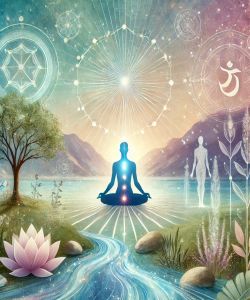
1. Overview of Spiritual Medicine
Spiritual Medicine constitutes a rigorous discipline focused on the interplay between non-physical dimensions of existence and overall human vitality. It is fundamentally distinct from conventional allopathic medicine, which primarily addresses physiological pathology. Instead, Spiritual Medicine addresses the metaphysical architecture of well-being, asserting that profound healing necessitates the alignment of an individual’s spiritual state with their physical and psychological health. This field is not merely a collection of anecdotal practices; it is a structured approach demanding serious engagement with concepts of meaning, purpose, and transcendental connection. It operates on the premise that existential distress and spiritual disconnection are potent co-factors in the manifestation of disease, and therefore, their resolution is imperative for holistic recovery. Practitioners of Spiritual Medicine utilise methodologies designed to catalyse inner transformation, facilitate reconciliation with profound life events, and activate inherent healing capacities that lie beyond the immediate scope of biochemical intervention. This domain requires a paradigm shift from viewing the patient solely as a biological mechanism to understanding them as an integrated spiritual entity. The application of these principles is systematic, requiring practitioners to possess acute sensitivity and robust ethical frameworks. It does not supplant necessary medical interventions but serves as a critical, often overlooked, adjunct, addressing the profound human need for coherence and meaning, which are essential components of enduring health. The efficacy of Spiritual Medicine is predicated on the individual’s commitment to introspective discipline and the practitioner’s competence in navigating complex psycho-spiritual landscapes. It is an exacting field, demanding intellectual rigour and emotional maturity from those who engage with it. The objective is unequivocal: the achievement of comprehensive well-being by addressing the root spiritual causes of suffering and facilitating a state of profound internal equilibrium. This overview establishes the necessary framework for understanding Spiritual Medicine as a serious, demanding, and essential component of integrative care, transcending simplistic notions of faith healing to embody a sophisticated understanding of the human condition.
2. What are Spiritual Medicine?
Spiritual Medicine refers to a broad spectrum of therapeutic modalities and philosophical frameworks that address the non-corporeal aspects of health and illness. It is predicated on the understanding that human beings are complex, integrated entities whose well-being depends not only on physiological function but also on spiritual and existential coherence. This discipline investigates and intervenes in areas pertaining to meaning, purpose, connection to the transcendent, and the resolution of profound inner conflict. It is imperative to distinguish Spiritual Medicine from specific religious dogma; whilst it may incorporate elements derived from various traditions, its core function is the application of universal spiritual principles to the healing process.
The scope of Spiritual Medicine encompasses several key domains:
- Existential Therapy: Addressing crises of meaning, particularly those arising from illness, loss, or trauma. This involves rigorous exploration of an individual’s core values and life purpose.
- Energy Modalities: Theoretical frameworks suggesting that subtle energy systems underpin physical health. Interventions aim to correct imbalances within these fields, utilizing techniques derived from both ancient traditions and contemporary integrative practices.
- Consciousness-Based Healing: Utilising altered states of consciousness, deep introspection, meditation, and profound visualization to access inherent self-regulatory mechanisms. This requires disciplined mental application.
- Transpersonal Psychology Integration: Incorporating insights regarding spiritual experiences and their impact on psychological stability and physical health outcomes.
Spiritual Medicine does not operate in isolation from conventional biomedical approaches; rather, it functions as a sophisticated adjunct, addressing dimensions of suffering that biochemical interventions cannot reach. It demands a comprehensive understanding of the interplay between belief systems, emotional states, and physiological responses. The term "medicine" in this context refers to any systematic intervention intended to alleviate suffering and restore wholeness, applied here to the spiritual dimension. Effective application requires specialized knowledge and a profound commitment to addressing the totality of the patient’s experience, recognizing that spiritual distress can be as debilitating as physical pathology. The methodologies employed are diverse but share a common objective: facilitating a state of profound inner alignment and resilience, considered foundational to enduring health.
3. Who Needs Spiritual Medicine?
The requirement for Spiritual Medicine extends beyond mere curiosity, addressing specific populations and circumstances where conventional modalities prove insufficient to achieve comprehensive well-being. Engagement with this discipline is essential for the following cohorts:
- Individuals Confronting Chronic or Terminal Diagnoses: Patients navigating severe health crises often experience profound existential distress, spiritual questioning, and a loss of meaning. Spiritual Medicine provides the necessary frameworks to address this suffering, independent of physiological treatment protocols.
- Persons Experiencing Treatment-Resistant Psychosomatic Conditions: Where psychological and emotional distress manifests physically, and standard medical interventions offer limited relief, addressing underlying spiritual or energetic imbalances becomes imperative.
- Individuals Suffering from Existential Vacuum or Spiritual Emergency: This includes those grappling with a profound lack of purpose, disconnection from core values, or overwhelming transcendental experiences that destabilise psychological equilibrium. These individuals require structured guidance to integrate these experiences constructively.
- Patients Seeking Holistic Integration Post-Trauma: Trauma often fractures an individual’s sense of self and worldview. Spiritual Medicine facilitates the reconstruction of a coherent narrative and the restoration of spiritual integrity, which are critical components of recovery.
- Healthcare Professionals Experiencing Burnout and Moral Injury: Clinicians frequently exposed to suffering and ethical dilemmas require robust spiritual resources to maintain their own resilience, compassion, and professional efficacy. Spiritual Medicine offers tools to mitigate vocational exhaustion.
- End-of-Life Care Recipients and Their Families: The transition at the end of life necessitates profound spiritual support to address fear, facilitate reconciliation, and find peace. This is a core competency of specialized Spiritual Medicine practitioners.
- Individuals Committed to Profound Personal Transformation: Beyond the context of illness, those rigorously pursuing higher states of consciousness, self-actualisation, and enhanced vitality utilize Spiritual Medicine principles as a structured pathway for development.
- Patients Whose Belief Systems Conflict with Standard Medical Paradigms: Individuals holding strong spiritual or philosophical beliefs regarding health and healing require practitioners capable of integrating these perspectives respectfully and effectively into a comprehensive care plan.
- Those Seeking Comprehensive Preventative Care: Individuals recognizing that sustained health requires proactive maintenance of spiritual and emotional balance, not just physical monitoring.
4. Origins and Evolution of Spiritual Medicine
The foundations of Spiritual Medicine are archaic, intrinsically linked to the earliest human attempts to comprehend and alleviate suffering. In virtually all indigenous and ancient cultures, the roles of healer and spiritual intercessor were unified. Illness was universally interpreted not merely as physiological dysfunction but as a manifestation of spiritual imbalance, ancestral discord, or transgression against cosmic order. Shamanic traditions, prevalent globally, represent the earliest structured forms of Spiritual Medicine, utilizing trance states, ritual, and engagement with non-ordinary reality to diagnose and treat afflictions. These practices established the fundamental premise that healing requires addressing the whole person within their spiritual context.
The classical civilizations further developed these concepts. In Ancient Egypt and Mesopotamia, medicine was inextricably intertwined with theological frameworks, where priests functioned as primary healers. The Hellenic tradition, particularly with the Asclepian temple healing practices, integrated dream incubation and ritual purification, acknowledging the necessity of divine intervention in restoration of health. While Hippocratic medicine began to pivot towards rational observation of physical symptoms, it still recognized the intrinsic healing power of nature (vis medicatrix naturae) and the importance of holistic balance.
During the medieval period in Europe, medicine was largely curated by monastic institutions, firmly rooting healthcare within a spiritual paradigm. Healing was often contingent upon faith, penance, and the intercession of saints. Simultaneously, Islamic Golden Age scholars preserved and advanced medical knowledge, maintaining a holistic view that encompassed spiritual and psychological dimensions alongside the somatic.
The European Enlightenment and the subsequent rise of the biomedical model marked a significant divergence. The Cartesian dualism of mind and body led to the systematic marginalisation of spiritual concerns within mainstream medicine. Health became mechanised, focusing exclusively on quantifiable biological processes. Spiritual care was relegated firmly to the domain of religious institutions, creating a profound schism between physical treatment and spiritual healing.
The late twentieth century, however, witnessed a resurgence of interest in holistic approaches, catalysed by the limitations of the biomedical model in addressing chronic disease and existential suffering. The emergence of transpersonal psychology, palliative care movements, and the integration of Eastern philosophies such as Traditional Chinese Medicine and Ayurveda reintroduced spiritual concepts into the healthcare dialogue. Contemporary Spiritual Medicine represents a sophisticated synthesis of ancient wisdom traditions and modern psychotherapeutic insights, striving to reintegrate the essential, non-physical dimensions of healing into a comprehensive system of care, thereby correcting the historical reductionism of purely materialistic medicine.
5. Types of Spiritual Medicine
Spiritual Medicine encompasses diverse methodologies, each addressing the non-physical dimensions of health through distinct theoretical frameworks and practical applications. A rigorous understanding of these typologies is essential for effective implementation.
- Biofield Therapies: These modalities operate on the premise that measurable and subtle energy fields permeate and surround the human body. Practitioners intervene to detect and correct perceived imbalances or blockages within this biofield.
- Reiki: A technique originating from Japan involving the channeling of universal energy through the practitioner to the recipient to activate natural healing processes and restore physical and emotional well-c-being.
- Therapeutic Touch: A contemporary interpretation of several ancient healing practices, involving the intentional and directed use of the practitioner’s hands to modulate the recipient's energy field, often without direct physical contact.
- Pranic Healing: A highly structured system that utilizes vital energy (prana) to balance, harmonize, and transform the body's energy processes, focusing on cleansing and energizing specific energy centres.
- Mind-Body-Spirit Interventions: These approaches focus on the profound interconnections between mental processes, physiological function, and spiritual awareness.
- Mindfulness and Meditation Practices: Disciplined techniques designed to cultivate present-moment awareness, alter consciousness, and reduce psycho-spiritual distress, leading to demonstrable physiological benefits.
- Guided Imagery and Visualization: The therapeutic use of directed imagination to influence physiological responses, resolve emotional conflicts, and access inner wisdom or spiritual guidance.
- Transpersonal Psychotherapy: A psychological discipline that integrates the spiritual and transcendent aspects of the human experience within the framework of modern psychology, addressing spiritual emergencies and existential crises.
- Ethno-spiritual Healing Systems: Comprehensive systems of medicine rooted in specific cultural traditions that inherently integrate spiritual and physical healing.
- Traditional Chinese Medicine (TCM): Incorporates concepts of Qi (vital energy), Yin/Yang balance, and the connection between organ systems and emotions/spirit (Shen), utilizing acupuncture, herbal medicine, and Qigong.
- Ayurveda: The traditional medicine system of India, focusing on balancing the doshas (bio-energetic principles) and recognizing consciousness as primary to health, employing diet, herbs, meditation, and purification practices.
- Shamanic Healing: Indigenous practices involving the practitioner entering altered states of consciousness to interact with the spiritual realm for purposes of retrieving lost soul parts, extracting spiritual intrusions, or mediating information.
- Faith-Based Healing Modalities: Practices explicitly rooted within specific theological frameworks.
- Intercessory Prayer: The practice of petitioning a higher power on behalf of an individual seeking healing.
6. Benefits of Spiritual Medicine
The integration of Spiritual Medicine into a comprehensive health strategy yields profound benefits that extend beyond mere symptom management. These advantages are derived from addressing the fundamental, non-physical dimensions of human existence.
- Enhanced Existential Well-being: Provides robust frameworks for finding meaning and purpose, particularly amidst crises such as severe illness or trauma, thereby mitigating despair and fostering resilience.
- Alleviation of Psycho-Spiritual Distress: Directly addresses underlying spiritual conflicts, moral injury, and existential anxieties that often manifest as psychological or physical symptoms resistant to conventional treatments.
- Augmentation of Inherent Healing Mechanisms: Activates the body's intrinsic self-regulatory and reparative capacities, often referred to as the relaxation response or placebo effect, through practices that induce profound states of inner calm and coherence.
- Improved Coping Mechanisms and Adaptability: Cultivates superior emotional regulation and psychological flexibility, enabling individuals to navigate adversity with greater equanimity and reduced stress reactivity.
- Facilitation of Post-Traumatic Growth: Supports the transformation of traumatic experiences into opportunities for profound personal and spiritual development, moving beyond recovery to achieve enhanced functioning and awareness.
- Strengthened Sense of Connection and Reduced Isolation: Addresses feelings of profound loneliness and disconnection—whether from self, others, or a transcendent principle—which are recognized co-factors in morbidity.
- Support for Behavioural Change and Adherence: By aligning health behaviors with deeply held spiritual values and motivations, adherence to necessary lifestyle modifications and treatment regimens is significantly reinforced.
- Optimization of Palliative and End-of-Life Care: Provides essential support during the dying process, facilitating peace, reconciliation, and dignity, thereby improving the quality of life until the moment of death.
- Reduction of Systemic Stress Responses: Practices inherent to Spiritual Medicine, such as meditation and energy work, demonstrably downregulate sympathetic nervous system activity, contributing to reduced inflammation and improved immune function.
- Deepened Self-Awareness and Actualisation: Facilitates a rigorous process of introspection and self-discovery, leading to greater coherence between an individual’s actions and their fundamental spiritual identity.
- Cultivation of Compassion and Empathy: For practitioners and recipients alike, engagement with Spiritual Medicine fosters a deeper understanding of the human condition, enhancing therapeutic relationships and social cohesion.
7. Core Principles and Practices of Spiritual Medicine
The discipline of Spiritual Medicine is governed by a set of foundational principles and rigorous practices that distinguish it from unstructured spirituality or purely biomedical approaches. Adherence to these tenets is mandatory for efficacious application.
Core Principles:
- Holism and Integration: The fundamental assertion that human beings are indivisible entities where mind, body, and spirit are inextricably linked. Pathology in one domain inevitably affects the others; therefore, intervention must address the whole person.
- Inherent Healing Capacity: Recognition of vis medicatrix naturae, the innate drive of the organism towards healing and wholeness. Spiritual Medicine seeks to remove obstructions to this natural process and augment its function.
- Centrality of Meaning and Purpose: The principle that existential coherence—understanding one’s purpose and finding meaning in experiences, including suffering—is a critical determinant of health and resilience.
- Primacy of Consciousness: The understanding that consciousness is not merely an epiphenomenon of biology but a fundamental aspect of reality that can profoundly influence physical health outcomes.
- The Healer-Patient Relationship as Sacred Space: The therapeutic alliance is viewed as a critical component of the healing process, requiring profound presence, compassion, and ethical integrity from the practitioner.
- Individuality of the Spiritual Path: Respect for the unique spiritual orientation and belief system of the individual, avoiding dogmatic imposition and tailoring interventions to the patient’s specific worldview.
Core Practices:
- Spiritual Assessment: A systematic evaluation of an individual's spiritual needs, resources, conflicts, and history. This is a diagnostic prerequisite for intervention.
- Deep Listening and Presence: The cultivated practice of being fully attentive and non-judgmental with the recipient, creating a therapeutic container characterized by safety and profound acknowledgment.
- Meditation and Mindfulness Training: Instructing and guiding individuals in practices that stabilize the mind, enhance self-awareness, regulate stress responses, and facilitate access to deeper states of consciousness.
- Energy Field Modulation: The application of various techniques (e.g., Reiki, Therapeutic Touch) intended to balance and harmonize subtle energy systems believed to underpin physiological health.
- Narrative Reconstruction and Meaning-Making: Guiding individuals through the process of reviewing their life story, addressing unresolved trauma, and reframing adverse experiences within a context of meaning and growth.
- Ritual and Symbolic Healing: The intentional use of ritual to mark transitions, release emotional burdens, or connect with transcendent resources, acknowledging the power of symbolism in human psychology.
- Contemplation of Mortality: Facilitating a direct and courageous engagement with the reality of impermanence and death to alleviate fear and clarify life priorities.
8. Online Spiritual Medicine
The delivery of Spiritual Medicine via digital platforms represents a significant evolution in practice, demanding adaptation whilst maintaining rigorous standards. Online modalities offer specific benefits related to accessibility and continuity of care.
- Enhanced Accessibility and Reach: Digital delivery eliminates geographical barriers, providing access to specialized practitioners for individuals in remote locations or those with mobility restrictions. This democratization of access is a principal advantage.
- Continuity of Therapeutic Relationship: Online platforms ensure uninterrupted engagement between practitioner and recipient, regardless of relocation or travel, facilitating the sustained deep work required in Spiritual Medicine.
- Facilitation of Home-Based Practice Integration: Receiving guidance within one’s own environment can enhance the integration of spiritual practices into daily life. The home environment becomes the immediate locus of healing application.
- Anonymity and Reduced Stigma: For individuals sensitive to the perceived stigma associated with seeking spiritual or existential support, the relative anonymity of online interaction provides a secure entry point to care.
- Optimised Resource Utilisation: Digital platforms allow for the efficient integration of multimedia resources, guided meditations, and educational materials directly into synchronous sessions and asynchronous support structures.
- Cultivation of Energetic Sensitivity Beyond Physical Proximity: The online medium challenges both practitioner and recipient to develop heightened awareness of subtle energetic and intuitive connections that transcend physical space, reinforcing the principle of non-local consciousness inherent in many spiritual traditions.
- Structured Self-Discipline: The requirement for self-directed engagement with asynchronous materials and adherence to scheduled virtual appointments fosters necessary discipline and autonomy in the recipient’s healing process.
- Flexibility in Therapeutic Modalities: While excluding direct physical touch, online platforms are highly effective for delivering core Spiritual Medicine practices such as guided visualization, mindfulness instruction, transpersonal counseling, existential therapy, and certain forms of remote energy work.
- Data Security and Confidentiality: Professional tele-health platforms offer robust encryption and security protocols, ensuring the confidentiality required for the deeply personal nature of spiritual exploration and counseling.
- Immediate Crisis Support Access: Online modalities facilitate rapid access to spiritual support during acute existential or emotional crises, bypassing logistical delays associated with physical appointments.
9. Spiritual Medicine Techniques
The application of Spiritual Medicine involves a repertoire of precise techniques designed to intervene at the nexus of spirit, mind, and body. Mastery of these techniques is essential for effective practice.
- Comprehensive Spiritual History Taking:
- Conduct a rigorous inquiry into the individual’s belief systems, sources of meaning, spiritual resources, and experiences of spiritual distress or crisis.
- Utilise validated assessment tools to identify spiritual needs and potential conflicts impacting health.
- Mindfulness-Based Stress Reduction (MBSR) Protocols:
- Instruct the individual in focused attention and open monitoring meditation.
- Apply body scan techniques to cultivate profound somatic awareness and release psycho-physical tension.
- Integrate mindful movement practices to foster embodiment.
- Guided Visualization for Healing:
- Develop bespoke imagery scripts tailored to the individual's condition and symbolic language.
- Guide the recipient into a deeply relaxed state (e.g., theta brainwave dominance).
- Facilitate interaction with internal symbols of healing, wisdom, or resolution to activate psychoneuroimmunological pathways.
- Biofield Energy Balancing (e.g., Reiki, Therapeutic Touch):
- Systematically assess the recipient’s energy field for perceived disruptions, congestion, or depletion.
- Intentionally channel or modulate universal energy through focused intention and precise hand placements (either proximate or distant).
- Re-assess and stabilize the biofield post-intervention.
- Logotherapy and Meaning-Centred Counselling:
- Employ Socratic dialogue to explore the individual’s search for purpose.
- Assist in identifying core values and aligning life choices with these values.
- Facilitate the discovery of meaning within unavoidable suffering or adversity.
- Ritual Creation and Facilitation:
- Co-create personalized rituals to address specific needs, such as grief release, forgiveness, or life transitions.
- Establish a secure and sacred container for the ritual process.
- Guide the enactment of symbolic actions that facilitate psychological and spiritual shifts.
- Breathwork Modulation:
- Teach specific pranayama or conscious connected breathing techniques.
- Utilise breath patterns to regulate the autonomic nervous system, manage emotional states, or induce non-ordinary states of consciousness for therapeutic purposes.
- Transpersonal Shadow Work:
- Identify repressed or disowned aspects of the psyche that contribute to suffering.
- Utilise techniques such as dream analysis or active imagination to integrate these elements.
- Facilitate a movement towards psychological wholeness and authenticity.
10. Spiritual Medicine for Adults
Spiritual Medicine for adult populations addresses the complex existential and developmental challenges inherent to maturity, illness, and mortality. Unlike pediatric applications, adult engagement necessitates a high degree of cognitive autonomy, introspective capacity, and responsibility for one’s own internal state. The application in adults is often precipitated by crises—such as chronic disease, career burnout, relationship dissolution, or the confrontation with mortality—that disrupt established worldviews and demand a deeper examination of meaning. For adults, Spiritual Medicine is not merely about comfort; it is a rigorous process of dismantling limiting belief structures and fostering profound realignment with core values. It demands confronting uncomfortable truths about impermanence and personal responsibility.
Core areas of focus include the resolution of long-standing psycho-spiritual conflicts, often stemming from historical trauma or moral injury, which may manifest as treatment-resistant physical or psychological symptoms. Techniques employed are sophisticated, encompassing advanced meditative practices, existential psychotherapy, and intensive self-inquiry designed to catalyse transformation. Adults are expected to take an assertive role in their healing journey, implementing prescribed spiritual practices with discipline and consistency.
Furthermore, Spiritual Medicine for adults specifically addresses end-of-life concerns. This involves intensive work surrounding life review, legacy creation, forgiveness, and the alleviation of existential dread. The objective is to facilitate a transition characterized by peace and coherence, irrespective of physical prognosis. In professional contexts, it provides essential tools for mature professionals navigating high-stress environments, mitigating burnout by reinforcing a connection to vocation and higher purpose. The approach is necessarily pragmatic, integrating spiritual insights into the complexities of adult life, responsibilities, and relationships. It operates on the understanding that sustained adult well-being requires a robust spiritual foundation capable of withstanding significant life stressors. The practitioner’s role is that of a rigorous facilitator, challenging the adult client to access deeper levels of awareness and authenticity, rather than providing simplistic solace. Efficacy in this population is contingent upon the individual's willingness to engage in demanding self-examination and sustained practice.
11. Total Duration of Online Spiritual Medicine
The temporal commitment required for Online Spiritual Medicine is contingent upon the individual’s objectives, the complexity of the presenting issues, and the specific modality employed. It is not a discipline amenable to cursory engagement; sustained application is requisite for profound transformation. While the overarching journey of spiritual healing is often lifelong, structured interventions adhere to specific formats. A standard synchronous online therapeutic session is typically calibrated to a precise duration of 1 hr. This timeframe is considered optimal for maintaining focused engagement, facilitating deep exploration of sensitive issues, and administering specific techniques such as guided visualization or energy work without inducing cognitive fatigue in the recipient or practitioner. The frequency of these 1 hr sessions is determined by clinical necessity, often commencing on a weekly basis during acute phases of distress or intensive work, and potentially tapering as the individual develops greater autonomy and stability. Beyond synchronous interaction, comprehensive online programmes mandate substantial asynchronous engagement. Participants are expected to dedicate significant time to prescribed practices, reflective exercises, and study of provided materials. The duration of a complete course of intervention—whether educational or therapeutic—varies substantially. A foundational course might span several months of weekly 1 hr sessions, supplemented by daily practice. Advanced training or long-term therapeutic engagement aimed at resolving profound trauma or existential crises may extend over multiple years. It is imperative to understand that the 1 hr session is merely the focal point of guidance; the primary work occurs through the consistent application of principles outside of these formal interactions. The total duration is therefore defined not by session count, but by the achievement of specific therapeutic or developmental milestones, demanding rigorous commitment over an extended period.
12. Things to Consider with Spiritual Medicine
Engagement with Spiritual Medicine necessitates careful deliberation and a clear understanding of its scope and limitations. It is not a panacea, nor is it a substitute for necessary conventional medical or psychiatric treatment. Prospective participants and practitioners must adopt a discerning approach. A critical consideration is the differentiation between genuine Spiritual Medicine, which integrates rigorous methodology and ethical practice, and superficial or exploitative practices. One must scrutinize the qualifications, training, and professional grounding of any practitioner. Unqualified guidance in profound spiritual matters can lead to psychological destabilization or spiritual bypassing, where individuals use spiritual concepts to avoid addressing necessary psychological work.
It is imperative to establish clear boundaries between Spiritual Medicine and religious dogma. While an individual’s faith may be a resource, Spiritual Medicine must remain adaptable to diverse belief systems, including secular or agnostic perspectives. The imposition of a practitioner’s specific theology is a significant ethical breach. Furthermore, individuals must assess their own psychological stability before undertaking intensive spiritual work, particularly modalities designed to induce non-ordinary states of consciousness. Latent psychiatric vulnerabilities may be exacerbated by inappropriate application of powerful techniques. A thorough assessment by a qualified professional is a prerequisite.
The integration of Spiritual Medicine with conventional healthcare requires careful management. Patients must maintain open communication with their primary medical providers regarding any complementary spiritual practices. Discontinuing prescribed medical treatments in favour of spiritual interventions alone carries substantial risk and is strongly contraindicated. Spiritual Medicine should function as an adjunct, enhancing holistic well-being rather than replacing evidence-based care. Expectations regarding outcomes must also be managed realistically. While Spiritual Medicine addresses suffering, facilitates meaning, and can improve quality of life, it does not universally guarantee physical cures. The objective is healing—the restoration of wholeness—which may occur independently of curing a specific pathology. Finally, the commitment required is substantial; Spiritual Medicine demands rigorous introspection, discipline, and a willingness to confront profound existential issues. It is a demanding path that requires significant investment of personal energy and commitment.
13. Effectiveness of Spiritual Medicine
The effectiveness of Spiritual Medicine must be evaluated using metrics appropriate to its objectives, which transcend mere symptom reduction to include enhanced existential well-being, resilience, and profound inner coherence. When assessed within this framework, its efficacy is substantial. Spiritual Medicine demonstrates high effectiveness in mitigating existential distress, particularly in palliative care settings and among individuals navigating chronic illness. By providing robust frameworks for meaning-making and connection, it demonstrably improves quality of life metrics, reduces despair, and enhances coping mechanisms, irrespective of physical prognosis. This addresses a critical gap where purely biomedical interventions often fall short.
Furthermore, specific modalities within Spiritual Medicine, notably mindfulness and meditation, possess a robust evidence base demonstrating their efficacy in modulating stress responses, improving emotional regulation, and impacting psychoneuroimmunological pathways. These practices effectively downregulate sympathetic nervous system activity and have verifiable impacts on psychological health. The effectiveness of biofield therapies remains a subject of rigorous academic debate; however, subjective reports consistently indicate significant benefits in terms of relaxation, pain reduction, and overall well-being. While the mechanisms of action may not fully align with current biochemical models, the therapeutic outcomes cannot be readily dismissed.
A crucial determinant of effectiveness is the quality of the therapeutic alliance. In Spiritual Medicine, the practitioner’s presence, authenticity, and capacity to hold a safe space for profound exploration are potent therapeutic agents in themselves. This relational aspect facilitates trust and openness, enabling individuals to engage in the deep introspective work necessary for healing trauma and resolving internal conflict. Effectiveness is also observed in the facilitation of post-traumatic growth, where individuals integrate adverse experiences and emerge with enhanced spiritual maturity and purpose. However, it is imperative to assert that the effectiveness of Spiritual Medicine is contingent upon appropriate application. It is highly effective for addressing spiritual suffering, enhancing well-being, and supporting overall resilience, but it must not be misconstrued as a replacement for essential medical treatment of acute organic pathology. Its greatest effectiveness lies in its integrative capacity, addressing the totality of human experience.
14. Preferred Cautions During Spiritual Medicine
The practice of Spiritual Medicine, while potentially transformative, involves navigating profound aspects of human consciousness and existential concern, necessitating the imposition of rigorous cautionary measures. It is imperative that Spiritual Medicine never be utilized as a substitute for indicated medical or psychiatric treatment. Practitioners bear an ethical obligation to ensure clients are appropriately engaged with conventional healthcare providers for any physiological or severe psychological pathology. Neglecting this duty constitutes gross negligence. A primary caution concerns the risk of psychological destabilization. Intensive spiritual practices, particularly those designed to induce altered states of consciousness or confront repressed trauma, can exacerbate latent mental health conditions such as psychosis, severe anxiety disorders, or personality disorders. Thorough psychological screening and ongoing assessment are mandatory prerequisites for engagement.
Another significant risk is "spiritual bypassing," wherein spiritual concepts or practices are employed to avoid confronting unresolved emotional issues, psychological wounds, or practical life problems. Practitioners must remain vigilant against this defense mechanism, ensuring that the work facilitates genuine integration rather than escapism. Ethical boundaries must be maintained with uncompromising rigidity. Given the vulnerability of individuals seeking spiritual support and the potential for transference, practitioners must adhere to the highest standards of professional conduct, avoiding dual relationships, financial exploitation, or the imposition of personal dogma. The power differential inherent in the healer-client relationship demands scrupulous ethical oversight.
Caution is also warranted regarding the interpretation of spiritual experiences. Practitioners must avoid validating delusions or encouraging magical thinking that could lead clients to make detrimental life decisions. The objective is integration and grounding, not inflation or detachment from reality. Furthermore, in the realm of energy medicine, practitioners must operate within their scope of competence and avoid making unsubstantiated claims of curing specific diseases. The focus must remain on supporting overall well-being and energetic balance. Finally, cultural appropriation is a serious concern. Utilizing techniques from indigenous or traditional systems requires profound respect, appropriate training, and, where applicable, permission. Superficial or disrespectful application of sacred traditions is unethical and potentially harmful. Adherence to these cautions is non-negotiable for the safe and effective practice of Spiritual Medicine.
15. Spiritual Medicine Course Outline
A comprehensive educational programme in Spiritual Medicine must be structured rigorously to ensure theoretical competence and practical proficiency. The following outline delineates the essential modules of such a course.
Module I: Foundational Principles and Historical Context
- Defining Spiritual Medicine: Differentiating spirituality, religion, and biomedical paradigms.
- The Anthropology of Healing: Historical and cross-cultural perspectives on integrated healing systems.
- The Biopsychosocial-Spiritual Model: A framework for comprehensive holistic care.
- Ethics and Professional Boundaries: Navigating vulnerability, transference, and scope of practice.
Module II: Consciousness, Health, and Illness
- The Role of Consciousness in Healing: Exploring psychoneuroimmunology and the placebo effect.
- Existential and Spiritual Distress: Diagnosis and impact on morbidity and mortality.
- Trauma and the Soul: Understanding moral injury and spiritual fracture.
- Theories of Subtle Energy and Biofield Science: Critical examination of energetic models of health.
Module III: Assessment and Diagnosis in Spiritual Care
- Conducting the Spiritual History: Rigorous methodologies for assessment.
- Identifying Spiritual Resources and Conflicts.
- Differentiating Spiritual Emergency from Psychopathology.
- Developing an Integrated Spiritual Care Plan.
Module IV: Core Intervention Techniques – Mind-Body Practices
- Mastery of Meditation and Mindfulness Modalities: Theory and application.
- Therapeutic Breathwork: Techniques for autonomic nervous system regulation.
- Guided Imagery and Symbolic Healing: Advanced visualization protocols.
- Logotherapy and Meaning-Centred Interventions.
Module V: Core Intervention Techniques – Energy Modalities
- Theoretical Frameworks of Energy Healing (e.g., Reiki, Pranic Healing, Therapeutic Touch).
- Techniques for Biofield Assessment and Modulation.
- Distant Healing: Principles and protocols.
- Maintaining Energetic Hygiene for the Practitioner.
Module VI: Specialized Applications
- Spiritual Medicine in Palliative and End-of-Life Care.
- Integrating Spiritual Care in Chronic Illness Management.
- Addressing Burnout and Compassion Fatigue in Healthcare Professionals.
- Working with Grief, Loss, and Transition.
Module VII: Integration and Practicum
- Case Study Analysis: Applying principles to complex scenarios.
- Interdisciplinary Collaboration: Communicating effectively within healthcare teams.
- Supervised Practical Application: Demonstrating competence in core techniques.
- Personal Spiritual Discipline: The necessity of the practitioner’s own inner work.
16. Detailed Objectives with Timeline of Spiritual Medicine
The acquisition of competency in Spiritual Medicine follows a structured timeline, with specific objectives delineated for each phase of training or therapeutic engagement. Mastery is sequential and cumulative.
Phase I: Foundation and Stabilization (Months 1-3)
- Establish Theoretical Framework: Participants will demonstrate comprehensive understanding of the biopsychosocial-spiritual model of health and articulate the distinctions between Spiritual Medicine and conventional approaches.
- Initiate Personal Practice: Individuals will establish and maintain a daily discipline of mindfulness or meditation, demonstrating enhanced self-regulation and introspective capacity.
- Spiritual Assessment Competency: Trainees will be capable of conducting a thorough spiritual assessment, identifying key resources, needs, and potential areas of distress.
- Stabilize Acute Distress: For therapeutic clients, the objective is the reduction of acute existential anxiety or spiritual crisis through foundational supportive techniques and establishing a robust therapeutic alliance.
Phase II: Deepening Techniques and Application (Months 4-9)
- Master Core Intervention Modalities: Practitioners in training will demonstrate proficiency in facilitating guided imagery, basic breathwork techniques, and at least one standardized energy modality.
- Engage in Meaning-Making Work: Clients will actively engage in logotherapy or narrative reconstruction, identifying core values and reformulating their relationship to illness or adversity.
- Address Shadow Material and Trauma: Participants will begin the rigorous process of identifying and integrating repressed psychological content or unresolved spiritual trauma within a secure therapeutic container.
- Understand Biofield Dynamics: Trainees will articulate complex theories of subtle energy and demonstrate initial competence in biofield assessment.
Phase III: Integration and Advanced Practice (Months 10-18)
- Achieve Holistic Integration: Clients will demonstrate sustained integration of spiritual principles into daily life, exhibiting enhanced resilience, existential coherence, and improved overall well-being.
- Advanced Technique Application: Practitioners will demonstrate competence in managing complex cases, including spiritual emergencies, profound grief, and end-of-life care.
- Ethical Autonomy: Trainees will consistently apply rigorous ethical frameworks to complex clinical situations, particularly concerning boundaries and scope of practice.
- Interdisciplinary Collaboration: Practitioners will effectively integrate Spiritual Medicine protocols within broader healthcare settings, communicating effectively with professionals from other disciplines.
Phase IV: Mastery and Consolidation (Beyond 18 Months)
- Sustained Transformation: Clients demonstrate enduring positive changes in spiritual orientation and life purpose.
- Expert Facilitation: Practitioners operate with sophisticated intuition and technical skill, adapting methodologies fluidly to diverse client needs.
- Mentorship and Supervision: Advanced practitioners demonstrate the capacity to supervise and mentor junior colleagues in the discipline of Spiritual Medicine.
17. Requirements for Taking Online Spiritual Medicine
Participation in Online Spiritual Medicine programmes, whether for therapeutic purposes or professional training, necessitates meeting stringent requirements. These prerequisites ensure efficacy, safety, and the integrity of the digital therapeutic environment.
Technical Requirements:
- Reliable High-Speed Internet Connectivity: Uninterrupted broadband access is mandatory to maintain the integrity of synchronous sessions, preventing disruptions during sensitive therapeutic interventions or energy work.
- Appropriate Hardware: Access to a modern computer, tablet, or smartphone equipped with a functional high-definition webcam and microphone is required. Audio quality must be pristine to facilitate subtle communication cues.
- Competence with Digital Platforms: Participants must possess baseline proficiency in utilizing specified teleconferencing software and learning management systems used for secure communication and resource delivery.
Environmental Requirements:
- Secured Private Space: Participants must guarantee access to a private, quiet environment for the duration of all sessions. Interruptions or lack of confidentiality compromise the therapeutic container.
- Dedicated Focus: The environment must be free from distractions. Multitasking or engagement in other activities during online sessions is strictly prohibited.
Psychological and Personal Requirements:
- Psychological Stability: Individuals must possess sufficient psychological stability to engage in deep introspective work. Online Spiritual Medicine is contraindicated for individuals in acute psychiatric crisis unless integrated within a comprehensive care team.
- Commitment to Self-Discipline: The online modality demands a high degree of personal accountability for completing asynchronous assignments, maintaining daily practices, and punctual attendance at scheduled sessions.
- Intellectual Rigour and Openness: Participants must be prepared to engage critically with complex philosophical and theoretical concepts, whilst maintaining openness to non-ordinary ways of knowing.
- Ethical Integrity: Commitment to confidentiality, honesty in self-reporting, and respectful engagement within the digital learning or therapeutic community is essential.
- Informed Consent: A thorough understanding and acceptance of the potentials and limitations of online delivery for Spiritual Medicine practices, including remote energy work and counselling, must be formally established.
- Medical Liaison: Participants undergoing treatment for physical or mental health conditions must remain under the care of qualified medical professionals and consent to communication between their Spiritual Medicine practitioner and medical team if necessary.
18. Things to Keep in Mind Before Starting Online Spiritual Medicine
Commencing a programme of Online Spiritual Medicine requires meticulous preparation and a realistic appraisal of the demands involved. This modality, while accessible, is no less rigorous than in-person engagement. Prospective participants must understand that the digital format places a greater onus on the individual for establishing a conducive healing environment. Ensuring absolute privacy and freedom from interruption during sessions is paramount; the efficacy of deep therapeutic or energetic work depends upon a secure, undisturbed container, which the participant must actively maintain within their own physical space. Technical reliability is not optional; suboptimal connectivity or inadequate equipment will undermine the therapeutic process.
It is crucial to approach Online Spiritual Medicine with clearly defined intentions and realistic expectations. While digital transmission of subtle energy and profound therapeutic connection are entirely feasible, they require focused intentionality from both practitioner and recipient. Individuals must be prepared to cultivate heightened sensitivity to non-verbal and energetic cues in the absence of physical proximity. The discipline required for self-directed practice between sessions is significantly higher in online formats. Success is contingent upon the rigorous application of prescribed exercises, meditations, and reflective work outside the structured synchronous meetings.
Psychological preparedness is essential. Online Spiritual Medicine involves confronting profound existential issues, unresolved trauma, and deeply ingrained belief patterns. This process can be destabilizing. Individuals must honestly assess their current emotional resilience and ensure they have adequate support systems in place. It is imperative to recognize that online practitioners cannot provide immediate physical crisis intervention. Furthermore, participants must vet potential practitioners rigorously. The online space is susceptible to unqualified individuals offering spiritual services. Verification of credentials, ethical frameworks, and alignment with the participant’s needs is a necessary due diligence. Finally, it must be unequivocally understood that Online Spiritual Medicine serves as a powerful adjunct to, but not a replacement for, essential medical or psychiatric care. Any intention to discontinue conventional treatment must be immediately disclosed and discussed with all relevant healthcare providers.
19. Qualifications Required to Perform Spiritual Medicine
The practice of Spiritual Medicine demands a sophisticated suite of qualifications that integrate clinical competence, deep spiritual maturity, and uncompromising ethical grounding. It is a specialized field requiring more than superficial training or personal belief. Practitioners must demonstrate mastery in several core domains to operate effectively and safely. The variability in credentialing necessitates a focus on demonstrable competencies rather than singular certifications.
A foundational qualification is often a recognized degree in a relevant discipline such as clinical psychology, counselling, medicine, nursing, or divinity/theology. This ensures a baseline understanding of human physiology, psychopathology, and ethical practice within a helping profession. However, conventional qualifications alone are insufficient. Specialized training in Spiritual Medicine modalities is mandatory.
Essential qualifications include:
- Advanced Training in Transpersonal Psychology or Existential Therapy: Practitioners must be skilled in navigating crises of meaning, spiritual emergencies, and the integration of transcendental experiences. This requires rigorous psychological training that extends beyond standard clinical models.
- Certification in Specific Modalities: If employing techniques such as Reiki, Therapeutic Touch, or Mindfulness-Based Stress Reduction (MBSR), practitioners must hold advanced certifications from reputable institutions demonstrating substantial training and supervised practice in those specific areas.
- Clinical Pastoral Education (CPE) or Equivalent: For those operating within healthcare contexts, completion of multiple units of CPE or similar rigorous training in interfaith spiritual care and crisis support is essential.
- Profound Knowledge of Comparative Wisdom Traditions: A sophisticated understanding of various spiritual and philosophical systems is necessary to respect and work within diverse client worldviews without bias or appropriation.
- Demonstrable Personal Spiritual Maturity: The practitioner must engage in ongoing, disciplined personal spiritual practice and self-reflection. This internal work is crucial to prevent countertransference and ensure the capacity to hold space for profound suffering.
- Ethical Rigour and Boundary Competence: Unwavering adherence to a professional code of ethics, with specific expertise in managing the unique vulnerabilities and power dynamics inherent in spiritual guidance.
- Competence in Risk Assessment: The ability to accurately differentiate between spiritual experiences and psychopathology, ensuring appropriate referrals to mental health professionals when necessary.
Possessing these qualifications is imperative for any individual claiming competence in Spiritual Medicine. The complexity of the human psycho-spiritual landscape demands nothing less than expert navigation.
20. Online Vs Offline/Onsite Spiritual Medicine
The delivery modality of Spiritual Medicine—online versus offline/onsite—presents distinct advantages and constraints that must be rigorously evaluated based on the intervention required and the client’s needs.
Online Spiritual Medicine
The digital delivery of Spiritual Medicine prioritises accessibility and continuity. It eradicates geographical limitations, allowing clients to engage with specialized practitioners irrespective of location. This modality is exceptionally effective for interventions primarily based on verbal exchange, visualization, guided meditation, and transpersonal counselling. The requirement for the client to establish their own healing space fosters autonomy and immediate integration of practices into their home environment. Furthermore, certain modalities of energy work predicated on the principle of non-locality (e.g., distant healing) are executed effectively via online platforms, demanding heightened intuitive sensitivity from the practitioner. However, the online format necessitates robust technological infrastructure and digital literacy. The absence of immediate physical presence can make acute crisis management challenging and may hinder the detection of subtle somatic cues. The integrity of the therapeutic container relies heavily on the client’s ability to secure a private, uninterrupted environment.
Offline/Onsite Spiritual Medicine
Onsite practice leverages the immediate power of physical presence and a controlled therapeutic environment. The practitioner assumes responsibility for establishing and maintaining the sacred space, which can be critical for clients experiencing profound vulnerability or instability. Direct physical presence enhances the therapeutic alliance, facilitating deeper levels of trust and allowing for nuanced observation of physiological responses. Modalities involving direct physical contact or proximate biofield manipulation (e.g., hands-on healing, certain acupuncture practices within TCM) inherently require an offline setting. The sensory aspects of healing—such as specific aromas, sounds, and the physical ambience of a dedicated healing space—are fully accessible only in person, enhancing ritual and symbolic interventions. Offline engagement eliminates technological barriers and disruptions. Conversely, onsite delivery is constrained by geography, logistics, and accessibility issues for mobility-impaired individuals. It requires physical infrastructure and may present logistical challenges for maintaining continuity of care if either the client or practitioner relocates. The choice between modalities must be a strategic decision, balancing accessibility with the specific therapeutic requirements of the case.
21. FAQs About Online Spiritual Medicine
Questions 1. Answer: Online Spiritual Medicine involves the delivery of spiritual guidance, energy healing, and existential support via secure digital platforms, maintaining rigorous professional standards.
Questions 2. Answer: Yes, modalities such as transpersonal counselling, guided meditation, existential therapy, and distant energy work are highly effective when administered virtually by qualified practitioners.
Questions 3. Answer: Energy healing operates on principles of intention and non-local consciousness, which are not constrained by physical proximity; therefore, it can be effectively facilitated remotely.
Questions 4. Answer: Participants must secure a private, uninterrupted space and ensure reliable high-speed internet connectivity and appropriate audio-visual equipment.
Questions 5. Answer: Reputable practitioners utilize encrypted, compliant tele-health platforms to ensure the absolute confidentiality and security of all communications.
Questions 6. Answer: It is essential to verify the practitioner’s credentials, specialized training in spiritual modalities, background in a recognized helping profession, and adherence to a professional code of ethics.
Questions 7. Answer: No. Spiritual Medicine is an adjunct to conventional healthcare and must never be used as a substitute for necessary medical or psychiatric treatment.
Questions 8. Answer: Individuals experiencing acute psychosis, severe untreated psychiatric disorders, or immediate suicidal ideation require higher levels of care than standalone online Spiritual Medicine can provide.
Questions 9. Answer: A standard session duration is frequently structured to facilitate deep focus without causing undue fatigue, often adhering to a precise time frame.
Questions 10. Answer: Success requires significant commitment to self-discipline, introspection, and the consistent application of practices outside of formal sessions.
Questions 11. Answer: Spiritual Medicine addresses universal existential concerns and healing principles; it does not require adherence to any specific religious dogma.
Questions 12. Answer: Modalities requiring direct physical manipulation or the administration of physical substances (e.g., certain herbal preparations) cannot be fully replicated online.
Questions 13. Answer: Practitioners cultivate heightened intuitive sensitivity and rely on nuanced observation of visual and auditory cues to gauge the client’s state remotely.
Questions 14. Answer: Spiritual bypassing is the use of spiritual practices to avoid psychological work. Qualified practitioners are trained to identify and prevent this, ensuring genuine integration.
Questions 15. Answer: Yes, online platforms are well-suited for facilitating group workshops, meditation circles, and educational seminars in Spiritual Medicine.
Questions 16. Answer: Technological failures must be anticipated. Practitioners should have established protocols for managing interruptions, such as reverting to audio-only communication or rescheduling.
Questions 17. Answer: The primary objectives include alleviating existential distress, fostering resilience, finding meaning in adversity, and restoring holistic balance.
22. Conclusion About Spiritual Medicine
Spiritual Medicine constitutes an essential and rigorous domain within integrative healthcare, addressing the fundamental dimensions of human existence that are frequently neglected by purely biomedical paradigms. It is not a superficial adjunct but a profound discipline demanding intellectual rigour, ethical integrity, and specialized competence. By recognizing the inextricable link between spiritual well-being and physiological health, this field offers critical interventions for mitigating existential suffering, enhancing resilience, and facilitating holistic recovery. The methodologies employed, ranging from mindfulness and existential therapy to sophisticated energy modalities, are designed to activate inherent healing capacities and restore coherence to individuals facing crisis, trauma, or illness. The effectiveness of Spiritual Medicine lies in its capacity to address the totality of the human condition—meaning, purpose, and connection—which are imperative determinants of overall vitality. The transition to online delivery models has expanded access whilst demanding adaptations that maintain the integrity and depth of the practice. It remains imperative that Spiritual Medicine is practiced by qualified professionals who maintain clear boundaries, adhere to stringent ethical standards, and operate in collaboration with conventional medical treatments. It is not a replacement for allopathic care, but a necessary component of comprehensive healing. The continued evolution and integration of Spiritual Medicine are vital for developing a healthcare system that genuinely honours the complexity and depth of human experience. Engagement with this discipline requires commitment and discernment, but the resulting achievement of profound equilibrium and existential meaning validates its critical importance. Spiritual Medicine stands as a testament to the necessity of addressing the spirit as a prerequisite for enduring health.