1. Overview of Tai Chi Meditation
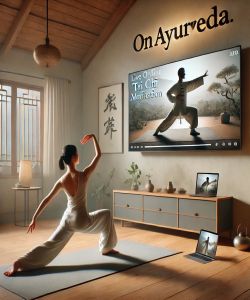
Tai Chi Meditation represents a formidable synthesis of ancient Chinese martial discipline, meditative practice, and sophisticated physiological science. It is fundamentally a system of slow, deliberate, and flowing movements, executed with profound mental concentration and coordinated with deep, diaphragmatic breathing. This practice is not merely physical exercise; it is an exacting internal art, designed to cultivate and balance the body’s intrinsic life force, or Qi. The core objective is to achieve a state of dynamic equilibrium between the mind and body, where mental tranquility and physical grace become inseparable. Practitioners engage in a sequence of choreographed forms, each posture transitioning seamlessly into the next, creating what is often described as meditation in motion. This continuous, circular movement mirrors the patterns of the natural world, fostering a deep sense of connection and harmony. The discipline demands unwavering focus, compelling the practitioner to remain entirely present in the moment, thereby silencing the incessant chatter of the conscious mind. It is through this rigorous integration of movement, breath, and mindfulness that Tai Chi Meditation transcends its martial origins to become a powerful tool for enhancing mental clarity, fortifying physical health, and cultivating a resilient, centred state of being. It is a demanding yet profoundly rewarding pathway to self-mastery.
2. What are Tai Chi Meditation?
Tai Chi Meditation is a sophisticated mind-body discipline that integrates slow, graceful martial arts movements with deep breathing techniques and a state of meditative awareness. It is fundamentally an internal practice, where the external physical motions are a direct manifestation of a focused, internal state. The practice is structured around a series of prescribed movements known as ‘forms’. These forms are sequences of interconnected postures, performed in a continuous, flowing manner that requires absolute concentration and physical control. The primary purpose is the cultivation and circulation of Qi, the vital life energy that, according to traditional Chinese philosophy, flows through the body's meridians. By harmonising the breath with these precise movements, practitioners work to remove blockages in this energy flow, thereby promoting physical and mental well-being.
Unlike static meditation, where the body is still, Tai Chi Meditation uses movement as the anchor for the mind. This dynamic approach serves two critical functions:
- Embodied Mindfulness: The complexity and precision of the forms demand complete mental presence. The mind cannot wander; it must be fully engaged in guiding the body through each subtle shift in weight, turn, and gesture. This creates a powerful state of active, embodied mindfulness.
- Physiological Regulation: The slow, controlled movements, combined with deep breathing, have a direct and measurable impact on the body’s physiological systems. This includes regulating the nervous system, improving circulation, enhancing balance and proprioception, and gently strengthening the musculoskeletal structure without the high impact of conventional exercise. Ultimately, Tai Chi Meditation is a holistic system for unifying mind, body, and spirit, demanding rigorous practice to achieve its profound benefits.
3. Who Needs Tai Chi Meditation?
- Professionals in High-Stress Environments: Individuals operating under constant pressure, such as corporate executives, legal practitioners, and emergency service personnel, require a robust mechanism for managing stress and maintaining cognitive clarity. This discipline provides a structured method for calming the sympathetic nervous system and enhancing executive function.
- Individuals Seeking Enhanced Mental Focus: Those whose work or personal ambitions demand sustained concentration and mental acuity will find the practice indispensable. The unwavering focus required to master the forms directly translates into an improved ability to concentrate on complex tasks and resist distraction.
- Adults Experiencing Age-Related Physical Decline: The practice is a non-negotiable tool for older adults aiming to counteract decrements in balance, flexibility, and muscle tone. Its low-impact nature makes it a superior choice for preserving and enhancing physical autonomy and reducing the risk of falls.
- Persons with Chronic Pain or Mobility Issues: For those managing conditions such as arthritis or fibromyalgia, Tai Chi Meditation offers a gentle yet effective modality for improving joint mobility, reducing stiffness, and modulating the perception of pain through its meditative and physiological benefits.
- Athletes and Performers Requiring Superior Body Awareness: Dancers, musicians, and competitive athletes must cultivate an exceptional level of proprioception and mind-body connection. The discipline sharpens this awareness to a fine point, improving coordination, grace, and control.
- Anyone Seeking a Proactive Health-Management Strategy: Individuals who reject a passive approach to health and instead seek a preventative, self-empowering discipline will find Tai Chi Meditation to be a comprehensive system for building resilience, optimising physiological function, and cultivating lasting well-being.
4. Origins and Evolution of Tai Chi Meditation
The origins of Tai Chi are rooted in the rich soil of Chinese martial arts, Taoist philosophy, and traditional medicine, representing a sophisticated amalgamation of thought and practice. Whilst shrouded in some degree of legend, its most credible historical genesis is traced back to the Chen village in Henan province during the 17th century. It was here that Chen Wangting, a retired army general, is credited with synthesising his knowledge of martial combat techniques with Taoist principles of Yin and Yang, the theories of meridians from Chinese medicine, and breathing exercises (Daoyin). The result was a new internal martial art, Chen-style Tai Chi, characterised by its alternating slow, soft movements and fast, explosive bursts of power. It was designed not only for formidable self-defence but also for the cultivation of internal energy, or Qi, for health and longevity.
For generations, this art remained a closely guarded secret within the Chen family. Its evolution and dissemination to the wider world began in the 19th century when a brilliant practitioner named Yang Luchan was accepted as the first non-family student. Yang Luchan later modified the form, removing the more overtly martial and physically demanding explosive movements to create the Yang style. This new style, with its large, graceful, and evenly paced postures, was far more accessible to the general public. It emphasised the health and meditative aspects of the practice over its combat applications, a pivotal shift that set the stage for its global proliferation.
In the 20th century, this evolution continued with the emergence of other major styles, including Wu, Hao, and Sun, each branching from the Yang or Chen traditions and adapting the practice with unique characteristics and focuses. The Chinese government, recognising its profound health benefits, later standardised a simplified 24-form version for mass promotion. This evolution has transformed Tai Chi from a reclusive family martial art into a global phenomenon, practiced by millions not as a fighting system, but as a powerful and sophisticated form of moving meditation for managing the rigours of modern life.
5. Types of Tai Chi Meditation
- Chen Style: This is the original and parent style from which all others derive. It is a highly demanding form, characterised by its combination of slow, soft, and fluid movements interspersed with rapid, explosive releases of power (fajin). It also incorporates low stances and complex silk-reeling (chan si jin) motions, making it a vigorous and martially-oriented practice that requires significant physical conditioning and coordination.
- Yang Style: The most widely practised style globally, the Yang style was developed by Yang Luchan. He modified the Chen form to create a version with large, expansive, and evenly paced movements. The overt explosive actions were removed, making it appear gentle and graceful. Its emphasis is on health, balance, and meditation, rendering it highly accessible for beginners and older adults, yet it retains a profound depth for advanced practitioners.
- Wu Style: Developed from the Yang style, the Wu style is distinguished by its smaller, more compact movements and a distinctive forward-leaning posture. The stances are higher than in the Chen or Yang styles, and the focus is on developing internal energy and sensitivity through subtle, controlled motions. It is a sophisticated style that prioritises internal mechanics and balance over large external displays.
- Sun Style: Created by Sun Lutang, a renowned master of several other internal martial arts, this style is a unique synthesis of Tai Chi with Xingyiquan and Baguazhang. It is characterised by its higher stances, agile stepping, and a lively, flowing quality. Whenever one foot advances or retreats, the other follows. This makes it particularly beneficial for improving mobility and balance, and it is considered one of the less physically strenuous styles.
- Hao Style: A less common but historically significant style, the Hao style is a direct offshoot of the old Wu style and is considered by many to be very close to the original teachings of Yang Luchan's small-frame form. It places extreme emphasis on internal cultivation, with minimal external movement. The postures are small and precise, demanding immense concentration and a deep understanding of internal energy dynamics.
6. Benefits of Tai Chi Meditation
- Enhanced Cognitive Function: The discipline demands absolute mental presence and focus to execute the forms correctly. This rigorous mental training directly sharpens concentration, improves executive function, and fortifies cognitive resilience against distraction and mental fatigue.
- Superior Stress Regulation: The combination of deep, diaphragmatic breathing and slow, deliberate movement has a profound down-regulating effect on the sympathetic nervous system. This actively combats the physiological cascade of the stress response, reducing cortisol levels and fostering a state of sustained calm.
- Marked Improvement in Balance and Proprioception: The constant, controlled shifting of weight and the emphasis on maintaining a low centre of gravity provide exceptional training for the body’s proprioceptive systems. This results in a significant, demonstrable improvement in balance and spatial awareness, critically reducing fall risk.
- Increased Musculoskeletal Strength and Flexibility: Despite its gentle appearance, the practice systematically engages and strengthens all major muscle groups, particularly in the core and lower body. The flowing movements also enhance flexibility and range of motion in the joints without the high-impact strain of conventional exercise.
- Optimised Cardiopulmonary Function: Regular practice constitutes a form of moderate aerobic exercise. It has been shown to improve cardiovascular health by regulating blood pressure and enhancing circulation, whilst the deep breathing techniques improve lung capacity and efficiency.
- Cultivation of Internal Energy and Vitality: At its core, Tai Chi Meditation is designed to unblock and balance the flow of Qi (vital energy). Practitioners report a substantial increase in overall vitality, a reduction in fatigue, and a heightened sense of well-being as this internal harmony is restored.
- Heightened Mind-Body Integration: The discipline forges a powerful, unbreakable link between mental intention and physical action. This results in superior coordination, grace, and an intuitive understanding of one's own body, which is a cornerstone of advanced physical and mental performance.
7. Core Principles and Practices of Tai Chi Meditation
- Maintaining a Centred and Upright Posture (Zhong Ding): The practitioner must maintain a vertical axis of alignment running through the crown of the head to the perineum. The spine is to be kept straight but not rigid, allowing for the free flow of Qi. This principle demands constant awareness of one's central equilibrium, ensuring all movements originate from and return to a stable, rooted core.
- Relaxation and Sinking (Song and Chen): This is not limpness but a state of active, heavy relaxation where all unnecessary muscular tension is released. The practitioner must consciously ‘sink’ their weight and energy down into the feet, rooting them firmly to the ground. This creates a stable base from which to generate effortless power and movement.
- Distinguishing Yin and Yang (Substantial and Insubstantial): At every moment, the practitioner must be unequivocally clear about which parts of the body are ‘substantial’ (bearing weight, solid) and which are ‘insubstantial’ (unweighted, mobile). This is most evident in the legs; as one leg becomes fully weighted, the other becomes light, allowing for agile and controlled stepping. This principle applies to all paired aspects of movement.
- Utilising the Mind, Not Force (Yong Yi Bu Yong Li): Movement must be guided by intention (Yi) rather than brute muscular force. The mind directs the flow of Qi, and the Qi in turn moves the body. This requires a profound level of concentration and sensitivity, transforming the practice from mere physical exercise into a sophisticated internal art.
- Continuity and Circularity: Tai Chi movements must be executed without pause or break. Each posture flows seamlessly into the next like a continuous, unbroken river. All movements are based on circles and spirals, reflecting the patterns of nature and ensuring that energy is never static or blocked. There are no abrupt stops or linear, jerky motions.
- Coordination of Breath with Movement: The breath must be deep, slow, and originate from the diaphragm (Dantien). It is harmonised with the physical motions of the form; typically, one inhales during expansive or rising movements and exhales during contracting or sinking movements. This integration is critical for circulating Qi and calming the mind.
- Seeking Stillness in Motion: Although the body is in constant, fluid motion, the mind must remain profoundly still, calm, and focused. The external movement is a vehicle for achieving internal tranquility. The ultimate aim is to find the quiet, stable centre within the dynamic flow of the form.
8. Online Tai Chi Meditation
- Unparalleled Accessibility: The online modality dismantles geographical barriers, providing access to high-calibre instruction regardless of the participant's physical location. Individuals in remote areas or those without local studios are no longer excluded from engaging with this profound discipline. It democratises access to specialised knowledge.
- Enhanced Scheduling Autonomy: Online platforms offer superior flexibility. Participants can engage in live sessions or utilise recorded materials at times that conform to their own demanding schedules, rather than being constrained by the fixed timetables of a physical institution. This facilitates greater consistency in practice, which is paramount for progress.
- Fosters Self-Reliance and Internal Focus: The absence of a physical group environment compels the practitioner to cultivate a heightened sense of self-awareness and internal discipline. Without the distraction of others or the constant reliance on external correction, the individual must learn to feel the movements from within, thereby accelerating the development of proprioceptive sensitivity.
- Controlled and Familiar Learning Environment: Practising from one's own space removes the potential for social anxiety or self-consciousness that can inhibit beginners in a group setting. This secure environment allows the individual to focus entirely on the technical and meditative aspects of the practice without external pressures, fostering a more concentrated learning experience.
- Access to a Wider Array of Specialised Instruction: The digital marketplace allows practitioners to select instructors and styles that precisely match their specific goals or interests, from martial applications to purely therapeutic focuses. One is not limited to the single style or pedagogical approach offered by a local teacher.
- Cost and Time Efficiency: The online model eliminates the significant time and financial expenditure associated with commuting to a physical location. This redirection of resources allows for a more focused and sustained engagement with the practice itself, removing practical obstacles to long-term commitment.
9. Tai Chi Meditation Techniques
- Step One: Preparation and Rooting: Commence by standing with feet parallel and shoulder-width apart. Consciously release all physical tension from the crown of the head downwards through the entire body. Bend the knees slightly and allow your weight to sink, feeling a solid connection to the ground beneath your feet as if growing roots. Place the tongue gently against the roof of the mouth.
- Step Two: Initiating Breath and Movement: Begin deep, slow, diaphragmatic breathing. Inhale as you slowly raise your arms forward and upward to shoulder height, palms facing down. Keep the shoulders relaxed and sunk. The movement must be initiated from the legs and guided by the waist, not isolated in the arms.
- Step Three: Coordinated Sinking: As you exhale, gently bend the knees further and draw the arms back down, pressing the palms towards the ground. The entire movement must be synchronised; the sinking of the body and the lowering of the arms must conclude at the precise moment the exhalation is complete. Feel the energy sinking into your lower abdomen (Dantien).
- Step Four: Executing a Basic Posture (e.g., 'Ward Off'): Shift your weight entirely onto one leg, making it 'substantial'. The other leg becomes 'insubstantial' and light. Step forward with the insubstantial leg and slowly transfer your weight into a bow stance. Simultaneously, allow the corresponding arm to rise in a circular, protective arc, forming the 'Ward Off' posture. The movement must remain fluid and continuous.
- Step Five: Maintaining Mindful Presence: Throughout every phase of the technique, the mind must remain unwaveringly focused on the sensations within the body. Pay meticulous attention to the weight shifts, the coordination of breath, the feeling of energy flow, and the precise alignment of the limbs. Do not allow the mind to wander. The mental focus is as critical as the physical action.
- Step Six: Concluding and Gathering Energy: Upon completing a sequence, return to the initial standing posture. Place the hands over the lower abdomen, one on top of the other. Remain still for several moments, breathing calmly and deeply. Mentally gather the cultivated Qi and store it in the Dantien, consciously integrating the benefits of the practice before concluding the session.
10. Tai Chi Meditation for Adults
Tai Chi Meditation presents an exceptionally potent discipline for adults navigating the multifaceted demands of contemporary life. It is not a gentle pastime but a rigorous system for cultivating resilience, focus, and vitality. For the professional adult, its primary utility lies in its capacity to systematically dismantle the corrosive effects of chronic stress. The practice directly trains the nervous system to shift from a state of hyper-arousal to one of calm, centred alertness, a skill that is indispensable in high-stakes environments. Furthermore, the unwavering concentration required to master the intricate forms serves as a powerful form of cognitive training, enhancing mental clarity, decision-making capabilities, and the ability to maintain focus amidst distraction. For the mature adult, the discipline offers a formidable defence against the physical decrements associated with ageing. Its emphasis on slow, controlled weight-shifting provides unparalleled training for the body’s balance mechanisms, directly mitigating the risk of debilitating falls. The gentle, low-impact movements improve joint mobility, increase muscular strength without imposing harmful stress on the body, and enhance overall flexibility. It is a proactive strategy for maintaining physical independence and a high quality of life. Fundamentally, for all adults, Tai Chi Meditation is a pathway to profound self-awareness and mastery, forging an unbreakable connection between mind and body and equipping the practitioner with the internal resources to meet life’s challenges with poise, strength, and unwavering stability.
11. Total Duration of Online Tai Chi Meditation
The standard, professionally mandated duration for a single, comprehensive online Tai Chi Meditation session is precisely 1 hr. This specific timeframe is not arbitrary; it is structured to ensure maximum physiological and psychological benefit whilst respecting the practical limitations of sustained virtual engagement. A session of 1 hr allows for a complete and unhurried progression through the three critical phases of practice. It commences with a dedicated period for warm-up and joint mobilisation exercises, which are essential for preparing the body for the more complex movements of the main form and for preventing injury. The central, most substantial portion of the 1 hr is then devoted to the meticulous practice of the Tai Chi form itself, allowing for sufficient repetition, refinement of technique, and deep immersion in the meditative state. This is followed by a crucial cool-down phase, which includes gentle stretching and a period of standing or seated meditation (Qigong) to consolidate the circulation of Qi, calm the nervous system, and fully absorb the session's benefits. Anything less than this duration would necessitate compromising one of these vital components, thereby diminishing the practice's overall efficacy. The 1 hr structure provides the necessary scope for both rigorous technical work and profound meditative depth, establishing it as the benchmark for effective online instruction and personal practice.
12. Things to Consider with Tai Chi Meditation
Engaging with Tai Chi Meditation demands a serious and informed commitment, and several factors must be rigorously considered before commencing. Foremost is the selection of a competent and authentic instructor. The market is saturated with individuals offering superficial instruction; it is imperative to seek out a teacher with a verifiable lineage and a deep, demonstrable understanding of the art’s internal principles, not merely its external choreography. The choice of style—be it the vigorous Chen, the graceful Yang, or the compact Wu—must align with one's physical condition and personal objectives. A mismatch can lead to frustration or even injury. Prospective practitioners must also possess a high degree of patience and discipline. This is not a discipline that offers instant gratification. Meaningful progress is measured in months and years, not weeks, and requires consistent, daily practice. One must be prepared to embrace a process of slow, incremental refinement. Furthermore, individuals with pre-existing medical conditions, particularly severe joint or balance issues, must consult with a medical professional before starting. Whilst the practice is low-impact, certain movements may require modification. Finally, one must understand that this is an internal art; focusing solely on the physical postures without cultivating the corresponding mental focus, breath control, and awareness of Qi is to miss the essence of the practice entirely.
13. Effectiveness of Tai Chi Meditation
The effectiveness of Tai Chi Meditation is not a matter of conjecture but a fact substantiated by a substantial body of empirical evidence and centuries of anecdotal validation. Its efficacy stems from its unique, holistic integration of physical movement, mental concentration, and respiratory control. Physiologically, its effectiveness is demonstrable. The slow, controlled weight-bearing movements systematically improve proprioception and balance, significantly reducing the incidence of falls in vulnerable populations. Regular practice enhances musculoskeletal strength, increases joint flexibility, and has been proven to regulate blood pressure and improve cardiovascular health. The deep, diaphragmatic breathing central to the discipline optimises gas exchange and has a profound calming effect on the autonomic nervous system. Psychologically, its power is equally robust. The demand for unwavering focus on the present moment—the position of the limbs, the flow of the breath, the shifting of weight—acts as a powerful antidote to the ruminative thought patterns that fuel anxiety and depression. This moving meditation cultivates a state of calm, non-judgmental awareness, enhancing cognitive functions such as attention and executive control. The discipline's ultimate effectiveness lies in this seamless synthesis; it does not treat the mind and body as separate entities but addresses them as an integrated system, fostering a state of profound equilibrium, resilience, and optimised function that is difficult to achieve through any other single modality.
14. Preferred Cautions During Tai Chi Meditation
It is imperative to approach the practice of Tai Chi Meditation with rigorous discipline and a full cognisance of necessary cautions to prevent injury and ensure efficacy. Overzealousness is a primary danger; practitioners, particularly beginners, must resist the urge to push into deep stances or complex movements prematurely. The principle of ‘listening’ to one’s body is non-negotiable; pain is a signal to cease or modify, not a barrier to be forced through. Knee alignment is of paramount importance. Throughout all movements, the knee must track in line with the foot and never extend beyond the toes, nor should it collapse inwards. Failure to adhere to this rule is a direct route to chronic knee injury. The principle of song (relaxation) must be strictly applied; holding tension in the shoulders, neck, or lower back negates the benefits of the practice and can create muscular strain. One must consciously and repeatedly scan the body to release any unnecessary contraction. Furthermore, individuals with specific health conditions such as hypertension, vertigo, or severe osteoporosis must proceed with extreme caution, ideally under the guidance of an instructor experienced in therapeutic applications, and must always follow the explicit advice of their medical consultant. Warm-up and cool-down protocols are not optional adjuncts but integral components of a safe practice, and their omission is a serious error in judgment.
15. Tai Chi Meditation Course Outline
Module One: Foundational Principles and Stances
Introduction to the core concepts: Qi, Yin/Yang, Dantien.
Instruction on posture: maintaining central equilibrium (Zhong Ding).
Practice of fundamental stances: Horse Stance (Ma Bu), Bow Stance (Gong Bu).
Drills for rooting and sinking energy (Chen).
Module Two: Breath Control and Mind-Body Integration
Techniques for deep, diaphragmatic breathing.
Synchronising breath with simple, foundational movements.
Introduction to the principle of Yi (intention) guiding movement.
Exercises for developing Song (active relaxation).
Module Three: Introduction to the Form - Section One
Step-by-step instruction of the initial movements of the selected form (e.g., simplified 24-form).
Focus on correct weight shifting and distinguishing substantial/insubstantial.
Practice of seamless transitions between postures.
Drills to ensure continuity and flow.
Module Four: Silk Reeling and Energetic Awareness
Introduction to Chan Si Jin (Silk Reeling energy) exercises.
Developing sensitivity to the flow of Qi through the limbs and torso.
Practice of circular and spiral movements to cultivate internal energy.
Application of silk-reeling principles within the learned form.
Module Five: Refinement of the Form and Deeper Meditative States
Review and correction of the entire learned section of the form.
Emphasis on subtle details: hand positions, gaze, and internal feeling.
Techniques for maintaining a state of moving meditation throughout the form.
Introduction to standing meditation (Zhan Zhuang) to consolidate energy.
Module Six: Application and Integration
Understanding the martial context behind the meditative postures.
Strategies for establishing a consistent, self-directed daily practice.
Guidance on adapting the practice for specific wellness goals (e.g., stress reduction, balance improvement).
Final review and consolidation of all learned principles and movements.
16. Detailed Objectives with Timeline of Tai Chi Meditation
Weeks 1-4: Establishment of Foundational Structure and Awareness
Objective: Master correct postural alignment, including a straight spine and relaxed shoulders. Learn to root the body by sinking weight and achieve basic stability in the Horse Stance. Develop initial awareness of the lower Dantien as the body's centre.
Timeline: By the end of the first month, the practitioner must be able to hold a correct stance for a sustained period and demonstrate a basic understanding of diaphragmatic breathing.
Weeks 5-12: Integration of Breath, Movement, and the Initial Form
Objective: Achieve seamless coordination between breath and simple movements (e.g., raising and lowering arms). Learn and execute the first section of a standardised form (e.g., the first eight movements of the 24-form) with correct footwork and weight shifting.
Timeline: By the end of the third month, the practitioner must perform the initial sequence of the form as a continuous, albeit unrefined, flow, with conscious synchronisation of breath.
Months 4-6: Refinement of Technique and Cultivation of Song
Objective: Deepen the practice of Song (active relaxation), consciously eliminating unnecessary tension during the form. Refine the hand shapes, transitions, and spatial pathways of the learned movements. Begin to feel the distinction between 'substantial' and 'insubstantial'.
Timeline: By the six-month mark, the practitioner's form should exhibit greater fluidity and less extraneous muscular effort. There should be a demonstrable improvement in balance and control.
Months 7-12: Deepening Internal Focus and Energy Circulation
Objective: Shift focus from external choreography to internal sensation. Begin to cultivate and perceive the flow of Qi as guided by intention (Yi). Maintain a state of moving meditation for the full duration of the form practice. Learn and integrate the second section of the form.
Timeline: Within one year, the practitioner must be able to perform a significant portion of the form with a high degree of both technical accuracy and internal concentration, experiencing the practice as a true mind-body discipline.
17. Requirements for Taking Online Tai Chi Meditation
- A Stable, High-Speed Internet Connection: This is a non-negotiable prerequisite. A lagging or intermittent connection will disrupt the flow of instruction, compromise the ability to observe fine details of movement, and sever the connection to the live class environment, rendering the session ineffective.
- An Appropriate Electronic Device and Display: The practitioner requires a device—such as a laptop, tablet, or computer connected to a large monitor—with a screen of sufficient size and resolution to clearly view the instructor’s full-body movements. Attempting to learn from a small smartphone screen is wholly inadequate.
- Sufficient Unobstructed Physical Space: The practitioner must secure a dedicated area for practice that is free from furniture and other obstacles. A minimum space allowing for at least two full steps in any direction from a central standing point is required to execute the forms without physical constraint or risk of collision.
- A High Degree of Self-Discipline and Autonomy: The online environment lacks the immediate, physical oversight of an instructor. The participant must possess the internal motivation to practice consistently, the focus to absorb instruction without direct supervision, and the honesty to self-correct based on visual and verbal cues.
- Appropriate Attire: Loose, non-restrictive clothing that allows for a full range of motion is mandatory. Footwear should be flat-soled, such as thin trainers or dedicated martial arts shoes, or the practitioner may choose to be barefoot, to ensure proper connection and sensory feedback from the ground.
- Commitment to an Undisturbed Environment: The practitioner must commit to creating a sanctuary for the duration of the session. This requires eliminating all potential distractions, including silencing phones, managing pets, and ensuring that family or colleagues will not interrupt the period of intense focus.
18. Things to Keep in Mind Before Starting Online Tai Chi Meditation
Before embarking on the discipline of Tai Chi Meditation through an online medium, it is crucial to adopt a mindset of rigorous self-assessment and practical preparation. The perceived convenience of the virtual format must not be mistaken for a lack of requisite commitment. One must critically evaluate their capacity for self-directed learning and discipline, as the absence of a physical instructor removes a significant layer of external accountability. You must be prepared to be your own primary motivator and critic. It is essential to conduct thorough due diligence in selecting an online programme or instructor. Scrutinise their credentials, lineage, and teaching philosophy to ensure they possess the depth of knowledge required to transmit this complex internal art, rather than merely demonstrating superficial movements. Technologically, you must confirm that your equipment and internet connection are not merely adequate, but robust, as technical failures are profoundly disruptive to the meditative state. Furthermore, you must honestly assess your physical space; a cramped or cluttered area will fundamentally inhibit your ability to move freely and safely, sabotaging your practice before it begins. Finally, accept that progress will be incremental and that the online format demands a heightened level of internal awareness to compensate for the lack of hands-on correction from a teacher.
19. Qualifications Required to Perform Tai Chi Meditation
The authority to perform, and more critically, to teach Tai Chi Meditation is not conferred by a standardised, universally recognised academic qualification but is earned through a rigorous, time-honoured process of direct transmission and dedicated personal practice. An authentic instructor's qualifications are measured by their lineage—a clear, traceable connection to one of the recognised masters and family styles. This lineage ensures that the knowledge being passed down is authentic and has not been diluted or misinterpreted. Beyond lineage, several key indicators of qualification are imperative:
- Extensive Personal Practice: A qualified instructor must have dedicated many years, often decades, to their own intensive daily practice. Their personal embodiment of the art—their posture, grace, and internal stillness—is their primary credential. They must have moved far beyond mere choreography to a deep, internal understanding.
- Demonstrable Knowledge of Internal Principles: The instructor must be able to articulate and demonstrate the core principles of the art, such as Song (relaxation), Jin (internal power), the circulation of Qi, and the application of Yin/Yang theory to movement. Their instruction must focus on these internal mechanics, not just external shapes.
- Pedagogical Skill: It is not enough to be a skilled practitioner; one must also be a skilled teacher. This requires the ability to break down complex movements, provide clear and concise feedback, diagnose student errors, and adapt teaching methods to individual needs and capabilities.
- A Commitment to a Code of Ethics: A true master or qualified teacher demonstrates humility, patience, and a genuine commitment to the well-being of their students. They foster a supportive yet disciplined learning environment, free from ego and commercialism.
In essence, the true qualification is a fusion of proven lineage, profound personal mastery, and the demonstrated ability to effectively and ethically transmit the deepest aspects of the art.
20. Online Vs Offline/Onsite Tai Chi Meditation
Online The online modality for Tai Chi Meditation is defined by its unparalleled accessibility and autonomy. It removes all geographical and scheduling constraints, enabling practitioners to access elite instruction from anywhere in the world and to integrate practice into their lives with absolute flexibility. This format demands and cultivates a high degree of self-reliance and internal focus. Without the physical presence of a group, the student is compelled to develop a more acute proprioceptive sense, learning to feel the correctness of a posture from within rather than relying on external comparison or constant correction. The controlled, private environment can be advantageous for beginners, eliminating potential self-consciousness and allowing for undisturbed concentration. However, its primary limitation is the absence of tactile feedback. An instructor cannot physically adjust a student's posture, a method that often provides breakthroughs in understanding alignment and energy flow. Furthermore, the two-dimensional nature of a screen can make it challenging to perceive subtle, three-dimensional aspects of movement and posture.
Offline/Onsite The offline, or onsite, method offers an immersive, high-fidelity learning experience. The principal advantage is the direct, physical presence of the instructor, who can provide immediate, hands-on corrections to a student's alignment and structure. This tactile guidance can accelerate learning in ways that verbal instruction alone cannot. Practising within a group generates a collective energy field (Qi Chang), which many find supportive and motivating, creating a palpable atmosphere of shared focus. The student benefits from observing the instructor and senior practitioners from multiple angles, gaining a more holistic, three-dimensional understanding of the forms. Conversely, the onsite modality is rigid. It is bound by a fixed location and schedule, demanding travel time and adherence to a timetable that may not suit all individuals. The group environment, while beneficial for some, can be a source of distraction or intimidation for others, potentially impeding the deeply personal, internal focus that the practice requires.
21. FAQs About Online Tai Chi Meditation
Question 1. Is online Tai Chi effective for a complete beginner? Answer: Yes, provided the instruction is clear and structured for beginners, and the student possesses the discipline to practise consistently.
Question 2. What technology is essential? Answer: A reliable internet connection and a device with a screen large enough to view the instructor’s full body clearly are mandatory.
Question 3. How much space do I need? Answer: You need an unobstructed area that allows you to take at least two full steps forward, backward, and to each side.
Question 4. Can I learn the internal aspects online? Answer: Yes. A skilled instructor can articulate internal principles effectively, but it demands heightened focus and sensitivity from the student.
Question 5. How is feedback given online? Answer: Through direct observation via webcam, where the instructor provides verbal corrections and demonstrates adjustments in real-time.
Question 6. Is online Tai Chi as good as in-person? Answer: It offers different advantages. It excels in convenience but lacks the hands-on correction possible in an onsite class.
Question 7. What if I have physical limitations? Answer: Inform your instructor beforehand. A competent teacher can provide modifications for many conditions, even in an online setting.
Question 8. What is the difference between live and pre-recorded classes? Answer: Live classes offer real-time feedback and interaction. Pre-recorded classes provide ultimate flexibility for self-paced learning.
Question 9. Do I need special clothing? Answer: Wear loose, comfortable clothing that does not restrict movement. Flat-soled shoes or bare feet are recommended.
Question 10. How often should I practise? Answer: Consistency is key. A short daily practice is more effective than one long weekly session.
Question 11. Will I miss the group energy of a physical class? Answer: You will miss that specific dynamic, but the online format fosters a stronger sense of self-reliance and internal focus.
Question 12. Is online Tai Chi safe? Answer: Yes, if you follow instructions precisely, listen to your body, and do not push beyond your current capabilities.
Question 13. How do I choose a good online instructor? Answer: Research their lineage, read reviews, and seek out those who emphasise internal principles over mere physical performance.
Question 14. Can online Tai Chi improve my balance? Answer: Absolutely. The core mechanics of the practice are highly effective for improving balance, regardless of the delivery format.
Question 15. Is it just slow-motion exercise? Answer: No. It is a complex internal art that integrates mind, breath, and movement. The slowness is deliberate and purposeful.
Question 16. Will I be able to ask questions? Answer: In most live online classes, there are dedicated times for questions and answers, ensuring clarity.
22. Conclusion About Tai Chi Meditation
In conclusion, Tai Chi Meditation stands as a discipline of uncompromising depth and profound utility. It is not a passive relaxation technique but an active, rigorous system for the total integration of mind, body, and spirit. Its methodical approach to cultivating internal energy, or Qi, through the seamless fusion of deliberate movement, controlled breath, and unwavering mental focus, provides a formidable toolkit for navigating the pressures of the modern world. The practice demands patience, discipline, and a commitment to incremental progress, offering no shortcuts to its significant rewards. Whether pursued for its martial heritage, its proven health benefits, or its capacity to forge mental fortitude, the core principles remain constant: balance, relaxation, and the command of intention over brute force. Its effectiveness in enhancing physiological function, regulating the nervous system, and sharpening cognitive acuity is well-established. Ultimately, Tai Chi Meditation is a path of self-mastery, a sophisticated art form that equips the dedicated practitioner with superior balance, both physically and mentally, enabling them to meet any challenge with a calm, centred, and powerful presence. It is a timeless and robust strategy for cultivating a life of vitality and resilience.