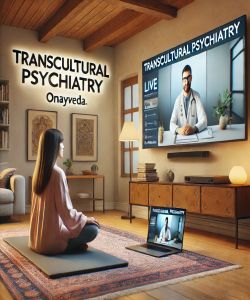
1. Overview of Transcultural Psychiatry
Transcultural psychiatry stands as a critical and indispensable branch of psychiatric medicine, concerned with the intricate interplay between cultural context and mental health. It is not a peripheral specialism but a fundamental framework for understanding, diagnosing, and treating mental illness in a world characterised by unprecedented diversity and globalisation. The discipline rigorously interrogates the ethnocentric assumptions embedded within conventional Western psychiatric theory and practice, asserting that diagnostic categories, illness expressions, and therapeutic responses are not universal but are profoundly shaped by an individual's cultural background, values, and social environment. It systematically examines how culture influences the prevalence, phenomenology, and outcome of psychiatric disorders, whilst also considering the impact of migration, acculturation, racism, and social exclusion on psychological wellbeing. This field mandates that clinicians move beyond a superficial acknowledgement of culture towards a state of deep cultural competence, equipping them with the theoretical knowledge and practical skills to engage effectively with patients from backgrounds different to their own. It demands an understanding of culture-bound syndromes, divergent explanatory models of illness, and the varying ways in which psychological distress is communicated and experienced across the globe. By placing cultural factors at the very centre of the clinical encounter, transcultural psychiatry champions a more valid, ethical, and effective model of mental healthcare. It is an exacting and non-negotiable component of modern psychiatric practice, essential for reducing health inequalities and ensuring that psychiatric care is not only accessible but also genuinely meaningful and relevant to every individual it purports to serve. Its remit is therefore both clinical and academic, driving forward research that challenges established paradigms whilst simultaneously improving the quality of care delivered to the most vulnerable populations in our increasingly multicultural societies.
2. What are Transcultural Psychiatry?
The term 'transcultural psychiatry' refers to a multifaceted and critical discipline dedicated to the clinical and academic study of the relationship between culture and mental disorders. At its core, it is a corrective to the historical and often unexamined ethnocentrism of mainstream psychiatry, which has traditionally universalised concepts of mental health and illness derived from a predominantly Western, industrialised, and secular context. Transcultural psychiatry posits that the entire psychiatric enterprise—from the way an individual experiences and expresses distress, to the diagnostic labels applied, and the therapeutic interventions offered—is fundamentally embedded within a cultural matrix. It is not merely the study of exotic ‘culture-bound syndromes’ but a comprehensive framework for re-evaluating all psychiatric practice through a cultural lens. The discipline operates on several interconnected levels. Firstly, it involves comparative psychiatry, which examines the epidemiology and phenomenology of mental disorders across different cultural settings to identify both universal and culture-specific features. Secondly, it is a clinical practice that demands cultural competence from practitioners, requiring them to understand and respectfully engage with a patient's own beliefs, values, and explanatory models of their suffering. This includes being adept at working with interpreters and cultural brokers. Thirdly, it is a field of critical inquiry that investigates the impact of social and structural forces such as migration, asylum-seeking, racism, and socioeconomic disparity on mental health. It challenges practitioners to recognise how these power dynamics manifest within the clinical relationship and influence health outcomes. Ultimately, transcultural psychiatry is the assertion that culturally-informed care is not an optional adjunct but an ethical and clinical imperative for delivering valid and effective mental healthcare in any diverse society. It is the science of making psychiatry truly global and equitable.
3. Who Needs Transcultural Psychiatry?
- Migrant, Refugee, and Asylum-Seeking Populations. This is the most immediate and critical demographic. These individuals face a unique constellation of stressors, including pre-migration trauma, the arduous process of migration itself, post-migration difficulties such as acculturation stress, language barriers, loss of social status, and discrimination. Standard psychiatric services often fail to comprehend the cultural idioms of distress or the political and social context of their suffering, leading to misdiagnosis and ineffective treatment. Transcultural psychiatry provides the necessary framework to address their complex needs appropriately.
- Indigenous and First Nations Peoples. Globally, indigenous communities have experienced historical trauma, dispossession, and systemic oppression, resulting in significant mental health disparities. Mainstream psychiatric models are frequently culturally inappropriate, pathologising traditional beliefs and healing practices. Transcultural psychiatry is essential for developing and implementing services that are decolonised, culturally safe, and which respect indigenous knowledge systems and community-led approaches to wellbeing.
- Second and Subsequent Generation Immigrants. Individuals born and raised in a country different from that of their parents or grandparents often navigate complex issues of identity, belonging, and intergenerational conflict. They may experience pressures to assimilate whilst also maintaining heritage cultures, leading to specific psychological vulnerabilities. A transcultural approach is required to understand these unique developmental and social challenges without resorting to simplistic cultural stereotypes.
- All Mental Health Professionals. Every psychiatrist, psychologist, nurse, and social worker operating in a multicultural society requires robust training in the principles of transcultural psychiatry. Without this, they risk perpetuating ethnocentric practices, causing iatrogenic harm, and contributing to health inequalities. It is not a niche specialism for a few but a core competency for all, ensuring they can provide ethical and effective care to the full spectrum of the population they serve.
- Healthcare Systems and Policymakers. To move beyond individual clinician competence, entire healthcare organisations and governmental bodies need to integrate transcultural principles. This is necessary for designing equitable services, allocating resources effectively, developing culturally-appropriate public health messaging, and establishing policies that dismantle structural barriers to mental healthcare for diverse and marginalised communities.
4. Origins and Evolution of Transcultural Psychiatry
The origins of transcultural psychiatry, though formalised in the mid-twentieth century, can be traced to the observations of colonial physicians and early anthropologists. These precursors, however, were often tainted by the ethnocentrism of their era, viewing non-Western expressions of distress through a lens of primitivism and exoticism. The German psychiatrist Emil Kraepelin’s early twentieth-century work in Java, whilst pioneering in its attempt to compare psychiatric presentations across cultures, nonetheless classified local phenomena as inferior or degenerate variants of European disorders. This early phase was characterised more by a comparative curiosity than a genuine attempt to understand cultural context on its own terms.
The discipline began to coalesce into a more formal entity in the aftermath of the Second World War, propelled by major global shifts including decolonisation, increased migration, and a growing recognition of the psychological sequelae of war and displacement. Psychiatrists working in diverse settings, from North Africa to Southeast Asia, began to systematically document profound differences in the manifestation and interpretation of mental illness. Figures like George Devereux, a psychoanalyst and anthropologist, were pivotal in arguing that the psychological experience of the individual could not be divorced from their cultural milieu. This period saw the birth of key concepts, such as ‘culture-bound syndromes’, which, despite later criticism for potentially ghettoising non-Western experiences, marked a crucial departure from the assumption of universal psychopathology.
The latter half of the twentieth century and the dawn of the twenty-first have witnessed a significant evolution in the field. The focus has shifted from merely describing cultural differences to actively critiquing the power structures inherent in psychiatric practice. Influenced by critical theory and medical anthropology, contemporary transcultural psychiatry is less concerned with creating a catalogue of exotic syndromes and more focused on developing practical clinical tools, such as the Cultural Formulation Interview (CFI). It now emphasizes concepts like cultural humility over mere cultural competence, acknowledging the lifelong learning required to engage ethically across cultures. The modern discipline robustly addresses the impact of globalisation, structural violence, racism, and social determinants of health, positioning itself as an essential framework for achieving mental health equity in an interconnected and profoundly unequal world.
5. Types of Transcultural Psychiatry
The field of transcultural psychiatry is not monolithic; it encompasses several distinct but overlapping approaches and conceptual models. These are not 'types' in a rigid sense, but rather different lenses through which the relationship between culture and mental health is examined and addressed.
- Comparative Psychiatry. This is the foundational approach, focusing on cross-national and cross-ethnic comparisons of mental disorders. Its primary aim is to investigate the epidemiology, phenomenology (symptom presentation), course, and outcome of psychiatric conditions in different cultural settings. By doing so, it seeks to distinguish between universal (etic) aspects of a disorder and those that are culturally specific (emic). This approach provides the empirical evidence base that challenges the assumption that diagnostic criteria developed in one culture are automatically valid in another.
- Clinical and Applied Transcultural Psychiatry. This branch is concerned with direct clinical practice and service delivery. Its focus is on developing practical skills and frameworks for assessing and treating individuals from diverse cultural backgrounds. This includes mastering techniques such as the Cultural Formulation Interview (CFI), working effectively with trained medical interpreters, understanding patients' explanatory models of illness, and adapting psychotherapeutic and pharmacological interventions to be culturally congruent and acceptable. It is the pragmatic application of transcultural knowledge in the clinic.
- Critical Transcultural Psychiatry. This is a more recent and politically engaged evolution of the discipline. It moves beyond the clinical encounter to critically examine the social, political, and economic forces that shape mental health disparities. It interrogates the power dynamics inherent in the psychiatric system itself, addressing issues of institutional racism, the legacy of colonialism in mental healthcare, and the structural determinants of health like poverty, migration status, and discrimination. This approach argues that individual distress cannot be understood without analysing the oppressive social structures in which it is embedded.
- Ethnopsychiatry and Medical Anthropology. Whilst distinct fields, they are integral to transcultural psychiatry. This perspective involves deep, qualitative, and ethnographic study of specific cultural systems of knowledge related to mind, self, and illness. It seeks to understand mental health from within a culture's own framework, including its traditional healing practices, idioms of distress, and moral and religious beliefs about suffering. This provides the rich, contextual understanding that is essential for preventing the misinterpretation of culturally normative behaviours as pathological.
6. Benefits of Transcultural Psychiatry
- Enhanced Diagnostic Accuracy. By providing a framework to understand culturally-specific expressions of distress and explanatory models of illness, it significantly reduces the risk of misdiagnosis. Clinicians are equipped to differentiate between genuine psychopathology and culturally normative behaviours, beliefs, or experiences, preventing the inappropriate pathologising of cultural difference.
- Improved Therapeutic Alliance and Patient Engagement. When patients feel their cultural background, beliefs, and values are understood and respected, a stronger therapeutic relationship is forged. This fosters trust and collaboration, making patients more likely to engage with and adhere to treatment plans, as the care provided feels relevant and meaningful to their lived experience.
- Increased Treatment Efficacy. Culturally-adapted interventions, whether psychotherapeutic or pharmacological, demonstrate superior outcomes. Transcultural principles guide the modification of therapies to align with the patient's cultural worldview, communication style, and social context, thereby increasing their effectiveness and reducing premature dropout from care.
- Reduction of Health Disparities. Minority and migrant populations consistently face significant barriers to mental healthcare and experience poorer outcomes. Transcultural psychiatry directly confronts these inequalities by promoting culturally competent care, advocating for equitable service design, and addressing the systemic and structural barriers that perpetuate these disparities.
- Ethical and Professional Integrity. It is an ethical imperative for clinicians to provide care that does no harm. In a multicultural society, practicing without transcultural competence risks iatrogenic harm through misunderstanding and misdiagnosis. Adopting its principles is therefore a hallmark of professional responsibility and excellence, ensuring care is delivered justly and equitably.
- Enrichment of Psychiatric Knowledge. The discipline fundamentally challenges and expands the theoretical basis of mainstream psychiatry. By studying the vast diversity of human experience, it critiques and refines universalist assumptions, leading to a more nuanced, comprehensive, and globally valid understanding of mental health and illness for all populations.
- Enhanced Public Health and Service Planning. On a systemic level, transcultural principles inform the design and implementation of mental health services that are truly accessible and appropriate for the entire community. This leads to more efficient resource allocation, culturally-sensitive public health campaigns, and policies that effectively meet the needs of a diverse populace.
7. Core Principles and Practices of Transcultural Psychiatry
- Primacy of Cultural Context. The foundational principle is that no aspect of mental health—symptom expression, help-seeking behaviour, diagnosis, or treatment response—can be fully understood outside of an individual’s cultural context. This mandates a shift from a purely biological or psychological lens to a biopsychosocial-cultural framework in every clinical assessment.
- Elicitation of the Explanatory Model. A core practice is the systematic elicitation of the patient's own understanding of their illness. This involves asking direct questions about what they believe has caused the problem, why it started when it did, how it affects them, how severe it is, and what kind of treatment they think will work. This respects patient autonomy and provides crucial data for formulation.
- Cultural Humility over Cultural Competence. The discipline advocates for an attitude of cultural humility—a lifelong commitment to self-evaluation and critique—over the static notion of achieving ‘competence’. It acknowledges that no clinician can be an expert in all cultures and positions the patient as the expert on their own experience, fostering a more equitable and open therapeutic relationship.
- Interrogation of Ethnocentrism. Practitioners must continuously engage in critical self-reflection to identify and challenge their own cultural biases and the ethnocentric assumptions embedded within their psychiatric training and diagnostic systems (such as the DSM or ICD). This prevents the unthinking imposition of one's own cultural norms onto the patient.
- Distinguishing the Cultural from the Pathological. A key clinical skill is the careful differentiation between what is a culturally normative belief or behaviour and what represents genuine psychopathology. This requires deep contextual knowledge and prevents the misinterpretation of, for instance, spiritual experiences or culturally-sanctioned mourning practices as psychotic symptoms or major depression.
- Attention to the Social and Structural Determinants of Health. Transcultural practice extends beyond the individual to consider the broader context. This includes assessing the impact of migration, acculturation stress, socioeconomic status, language barriers, and experiences of racism and discrimination on a person's mental state. It recognises that structural violence is a potent cause of psychological distress.
- Adaptation of Interventions. The practice demands the thoughtful adaptation of both psychotherapeutic and pharmacological interventions. This may involve modifying the focus of therapy to align with cultural values (e.g., collectivism vs. individualism), incorporating traditional healing concepts, or carefully considering ethnopsychopharmacological differences in medication metabolism and response.
8. Online Transcultural Psychiatry
- Unprecedented Accessibility for Dispersed Populations. Online platforms dismantle geographical barriers, offering a critical lifeline to members of diaspora and migrant communities who may be geographically scattered and distant from urban centres with specialised services. An individual living in a remote area can connect with a clinician who not only speaks their language but also possesses a deep understanding of their specific cultural background, an opportunity that would be impossible in a traditional, location-bound service model.
- Facilitation of Clinician-Patient Cultural Matching. The global reach of telepsychiatry makes it feasible to match patients with clinicians who share their cultural heritage, language, or lived experience of migration. This can significantly accelerate the development of a therapeutic alliance, bypass the complexities of working through an interpreter, and create an immediate sense of safety and understanding that is foundational to effective therapy.
- Reduction of Stigma and Practical Barriers. For many cultures, attending a mental health clinic carries profound stigma. Online delivery allows individuals to seek help from the privacy of their own homes, circumventing community scrutiny. It also eliminates practical obstacles such as the need for transport, childcare, or time off work, which disproportionately affect marginalised and economically disadvantaged populations, making care more attainable.
- Enhanced Platforms for Cultural Formulation. Digital tools can be integrated into the online therapeutic process to enhance cultural assessment. Shared screens can be used to collaboratively review psychoeducational materials in the patient’s native language, or to work through structured instruments like the Cultural Formulation Interview (CFI) in a clear and interactive manner, making the abstract concepts of culture more tangible.
- Provision of Anonymity for Sensitive Disclosures. Discussing issues that may be taboo within one's community—such as questioning traditional values, experiencing intergenerational conflict, or exploring personal identity—can feel safer in a remote, digital context. The perceived distance of the online format can disinhibit patients, enabling them to speak more freely about culturally sensitive topics than they might in a face-to-face setting.
- Scalable Training and Supervision for Professionals. Online platforms provide an efficient and powerful medium for disseminating expertise in transcultural psychiatry. Specialist clinicians can provide remote supervision, training, and consultation to general practitioners in underserved areas, building local capacity and upskilling the workforce in culturally competent care without the logistical constraints of in-person training.
9. Transcultural Psychiatry Techniques
- Step 1: Conduct the Cultural Formulation Interview (CFI). This is the paramount technique. The CFI is a structured, 16-question interview designed to be used in a routine clinical encounter to systematically gather information about the impact of culture on a patient's presentation and care. It methodically explores four key domains: the patient’s cultural definition of the problem; their cultural perceptions of cause, context, and support; cultural factors affecting self-coping and past help-seeking; and cultural factors affecting current help-seeking. This must be conducted collaboratively and respectfully, positioning the patient as the expert.
- Step 2: Elicit the Explanatory Model of Illness. Go beyond the CFI to probe the patient's specific beliefs about their condition. Use Kleinman's classic questions as a guide: What do you call this problem? What do you think has caused it? Why did it start when it did? What does it do to you? How severe is it? What are its chief problems? What do you fear most about it? What kind of treatment do you think you should receive? This uncovers the patient’s illness narrative, which is essential for negotiating a shared treatment plan.
- Step 3: Employ Ethnographic Interviewing Principles. Adopt a stance of radical curiosity and non-judgement. Use open-ended questions and avoid leading questions that impose a Western psychiatric framework. For example, instead of asking "Are you hearing voices?", ask "Have you had any unusual experiences of the senses recently?". Pay close attention to the patient’s idioms of distress—the specific words and phrases they use to describe their suffering (e.g., "thinking too much," "a sinking heart"), as these are rich with cultural meaning.
- Step 4: Utilise Professional Medical Interpreters Correctly. When a language barrier exists, engaging a professional, trained medical interpreter is non-negotiable; using family members is inappropriate and fraught with ethical problems. The clinician must be skilled in this triadic interview process: speak directly to the patient, not the interpreter; use short, clear sentences; allow time for full interpretation; and conduct a pre-briefing and de-briefing with the interpreter to discuss cultural nuances and potential difficulties.
- Step 5: Integrate a Structural Competency Assessment. Broaden the assessment beyond the individual's culture to examine the structural forces affecting them. Systematically inquire about experiences of migration, visa status, housing instability, food insecurity, and discrimination. Recognise that these structural determinants are powerful pathogens and that addressing them, for example through social prescribing or advocacy, is a valid and necessary psychiatric intervention.
10. Transcultural Psychiatry for Adults
The application of transcultural psychiatry to adult populations demands a sophisticated understanding of how cultural factors intersect with the pressures and transitions of adult life. For many adults, particularly first-generation migrants, the clinical presentation is inextricably linked to the profound psychosocial rupture of relocation. This manifests not only as explicit trauma but also as a chronic, pervasive sense of loss—loss of homeland, social status, professional identity, and supportive kinship networks. A transcultural assessment must therefore meticulously explore the pre-migration history and the post-migration reality, paying close attention to occupational deskilling and the resulting impact on self-esteem and family dynamics. Furthermore, adult roles and responsibilities are heavily culturally scripted. The clinician must investigate potential conflicts between the cultural expectations of the society of origin and the norms of the host society, which frequently emerge around marriage, parenting styles, and obligations towards extended family. These conflicts are a potent source of psychological distress. The workplace itself becomes a key arena where cultural misunderstandings and systemic discrimination can precipitate or exacerbate mental health problems. For racialised and minority adults, the cumulative burden of microaggressions and structural racism is a significant pathogenic force that must be explicitly named and addressed within the therapeutic space. Consequently, transcultural psychiatry for adults is not merely an exercise in cultural curiosity; it is a rigorous and politically aware practice that contextualises an adult's suffering within their entire life trajectory, their migration journey, their social roles, and the structural realities of the society they inhabit. It requires a robust framework that can hold the complexity of identity, power, and belonging in adult life.
11. Total Duration of Online Transcultural Psychiatry
The standard duration for a single session of online transcultural psychiatry is firmly established at one hour. This specific timeframe is not arbitrary; it is a clinically deliberate structure designed to accommodate the unique complexities inherent in this mode of therapy. A full 60-minute consultation is requisite to move beyond a superficial symptom checklist and to create the necessary therapeutic space for the deep, nuanced exploration that transcultural practice demands. The initial portion of the session is often dedicated to establishing a secure and trusting digital environment, navigating any technological issues, and reaffirming confidentiality—steps that are crucial for building rapport through a screen. The core of the hour is then devoted to the meticulous work of cultural formulation. Unpacking a patient's explanatory model of illness, exploring their cultural identity, and discussing sensitive topics like migration trauma or discrimination cannot be rushed. It requires unhurried, open-ended questioning and attentive listening, processes for which a shorter session would be wholly inadequate. If an interpreter is involved, the one-hour duration is an absolute necessity, as triadic communication inherently takes longer than a dyadic conversation. The final part of the session is reserved for summarising the rich material discussed, collaboratively formulating a treatment plan that is culturally congruent, and ensuring the patient feels heard and understood. Attempting to compress these essential components into a lesser timeframe would compromise the integrity of the assessment, risk reinforcing cultural misunderstandings, and ultimately render the therapeutic endeavour ineffective. The one-hour standard is therefore a non-negotiable prerequisite for safe, ethical, and effective online transcultural psychiatric care.
12. Things to Consider with Transcultural Psychiatry
Engaging with transcultural psychiatry requires a robust and critical mindset, as the field is fraught with potential pitfalls that can undermine its very purpose. A primary consideration is the pervasive danger of cultural stereotyping. There is a fine line between using cultural knowledge as a tool for hypothesis generation and applying it as a rigid, prescriptive checklist. Reducing an individual to a cultural caricature—assuming, for example, that every person from a collectivist culture will react in the same way—is a fundamental clinical error that erases personal agency and internal diversity within cultural groups. This leads to a form of sophisticated racism, where culture is used to explain away all problems, a phenomenon known as cultural reductionism. Another critical consideration is the risk of ‘othering’ the patient, where the focus on cultural difference inadvertently reinforces a sense of the patient as exotic or fundamentally different, rather than promoting genuine human connection. The clinician must maintain a posture of cultural humility, constantly questioning their own assumptions and recognising the limits of their knowledge. Furthermore, an exclusive focus on cultural beliefs can lead to the neglect of powerful structural forces. It is imperative to consider how factors like poverty, systemic racism, social exclusion, and migration policy act as primary pathogens. A transcultural assessment that ignores these structural determinants is incomplete and politically naive, potentially blaming culture for problems that are in fact caused by social injustice. Finally, the discipline itself must guard against becoming a niche specialism, which allows the mainstream of psychiatry to abdicate its responsibility to be culturally competent. Transcultural principles are not an optional extra; they are core to ethical and effective practice for all clinicians in a diverse world.
13. Effectiveness of Transcultural Psychiatry
The effectiveness of transcultural psychiatry is unequivocal and demonstrated through its profound impact on clinical outcomes, patient satisfaction, and the equity of mental health services. Its success is not measured merely by symptom reduction but by a more holistic set of improvements that address the core failings of a ‘one-size-fits-all’ psychiatric model. By insisting on a culturally-informed diagnostic process, the practice dramatically improves the validity of psychiatric assessment. It prevents the common and damaging error of misinterpreting culturally-specific idioms of distress as symptoms of severe mental illness, thereby leading to more accurate diagnoses and appropriate, less coercive treatment plans. This precision directly translates into enhanced therapeutic efficacy. When interventions are adapted to align with a patient’s cultural worldview, values, and explanatory models, treatment adherence and engagement are significantly increased. Patients are more likely to trust a system that respects their identity and understands their context, resulting in lower dropout rates and better long-term prognoses. The therapeutic alliance, a key predictor of success in any therapy, is demonstrably stronger in culturally-congruent care. Moreover, the effectiveness of transcultural psychiatry is evident on a systemic level. Its implementation is a powerful tool for reducing the stark mental health disparities faced by ethnic minority, refugee, and indigenous populations. By fostering culturally safe services and challenging institutional biases, it dismantles barriers to care and promotes mental health equity. In essence, transcultural psychiatry is effective precisely because it makes mental healthcare relevant, respectful, and meaningful to every individual, moving beyond a simplistic biomedical model to one that is truly patient-centred and contextually aware.
14. Preferred Cautions During Transcultural Psychiatry
The practice of transcultural psychiatry, whilst essential, must be conducted with rigorous intellectual and ethical caution to prevent it from causing iatrogenic harm. The foremost caution is to staunchly resist the allure of cultural reductionism—the simplistic and dangerous tendency to attribute all of a patient's thoughts, feelings, and behaviours solely to their cultural background. This practice erases the individual's unique personality, life experience, and psychological makeup, replacing genuine understanding with a crude cultural stereotype. It is imperative to remember that culture is a context, not a complete explanation. A second critical warning is to avoid the reification of culture, treating it as a static, homogenous, and unchanging entity. Cultures are dynamic, contested, and contain vast internal diversity; an individual's relationship with their heritage is complex and personal. Applying a textbook definition of a culture to a patient is a clinical failure. Thirdly, practitioners must be vigilant against the subtle process of ‘othering’. An overzealous focus on cultural difference can inadvertently position the patient as an exotic specimen rather than a fellow human being, undermining the therapeutic alliance. The goal is connection, not anthropological curation. Finally, and most critically, a myopic focus on culture must not obscure the brutal reality of structural forces. It is a profound ethical lapse to discuss a patient’s cultural beliefs about suffering whilst ignoring the fact that their distress is driven by racism, poverty, or a precarious immigration status. A transcultural approach that is not also a structurally competent approach is not only inadequate but also perpetuates injustice by psychologising what are fundamentally political problems.
15. Transcultural Psychiatry Course Outline
- Module 1: Foundations and Critical History. This module establishes the core rationale for transcultural psychiatry. It covers the historical origins of the field, critically examining its colonial-era precursors. Key topics include the critique of psychiatric ethnocentrism, the distinction between etic (universal) and emic (culture-specific) perspectives, and an introduction to foundational concepts such as cultural humility and positionality.
- Module 2: The Cultural Shaping of Psychopathology. This section explores how cultural factors influence the phenomenology, or symptom presentation, of mental illness. It will analyse classic psychiatric categories (e.g., depression, psychosis) through a cross-cultural lens, demonstrating their variability. The concept of 'idioms of distress' will be central, alongside a critical discussion of 'culture-bound syndromes' and their place in modern diagnostics.
- Module 3: The Clinical Encounter I - Assessment and Formulation. This is a practical, skills-based module focused on clinical assessment. The primary tool taught is the Cultural Formulation Interview (CFI) from DSM-5. Students will learn, through role-play and case vignettes, how to elicit a patient's explanatory model of illness and conduct a comprehensive cultural formulation that informs the overall diagnostic picture.
- Module 4: The Clinical Encounter II - Intervention and Adaptation. Building on assessment, this module addresses treatment. It covers the principles of adapting psychotherapy (e.g., CBT, psychodynamic therapy) for diverse populations. It will also introduce the field of ethnopsychopharmacology, exploring cultural and genetic variations in medication response. The ethics and techniques of working with professional interpreters will be covered in detail.
- Module 5: Mental Health of Migrants, Refugees, and Asylum Seekers. This specialised module focuses on populations affected by displacement. It examines the complex interplay of pre-migration trauma, migration stressors, and post-migration acculturation challenges. Topics include PTSD in a cross-cultural context, somatisation, and the specific mental health needs of survivors of torture and organised violence.
- Module 6: Structural Competency and Social Justice. This final module broadens the focus from the individual to the system. It introduces the concept of structural competency, teaching students to recognise and respond to the impact of social and structural determinants of health, such as racism, poverty, and legal status, on mental wellbeing. It positions transcultural psychiatry as an advocate for social justice and health equity.
16. Detailed Objectives with Timeline of Transcultural Psychiatry
This timeline delineates the objectives for a standard 12-session course of individual transcultural psychotherapy.
- Phase 1: Assessment and Alliance Formation (Sessions 1-3)
- Objective 1: To establish a robust and trusting therapeutic alliance by demonstrating cultural humility and creating a safe, non-judgemental space.
- Objective 2: To conduct a comprehensive psychiatric assessment that includes a full Cultural Formulation Interview (CFI), systematically exploring the patient's cultural identity, explanatory models of illness, and sources of stress and support.
- Objective 3: To identify and understand the patient’s primary idioms of distress, moving beyond standard psychiatric terminology to grasp their lived experience of suffering.
- Phase 2: Collaborative Formulation and Psychoeducation (Sessions 4-6)
- Objective 4: To collaboratively develop a shared biopsychosocial-cultural formulation, integrating the patient's narrative with the clinician's professional knowledge. This formulation must be presented to and validated by the patient.
- Objective 5: To provide culturally-appropriate psychoeducation about the identified issues, using language and concepts that are meaningful within the patient's cultural framework and avoiding overly clinical jargon.
- Objective 6: To set mutually agreed-upon therapeutic goals that are realistic, culturally congruent, and relevant to the patient’s life context and values.
- Phase 3: Active Intervention and Adaptation (Sessions 7-10)
- Objective 7: To implement culturally-adapted therapeutic interventions. This may involve modifying standard techniques (e.g., cognitive restructuring in CBT to account for collectivist values) or integrating concepts from the patient’s own cultural repertoire of healing.
- Objective 8: To explicitly address the impact of structural factors, such as discrimination or acculturation stress, and develop strategies for coping and advocacy.
- Objective 9: To regularly review progress towards the agreed-upon goals, remaining flexible and responsive to the patient’s feedback and evolving needs.
- Phase 4: Consolidation and Relapse Prevention (Sessions 11-12)
- Objective 10: To consolidate therapeutic gains and develop a culturally-attuned relapse prevention plan, identifying both internal and external resources for future support.
- Objective 11: To facilitate a respectful and planned termination of therapy, acknowledging the therapeutic relationship whilst empowering the patient for future independence.
17. Requirements for Taking Online Transcultural Psychiatry
To engage effectively in online transcultural psychiatry, a client or patient must meet several specific requirements that fall into technical, environmental, and personal domains.
- Technical and Logistical Requirements.
- Stable Internet Connection: A reliable, high-speed internet connection is non-negotiable. An unstable connection disrupts the therapeutic flow, hinders communication, and can terminate sessions abruptly, causing frustration and impeding progress.
- Appropriate Device: The individual must have access to a computer, tablet, or smartphone with a functional camera and microphone to facilitate video conferencing, which is essential for observing non-verbal cues.
- Technological Proficiency: A basic level of digital literacy is required to log into the secure tele-health platform, manage audio/video settings, and troubleshoot minor technical issues.
- Environmental Requirements.
- Absolute Privacy: The patient must have access to a private, enclosed space where they cannot be overheard or interrupted for the entire duration of the session. This is a paramount requirement for confidentiality and for the patient to feel safe enough to discuss sensitive personal and cultural matters.
- Safe and Secure Location: The physical environment must be one in which the patient feels secure. This is particularly crucial for individuals discussing trauma, domestic conflict, or issues that are stigmatised within their household or community.
- Personal and Attitudinal Requirements.
- Willingness for Introspection: The individual must be prepared to engage in self-reflection regarding their cultural background, beliefs, and identity, and how these factors influence their mental health. This is the central work of the therapy.
- Openness to Collaboration: A successful outcome depends on the patient's willingness to act as an expert on their own cultural experience and to collaborate with the clinician in developing a shared understanding of their difficulties.
- Commitment to Consistency: The patient must be able to commit to and attend regularly scheduled appointments. The consistency of the therapeutic frame is as important online as it is in person for building momentum and achieving clinical goals.
18. Things to Keep in Mind Before Starting Online Transcultural Psychiatry
Before commencing a course of online transcultural psychiatry, it is imperative for the prospective patient to approach the process with a clear and realistic understanding of its nature, benefits, and limitations. One must recognise that whilst this modality offers unprecedented access to culturally-matched or culturally-competent clinicians, the digital interface presents its own challenges. The subtle, non-verbal communication that enriches face-to-face interaction can be diminished through a screen, requiring both patient and therapist to be more explicit in their verbal communication. It is crucial to manage expectations; the therapist will not be an omniscient expert on your specific culture but rather a skilled facilitator, trained to help you explore your own unique relationship with your heritage and its impact on your wellbeing. You, the patient, will be positioned as the expert on your lived experience. This requires a willingness to engage in a collaborative partnership and to openly share aspects of your identity and worldview. Furthermore, the process demands a significant personal commitment to creating a confidential and stable therapeutic environment. You must secure a private physical space for each session, free from interruption, to ensure the integrity of the work. It is also vital to assess your own comfort with technology and to address any concerns with the provider beforehand. Ultimately, starting this journey requires preparation not just for discussing difficult personal topics, but for doing so within a unique digital framework that demands active participation, patience, and a commitment to bridging the distance with clear, honest communication.
19. Qualifications Required to Perform Transcultural Psychiatry
The performance of transcultural psychiatry is a highly specialised and demanding clinical activity that requires a rigorous combination of foundational medical or psychological training and advanced, specific expertise. It is not a field for the casually interested or the superficially trained. The practitioner must possess a comprehensive set of qualifications to practice safely, ethically, and effectively. First and foremost, a non-negotiable prerequisite is a primary clinical qualification. The individual must be a fully licensed and accredited professional, such as a consultant psychiatrist, a clinical psychologist, or a senior psychotherapist, with the legal and professional authority to diagnose and treat mental illness. Upon this foundation, a series of further qualifications and competencies must be built:
- Specialised Postgraduate Training: The clinician must have undertaken formal, advanced academic training specifically in transcultural psychiatry, medical anthropology, or a closely related field. This often takes the form of a Master's degree, a postgraduate diploma, or a dedicated fellowship program. This ensures a deep theoretical understanding of the field's core principles, research, and clinical frameworks.
- Supervised Clinical Experience: Theoretical knowledge is insufficient. A substantial period of supervised clinical practice with culturally diverse populations is essential. This hands-on experience must be supervised by a senior practitioner in the field, allowing the trainee to learn the practical application of cultural formulation, work with interpreters, and navigate complex cross-cultural dilemmas under expert guidance.
- Demonstrable Cultural Humility and Self-Reflection: Whilst not a formal certificate, a demonstrated commitment to ongoing self-reflection regarding one's own cultural biases and positionality is a core qualification. This is often assessed through training portfolios, supervision records, and reflective practice essays.
- Ongoing Professional Development: The field is constantly evolving. The qualified practitioner must demonstrate a commitment to continuous learning by regularly attending conferences, workshops, and peer-review groups focused on transcultural mental health to remain current with emerging research, clinical techniques, and ethical considerations.
20. Online Vs Offline/Onsite Transcultural Psychiatry
Online
The online delivery of transcultural psychiatry presents a distinct set of advantages and challenges. Its primary strength is accessibility. It eradicates geographical barriers, enabling patients in remote locations or diaspora communities to connect with a limited pool of specialist, culturally-competent clinicians who would otherwise be unreachable. This modality can significantly increase the chances of a patient being matched with a therapist who shares their language and cultural background, potentially accelerating rapport. For many, the privacy of receiving care at home reduces the profound stigma associated with attending a mental health clinic. However, the online format is not without its deficiencies. The absence of a shared physical space can make it more difficult to establish a strong therapeutic presence. The richness of non-verbal communication—subtle shifts in posture, gesture, and atmosphere—is inevitably flattened through a screen, demanding greater verbal acuity from both parties. Furthermore, the reliance on technology introduces a point of failure; unstable connections can disrupt sessions and compromise the therapeutic container. Confidentiality is also a greater concern, contingent upon the patient having a truly private and secure physical space, which is not always a given.
Offline/Onsite
Traditional, onsite transcultural psychiatry offers a different therapeutic dynamic. The co-presence of clinician and patient in the same room provides a wealth of non-verbal data that can be critical for assessment, particularly when language and cultural barriers are present. The physical environment of the clinic can be curated to be a welcoming, safe, and containing space, which in itself is a therapeutic intervention. For patients in crisis or with severe psychopathology, the physical presence of the clinician is often a necessity for risk management and for providing a grounding experience. The challenges of onsite care are primarily logistical. Services are often concentrated in urban centres, making them inaccessible to those who live rurally or have mobility issues. The practical burdens of travel, cost, and taking time away from work or family responsibilities constitute significant barriers to access. Moreover, the public act of attending a clinic can be a major source of stigma for individuals from cultures where mental illness is highly taboo, potentially deterring help-seeking altogether. The choice between modalities is therefore not one of superiority, but of suitability, dependent on the patient's specific clinical needs, location, resources, and cultural context.
21. FAQs About Online Transcultural Psychiatry
Question 1. What is online transcultural psychiatry? Answer: It is specialist mental healthcare delivered via secure video conferencing, focusing on how your cultural background, identity, and experiences affect your wellbeing, provided by a clinician trained in this field.
Question 2. Is it as effective as in-person therapy? Answer: For many individuals, it is equally effective. Its success depends on your specific needs, comfort with technology, and ability to secure a private space.
Question 3. Do I need special software? Answer: No. You typically only need a standard web browser or a simple application provided by the clinician. You will be sent a secure link to join the session.
Question 4. What if I am not good with technology? Answer: A basic familiarity is needed, but most platforms are user-friendly. A brief trial run can be arranged to ensure you are comfortable before the first full session.
Question 5. Is it confidential? Answer: Yes. Clinicians use secure, encrypted platforms compliant with healthcare privacy laws. Your own main responsibility is ensuring you are in a private room.
Question 6. Can the clinician be from my own cultural background? Answer: Online platforms make this much more likely than with local services, as they connect you to a wider network of specialists. This is a key benefit.
Question 7. What if an interpreter is needed? Answer: Professional medical interpreters can securely join the video session to facilitate a three-way conversation.
Question 8. Is this service suitable for a crisis? Answer: Generally, no. Online therapy is not for acute emergencies. If you are in immediate crisis, you must contact local emergency services.
Question 9. How long is a typical session? Answer: Sessions are professionally structured to last one full hour to allow for in-depth, unhurried discussion.
Question 10. Do I need a doctor's referral? Answer: This depends on the service provider and your national healthcare system. Some allow self-referral, whilst others require it from a General Practitioner.
Question 11. What kind of problems does it address? Answer: It addresses the full range of mental health issues, with a special focus on migration stress, identity issues, trauma, and discrimination.
Question 12. Is it only for recent immigrants? Answer: No. It is for anyone who feels their cultural background is a significant factor in their life and mental health, including second or third-generation individuals.
Question 13. What if I lose my internet connection? Answer: The clinician will have a pre-agreed backup plan, which usually involves attempting to reconnect or completing the session via a telephone call.
Question 14. Can I choose my clinician? Answer: Most services will provide information on their clinicians' specialisms and backgrounds, allowing you to request someone you feel is a good fit.
Question 15. Is the focus always on culture? Answer: Culture is the lens, but the focus is on you as an individual. It is about understanding your unique experience, not fitting you into a cultural box.
Question 16. Will my family be involved? Answer: Only if you explicitly consent and it is deemed clinically appropriate. Your sessions are yours alone unless otherwise agreed.
22. Conclusion About Transcultural Psychiatry
In conclusion, transcultural psychiatry represents an essential and non-negotiable evolution of psychiatric thought and practice. It is not an esoteric subspecialty but the very bedrock of ethical, effective, and equitable mental healthcare in our profoundly interconnected and diverse world. To ignore its principles is to practice a form of psychiatry that is anachronistic, ethnocentric, and ultimately inadequate for a significant portion of the global population. The discipline's rigorous intellectual framework challenges the profession to move beyond the comfort of universalist assumptions and to engage with the complex, nuanced reality of human experience as it is shaped by cultural context, social structures, and historical forces. It mandates a clinical posture of humility, curiosity, and critical self-awareness, transforming the therapeutic encounter from a hierarchical application of dogma into a collaborative exploration of meaning. By placing the patient's narrative, values, and explanatory models at the centre of the assessment and treatment process, transcultural psychiatry not only enhances diagnostic accuracy and therapeutic efficacy but also performs a vital function of justice. It actively works to dismantle the health disparities that disproportionately affect migrant, indigenous, and minority communities. As societies continue to diversify, the insights and competencies offered by transcultural psychiatry will only become more critical, standing as the definitive standard for any mental health system that genuinely aspires to provide care that is not only accessible but also deeply relevant and respectful to all.