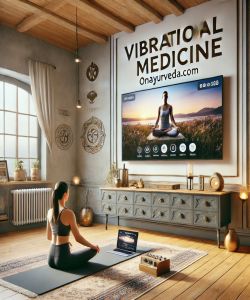
1. Overview of Vibrational Medicine
Vibrational medicine represents a sophisticated and commanding paradigm of health and wellness, predicated on the fundamental principle that all matter, including the human body, is a complex matrix of interlocking energy fields. This discipline eschews the purely biochemical model of conventional medicine, asserting instead that a state of health is synonymous with harmonic resonance, whilst disease and dysfunction are manifestations of energetic dissonance or blockages. It operates on the premise that every organ, cell, and thought possesses a unique resonant frequency, and that disruptions to these frequencies—caused by factors such as emotional trauma, environmental toxins, or psychological stress—are the primary precursors to physical and mental ailments. The core objective of any vibrational modality is therefore not to treat symptoms directly, but to identify and correct these underlying energetic imbalances. Practitioners utilise a diverse array of tools and techniques, from sound and light to subtle human-generated energies, to introduce coherent, healing frequencies into an individual's biofield. This process is designed to entrain the body’s discordant frequencies back to their optimal, healthy state of vibration, thereby facilitating a profound, systemic return to homeostasis. It is a modality that demands an understanding of the human being as a dynamic, energetic entity, where consciousness and physical form are inextricably linked through a vibrant, responsive network of energy. This perspective mandates a holistic approach, addressing the complete person—mind, body, and spirit—as an integrated whole, rather than as a collection of disparate, symptomatic parts. The ultimate aim is the restoration of energetic integrity, which is considered the bedrock of enduring health and vitality.
2. What are Vibrational Medicine?
Vibrational medicine constitutes a broad category of healing therapies that are founded on the scientific and esoteric principle that the human body is a system of energy. Proponents of this model posit that health is a direct result of the body’s various components vibrating at their correct, optimal frequencies in a state of coherence, whilst illness signifies a disruption or distortion within this energetic symphony. Unlike conventional approaches that focus on tangible, biochemical interventions, vibrational medicine directs its attention towards the body's subtler, underlying energy systems—often referred to as the biofield or human energy field. The fundamental assertion is that targeted energetic inputs can be used to influence and rectify these imbalances. This can be achieved through various means:
Introduction of Coherent Frequencies: Modalities such as sound therapy, colour therapy, or crystal healing work by introducing a stable, organised frequency into the client's energy field. The principle of resonance dictates that the body's discordant energies will gradually attune, or entrain, to this more powerful, coherent vibration, thereby restoring balance.
Channelling of Life-Force Energy: Practices like Reiki, Therapeutic Touch, and Qigong are based on the practitioner acting as a conduit for universal life-force energy. This energy is directed into the client to clear blockages, replenish depleted areas, and stimulate the body's innate self-healing capabilities.
Information-Based Remedies: Flower essences and homoeopathy are considered forms of vibrational medicine as they are believed to hold the energetic imprint, or vibrational signature, of a substance rather than its physical chemistry. This energetic information is thought to interact with the individual’s biofield to catalyse emotional and spiritual healing.
In essence, vibrational medicine is a discipline focused on energetic hygiene and correction, aiming to restore the body’s natural state of resonant harmony to facilitate wellness at every level of being.
3. Who Needs Vibrational Medicine?
Individuals experiencing chronic stress, anxiety, or emotional burnout whose conditions have not been adequately addressed by purely psychological or pharmacological interventions. This modality targets the energetic underpinnings of such states.
Those suffering from persistent, low-grade physical complaints or undiagnosed malaise that lack a clear aetiology within the conventional medical framework. Vibrational medicine offers a paradigm for addressing subtle, pre-physical imbalances.
Clients seeking to complement and enhance the efficacy of conventional medical treatments. It can be utilised to manage the psycho-emotional stress associated with serious illness and its treatment, thereby improving overall quality of life.
Individuals committed to a proactive and preventative approach to health. The discipline is engineered to identify and correct energetic dissonances before they manifest as tangible, physical pathologies.
People who feel a sense of disconnection from their body or a lack of spiritual grounding. These therapies are designed to reintegrate the mind, body, and spirit, fostering a greater sense of internal coherence and purpose.
Those who have experienced significant emotional trauma or psychological shocks. Vibrational techniques are specifically employed to clear the energetic imprints of such events from the individual’s biofield.
Creative professionals, executives, and athletes who are seeking to optimise their performance. By clearing energetic blockages, these modalities aim to enhance mental clarity, focus, and physical vitality.
Individuals on a path of personal development or spiritual exploration who wish to deepen their self-awareness and raise their conscious understanding of the self as an energetic being.
Anyone feeling 'stuck' in repetitive negative patterns of thought or behaviour. Vibrational medicine works to dismantle the energetic templates that hold these patterns in place, facilitating profound personal transformation.
Sufferers of sleep disturbances and insomnia. By calming the nervous system and rebalancing the body's subtle energies, these practices promote deep, restorative rest and recalibrate the natural sleep-wake cycle.
4. Origins and Evolution of Vibrational Medicine
The conceptual foundations of vibrational medicine are not a recent invention but are deeply rooted in the philosophical and healing traditions of ancient civilisations. For millennia, cultures across the globe have operated on the principle that a vital life force underpins all existence. In the Vedic traditions of ancient India, this was termed ‘Prana’ and was manipulated through practices like yoga and Ayurveda, with the chakra system serving as a detailed map of the body's primary energy centres. Similarly, Traditional Chinese Medicine is predicated on the flow of ‘Qi’ through a complex network of meridians; modalities like acupuncture and Qigong are explicitly designed to correct imbalances in this energetic flow to restore health. These ancient systems represent the bedrock of vibrational theory: the idea that a subtle, energetic anatomy coexists with and sustains the physical form.
The modern evolution of vibrational medicine began to coalesce in the late 19th and early 20th centuries, as pioneering scientific discoveries inadvertently provided a new language for these ancient concepts. The work of physicists like Albert Einstein, particularly the equation E=mc², fundamentally challenged the materialistic, Newtonian worldview by demonstrating the equivalence of matter and energy. This paradigm shift, whilst applied within physics, was seized upon by thinkers in alternative health, who proposed that the human body could likewise be understood as a dynamic energy system. During this period, disciplines such as radionics emerged, which claimed to diagnose and treat illness by detecting and manipulating the energetic frequencies of the body and its ailments from a distance.
The latter half of the 20th century witnessed a significant synthesis and popularisation of these ideas, fuelled by the burgeoning human potential movement and a growing public interest in holistic and complementary health. The language of quantum physics, though often applied metaphorically, was increasingly used to explain phenomena like consciousness and the mind-body connection. This era saw the formalisation and global dissemination of practices like Reiki, the development of sophisticated sound healing techniques using tuning forks and crystal bowls, and the creation of systems like flower essence therapy by Dr. Edward Bach. Today, vibrational medicine continues to evolve, integrating modern technological insights whilst retaining its core focus on the human biofield, representing a mature synthesis of ancient wisdom and contemporary energetic theory.
5. Types of Vibrational Medicine
Sound Therapy: This modality utilises the principles of resonance and entrainment to restore harmony to the body’s energy field. It employs specific frequencies and harmonics delivered through instruments such as Tibetan singing bowls, crystal bowls, tuning forks, gongs, or vocal toning. The coherent vibrations produced are intended to permeate the body’s tissues and biofield, dissolving energetic blockages and recalibrating cellular and systemic frequencies back to an optimal state of health.
Crystal and Gemstone Therapy: Practitioners of this therapy place selected crystals and gemstones on or around the body, corresponding to specific chakra points or areas of energetic disturbance. Each stone is believed to possess a unique, stable, and perfect geometric lattice structure that emits a specific resonant frequency. This frequency interacts with the human biofield to absorb, transmute, and release negative or discordant energies, thereby promoting balance and clearing energetic pathways.
Light and Colour Therapy (Chromotherapy): This practice is based on the premise that different colours of the visible light spectrum correspond to specific vibrations that have a direct physiological and emotional effect. Each colour is associated with a particular chakra or bodily system. Light of a specific colour is directed towards the body or filtered through the eyes to correct energetic imbalances, stimulate hormonal responses, and support psychological and physical well-being.
Flower Essence Therapy: A subtle form of vibrational medicine, this involves the use of highly diluted infusions of flowers. Developed by Dr. Edward Bach, these essences are believed to contain the unique vibrational pattern or life-force energy of the specific flower. They are not pharmacological agents but are intended to work on the mental and emotional levels, addressing negative states of mind like fear, despair, and uncertainty, thereby facilitating a gentle rebalancing of the individual’s entire energy system.
Energy Healing (Biofield Therapies): This is a broad category that includes practices like Reiki, Therapeutic Touch, and Qigong healing. In these modalities, the practitioner acts as a channel for universal life-force energy, which is then directed through their hands into the recipient's biofield. The goal is to clear energetic blockages, replenish depleted areas, and stimulate the body’s inherent self-healing intelligence without the need for physical touch.
6. Benefits of Vibrational Medicine
Profound Stress and Anxiety Reduction: It directly targets the energetic root of psycho-emotional distress, inducing a state of deep relaxation that transcends conventional methods. By re-harmonising the nervous system’s vibrational signature, it dismantles the energetic patterns of chronic stress.
Enhanced Mental and Emotional Clarity: By clearing stagnant or chaotic energy from the biofield, particularly around the head and heart centres, it facilitates improved focus, sharper cognitive function, and a more balanced, stable emotional state.
Support for the Body’s Natural Detoxification Processes: The therapies are engineered to break up energetic congestion within organs and tissues, which is believed to support the body’s innate ability to release physical and metabolic waste products, promoting systemic purity.
Accelerated Physical Healing and Pain Management: By introducing coherent frequencies, it can help to reduce inflammation, improve circulation at an energetic level, and alter the perception of pain. It is often used to complement conventional treatments and support recovery.
Balancing of the Endocrine and Autonomic Nervous Systems: The primary energy centres (chakras) targeted in many modalities are directly linked to the major endocrine glands. Balancing these centres is intended to regulate hormonal output and restore equilibrium between the sympathetic (fight-or-flight) and parasympathetic (rest-and-digest) nervous systems.
Release of Deep-Seated Emotional Trauma: Vibrational techniques are designed to access and release the energetic imprints of past traumas and negative experiences that are held within the body’s cellular memory, facilitating profound emotional catharsis and freedom.
Increased Vitality and Energy Levels: By removing energetic blockages and restoring the harmonious flow of life-force energy (Prana or Qi) throughout the system, individuals frequently report a significant and sustained increase in their overall vitality and stamina.
Deepened Spiritual Connection and Self-Awareness: These practices inherently encourage introspection and a greater awareness of the self as an energetic being. This often leads to an enhanced sense of purpose, intuition, and connection to a broader universal consciousness.
7. Core Principles and Practices of Vibrational Medicine
The Principle of Energetic Primacy: The foundational tenet is that a subtle, organised energy field—the biofield—underpins and animates the physical body. It asserts that energetic imbalances precede and are the root cause of all physical, emotional, and mental dysfunction. Health is therefore defined as energetic coherence.
The Principle of Resonance and Entrainment: All things, including cells and organs, possess a natural resonant frequency. When a part of the body is vibrating out of harmony, a coherent, healing frequency can be introduced. Through the law of entrainment, the discordant part will attune itself to the stronger, more stable vibration, thereby restoring its natural, healthy resonance.
The Concept of Chakras and Meridians: The practice operates on a detailed map of the subtle human anatomy. This includes the major energy centres (chakras), which govern specific physiological and psychological functions, and the energy pathways (meridians), which distribute life-force energy (Qi/Prana) throughout the entire body. The core practice involves assessing and clearing blockages within this network.
The Practitioner as a Conduit or Facilitator: In many modalities, such as Reiki or Therapeutic Touch, the practitioner does not use their own personal energy. Instead, they are trained to become a clear and neutral channel for universal life-force energy, directing it with intention to where it is most needed in the client’s system to stimulate their innate healing response.
The Law of Vibrational Signature: Every substance, thought, and emotion possesses a unique vibrational signature. This principle is central to therapies like flower essences or homoeopathy, where the energetic imprint of a substance, rather than its chemical composition, is utilised to interact with and bring balance to a corresponding emotional or mental state in the individual.
Holistic Diagnosis and Treatment: A core practice is to assess the individual as an integrated whole—mind, body, and spirit. An assessment is not limited to physical symptoms but includes an evaluation of the client’s emotional state, mental patterns, and the overall state of their biofield. Treatment is consequently directed at the entire system, not just the symptomatic part.
Intention as a Directive Force: Consciousness and focused intention are considered potent forces that can direct and modulate energy. Practitioners are trained to hold a clear and focused intention for healing and balance, which is believed to amplify the effectiveness of the chosen modality and guide the energy to perform its function with greater precision.
8. Online Vibrational Medicine
Transcendence of Physical Proximity: The fundamental premise enabling online vibrational medicine is that energy and consciousness are not bound by physical space. Based on principles analogous to quantum entanglement, it is asserted that a trained practitioner can connect with, assess, and influence an individual's biofield from any distance. The therapeutic effect is transmitted non-locally.
Creation of a Controlled Therapeutic Environment: The online format grants the recipient complete control over their physical environment. They can ensure absolute privacy, comfort, and freedom from external distractions, curating a space that is maximally conducive to relaxation and energetic receptivity, which is often superior to a clinical setting.
Unparalleled Accessibility and Convenience: Digital delivery removes all geographical barriers, making highly specialised practitioners accessible to individuals anywhere in the world. It eliminates the time, cost, and stress associated with travel, allowing sessions to be integrated seamlessly into a client's life.
Enhanced Client Receptivity: For some individuals, particularly those who are highly sensitive or anxious about physical touch, the absence of the practitioner’s physical presence can lower psychological barriers. This can lead to a state of deeper relaxation and greater openness to receiving the energetic transmission, thereby enhancing the session's efficacy.
Empowerment and Self-Responsibility: The online model requires the client to take an active role in preparing their space and themselves for the session. This act of preparation fosters a greater sense of involvement and ownership over their healing process, reinforcing the principle that they are an active participant, not a passive recipient of treatment.
Continuity and Consistency of Care: Online sessions make it easier for individuals to maintain a consistent schedule of treatments, even when travelling or managing a demanding lifestyle. This regularity is critical for addressing chronic energetic imbalances and achieving cumulative, lasting results.
Direct Integration into Daily Life: The session concludes with the client already in their own home or chosen safe space. This allows the energetic shifts and state of deep relaxation to be integrated more gently and effectively into their being, without the jarring interruption of travel immediately following the treatment.
9. Vibrational Medicine Techniques
Step 1: Consultation and Energetic Assessment: The session commences with a focused consultation to establish the client’s objectives and presenting issues. The practitioner then performs an energetic assessment. This may involve dowsing with a pendulum over a diagram of the body, utilising intuitive scanning techniques (feeling for variations in the biofield with the hands, even at a distance), or muscle testing (kinesiology) to identify the primary areas of energetic dissonance, blockage, or depletion within the client's system.
Step 2: Establishing a Sacred and Resonant Field: The practitioner formally opens the therapeutic space. This involves a process of grounding, centering, and setting a clear, powerful intention for the client’s highest good. This act creates a coherent and protected energetic field, or container, within which the healing work can safely and effectively unfold. This step is critical for both in-person and distance sessions.
Step 3: Clearing and Purifying the Biofield: The initial phase of active intervention focuses on clearing stagnant, heavy, or foreign energies from the client’s aura or biofield. Techniques may include energetic 'combing' or 'sweeping' motions with the hands, the use of high-frequency sound from a rattle or bell, or the intentional use of specific crystals like selenite or black tourmaline to absorb and transmute negativity.
Step 4: Balancing and Charging the Chakra System: Once the field is cleared, the practitioner addresses the major energy centres (chakras). They will work on each chakra sequentially, using the chosen modality—be it sound, colour, crystals, or channelled energy like Reiki—to dissolve blockages, correct rotational imbalances (e.g., spinning too fast or slow), and infuse each centre with its appropriate, vibrant frequency until it is balanced and energised.
Step 5: Addressing Specific Areas and Systemic Integration: With the primary energy system balanced, the practitioner directs focused energy towards any specific physical or emotional areas identified in the initial assessment. Following this, a final integration technique is employed, which involves smoothing the entire biofield and reinforcing the connection between all energy centres to ensure the new, coherent pattern is stabilised throughout the client's whole being.
Step 6: Grounding and Closing the Session: The final step is to ensure the client is fully grounded and integrated back into their physical body. This may involve visualisations of roots extending into the earth or the application of grounding stones to the feet. The practitioner then formally closes the energetic session, seals the client's aura, and offers brief aftercare guidance.
10. Vibrational Medicine for Adults
Vibrational medicine offers a robust and sophisticated framework for adults navigating the complex stressors of modern life. For this demographic, the accumulation of energetic debris from professional pressures, emotional responsibilities, past traumas, and environmental toxins is a significant, though often unrecognised, burden. The discipline provides a direct and potent mechanism for addressing the resulting psycho-emotional and physical fatigue. It operates on the mature understanding that chronic issues such as burnout, anxiety, persistent low-grade pain, and creative blocks are not merely psychological or biochemical events but are manifestations of profound dissonance within the individual’s biofield. The techniques employed are not palliative; they are corrective. They are designed to systematically dismantle the energetic architecture of these chronic conditions, clearing long-held blockages within the chakra and meridian systems that inhibit vitality and clarity. For adults, this modality serves as a powerful tool for preventative health maintenance, identifying and rectifying subtle imbalances before they escalate into serious, diagnosable pathologies. Furthermore, it facilitates a deeper level of self-awareness, compelling the individual to recognise the intricate connection between their thoughts, emotions, and physical well-being. It is a discipline that empowers adults to move beyond a reactive stance to health and to actively participate in the conscious cultivation of their own energetic integrity, fostering resilience, emotional equilibrium, and a sustained sense of purpose and vitality that is essential for navigating the demands of adult life. It is not a passive treatment, but an active recalibration of one's entire being.
11. Total Duration of Online Vibrational Medicine
The standard and professionally mandated total duration for a single, comprehensive online vibrational medicine session is precisely 1 hr. This specific timeframe is not arbitrary; it is meticulously structured to ensure a complete and effective therapeutic arc. The 1 hr duration allows for a thorough, yet focused, initial consultation and energetic assessment, a period of deep, uninterrupted therapeutic intervention where core imbalances are addressed, and a crucial final phase for energetic integration, grounding, and closing the session. A shorter period would compromise the depth of the work, preventing the practitioner from moving beyond superficial clearing to address deep-seated energetic patterns. Conversely, extending the session significantly beyond 1 hr for a standard treatment risks energetic over-stimulation for the client, which can be counterproductive and lead to feelings of being ungrounded or overwhelmed. Therefore, the 1 hr structure is upheld as the industry standard, representing the optimal balance between therapeutic potency and client safety and comfort. It ensures that every critical phase of the process is given its due diligence, providing a complete, contained, and powerful healing experience within a defined and manageable period. Any deviation from this duration must be explicitly justified by unique client needs or a different session type.
12. Things to Consider with Vibrational Medicine
Engaging with vibrational medicine demands a significant paradigm shift from the conventional, purely materialistic view of health and the human body. It is imperative to comprehend that this discipline operates on the principles of subtle energy, resonance, and consciousness, concepts that may not yet be quantifiable by mainstream scientific instrumentation. Prospective clients must be prepared to accept the validity of their own subjective experience—such as feelings of relaxation, emotional shifts, or subtle physical sensations—as the primary evidence of the treatment's effect. One must also consider that healing within this framework is often a process, not an event; chronic energetic imbalances that have been cultivated over years cannot be expected to vanish instantaneously. It requires patience, commitment, and an active participation in one's own wellness journey. Furthermore, the efficacy of the treatment is profoundly influenced by the skill, integrity, and energetic clarity of the practitioner. Thorough due diligence in selecting a qualified and experienced professional is not merely advisable; it is essential. Finally, it must be unequivocally understood that vibrational medicine is a complementary modality. It is not a substitute for conventional medical diagnosis or treatment, particularly for serious or acute conditions. It should be utilised as an adjunct therapy to support the whole person, not as a replacement for necessary medical care.
13. Effectiveness of Vibrational Medicine
The effectiveness of vibrational medicine is predicated upon its core function: the restoration of energetic coherence within the human biofield. Its success is not measured by the standards of allopathic medicine, which focus on the chemical suppression of symptoms, but by its capacity to address the root energetic causes of disharmony. Within its own paradigm, its effectiveness is profound and demonstrable. Clients consistently report significant reductions in stress and anxiety, enhanced mental clarity, resolution of emotional blockages, and an overall increase in vitality and well-being. The discipline is particularly potent in addressing conditions that are poorly understood or ineffectively treated by conventional means, such as chronic fatigue, fibromyalgia, and generalised anxiety, as these are often considered to be primarily energetic in their origin. The effectiveness is contingent on two key factors: the receptivity of the client and the proficiency of the practitioner. A client who is open, willing, and actively engaged in the process will experience far greater results than one who is sceptical or resistant. The practitioner's ability to maintain a clear energetic field, accurately assess the client's needs, and masterfully apply the chosen modality is paramount. When these conditions are met, vibrational medicine is a powerful and effective system for facilitating a return to holistic health, working from the most fundamental level of being—energy—upwards into the emotional, mental, and physical dimensions.
14. Preferred Cautions During Vibrational Medicine
It is imperative to approach any vibrational medicine session with a stringent set of cautions to ensure both safety and efficacy. Firstly, one must unequivocally maintain any prescribed conventional medical treatments and consultations; this modality is a complement to, not a replacement for, professional medical care. Full disclosure of all existing health conditions, including psychological diagnoses and pregnancies, to the practitioner is not optional but mandatory prior to commencing a session. The therapeutic process can initiate a significant energetic and physical detoxification, which may manifest temporarily as heightened emotional states, fatigue, or mild, transient flu-like symptoms. This is a known part of the rebalancing process, but one must be prepared for it and not mistake it for a negative outcome. Hydration is critical; an increased intake of pure water is required before and after the session to assist the body in flushing out released energetic and physical toxins. Following a session, it is strongly advised to avoid immediate engagement in strenuous activity, stressful situations, or the consumption of stimulants such as caffeine and alcohol. A period of quiet reflection and gentle activity is necessary to allow the energetic adjustments to integrate fully. Finally, exercise extreme discernment when selecting a practitioner. Ensure they are credentialed, experienced, and operate with the highest level of professional and ethical integrity, as an unskilled or ungrounded practitioner can potentially create further energetic imbalance.
15. Vibrational Medicine Course Outline
Module 1: Foundational Principles of Energetic Anatomy
Introduction to the Biofield: Defining the Human Energy Field.
The Chakra System: In-depth study of the seven major energy centres, their locations, functions, and associated psychological and physiological attributes.
The Meridian System: Overview of the primary energy pathways as understood in Traditional Chinese Medicine and their relevance to energetic flow.
The Concept of Energetic Blockages and Dissonance.
Module 2: The Science and Metaphysics of Vibration
Principles of Resonance, Entrainment, and Frequency.
Introduction to Cymatics: The study of visible sound and vibration.
Quantum Physics Concepts: Exploring entanglement, non-locality, and the observer effect as they relate to consciousness and healing.
The Role of Intention and Consciousness in Directing Energy.
Module 3: Core Modalities and Therapeutic Tools - Part I
Sound Healing: Practical application of tuning forks, singing bowls (Tibetan and Crystal), and vocal toning.
Crystal Therapy: Properties, selection, cleansing, and programming of key healing crystals.
Layouts and Grids: Techniques for placing crystals on and around the body.
Module 4: Core Modalities and Therapeutic Tools - Part II
Colour Therapy (Chromotherapy): The psychological and energetic properties of the colour spectrum and methods of application.
Introduction to Subtle Aromatherapy and Flower Essences: Understanding their vibrational, rather than chemical, impact.
Module 5: The Art of the Practitioner
Energetic Hygiene and Self-Care: Techniques for maintaining practitioner clarity and preventing energetic contamination.
Developing Intuitive Assessment Skills: Hand scanning, pendulum dowsing, and intuitive listening.
Conducting a Session: Structuring a complete therapeutic session from intake to closure.
Client Communication and Professional Ethics.
Module 6: Advanced and Distant Healing Techniques
Principles of Non-Local Healing: The theory and practice of conducting effective distance sessions.
Advanced Clearing and Integration Techniques.
Working with Complex Cases: Trauma, chronic conditions, and spiritual crisis.
Final Practicum: Supervised practical application and case study presentation.
16. Detailed Objectives with Timeline of Vibrational Medicine
Objective 1: Foundational Rebalancing (Sessions 1-2): The immediate objective is to perform a comprehensive energetic assessment to identify the most critical areas of imbalance and to initiate a thorough clearing of the client's biofield. The focus is on removing surface-level energetic debris, calming the nervous system, and beginning the process of balancing the major chakras. The timeline for this initial phase is the first one to two sessions, establishing a baseline of energetic stability and building rapport.
Objective 2: Addressing Core Energetic Patterns (Sessions 3-5): The objective shifts to targeting deeper, more chronic energetic blockages and dissonant patterns identified in the initial phase. This involves focused work on specific chakras or meridian pathways that are linked to the client's primary complaints, whether physical or emotional. The timeline for this work is typically the third to fifth sessions, aiming to dismantle long-held energetic structures.
Objective 3: Releasing Cellular and Emotional Imprints (Sessions 6-8): During this phase, the objective is to facilitate the release of deep-seated emotional trauma and limiting beliefs stored within the body's cellular memory. The work becomes more nuanced, targeting the energetic imprints of past events. The timeline covers the sixth to eighth sessions, often resulting in significant emotional processing and catharsis for the client.
Objective 4: Systemic Integration and Energetic Fortification (Sessions 9-10): The primary objective here is to integrate the profound changes that have occurred and to fortify the client's entire energy system. The focus is on strengthening the biofield, enhancing the flow of energy between all chakras and meridians, and ensuring the new, coherent energetic blueprint is stable and resilient. This consolidation phase typically occurs around the ninth and tenth sessions.
Objective 5: Empowerment and Self-Maintenance (Sessions 11-12 and beyond): The final objective is to empower the client with tools and techniques for their own energetic self-care and maintenance. The practitioner's role transitions towards that of a guide, teaching the client how to protect their energy field, ground themselves, and perform simple self-balancing techniques. This phase, beginning around the eleventh session, marks the transition to periodic maintenance sessions as required, rather than intensive weekly therapy.
17. Requirements for Taking Online Vibrational Medicine
A Stable, High-Speed Internet Connection: A robust and uninterrupted internet connection is non-negotiable. This ensures the clear transmission of audio and video, which is essential for maintaining the therapeutic container and facilitating effective communication between practitioner and client.
A Private, Uninterrupted, and Controlled Space: The client must secure a physical space where they will be completely alone and free from any potential interruptions from family, pets, or electronic notifications for the full duration of the session. This sanctity of space is paramount.
Appropriate Technology and Hardware: Access to a computer, tablet, or smartphone with a functioning camera and microphone is required. The device must be positioned securely so that the client can be seen clearly by the practitioner, whilst allowing them to lie down comfortably.
Comfortable Attire and Resting Surface: The client must be dressed in loose, non-restrictive clothing. A comfortable surface, such as a bed, sofa, or yoga mat with pillows and blankets, must be prepared to allow for deep relaxation.
A Commitment to Punctuality and Preparation: The client is required to log into the session platform several minutes before the scheduled start time to resolve any technical issues. A state of readiness and calm focus is expected upon commencement.
An Open and Receptive Mindset: The client must be willing to engage with the process with an open mind, setting aside scepticism for the duration of the session. A genuine desire for healing and a willingness to trust the practitioner and the process are fundamental requirements.
Abstinence from Intoxicants: It is a strict requirement that the client refrains from consuming alcohol or recreational drugs for at least 24 hours prior to the session, as these substances interfere with the clarity and sensitivity of the biofield.
Willingness to Follow Post-Session Guidance: The client must commit to following the aftercare instructions provided by the practitioner, which typically include hydration, rest, and gentle self-reflection, to maximise the integration of the energetic work.
18. Things to Keep in Mind Before Starting Online Vibrational Medicine
Before commencing an online vibrational medicine journey, it is imperative to conduct a rigorous self-assessment and prepare your mindset for a process that fundamentally differs from conventional therapies. You must understand that the practitioner's physical absence is irrelevant to the transmission of energy; the entire framework rests on the principle of non-local connection, and any doubt regarding this will create a significant energetic barrier to receiving the full benefit of the work. It is your sole responsibility to create and defend the sanctity of your therapeutic space; this is not a casual video call but a profound energetic intervention that demands an environment free from any and all potential disturbances. Be prepared for the experience to feel both subtle and powerful. You may not experience dramatic sensory phenomena, but rather a deep, creeping sense of peace, emotional releases occurring hours or days later, or a gradual but significant shift in your perspective and energy levels over time. You must accept the validity of your subjective experience and resist the urge to invalidate it simply because it cannot be externally measured. Furthermore, understand that this is an active collaboration. You are not a passive recipient; your intention, focus, and willingness to let go are critical components of the process. You must be prepared to take responsibility for your own healing, using the session as a catalyst for greater self-awareness and change in your daily life. This is a commitment to a deep internal process, not a quick fix.
19. Qualifications Required to Perform Vibrational Medicine
The qualifications required to perform vibrational medicine professionally are multifaceted, demanding a rigorous synthesis of formal training, practical experience, and innate personal attributes. A credible practitioner must possess a verifiable certification from a reputable and established institution specific to their chosen primary modality. This is the baseline, non-negotiable requirement. For example:
Sound Healers: Must hold a diploma or certification from a recognised sound healing academy, demonstrating proficiency in the theory and application of instruments like tuning forks, singing bowls, and gongs.
Reiki Practitioners: Must be certified to a Master/Teacher level, with a clear and verifiable lineage tracing back to the founder, Mikao Usui.
Crystal Therapists: Should possess certification from a dedicated crystal healing school, which covers geology, crystal systems, energetic properties, and safe application.
Beyond these specific credentials, a comprehensive understanding of energetic anatomy, including the chakra and meridian systems, is absolutely mandatory. This is often acquired through a combination of their core training and supplementary coursework in energy medicine. Extensive, documented practical experience is equally critical; a practitioner must have a significant number of supervised and independent case study hours. This practical application hones their intuitive diagnostic skills and their ability to manage complex energetic phenomena. Furthermore, the practitioner is expected to be committed to their own continuous personal and spiritual development, including maintaining impeccable energetic hygiene. Finally, professional accountability is demonstrated through holding appropriate indemnity insurance and, where applicable, membership in a professional regulatory body. These qualifications collectively ensure a practitioner operates with safety, integrity, and a high degree of competence.
20. Online Vs Offline/Onsite Vibrational Medicine
Online
Online or distance vibrational medicine operates on the fundamental principle that energy and consciousness are not constrained by physical proximity. Its primary advantage is absolute accessibility, removing all geographical and logistical barriers for the client. The therapeutic power of the online format lies in the client’s ability to receive the treatment within their own curated, safe, and private environment, which can significantly lower psychological resistance and enhance receptivity. The connection is established purely on an energetic level, demanding a high degree of skill and focus from the practitioner to tune into the client's non-local biofield. The entire interaction, from assessment to intervention, is conducted through this energetic link, reinforced by video communication. This format places a greater emphasis on the client's own felt sense and internal experience, as the external sensory data of the practitioner’s physical presence is absent. It necessitates a high level of trust and a conceptual understanding of non-local healing. The efficacy is identical for a skilled practitioner, but the experience is more internally focused for the client.
Offline/Onsite
Offline, or onsite, vibrational medicine offers a more traditional and sensory-rich therapeutic experience. The practitioner's physical presence in the room creates a tangible energetic field that the client can immediately feel and respond to. This format allows for the use of physical touch where appropriate, such as in Therapeutic Touch or the gentle placement of hands in Reiki, which can be profoundly reassuring and grounding for many clients. The application of tools like tuning forks or crystals can be done with direct physical placement on the body, providing immediate vibrational feedback to the tissues. The practitioner can observe the client’s subtle physical responses—breathing patterns, muscle twitches, facial expressions—in real-time, providing an additional layer of diagnostic information. The dedicated therapeutic space of the practitioner’s clinic is professionally prepared to be a neutral, high-vibration sanctuary, freeing the client from the responsibility of preparing their own space. This format may be preferred by those who are new to energy work or who find comfort and validation in the physical presence of a guide.
21. FAQs About Online Vibrational Medicine
Question 1. How can it possibly work from a distance? Answer: It operates on the principle of non-locality, a concept related to quantum physics, which posits that energy and consciousness are not limited by physical space. A trained practitioner can intentionally connect with your specific energy field (biofield) regardless of where you are, in the same way a radio can tune into a specific frequency.
Question 2. Do I need any special equipment? Answer: You need a stable internet connection, a device with a camera and microphone (computer, tablet, or phone), and a comfortable, private place to lie down. Headphones are highly recommended to enhance immersion and block out external noise.
Question 3. What will I feel during the session? Answer: Experiences vary. Common sensations include deep relaxation, warmth, tingling, coolness, a sense of gentle movement or waves of energy, or seeing colours behind your closed eyes. Some people have emotional releases. It is also normal to feel very little and simply enter a state of profound peace.
Question 4. Is it less effective than an in-person session? Answer: No. For a skilled practitioner, the effectiveness is identical. The energy is transmitted directly to your biofield. The only difference is the sensory experience; the energetic impact remains the same.
Question 5. What if I fall asleep? Answer: This is perfectly acceptable and very common. It is a sign of deep relaxation, and your subconscious and energy body will still receive the full benefit of the session. The practitioner will gently wake you at the end.
Question 6. Is the session confidential? Answer: Absolutely. All sessions are conducted with the same strict professional ethics and confidentiality as an in-person appointment. Reputable practitioners use secure video platforms.
Question 7. How should I prepare for my session? Answer: Ensure your space is private and you will not be disturbed. Use the lavatory beforehand. Wear comfortable, loose clothing. Avoid caffeine and heavy meals for at least an hour prior. Set an intention for what you wish to receive from the session.
Question 8. What should I do after the session? Answer: Drink plenty of water to help your system process the energetic shifts. Avoid strenuous activity, alcohol, and stressful situations for the rest of the day. Allow for a period of quiet integration.
Question 9. Can I receive online vibrational medicine if I am pregnant? Answer: You must disclose your pregnancy to the practitioner. Most modalities are safe, but the practitioner may need to modify the session. It is a mandatory disclosure.
Question 10. How often should I have a session? Answer: This depends on your goals. For a specific issue, a series of weekly sessions may be recommended initially, followed by monthly or seasonal maintenance sessions.
Question 11. Can online vibrational medicine cure my illness? Answer: Vibrational medicine does not claim to 'cure' diseases. It works to restore energetic balance, which supports your body's innate ability to heal itself. It is a complementary therapy and not a substitute for medical treatment.
Question 12. What if I am a complete sceptic? Answer: An open mind is highly beneficial. Whilst you do not need to 'believe' in it for it to work, strong, active scepticism can create an energetic barrier that may limit the effects. A neutral, curious attitude is sufficient.
Question 13. How do I choose a practitioner? Answer: Look for verifiable certifications in their specific modality, extensive experience, professional insurance, and clear, professional communication. Trust your intuition during an initial enquiry.
Question 14. Can I combine it with other therapies? Answer: Yes, it is an excellent complement to most conventional and alternative therapies, including psychotherapy, physiotherapy, and medication. Always inform all your healthcare providers of the treatments you are receiving.
Question 15. What if I feel worse after a session? Answer: Occasionally, a 'healing crisis' or detoxification response can occur, where symptoms temporarily intensify as stagnant energy is released. This is usually short-lived. It is crucial to contact your practitioner if you feel concerned.
Question 16. Do I need to have my camera on? Answer: Yes. A visual connection is essential for the practitioner to maintain the therapeutic container and ensure your safety and well-being throughout the session.
22. Conclusion About Vibrational Medicine
In conclusion, vibrational medicine stands as a formidable and coherent system of wellness, offering a necessary and powerful counterpoint to the exclusively biochemical paradigm of health. It mandates a re-evaluation of the human being, not as a mere biological machine, but as a complex, dynamic, and resonant field of energy where consciousness is a primary directive force. The discipline’s core strength lies in its ability to address the foundational causes of dysfunction—the energetic dissonances and blockages that precede and underpin physical and emotional maladies. By working at this fundamental level, it provides a pathway to profound and lasting healing, rather than the mere suppression of symptoms. It is not a passive or gentle alternative; it is an assertive and demanding practice that requires commitment from both the practitioner and the client. It calls for integrity, precision, and a deep understanding of the subtle anatomies that govern our existence. Whether delivered in person or through the non-local efficacy of online platforms, vibrational medicine offers a robust methodology for clearing past traumas, mitigating chronic stress, and cultivating a state of resilient, holistic well-being. It is, ultimately, a discipline of empowerment, restoring to the individual the awareness of their own energetic sovereignty and their innate capacity for self-healing and harmonic resonance.