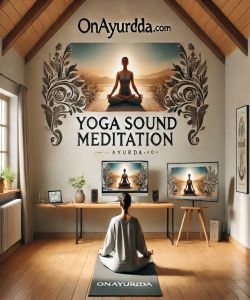
1. Overview of Yoga Sound Meditation
Yoga Sound Meditation represents a formidable and systematic discipline engineered for the profound regulation of the human consciousness. It is not a passive listening exercise; rather, it is an active engagement with specific acoustic frequencies and vibrations, designed to bypass the analytical mind and directly influence the subtle energetic and physiological systems of the body. This practice is rooted in the ancient Indian philosophical tradition of Nada Yoga, or the Yoga of Sound, which posits that the entire cosmos, and everything within it, is a manifestation of vibration. The core mechanism of this modality involves sonic entrainment, a process whereby the brain’s own fluctuating wave patterns are compelled to synchronise with stable, externally generated frequencies. Through the disciplined application of vocal toning, mantra recitation, or the resonant harmonics of specialised instruments such as singing bowls and gongs, the practitioner is guided from a state of active, discursive thought (beta brainwaves) towards deeper states of relaxation, creativity, and introspection (alpha and theta brainwaves). It is an exacting science of inner attunement, demanding unwavering focus and a willingness to surrender to the transformative power of sound. The ultimate objective extends beyond mere stress reduction; it is a rigorous method for purifying the mind, clearing energetic blockages within the nadis (energy channels), and facilitating a direct experience of a unified, non-dual state of awareness. It is, therefore, a potent tool for self-mastery, compelling the individual to confront and harmonise the innermost layers of their being through the primal and inescapable medium of vibration. This is a practice that commands respect and diligent application, offering a direct pathway to states of being that are otherwise inaccessible through conventional means.
2. What are Yoga Sound Meditation?
Yoga Sound Meditation constitutes a specialised branch of yogic practice that utilises sound and vibration as its primary tools for achieving meditative states and facilitating psychophysiological equilibrium. At its core, the practice operates on the principle of resonance, where the vibratory patterns generated by instruments or the human voice interact directly with the cellular and energetic structures of the body, including the nervous system and the subtle energy centres known as chakras. This is not arbitrary noise; it is the deliberate application of specific frequencies and harmonic overtones designed to induce a state of coherence and balance. The methods employed are diverse yet unified in their purpose. They include the chanting of mantras, which are sacred syllables or phrases believed to possess unique vibrational qualities that can alter consciousness and purify the mind. Another key component is the use of instruments that produce sustained, resonant tones, such as Himalayan singing bowls, crystal bowls, gongs, and tuning forks. The complex soundscapes created by these instruments are rich in harmonics and overtones, which facilitate the process of brainwave entrainment, guiding the mind from an active state to a more relaxed and receptive one. Fundamentally, Yoga Sound Meditation is a practice of deep listening (shravana) and internal absorption (laya). It compels the practitioner to move their awareness away from external distractions and the relentless chatter of the ego, and to instead focus inwardly on the subtle, pervasive reality of vibration. It is a rigorous discipline that transcends simple relaxation, serving as a powerful method for releasing deep-seated tension, processing unresolved emotions, and accessing profound states of stillness and clarity. It is a direct, experiential path to inner alignment, demanding focus and surrender in equal measure.
3. Who Needs Yoga Sound Meditation?
High-Stress Professionals and Executives. Individuals operating within high-pressure corporate or entrepreneurial environments, who are subject to chronic stress, cognitive overload, and decision fatigue. This practice provides a non-negotiable and systematic method for discharging accumulated nervous tension, recalibrating the autonomic nervous system, and restoring the mental clarity imperative for peak performance and strategic thinking. It is not a luxury but a necessary tool for maintaining resilience and preventing burnout.
Individuals Experiencing Emotional or Psychological Turbulence. Those grappling with anxiety, persistent low moods, or emotional dysregulation will find this modality to be a formidable ally. The immersive nature of sound vibration serves to interrupt ruminative thought patterns and provides a stable, grounding anchor for the mind, facilitating emotional processing and fostering a state of internal stability without the need for intellectual analysis.
Creative Professionals and Artists. Writers, musicians, designers, and other creatives who find their inspirational channels blocked or stagnant. The practice of Yoga Sound Meditation is engineered to quieten the critical, analytical mind (left brain) and stimulate the intuitive, imaginative faculties (right brain), thereby dissolving creative impediments and allowing novel ideas and insights to emerge from a deeper level of consciousness.
Practitioners of Physical Yoga or Meditation Seeking Deeper States. For those already engaged in Hatha Yoga, Vinyasa, or other mindfulness disciplines, sound meditation acts as a powerful catalyst. It accelerates the journey inward, helping to dissolve the subtle energetic blockages (granthi) that may impede progress and prevent access to more profound states of absorption (samadhi) and self-realisation.
Individuals Suffering from Sleep Disturbances. Those afflicted with insomnia or poor-quality sleep. The practice systematically down-regulates the sympathetic nervous system (the 'fight or flight' response) and activates the parasympathetic nervous system (the 'rest and digest' response), preparing the body and mind for deep, restorative sleep by calming the mental agitation that so often obstructs it.
Anyone Seeking a Tangible Experience of Inner Stillness. For individuals who find traditional silent meditation challenging or inaccessible, sound provides a concrete object of focus. The vibrations offer a physical and auditory anchor that makes it significantly easier to disengage from distracting thoughts, providing a direct and non-negotiable entry point into a state of profound mental quietude.
4. Origins and Evolution of Yoga Sound Meditation
The origins of Yoga Sound Meditation are deeply embedded in the ancient spiritual traditions of the Indian subcontinent, tracing back to the foundational Vedic texts. The Vedas, particularly the Sama Veda, are replete with hymns (richas) and chants designed not merely for ritualistic purposes but as sonic formulae intended to influence both the external environment and the internal state of the practitioner. The core philosophical underpinning was the concept of Nada Brahman, the ultimate reality or consciousness manifesting as cosmic vibration. This primordial sound, symbolised by the syllable Om (Aum), was considered the source code of creation, and by attuning to it, one could achieve unity with the divine. This was not a primitive belief system but a sophisticated understanding of the universe as a symphony of frequencies.
In the post-Vedic era, the Upanishads and subsequent Tantric texts began to codify these principles into a more structured practice known as Nada Yoga, the "Yoga of Sound." Treatises such as the Hatha Yoga Pradipika explicitly detail practices for internal listening, describing a progressive journey of hearing subtler and subtler inner sounds, moving from the gross to the causal planes of existence. The practice was systematised into a path of self-realisation, where sound was the vehicle for transcending the conditioned mind. This period saw the development of mantra science (Mantra Vidya), which classified specific sound syllables (bija mantras) and linked them to the body's energy centres (chakras), creating a precise technology for energetic and psychological transformation.
The evolution of this discipline has continued into the modern era, adapting to new contexts while retaining its core principles. The twentieth and twenty-first centuries have witnessed a significant cross-pollination of Eastern philosophy with Western scientific inquiry. This has led to the integration of instruments from various cultures, such as Tibetan singing bowls, gongs from East Asia, and even precisely calibrated tuning forks developed in the West. Concurrently, advancements in neuroscience have begun to validate the profound effects of sonic entrainment and resonant frequencies on brainwave patterns, stress hormones, and overall physiological coherence. This contemporary evolution has made the practice more accessible to a global audience, yet its fundamental objective remains unchanged: the systematic use of vibration to dissolve the fragmented self and reveal an underlying state of unified consciousness. The practice has evolved from a esoteric monastic discipline to a widely recognised modality for profound personal transformation.
5. Types of Yoga Sound Meditation
Mantra Japa. This is the disciplined, repetitive recitation of a specific mantra, either aloud (vaikhari), as a whisper (upamsu), or mentally (manasika). Mantras are potent sonic formulae, sacred syllables or phrases engineered to create specific vibrational patterns. The repetition focuses the mind, purifies consciousness, and invokes the energetic quality associated with the mantra. This is a foundational practice, demanding unwavering concentration and precision in pronunciation to be effective.
Kirtan (Call and Response Chanting). A dynamic and devotional group practice involving a leader singing a mantra or sacred phrase, which is then repeated in unison by the participants. Kirtan harnesses the power of collective voice and intention to generate a powerful field of resonant energy. It is less about musical performance and more about creating an immersive sonic experience that bypasses the intellect and opens the heart centre, fostering a sense of unity and shared spiritual upliftment.
Nada Yoga (Internal Sound Meditation). This is an advanced and subtle practice focused on deep, internal listening. The practitioner withdraws their senses from the external world (pratyahara) and attunes their awareness to the subtle, inner sounds of the body and consciousness, known as the anahata nada or "unstruck sound." This requires profound stillness and concentration, guiding the practitioner progressively deeper into the causal layers of their own being, towards the primordial sound itself.
Bija Mantra Meditation. This practice involves the focused chanting of bija, or "seed," mantras. These are single-syllable sounds (e.g., Lam, Vam, Ram, Yam, Ham, Om) that are believed to correspond directly to the vibrational frequency of the major chakras (energy centres) along the spine. By toning these specific sounds, the practitioner aims to activate, balance, and purify these psychic-energy centres, thereby resolving energetic blockages and promoting overall systemic harmony.
Sound Bath Immersion. This is a passive but profoundly receptive form of sound meditation. Participants lie down and are "bathed" in the complex harmonics and resonant frequencies produced by a variety of instruments, such as Himalayan and crystal singing bowls, gongs, chimes, and tuning forks. The practitioner does not produce sound but surrenders to the acoustic environment, allowing the vibrations to induce deep relaxation, facilitate brainwave entrainment, and promote healing at a cellular level. It is a direct vibratory massage for the entire being.
6. Benefits of Yoga Sound Meditation
Systematic Reduction of Physiological Stress. Compels a dominant parasympathetic nervous system response, actively down-regulating the production of stress hormones such as cortisol and adrenaline. This is not a suggestion of relaxation; it is a direct, vibratory command to the autonomic nervous system to shift from a state of high alert ('fight or flight') to one of profound rest and cellular repair ('rest and digest').
Enhanced Cognitive Function and Mental Clarity. The practice of focusing on a single, consistent sonic anchor, such as a mantra or a resonant tone, rigorously trains the mind to resist distraction. This cultivates heightened concentration, improves memory retention, and purges the mental fog caused by cognitive overload, resulting in sharper, more decisive thinking.
Facilitation of Deep Meditative States. For individuals who struggle with the emptiness of silent meditation, sound provides a tangible and non-negotiable point of focus. The process of sonic entrainment systematically guides brainwave patterns from the active beta state to the more relaxed and creative alpha and deeply meditative theta states, making profound introspection accessible and achievable.
Profound Emotional Regulation and Release. The resonant frequencies penetrate beneath the surface of conscious thought to interact with deep-seated emotional patterns stored within the body's cellular memory. This vibrational stimulation can bring suppressed emotions to the surface to be processed and released in a safe, contained manner, leading to greater emotional balance and resilience.
Balancing of Bio-Energetic Systems. Operating on the principle of resonance, sound meditation directly targets and harmonises the body's subtle energy centres, or chakras. By applying specific frequencies, the practice rectifies imbalances and dissolves energetic blockages, promoting the free flow of prana (life force energy) throughout the system, which is the foundation of holistic health.
Improved Sleep Quality and Insomnia Reduction. By calming the ceaseless chatter of the mind and soothing the nervous system, the practice creates the ideal physiological and psychological conditions for deep, restorative sleep. It is a direct intervention against the root causes of many sleep disturbances, training the mind-body system to surrender to rest.
Cultivation of Heightened Self-Awareness. The journey inward, guided by sound, compels the practitioner to become acutely aware of their own internal landscape—their thoughts, feelings, and bodily sensations. This disciplined introspection fosters a stronger mind-body connection and a more profound understanding of one's own inner workings, which is the cornerstone of personal growth and mastery.
7. Core Principles and Practices of Yoga Sound Meditation
Nada Brahman (The Primordial Vibration). The foundational principle is the yogic assertion that the entire universe is a manifestation of consciousness as vibration. The practice is thus an attempt to align the individual's microcosm with the cosmic macrocosm by attuning to this fundamental reality. All practices are predicated on this understanding that sound is not mere noise but a creative and transformative force.
Resonance and Entrainment. The core mechanism of action. Resonance is the principle that one vibrating object can cause another to vibrate in harmony. Entrainment is the specific application of this, whereby the unstable, fluctuating frequencies of the human brain and nervous system are compelled to synchronise with the stable, coherent frequencies produced by mantras or instruments. This is the scientific basis for the practice's efficacy.
Shravana (Deep and Active Listening). This is not passive hearing. It is a disciplined practice of directing one's entire awareness to the sound being produced or received. It demands the withdrawal of the senses (pratyahara) from all other external and internal distractions. The act of listening becomes the meditation itself, a single-pointed focus that stills the discursive mind.
Sankalpa (Focused Intention). Before commencing any sound practice, a clear, potent intention must be established. The sankalpa acts as a guiding force, directing the energy generated by the sound vibrations towards a specific outcome, whether it be healing, clarity, or spiritual insight. Sound without intention is unfocused energy; with intention, it becomes a precision tool for transformation.
Mantra Vidya (The Science of Mantra). This involves the precise and correct application of specific mantras. This includes unerring pronunciation, rhythm, and an understanding of the mantra's meaning and energetic purpose. It is a rigorous science, not a casual affair. The power of a mantra is unlocked through disciplined, repetitive practice (japa), which embeds its vibration deep within the practitioner’s consciousness.
Laya (Absorption and Dissolution). The ultimate goal of the practice is laya, the dissolution of the individual ego and the sense of a separate self into the sound itself. As the practice deepens, the distinction between the listener, the listening, and the sound collapses. This state of complete absorption is a profound meditative state, leading to a direct experience of unity and non-duality.
Vairagya (Non-Attachment). The practitioner must cultivate an attitude of detachment from the results. While intentions are set, one must not be attached to any specific experience, whether pleasant or unpleasant. The practice involves observing all sensations, thoughts, and emotions that arise without judgment, allowing the vibrational energy to do its work unimpeded by the ego's desires or aversions.
8. Online Yoga Sound Meditation
Uncompromising Accessibility and Autonomy. The online format eradicates geographical and logistical barriers, making this potent practice accessible to any individual with a stable internet connection. It grants the practitioner complete autonomy over their environment, allowing for the creation of a personalised sanctuary, free from the potential distractions or social dynamics of a group setting. This self-managed space is conducive to deeper, more personal introspection.
Consistency and Disciplined Integration. Online platforms provide unparalleled consistency. The ability to access high-quality, guided sessions on demand eliminates excuses and facilitates the integration of the practice into a daily, disciplined routine. This regularity is not a matter of convenience; it is fundamental to achieving meaningful and cumulative results. Consistent exposure to sonic entrainment systematically rewires a sustained state of calm and focus.
Controlled and Optimised Auditory Experience. Utilising high-fidelity headphones is not an option but a requirement for serious online practice. This creates a fully immersive, binaural soundscape that is impossible to replicate in a large, open studio. The sound is delivered directly and cleanly to the auditory system, maximising the potential for brainwave entrainment and minimising ambient noise, ensuring a pure and powerful vibrational experience.
Anonymity and Reduced Self-Consciousness. For many, particularly novices, the anonymity of an online session removes the performative pressure and self-consciousness that can arise in a physical class. This is especially critical for practices involving vocal toning or chanting. The private setting encourages uninhibited participation, allowing for a more authentic and powerful release of sound and emotion without fear of judgment.
Access to Elite, Specialised Facilitators. The digital domain transcends location, granting practitioners access to world-class facilitators and highly specialised forms of sound meditation that would otherwise be geographically inaccessible. One can train with a master of Himalayan bowls or a Kirtan leader from another continent, ensuring that the quality of instruction is not compromised by physical proximity. This globalises expertise and elevates the standard of practice available.
Cost-Effectiveness and Resource Efficiency. While not a primary driver, the inherent cost-effectiveness of online sessions is a practical advantage. It removes the financial and time-based costs associated with travel and physical studio attendance. This efficiency allows resources to be channelled back into the practice itself, perhaps through investment in superior audio equipment, fostering a more robust and sustainable long-term commitment.
9. Yoga Sound Meditation Techniques
Preparation of the Physical and Mental Space. Before any sound is uttered, establish a non-negotiable container for the practice. Ensure the physical environment is quiet, secure, and free from potential interruption. Assume a stable and comfortable posture, either seated with a straight spine (sukhasana) or lying in a supine position (savasana). The spine must remain aligned to facilitate the unimpeded flow of energy. Take several deep, deliberate breaths to signal to the nervous system a transition from external activity to internal focus.
Establishment of a Clear Intention (Sankalpa). Formulate a concise, positive, and potent intention for the session. This is not a passive wish but a command to your subconscious mind. State it internally with conviction three times. This sankalpa will act as the targeting system for the vibrational energy you are about to generate or receive, focusing its transformative power.
Vocal Toning and Activation (Optional but Recommended). Begin by gently activating the voice, the body’s innate instrument. Initiate a simple, sustained humming sound, feeling the vibration resonate in the chest, throat, and skull. Progress to toning the syllable "AUM" (Om). Chant it slowly and deliberately, breaking it into its three components: A-U-M, followed by silence. Feel the 'A' sound resonate in the abdomen, 'U' in the chest and throat, and 'M' in the cranium. This attunes the body to its own frequency.
Engagement with the Primary Sound Source (Mantra or Instrument).
For Mantra: Begin the repetitive chanting (japa) of your chosen mantra. Maintain a steady rhythm and precise pronunciation. Focus the entirety of your awareness on the sound, the sensation of the vibration, and the movement of the mouth. Let the mantra occupy the entire field of your consciousness, leaving no room for extraneous thought.
For Instruments: If receiving a sound bath, surrender your full attention to the external sounds. Adopt a state of deep, active listening (shravana). Do not analyse or categorise the tones. Simply receive them. Follow a single sound with your awareness from its inception to its decay into silence.
Absorption and Deepening (Laya). As the practice continues, the boundary between you and the sound will begin to blur. Allow this to happen. Let the mind dissolve into the vibration. This is the state of laya, or absorption. Release all effort and control. If the mind wanders, do not engage with the thought; firmly but gently redirect your focus back to the sound. This is the critical phase of the meditation.
Integration in Silence. Following the conclusion of the sound, remain in absolute stillness and silence for a period. This is a crucial step. The silence is not empty; it is pregnant with the resonance of the preceding practice. Observe the subtle energetic shifts within your body and mind. This is where the deepest integration and re-patterning occurs. Do not rush this phase.
Grounding and Conscious Return. When ready, slowly begin to bring awareness back to the physical body. Wriggle the fingers and toes. Take a deep, conscious breath. Gently re-orient yourself to the room. Hold your sankalpa in your mind one final time, sealing the practice.
10. Yoga Sound Meditation for Adults
Yoga Sound Meditation for adults is an uncompromisingly direct and potent modality for managing the complex pressures inherent in modern adult life. It is engineered to address the specific challenges faced by a mature mind and body: accumulated stress, cognitive saturation, emotional calcification, and a potential disconnection from one’s core sense of self. The practice provides a systematic and non-intellectual pathway to bypass the highly developed and often overactive analytical mind, which frequently acts as a barrier to genuine rest and introspection. For the adult practitioner, the benefits are tangible and pragmatic. It directly confronts the physiological toll of chronic stress by compelling the nervous system into a state of deep recovery, thereby mitigating the risks of stress-related ailments. It sharpens cognitive faculties that may be dulled by routine and information overload, fostering renewed mental clarity and enhancing problem-solving capabilities. Furthermore, it offers a robust container for processing the emotional baggage that accumulates over a lifetime. The immersive vibrations can dislodge long-held tensions and suppressed feelings, allowing for their safe release and integration, which is a critical aspect of psychological maturity and well-being. This is not a whimsical escape but a disciplined tool for self-regulation and personal mastery. It demands a level of focus and commitment that adults are uniquely equipped to provide, and in return, it delivers profound resilience, enabling the individual to navigate personal, professional, and existential challenges with greater stability, insight, and fortitude. It is, in essence, a rigorous training for the inner world, equipping the adult with the internal resources necessary to thrive, not merely survive.
11. Total Duration of Online Yoga Sound Meditation
The standardised and optimal total duration for a single, complete session of online Yoga Sound Meditation is rigorously set at 1 hr. This specific timeframe is not arbitrary; it is a deliberately structured duration engineered to facilitate a full and effective psycho-physiological journey. A session constrained to less than this period risks being superficial, preventing the practitioner from moving beyond initial mental resistance and into the deeper brainwave states where the most profound work occurs. Conversely, extending significantly beyond this duration for an unguided online practice can lead to mental fatigue or improper grounding for those not adequately prepared. The 1 hr framework is meticulously allocated. It allows for an initial phase of settling and intention-setting, where the practitioner transitions from external awareness to internal focus. The central, most substantial portion of the hour is dedicated to the core sound immersion itself, providing ample time for the principles of sonic entrainment and resonance to take full effect, guiding the mind into sustained alpha and theta states. The final segment of the 1 hr duration is equally non-negotiable, reserved for a period of deep silence for integration, followed by a gradual and systematic return to full waking consciousness. This concluding phase ensures that the benefits of the practice are fully absorbed and that the practitioner is properly grounded and prepared to re-engage with their external environment. Therefore, the 1 hr duration represents a complete, self-contained therapeutic and meditative arc, providing the necessary space for transition, deep immersion, and safe, effective integration.
12. Things to Consider with Yoga Sound Meditation
Engaging with Yoga Sound Meditation necessitates a serious and informed approach, as it is a potent technology for altering consciousness, not a passive form of entertainment. A primary consideration must be the qualification and integrity of the facilitator. It is imperative to ascertain that the individual leading the session possesses a deep, authentic understanding of Nada Yoga principles, resonance, and the safe application of sound, rather than merely being a performer with exotic instruments. The practitioner’s own intention, or sankalpa, is another critical factor. Entering a session without a clear, focused intention is to navigate powerful currents without a rudder; the energy generated may become diffuse or misdirected. One must also be prepared for the potential emergence of suppressed emotional or physical sensations. The vibrations can act as a catalyst, dislodging deep-seated energetic blockages, which may manifest as transient discomfort, emotional releases, or vivid memories. This is a natural part of the purification process and must be met with an attitude of detached observation, not alarm. Furthermore, individuals with specific medical conditions, such as tinnitus, Ménière's disease, epilepsy, certain psychiatric conditions, or those with metallic implants or in the first trimester of pregnancy, must exercise extreme caution and seek professional medical advice before participation. The powerful vibrations can be contraindicated in these cases. Finally, one must respect the integration process. The effects of a profound sound session continue to unfold long after the sound has ceased. It is crucial to allow for a period of quiet contemplation and to avoid jarring sensory input immediately following a practice, to allow the system to fully recalibrate.
13. Effectiveness of Yoga Sound Meditation
The effectiveness of Yoga Sound Meditation is not a matter of subjective belief but is grounded in demonstrable psycho-physiological principles. Its potency lies in its direct, non-intellectual mechanism of action: sonic entrainment. The human brain operates at various frequencies, and a state of stress or anxiety is typically correlated with high-frequency beta brainwaves. The sustained, coherent frequencies produced during a sound meditation session act as a powerful external stimulus that compels the brain’s own erratic patterns to synchronise with the slower, more stable tones. This forced synchronisation systematically guides the practitioner from a beta state into alpha (relaxed awareness) and theta (deep meditation and insight) states. This is a direct, physical intervention into the functioning of the central nervous system. The effectiveness is further amplified by the principle of resonance. The vibrations physically permeate the body’s tissues, fluids, and cellular structures, creating a form of internal massage that releases deep-seated muscular tension and calms the autonomic nervous system. This triggers a dominant parasympathetic response, reducing heart rate, lowering blood pressure, and decreasing the production of the stress hormone cortisol. Consequently, the practice is highly effective in dismantling the physiological architecture of chronic stress. Its efficacy is therefore not reliant on the practitioner’s ability to "clear their mind" in the traditional sense, but on their willingness to surrender to a process that physically and energetically recalibrates their entire being, resulting in measurable improvements in mental clarity, emotional stability, and overall systemic coherence.
14. Preferred Cautions During Yoga Sound Meditation
Participation in Yoga Sound Meditation demands an unwavering respect for its potency and a rigorous adherence to specific cautions. This is not a passive or universally benign activity. It is imperative that individuals with a history of seizures or epilepsy approach this practice with extreme caution, as the rhythmic frequencies and potential for sensory overload can, in rare cases, act as a trigger; consultation with a medical professional is non-negotiable. Similarly, individuals fitted with pacemakers or other sensitive electronic medical implants must be cautious, as the powerful vibrations, particularly from gongs or large bowls placed on the body, could theoretically interfere with device function. Those in the first trimester of pregnancy are strongly advised to abstain, due to the formative and delicate nature of fetal development. Individuals experiencing acute psychosis, severe clinical depression, or other serious psychiatric conditions must understand that this practice can surface deeply buried emotions and psychic material; it should only be undertaken with the explicit consent of their mental health provider and under the guidance of a trauma-informed facilitator. Furthermore, those with severe tinnitus or other auditory sensitivities must be aware that the intense soundscape could potentially exacerbate their condition. A responsible facilitator must be informed of such conditions beforehand. Finally, one must maintain a state of detached awareness, or vairagya. If at any point the experience becomes overwhelmingly intense or distressing, the correct action is not to endure it passively but to consciously withdraw, open one’s eyes, and ground oneself in the physical reality of the room. Self-regulation is the ultimate and final authority.
15. Yoga Sound Meditation Course Outline
Module 1: Foundational Principles and Energetic Anatomy.
Introduction to Nada Yoga: The Philosophy of Sound as a Creative Force.
The Science of Resonance and Brainwave Entrainment.
Mapping the Subtle Body: An Overview of Chakras, Nadis, and Prana.
The Critical Role of Sankalpa (Intention) in Directing Vibrational Energy.
Module 2: The Human Voice as a Primary Instrument.
The Practice of Vocal Toning for Self-Attunement.
Mantra Vidya: The Science of Sacred Syllables.
Techniques of Japa (Repetitive Chanting): Vaikhari, Upamsu, and Manasika.
Bija Mantra Practice for Chakra Activation and Balancing.
Module 3: Introduction to Resonant Instruments.
Himalayan Singing Bowls: History, Tonality, and Application Techniques.
Crystal Singing Bowls: Understanding Pure Frequencies and Their Effects.
The Gong: Its Power, Dynamics, and Role in Sonic Immersion.
Ancillary Instruments: Chimes, Tingshas, and Tuning Forks.
Module 4: The Art and Science of Facilitation.
Structuring a Coherent Sound Bath Journey: Opening, Deepening, and Closing.
Creating a Safe and Sacred Space (Container).
Ethical Considerations and Client Safety Protocols.
Techniques for Guiding Participants Through Emotional and Energetic Releases.
Module 5: Advanced Practices and Integration.
Kirtan: The Practice of Call and Response Group Chanting.
Nada Yoga: Techniques for Listening to Inner Sound (Anahata Nada).
Combining Sound with Other Modalities (e.g., Yoga Asana, Breathwork).
Developing a Personal Practice and Integrating Sound into Daily Life.
Module 6: Practicum and Assessment.
Peer-Led Practice Sessions with Constructive Feedback.
Facilitation of a full, structured Yoga Sound Meditation session.
Written Examination on Theoretical Principles and Safety Protocols.
Final Assessment of Practical Facilitation Competency.
16. Detailed Objectives with Timeline of Yoga Sound Meditation
Weeks 1-2: Foundational Grounding and Mind-Body Attunement.
Objective: To establish a disciplined practice routine and cultivate foundational focus. The practitioner will master the art of assuming a stable meditative posture and learn to systematically quieten the mind through focused breathing techniques, preparing the vessel for sound. The concept of Sankalpa (intention) will be introduced and implemented rigorously before each session.
Timeline: By the end of the second week, the practitioner must be able to sit or lie still for the full session duration without significant physical distraction and articulate a clear intention for their practice.
Weeks 3-4: Introduction to Vocal Resonance and Mantra.
Objective: To activate the body’s own resonant instrument—the voice. The practitioner will learn and practise basic vocal toning and the correct pronunciation and rhythm of a foundational mantra (e.g., AUM). The focus is on feeling the vibration internally, not on aesthetic performance.
Timeline: By the end of the fourth week, the practitioner will demonstrate proficiency in sustained vocal toning and be able to complete a full cycle of 108 mantra repetitions with unwavering concentration.
Weeks 5-8: Deepening Immersion and Sensory Withdrawal (Pratyahara).
Objective: To transition from producing sound to deeply receiving it, or to take vocal practice to a subtle, internal level. The practitioner will develop the capacity for deep listening (shravana), learning to follow sound into silence and to minimise internal and external distractions.
Timeline: By the end of the eighth week, the practitioner will be able to maintain a state of focused absorption during a full-length sound bath or mental mantra recitation, reporting a tangible decrease in discursive thought.
Weeks 9-10: Emotional and Energetic Processing.
Objective: To navigate the emergence of suppressed emotional and energetic material with equanimity. The practitioner will learn to observe any arising sensations or feelings without judgment or attachment (vairagya), understanding this as a purification process.
Timeline: By the end of the tenth week, the practitioner will be able to remain centred and non-reactive when faced with intense internal experiences, utilising the sound as an anchor.
Weeks 11-12: Integration and Sustained State.
Objective: To integrate the state of calm, clarity, and balance achieved during the practice into daily life. The practitioner will focus on carrying the resonant stillness from the session into their regular activities.
Timeline: By the end of the twelfth week, the practitioner will report a noticeable and sustained improvement in their baseline levels of stress, focus, and emotional regulation outside of the formal practice period.
17. Requirements for Taking Online Yoga Sound Meditation
A Non-Negotiable, Stable High-Speed Internet Connection. The integrity of the vibrational transmission is paramount. An unstable or low-bandwidth connection will result in sonic degradation, buffering, and dropouts, which will shatter the meditative container and render the practice ineffective, if not agitating. This is a foundational, technical prerequisite.
High-Fidelity Stereo Headphones or Earphones. Participation without quality headphones is unacceptable. Laptop or phone speakers cannot reproduce the nuanced frequencies, harmonic overtones, and potential binaural beats essential to the practice. Over-ear, noise-cancelling headphones are the superior choice to create a fully immersive and isolated auditory environment.
A Secured, Private, and Uninterrupted Physical Space. You must command a space where you will be completely undisturbed for the entire duration of the session. This requires informing cohabitants, silencing all electronic devices not essential for the session, and ensuring the room is free from unpredictable noises or intrusions. The sanctity of the space is your responsibility.
A Stable and Comfortable Physical Setup. You must have a yoga mat, blanket, cushions, or bolsters to support your body in a completely comfortable and sustainable position, either seated or lying down. Physical discomfort is a primary distraction that will prevent deep immersion. The body must be at ease for the mind to surrender.
Commitment to Full, Undivided Presence. You are required to commit your full attention for the entire session. This is not a background activity. Engaging in multitasking, checking devices, or maintaining a passive listening state while performing other tasks is a violation of the practice's core principle of focused awareness.
A Mature Attitude of Self-Responsibility. You must be prepared to take full responsibility for your own experience. This includes managing your physical comfort, honouring any personal physical or psychological limitations, and having the self-awareness to ground yourself or cease the practice if it becomes overwhelming.
Appropriate Technical Competency. The practitioner must possess the basic technical skill to operate the required platform (e.g., Zoom, dedicated streaming service), manage their audio settings, and troubleshoot minor technical issues independently, so as not to disrupt the flow of the session for themselves or others.
18. Things to Keep in Mind Before Starting Online Yoga Sound Meditation
Before embarking on an online Yoga Sound Meditation practice, it is imperative to understand that convenience must not equate to complacency. The digital medium demands an even greater degree of personal discipline and intentionality to compensate for the absence of a physically curated group environment. You must rigorously audit your technological setup; sub-par audio equipment or an unreliable internet connection will not merely diminish the experience, they will actively corrupt it, transforming a potentially profound journey into a frustrating exercise in sonic distortion. The sanctity of your chosen space is your sole responsibility. You are required to construct a fortress of solitude, free from the incursions of daily life—family members, pets, and digital notifications must be excluded without exception. Furthermore, you must mentally prepare for a different kind of intensity. The immersive nature of high-quality headphones can make the experience more direct and introspective than an in-person session, potentially amplifying the emergence of deep-seated emotional or psychological material. One must be prepared to confront this internal landscape alone, armed with a strong sense of self-regulation and the maturity to remain an impartial observer of one's own process. Do not mistake this for a simple relaxation playlist; it is an active engagement with powerful vibratory forces. You are the sole guardian of your container. Your commitment to creating an optimal environment, your technological readiness, and your psychological preparedness are not suggestions—they are the fundamental prerequisites for a successful and transformative online practice. Approach it with the seriousness it commands.
19. Qualifications Required to Perform Yoga Sound Meditation
The authority to perform or facilitate Yoga Sound Meditation is not conferred by the mere ownership of instruments but is earned through rigorous training, dedicated personal practice, and a profound understanding of the underlying principles. A qualified facilitator must possess a comprehensive and demonstrable knowledge base that extends far beyond a superficial understanding of sound therapy. The essential qualifications include:
Formal Certification from a Reputable Lineage or School. The facilitator must have completed a structured and in-depth training programme specifically in sound healing, Nada Yoga, or a related discipline. This training must cover not only the practical application of instruments and voice but also the intricate theory behind it, including the science of acoustics, resonance, entrainment, and the energetic anatomy of the human body (chakras, nadis).
A Deeply Established Personal Practice. A facilitator cannot guide others to a place they have not consistently explored themselves. They must have a long-standing personal meditation and sound practice. This ensures they have navigated their own internal landscapes, processed their own energetic and emotional releases, and can therefore hold a stable, grounded space for others from a place of genuine experience, not just theoretical knowledge.
Proficiency in Energetic and Physical Safety. They must be thoroughly trained in contraindications and safety protocols. This includes a robust understanding of which conditions (e.g., epilepsy, certain psychiatric disorders, pregnancy, tinnitus) require modifications or make the practice unsuitable. They must know how to create a trauma-informed space and be able to respond calmly and effectively if a participant has a challenging experience.
Technical Mastery of Their Instruments and Voice. A qualified practitioner exhibits not just competence but mastery over their chosen instruments—be it gongs, bowls, or their own voice. This means they understand the nuanced tonal possibilities, how to create a coherent and therapeutic soundscape, and how to use sound dynamically to guide a journey, rather than simply creating a cacophony of pleasant noises.
Integrity and Ethical Conduct. The facilitator must operate from a place of high ethical integrity, understanding the power dynamic inherent in the role. This includes maintaining professional boundaries, demonstrating humility, and presenting the practice with accuracy and honesty, free from unsubstantiated or grandiose claims. They are a guide, not a guru.
20. Online Vs Offline/Onsite Yoga Sound Meditation
Online
The online modality for Yoga Sound Meditation offers a distinct set of advantages rooted in precision, control, and accessibility. Its primary strength lies in the creation of a perfectly controlled auditory environment. Through the mandatory use of high-fidelity headphones, the practitioner receives a direct, pure, and immersive sonic transmission, free from the ambient noise and acoustic imperfections of a shared physical space. This maximises the potential for binaural beat induction and precise brainwave entrainment. Furthermore, the online format grants absolute autonomy to the practitioner. They control their physical environment, creating a personalised sanctuary that can foster a deeper sense of safety and introspection, uninhibited by the social awareness or potential distractions of a group. This personal control eliminates logistical barriers of travel and scheduling, promoting a more consistent and disciplined practice. However, its principal limitation is the absence of direct, corporeal vibration. The practitioner experiences the sound intellectually and emotionally through the auditory system, but misses the visceral, cellular massage that occurs when the physical sound waves from a gong or a large bowl permeate the body in an offline setting. Technological failure also remains a constant, potential disruption.
Offline/Onsite
The defining characteristic of offline, or onsite, Yoga Sound Meditation is its raw, visceral power. The experience is not limited to the auditory; it is a full-body, somatic event. The physical sound waves generated by large instruments like gongs and singing bowls travel through the floor and air, vibrating every cell of the body in a way that headphones cannot replicate. This creates a profound and tangible sense of release and recalibration on a deep, physical level. The presence of a live facilitator allows for dynamic, intuitive adjustments to the sound based on the energy of the room, creating a responsive and uniquely tailored journey. Moreover, the collective resonance of a group practising together can generate a powerful, amplified energetic field (sangha) that can deepen the experience for all participants. The disadvantages, however, are significant. The practitioner relinquishes control over their environment, becoming subject to the acoustics of the room and potential disturbances from other participants. The quality of the experience is wholly dependent on the physical proximity to the instruments. Logistical constraints of time, travel, and cost are also practical impediments to consistent practice. It is a trade-off between the profound physical immersion of the onsite experience and the controlled, accessible precision of the online format.
21. FAQs About Online Yoga Sound Meditation
Question 1. Do I need any prior meditation experience? Answer: No. One of the primary strengths of sound meditation is that the sound itself provides a potent anchor for the mind, making it highly accessible for beginners who find silent meditation challenging.
Question 2. Is it mandatory to use headphones? Answer: Yes, it is non-negotiable for a quality experience. High-fidelity headphones are required to receive the full spectrum of frequencies and to create the immersive environment necessary for the practice to be effective.
Question 3. What kind of headphones are best? Answer: Over-ear, noise-cancelling headphones are superior. However, any high-quality stereo headphones or earbuds that fit well and block out ambient noise will suffice.
Question 4. What if I fall asleep during the session? Answer: This is a common occurrence. It indicates that you have entered a state of deep relaxation, likely in the theta brainwave state. Your subconscious mind is still receptive to the vibrations. It is not a failure of the practice.
Question 5. Is this a religious practice? Answer: While its origins are in yogic philosophy, the practice itself is non-denominational. It is a science of vibration and consciousness that can be undertaken by individuals of any or no faith system.
Question 6. What should I wear? Answer: Wear loose, comfortable clothing that does not restrict your breathing or circulation. The priority is physical comfort and ease.
Question 7. Can I participate if I am tone-deaf or cannot sing? Answer: Absolutely. For sessions involving listening (sound baths), no vocal participation is required. For chanting practices, the focus is on the internal feeling of vibration, not on musical pitch.
Question 8. What position should I be in? Answer: Lying down on your back in a comfortable position (savasana) is ideal for receptive sound baths. For chanting, a seated position with a straight spine is preferred.
Question 9. What if I feel strong emotions come up? Answer: This is a normal and productive part of the process. The vibrations can release stored emotional energy. The instruction is to observe the feelings without judgment and allow them to pass.
Question 10. How will I feel afterwards? Answer: Most people report feeling deeply relaxed, calm, and clear-headed. It is also normal to feel tired as the body integrates the deep rest. Allow for a gentle transition back to activity.
Question 11. Can I do this practice if I have tinnitus? Answer: You must proceed with caution. Some find it helpful, while for others it can be aggravating. Start with a low volume and consult with the facilitator and a medical professional.
Question 12. Is it safe to do this while pregnant? Answer: It is generally advised to avoid strong vibrational practices during the first trimester. For later trimesters, consult with your doctor and an experienced, pre-natally trained facilitator.
Question 13. How often should I practice? Answer: Consistency is more important than duration. A regular practice of one to three times per week will yield more significant cumulative benefits than sporadic, infrequent sessions.
Question 14. What if my mind wanders constantly? Answer: This is the nature of the mind. Do not fight it. Each time you notice your mind has wandered, firmly but gently guide your awareness back to the sound. This act of returning is the practice itself.
Question 15. Do I need to have my camera on during the session? Answer: This depends on the facilitator's protocol. However, for your own deep immersion, it is often better to have the camera off to increase privacy and reduce self-consciousness.
Question 16. What is the difference between a gong bath and a singing bowl session? Answer: Gongs produce a broader, more complex and engulfing soundscape that can be more intensely cathartic. Singing bowls often produce purer, more focused tones that can feel gentler and more targeted.
22. Conclusion About Yoga Sound Meditation
In conclusion, Yoga Sound Meditation stands as a formidable and highly sophisticated discipline for the deliberate re-calibration of the human body and mind. It is not a passive recreation but an active, scientific application of vibrational principles rooted in ancient yogic wisdom and increasingly validated by modern neuroscience. Its methodology, whether through the precision of mantra, the immersive power of resonant instruments, or the innate capacity of the human voice, is designed to systematically bypass the obstinate fortifications of the analytical ego. It compels the practitioner’s entire being—from the neural pathways of the brain to the cellular matrix of the body—to entrain with a more coherent and harmonious state of existence. The practice demands discipline, focus, and a courageous willingness to surrender to a process that is both primal and profound. Its outcomes are not trivial; they manifest as a tangible reduction in physiological stress, enhanced cognitive clarity, and a robust capacity for emotional regulation. Ultimately, Yoga Sound Meditation is a direct and uncompromising path to self-mastery. It provides a tangible tool to dissolve energetic discord and mental agitation, revealing the silent, resonant stillness that lies at the core of all consciousness. It is, therefore, an essential and powerful modality for any individual serious about the rigorous work of inner transformation and the cultivation of an unwavering, centred presence in the world.