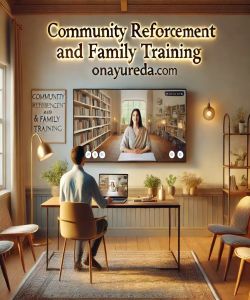
1. Overview of Community Reinforcement and Family Training
Community Reinforcement and Family Training (CRAFT) represents a paradigm shift in the approach to substance misuse, moving away from confrontational interventions towards a scientifically validated, skills-based model. It is a behavioural programme designed exclusively for the Concerned Significant Others (CSOs) of individuals who are resistant to entering treatment for their substance use disorder. The fundamental objective of CRAFT is twofold: firstly, to improve the well-being and quality of life for the CSO, irrespective of the treatment-refusing individual’s choices; and secondly, to equip the CSO with a strategic arsenal of non-confrontational techniques designed to positively influence the substance user’s behaviour and increase the probability of them seeking professional help. This methodology is grounded in the principles of operant conditioning, teaching family members and friends how to systematically use positive reinforcement to reward pro-social, sober behaviours, whilst allowing the natural, negative consequences of substance use to take effect without the CSO’s interference or enabling. It empowers the CSO to become an agent of positive change, transforming a fraught and often codependent dynamic into a structured environment that encourages sobriety. The training encompasses a comprehensive suite of skills, including communication enhancement, problem-solving, self-care, and crucially, safety protocols to address potential domestic violence. CRAFT is not a passive therapy; it is an active, strategic, and empowering protocol that provides CSOs with a concrete plan of action. It robustly rejects the notion that CSOs are helpless, instead positing them as the most powerful and consistent influence in the life of the treatment-refusing individual, capable of steering them towards recovery through methodical, positive, and structured engagement. The model’s proven efficacy in engaging individuals in treatment, often at rates far exceeding traditional methods, solidifies its position as a superior, evidence-based approach within the addiction field.
2. What are Community Reinforcement and Family Training?
Community Reinforcement and Family Training (CRAFT) is a sophisticated, evidence-based behavioural intervention meticulously designed for the family and friends—collectively known as Concerned Significant Others (CSOs)—of individuals struggling with a substance use disorder who are resistant to seeking treatment. It is a proactive and strategic alternative to outdated, confrontational models. The core of the CRAFT methodology is to empower CSOs by teaching them a specific set of skills to manage their own well-being and to positively influence the behaviour of their loved one. The training operates on the fundamental principle that environmental contingencies, particularly those within the family system, play a critical role in sustaining or discouraging substance-using behaviours. Therefore, CRAFT educates CSOs on how to systematically alter these dynamics. It is not a direct intervention on the substance user, but rather an indirect one, mediated through the skilled actions of the CSO.
The programme provides structured training in several key areas:
- Behavioural Analysis: CSOs learn to conduct a functional analysis of their loved one's substance use, identifying the specific triggers that precede it and the rewards or reinforcements that maintain it.
- Positive Communication: The training provides explicit instruction on positive, non-confrontational communication strategies, teaching CSOs how to express their own needs and feelings constructively, using "I" statements and avoiding accusatory language.
- Positive Reinforcement: CSOs are taught how to identify and systematically reward any positive, non-using behaviour exhibited by their loved one, thereby making a sober lifestyle more attractive and rewarding than a substance-using one.
- Withdrawal of Reinforcement: Conversely, CSOs learn how to allow the natural, negative consequences of substance use to occur without shielding the individual from them, a process that is distinct from punishment.
- Self-Care and Enrichment: A significant component involves guiding the CSO to improve their own quality of life, developing interests and support networks outside of their relationship with the substance user, which reduces stress and codependency.
- Treatment Invitation: Finally, CSOs are coached on how to recognise opportune moments and use effective, persuasive language to invite their loved one to enter a treatment assessment.
3. Who Needs Community Reinforcement and Family Training?
-
Concerned Significant Others (CSOs) of Treatment-Refusing Individuals: The primary candidates for CRAFT are spouses, partners, parents, adult children, siblings, or close friends who are deeply concerned about an individual's substance misuse but find that the individual adamantly refuses to acknowledge the problem or engage with any form of professional help. CRAFT is specifically engineered for this challenging scenario.
-
Individuals Experiencing High Levels of Distress and Burnout: CSOs who feel emotionally exhausted, anxious, depressed, or physically unwell due to the chronic stress of managing a loved one's addiction require this training. CRAFT places a strong emphasis on improving the CSO's own quality of life, providing them with coping mechanisms and strategies to regain control over their personal well-being.
-
Family Members Engaged in Enabling Behaviours: Individuals who, often with good intentions, find themselves shielding the substance user from the consequences of their actions—such as making excuses for them, paying their debts, or managing their responsibilities—are ideal candidates. CRAFT provides the necessary tools to dismantle these patterns of enabling and replace them with constructive behaviours.
-
Those Seeking an Alternative to Confrontational Interventions: CSOs who are uncomfortable with or have had negative experiences with traditional, high-conflict intervention models (e.g., the Johnson Intervention) will find CRAFT to be a suitable and more effective alternative. Its non-confrontational, positive approach aligns with a desire to preserve the relationship whilst still promoting change.
-
Individuals Feeling Helpless and Lacking Direction: CSOs who feel powerless and are unsure of what concrete steps to take are prime beneficiaries. The programme provides a clear, structured, and actionable plan, replacing feelings of helplessness with a sense of empowerment and purpose.
-
Families Where Communication has Completely Broken Down: When interactions are dominated by conflict, arguments, pleading, or silent resentment, CRAFT is essential. Its focus on rebuilding positive communication skills provides a pathway to re-establish a more functional and respectful dialogue, which is a prerequisite for influencing change.
-
Professionals in Allied Fields: Therapists, social workers, counsellors, and healthcare professionals who work with families affected by addiction will find training in CRAFT to be an invaluable addition to their clinical skillset, providing them with a robust, evidence-based tool to support their clients effectively.
4. Origins and Evolution of Community Reinforcement and Family Training
The conceptual foundations of Community Reinforcement and Family Training (CRAFT) are firmly rooted in the principles of behaviourism, specifically the Community Reinforcement Approach (CRA), which was developed in the 1970s by Nathan Azrin and his colleagues. CRA was an innovative, comprehensive behavioural programme designed to treat alcohol dependence by reorganising the individual’s environment. Its core premise was that making a sober lifestyle more rewarding than a substance-using one would naturally lead to a reduction in use. This was achieved by systematically addressing multiple life areas, including vocational, social, recreational, and familial domains, and using operant conditioning to reinforce abstinence. The approach was highly successful but depended on the individual’s willingness to participate in treatment.
The critical evolutionary leap occurred when researchers, notably Robert J. Meyers and Jane Ellen Smith at the University of New Mexico, recognised a significant gap in care: a vast number of individuals with substance use disorders refused to enter treatment. Traditional responses to this problem were often passive (waiting for the person to "hit rock bottom") or aggressive (confrontational interventions), with both having limited success and the potential for significant relational damage. Observing the power of the family system within the original CRA model, Meyers and his team hypothesised that the same reinforcement principles could be taught to family members, or Concerned Significant Others (CSOs), to implement at home. This would allow the therapeutic influence to extend into the natural environment of the treatment-refusing individual.
This adaptation marked the birth of CRAFT. The focus shifted from treating the substance user directly to training the CSO. The programme was meticulously developed and refined through rigorous clinical trials throughout the 1980s and 1990s. The initial goal was to create a humane and effective method for engaging resistant individuals in treatment. The research consistently demonstrated that CSOs trained in CRAFT were significantly more successful at achieving this goal compared to those in traditional Al-Anon or Nar-Anon groups, or those participating in confrontational Johnson-style interventions. Over time, the model has also evolved to place an even greater emphasis on the CSO’s own well-being, recognising that improving the family member’s mental and physical health is a valid and crucial outcome in its own right, regardless of whether the substance user ultimately seeks help. This dual focus solidifies CRAFT's position as a robust, compassionate, and empirically validated intervention.
5. Types of Community Reinforcement and Family Training
While Community Reinforcement and Family Training (CRAFT) is a singular, coherent model, its application can be categorised based on the delivery format and specific population focus. These are not fundamentally different therapies but rather adaptations of the core protocol to meet distinct needs.
-
Individual CRAFT Therapy: This is the most common and traditionally researched format. A Concerned Significant Other (CSO) or a couple (e.g., both parents of an adolescent) works one-on-one with a certified CRAFT therapist. This format allows for intensive, personalised coaching, where the specific dynamics of the family, the nature of the substance use, and the CSO's individual challenges can be addressed in meticulous detail. The therapist can tailor the functional analysis, communication role-plays, and reinforcement strategies directly to the client's unique situation, providing targeted feedback and support.
-
Group-Based CRAFT Therapy: In this modality, a therapist facilitates a group of CSOs, typically unrelated but all dealing with a treatment-refusing loved one. This format offers the benefits of peer support, allowing participants to share experiences, normalise their feelings, and learn from one another's successes and setbacks. The core CRAFT curriculum is delivered to the group, with exercises and discussions fostering a collaborative learning environment. It can be a highly cost-effective model and helps to reduce the isolation that many CSOs experience.
-
Adolescent-Focused CRAFT (A-CRAFT): This is a specific adaptation of the model designed for parents or guardians of adolescents with substance use problems. While the core principles remain the same, the content and examples are tailored to the unique challenges of adolescence, such as school issues, peer pressure, and the legal and developmental context. A-CRAFT places a greater emphasis on parental monitoring, setting appropriate boundaries, and navigating the complexities of the parent-child relationship during these formative years.
-
Digital and Self-Directed CRAFT: This growing category includes online programmes, telehealth sessions, and self-help workbooks based on the CRAFT principles. These formats are designed to increase accessibility for CSOs who may be limited by geography, time, or financial constraints. Online modules and video-based coaching provide the core curriculum in a structured, self-paced manner, often supplemented by telehealth support. While potentially lacking the immediacy of in-person therapy, they provide a vital resource for a broader audience, disseminating these evidence-based skills on a wider scale.
6. Benefits of Community Reinforcement and Family Training
- High Treatment Engagement Rates: CRAFT is empirically proven to be significantly more effective at engaging resistant substance users into treatment than traditional methods, with success rates consistently reported to be around 65-75%. This is its primary, most validated benefit.
- Improved Well-being for the Concerned Significant Other (CSO): A core objective of CRAFT is to reduce the CSO's own symptoms of depression, anxiety, and anger. The training empowers them to improve their quality of life, regardless of their loved one's choices, fostering resilience and self-efficacy.
- Reduction in Problematic Behaviours: The strategic application of positive reinforcement for sober activities and the removal of reinforcement for using behaviours directly leads to a measurable reduction in the quantity and frequency of a loved one's substance use, even before formal treatment is initiated.
- Enhanced Family Functioning and Communication: By teaching constructive, non-confrontational communication skills, CRAFT helps to de-escalate conflict and rebuild positive relationships. It replaces cycles of arguing, pleading, and nagging with structured, respectful dialogue.
- Cost-Effectiveness: By successfully engaging individuals in treatment and reducing substance-related crises, CRAFT can lead to significant long-term savings in healthcare, legal, and social costs associated with untreated substance use disorders.
- Avoidance of Relational Damage: Unlike confrontational interventions that can create resentment and irrevocably damage family relationships, the positive, supportive nature of CRAFT helps to preserve and often strengthen the bond between the CSO and the substance user.
- Empowerment and Reduction of Helplessness: The programme provides CSOs with a concrete, actionable skillset, transforming their role from that of a passive, helpless bystander to an active, empowered agent of change within the family system.
- Inbuilt Safety Protocols: CRAFT includes a mandatory and explicit component for assessing and planning for domestic violence, ensuring that the safety of the CSO is treated as the highest priority throughout the intervention process.
- Wide Applicability: The principles of CRAFT can be applied to a wide range of substance use disorders, including alcohol, opioids, and stimulants, and can be adapted for various relational dynamics (spouses, parents, adult children).
7. Core Principles and Practices of Community Reinforcement and Family Training
- Operant Conditioning as the Foundation: The entire model is built upon behavioural principles. It posits that behaviour is shaped by its consequences. Therefore, the core practice involves systematically reinforcing desired, sober behaviours and ceasing to reinforce substance-using behaviours.
- Focus on the Concerned Significant Other (CSO): The intervention targets the CSO, not the substance user. The principle is that by changing the CSO's behaviour, the substance user's environment is altered, which in turn influences their behaviour. The CSO is the agent of change.
- Rejection of Confrontation: CRAFT is fundamentally non-confrontational. Nagging, lecturing, and emotional appeals are identified as counterproductive. The practice is to replace these with positive communication and strategic reinforcement.
- Emphasis on Positive Reinforcement: The primary tool is the identification and immediate, consistent reinforcement of any positive behaviour demonstrated by the substance user, no matter how small. This makes a sober lifestyle more appealing and rewarding.
- Use of Functional Analysis: A core practice is teaching the CSO to perform a functional analysis of the substance use. This involves methodically identifying the specific internal and external triggers that precede use and the consequences (reinforcers) that follow it.
- Allowance of Natural Consequences: CSOs are trained to stop shielding the user from the negative consequences of their actions. This is not punishment, but the practice of allowing reality to provide feedback (e.g., not lying to an employer for them).
- Prioritisation of CSO Self-Care: A central principle is that the CSO's well-being is paramount. The practice involves guiding the CSO to enrich their own life with rewarding activities and social supports, which reduces their stress and dependence on the user's behaviour for their happiness.
- Mandatory Domestic Violence Precautions: A non-negotiable principle is the prioritisation of safety. The practice involves a thorough and ongoing assessment of domestic violence risk. All other strategies are secondary to ensuring the CSO's physical safety.
- Teaching Positive Communication Skills: The programme explicitly teaches assertive, non-adversarial communication. The practice involves role-playing how to use "I" statements, express feelings calmly, and make positive requests.
- Strategic Invitation to Treatment: CSOs are not taught to demand treatment entry. The principle is to wait for an opportune moment when the user may be more receptive, and the practice is to use a brief, positive, and encouraging approach to suggest a professional assessment.
8. Online Community Reinforcement and Family Training
- Enhanced Accessibility: Online delivery dismantles geographical barriers, providing access to this evidence-based intervention for individuals in remote or underserved areas where certified CRAFT therapists are non-existent.
- Increased Anonymity and Reduced Stigma: The online format offers a level of privacy that can be crucial for CSOs who feel shame or fear judgement from their local community. Engaging from home provides a confidential space to seek help.
- Flexible Scheduling: Online programmes offer asynchronous learning modules and more flexible scheduling for telehealth sessions, accommodating the demanding and often unpredictable lives of CSOs who may be juggling work, childcare, and crisis management.
- Self-Paced Learning: Many online CRAFT platforms allow users to progress through the curriculum at their own pace. This enables them to revisit complex modules, such as functional analysis or communication skills, as many times as necessary to achieve mastery.
- Cost-Effectiveness: Digital delivery models can often be more affordable than traditional, in-person therapy sessions, reducing the financial barriers to accessing high-quality, specialised support.
- Immediate Access to Resources: Online platforms can provide an integrated library of downloadable resources, including worksheets, communication scripts, reinforcement logs, and supplementary reading materials, which are available 24/7.
- Consistent and Standardised Content: A well-designed online programme ensures that every user receives the same high-fidelity, core CRAFT curriculum, eliminating the variability that can sometimes occur between individual therapists.
- Facilitation of Online Support Communities: Many online CRAFT services incorporate moderated forums or private social media groups, allowing CSOs to connect with peers, share experiences, and receive mutual support in a structured and safe digital environment.
- Data-Driven Progress Tracking: Digital platforms can incorporate tools for users to track their application of skills and monitor changes in their loved one's behaviour and their own well-being over time, providing tangible evidence of progress.
- Suitability for Tech-Savvy Individuals: For individuals who are comfortable and proficient with digital technology, the online format can be a more engaging and preferred method of learning and interaction compared to traditional clinical settings.
9. Community Reinforcement and Family Training Techniques
-
Conduct a Thorough Functional Analysis: Systematically identify the antecedents and consequences of the substance use. Document precisely what happens immediately before (triggers, feelings, locations) and immediately after (relief, social connection, conflict) the using behaviour. This analysis forms the strategic foundation for all subsequent actions.
-
Master Positive Communication Skills: Cease all nagging, pleading, and critical language. Rehearse and implement structured communication. Use "I" statements to express your feelings and needs (e.g., "I feel worried when..."). Make positive requests for specific, small changes in behaviour (e.g., "I would really appreciate it if you would join me for dinner tonight").
-
Identify and Reinforce Positive Behaviours: Actively search for and identify any behaviour exhibited by your loved one that is positive and inconsistent with substance use. This could be anything from a brief moment of pleasant conversation to engaging in a hobby.
-
Administer Immediate and Consistent Positive Reinforcement: As soon as a positive behaviour is observed, provide an immediate and genuine positive consequence. This should be a natural social reinforcer, such as a smile, a word of thanks, expressing affection, or showing genuine interest. The goal is to make sober activities more rewarding than using activities.
-
Allow Natural Consequences to Occur: Disengage from all enabling behaviours. Cease making excuses, paying off debts, or cleaning up messes related to substance use. Allow the individual to experience the direct, negative results of their own choices without your interference. This is not punitive; it is a withdrawal of the cushion that has been protecting them.
-
Enhance Your Own Quality of Life: Methodically identify and schedule activities that bring you personal satisfaction and well-being, independent of your loved one. Reconnect with friends, pursue hobbies, and join social groups. This reduces your own stress and demonstrates that a happy life is possible without being consumed by the substance use problem.
-
Practise Domestic Violence Safety Planning: Conduct a frank and ongoing assessment of your physical safety. If any risk of violence exists, this technique must be prioritised. Develop a concrete safety plan, which may include identifying a safe place to go, having a bag packed, and informing a trusted person.
-
Discuss the Option of Treatment: Await an opportune moment when your loved one is sober, not in crisis, and potentially expressing remorse or unhappiness. Briefly and calmly suggest the idea of speaking with a professional for an assessment. Offer a choice of pre-vetted treatment providers to make the process as easy as possible.
10. Community Reinforcement and Family Training for Adults
Community Reinforcement and Family Training, when applied to adults, is a rigorous, strategic intervention designed for adult Concerned Significant Others (CSOs)—typically spouses, partners, parents of adult children, or close friends. The programme mandates a fundamental shift in the CSO's approach, moving them from a state of reactive emotional distress to one of proactive, planned behavioural influence. For adults dealing with an adult substance user, the dynamics are often entrenched and complex, involving shared finances, cohabitation, and years of established relational patterns. CRAFT directly addresses this by equipping the adult CSO with sophisticated tools to dismantle enabling and codependency. A core component is the meticulous application of functional analysis, where the CSO learns to deconstruct the using behaviour into a predictable chain of triggers and rewards. This clinical perspective depersonalises the issue, allowing the CSO to operate with strategic clarity rather than from a place of hurt or anger. The training in positive reinforcement is not about simplistic praise; it is about systematically re-engineering the relational environment to make sobriety more rewarding than intoxication. For a spouse, this could mean reintroducing shared activities and intimacy contingent on periods of sobriety. For a parent of an adult child, it may involve providing tangible support for job-seeking efforts but withdrawing financial bailouts for substance-related crises. A critical aspect for adults is the firm emphasis on allowing natural consequences to unfold, which can be immensely challenging when dealing with potential outcomes like job loss or legal troubles, but is nonetheless essential for breaking the cycle. Ultimately, CRAFT empowers the adult CSO to regain agency, improve their own mental health, and create a powerful, structured context in which the adult substance user is most likely to choose treatment for themselves.
11. Total Duration of Online Community Reinforcement and Family Training
The total duration of a standard online Community Reinforcement and Family Training programme is designed for structured, yet flexible, engagement, typically spanning a period of 10 to 14 weeks. This timeframe is not arbitrary; it is carefully calibrated to allow participants sufficient opportunity to learn, practise, and master each of the core CRAFT skills in a sequential and cumulative manner. Each weekly module or session is designed to be comprehensive, with a typical individual session with a therapist lasting approximately 1 hr. This dedicated hour is for direct instruction, role-playing, and personalised feedback. However, the true time commitment extends beyond this single hour. The model's effectiveness is contingent upon the participant's active application of the learned techniques within their daily life between sessions. This includes homework assignments such as completing functional analysis worksheets, tracking reinforcing behaviours, and consciously practising new communication strategies. Therefore, whilst the formal instructional contact time might be quantifiable, the overall duration encompasses a sustained period of active learning and real-world implementation. The programme is intentionally paced to prevent overwhelm, introducing one or two new concepts per week to ensure the participant can integrate them effectively before proceeding. This deliberate pacing is crucial for building the competence and confidence required to navigate the complex and emotionally charged family environment. The entire course is a finite, goal-oriented process, providing a clear beginning and end, which contrasts sharply with indefinite support group models. It is a time-limited, intensive training programme designed to produce tangible changes in behaviour and outcomes within a defined period. The structured duration ensures that participants remain focused and motivated towards the clear objectives of improving their own well-being and successfully engaging their loved one in treatment.
12. Things to Consider with Community Reinforcement and Family Training
Before embarking on Community Reinforcement and Family Training, it is imperative for a Concerned Significant Other (CSO) to undertake a sober and realistic assessment of several critical factors. Firstly, the paramount consideration must be personal safety. CRAFT includes robust protocols for addressing domestic violence, but the CSO must be unflinchingly honest with themselves and their therapist about the potential for physical retaliation when established relational dynamics are altered. This is a non-negotiable prerequisite, and if a significant risk exists, safety planning must supersede all other interventionist goals. Secondly, the CSO must understand that CRAFT is not a passive process or a quick fix; it is an active, skills-based training programme that demands commitment, consistency, and emotional resilience. The techniques require diligent practice and may feel counter-intuitive at first, particularly the cessation of long-standing enabling behaviours. The individual must be prepared to invest considerable time and mental energy into learning and applying the strategies, even when faced with resistance or temporary setbacks. Furthermore, it is crucial to manage expectations. While CRAFT has a high success rate for treatment engagement, it is not a guarantee. The CSO must embrace the dual goals of the programme: improving their own quality of life is a primary objective, not merely a secondary benefit. This mindset is vital for preventing burnout and disappointment, ensuring that the CSO’s well-being improves regardless of the choices made by the substance user. Finally, the selection of a properly qualified and certified CRAFT therapist is essential. The model is nuanced and requires skilled delivery to be effective and safe. An inadequately trained practitioner may misapply the principles, potentially leading to adverse outcomes. Therefore, rigorous vetting of a clinician’s credentials and specific experience with the CRAFT model is an indispensable preparatory step.
13. Effectiveness of Community Reinforcement and Family Training
The effectiveness of Community Reinforcement and Family Training is not a matter of anecdotal evidence or clinical opinion; it is substantiated by decades of rigorous, peer-reviewed scientific research. Multiple randomised controlled trials have consistently demonstrated its superior efficacy in engaging treatment-refusing individuals with substance use disorders when compared to other prevalent approaches. Studies show that CSOs who participate in CRAFT are successful in getting their loved ones to attend treatment in approximately two-thirds to three-quarters of cases. This success rate is markedly higher than that achieved by traditional programmes such as the Johnson Intervention, which often yields lower engagement rates and carries a significant risk of damaging family relationships, or passive approaches like Al-Anon, which, while beneficial for CSO support, is not designed as a direct strategy for treatment engagement. The model's efficacy extends beyond the singular goal of treatment entry. Research has also robustly documented significant improvements in the well-being of the CSOs themselves. Participants in CRAFT report statistically significant reductions in their own symptoms of depression, anxiety, and anger, alongside an increase in overall life satisfaction and family functioning. Furthermore, evidence indicates that CRAFT can lead to a reduction in the loved one’s substance use even before formal treatment begins, as the systematic changes in the home environment begin to reinforce sobriety. This empirical validation across multiple domains—treatment engagement, CSO mental health, and reduction in substance use—cements CRAFT’s status as a premier, evidence-based intervention and the clinical standard of care for families of treatment-refusing individuals. Its effectiveness lies in its structured, skills-based, and non-confrontational approach, which empowers family members as competent agents of change.
14. Preferred Cautions During Community Reinforcement and Family Training
An unwavering commitment to safety and ethical practice is imperative throughout the implementation of Community Reinforcement and Family Training. The foremost and non-negotiable caution pertains to the potential for domestic violence. A rigorous and continuous assessment of risk is not merely advisable; it is a mandatory prerequisite before and during the application of CRAFT principles. Any indication of a physical threat must trigger an immediate pivot towards safety planning, superseding all other therapeutic objectives. Altering long-standing relational dynamics, particularly by withdrawing enabling behaviours, can provoke unpredictable and volatile reactions in some individuals. The therapist and the Concerned Significant Other (CSO) must operate with extreme vigilance in this domain. A second critical caution involves the misapplication of reinforcement principles. There is a fine but distinct line between strategic positive reinforcement and manipulation. The techniques must be applied with genuineness and with the dual aim of improving the relationship and encouraging sobriety, not as a coercive tool to control the other person’s behaviour. This requires careful coaching from a skilled therapist. Furthermore, CSOs must be cautioned against developing a hyper-focus on the substance user, which can undermine the crucial programme goal of improving their own well-being. It is essential they avoid allowing CRAFT to become another all-consuming aspect of the problem, instead using it as a tool to reclaim their own life. Finally, caution must be exercised regarding expectations. While highly effective, CRAFT is not infallible. Progress is rarely linear and setbacks are to be expected. CSOs must be prepared for this reality to prevent disillusionment and abandonment of the protocol. Professional guidance is not optional; it is essential to navigate these complexities safely and effectively.
15. Community Reinforcement and Family Training Course Outline
-
Module 1: Introduction and Foundational Concepts
- Overview of the CRAFT model and its non-confrontational philosophy.
- Establishing therapeutic goals, with a dual focus on CSO well-being and treatment engagement.
- Introduction to the principles of behavioural analysis.
-
Module 2: Conducting the Functional Analysis
- Detailed instruction on identifying triggers (antecedents) and reinforcers (consequences) of substance-using behaviour.
- Training in the use of structured worksheets to map out behavioural patterns.
- Analysis of the CSO’s own role in the behavioural chain.
-
Module 3: Domestic Violence Precautions
- Mandatory and thorough assessment of risk for domestic violence.
- Development of a personalised safety plan if any risk is identified.
- This module's principles are monitored and revisited throughout the entire course.
-
Module 4: Enhancing Positive Communication
- Instruction on moving from accusatory or pleading communication to assertive and positive expression.
- Intensive practice and role-playing of "I" statements and making positive requests.
- Techniques for de-escalating conflict and avoiding common communication traps.
-
Module 5: The Use of Positive Reinforcement
- Identifying pro-social and sober behaviours to reinforce.
- Training on how to deliver natural, social reinforcement effectively and genuinely.
- Developing a personalised menu of potential reinforcers.
-
Module 6: The Withdrawal of Reinforcement and Allowing Natural Consequences
- Differentiating between punishment and allowing natural consequences.
- Identifying and creating a plan to systematically eliminate enabling behaviours.
- Strategies for managing personal distress when allowing consequences to occur.
-
Module 7: Enriching the CSO's Life
- Guided self-assessment of the CSO's own quality of life.
- Problem-solving and goal-setting to increase personal happiness and social support.
- Scheduling and committing to rewarding personal activities.
-
Module 8: Preparing for and Inviting Treatment
- Identifying opportune moments to suggest professional help.
- Learning and rehearsing a brief, seven-step process for inviting the loved one to an assessment.
- Problem-solving potential obstacles and responses to the invitation.
-
Module 9: Supporting Treatment and Relapse Prevention
- Understanding the CSO's role once the loved one enters treatment.
- Applying CRAFT skills to support the recovery process.
- Planning for how to respond constructively in the event of a lapse or relapse.
16. Detailed Objectives with Timeline of Community Reinforcement and Family Training
-
Weeks 1–2: Foundation and Analysis
- Objective: Establish a strong therapeutic alliance and orient the CSO to the non-confrontational CRAFT model. The CSO will comprehend that their own well-being is a primary goal.
- Timeline Action: The CSO will learn the principles of functional analysis and, by the end of week two, will have completed at least one detailed behavioural analysis worksheet for a recent substance-using incident. A comprehensive domestic violence risk assessment will be completed.
-
Weeks 3–4: Communication Overhaul
- Objective: Equip the CSO with positive, assertive communication skills to replace counterproductive patterns.
- Timeline Action: The CSO will demonstrate proficiency in using "I" statements and making positive requests through role-playing exercises. They will be tasked with implementing these skills in low-conflict situations at home.
-
Weeks 5–6: Implementing Reinforcement Strategies
- Objective: Shift the family environment to one that actively reinforces sobriety.
- Timeline Action: By the end of week six, the CSO will have identified a list of pro-social behaviours and potential reinforcers. They will be actively "catching" their loved one behaving well and providing immediate, positive reinforcement, and will have a concrete plan to withdraw at least one major enabling behaviour.
-
Weeks 7–8: CSO Well-being and Self-Care
- Objective: Significantly improve the CSO's own quality of life and reduce their distress.
- Timeline Action: The CSO will identify and schedule at least two new rewarding personal activities per week. They will report on their progress and problem-solve barriers to self-care with the therapist.
-
Weeks 9–10: Strategic Treatment Invitation
- Objective: Prepare the CSO to effectively invite their loved one to enter treatment.
- Timeline Action: The CSO will have researched and selected two to three potential treatment providers. They will have rehearsed the seven-step treatment invitation process with the therapist and will be actively watching for an opportune moment to extend the invitation.
-
Weeks 11–12: Consolidation and Future Planning
- Objective: Solidify the CSO's skills and prepare them for supporting recovery or continuing to use CRAFT if the treatment invitation is initially refused.
- Timeline Action: Review all learned skills. If the loved one has entered treatment, the focus will shift to supporting recovery. If not, the CSO will develop a long-term plan for consistent application of CRAFT principles and future treatment invitations.
17. Requirements for Taking Online Community Reinforcement and Family Training
To participate effectively in an online Community Reinforcement and Family Training programme, the following requirements are non-negotiable.
- A Secure and Private Environment: The participant must have consistent access to a physical location where they can engage in sessions and complete coursework without being overheard or interrupted. This is imperative for confidentiality and focused work.
- Reliable High-Speed Internet Connection: A stable and robust internet connection is essential to ensure uninterrupted participation in video conferencing sessions with the therapist and to access online learning materials without technical disruption.
- A Suitable Electronic Device: The participant must possess a computer, laptop, or tablet with a functional webcam, microphone, and speakers. The device must be capable of running the specific video conferencing software or online learning platform used by the provider.
- Basic Digital Literacy: The individual must have a fundamental level of competence in operating their electronic device, using a web browser, sending emails, and engaging with a video conferencing application.
- A Commitment to Active Participation: Online CRAFT is not a passive lecture series. The participant must be prepared to engage actively in sessions, complete all assigned homework (such as worksheets and behavioural tracking), and practise the skills diligently in their daily life.
- Unwavering Honesty and Self-Reflection: The participant must be willing to engage in a frank and honest assessment of their own behaviours, the family dynamics, and, most critically, any risks related to domestic violence.
- Emotional Readiness: The individual must be prepared to experience and manage emotional discomfort. Changing long-standing patterns of interaction and ceasing enabling behaviours can be stressful and challenging. A degree of emotional resilience is required.
- Adherence to the Programme Structure: The participant must commit to attending all scheduled sessions punctually and completing modules in the prescribed sequence, as the skills are designed to build upon one another.
- A Private and Secure Email Address: A personal email account, not accessible by others, is required for confidential communication with the therapist or programme administrators.
18. Things to Keep in Mind Before Starting Online Community Reinforcement and Family Training
Before commencing an online Community Reinforcement and Family Training programme, it is imperative to adopt a mindset of strategic commitment and realistic expectation. You must understand that this is not a passive learning experience but an active training regimen that demands rigorous application in your daily life. Its success is directly proportional to your consistency and dedication to practising the skills, even when they feel unnatural or difficult. Be prepared for the process to be emotionally taxing. Altering established family dynamics and withdrawing long-held enabling behaviours will inevitably create turbulence and may initially be met with resistance or anger. Your resolve will be tested. It is crucial to internalise that the primary, non-negotiable objective is the enhancement of your own well-being and safety. This goal must remain paramount, irrespective of the choices your loved one makes. You are not enrolling to "fix" them; you are enrolling to empower yourself with a proven strategy that improves your life and, as a consequence, creates the optimal conditions for them to choose change. Scrutinise the credentials of the online provider with exacting diligence; ensure the programme is delivered by certified CRAFT clinicians and is faithful to the evidence-based model. Finally, recognise that technology, while a facilitator, can also be a barrier. You must ensure you have the required private space, reliable equipment, and stable internet connection to engage without compromise. This is a serious clinical intervention, and it must be afforded the same level of preparation and commitment as an in-person therapeutic engagement. Approach it with the gravity and determination it requires.
19. Qualifications Required to Perform Community Reinforcement and Family Training
The delivery of Community Reinforcement and Family Training is a specialised clinical practice that demands more than a general therapeutic background. To perform CRAFT ethically and effectively, a clinician must possess a specific and verifiable set of qualifications. At a minimum, the practitioner must be a licensed and registered mental health professional, such as a clinical psychologist, psychiatrist, licensed clinical social worker, or accredited counsellor. This foundational licensure ensures they are governed by a professional code of conduct and possess core competencies in assessment, diagnosis, and therapeutic intervention. However, this is merely the starting point. The essential qualification is documented, formal training specifically in the CRAFT model from a recognised and reputable training body, ideally one directly affiliated with the model's developers, such as Robert J. Meyers, Ph.D. & Associates. This training involves several rigorous stages: first, an initial intensive workshop covering the theoretical underpinnings and practical application of all 10 CRAFT procedures; second, a period of supervised practice, where the clinician applies the techniques with actual clients and receives detailed feedback and consultation on their work from a certified CRAFT expert; and third, a process of certification, which typically involves submitting recorded therapy sessions for review to demonstrate fidelity to the model and clinical competence. A qualified provider must demonstrate proficiency in behavioural analysis, motivational interviewing techniques, and, critically, protocols for domestic violence assessment and safety planning. They must be skilled in a directive, coaching-based therapeutic style, which differs significantly from non-directive or psychodynamic approaches. Therefore, a prospective client must not hesitate to demand evidence of these specific CRAFT credentials beyond a general therapy license.
20. Online Vs Offline/Onsite Community Reinforcement and Family Training
Online
The online delivery of Community Reinforcement and Family Training offers unparalleled advantages in terms of accessibility and convenience. It eradicates geographical limitations, granting access to individuals in remote locations or areas lacking certified CRAFT specialists. This modality provides a significant degree of privacy and anonymity, which can be a critical factor for Concerned Significant Others (CSOs) who are concerned about stigma within their local community. The flexibility of scheduling inherent in telehealth and online modules is highly beneficial for CSOs whose lives are often chaotic and unpredictable. Furthermore, online platforms frequently offer a repository of digital resources, such as worksheets and video tutorials, that can be accessed at any time, facilitating self-paced learning and reinforcement of concepts. For individuals comfortable with technology, the structured, modular format of an online course can be highly effective. The primary challenge lies in the absence of in-person non-verbal cues, which a skilled therapist often relies upon. Additionally, the efficacy of the intervention is contingent on the participant having a reliable internet connection and a secure, private space, the lack of which can severely compromise the therapeutic process.
Offline
Traditional offline, or onsite, CRAFT therapy provides a level of interpersonal immediacy and nuance that can be difficult to replicate digitally. In a face-to-face setting, the therapist can observe and respond to subtle non-verbal communication, such as body language and tone of voice, which can provide deeper insight into the CSO's emotional state and the family dynamics. The physical act of attending a session in a dedicated clinical space can help to create a clear boundary between therapy and home life, fostering a more focused and contained therapeutic environment. Role-playing communication skills and other behavioural techniques can feel more dynamic and realistic when conducted in person. For individuals who are not technologically proficient or who lack a private space at home, onsite therapy is the only viable option. The principal disadvantages of the offline model are its inherent limitations regarding geography, scheduling, and often higher associated costs. It requires physical proximity to a qualified practitioner and adherence to a more rigid appointment schedule, which can be significant barriers for many CSOs in need of this specialised support.
21. FAQs About Online Community Reinforcement and Family Training
-
Question: Is online CRAFT as effective as in-person CRAFT?
Answer: Research indicates that telehealth and structured online programmes for behavioural therapies like CRAFT can be highly effective, with outcomes comparable to in-person services, provided the programme is delivered with fidelity by a certified therapist and the participant is fully engaged.
-
Question: What technology do I need?
Answer: You require a reliable computer, tablet, or smartphone with a functioning webcam and microphone, a stable high-speed internet connection, and a private email address.
-
Question: Is my privacy protected during online sessions?
Answer: Reputable providers use secure, encrypted, and HIPAA-compliant (or equivalent) video conferencing platforms to ensure the confidentiality of your sessions.
-
Question: Can I participate if I am not very good with computers?
Answer: Most platforms are designed to be user-friendly. However, a basic level of digital literacy is required to log in, operate the video software, and access materials.
-
Question: How long does a typical online session last?
Answer: A standard individual online therapy session typically lasts between 50 and 60 minutes.
-
Question: Will I be in a group or working one-on-one?
Answer: Online CRAFT is offered in both formats. You can choose individual therapy for personalised attention or group therapy for peer support, depending on the provider's offerings.
-
Question: What if my loved one finds out I am doing this programme?
Answer: CRAFT is a confidential process. Its non-confrontational nature means that even if your loved one becomes aware, the skills you learn are designed to improve, not harm, the relationship.
-
Question: Do I need a referral from a doctor?
Answer: Generally, a referral is not required. You can typically self-refer directly to an online CRAFT provider.
-
Question: What if there is domestic violence in my home?
Answer: You must disclose this immediately. Any credible CRAFT programme, online or offline, has a mandatory and strict protocol to prioritise your safety above all other goals.
-
Question: How much interaction will I have with a real therapist?
Answer: This varies by programme. Some are fully self-directed with minimal contact, while others are therapist-led via regular video sessions. It is crucial to clarify this before enrolling.
-
Question: What is the total time commitment per week?
Answer: Expect to commit to one hour for the session itself, plus an additional one to three hours per week for practising skills and completing assignments.
-
Question: Can I use my mobile phone for the sessions?
Answer: While possible, a laptop or tablet is generally preferred as it provides a more stable view and allows for easier engagement with any shared-screen materials.
-
Question: What if I have to miss a session?
Answer: Providers will have a cancellation policy. It is important to provide as much notice as possible. Consistency is key, so missed sessions should be avoided.
-
Question: Are the materials downloadable?
Answer: Most online programmes provide downloadable worksheets, logs, and supplementary reading materials for your personal use.
-
Question: How do I know if a provider is properly qualified?
Answer: Do not hesitate to ask for their specific credentials. They should be a licensed mental health professional with documented, formal certification in the CRAFT model.
22. Conclusion About Community Reinforcement and Family Training
In conclusion, Community Reinforcement and Family Training stands as a robust, empirically validated, and ethically superior intervention for Concerned Significant Others of treatment-refusing individuals. It decisively rejects the outdated and often destructive paradigms of confrontation and passive waiting, instead empowering family members with a concrete, actionable skillset grounded in the scientific principles of behavioural psychology. The dual-focus of the model is its definitive strength: it provides a strategic pathway to guide a loved one towards treatment while simultaneously and uncompromisingly prioritising the well-being and safety of the family member. This ensures that the CSO's quality of life improves, a critical and worthy outcome in its own right, thereby fostering resilience and ending cycles of codependency. CRAFT transforms the CSO from a helpless victim of circumstance into a proactive, influential agent of change within the family system. Its proven ability to significantly increase treatment engagement rates, reduce substance use, and improve family functioning solidifies its position not merely as an alternative, but as the clinical standard of care. Any approach to family-involved addiction treatment that does not incorporate the principles of CRAFT is, by contemporary evidence-based standards, incomplete. It is a demanding, structured, and strategic protocol that requires commitment, but its outcomes justify the investment, offering the most promising and humane approach to one of the most challenging dilemmas in addiction care