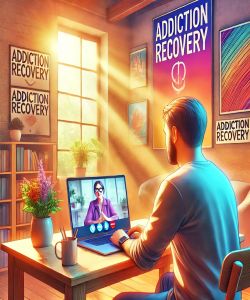
1. Overview of Addiction Recovery
Addiction recovery constitutes a profound, multifaceted, and sustained process of change through which an individual achieves and maintains abstinence from a substance or compulsive behaviour, whilst concurrently resolving the deeply embedded psychological, social, and physiological issues that underpinned the addictive state. It is not a singular event but a dynamic, long-term commitment to personal transformation, demanding unwavering resolve and strategic intervention. This journey fundamentally involves the deconstruction of maladaptive coping mechanisms and the systematic construction of a resilient, purposeful life devoid of the dependency that previously dictated existence. The process necessitates a holistic approach, addressing not merely the symptomatic substance misuse but the entire spectrum of an individual’s wellbeing, including mental health, physical vitality, interpersonal relationships, and vocational stability. Central to effective recovery is the cultivation of self-awareness, accountability, and a robust support network, which collectively serve as a bulwark against relapse. It requires the individual to confront uncomfortable truths, develop new emotional regulation skills, and fundamentally reorient their values and priorities. The ultimate objective extends far beyond simple cessation; it is the comprehensive restoration of personal autonomy, the rebuilding of a meaningful identity, and the establishment of a sustainable framework for lifelong health and productivity. This is an arduous undertaking, demanding disciplined effort and expert guidance, yet it represents the only viable pathway out of the destructive cycle of addiction and towards a future defined by choice, stability, and authentic self-governance. It is a rigorous process of reclaiming one’s life from the grips of a chronic condition, demanding nothing less than total commitment to a new, structured, and responsible way of living. The framework is not one of mere suggestion but of stringent application of proven principles designed to systematically dismantle the architecture of dependency and replace it with a foundation of enduring strength and self-command.
2. What are Addiction Recovery?
Addiction recovery refers to the formal, structured processes and sustained personal efforts undertaken to overcome substance dependence or compulsive behavioural patterns. It is fundamentally a clinical and personal strategy designed to arrest the progression of addiction, a recognised chronic brain disease, and to facilitate a return to optimal functioning. This is not merely the act of detoxification or withdrawal; those are acute medical procedures. Recovery is the comprehensive, long-term programme of change that follows, focused on maintaining sobriety and rebuilding a life free from the control of the addictive substance or behaviour. It operates on the understanding that addiction alters brain chemistry, cognitive processes, and behavioural responses, requiring a deliberate and intensive re-education of the self.
The core components of addiction recovery typically involve a combination of therapeutic, social, and personal interventions.
- Psychological Intervention: This involves therapies such as Cognitive Behavioural Therapy (CBT) or Dialectical Behaviour Therapy (DBT), which equip individuals with the tools to identify and deconstruct destructive thought patterns and emotional triggers that lead to substance misuse.
- Social and Peer Support: Utilisation of support networks, including formal group meetings and peer-led communities, provides a framework of shared experience, mutual accountability, and encouragement, which is critical in mitigating the profound isolation that often accompanies addiction.
- Lifestyle Modification: This encompasses the establishment of new, healthy routines, including physical exercise, nutritional discipline, and constructive hobbies, which serve to replace the time and energy previously consumed by addictive behaviours.
- Relapse Prevention Planning: A critical element is the development of a proactive and robust strategy to identify high-risk situations, manage cravings, and implement immediate, effective coping mechanisms to prevent a return to active use.
In essence, addiction recovery is the disciplined application of evidence-based strategies to manage a chronic condition. It is a proactive, lifelong commitment to mental, emotional, and physical wellness, demanding constant vigilance, personal responsibility, and a structured approach to navigating the challenges of sustained abstinence and personal growth.
3. Who Needs Addiction Recovery?
- Individuals whose substance use or compulsive behaviour has resulted in a demonstrable failure to fulfil major role obligations at work, school, or home. This includes repeated absenteeism, poor performance, or neglect of familial and domestic responsibilities directly attributable to the addictive pattern.
- Persons who continue to engage in substance use or addictive behaviours in situations where it is physically hazardous. This encompasses operating machinery, driving a vehicle, or any other activity where impairment poses a significant risk to themselves or others.
- Individuals who have encountered recurrent legal problems as a direct consequence of their substance use or behaviour. This includes arrests for disorderly conduct, driving under the influence, or other substance-related offences that indicate a loss of control and disregard for societal rules.
- People who persist with their addictive behaviour despite it causing or exacerbating persistent or recurrent social or interpersonal problems. This manifests as arguments, alienation from family and friends, or the dissolution of significant relationships due to the direct effects of the addiction.
- Individuals who exhibit clear signs of tolerance, defined as either a need for markedly increased amounts of the substance to achieve the desired effect or a markedly diminished effect with continued use of the same amount.
- Persons who experience characteristic withdrawal symptoms upon cessation or reduction of use, or who use the substance (or a closely related one) specifically to relieve or avoid withdrawal symptoms. This physiological dependence is a definitive indicator of a severe substance use disorder.
- Individuals who find themselves taking the substance in larger amounts or over a longer period than was originally intended, demonstrating a clear loss of control over their consumption.
- Anyone who expresses a persistent desire or makes unsuccessful efforts to cut down or control their substance use or behaviour, indicating an internal conflict where the addictive impulse consistently overrides rational intent.
- Persons who expend a great deal of time and resources in activities necessary to obtain the substance, use it, or recover from its effects, making it the central organising principle of their daily life.
- Individuals who have abandoned or significantly reduced important social, occupational, or recreational activities because of their substance use, illustrating the extent to which the addiction has narrowed their existence and priorities.
4. Origins and Evolution of Addiction Recovery
The conceptualisation and practice of addiction recovery have undergone a profound and necessary evolution, moving from a paradigm of moral condemnation to one of clinical and therapeutic intervention. Historically, particularly throughout the 18th and 19th centuries, addiction—primarily to alcohol—was viewed not as a medical condition but as a sign of moral depravity and weak character. The response was consequently punitive or religious, with temperance movements advocating for total abstinence through spiritual resolve and societal shaming. These early approaches lacked any understanding of the physiological or psychological underpinnings of dependency, offering condemnation rather than structured support. The locus of responsibility was placed entirely on the individual's willpower, a framework that proved overwhelmingly ineffective for those with genuine physiological and psychological dependence.
A pivotal shift began in the early 20th century, catalysed by the burgeoning field of psychology and a growing medical understanding of the body. The establishment of Alcoholics Anonymous (AA) in the 1930s marked a revolutionary turning point. Whilst not a clinical model, AA introduced the radical concepts of addiction as a "disease" beyond an individual's control and the immense therapeutic power of peer support and shared experience. This reframing began the slow process of destigmatising addiction and laid the groundwork for community-based recovery models. It moved the focus from isolated moral struggle to collective support, providing a structured, step-based programme for individuals to follow, a template that would be adapted for countless other dependencies.
The latter half of the 20th century witnessed the formal medicalisation and professionalisation of addiction treatment. Scientific research began to unravel the neurobiological mechanisms of addiction, firmly establishing it as a chronic brain disorder. This evidence-based understanding paved the way for the development of sophisticated therapeutic modalities, such as Cognitive Behavioural Therapy (CBT), which focuses on identifying and changing destructive thought patterns, and pharmacological interventions designed to manage cravings and withdrawal. The modern approach to addiction recovery is therefore an integrated one, combining medical supervision, evidence-based psychotherapy, holistic wellness practices, and the enduring principles of peer support. It has evolved into a highly specialised field of healthcare that recognises the complex interplay of genetic, psychological, and environmental factors, demanding a comprehensive, individualised, and long-term strategy for effective management and sustained recovery.
5. Types of Addiction Recovery
The pathways to addiction recovery are varied, reflecting the diverse needs of individuals and the specific nature of their dependency. Each type offers a distinct structure, philosophy, and level of intensity, and selection is critical for a successful outcome.
- Inpatient/Residential Treatment: This is the most intensive form of recovery, requiring the individual to reside within a dedicated facility for a structured period. It provides a highly controlled, substance-free environment with constant medical and therapeutic supervision. This model is imperative for individuals with severe addictions, co-occurring mental health disorders, or unstable living situations, as it removes external triggers and allows for complete immersion in the recovery process.
- Outpatient Treatment Programmes: These programmes allow individuals to live at home whilst attending scheduled treatment sessions at a clinic or facility. They vary in intensity, from partial hospitalisation programmes (PHPs) offering several hours of therapy daily, to intensive outpatient programmes (IOPs) with multiple sessions per week, and standard outpatient care involving weekly appointments. This type is suitable for those with less severe addictions and a stable, supportive home environment.
- Medication-Assisted Treatment (MAT): This approach combines behavioural therapies with prescribed medications to treat substance use disorders. Medications are used to normalise brain chemistry, block the euphoric effects of substances, relieve physiological cravings, and normalise body functions without the negative effects of the abused substance. MAT is a primary evidence-based approach for opioid and alcohol use disorders, facilitating engagement in therapy by stabilising the individual.
- Peer Support and 12-Step Programmes: These are mutual support groups, such as Alcoholics Anonymous (AA) and Narcotics Anonymous (NA), guided by a set of spiritual principles for recovery. They are not professional treatment but provide a crucial, ongoing support network. The model emphasises personal accountability, peer mentorship (sponsorship), and a structured progression through the 12 Steps to achieve and maintain abstinence.
- Holistic and Alternative Therapies: This category includes a wide range of non-traditional approaches that are often used to supplement primary treatment. These focus on treating the whole person—mind, body, and spirit—and may include mindfulness meditation, yoga, acupuncture, art therapy, and nutritional counselling. Their aim is to reduce stress, improve overall wellbeing, and provide healthy coping mechanisms.
- Sober Living Homes (SLHs): These are structured, substance-free living environments for individuals transitioning out of intensive treatment. They provide a bridge between inpatient care and a return to independent living, reinforcing recovery principles through peer accountability, house rules, and required participation in outpatient treatment or support groups.
6. Benefits of Addiction Recovery
- Restoration of Physical Health: Systematic cessation of substance misuse allows the body to begin a critical process of healing. This leads to improved cardiovascular function, liver repair, enhanced neurological clarity, and a significant reduction in the risk of developing chronic diseases directly linked to the substance.
- Establishment of Mental and Emotional Stability: Recovery programmes directly address the co-occurring mental health issues that often fuel addiction, such as depression, anxiety, and trauma. Through therapy, individuals develop robust emotional regulation skills, replacing chaotic reactivity with considered, stable responses.
- Reconstruction of Interpersonal Relationships: Addiction invariably erodes trust and damages relationships with family, friends, and colleagues. The recovery process, with its emphasis on accountability, honesty, and making amends, provides a structured framework for rebuilding these essential connections on a foundation of respect and reliability.
- Enhanced Cognitive Function and Judgement: Chronic substance use impairs critical cognitive functions, including memory, problem-solving, and decision-making. Sustained sobriety facilitates neurological recovery, leading to clearer thinking, improved focus, and the restoration of sound judgement.
- Development of Effective Coping Mechanisms: A core benefit is the replacement of substance use as a primary coping strategy with a toolkit of healthy, adaptive mechanisms. Individuals learn to manage stress, disappointment, and conflict constructively, without resorting to chemical escape.
- Increased Financial Stability and Vocational Productivity: Recovery halts the significant financial drain caused by funding an addiction. As stability and reliability return, individuals are better able to secure and maintain employment, leading to financial independence and professional growth.
- Cultivation of Self-Respect and Personal Accountability: The disciplined process of recovery, which demands rigorous honesty and responsibility for one's actions, systematically rebuilds self-esteem and a sense of personal agency that was destroyed by the addiction.
- Significant Reduction in Legal and Social Consequences: By ceasing substance use and associated high-risk behaviours, individuals drastically lower their risk of arrest, legal entanglements, and other negative societal consequences, allowing them to function as responsible citizens.
- Establishment of a Pro-Social Support Network: Recovery introduces individuals to a new community of sober peers and professional supporters who provide encouragement, guidance, and accountability, replacing the often-destructive social circles associated with active addiction.
- Re-engagement with a Purposeful and Meaningful Life: Ultimately, recovery allows an individual to move beyond a life narrowly focused on obtaining and using a substance. It opens the possibility of pursuing long-term goals, rediscovering interests, and building a future defined by purpose, contribution, and genuine fulfilment.
7. Core Principles and Practices of Addiction Recovery
- Absolute Abstinence as the Foundational Goal: The primary and non-negotiable principle is the complete cessation of all mood-altering, non-prescribed substances. The objective is not moderation but total abstinence, as the nature of addiction as a chronic brain disease makes controlled use an untenable and dangerous proposition. All practices must serve this foundational aim.
- Rigorous Honesty and Self-Appraisal: Recovery demands a complete and unflinching commitment to honesty with oneself, therapists, and peers. This involves a searching and fearless inventory of past behaviours and current motivations, dismantling the denial, rationalisation, and dishonesty that are hallmarks of active addiction.
- Acceptance of Addiction as a Chronic Condition: Individuals must accept that addiction is not a moral failing but a chronic, manageable disease. This acceptance is crucial as it removes self-blame, reduces stigma, and frames recovery as a long-term health management strategy, akin to managing diabetes or hypertension.
- Surrender of Control and Reliance on Structured Support: A core practice is the admission of powerlessness over the addiction and the willingness to accept guidance from a structured programme, therapist, or support network. This surrender is not a sign of weakness but a strategic move away from failed self-will towards proven recovery methodologies.
- Consistent Engagement in a Support System: Active and regular participation in a support network, whether it be professional therapy, 12-step meetings, or other peer-led groups, is imperative. This practice provides essential accountability, shared experience, and a bulwark against the isolation that often triggers relapse.
- Development and Implementation of Relapse Prevention Strategies: Recovery is not passive; it involves the proactive development of a detailed plan to identify and manage personal triggers, high-risk situations, and cravings. This practice involves rehearsing coping strategies and having a clear action plan for when temptation arises.
- Focus on Addressing Underlying Issues: Effective recovery practice moves beyond the symptom of substance use to address the root causes. This involves therapeutic work to resolve past trauma, treat co-occurring mental health disorders, and deconstruct the core beliefs that contributed to the development of the addiction.
- Cultivation of a Disciplined and Structured Lifestyle: The chaos of addiction must be replaced by a life of routine and discipline. This practice includes maintaining a regular schedule for sleep, nutrition, exercise, and recovery-related activities, which provides the stability necessary for the brain and body to heal.
- Commitment to Making Amends and Restoring Relationships: A critical practice involves taking responsibility for the harm caused during active addiction and making sincere efforts to repair damaged relationships where appropriate. This process is essential for relieving guilt and shame and rebuilding a pro-social identity.
- Service to Others and Continued Personal Growth: Long-term, stable recovery often involves a practice of helping others who are new to the process. This act of service reinforces one's own recovery principles and fosters a sense of purpose and gratitude, shifting the focus from self-centredness to contribution.
8. Online Addiction Recovery
- Enhanced Accessibility and Removal of Geographical Barriers: Online recovery programmes dismantle geographical limitations, providing immediate access to structured support and professional therapy for individuals in remote or underserved areas. It ensures that quality care is not contingent on physical proximity to a treatment facility, making recovery a viable option for a much broader population.
- Increased Anonymity and Reduced Stigma: The digital format offers a level of confidentiality and anonymity that can be critical for individuals hesitant to seek help due to professional or social stigma. Engaging from the privacy of one's home can lower the initial barrier to entry, encouraging more people to commence the recovery process without fear of public exposure.
- Greater Flexibility and Scheduling Convenience: Online platforms provide unparalleled flexibility, allowing individuals to integrate recovery activities with their existing work, family, and educational commitments. Asynchronous content and varied scheduling for live sessions enable a customised approach that fits into a person’s life, rather than demanding a complete upheaval of it.
- Cost-Effectiveness and Reduction of Ancillary Expenses: By eliminating the need for residential stays, travel, and time off work, online recovery models are often a more financially sustainable option. This reduction in associated costs makes long-term, consistent engagement with therapeutic support more attainable for a greater number of people.
- Access to a Diverse Range of Specialists and Peer Groups: The online environment connects individuals to a global network of therapists, specialists, and peer support groups. This allows for access to expertise in specific types of addiction or co-occurring disorders that may not be available locally, and connects individuals with a more diverse range of peers sharing similar experiences.
- Reinforcement of Digital Literacy and Modern Coping Skills: Engaging with an online programme inherently develops technological proficiency. More importantly, it equips individuals with skills to navigate the digital world—a significant source of modern stressors and triggers—in a healthy and disciplined manner, which is an essential component of contemporary relapse prevention.
- Immediate Availability of Resources and Support Materials: Online portals provide on-demand access to a library of resources, including educational modules, therapeutic worksheets, recorded lectures, and coping strategy guides. This allows individuals to revisit critical information and access support materials precisely when they need them, reinforcing learning and providing immediate aid during moments of vulnerability.
- Facilitation of a Gradual and Controlled Reintegration: For some, the online format allows for the practice of recovery skills in their real-world environment from day one. This constant application of learned principles within one's home and community can facilitate a more robust and tested recovery, avoiding the often-jarring transition from the protective bubble of an inpatient facility back to daily life.
9. Addiction Recovery Techniques
- Cognitive Behavioural Therapy (CBT): The Deconstruction of Maladaptive Cognitions.
- Step 1: Identify Destructive Thought Patterns. The individual, guided by a therapist, learns to recognise the specific automatic negative thoughts and core beliefs that precede and justify substance use. This involves diligent self-monitoring and journaling.
- Step 2: Challenge and Reframe. The validity and utility of these thoughts are rigorously challenged. The individual learns to question the evidence for their beliefs and develop alternative, more realistic, and constructive interpretations of events and feelings.
- Step 3: Develop and Practise New Behaviours. Based on these reframed cognitions, the individual develops and rehearses new, healthy behavioural responses to triggers. This systematically replaces the old habit of using substances with a new habit of constructive coping.
- Motivational Interviewing (MI): Cultivating Intrinsic Desire for Change.
- Step 1: Express Empathy and Build Rapport. The practitioner uses reflective listening to understand the individual's perspective without judgement, creating a safe environment to explore ambivalence about change.
- Step 2: Develop Discrepancy. The practitioner helps the individual identify the gap between their current behaviour (the addiction) and their core values and future goals. This internal conflict becomes the engine for change.
- Step 3: Roll with Resistance. Instead of confronting resistance directly, the practitioner acknowledges and explores it, reframing it as a natural part of the process, thereby avoiding a power struggle.
- Step 4: Support Self-Efficacy. The practitioner reinforces the individual's belief in their own ability to change, highlighting past successes and personal strengths to build the confidence required to take action.
- Relapse Prevention Planning: A Proactive Defence Strategy.
- Step 1: Comprehensive Trigger Identification. The individual performs a detailed analysis of their personal relapse triggers, categorising them into internal (e.g., emotions, thoughts) and external (e.g., people, places, situations) cues.
- Step 2: Develop Specific Coping Strategies. For each identified trigger, a specific, practical, and immediate coping strategy is developed. This might include contacting a support person, engaging in a physical activity, or practising a mindfulness exercise.
- Step 3: Rehearse and Implement. The individual mentally and, where possible, physically rehearses these coping strategies so they become automatic responses. The plan is treated as a living document, to be reviewed and updated regularly.
- Step 4: Create an Emergency Action Plan. A clear, step-by-step plan is established for what to do in the event of a lapse or a high-risk situation that feels overwhelming, ensuring immediate, decisive action to get back on track.
10. Addiction Recovery for Adults
Addiction recovery for adults is a demanding and sophisticated process that must acknowledge the complex web of responsibilities, established life patterns, and deeply ingrained psychological factors characteristic of adulthood. Unlike interventions for younger individuals, adult recovery must contend with entrenched careers, financial obligations, marital and parental duties, and a longer history of substance misuse which often results in more severe physiological and psychological consequences. The approach must therefore be pragmatic, highly structured, and respectful of the individual's autonomy whilst simultaneously challenging the destructive sovereignty of the addiction. It requires a multifaceted strategy that integrates evidence-based clinical therapies with practical life-skills management. Adults often present with co-occurring disorders such as depression, anxiety, or burnout, which are not merely side-effects but integral components of the addictive cycle that must be addressed concurrently. The recovery framework must provide tools for managing professional stress, navigating complex interpersonal dynamics, and rebuilding trust that has been systematically eroded over years. It is not enough to simply remove the substance; the adult must learn to function effectively and maturely in all life domains without their primary, albeit destructive, coping mechanism. This necessitates a tough, no-nonsense approach to accountability, boundary setting, and emotional regulation. The process demands that the adult confronts the developmental arrests caused by long-term addiction and undertakes the challenging work of building the emotional maturity and resilience they failed to cultivate earlier. It is a rigorous re-education in how to live a responsible, productive, and emotionally honest life, requiring a level of commitment and introspection that only a mature individual, facing the stark consequences of their condition, can be expected to undertake. Success is contingent on the adult's willingness to dismantle their old identity and systematically construct a new one grounded in sobriety, responsibility, and integrity.
11. Total Duration of Online Addiction Recovery
The total duration of a primary online addiction recovery programme is typically structured around intensive, regular engagement, but its overarching timeline is fundamentally indefinite, reflecting the chronic nature of addiction itself. For the purpose of structured, intensive intervention, a core component, such as a daily or weekly therapeutic group session, is often delineated with a specific time commitment. A single online session, for instance, is rigorously structured to last for a precise duration, such as 1 hr, to ensure focus, maintain engagement, and respect the schedules of all participants. However, it is a critical error to conflate the duration of a single session with the duration of the entire recovery process. The initial, more intensive phase of an online programme—involving frequent therapeutic contact, educational modules, and skills-building exercises—may last for a period of several weeks to a few months. Following this, the individual must transition to a sustained, long-term continuing care or aftercare plan. This phase is less intensive but is arguably more critical for long-term success. It involves ongoing, albeit less frequent, engagement with online support groups, individual therapy check-ins, and the continued application of recovery principles. The concept of "completion" is misleading; a more accurate framework is one of stepping down through levels of care. Therefore, whilst a specific module may have a finite duration and a session may be exactly 1 hr long, the commitment to online addiction recovery is a lifelong process of vigilance, self-monitoring, and engagement with support systems as required. The total duration is not a fixed term but a permanent adaptation to managing a chronic health condition effectively.
12. Things to Consider with Addiction Recovery
Engaging in addiction recovery demands a sober and comprehensive evaluation of several critical factors that will dictate its ultimate success or failure. It is imperative to understand that recovery is not a passive process but an active, and often arduous, campaign requiring unwavering commitment. A primary consideration is the selection of the appropriate level of care; a decision that must be based on a frank assessment of the addiction's severity, the individual’s physical and mental health status, and the stability of their living environment. Choosing an outpatient model when an inpatient setting is clinically indicated is a formula for immediate relapse. Furthermore, one must be prepared for the profound psychological and emotional upheaval that accompanies early sobriety. The removal of the substance unmasks the underlying issues—trauma, anxiety, depression—that it was used to anaesthetise, and this confrontation can be intensely painful and destabilising without robust professional support. The financial and logistical implications must also be considered with cold pragmatism; recovery requires a significant investment of both time and resources, and a failure to plan for this can sabotage the effort before it begins. It is also crucial to scrutinise the philosophical and methodological approach of any chosen programme. Not all treatments are equal, and an evidence-based, professionally staffed programme is non-negotiable. Finally, the individual and their family must consider the necessity of radical changes to their social ecosystem. This includes the difficult but essential process of severing ties with enabling individuals and avoiding environments that trigger the impulse to use. Recovery is not an isolated CURE; it is a fundamental and permanent re-engineering of one's entire life, and this stark reality must be accepted without reservation from the outset.
13. Effectiveness of Addiction Recovery
The effectiveness of addiction recovery is unequivocally established, yet it is contingent upon a range of variables, including the quality of the treatment protocol, the individual's level of engagement, and the duration of their participation. It is not a panacea, but a robustly evidence-based medical and psychological intervention for a chronic disease. When professionally administered and diligently pursued, formal recovery processes significantly outperform attempts at unassisted abstinence. The success of recovery is measured not merely by sustained sobriety, but by demonstrable improvements across multiple life domains: enhanced mental and physical health, restored vocational functioning, and repaired interpersonal relationships. Research consistently demonstrates that individuals who engage in structured recovery—encompassing a combination of psychotherapy, peer support, and, where appropriate, medication-assisted treatment—exhibit substantially lower rates of relapse than those who do not. The effectiveness is amplified when treatment is of adequate duration and is followed by a long-term continuing care plan. It is crucial to frame effectiveness realistically; as addiction is a chronic condition, relapse can be a feature of the process, not necessarily a sign of its failure. In this context, effective recovery equips the individual with the skills to recognise a relapse early, re-engage with support swiftly, and learn from the experience to strengthen their future resolve. The decisive factor is not whether an individual ever falters, but whether the recovery programme has instilled in them the resilience, tools, and support network to get back on course. Therefore, whilst no programme can guarantee a permanent cure, the effectiveness of addiction recovery lies in its proven ability to arrest the progression of the disease, manage its symptoms, and provide a viable, structured pathway to a functional, productive, and meaningful life.
14. Preferred Cautions During Addiction Recovery
During the rigorous process of addiction recovery, an individual must exercise extreme caution and maintain a state of heightened vigilance, as the path is fraught with predictable and insidious risks. Complacency is the foremost danger; any belief that one is "cured" or can safely moderate use is a delusion that almost invariably precedes a catastrophic relapse. This mindset must be aggressively challenged and dismantled. Caution must be exercised regarding emotional extremes, a state often referred to as H.A.L.T. (Hungry, Angry, Lonely, Tired). These seemingly benign states create profound psychological vulnerability and significantly lower one's defence against cravings; they must be proactively managed through disciplined self-care. It is imperative to be cautious with new or rekindled relationships in early recovery. The temptation to replace substance dependency with relationship dependency is a common and destructive pattern that distracts from the essential internal work required. Furthermore, extreme caution is warranted around pre-existing social circles and environments associated with past substance use. A premature or untested belief in one's ability to withstand such high-risk situations is an act of profound self-sabotage. Financial decisions also require stringent oversight, as the impulsivity and poor judgement characteristic of addiction can persist into early sobriety. Finally, one must be cautious about discontinuing any aspect of their structured recovery plan—be it therapy, medication, or support group attendance—prematurely. The support structure is the scaffolding that holds the new life together; removing it before the foundations are unshakeably solid is to invite collapse. These are not mere suggestions; they are operational security protocols for the most critical undertaking of an individual's life.
15. Addiction Recovery Course Outline
- Module 1: Foundational Assessment and Detoxification Management
- Comprehensive biopsychosocial evaluation to determine the nature of the addiction, co-occurring disorders, and treatment needs.
- Orientation to the recovery process, structure, and expectations.
- Medically supervised detoxification protocol if required; education on withdrawal symptoms and management.
- Establishment of initial, short-term stabilisation goals.
- Module 2: The Disease Model and a Psychoeducational Deep Dive
- In-depth education on the neurobiology of addiction as a chronic brain disease.
- Exploration of the psychological, social, and physiological progression of dependency.
- Deconstruction of denial, rationalisation, and other defence mechanisms.
- Introduction to the core principles of recovery, including acceptance and surrender.
- Module 3: Core Therapeutic Intervention - Cognitive and Behavioural Skills
- Introduction to Cognitive Behavioural Therapy (CBT) and/or Dialectical Behaviour Therapy (DBT).
- Identification and analysis of personal triggers, high-risk situations, and automatic thought patterns.
- Skills training in emotional regulation, distress tolerance, and impulse control.
- Practical exercises in challenging and reframing maladaptive cognitions.
- Module 4: Addressing Underlying Issues and Co-occurring Disorders
- Individual and group therapy focused on exploring the root causes of addiction (e.g., trauma, family dynamics, grief).
- Integrated treatment for co-occurring mental health conditions such as depression, anxiety, or PTSD.
- Development of healthier identity and self-esteem.
- Introduction to concepts of shame, guilt, and forgiveness.
- Module 5: Interpersonal Skills and Relationship Reconstruction
- Training in effective communication, assertiveness, and healthy boundary setting.
- Guided exploration of the impact of addiction on family and social relationships.
- Introduction to the principles of making amends and rebuilding trust.
- Family education and therapy sessions where appropriate.
- Module 6: Relapse Prevention and Long-Term Wellness Planning
- Development of a detailed, individualised relapse prevention plan.
- Strategies for managing cravings and navigating post-acute withdrawal syndrome (PAWS).
- Introduction to holistic wellness practices: nutrition, exercise, mindfulness, and stress management.
- Creation of a comprehensive continuing care plan, including connection to peer support networks, ongoing therapy, and sober living arrangements if necessary.
16. Detailed Objectives with Timeline of Addiction Recovery
- Initial Phase (Weeks 1-4): Stabilisation and Engagement
- Objective: Achieve physiological and initial psychological stability and fully commit to the treatment protocol.
- Actions: Complete detoxification. Undergo comprehensive assessment. Attend all scheduled individual and group sessions without fail. Begin to identify primary triggers and destructive thought patterns. Articulate a clear understanding of addiction as a chronic disease. Establish initial rapport with therapist and peer group.
- Middle Phase (Months 2-6): Intensive Therapeutic Work and Skill Acquisition
- Objective: Deconstruct the core psychological drivers of addiction and build a robust toolkit of coping mechanisms.
- Actions: Actively participate in CBT/DBT to systematically challenge and reframe cognitive distortions. Develop and practice at least three distinct, healthy coping strategies for managing cravings and emotional distress. Begin therapeutic work on underlying issues such as trauma or grief. Start practising healthy communication and boundary-setting in controlled, therapeutic environments.
- Transitional Phase (Months 7-12): Application and Reintegration
- Objective: Apply learned recovery skills in real-world situations and begin the process of rebuilding a healthy life structure.
- Actions: Formulate and begin implementing a detailed, written relapse prevention plan. Take concrete steps to repair key relationships through honest communication and making amends where appropriate. Establish a disciplined daily routine incorporating work/education, exercise, nutrition, and recovery meetings. Develop a pro-social support network outside of the formal treatment setting.
- Continuing Care Phase (Year 2 and Beyond): Maintenance and Growth
- Objective: Solidify recovery as a permanent lifestyle and transition from intensive management to sustained self-monitoring and personal growth.
- Actions: Maintain consistent, long-term engagement with a peer support network (e.g., weekly meetings). Continue with periodic therapeutic check-ins as needed to navigate life stressors without relapse. Take on a mentorship or service role within the recovery community to reinforce personal commitment. Proactively pursue long-term life goals (career, education, personal projects) that were previously inhibited by addiction, demonstrating a shift towards a purpose-driven life.
17. Requirements for Taking Online Addiction Recovery
- Stable and Secure Internet Connectivity: A reliable, high-speed internet connection is non-negotiable. Interrupted sessions compromise therapeutic integrity and group cohesion. The participant is solely responsible for ensuring their connection is robust and consistent.
- Appropriate Technological Device: Access to a functional computer, laptop, or tablet with a working webcam, microphone, and speakers is mandatory. Using a smartphone is strongly discouraged for formal sessions as it limits engagement and conveys a lack of seriousness.
- A Private and Confidential Environment: The participant must secure a physical space for all sessions that is entirely private, quiet, and free from any potential interruptions from family, colleagues, or others. This is a strict requirement to protect the confidentiality of all group members and to ensure focused participation.
- Commitment to a Fixed Schedule: The flexibility of online recovery does not equate to a lack of structure. The participant must commit to attending all scheduled sessions punctually and for their full duration. Unauthorised absence or tardiness is unacceptable and may be grounds for dismissal from the programme.
- Absolute Sobriety During Sessions: It is an inviolable rule that all participants must be completely sober and free from the influence of any non-prescribed, mood-altering substances during all online interactions. Any breach of this rule will result in immediate consequences.
- Technological Proficiency: The individual must possess basic computer literacy, including the ability to operate video conferencing software (e.g., Zoom, Teams), manage login credentials, and troubleshoot minor technical issues independently.
- Clinical Appropriateness: The participant must have undergone a professional assessment confirming that an online level of care is suitable for their specific condition. This format is not appropriate for individuals requiring medical detoxification, those in acute crisis, or those with severe co-occurring disorders that demand in-person supervision.
- Willingness to Engage Fully: Passive observation is insufficient. The participant is required to actively contribute, with their camera on, and engage honestly and respectfully in all therapeutic discussions and exercises. A commitment to being fully present and accountable is a prerequisite.
18. Things to Keep in Mind Before Starting Online Addiction Recovery
Before commencing an online addiction recovery programme, it is imperative to adopt a mindset of rigorous self-discipline and to recognise that the digital format, whilst convenient, presents its own unique set of challenges that must be proactively managed. The responsibility for creating a therapeutic and secure environment falls entirely upon the individual. Unlike a residential facility, your home is not inherently a sanctuary; it is likely filled with triggers and distractions. You must therefore be prepared to establish and enforce strict boundaries within your own space, designating a specific, inviolable area for your recovery work. Understand that the screen can create a false sense of distance and detachment. You must consciously fight this by engaging with maximum intensity, using your camera at all times, and participating verbally as if you were in the same physical room. Anonymity must not be mistaken for a lack of accountability. You will be expected to be as honest, vulnerable, and responsible as you would be in any face-to-face setting. Furthermore, you must possess the internal motivation to complete assignments and practice skills independently, without the constant ambient pressure of an inpatient facility. Online recovery is not an easier option; in many respects, it demands a higher degree of personal integrity, self-regulation, and commitment. It requires you to be the architect of your own structured environment, the enforcer of your own rules, and the primary driver of your engagement. If you are not prepared to shoulder this level of personal responsibility from the outset, you are not a suitable candidate for this modality.
19. Qualifications Required to Perform Addiction Recovery
The performance of professional addiction recovery services is a regulated and highly specialised field, demanding a stringent combination of academic qualifications, clinical licensure, and supervised experience. It is not a domain for well-intentioned amateurs or individuals whose only qualification is their own recovery journey, however valuable that experience may be for peer support roles. The primary practitioners, such as therapists and counsellors, must possess specific credentials. These typically include:
- Formal Academic Training: A minimum of a master's degree in a relevant field such as clinical psychology, counselling psychology, social work, or psychiatric nursing is the standard benchmark. This ensures a thorough grounding in psychopathology, therapeutic modalities, ethics, and human development.
- Specialised Certification and Licensure: Beyond a general degree, practitioners must obtain a specific state or national-level license or certification in addiction counselling. Examples include being a Licensed Alcohol and Drug Counselor (LADC), a Certified Alcohol and Drug Counselor (CADC), or a similar designation. These credentials require passing a rigorous examination and proving competence specifically in the substance abuse field.
- Supervised Clinical Experience: A substantial number of hours of supervised clinical practice is a mandatory component of licensure. This ensures that the practitioner has applied theoretical knowledge in a real-world setting under the guidance of an experienced supervisor, honing their diagnostic, therapeutic, and crisis-management skills.
Medical components of recovery, such as detoxification and medication-assisted treatment (MAT), must be performed exclusively by qualified medical professionals. This includes medical doctors (MDs), particularly those with a specialisation in addiction medicine or psychiatry, and registered nurses (RNs) or nurse practitioners (NPs) with specific training in addiction. These professionals are qualified to assess physiological dependence, manage withdrawal, and prescribe and monitor the medications used in MAT. In summary, the legitimate performance of addiction recovery is restricted to licensed and credentialed professionals who can provide evidence-based, ethical, and competent care.
20. Online Vs Offline/Onsite Addiction Recovery
Online Addiction Recovery
Online addiction recovery is delivered remotely via digital platforms, utilising video conferencing for therapy sessions, educational modules, and peer support groups. Its primary advantage is accessibility; it eradicates geographical barriers and offers significant scheduling flexibility, allowing individuals to integrate treatment with ongoing professional and personal commitments. This modality provides a heightened level of privacy and anonymity, which can be a critical factor for individuals concerned about stigma. It is generally more cost-effective, as it eliminates the expenses associated with travel and residential accommodation. However, the online format demands an exceptionally high degree of self-motivation, discipline, and personal accountability from the participant. The individual is responsible for creating their own safe, trigger-free environment and for managing their time effectively. This model is clinically appropriate for individuals with less severe addictions, a stable and supportive home environment, and no need for medical detoxification or intensive supervision for co-occurring mental health crises. It places the onus of engagement squarely on the individual, offering structure within a framework of autonomy.
Offline/Onsite Addiction Recovery
Offline, or onsite, recovery encompasses all forms of in-person treatment, from residential/inpatient facilities to outpatient clinics. Its core strength lies in its highly structured and controlled environment. Inpatient treatment, in particular, removes the individual entirely from their using environment, eliminating access to substances and external triggers, and providing constant medical and therapeutic supervision. This immersive experience fosters intense focus on recovery and facilitates deep bonds within the peer community. The physical presence of therapists and peers provides an immediacy of support and a level of non-verbal communication and accountability that cannot be fully replicated online. Onsite treatment is the required standard of care for individuals with severe, complex addictions, significant co-occurring disorders, unstable living situations, or those requiring medical detoxification. The primary drawbacks are the higher cost, the lack of flexibility, and the requirement for individuals to step away completely from their work and family life for a period. The transition back to normal life from the protective bubble of an onsite facility can also be a significant challenge.
21. FAQs About Online Addiction Recovery
Question 1. Is online recovery as effective as in-person treatment? Answer: For suitable candidates—those with stable environments and less severe addictions—research indicates that online recovery can be just as effective as traditional in-person outpatient treatment in achieving positive outcomes.
Question 2. What technology is absolutely essential? Answer: A reliable, high-speed internet connection and a computer or tablet with a functional webcam and microphone are non-negotiable requirements for meaningful participation.
Question 3. How is my privacy and confidentiality protected? Answer: Reputable programmes use secure, HIPAA-compliant video conferencing platforms and enforce strict confidentiality agreements. However, you are responsible for ensuring your physical environment is private during sessions.
Question 4. Can I remain completely anonymous? Answer: Whilst it offers more anonymity than in-person meetings, you will be required to identify yourself to the clinical team. Within group settings, using a first name is standard, but you will be visible on camera to build trust.
Question 5. What if I am not proficient with computers? Answer: Basic technological literacy is required. Most platforms are user-friendly, but if you are entirely unfamiliar with video conferencing, you must be willing to learn quickly. Technical support is for platform issues, not basic computer training.
Question 6. Are the therapists and counsellors properly qualified? Answer: A legitimate online programme will only use licensed and certified addiction professionals, the same calibre you would find in a physical facility. Always verify credentials.
Question 7. Can online recovery programs treat acute medical withdrawal? Answer: No. Online recovery is a form of outpatient care. It is not equipped to manage acute medical withdrawal, which requires 24/7 medical supervision in a specialised facility.
Question 8. How are group sessions managed online? Answer: A qualified facilitator leads the session, ensuring everyone has a chance to speak, maintaining focus, and enforcing rules of respectful communication, just as they would in person.
Question 9. What prevents participants from being under the influence during sessions? Answer: Whilst it cannot be physically enforced, facilitators are trained to spot signs of intoxication. Any suspicion or admission of use during a session is grounds for immediate removal and a review of the individual's place in the programme.
Question 10. Can I get prescriptions for medications online? Answer: Some comprehensive online programmes integrated with telehealth services can facilitate Medication-Assisted Treatment (MAT), but this is subject to strict regulations and requires consultation with a licensed medical prescriber.
Question 11. What if I have a major personal crisis? Answer: The programme will provide protocols for emergencies, but online services are not a 24/7 crisis hotline. You will be directed to local emergency services for immediate, life-threatening situations.
Question 12. How do I build a connection with peers through a screen? Answer: Connection is built through consistent attendance, active participation, honest sharing, and listening respectfully. The shared purpose and vulnerability foster strong bonds despite the physical distance.
Question 13. What is the time commitment? Answer: This varies by programme intensity (IOP, standard outpatient), but you must be prepared to commit to several hours of scheduled sessions per week, in addition to independent work.
Question 14. Is it suitable for all types of addiction? Answer: It is adaptable for most substance use and behavioural addictions, provided the individual meets the clinical criteria for an outpatient level of care.
Question 15. How do I maintain motivation? Answer: Motivation is maintained through establishing a rigid routine, setting clear goals, actively engaging in sessions, and being accountable to your therapist and peer group. The programme provides the structure; you must provide the discipline.
Question 16. What if my internet connection fails during a session? Answer: You are expected to have a backup plan, such as a mobile hotspot, or to rejoin as quickly as possible. Persistent technical issues on your end are your responsibility to resolve.
22. Conclusion About Addiction Recovery
In conclusion, addiction recovery is an exacting and non-negotiable process of fundamental personal and physiological change, not a temporary fix or a matter of choice for those whose lives have become unmanageable. It stands as the only viable, evidence-based response to the chronic disease of addiction. The process demands a complete surrender of old, destructive patterns and the disciplined adoption of a new life architecture built on principles of rigorous honesty, accountability, and structured support. Whether pursued through intensive onsite modalities or the flexible yet demanding framework of online programmes, the core requirements remain immutable: unwavering commitment from the individual, guidance from qualified professionals, and a long-term strategy for managing a lifelong condition. The journey is arduous, confronting the individual with the psychological debris of their past and the immense challenge of forging a new identity. However, the outcomes—restored health, repaired relationships, renewed purpose, and reclaimed self-respect—are not merely desirable; they represent the restoration of a life that was otherwise forfeit. The effectiveness of recovery is not a matter of debate but a clinical fact, contingent entirely on the fidelity with which its principles are applied. It is the definitive pathway from a state of chaotic servitude to one of disciplined freedom, and for the individual ensnared by addiction, it represents the most critical and consequential undertaking of their existence. The choice is not whether to recover, but whether to accept the stringent demands required to live.