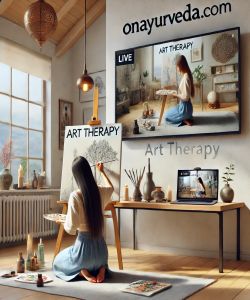
1. Overview of Art Therapy
Art Therapy is a rigorous and professionally established form of psychotherapy that deploys the creative process of art-making to enhance and improve an individual's physical, mental, and emotional well-being. It is not an art class, nor is it a recreational activity; it is a clinical intervention grounded in psychological theory and therapeutic practice. The fundamental premise of this discipline is that the act of creation, facilitated within a secure therapeutic relationship, can help individuals explore their feelings, reconcile emotional conflicts, foster self-awareness, manage behaviour, develop social skills, improve reality orientation, reduce anxiety, and increase self-esteem. The created artwork serves as a tangible, non-verbal mode of communication, allowing thoughts and emotions that are too complex, painful, or confusing to be expressed verbally to be brought forth and examined. A qualified art therapist, trained in both art and psychology, guides this process, helping the client to understand the symbolic self-expression contained within their artwork and to integrate these insights into their personal narrative. This modality is predicated on the belief that creative expression is an inherent human function that can be a powerful agent for healing and recovery. It provides a contained and confidential space where the unspoken can be given form, where internal chaos can be externalised and structured, and where the individual can engage in a profound dialogue with their inner self, ultimately leading to greater psychological resilience and personal growth. The process is paramount; the aesthetic quality of the final product is entirely secondary to the therapeutic exploration it enables.
2. What are Art Therapy?
Art Therapy is a specialised and regulated mental health profession that integrates psychotherapeutic principles with the creative process. It is a disciplined form of therapy that utilises art media, the resultant artwork, and the client’s engagement with these elements as a primary mode of communication and exploration. The practice is founded on the knowledge that creative expression can unlock and articulate profound internal states that may be inaccessible through verbal dialogue alone.
The core components of Art Therapy are:
- The Client: The individual engaging in the therapeutic process to address specific psychological, emotional, or behavioural challenges.
- The Therapist: A master's level practitioner with dual training in psychotherapy and art, who facilitates the sessions and maintains the therapeutic framework.
- The Art Process: The physical and psychological act of creating, which includes engagement with materials such as paint, clay, charcoal, and collage. This process itself is a central agent of change, offering opportunities for sensory regulation, problem-solving, and emotional release.
- The Artwork: The tangible product of the creative act. This artefact serves as a concrete, symbolic record of the client’s inner world. It is not judged on its artistic merit but is instead utilised as a focal point for reflection, insight, and dialogue between the client and therapist.
Art Therapy is not merely about "feeling better" through making art. It is a structured clinical practice wherein the therapist actively guides the client to explore the meanings, symbols, and narratives embedded within their creations. The therapist helps the client to connect the non-verbal expressions in their art to their life experiences, thoughts, and feelings. This process facilitates the development of insight, resolves internal conflicts, and supports the client in developing more effective coping mechanisms. It is a powerful modality for individuals who find verbal expression difficult or insufficient, providing an alternative and often more direct pathway to their internal landscape.
3. Who Needs Art Therapy?
- Individuals with Trauma and PTSD: Those who have experienced significant trauma often find verbal articulation of their experiences to be re-traumatising or impossible. Art Therapy provides a non-verbal, symbolic language to process traumatic memories and emotions in a contained and safe manner, externalising the internal chaos without the necessity for direct narrative recall.
- Children and Adolescents: Younger individuals frequently lack the cognitive or emotional vocabulary to express complex feelings. Art-making is a natural mode of communication for children, allowing them to express distress, anxiety, family conflicts, or developmental struggles in a way that feels inherent and less intimidating than direct questioning.
- Adults Experiencing High Stress, Anxiety, or Depression: The creative process can serve as a powerful tool for managing overwhelming emotions. It facilitates a state of focus and mindfulness that can disrupt cycles of negative rumination, whilst the created artwork provides a tangible object for exploring the underlying causes of distress.
- Individuals with Neurodevelopmental or Learning Disabilities: For persons with conditions such as Autism Spectrum Disorder or communication difficulties, Art Therapy offers an alternative channel for expression and social interaction. The sensory nature of the materials can be regulating, and the process can help develop motor skills, decision-making, and self-identity.
- Persons Grappling with Grief and Loss: Bereavement can render language inadequate. The act of creating can be a ritualistic and cathartic way to honour memory, process the complex stages of grief, and begin to construct a new reality in the absence of a loved one.
- Clients with Eating Disorders or Body Image Issues: The non-verbal nature of Art Therapy allows for the exploration of deeply entrenched and often non-verbalised feelings about the self and the body. It provides a means to challenge distorted self-perceptions and build a more compassionate and integrated sense of self.
- Anyone Seeking Deeper Self-Exploration and Personal Growth: Art Therapy is not exclusively for those in acute distress. It is a potent modality for any individual committed to enhancing self-awareness, resolving long-standing internal conflicts, and unlocking creative potential as a pathway to a more integrated and authentic life.
4. Origins and Evolution of Art Therapy
The formal discipline of Art Therapy is a relatively modern synthesis, yet its conceptual roots are deeply embedded in the history of human expression and psychological inquiry. The recognition that art-making holds inherent healing properties can be traced back to ancient civilisations, where creative rituals were integral to communal and individual well-being. However, its codification as a therapeutic profession began in the mid-twentieth century, emerging concurrently yet independently in the United Kingdom and the United States. Its inception was heavily influenced by the convergence of two major fields: the growing interest in psychiatric art, particularly the artwork of patients in mental asylums, and the ascendancy of psychoanalytic theories which emphasised the symbolic language of the unconscious.
In the United Kingdom, the term "Art Therapy" was coined by the artist Adrian Hill in the 1940s. Whilst recovering from tuberculosis in a sanatorium, he discovered that the act of drawing and painting was profoundly beneficial to his own recovery process. He began to share this practice with his fellow patients, noting its capacity to divert the mind from illness and engage the whole person in a restorative activity. His work laid the foundation for the "art as therapy" perspective, which champions the intrinsic healing power of the creative process itself. This approach gained significant traction within the newly formed National Health Service, where it was implemented as a valuable intervention for both physical and mental rehabilitation.
Contemporaneously in the United States, pioneers like Margaret Naumburg and Edith Kramer established a different, though complementary, theoretical foundation. Naumburg, a psychologist, viewed art as a form of symbolic speech, a direct route to the unconscious. Her approach, termed "art in therapy," positioned the artwork as a tool for psychodynamic exploration, where the therapist helps the client to interpret and understand their creations to gain insight. Kramer, an artist, emphasised the integrative power of the creative process, suggesting that the act of forming and sublimating raw emotions into a coherent artistic product was itself therapeutic. From these foundational and sometimes conflicting viewpoints, the profession has evolved into a sophisticated, eclectic discipline. It has since integrated humanistic, cognitive-behavioural, and neurobiological perspectives, and established rigorous standards for training, accreditation, and ethical practice through professional bodies, ensuring its legitimacy as a distinct and potent form of psychotherapy.
5. Types of Art Therapy
- Psychodynamic Art Therapy: This approach is rooted in psychoanalytic theory. It posits that artwork is a form of symbolic speech, providing a direct channel to the unconscious mind. The primary focus is on the interpretation of the created image to uncover repressed memories, unresolved conflicts, and hidden emotions. The therapeutic relationship is central, as the therapist helps the client to analyse the symbolism, free associations, and transference dynamics that emerge through the art-making process, fostering deep-seated insight and psychological restructuring.
- Humanistic Art Therapy: This person-centred approach emphasises self-actualisation, personal growth, and the client's innate capacity for healing. The therapist acts as a facilitator rather than an interpreter, creating a supportive and non-judgemental environment where the client can freely explore their creativity. The focus is less on analysing the final product and more on the subjective experience of the creative process itself—the act of creating is seen as inherently affirming and integrating, helping the client to achieve greater self-acceptance and authenticity.
- Cognitive-Behavioural Art Therapy (CBAT): This directive and structured form of Art Therapy integrates the principles of Cognitive-Behavioural Therapy. Art-making is used as a tool to identify, challenge, and reframe distorted thought patterns and maladaptive behaviours. For example, a client might be asked to create an image representing an anxious thought, and then to create another image showing a more balanced or rational perspective. The process makes abstract cognitions tangible, allowing for concrete problem-solving and the practice of new coping skills.
- Developmental Art Therapy: This modality focuses on the developmental stages of a client, using art-making to address developmental lags or trauma. The therapist assesses the client's artwork based on established developmental norms of image-making. The interventions are then tailored to help the client re-experience and master earlier developmental challenges in a safe, creative context, promoting healthy psychological maturation and correcting developmental disruptions.
- Mindfulness-Based Art Therapy (MBAT): This approach combines the practice of mindfulness with the creative process. Clients are guided to pay purposeful, non-judgemental attention to their sensory experience whilst making art—the feel of the clay, the sound of a brushstroke, the movement of their hand. This practice is designed to anchor the client in the present moment, reducing stress, anxiety, and rumination, and cultivating a state of calm awareness and emotional regulation.
6. Benefits of Art Therapy
- Facilitates Non-Verbal Communication: It provides a potent and essential medium for individuals who find it difficult or impossible to articulate their thoughts and feelings verbally. It bypasses the limitations of language, allowing for the direct expression of trauma, grief, and complex emotional states that defy words.
- Enhances Self-Awareness and Insight: The process of externalising internal states into a tangible art form allows clients to view their feelings from a new perspective. Examining the artwork with a therapist helps to uncover unconscious motivations, patterns of behaviour, and internal conflicts, leading to profound self-discovery.
- Improves Emotional Regulation and Stress Reduction: The sensory and rhythmic nature of art-making can have a powerful calming and organising effect on the nervous system. The focused engagement required for creative work can interrupt cycles of anxiety and rumination, promoting a state of mindfulness and providing a constructive outlet for stress.
- Processes and Resolves Trauma: For survivors of trauma, Art Therapy offers a safe method to process disturbing memories and experiences. It allows traumatic content to be externalised symbolically, giving the client a sense of control and distance, which can reduce the overwhelming nature of the trauma and facilitate integration and healing.
- Develops Coping Skills and Resilience: Engaging in the creative process involves problem-solving, making choices, and managing frustration. These skills, practiced within the safe container of the therapeutic session, are transferable to real-life challenges, thereby building the client's psychological resilience and sense of agency.
- Increases Self-Esteem and Sense of Mastery: The act of creating something tangible, regardless of its aesthetic quality, fosters a sense of accomplishment and competence. For individuals struggling with low self-worth, this experience of mastery can be a powerful antidote, validating their ability to have a positive impact on their environment.
- Strengthens Reality Orientation: For individuals experiencing psychosis or dissociation, the concrete and sensory nature of art-making can be a grounding force. The process of working with physical materials helps to anchor them in the present moment and reinforce their connection to the tangible world, improving their orientation to reality.
7. Core Principles and Practices of Art Therapy
- The Primacy of the Therapeutic Relationship: The foundation of all effective Art Therapy is a secure, confidential, and professional relationship between the client and the therapist. This relationship creates the "safe container" necessary for the client to risk exploring vulnerable and challenging internal material through the art-making process.
- The Triadic Relationship: Art Therapy operates on a unique three-way dynamic between the client, the therapist, and the artwork itself. The artwork is not merely an output but an active participant in the therapeutic dialogue, serving as a bridge, a witness, and a repository of meaning that mediates the interaction.
- Art as Symbolic Communication: The core principle is that art provides a language for the unconscious. Images, colours, forms, and symbols are understood to be direct expressions of feelings, thoughts, and experiences that may not be accessible to the conscious, verbal mind. The practice involves honouring this symbolic expression as a valid and potent form of communication.
- Process Over Product: The emphasis is placed firmly on the client's experience during the creative process, not on the aesthetic quality of the final artefact. The therapeutic value lies in the act of creation—the choices made, the materials used, the physical engagement, and the emotions experienced—rather than in producing a "good" piece of art.
- Externalisation and Objectification: The practice facilitates the externalisation of internal states. By giving form to a feeling or a conflict, the client can place it outside of themselves. This creates psychological distance, making the issue feel less overwhelming and more manageable. The artwork becomes an object that can be observed, reflected upon, and discussed.
- The Therapist as Facilitator and Witness: The art therapist's role is not to teach art techniques or to provide definitive interpretations of the artwork. Instead, the practitioner facilitates the client's creative exploration, maintains psychological safety, and acts as a trained witness, helping the client to articulate and understand the personal meaning of their own creations.
- Integration of Insight: The ultimate goal is not simply expression but integration. The practice involves helping the client to connect the insights gained from their artwork and the creative process back to their life. This means translating symbolic understanding into conscious awareness and, ultimately, into meaningful behavioural and emotional change.
8. Online Art Therapy
- Enhanced Accessibility and Convenience: Online Art Therapy removes geographical barriers, making specialised therapeutic services available to individuals in remote or underserved areas. It offers profound convenience for those with mobility issues, chronic illness, or demanding schedules, eliminating the time and stress associated with travel to a physical clinic.
- Creation of a Secure Personal Space: The client engages in therapy from their own environment, which can foster a unique sense of safety and control. This familiar setting may reduce inhibition and allow for a deeper and more immediate engagement with the therapeutic process, as the client feels grounded in their personal territory.
- Unique Exploration of the Home Environment: The online format inherently brings the client’s personal space into the therapeutic frame. This can be therapeutically potent, as objects, materials, and the environment itself can be incorporated into the art-making process, offering rich symbolic material and insights into the client's daily life and internal world.
- Development of Autonomy and Resourcefulness: Clients must take an active role in preparing their space and materials for each session. This act of preparation fosters a sense of agency, responsibility, and resourcefulness. It transforms the client from a passive recipient of therapy into an active co-creator of the therapeutic environment.
- Anonymity and Reduced Social Anxiety: For some individuals, the perceived distance and anonymity of an online platform can significantly lower the barrier to seeking help. It can reduce the social anxiety associated with face-to-face encounters, making it easier to engage in vulnerable self-expression without the perceived judgment of being physically present with the therapist.
- Tangible Record of the Therapeutic Journey: In online sessions, clients retain all their physical artwork. This creates a continuous and tangible archive of their therapeutic journey in their own space. This collection of artefacts can be reviewed between sessions, serving as a powerful and constant reminder of progress, insights, and the ongoing process of change.
- Integration of Digital Media: The online platform naturally lends itself to the integration of digital art-making tools. This expands the creative vocabulary available to the client, offering opportunities to work with digital drawing, painting, collage, and animation, which may appeal to different sensibilities and open new avenues for symbolic expression.
9. Art Therapy Techniques
- Free Drawing or Spontaneous Creation: The client is provided with materials and given the simple, non-directive instruction to create whatever comes to mind, without any preconceived plan or goal. This technique is designed to bypass the conscious, critical mind and allow for the emergence of spontaneous, unconscious material. The therapist observes the process and later facilitates a discussion about the emergent themes, colours, and forms.
- The Scribble Drawing Technique: The client is instructed to close their eyes and make a continuous, random scribble on a piece of paper. Subsequently, they are asked to open their eyes, rotate the paper, and look for an image or form within the lines of the scribble. They then develop this image using colours and further lines. This technique, developed by D.W. Winnicott, facilitates projection and can reveal hidden aspects of the self.
- Creating a Visual Metaphor or Symbol: The therapist asks the client to create a visual representation of a specific feeling (e.g., "draw your anxiety"), a problem, or a goal. This technique makes abstract internal states concrete and external. Once the metaphor is created, it can be explored, understood, and even transformed within the artwork, providing the client with a sense of agency over their internal experience.
- Collage and Photomontage: The client is provided with a wide array of magazines, photographs, fabrics, and other materials and is invited to select and arrange images to create a new composition. This technique is less intimidating for those anxious about their drawing skills. It allows for the exploration of identity, relationships, and life narratives by using pre-existing images as symbolic building blocks.
- Mandala Creation: The client is instructed to create an image within a pre-drawn circle. The circle provides a containing and unifying structure. This technique, with roots in Jungian psychology and spiritual traditions, is often used to promote mindfulness, self-centring, and the integration of different parts of the self. The resulting mandala can serve as a snapshot of the individual’s psychological state at that moment.
- Three-Dimensional Work with Clay or Sculpture: The client works with malleable materials like clay, plasticine, or found objects to create a sculpture. This is a highly sensory and kinesthetic technique that engages the body in the creative process. It is particularly effective for expressing powerful emotions like anger or grief and for exploring concepts of form, structure, and internal resilience.
10. Art Therapy for Adults
Art Therapy offers a sophisticated and potent modality for adults navigating the complex psychological terrain of modern life. For the adult client, who often arrives at therapy with highly developed verbal defences and intellectualised narratives, the non-verbal nature of art-making can be a formidable tool for bypassing these well-entrenched patterns. It provides a direct conduit to emotional and somatic experiences that have been suppressed, rationalised, or are simply too nuanced for language. Adults grappling with career stress, relational conflicts, existential crises, or the long-term effects of past trauma can find in Art Therapy a unique space for processing and integration. The act of creation can disrupt the relentless cycle of rumination that characterises anxiety and depression, anchoring the individual in a mindful, sensory, and present-moment experience. Furthermore, the tangible artwork becomes a third entity in the therapeutic room—a concrete testament to the client's inner world that can be explored, challenged, and transformed. This externalisation is critical for adults, as it allows them to gain objective distance from overwhelming feelings or entrenched self-concepts, fostering new perspectives and a renewed sense of agency. It is not an infantile regression into "play," but a mature and courageous engagement with the symbolic language of the self. It requires a willingness to suspend judgment and embrace a different way of knowing, offering a profound pathway to resolving long-standing issues, enhancing self-compassion, and cultivating a more authentic and integrated adult identity.
11. Total Duration of Online Art Therapy
The determination of the total duration for a course of online Art Therapy is a clinical decision, not an administrative one, and is therefore highly individualised to the client's specific needs, therapeutic goals, and the complexity of the issues being addressed. There is no predetermined or standard length of treatment. However, the fundamental structural unit of the therapy is the session itself, which is rigorously boundaried to maintain a consistent and reliable therapeutic frame. A standard online Art Therapy session is professionally contained within a duration of 1 hr. This 1 hr period is not arbitrary; it is designed to be substantial enough to allow for a meaningful creative process and reflective dialogue, yet contained enough to prevent emotional exhaustion and to be integrated into the client’s life. The overall therapeutic journey, comprising multiple such sessions, can range from a brief, focused intervention of a few months to address a specific, acute issue, to long-term, in-depth psychotherapy lasting for a more extended period to work through developmental trauma or profound personality reconstruction. The pace is dictated by the client's process. The decision to conclude therapy is a collaborative one, made between the client and the therapist when established goals have been met, and the client has developed the internal resources to manage their psychological well-being independently. The "1 hr" session is the consistent building block, but the total architecture of the treatment is bespoke.
12. Things to Consider with Art Therapy
Engaging with Art Therapy demands serious consideration of several key factors to ensure its appropriateness and effectiveness. Foremost, one must understand that this is a clinical form of psychotherapy, not a recreational art class. The objective is not to produce aesthetically pleasing artwork, but to engage in a potentially challenging process of psychological exploration. Prospective clients must be prepared to confront difficult emotions and uncomfortable truths that may surface during the creative process. A degree of emotional readiness is therefore paramount. Consideration must also be given to the therapeutic relationship; finding a qualified, registered art therapist with whom one feels a sense of trust and rapport is critical to the success of the treatment. Furthermore, one must assess their own expectations. Art Therapy is not a quick fix; it is a process that requires commitment, patience, and active participation. The benefits unfold over time through consistent engagement. Practical considerations are also important, including access to a confidential and private space where one can engage in the therapy without interruption, especially in an online context. The client must also be willing to engage with a range of art materials, and any anxieties about a perceived "lack of artistic skill" must be addressed and set aside, as such skill is entirely irrelevant to the therapeutic process. Finally, one must consider the potential for the therapy to be emotionally activating. The process can stir powerful feelings, and it is essential that the client has adequate support systems in place, both within the therapeutic container and in their wider life, to manage this.
13. Effectiveness of Art Therapy
The effectiveness of Art Therapy as a clinical intervention is substantiated by a robust and growing body of evidence, affirming its utility across a wide spectrum of psychological, emotional, and behavioural conditions. Its efficacy is not rooted in anecdotal success but in its capacity to engage clients on a pre-verbal, sensory, and symbolic level, thereby accessing and processing material that is often inaccessible to traditional talk therapies. For individuals experiencing trauma, particularly Post-Traumatic Stress Disorder, Art Therapy is demonstrably effective in reducing symptoms of intrusion and arousal by allowing for the safe externalisation and reprocessing of traumatic memories without the need for direct verbal narration, which can be re-traumatising. In the treatment of anxiety and depression, the modality's effectiveness lies in its dual function: the creative process itself serves as a regulating, mindfulness-based activity that can interrupt negative cognitive cycles, whilst the created artwork provides a concrete focus for identifying and challenging maladaptive thought patterns. For children and adolescents, its effectiveness is particularly pronounced, as art-making is a natural and less intimidating form of communication, facilitating expression and resolving internal conflicts. The tangible nature of the artwork provides a unique feedback loop, enabling clients to witness their own progress, fostering a sense of mastery and enhancing self-esteem. The discipline's effectiveness is contingent upon its delivery by a professionally qualified art therapist who can maintain the therapeutic frame and guide the client in translating symbolic expression into meaningful, integrated psychological change.
14. Preferred Cautions During Art Therapy
Engaging in Art Therapy necessitates a stringent adherence to professional and ethical cautions to protect the client's psychological safety and ensure the integrity of the therapeutic process. It is imperative to recognise that this is not a benign activity but a potent psychotherapeutic modality that can uncover deeply repressed and distressing material. A primary caution is the absolute contraindication for its use by untrained individuals; Art Therapy must only be conducted by a fully qualified and registered art therapist. The practitioner must be vigilant in assessing a client's suitability, particularly for those with severe psychosis or fragile ego structures, as unstructured creative expression can lead to psychological decompensation if not expertly contained. During sessions, the therapist must cautiously manage the introduction of materials, as certain media can be overly regressive or sensorially overwhelming for some clients. Furthermore, the interpretation of artwork must be approached with extreme caution. A therapist must never impose their own interpretations but should instead facilitate the client's own process of discovering meaning. Projecting meaning onto a client's work is not only unethical but can be profoundly damaging. Confidentiality extends not only to the client's words but critically to their artwork; images must be stored securely and never shared without explicit, informed consent. Finally, a significant caution relates to boundaries. The physical and emotional intimacy of the creative process requires the therapist to maintain firm and consistent professional boundaries to prevent any blurring of the therapeutic relationship, ensuring the space remains a safe container for profound psychological work.
15. Art Therapy Course Outline
Module 1: Foundational Principles and The Therapeutic Frame
Introduction to the core theories of Art Therapy (Psychodynamic, Humanistic, CBT).
Establishing the therapeutic contract, confidentiality, and boundaries.
The triadic relationship: Client, Therapist, and Artwork.
Introduction to materials and their psychological properties.
Module 2: The Role of Non-Verbal Communication
Exploring art as a symbolic language.
Techniques for facilitating spontaneous expression (e.g., scribble drawing, free association).
Understanding the primacy of process over product.
Initial sessions focused on building safety and rapport through non-directive art-making.
Module 3: Externalising and Exploring Internal States
Directive techniques for focusing on specific issues (e.g., "draw your anxiety").
Utilising collage and montage to explore identity and narrative.
Working with metaphors and symbols to gain psychological distance from problems.
Developing reflective capacity: learning to "dialogue" with the artwork.
Module 4: Processing and Integrating Difficult Material
Advanced techniques for working safely with trauma and grief.
Using sculpture and clay to engage with powerful, somatic emotions.
The role of the therapist in containing and witnessing profound affect.
Focus on transforming and reworking images to foster a sense of agency.
Module 5: Developing Resilience and Coping Mechanisms
Mindfulness-Based Art Therapy (MBAT) practices for emotional regulation.
Creating art that represents strengths, resources, and future aspirations.
Identifying transferable skills learned in the creative process (e.g., problem-solving, tolerance for ambiguity).
Building an "internal toolkit" of creative coping strategies.
Module 6: Integration and Termination
Reviewing the body of artwork created during the therapeutic journey.
Consolidating insights and connecting them to life outside the therapy room.
Art-making focused on closure, saying goodbye, and honouring the process.
Developing a plan for continued self-support and creative practice post-therapy.
16. Detailed Objectives with Timeline of Art Therapy
- Phase One: Assessment and Foundation (Initial Sessions)
- Objective: To establish a secure therapeutic alliance and a safe creative environment. The primary goal is for the client to become comfortable with the art materials and the non-verbal process without pressure to perform or produce.
- Objective: For the therapist to conduct a thorough assessment of the client's needs, strengths, and presenting issues through observation of their art process and initial creations.
- Objective: To collaboratively define initial therapeutic goals and establish the boundaries of the therapeutic contract, including confidentiality and session structure.
- Phase Two: Exploration and Deepening (Mid-Phase of Therapy)
- Objective: To facilitate the client's use of art-making to externalise and explore core conflicts, emotions, and past experiences. The goal is to move beyond surface-level expression to more profound symbolic work.
- Objective: To increase the client's capacity for self-reflection and insight by guiding them in a dialogue with their artwork, helping them to recognise patterns, themes, and personal meanings.
- Objective: To begin processing difficult or traumatic material within the contained space of the therapy, using the artwork as a mediating object to manage overwhelming affect and maintain psychological safety.
- Phase Three: Integration and Consolidation (Latter Phase of Therapy)
- Objective: To support the client in reworking and transforming challenging imagery and narratives, fostering a sense of mastery and resolution over previously overwhelming issues.
- Objective: To explicitly connect the insights gained within the therapy sessions to the client's external life, focusing on the development and practice of new coping strategies and healthier relational patterns.
- Objective: To build the client's internal resources and psychological resilience, reducing dependency on the therapist and empowering them for self-directed well-being.
- Phase Four: Termination and Future Orientation (Final Sessions)
- Objective: To review the entire body of artwork created, consolidating the therapeutic journey and acknowledging the progress made.
- Objective: To process the feelings associated with the end of the therapeutic relationship in a planned and meaningful way, often through specific art-making directives.
- Objective: To equip the client with a sustainable plan for continuing their personal growth and using creative expression as a resource for self-care in the future.
17. Requirements for Taking Online Art Therapy
- Stable and High-Speed Internet Connection: A consistent, reliable internet connection is non-negotiable. It is the fundamental conduit for the therapeutic relationship, and any disruptions can severely compromise the integrity and safety of the session. A poor connection can fracture the therapeutic container and cause significant frustration.
- A Private and Confidential Space: The client must have access to a physical space where they can be assured of absolute privacy for the entire duration of the session. This space must be free from interruptions from family, housemates, or colleagues. The sanctity of this confidential space is paramount for therapeutic work to occur.
- Adequate Technical Equipment: The client must possess a functional device (a computer, laptop, or tablet) with a high-quality webcam and microphone. The visual and auditory clarity must be sufficient to allow for nuanced communication, including the ability for the therapist to see the client's art-making process and the resulting artwork clearly.
- Procurement of Basic Art Materials: The client is responsible for acquiring their own art supplies. Whilst a comprehensive studio is not required, a foundational set of materials (e.g., paper, pencils, pastels, paint, clay) is necessary. The client must be willing and able to source and organise these materials ahead of each session.
- Commitment to Preparation: Online Art Therapy demands a higher degree of client autonomy. The individual must commit to preparing their physical space and art materials before each session begins. This includes setting up their device, arranging their supplies, and ensuring the environment is conducive to therapeutic work.
- A Degree of Digital Literacy: The client must possess basic competence in using the required video conferencing platform (e.g., Zoom, Teams). This includes the ability to manage camera and microphone settings and to troubleshoot minor technical issues. The focus must be on the therapy, not on overcoming technological barriers.
- Emotional and Psychological Readiness: As with any form of psychotherapy, the client must be in a state of sufficient psychological stability to engage with potentially challenging emotional material. They must possess the capacity for self-reflection and a genuine motivation to engage in the therapeutic process.
18. Things to Keep in Mind Before Starting Online Art Therapy
Before embarking on a course of online Art Therapy, it is critical to engage in a rigorous self-assessment to ensure readiness for this specific modality. One must fundamentally grasp that the screen is not a barrier but a different kind of boundary, and it requires a unique form of discipline to honour. You must be prepared to take absolute responsibility for creating and protecting your own therapeutic space. This is not a passive experience; you will be an active co-creator of the therapeutic container, a role that demands proactivity in eliminating distractions and ensuring confidentiality from your end. You must honestly evaluate your comfort level with technology and your ability to communicate nuanced feelings through a digital medium. Consider whether the absence of the therapist's physical presence will be a help or a hindrance to your ability to feel safe and vulnerable. You must also anticipate the practicalities of managing your own artwork. Unlike in-person therapy where the therapist might store the work, you will live with your creations. Be prepared for how it will feel to have these potent, tangible symbols of your inner world present in your personal environment between sessions. This can be powerful but also demanding. Finally, you must be committed to the process. The convenience of being at home can sometimes breed complacency; it is imperative to approach each online session with the same gravity, intention, and punctuality as you would an in-person appointment. Your commitment is the engine of the therapy.
19. Qualifications Required to Perform Art Therapy
The performance of Art Therapy is restricted to highly trained professionals who have met stringent and legally protected standards of education, clinical practice, and ethical conduct. It is not a title that can be self-appointed or earned through a short course. The mandatory, non-negotiable qualification for a practitioner in the United Kingdom is a Master's degree (MA or MSc) in Art Therapy or Art Psychotherapy from a programme approved by the Health and Care Professions Council (HCPC). The HCPC is the statutory regulator, and "Art Therapist" and "Art Psychotherapist" are legally protected titles. To gain entry to an approved MA programme, candidates are typically required to possess:
- An undergraduate degree, usually in Fine Art or a related discipline, demonstrating a sustained and personal engagement with the art-making process.
- Substantial and relevant work experience in a caring capacity, for example in mental health, social care, or education settings, which demonstrates their aptitude for therapeutic work.
- A portfolio of their own artwork that shows a mature and reflective personal practice.
The Master's degree itself is an intensive, multi-year course of postgraduate study. It involves rigorous academic learning in psychopathology, psychological theory, ethics, and research methods, combined with extensive, supervised clinical placements. During these placements, trainee art therapists work directly with clients under the supervision of a senior, qualified practitioner. Upon successful completion of the MA and registration with the HCPC, practitioners are then required to engage in continuous professional development (CPD) and receive regular clinical supervision throughout their careers to maintain their registration and ensure their practice remains safe, effective, and ethical. Anything less than these qualifications is insufficient and illegitimate.
20. Online Vs Offline/Onsite Art Therapy
Online Art Therapy
Online Art Therapy is defined by its use of digital technology to bridge the geographical distance between the client and therapist. Its primary characteristic is accessibility, offering a vital service to individuals who are geographically isolated, have mobility limitations, or face other barriers to attending in-person sessions. The therapeutic container is co-created, with the client taking significant responsibility for preparing their own private space and materials. This can foster a profound sense of agency and autonomy. The dynamic is altered by the screen, which acts as a unique boundary; for some, this can reduce inhibition and social anxiety, whilst for others it may feel distancing. A notable feature is that the client retains all physical artwork, creating a tangible, personal archive of their therapeutic journey within their own home. This modality also allows for the seamless integration of digital art-making tools, expanding the creative possibilities. However, it is contingent on stable technology and cannot replicate the somatic co-presence of being in the same physical room, which can be a limitation in processing certain relational or body-based dynamics.
Offline/Onsite Art Therapy
Offline, or onsite, Art Therapy is the traditional model, conducted within a dedicated therapeutic space at a clinic, studio, or practice. Its defining feature is the shared physical environment. The therapist provides and manages the space and all art materials, creating a consistent and reliable container that is distinct from the client's everyday life. This physical separation can be crucial for clients who need a clear boundary between their home life and their therapeutic work. The co-presence of the therapist and client in the same room allows for the observation of and response to subtle, non-verbal cues, body language, and somatic responses that may be lost or distorted online. The therapist's physical presence can offer a powerful sense of safety and containment, particularly when working with intense affect or trauma. The artwork is often stored by the therapist between sessions, which can provide psychological distance for the client from emotionally charged creations. This model is the established standard, offering a rich, multi-sensory, and interpersonally immediate therapeutic experience.
21. FAQs About Online Art Therapy
Question 1. Is online Art Therapy as effective as in-person therapy? Answer: Yes, for many individuals and presenting issues, it is a highly effective modality. Its success depends on client suitability, the therapeutic relationship, and the specific goals of the therapy.
Question 2. Do I need to be a talented artist? Answer: Absolutely not. Art Therapy is not about artistic skill. The focus is on the process of creation and the expression of your inner world, not the aesthetic quality of the result.
Question 3. What kind of technology do I need? Answer: You require a reliable computer or tablet with a good quality webcam and microphone, and a stable, high-speed internet connection.
Question 4. What art supplies will I need? Answer: Your therapist will discuss this with you, but a basic set typically includes paper, drawing materials (pencils, pastels), and perhaps some paint or clay. You are responsible for procuring these.
Question 5. Is it confidential? Answer: Yes. Therapists are bound by the same strict ethical codes of confidentiality as in-person therapy. You must also ensure you are in a private space on your end.
Question 6. How does the therapist see my artwork? Answer: You will show your artwork to the camera during the session. The therapist will guide you on how to best share the work visually.
Question 7. Who is online Art Therapy not suitable for? Answer: It may not be suitable for individuals in acute crisis, those with severe psychosis, or those who lack a safe, private space or reliable technology.
Question 8. Can children do online Art Therapy? Answer: Yes, though it often requires significant support from a parent or carer to set up the technology and materials.
Question 9. What happens to the art I make? Answer: You keep all the artwork you create. It remains in your possession in your own space.
Question 10. How long is a typical session? Answer: Sessions are professionally boundaried and are typically a consistent length, often one hour.
Question 11. How do I find a qualified online art therapist? Answer: You must check their credentials. In the UK, ensure they are registered with the Health and Care Professions Council (HCPC).
Question 12. Can I use digital art tools? Answer: Yes. Many online therapists are equipped to work with clients using digital drawing tablets or software.
Question 13. What if my internet connection fails during a session? Answer: You and your therapist will establish a clear backup plan before starting therapy, such as a telephone call.
Question 14. Is it more tiring than in-person therapy? Answer: Some people find the concentration required for video calls ("Zoom fatigue") to be tiring. This is a personal factor to consider.
Question 15. Can I do it from my workplace? Answer: Only if you have a completely private, confidential room where you will not be interrupted or overheard.
Question 16. What is the main benefit of online over in-person? Answer: The primary benefits are accessibility for those who are remote or have mobility issues, and the convenience of being in your own environment.
22. Conclusion About Art Therapy
In conclusion, Art Therapy stands as a formidable and distinct psychotherapeutic discipline, grounded in robust psychological theory and rigorous clinical practice. It is not an ancillary or alternative treatment but a primary modality that offers a unique and powerful pathway to psychological insight and healing. Its fundamental strength lies in its capacity to transcend the limitations of verbal language, providing a vital medium for the externalisation and processing of the most profound, complex, and often painful aspects of human experience. Through the guided, creative process, within the safety of a professional therapeutic relationship, individuals are empowered to give form to their internal worlds, transforming abstract suffering into tangible objects for reflection and resolution. The discipline's applications are extensive, demonstrating clear efficacy in addressing trauma, anxiety, depression, and a host of other psychological challenges across the lifespan. It demands courage from the client and profound skill from the practitioner, who must be dually expert in both art and psychotherapy. As a profession, it is defined by its stringent ethical codes and mandatory qualifications, ensuring public safety and clinical integrity. Art Therapy is, therefore, a testament to the inexorable link between creativity and well-being, confirming that the act of making meaning through images is a fundamental human capacity for integration and growth.