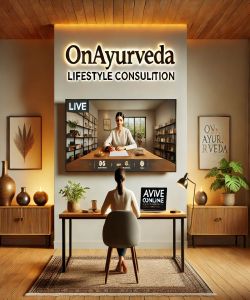
1. Overview of Ayurvedic Lifestyle Consultation
An Ayurvedic Lifestyle Consultation is a rigorous, personalised framework designed to align an individual's daily existence with the fundamental principles of Ayurvedic science. It transcends superficial advice, providing a comprehensive blueprint for achieving and maintaining a state of dynamic equilibrium between mind, body, and consciousness. The process is not a passive receipt of information but an active engagement, demanding commitment and discipline from the client. At its core, the consultation serves to identify an individual's unique constitutional type, known as Prakriti, and their current state of imbalance, or Vikriti. Through a meticulous diagnostic process, a highly skilled practitioner formulates a strategic programme encompassing diet (Ahara), lifestyle routines (Vihara), and mental wellness practices. This is not a generic wellness plan; it is a bespoke protocol engineered to address the root causes of disharmony rather than merely suppressing symptoms. The ultimate objective is to empower the individual with the knowledge and tools necessary to make conscious, health-promoting choices, thereby fostering resilience, enhancing vitality, and cultivating a profound sense of intrinsic wellbeing. The consultation is therefore a foundational intervention for anyone seeking to transition from a reactive approach to health towards a proactive, preventative, and deeply personalised system of self-management and optimisation.
2. What are Ayurvedic Lifestyle Consultation?
An Ayurvedic Lifestyle Consultation is a structured, in-depth analysis of an individual's health, rooted in the classical principles of Ayurveda. It is a formal process through which a qualified practitioner evaluates a client's physiological and psychological constitution, identifies imbalances, and prescribes a bespoke regimen to restore and maintain optimal health. This is not merely a conversation about diet; it is a multi-faceted diagnostic and strategic intervention.
The consultation process is characterised by several key components:
- Constitutional Assessment: The primary objective is to determine the individual’s inherent mind-body constitution (Prakriti), which is the unique combination of the three fundamental bio-energetic forces, or Doshas (Vata, Pitta, Kapha). This constitution represents their natural state of balance.
- Imbalance Diagnosis: The practitioner meticulously investigates the current state of imbalance (Vikriti). This involves a detailed inquiry into dietary habits, daily routines, sleep patterns, stress levels, digestive function, and specific health concerns. This reveals which Doshas are currently aggravated and causing disruption.
- Personalised Protocol Formulation: Based on the assessment of Prakriti and Vikriti, the practitioner develops a highly individualised and actionable plan. This protocol is not a set of generic recommendations but a precise strategy tailored to the client’s unique needs. It systematically addresses diet, specifying foods to favour and avoid; lifestyle, including daily and seasonal routines (Dinacharya and Ritucharya); stress management techniques; and potentially, recommendations for herbal support.
- Educational Empowerment: A critical function of the consultation is to educate the client. The practitioner imparts the necessary knowledge for the individual to understand their own constitution and the reasons behind the prescribed changes. This empowerment is essential for long-term adherence and self-sufficient health management, transforming the client from a passive recipient of care into an active participant in their own wellbeing.
3. Who Needs Ayurvedic Lifestyle Consultation?
- Individuals experiencing chronic, low-grade health issues that defy conventional diagnosis, such as persistent fatigue, digestive discomfort, disrupted sleep patterns, or unexplained inflammation. They require a systemic, root-cause analysis rather than symptomatic treatment.
- Professionals operating in high-stress environments who seek robust, sustainable strategies for managing mental and physical exhaustion, preventing burnout, and enhancing cognitive performance and resilience.
- Persons seeking to transition towards a preventative model of health. Those who are currently in good health but wish to proactively optimise their vitality, delay the ageing process, and minimise the risk of future lifestyle-related ailments.
- Individuals struggling with weight management, metabolic irregularities, or dietary confusion. They need a personalised nutritional framework based on their unique digestive capacity (Agni) and constitution, moving beyond generic, one-size-fits-all diets.
- Those navigating significant life transitions, such as menopause, andropause, or post-partum recovery, who require tailored support to harmonise their bodies and minds with these profound physiological and hormonal shifts.
- Individuals with a clear intention to deepen their self-awareness and cultivate a more conscious and harmonious relationship with their body. They are ready to commit to disciplined daily routines and mindful living practices.
- Athletes and physically active individuals aiming to optimise performance, accelerate recovery, and prevent injury by aligning their training, nutrition, and rest cycles with their specific constitutional needs.
- Anyone feeling disconnected from their body's natural rhythms and signals, who wishes to re-establish an intuitive understanding of their own health needs and make empowered daily choices accordingly.
4. Origins and Evolution of Ayurvedic Lifestyle Consultation
The conceptual origins of Ayurvedic Lifestyle Consultation are inseparable from the genesis of Ayurveda itself, a system of medicine that emerged in the Indian subcontinent thousands of years ago. Its foundational principles are documented in the great classical texts, the Charaka Samhita, Sushruta Samhita, and Ashtanga Hridyam. Within these ancient treatises, the emphasis was never solely on curative medicine but profoundly on prevention (Swasthasya Swasthya Rakshanam) and the maintenance of health through meticulously prescribed lifestyle and diet. The role of the physician, or Vaidya, inherently included that of a lifestyle counsellor, guiding patients on daily routines (Dinacharya), seasonal conduct (Ritucharya), and appropriate diet (Ahara) tailored to their unique constitution (Prakriti).
For centuries, this knowledge was transmitted through a traditional master-disciple lineage (Guru-Shishya Parampara). The consultation was an intimate, holistic process involving detailed observation, pulse diagnosis (Nadi Pariksha), and deep inquiry. It was not a standalone service but an integrated part of a comprehensive healthcare interaction. The advice given was direct, authoritative, and expected to be followed with unwavering discipline, forming the bedrock of a patient's path to wellness.
The evolution into the modern concept of a distinct "Ayurvedic Lifestyle Consultation" is a more recent phenomenon, driven by the global wellness movement and the increasing demand for personalised, preventative health strategies. As Ayurveda gained prominence in the West, there was a need to structure its preventative wisdom into a format accessible to a modern audience, often separate from a full clinical context. This led to the formalisation of the consultation as a specific service, focusing primarily on diet and lifestyle modifications. The advent of digital technology has further propelled its evolution, enabling online consultations that transcend geographical barriers. Whilst the mode of delivery has modernised, the core principles remain immutable: the diagnosis of Prakriti and Vikriti and the creation of a bespoke lifestyle protocol remain the unshakeable foundation of the practice.
5. Types of Ayurvedic Lifestyle Consultation
- Foundational Constitutional Assessment: This is the primary and most essential type of consultation. Its singular focus is to accurately determine the individual's core constitution (Prakriti) and their current state of imbalance (Vikriti). It involves a comprehensive diagnostic intake, covering physiological, psychological, and behavioural traits. The outcome is a detailed report on the client's dominant Doshas and a foundational set of dietary and lifestyle guidelines to initiate the journey back to equilibrium. This consultation is mandatory for all new clients and serves as the bedrock for any subsequent work.
- Dosha-Specific Pacification Consultation: This is a targeted consultation for individuals with a clearly identified and significant Doshic aggravation (e.g., a severe Vata, Pitta, or Kapha imbalance). The entire session is dedicated to creating an intensive protocol to pacify the aggravated Dosha. It involves highly specific dietary prescriptions, herbal recommendations, lifestyle modifications, and sensory therapies (such as aromatherapy and colour therapy) all aimed squarely at reducing the specific qualities of the disruptive Dosha.
- Thematic Wellness Consultation: This consultation addresses a particular health objective or life stage. Examples include consultations focused on digestive optimisation (Agni Deepana), stress and anxiety management, sleep enhancement, women's health (e.g., menstrual cycle regulation, menopause), or detoxification preparation. Whilst still grounded in constitutional principles, the strategies and advice are sharply focused on achieving a specific, predefined wellness goal.
- Maintenance and Progression Consultation: This is a follow-up session for existing clients who have already implemented an initial plan. Its purpose is to assess progress, address any challenges encountered, and refine the protocol. The practitioner may introduce more advanced practices or make subtle adjustments to the diet and routine based on the client's evolving state of health and seasonal changes. This ensures the lifestyle plan remains dynamic, effective, and continuously aligned with the individual's needs.
6. Benefits of Ayurvedic Lifestyle Consultation
- Profound Personalisation: Delivers a health and wellness strategy that is not generic but meticulously tailored to your unique mind-body constitution (Prakriti), addressing your specific imbalances directly.
- Root Cause Resolution: Moves beyond the mere suppression of symptoms to identify and address the fundamental root causes of disharmony, leading to more sustainable and long-lasting health improvements.
- Enhanced Digestive Efficacy: Provides precise dietary guidance to strengthen digestive fire (Agni), leading to improved nutrient absorption, elimination of toxins (Ama), and a reduction in common digestive complaints like bloating and indigestion.
- Systematic Stress Reduction: Implements practical and effective daily routines and mental techniques that regulate the nervous system, building profound resilience against psychological and physiological stressors.
- Increased Vitality and Energy: By harmonising bodily systems and eliminating the metabolic waste that causes lethargy, the consultation directly facilitates a tangible and sustained increase in daily energy levels and overall vitality.
- Preventative Health Empowerment: Equips you with the knowledge and tools for proactive health management, enabling you to make conscious daily choices that minimise the risk of future lifestyle-related diseases.
- Improved Sleep Quality: Establishes routines and practices that align with natural circadian rhythms, promoting deeper, more restorative sleep and resolving patterns of sleep disturbance.
- Constitutional Self-Awareness: Fosters a deep and intuitive understanding of your own body and its unique needs, empowering you to become the primary agent of your own wellbeing.
7. Core Principles and Practices of Ayurvedic Lifestyle Consultation
- Determination of Prakriti and Vikriti: The absolute foundation of the consultation is the differentiation between an individual’s unchanging, inherent constitution (Prakriti) and their current, transient state of imbalance (Vikriti). Prakriti is the unique, genetically determined ratio of the three Doshas at conception. Vikriti reflects the present-day disruption of that balance due to diet, lifestyle, and environment. All recommendations are designed to bridge the gap between Vikriti and Prakriti.
- The Tridosha Theory (Vata, Pitta, Kapha): The consultation operates on the principle that all physiological and psychological functions are governed by three fundamental bio-energetic forces, or Doshas. Vata (air and ether) governs movement. Pitta (fire and water) governs metabolism and transformation. Kapha (earth and water) governs structure and lubrication. The practitioner's goal is to identify which Dosha(s) are excessive or deficient and prescribe interventions with opposing qualities to restore balance.
- The Concept of Agni (Digestive Fire): Central to the consultation is the assessment of Agni, the metabolic fire that governs digestion and transformation. A strong Agni ensures efficient digestion and nutrient assimilation, whilst a weak Agni leads to the formation of undigested metabolic waste, or Ama, which is the root cause of most disease. Dietary recommendations are primarily aimed at optimising Agni.
- Implementation of Dinacharya (Daily Routine): The practitioner will prescribe a structured daily routine. This is not arbitrary; it is a sequence of activities (such as waking time, cleansing practices, mealtimes, exercise, and sleep time) designed to synchronise the individual’s internal body clock with the natural rhythms of the day. This practice is critical for stabilising the Doshas.
- Adherence to Ritucharya (Seasonal Routine): The consultation mandates adjustments to diet and lifestyle in accordance with the changing seasons. Each season has a dominant Doshic influence on the environment and, consequently, on the body. Ritucharya provides a clear protocol for navigating these shifts to prevent seasonal imbalances and illness.
- The Principle of Ahara (Appropriate Diet): A core practice is the formulation of a precise dietary plan based on the six tastes (Rasas), the qualities (Gunas) of food, and their post-digestive effect (Vipaka). Food is viewed as medicine, and the plan will specify which foods, spices, and preparation methods will pacify aggravated Doshas and which will exacerbate them.
8. Online Ayurvedic Lifestyle Consultation
- Unparalleled Accessibility: The online format eradicates geographical constraints, granting individuals access to highly specialised and authentic Ayurvedic practitioners regardless of their physical location. Clients are no longer limited to local availability and can engage with experts from anywhere in the world, ensuring access to a higher calibre of guidance.
- Enhanced Convenience and Efficiency: Consultations can be conducted from the client’s own private environment, eliminating the need for travel, saving considerable time, and reducing the logistical stress associated with attending an in-person appointment. This facilitates greater consistency with follow-up sessions.
- Structured Pre-Consultation Intake: The online model excels at systematic data collection. Clients are typically required to complete comprehensive digital intake forms prior to the session. This ensures the practitioner has already reviewed detailed information on health history, diet, and lifestyle, allowing the consultation itself to be dedicated to deeper inquiry and strategic planning.
- Digital Record-Keeping and Resource Sharing: All recommendations, dietary charts, and lifestyle protocols can be delivered in a clear, digital format. This creates a permanent, easily accessible record for the client to reference. Practitioners can also share supplementary educational materials, articles, and instructional videos with ease, enhancing the client’s learning and implementation.
- Focus on Verbal Diagnosis and Observation: In the absence of physical touch-based diagnosis (like Nadi Pariksha), the online consultation places a heightened emphasis on the classical Ayurvedic skills of detailed verbal inquiry (Prashna Pariksha) and visual observation (Darshana Pariksha). The practitioner must expertly analyse the client’s speech, skin tone, eye clarity, and energy levels via video, honing in on subtle cues to inform the diagnosis.
- Facilitates Greater Client Autonomy: The remote nature of the consultation inherently fosters a greater sense of responsibility and autonomy in the client. Without the immediate physical presence of the practitioner, the individual must be more disciplined and proactive in implementing the prescribed changes and monitoring their own progress, which is a key objective of Ayurvedic practice.
9. Ayurvedic Lifestyle Consultation Techniques
- Comprehensive Intake and Assessment (Prashna Pariksha): The consultation commences with a rigorous and systematic inquiry. The practitioner employs a detailed questionnaire, either provided in advance or conducted verbally, to gather extensive data. This covers the client's chief complaints, personal and family medical history, dietary habits (what, when, and how they eat), daily routine, sleep quality, energy levels throughout the day, mental and emotional state, and specific physiological functions such as digestion and elimination. The objective is to build a complete picture of the individual's life.
- Constitutional and Imbalance Analysis: The practitioner meticulously analyses the collected data through the lens of Ayurvedic principles. They identify patterns that point towards the client’s underlying constitution (Prakriti)—their inherent tendencies and strengths—and their current state of imbalance (Vikriti). This involves determining which of the three Doshas (Vata, Pitta, Kapha) are currently aggravated or depleted, causing the reported symptoms.
- Visual Observation (Darshana Pariksha): Even in an online format, direct observation is a critical technique. The practitioner carefully observes the client's physical characteristics. This includes assessing the body frame, the quality of the skin and hair, the clarity and shape of the eyes, the appearance of the tongue (Jihva Pariksha), and the structure of the nails (Nakha Pariksha). These physical signs provide tangible evidence that corroborates and refines the diagnostic picture formed through verbal inquiry.
- Formulation of the Personalised Protocol: Based on the complete diagnosis, the practitioner synthesises the findings into a clear, actionable, and highly personalised plan. This is not a list of suggestions but a structured protocol. It will specify precise dietary inclusions and exclusions, optimal meal timings, a prescribed daily routine (Dinacharya), stress-management techniques such as breathwork or meditation, and guidance on appropriate forms of physical activity.
- Educational Debrief and Implementation Strategy: The final technique is to educate the client. The practitioner clearly explains the 'why' behind the recommendations, linking them directly to the client's Doshic imbalance. They provide a strategic, step-by-step approach for implementing the changes to ensure the client is not overwhelmed. This empowers the client with understanding and sets clear expectations for the path ahead.
10. Ayurvedic Lifestyle Consultation for Adults
An Ayurvedic Lifestyle Consultation for adults is a commanding and strategic intervention designed to address the complex health challenges and objectives inherent to adult life. Adulthood is characterised by established patterns of behaviour, significant professional and personal responsibilities, and the onset of metabolic and physiological changes that demand a sophisticated and non-negotiable approach to wellness. The consultation directly confronts these realities by providing a bespoke framework for dismantling detrimental habits and constructing a robust foundation for long-term health and vitality. It moves beyond the simplistic advice often directed at younger demographics to tackle the core issues faced by adults: managing chronic stress from career and family pressures, counteracting the metabolic slowdown that can lead to weight gain and lethargy, and proactively mitigating the risk of age-related degenerative conditions. The practitioner's guidance is pragmatic and authoritative, focusing on integrating powerful Ayurvedic principles into the demanding schedule of a modern adult. This involves precise strategies for meal planning amidst a busy work week, techniques for mental detoxification after a high-pressure day, and routines that enhance restorative sleep, which is often the first casualty of a demanding lifestyle. The consultation serves as a critical course-correction, empowering adults to seize command of their health trajectory and build the resilience required to thrive, not just survive, through their most productive and challenging years.
11. Total Duration of Online Ayurvedic Lifestyle Consultation
The standard and professionally accepted total duration for a comprehensive initial online Ayurvedic Lifestyle Consultation is precisely one hour. This 1 hr timeframe is not an arbitrary allocation but a deliberately structured period designed for maximum efficacy and diagnostic rigour. A duration shorter than this would compromise the practitioner’s ability to conduct the necessary in-depth inquiry (Prashna Pariksha) and visual assessment (Darshana Pariksha) required for an accurate constitutional analysis. It allows sufficient time to move beyond superficial symptoms and delve into the intricate web of dietary habits, daily routines, stress patterns, and psychological tendencies that define an individual's state of health. Conversely, extending the initial session significantly beyond one hour risks client fatigue and information overload, which can be counterproductive to the ultimate goal of empowerment and clear, actionable guidance. This 1 hr session is therefore the optimal duration to achieve the critical objectives: to establish rapport, complete a thorough assessment, formulate a foundational personalised protocol, and communicate this strategy to the client in a clear and commanding manner, ensuring they leave the consultation with a firm grasp of the immediate actions required. Follow-up consultations may be of a shorter duration, but the initial diagnostic session commands this full, focused hour.
12. Things to Consider with Ayurvedic Lifestyle Consultation
Engaging in an Ayurvedic Lifestyle Consultation requires a sober and realistic perspective. It is imperative to understand that this is not a passive treatment or a rapid remedy. The consultation's success is fundamentally contingent upon the client's unwavering commitment and personal discipline. The practitioner provides a meticulously crafted blueprint, but the responsibility for its execution rests solely with the individual. One must be prepared to undertake significant, and at times challenging, changes to long-standing habits in diet, sleep, and daily routine. Furthermore, the credibility and qualification of the practitioner are of paramount importance. It is crucial to verify their training, credentials, and experience from recognised Ayurvedic institutions, as the quality of advice is directly proportional to the depth of their expertise. Individuals must also manage their expectations; Ayurvedic science works systemically and cumulatively. Results are rarely instantaneous but manifest gradually as the body realigns itself with its natural state of balance. Finally, it is non-negotiable that one must be transparent and comprehensive in disclosing all pre-existing health conditions and any concurrent conventional medical treatments or medications. Ayurveda should be approached as a complementary system, and withholding critical health information is both reckless and undermines the entire integrity of the consultation process.
13. Effectiveness of Ayurvedic Lifestyle Consultation
The effectiveness of an Ayurvedic Lifestyle Consultation is potent and undeniable, provided its principles are applied with precision and sustained commitment. Its efficacy does not stem from a singular magic bullet, but from its comprehensive, multi-pronged, and deeply personalised methodology. By focusing on the unique constitution (Prakriti) of the individual, the consultation bypasses the inherent limitations of one-size-fits-all wellness trends. It delivers a strategic health protocol that is biochemically and energetically resonant with the person for whom it was designed. The effectiveness is most pronounced in its ability to address the root causes of chronic lifestyle-related disharmony—such as digestive insufficiency, nervous system dysregulation, and systemic inflammation—rather than merely palliating symptoms. By strengthening the digestive fire (Agni), clearing metabolic waste (Ama), and synchronising the individual with natural daily and seasonal rhythms, the consultation systematically rebuilds the foundations of health from the ground up. The ultimate measure of its effectiveness lies not only in the alleviation of specific complaints but in the cultivation of heightened energy, mental clarity, and a profound state of resilient wellbeing. This effectiveness is, however, conditional; it is directly proportional to the expertise of the practitioner and the discipline of the client. When these two factors align, the results are transformative and enduring.
14. Preferred Cautions During Ayurvedic Lifestyle Consultation
It is imperative to approach an Ayurvedic Lifestyle Consultation with a stringent and cautious mindset, acknowledging its role as a complementary, not alternative, system of health. Under no circumstances should an individual unilaterally cease or alter prescribed medications or treatments from their primary medical doctor based on Ayurvedic advice without explicit consultation and approval from that same doctor. Ayurvedic practitioners are not qualified to manage acute medical emergencies or advanced pathological diseases, and any attempt to substitute Ayurvedic counsel for conventional medical intervention in such cases is grossly irresponsible. Full and transparent disclosure of one's entire medical history, including all diagnoses, surgeries, and current medications, is non-negotiable. Withholding such critical information severely compromises the safety and integrity of the consultation. Furthermore, one must exercise extreme caution regarding recommendations for herbal supplements. It is essential to verify the source, quality, and purity of any proposed herbs and to be aware of potential contraindications or interactions with existing medications. Self-prescription or sourcing remedies from unverified online vendors is a hazardous practice that must be strictly avoided. The consultation is a guide for lifestyle and diet; it is not a license for unsupervised self-medication or the abandonment of established medical care.
15. Ayurvedic Lifestyle Consultation Course Outline
- Module 1: Foundational Principles of Ayurveda
- The Philosophical Origins: Understanding the Sankhya philosophy and the five elements (Pancha Mahabhutas).
- The Tridosha Theory: In-depth study of the qualities, functions, and sites of Vata, Pitta, and Kapha.
- Concept of Prakriti and Vikriti: Differentiating between core constitution and current imbalance.
- Introduction to Agni (Digestive Fire) and Ama (Metabolic Toxins).
- Module 2: Ayurvedic Diagnostic Methodology
- The Art of Inquiry (Prashna Pariksha): Structuring a comprehensive client intake and questioning techniques.
- Observational Diagnosis (Darshana Pariksha): Techniques for assessing the tongue, nails, skin, and physical structure.
- Introduction to Pulse Diagnosis (Nadi Pariksha): Theoretical understanding of reading the pulse (practical application reserved for advanced, in-person training).
- Synthesising Diagnostic Information: Techniques for formulating a clear Doshic diagnosis.
- Module 3: Dietetic and Lifestyle Prescription
- Ayurvedic Nutrition: The six tastes (Rasas), qualities of food (Gunas), and post-digestive effects (Vipaka).
- Formulating a Personalised Diet Plan: Creating food lists and meal structures to pacify Doshas.
- Dinacharya (Daily Routine): Prescribing a structured daily schedule for clients.
- Ritucharya (Seasonal Routine): Guiding clients on how to adapt their lifestyle to the seasons.
- Module 4: Client Management and Professional Ethics
- Structuring the Consultation: The flow of an initial and follow-up session.
- Communication and Counselling Skills: How to present complex information clearly and authoritatively.
- Scope of Practice: Understanding the legal and ethical boundaries of a lifestyle consultant.
- Record-Keeping and Confidentiality: Professional standards for client documentation.
- Module 5: Practical Application and Case Studies
- Analysing Case Studies: Deconstructing various client scenarios from diagnosis to protocol.
- Role-Playing Sessions: Conducting mock consultations under supervision.
- Addressing Common Client Challenges: Strategies for managing non-compliance, unrealistic expectations, and emotional release.
- Building a Professional Practice: The business and marketing of Ayurvedic consultation.
16. Detailed Objectives with Timeline of Ayurvedic Lifestyle Consultation
- Within the First Week (Initial Phase):
- Objective: To establish a clear diagnosis and initiate foundational changes.
- Actions: Complete the initial 1-hour consultation. The client receives their personalised protocol detailing their Prakriti and Vikriti. The immediate objective is to implement the most critical 'non-negotiable' changes, typically focusing on meal timings, hydration, and a structured sleep/wake cycle. The client's primary goal is adherence to these core tenets, not perfection across the board.
- By the End of the First Month (Integration Phase):
- Objective: To integrate the full dietary protocol and establish the daily routine (Dinacharya).
- Actions: The client should be consistently following the prescribed dietary guidelines, including the 'favour' and 'avoid' food lists. The prescribed daily routine, including practices like oil pulling or tongue scraping, should become habitual. The objective is to move from conscious effort to subconscious habit. A follow-up consultation is scheduled to assess progress and make minor adjustments.
- By the End of the Third Month (Stabilisation Phase):
- Objective: To observe tangible shifts in health markers and deepen the practice.
- Actions: The client should be experiencing noticeable improvements in their primary complaints (e.g., better digestion, more stable energy, improved sleep). The objective now is to refine the protocol. This may involve introducing specific herbs or spices, or more nuanced lifestyle practices. The client learns to intuitively recognise the effects of certain foods and activities on their system.
- By the Six-Month Mark (Self-Sufficiency Phase):
- Objective: To empower the client with a high degree of self-awareness and self-management skill.
- Actions: The client has internalised the core principles of their constitution. They are now able to make intuitive, correct choices in novel situations (e.g., when dining out or travelling). The objective is for the client to understand how to adjust their routine for minor disruptions (like a poor night's sleep) or seasonal changes (Ritucharya) without constant practitioner guidance. They have transitioned from following rules to living the principles.
17. Requirements for Taking Online Ayurvedic Lifestyle Consultation
- A robust and stable high-speed internet connection. Interrupted or low-quality video and audio will severely compromise the diagnostic quality of the consultation.
- A functional desktop computer, laptop, or tablet equipped with a high-definition camera and a clear microphone. Using a smartphone is discouraged as it is less stable and offers a restricted field of view for the practitioner.
- A designated private, quiet, and well-lit space for the duration of the consultation. The environment must be free from interruptions from family members, colleagues, or pets to ensure full focus and confidentiality.
- The discipline and diligence to complete any required pre-consultation intake forms accurately and comprehensively. This information is critical for the practitioner's preparation and must be submitted by the specified deadline.
- A fundamental willingness to be observed. The practitioner will need to see your face and may ask to see your tongue and hands clearly on camera as part of the visual assessment.
- An open and receptive mindset, prepared to engage in a detailed and candid discussion about personal health, diet, and lifestyle habits. Defensiveness or withholding information will render the consultation ineffective.
- The capacity to take notes or a commitment to review the digital recommendations provided post-session. The objective is to absorb and implement the guidance, not merely to attend the meeting.
- Access to a valid method for online payment to settle consultation fees in advance, as is standard professional practice for securing an appointment.
18. Things to Keep in Mind Before Starting Online Ayurvedic Lifestyle Consultation
Before embarking upon an online Ayurvedic Lifestyle Consultation, it is crucial to internalise that the digital format demands an even higher degree of personal accountability and self-discipline than an in-person engagement. The physical separation means the practitioner cannot rely on subtle energetic cues or perform touch-based diagnostics like pulse reading. Consequently, the onus is on you, the client, to provide exceptionally clear, honest, and detailed verbal information. You must be prepared to articulate your symptoms and experiences with precision. Furthermore, you must rigorously verify the credentials of the online practitioner. The digital world is replete with self-styled experts; ensure your chosen consultant holds legitimate qualifications from a recognised Ayurvedic institution and possesses demonstrable clinical experience. Be prepared for the practicalities: you are responsible for creating a sacred and confidential space for the call, free from all distractions. The efficacy of the consultation will be directly undermined by a chaotic environment. Finally, understand that implementing the protocol will be a solitary journey. Without the reinforcing presence of a local clinic or practitioner, your inner resolve to adhere to the prescribed dietary and lifestyle changes is the single most critical determinant of your success. This path requires unwavering commitment.
19. Qualifications Required to Perform Ayurvedic Lifestyle Consultation
The performance of a credible and effective Ayurvedic Lifestyle Consultation is contingent upon the practitioner possessing rigorous, formal qualifications and substantial clinical experience. This is not a field for self-taught enthusiasts or individuals with superficial weekend certifications. The baseline, non-negotiable qualification for a professional Ayurvedic practitioner, particularly one in a primary consulting role, is a formal degree in Ayurvedic Medicine and Surgery.
The most recognised qualifications include:
- Bachelor of Ayurvedic Medicine and Surgery (BAMS): This is a comprehensive, multi-year university degree programme, originating in India, that includes extensive training in both classical Ayurvedic science and modern medical subjects, including anatomy, physiology, and pathology. It involves years of theoretical study followed by a mandatory clinical internship. A practitioner with a BAMS degree has the requisite foundational knowledge to conduct a thorough and responsible consultation.
- Post-Graduate Degrees (MD/MS in Ayurveda): Practitioners holding a Master's or Doctoral degree in a specialised branch of Ayurveda (e.g., Kayachikitsa - Internal Medicine) possess an even greater depth of knowledge, making them exceptionally qualified.
Beyond the core academic degree, a competent practitioner must possess demonstrable clinical experience, having worked with a significant number of clients under supervision or in a clinical setting. Membership in a reputable professional organisation or association, which upholds a strict code of ethics and requires ongoing professional development, is another critical indicator of a practitioner's legitimacy. Simply put, the authority to prescribe lifestyle changes that profoundly impact an individual's health must be earned through years of disciplined study and practical application, not a short online course.
20. Online Vs Offline/Onsite Ayurvedic Lifestyle Consultation
Online An online Ayurvedic Lifestyle Consultation offers unparalleled levels of convenience and accessibility. It removes all geographical barriers, allowing a client in any location to connect with a highly specialised practitioner anywhere in the world. This democratisation of access is its most significant advantage, ensuring the client is not limited by the expertise available in their immediate vicinity. The process is highly efficient, eliminating travel time and costs. The digital format also facilitates seamless and structured communication; pre-consultation forms can be completed and reviewed in advance, and the final protocol can be delivered in a clear, digital document that is easy to store and reference. It places a heightened emphasis on the practitioner’s skill in verbal inquiry (Prashna Pariksha) and visual observation (Darshana Pariksha), demanding a sharp diagnostic mind. The format also inherently promotes client autonomy and self-discipline, as implementation of the protocol is entirely self-managed in their own environment.
Offline/Onsite An offline, or onsite, consultation provides a level of diagnostic depth that cannot be fully replicated online. The primary advantage is the practitioner's ability to perform physical, touch-based examinations, most critically Nadi Pariksha (pulse diagnosis). This sophisticated technique allows the practitioner to directly assess the state of the Doshas and the health of various organs and tissues in real-time, providing an invaluable layer of diagnostic information. The in-person interaction also allows for a more nuanced assessment of the client's energy, posture, and presence, which can be subtly obscured over video. A tangible rapport can be built more immediately, and the practitioner can provide physical demonstrations of certain practices if necessary. The structured environment of a clinic can feel more formal and reinforcing for some clients, creating a stronger sense of commitment and accountability during the initial stages of adopting a new lifestyle.
21. FAQs About Online Ayurvedic Lifestyle Consultation
Question 1. What exactly is a 'Dosha'? Answer: A Dosha is a fundamental bio-energetic principle that governs all physiological and psychological functions in the body. The three Doshas are Vata (movement), Pitta (metabolism), and Kapha (structure). Your unique constitution is a combination of these three.
Question 2. How can a practitioner diagnose me without a physical examination? Answer: Diagnosis is primarily conducted through two classical methods: Prashna Pariksha (detailed verbal inquiry) and Darshana Pariksha (structured visual observation of your tongue, eyes, skin, and physical build via video). A skilled practitioner can gather a vast amount of information through these techniques alone.
Question 3. Is this a medical treatment? Answer: No. An Ayurvedic Lifestyle Consultation is a wellness and preventative health service. It is not a substitute for conventional medical diagnosis or treatment, especially for acute conditions or emergencies. It is complementary.
Question 4. Do I have to become a vegetarian? Answer: Not necessarily. The dietary advice is based on your unique constitution and imbalances, not a rigid ideology. Whilst some individuals may be advised to reduce or avoid meat, it is not a blanket requirement for everyone.
Question 5. How long does it take to see results? Answer: This varies depending on the individual and the severity of the imbalance. Some may notice improvements in digestion or sleep within a few weeks, whilst deeper, more chronic issues will take several months of consistent effort to resolve.
Question 6. Will I need to buy expensive supplements? Answer: The primary focus is on diet and lifestyle. Whilst specific, common kitchen herbs or spices may be recommended, a credible consultation does not revolve around selling expensive, proprietary supplements.
Question 7. What if I have a pre-existing medical condition? Answer: You must disclose this in full to the practitioner. The consultation will be designed to support your overall wellbeing without conflicting with your existing medical care. You should not stop any prescribed medication.
Question 8. How is an online consultation different from just reading a book on Ayurveda? Answer: A book provides generic information. A consultation provides a personalised diagnosis and a protocol tailored specifically to you. Self-diagnosis is notoriously inaccurate and can lead to incorrect and potentially harmful practices.
Question 9. Is the advice difficult to follow? Answer: It requires discipline and commitment. The changes are introduced strategically to be manageable, but you must be prepared to alter long-standing habits.
Question 10. How often do I need a follow-up consultation? Answer: An initial follow-up is typically recommended after four to six weeks to assess progress and refine the plan. Subsequent consultations are scheduled as needed, often seasonally.
Question 11. What if I travel frequently for work? Answer: The practitioner will provide specific strategies and guidelines to help you maintain balance whilst travelling, addressing challenges like jet lag and eating on the road.
Question 12. Can this help with mental health issues like anxiety? Answer: Yes, Ayurveda provides a robust framework for managing mental and emotional wellbeing through diet, routine, and specific mind-calming techniques. It is a powerful tool for managing stress and anxiety.
Question 13. What technology do I need? Answer: A computer or tablet with a stable internet connection, a working camera, and a microphone. A quiet, private space is essential.
Question 14. Is my information kept confidential? Answer: Yes. A professional practitioner is bound by a strict code of ethics and will treat all your personal and health information with absolute confidentiality.
Question 15. Can my entire family follow my plan? Answer: No. The protocol is designed for your unique constitution. Whilst some general principles may be healthy for all, the specific details are personalised and should not be applied to others.
Question 16. What is Ama? Answer: Ama is the Ayurvedic term for metabolic waste or toxins that accumulate in the body due to weak digestion (Agni). A key goal of the consultation is to reduce Ama.
22. Conclusion About Ayurvedic Lifestyle Consultation
In conclusion, the Ayurvedic Lifestyle Consultation stands as a formidable and highly sophisticated system for proactive health management. It is not a fleeting wellness trend but a time-honoured science of self-healing, meticulously adapted for the modern individual. Its fundamental strength lies in its unwavering commitment to personalisation, rejecting the flawed, one-size-fits-all approach in favour of a protocol engineered for an individual's unique constitutional blueprint. By focusing on the root causes of imbalance rather than the superficial suppression of symptoms, the consultation provides a definitive pathway to restoring digestive efficacy, building resilience to stress, and cultivating a state of profound and sustainable vitality. The process demands discipline, accountability, and a genuine desire for self-mastery. For those prepared to engage with its principles earnestly, the Ayurvedic Lifestyle Consultation offers more than mere health advice; it delivers the essential knowledge and strategic tools necessary to take unequivocal command of one's own physical and mental wellbeing. It is a powerful, relevant, and enduring framework for anyone serious about transitioning from a life of passive health outcomes to one of conscious, empowered, and optimal existence.