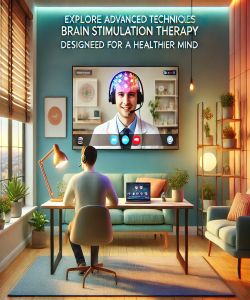
1. Overview of Brain Stimulation Therapy
Brain Stimulation Therapy (BST) represents a formidable and sophisticated class of medical interventions engineered to modulate neural activity for therapeutic purposes. It is a field predicated on the direct application of electrical or magnetic energy to specific regions of the brain, thereby altering dysfunctional circuits implicated in a range of severe neurological and psychiatric disorders. This approach fundamentally diverges from pharmacological methods by targeting aetiological mechanisms at the network level, rather than relying on systemic chemical distribution. BST encompasses both invasive modalities, which necessitate surgical implantation of electrodes for deep and precise targeting, and non-invasive techniques that deliver stimulation externally through the scalp. The core objective remains consistent: to restore normative brain function, alleviate debilitating symptoms, and enhance quality of life where conventional treatments have proven inadequate or have induced intolerable side effects. Its application is not speculative but is grounded in decades of rigorous neuroscientific research and clinical validation, positioning it as an indispensable component of modern therapeutic arsenals. As our understanding of neural circuitry deepens, the precision, efficacy, and scope of BST continue to expand, heralding a new epoch of targeted, individualised neuromodulation. It is, therefore, not merely an alternative but a critical and advancing frontier in the management of the most intractable conditions of the human brain, demanding uncompromising standards of clinical execution and patient selection to realise its profound potential. This is a domain of medicine where precision is paramount and the margin for error is non-existent, reflecting its power and its purpose.
2. What are Brain Stimulation Therapy?
Brain Stimulation Therapy (BST) comprises a group of advanced medical procedures designed to treat complex neurological and psychiatric conditions through the targeted modulation of brain activity. These therapies operate on the principle that by delivering controlled electrical or magnetic energy to specific neural circuits, it is possible to correct aberrant patterns of activity that underpin symptomatology. Unlike systemic treatments such as medication, BST provides a focal intervention, directly influencing the brain networks responsible for mood, cognition, and motor control. The therapies can be broadly categorised into two distinct classes. The first is invasive stimulation, which involves neurosurgical procedures to implant devices directly within the brain. This method allows for highly precise and continuous modulation of deep brain structures. The second, and more commonly discussed in accessible contexts, is non-invasive stimulation. These techniques are administered externally, without requiring any surgical breach of the cranium. They function by passing gentle electrical currents or generating magnetic fields that penetrate the scalp and skull to influence cortical excitability. The fundamental purpose of any BST is to induce neuroplastic changes—long-term alterations in brain function and connectivity—that outlast the stimulation period itself. This leads to sustained clinical improvement in conditions such as severe depression, chronic pain, and motor disorders. It is a clinical tool, not a wellness device, and its application is governed by strict diagnostic and procedural protocols to ensure both safety and therapeutic efficacy are upheld without compromise.
3. Who Needs Brain Stimulation Therapy?
- Individuals with Treatment-Resistant Major Depressive Disorder: This cohort includes patients who have failed to achieve a satisfactory clinical response from multiple, adequate trials of different classes of antidepressant medications, often in conjunction with psychotherapy. For these individuals, whose condition is profoundly debilitating and persistent, Brain Stimulation Therapy, particularly Transcranial Magnetic Stimulation (TMS) or Electroconvulsive Therapy (ECT), is not an elective but a necessary and often life-altering intervention to break the cycle of intractable depression.
- Patients with Certain Movement Disorders: Individuals diagnosed with Parkinson's disease, essential tremor, or dystonia who experience severe motor symptoms not adequately controlled by medication are prime candidates. Deep Brain Stimulation (DBS) is specifically indicated to manage tremors, rigidity, and dyskinesia, providing a level of functional restoration that pharmacological agents alone cannot deliver, thereby significantly improving autonomy and quality of life.
- Individuals Suffering from Severe Obsessive-Compulsive Disorder (OCD): When standard treatments, including serotonin reuptake inhibitors and intensive cognitive-behavioural therapy, have been exhausted without meaningful clinical improvement, BST offers a critical alternative. Both DBS and certain applications of TMS are utilised to target and disrupt the dysfunctional cortico-striato-thalamo-cortical circuits that perpetuate intrusive thoughts and compulsive behaviours.
- Patients with Intractable Epilepsy: For those whose seizures are not controlled by multiple anti-epileptic drugs, Vagus Nerve Stimulation (VNS) or Responsive Neurostimulation (RNS) are definitive therapeutic options. These therapies are designed to reduce seizure frequency and severity by modulating neural pathways involved in seizure generation and propagation, offering hope where other avenues have been closed.
- Individuals with Chronic, Neuropathic Pain Conditions: Patients experiencing severe and persistent pain syndromes that are refractory to conventional analgesic strategies may be considered for BST. Techniques such as motor cortex stimulation or spinal cord stimulation are employed to modulate the brain's perception of pain signals, providing significant relief where other methods have failed.
4. Origins and Evolution of Brain Stimulation Therapy
The conceptual foundations of Brain Stimulation Therapy (BST) are rooted in antiquity, with early historical records describing the use of electric fish from the Nile River to treat headaches and gout. However, the modern scientific era of neuromodulation began in earnest in the late 1930s with the work of Italian neurologists Ugo Cerletti and Lucio Bini. Seeking a more humane and effective treatment for severe psychiatric illness, they developed Electroconvulsive Therapy (ECT). Despite its controversial public perception, ECT represented a paradigm shift, demonstrating unequivocally that externally induced seizures could produce profound therapeutic benefits in conditions like catatonia and severe depression. For decades, ECT remained the principal form of BST, undergoing significant refinements to improve its safety and reduce cognitive side effects.
The latter half of the 20th century witnessed a technological and neuroscientific revolution that propelled the evolution of BST. The development of implantable pacemakers for the heart provided the engineering basis for similar devices for the brain. This culminated in the advent of Deep Brain Stimulation (DBS) and Vagus Nerve Stimulation (VNS) in the 1980s and 1990s. These techniques offered a more targeted and continuous form of modulation, moving away from the generalised seizure of ECT towards precise circuit-based intervention for movement disorders like Parkinson's disease and for epilepsy. This marked a critical transition from blunt instrument to neurosurgical precision.
The most recent evolutionary phase has been characterised by the rise of non-invasive BST techniques. Pioneered in the 1980s, Transcranial Magnetic Stimulation (TMS) leverages Faraday's principles of electromagnetic induction to focally stimulate cortical neurons without surgery. Concurrently, refined versions of Transcranial Electrical Stimulation (tES), such as transcranial Direct Current Stimulation (tDCS), have emerged as accessible and well-tolerated tools for modulating cortical excitability. This ongoing evolution is driven by advances in neuroimaging, allowing for ever-greater precision in targeting dysfunctional brain networks and tailoring interventions to the individual patient, firmly establishing BST as a dynamic and indispensable pillar of clinical neuroscience.
5. Types of Brain Stimulation Therapy
- Electroconvulsive Therapy (ECT): This is the progenitor of modern brain stimulation techniques. It involves the controlled induction of a brief, generalised seizure via the application of electrical currents to the scalp under general anaesthesia. Its primary and most effective application is in the management of severe, treatment-resistant major depressive disorder, catatonia, and acute mania.
- Transcranial Magnetic Stimulation (TMS): A non-invasive procedure that uses a powerful, focused magnetic field to induce a small electrical current in a specific region of the cerebral cortex. The magnetic coil is held against the scalp, and a series of magnetic pulses painlessly pass through the skull to stimulate the target neurons. It is principally used for treatment-resistant depression and obsessive-compulsive disorder.
- Deep Brain Stimulation (DBS): An invasive, neurosurgical procedure where electrodes are permanently implanted into specific deep brain structures. These electrodes are connected by a wire to a pulse generator, akin to a cardiac pacemaker, which is implanted in the chest. It delivers continuous, high-frequency electrical stimulation to targeted areas and is a standard treatment for advanced Parkinson's disease, essential tremor, dystonia, and severe OCD.
- Vagus Nerve Stimulation (VNS): A surgically implanted device that delivers intermittent electrical pulses to the vagus nerve in the neck. As the vagus nerve has extensive connections to brain regions involved in mood and seizure control, VNS is employed as an adjunctive therapy for treatment-resistant epilepsy and difficult-to-treat depression. It modulates brain activity indirectly via this peripheral nerve pathway.
- Transcranial Direct Current Stimulation (tDCS): A non-invasive technique that applies a constant, low-intensity direct electrical current to the scalp via two or more electrodes. This current is not strong enough to trigger action potentials but instead modulates the resting membrane potential of neurons, making them more or less likely to fire. It is investigated for depression, chronic pain, and cognitive rehabilitation.
6. Benefits of Brain Stimulation Therapy
- Efficacy in Treatment-Refractory Conditions: Its primary and most profound benefit is its demonstrated effectiveness in patients who have not responded to standard first-line and second-line treatments, including multiple pharmacological and psychotherapeutic interventions. It offers a viable and robust pathway to clinical improvement where other options have been exhausted.
- Targeted Neuromodulation: Unlike systemic medications that affect the entire body and brain, BST allows for the precise targeting of specific, dysfunctional neural circuits. This focality enhances therapeutic action on the intended brain region while minimising off-target effects, leading to a more favourable side-effect profile compared to many high-dose medication regimens.
- Non-Pharmacological Mechanism of Action: For individuals who cannot tolerate or are unwilling to take psychiatric medications due to side effects, metabolic consequences, or personal preference, BST provides a potent alternative. Its mechanism is based on physics and neurophysiology, not biochemistry, offering a completely different approach to treatment.
- Induction of Durable Neuroplastic Changes: The therapeutic effects of BST are not merely transient. The treatment protocols are designed to induce lasting changes in synaptic strength and neural connectivity—a phenomenon known as neuroplasticity. This can lead to sustained remission and long-term functional recovery that persists long after the treatment course has concluded.
- Rapid Onset of Action for Certain Conditions: In cases of severe, life-threatening conditions such as acute suicidal depression or catatonia, certain forms of BST, particularly ECT, can produce a clinical response far more rapidly than any available medication. This speed of action can be life-saving and is a critical advantage in crisis situations.
- Improved Functionality and Quality of Life: The ultimate benefit is a tangible and significant improvement in a patient's daily functioning and overall quality of life. By alleviating debilitating symptoms of depression, anxiety, motor dysfunction, or pain, BST empowers individuals to re-engage with work, family, and social activities.
7. Core Principles and Practices of Brain Stimulation Therapy
- The Principle of Neuroplasticity: The fundamental tenet underpinning all BST is that the brain is not a static organ. Its function and structure can be modified through experience and external stimuli. BST protocols are explicitly designed to harness this neuroplasticity, applying targeted energy to induce durable, therapeutic changes in synaptic efficiency and neural network connectivity. The goal is not temporary symptom suppression but long-term network reorganisation.
- The Principle of Focal Targeting: Effective therapy demands precision. A core principle is the accurate identification and engagement of specific brain circuits implicated in the pathophysiology of the target disorder. This is achieved through rigorous neuroanatomical and functional mapping, whether using advanced imaging for non-invasive techniques or stereotactic neurosurgery for invasive methods. The practice is to maximise energy delivery to the target while minimising exposure to surrounding, healthy tissue.
- The Principle of Dose-Response Relationship: The parameters of stimulation—including intensity, frequency, duration, and pattern—constitute a therapeutic "dose." There exists a complex, non-linear relationship between this dose and the clinical outcome. The practice involves meticulous titration of these parameters for each individual, based on established protocols and real-time physiological feedback, to find the optimal balance between efficacy and safety. A suboptimal dose is ineffective; an excessive dose is unsafe.
- Uncompromising Patient Selection and Screening: A non-negotiable practice is the rigorous assessment of potential candidates. This involves a comprehensive diagnostic evaluation, a review of prior treatment history to confirm treatment-resistance, a detailed medical and neurological examination to rule out contraindications (e.g., metallic implants, seizure history for certain techniques), and a thorough informed consent process. Not all individuals are suitable, and selection must be clinically disciplined.
- Strict Adherence to Safety Protocols: Safety is paramount and non-discretionary. Practices include the use of medically certified and regularly maintained equipment, adherence to evidence-based treatment protocols, continuous monitoring of the patient's physiological and psychological state during and after sessions, and having a robust, pre-planned response strategy for any potential adverse events. There is no room for improvisation.
8. Online Brain Stimulation Therapy
- Accessibility and Convenience: The foremost advantage of online Brain Stimulation Therapy, specifically using remotely supervised non-invasive techniques like tDCS, is the radical improvement in accessibility. It dismantles geographical and logistical barriers, enabling patients in remote locations or those with mobility impairments to receive consistent, high-quality care without the onerous requirement of daily travel to a specialised clinic.
- Continuity and Adherence: By delivering treatment directly in the patient’s home, online models significantly enhance protocol adherence. The logistical burdens of attending in-person appointments are a major cause of treatment dropout. An online framework facilitates the completion of intensive, multi-week protocols, which is critical for achieving the cumulative neuroplastic effects required for a robust and lasting therapeutic response.
- Requirement for Robust Remote Supervision: Online delivery is not an unsupervised, do-it-yourself activity. It mandates a sophisticated telehealth infrastructure where a qualified clinician remotely supervises the entire session in real-time. This includes guiding the patient through correct electrode placement, remotely controlling the stimulation device, monitoring for any adverse effects via video link, and ensuring protocol fidelity. This practice is non-negotiable for safety and efficacy.
- Limited to Specific Modalities: It must be unequivocally stated that online BST is currently restricted to certain non-invasive techniques, primarily tDCS. More potent or complex modalities such as TMS, ECT, or any form of invasive stimulation (DBS, VNS) are fundamentally incompatible with a remote delivery model due to their hardware requirements, risk profile, and need for direct medical oversight and anaesthesia.
- Emphasis on Patient Training and Competence: The success of the online model is contingent upon the patient's ability to correctly perform certain procedural steps. Therefore, a mandatory and rigorous training programme is required before treatment commences. The patient must demonstrate competence in tasks such as preparing the scalp, placing electrodes using a guided system, and operating the basic user interface of the device under clinical guidance.
9. Brain Stimulation Therapy Techniques
- Step One: Comprehensive Assessment and Treatment Planning: The process begins with a rigorous diagnostic evaluation by a qualified clinician. This confirms the diagnosis, establishes treatment-resistance based on prior therapeutic failures, and screens for any contraindications. Using clinical and sometimes neuroimaging data, a precise treatment plan is formulated, specifying the BST modality, target brain location, and the required stimulation parameters (frequency, intensity, duration, and number of sessions). This stage is foundational and dictates the entire course of therapy.
- Step Two: Target Localisation and System Calibration: For non-invasive techniques like TMS, this step involves mapping the patient’s brain to precisely locate the target cortical area, such as the dorsolateral prefrontal cortex. This is often achieved by identifying the motor cortex and calculating the target location based on established measurements. The stimulation intensity is then calibrated by determining the individual’s motor threshold—the minimum intensity required to produce a motor response. This ensures the therapeutic dose is tailored to the patient’s unique neurophysiology.
- Step Three: The Stimulation Session: The patient is positioned comfortably. For non-invasive techniques, the device (e.g., TMS coil or tDCS electrodes) is placed securely on the scalp over the predetermined target area. For invasive techniques, the implanted neurostimulator is programmed by the clinician. The stimulation protocol is then initiated. Throughout the session, the patient is monitored for comfort and any adverse effects. The clinician ensures the equipment functions correctly and the stimulation is delivered exactly as prescribed in the treatment plan.
- Step Four: The Course of Treatment: A single session is insufficient. The technique involves a prescribed series of sessions, typically administered on a daily or near-daily basis for several weeks. This repetitive application is critical for inducing the cumulative neuroplastic changes that underpin the long-term therapeutic effect. Consistency and adherence to this schedule are mandatory for a successful outcome.
- Step Five: Post-Treatment Monitoring and Maintenance: Following the completion of the acute course of therapy, the patient's clinical progress is formally assessed. For responders, a maintenance strategy may be implemented, involving less frequent "booster" sessions to sustain the therapeutic gains. This phase involves ongoing clinical follow-up to monitor for any recurrence of symptoms and to manage the patient's long-term well-being.
10. Brain Stimulation Therapy for Adults
Brain Stimulation Therapy for adults represents a definitive and powerful set of clinical interventions for individuals grappling with severe and often treatment-refractory neuropsychiatric conditions. Its application is not undertaken lightly but is reserved for cases where standard pharmacological and psychotherapeutic approaches have proven insufficient, leaving the patient with a significant burden of disease and functional impairment. For the adult population, these therapies address a spectrum of disorders that peak in or persist through adulthood, including major depressive disorder, obsessive-compulsive disorder, and epilepsy, as well as neurodegenerative conditions such as Parkinson's disease. The rationale for use in adults is grounded in a mature understanding of risk versus benefit. An adult patient typically possesses a well-documented history of treatment failures and a stable diagnosis, providing a clear and compelling justification for escalating to a more intensive and targeted modality like BST. Furthermore, the adult brain, while still plastic, has a more established network architecture, allowing for more predictable targeting of the dysfunctional circuits responsible for the illness. The implementation of BST in adults is governed by uncompromising clinical protocols that demand a thorough assessment of cognitive and medical fitness, ensuring the individual can provide informed consent and tolerate the procedure. It is a testament to the resilience of modern medicine, offering a tangible prospect of recovery and functional restoration to adults who might otherwise face a lifetime of unmanaged, debilitating illness. This is not experimental; it is an evidence-based standard of care for the most challenging cases.
11. Total Duration of Online Brain Stimulation Therapy
The nominal duration for a single, active session of online Brain Stimulation Therapy is precisely defined and must be strictly adhered to, typically encompassing a period of up to 1 hr. This one-hour timeframe is not arbitrary but is a carefully structured allocation of time designed to ensure safety, procedural fidelity, and clinical efficacy within a remote setting. The session commences with a mandatory pre-stimulation phase, involving a real-time video consultation with the supervising clinician to confirm the patient’s identity, review their clinical status, and verbally guide them through the preparatory steps. This includes preparing the scalp and correctly positioning the stimulation headset, a process that requires meticulous attention to detail and is confirmed visually by the clinician. Following this setup, the active stimulation itself is initiated, with the duration of the energy delivery being determined by the specific evidence-based protocol for the patient’s condition. This active phase is the core of the treatment but constitutes only a portion of the total one-hour appointment. The subsequent period is dedicated to post-stimulation monitoring, where the clinician observes the patient for any immediate side effects and engages in a debriefing to document the patient's experience. This entire, rigorously managed one-hour block is then repeated over a proscribed course, often daily for several weeks, to achieve a cumulative therapeutic outcome. The one-hour boundary for each remote appointment is therefore a critical operational parameter, ensuring that every necessary clinical and safety checkpoint is met without exception for every single treatment delivered.
12. Things to Consider with Brain Stimulation Therapy
Engaging with Brain Stimulation Therapy demands a serious and thorough consideration of several critical factors, as this is a significant medical undertaking, not a trivial or elective procedure. Firstly, patient selection is paramount; these therapies are not a panacea and are indicated only for specific, often severe and treatment-refractory, conditions. A definitive and accurate diagnosis, alongside a documented history of inadequate response to standard treatments, is a non-negotiable prerequisite. Secondly, one must comprehensively understand the distinction between the different modalities available. The commitment, risk profile, and therapeutic target of an invasive neurosurgical procedure like Deep Brain Stimulation are fundamentally different from those of a non-invasive, office-based technique like Transcranial Magnetic Stimulation. This choice is not a matter of preference but is dictated by clinical necessity and evidence. Thirdly, a realistic appraisal of potential outcomes and timelines is imperative. While BST can be profoundly effective, results are not instantaneous and a full course of treatment, often spanning several weeks, is required to achieve a durable effect. Maintenance therapy may also be necessary. Furthermore, potential side effects, although generally manageable and often less severe than those of systemic medications, must be understood and accepted. Finally, the logistical and personal commitment must be acknowledged. A course of BST requires strict adherence to a demanding schedule of appointments, which represents a significant investment of time and energy. A prospective patient must be prepared to fully commit to the protocol to derive its full, intended benefit.
13. Effectiveness of Brain Stimulation Therapy
The effectiveness of Brain Stimulation Therapy is not a matter of conjecture but is substantiated by a vast and growing body of rigorous scientific evidence and extensive clinical application. Its utility is most pronounced in patient populations for whom conventional treatments have failed, positioning BST as a critical tool for managing treatment-refractory disorders. For severe depression, modalities such as Electroconvulsive Therapy (ECT) and Transcranial Magnetic Stimulation (TMS) demonstrate robust response and remission rates, often succeeding where multiple antidepressant medications have proven ineffective. In the domain of movement disorders, the efficacy of Deep Brain Stimulation (DBS) for advanced Parkinson’s disease and essential tremor is unequivocal, providing profound and sustained improvements in motor function, tremor control, and overall quality of life that are unachievable with pharmacotherapy alone. The effectiveness is contingent upon several factors: accurate patient diagnosis, precise targeting of the relevant neural circuitry, and the meticulous application of a validated treatment protocol. It is not a universally effective solution, and a subset of patients will not respond. However, for appropriately selected individuals, BST can be transformative, moving a patient from a state of profound disability to one of high functionality. The therapy's success is measured not only by the reduction of primary symptoms but also by the restoration of personal, social, and occupational engagement. Therefore, its effectiveness must be judged within its intended context—as a powerful, evidence-based intervention for the most challenging clinical presentations in neurology and psychiatry.
14. Preferred Cautions During Brain Stimulation Therapy
The administration of Brain Stimulation Therapy demands an environment of uncompromising caution and rigorous adherence to safety protocols. It is imperative that a thorough pre-treatment screening is executed to identify and exclude any individuals with absolute contraindications. For magnetic or electrical stimulation, this includes the presence of any metallic implants in or near the head, such as cochlear implants, aneurysm clips, or shrapnel, which could be displaced or heated by the applied energy. A history of seizures or an underlying neurological condition that lowers the seizure threshold requires extreme caution and may preclude the use of certain excitatory protocols. During the procedure itself, continuous and vigilant monitoring of the patient's status is not optional; it is a mandatory requirement. Clinicians must be alert for any signs of discomfort, pain, or adverse neurological events, however minor, and must be prepared to immediately suspend treatment. The stimulation parameters must never be altered in an ad-hoc manner but must strictly follow the prescribed, evidence-based protocol. Any deviation introduces unacceptable risk. Post-session, patients should be observed for a sufficient period to ensure they are stable and to manage any immediate, transient side effects like headache or scalp discomfort. Furthermore, patients must be explicitly counselled on potential cognitive side effects or other risks associated with their specific form of therapy and instructed to report any delayed or unusual symptoms without hesitation. This disciplined and cautious approach is fundamental to ensuring patient safety and maintaining the integrity of the treatment.
15. Brain Stimulation Therapy Course Outline
- Module 1: Foundational Principles of Neuromodulation
- Introduction to Clinical Neuroscience and Neural Circuits.
- The Pathophysiology of Target Disorders (e.g., Depression, OCD, Parkinson's).
- The Core Concept of Neuroplasticity and its Therapeutic Application.
- History and Evolution of Brain Stimulation Techniques.
- Module 2: Modalities of Brain Stimulation Therapy: Invasive Techniques
- Deep Brain Stimulation (DBS): Principles, Hardware, and Surgical Procedure.
- Vagus Nerve Stimulation (VNS): Mechanism, Implantation, and Programming.
- Responsive Neurostimulation (RNS) for Epilepsy.
- Patient Selection, Pre-Surgical Evaluation, and Risk Management for Invasive BST.
- Module 3: Modalities of Brain Stimulation Therapy: Non-Invasive Techniques
- Electroconvulsive Therapy (ECT): Modern Practice, Anaesthesia, and Clinical Indications.
- Transcranial Magnetic Stimulation (TMS): Biophysics, Coil Types, and Protocols.
- Transcranial Electrical Stimulation (tES), including tDCS: Mechanisms and Applications.
- Safety Screening and Contraindications for Non-Invasive BST.
- Module 4: Clinical Application and Protocol Management
- Patient Assessment, Diagnosis, and Treatment Planning.
- Techniques for Target Localisation (Motor Threshold Determination, Neuro-navigation).
- Administering a Treatment Session: A Step-by-Step Practical Guide.
- Managing Side Effects and Adverse Events.
- Module 5: Advanced Topics and Future Directions
- Integrating BST with Psychotherapy and Pharmacotherapy.
- The Role of Neuroimaging in Guiding and Personalising BST.
- Ethical Considerations and Informed Consent in Brain Stimulation.
- Emerging Techniques and the Future Landscape of Neuromodulation.
- Module 6: Practical and Regulatory Frameworks (Online Focus)
- Implementing a Remote BST Service: Technology and Infrastructure.
- Remote Supervision Protocols and Patient Training.
- Data Security, Privacy, and Regulatory Compliance in Telehealth.
- Final Assessment: Case Studies and Protocol Design Examination.
16. Detailed Objectives with Timeline of Brain Stimulation Therapy
- Weeks 1-2: Induction and Initial Response Phase:
- Objective: To initiate the therapeutic process and achieve early signs of clinical response. This phase consists of daily treatment sessions (five days per week).
- Timeline Actions: The primary objective is to complete the first block of intensive stimulation sessions, meticulously following the prescribed protocol. Clinicians will assess for initial tolerance of the therapy and monitor for any immediate side effects. Patient response is tracked using standardised clinical rating scales, though significant improvement is not always expected at this early stage. The focus is on procedural consistency and patient acclimatisation.
- Weeks 3-4: Consolidation and Therapeutic Effect Phase:
- Objective: To build upon the initial sessions to produce a robust and clinically meaningful reduction in symptoms. The daily treatment schedule is continued.
- Timeline Actions: By this point, the cumulative effects of the stimulation should begin to manifest as a clear improvement on clinical measures. The objective is to achieve at least a significant response, or ideally, clinical remission. Progress is formally evaluated weekly. The treatment protocol remains fixed unless there is a complete lack of response, at which point a re-evaluation may be triggered.
- Weeks 5-6: Completion of Acute Course and Remission Assessment:
- Objective: To complete the standard acute course of therapy and formally determine the patient's final response status.
- Timeline Actions: The final sessions of the intensive phase are administered. At the conclusion of this period, a comprehensive reassessment is conducted. The objective is to confirm whether the patient has met the criteria for remission. Based on this outcome, a decision is made regarding the next steps in the patient's care plan.
- Month 2-3: Tapering and Durability Phase:
- Objective: For patients who have achieved remission, the objective is to transition from acute treatment to a less frequent schedule to maintain the therapeutic gains and prevent relapse.
- Timeline Actions: The frequency of sessions is gradually reduced (e.g., from five times a week to three, then two, then one). This tapering schedule is crucial for stabilising the induced neuroplastic changes. The patient continues to be monitored closely for any signs of symptom return.
- Months 4+: Maintenance and Long-Term Follow-Up:
- Objective: To establish a long-term, sustainable maintenance plan that preserves the treatment benefits indefinitely.
- Timeline Actions: A stable, long-term maintenance schedule is established, which may involve intermittent booster sessions at a low frequency (e.g., monthly). The objective is sustained wellness and functionality. Regular follow-up appointments are scheduled to proactively manage the patient’s condition.
17. Requirements for Taking Online Brain Stimulation Therapy
- Confirmed Clinical Indication: The individual must have a formal diagnosis of a condition for which remotely supervised BST is an evidence-based and approved treatment. This must be established by a qualified medical professional, alongside documented proof of treatment-resistance to conventional therapies.
- Absence of Absolute Contraindications: A rigorous screening process is mandatory. The individual must be free of any conditions that would render the therapy unsafe. This includes, but is not limited to, having no history of seizures, no implanted metallic or electronic devices in the head, and not being pregnant.
- Stable and Private Treatment Environment: The patient must have access to a secure, private, and quiet location in their home where they can undergo treatment sessions without interruption. This environment is necessary to ensure focus, confidentiality, and the safe administration of the therapy.
- Reliable High-Speed Internet Connection: A stable, high-bandwidth internet connection is non-negotiable. The online model depends entirely on an uninterrupted, clear audio-visual link between the patient and the supervising clinician for real-time monitoring, guidance, and device control. Intermittent or slow connectivity presents an unacceptable safety and operational risk.
- Technical Competence and Appropriate Hardware: The patient must possess a computer or tablet that meets the minimum technical specifications required by the telehealth platform. They must also demonstrate basic technological literacy and the cognitive and physical ability to follow multi-step instructions for setting up the equipment under remote guidance.
- Commitment to the Full Treatment Protocol: The individual must understand and consent to adhering to the full, prescribed course of treatment. This includes attending all scheduled remote sessions punctually and participating actively in the required training and monitoring processes. Sporadic engagement will render the therapy ineffective.
- Access to Local Emergency Services: The patient must be able to confirm their physical location at the start of each session and have a clear plan for how to contact local emergency medical services in the highly unlikely event of a medical emergency.
18. Things to Keep in Mind Before Starting Online Brain Stimulation Therapy
Before commencing any course of online Brain Stimulation Therapy, it is imperative to adopt a mindset of rigorous diligence and realistic expectation. This is not a passive or simple undertaking; it is an active and demanding clinical partnership. You must first internalise that this remote modality is restricted to specific non-invasive techniques and is only appropriate after a thorough clinical evaluation has confirmed your candidacy and ruled out all contraindications. Your role in the process is active, not passive. You will be responsible for the correct application of the equipment under exacting remote supervision, and your competence and attention to detail are paramount for the therapy’s success and your own safety. It is critical to understand that the convenience of home-based treatment is balanced by a profound need for personal responsibility and adherence to a strict, repetitive schedule. The therapeutic benefits are cumulative and contingent on completing the entire, multi-week protocol without deviation. You must therefore assess your own capacity to commit to this demanding schedule. Furthermore, you must ensure your home environment is stable, private, and equipped with the requisite robust technology, as any failure in this domain will compromise the integrity of the treatment. Finally, while online BST is a powerful tool, it is not a guaranteed cure. You must enter the process with an informed understanding of the potential benefits, the possible side effects, and the statistical probabilities of success, as discussed transparently with your clinician.
19. Qualifications Required to Perform Brain Stimulation Therapy
The performance of Brain Stimulation Therapy is restricted to highly qualified and appropriately credentialed medical professionals; it is unequivocally not a procedure for technicians or allied health staff to conduct autonomously. The overarching responsibility for prescribing, overseeing, and managing the treatment course must lie with a medical doctor, specifically a consultant psychiatrist or neurologist, who holds a full, unrestricted license to practise medicine. This physician must possess postgraduate specialisation and board certification in their respective field. Beyond this foundational qualification, specific expertise in the field of neuromodulation is mandatory. This requires:
- Advanced Fellowship Training: Completion of a dedicated clinical fellowship in neuromodulation, interventional psychiatry, or a related subspecialty. This provides hands-on, supervised experience with the specific BST modalities.
- Device-Specific Certification: For each specific technique (e.g., a particular manufacturer's TMS or DBS system), clinicians must undergo and pass a rigorous training and certification programme provided by the device manufacturer. This ensures they are competent in the safe and effective operation of the specific hardware and software.
- Demonstrable Clinical Experience: A substantial record of clinical practice in the field is required, showing extensive experience in patient selection, treatment planning, target localisation, protocol administration, and the management of side effects and non-responders.
- Continuing Medical Education: A commitment to ongoing professional development is essential to remain current with the rapidly evolving research, guidelines, and technological advancements in the field of brain stimulation.
For online delivery, the supervising clinician must meet all the above criteria, with additional certified training in telehealth best practices, including remote safety protocols and data security. The execution of the therapy demands a synthesis of profound medical knowledge, technical skill, and clinical judgement that can only be cultivated through this intensive and specialised training pathway.
20. Online Vs Offline/Onsite Brain Stimulation Therapy
Online
Online Brain Stimulation Therapy refers to the remote administration of specific, non-invasive techniques, predominantly transcranial Direct Current Stimulation (tDCS). Its primary distinction lies in its delivery model. The patient is located at home, using a prescribed medical device that is controlled and monitored in real-time by a qualified clinician via a secure telehealth platform. The defining advantage is accessibility; it eradicates geographical barriers and reduces the logistical burden of daily travel to a clinic, thereby enhancing treatment adherence. However, this model is inherently limited. It is only suitable for lower-intensity, non-invasive modalities with an exceptional safety profile. The reliance on patient cooperation for setup, combined with the dependency on robust internet connectivity, introduces variables not present in a clinical setting. Safety is managed through strict protocols and real-time supervision, but the clinician's ability to physically intervene is non-existent. The online model prioritises convenience and access for specific, well-vetted applications of BST.
Offline/Onsite
Offline, or onsite, therapy is the conventional and most established model, conducted entirely within a controlled clinical environment such as a hospital or specialised outpatient centre. This setting is mandatory for all invasive modalities (DBS, VNS) and for higher-intensity non-invasive techniques like TMS and ECT, which require direct medical supervision, complex equipment, and, in the case of ECT, general anaesthesia. The key differentiator is the level of direct clinical control and the immediate availability of medical support. Clinicians perform all procedural steps, from patient preparation to equipment operation, ensuring maximum precision and fidelity. Any adverse event can be managed instantly by the co-located medical team. While this model imposes significant logistical demands on the patient, it offers the highest level of safety, control, and access to the full spectrum of available BST technologies. The onsite model prioritises clinical control, safety, and the capacity to deliver the most potent forms of neuromodulation.
21. FAQs About Online Brain Stimulation Therapy
Question 1. Is online Brain Stimulation Therapy safe? Answer: Yes, when conducted under strict protocols. It is limited to non-invasive techniques with a high safety profile, and every session is supervised in real-time by a qualified clinician who controls the device remotely.
Question 2. What specific type of therapy is used online? Answer: The most common form is transcranial Direct Current Stimulation (tDCS), which uses a low-intensity current. More powerful treatments like TMS or ECT cannot be performed online.
Question 3. Do I operate the equipment myself? Answer: You will place the headset on your head following precise instructions from the remote clinician, but the clinician initiates, monitors, and terminates the stimulation from their location. You do not control the dose.
Question 4. Who is eligible for online therapy? Answer: Eligibility is determined by a clinician. It is for patients with a confirmed diagnosis (e.g., depression) who have no contraindications, such as a history of seizures or metallic head implants.
Question 5. Is it as effective as in-person therapy? Answer: For the specific modalities it employs (like tDCS), clinical studies show that remotely supervised therapy can be as effective as in-clinic sessions, provided there is high adherence to the protocol.
Question 6. What technology do I need? Answer: You need the prescribed medical stimulation device, a computer or tablet with a webcam, and a stable, high-speed internet connection.
Question 7. What if my internet connection fails during a session? Answer: The devices are designed with safety fail-safes. The stimulation will automatically and safely terminate if the connection to the clinician is lost.
Question 8. Is the treatment painful? Answer: Patients typically report a mild tingling, itching, or warming sensation under the electrodes, which usually subsides. It is not considered painful.
Question 9. Who supervises my session? Answer: A qualified, trained clinician or medical professional specifically certified in delivering remote neuromodulation supervises the entire session via a secure video link.
Question 10. How long is a typical session? Answer: The entire appointment, including setup, stimulation, and debriefing, is structured to last up to one hour.
Question 11. How many sessions will I need? Answer: A standard course involves daily sessions, five days a week, for a period of several weeks, followed by a tapering or maintenance phase.
Question 12. Are there any side effects? Answer: The most common side effects are transient and mild, including headache, scalp redness, or dizziness immediately following the session. Serious side effects are extremely rare.
Question 13. Can I do other activities during the stimulation? Answer: No. You must be fully engaged with the remote clinician and not distracted by other tasks to ensure safety and monitoring.
Question 14. How is my privacy protected? Answer: All interactions are conducted over a secure, encrypted telehealth platform that is compliant with medical data privacy regulations.
Question 15. What if I have a problem with the headset? Answer: The clinician will guide you through troubleshooting in real-time. You are trained on the basic functions before starting treatment.
Question 16. What happens if I am not a suitable candidate? Answer: If the clinical assessment determines you are not suitable for the online model, your clinician will discuss alternative, in-person treatment options with you.
22. Conclusion About Brain Stimulation Therapy
In conclusion, Brain Stimulation Therapy constitutes a legitimate, powerful, and indispensable pillar of modern medicine for the management of severe and treatment-resistant neurological and psychiatric disorders. It is not a fringe or speculative approach but a field grounded in decades of rigorous neuroscientific research and validated by extensive clinical practice. Its strength lies in its unique mechanism of action—the direct, targeted modulation of dysfunctional neural circuits—which offers a potent alternative or adjunct to conventional pharmacotherapy. The diversity of its modalities, from non-invasive techniques like TMS to surgically implanted devices like DBS, allows for a tailored approach, matching the intensity and precision of the intervention to the severity and nature of the clinical condition. The evolution towards remotely supervised online models for certain techniques signifies a commitment to improving accessibility and adherence, though this convenience must always be balanced by uncompromising standards of safety and clinical oversight. Ultimately, BST represents a triumph of translational neuroscience, providing tangible hope and functional restoration to individuals with some of the most challenging and debilitating illnesses. Its continued refinement, guided by advances in neuroimaging and a deeper understanding of brain networks, ensures that its role and efficacy will only continue to grow, solidifying its position as a critical tool in the clinical arsenal.