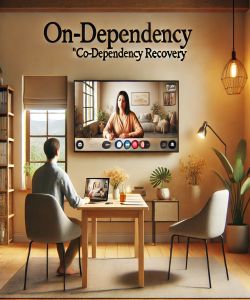
1. Overview of Co-dependency Recovery
Co-dependency recovery is a rigorous and structured psychological process designed to dismantle the dysfunctional relational patterns that define the co-dependent state. It is not merely a set of coping strategies but a fundamental re-engineering of an individual's internal framework, moving them from a position of externally referenced validation to one of intrinsic self-worth and autonomy. The core pathology addressed is the compulsive need to manage, control, or rescue another individual, often to the severe detriment of one's own emotional, psychological, and even physical well-being. This process mandates an uncompromising confrontation with deeply ingrained behaviours, including enabling, poor boundary enforcement, and a pervasive fear of abandonment. Recovery requires the individual to systematically identify these self-defeating patterns, understand their origins—frequently rooted in dysfunctional family systems or past trauma—and actively cultivate new, healthy modes of relating. It is an arduous journey towards reclaiming a sense of self that has been eroded or was never fully developed. The ultimate objective is not to eschew relationships, but to engage in them from a position of strength, equality, and mutual respect, a state known as healthy interdependence. This transformative work necessitates profound personal accountability, emotional honesty, and a sustained commitment to prioritising one's own needs and mental health as a non-negotiable foundation for all interactions. The process is inherently challenging, forcing individuals to navigate the discomfort of change and the potential resistance from those accustomed to the previous dysfunctional dynamic. It is, unequivocally, a reclamation of personal sovereignty.
2. What are Co-dependency Recovery?
Co-dependency recovery constitutes a multi-faceted and disciplined approach aimed at correcting the maladaptive behaviours, thought processes, and emotional responses characteristic of co-dependency. It is fundamentally a programme of re-education and behavioural modification that empowers an individual to cease deriving their sense of identity and well-being from the approval or needs of another person. This recovery is not a singular event but a sustained process of profound internal change.
At its core, co-dependency recovery is:
- A Process of Identification and Acknowledgement: The initial and most critical phase involves the unequivocal recognition of co-dependent traits. This includes an honest inventory of enabling behaviours, a tendency towards excessive caretaking, a pattern of suppressing one's own needs and emotions, and an obsessive focus on the problems of others. Without this unvarnished self-assessment, no meaningful progress is possible.
- A Framework for Establishing Boundaries: Recovery provides the tools and principles necessary to construct and enforce robust personal boundaries. This is the mechanism by which individuals learn to protect their psychological, emotional, and physical space, distinguishing their own responsibilities from the responsibilities of others. It involves learning to say 'no' without guilt and to detach from situations that are emotionally destructive.
- A Journey Towards Emotional Autonomy: A central pillar of the recovery process is the cultivation of emotional independence. This requires individuals to learn to source their validation, security, and sense of worth from within, rather than relying on external relationships. It involves developing the capacity to self-soothe, manage difficult emotions without resorting to controlling others, and build a resilient sense of self.
- A Re-evaluation of Relational Dynamics: Co-dependency recovery fundamentally challenges and redefines an individual’s understanding of a healthy relationship. It dismantles the belief that love is synonymous with self-sacrifice and control, replacing it with a model of interdependence based on mutual respect, honesty, and individual sovereignty.
3. Who Needs Co-dependency Recovery?
- Individuals who consistently find themselves in tumultuous, one-sided, or abusive relationships where they assume the role of rescuer, fixer, or martyr. Their relational history is marked by a pattern of attracting and remaining with partners who are emotionally unavailable, addicted, or otherwise dysfunctional.
- Persons who experience chronic and pervasive difficulty in identifying and expressing their own feelings, needs, and desires. They have learned to suppress their authentic selves to maintain relational harmony or avoid conflict, leading to a diminished sense of identity and purpose.
- Adults who were raised in dysfunctional family environments, particularly those with parents who were addicted, mentally or physically ill, or emotionally immature. These individuals often learned that their value was contingent upon their ability to care for a parent or manage the family’s emotional climate.
- Professionals in caregiving roles, such as nurses, therapists, or social workers, who find their professional duty of empathy bleeding into their personal lives, resulting in an inability to set boundaries, extreme burnout, and a compulsive need to ‘save’ people outside of their professional capacity.
- Individuals who exhibit an extreme and debilitating fear of abandonment or rejection. This fear drives them to engage in people-pleasing, tolerate unacceptable behaviour, and sacrifice their own values and well-being to prevent a person from leaving them.
- Anyone who feels an obsessive sense of responsibility for the actions, feelings, and choices of other adults. They internalise the problems of others as their own, experiencing high levels of anxiety, stress, and guilt when they are unable to control or fix another person’s circumstances.
- People who derive their primary sense of self-worth from being needed by another. Their identity is so enmeshed with their role as a caretaker that the prospect of the other person becoming independent or self-sufficient provokes a crisis of purpose and intense anxiety.
4. Origins and Evolution of Co-dependency Recovery
The concept of co-dependency, while now a widely recognised term in psychological discourse, has a distinct and traceable evolution. Its origins are deeply embedded within the addiction recovery movement of the mid-twentieth century, specifically within the framework of Alcoholics Anonymous (AA) and its associated family groups, Al-Anon and Alateen. Early pioneers in these fellowships observed a consistent set of dysfunctional behavioural patterns in the spouses and children of alcoholics. These behaviours, characterised by enabling, controlling, and an obsessive focus on the addict, were initially termed "co-alcoholism." This nascent understanding posited that the non-addicted family members were not merely passive victims but active, albeit unwitting, participants in the perpetuation of the addictive system.
The term "co-dependency" gained significant public traction and a broader definition in the 1980s, largely propelled by the popular psychology movement. Authors and therapists began to realise that the constellation of behaviours seen in the families of alcoholics was also present in individuals from other types of dysfunctional family systems—those marked by chronic illness, mental health disorders, or emotional neglect. The concept was thus expanded beyond its roots in addiction to describe a more generalised relational pathology. This period saw the publication of seminal works that brought co-dependency into the mainstream consciousness, framing it as a standalone condition rooted in a loss of self.
In subsequent decades, the concept has undergone further refinement within clinical and therapeutic communities. While some critics initially dismissed co-dependency as an oversimplified or pathologising label, the psychiatric and psychological professions have increasingly acknowledged the validity of the underlying relational dynamics. Modern therapeutic approaches have integrated the core tenets of co-dependency recovery with established modalities such as Cognitive Behavioural Therapy (CBT), psychodynamic theory, and attachment theory. This evolution has shifted the focus from a simplistic label to a nuanced understanding of a complex pattern of relational trauma, attachment disruption, and maladaptive coping mechanisms, ensuring its continued relevance and therapeutic utility.
5. Types of Co-dependency Recovery
The approaches to co-dependency recovery are varied, yet they all converge on the central goal of restoring personal autonomy and fostering healthy relational patterns. The principal types of recovery are distinguished by their methodology, structure, and theoretical underpinnings.
- Twelve-Step Facilitation (TSF) Programmes: This is the foundational model from which the concept of co-dependency recovery emerged. Programmes such as Co-Dependents Anonymous (CoDA) utilise the twelve steps, adapted from Alcoholics Anonymous, as a structured spiritual and psychological framework for recovery. The process involves admitting powerlessness, seeking guidance from a Higher Power (as understood by the individual), conducting a searching moral inventory, making amends, and carrying the message of recovery to others. This model is peer-led and emphasises community support and shared experience.
- Psychotherapeutic Interventions: This type involves working directly with a qualified mental health professional, such as a psychologist, psychotherapist, or licensed counsellor. The therapeutic modalities employed can vary significantly and may include:
- Cognitive Behavioural Therapy (CBT): Focuses on identifying and challenging the distorted thought patterns and core beliefs that drive co-dependent behaviours.
- Psychodynamic Therapy: Explores the developmental origins of co-dependency, often tracing patterns back to early childhood experiences and family dynamics.
- Family Systems Therapy: Views co-dependency as a symptom of a dysfunctional family system and works to change the dynamics within the relational unit itself.
- Dialectical Behaviour Therapy (DBT): Provides skills for emotional regulation, distress tolerance, and interpersonal effectiveness, which are critical for overcoming co-dependent tendencies.
- Psychoeducational Groups and Workshops: These are structured, time-limited programmes designed to educate individuals about the nature of co-dependency. Led by a professional facilitator, they provide information on topics such as boundary setting, healthy communication, attachment styles, and the cycle of enabling. The focus is less on deep emotional processing and more on providing practical knowledge and skills that participants can apply in their lives.
- Holistic and Integrative Approaches: This type of recovery acknowledges the connection between mind, body, and spirit. It combines traditional talk therapy or TSF principles with complementary practices such as mindfulness, meditation, yoga, or somatic experiencing. The objective is to address the trauma and emotional dysregulation stored in the body, promoting a more integrated and embodied sense of self and well-being.
6. Benefits of Co-dependency Recovery
- The Establishment of Robust Personal Boundaries: Individuals learn to define, communicate, and maintain clear psychological, emotional, and physical limits. This puts an end to the chronic pattern of being over-extended, taken advantage of, and feeling responsible for the problems of others.
- Cultivation of Authentic Self-Worth: Recovery dismantles the faulty belief that one’s value is contingent upon being needed or approved of by others. It fosters a resilient sense of intrinsic self-worth that is not dependent on external validation or the state of one’s relationships.
- Enhanced Emotional Literacy and Regulation: Participants develop the capacity to identify, experience, and express their own emotions in a healthy manner. This replaces the tendency to suppress personal feelings or become enmeshed in the emotional states of others, leading to greater emotional stability.
- Development of Healthy Interdependence: Recovery does not advocate for isolation. Instead, it teaches the skills necessary for engaging in mutually respectful, supportive, and balanced relationships, replacing dysfunctional enmeshment with genuine intimacy and connection.
- Reclamation of Personal Identity and Purpose: By shifting the focus away from obsessively managing others, individuals are freed to discover or rediscover their own interests, goals, values, and life purpose. This leads to a richer, more fulfilling existence.
- A Significant Reduction in Anxiety and Stress: The constant worry, hyper-vigilance, and perceived need to control situations and people that characterise co-dependency are primary sources of chronic stress. Recovery provides the tools to detach, leading to a profound sense of peace.
- Termination of Enabling Behaviours: A core benefit is learning to stop shielding others from the natural consequences of their actions. This not only liberates the co-dependent individual but also creates the necessary conditions for the other person to face their own issues and seek help.
- Improved Decision-Making Capabilities: Freed from making choices based on fear or the anticipated reactions of others, individuals learn to make decisions that align with their own authentic needs and values, leading to more positive life outcomes.
7. Core Principles and Practices of Co-dependency Recovery
- Uncompromising Self-Accountability: The foundational principle is the absolute acceptance of responsibility for one's own feelings, behaviours, and choices. This involves ceasing to blame others or external circumstances for one's unhappiness and focusing exclusively on the aspects of one's life that are within personal control.
- The Practice of Detachment with Love: This is not emotional withdrawal or indifference. It is the disciplined practice of separating oneself from the obsessive worry and control of another person's life and problems, while still maintaining a stance of care. It means allowing others the dignity of making their own choices and experiencing their own consequences.
- Rigorous Boundary Implementation: Recovery demands the creation and enforcement of firm personal boundaries. This practice involves clearly identifying what is and is not acceptable behaviour from others, communicating these limits directly and without apology, and being prepared to defend them with decisive action, including distancing oneself from the relationship if necessary.
- Radical Self-Care: This principle refutes the co-dependent belief that self-sacrifice is virtuous. It mandates that prioritising one's own emotional, mental, physical, and spiritual well-being is not selfish but essential. This practice involves scheduling and protecting time for activities that replenish and strengthen the self.
- Confronting and Processing Foundational Trauma: A core practice is the courageous examination of past experiences, particularly from one's family of origin, that contributed to the development of co-dependent patterns. This often involves therapeutic work to grieve past losses and heal the emotional wounds that drive the need for external validation.
- Cultivating an Internal Locus of Control: This is the practice of shifting one's source of validation and security from external sources (people, relationships) to an internal one. It involves developing self-trust, learning to self-soothe, and building an unshakeable sense of self-worth that is not contingent on others' approval.
- Honest and Direct Communication: Recovery necessitates abandoning manipulative, passive-aggressive, or indirect communication styles. The practice is to learn to state one's needs, feelings, and thoughts clearly, respectfully, and honestly, without resorting to tactics designed to control the other person's response.
8. Online Co-dependency Recovery
- Unparalleled Accessibility and Discretion: Online recovery programmes dismantle geographical and logistical barriers. They provide immediate access to structured support and therapeutic resources for individuals in remote locations, those with mobility issues, or those whose demanding schedules preclude attendance at in-person meetings. The inherent privacy of engaging from one's own home offers a level of discretion that is critical for individuals who may feel shame or stigma associated with their relational patterns.
- Structured and Self-Paced Learning Environments: Digital platforms offer a highly organised approach to recovery. Course material, including psychoeducational modules, worksheets, and practical exercises, is often presented in a sequential, logical format. This allows participants to engage with complex concepts at their own pace, revisiting challenging material as needed. This methodical structure ensures a thorough grounding in the core principles of recovery before moving on to more advanced applications.
- Access to Diverse Peer Support Networks: Online forums, dedicated social media groups, and virtual support meetings connect individuals with a global community of peers. This diversity provides a rich tapestry of shared experiences, offering perspectives that might not be available in a small, local group. It reinforces the universality of the struggle, reducing feelings of isolation and providing a constant source of encouragement and accountability.
- Consistency and Reinforcement of Learning: The digital format facilitates consistent engagement with recovery principles. Daily check-ins, email prompts, downloadable resources, and access to recorded workshops or therapy sessions allow for the continuous reinforcement of new, healthy thought patterns and behaviours. This constant, low-level engagement is instrumental in overwriting deeply ingrained co-dependent habits.
- Facilitation of Professional Therapeutic Access: Telehealth platforms have revolutionised access to qualified therapists specialising in co-dependency. Individuals can connect with highly specialised professionals regardless of their location, ensuring they receive expert guidance rather than being limited to the generalist practitioners available locally. This targeted expertise significantly enhances the efficacy of the therapeutic process.
9. Co-dependency Recovery Techniques
- Foundational Self-Assessment and Inventory: The initial, non-negotiable step is to conduct a fearless and comprehensive inventory of one's own co-dependent behaviours. This involves systematically documenting instances of enabling, controlling, people-pleasing, and self-neglect. The objective is not self-flagellation, but to create an unassailable, evidence-based picture of the problem's scope, moving it from a vague feeling to a concrete list of observable actions.
- Boundary Mapping and Scripting: This is a highly practical technique. First, the individual must map their personal boundaries in writing, defining in explicit terms what is acceptable and unacceptable in emotional, physical, and conversational interactions. Second, they must script clear, concise, and non-negotiable statements to communicate these boundaries. For example: “I am no longer willing to discuss this topic,” or “I cannot provide financial assistance.” Rehearsing these scripts is crucial for effective delivery under pressure.
- Implementation of Detachment Practices: This technique involves a conscious, active decision to mentally and emotionally disengage from the problems and chaos of another person. It can be practiced through mindfulness exercises, visualisations of cutting energetic cords, or the use of a mantra such as, “This is not my responsibility to fix.” This is a daily discipline required to break the cycle of obsessive worry.
- "No" as a Complete Sentence: This technique is a direct assault on the co-dependent need to justify, explain, and apologise for setting a limit. The individual must practice stating “No” as a full and complete response, without adding any subsequent clauses that might dilute its power or invite negotiation. This reclaims personal authority and respects the other person’s ability to handle their own disappointment.
- Feelings and Needs Identification Journaling: Because co-dependents are often disconnected from their own inner world, this technique is essential. The individual must commit to a daily practice of journaling, specifically answering two questions: “What am I feeling right now?” and “What do I need right now?” This rebuilds the neural pathways between self-awareness and self-advocacy.
10. Co-dependency Recovery for Adults
Co-dependency recovery for adults is an exceptionally demanding process, distinct from interventions at earlier life stages due to the deeply entrenched nature of the behavioural patterns. By adulthood, co-dependent ways of relating are not nascent tendencies but are ossified into the very fabric of an individual’s identity, career, and primary relationships. The adult must confront a lifetime of layered justifications and ingrained defence mechanisms that protect these dysfunctional dynamics. The work requires a level of psychological stamina and unflinching honesty that is formidable. It involves dissecting established relational contracts within marriages, long-term partnerships, and family systems, an act that often precipitates significant relational upheaval. Unlike an adolescent, the adult co-dependent may have substantial life commitments—mortgages, children, shared businesses—that are interwoven with the dysfunctional relationship, raising the perceived stakes of implementing change. The recovery process must therefore be robust enough to help the individual navigate this complex fallout. It necessitates a radical re-prioritisation of the self, a concept that can feel profoundly alien and selfish to an adult who has built an entire life on the foundation of self-negation. The objective is to guide the adult from a state of reactive existence, dictated by the needs and crises of others, to a proactive life of purpose and integrity, grounded in a mature and resilient sense of self. This is not merely about learning new skills; it is about undertaking a fundamental and often painful identity shift in mid-life.
11. Total Duration of Online Co-dependency Recovery
To stipulate a definitive total duration for online co-dependency recovery is to fundamentally misunderstand the nature of the process. Recovery is not a finite course with a fixed endpoint, but rather an ongoing commitment to personal growth and the sustained practice of new, healthy behaviours. The online environment provides a structure for this journey, but it does not and cannot prescribe a universal timeline for profound psychological change. The duration is contingent upon a multitude of factors, including the severity and chronicity of the individual's co-dependent patterns, their level of commitment to the work, the presence of co-occurring conditions such as depression or anxiety, and their willingness to apply learned principles in their daily life. While a structured online programme may be organised into modules spanning several weeks or months, this represents only the initial, intensive phase of learning and awareness. True recovery unfolds over a lifetime. Individual therapeutic sessions within such a programme, often scheduled as a focused 1 hr consultation, serve as critical components for deep, targeted work. However, these sessions are milestones within a broader, indeterminate timeline, not steps toward a graduation date. The goal is not to 'complete' recovery, but to integrate its principles so thoroughly that they become the default operating system for navigating all future relationships and life challenges.
12. Things to Consider with Co-dependency Recovery
Engaging in co-dependency recovery demands sober and serious consideration of its profound implications. This is not a superficial self-help exercise; it is a deep, structural psychological overhaul that will invariably disrupt the status quo of one's life. Prospective participants must be prepared for significant emotional turbulence. The process of unearthing long-suppressed feelings, confronting past traumas, and acknowledging one's own role in dysfunctional systems is inherently painful. There is no path to healing that bypasses this discomfort. Furthermore, one must anticipate and prepare for "relational pushback." When an individual begins to set boundaries and cease enabling behaviours, the other parties in the dysfunctional system will almost certainly react negatively. This resistance can range from confusion and manipulation to overt anger and threats of abandonment. A robust support system, whether through a therapeutic group, a trusted professional, or supportive friends outside the dysfunctional dynamic, is therefore not an optional extra but a critical requirement for navigating this phase. Individuals must also critically assess their own readiness. The work requires sustained effort, radical honesty, and the courage to prioritise one's own well-being, possibly for the first time. It is imperative to vet any programme or therapist thoroughly, ensuring they possess credible qualifications and a sound, ethical approach, and to eschew any offering that promises a quick or easy fix. True recovery is an arduous, long-term commitment.
13. Effectiveness of Co-dependency Recovery
The effectiveness of co-dependency recovery is substantial and transformative, but it is unequivocally contingent upon the individual's level of commitment and the quality of the intervention. This is not a passive process where healing is administered; it is an active, rigorous discipline that demands unwavering personal accountability. When an individual engages fully with the core principles—boundary setting, detachment, self-care, and honest self-assessment—the potential for profound change is immense. The process systematically dismantles the psychological architecture of victimhood and external validation, replacing it with a robust framework of self-respect, emotional autonomy, and personal sovereignty. Efficacy is demonstrated not by the absence of relational conflict, but by the individual's newfound capacity to navigate such conflict with integrity and without sacrificing their own well-being. The most effective outcomes are seen in those who move beyond theoretical understanding and courageously apply the learned behaviours in their high-stakes relationships, despite the discomfort and potential for negative reactions. While formal research is complex due to the construct's nature, the vast body of clinical and anecdotal evidence from therapeutic practices and peer-support fellowships attests to its power. Ultimately, the effectiveness is a direct mirror of the participant's willingness to do the difficult internal work required to reclaim a life of purpose and authenticity.
14. Preferred Cautions During Co-dependency Recovery
Engaging in co-dependency recovery requires the adoption of a vigilant and cautious mindset. It is imperative to understand that this process is not one of gentle self-discovery but of fundamental, and often brutal, psychological reconstruction. A primary caution is against the 'recovery high,' an initial phase of euphoria and empowerment that can lead to rash decisions, such as abruptly ending significant relationships or making life-altering changes without sufficient deliberation. Such impulsivity is often a manifestation of the old black-and-white thinking. One must also be wary of 'transferring' dependency from a person to the recovery process itself or to a therapist or group, thereby avoiding the ultimate goal of true self-reliance. It is critical to guard against weaponising recovery jargon; using terms like "boundary" or "enabling" as a cudgel to control or punish others is a perversion of the principles and a perpetuation of dysfunctional dynamics. Furthermore, the individual must be prepared for the intense emotional backlash, or 'grief work,' that accompanies the letting go of old roles and relational fantasies. This is a painful but non-negotiable part of the journey. Finally, extreme caution must be exercised to avoid unqualified practitioners or programmes promising facile solutions. The terrain of co-dependency is complex and fraught with psychological peril; navigating it without competent, ethical, and professionally qualified guidance is a reckless endeavour.
15. Co-dependency Recovery Course Outline
- Module 1: Foundational Concepts and Self-Identification
- Point 1.1: Defining Co-dependency, Enabling, and Dysfunctional Relational Systems.
- Point 1.2: The Spectrum of Co-dependent Traits: A Rigorous Self-Assessment Inventory.
- Point 1.3: Understanding the Origins: Family Systems, Trauma, and Attachment Theory.
- Point 1.4: Acknowledging the Unmanageability and the Personal Cost of Co-dependent Patterns.
- Module 2: The Core Principles of Detachment and Boundaries
- Point 2.1: The Theory and Practice of Detachment with Love.
- Point 2.2: Identifying, Defining, and Mapping Personal Boundaries (Emotional, Physical, Mental).
- Point 2.3: The Art of Communication: How to State Boundaries Clearly and Firmly.
- Point 2.4: Preparing for and Managing Pushback and Resistance from Others.
- Module 3: Emotional Regulation and Self-Worth
- Point 3.1: Reconnecting with a Suppressed Self: Identifying and Naming Feelings.
- Point 3.2: Techniques for Managing Difficult Emotions: Distress Tolerance and Self-Soothing.
- Point 3.3: Dismantling the Need for External Validation.
- Point 3.4: Cultivating Intrinsic Self-Worth: The Practice of Radical Self-Care and Self-Compassion.
- Module 4: Rebuilding Healthy Relationships and a Purposeful Life
- Point 4.1: The Anatomy of a Healthy Relationship: Interdependence vs. Enmeshment.
- Point 4.2: Grieving Lost Relationships and Unfulfilled Fantasies.
- Point 4.3: Rediscovering Personal Identity: Values, Passions, and Life Goals.
- Point 4.4: Sustaining Recovery: Creating a Long-Term Maintenance Plan and Relapse Prevention Strategy.
16. Detailed Objectives with Timeline of Co-dependency Recovery
- Phase One: Foundation and Awareness (First Month)
- Objective 1.1: By the end of week two, the individual will be able to articulate a precise, personalised definition of their own co-dependent patterns, supported by specific behavioural examples from their inventory.
- Objective 1.2: By the end of week four, the individual will have mapped their core personal boundaries in writing and developed and rehearsed scripts for communicating at least two of these boundaries in a low-stakes environment.
- Phase Two: Skill Implementation and Emotional Management (Months Two to Four)
- Objective 2.1: By the end of month two, the individual will demonstrate the practice of detachment by successfully disengaging from a minimum of three provocative but non-essential conflicts or dramas initiated by others.
- Objective 2.2: Throughout this phase, the individual will maintain a daily journal to identify and label their own emotional states, moving from "I feel bad" to precise descriptors like "I feel resentful" or "I feel anxious."
- Objective 2.3: By the end of month four, the individual will have successfully communicated and enforced a significant boundary in a high-stakes relationship, and effectively utilised distress tolerance skills to manage the resulting emotional fallout.
- Phase Three: Identity Consolidation and Healthy Relating (Months Five to Nine)
- Objective 3.1: By the end of month six, the individual will have identified and engaged in at least one new activity or interest that is purely for their own fulfilment and is independent of their primary relationships.
- Objective 3.2: Throughout this phase, the individual will practice identifying their own needs proactively and communicating them directly in their relationships, moving away from manipulative or passive-aggressive tactics.
- Phase Four: Long-Term Maintenance and Integration (Month Ten and Onwards)
- Objective 4.1: By the end of month twelve, the individual will have developed a written, personalised relapse prevention plan that identifies personal triggers and outlines specific strategies for re-engaging with recovery principles.
- Objective 4.2: Ongoing, the individual will demonstrate a consistent ability to engage in interdependent relationships, characterised by mutual respect, clear boundaries, and authentic self-expression.
17. Requirements for Taking Online Co-dependency Recovery
- A secure, reliable, and high-speed internet connection is non-negotiable. Intermittent connectivity disrupts the therapeutic process, undermines group cohesion in virtual meetings, and prevents consistent access to course materials.
- A private, confidential, and consistently available physical space. The participant must be able to engage in sessions and coursework without interruption or fear of being overheard. This is paramount for ensuring the psychological safety required for honest self-disclosure.
- Access to and proficiency with the necessary technology. This includes a computer, tablet, or smartphone equipped with a functional camera and microphone, as well as the ability to use video conferencing platforms, download documents, and navigate online learning portals.
- An unwavering commitment to scheduled attendance and active participation. Online recovery is not a passive consumption of content. It demands punctual attendance at all live sessions and thoughtful, timely contributions to discussions and assignments.
- A resolute capacity for self-discipline and personal accountability. Without the external structure of a physical location, the onus is entirely on the individual to manage their time, complete the required work, and apply the principles learned. Procrastination is the enemy of progress.
- An explicit willingness to engage in difficult emotional work. The participant must be psychologically prepared to confront uncomfortable truths, experience painful emotions, and be receptive to constructive, and at times challenging, feedback from facilitators and peers.
- A commitment to respecting the absolute confidentiality of all other participants in any group setting. Breaching this trust is an unforgivable act that destroys the integrity of the recovery environment.
- Sufficient financial resources to cover the cost of the programme, if applicable, ensuring that participation is not jeopardised by financial instability part-way through the process.
18. Things to Keep in Mind Before Starting Online Co-dependency Recovery
Before commencing any online co-dependency recovery programme, it is imperative to conduct a rigorous self-appraisal and logistical assessment. Acknowledge that the digital format, while convenient, demands a higher degree of self-discipline than in-person alternatives. You are solely responsible for creating a sanctuary for this work—a physical and temporal space free from intrusion, which is non-negotiable for therapeutic safety. Understand that the screen can create a false sense of emotional distance; you must be prepared to push past this and engage with the material and the group with raw honesty. It is critical to research the credentials and theoretical orientation of the facilitators with uncompromising scrutiny. The anonymity of the internet is a shield for charlatans, and you must verify the legitimacy of any programme before enrolling. Furthermore, prepare your immediate environment for the changes to come. This is not a hobby; it is a profound psychological undertaking. The shifts in your behaviour will inevitably create ripples, and potentially waves, in your existing relationships. Therefore, you must cultivate a support system outside of the online programme to help you navigate this real-world fallout. Finally, abandon any notion of a quick fix. Online recovery provides tools and a map, but you are the one who must walk the arduous path. Your progress will be directly proportional to the effort and courage you invest.
19. Qualifications Required to Perform Co-dependency Recovery
The facilitation of co-dependency recovery is a serious clinical undertaking that demands a specific and robust set of professional qualifications. It is wholly insufficient for a practitioner to rely solely on personal life experience or a superficial understanding of the concept. The authority to guide individuals through this complex psychological terrain must be grounded in formal, accredited training and demonstrable expertise. While peer support, such as that found in Twelve-Step fellowships, is invaluable, a professional leading therapeutic or psychoeducational recovery must meet a higher standard.
Key qualifications include:
- Accredited Clinical Qualifications: The practitioner must hold a recognised degree and professional licensure in a mental health field. This includes roles such as a Chartered Psychologist, an accredited Psychotherapist or Counsellor, a registered Clinical Social Worker, or a Psychiatrist. This ensures they possess a foundational understanding of psychological theory, ethics, and diagnostic assessment.
- Specialised Training in Co-dependency and Relational Dynamics: A general qualification is not enough. The professional must have pursued and completed postgraduate training, certification, or extensive continuing professional development specifically in the areas of co-dependency, attachment theory, family systems, and trauma. This specialised knowledge is critical for understanding the nuances of the condition.
- Supervised Clinical Experience: The practitioner must have a significant record of clinical hours working directly with clients presenting with co-dependency and related issues. This experience must have been conducted under the supervision of a more senior, qualified clinician, ensuring their methods are sound, safe, and effective.
- A Commitment to Professional Ethics and Boundaries: The facilitator must themselves be an exemplar of healthy boundaries, operating strictly within their professional code of conduct. This is non-negotiable in a field where the client's primary issue is a difficulty with boundaries.
20. Online Vs Offline/Onsite Co-dependency Recovery
Online
The online modality for co-dependency recovery offers a distinct set of strategic advantages, primarily centred on accessibility and control. Its greatest strength lies in its capacity to transcend geographical limitations, providing access to high-quality, specialised programmes and therapists irrespective of the participant's physical location. This is of critical importance for individuals in remote areas or those seeking a specific therapeutic approach not available locally. The format provides a significant degree of privacy and discretion, allowing individuals to engage in deeply personal work from the security of their own homes, which can lower the initial barrier to entry for those concerned with stigma. Furthermore, online platforms often facilitate a self-paced, methodical learning structure. Participants can review complex materials repeatedly, engage with coursework on their own schedule, and absorb information in a manner that suits their individual learning style. This control over the pace and environment can foster a strong sense of agency. The asynchronous communication available through forums and email also allows for more considered, less reactive responses than the immediacy of face-to-face interaction, which can be beneficial for those learning to manage emotional impulsivity.
Offline/Onsite
Offline, or onsite, recovery offers an immediacy and richness of human interaction that cannot be perfectly replicated in a digital space. The power of in-person group therapy lies in the palpable sense of shared presence and the wealth of information conveyed through non-verbal cues. Body language, tone of voice, and subtle energetic shifts provide a depth of communication that is vital for understanding relational dynamics and fostering profound connection. For many, the simple, disciplined act of physically showing up at a specific time and place is a powerful first step in combating the chaos and lack of structure that can accompany co-dependency. Onsite therapeutic environments, particularly residential or intensive outpatient programmes, create a container—a focused, immersive experience free from the distractions of daily life—which can accelerate the recovery process. The somatic, or bodily, dimension of healing is also more directly addressed in person, through modalities that involve physical presence and interaction. The raw, unfiltered human connection forged in an offline setting can create a powerful catalyst for change, providing a real-time training ground for practicing new relational skills.
21. FAQs About Online Co-dependency Recovery
Question 1. Is online co-dependency recovery as effective as in-person therapy? Answer: Its effectiveness is contingent on individual discipline and the quality of the programme. For many, the structure, accessibility, and focused content of online recovery prove highly effective. It is a different modality, not an inherently lesser one.
Question 2. What technology do I absolutely need? Answer: A reliable computer or modern tablet, a stable high-speed internet connection, a functional webcam, and a microphone. These are non-negotiable.
Question 3. Will my privacy be protected? Answer: Reputable programmes use secure, encrypted platforms and have strict confidentiality agreements. It is your responsibility to verify these measures and to ensure your own physical space is private during sessions.
Question 4. Can I remain anonymous? Answer: Some formats, like forums or certain webinars, may allow for a degree of anonymity using a pseudonym. However, in therapeutic groups or one-to-one sessions, genuine engagement requires you to be seen and known.
Question 5. How much interaction is there with facilitators? Answer: This varies by programme. Some are self-study with minimal interaction, while others include regular live group sessions, Q&As, and one-to-one therapeutic consultations. You must clarify this before enrolling.
Question 6. What if I am not technically proficient? Answer: You must be willing to learn the basic functions of the required platforms. Most are user-friendly, but a complete unwillingness to engage with the technology will render the programme useless.
Question 7. Are online groups safe spaces? Answer: A professionally moderated group with clear rules of conduct is designed to be a safe space. Safety is a shared responsibility, requiring all members to uphold confidentiality and respectful communication.
Question 8. How do I choose the right online programme? Answer: Scrutinise the qualifications of the facilitators. Read reviews. Understand their theoretical approach. Seek clarity on the structure, cost, and time commitment. Avoid any programme that makes unrealistic promises.
Question 9. What is the typical time commitment per week? Answer: This varies widely, from a few hours for self-study and one meeting, to a more intensive commitment for structured courses. Expect to dedicate a consistent block of time each week.
Question 10. Can I do this recovery while still in a dysfunctional relationship? Answer: Yes. In fact, that is often when the work is most necessary. The programme should provide you with the tools to navigate that dynamic with new boundaries and detachment.
Question 11. Is it just for people in relationships with addicts? Answer: No. That is a common misconception based on its origins. It is for anyone exhibiting co-dependent patterns, regardless of the other person's specific issues.
Question 12. What happens if I miss a live session? Answer: Many programmes record live sessions for later viewing by enrolled participants. However, consistent absence undermines the process and your accountability.
Question 13. Is there a risk of becoming too isolated by doing recovery online? Answer: Yes, if you use it to avoid real-world application. The goal of online recovery is to equip you for healthier engagement in your actual life, not to provide an escape from it.
Question 14. How are payments typically handled? Answer: Secure online payment portals are standard. Be wary of any provider requesting unusual payment methods.
Question 15. What is the main difference between a peer-support group and a professional online course? Answer: Peer support (like CoDA) is free, led by members, and based on shared experience. A professional course is led by qualified therapists, is structured as a curriculum, and carries a fee.
Question 16. Do I need a doctor's referral? Answer: Generally, no. These are typically self-referral programmes. However, consulting with a GP or mental health professional beforehand is a prudent step.
22. Conclusion About Co-dependency Recovery
In conclusion, co-dependency recovery represents a non-negotiable and formidable undertaking for any individual seeking to reclaim their psychological sovereignty. It is not a path of comfort, but one of profound and necessary confrontation—with the self, with dysfunctional relational patterns, and with the deeply ingrained fears that fuel them. The process demands an unequivocal commitment to personal accountability, forcing an individual to cease operating as a passive reactor to external chaos and to become the deliberate architect of their own life. The principles of boundary setting, detachment, and radical self-care are not mere suggestions but the fundamental tools for dismantling a life built on self-negation. Whether pursued through online modalities that offer structure and accessibility, or through the raw immediacy of in-person work, the objective remains constant: to cultivate a resilient and authentic sense of self, capable of engaging in healthy interdependence rather than destructive enmeshment. To dismiss this work as elective self-improvement is a grave error. For those ensnared in co-dependent dynamics, this rigorous process of recovery is the essential, albeit arduous, passage from a life of quiet desperation to one of integrity, purpose, and genuine emotional freedom. It is, in the final analysis, the definitive act of self-reclamation.