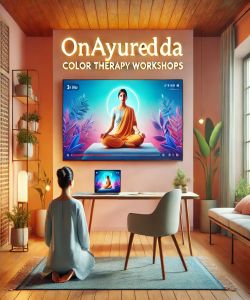
1. Overview of Color Therapy Workshops
Color Therapy Workshops represent a structured, educational modality dedicated to the systematic study and application of the visible spectrum of light for the purpose of balancing and enhancing an individual’s physiological and psychological wellbeing. These workshops are not passive, esoteric sessions; they are rigorous, curriculum-driven programmes designed to impart a comprehensive understanding of chromotherapy—the science and art of using colour to adjust body vibrations to frequencies that result in health and harmony. Participants are guided through a disciplined exploration of how specific chromatic frequencies correlate with the body’s primary energy centres, emotional states, and cognitive functions. The core objective is to move beyond mere aesthetic appreciation of colour and into its functional, therapeutic application. The instructional framework is built upon a synthesis of historical knowledge, modern psychological principles, and complementary medicine theories. It provides attendees with a robust toolkit of techniques, from coloured light application and chromatic visualisation to environmental colour design and colour breathing exercises. These workshops serve a dual purpose: they empower individuals with profound self-management strategies for stress, mood, and mental clarity, while also equipping wellness professionals, therapists, and practitioners with a potent, non-invasive, and adjunctive modality to integrate into their existing practices. The ultimate aim is to cultivate a level of mastery wherein colour is no longer perceived as a passive element of the environment, but as a dynamic and controllable instrument for influencing human consciousness and biology. The entire process is grounded in professional discipline, demanding active participation, critical thinking, and a commitment to the practical application of the principles taught, thereby ensuring that the knowledge gained is both functional and transformative.
2. What are Color Therapy Workshops?
Color Therapy Workshops are formal, structured learning environments wherein the principles of chromotherapy are taught and practised. They are designed to provide participants with both the theoretical knowledge and the practical skills required to utilise colour as a deliberate therapeutic instrument. Far from being informal gatherings, these workshops are predicated on a defined curriculum that methodically deconstructs the complex relationship between colour, human psychology, and physiology. They serve as a crucial bridge, translating ancient esoteric wisdom regarding colour into a contemporary, accessible, and applicable framework that aligns with modern understandings of wellness and complementary health practices. The core function is educational; the workshops aim to empower attendees with the competence to apply colour-based techniques for specific outcomes, such as stress mitigation, emotional regulation, and the enhancement of mental focus.
The defining characteristics of these workshops can be articulated as follows:
- Didactic Foundation: They are built upon a solid base of instruction, covering the physics of light and colour, the history of chromotherapy, the psychology of colour perception and association, and the theoretical models that link specific colours to the body's energetic systems.
- Experiential Learning: Theory is invariably paired with practice. Participants actively engage in a range of techniques, including but not limited to, guided colour meditations, practical sessions with coloured light apparatus, and exercises in creating therapeutic colour palettes.
- Skill-Oriented Outcome: The primary goal is the development of tangible skills. A participant does not merely learn about colour therapy; they learn how to perform it, either for self-application or for integration into a professional wellness or therapeutic practice.
- Professional Framework: Reputable workshops are conducted with a high degree of professionalism, often including modules on ethical considerations, scope of practice, and the responsible integration of chromotherapy alongside conventional medical treatments, establishing it firmly as a complementary, not alternative, discipline.
3. Who Needs Color Therapy Workshops?
- Registered Therapeutic and Clinical Practitioners: Professionals such as psychotherapists, counsellors, psychologists, and social workers who seek to augment their existing clinical frameworks. These workshops provide them with non-pharmacological, adjunctive modalities to address client issues related to mood disorders, anxiety, trauma, and stress, facilitating breakthroughs where conventional talk therapy may have reached a plateau.
- Complementary and Alternative Medicine (CAM) Professionals: Practitioners including naturopaths, acupuncturists, reiki masters, and massage therapists require these workshops to integrate a new dimension into their holistic treatment protocols. Colour therapy provides a synergistic tool that can amplify the effectiveness of their primary modality by addressing the client’s energetic and emotional state.
- Wellness and Life Coaches: Coaches focused on stress management, personal development, and corporate wellness will find these workshops indispensable. They gain powerful, visually engaging, and easily communicable techniques to help clients manage their emotional states, enhance productivity, and cultivate a more balanced lifestyle through conscious environmental and personal colour choices.
- Medical Professionals and Carers: Nurses, occupational therapists, and palliative care workers can utilise the principles learned to improve patient environments and wellbeing. Simple applications of therapeutic colour in clinical or home-care settings can help to reduce patient anxiety, promote rest, and create a more positive and healing atmosphere without invasive procedures.
- Creative Professionals and Designers: Interior designers, architects, graphic designers, and artists need these workshops to move beyond aesthetics. They learn the science behind how colour influences mood, behaviour, and perception, enabling them to design spaces and products that are not only visually appealing but also psychologically and emotionally functional.
- Educators and Child Development Specialists: Teachers and specialists working with children, particularly those with sensory processing disorders or behavioural challenges, can apply workshop techniques to create calming or stimulating classroom environments, using colour as a tool to aid concentration, manage behaviour, and support emotional learning.
- Individuals Seeking Advanced Self-Management Tools: Proactive individuals who wish to take command of their own mental and emotional health require these workshops. They are provided with a sophisticated, lifelong toolkit for managing stress, improving sleep, enhancing focus, and cultivating deep self-awareness through disciplined personal practice.
4. Origins and Evolution of Color Therapy Workshops
The conceptual underpinnings of Color Therapy Workshops are rooted in antiquity, where the use of colour for healing was an established, albeit esoteric, practice. Ancient civilisations, including those in Egypt, Greece, and China, demonstrated a profound understanding of colour's influence. The Egyptians, for instance, constructed solarium temples with different coloured chambers, channelling specific wavelengths of sunlight for therapeutic purposes. Similarly, Greek physicians and philosophers, and practitioners of Ayurvedic medicine in India, developed systems that associated colours with the elements, humours, and chakras, prescribing them to restore bodily and spiritual equilibrium. These early applications, however, were largely ritualistic and lacked the structured, educational format of modern workshops.
The transition from ancient ritual to a more systematic discipline began during the Islamic Golden Age with figures like Avicenna, who detailed the relationship between colour and temperament in The Canon of Medicine. The scientific revolution in Europe further propelled this evolution. Sir Isaac Newton's seminal work on optics in the 17th century demystified the nature of light and colour, providing a physical basis for what had previously been a metaphysical concept. This was followed by Johann Wolfgang von Goethe's Theory of Colours, which shifted the focus from the purely physical to the psychological and physiological effects of colour on human perception and emotion, a cornerstone of contemporary chromotherapy.
The formalisation of these principles into the workshop structure is a distinctly modern phenomenon, emerging in the 19th and accelerating in the 20th century. Pioneers like Dr. Edwin Babbitt, in his 1878 work The Principles of Light and Color, designed specific apparatus for chromotherapy and outlined detailed treatment protocols, laying the groundwork for a teachable methodology. The subsequent rise of the New Age movement and the increasing public interest in complementary and alternative medicine during the latter half of the 20th century created the demand for accessible, structured education. This demand catalysed the development of the workshop model: a formal, curriculum-based programme designed to systematically transfer the knowledge and practical skills of colour therapy from expert practitioners to a wider audience of professionals and laypersons, transforming an ancient art into a disciplined, modern practice.
5. Types of Color Therapy Workshops
- Foundational Chromotherapy Workshops: These serve as the primary entry point into the discipline. The curriculum is rigorously focused on establishing a comprehensive theoretical understanding. Topics include the history of colour healing, the physics of light, the visible spectrum, the psychology of colour perception, and an introduction to the major energetic systems of the body, such as the chakras, and their corresponding chromatic frequencies. The objective is to provide participants with the essential vocabulary and conceptual framework upon which all practical application is built.
- Clinical Application and Practitioner Workshops: This type of workshop is designed specifically for healthcare and wellness professionals. It moves beyond foundational theory into advanced, practical application in a clinical or therapeutic setting. Content includes client assessment techniques using colour, methodologies for integrating chromotherapy with other modalities (e.g., counselling, massage), detailed protocols for using coloured light equipment, and crucial instruction on professional ethics, scope of practice, and record-keeping.
- Colour Psychology for Design and Environment Workshops: Tailored for architects, interior designers, marketing professionals, and brand strategists, this workshop variant concentrates on the application of colour psychology in commercial and residential environments. It eschews the esoteric in favour of evidence-based principles of how colour influences consumer behaviour, productivity, mood, and spatial perception. Participants learn to create specific psychological and emotional responses through the deliberate use of colour palettes in branding, public spaces, and private dwellings.
- Vibrational and Esoteric Colour Healing Workshops: These workshops delve into the more subtle and energetic aspects of chromotherapy. They explore the interconnectedness of colour, sound, and crystalline energies. Practices taught often include advanced colour breathing, chanting colour-specific mantras, programming crystals with chromatic intent, and creating and using colour-infused elixirs. This stream is intended for those seeking to deepen their understanding of colour as a tool for spiritual development and energetic hygiene.
- Specialised Single-Focus Workshops: These are intensive, shorter workshops that concentrate on a single technique or application. Examples include workshops exclusively on Colour Breathing for Anxiety, Auric Colour Reading and Interpretation, or Colour in Art Therapy. They are designed for individuals who wish to master a specific skill without committing to a full practitioner-level curriculum, providing a deep dive into one particular facet of the broader discipline.
6. Benefits of Color Therapy Workshops
- Acquisition of Potent Stress Mitigation Tools: Participants acquire and master a suite of non-invasive, self-administered techniques, such as chromatic breathing and focused visualisation, which are proven to directly influence the autonomic nervous system. This empowers them to actively down-regulate physiological stress responses, reduce cortisol levels, and cultivate a state of calm on demand.
- Enhanced Emotional Intelligence and Regulation: The workshops provide a structured framework for identifying, understanding, and managing one’s emotional state through the language of colour. This development of emotional literacy allows individuals to move beyond reactive emotional patterns and towards a proactive, conscious modulation of their feelings, fostering greater stability and resilience.
- Development of Professional Therapeutic Competencies: For wellness practitioners, therapists, and coaches, these workshops add a powerful, non-verbal modality to their professional toolkit. This expands their capacity to connect with and treat clients, offering a complementary approach that can unlock progress where traditional methods may be less effective, thereby increasing their marketability and clinical efficacy.
- Augmentation of Cognitive Functions: Specific workshop techniques are designed to enhance mental clarity, focus, and creativity. By learning to use stimulating colours like yellow for concentration and intuitive colours like indigo for problem-solving, participants can create mental and physical environments optimised for peak cognitive performance and innovative thinking.
- Improved Physical and Energetic Vitality: The curriculum provides a deep understanding of how to use colour to address energetic imbalances within the body’s biofield. Regular practice of the techniques learned can help to alleviate symptoms associated with energetic blockages, such as fatigue and listlessness, leading to a tangible increase in overall vitality and physical wellbeing.
- Empowerment through Environmental Control: Attendees are taught the principles of therapeutic environmental design. This knowledge empowers them to consciously manipulate the colour schemes in their living and working spaces to support specific goals, such as promoting restful sleep in the bedroom, encouraging social interaction in living areas, or fostering focus in the office.
7. Core Principles and Practices of Color Therapy Workshops
- The Principle of Vibrational Resonance: This core tenet asserts that all matter, including the human body and its organs, vibrates at a specific frequency. Colour, as a measurable frequency of light, can be used to restore or entrain the body's cells back to their optimal, healthy vibrational state. The workshops teach that disease and distress are manifestations of dissonant, imbalanced frequencies, and that the application of the correct resonant colour can rectify this imbalance.
- The Principle of Psycho-Chromatic Association: This principle addresses the powerful, often subconscious, link between colours and emotional and psychological states. This connection is forged through a combination of cultural conditioning, personal experience, and innate archetypal responses. Workshops methodically deconstruct these associations, teaching participants how to consciously utilise colours like blue to evoke calm, red for stimulation, and green for balance, thereby using colour as a direct language to the psyche.
- The Practice of Direct Chromatic Application: This involves the use of specific tools to project concentrated coloured light onto the body. This can be targeted at specific areas of discomfort or applied to the major energy centres (chakras) to restore their proper function. The practice is precise, requiring knowledge of exposure duration, appropriate hue and intensity, and contraindications.
- The Practice of Chromatic Visualisation and Meditation: This is a purely internal yet powerful practice taught in workshops. Participants are trained to vividly visualise and 'breathe in' a specific colour, directing its perceived energy throughout their body to achieve a desired therapeutic outcome. This technique harnesses the mind's neuroplasticity to generate physiological and emotional responses equivalent to external stimuli.
- The Practice of Therapeutic Environmental Design: This practice extends colour therapy beyond the individual to their surroundings. Participants learn how to assess and modify the colour palettes of their homes and workplaces to create environments that actively support their health, mood, and objectives. This includes the selection of wall colours, lighting, clothing, and even the colours of food to maintain a constant, supportive chromatic influence.
- The Practice of Colour Diagnosis and Assessment: Advanced workshops teach methods for diagnosing energetic imbalances by assessing an individual's colour preferences, aversions, or auric field. Techniques may include dowsing with coloured pendulums, colour-based oracle cards, or intuitive body scanning, providing a framework for selecting the most appropriate therapeutic colours for an individual's specific condition.
8. Online Color Therapy Workshops
- Unrestricted Geographical Accessibility and Global Reach: The online format decisively dismantles all geographical barriers. It provides individuals and professionals, regardless of their physical location, with direct access to elite facilitators and specialised curricula that would otherwise be inaccessible. This democratises the dissemination of advanced chromotherapeutic knowledge, allowing for a global standard of training.
- Superior Learning Flexibility and Self-Paced Architecture: Online workshops offer an asynchronous or blended learning model that provides unparalleled flexibility. Participants can engage with dense theoretical modules and pre-recorded practical demonstrations at their own pace, integrating their studies seamlessly into demanding professional and personal schedules. This allows for deeper, more deliberate absorption and revision of complex material compared to the fixed, often rushed, schedule of an in-person event.
- Utilisation of Advanced Digital and Interactive Tools: The online environment facilitates the use of sophisticated learning technologies. High-definition video demonstrations, interactive anatomical charts, digital colour palette simulators, and downloadable PDF workbooks create a rich, multi-sensory learning experience. Breakout rooms in live sessions allow for focused group work, while online forums foster a continuous and documented dialogue between participants and facilitators.
- Creation of a Controlled and Private Practice Environment: Learning and practising techniques such as colour meditation and visualisation requires a state of deep focus and privacy. The online model allows participants to engage in these exercises from the sanctuary of their own homes, free from the self-consciousness or distractions that can arise in a physical group setting. This fosters a more profound and authentic personal experience with the material.
- Cost and Time Efficiency: By eliminating the significant logistical burdens associated with travel, accommodation, and time away from work, online workshops present a more efficient and financially viable pathway to professional development. Resources are invested directly into the quality of education rather than being diverted to ancillary expenses, maximising the return on investment for every participant.
- Permanent Access to a Digital Resource Library: Unlike an onsite workshop, which concludes when participants leave, the online format typically provides ongoing or lifetime access to all course materials. This creates a permanent digital library of video lectures, practical guides, and reference charts, which serves as an invaluable resource for continued study and professional practice long after the formal instructional period has ended.
9. Color Therapy Workshops Techniques
The following outlines the precise, step-by-step methodology for the core technique of Chromatic Respiratory Infusion, a foundational practice taught in professional workshops for immediate state management.
- Step One: Diagnostic Selection of Therapeutic Colour: First, a rigorous and unsentimental self-assessment must be conducted to identify the dominant, undesirable emotional or physical state. For states of anxiety, lethargy, or mental fog, a corresponding therapeutic colour is selected based on established chromotherapeutic principles. For example, to counteract anxiety, a specific hue of calming blue is chosen. For lethargy, a vibrant, energising orange is mandated. The choice is strategic, not aesthetic.
- Step Two: Establishment of a Controlled Environment: Secure a private, distraction-free space. All electronic devices must be silenced and removed from the immediate vicinity. The lighting should be subdued to minimise external visual interference. Assume a posture of authority and stability—seated upright with a straight spine, feet planted firmly on the floor, to facilitate optimal diaphragmatic movement and energy flow.
- Step Three: Commencement of Rhythmic Breathing: Close the eyes. Initiate a controlled, rhythmic breathing pattern. A standard cadence, such as inhaling for a count of four, holding for a count of four, and exhaling for a count of six, is to be established and maintained. This preliminary phase serves to quiet the sympathetic nervous system and prepare the mind-body unit for chromatic infusion.
- Step Four: Focused Chromatic Visualisation and Inhalation: On the next inhalation, vividly and intensely visualise the selected therapeutic colour (e.g., brilliant orange) as a pure, radiant light or mist. With forceful intent, draw this colour in through the nose, imagining it flooding the lungs, saturating every cell with its specific vibrational quality and therapeutic properties. The visualisation must be absolute and unwavering.
- Step Five: Exhalation and Purging of Dissonance: During the extended exhalation, visualise the undesirable state (e.g., lethargy) as a murky, dark, or grey smoke. Forcefully expel this dissonant energy from the body through the mouth, emptying the lungs completely. With each breath cycle, the inhaled colour becomes more vibrant and the exhaled smoke becomes clearer, signifying a successful systemic purge.
- Step Six: Integration and Conclusion: Continue this cycle for a predetermined duration or until a palpable shift in state is achieved. Upon completion, cease the intense visualisation but maintain the rhythmic breathing for several more cycles. Slowly return awareness to the body and the room. Open the eyes and conduct a final, objective assessment of the now-altered physiological and emotional state.
10. Color Therapy Workshops for Adults
Color Therapy Workshops tailored for adults are sophisticated, pragmatic programmes designed to address the complex challenges inherent in modern adult life. They dispense with simplistic notions of colour and instead present a disciplined framework for utilising the visible spectrum as a high-performance tool for psychological and professional enhancement. For the adult participant, the focus is squarely on tangible outcomes and practical application. The curriculum directly confronts the pervasive issues of corporate burnout, chronic stress, and decision fatigue by providing robust, self-administered techniques for immediate state management. Adults learn to strategically deploy colour within their professional environment—from the colour of their attire to the background of their digital workspace—to command authority, foster collaboration, or enhance personal focus. The workshops dissect the intricate link between colour, emotion, and interpersonal dynamics, equipping adults with a nuanced understanding of how to use chromatic cues to improve communication, de-escalate conflict, and build rapport in both personal and professional relationships. Furthermore, these workshops provide a mature, introspective space for adults to explore deeper patterns of behaviour and limiting beliefs, using colour as a non-verbal diagnostic language to unlock self-awareness. It becomes a tool for navigating life transitions, managing the psychological pressures of responsibility, and cultivating a profound sense of inner equilibrium. The approach is assertive and results-oriented, positioning colour not as a passive comfort, but as an active, controllable variable in the equation of adult success and wellbeing, demanding intellectual engagement and disciplined practice from every participant.
11. Total Duration of Online Color Therapy Workshops
The total duration of a comprehensive Online Color Therapy Workshop is not a monolithic, fixed quantum of time but is instead a modular construct, architected around core instructional blocks. The fundamental unit of live, interactive instruction or a self-contained theoretical module is frequently structured to be precisely one hour in length. This 1 hr block is designed for optimal knowledge absorption and focused engagement, preventing the cognitive fatigue associated with prolonged, uninterrupted sessions. A complete workshop or a full certification course is therefore an aggregate of these foundational one-hour units. The total commitment required from a participant is contingent upon the depth and breadth of the curriculum being pursued. An introductory or foundational workshop may comprise a concise series of these blocks, designed to impart core principles over a manageable period. Conversely, an advanced practitioner-level certification course will demand a significantly more substantial investment, consisting of a multitude of these 1 hr instructional units, systematically sequenced over several weeks or months. This modular structure allows for a scalable and flexible learning trajectory, enabling participants to progress from foundational knowledge to professional mastery. The total duration is thus a direct function of the programme's stated objectives and the level of competency it aims to instil, rather than an arbitrary, predetermined number. It is a measure of the depth of the educational journey, from initial induction to the final attainment of professional proficiency in the art and science of chromotherapy.
12. Things to Consider with Color Therapy Workshops
Before committing to any Color Therapy Workshop, a process of rigorous and critical due diligence is not merely advisable, but absolutely mandatory. The primary consideration must be the facilitator's credentials and lineage; it is imperative to investigate their formal training, their practical experience, and the reputation of the institution from which they received their certification. The field is not uniformly regulated, and discerning a qualified educator from an unqualified enthusiast is the participant's first responsibility. One must also demand clarity on the workshop's underlying theoretical framework. Is it grounded in empirical psychology, esoteric spiritualism, or a synthesis of both? This must align with your personal and professional objectives, as a mismatch in philosophy will inevitably lead to a suboptimal outcome. Furthermore, a prospective participant must scrutinise the curriculum for its scope and limitations. A reputable workshop will be unequivocal that chromotherapy is a complementary modality, designed to work alongside, not in place of, conventional medical treatment. Any programme that makes claims of "cures" or encourages the abandonment of medical advice must be viewed with extreme prejudice. Finally, assess the practical applicability of the skills being taught. The workshop must provide tangible, actionable techniques that can be integrated into your life or professional practice immediately. Without this focus on practical, real-world utility, the workshop risks being little more than a transient intellectual exercise rather than a lasting investment in your personal or professional development.
13. Effectiveness of Color Therapy Workshops
The effectiveness of a Color Therapy Workshop is not an inherent property of the subject matter itself, but rather a direct and measurable consequence of specific, controllable variables. Its success is fundamentally contingent upon the calibre and expertise of the facilitator, the rigour and integrity of the curriculum, and, most critically, the discipline and commitment of the participant. When these elements are aligned to a professional standard, the workshops are highly effective in achieving their stated objectives. They consistently succeed in equipping individuals with a powerful, non-pharmacological toolkit for the regulation of mood, the mitigation of stress, and the enhancement of mental clarity. For practitioners, their effectiveness is demonstrated by the successful integration of chromotherapeutic techniques into their existing modalities, leading to improved client outcomes and a more holistic treatment approach. The evidence for this effectiveness is predominantly qualitative and experiential, rooted in vast bodies of case studies and participant testimonials attesting to profound shifts in wellbeing and self-awareness. While the body of quantitative, double-blind clinical research is still developing, this does not negate the workshop's utility within a complementary health framework. Its effectiveness must be judged on its own terms: as a structured educational system for applying colour to influence the psycho-physiological state, a goal which, for the engaged and disciplined participant, is consistently and demonstrably achieved.
14. Preferred Cautions During Color Therapy Workshops
Engagement with Color Therapy Workshops, particularly those employing direct light application, mandates a stringent and non-negotiable adherence to specific safety protocols. It must be stated unequivocally that these workshops are not suitable for all individuals without prior medical consultation. Persons with a diagnosed history of photosensitive epilepsy or other seizure disorders must obtain explicit, written clearance from a qualified neurologist before participating in any exercise involving strobing, flashing, or intense coloured lights. Similarly, individuals currently under treatment for severe psychiatric conditions, including but not limited to psychosis, schizophrenia, or severe bipolar disorder, must be treated with extreme caution, as intense visual or emotional stimuli can risk exacerbating their condition. Participation for such individuals is only permissible with the full, informed consent of their primary mental health provider. Furthermore, those with pre-existing ocular conditions, such as glaucoma, retinal detachment, or recent eye surgery, must seek the counsel of an ophthalmologist to ensure that exposure to specific light frequencies will not be detrimental. Facilitators carry the heavy burden of responsibility to screen participants for these contraindications thoroughly. Any practitioner who fails to do so, or who presents chromotherapy as a standalone cure for serious medical ailments, is operating outside the bounds of professional ethics and must be regarded as a significant risk to client safety.
15. Color Therapy Workshops Course Outline
- Module One: The Foundational Principles of Chromatics and Light Physics: This initial module establishes the scientific bedrock of the entire discipline. It provides a rigorous overview of the nature of light, the electromagnetic spectrum, and the specific properties of visible light. Key topics include wavelength, frequency, amplitude, colour theory (additive and subtractive), and the history of scientific inquiry from Newton to modern physics. The objective is to demystify colour, transforming it from an abstract concept into a measurable, physical phenomenon.
- Module Two: The Psycho-Physiological Impact of Colour: This section bridges the gap between physics and human biology. It presents a detailed exploration of how the human eye and brain perceive colour and how this perception triggers specific, predictable neurological and endocrine responses. The module covers the psychology of colour association, its impact on the autonomic nervous system, and its influence on mood, behaviour, and cognitive function, drawing from established psychological research.
- Module Three: The Energetic Anatomy and The Chakra System: This module introduces the primary energetic framework used in chromotherapy. It provides a comprehensive study of the seven major chakras, detailing their anatomical location, their corresponding endocrine glands, their psychological functions, and, most critically, their precise resonant colour frequency. Participants learn to map the human body as an energetic system responsive to chromatic input.
- Module Four: Diagnostic and Assessment Techniques: Here, participants transition from theory to practical assessment. This module teaches various methods for identifying chromatic imbalances in a client or in oneself. Techniques covered include muscle response testing for colour sensitivities, pendulum dowsing over chakra points, analysis of colour preferences and aversions, and introductory auric field interpretation. The focus is on developing the skill of accurate diagnosis as a precursor to effective treatment.
- Module Five: Practical Application and Therapeutic Modalities: This is the core practical module of the workshop. It provides hands-on instruction in a full range of chromotherapeutic techniques. This includes the correct and safe use of coloured light therapy equipment (colour wands and light boxes), methods for solarised water preparation, advanced colour breathing and visualisation protocols, and the principles of creating therapeutic colour environments.
- Module Six: Professional Integration and Ethical Practice: The final module focuses on the responsibilities of the practitioner. It covers the ethical guidelines for practising colour therapy, defining the scope of practice, and understanding its role as a complementary modality. Topics include client communication, record-keeping, and strategies for professionally integrating these new skills into an existing wellness or therapeutic business.
16. Detailed Objectives with Timeline of Color Therapy Workshops
- Induction Phase (Initial Instructional Blocks): Within the first quartile of the workshop, the primary objective is to establish a non-negotiable, foundational understanding of the core principles. By the end of this phase, every participant will be able to articulate the scientific basis of colour as a frequency of light, differentiate between the psychological and physiological pathways of colour's influence, and accurately map the seven major chakras to their corresponding colours and bodily functions. This phase is didactic and success is measured by cognitive mastery of the theoretical framework.
- Skill Acquisition Phase (Mid-Point of Curriculum): By the workshop's midpoint, the focus shifts aggressively from theory to practical skill acquisition. The objective is for participants to demonstrate baseline competency in the core therapeutic techniques. Attendees will be able to independently conduct a basic colour preference assessment, execute a full cycle of a guided colour breathing exercise for stress reduction, and demonstrate the safe and correct operation of a standard coloured light therapy instrument. This is an active, hands-on phase where proficiency is physically demonstrated and assessed.
- Application and Integration Phase (Third Quartile of Curriculum): During this phase, the objective is to move from rote practice to nuanced application. Participants will be required to synthesise their knowledge by developing mock treatment protocols for given case studies. They will learn to select appropriate diagnostic techniques, justify their choice of therapeutic colours, and design a multi-faceted session combining at least two different modalities (e.g., light application and visualisation). Success is defined by the ability to think critically and strategically as a practitioner.
- Mastery and Professionalisation Phase (Final Instructional Blocks): Upon conclusion of the full curriculum, the final objective is to ensure participants are prepared for autonomous and ethical practice. Graduates will be equipped to formulate a comprehensive client intake process, articulate the scope and limitations of colour therapy with authority, and design a plan for integrating the learned skills into their personal life or professional practice. The culmination is the transformation from student to a confident, knowledgeable, and responsible user or practitioner of chromotherapy.
17. Requirements for Taking Online Color Therapy Workshops
- Adequate and Stable Technological Infrastructure: A non-negotiable prerequisite is access to a reliable, high-speed internet connection capable of streaming high-definition video without interruption. Participants must possess a modern computing device (desktop or laptop) with a functional webcam, microphone, and a screen of sufficient size to view detailed diagrams and demonstrations clearly. Mobile phones are considered inadequate for primary participation.
- A Controlled, Private, and Conducive Learning Environment: Participants are required to secure a dedicated physical space for the duration of all live sessions and practical exercises. This environment must be silent, private, and entirely free from domestic or professional distractions. The sanctity of this space is paramount for the focused concentration and deep introspective work that the curriculum demands.
- A Proactive Stance of Self-Discipline and Autonomy: The online format necessitates a high degree of personal responsibility. Participants must possess the self-discipline to adhere to the schedule, meet deadlines for coursework, and proactively engage with the material without direct, physical supervision. A passive approach to learning is incompatible with success in this modality.
- Proficiency in Standard Digital Literacy: Attendees must be fully competent in basic digital operations, including the use of web browsers, video conferencing software (e.g., Zoom), the opening and navigation of PDF documents, and the ability to communicate effectively via email and online learning forums. Technical support is for platform issues, not for remedial digital skills training.
- Unwavering Commitment to Digital Confidentiality and Etiquette: Participants are required to uphold the highest standards of confidentiality regarding any personal information shared by other attendees in breakout rooms or forums. A formal commitment to professional and respectful online conduct, including appropriate attire and focused attention during live video sessions, is mandatory.
- Acquisition of Required Practical Materials: While the theoretical content is digital, certain practical exercises may require physical materials, such as a set of coloured filters, a notebook for reflective journaling, or access to clean drinking water for solarisation exercises. Participants are responsible for procuring these simple, specified items in advance of the relevant modules.
18. Things to Keep in Mind Before Starting Online Color Therapy Workshops
Before enrolling in any online Color Therapy Workshop, it is crucial to undertake a rigorous pre-emptive assessment to ensure a productive and valuable educational experience. The primary factor to investigate is the quality and robustness of the digital learning platform itself; a clunky, unreliable interface will serve as a constant source of frustration and a barrier to learning. You must ascertain the specific blend of live, interactive sessions versus pre-recorded, asynchronous content. A programme that relies exclusively on pre-recorded lectures without sufficient opportunity for real-time engagement with the facilitator and peers may lack the dynamic feedback essential for mastering practical skills. Scrutinise the level and availability of support; determine the protocol for receiving both technical assistance with the platform and academic support for curriculum-related queries. A lack of accessible, responsive support is a significant red flag. Critically, you must conduct an honest self-appraisal of your own learning style and capacity for self-motivation. The autonomy of online learning is a double-edged sword; it requires a high degree of self-discipline to maintain momentum and engagement without the external structure of a physical classroom. Finally, confirm the nature of the accreditation or certification offered and its recognition within your professional field, ensuring the significant investment of your time and resources will yield a credible and respected qualification.
19. Qualifications Required to Perform Color Therapy Workshops
The authority to perform, teach, and facilitate Color Therapy Workshops is not currently governed by a single, state-mandated regulatory body, which places the onus of verification squarely on the consumer. However, the professional standard demands that a credible facilitator possess a robust and verifiable portfolio of qualifications and experience. The absence of these markers should be considered a disqualifying factor. A genuinely qualified individual must demonstrate a comprehensive and multi-faceted expertise, which must include, but is not limited to, the following critical components: 1. Formal Certification in Chromotherapy: The facilitator must hold a diploma or certificate from a recognised and reputable institution specialising in color therapy or vibrational medicine. This training must be extensive, covering not just practical techniques but also the underpinning science, psychology, and ethics of the practice. A weekend course is insufficient. 2. Foundational Knowledge in a Related Field: A background qualification in a discipline such as psychology, counselling, nursing, human biology, or education is essential. This provides the necessary context for understanding the human system and ensures a professional and grounded approach to teaching and application. 3. Verifiable Facilitation and Teaching Experience: Theoretical knowledge is distinct from the ability to effectively impart that knowledge to others. The facilitator must have a proven track record in adult education, with demonstrable skills in curriculum design, group management, and public speaking. Testimonials and professional references should be readily available. 4. Commitment to a Professional Code of Ethics: The individual must explicitly adhere to a professional code of conduct that outlines scope of practice, confidentiality, and a commitment to client safety, clearly positioning chromotherapy as a complementary discipline. This combination of specialised training, foundational knowledge, teaching experience, and ethical commitment constitutes the minimum qualification for professional practice.
20. Online Vs Offline/Onsite Color Therapy Workshops
Online
Online Color Therapy Workshops are defined by their supreme accessibility and flexibility. They leverage digital technology to deliver a complete curriculum to any participant, anywhere in the world, eradicating the logistical and financial barriers of travel and accommodation. The learning architecture is inherently adaptable, often allowing for a self-paced approach where individuals can review complex theoretical modules multiple times for full comprehension. This format excels in providing a permanent, organised digital library of all course materials, including video lectures and downloadable resources, which serves as an invaluable, long-term reference tool for ongoing practice. Furthermore, the online environment provides a degree of privacy and control that can be highly conducive to the introspective and meditative exercises central to colour therapy, allowing participants to engage deeply without the potential for self-consciousness that a physical group setting can create. The primary challenge lies in its absolute reliance on technology and the need for a high degree of self-discipline from the participant to remain engaged and focused in an environment that may offer more distractions.
Offline/Onsite
Offline, or onsite, Color Therapy Workshops offer an immersive, multi-sensory experience that is difficult to replicate digitally. The primary advantage is the unmediated, direct interaction with the facilitator and fellow participants. This fosters a palpable group energy and allows for immediate, nuanced feedback and hands-on correction of practical techniques, such as the use of light wands or diagnostic dowsing. Onsite workshops provide a unique opportunity for direct, communal practice and spontaneous, in-depth discussion that can lead to profound collective insights. The structured, contained environment minimises external distractions, demanding the full, focused attention of every attendee. However, this model is inherently restrictive. It is limited by geography, accessible only to those who can physically travel to the location. The schedule is rigid and unforgiving, offering little flexibility for those with demanding professional or personal lives. The overall cost is invariably higher, factoring in venue hire, travel, and accommodation, and participants typically leave with only their written notes, lacking the permanent digital resource library provided by online alternatives.
21. FAQs About Online Color Therapy Workshops
Question 1. Are online workshops as effective as in-person ones? Answer: Effectiveness is contingent on course design and participant engagement. A well-structured online workshop with live interaction can be equally, if not more, effective due to flexibility and resource accessibility.
Question 2. What technology is required? Answer: A stable internet connection, a computer with a webcam and microphone, and the ability to use standard video conferencing software are mandatory.
Question 3. Will I receive a recognised certificate? Answer: Reputable providers issue a formal certificate of completion. Its professional recognition depends on the accrediting body and your specific industry. Verify this beforehand.
Question 4. Is this practice based on science? Answer: It is a complementary practice based on principles of physics (light frequencies) and psychology (colour perception), combined with energetic concepts. It is not a substitute for medical science.
Question 5. Can I use these techniques on others professionally after the workshop? Answer: Foundational workshops are for personal use. Advanced, practitioner-level courses are required to gain the skills and ethical understanding for professional application.
Question 6. How much live interaction is there with the instructor? Answer: This varies. A quality workshop will offer a significant component of live Q&A sessions, interactive discussions, and real-time practical guidance.
Question 7. What if I miss a live session? Answer: Most professional online workshops record all live sessions, allowing you to review them at your convenience.
Question 8. Do I need any prior knowledge? Answer: Introductory workshops require no prior knowledge. Advanced courses will have prerequisite requirements, which must be met.
Question 9. Are the techniques difficult to learn? Answer: The techniques are systematic and learnable by anyone with discipline and a willingness to practise. Mastery requires commitment.
Question 10. Is colour therapy safe? Answer: It is generally very safe. However, specific cautions apply for individuals with conditions like photosensitive epilepsy, and these must be strictly observed.
Question 11. How do I choose a reputable online workshop? Answer: Investigate the facilitator's credentials, demand a detailed curriculum, read independent reviews, and seek clarity on the accreditation offered.
Question 12. Can this help with physical pain? Answer: As a complementary modality, it can help manage the emotional and stress components associated with pain, but it does not treat the underlying physical cause.
Question 13. What materials will I need to buy? Answer: Most materials are digital. Some practical exercises might require simple items like a journal or coloured filters, which will be specified by the course provider.
Question 14. Is the content available after the course ends? Answer: A key benefit of many online workshops is ongoing or lifetime access to the digital course materials.
Question 15. How is practical, hands-on work taught online? Answer: It is taught via high-quality video demonstrations, live observation where participants perform techniques on camera, and peer feedback in breakout rooms.
Question 16. Can colour therapy be used for children? Answer: Yes, the principles can be adapted for children, but this requires specialised training beyond a general adult-focused workshop.
Question 17. Is there a professional body for colour therapists? Answer: There are several independent professional associations, but no single, overarching government-mandated regulatory body.
22. Conclusion About Color Therapy Workshops
In conclusion, Color Therapy Workshops must be understood as a disciplined and structured educational discipline, not as a passive or nebulous form of New Age diversion. They represent a serious and systematic effort to codify and transmit the knowledge required to use colour as a functional instrument for influencing human psychological and physiological states. The entire enterprise is built upon a synthesis of ancient wisdom, physical science, and modern psychology, providing a curriculum that is both intellectually robust and eminently practical. Their true value is realised not through blind acceptance but through rigorous study, critical engagement with the material, and, most importantly, the disciplined and consistent application of the techniques learned. For the individual, they offer a powerful arsenal of self-management tools for navigating the complexities of modern life. For the professional, they provide a potent, non-invasive, and sophisticated modality to augment their existing therapeutic or wellness practice. Ultimately, these workshops serve to empower participants by transforming their perception of colour from a mere aesthetic element of the environment into a dynamic, controllable force for cultivating balance, enhancing performance, and achieving a profound state of integrated wellbeing. Their legitimacy and effectiveness rest firmly on the principles of professional integrity, pedagogical excellence, and the dedicated commitment of the practitioner.