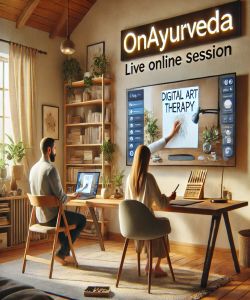
1. Overview of Digital Art Therapy
Digital Art Therapy represents a formidable and contemporary evolution within the psychotherapeutic landscape, rigorously integrating the principles of art psychotherapy with the vast capabilities of digital technology. It is a specialised mental health discipline that utilises digital media, such as tablets, computers, and dedicated software, as the primary conduit for creative expression and psychological exploration. This modality is not an arbitrary or recreational activity but a clinically-grounded intervention, facilitated by a qualified and registered art psychotherapist specifically trained in its application. The core premise is that the creative process, enacted through a digital medium, can effectively externalise and resolve a client’s internal conflicts, traumas, and emotional distress. The therapeutic relationship remains paramount, with the technology serving as a bridge between the client’s inner world and the therapist’s clinical insight. Within this secure and confidential framework, individuals can engage in image-making, animation, digital collage, and other forms of digital creation to process experiences that may be too complex or painful to articulate verbally. The digital tools offer unique properties, such as the capacity for endless revision, layering, and transformation, which provide powerful metaphors for psychological change and personal growth. This approach broadens access to therapy for individuals who may be physically limited, geographically isolated, or more comfortable with technological interfaces. It is a robust, adaptable, and increasingly vital form of therapy, demanding a sophisticated understanding of both clinical practice and digital ethics to ensure its safe and effective delivery. The synthesis of art, therapy, and technology creates a unique therapeutic space where clients can safely confront challenges, build resilience, and forge new narratives for themselves in a controlled, non-judgmental environment.
2. What is Digital Art Therapy?
Digital Art Therapy is a distinct and professional form of psychotherapy that harnesses digital technology as the principal medium for artistic self-expression. It operates under the same ethical and clinical frameworks as traditional art therapy but substitutes conventional materials like paint, clay, and charcoal with digital tools such as graphic tablets, imaging software, and mobile applications. The practice is invariably facilitated by a credentialed art psychotherapist who guides the client through the process of creating digital art to explore their emotions, reconcile internal conflicts, and foster self-awareness and personal growth. The therapeutic power of this modality lies not in the final artistic product but in the creative process itself—the choices of colour, the construction of layers, the manipulation of images, and the narrative that emerges through the act of creation. It provides a unique platform for non-verbal communication, allowing individuals to articulate and process complex, often pre-verbal, thoughts and feelings that are inaccessible through conventional talk therapy.
The digital environment offers several unique therapeutic affordances:
- The Undo Function: This feature allows for risk-free experimentation and the symbolic capacity to revise, amend, or erase parts of an image, which can mirror the psychological process of reframing negative thoughts or traumatic memories.
- Containment: The screen or digital canvas provides a secure and bounded space for the expression of overwhelming or chaotic emotions, ensuring the client feels a sense of control and safety.
- Accessibility: It removes physical barriers associated with traditional art materials, making therapeutic art-making accessible to individuals with motor impairments, allergies, or other physical limitations.
- Metaphorical Potential: Digital processes like layering, blending, filtering, and animating serve as powerful metaphors for psychological concepts such as defence mechanisms, integration of self, and the passage of time, which can be explored within the therapeutic relationship to yield profound clinical insights.
3. Who Needs Digital Art Therapy?
- Individuals exhibiting profound communication barriers or selective mutism, for whom traditional verbal therapies prove insufficient or intimidating. The digital medium offers a non-verbal lexicon for expression, bypassing the immediate need for spoken language to convey complex internal states and facilitating a gradual path towards verbal processing.
- Clients processing significant trauma, including post-traumatic stress disorder (PTSD). The digital platform can create a sense of safe psychological distance from traumatic material, allowing for its exploration and processing in a contained and controlled manner. The ability to manipulate and deconstruct images can empower individuals, granting them agency over their traumatic narratives.
- Adolescents and young adults who are ‘digital natives’ and may feel more comfortable and engaged using technology than traditional art materials. This familiarity can lower the initial resistance to therapy, fostering a stronger therapeutic alliance and encouraging more authentic self-expression within a medium they inherently understand and trust.
- Individuals with physical disabilities, motor skill impairments, or chronic illnesses that make handling conventional art materials challenging or impossible. Digital tools, such as styluses, touch screens, and adaptive software, can be tailored to their specific abilities, ensuring equitable access to the therapeutic benefits of creative expression.
- Persons experiencing anxiety disorders, particularly social anxiety or agoraphobia, who find the prospect of attending in-person sessions overwhelming. The remote delivery of digital art therapy provides a secure entry point to mental health support from the safety of their own environment.
- Clients with body dysmorphia or eating disorders. Digital self-portraiture and image manipulation can be used in a highly structured therapeutic context to safely explore and challenge distorted perceptions of the self, deconstruct idealised media imagery, and work towards a more integrated and accepting self-concept.
- Individuals in geographically remote or underserved locations where access to specialised mental health services, particularly art psychotherapy, is severely limited. Digital delivery removes geographical constraints, democratising access to qualified professional support.
4. Origins and Evolution of Digital Art Therapy
The genesis of Digital Art Therapy is intrinsically linked to the parallel advancements in computer technology and the foundational principles of art psychotherapy. Its roots can be traced back to the latter half of the twentieth century, as early pioneers in the therapeutic arts began to cautiously explore the potential of emerging digital tools. Initially, the use of computers in a therapeutic context was met with considerable scepticism, with many practitioners viewing the technology as cold, impersonal, and antithetical to the humanistic core of psychotherapy. The focus was on the tactile, sensory experience of traditional art materials, and the digital medium was perceived as a sterile and detached alternative.
During the 1980s and 1990s, with the advent of personal computers and more intuitive graphical user interfaces, a small but dedicated cohort of art therapists began to experiment with rudimentary paint programs and imaging software. These early explorations were often documented in niche journals and conferences, laying the theoretical groundwork for the field. They argued that the digital medium was not a replacement for traditional methods but a valid and powerful new set of tools with its own unique symbolic language and therapeutic properties. This period was characterised by a debate about authenticity and the nature of the therapeutic relationship when mediated by a screen, challenges that continue to inform ethical guidelines today.
The true proliferation of Digital Art Therapy occurred in the twenty-first century, catalysed by the ubiquity of high-powered personal computers, tablets, smartphones, and sophisticated creative software. The internet and advancements in telecommunication technologies made remote therapy, or teletherapy, a viable and effective option. This technological leap forward coincided with a cultural shift, particularly among younger generations who were increasingly fluent in digital communication. Professional bodies and training institutions began to formally recognise Digital Art Therapy as a legitimate specialisation, developing robust training curricula and ethical codes of conduct. The evolution has now progressed to encompass virtual and augmented reality, demonstrating the field’s continuous adaptation and its commitment to harnessing technological innovation for profound therapeutic outcomes, moving it from a peripheral experiment to a core component of contemporary mental healthcare.
5. Types of Digital Art Therapy
- Digital Drawing and Painting: This is the most direct digital analogue to traditional art-making. Utilising a graphics tablet, stylus, or touch screen, clients create images from a blank canvas using software that simulates various brushes, textures, and colour palettes. This modality is exceptionally versatile, allowing for spontaneous expression, detailed narrative work, and the symbolic exploration of emotions through colour and form. It facilitates a focus on process, as every stroke can be recorded, replayed, and discussed within the session.
- Digital Collage and Photomontage: In this type, clients use existing digital images, photographs, and textures, which they select, cut, layer, and combine to create a new, composite image. This process is particularly effective for exploring identity, relationships, and personal history. It allows clients to deconstruct and reconstruct their worlds symbolically, using found imagery to articulate feelings and experiences that may be difficult to create from scratch, thereby lowering the barrier for those anxious about their artistic ability.
- Digital Storytelling and Animation: This modality involves the creation of simple animations, comic strips, or sequential narratives using specialised software. Clients can develop characters and plots that represent aspects of their own lives and internal conflicts. The process of creating a narrative arc—with a beginning, a middle, and an end—can be profoundly therapeutic, enabling individuals to structure chaotic experiences, practise problem-solving, and envision alternative outcomes for their own life stories.
- Digital Sculpting and 3D Modelling: Using advanced software, this type allows for the creation of three-dimensional objects and environments in a virtual space. It is a powerful tool for clients who think and feel spatially, providing a medium for building, shaping, and exploring forms from all angles. It can be used to construct symbolic representations of safe spaces, internal structures, or relational dynamics, offering a tangible yet virtual form to abstract concepts.
- Therapeutic Digital Photography: This involves the client taking or curating photographs using a digital camera or smartphone as part of the therapeutic process. The focus is on the act of seeing, framing, and capturing the world, which can enhance mindfulness and shift perspective. The selected images are then brought into the therapeutic space (digital or physical) to be discussed, edited, or integrated into other digital artworks, serving as a catalyst for deeper self-reflection.
6. Benefits of Digital Art Therapy
- Enhanced Accessibility and Inclusivity: The modality removes physical and logistical barriers inherent in traditional art-making. It provides a viable and effective therapeutic avenue for individuals with motor impairments, severe allergies to art materials, or those confined to sterile environments, ensuring they are not excluded from the benefits of creative psychotherapy.
- Increased Sense of Control and Safety: Digital tools, particularly the ‘undo’ function, foster a unique sense of psychological safety. Clients can experiment with difficult themes and potent imagery without fear of making an irreversible ‘mistake’, which encourages bolder and more honest self-expression, especially when dealing with traumatic or shameful material.
- Facilitation of Psychological Distance: The screen can act as a protective buffer, creating a manageable distance between the client and the emotionally charged content they are creating. This containment is critical for trauma survivors, enabling them to approach, process, and gain mastery over overwhelming memories and feelings without becoming re-traumatised.
- Lowered Inhibition for Art-Anxious Clients: For individuals who feel intimidated by the perceived need for artistic skill, the digital medium can be less daunting. The clean interface and the ability to easily modify work can reduce performance anxiety, allowing the focus to remain squarely on the therapeutic process of expression rather than on aesthetic outcomes.
- Rich Metaphorical Language: The inherent functions of digital software—such as layers, filters, opacity, and blending modes—provide a powerful and sophisticated set of metaphors for complex psychological processes. Exploring these functions therapeutically can yield profound insights into defence mechanisms, identity formation, and interpersonal dynamics.
- Seamless Integration with Telehealth: Digital Art Therapy is intrinsically suited for remote delivery. It allows for the continuation of potent, non-verbal therapeutic work even when client and therapist are in different geographical locations, ensuring continuity of care and expanding access to specialised services.
- Creation of a Permanent and Malleable Record: Digital artworks can be saved, duplicated, and revisited with perfect fidelity. This allows the client and therapist to track therapeutic progress over time, re-examine earlier works in light of new insights, and observe the evolution of symbolic themes in a clear and tangible manner.
7. Core Principles and Practices of Digital Art Therapy
- Primacy of the Therapeutic Relationship: The core of the practice is not the technology, but the secure, confidential, and professional relationship established between the client and the therapist. The digital tools are a medium through which this relationship is facilitated and deepened, not a replacement for it. All interventions are grounded in established psychotherapeutic theory and a commitment to the client's well-being.
- Maintaining the Therapeutic Frame: The therapist is responsible for establishing and holding firm boundaries for the therapeutic work. This includes defining the time and space of the session (even when virtual), ensuring confidentiality of digital data, and managing the technological interface to minimise disruptions. The consistency of this frame is paramount for creating a sense of safety and predictability.
- Focus on Process over Product: The therapeutic value is located in the act of creation—the choices made, the symbols that emerge, the client's engagement with the digital materials, and the narrative of the process. The aesthetic quality of the final image is secondary to the psychological insights and emotional expression that occur during its making.
- Symbolic and Metaphorical Exploration: The therapist actively facilitates an exploration of the symbolic meaning of the client’s digital artwork. This involves understanding the unique metaphorical potential of digital functions (e.g., layers as psychological defences, the ‘undo’ button as a desire for revision) and using them to deepen the client’s self-understanding. The image is treated as a form of non-verbal communication to be explored collaboratively.
- Ethical Management of Digital Media: Practitioners must adhere to stringent ethical guidelines concerning the creation, storage, transmission, and disposal of digital artwork. This includes ensuring data encryption, secure platforms, informed consent regarding the use of images, and clarity on intellectual property. The client’s privacy and the confidentiality of their creations are non-negotiable.
- Embracing the ‘Third Hand’: The technology itself is considered an active participant in the therapeutic process, often referred to as the ‘third hand’ (alongside the client and therapist). The therapist must be proficient not only in clinical skills but also in the specific software and hardware being used, understanding its capabilities and limitations and how they might influence the client’s expressive possibilities.
- Client-Led Creation: While the therapist provides the framework and guidance, the creative process is fundamentally driven by the client. The therapist’s role is to empower the client to use the digital tools for authentic self-expression, respecting their pace, choices, and the emergent meaning of their work without imposing interpretations.
8. Online Digital Art Therapy
- Unparalleled Geographical Accessibility: The primary online benefit is the complete dissolution of geographical barriers. It provides immediate access to highly specialised art psychotherapy services for individuals residing in remote, rural, or underserved areas where such support is otherwise non-existent. This democratises mental healthcare, connecting clients with the most suitable therapist, irrespective of physical proximity.
- Enhanced Anonymity and Reduced Stigma: For many, the act of seeking therapy carries a significant stigma. Conducting sessions from the privacy of one’s own home can drastically lower this barrier. The perceived anonymity of the online space can encourage individuals who would otherwise avoid therapy, particularly those with social anxiety or public-facing professions, to seek the help they require.
- Continuity of Care: Online delivery ensures the therapeutic process is not interrupted by logistical challenges such as travel, illness, or relocation. This consistency is vital for building and maintaining the therapeutic alliance and for working through long-term issues without disruptive breaks in treatment, providing a stable and reliable source of support.
- Empowerment through Environmental Control: The client engages in therapy from their own chosen environment. This can foster a greater sense of safety, control, and empowerment, as they are on familiar ground. It also allows the therapist a unique, albeit partial, insight into the client’s world, which can sometimes provide additional therapeutic context.
- Integration into the Client’s Digital Life: For clients who spend a significant portion of their lives online, integrating therapy into this digital ecosystem can feel more natural and relevant. The therapeutic work occurs within the same medium where much of their social interaction, work, and identity formation takes place, making the insights gained directly applicable to their lived reality.
- Cost and Time Efficiency: While professional fees remain, online therapy eliminates ancillary costs and time commitments associated with travel, such as fuel, public transport fares, and parking. It also removes the time spent commuting, making it easier to fit a therapeutic session into a demanding schedule, thereby increasing adherence and engagement.
- Access for Individuals with Physical Limitations: The online format is indispensable for individuals with mobility issues, chronic pain, or compromised immune systems. It removes the physical strain and risk associated with travelling to and navigating a physical clinic, ensuring that their physical health status does not become a barrier to receiving essential mental health support.
9. Techniques Used in Digital Art Therapy
- The Digital Check-In: The session commences with the therapist instructing the client to create a quick, spontaneous image on a blank digital canvas to represent their current emotional state. This may involve using abstract colours, lines, and shapes. This technique serves as a non-verbal entry point into the session’s therapeutic work, immediately focusing on the client’s inner experience and providing a baseline from which to proceed.
- Digital Photomontage for Identity Work: The client is guided to source images from the internet or their personal digital collection that resonate with different aspects of their identity, relationships, or past experiences. Using layering and composition tools, they construct a collage. The therapist facilitates a discussion about the choice of images, their placement, and the narrative that emerges, helping the client to integrate disparate parts of the self.
- Sequential Image Narrative: The client is prompted to create a series of two or more images that tell a story, akin to a comic strip or storyboard. This technique is used to externalise and structure a problematic event, a recurring dream, or a desired future. By breaking down a complex experience into sequential frames, the client can gain a sense of order and agency over the narrative.
- Digital Self-Portraiture Transformation: The client creates or imports a digital self-portrait. The therapist then introduces directives to alter the image using software tools (e.g., filters, distortion tools, colour adjustments) to express different emotional states or explore facets of their self-perception. This can be a powerful method for challenging cognitive distortions related to body image and self-worth.
- Animated Looping for Emotional Regulation: Using simple animation software, the client is guided to create a short, repeating animation (a GIF) that represents a cyclical thought pattern or a persistent feeling. The process of creating and observing the loop can help externalise the pattern, whilst the act of potentially altering the loop’s speed, colour, or movement can be a practice in symbolic emotional regulation and intervention.
- Co-created Digital Imagery: In certain therapeutic contexts, the therapist and client may work collaboratively on the same digital canvas, often using screen-sharing technology. The therapist might add a containing shape around the client’s chaotic marks or mirror a line to demonstrate attunement. This technique is used to model relational dynamics, build trust, and actively repair ruptures within the therapeutic alliance.
10. Digital Art Therapy for Adults
Digital Art Therapy offers a uniquely potent and relevant therapeutic modality for adults navigating the complex pressures of contemporary life. For the adult client, this approach bypasses the often-ingrained intellectual and verbal defences that can hinder progress in traditional talk therapy. It provides a sophisticated and discreet medium for exploring multifaceted issues such as professional burnout, relationship breakdowns, existential anxiety, and unresolved childhood trauma. The digital platform is not a juvenile pursuit; rather, it is a serious clinical tool that aligns with the technological literacy of the modern adult. It allows for the exploration of nuanced emotional states through the complex language of colour, form, and symbolic manipulation. The ability to layer images in a digital collage, for example, can serve as a powerful metaphor for the intricate and often conflicting roles an adult must inhabit—parent, professional, partner, and individual. Furthermore, the privacy and control afforded by the digital medium are paramount. An adult can engage in deeply personal creative work without the mess or physical evidence of traditional art supplies, which is a significant consideration for those concerned with discretion. The process can facilitate profound breakthroughs by externalising internal struggles into a tangible, albeit digital, form. This externalisation allows for objective reflection and cognitive reframing, empowering the adult client to gain new perspectives on long-standing problems and to develop more adaptive coping strategies. It is a rigorous, targeted intervention designed to foster resilience, self-awareness, and meaningful psychological change in a mature and discerning population.
11. Total Duration of Digital Art Therapy
The total duration of a Digital Art Therapy engagement is not a predetermined metric; it is a bespoke and clinically-driven process tailored with exacting precision to the individual client. A fixed, universal timeline is antithetical to the principles of person-centred care. The overall length of the therapy is contingent upon a range of critical factors, including the complexity of the presenting issues, the specific therapeutic goals established collaboratively between the client and therapist, and the client’s pace of processing and integration. Some individuals may require short-term, solution-focused intervention spanning a finite number of weeks to address a specific, acute issue. Conversely, those contending with deep-seated trauma, personality disorders, or complex psychological difficulties will necessitate a long-term, open-ended therapeutic journey that may extend over several months or even years. The duration is subject to continuous review and mutual agreement within the therapeutic relationship. However, the fundamental structural unit of this therapeutic modality is the individual session, which is rigorously standardised to maintain clinical consistency and a secure therapeutic frame. Each discrete therapeutic session is allocated a precise duration of 1 hr. This non-negotiable timeframe is clinically mandated to allow for a structured beginning to settle into the work, a substantial middle phase for deep creative and emotional exploration, and a sufficient concluding phase for processing, reflection, and ensuring the client is safely grounded before ending the contact. The overall course of therapy is thus constructed from these consistent, one-hour building blocks, with the total number of sessions remaining fluid and responsive to the client’s evolving therapeutic needs.
12. Things to Consider with Digital Art Therapy
Engaging with Digital Art Therapy demands careful and deliberate consideration of several critical factors to ensure its efficacy and ethical integrity. Foremost among these is the technological component. It is imperative to assess both the client’s and the therapist’s technological proficiency, access to reliable hardware and software, and the stability of their internet connection. Technological failures can be profoundly disruptive to the therapeutic process, potentially rupturing the sense of safety and containment. Confidentiality in the digital realm presents another significant challenge. The creation, storage, and transmission of client artwork must be managed with the most stringent security protocols, including encrypted platforms and secure data storage, to protect client privacy against unauthorised access or data breaches. Furthermore, one must consider the potential for the digital medium to facilitate avoidance. While the screen can provide a safe psychological distance, it can also be used by some clients to maintain an emotional detachment, and the therapist must be skilled in identifying and addressing this dynamic. The absence of tactile, sensory feedback from physical materials is another key consideration; for some clients, the kinaesthetic experience of working with paint or clay is a crucial element of their therapeutic process, and the digital alternative may not be a suitable substitute. Finally, the regulatory and legal landscape for teletherapy, which often governs online Digital Art Therapy, can vary significantly between jurisdictions. Practitioners must be rigorously informed about the legal requirements for providing services across different regions or countries, ensuring they are operating fully within the bounds of professional and legal standards.
13. Effectiveness of Digital Art Therapy
The effectiveness of Digital Art Therapy as a clinical intervention is robust and increasingly substantiated by both qualitative evidence and emerging quantitative research. Its efficacy is not derived from the novelty of the technology but from its capacity to achieve core psychotherapeutic objectives through a unique and accessible medium. The modality has proven particularly effective in engaging populations who are resistant to or unable to benefit from traditional verbal therapies, providing a vital, non-verbal channel for communication and processing. For individuals grappling with trauma, the digital platform’s ability to create a safe, contained, and controlled environment for exploring distressing material is paramount to its success. The 'undo' function and other editing tools empower clients, giving them a sense of agency over their traumatic narratives and reducing the risk of re-traumatisation. In adolescent and young adult populations, its effectiveness is amplified by the medium’s inherent familiarity, which can accelerate the development of the therapeutic alliance—a key predictor of successful therapeutic outcomes. Furthermore, the modality is highly effective in fostering emotional literacy and regulation. The process of selecting colours, shaping forms, and constructing images requires clients to identify, externalise, and organise their internal states, thereby enhancing self-awareness and developing their capacity for affect regulation. The successful application in teletherapy contexts further underscores its effectiveness, demonstrating that profound therapeutic work can be conducted remotely without compromising clinical depth. While more large-scale research is warranted, the existing body of clinical reporting and case study evidence unequivocally supports Digital Art Therapy as a legitimate, powerful, and effective psychotherapeutic tool when delivered by a qualified professional.
14. Preferred Cautions During Digital Art Therapy
It is imperative that the practice of Digital Art Therapy be approached with a set of stringent and non-negotiable cautions to safeguard the client and maintain the integrity of the therapeutic process. The primary caution concerns the management of confidentiality and data security. The digital artefacts created are a form of highly sensitive clinical data; therefore, the use of unencrypted, consumer-grade communication platforms is unequivocally unacceptable. All interactions must occur on a secure, HIPAA-compliant (or equivalent) platform, and clear protocols must be established for the secure storage and eventual destruction of digital files. Another critical caution relates to technological competence. The therapist must possess absolute proficiency with the chosen software and hardware, as technical difficulties can severely rupture the therapeutic frame, causing client distress and undermining the sense of safety. The therapist must have robust contingency plans in place for technological failure. Furthermore, practitioners must be vigilant against the potential for dissociation or emotional avoidance that the screen can facilitate. The digital interface can serve as a defence mechanism, and the therapist must be clinically astute in recognising when a client is using the technology to detach rather than to process. A further caution involves boundaries; the ‘always on’ nature of digital life requires the therapist to enforce rigid boundaries around communication outside of the scheduled session time to protect the therapeutic space. Finally, a thorough initial assessment is crucial to determine if this modality is appropriate for the client. It is not a universal solution and may be contra-indicated for individuals in acute psychosis, with severe dissociative disorders, or for whom the lack of physical presence would be detrimental.
15. Digital Art Therapy Course Outline
- Module 1: Foundational Principles and Theoretical Underpinnings
- Introduction to Art Psychotherapy Theory
- Integration of Psychodynamic, Humanistic, and CBT Frameworks
- The Psychology of Digital Media and Human-Computer Interaction
- Comparative Analysis: Traditional vs. Digital Modalities
- Module 2: The Digital Therapeutic Environment
- Setting the Digital Frame: Boundaries, Time, and Space
- Hardware and Software Competencies: A Clinical Overview
- Choosing Appropriate Digital Tools for Specific Client Needs
- Managing the Therapeutic Alliance through a Digital Interface
- Module 3: Clinical Applications and Techniques
- Digital Techniques for Assessment and Formulation
- Interventions for Trauma: Digital Containment and Titration
- Working with Anxiety and Depression through Digital Imagery
- Digital Storytelling and Narrative-Based Interventions
- Module 4: Working with Diverse Client Populations
- Adapting Digital Art Therapy for Children and Adolescents
- Applications for Adults and Geriatric Clients
- Considerations for Neurodiverse Individuals
- Applications for Clients with Physical Disabilities and Chronic Illness
- Module 5: Ethics, Law, and Professional Practice
- Digital Confidentiality: Encryption, Storage, and Data Protection
- Informed Consent in a Digital Context
- Navigating Jurisdictional and Telehealth Regulations
- The Therapist’s Digital Self: Professionalism and Online Presence
- Module 6: Advanced Digital Modalities
- Introduction to Therapeutic Animation
- 3D Modelling and Virtual Reality in Psychotherapy
- The Use of Mobile Applications in Therapeutic Practice
- Integrating Digital and Traditional Media
- Module 7: Research and Evaluation
- Methodologies for Researching Digital Art Therapy
- Evaluating Clinical Effectiveness and Outcomes
- Case Study Formulation and Presentation
- Future Trends and Innovations in the Field
- Module 8: Supervised Clinical Practicum
- Direct Application of Skills with Clients under Supervision
- Peer Review and Group Supervision Sessions
- Reflective Practice Journaling
- Final Competency Assessment
16. Detailed Objectives with Timeline of Digital Art Therapy
- Phase 1: Assessment and Framework (Sessions 1-4)
- Objective 1.1: To establish a secure therapeutic alliance and a robust, confidential digital frame. This includes orienting the client to the technology and co-creating clear boundaries for the online space.
- Objective 1.2: To conduct a comprehensive clinical assessment using both verbal and non-verbal digital art-based directives, identifying key presenting issues and preliminary therapeutic goals.
- Objective 1.3: To familiarise the client with the basic functions of the chosen digital art platform, fostering a sense of competence and reducing any technology-related anxiety.
- Phase 2: Exploration and Externalisation (Sessions 5-12)
- Objective 2.1: To facilitate the client’s use of digital media to externalise and explore core emotional and psychological conflicts. This involves using techniques like digital collage, painting, and narrative creation.
- Objective 2.2: To begin identifying and exploring recurrent symbolic themes, metaphors, and patterns that emerge within the client’s digital artwork, linking them to their life experiences.
- Objective 2.3: To introduce the therapeutic use of specific digital functions (e.g., layers, undo) as metaphors for psychological processes, enhancing the client’s self-awareness.
- Phase 3: Deeper Processing and Integration (Sessions 13-24)
- Objective 3.1: To work directly with challenging or traumatic material within the contained digital space, utilising the medium’s capacity for safe distancing and controlled processing.
- Objective 3.2: To challenge and reframe maladaptive cognitive and emotional patterns by actively manipulating and transforming digital imagery related to these patterns.
- Objective 3.3: To foster the integration of new insights and perspectives gained through the creative process into the client’s daily life and sense of self.
- Phase 4: Consolidation and Transition (Final 4-6 Sessions)
- Objective 4.1: To review the body of digital artwork created throughout the therapy, consolidating a narrative of the client’s journey, progress, and growth.
- Objective 4.2: To focus on developing and reinforcing adaptive coping strategies, using digital art-making as a tool for future self-regulation and reflection.
- Objective 4.3: To manage the process of ending the therapeutic relationship effectively, ensuring the client feels empowered and equipped to move forward independently. The final artworks serve as transitional objects.
17. Requirements for Practicing Digital Art Therapy
- Mandatory Professional Registration: The practitioner must hold current registration with a recognised professional body governing art therapy or psychotherapy, such as the Health and Care Professions Council (HCPC) in the United Kingdom. This is non-negotiable and serves as the baseline for ethical and competent practice.
- Accredited Master’s Level Qualification: A Master’s degree or equivalent postgraduate diploma in Art Therapy or Art Psychotherapy from an accredited institution is an absolute prerequisite. This ensures the practitioner possesses the foundational knowledge of psychotherapeutic theory, clinical assessment, and ethical practice.
- Specialised Post-Qualification Training: Standard art therapy training is insufficient. The practitioner must have undertaken specific, formal training in Digital Art Therapy and/or telehealth. This training must cover the clinical application of digital media, platform security, digital ethics, and techniques for managing the therapeutic relationship online.
- Demonstrable Technological Competence: The therapist must be proficient in using the specific hardware (e.g., graphics tablets) and software platforms required for the therapy. This includes the ability to troubleshoot common technical issues swiftly to prevent disruption to the clinical work. A reliance on the client for technical support is unacceptable.
- Access to a Secure, Professional-Grade Telehealth Platform: The use of public, consumer-grade video conferencing software is prohibited. The practitioner must subscribe to and operate from a platform that is fully encrypted, and compliant with relevant data protection regulations (e.g., GDPR, HIPAA) to guarantee client confidentiality.
- Robust Data Management Protocols: The practitioner must have a clearly defined and ethically sound policy for the secure storage, backup, transfer, and eventual deletion of all digital artwork and client notes, in line with professional body guidelines and legal requirements.
- Appropriate Professional Indemnity Insurance: The therapist’s professional insurance policy must explicitly cover the provision of services via telehealth and the specific practice of Digital Art Therapy. Standard policies may not provide adequate coverage, and this must be verified.
- Commitment to Ongoing Supervision and Professional Development: The practitioner must be engaged in regular clinical supervision with a supervisor who is knowledgeable about digital practice. They must also demonstrate a commitment to continuous professional development to remain current with evolving technologies and best practices in the field.
18. Things to Keep in Mind Before Starting Digital Art Therapy
Before embarking on Digital Art Therapy, it is imperative to engage in a rigorous and honest self-assessment of one’s readiness and resources for this specific modality. This is not a casual undertaking; it is a serious therapeutic commitment that demands a stable technological foundation. You must ensure you have access to a reliable, high-speed internet connection, a suitable device (such as a computer or tablet), and a private, confidential space where you will not be interrupted for the full duration of the session. Any compromise on these logistical elements will fundamentally undermine the integrity and safety of the therapeutic work. It is also crucial to manage your expectations regarding the process. Digital Art Therapy is not a quick fix, nor is it simply about learning artistic techniques. It is a deep psychological process that can be challenging and emotionally demanding. You must be prepared to engage with difficult feelings and memories, using the digital tools as a medium for exploration, not distraction. Furthermore, understand that the therapeutic relationship with your therapist remains the central pillar of the work. You must feel a sufficient level of trust and rapport, even through a screen. Be prepared to communicate openly about how the digital interface feels for you and to address any discomfort that arises. Finally, you must verify the credentials of the practitioner without exception. Ensure they are a registered and qualified art psychotherapist with specific, demonstrable training in the delivery of therapy via digital means. An unqualified individual offering these services poses a significant risk.
19. Qualifications Required to Perform Digital Art Therapy
The performance of Digital Art Therapy is restricted to highly qualified mental health professionals and is not a practice that can be undertaken without a specific and rigorous educational and regulatory background. The baseline for any practitioner is the possession of a full, accredited Master’s degree in Art Therapy or Art Psychotherapy. This foundational qualification ensures the individual is deeply grounded in psychotherapeutic theory, clinical assessment skills, ethical principles, and the psychology of the image-making process. Merely being a skilled artist or a technologically proficient individual is unequivocally insufficient and dangerous.
Building upon this core qualification, the practitioner must meet several further, non-negotiable standards:
- Professional Registration: They must be registered with the relevant statutory regulatory body in their country of practice, for instance, the Health and Care Professions Council (HCPC) in the UK. This registration is a legal requirement for using the protected title ‘Art Therapist’ and confirms that they meet national standards for proficiency and conduct.
- Specialist Training: It is imperative that the therapist has completed accredited post-qualifying training specifically in the fields of online therapy, tele-mental health, and the clinical application of digital media. This ensures they are competent in managing the unique ethical, technical, and clinical challenges of remote, technology-based work.
- Supervised Clinical Experience: The practitioner must have accrued a significant number of supervised clinical hours, a portion of which should ideally involve the use of digital or telehealth modalities. This supervised practice ensures their theoretical knowledge is competently and safely translated into real-world clinical application.
Without this complete and verifiable trifecta of a Master’s degree, statutory registration, and specialised training in digital practice, an individual is not qualified to perform Digital Art Therapy. This stringent requirement protects the public and upholds the professional integrity of a potent but complex therapeutic modality.
20. Online Vs Offline/Onsite Digital Art Therapy
Online
Online Digital Art Therapy is conducted remotely, with the client and therapist in separate physical locations, connected via a secure, encrypted video conferencing platform. The primary defining characteristic is the reliance on technology not only as the creative medium but also as the sole conduit for the entire therapeutic encounter. This format offers unparalleled accessibility, removing geographical, physical, and some social barriers to treatment. The client engages from their own environment, which can enhance feelings of safety and control but also introduces potential risks such as breaches of privacy or technical disruptions. The therapeutic relationship is built and maintained exclusively through the screen, demanding a high level of skill from the therapist in reading subtle digital cues and establishing a strong virtual presence. All artwork is created, shared, and stored digitally, which requires stringent data security protocols. The very nature of the online space becomes part of the therapeutic frame, and its inherent properties—such as perceived distance and anonymity—can be either a therapeutic benefit or a clinical challenge that must be actively managed. It is an environment of pure digital mediation.
Offline/Onsite
Offline, or onsite, Digital Art Therapy takes place in a traditional clinical setting, such as a therapist’s office, clinic, or hospital, with both the client and therapist physically present in the same room. In this model, the digital tools (e.g., a tablet, a computer with a large screen) are used as the art-making medium within the context of a conventional, in-person therapeutic relationship. This hybrid approach retains the tangible, physical presence of the therapist, which can be crucial for clients who require the co-regulation and grounding that physical proximity provides. It eliminates the risks of poor internet connectivity and allows the therapist to observe the client’s full body language and engagement with the technology directly. The artwork may be created digitally, but the processing and discussion occur within a shared physical space, blending the unique benefits of the digital medium with the established power of the in-person therapeutic alliance. This model allows for a potential fluidity between digital and traditional art materials within the same session, offering a broader range of expressive options tailored to the client's immediate needs.
21. FAQs About Online Digital Art Therapy
Question 1. Is this actual, legitimate therapy?
Answer: Yes, unequivocally. It is a professional mental health discipline delivered by a qualified and registered art psychotherapist, adhering to the same strict ethical codes and clinical standards as in-person therapy.
Question 2. Do I need to be a skilled artist?
Answer: Absolutely not. Artistic proficiency is entirely irrelevant. The focus is on the process of creation and self-expression for therapeutic purposes, not on the aesthetic quality of the final product.
Question 3. What technology do I need?
Answer: A reliable internet connection, a computer or tablet with a webcam and microphone, and a private space are the essentials. The therapist will advise on any specific software, which is often browser-based or free to download.
Question 4. Is it confidential?
Answer: Yes. Practitioners are legally and ethically bound to confidentiality. They must use secure, encrypted platforms (not standard video chat services) to protect your privacy and data.
Question 5. How is it different from just using an art app on my own?
Answer: The difference is the therapeutic relationship. A trained therapist guides the process, helps you make sense of the images you create, ensures emotional safety, and links the creative work to your therapeutic goals.
Question 6. Can it really be as effective as in-person therapy?
Answer: Yes. For many individuals and issues, particularly those related to trauma and communication, it has been shown to be highly effective. The choice between online and in-person depends on the individual’s specific needs and circumstances.
Question 7. What if we have a technical problem during a session?
Answer: A professional therapist will have a clear contingency plan, such as switching to a telephone call, and will have discussed this with you at the outset.
Question 8. Is this modality suitable for children?
Answer: Yes, it can be highly effective for children and adolescents, as it utilises a medium with which they are often very comfortable and engaged.
Question 9. What kinds of problems can it help with?
Answer: It is used to address a wide range of issues, including anxiety, depression, trauma, PTSD, relationship difficulties, low self-esteem, and communication barriers.
Question 10. Can I use my smartphone?
Answer: While possible, a larger screen like a tablet or computer is strongly recommended to provide a more immersive and less constrictive creative space.
Question 11. What is the ‘undo’ function’s therapeutic role?
Answer: It provides a sense of safety to experiment with difficult themes without fear of making a permanent ‘mistake’, and it can be a metaphor for reframing thoughts or past events.
Question 12. How long does a session last?
Answer: Sessions are typically a standard therapeutic hour, which is a precisely defined duration to maintain the clinical frame.
Question 13. Will I have to share my artwork?
Answer: You will share it with your therapist within the confidential session. The therapist will have strict protocols about not sharing it further without your explicit, informed consent.
Question 14. Is it covered by insurance?
Answer: This varies significantly by provider and policy. It is essential to check directly with your insurance company regarding their coverage for telehealth and art psychotherapy.
Question 15. How do I find a qualified practitioner?
Answer: Consult the online registers of national professional bodies, such as the HCPC in the UK, which lists all legally registered art therapists.
Question 16. What if I do not like using technology?
Answer: Then this modality may not be the best fit for you. The comfort level with the medium is an important factor in its success.
Question 17. Can I mix digital and traditional art therapy?
Answer: This can be possible in an offline/onsite setting, but it is not feasible in a purely online context.
22. Conclusion About Digital Art Therapy
In conclusion, Digital Art Therapy stands as a robust, legitimate, and essential modality within the modern psychotherapeutic repertoire. It is not a frivolous or lesser alternative to traditional methods but a sophisticated and powerful specialisation that expertly merges clinical acumen with the unique affordances of digital technology. Its capacity to transcend geographical and physical barriers makes it an indispensable tool for increasing access to mental healthcare, promoting inclusivity for individuals who might otherwise be excluded from the benefits of creative expression. The practice is underpinned by the same rigorous ethical frameworks and psychotherapeutic principles that govern all credible forms of therapy, with the therapeutic relationship remaining its unshakeable core. When delivered by a properly qualified and registered art psychotherapist, it offers a secure, contained, and potent space for clients to explore, process, and resolve profound psychological distress. The unique properties of the digital medium—such as layering, transformation, and the capacity for revision—provide a rich symbolic language that can facilitate deep insight and lasting change. As technology continues to evolve, so too will the potential applications of this dynamic field, yet its fundamental commitment to fostering healing and self-understanding through the creative process will remain constant. It is, unequivocally, a critical and effective response to the mental health needs of an increasingly digital world