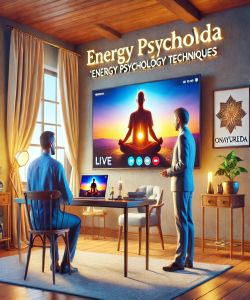
1. Overview of Energy Psychology Techniques
Energy Psychology represents a robust collection of mind-body interventions that operate on the fundamental premise that psychological distress is intrinsically linked to disruptions within the body's bioenergetic system. This modality asserts that emotional and physical symptoms are manifestations of blocked or imbalanced energy, and by rectifying these energetic disturbances, profound psychological healing can be rapidly facilitated. The techniques themselves are not passive treatments but active processes requiring client participation, typically involving the strategic stimulation of specific points on the skin—analogous to acupressure points—whilst the client mentally focuses on a targeted psychological problem, such as a traumatic memory, phobia, or limiting belief. This dual focus on both a cognitive element and a somatic intervention is the central mechanism through which Energy Psychology purports to work, aiming to decouple the distressing emotional charge from the triggering thought or memory. Unlike conventional talk therapies that may require protracted engagement to achieve resolution, these methods are often characterised by their remarkable speed and efficacy in neutralising negative affective states. The overarching framework is one of empowerment, providing individuals with tools to self-regulate their emotional responses and dismantle longstanding maladaptive patterns. It is a direct, structured, and commanding approach to mental and emotional wellness, positing a direct and addressable relationship between the body’s subtle energies and the landscape of the human psyche. The discipline therefore stands as a formidable and pragmatic adjunct or alternative to traditional psychotherapeutic models, demanding serious consideration for its structured, results-oriented protocols that address the very substrate of subjective experience.
2. What are Energy Psychology Techniques?
Energy Psychology Techniques constitute a family of therapeutic modalities that synthesise principles from Eastern mind-body medicine with contemporary Western psychological practice. At their core, these techniques are predicated on the assertion that the human mind and body are integrated components of a complex, dynamic energy system. Psychological issues, from trauma and anxiety to phobias and performance blocks, are conceptualised not merely as cognitive or emotional dysfunctions but as disruptions in this energetic field. The primary objective of these methods is to identify and directly correct these specific energetic imbalances to bring about rapid psychological relief and cognitive re-framing.
The practical application of these techniques typically involves a structured protocol where the client is guided to:
- Identify and Focus: The client brings to mind a specific problem, distressing memory, or negative belief. This cognitive focus activates the neural pathway associated with the distress.
- Somatic Stimulation: Whilst maintaining this mental focus, the client, or a practitioner, systematically stimulates specific points on the body. These points are typically meridian endpoints, as defined in traditional Chinese medicine. The stimulation is most often achieved through light tapping, touching, or holding.
- Energetic Rebalancing: The theory posits that this physical stimulation sends a calming signal directly to the amygdala and other parts of the brain involved in the threat response. This signal interrupts the conditioned stress response, effectively uncoupling the distressing emotion from the thought or memory. The energetic disruption is thereby resolved.
Therefore, Energy Psychology Techniques are not merely a form of distraction or relaxation; they are targeted interventions designed to re-pattern the mind-body’s response to specific stimuli. By addressing the energetic substrate of an issue, they aim to dismantle the problem at its foundational level, leading to lasting and often immediate change in an individual's subjective experience and behavioural responses.
3. Who Needs Energy Psychology Techniques?
- Individuals experiencing persistent and debilitating post-traumatic stress, including intrusive memories, hypervigilance, and severe emotional dysregulation, where conventional therapies have yielded insufficient or slow-moving results.
- Persons afflicted with specific, irrational phobias, such as fear of flying, public speaking, or particular animals, who require a rapid and targeted intervention to neutralise the fear response and restore normal functioning.
- Clients suffering from generalised or specific anxiety disorders, including panic attacks, social anxiety, and obsessive-compulsive patterns, who seek to gain direct control over their physiological and emotional reactions to triggers.
- Adults and adolescents grappling with unresolved grief, anger, or guilt stemming from past events, who find themselves emotionally 'stuck' and unable to process these feelings through cognitive means alone.
- Professionals, athletes, and artists encountering performance-related blocks, self-sabotage, and limiting beliefs that impede their ability to achieve their full potential in their respective fields.
- Individuals with certain somatic complaints and chronic pain conditions where an underlying emotional or stress-related component is identified as a significant contributing or maintaining factor.
- Those struggling with addictive cravings and patterns of behaviour, who can utilise these techniques to reduce the intensity of urges and address the underlying emotional drivers of the addiction.
- Persons seeking to overcome deeply ingrained negative self-concepts and core beliefs that undermine self-esteem and perpetuate cycles of failure or dissatisfaction in personal and professional life.
- Clients who have found traditional talk-based therapies to be intellectually coherent but emotionally ineffective, indicating a need for a more direct, body-based approach to decouple cognitive understanding from persistent emotional distress.
- Individuals who require a robust set of self-help tools for immediate emotional self-regulation, providing a tangible and repeatable method for managing acute stress and emotional overwhelm in daily life.
4. Origins and Evolution of Energy Psychology Techniques
The genesis of Energy Psychology Techniques can be traced to the pioneering work of Dr. Roger Callahan, a clinical psychologist, in the late 1970s and early 1980s. Dr. Callahan, trained in conventional therapies, grew dissatisfied with their often-limited efficacy and protracted nature, particularly for anxiety and phobias. His exploration into applied kinesiology and the ancient Chinese meridian system led to a seminal breakthrough. He hypothesised that specific emotional states were linked to disruptions in specific energy meridians and that these disruptions, or "perturbations," were the fundamental cause of psychological distress. This led to the development of Thought Field Therapy (TFT), a system that prescribed specific, complex sequences of tapping on meridian points, known as algorithms, to treat specific psychological problems. TFT was the foundational modality, establishing the core principle of pairing mental focus on a problem with physical stimulation of the body’s energy system.
The evolution of the field accelerated significantly in the 1990s through the work of individuals who had studied with Callahan. Most notable amongst these was Gary Craig, a Stanford-trained engineer, who sought to simplify the complexities of TFT. Craig posited that the precise sequence of tapping was less critical than ensuring that the relevant meridian point was stimulated whilst the disruption was active. He developed Emotional Freedom Techniques (EFT), which utilised a single, comprehensive tapping sequence for all psychological issues, combined with a cognitive "setup statement" to target the problem accurately. This radical simplification made the techniques vastly more accessible to both practitioners and the general public, leading to a dramatic increase in their popularity and application worldwide.
Further evolution has seen the development of other variants, such as Tapas Acupressure Technique (TAT), which involves holding specific points on the head rather than tapping, and Be Set Free Fast (BSFF), which focuses more on the role of the subconscious mind in programming responses. Throughout its evolution, the field has moved from complex, practitioner-dependent algorithms towards more streamlined, universally applicable, and user-friendly protocols. This progression has been paralleled by a growing body of research and a push for greater professionalisation and integration within mainstream mental health services, solidifying its position as a significant and distinct branch of psychotherapeutic practice.
5. Types of Energy Psychology Techniques
- Thought Field Therapy (TFT): This is the progenitor of modern Energy Psychology techniques. TFT operates on the principle that there are specific energy meridians associated with specific emotional problems. Its application involves the practitioner diagnosing the precise energetic perturbation and prescribing a highly specific sequence of tapping on meridian points, known as an algorithm, to resolve the targeted distress. Different algorithms are required for different issues like trauma, anger, or guilt.
- Emotional Freedom Techniques (EFT): Often referred to as "tapping," EFT is a streamlined and simplified derivative of TFT. Instead of using complex, specific algorithms, EFT employs a single, comprehensive sequence of tapping on a set of major meridian endpoints for all psychological issues. The protocol also incorporates a "setup statement" to articulate the problem and a "reminder phrase" to maintain focus during the tapping process, making it a universally applicable and easily learned method.
- Tapas Acupressure Technique (TAT): Developed by Tapas Fleming, TAT diverges from tapping-based methods. The technique involves the client gently holding a specific configuration of acupressure points on their head and upper face—the "TAT Pose"—whilst systematically moving their attention through a series of statements related to the problem. It is designed to process traumatic stress, resolve allergic reactions, and clear limiting beliefs without the need for percussive stimulation.
- Be Set Free Fast (BSFF): Created by psychiatrist Dr. Larry Nims, BSFF is a more cognitively oriented approach. It posits that psychological problems are caused by subconscious "programmes" or beliefs. The technique involves identifying these limiting programmes and then using a specific cue word, chosen by the client, to instruct the subconscious mind to eliminate them. The physical component is minimal, focusing instead on the power of direct instruction to the subconscious.
- Healing from the Body Level Up (HBLU): An integrative model developed by Dr. Judith Swack, HBLU combines elements from various Energy Psychology modalities, applied kinesiology, and Neuro-Linguistic Programming (NLP). It is a diagnostic system designed to identify and clear the multiple, often layered, blocks and patterns that prevent a person from healing, including subconscious sabotage programmes and conflicting loyalties.
6. Benefits of Energy Psychology Techniques
- Rapidity of Effect: The most frequently reported benefit is the remarkable speed with which these techniques can neutralise or significantly reduce targeted emotional distress, often achieving in minutes what might take conventional therapies numerous sessions to address.
- Targeted Problem Resolution: The protocols are designed to be highly specific, allowing for the precise targeting and dismantling of individual traumatic memories, phobias, or limiting beliefs without extensive narrative exploration.
- Reduction of Abreaction: By pairing the activation of a distressing memory with a calming somatic input, these techniques often allow for the processing of trauma with minimal re-traumatisation or overwhelming emotional release (abreaction).
- Empowerment and Self-Application: Many forms, particularly EFT, are easily learned and can be used by individuals as a self-help tool for immediate emotional regulation, reducing dependency on a practitioner for managing day-to-day stressors.
- Somatic and Physiological Relief: As these methods directly address the mind-body connection, clients frequently report a concurrent reduction in physical symptoms associated with stress, such as tension headaches, digestive issues, and chronic pain.
- Lasting Cognitive Shifts: The successful application of these techniques often results in spontaneous cognitive re-framing. Once the emotional charge is removed from a memory or belief, individuals naturally adopt a more adaptive and resourceful perspective.
- Bypassing Cognitive Resistance: These techniques can be effective even when an individual does not fully believe in the process, as the mechanism is purported to operate at a physiological, bioenergetic level, beneath conscious cognitive processing.
- Versatility of Application: The methods can be applied to a vast range of issues, including post-traumatic stress, anxiety, depression, addictive cravings, phobias, performance blocks, and relationship difficulties.
- Integration with Other Modalities: Energy Psychology techniques can be seamlessly integrated as an adjunct tool within other therapeutic frameworks, such as CBT or psychodynamic therapy, to accelerate progress and overcome therapeutic impasses.
- Non-Invasive and Gentle Nature: The techniques are physically non-invasive, involving only light tapping, touching, or holding, making them a gentle yet powerful alternative to more physically or emotionally intensive interventions.
7. Core Principles and Practices of Energy Psychology Techniques
- The Mind-Body Energetic System: The foundational principle is that the mind, body, and emotions are not separate entities but are inextricably linked within a complex bioenergetic system. Psychological health is contingent upon the smooth, unimpeded flow of energy throughout this system.
- The Concept of Energetic Perturbation: Psychological distress is not viewed as a purely cognitive or biochemical phenomenon but as a "perturbation" or disruption in the body's energy field. This disruption is the direct cause of negative affect and maladaptive responses.
- Targeted Activation of the Problem: A core practice involves having the client deliberately bring a specific problem to mind. This can be a traumatic memory, a phobia, a craving, or a limiting belief. This mental focus is required to make the associated energetic perturbation active and therefore accessible for treatment.
- Somatic Stimulation of Meridian Endpoints: The primary intervention involves the physical stimulation of specific points on the body's surface, which correspond to the endpoints of energy meridians as mapped in traditional Chinese medicine. This stimulation is typically performed through tapping, holding, or massaging these points.
- The Dual Intervention Mechanism: The central therapeutic action is the simultaneous pairing of cognitive focus on the distress with somatic stimulation. This dual process is believed to send a de-stressing signal to the brain's limbic system, which overrides the conditioned stress response and recalibrates the energy system.
- The Subjective Units of Distress (SUDs) Scale: A standard practice is the use of the SUDs scale, where a client rates the intensity of their distress on a scale before, during, and after the intervention. This provides an immediate, quantifiable measure of the technique's effectiveness in real-time.
- Cognitive Framing and Acceptance Statements: Many protocols, such as EFT, incorporate specific verbal formulas. A "Setup Statement" is used to articulate the problem whilst affirming self-acceptance, and a "Reminder Phrase" is repeated during the somatic stimulation to maintain focus on the target issue.
- Testing and Confirmation of Resolution: After an intervention, it is standard practice to test the result. The client is asked to re-access the initial problem to confirm that the emotional charge has been neutralised. If residual distress remains, the process is repeated until the SUDs level is reduced to zero or a minimal level.
8. Online Energy Psychology Techniques
- Uncompromised Efficacy: The core mechanisms of Energy Psychology techniques, which involve the client focusing on an issue whilst self-applying somatic stimulation (such as tapping), are perfectly suited for remote delivery. The practitioner's physical presence is not a prerequisite for the technique's effectiveness, as the client is the one performing the physical intervention on their own body under expert guidance.
- Enhanced Accessibility and Reach: Online delivery dismantles geographical barriers, granting access to specialised practitioners for individuals in remote or underserved areas. This extends the reach of these powerful techniques to a global client base, ensuring that expert help is available irrespective of the client's physical location.
- Client Comfort and Safety: Engaging in therapy from one's own familiar environment can significantly lower anxiety and resistance. This sense of safety and control can facilitate a deeper and more rapid engagement with sensitive or traumatic material, as the client feels secure in their personal space.
- Increased Discretion and Confidentiality: For individuals concerned about the stigma of seeking psychological support, online sessions offer a superior level of privacy. There is no need to travel to a clinic or be seen entering a therapist's office, which can be a critical factor for public figures or those in small communities.
- Efficient and Focused Interventions: Online sessions eliminate travel time and associated logistical complexities, allowing both client and practitioner to dedicate the entire allotted time to focused therapeutic work. This efficiency maximises the productivity of each session and respects the client's schedule.
- Immediate Integration of Skills: Clients learn and apply the techniques in the very environment where they are most likely to experience stressors. This immediate, in-situ application reinforces the learning and empowers the client to use the techniques for self-regulation independently between sessions.
- Continuity of Care: Online platforms provide a robust solution for maintaining therapeutic continuity when face-to-face meetings are not possible due to travel, illness, or other logistical challenges, ensuring that therapeutic momentum is never lost.
- Technological Augmentation: Digital tools can enhance the therapeutic process. Screen sharing can be used for educational diagrams, and chat functions can be used for clarifying statements or sharing resources, adding a layer of interactive support to the session.
9. Energy Psychology Techniques Methods
- Step One: Problem Identification and Calibration: The practitioner guides the client to identify a single, specific issue for focused work. This could be a traumatic memory, a phobia, or a limiting belief. The client is then instructed to rate the intensity of the emotional and/or physical distress associated with this issue on the Subjective Units of Distress (SUDs) scale, typically from 0 (no distress) to 10 (maximum distress). This initial rating establishes a clear baseline for measuring progress.
- Step Two: The Setup Statement: The client formulates and repeats a specific "Setup Statement" aloud, usually three times. This statement has two parts: it first acknowledges the specific problem and then follows with a phrase of unconditional self-acceptance. A standard format is: "Even though I have this [specific problem], I deeply and completely accept myself." This step is designed to counteract psychological reversal—a state of subconscious resistance to positive change.
- Step Three: The Tapping Sequence: Whilst continuously focusing on the identified problem (often by repeating a short "Reminder Phrase," such as "this anger" or "this fear of spiders"), the client systematically taps with their fingertips on a series of specific meridian endpoints on the body. The standard sequence includes points on the head, face, upper torso, and hands. The client taps each point approximately seven times, moving methodically through the prescribed sequence.
- Step Four: Re-evaluation and Assessment: After completing one full round of the tapping sequence, the client takes a deep breath and once again tunes into the original problem. They are then asked to re-rate their level of distress on the SUDs scale. A significant reduction in the SUDs number indicates that the technique is working effectively and the energetic perturbation is being resolved.
- Step Five: Iterative Refinement and Completion: If the SUDs rating has not reduced to zero, the process is repeated. The practitioner may guide the client to adjust the wording of the setup statement to target any remaining aspects of the problem. This iterative process continues, with successive rounds of tapping, until the SUDs level is zero or close to it, signifying that the emotional charge has been fully neutralised. The final step involves testing the work by having the client try to get upset about the original issue, confirming its resolution.
10. Energy Psychology Techniques for Adults
Energy Psychology techniques offer a uniquely potent and pragmatic approach for adults seeking resolution from a wide spectrum of deeply entrenched psychological issues. For the adult client, who often presents with a complex history of layered traumas, ingrained behavioural patterns, and sophisticated cognitive defences, these methods provide a direct pathway to the somatic and energetic roots of their distress, frequently bypassing the limitations of purely cognitive interventions. The structured, protocol-driven nature of techniques such as EFT and TFT is particularly well-suited to the adult mindset, which often values clarity, efficiency, and measurable results. Adults struggling with the lingering effects of childhood trauma, combat-related PTSD, or phobias developed over a lifetime can find profound relief as the techniques work to decouple the intense emotional charge from the historical memories. This allows for a re-integration of past experiences without the debilitating affect that previously accompanied them. Furthermore, in the high-stakes environment of professional life, these techniques serve as a formidable tool for dismantling performance anxiety, imposter syndrome, and the limiting beliefs that sabotage career progression. For adults grappling with relationship difficulties, the methods can effectively neutralise triggers and reactive patterns that stem from past relational wounds. The emphasis on self-application also empowers adults, providing them with a robust lifelong skill for managing acute stress, regulating emotional responses in real-time, and maintaining a state of psychological equilibrium in the face of life's inevitable challenges. It is a mature, no-nonsense methodology for taking direct command of one's own emotional landscape.
11. Total Duration of Online Energy Psychology Techniques
The standard duration for a single, focused session of online Energy Psychology is precisely one hour. This 60-minute timeframe is meticulously structured to ensure maximum therapeutic efficiency whilst preventing client fatigue. The initial portion of the session is dedicated to a concise and rigorous assessment, wherein the practitioner and client identify and isolate a specific target for the work, be it a traumatic memory, a phobia, or a limiting belief, and establish a baseline measurement of its intensity. The core of the 1 hr session is then devoted to the active application of the techniques, such as guided tapping sequences, where the practitioner expertly directs the client through the protocol to neutralise the targeted distress. The latter part of the hour is reserved for re-assessment, testing the results to confirm the reduction in emotional charge, and addressing any subsequent aspects or issues that may have emerged during the process. This one-hour container is considered optimal; it is substantial enough to allow for deep, meaningful work and the complete resolution of a specific aspect of a problem, yet concise enough to maintain sharp focus from both practitioner and client. It provides a robust and predictable structure within which profound change can be systematically facilitated in a single, powerful engagement.
12. Things to Consider with Energy Psychology Techniques
Before engaging with Energy Psychology techniques, it is imperative to adopt a position of informed and critical consideration. Whilst these modalities can offer rapid and profound results, they are not a panacea and must be approached with professional diligence. Foremost is the practitioner's competence; the field is varied, and it is crucial to verify that the practitioner possesses credible certification from a recognised training body and operates within a sound ethical framework. One must be wary of practitioners who make grandiose claims of curing all ailments. A critical consideration is the potential for these techniques to uncover deeply suppressed traumatic material. A client must be prepared for the possibility of intense emotional releases, and the practitioner must be adequately skilled in psychological first aid and containment to manage such abreactions safely and effectively. It is also essential to understand that whilst these techniques can resolve the emotional component of a problem, they do not erase memory or obviate the need for subsequent cognitive integration and behavioural change. The resolution of a phobia, for instance, must be followed by the client taking new, real-world actions. Furthermore, these techniques must never be viewed as a substitute for necessary medical or psychiatric care. They are a complementary or standalone psychological intervention, and any serious medical or diagnosed psychiatric condition requires oversight from a qualified medical doctor. Finally, one must be prepared for the phenomenon of "secondary gain," where a subconscious part of the individual may resist healing because the problem serves a hidden purpose, a dynamic that requires a skilled practitioner to identify and address.
13. Effectiveness of Energy Psychology Techniques
The effectiveness of Energy Psychology techniques is a subject of increasing empirical validation and robust clinical report, though it remains a point of contention within certain sectors of the psychological establishment. Proponents and a growing body of research assert that these modalities are not only effective but are often remarkably rapid and powerful in their impact. The primary mechanism of action—the targeted disruption of the conditioned stress response through somatic stimulation—is hypothesised to create lasting neurological and bio-chemical changes. Numerous case studies and randomised controlled trials have demonstrated statistically significant reductions in symptoms of post-traumatic stress, anxiety, and phobias, often far exceeding the results seen with standard care in a comparable timeframe. The effectiveness is most pronounced when the techniques are applied with precision to specific, well-defined problems. Rather than a generalised approach, the focused dismantling of individual traumatic memories or limiting beliefs yields the most dramatic and lasting outcomes. The use of the Subjective Units of Distress (SUDs) scale within sessions provides an immediate, real-time metric of efficacy, with clients consistently reporting a sharp decline in their distress levels from the start to the end of a single intervention. While the theoretical model involving "energy systems" is not universally accepted, the observable clinical outcomes are difficult to dismiss. Therefore, judged on the basis of tangible results in symptom reduction and the restoration of psychological well-being, the effectiveness of these techniques, when correctly applied by a trained practitioner, is formidable and demands serious, unbiased consideration as a valid therapeutic intervention.
14. Preferred Cautions During Energy Psychology Techniques
It is incumbent upon any practitioner of Energy Psychology techniques to operate with an unwavering commitment to client safety, exercising rigorous caution at every stage of the therapeutic process. These methods, precisely because of their power and speed, demand a heightened state of vigilance. The primary caution relates to client stability; these techniques are generally contraindicated for individuals in a state of active psychosis, severe dissociation, or who lack the fundamental ego strength to manage potentially intense emotional arousal. A thorough initial assessment is therefore not optional, but an absolute necessity. Furthermore, the practitioner must be fully prepared for the possibility of an abreaction—a sudden, cathartic, and overwhelming re-experiencing of past trauma. Competence in grounding and containment techniques is non-negotiable, ensuring the client can be safely and swiftly returned to a state of equilibrium without being re-traumatised. The issue of scope of practice is paramount; practitioners must unequivocally resist the temptation to venture into areas beyond their specific training and qualification, particularly in relation to complex trauma or severe psychiatric disorders, which require a multi-disciplinary approach. It is also crucial to manage client expectations, making it clear that whilst these techniques are powerful, they are not a magical cure-all and must be integrated with responsible life choices. A final, critical caution involves the phenomenon of 'chasing the pain'; practitioners must be skilled in preventing the client from becoming lost in an endless chain of associated traumas, instead maintaining disciplined focus on resolving one specific target completely before moving to the next. Failure to observe these cautions constitutes a grave professional dereliction.
15. Energy Psychology Techniques Course Outline
- Module One: Foundational Principles and Theoretical Framework
- Introduction to the Mind-Body Paradigm
- The Concept of the Human Bio-Energetic System
- History and Origins: From Callahan's TFT to Modern Applications
- The Nature of Energetic Perturbations as the Cause of Distress
- Contrasting Energy Psychology with Conventional Therapeutic Models
- Module Two: Core Assessment and Diagnostic Tools
- Mastering the Subjective Units of Distress (SUDs) Scale
- Techniques for Precise Problem Identification and Isolation
- Identifying Psychological Reversal and Core Limiting Beliefs
- Introduction to Applied Kinesiology (Muscle Testing) as a Diagnostic Aid
- Ethical Considerations in Assessment
- Module Three: The Standard Protocol (EFT Model)
- Mastering the Setup Statement: Formulation and Delivery
- Detailed Mapping of the Tapping Points: Location and Function
- The Full Tapping Sequence: Mechanics and Pacing
- The Role of the Reminder Phrase in Maintaining Focus
- The Gamut Procedure for Neurological Reorganisation
- Module Four: Advanced and Specialised Techniques
- Addressing Traumatic Memories: The Movie Technique
- Working with Phobias and Intense Fears
- Tackling Addictive Cravings and Urges
- Application for Physical Pain and Somatic Complaints
- Using the Techniques for Performance Enhancement
- Module Five: Managing the Therapeutic Process
- Handling Abreaction: Containment and Grounding Strategies
- Recognising and Addressing Apex Problems and Core Issues
- Navigating Client Resistance and Secondary Gain
- Testing the Work: Ensuring Complete and Lasting Resolution
- Integrating Cognitive Insights with Energetic Shifts
- Module Six: Professional Practice and Ethical Conduct
- Scope of Practice and Professional Boundaries
- Informed Consent in the Context of Energy Psychology
- Structuring Sessions for Online and In-Person Delivery
- Case Management and Record Keeping
- Commitment to Ongoing Supervision and Professional Development
16. Detailed Objectives with Timeline of Energy Psychology Techniques
- Initial Session: Assessment and Foundational Skill Acquisition
- Objective: To establish a therapeutic alliance, identify a clear and specific initial target for intervention, and familiarise the client with the core technique.
- Timeline: Within the first hour of engagement, the client will have articulated a specific problem, provided a baseline SUDs rating, and successfully followed the practitioner’s guidance through at least one full round of the primary protocol (e.g., EFT tapping).
- Sessions 2-4: Dismantling Major Presenting Issues
- Objective: To systematically apply the techniques to the most pressing presenting issues, such as a specific phobia, a key traumatic memory, or a primary anxiety trigger.
- Timeline: Within this phase, the client is expected to achieve a complete or near-complete resolution (SUDs of 0-2) on at least two to three major, specific problems, and report a noticeable decrease in their overall distress levels in daily life.
- Sessions 5-8: Addressing Core Themes and Related Aspects
- Objective: To move beyond surface-level symptoms and begin targeting the underlying core beliefs and earlier life experiences that fuel the presenting problems. This involves identifying and neutralising patterns and related memories.
- Timeline: By the end of this period, the client will be able to identify recurring themes and will have successfully neutralised several foundational memories or limiting beliefs, leading to spontaneous, positive cognitive shifts and behavioural changes.
- Sessions 9-12: Generalisation of Skills and Future Pacing
- Objective: To consolidate the client’s gains, ensure they are proficient in self-applying the techniques for future challenges, and address any anticipatory anxiety about future events.
- Timeline: During this phase, the focus shifts to client empowerment. The client will demonstrate proficiency in using the techniques independently on new minor stressors that arise. The practitioner will guide them in using the methods to "future pace" desired outcomes for upcoming challenges, installing a sense of resourcefulness.
- Post-12 Sessions: Maintenance and Advanced Application
- Objective: For clients with highly complex or developmental trauma, this phase involves deeper, long-term work. For others, it constitutes optional "check-in" sessions as needed.
- Timeline: Ongoing as required. The client has fully integrated the techniques as a primary life skill for emotional regulation and resilience, using formal sessions only to address particularly challenging or deeply buried material.
17. Requirements for Taking Online Energy Psychology Techniques
- Stable and High-Speed Internet Connection: A reliable, uninterrupted internet connection is non-negotiable. The integrity of the therapeutic process depends on clear, real-time audio and video communication without lag or disconnection.
- Functional Hardware and Software: The client must possess a functioning computer, tablet, or smartphone equipped with a quality webcam, microphone, and speakers. The requisite video conferencing software (e.g., Zoom, Skype) must be installed and tested prior to the first session.
- A Private and Secure Physical Environment: The client is required to secure a physical space for the duration of the session where they will be completely alone and free from any possibility of being interrupted or overheard. This is paramount for confidentiality and focused therapeutic work.
- Commitment to Punctuality and Preparation: The client must commit to being present and ready at the scheduled time. The online format demands the same level of professional respect and punctuality as an in-person appointment.
- Cognitive and Emotional Capacity for Engagement: The client must possess the ability to focus on verbal instructions, engage in self-reflection, and self-apply the physical techniques (e.g., tapping on their own body) as directed by the practitioner through the screen.
- A Willingness to Engage Actively: This is not a passive therapy. The client must be willing to actively participate, honestly report their subjective experiences (including SUDs levels), and follow the practitioner's guidance through the structured protocols.
- Sufficient Technical Proficiency: The client must have a basic level of comfort with the required technology. They must be able to launch the application, manage their microphone and camera settings, and troubleshoot minor technical issues independently.
- Absence of Severe, Unmanaged Psychiatric Conditions: Clients with active psychosis, severe dissociative identity disorder, or acute suicidal ideation are generally not suitable candidates for online-only interventions of this nature and require in-person, crisis-level care.
- Provision of Emergency Contact Information: As a mandatory safety protocol, the client must provide the name and contact details of a trusted person and their physical location to the practitioner, for use only in the event of a therapeutic emergency.
18. Things to Keep in Mind Before Starting Online Energy Psychology Techniques
Before commencing with online Energy Psychology, it is crucial to approach the endeavour with a mindset of rigorous preparation and realistic expectation. This modality, whilst delivered remotely, demands an environment of absolute integrity. You are responsible for creating a therapeutic container at your end; this means securing a physical space that is not merely private, but wholly inviolable for the entire duration of the session. The potential for interruption by family, pets, or deliveries is not a minor inconvenience but a fundamental breach of the therapeutic frame that can derail the entire process. You must also conduct a thorough technical audit. A poor connection or failing hardware is your responsibility to resolve, and technical issues are not a valid reason for therapeutic failure. Be prepared for the intensity of the work. The perceived distance of a screen does not diminish the power of these techniques to access profound and sometimes unsettling emotional material. You must be ready to engage with this material honestly and have a personal support system in place outside of session times. It is imperative to vet your practitioner stringently, verifying their credentials and experience specifically in online delivery. Finally, understand that the goal is empowerment, not dependence. Your objective should be to learn these tools so that you can wield them independently. The practitioner is a guide, but you are the agent of your own change. Enter this work with discipline, commitment, and the clear understanding that you are an active and accountable participant in your own healing.
19. Qualifications Required to Perform Energy Psychology Techniques
The qualifications required to perform Energy Psychology techniques with professional competence and ethical integrity are multi-faceted and demand a combination of foundational training and specialised expertise. It is wholly insufficient for an individual to simply read a book or watch a video and declare themselves a practitioner. A credible practitioner must demonstrate a clear and verifiable training lineage. The following points are essential:
- Foundational Professional Qualification: Ideally, the practitioner should already hold a recognised qualification in a related helping profession, such as clinical psychology, counselling, psychotherapy, social work, or medicine. This ensures they possess a fundamental understanding of psychological theory, ethics, professional boundaries, and managing client distress.
- Certified Training in a Specific Energy Psychology Modality: The practitioner must have completed a rigorous, structured training programme in a specific modality (e.g., EFT, TFT, TAT) from a reputable, internationally recognised organisation. This training must include theoretical instruction, supervised practice, personal work, and a formal assessment of competence. Simple attendance at a weekend workshop is inadequate. Look for terms like "Certified Practitioner" or "Accredited Practitioner."
- Ongoing Supervision and Continuing Professional Development (CPD): A qualified professional does not operate in a vacuum. They are required to engage in regular clinical supervision with a more experienced practitioner or peer group. This ensures accountability, refines their skills, and provides support. They must also demonstrate a commitment to CPD by undertaking further training to stay abreast of developments in the field.
- Professional Indemnity Insurance: A non-negotiable requirement for any practicing professional is holding current professional indemnity insurance. This protects both the client and the practitioner and is a hallmark of a serious, accountable practice.
In essence, a qualified practitioner is not merely a technician who can apply a script. They are a trained professional who can integrate these powerful techniques into a coherent and ethical therapeutic framework, capable of assessing client suitability, managing complex emotional dynamics, and operating within the strict bounds of their professional competence.
20. Online Vs Offline/Onsite Energy Psychology Techniques
Online
The online delivery of Energy Psychology techniques represents a paradigm of efficiency, accessibility, and client empowerment. Its primary advantage lies in the complete dissolution of geographical constraints, allowing a client to access a premier specialist from anywhere in the world. This format offers unparalleled convenience, eliminating travel time and costs, and facilitating easier integration into a busy schedule. The client engages from their own secure environment, which can lower initial anxiety and foster a greater sense of control, potentially accelerating therapeutic progress. The modality is perfectly suited for remote work, as the client is the one performing the physical intervention (tapping) on themselves under expert verbal guidance. This inherently reinforces the self-help aspect of the techniques, promoting greater client autonomy from the outset. Confidentiality is enhanced, as there is no physical clinic to be seen entering or leaving. However, it places a high demand on the client’s technical resources and ability to secure a private, uninterrupted space. It also requires a practitioner skilled in creating therapeutic presence and safety through a screen, and it is less suitable for clients in acute crisis or with severe dissociative tendencies who may require physical co-regulation.
Offline/Onsite
The traditional, offline model of Energy Psychology offers a different set of advantages, centred on the unmediated presence of the practitioner. For some clients, the physical presence of a therapist provides a tangible sense of safety and containment that is difficult to replicate online. The practitioner can observe subtle, non-verbal cues—such as shifts in posture, breathing, and skin tone—with greater acuity, which can inform the therapeutic process. In the rare event of a severe abreaction, the practitioner is physically present to provide immediate grounding support. There are no technological barriers or potential disruptions, ensuring the therapeutic container is robust. This format may be considered superior for initial sessions with highly anxious or traumatised individuals and for those who lack the private space or technical facility for online work. However, it is inherently limited by geography, restricting client choice to local practitioners. It necessitates travel, incurs greater overheads, and may present challenges to discretion. The dynamic of the practitioner occasionally tapping on the client (with permission) is possible, but the core efficacy when the client self-applies the technique remains identical in both formats.
21. FAQs About Online Energy Psychology Techniques
Question 1. Is it as effective as in-person sessions? Answer: Yes. The core mechanism involves you, the client, stimulating your own body's meridian points whilst focusing on an issue. The practitioner’s role is to provide expert guidance, which can be delivered with absolute precision via video link. Efficacy is not diminished.
Question 2. What technology do I need? Answer: A reliable internet connection, a computer or tablet with a functioning webcam and microphone, and the specified video conferencing software.
Question 3. Is it confidential? Answer: Yes. Practitioners use secure platforms and are bound by the same strict codes of confidentiality as in-person therapy. The greater responsibility falls on you to ensure your environment is private.
Question 4. Can the practitioner still help if I get very upset? Answer: Yes. A qualified practitioner is rigorously trained in verbal techniques for grounding and containment to manage intense emotional releases safely and effectively, even remotely.
Question 5. What if my internet connection fails? Answer: The practitioner will have a protocol for this eventuality, which is typically discussed beforehand. This usually involves attempting to reconnect or switching to a telephone call.
Question 6. Do I need to know the tapping points beforehand? Answer: No. The practitioner will clearly instruct and demonstrate where to tap, guiding you through every step of the process.
Question 7. How do I know if a practitioner is qualified? Answer: Demand to see their certification from a recognised, professional Energy Psychology training body. Verify their foundational qualifications in a field like counselling or psychology and confirm they have professional insurance.
Question 8. Can these techniques be used for any problem? Answer: They have a very broad range of application, from trauma and anxiety to phobias and limiting beliefs. However, they are not a substitute for essential medical treatment.
Question 9. Will I have to talk about my trauma in detail? Answer: Not necessarily. Techniques like the "Movie Technique" allow you to process a traumatic memory without having to verbalise the specific, graphic details to the practitioner.
Question 10. How many sessions will I need? Answer: This is highly individual. Simple phobias may be resolved in a few sessions, whilst complex trauma requires a longer engagement.
Question 11. Can I do it myself after learning it? Answer: Yes. A primary goal is to empower you with a tool for self-regulation. You will be taught how to use the basic technique for managing daily stressors on your own.
Question 12. Is it suitable for severe psychiatric conditions? Answer: Generally, no. Online-only work is not recommended for individuals with active psychosis or severe, unmanaged psychiatric disorders who require in-person, comprehensive care.
Question 13. What if I feel nothing is happening? Answer: Be honest with your practitioner. This is valuable feedback. A skilled practitioner can adjust the technique, for example, by refining the language used to target the issue more accurately.
Question 14. Is it a long-term therapy? Answer: It is typically considered a brief, short-term therapy model due to its speed and efficiency, though the duration depends on the complexity of the issues being addressed.
Question 15. Do I need a doctor's referral? Answer: A referral is not typically required, but it is imperative that you continue any prescribed medical treatment and keep your medical doctor informed.
Question 16. What is the main benefit of the online format? Answer: Unparalleled access to specialist practitioners regardless of your physical location, combined with convenience and privacy.
22. Conclusion About Energy Psychology Techniques
In conclusion, Energy Psychology techniques stand as a decisive and formidable challenge to the conventional paradigms of psychological treatment. They present a structured, repeatable, and potent methodology for addressing human distress at its posited energetic root. By synthesising the ancient wisdom of meridian systems with modern psychological understanding, these modalities offer a direct and often rapid path to resolution for issues that have traditionally required protracted and arduous therapeutic work. The core proposition—that emotional and psychological dysfunction is a direct manifestation of a disruption in the body's bio-energetic field—is both radical and elegantly pragmatic. The techniques themselves, whether involving tapping, holding, or other forms of somatic stimulation, provide a clear, actionable protocol for correcting these disruptions. The growing body of empirical evidence, coupled with an overwhelming volume of clinical success stories, demands that these methods be taken with the utmost seriousness by the entire mental health community. Far from being a fringe practice, Energy Psychology is asserting itself as a mature, sophisticated, and indispensable set of tools. Its capacity for remote delivery further enhances its relevance in the modern world, democratising access to profound healing. Ultimately, it represents a move towards a more integrated understanding of the mind-body continuum and a decisive step toward empowering individuals to take direct and authoritative command of their own psychological well-being.