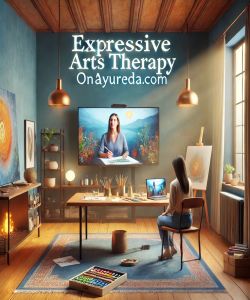
1. Overview of Expressive Arts Therapy
Expressive Arts Therapy constitutes a rigorous, integrative, and multimodal approach to psychotherapy that utilises the creative processes of art-making to improve and enhance the physical, mental, and emotional well-being of individuals. It is fundamentally predicated on the principle that creative expression is an intrinsic human capacity for healing and self-understanding. This discipline operates beyond the confines of verbal articulation, providing a formidable conduit for exploring and processing experiences, traumas, and emotions that may be inaccessible through conventional talk-based therapies. The core tenet is not the aesthetic quality of the final product but the therapeutic power inherent in the creative process itself—the engagement with various art forms such as painting, music, drama, dance, and writing. The therapist facilitates a safe, contained environment wherein the client can engage with these modalities to externalise internal conflicts, gain insight, and develop new coping mechanisms. It is a discipline grounded in psychology, artistic theory, and human development, demanding that its practitioners are dually competent in both therapeutic principles and the application of creative modalities. Expressive Arts Therapy is not merely an activity; it is a profound and structured therapeutic journey that leverages the power of imagination and non-verbal communication to foster resilience, integration, and profound personal growth. It provides a robust framework for individuals to confront complex psychological material, re-author their personal narratives, and move towards a state of greater wholeness and psychological coherence. This is a serious, evidence-informed practice designed to address a wide spectrum of clinical and personal challenges with precision and depth.
2. What are Expressive Arts Therapy?
Expressive Arts Therapy is a specialised psychotherapeutic discipline that systematically applies various artistic modalities within a therapeutic framework to facilitate emotional, psychological, and social healing. It is distinguished from traditional art education or recreational art activities by its explicit focus on the therapeutic process and the client-therapist relationship, rather than on the aesthetic merit of the creative output. The foundational belief is that the process of creation itself is inherently therapeutic, allowing individuals to tap into their innate creativity to navigate complex internal worlds.
This therapeutic approach is inherently intermodal, meaning it encourages the fluid transition between different art forms. A client might begin by creating a visual image, then be guided to write about it, create a sound that represents its emotional tone, or embody its shape through movement. This practice, known as intermodal transfer, is believed to deepen the exploratory process, uncovering layers of meaning that a single modality might not access. The core components include:
- The Creative Process: Engagement in art-making serves as the primary mode of communication and exploration. The focus is on the journey of creating, not the final product.
- Non-Verbal Expression: It provides a critical outlet for experiences, particularly trauma, that are stored in the non-verbal parts of the brain and are often difficult or impossible to articulate through language alone.
- The Therapeutic Relationship: A qualified therapist establishes a secure and non-judgemental space, guiding the client through the creative process and helping them to interpret and integrate the insights that emerge.
- Psychological Grounding: The practice is firmly rooted in established psychological theories, including psychodynamic, humanistic, and cognitive-behavioural principles, ensuring it is applied with clinical rigour and ethical responsibility.
In essence, Expressive Arts Therapy is a structured and profound method of using the language of imagination and creativity to address deep-seated psychological issues, promote self-awareness, and build a more resilient sense of self.
3. Who Needs Expressive Arts Therapy?
- Individuals experiencing significant trauma, including post-traumatic stress disorder (PTSD), for whom verbal articulation of the traumatic event is either too distressing or insufficient for processing the sensory and emotional memories stored non-verbally.
- Clients grappling with complex grief, bereavement, or loss, who find that conventional talk therapy does not adequately address the profound and often pre-verbal nature of their sorrow.
- Persons with severe anxiety disorders, depression, or mood disturbances, who can utilise the creative process to externalise, regulate, and gain mastery over overwhelming emotional states.
- Children and adolescents facing developmental, behavioural, or emotional challenges, as art-based modalities provide a natural and less intimidating form of communication and self-expression than direct verbal questioning.
- Individuals with eating disorders and body image issues, who can use modalities like movement and visual art to explore their relationship with their bodies in a non-judgemental and symbolic manner.
- Adults navigating significant life transitions, identity crises, or existential concerns, for whom the creative process can facilitate self-discovery and the construction of new personal narratives.
- Clients with neurodevelopmental conditions, such as Autism Spectrum Disorder, who may benefit from alternative communication channels and the structured, sensory-based nature of the therapy.
- Individuals in palliative care or managing chronic illness, who can use expressive arts to explore themes of mortality, find meaning, and improve their quality of life.
- Anyone who feels "stuck" in traditional talk therapy or finds it difficult to access or articulate their feelings through words alone, requiring a different pathway to their inner world.
- Professionals experiencing burnout or high levels of stress, who can use the creative process for emotional release, self-care, and rebuilding a sense of purpose and resilience.
4. Origins and Evolution of Expressive Arts Therapy
The philosophical underpinnings of Expressive Arts Therapy can be traced to the ancient understanding that the arts possess inherent healing properties. From shamanic rituals employing chant and dance to the Greek tragedies designed for emotional catharsis, humanity has long recognised the profound connection between creative expression and psychological well-being. However, the formalisation of this understanding into a distinct therapeutic discipline is a product of the 20th century, emerging from the confluence of developments in psychology, arts, and education.
The post-war period saw a surge of interest in non-verbal and creative approaches to mental health, partly in response to the limitations of purely psychoanalytic methods in treating trauma. Pioneers in various fields began to codify the therapeutic use of specific art forms. Margaret Naumburg, often considered the "mother of art therapy," championed the idea of art as a form of symbolic speech, drawing heavily on Freudian and Jungian principles. Concurrently, individuals like Mary Starks Whitehouse developed Authentic Movement (a precursor to dance therapy), and Paul Nordoff and Clive Robbins established a methodology for music therapy. These distinct streams laid the essential groundwork.
The truly integrative concept of Expressive Arts Therapy, however, was synthesised later. In the 1970s, figures like Shaun McNiff, Paolo Knill, and Natalie Rogers were instrumental in developing a multimodal approach. They argued against the siloed nature of individual art therapies, proposing that a seamless movement between different art forms—the intermodal transfer—could yield deeper therapeutic insights. This "low skill, high sensitivity" philosophy asserted that therapeutic value lies not in artistic proficiency but in the authenticity of the creative process. The establishment of dedicated academic institutions, such as the European Graduate School and Lesley University, solidified Expressive Arts Therapy as a rigorous academic and clinical discipline. Today, it continues to evolve, integrating contemporary neurobiological findings on trauma and attachment, and adapting its delivery to new contexts, including online platforms, while holding fast to its core principles of creativity, embodiment, and the healing power of the imagination.
5. Types of Expressive Arts Therapy
- Art Therapy: This modality utilises visual art mediums such as painting, drawing, sculpture, and collage. The client is guided to create art that expresses their internal state, memories, or conflicts. The final product and the process of its creation serve as a tangible focus for therapeutic exploration, allowing for the externalisation of complex emotions and the development of insight through symbolic representation.
- Music Therapy: This involves the clinical and evidence-based use of music interventions. It can be either active, where the client participates in creating music through singing, chanting, or playing instruments, or receptive, where the client listens to music selected by the therapist. It is highly effective for mood regulation, cognitive stimulation, and processing emotions that resonate with specific auditory frequencies and rhythms.
- Drama Therapy: This modality employs theatrical and dramatic processes to achieve therapeutic goals. Techniques include role-playing, improvisation, puppetry, and storytelling. It provides a contained space for clients to safely explore different roles, rehearse new behaviours, re-enact and re-author personal narratives, and gain perspective on interpersonal dynamics.
- Dance/Movement Therapy (DMT): This is the psychotherapeutic use of movement to further the emotional, cognitive, physical, and social integration of the individual. It is founded on the principle that the body and mind are inseparable. DMT facilitates the exploration of feelings and issues through bodily expression, addressing trauma stored somatically and enhancing body awareness and self-esteem.
- Expressive Writing/Poetry Therapy: This type uses the written word as a therapeutic tool. Clients may engage in journaling, creating poetry, or writing stories to structure their thoughts, process difficult experiences, and gain clarity on their emotional landscape. The act of writing can distance the author from overwhelming events, allowing for reflection and cognitive reframing.
- Intermodal Expressive Arts Therapy: This is the core of the discipline, distinguishing it from single-modality therapies. The therapist facilitates a process where the client moves fluidly between different art forms. For example, a feeling explored through movement might be translated into a colour on a canvas, which then inspires a poem. This "intermodal transfer" is designed to deepen the therapeutic inquiry and access multiple layers of experience.
6. Benefits of Expressive Arts Therapy
- Bypasses Verbal Defences: Provides a direct pathway to unconscious material, memories, and emotions that are difficult or impossible to access through language, circumventing the limitations of cognitive rationalisation.
- Facilitates Trauma Processing: Enables the processing of traumatic experiences that are stored somatically and non-verbally, offering a safer method of engagement than direct verbal recounting which can risk re-traumatisation.
- Enhances Emotional Regulation: The creative process itself acts as a container for intense emotions. It teaches individuals to manage, modulate, and express overwhelming feelings in a controlled and constructive manner.
- Promotes Profound Self-Awareness: By externalising internal states into a tangible form (e.g., a painting, a movement, a sound), individuals can gain objective distance and a clearer perspective on their own inner world.
- Improves Somatic Integration: Modalities like dance and movement therapy reconnect the mind and body, fostering greater body awareness, releasing physical tension, and addressing psychosomatic symptoms.
- Develops New Coping Mechanisms: Engagement in creative problem-solving within the therapeutic session translates into enhanced resilience and the development of adaptive coping strategies for challenges in daily life.
- Reduces Stress and Anxiety: The focused, sensory-based nature of art-making can induce a state of "flow," which has been shown to lower cortisol levels and mitigate the physiological symptoms of stress.
- Fosters a Sense of Agency and Mastery: The act of creating something tangible from an internal state empowers individuals, building self-esteem and reinforcing their capacity to effect change in their own lives.
- Strengthens the Therapeutic Alliance: The collaborative and often non-verbal nature of the work can build a deep and trusting relationship between client and therapist, which is a key predictor of positive therapeutic outcomes.
- Stimulates Imagination and Cognitive Flexibility: Engaging the imagination is not merely playful; it is a powerful tool for envisioning new possibilities, problem-solving, and breaking free from rigid, negative thought patterns.
7. Core Principles and Practices of Expressive Arts Therapy
- The Principle of Poiesis: This is the foundational concept that humans have an innate drive to create and shape their world. The therapy harnesses this drive, understanding that the act of making—of bringing something new into existence—is itself a healing and life-affirming process that fosters agency and purpose.
- The Intermodal Approach: This principle asserts that a fluid movement between different art forms (e.g., from drawing to movement to writing) deepens therapeutic exploration. Each modality offers a unique language and perspective. This "intermodal transfer" allows for a richer, more layered understanding of the client's experience than a single modality could provide.
- Low Skill, High Sensitivity: The focus is never on artistic talent or technical proficiency. The therapy values authentic expression above all else. This principle ensures the process is accessible to everyone, removing the pressure of performance and creating a non-judgemental environment where the client can engage freely and honestly with the materials.
- The Aesthetic Response: This is not about judging the art as "good" or "bad." Instead, the therapist and client engage with the created piece—be it a sculpture, a sound, or a gesture—by attending to its sensory qualities. They explore what the artwork itself expresses, allowing it to speak and reveal its own meaning, separate from the client's initial intention.
- Shaping and Decentering: The practice involves helping the client to "decenter" from an overwhelming problem or emotion by giving it form through an artistic medium. Once externalised and "shaped," the issue becomes an object of inquiry rather than a consuming internal state. This creates the psychological distance necessary for reflection and mastery.
- The Therapeutic Frame: All creative exploration occurs within a carefully established therapeutic container. The therapist sets clear boundaries of time, space, and confidentiality, creating a safe and predictable environment where the client feels secure enough to explore vulnerable or challenging material.
- Embodiment and the Senses: The practice honours the body as a source of wisdom and a repository of experience. It emphasises sensory awareness and physical expression, recognising that true healing requires the integration of mind, body, and emotions, rather than relying on cognition alone.
8. Online Expressive Arts Therapy
- Enhanced Accessibility: Online delivery dismantles geographical barriers, providing access to specialised therapeutic services for individuals in remote locations, those with mobility issues, or anyone for whom travel to a physical clinic is prohibitive. This democratises access to a highly specific form of care.
- Client-Controlled Environment: The client engages from their own personal space, which can foster a greater sense of safety, control, and comfort. This familiar environment may lower initial inhibitions and allow for deeper, more immediate engagement with vulnerable emotional material.
- Integration of Digital Media: The online format inherently incorporates the digital realm as a potential creative modality. Digital drawing pads, music creation software, and video recording can be used alongside traditional materials, expanding the expressive toolkit in ways that are uniquely relevant to contemporary life.
- Focused and Contained Sessions: The structure of a video call creates a distinct and focused therapeutic frame. The screen can act as a container, providing a clear boundary that some clients find less intimidating than the physical presence of a therapist, allowing for a different quality of intimacy and disclosure.
- Anonymity and Reduced Social Anxiety: For clients who experience significant social anxiety or self-consciousness, the physical distance of the online format can be liberating. It may reduce the perceived pressure of being observed, freeing the individual to engage more authentically in movement, sound, or other expressive forms.
- Direct Use of the Home Environment: The client’s immediate surroundings can be directly and symbolically integrated into the therapeutic work. Objects from their home can be used in sculptures or assemblages, and the physical space itself can be explored through movement, making the therapy deeply personal and contextually relevant.
- Continuity of Care: Online therapy provides a robust solution for maintaining therapeutic continuity when in-person meetings are not possible, whether due to illness, travel, or public health crises. This ensures that the therapeutic momentum is not lost.
9. Expressive Arts Therapy Techniques
This is a structured technique for creating a "Visual Journal" to externalise and process a specific emotional state.
- Step One: Establishing the Frame and Intention. The therapist begins the session by reinforcing the therapeutic boundaries and the principle of non-judgement. The client is guided through a brief mindfulness exercise to ground them in the present moment. They are then invited to identify a specific feeling, issue, or internal state they wish to explore, holding this intention without needing to articulate it verbally.
- Step Two: Material Selection and Initial Mark-Making. The client is directed towards a pre-arranged selection of art materials (e.g., paper, paints, pastels, markers). They are instructed not to think or plan, but to intuitively select a colour or medium that resonates with the identified internal state. The first action is simply to make a mark, a gesture, or a patch of colour on the page, initiating a non-verbal dialogue with the feeling.
- Step Three: The Process of Creation. The client is encouraged to continue building upon the initial mark, allowing the image to evolve organically. The therapist's role is not to direct the content but to facilitate the process, offering prompts such as, "What does that shape need next?" or "Follow the energy of that line." The focus remains entirely on the sensory experience of creating, not on producing a recognisable or aesthetically pleasing picture.
- Step Four: The Aesthetic Response. Once the client feels the image is complete for the moment, they are instructed to place it at a distance. Both therapist and client then witness the image. The therapist will ask sensory-based questions: "What do you see?" "Where is there tension or flow in the image?" "If this image had a sound, what would it be?" This shifts the focus from "What did I mean?" to "What does the image itself express?"
- Step Five: Verbal Titling and Integration. As a final step, the client is asked to give the image a title or a short phrase that captures its essence. This act of naming begins to bridge the non-verbal and verbal worlds. The therapist then facilitates a brief discussion, connecting the insights from the artwork back to the client's initial intention, thereby integrating the experience into their conscious awareness.
10. Expressive Arts Therapy for Adults
Expressive Arts Therapy offers a uniquely potent framework for adults confronting the complex, multi-layered challenges inherent in modern life. Adulthood is often characterised by entrenched verbal defence mechanisms, rigid cognitive patterns, and a cumulative weight of unprocessed experiences. This therapeutic modality systematically bypasses these well-practised verbal guards, creating a direct conduit to the core issues that manifest as professional burnout, existential anxiety, relationship dysfunction, or mid-life crises. For the adult client, the creative process is not a regression to childhood play but a sophisticated method of externalising internal conflicts that have become too abstract or overwhelming to grasp through conversation alone. Creating a visual representation of career stress, for instance, or embodying the dynamics of a strained family relationship through movement, transforms a nebulous internal struggle into a tangible object of inquiry. This externalisation provides the critical psychological distance needed for objective reflection and cognitive reframing. Furthermore, it directly addresses the somatic dimension of adult stress and trauma, which often presents as chronic pain, fatigue, or other physical ailments. By engaging the body through movement or the senses through art-making, the therapy facilitates the release of stored physiological tension. It empowers adults to move beyond mere coping, fostering the imaginative capacity required to author new life narratives, rediscover a sense of purpose, and build profound resilience. It is a rigorous, depth-oriented approach for adults committed to substantive personal transformation rather than superficial symptom management.
11. Total Duration of Online Expressive Arts Therapy
The standard duration for a single online session of Expressive Arts Therapy is rigorously structured to be one hour (1 hr). This timeframe is professionally determined to be optimal, providing sufficient time for the client to settle into the therapeutic space, engage deeply with a creative process, and complete the session with adequate time for reflection and integration without inducing exhaustion. The overall therapeutic journey, however, is not subject to a fixed or predetermined total duration. The total number of sessions required is a highly individualised matter, dictated exclusively by the client’s specific therapeutic goals, the complexity of the issues being addressed, and the emergent nature of the therapeutic process itself. A short-term, focused engagement might be appropriate for addressing a specific, contained issue, whereas long-term work is necessary for deep-seated trauma, significant personality development, or complex relational patterns. The duration is established collaboratively between the therapist and the client and is subject to continuous review as the therapy progresses. It is fundamentally unethical and professionally unsound to prescribe a one-size-fits-all timeline. The process concludes when the client has demonstrably achieved their therapeutic objectives and has developed the internal resources to manage their psychological well-being independently. The ultimate goal is client autonomy, not indefinite dependency on the therapeutic relationship. Therefore, the total duration is a fluid parameter, defined by clinical need and therapeutic progress rather than an arbitrary schedule.
12. Things to Consider with Expressive Arts Therapy
Engaging with Expressive Arts Therapy demands a specific and robust commitment from the client, extending beyond that required for purely verbal psychotherapies. It is imperative to understand that this is not an art class; the objective is not aesthetic mastery but authentic, often raw, self-expression. Prospective clients must be prepared to relinquish the pursuit of a "good" product and embrace the inherent messiness of the creative process. A willingness to tolerate ambiguity and to trust the emergent nature of the work is fundamental. The therapy operates on the principle that meaning reveals itself through action, which can feel unsettling for those accustomed to linear, cognitive problem-solving. Furthermore, one must consider the potential for profound emotional activation. By circumventing verbal defences, this modality can rapidly access deeply buried feelings and traumatic memories. While a qualified therapist provides a secure container for this experience, the client must possess a foundational level of emotional stability and be prepared to navigate intense affective states. A crucial consideration is the therapeutic relationship itself. The non-verbal and collaborative nature of the work necessitates a strong, trusting alliance with the therapist. The client must feel safe enough to be vulnerable not just in their words, but in their movements, sounds, and visual creations. This is a powerful, depth-oriented process that is best suited for individuals who are genuinely ready to confront their inner world in a holistic and embodied manner, rather than those seeking a simple or passive cure.
13. Effectiveness of Expressive Arts Therapy
The effectiveness of Expressive Arts Therapy is grounded in its robust psychological foundations and its unique capacity to address the limitations of conventional talk-based interventions. Its efficacy stems from its direct engagement with the non-verbal, sensory-based parts of the brain where trauma and profound emotional experiences are often stored. By utilising modalities such as art, music, and movement, the therapy provides a language for experiences that defy verbal articulation, allowing for the processing and integration of material that might otherwise remain inaccessible and disruptive. Neurobiological research supports this approach, indicating that creative, right-hemisphere activities can help regulate the nervous system and re-integrate fragmented traumatic memories. The process of externalising an internal state—transforming a feeling of chaos into a tangible sculpture or a disorganised dance—creates psychological distance and fosters a sense of agency and mastery over one’s inner world. This active, embodied engagement promotes neuroplasticity, helping to forge new, more adaptive neural pathways. Clinical evidence and a substantial body of qualitative data have repeatedly demonstrated its effectiveness across a wide range of populations, showing significant reductions in symptoms of PTSD, anxiety, and depression, alongside marked improvements in self-esteem, emotional regulation, and interpersonal functioning. Its strength lies not in replacing talk therapy, but in providing a vital, often necessary, complementary pathway to healing that addresses the whole person—mind, body, and emotions—with a rigour and depth that purely cognitive approaches cannot always achieve.
14. Preferred Cautions During Expressive Arts Therapy
It is imperative to proceed with Expressive Arts Therapy under a strict set of professional cautions to ensure client safety and therapeutic integrity. This modality is not a panacea and can be contraindicated or require significant modification for certain individuals. Foremost, it must not be employed as a standalone treatment for clients experiencing active psychosis, severe dissociative disorders, or acute suicidal ideation without the concurrent and collaborative involvement of a psychiatrist and a comprehensive clinical support system. The non-verbal and symbolic nature of the work can risk exacerbating disorganisation or detachment in these populations if not managed within a robust clinical framework. A critical caution concerns the risk of re-traumatisation. While highly effective for trauma, the process can also uncover powerful, overwhelming memories and somatic responses. It is the absolute responsibility of a highly skilled and trauma-informed therapist to pace the work appropriately, establish robust safety and grounding techniques, and ensure the client is never pushed beyond their capacity to integrate the material. Furthermore, this therapy is unsuitable for individuals who are fundamentally unwilling to engage in non-verbal or creative processes, as coercion or forced participation is antithetical to its principles and therapeutically damaging. Finally, its practice by unqualified or inadequately trained individuals poses a significant danger. Facilitating this deep work without a comprehensive understanding of psychopathology, transference, and trauma theory is irresponsible and can cause substantial psychological harm. This is a potent clinical tool that demands the highest level of professional diligence and ethical oversight.
15. Expressive Arts Therapy Course Outline
- Module One: Foundations and Theoretical Underpinnings.
- Historical Overview and Philosophical Roots of Arts and Healing.
- Key Pioneers: Naumburg, Knill, McNiff, Rogers.
- Core Principles: Poiesis, Intermodal Transfer, Low Skill/High Sensitivity.
- Integration of Psychological Theories: Psychodynamic, Humanistic, and Gestalt Perspectives.
- Module Two: The Primary Art Modalities.
- Visual Arts in Therapy: Theory and Application (Drawing, Painting, Sculpture).
- Music and Sound in Therapy: Receptive and Active Methods.
- Drama as Therapy: Role Theory, Improvisation, and Narrative.
- Dance/Movement Therapy: Somatic Awareness and Embodied Expression.
- Therapeutic Writing: Journaling, Poetry, and Storytelling.
- Module Three: The Therapeutic Framework and Process.
- Establishing the Therapeutic Frame: Boundaries, Safety, and Containment.
- The Role of the Therapist as Facilitator and Witness.
- The Aesthetic Response: Witnessing and Responding to Client Artwork.
- Decentering and Shaping: The Process of Externalisation.
- Module Four: Intermodal Practice and Application.
- The Theory and Technique of Intermodal Transfer.
- Structuring an Intermodal Session: From Warm-up to Integration.
- Case Studies in Intermodal Practice.
- Experiential Workshops in Moving Between Modalities.
- Module Five: Clinical Applications and Special Populations.
- Working with Trauma and PTSD.
- Applications for Children and Adolescents.
- Use in Group Therapy Settings.
- Adaptations for Anxiety, Depression, and Grief.
- Module Six: Ethics, Professional Practice, and Supervision.
- Ethical Codes of Conduct and Professional Responsibilities.
- Working Within a Scope of Practice.
- The Importance of Clinical Supervision.
- Considerations for Online and Remote Delivery.
- Self-Care and Preventing Burnout for the Therapist.
16. Detailed Objectives with Timeline of Expressive Arts Therapy
Phase One: Foundation and Alliance Building (Initial 4-6 Sessions)
- Objective 1: To establish a secure and trusting therapeutic alliance. The client will demonstrate comfort and safety within the therapeutic frame by actively engaging in initial, low-risk creative directives.
- Objective 2: To familiarise the client with the core principles of expressive arts, particularly the "low skill, high sensitivity" approach. The client will successfully participate in at least two different art modalities without expressing performance-based anxiety.
- Objective 3: To identify and collaboratively define primary therapeutic goals. By the end of this phase, the client and therapist will have a clearly articulated, co-created list of key issues to be addressed in the therapy.
Phase Two: Deep Exploration and Processing (Sessions 7-20+)
- Objective 4: To utilise intermodal techniques to explore the identified core issues. The client will engage in therapist-guided transitions between art forms (e.g., movement to visual art) to deepen their understanding of a specific emotional conflict.
- Objective 5: To externalise and process difficult emotions and memories. The client will create a series of artworks that represent and contain challenging internal states, demonstrating an increased capacity to tolerate and reflect upon this material.
- Objective 6: To identify and challenge maladaptive patterns of thought and behaviour as they manifest in the creative process. The client will recognise and verbally acknowledge at least one recurring pattern (e.g., perfectionism, avoidance) observed in their art-making.
Phase Three: Integration and Consolidation (Final 6-8 Sessions)
- Objective 7: To develop and internalise new, adaptive coping mechanisms. The client will demonstrate the use of creative expression as a self-initiated tool for emotional regulation outside of the therapy sessions.
- Objective 8: To construct a new, more empowering personal narrative. Through a final culminating creative project (e.g., a narrative series, a performance piece), the client will articulate a story of resilience and growth.
- Objective 9: To prepare for termination of the therapy. The client will participate in reviewing their therapeutic journey, acknowledging progress made, and developing a clear plan for continued self-support, ensuring a stable and effective conclusion to the work.
17. Requirements for Taking Online Expressive Arts Therapy
- Confidential and Private Space: It is non-negotiable that the client has access to a secure, private room where they will not be overheard or interrupted for the entire duration of the session. This is essential for maintaining confidentiality and ensuring the client feels safe enough to engage in expressive work.
- Stable, High-Speed Internet Connection: A reliable internet connection is critical to maintain the integrity and flow of the therapeutic session. Frequent disruptions or poor video quality can rupture the therapeutic container and impede the process.
- Appropriate Technological Device: The client must have a computer, tablet, or smartphone with a functional camera and microphone. A larger screen, such as a laptop or desktop monitor, is strongly preferred to allow for a clearer view of the therapist and any shared visual material.
- Sufficient Physical Space: Unlike online talk therapy, this modality often involves movement or larger-scale art-making. The client must have enough clear physical space around them to move their body freely and to lay out art materials without constraint.
- Access to Basic Art Materials: While specialised materials are not required, the client must commit to having a basic set of supplies on hand. This typically includes paper, drawing instruments (pencils, markers, pastels), and perhaps some simple paints or modelling clay, as agreed upon with the therapist.
- Commitment to Preparation: The client is required to prepare their space and materials before the session begins. This includes setting up their device, arranging their art supplies, and ensuring they are settled and ready to start on time, respecting the therapeutic frame.
- Emotional and Psychological Readiness: The client must possess a baseline of emotional stability and a genuine willingness to engage with creative, non-verbal processes. This includes a readiness to tolerate uncertainty and to trust the therapeutic guidance provided through the digital medium.
18. Things to Keep in Mind Before Starting Online Expressive Arts Therapy
Before commencing online Expressive Arts Therapy, it is critical to conduct a rigorous self-assessment of one’s capacity to engage within a digital framework. This modality’s power lies in its ability to create a safe, contained space, and the online environment presents unique challenges to establishing this container. One must soberly evaluate their home environment for its potential to provide absolute privacy and freedom from interruption, as any breach compromises the therapeutic work. It is essential to understand that the therapeutic alliance will be built through a screen; this requires a specific type of focus and a willingness to communicate explicitly about connection and presence in a way that is less necessary in person. Prospective clients must also anticipate and prepare for technological failures. A plan for what to do if the connection is lost must be established with the therapist beforehand to prevent such an event from becoming a source of anxiety or a rupture in the process. Furthermore, one must be prepared to take on greater responsibility for co-creating the therapeutic space. This involves actively curating one’s physical environment, gathering materials, and committing to the sensory, embodied work, even when the therapist is not physically present. This is not a passive experience. It demands a high degree of client autonomy, self-discipline, and a robust commitment to surmounting the inherent distance of the digital medium to forge a potent and effective therapeutic relationship.
19. Qualifications Required to Perform Expressive Arts Therapy
The performance of Expressive Arts Therapy is restricted to highly trained professionals who have undergone rigorous, specialised education and clinical supervision. It is a protected title and practice in many jurisdictions, and it is imperative that practitioners hold the correct credentials to ensure public safety and ethical standards. The foundational requirement is a master's degree or a doctoral degree specifically in Expressive Arts Therapy, or a related mental health field such as counselling, psychology, or social work with a significant, formal post-graduate specialisation in expressive arts. This academic training must be from an accredited and recognised institution.
Beyond academic qualifications, the following are mandatory components of a practitioner’s credentials:
- Supervised Clinical Practicum: The practitioner must have completed a substantial number of supervised clinical hours, typically numbering in the hundreds or thousands, as stipulated by professional bodies. This hands-on experience involves working directly with clients under the close supervision of a senior, qualified therapist.
- Professional Registration and Licensure: In jurisdictions like the United Kingdom, registration with the Health and Care Professions Council (HCPC) is a legal requirement for Art Therapists, Dramatherapists, and Music Therapists. Practitioners of intermodal Expressive Arts Therapy should be registered with a relevant professional organisation, such as the International Expressive Arts Therapy Association (IEATA), which has its own stringent requirements for registration as a Registered Expressive Arts Therapist (REAT).
- In-Depth Knowledge of Psychology and Psychopathology: A comprehensive understanding of human development, psychological theory, trauma-informed care, and diagnostic criteria is non-negotiable. The practitioner is a therapist first and an artist second.
- Ongoing Professional Development and Supervision: Qualification is not a static achievement. A qualified practitioner is ethically bound to engage in continuous professional development and regular clinical supervision throughout their career to maintain and enhance their skills and to ensure they are providing the best possible care.
Engaging a practitioner without these verified qualifications is a significant risk.
20. Online Vs Offline/Onsite Expressive Arts Therapy
Online Online Expressive Arts Therapy offers a distinct set of advantages and challenges defined by its digital delivery. Its primary strength lies in its unparalleled accessibility, removing geographical, mobility, and logistical barriers that often prevent individuals from seeking specialised care. The client operates from their own domain, which can foster a profound sense of safety, control, and comfort, potentially accelerating therapeutic trust and disclosure. This format also uniquely integrates digital media as a valid expressive tool, from digital painting to video creation, expanding the therapeutic repertoire. However, the online model is not without its limitations. It is critically dependent on stable technology, and any failure can abruptly rupture the therapeutic container. The absence of a shared physical space and the therapist’s physical presence can make it more challenging to build a deeply embodied therapeutic alliance and to perceive subtle non-verbal cues. Furthermore, the therapist has limited ability to intervene in a crisis or ensure the physical safety of the client’s environment, placing greater responsibility on the client.
Offline/Onsite Offline, or onsite, therapy represents the traditional and foundational mode of practice. Its chief advantage is the unmediated physical presence of the therapist and client within a shared, professionally curated therapeutic space. This co-presence allows for an immediacy and depth of relational connection that is difficult to replicate online. The therapist can more readily attune to subtle somatic shifts and non-verbal cues, and the shared physical space itself can become a powerful part of the therapeutic container. Modalities requiring extensive space or specific materials, like large-scale sculpture or certain group movement exercises, are more feasible. The primary limitation of offline therapy is its inherent lack of accessibility. It is constrained by geography, requires travel, and may be intimidating for clients with social anxiety or those who feel more secure in their own environment. The professional setting, while safe, can feel clinical or sterile to some, potentially inhibiting the free, "messy" engagement that expressive arts often entails.
21. FAQs About Online Expressive Arts Therapy
Question 1. Do I need to be an artist to do this? Answer: Absolutely not. The therapy is focused on the process of expression, not the artistic quality of the product. No skill or prior experience is required, only a willingness to engage.
Question 2. Is it as effective as in-person therapy? Answer: For many individuals, it is equally effective. Its success depends on client suitability, the strength of the therapeutic alliance, and proper technical setup. It offers unique benefits, such as accessibility and comfort.
Question 3. What kind of art materials do I need? Answer: Your therapist will advise you, but a basic starter set usually includes paper, pencils, and simple colour mediums like oil pastels or markers. The focus is on accessibility, not expensive supplies.
Question 4. How is confidentiality maintained online? Answer: Therapists use secure, encrypted video platforms compliant with privacy regulations. The client is responsible for ensuring they are in a private, secure location on their end.
Question 5. What happens if our internet connection fails? Answer: A protocol for technological failure will be established in your first session. This typically involves attempting to reconnect and having a phone call as a backup.
Question 6. Can you do movement therapy online? Answer: Yes. The therapist guides movement exploration within the space you have. It requires setting up your camera so your body is visible, allowing for embodied work to occur effectively.
Question 7. Is this suitable for trauma? Answer: Yes, it can be highly effective for trauma, but it must be conducted by a specifically trauma-informed therapist who can ensure your safety throughout the process.
Question 8. How long is a typical online session? Answer: Sessions are professionally structured and typically last for one hour to provide sufficient time for engagement and integration.
Question 9. What if I feel self-conscious on camera? Answer: This is a common concern. Your therapist will work with you to build comfort. The focus is not on how you look, but on your internal experience and expression.
Question 10. Can I do this therapy on my phone? Answer: While possible, a larger screen like a laptop or tablet is strongly recommended for a better therapeutic experience and to see the therapist and any shared materials clearly.
Question 11. Is it covered by insurance? Answer: Coverage varies significantly by provider and policy. You must check directly with your insurance company regarding their coverage for psychotherapy delivered by a qualified arts therapist.
Question 12. How do I choose a qualified online therapist? Answer: Verify their credentials. They must have a master's degree in the field and be registered with a professional body like the HCPC or IEATA.
Question 13. What is the difference between this and an online art class? Answer: The purpose. This is clinical psychotherapy focused on your internal world and healing, facilitated by a mental health professional. An art class is for skill acquisition.
Question 14. Is it suitable for children online? Answer: Yes, with modifications. It often requires significant parental support to set up the technology and materials and to ensure the child remains engaged.
Question 15. What if I don't feel creative? Answer: Creativity in this context means your innate human capacity to express yourself, not artistic talent. The therapy helps you access that capacity, which everyone possesses.
Question 16. Can I record the sessions? Answer: No. To protect the confidentiality and integrity of the therapeutic space, recording of sessions by either the client or therapist is strictly prohibited.
22. Conclusion About Expressive Arts Therapy
In conclusion, Expressive Arts Therapy stands as a formidable and indispensable psychotherapeutic discipline, rigorously grounded in psychological theory and clinical practice. It operates with the profound understanding that human experience, particularly in its most complex and traumatic forms, frequently transcends the limits of verbal language. By systematically harnessing the innate human capacity for creative expression, this modality offers a structured and powerful pathway to healing and self-discovery. It is not a recreational diversion but a serious, depth-oriented process that demands competence from its practitioners and commitment from its clients. Its unique intermodal approach provides a holistic framework for addressing the whole person—integrating the cognitive, emotional, and somatic dimensions of being. Whether delivered in a traditional onsite setting or adapted to the technological realities of an online world, its core purpose remains unwavering: to provide a safe, expertly-facilitated container wherein individuals can externalise their inner worlds, re-author restrictive narratives, and cultivate profound and lasting psychological resilience. It asserts, with clinical evidence and unwavering conviction, that in the dialogue between the hand, the body, the imagination, and the soul, lies a potent and irreplaceable force for transformation. The discipline’s value is therefore not merely supplementary but essential within the broader landscape of mental healthcare.