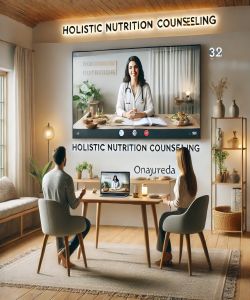
1. Overview of Holistic Nutrition Counseling
Holistic Nutrition Counseling represents a sophisticated and integrative paradigm of health management, fundamentally distinct from conventional dietetic approaches. It operates on the unequivocal principle that the human entity is an indivisible, interconnected system, where physical health is inextricably linked to mental, emotional, and environmental factors. This modality therefore rejects the reductionist model of treating symptoms in isolation, opting instead for a comprehensive investigation into the root causes of imbalance and dysfunction. The practitioner’s mandate is not merely to prescribe dietary plans but to facilitate a profound understanding of the individual’s unique biochemical, genetic, and lifestyle constitution. This involves a meticulous analysis of dietary habits, stress levels, sleep patterns, emotional wellbeing, and exposure to environmental toxins. The ultimate objective is not temporary symptomatic relief but the establishment of sustainable, long-term vitality and resilience. By empowering clients with knowledge and personalised strategies, Holistic Nutrition Counseling fosters a sense of agency over one's own health trajectory. It champions the use of whole, nutrient-dense foods as a primary therapeutic tool, supplemented by targeted lifestyle modifications to restore the body’s innate capacity for self-regulation and healing. This approach is not a passive treatment but an active, collaborative partnership between practitioner and client, demanding commitment, introspection, and a willingness to enact meaningful change across all facets of one's life. It is, in essence, a rigorous educational process designed to cultivate an enduring state of optimal wellness by addressing the whole person, not merely the manifest ailment. The methodology is therefore exhaustive, demanding a level of detailed inquiry that transcends superficial dietary advice to achieve a truly systemic and lasting impact on health.
2. What are Holistic Nutrition Counseling?
Holistic Nutrition Counseling is a comprehensive, client-centred approach to health and wellness that is predicated on the foundational belief that optimal health is the product of a harmonious interplay between physical, psychological, and environmental influences. It is not merely a system of dietary prescription but an investigative process aimed at identifying and addressing the underlying causes of health imbalances. The practice moves beyond the narrow focus of calorie counting or macronutrient tracking, which characterises more conventional methodologies, to embrace a wider, more inclusive perspective.
A core tenet of this discipline is bio-individuality—the concept that each person possesses a unique set of nutritional and lifestyle requirements determined by their genetics, metabolism, environment, and personal history. Consequently, a one-size-fits-all approach is deemed fundamentally inadequate. The practitioner functions as an educator and a guide, working collaboratively with the client to uncover the intricate connections between their diet, lifestyle choices, and presenting health concerns. This involves a detailed exploration of not just what is eaten, but also how and why.
Key components of the counselling process typically include:
- Systemic Analysis: A thorough assessment that extends beyond diet to include stress management, sleep quality, physical activity, emotional state, and potential environmental exposures. This creates a complete picture of the individual's life context.
- Root Cause Identification: Instead of simply managing symptoms, the focus is on discovering the primary drivers of dysfunction. For example, chronic fatigue might be traced back to adrenal stress, nutrient deficiencies, or gut dysbiosis, rather than being treated as an isolated issue.
- Empowerment Through Education: A primary objective is to equip clients with the knowledge and tools necessary to make informed, autonomous decisions about their health. The goal is to foster self-sufficiency, not dependency.
- Use of Whole Foods: There is a strong emphasis on the therapeutic power of natural, unprocessed, and nutrient-rich foods as the cornerstone of any health protocol, minimising reliance on synthetic or isolated interventions.
In essence, Holistic Nutrition Counseling is a form of personalised health education that honours the complexity of the human body and promotes profound, sustainable wellness by addressing the whole person.
3. Who Needs Holistic Nutrition Counseling?
- Individuals Experiencing Chronic, Unresolved Health Issues: Persons contending with persistent conditions such as digestive distress, including Irritable Bowel Syndrome (IBS) and chronic bloating; autoimmune disorders; hormonal imbalances manifesting as PMS or menopausal difficulties; and tenacious skin conditions like eczema or acne, for whom conventional medical routes have yielded insufficient or temporary results. This approach offers a framework for investigating underlying systemic triggers that standard diagnostics may overlook.
- Those Seeking Proactive and Preventive Health Management: Proactive individuals who are not necessarily ill but aim to optimise their current state of health, enhance longevity, and build resilience against future disease. This includes athletes seeking to maximise performance, professionals aiming to improve cognitive function and manage stress, and anyone committed to achieving a superior state of vitality through meticulously tailored nutritional and lifestyle strategies.
- Clients with Complex Food Sensitivities and Allergies: Individuals who struggle to identify specific dietary triggers for their adverse reactions. The holistic methodology provides structured, investigative tools such as elimination diets and detailed food-symptom journaling to systematically pinpoint problematic foods and environmental factors, thereby creating a precise and highly personalised dietary protocol that restores digestive peace and reduces inflammatory responses.
- Persons Navigating Significant Life Transitions: This encompasses individuals undergoing periods of high physiological or psychological demand, such as pregnancy and the postpartum period, periods of intense professional stress, or recovery from significant illness or surgery. Holistic support ensures that nutritional intake and lifestyle practices are robustly aligned to meet the heightened demands of these phases, thereby supporting a smoother and healthier transition.
- Individuals Seeking to Address the Mind-Body Connection: Clients who recognise that their physical symptoms are interwoven with their mental and emotional state. This includes those dealing with anxiety, low mood, or chronic fatigue where psychological stressors are a significant contributing factor. The counselling provides strategies to support the nervous system, balance neurotransmitters through nutrition, and manage stress, addressing the root cause from both a physical and psycho-emotional perspective.
4. Origins and Evolution of Holistic Nutrition Counseling
The philosophical underpinnings of Holistic Nutrition Counseling are not a modern invention but are deeply rooted in ancient healing traditions that have long recognised the indivisible connection between diet, environment, and overall health. Concepts central to the holistic ethos can be traced back to Hippocrates, the ancient Greek physician who famously asserted, “Let food be thy medicine and medicine be thy food.” This maxim encapsulates the core principle that nutrition is a primary therapeutic agent. Similarly, ancient systems such as Ayurveda from India and Traditional Chinese Medicine (TCM) have, for millennia, employed sophisticated dietary theories based on individual constitution, the energetic properties of foods, and the importance of digestive health as the foundation of vitality. These traditions never viewed diet in isolation, always integrating it with mental, spiritual, and environmental considerations.
The modern incarnation of holistic nutrition began to crystallise in the West during the 19th and early 20th centuries with the rise of the naturopathic and nature cure movements in Europe and North America. Pioneers like Benedict Lust and Henry Lindlahr championed drugless healing, advocating for a return to natural living, which included clean air, water, and, crucially, a diet of whole, unprocessed foods. They railed against the processed, denatured foods of the industrial revolution, linking them directly to the rise of chronic, degenerative diseases. This period established the foundational tenets of modern holistic nutrition: biochemical individuality, the healing power of nature, and the importance of identifying and removing the causes of disease rather than merely suppressing symptoms.
In the latter half of the 20th century and into the 21st, the field underwent a significant evolution, moving from a position on the fringe to a more structured and scientifically-informed discipline. The work of visionaries like Dr. Roger Williams on biochemical individuality and Dr. Linus Pauling on orthomolecular medicine provided a scientific basis for personalised nutrient therapy. This evolution has seen the discipline integrate contemporary scientific understanding of biochemistry, genetics, and the microbiome, while steadfastly retaining its core holistic philosophy. Today, Holistic Nutrition Counseling stands as a sophisticated synthesis of ancient wisdom and modern science, offering a rigorous and comprehensive alternative to the reductionist model of conventional dietetics.
5. Types of Holistic Nutrition Counseling
The practice of Holistic Nutrition Counseling is not monolithic; it encompasses several specialised approaches, each with a distinct focus, though all share the core philosophy of treating the whole person. The specific modality employed is typically dictated by the practitioner's training and the client's unique requirements.
- Functional Nutrition: This is a highly analytical and systems-oriented approach. It is rooted in the principles of functional medicine, which seeks to identify and address the root causes of disease by viewing the body as an integrated system. Practitioners of functional nutrition utilise detailed health histories, lifestyle assessments, and often advanced laboratory testing (such as stool analysis, hormone panels, and organic acid tests) to uncover underlying imbalances in areas like gut health, detoxification pathways, and the endocrine system. The resulting protocols are highly targeted and personalised, often involving specific therapeutic foods and supplements to correct identified dysfunctions.
- Orthomolecular Nutrition: Pioneered by Linus Pauling, this type focuses on the principle of achieving optimal health by providing the body with the correct molecules (nutrients) in the correct concentrations for each individual. It posits that genetic and environmental factors create varying needs for vitamins, minerals, and other nutrients, and that disease often reflects a deficiency or imbalance. Counselling within this framework involves assessing an individual's unique biochemical needs and using high-dose, targeted supplementation alongside a nutrient-dense diet to correct imbalances and support optimal cellular function.
- Integrative Nutrition: This model is characterised by its broad and inclusive philosophy, drawing from a vast array of dietary theories, from ancient traditions like Ayurveda and Macrobiotics to modern concepts like Paleo and plant-based diets. The central tenet is "bio-individuality" and the idea that no single diet is right for everyone. An Integrative Nutrition practitioner guides the client to experiment with different approaches to discover what works best for their body, while also placing significant emphasis on "primary food"—non-dietary factors that nourish, such as relationships, career, physical activity, and spirituality.
- Naturopathic Nutrition: This approach is a cornerstone of naturopathic medicine. It emphasises the use of whole, organic foods as medicine and is guided by the core naturopathic principles, such as "the healing power of nature" and "do no harm." Counselling focuses on detoxification, supporting the body's innate self-healing mechanisms, and using food to restore physiological balance. It often incorporates other natural therapies, such as herbal medicine, and places a strong emphasis on disease prevention and building a robust foundation of health through a natural lifestyle.
6. Benefits of Holistic Nutrition Counseling
- Root Cause Resolution, Not Symptom Suppression: It moves beyond the superficial management of symptoms to rigorously investigate and address the underlying drivers of health imbalances. This facilitates profound and lasting health improvements rather than providing a temporary reprieve, leading to a more resilient and self-regulating physiological state.
- Highly Personalised and Individualised Protocols: The core principle of bio-individuality ensures that all recommendations are meticulously tailored to the client’s unique genetic makeup, biochemistry, lifestyle, and health goals. This rejects the inefficacy of one-size-fits-all diet plans, leading to strategies that are substantially more effective and sustainable for the individual.
- Client Empowerment and Health Autonomy: The process is fundamentally educational. Clients are equipped with a deep understanding of their own bodies and the impact of their choices. This fosters self-sufficiency and confidence, empowering them to take sovereign control of their health trajectory long after the counselling relationship has concluded, reducing dependency on practitioners.
- Comprehensive, Whole-Person Approach: By considering the intricate connections between diet, stress, sleep, emotional wellbeing, and environment, this modality addresses all facets of health. This integrated perspective often uncovers solutions that a narrower, purely diet-focused approach would miss, leading to improvements in energy, mood, and overall vitality, not just the primary complaint.
- Emphasis on Prevention and Optimisation: Beyond addressing existing issues, a primary focus is on building a robust foundation of health to prevent future illness. It provides clients with the tools to optimise their physiological and cognitive function, enhancing performance, resilience, and long-term wellness in a proactive, forward-looking manner.
- Improved Relationship with Food and Body: The counselling process works to dismantle disordered eating patterns, food-related anxiety, and negative body image. It promotes a mindful, intuitive, and positive relationship with food, reframing it as a source of nourishment and vitality rather than a source of conflict or restriction.
- Natural and Non-Invasive Methodologies: It prioritises the use of whole foods and lifestyle modifications as the primary therapeutic tools. This approach minimises the risk of adverse side effects associated with pharmaceutical interventions and supports the body’s innate capacity to heal and regulate itself, honouring its natural biological processes.
7. Core Principles and Practices of Holistic Nutrition Counseling
- Bio-Individuality is Paramount: The unequivocal principle that no single dietary theory or health protocol is universally applicable. Each individual is recognised as having a unique metabolic, genetic, and biochemical profile. Practice therefore mandates a deep, personalised assessment to determine the specific nutritional and lifestyle requirements for that person, rendering generalised advice obsolete and irresponsible.
- Whole-Person Integration: The foundational belief that the body does not operate as a collection of isolated parts but as a deeply interconnected system. Physical health cannot be divorced from mental, emotional, spiritual, and environmental health. Practice involves a comprehensive evaluation of all these facets—stress, sleep, relationships, environment—to understand their collective impact on the client's wellbeing.
- Identification and Eradication of Root Causes: A relentless focus on discovering and addressing the primary source of dysfunction, rather than merely palliating symptoms. The practice is investigative by nature, utilising detailed client histories, functional assessments, and food-symptom journaling to trace symptoms back to their origins, be it gut dysbiosis, hormonal imbalance, or chronic inflammation.
- Emphasis on Whole, Nutrient-Dense Foods: The championing of food in its most natural, unprocessed state as the primary therapeutic agent. Practice prioritises a diet rich in vegetables, fruits, quality proteins, and healthy fats, while actively discouraging or eliminating processed, refined, and artificial substances that contribute to the body's toxic load and impede its healing capacity.
- The Body's Innate Healing Intelligence: A profound respect for and trust in the body's inherent ability to self-regulate, repair, and maintain health when provided with the necessary resources. The practitioner's role is not to "cure" but to facilitate this process by removing obstacles to health and providing the specific nutritional building blocks the body requires to function optimally.
- Empowerment Through Education: The primary goal is to render the client autonomous and sovereign over their own health. The practice is fundamentally an educational partnership. The practitioner's duty is to impart knowledge, explain the 'why' behind recommendations, and provide practical tools, thereby equipping the client to make conscious, informed decisions for a lifetime.
- Prevention as a Core Strategy: A proactive rather than reactive stance on health. The ultimate aim is not just to resolve current issues but to build a foundation of such robust vitality and resilience that the likelihood of future disease is significantly diminished. The practice involves creating sustainable lifestyle habits that support long-term wellness and optimal function.
8. Online Holistic Nutrition Counseling
- Unrestricted Geographical Accessibility: Online delivery dismantles all geographical barriers, granting clients access to elite practitioners irrespective of their physical location. This democratises expertise, enabling an individual in a remote area to engage with a specialist who possesses the precise skill set required for their unique health concerns, an opportunity that would be impossible within the constraints of traditional, location-based practice.
- Enhanced Convenience and Time Efficiency: The virtual model offers unparalleled convenience, eliminating the time, cost, and stress associated with travel to and from a physical clinic. Consultations can be seamlessly integrated into a client's demanding schedule, whether from their home or office, thereby increasing compliance and ensuring that logistical hurdles do not impede the pursuit of optimal health. This efficiency is a critical advantage for busy professionals and caregivers.
- Facilitation of a Consistent and Supportive Continuum of Care: Digital platforms enable more frequent and consistent communication between client and practitioner. Secure messaging, shared food-log platforms, and quick check-ins between formal consultations foster a more dynamic and supportive therapeutic relationship. This continuous loop of feedback and adjustment ensures the protocol remains precisely aligned with the client’s evolving needs, accelerating progress.
- Access to a Broader Range of Digital Tools and Resources: Online counselling inherently leverages technology to enhance the client experience. Practitioners can instantly share digital resources such as bespoke meal plans, educational documents, instructional videos, and links to scientific literature. The use of digital tracking apps for diet and symptoms provides real-time data that is more accurate and detailed than traditional paper journals, allowing for more precise analysis and intervention.
- Creation of a Controlled and Comfortable Client Environment: Conducting sessions from one's own home can foster a greater sense of security and openness for many clients. This comfortable setting may encourage more candid discussions about sensitive health and lifestyle issues, which is critical for a thorough holistic assessment. The client is in a familiar, controlled environment, which can reduce the anxiety sometimes associated with clinical settings and facilitate a more productive therapeutic alliance.
9. Holistic Nutrition Counseling Techniques
- The Comprehensive Initial Intake: This is the foundational technique and is rigorously thorough. It extends far beyond a simple diet recall. The practitioner conducts an exhaustive inquiry into the client's complete health history, family health history, medication and supplement use, and a detailed systems review (covering digestive, endocrine, nervous systems, etc.). It also includes a deep dive into lifestyle factors: stress levels, sleep quality and quantity, physical activity, and environmental exposures. This meticulous data-gathering phase is non-negotiable and forms the bedrock of the entire personalised protocol.
- Food, Mood, and Symptom Journaling: The client is instructed to maintain a detailed journal for a specified period. This is not merely a food log. It requires the client to meticulously record everything consumed, the time of consumption, and, crucially, any concurrent physical symptoms (e.g., bloating, headache, fatigue) and emotional states (e.g., anxiety, irritability, clarity) experienced. This technique provides invaluable, real-time data that helps to reveal direct correlations between specific foods or eating patterns and the client's presenting complaints.
- The Therapeutic Elimination Diet: When food sensitivities are suspected as a root cause of chronic symptoms, this technique is employed with precision. It involves the systematic removal of common allergenic and inflammatory foods (such as gluten, dairy, soy, corn, and sugar) for a defined period. This allows the body’s inflammatory burden to decrease. Following this elimination phase, foods are methodically and individually reintroduced in a controlled manner, while the client monitors for any return of symptoms. This process unequivocally identifies specific trigger foods.
- Nutrient Status and Functional Assessment: This technique involves analysing the client's diet and symptoms to identify potential nutrient deficiencies or excesses. While it can be based on dietary analysis and clinical signs, it may also be supplemented by recommending functional laboratory testing. This provides objective data on nutritional status, gut health (e.g., microbiome analysis), or hormonal balance. This biochemical information allows for highly targeted interventions with therapeutic foods and, where necessary, specific supplements.
- Mindful Eating and Lifestyle Integration: This technique shifts the focus from what is eaten to how it is eaten. The client is coached on practices such as slowing down, chewing food thoroughly, eating without distractions, and paying attention to the body’s natural hunger and satiety signals. This improves digestion and nutrient absorption and helps to heal the relationship with food. It is integrated with actionable lifestyle recommendations for stress management, sleep hygiene, and appropriate movement, ensuring the protocol addresses the whole person.
10. Holistic Nutrition Counseling for Adults
Holistic Nutrition Counseling for adults is a rigorous, sophisticated engagement designed to address the complex interplay of physiological, lifestyle, and environmental factors that govern adult health. It operates on the firm principle that the adult body is not a static entity but a dynamic system profoundly influenced by decades of dietary habits, accumulated stress, hormonal fluctuations, and environmental exposures. The approach is therefore investigative and deeply personalised, rejecting the simplistic, one-dimensional dietary plans often marketed to this demographic. It begins with an exhaustive assessment of the individual's entire health ecosystem—from their digestive function and metabolic health to their career pressures, sleep architecture, and emotional wellbeing. For adults, key areas of focus are mandated by the common challenges of this life stage: managing chronic inflammation, optimising hormonal balance (addressing adrenal, thyroid, and sex hormone function), enhancing metabolic flexibility to combat weight gain, and supporting cognitive function and mental resilience in the face of professional and personal demands. The counselling process empowers the adult client to move beyond a state of passive symptom management to one of active health creation. Strategies are practical and built for real-world application, focusing on nutrient-dense, whole foods to restore cellular function, targeted supplementation to correct long-standing deficiencies, and robust lifestyle modifications to mitigate the impact of chronic stress. It is a partnership that demands maturity and commitment from the client, fostering an understanding that sustained vitality in adulthood is not a matter of chance but the direct result of conscious, informed, and consistent choices. The ultimate goal is to equip the adult with a personalised framework for navigating their ongoing health journey with authority and intelligence.
11. Total Duration of Online Holistic Nutrition Counseling
The mandated duration for a standard, individual online Holistic Nutrition Counseling consultation is unequivocally set at one hour. This 1-hr timeframe is not an arbitrary or flexible guideline; it is a structural necessity dictated by the depth and rigour inherent to the holistic methodology. A shorter duration would be fundamentally inadequate and would compromise the integrity of the process, rendering it superficial and ineffective. The initial segment of this one-hour session is dedicated to a meticulous review of the client's progress, a detailed analysis of their food and symptom journals, and an in-depth discussion of any challenges or new observations that have arisen since the previous contact. This dialogue is critical for making informed, real-time adjustments to the protocol. The central portion of the consultation is reserved for practitioner-led education, where complex health concepts are elucidated, the rationale behind specific dietary and lifestyle recommendations is explained, and the client’s questions are addressed with thoroughness. This educational component is non-negotiable, as it is the primary mechanism for client empowerment. The final segment is dedicated to collaborative strategy development, where new goals are established, and actionable steps for the forthcoming period are clearly defined and agreed upon. This ensures the client leaves the session with absolute clarity and a concrete plan. To attempt this comprehensive, three-part process of assessment, education, and strategic planning in less than one hour would be to dilute its power and to do a profound disservice to the client, whose health concerns demand and deserve this level of dedicated, uninterrupted professional attention. The 1-hr duration is the minimum professional standard required for effective, responsible practice.
12. Things to Consider with Holistic Nutrition Counseling
Engaging with Holistic Nutrition Counseling necessitates a clear-eyed assessment of several critical factors, as this modality demands a level of personal commitment far exceeding that of conventional dietary advice. Foremost is the requirement for client accountability and active participation. This is not a passive process where a plan is simply handed down; it is a collaborative partnership that is contingent upon the client's willingness to implement sustained lifestyle changes, maintain detailed records, and engage in honest self-reflection. The success of the protocol is directly proportional to the effort invested. Furthermore, one must be prepared for a process that is investigative and often non-linear. Uncovering the root cause of chronic health issues can take time and may require patience and persistence as different strategies are trialled. There are no instantaneous solutions, and individuals must recalibrate their expectations accordingly, embracing the journey of discovery rather than demanding an immediate fix. It is also imperative to understand the distinction between this discipline and conventional medical treatment. A holistic practitioner does not diagnose or treat disease in the medical sense and their counsel should never be used as a substitute for necessary medical care from a qualified physician, especially for acute conditions or serious pathologies. The approach is complementary, not alternative. Finally, potential clients must be prepared to confront the interconnectedness of their health, acknowledging that dietary changes alone may be insufficient. The process will inevitably explore sensitive areas such as stress, emotional wellbeing, and relationships, requiring a readiness to address uncomfortable truths about one's life in the pursuit of genuine, whole-person wellness.
13. Effectiveness of Holistic Nutrition Counseling
The effectiveness of Holistic Nutrition Counseling is predicated on its foundational commitment to two core principles: bio-individuality and root-cause resolution. Its power lies not in a single magic bullet, but in its systematic, multi-faceted, and deeply personalised methodology. By rejecting the demonstrably flawed one-size-fits-all model, this approach meticulously tailors every recommendation to the client's unique genetic, biochemical, and lifestyle context. This precision is what drives its efficacy where generalised advice fails. The relentless focus on identifying and addressing the underlying drivers of dysfunction—be it gut dysbiosis, chronic inflammation, hormonal imbalance, or nutrient deficiencies—rather than merely masking symptoms, is what facilitates profound and, critically, sustainable health outcomes. Its effectiveness is further amplified by its whole-person perspective. By acknowledging and addressing the undeniable impact of stress, sleep, and emotional health on physical wellbeing, it creates a synergistic healing effect that a purely dietary intervention cannot achieve. The efficacy of the approach is, however, conditional. It is contingent upon a strong therapeutic alliance and the absolute commitment of the client to actively participate in the process. When these conditions are met, the methodology is exceptionally effective for managing a wide spectrum of chronic, lifestyle-related health concerns, significantly improving quality of life, enhancing physiological function, and empowering individuals with the tools for long-term health sovereignty. Its effectiveness is therefore not a matter of conjecture but a direct result of its logical, comprehensive, and rigorously individualised framework, which honours the complexity of the human system.
14. Preferred Cautions During Holistic Nutrition Counseling
It is imperative to proceed with a disciplined and cautious mindset throughout any engagement with Holistic Nutrition Counseling, as its potency requires responsible application. Firstly, this modality is not a substitute for, but a complement to, conventional medical diagnosis and treatment. Any individual with a serious, acute, or diagnosed medical condition must remain under the care of a qualified medical doctor. The practitioner of holistic nutrition does not diagnose disease, and any attempt to forsake necessary medical intervention in favour of purely nutritional strategies would be a grave and dangerous error. Secondly, the implementation of any significant dietary change or supplementation protocol, particularly therapeutic elimination diets or high-dose nutrient therapy, must be undertaken with professional guidance. Self-prescribing based on incomplete information can lead to nutrient deficiencies, exacerbate existing imbalances, or create new health problems. The process must be structured, monitored, and adjusted by a qualified professional. Thirdly, a heightened state of awareness is required for vulnerable populations, including pregnant or breastfeeding women, children, the elderly, and those with eating disorders. Protocols for these groups must be adapted with extreme care and expertise to avoid any potential harm. Finally, clients must be cautioned against the 'miracle cure' mentality. Uncovering root causes is a methodical, often lengthy process that demands patience and persistence. An expectation of overnight results is unrealistic and counterproductive, setting the stage for disappointment and non-compliance. A pragmatic, grounded, and safety-first approach is not merely preferred; it is mandatory for the responsible practice of this discipline.
15. Holistic Nutrition Counseling Course Outline
- Module One: Foundations of Holistic Health and Nutrition
- Core Philosophies: Exploring the principles of whole-person health, the mind-body connection, and the body's innate healing capacity.
- Historical Context: A study of ancient healing traditions (Ayurveda, TCM) and the evolution of the modern naturopathic and holistic movements.
- Contrasting Methodologies: A critical analysis of the differences between the holistic/functional paradigm and conventional reductionist dietetics.
- Module Two: Anatomy, Physiology, and Biochemical Principles
- Macronutrients and Micronutrients: In-depth study of proteins, fats, carbohydrates, vitamins, and minerals, focusing on their roles in human biochemistry.
- Digestive Physiology: A comprehensive examination of the gastrointestinal tract, from digestion and absorption to the critical role of the gut microbiome.
- Major Body Systems: An overview of the endocrine, nervous, and immune systems and how nutrition fundamentally impacts their function.
- Module Three: The Practice of Client Assessment
- The Comprehensive Intake Process: Mastering the art of the detailed client interview, including health history, systems review, and lifestyle analysis.
- Nutritional Assessment Tools: Training in the use and interpretation of food-symptom journals, dietary analysis software, and clinical signs of nutrient imbalance.
- Introduction to Functional Testing: Understanding the application and basic interpretation of common functional lab tests (e.g., stool, hormone, and food sensitivity panels).
- Module Four: Therapeutic Dietary Systems and Protocols
- Foundational Diets: Detailed instruction on implementing foundational health-supportive diets, such as anti-inflammatory, elimination, and low-glycaemic plans.
- Specific Condition Protocols: Application of nutritional strategies for common health challenges, including digestive disorders, hormonal imbalances, and blood sugar dysregulation.
- Therapeutic Use of Whole Foods: Understanding the specific medicinal properties of various foods and herbs.
- Module Five: Lifestyle Integration and Coaching Techniques
- Stress Management Methodologies: Exploring the impact of chronic stress on physiology and learning to coach clients on mitigation techniques.
- Mind-Body Practices: Incorporating principles of mindful eating, sleep hygiene, and appropriate physical activity into client protocols.
- Professional Practice and Ethics: Establishing a professional practice, understanding the scope of practice, client communication, and maintaining ethical standards.
16. Detailed Objectives with Timeline of Holistic Nutrition Counseling
- Phase One: Comprehensive Assessment and Foundation Setting (Initial Consultation to Week 2)
- Objective: To conduct an exhaustive initial intake, gathering all necessary data on health history, diet, lifestyle, and primary complaints. To establish a strong therapeutic alliance and collaboratively define clear, measurable health goals. To provide initial, foundational dietary and lifestyle recommendations aimed at reducing inflammatory load and stabilising blood sugar.
- Timeline: The first one-hour consultation is dedicated to intake and goal setting. By the end of week two, the client will have successfully implemented the foundational plan and maintained a detailed food and symptom journal.
- Phase Two: Investigation and Root Cause Identification (Weeks 3-6)
- Objective: To meticulously analyse the client’s food and symptom journals to identify patterns and potential trigger foods. If required, to implement a structured therapeutic protocol, such as an elimination diet, to systematically uncover food sensitivities. To educate the client on the connection between their intake and their symptoms, fostering deeper body awareness.
- Timeline: This four-week period is dedicated to active investigation. Bi-weekly follow-up consultations are used to monitor progress, analyse data, and make necessary adjustments to the investigative protocol.
- Phase Three: Targeted Protocol Development and Implementation (Weeks 7-10)
- Objective: Based on the findings from Phase Two, to design a highly personalised, long-term therapeutic nutrition and lifestyle plan. This includes reintroducing foods strategically and building a diverse, nutrient-dense diet. To introduce targeted supplements, if necessary, to correct specific deficiencies or support systemic function. The focus shifts from elimination to building a sustainable, health-promoting way of life.
- Timeline: This phase involves two to three consultations focused on refining the long-term plan and educating the client on its principles, ensuring they understand the 'why' behind each recommendation.
- Phase Four: Optimisation and Autonomy (Weeks 11-12 and beyond)
- Objective: To fine-tune the long-term plan, addressing any remaining minor issues and optimising for peak performance and vitality. To ensure the client feels confident and fully equipped to manage their own health autonomously. The goal is to solidify habits and provide the client with the tools to navigate future challenges independently.
- Timeline: One or two final consultations are held to consolidate learning and establish a plan for long-term maintenance. The formal counselling relationship transitions to an as-needed basis, as the client has achieved a state of health sovereignty.
17. Requirements for Taking Online Holistic Nutrition Counseling
- A Stable and High-Speed Internet Connection: This is a non-negotiable technical prerequisite. The integrity of online consultations relies on clear, uninterrupted audio and video communication. A poor connection will fragment the dialogue, impede understanding, and fundamentally compromise the quality and professionalism of the therapeutic exchange.
- Appropriate Technological Hardware and Software: The client must possess a functioning computer, tablet, or smartphone equipped with a webcam and microphone. They must also have the capacity to install and operate the specific video conferencing platform designated by the practitioner (e.g., Zoom, Skype, or a secure telehealth portal). A basic level of digital literacy is assumed and required.
- A Private and Conducive Environment: The client must commit to participating in sessions from a quiet, private location free from distractions. The sensitive and personal nature of the information discussed necessitates confidentiality. Conducting a session in a public space or with interruptions from family or colleagues is unprofessional and unacceptable.
- Commitment to Digital Record-Keeping: As in-person physical assessments are not possible, there is a heightened reliance on client-provided data. The client must be willing and able to diligently use digital tools for tracking, such as online food logging applications or shared digital documents for symptom journaling, as directed by the practitioner. Punctual and accurate submission of these records is mandatory for effective protocol management.
- A Mindset of Proactive Engagement and Self-Responsibility: The online format demands an even greater degree of client initiative. The client must be self-motivated to implement recommendations, proactive in their communication, and take full responsibility for creating the structure and discipline in their own environment that the protocol requires. The practitioner is a guide, not a remote enforcer.
- Unwavering Honesty and Transparency: In the absence of physical cues, the practitioner is entirely dependent on the verbal and written information provided by the client. Absolute honesty regarding dietary adherence, lifestyle choices, and the experience of symptoms is paramount. Any omission or misrepresentation will invalidate the practitioner's analysis and render the resulting advice ineffective or potentially harmful.
18. Things to Keep in Mind Before Starting Online Holistic Nutrition Counseling
Before commencing an online Holistic Nutrition Counseling programme, it is imperative to adopt a mindset of rigorous self-assessment and realistic expectation. This digital modality is not a passive information service; it is an active, demanding partnership that places significant responsibility upon the client. You must first evaluate your own capacity for self-discipline and technological fluency. The absence of in-person accountability requires a higher degree of intrinsic motivation to adhere to protocols and maintain meticulous digital records of your diet and symptoms. Be prepared to invest time not only in the consultations themselves but also in the background work of planning, shopping, food preparation, and journaling that is essential for success. It is crucial to understand that the online format, while convenient, necessitates clear and proactive communication from your end; the practitioner cannot infer your challenges or progress and relies entirely on your transparent reporting. You must also perform due diligence on the practitioner, verifying their qualifications, specialisation, and professional standing, as the digital space can harbour unqualified individuals. Critically, you must disabuse yourself of any notion of a quick fix. Holistic nutrition is an investigative process that seeks to uncover deep-seated, chronic imbalances. This journey requires patience, a willingness to experiment under guidance, and the resilience to navigate a path that may not be linear. Acknowledge that you are embarking on a comprehensive lifestyle transformation, not simply downloading a new diet plan. This is a serious commitment to profound, systemic change, and your readiness to embrace that full scope is the primary determinant of your outcome.
19. Qualifications Required to Perform Holistic Nutrition Counseling
The qualifications required to perform Holistic Nutrition Counseling with authority and credibility are rigorous and multifaceted, extending beyond a mere interest in food and wellness. A legitimate practitioner must possess a formal, comprehensive education from a recognised and accredited institution specialising in holistic or functional nutrition. This education is critical, as it must provide a deep and robust grounding in the core sciences, including:
- Anatomy and Physiology: A thorough understanding of how the human body is structured and how its systems function and interrelate.
- Biochemistry: Detailed knowledge of the metabolic pathways involving macronutrients and micronutrients, essential for understanding how food is converted into energy and structure at a cellular level.
- Clinical Nutrition: The application of nutritional science to prevent and manage health conditions, including knowledge of nutrient deficiencies, toxicities, and food-drug interactions.
Beyond these foundational sciences, a credible qualification must include specialised training in the core tenets of the holistic model itself. This includes advanced coursework in areas such as gut health and the microbiome, endocrinology (hormonal health), immunology, and the principles of detoxification. Critically, the training programme must include extensive instruction on client assessment techniques, therapeutic dietary protocols, and coaching methodologies.
Furthermore, a qualified practitioner is often designated by a professional title, such as Certified Holistic Nutritional Consultant (CHNC), Registered Holistic Nutritionist (RHN), or a similar title, which signifies that they have passed a board examination and are required to adhere to a strict scope of practice and code of ethics. They are also mandated to complete ongoing continuing education to remain current with evolving research. It is imperative to distinguish these professionals from unqualified 'health coaches' or influencers who lack the scientific and clinical training necessary to safely and effectively manage complex health concerns. The qualification is not a certificate from a weekend course; it is proof of a substantial and scientifically-grounded educational investment.
20. Online Vs Offline/Onsite Holistic Nutrition Counseling
Online
Online Holistic Nutrition Counseling operates within a digital framework, leveraging video conferencing, secure messaging platforms, and digital tracking tools to deliver services remotely. Its primary, unequivocal advantage is its complete dissolution of geographical barriers. This grants clients access to a global pool of specialised practitioners, ensuring they can connect with the ideal expert for their specific needs, regardless of physical proximity. The modality offers superior convenience and time-efficiency, eliminating travel time and allowing sessions to be integrated seamlessly into a client's life. The digital format facilitates a continuous, dynamic flow of information through shared documents and real-time tracking apps, potentially leading to more precise and responsive protocol adjustments. However, this model is entirely dependent on technology, requiring both client and practitioner to have reliable internet access and a degree of digital literacy. It also lacks the potential for in-person physical assessment (like nail and tongue analysis) and the specific energetic rapport that can be established in a shared physical space. The onus for creating a focused, private environment for consultations falls entirely on the client, and a greater degree of self-discipline is required to maintain momentum without the structure of a physical appointment.
Offline
Offline, or onsite, Holistic Nutrition Counseling is the traditional model, conducted face-to-face in a clinical or office setting. Its principal strength lies in the immediacy and depth of the interpersonal connection. The practitioner can observe subtle non-verbal cues, and some may incorporate physical assessment techniques from traditions like TCM or Ayurveda, which are impossible to conduct remotely. This direct, in-person interaction can build a powerful therapeutic rapport for some individuals. The act of travelling to a dedicated professional space can also create a psychological container that reinforces the seriousness and importance of the commitment for the client. The primary limitations, however, are severe. This model is geographically restrictive, limiting a client's choice of practitioner to those within a commutable distance. It is inherently less flexible, demanding rigid scheduling and incurring additional time and costs associated with travel. The support between sessions is often less fluid, typically relying on email or phone calls rather than the integrated digital systems used in the online model. Offline counselling represents a more traditional, tangible approach, but one that is significantly constrained by logistics and accessibility.
21. FAQs About Online Holistic Nutrition Counseling
Question 1. Is online counseling as effective as in-person? Answer: Yes, for the committed client. Effectiveness is determined by the quality of the practitioner and the client's adherence, not the medium. The comprehensive data gathered through digital journals often allows for even more precise analysis.
Question 2. What technology do I absolutely need? Answer: A reliable computer or tablet with a webcam, a microphone, and a stable, high-speed internet connection.
Question 3. How is my privacy and personal data protected? Answer: Reputable practitioners use secure, encrypted telehealth platforms that comply with data protection regulations. This should be confirmed before engagement.
Question 4. Is this a recognised medical practice? Answer: No. It is a complementary health modality. It does not diagnose or treat disease in the medical sense and is not a substitute for a medical doctor.
Question 5. Can I get this covered by insurance? Answer: This varies significantly by provider and policy. It is the client's responsibility to inquire directly with their insurance company. Most often, it is a private expense.
Question 6. What is the difference between a Holistic Nutritionist and a Dietitian? Answer: Dietitians often work in institutional settings and follow government-regulated dietary guidelines. Holistic Nutritionists focus on bio-individuality and root-cause analysis from a whole-person perspective.
Question 7. Will I have to buy expensive supplements? Answer: Not necessarily. The primary focus is always on whole foods. Supplements may be recommended to correct specific, identified deficiencies but are a targeted, secondary tool.
Question 8. How long before I see results? Answer: This is highly individual. Some may feel improvements within weeks, while for others with chronic issues, the investigative process may take several months.
Question 9. Do I need a referral from a doctor? Answer: No, a referral is not required to engage a holistic practitioner.
Question 10. Is this suitable for severe, chronic illnesses? Answer: It can be a powerful complementary approach for managing chronic illness symptoms, but must be done in conjunction with, and not as a replacement for, appropriate medical care.
Question 11. How much communication is there between sessions? Answer: This depends on the practitioner’s programme, but online models typically allow for more consistent support via secure messaging or shared platforms.
Question 12. Will I have to give up all the foods I love? Answer: The goal is not deprivation but to create a sustainable, health-promoting diet. This may involve temporarily eliminating certain foods to identify triggers, but the long-term aim is a balanced, enjoyable diet.
Question 13. What if I have a very busy, unpredictable schedule? Answer: The online format is exceptionally well-suited for this, offering a level of scheduling flexibility that onsite appointments cannot match.
Question 14. What qualifications should I look for in a practitioner? Answer: Look for a formal diploma or certification from a recognised, accredited institution in holistic or functional nutrition, and inquire about their professional affiliations.
Question 15. Is it just about diet? Answer: No. Diet is a cornerstone, but the protocol will unequivocally address stress, sleep, movement, and emotional wellbeing as integral components of your health.
Question 16. Can this help with weight loss? Answer: Yes, but weight loss is viewed as a positive side effect of restoring systemic balance, not the primary goal. The focus is on health, from which a healthy weight naturally follows.
Question 17. What if I am not very tech-savvy? Answer: The platforms used are generally user-friendly. However, a basic comfort level with video calls and email is necessary for the process to function smoothly.
22. Conclusion About Holistic Nutrition Counseling
In conclusion, Holistic Nutrition Counseling stands as a rigorous and intellectually robust discipline, offering a necessary and powerful counterpoint to the limitations of reductionist health models. Its fundamental strength is its unwavering commitment to viewing the individual as an integrated whole, a complex ecosystem where physical vitality is inseparable from mental, emotional, and environmental inputs. By systematically rejecting the flawed one-size-fits-all approach and instead championing the principle of biochemical individuality, it provides a pathway to health that is as unique as the person undertaking it. The methodology is demanding, requiring active participation, profound honesty, and a steadfast commitment from the client. It is not a passive cure but an empowering educational journey toward health sovereignty. Its focus on identifying and definitively addressing the root causes of dysfunction, rather than merely suppressing the resultant symptoms, is what enables it to facilitate deep, meaningful, and sustainable improvements in health and wellbeing. While it must operate with due caution and respect for the domain of conventional medicine, its role as a complementary practice is unequivocal. It equips individuals with the knowledge and tools to manage their health proactively, build resilience against chronic disease, and cultivate a state of optimal function. Ultimately, Holistic Nutrition Counseling is more than a set of dietary rules; it is a sophisticated framework for understanding and mastering one's own biology, empowering individuals to take authoritative control of their health trajectory for a lifetime.