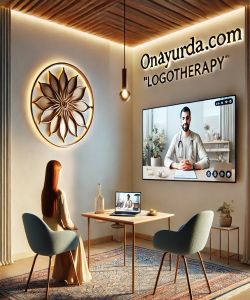
1. Overview of Logotherapy
Logotherapy represents a formidable and distinct school of psychotherapy, founded and developed by the eminent Viennese psychiatrist and neurologist Viktor E. Frankl. Positioned as the ‘Third Viennese School of Psychotherapy’, it provides a critical and necessary alternative to Freudian psychoanalysis and Adlerian individual psychology. The central tenet of Logotherapy is uncompromisingly direct: the primary motivational force in human beings is an innate drive to find a meaning in one's life. This ‘will to meaning’ is considered more fundamental than the pursuit of pleasure or the will to power. Logotherapy, derived from the Greek word ‘logos’ which translates to ‘meaning’, is a meaning-centred approach that assists individuals in overcoming what Frankl termed the ‘existential vacuum’—a state of profound purposelessness, boredom, and emptiness that can precipitate or exacerbate psychological distress. The discipline is built upon three foundational philosophical pillars: the freedom of will, the will to meaning, and the meaning in life. It asserts that even in the face of objective biological, psychological, or sociological determinants, an individual always retains the ultimate freedom to choose their attitude and stance towards their condition. Life, in the Logotherapeutic view, has unconditional meaning that can be discovered through creative values (what we give to the world), experiential values (what we take from the world), and, most profoundly, attitudinal values (the stand we take towards unavoidable suffering). Hence, Logotherapy is not a retrospective or archaeological deep-dive into an individual’s past, but a forward-looking, or future-oriented, therapy. It focuses on the client’s future goals, responsibilities, and the concrete meanings that they are yet to fulfil, thereby equipping them with the resilience to navigate life’s inherent challenges and transform suffering into a profound human achievement.
2. What are Logotherapy?
Logotherapy is a system of theoretical and clinical psychology that asserts the paramount importance of meaning as the central motivational force in human existence. It is a psychotherapeutic approach that directly confronts the spiritual and existential dimensions of the human condition, viewing these as integral to psychological health and well-being. Developed by Viktor Frankl, it is fundamentally an 'analysis of existence' or 'existential analysis', which aims to help an individual become aware of their unique responsibilities and the potential meanings inherent in their specific life situation. It operates on the premise that a human being is not merely a product of conditioning or drives but a self-determining entity capable of self-transcendence.
The core tenets of Logotherapy can be articulated as follows:
- It posits a 'noölogical' dimension, from the Greek 'nous' (mind or spirit), which exists alongside the somatic (physical) and psychic dimensions. This spiritual dimension is the locus of conscience, values, and the will to meaning, and is considered the source of intrinsic health and resilience that can never be truly 'sick'.
- Logotherapy robustly rejects 'psychologism' and 'reductionism', the tendencies to reduce human experience to mere psychological mechanisms or biological processes. It insists on viewing the person holistically, acknowledging their freedom to rise above their own psychophysical constitution.
- Its orientation is prospective rather than retrospective. Unlike psychoanalysis, which delves into the past to uncover the roots of neurosis, Logotherapy focuses on the future and the meanings an individual has yet to actualise. It asks not "Why are you ill?" but "For what purpose are you living?".
- It asserts that meaning is discoverable in all circumstances, without exception. This includes situations of inescapable suffering. Logotherapy teaches that whilst we cannot always choose our circumstances, we can always choose our attitude towards them, and it is in this choice that life's ultimate meaning can often be found.
3. Who Needs Logotherapy?
- Individuals Experiencing an 'Existential Vacuum'. This refers to those who suffer from a profound and pervasive sense of inner emptiness, meaninglessness, and purposelessness. They may not present with classic psychiatric symptoms but are afflicted by a feeling that life lacks direction and significance, often manifesting as chronic boredom, apathy, and a spiritual void. Logotherapy directly addresses this noögenic neurosis.
- Those Confronting Inescapable Suffering or Fate. This includes individuals diagnosed with terminal or chronic illnesses, those who have suffered an irreversible loss, or anyone facing a tragic situation that cannot be changed. Logotherapy provides a framework for finding meaning not in spite of, but through, suffering by exercising the ultimate human freedom: the choice of one's attitude.
- People in Major Life Transitions. Individuals navigating significant changes such as retirement, career redundancy, divorce, or 'empty nest' syndrome often experience a crisis of identity and purpose. Logotherapy helps them to reorient themselves towards new meanings and responsibilities appropriate to their new life circumstances.
- Clients Whose Neuroses are Resistant to Traditional Therapy. Certain cases of anxiety, depression, addiction, or obsessive-compulsive disorders are, at their core, manifestations of a frustrated will to meaning. Where other therapies have focused only on symptoms, Logotherapy addresses the underlying existential cause, often leading to a breakthrough.
- Individuals Suffering from Guilt and Despair. Those who are burdened by guilt over past mistakes or who feel despair about their perceived lack of worth can benefit from Logotherapy’s emphasis on responsibility. It teaches that one can transform guilt into a catalyst for positive change and find meaning in redeeming one's past through future-oriented, responsible action.
- Professionals Experiencing Burnout and Disillusionment. High-achieving individuals in demanding careers who feel that their work has lost its meaning are prime candidates. Logotherapy assists them in reconnecting with their core values or finding new avenues for purpose, either within their current role or by making a deliberate change.
- Anyone Seeking Personal Growth and Self-Transcendence. Logotherapy is not solely for the distressed. It is also for psychologically healthy individuals who are striving to live a more value-driven, purposeful, and fulfilling life, moving beyond self-actualisation towards a life of service and commitment to causes greater than themselves.
4. Origins and Evolution of Logotherapy
The genesis of Logotherapy is inextricably linked to the life and intellect of its founder, Viktor E. Frankl. Born and educated in Vienna, the very crucible of modern psychotherapy, Frankl was initially a student of both Sigmund Freud and Alfred Adler. However, his formidable intellect and independent spirit led him to dissent from their respective doctrines. He challenged Freud’s 'will to pleasure' and Adler’s 'will to power', proposing instead that the 'will to meaning' was the primary and most profound human motivation. By the late 1920s and 1930s, Frankl was already formulating the core principles of his meaning-centred approach, drawing upon his clinical work as a neurologist and psychiatrist and his deep engagement with existential philosophy, particularly the works of Søren Kierkegaard and Max Scheler. He was establishing a new school of thought that refused to reduce the human being to a mere plaything of drives or social conditioning.
The most severe and definitive test of Frankl’s nascent theory came during the Second World War. As a Jew, Frankl was deported and imprisoned in four different Nazi concentration camps, including Auschwitz. In these laboratories of human suffering, he witnessed firsthand the absolute extremes of degradation and despair. It was here that his theory was not just an academic construct but a tool for survival. He observed that the prisoners who had the greatest chance of surviving were not necessarily the physically strongest, but those who maintained a sense of future purpose—a meaning to fulfil, a loved one to see again, or a work to complete. This harrowing experience validated and profoundly deepened his conviction that the human spirit's capacity to find meaning can flourish even in the most horrific of circumstances. His seminal work, Man's Search for Meaning, is a direct testament to this lived validation of his philosophy.
Following his liberation, Frankl returned to Vienna and formally established Logotherapy as the ‘Third Viennese School of Psychotherapy’. The post-war era saw a significant evolution and dissemination of his work. He published over thirty books, lectured extensively across the globe, and held professorships at numerous universities. Logotherapy evolved from a niche clinical practice into a comprehensive system applied in psychology, education, medicine, and pastoral care. Institutes of Logotherapy were established on every continent, ensuring its principles were taught with rigour and authenticity. The system matured into not just a therapy for the ill, but a philosophy of life for all, offering a robust and dignified response to the existential questions of the modern age.
5. Types of Logotherapy
Logotherapy is not segmented into distinct 'types' in the same manner as other therapeutic schools; rather, it is a unified and cohesive system. However, its application can be understood through its primary clinical techniques, which are deployed based on the specific nature of the client's distress. These are not separate therapies but integral components of the Logotherapeutic process.
- Paradoxical Intention. This is a highly specific and potent technique designed primarily for the treatment of phobic and obsessive-compulsive conditions. These disorders are often maintained by a cycle of 'anticipatory anxiety', where the fear of a symptom's recurrence actually provokes it. Paradoxical Intention breaks this cycle. The therapist instructs the client to consciously and deliberately wish for the very thing they fear. For instance, a person who fears blushing in public would be guided to intentionally try to blush as redly as possible. This paradoxical act, often imbued with humour, detaches the client from their fear, removes the wind from the sails of the anticipatory anxiety, and restores a sense of control.
- Dereflection. This technique is employed to counteract the debilitating effects of 'hyper-intention' and 'hyper-reflection'. Hyper-intention is the state of trying too hard to achieve something (such as sleep or sexual pleasure), which paradoxically makes it unattainable. Hyper-reflection is an excessive and obsessive self-observation. Dereflection works by systematically redirecting the client's attention away from themselves and their symptoms and towards a meaningful goal, a task, or another person. By engaging in self-transcendent activities, the client is no longer focused on their own dysfunction, which allows normal functioning to restore itself spontaneously.
- Socratic Dialogue. This is not so much a technique as it is the fundamental modality of Logotherapeutic interaction. The logotherapist does not lecture or prescribe meaning. Instead, they engage the client in a rigorous Socratic dialogue, using carefully crafted questions to help the client discover their own unique and personal meanings and values. The therapist acts as a midwife to the client’s own awareness, challenging them to recognise their own responsibilities, freedoms, and the latent potential for meaning within their life circumstances.
- Attitude Modulation. This is a crucial intervention for dealing with what Frankl termed the 'tragic triad': pain, guilt, and death. When a client is faced with a situation of unavoidable suffering or an unchangeable fate, the focus of therapy shifts to their attitude. Attitude modulation is the process of helping the client to consciously choose their stance towards their predicament. It guides them to find meaning not by changing the situation, but by changing themselves, thereby transforming a tragedy into a personal triumph of the human spirit.
6. Benefits of Logotherapy
- Cultivation of Profound Resilience. Logotherapy directly forges psychological resilience by teaching individuals to find meaning in adversity. It reframes suffering from a purely negative experience into an opportunity for human achievement, thereby equipping clients with the capacity to withstand life’s inevitable challenges without succumbing to despair.
- Alleviation of Existential Distress. It is uniquely effective in treating 'noögenic neuroses'—disorders arising from a frustrated will to meaning. By directly addressing the core human need for purpose, it effectively mitigates feelings of emptiness, apathy, and the profound sense of meaninglessness known as the 'existential vacuum'.
- Enhanced Sense of Purpose and Direction. The therapy empowers individuals to discover and commit to a unique life purpose. This provides a clear, motivating, and stable orientation for the future, moving clients from a state of aimless drifting to one of purposeful, value-driven action.
- Increased Personal Responsibility and Agency. A fundamental benefit is the radical internalisation of personal responsibility. Logotherapy insists on the client's freedom to choose their response in any given situation, fostering a proactive, agentic stance towards life and moving them away from a passive, victim-centric mindset.
- Tangible Improvement in Mental Health Outcomes. Empirical evidence demonstrates Logotherapy's efficacy in reducing symptoms of depression, anxiety, trauma-related disorders, and addiction. By addressing the existential dimension often neglected by other therapies, it provides a more complete and lasting form of healing.
- Promotion of Self-Transcendence. The therapy facilitates a crucial shift from self-preoccupation to a focus on others or on a cause greater than oneself. This orientation towards self-transcendence is presented not merely as a moral good, but as the most direct path to genuine and lasting fulfilment.
- Dignification of the Human Condition. Logotherapy provides a dignified and non-reductionist view of the person. It validates the spiritual dimension of human experience, offering clients a framework to understand their lives not as a series of random events, but as a meaningful journey replete with tasks and responsibilities.
7. Core Principles and Practices of Logotherapy
- The Freedom of Will. This is the foundational axiom of Logotherapy. It asserts that human beings are not irrevocably determined by their biology, psychology, or environment. While these factors exert a powerful influence, a space of freedom always remains. Within this space lies the human capacity to choose one's attitude and stance toward any given set of internal or external conditions. This freedom is not an abstract concept but the very basis of human dignity and, crucially, human responsibility. A person is not free from conditions, but free to take a stand towards them.
- The Will to Meaning. This principle posits that the primary, most fundamental motivational force in a human being is the striving to find and fulfil meaning in life. Logotherapy contends that this drive is more powerful and enduring than the Freudian 'will to pleasure' or the Adlerian 'will to power'. When this will to meaning is frustrated, it can lead to what Viktor Frankl termed 'noögenic neurosis'—a form of psychological distress rooted in a sense of meaninglessness. The practice of Logotherapy is therefore centred on re-igniting and guiding this innate will.
- The Meaning in Life. Logotherapy holds that life has an objective, unconditional meaning that is available to be discovered by every individual. This meaning is unique and specific to each person and each situation; it is not invented but detected. This principle outlines three primary avenues through which meaning can be actualised:
- Creative Values: By creating a work or doing a deed; what one gives to the world.
- Experiential Values: By experiencing something or encountering someone; what one takes from the world through nature, culture, or, most importantly, love.
- Attitudinal Values: By the attitude one takes toward unavoidable suffering. When faced with an unchangeable fate, the opportunity to find meaning lies in the manner in which one bears one's cross.
- The Practice of Self-Transcendence. A core practice derived from these principles is the cultivation of self-transcendence. Logotherapy maintains that human beings are truly themselves only to the extent that they are directed toward something or someone other than themselves. True fulfilment is a by-product of forgetting oneself by giving oneself to a cause to serve or another person to love. The therapy actively challenges self-preoccupation and guides the client toward this outward, meaning-oriented focus.
8. Online Logotherapy
- Democratised Access to Specialised Therapy. The online modality systematically dismantles geographical and physical barriers. It grants access to highly specialised Logotherapeutic expertise for individuals located in remote or underserved areas, those with physical disabilities or mobility restrictions, and expatriates or frequent travellers. This ensures that the availability of meaning-centred therapy is not contingent on proximity to a major urban centre, thereby democratising its reach.
- Intensified Focus on Socratic Dialogue. Digital platforms, particularly those with high-fidelity audio, can create an environment of intense conversational focus. By minimising the extraneous data of a shared physical space, the interaction becomes concentrated on the Socratic dialogue itself. This compels both therapist and client to engage with greater verbal precision and intentionality, potentially accelerating the process of uncovering core values and meanings.
- Facilitation of Dereflection for the Self-Conscious Client. For certain individuals, particularly those prone to social anxiety or hyper-reflection, the physical separation inherent in online therapy can be advantageous. Engaging from the security of a private, familiar environment can lower inhibitions and reduce the performance anxiety sometimes associated with face-to-face consultation. This may allow them to dereflect from their self-consciousness more easily and engage more authentically with the therapeutic content.
- Unparalleled Continuity and Scheduling Flexibility. Online Logotherapy offers a level of scheduling flexibility that is unattainable in a traditional setting. This accommodates the demands of modern professional and personal lives, ensuring that therapy can be consistently maintained. It guarantees therapeutic continuity for clients who relocate or travel, preserving the vital therapeutic alliance without interruption, which is crucial for the deep work Logotherapy requires.
- Immediate Environmental Contextualisation. Conducting therapy from within the client’s own living or working space provides a unique advantage. The existential questions and Logotherapeutic principles discussed are not confined to an abstract clinical office but are explored within the very context where the client must live out their responsibilities and enact their chosen meanings. This can make the therapeutic work feel more tangible, immediate, and directly applicable to the client's daily reality, bridging the gap between insight and action.
9. Logotherapy Techniques
- Paradoxical Intention: A Step-by-Step Application.
- Step 1: Precise Identification of the Phobic or Obsessive Cycle. The therapist collaborates with the client to delineate the exact nature of their anticipatory anxiety and the feared symptom. This requires a forensic examination of the triggers, the physical sensations of fear, and the compulsive behaviours that follow. The goal is to isolate the vicious cycle where fear of a symptom provokes that very symptom.
- Step 2: Formulation of the Humorous, Paradoxical Wish. The client is then guided to formulate a specific and deliberate intention to actively bring about the feared event, but in an exaggerated and humorous manner. For example, a person with a public speaking phobia who fears their hands shaking would be instructed to get on stage with the firm intention of making their hands shake so violently that they win a 'shaking championship'.
- Step 3: In-Vivo Application and Detachment. The client is instructed to deploy this paradoxical wish at the very moment the anticipatory anxiety begins to arise in a real-world situation. The act of paradoxically inviting the symptom, especially with humour, creates a cognitive and emotional distance. It breaks the neurotic pattern by transforming the client from a passive victim of their fear into an active, ironic agent.
- Step 4: Reorientation Towards Meaningful Engagement. As the grip of the symptom loosens, the therapeutic focus must immediately pivot. The psychic energy that was previously consumed by the neurosis is now redirected towards the pursuit of a meaningful goal or responsibility that was being blocked by the phobia. This final step ensures that the void left by the neurosis is filled with purpose.
- Dereflection: A Procedural Guide.
- Step 1: Diagnosis of Pathogenic Hyper-Reflection. The therapist must first accurately diagnose the presence of excessive self-observation (hyper-reflection) or a cramped, forced effort to achieve a goal (hyper-intention). This is common in conditions like insomnia or sexual dysfunction, where the individual’s intense focus on their own performance becomes the primary obstacle to success.
- Step 2: Identification of a Self-Transcendent Locus. The therapist works with the client to identify a concrete and compelling focus of attention outside of themselves. This must be something the client genuinely values—a specific work project, a hobby, a commitment to a partner's well-being, or a social cause.
- Step 3: Execution of Conscious Attentional Redirection. The client is given the explicit instruction to deliberately ignore the symptom or the problematic function and to fully and intentionally immerse their attention in the pre-identified, meaningful, self-transcendent locus. The objective is not to fight the symptom, but to render it irrelevant by starving it of the attention upon which it thrives.
10. Logotherapy for Adults
Logotherapy is an eminently suitable and robust psychotherapeutic modality for adults, as it directly confronts the existential challenges that define the mature stages of life. Adulthood is inherently characterised by an escalating awareness of responsibility, the pressures of career and family, the search for a lasting legacy, and the unavoidable confrontation with finitude. Logotherapy addresses these realities not as pathological symptoms to be medicated or managed, but as fundamental questions that life poses to every conscious individual. It is a therapy for those who possess the cognitive capacity for abstract thought and the emotional depth for profound self-reflection. It provides a potent framework for navigating quintessential adult crises, such as professional burnout, marital disillusionment, or the 'existential vacuum' of mid-life, by reframing them as urgent calls to discover a renewed or deeper sense of meaning. The approach leverages an adult's accumulated life experience, treating both triumphs and failures not as baggage, but as a rich repository of information about their unique values and potential contributions. It challenges the adult to transcend a juvenile preoccupation with happiness and instead embrace the demanding yet fulfilling path of responsibility. In doing so, it equips adults to answer the question of what life is asking of them, rather than persisting in the adolescent stance of asking what they can get from life. It affirms the adult's freedom to shape their future regardless of their past, empowering them to make conscious, value-driven choices that lend significance and dignity to their existence. It is, therefore, a therapy of and for maturity, providing the tools not to escape the burdens of adult life, but to bear them with purpose.
11. Total Duration of Online Logotherapy
To prescribe a definitive total duration for a course of online Logotherapy would be to fundamentally misunderstand its philosophical core. The process is not a standardised, one-size-fits-all protocol with a fixed endpoint, but a deeply personal and idiosyncratic journey into the landscape of an individual’s own potential for meaning. The therapeutic arc is contingent upon a confluence of unique factors: the specific nature and depth of the client’s existential frustration, their readiness and courage to engage with profound life questions, and the quality of the therapeutic alliance itself. However, the operational structure of the engagement is built upon discrete, professional consultations. The standard and professionally accepted unit for a single therapeutic session is a duration of one hour. This 1 hr session forms the fundamental building block of the entire therapeutic process. The total number of these one-hour sessions required to achieve the client's goals is not predetermined by a rigid timetable but is emergent, determined collaboratively between the therapist and the client as progress is made. In general terms, Logotherapy is conceptualised as a short-to-medium-term intervention. Its explicit aim is not to foster a long-term dependency on the therapist, but to educate and empower the client in the principles of meaning-centred living. The therapy is considered complete when the client has internalised the capacity for self-detachment, self-transcendence, and responsible freedom, and feels equipped to continue their search for meaning with autonomy and resilience. Thus, the total duration is dictated by the client’s progress towards existential maturity, not by the calendar.
12. Things to Consider with Logotherapy
Before embarking on a course of Logotherapy, it is imperative to consider several critical factors to ensure its appropriateness and effectiveness. This is not a passive or palliative therapy; it demands a substantial degree of intellectual rigour, emotional fortitude, and a genuine willingness for profound self-examination from the client. An individual must soberly assess their readiness to move beyond a focus on mere symptom alleviation and engage in an active, and at times arduous, philosophical dialogue about their fundamental stance towards life. Logotherapy necessitates a radical shift from a victim-centric narrative to one of personal agency and unconditional responsibility, a paradigm change that can be intensely challenging. Furthermore, the efficacy of the therapy is inextricably bound to the practitioner’s competence and authenticity. A merely academic or technical application of its principles is sterile and ineffective; the therapist must embody the philosophy they espouse. Prospective clients must also recognise that whilst Logotherapy is exceptionally potent for addressing existential or noögenic distress, it is not a panacea. It may not be the primary or sole intervention required for acute psychiatric conditions, such as severe psychosis or major depressive episodes with significant biological components, which may necessitate immediate psychopharmacological stabilisation. It operates on the spiritual or noölogical dimension and should be viewed as a powerful approach that can complement, but not always replace, other forms of medical and psychological care. Ultimately, one must consider whether they are truly seeking to answer life's call for meaning or merely looking for a respite from discomfort.
13. Effectiveness of Logotherapy
The effectiveness of Logotherapy is a matter of robust clinical record and substantial empirical validation, extending far beyond the realm of anecdotal success. Its unique potency lies in its specific capacity to diagnose and treat noögenic neuroses—those psychological disturbances that stem directly from an individual’s frustrated will to meaning. In this domain, where other therapeutic modalities that neglect the existential dimension often fail, Logotherapy demonstrates profound efficacy. Its effectiveness is not limited to these existential concerns; the clinical techniques of paradoxical intention and dereflection have been proven through controlled studies to be remarkably effective interventions for specific and challenging conditions such as obsessive-compulsive disorders, phobias, and certain anxiety states. Furthermore, a significant body of research confirms its value as an adjunctive therapy, demonstrating its ability to reduce symptoms and improve outcomes in cases of depression, post-traumatic stress disorder, and addiction by addressing the underlying search for purpose that often fuels these conditions. The ultimate measure of its effectiveness, however, transcends mere symptom reduction. Its success is gauged by the client's demonstrable increase in resilience, their adoption of a responsible and proactive life stance, and their enhanced sense of purpose and personal significance. This is powerfully evident in its application in palliative care and oncology, where it demonstrably helps patients to find meaning even in the face of terminal illness, thereby preserving human dignity to the last moment. Its enduring impact and proven effectiveness are a direct result of its non-reductionist, dignified view of the human person.
14. Preferred Cautions During Logotherapy
During the active process of Logotherapy, it is imperative that both practitioner and client adhere to stringent cautions to preserve the integrity and ethical foundation of the work. The foremost caution for the therapist is the absolute prohibition against imposing their own personal values or specific interpretations of meaning onto the client. The logotherapist's role is that of a Socratic midwife, not a preacher; their function is to illuminate the field of the client’s own potential meanings, never to dictate what those meanings should be. Any such transgression is a fundamental violation of the client’s autonomy and the core ethos of the discipline. A second critical caution is to vigilantly guard against the process devolving into a sterile, intellectualised philosophical debate. While Logotherapy is philosophically rich, its application must remain firmly grounded in the client’s concrete, lived experience. The dialogue must constantly be steered back towards tangible choices, attitudes, and responsibilities in the client's real world. Furthermore, the practitioner must exercise unceasing clinical vigilance, remaining alert to the possibility that a presenting existential crisis may be co-morbid with, or masking, a severe underlying psychiatric condition that requires immediate and specific medical or psychiatric intervention. Logotherapy must not be applied inappropriately where another treatment is primary. Finally, clients must be cautioned against the expectation of a swift or effortless cure. The quest for meaning is the work of a lifetime, and Logotherapy provides a compass and a set of tools, not a shortcut. Responsible practice involves managing these expectations, clarifying that this therapy fosters resilience for an ongoing journey, rather than offering a simple panacea for transient pain.
15. Logotherapy Course Outline
- Module One: Foundational Principles and Historical Context. This module establishes the theoretical bedrock of Logotherapy. It provides a comprehensive overview of the life and work of Viktor E. Frankl, situating Logotherapy as the Third Viennese School in critical dialogue with psychoanalysis and individual psychology. Core topics include a rigorous critique of psychological reductionism and an introduction to the philosophical roots of existential analysis.
- Module Two: The Core Anthropological Tenets. This section offers an exhaustive examination of the three pillars upon which the entire edifice of Logotherapy rests: Freedom of Will, the Will to Meaning, and the Meaning in Life. Each tenet is explored in depth, utilising Frankl’s key writings and illustrative case material to ensure a thorough and nuanced understanding.
- Module Three: The Noölogical Dimension and Diagnosis. This module focuses on the unique Logotherapeutic concept of the human being’s spiritual, or noölogical, dimension. It teaches the critical skill of differential diagnosis, enabling the practitioner to distinguish between psychogenic, somatogenic, and noögenic neuroses. The concept of noö-dynamics—the healthy, creative tension between what one is and what one ought to become—is also a central focus.
- Module Four: Clinical Techniques and Application. A highly practical module dedicated to the mastery of Logotherapeutic methods. It provides detailed, step-by-step instruction on the correct and ethical application of Paradoxical Intention for phobic and obsessive conditions, and Dereflection for states of hyper-intention and hyper-reflection. The art of conducting a potent Socratic Dialogue is honed through practical exercises.
- Module Five: Discovering Meaning and Self-Transcendence. This module explores the three principal avenues to the discovery of meaning: creative values (giving to the world), experiential values (receiving from the world, especially through love), and attitudinal values (the stance toward suffering). The ultimate Logotherapeutic goal of self-transcendence—living for a cause or a person beyond oneself—is examined as the hallmark of psychological and spiritual maturity.
- Module Six: Ethics, Responsibility, and Professional Practice. The concluding module addresses the profound ethical responsibilities incumbent upon a logotherapist. Key topics include the imperative to avoid value imposition, a clear understanding of the scope and limitations of the practice, and the non-negotiable requirement for the therapist's own authenticity and ongoing personal development.
16. Detailed Objectives with Timeline of Logotherapy
- Initial Phase (First 1-3 Sessions): Diagnostic Clarification and Alliance Formation. The primary objective during this initial timeline is to establish a robust, authentic therapeutic alliance. The therapist conducts a specific Logotherapeutic diagnosis to differentiate between noögenic and psychogenic factors, accurately identifying the contours of the client’s existential vacuum or specific life-meaning questions. The key objective is to collaboratively define a clear, future-oriented therapeutic goal that moves beyond mere symptom reduction.
- Middle Phase (Sessions 4-12): Active Meaning Exploration and Technique Implementation. Within this central timeline, the objective shifts to active intervention. The therapist employs rigorous Socratic dialogue to challenge the client’s self-defeating assumptions and to illuminate their latent values and areas of personal responsibility. Where clinically indicated, specific techniques such as Dereflection or Paradoxical Intention are introduced and practised. The objective is to facilitate a decisive shift in the client’s focus from their problems to their potential, from what they suffer from to what they are living for.
- Consolidation Phase (Sessions 13-16): Solidification of Attitudinal Change and Responsibility. The main objective in this phase is the consolidation of the client’s capacity for attitude modulation, particularly concerning any unchangeable life circumstances or 'unavoidable suffering'. The timeline is dedicated to reinforcing the client’s internalisation of their freedom of choice and their responsibility for enacting that freedom in their daily life. Progress is reviewed, and insights are applied to concrete, real-world challenges, solidifying the client's newfound resilience.
- Termination and Future-Orientation Phase (Final 1-2 Sessions): Empowerment for Autonomous Living. The final objective is to prepare the client for successful termination and a future of independent, meaning-oriented living. The therapist’s role transitions to that of a consultant, affirming the client's progress and reinforcing their capacity to act as their own 'logotherapist' moving forward. The timeline focuses on summarising key learnings and framing the future not as an absence of problems, but as a continuous field of opportunities for meaning-fulfilment. Therapy concludes when the client is demonstrably equipped for this autonomous pursuit.
17. Requirements for Taking Online Logotherapy
- A Secure and Confidential Environment. The non-negotiable primary requirement is access to a consistently private and secure physical space for the full duration of each session. The client is solely responsible for ensuring the consultation cannot be overheard or interrupted, as confidentiality is the bedrock of any therapeutic process.
- Reliable and Adequate Technology. The client must possess a stable, high-speed internet connection and a suitable device (preferably a computer or large tablet, not merely a telephone) with functional video and audio capabilities. Chronic technological failures or poor connectivity will fundamentally undermine the therapeutic work.
- Baseline Technological Competence. A functional proficiency with the required digital platform is essential. The therapist’s role is clinical, not technical support. The client must be able to manage the basic operations of logging in, managing audio/video settings, and troubleshooting minor issues independently to ensure session time is used effectively.
- A High Degree of Self-Discipline and Focus. The online environment is inherently filled with potential distractions. The client must possess and exercise the self-discipline to create a focused therapeutic container for themselves, silencing notifications, closing other applications, and committing their full attention to the session.
- Intrinsic Motivation for Existential Exploration. The prospective client must be driven by a genuine and authentic desire to grapple with questions of meaning, purpose, and responsibility. A passive desire for a quick fix or mere symptom relief is an insufficient foundation for the demanding work of Logotherapy.
- Sufficient Psychological Stability. The online modality is not appropriate for individuals in an acute state of crisis, those with active suicidal ideation, or those with severe psychiatric disorders that require the possibility of in-person crisis management. A baseline of emotional and psychological stability is a prerequisite for this form of deep, reflective work.
18. Things to Keep in Mind Before Starting Online Logotherapy
Before committing to online Logotherapy, a prospective client must engage in a sober and thorough assessment of its unique demands and limitations. It is imperative to understand that the digital medium fundamentally alters the therapeutic dynamic. The absence of a shared physical space eliminates a significant channel of non-verbal communication, placing a much greater emphasis on verbal precision and active listening from both parties. One must honestly evaluate their personal comfort with this format, as for some, the inherent physical distance can be a significant impediment to building the rapport and trust that are essential for deep therapeutic work. The responsibility for ensuring confidentiality shifts almost entirely to the client; one must not only secure a private physical space but also be mindful of network security and the privacy of their own device. It is crucial to rigorously verify the practitioner’s credentials, ensuring they are not only a certified logotherapist but also specifically trained and experienced in the ethical delivery of telemental health services. Clear protocols for handling technological failures and emergency situations must be established from the outset. Finally, one must disabuse themselves of the notion that convenience equates to ease. The intellectual and emotional rigor of confronting one's freedom, finitude, and ultimate responsibility for meaning is not diluted by the online format. This is a serious, demanding undertaking that requires disciplined commitment, not a casual form of self-help.
19. Qualifications Required to Perform Logotherapy
The authority to perform Logotherapy is reserved for professionals who have successfully completed a rigorous and highly specialised training regimen. This is not a casual modality to be added to a list of techniques; it is a profound psychotherapeutic discipline demanding academic mastery, clinical skill, and significant personal maturity. A foundational prerequisite for any credible logotherapist is a prior qualification in a core mental health or medical profession, such as psychology, psychiatry, clinical counselling, or medicine. This ensures the practitioner is already grounded in psychopathology, ethics, and human development. Upon this foundation, specific and advanced training in Logotherapy and Existential Analysis is mandatory, obtained from a globally recognised and accredited institution, such as the Viktor Frankl Institute of Logotherapy. The qualification process is multifaceted and stringent, typically comprising the following essential components:
- Advanced Didactic Training: This involves extensive and detailed coursework covering the entire theoretical edifice of Logotherapy. It includes its philosophical antecedents, its core anthropological tenets, the specifics of noögenic diagnosis, and the correct application of its clinical methods.
- Supervised Clinical Practicum: This is a non-negotiable requirement. The trainee must complete a substantial number of hours of direct client work under the close, ongoing supervision of an accredited, senior logotherapist. This is where theory is forged into competent practice, and the trainee’s skills are critically evaluated and refined.
- Personal Therapeutic Work: Reputable training institutes mandate that trainees undergo their own Logotherapeutic process. This is vital for developing the requisite self-awareness, philosophical maturity, and authenticity needed to guide others without the projection of personal values or unresolved issues.
- Formal Certification or Diploma: Upon the successful completion of all academic, practical, and personal requirements, the practitioner is awarded a formal credential, such as a Diplomate in Logotherapy. This certification is not a mere certificate of attendance but a formal attestation of demonstrated competence to practise ethically and effectively.
20. Online Vs Offline/Onsite Logotherapy
Online
Online Logotherapy provides supreme advantages in accessibility and flexibility. It eradicates geographical barriers, making specialised meaning-centred therapy available to individuals irrespective of their location, mobility, or demanding schedules. For certain clients, particularly those with social anxiety or a tendency towards hyper-reflection, the perceived psychological distance of the screen can be liberating, fostering a more direct and less self-conscious engagement with the core Socratic dialogue. The therapeutic focus is intensely channelled through the verbal exchange, which can heighten concentration on the existential issues at hand. Furthermore, because the client is situated within their own life-world, the application of therapeutic insights to their daily environment can feel more immediate and concrete. However, this modality is wholly dependent on client-side responsibility for ensuring technological reliability and absolute confidentiality. The primary limitation is the constrained channel of communication; the therapist’s ability to perceive subtle, holistic non-verbal cues is significantly diminished, which necessitates greater reliance on explicit verbal articulation from the client to convey their full experience. It is an exceptionally effective modality for the self-motivated, technologically adept, and psychologically stable individual.
Offline/Onsite
Offline, or onsite, Logotherapy offers an irreplaceable richness of human interaction. The shared physical presence in a controlled, professional therapeutic space creates a unique container for the therapeutic alliance. It allows for the transmission and reception of a complete spectrum of non-verbal communication—subtle shifts in posture, breathing, and micro-expressions—which provide an invaluable layer of diagnostic and relational information. The therapist assumes full responsibility for providing a secure, confidential, and professional environment, relieving the client of that burden. For individuals in significant distress or those for whom technology is a barrier, the physical presence of an empathetic professional can be profoundly grounding, reassuring, and inherently stabilising. This traditional format remains the unequivocal standard for situations that may require acute crisis management. Its principal limitations are its inherent geographical and scheduling inflexibility, which can pose significant barriers for many. It represents the gold standard for holistic assessment and the establishment of a deeply embodied therapeutic relationship.
21. FAQs About Online Logotherapy
Question 1. What is the fundamental goal of online Logotherapy? Answer: The fundamental goal is to assist individuals in discovering their unique life meaning and purpose by engaging in a focused Socratic dialogue via a secure digital platform.
Question 2. Is online Logotherapy confidential? Answer: Yes. Practitioners must use encrypted, secure platforms. However, the client bears the ultimate responsibility for ensuring the privacy of their own location and device.
Question 3. Who should not use online Logotherapy? Answer: It is not suitable for individuals in an acute crisis, with active suicidal ideation, or with severe psychiatric conditions requiring in-person management.
Question 4. Is it as effective as face-to-face therapy? Answer: For addressing noögenic or existential issues in motivated clients, its effectiveness is demonstrably comparable. Suitability is determined on a case-by-case basis.
Question 5. What technology do I absolutely need? Answer: A reliable high-speed internet connection, a computer or tablet with a functioning camera and microphone, and a private, quiet room.
Question 6. What happens if the connection fails? Answer: A professional therapist will have a pre-arranged backup protocol, typically a telephone call, to complete the session.
Question 7. Are the therapists properly qualified? Answer: A legitimate online logotherapist must possess the same rigorous, accredited qualifications in Logotherapy as an offline practitioner. Always verify credentials.
Question 8. Does this therapy just involve talking? Answer: It involves a highly structured and purposeful form of dialogue, known as Socratic Dialogue, aimed at fostering self-discovery, not casual conversation.
Question 9. Will the therapist give me advice? Answer: No. A logotherapist is ethically bound not to impose values or give advice. Their role is to help you find your own answers.
Question 10. How is this different from life coaching? Answer: Logotherapy is a profound school of psychotherapy for treating existential distress, grounded in a deep philosophical and clinical framework. It is not goal-setting alone.
Question 11. Can it help with anxiety? Answer: Yes, particularly when the anxiety stems from an underlying lack of meaning or is maintained by anticipatory fear, which is addressed by Paradoxical Intention.
Question 12. How long does a session last? Answer: The professional standard for a single session is typically one hour.
Question 13. Is there homework? Answer: A therapist may suggest reflective exercises or specific readings to deepen the work between sessions.
Question 14. Can I use text-chat for therapy? Answer: While some practitioners may offer it, video-conferencing is the preferred standard as it provides richer communication.
Question 15. How do I find a reputable practitioner? Answer: Seek referrals from accredited bodies like the Viktor Frankl Institute or national Logotherapy associations.
Question 16. What is Dereflection in an online setting? Answer: It is the guided process of redirecting your focus away from a problem (e.g., anxiety) and towards a meaningful activity, which is discussed and planned during the session.
Question 17. Is it suitable for relationship problems? Answer: Yes, it can help couples find shared meaning and take responsibility for their contribution to the relationship's dynamics.
22. Conclusion About Logotherapy
In conclusion, Logotherapy constitutes a potent, dignified, and indispensable school of thought within the broader landscape of psychological healing. Its enduring relevance and power are derived from its uncompromising and courageous focus on the human being’s search for meaning. As conceived by Viktor Frankl, it provides a vital and robust corrective to the reductionist tendencies of other psychologies, which so often neglect the spiritual, or noölogical, dimension that is the very core of our humanity. By asserting the will to meaning as the primary human drive, Logotherapy offers a framework that is not merely remedial but profoundly aspirational. It reframes the universal human experiences of pain, guilt, and death not as indicators of pathology, but as fundamental aspects of existence that, when confronted with the right attitude, can become catalysts for the deepest possible meaning. The principles of volitional freedom and personal responsibility form its unshakeable foundation, empowering individuals to transcend their circumstances and author their own lives with purpose. Logotherapy is therefore more than a collection of clinical techniques; it is an education in responsible living and a direct summons to self-transcendence. In an era increasingly defined by the spiritual malaise of the ‘existential vacuum’, its message is more urgent than ever. It provides a philosophically coherent and clinically validated pathway for individuals not merely to cope with existence, but to engage with it, affirming that a meaningful life is not a matter of chance, but a matter of choice.