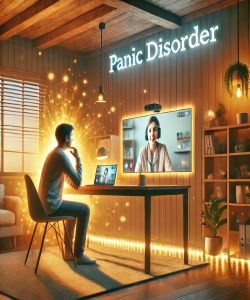
1. Overview of Panic Disorder
Panic Disorder is a severe and debilitating anxiety condition, fundamentally characterised by the recurrence of spontaneous and unexpected panic attacks. These episodes are not merely heightened stress; they are abrupt surges of intense fear or discomfort that peak within minutes, accompanied by a constellation of overwhelming physical and cognitive symptoms. The disorder extends beyond the attacks themselves, engendering a persistent state of anticipatory anxiety, wherein the individual develops a profound fear of experiencing subsequent attacks. This fear often precipitates significant maladaptive changes in behaviour, designed to avoid potential triggers or situations from which escape might be difficult, a pattern that frequently culminates in agoraphobia. Consequently, the individual’s world systematically contracts, severely compromising occupational, social, and personal functioning. It is not the presence of a panic attack that defines the disorder, but the ensuing month or more of persistent concern about their recurrence and the drastic behavioural modifications enacted to prevent them. The condition imposes a substantial burden, disrupting life with an unpredictable yet pervasive sense of dread and physiological turmoil. It demands a structured, robust, and evidence-based approach to dismantle the cycle of fear and avoidance, thereby restoring an individual's autonomy and quality of life. The very nature of the disorder—a fear of fear itself—necessitates a therapeutic intervention that is both directive and empowering, targeting the core cognitive misinterpretations and behavioural reinforcement patterns that sustain it. It is an eminently treatable condition, provided the correct strategies are rigorously applied.
2. What are Panic Disorder?
The term Panic Disorder, though singular, encapsulates a complex matrix of psychological and physiological phenomena. It is not, to be clear, synonymous with experiencing a singular panic attack, which a significant portion of the population may endure without developing a clinical disorder. Instead, Panic Disorder is formally diagnosed when an individual suffers from recurrent and, crucially, unexpected panic attacks. An unexpected attack is one that occurs without an obvious cue or trigger, seemingly “out of the blue.” The disorder is further defined by a secondary, yet powerful, layer of distress that persists for at least one month following an attack. This layer consists of two primary components. Firstly, there is persistent worry or concern about the implications of the attacks or the possibility of having more; for instance, a fear of losing control, suffering a heart attack, or “going mad.” Secondly, the individual demonstrates a significant and maladaptive change in their behaviour directly related to the attacks. This most commonly manifests as avoidance, where the person deliberately shuns situations or activities they believe might precipitate an attack, such as physical exertion, public transport, or crowded spaces. It is this combination—the recurrent, unexpected attacks plus the subsequent month of persistent fear and behavioural change—that constitutes the clinical entity of Panic Disorder. It is a self-perpetuating cycle: the physical sensations of anxiety are misinterpreted as catastrophic, which fuels more fear, increases physical symptoms, and reinforces the belief that the sensations themselves are dangerous, thus paving the way for the next attack.
3. Who Needs Panic Disorder?
Treatment for Panic Disorder is a necessity, not an option, for individuals whose lives have become dictated by the condition. The following profiles delineate those for whom a structured intervention is imperative:
- Individuals experiencing recurrent, unexpected panic attacks. This is the foundational criterion; a singular episode does not warrant the diagnosis, but repeated, spontaneous attacks signal an underlying disorder requiring professional intervention.
- Persons who have developed persistent and pervasive anxiety about having another panic attack. If the fear of a future attack dominates one’s thoughts and emotional state, causing significant distress between episodes, treatment is essential.
- Those who exhibit significant maladaptive behavioural changes as a direct consequence of the attacks. This includes the avoidance of specific places, situations, or physical sensations believed to trigger panic, such as avoiding exercise, caffeine, or leaving the house.
- Individuals whose occupational performance is compromised. If the ability to work, attend meetings, or fulfil professional responsibilities is impeded by the fear or occurrence of panic attacks, immediate action is required.
- Persons whose social functioning and personal relationships are suffering. This applies when avoidance behaviours lead to social isolation, strain on family relationships, and an inability to participate in previously enjoyed social activities.
- Individuals who have developed comorbid agoraphobia, characterised by a marked fear of situations from which escape might be difficult or help unavailable in the event of panic symptoms. This severely restricts an individual’s autonomy and requires targeted treatment.
- Those who misinterpret benign bodily sensations catastrophically. If normal physiological fluctuations like a racing heart or slight dizziness are consistently interpreted as signs of imminent death or disaster, this cognitive distortion must be professionally addressed.
- Individuals who have begun to rely on "safety behaviours" (e.g., always carrying medication, only travelling with a companion) to cope, thereby reinforcing the belief that they are incapable of managing alone.
4. Origins and Evolution of Panic Disorder
The conceptualisation of Panic Disorder as a distinct clinical entity is a relatively modern development, yet its constituent symptoms have been documented for over a century under various guises. In the mid-to-late nineteenth century, physicians described conditions such as “neurasthenia” and Da Costa’s syndrome, or “soldier’s heart,” which presented with symptoms strikingly similar to panic attacks: palpitations, chest pain, and shortness of breath, often attributed to exhaustion of the nervous system. These early formulations, however, lacked a coherent psychological framework, viewing the symptoms primarily through a physiological or constitutional lens. For much of the twentieth century, such presentations were subsumed within broader categories of anxiety neurosis, failing to distinguish the acute, episodic nature of panic from the chronic, pervasive worry of generalised anxiety.
A pivotal shift occurred with the publication of the third edition of the Diagnostic and Statistical Manual of Mental Disorders (DSM-III) in 1980. This was a landmark moment, as it formally separated Panic Disorder from Generalised Anxiety Disorder and introduced the concept of the unexpected panic attack as its core feature. This reclassification was driven by pioneering research that highlighted the unique symptomatology and treatment response of individuals suffering from these spontaneous, terrifying episodes. This new diagnostic clarity catalysed a wave of research specifically focused on the aetiology and treatment of panic.
The subsequent evolution has been marked by a refinement of this understanding. The link between Panic Disorder and agoraphobia, once considered a separate phobia, became explicitly codified, recognising that agoraphobia most often develops as a secondary complication of panic. Therapeutically, this evolution mirrored the rise of cognitive-behavioural therapy (CBT). Early behavioural approaches focused on exposure to feared situations, whilst the cognitive revolution introduced a focus on the catastrophic misinterpretation of bodily sensations. Modern, evidence-based treatments are now highly integrated, combining psychoeducation, cognitive restructuring, and graduated exposure techniques—both in vivo and interoceptive—to provide a robust and effective methodology for dismantling the disorder’s mechanisms.
5. Types of Panic Disorder
Whilst Panic Disorder is a singular diagnosis, its clinical presentation can be delineated by the presence or absence of a significant and debilitating comorbidity. The formal classification system distinguishes between two primary specifications, which fundamentally alter the scope of the disorder and the focus of treatment.
- Panic Disorder Without Agoraphobia: This is the core presentation of the condition. Individuals with this diagnosis experience recurrent, unexpected panic attacks and the requisite secondary symptoms—namely, persistent concern about future attacks and/or significant maladaptive changes in behaviour directly related to them. However, their fear and avoidance are not systematically organised around situations where escape might be difficult. Their avoidance may be subtle and focused on specific panic triggers (e.g., avoiding caffeine or intense exercise) rather than a broad range of public or open spaces. Their world may be constricted, but they do not meet the full criteria for agoraphobia. Treatment for this presentation can focus more intensely on interoceptive exposure and cognitive restructuring related to the fear of the panic symptoms themselves.
- Panic Disorder With Agoraphobia: This represents a more complex and functionally impairing presentation of the disorder. In addition to meeting all criteria for Panic Disorder, the individual also meets the full diagnostic criteria for agoraphobia. This is defined as a marked, intense fear or anxiety concerning two or more of the following five situations: using public transportation, being in open spaces, being in enclosed places, standing in line or being in a crowd, or being outside of the home alone. The individual fears these situations because they believe escape might be difficult or help might not be available if they were to experience panic-like symptoms. These agoraphobic situations are actively avoided, require the presence of a companion, or are endured with intense fear and anxiety. This comorbid diagnosis necessitates a dual treatment focus, addressing both the fear of panic attacks and the extensive situational avoidance that characterises agoraphobia through systematic, graduated in vivo exposure.
6. Benefits of Panic Disorder
Engaging in and successfully completing a structured therapeutic programme for Panic Disorder yields profound and life-altering benefits. These outcomes extend far beyond the mere cessation of panic attacks, restoring an individual’s fundamental autonomy and quality of life. The primary benefits are as follows:
- Reduction and Elimination of Panic Attacks: The most immediate and crucial benefit is a dramatic decrease in the frequency, intensity, and duration of panic attacks, with the ultimate goal being their complete elimination.
- Dismantling of Anticipatory Anxiety: Successful intervention breaks the cycle of "fear of fear," liberating the individual from the constant, draining state of worry about the potential for a future attack.
- Reversal of Avoidance Behaviour: Individuals reclaim their lives by systematically eliminating the avoidance behaviours that have constricted their world, enabling them to re-engage with previously feared situations, activities, and places.
- Restoration of Occupational and Social Functioning: The ability to work effectively, travel, socialise, and maintain relationships without the impediment of panic or agoraphobia is restored, leading to enhanced professional and personal fulfilment.
- Increased Self-Efficacy and Confidence: By learning to confront and manage anxiety-provoking sensations and situations, individuals develop a robust sense of self-mastery and confidence in their ability to cope with distress.
- Correction of Catastrophic Misinterpretations: The therapeutic process teaches individuals to accurately interpret benign bodily sensations, severing the link between a physiological symptom (e.g., a racing heart) and a catastrophic conclusion (e.g., "I am having a heart attack").
- Elimination of Reliance on Safety Behaviours: Individuals learn that they can manage without crutches such as always carrying water, needing a mobile phone, or requiring the presence of a "safe" person, which fosters true independence.
- Improved Physical Health: By reducing chronic stress and anxiety, and enabling a return to physical activities once avoided, treatment can contribute positively to an individual’s overall physical wellbeing.
- Enhanced Overall Quality of Life: The culmination of these benefits is a fundamental and lasting improvement in an individual’s overall quality of life, characterised by freedom, purpose, and a forward-looking perspective, rather than one defined by fear.
7. Core Principles and Practices of Panic Disorder
The effective treatment of Panic Disorder is not arbitrary; it is founded upon a set of core principles and executed through specific, evidence-based practices. These elements form the bedrock of any credible therapeutic intervention.
- Psychoeducation: The foundational principle is to provide the individual with a clear, accurate, and demystifying model of panic. This involves explaining the fight-or-flight response, the cognitive model of anxiety, and the self-perpetuating nature of the panic cycle. Knowledge dispels fear of the unknown and provides a logical framework for treatment.
- Cognitive Restructuring: This practice targets the catastrophic misinterpretations of physical and mental sensations that fuel panic. Individuals are taught to identify their automatic negative thoughts (e.g., “My racing heart means I’m having a heart attack”), to challenge the evidence for and against these thoughts, and to develop more realistic and balanced alternative interpretations.
- Interoceptive Exposure: This is a critical practice involving systematic, repeated, and controlled exposure to the physical sensations that trigger panic. Individuals deliberately induce feared sensations (e.g., dizziness by spinning, shortness of breath by breathing through a straw) in a safe environment. This process facilitates habituation and new learning, demonstrating that the sensations are uncomfortable but not dangerous.
- In Vivo Exposure: This practice targets behavioural avoidance. It requires creating a graduated hierarchy of feared and avoided situations (e.g., from a short walk alone to a trip on a crowded bus). The individual then systematically confronts these situations without resorting to safety behaviours, remaining in the situation until the anxiety naturally subsides.
- Elimination of Safety Behaviours: A core principle is the identification and systematic removal of all behaviours used to prevent or minimise a feared catastrophe. These crutches (e.g., carrying medication, checking for exits, distracting oneself) prevent the individual from learning that they can cope and that the feared outcome does not occur, thus maintaining the disorder.
- Relapse Prevention: The final principle involves consolidating skills and preparing the individual to manage future challenges. This includes identifying personal triggers and high-risk situations, and developing a clear plan for how to apply learned cognitive and behavioural strategies if symptoms re-emerge. It ensures that recovery is robust and enduring.
8. Online Panic Disorder
The delivery of structured treatment for Panic Disorder via online modalities represents a significant advancement in mental healthcare accessibility and efficiency. It is not a diluted version of traditional therapy but a robust and effective methodology in its own right.
- Unparalleled Accessibility: Online programmes dismantle geographical barriers, providing access to specialist, evidence-based care for individuals in remote or underserved areas. It also offers a vital lifeline to those whose agoraphobia is so severe that they are unable to leave their homes to attend in-person appointments.
- Structured and Systematic Delivery: High-quality online interventions, particularly internet-based Cognitive Behavioural Therapy (iCBT), are meticulously structured. They deliver the core components of effective treatment—psychoeducation, cognitive restructuring, and exposure exercises—in a logical, sequential series of modules. This ensures a consistent and comprehensive therapeutic experience.
- Enhanced Discretion and Privacy: The online format affords a level of privacy that can be crucial for individuals hesitant to seek help due to stigma. Engaging with a programme from the security of one's own home can lower the initial threshold for seeking treatment.
- Facilitation of Exposure Exercises: The online environment is uniquely suited for conducting interoceptive and in vivo exposure. Therapeutic guidance can be provided as the individual undertakes exposure tasks in their own real-world environment, such as their home, neighbourhood, or local supermarket, which enhances the generalisation of learned skills.
- Flexible Engagement: Online programmes offer significant flexibility, allowing individuals to work through therapeutic material at a time that suits their personal and professional schedules. This self-paced element, when combined with professional support, can increase engagement and course completion.
- Data-Driven Progress Monitoring: Digital platforms enable the systematic tracking of symptoms, activity completion, and progress over time. This data provides both the individual and the therapist with clear, objective feedback on the effectiveness of the intervention, allowing for timely adjustments to the treatment plan.
- Cost-Effectiveness: Whilst avoiding specific figures, online delivery models can reduce the ancillary costs associated with traditional therapy, such as travel and time away from work, making effective treatment a more viable proposition for a broader range of individuals.
9. Panic Disorder Techniques
A cornerstone technique in the cognitive-behavioural treatment of Panic Disorder is the systematic challenging and restructuring of catastrophic thoughts. This is a disciplined, step-by-step process designed to break the cognitive engine of the panic cycle.
- Step 1: Identify the Automatic Negative Thought. The moment anxiety begins to escalate, the individual must learn to pinpoint the precise thought that is fuelling the fear. This is not a vague feeling of dread, but a specific, catastrophic prediction. Examples include: “I am having a heart attack,” “I am going to faint,” “I am losing control,” or “I will suffocate.” This thought must be captured verbatim.
- Step 2: Scrutinise the Evidence. The individual must then adopt the role of a detective and critically examine the evidence for and against this catastrophic thought. They must ask themselves tough questions. For the thought, “I am having a heart attack,” the questions would be: “What is the evidence that this is a heart attack?” versus “What is the evidence that this is a benign symptom of anxiety?” Evidence for the latter often includes: “I have had these sensations before and they always pass,” “My doctor has confirmed my heart is healthy,” and “These feelings started after a stressful thought, not chest-crushing pain.”
- Step 3: Formulate a Balanced, Alternative Response. Based on the evidence gathered in the previous step, the individual must construct a more realistic and rational statement. This is not blind positive thinking, but a balanced conclusion based on facts. An effective alternative to “I am having a heart attack” might be: “My heart is racing, which is an uncomfortable but harmless symptom of adrenaline. I have felt this many times before, and it is part of my body’s fight-or-flight response. It will pass within minutes, as it always does. This is a panic symptom, not a medical emergency.”
- Step 4: Re-evaluate the Emotional and Physical State. After actively engaging with and verbalising the alternative response, the individual must reassess their level of fear and the intensity of their physical symptoms. The explicit goal is to observe the direct impact of this cognitive shift. Invariably, by replacing the catastrophic thought with a rational one, the perceived threat diminishes, which in turn signals the nervous system to de-escalate, leading to a reduction in anxiety and physical symptoms. This successful re-evaluation provides powerful reinforcement for using the technique in the future.
10. Panic Disorder for Adults
Managing Panic Disorder in adulthood presents a unique and formidable set of challenges, as the condition intersects with the core responsibilities of professional and personal life. For an adult, a panic attack is not merely a moment of intense fear; it is a profound threat to their perceived competence, stability, and ability to function as an employee, a partner, or a parent. The fear of an attack occurring during a critical business meeting, whilst driving children to school, or during a social obligation can lead to a pervasive and highly sophisticated pattern of avoidance that can masquerade as preference or fatigue. The stakes feel higher, and the perceived shame of “losing control” can be an immense barrier to seeking help. Treatment for adults must therefore be robust, pragmatic, and directly applicable to real-world responsibilities. It must acknowledge the impact on one’s career trajectory, financial security, and family dynamics. The core of the intervention remains the same—dismantling the cognitive and behavioural mechanisms of panic—but the context is critical. Exposure exercises must be tailored to the adult’s specific life domains: delivering a presentation at work, navigating a crowded commute, or managing a supermarket visit with children in tow. The goal is not simply to stop the panic attacks, but to restore the individual’s full capacity to engage with all facets of adult life with confidence and authority. It is about reclaiming one’s role as a capable, reliable, and self-sufficient individual, free from the constraints imposed by the disorder.
11. Total Duration of Online Panic Disorder
The standard and professionally recognised duration for a single, real-time therapeutic session delivered via an online platform is precisely one hour. This timeframe is not arbitrary; it is a deliberately structured period designed to maximise therapeutic efficacy whilst respecting the cognitive and emotional load placed upon the individual during such focused work. A session of 1 hr allows sufficient time for a structured agenda to be executed without inducing undue fatigue. It provides a dedicated interval to review the progress and challenges of the preceding week, to introduce and thoroughly discuss new psychoeducational concepts or cognitive skills, and, crucially, to plan, execute, and process in-session exposure exercises. This duration ensures that there is adequate time for the core therapeutic work to take place, such as a guided interoceptive exposure task, allowing for the initial rise and subsequent fall of anxiety to be experienced within the supportive context of the session. A shorter period would risk a superficial treatment, whilst a significantly longer one could lead to exhaustion and diminished learning capacity, particularly when dealing with the intense subject matter of panic. Therefore, the one-hour session stands as the optimal therapeutic container, balancing depth, focus, and sustainability for effective online intervention.
12. Things to Consider with Panic Disorder
When undertaking a structured intervention for Panic Disorder, it is imperative to approach the process with a clear and resolute understanding of its demands. This is not a passive experience but an active and often challenging collaboration. A primary consideration is the absolute necessity of commitment. Effective treatment, particularly involving exposure therapy, requires consistent effort and a willingness to confront the very sensations and situations that one fears. Progress is rarely linear; individuals must be prepared for fluctuations, including temporary increases in anxiety as they begin to challenge long-standing avoidance patterns. This is a normal and expected part of the therapeutic process, not a sign of failure. Furthermore, the therapeutic alliance is paramount. One must feel confident in the practitioner's expertise and secure in the professional relationship, whether online or in person, as this trust forms the foundation upon which the challenging work of exposure is built. It is also critical to understand that the goal is not the eradication of all anxiety—which is a normal human emotion—but the elimination of panic attacks and the dismantling of the disorder. Learning to tolerate and manage anxiety without resorting to catastrophic thinking is the true hallmark of recovery. Finally, individuals must be prepared to relinquish their safety behaviours, as these are the very mechanisms that perpetuate the cycle of fear. This requires courage and a steadfast focus on the long-term goal of autonomy.
13. Effectiveness of Panic Disorder
The prognosis for individuals with Panic Disorder who engage in appropriate, evidence-based treatment is overwhelmingly positive. This is not a matter of opinion but a conclusion substantiated by decades of rigorous clinical research. Structured interventions, most notably Cognitive-Behavioural Therapy (CBT), are not merely palliative; they are curative, targeting the core mechanisms that initiate and sustain the disorder. The effectiveness of such treatments is exceptionally high, with a significant majority of participants achieving a clinically meaningful reduction in symptoms. Many attain full remission, becoming free from panic attacks and the associated anticipatory anxiety and avoidance behaviours. The therapeutic gains are not typically transient. The skills acquired during treatment—including cognitive restructuring and the principles of exposure—are robust and enduring, equipping individuals with the tools to manage potential future stressors and prevent relapse. The power of these interventions lies in their direct and pragmatic approach. By systematically proving to the individual, through experiential learning, that their feared physical sensations are not dangerous and that their avoided situations are manageable, the treatment fundamentally rewires the brain’s fear response. Consequently, Panic Disorder should be viewed not as a chronic, unmanageable sentence, but as a severe yet highly treatable condition for which definitive and powerful therapeutic solutions exist and are readily deployable. The assertion that one can fully recover is not an optimistic platitude; it is a clinical fact.
14. Preferred Cautions During Panic Disorder
During the active phase of Panic Disorder, and particularly whilst undertaking treatment, it is imperative to adhere to a strict set of cautions to avoid reinforcing the very mechanisms that sustain the condition. The foremost caution is against the practice of avoidance. Every decision to evade a situation, a place, or a physical sensation out of fear serves as powerful confirmation to the anxious mind that the threat was real and that avoidance was necessary for survival. This behaviour must be systematically resisted and replaced with planned, purposeful confrontation. Secondly, one must exercise extreme caution against the reliance on safety behaviours. These subtle crutches—such as clutching a bottle of water, ensuring proximity to an exit, or constantly checking one’s pulse—are insidious. They provide a false sense of security whilst preventing the essential learning that one is capable of managing anxiety without them. These behaviours must be identified and deliberately eliminated. Furthermore, it is critical to cease the hyper-vigilant monitoring of benign bodily sensations and the subsequent catastrophic misinterpretation of them. This internal scanning process is a full-time job that fuels the panic cycle. Caution must also be applied to seeking constant reassurance from others, as this externalises one’s sense of safety and undermines the development of internal coping confidence. Finally, self-medication with non-prescribed substances to numb anxiety is to be unequivocally avoided, as it provides only temporary relief while compounding the problem and preventing genuine therapeutic progress.
15. Panic Disorder Course Outline
A structured therapeutic course for Panic Disorder is delivered through a logical, modular progression. The outline is designed to build skills systematically, ensuring a solid foundation before moving to more challenging components.
- Module 1: Psychoeducation and Foundational Concepts
- Point 1: A comprehensive overview of the fight-or-flight response.
- Point 2: Detailed explanation of the cognitive-behavioural model of panic.
- Point 3: Introduction to self-monitoring of panic attacks, anxiety levels, and avoidance behaviours.
- Point 4: Goal-setting and establishing a robust therapeutic alliance.
- Module 2: Cognitive Restructuring and Core Beliefs
- Point 1: Identifying and recording automatic negative thoughts associated with panic.
- Point 2: Training in evidence-based thinking to challenge and dispute catastrophic misinterpretations.
- Point 3: Developing and implementing balanced, realistic alternative thoughts.
- Point 4: Conducting behavioural experiments to test fearful predictions.
- Module 3: Breathing Skills and Interoceptive Exposure
- Point 1: Instruction in diaphragmatic breathing techniques to manage hyperventilation.
- Point 2: Rationale and introduction to the principles of interoceptive exposure.
- Point 3: Creation of a personal hierarchy of feared physical sensations.
- Point 4: Systematic, in-session, and at-home practice of interoceptive exposure exercises.
- Module 4: In Vivo Exposure for Situational Avoidance
- Point 1: Rationale for exposure and the elimination of safety behaviours.
- Point 2: Development of a graduated hierarchy of feared and avoided situations.
- Point 3: Systematic, planned confrontation of situations on the hierarchy, starting with less challenging items.
- Point 4: Processing exposure outcomes and generalising learning across different contexts.
- Module 5: Relapse Prevention and Future Planning
- Point 1: Consolidating learned cognitive and behavioural skills.
- Point 2: Identifying high-risk situations and personal warning signs.
- Point 3: Developing a personalised, written plan for managing future anxiety and preventing panic recurrence.
- Point 4: Formal conclusion of the active treatment phase and planning for any necessary follow-up.
16. Detailed Objectives with Timeline of Panic Disorder
A structured therapeutic programme for Panic Disorder operates on a clear timeline with specific, measurable objectives for each phase.
- Phase 1: Foundation and Assessment (Weeks 1-2)
- Objective 1: The individual will be able to accurately describe the cognitive-behavioural model of panic and its application to their own experience.
- Objective 2: The individual will establish a consistent daily practice of self-monitoring, accurately recording panic attacks, levels of anxiety, and specific avoidance behaviours.
- Objective 3: The individual, in collaboration with the therapist, will define and commit to clear, measurable goals for treatment.
- Phase 2: Cognitive Skill Acquisition (Weeks 3-5)
- Objective 1: The individual will demonstrate the ability to identify catastrophic automatic thoughts in real-time as they occur.
- Objective 2: The individual will be proficient in using a thought record to systematically challenge these thoughts and generate rational, evidence-based alternatives.
- Objective 3: The individual will report a measurable decrease in the believability of their catastrophic thoughts and a corresponding reduction in anticipatory anxiety.
- Phase 3: Behavioural Intervention and Exposure (Weeks 6-10)
- Objective 1: The individual will master and regularly implement breathing control techniques to manage acute symptoms of hyperventilation.
- Objective 2: The individual will successfully complete their interoceptive exposure hierarchy, demonstrating habituation to feared bodily sensations with a significant reduction in fear ratings.
- Objective 3: The individual will systematically progress through their in vivo exposure hierarchy, eliminating safety behaviours and demonstrating a marked reduction in situational avoidance. By the end of this phase, they will be confronting moderately to highly feared situations.
- Phase 4: Consolidation and Relapse Prevention (Weeks 11-12)
- Objective 1: The individual will demonstrate the ability to independently apply all cognitive and behavioural skills to novel or challenging situations.
- Objective 2: The individual will create a comprehensive, written relapse prevention plan that identifies personal triggers and outlines specific coping strategies.
- Objective 3: The individual will report sustained remission from panic attacks and demonstrate full re-engagement with previously avoided occupational, social, and personal activities.
17. Requirements for Taking Online Panic Disorder
To effectively engage in a structured online therapeutic programme for Panic Disorder, an individual must meet a set of specific technical, environmental, and personal requirements. These are not suggestions but prerequisites for successful participation and outcomes.
- Stable and Reliable Internet Connection: A consistent, high-speed internet connection is non-negotiable. This is essential for uninterrupted real-time video sessions and for accessing online course materials without frustrating technical failures that could disrupt the therapeutic process.
- Appropriate Technology: The individual must possess a functional computer, laptop, or tablet equipped with a working webcam and microphone. The device must be capable of running the specific software or platform used by the therapy provider.
- A Private and Secure Environment: All sessions must be conducted in a location that is completely private and free from interruptions. This is imperative for confidentiality and allows the individual to speak openly and engage in exercises, such as interoceptive exposure, without fear of being overheard or disturbed.
- Basic Technological Competence: The user must have a fundamental level of digital literacy. This includes the ability to operate their device, use video conferencing software, navigate a web-based platform, and communicate via email if necessary.
- Commitment to the Therapeutic Process: The individual must possess a high degree of motivation and self-discipline. Online treatment requires a proactive stance, including scheduling and attending all sessions, completing homework assignments independently, and actively practising skills between sessions.
- Willingness to Experience Discomfort: A core requirement is the explicit acceptance that the treatment, particularly exposure work, will involve deliberately inducing and confronting anxiety. The individual must be willing to lean into this discomfort as a necessary step toward recovery.
- Absence of Severe Complicating Factors: Whilst online treatment is highly effective, it may not be suitable for individuals with active suicidal ideation, severe substance dependence, or psychotic symptoms. A pre-treatment assessment must confirm the individual's suitability for this modality of care.
18. Things to Keep in Mind Before Starting Online Panic Disorder
Before commencing an online therapeutic programme for Panic Disorder, it is crucial to engage in a rigorous self-assessment and to set clear, realistic expectations. This is not a passive process or a quick fix; it is a demanding and active form of self-reclamation that requires preparedness. One must first verify that the chosen programme is evidence-based, typically rooted in Cognitive-Behavioural Therapy, and delivered by a qualified and accredited professional. Scrutinise the credentials of the provider. Secondly, honestly evaluate your own capacity for the self-discipline that online treatment demands. Unlike in-person therapy, the structure is more reliant on your personal commitment to logging in, completing modules, and undertaking exposure tasks independently. You must be prepared to be your own taskmaster to a significant degree. Understand that the objective is not to eliminate anxiety from your life, but to change your relationship with it—to transform it from a catastrophic threat into a manageable signal. Be prepared for the therapeutic paradox: to feel better, you must first be willing to feel worse by confronting the very sensations and situations you have fought to avoid. This requires courage. Finally, ensure your environment is conducive to this work. Securing a confidential, reliable space for your sessions is not a trivial matter; it is a fundamental requirement for the integrity of the therapeutic process. Approaching online treatment with this level of clarity and resolve is essential for success.
19. Qualifications Required to Perform Panic Disorder
The treatment of Panic Disorder is a specialist psychological intervention that must only be performed by appropriately qualified and credentialed mental health professionals. It is a serious clinical undertaking, and entrusting it to an unqualified individual is both dangerous and unethical. The practitioner must possess a comprehensive understanding of psychopathology, differential diagnosis, and evidence-based treatment protocols. Mere empathy or life experience is profoundly insufficient. The primary qualifications required include:
- A core professional qualification in mental health. This typically means being a Clinical Psychologist, Counselling Psychologist, or a Psychiatrist. These professions require doctoral or medical degrees, extensive supervised clinical training, and are regulated by statutory bodies.
- Accreditation with a relevant professional body. In the United Kingdom, a key credential for treating anxiety disorders is accreditation with the British Association for Behavioural and Cognitive Psychotherapies (BABCP). This accreditation certifies that the therapist has received intensive, specialised training in CBT and adheres to rigorous standards of clinical practice and ongoing professional development.
- Demonstrable supervised experience in treating Panic Disorder. A qualified professional will have a track record of successfully treating individuals with this specific condition under the supervision of a more senior clinician. They must be proficient in the specialist techniques required, particularly interoceptive and in vivo exposure.
- A thorough understanding of risk assessment and management. The professional must be competent in identifying and managing any co-occurring conditions or risks, such as depression or suicidality, and must know when a different level of care is required.
In essence, the individual performing the treatment must be more than just a therapist; they must be a highly trained clinical specialist. The responsibility to verify these qualifications rests with the person seeking treatment. One must demand to see evidence of professional registration and accreditation before commencing any therapeutic work.
20. Online Vs Offline/Onsite Panic Disorder
A critical analysis of online versus offline treatment modalities for Panic Disorder reveals distinct operational differences, benefits, and limitations for each. The choice between them depends on the individual's specific circumstances, severity of symptoms, and personal preferences.
Online
The primary advantage of online treatment is its unparalleled accessibility. It eradicates geographical barriers, making specialist Cognitive-Behavioural Therapy (CBT) available to individuals in remote locations or those who are housebound by severe agoraphobia. This modality offers significant flexibility in scheduling, allowing therapy to be integrated more easily into a demanding professional or personal life. From a therapeutic standpoint, online platforms can be exceptionally effective for conducting exposure therapy. The therapist can guide the individual through interoceptive exercises in their own home and support them via audio or video link as they undertake real-world in vivo exposure tasks, enhancing the generalisation of skills. This modality necessitates a higher degree of client self-discipline and motivation, as the onus is on the individual to log in, complete work between sessions, and structure their own environment. It is exceptionally well-suited for individuals with uncomplicated Panic Disorder who are technologically competent and highly motivated. However, it may be less appropriate for those with complex comorbidities, severe symptomatology, or low technological literacy, where the nuances of non-verbal communication and immediate crisis management are critical.
Offline/Onsite
Traditional offline, or onsite, therapy provides a richness of interpersonal communication that is difficult to replicate fully online. The therapist can observe subtle, in-the-moment non-verbal cues—such as shifts in posture, breathing, and eye contact—which can provide valuable clinical information. The physical presence of the therapist can offer a greater sense of containment and support for some individuals, particularly during highly distressing exposure exercises. For those with severe agoraphobia, the initial act of travelling to the clinic can itself be a powerful, therapist-accompanied exposure task. Onsite services are better equipped to manage immediate clinical crises and can more easily facilitate collaboration with other healthcare services if required. The structured, external environment of a clinic forces a commitment and removes the distractions of the home environment. However, this modality is inherently limited by geography, can be less flexible in scheduling, and incurs ancillary burdens such as travel time and cost. It remains the preferred modality for individuals with highly complex needs or for whom the structure and interpersonal immediacy of in-person contact is a prerequisite for therapeutic engagement.
21. FAQs About Online Panic Disorder
Question 1. Is online treatment for Panic Disorder as effective as in-person therapy? Answer: Yes. Robust scientific research has demonstrated that online Cognitive-Behavioural Therapy (CBT) for Panic Disorder, when delivered by qualified professionals, is equally as effective as traditional in-person therapy for most individuals.
Question 2. What technology do I need? Answer: You require a reliable internet connection, a computer or tablet, and a functional webcam and microphone. The service will be delivered via a secure video conferencing platform.
Question 3. Is my privacy protected during online sessions? Answer: Absolutely. Reputable providers use secure, encrypted platforms compliant with data protection regulations. Sessions are confidential, and it is your responsibility to ensure you are in a private space.
Question 4. Can I do this if I am severely agoraphobic and cannot leave my house? Answer: Yes. Online treatment is an ideal modality for severe agoraphobia, as it brings the therapy directly to you, eliminating the initial barrier of travel.
Question 5. What if I have a panic attack during an online session? Answer: This is an expected part of the process. Your therapist is highly trained to guide you through the experience, using it as a therapeutic opportunity to apply the skills you are learning in real-time.
Question 6. Do I need a referral from a doctor? Answer: This depends on the specific service. Many private practitioners accept self-referrals, though a diagnostic assessment from a General Practitioner can be beneficial.
Question 7. How much self-discipline is required? Answer: A significant amount. You are responsible for attending sessions, completing all homework, and actively practising exposure exercises independently. Success is directly proportional to your effort.
Question 8. Will I be doing exposure exercises? Answer: Yes. Interoceptive and in vivo exposure are non-negotiable, core components of effective treatment and will be central to your online programme.
Question 9. How do I know if the online therapist is qualified? Answer: You must verify their credentials. Ask for their professional registration number and check their accreditation with a recognised body, such as the BABCP in the UK.
Question 10. Can I do the therapy at my own pace? Answer: The therapy is structured with a weekly schedule of sessions and tasks, but there is flexibility in when you complete your homework between sessions. It is not an entirely self-paced course.
Question 11. What if I am not very good with computers? Answer: A basic level of computer literacy is required. If you can manage video calls and navigate websites, you should be able to manage the platform.
Question 12. Is online therapy suitable if I have other mental health issues? Answer: This will be determined during your initial assessment. It is effective for co-occurring anxiety and depression, but may not be suitable for active psychosis or severe substance dependence.
Question 13. What are “safety behaviours” and why must I stop them? Answer: They are actions you take to feel safer (e.g., holding water, checking exits). They must be eliminated because they prevent you from learning that you can cope without them, thus keeping the fear alive.
Question 14. What is interoceptive exposure? Answer: It is the process of deliberately inducing feared physical sensations (e.g., dizziness, breathlessness) in a controlled way to learn that they are not dangerous.
Question 15. Can I record the sessions? Answer: No. For confidentiality and clinical reasons, recording of sessions by the client is strictly prohibited.
Question 16. What happens if my internet connection fails during a session? Answer: The therapist will have a contingency plan, which typically involves attempting to reconnect or concluding the session via telephone.
Question 17. Will this treatment completely eliminate my anxiety? Answer: The goal is to eliminate panic attacks and the disorder. Anxiety is a normal human emotion; the therapy will teach you to manage it effectively so it no longer controls your life.
22. Conclusion About Panic Disorder
In conclusion, Panic Disorder, with or without agoraphobia, stands as a formidable adversary to an individual’s wellbeing and autonomy. It is not a sign of weakness but a severe and debilitating clinical condition rooted in a vicious cycle of catastrophic misinterpretation and behavioural avoidance. However, it must be unequivocally understood that this is a highly treatable disorder. The assertion is not based on hope but on a vast and compelling body of scientific evidence. Modern, structured interventions, particularly those grounded in the principles of Cognitive-Behavioural Therapy, offer a definitive and reliable pathway to recovery. These treatments are not palliative; they are designed to be curative, systematically dismantling the cognitive and behavioural engines that drive the condition. By equipping individuals with the skills to challenge their fears, confront their physical symptoms directly, and reclaim their avoided territories, therapy restores not just function but freedom. The availability of these robust protocols in both online and onsite formats means that effective help is more accessible than ever before. Therefore, the final, authoritative statement on Panic Disorder is one of resolute optimism, grounded in clinical fact: through disciplined engagement with evidence-based practice, a complete and lasting recovery is not just a possibility, but an expectation.