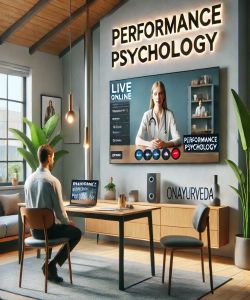
1. Overview of Performance Psychology
Performance psychology is the rigorous, scientific application of psychological principles to optimise human potential and facilitate the achievement of excellence across a spectrum of demanding domains. It is fundamentally concerned with understanding and cultivating the mental and emotional factors that underpin superior performance. This discipline extends far beyond the traditional confines of sport, asserting its indispensable value in high-stakes environments such as corporate boardrooms, surgical operating theatres, the performing arts, and elite military units. The core mandate of performance psychology is not remedial; rather, it is a proactive and systematic methodology for developing the cognitive skills and psychological resilience necessary to thrive under pressure. It operates on the foundational premise that the psychological attributes of a performer—such as focus, confidence, motivation, and emotional control—are not immutable traits but are, in fact, skills that can be deliberately honed and strengthened through structured training and dedicated practice. Practitioners in this field work to equip individuals and teams with a robust mental toolkit, enabling them to manage anxiety, sustain concentration, rebound from setbacks, and consistently execute their physical or intellectual talents to their utmost capacity. It is an evidence-based field that eschews simplistic motivational platitudes in favour of structured interventions, including goal setting, imagery, self-talk regulation, and arousal control. Ultimately, performance psychology provides the critical architecture for building mental toughness, transforming potential into consistent, reliable, and exceptional output when it matters most. It is the science of success, engineered for those who refuse to leave achievement to chance and are committed to mastering the internal landscape that dictates external results.
2. What are Performance Psychology?
Performance psychology is a specialised branch of applied psychology dedicated to enhancing performance and overall well-being in environments where excellence is the primary objective. It is a scientific discipline, grounded in extensive research, that identifies and applies the psychological principles which enable individuals and groups to flourish. It moves beyond the scope of clinical psychology, which typically focuses on dysfunction and mental illness, to proactively build the mental and emotional capacities required for superior achievement. Its application is not confined to a single field but is relevant to any domain demanding high levels of skill, concentration, and resilience under pressure. The field is predicated on the understanding that optimal performance is a complex interplay of physical ability, technical skill, tactical intelligence, and psychological fortitude. Performance psychology systematically addresses this fourth dimension, providing the tools to strengthen it.
Its core components can be understood as follows:
- Cognitive Strategy Development: This involves the cultivation of mental skills that direct performance. It includes enhancing focus, attention control, decision-making under duress, and the strategic use of visualisation and mental rehearsal to perfect execution and build confidence.
- Emotional and Arousal Regulation: This facet concerns the management of one's physiological and emotional state to achieve the optimal level of activation for a given task. It provides techniques to control anxiety, manage stress, and channel nervous energy into productive, focused effort rather than allowing it to degrade performance.
- Behavioural Modification and Habit Formation: Performance psychology employs principles of behaviour change to instil productive habits and routines. This includes structured goal setting, creating effective pre-performance rituals, and developing consistent practice habits that translate directly into improved competitive output.
- Interpersonal and Team Dynamics: For groups and organisations, this discipline addresses communication, leadership, team cohesion, and the creation of a high-performance culture. It provides frameworks for resolving conflict, aligning collective goals, and ensuring that the entire system is geared towards success.
3. Who Needs Performance Psychology?
- Elite and Professional Athletes: These individuals operate in environments of extreme pressure where the margin between success and failure is infinitesimal. Performance psychology is essential for them to manage competitive anxiety, maintain unwavering focus, recover from errors, and sustain motivation through gruelling training and competition cycles.
- Corporate Executives and Business Leaders: Senior leaders face relentless demands, requiring sharp decision-making, exceptional communication skills, and the resilience to navigate market volatility and organisational stress. They need these psychological skills to lead effectively, inspire teams, and maintain personal well-being under immense responsibility.
- Surgeons and Medical Professionals: In high-stakes medical situations, precision, calmness, and clear judgement are non-negotiable. Performance psychology provides surgeons and emergency responders with techniques to manage stress, maintain intense concentration for extended periods, and work cohesively within a surgical team to ensure optimal patient outcomes.
- Military and Emergency Services Personnel: Individuals in these roles must execute complex tasks flawlessly in life-threatening situations. The principles of performance psychology are critical for building the mental toughness, situational awareness, and emotional control required to operate effectively in hostile or chaotic environments.
- Performing Artists: Musicians, dancers, and actors must deliver peak performances on demand, often in front of critical audiences. They require performance psychology to overcome stage fright, manage performance anxiety, cultivate creative flow, and consistently access their artistic capabilities without being hindered by self-doubt.
- Academics and High-Achieving Students: Individuals in rigorous academic programmes, particularly those pursuing advanced degrees or facing critical examinations, benefit immensely from performance psychology. It helps them to manage study-related stress, improve concentration and memory recall, and develop the mental discipline for long-term intellectual pursuits.
- Sales Professionals and Negotiators: These roles require sustained motivation, resilience in the face of rejection, and the ability to remain composed and persuasive during high-pressure negotiations. Performance psychology equips them with the mental frameworks to maintain a positive mindset and consistently achieve their targets.
4. Origins and Evolution of Performance Psychology
The conceptual roots of performance psychology can be traced back to the late nineteenth century, with early investigations into the psychological factors influencing physical performance. The work of Norman Triplett in the 1890s, who observed that cyclists tended to have faster times when racing against others than when cycling alone, is often cited as a foundational experiment. This early inquiry into social facilitation marked the beginning of a scientific interest in how psychological and social variables impact human output. However, for the first half of the twentieth century, these explorations remained largely sporadic and ancillary to the mainstream of psychology. The discipline lacked a formal identity, existing as a scattered collection of studies within developmental, social, and educational psychology.
The mid-twentieth century represented a critical turning point, with the formalisation of sport psychology as a distinct field of study, particularly in the Soviet Bloc and North America. In Eastern Europe, psychology was systematically integrated into athletic training programmes with the explicit goal of enhancing Olympic performance. This state-sponsored impetus led to pioneering research in areas such as arousal control, visualisation, and stress management. Concurrently, in the United States, figures like Bruce Ogilvie and Thomas Tutko, often called the fathers of applied sport psychology, began working directly with athletes and teams, developing psychological profiles and intervention strategies to address performance-related issues. This era established the foundational practices and solidified the identity of the discipline, albeit one primarily associated with sport.
The subsequent evolution of performance psychology has been characterised by its deliberate and successful expansion beyond the athletic arena. Recognising that the psychological challenges of a corporate boardroom, a concert hall, or a surgical theatre share fundamental commonalities with those of a sports stadium, practitioners began adapting their methodologies for a wider range of high-stakes professions. The principles of goal setting, focus, and pressure management were found to be universally applicable. This expansion was bolstered by growing empirical evidence supporting the effectiveness of psychological skills training. Today, performance psychology is a mature and respected discipline, integrated into elite training programmes not only in sport but also in business, medicine, the military, and the performing arts, reflecting its evolution from a niche interest into an essential component of human achievement.
5. Types of Performance Psychology
- Cognitive-Behavioural Performance Psychology: This is the most prevalent and empirically supported approach. It operates on the principle that an individual's thoughts, feelings, and behaviours are interconnected and that performance can be enhanced by modifying maladaptive cognitive patterns and behaviours. Practitioners utilise techniques such as cognitive restructuring to challenge negative self-talk, goal setting to direct behaviour, and systematic exposure to manage anxiety-provoking situations. The focus is practical, structured, and skill-based, aimed at providing the performer with a tangible toolkit for self-regulation.
- Humanistic and Existential Performance Psychology: This approach places emphasis on the individual's subjective experience, personal growth, and self-actualisation. Rather than focusing solely on discrete skills, it seeks to foster greater self-awareness, authenticity, and a sense of purpose in the performer’s endeavours. It helps individuals align their performance goals with their core values, thereby enhancing intrinsic motivation. Techniques may involve mindfulness, value clarification exercises, and building a stronger, more resilient sense of self that is not solely dependent on performance outcomes.
- Psychodynamic Performance Psychology: This type delves into the unconscious drivers and past experiences that may be creating performance blocks or self-sabotaging behaviours. It is less concerned with surface-level skills and more with uncovering and resolving deeper, often long-standing, internal conflicts. For example, a performer’s chronic fear of success might be explored in the context of early-life relationships or unresolved emotional issues. This approach is typically longer-term and seeks to bring about fundamental shifts in the performer's psychological landscape, thereby freeing them to achieve their potential.
- Systemic Performance Psychology: This perspective broadens the focus from the individual performer to the entire system or environment in which they operate. It is particularly relevant for teams, organisations, and even families of performers. It examines the dynamics of communication, leadership structures, team cohesion, and organisational culture. An intervention might involve working with a corporate leadership team to improve its decision-making processes or with a sports team and its coaching staff to create a more supportive and effective performance environment. It posits that individual performance cannot be fully optimised without addressing the health and functionality of the surrounding system.
6. Benefits of Performance Psychology
- Enhanced Focus and Concentration: Provides structured techniques to direct and sustain attention on task-relevant cues, effectively filtering out internal and external distractions that degrade performance.
- Superior Stress and Pressure Management: Equips individuals with proven strategies for regulating physiological arousal and interpreting pressure as a challenge rather than a threat, enabling clear thinking and execution in critical moments.
- Increased Resilience and Mental Toughness: Cultivates the psychological fortitude to rebound swiftly from errors, setbacks, and failures, fostering a persistent and robust mindset that is undeterred by adversity.
- Improved Goal-Setting and Achievement Strategies: Imparts a systematic methodology for setting clear, challenging, and meaningful goals, and develops the strategic planning and tracking habits necessary for their consistent attainment.
- Greater Self-Confidence and Self-Efficacy: Builds a durable and authentic sense of belief in one's abilities through the mastery of skills, successful performance experiences, and the management of self-talk, making confidence a reliable asset rather than a fleeting emotion.
- Heightened Motivation and Commitment: Helps individuals clarify their core drivers and values, fostering a deep and intrinsic motivation that sustains the effort required for long-term training and deliberate practice, particularly during periods of monotony or difficulty.
- Optimised Team Cohesion and Communication: In group settings, it provides frameworks for improving interpersonal dynamics, defining roles with clarity, resolving conflict constructively, and establishing communication patterns that enhance collective efficacy and shared purpose.
- Accelerated Skill Acquisition and Learning: Integrates mental rehearsal and visualisation techniques into physical practice, which can enhance motor pattern development, improve strategic understanding, and speed up the overall learning process.
- Development of Effective Pre-Performance Routines: Assists in the creation and implementation of consistent, individualised routines that prepare the mind and body for optimal performance, ensuring a state of readiness is achieved reliably.
- Enhanced Overall Well-being and Career Longevity: By teaching skills that mitigate burnout and manage the holistic demands of a high-performance life, it contributes not only to immediate success but also to a healthier, more sustainable, and longer career.
7. Core Principles and Practices of Performance Psychology
- The Primacy of Self-Awareness: The foundational principle is that meaningful change and skill development cannot occur without a profound and honest understanding of one's own thoughts, emotions, and behavioural patterns, particularly under pressure. The associated practice is the regular use of reflective journals, performance debriefs, and mindfulness exercises to cultivate this critical self-knowledge.
- The Mind-Body Connection is Indivisible: It is asserted that psychological states directly influence physiological responses and vice versa. A performer's mental state has a tangible impact on muscle tension, heart rate, and coordination. The practice involves biofeedback training and arousal regulation techniques, such as diaphragmatic breathing and progressive muscle relaxation, to gain conscious control over this connection.
- Skills are Built, Not Born: Psychological attributes like confidence, focus, and resilience are not fixed traits but are malleable skills that must be developed through systematic and deliberate practice. The practice is Psychological Skills Training (PST), a structured regimen analogous to physical training, where mental exercises are performed consistently to build strength and automaticity.
- Control the Controllables: Performers must learn to differentiate between factors they can control (e.g., effort, attitude, preparation, response to mistakes) and those they cannot (e.g., officials, weather, opponents' actions). The practice involves attention control exercises and cognitive reframing to shift mental energy exclusively towards those elements within one's sphere of influence.
- Performance is Dictated by Process, Not Outcome: An obsessive focus on results (the win, the promotion) generates anxiety and distracts from the task at hand. The core principle is to maintain an unwavering focus on the present moment and the execution of the process. The practice is the development of process goals and performance routines that anchor the performer in the immediate actions required for success.
- Thoughts and Imagery Influence Actions: The content of one's internal dialogue and mental images directly shapes emotional states and subsequent physical performance. The practice involves systematic use of imagery (visualisation) to mentally rehearse successful outcomes and technical execution, alongside self-talk management to challenge and replace negative or counter-productive thoughts with constructive ones.
- Confidence is a Consequence of Preparation and Evidence: True, resilient confidence is not based on hollow affirmations but is earned through meticulous preparation and the accumulation of evidence of one's competence. The practice is to build confidence through deliberate practice, performance simulation, and the creation of a 'success log' to systematically recall past achievements and learned skills.
8. Online Performance Psychology
- Unprecedented Accessibility and Geographic Freedom: Online delivery removes geographical barriers completely. It grants individuals in remote locations, or those with demanding travel schedules, access to elite-level practitioners who would otherwise be unreachable. This democratises access to high-performance support, making it available to a global talent pool.
- Enhanced Convenience and Scheduling Flexibility: Sessions can be integrated seamlessly into a performer’s complex schedule, eliminating travel time and logistical complications. This allows for more frequent or targeted interventions, such as brief pre-competition check-ins or post-performance debriefs, which would be impractical in a face-to-face model.
- Integration of Digital Tools and Technologies: The online format facilitates the use of a sophisticated suite of digital resources. This includes secure messaging for ongoing support between sessions, digital workbooks and journals for structured exercises, and specialised software applications for monitoring progress, tracking metrics, and even delivering biofeedback through connected devices.
- Structured Asynchronous Learning and Support: Beyond live video consultations, practitioners can provide asynchronous support through curated content. This may involve assigning video modules on specific mental skills, providing articles, or setting tasks via a dedicated client portal. This allows the performer to engage with the material at their own pace, reinforcing learning between synchronous sessions.
- Data-Driven and Objective Progress Monitoring: Digital platforms enable the systematic collection of data on a performer's progress. This can range from self-report measures of confidence and anxiety, logged digitally over time, to behavioural data on adherence to mental training plans. This objective feedback allows for a more agile and evidence-based approach to the intervention.
- Creation of a Controlled and Private Environment: The performer can engage in sessions from a space where they feel most comfortable and secure, such as their own home or office. This can reduce the inhibition sometimes felt in a clinical or unfamiliar setting, potentially fostering a more open and honest practitioner-client dialogue from the outset.
- Cost and Time Efficiency: By eliminating the direct and indirect costs associated with travel—such as fuel, fares, and lost work or training time—online performance psychology presents a more efficient model. Resources are focused directly on the intervention itself, maximising the value of the engagement for the client.
9. Performance Psychology Techniques
Here is a systematic breakdown of a fundamental technique, Centring, used to regain composure and focus under acute pressure.
- Step One: Conscious Acknowledgment of Disruption. The initial action is to mentally acknowledge that your focus has been broken or that you are experiencing a surge of unproductive anxiety. This is not a moment for self-criticism, but for objective recognition. The internal command is direct: "Focus lost. Reset." This step prevents the performer from being swept away by the distraction or emotional response.
- Step Two: Execute a Physical Cue. A pre-practised, subtle physical action must be performed to signal the start of the reset process. This could be adjusting a piece of equipment, taking a slightly wider stance, or touching the tips of the thumb and forefinger together. This physical anchor serves to interrupt the negative spiral and shift attention from the external pressure to an internal, controllable action.
- Step Three: Engage Focused Diaphragmatic Breathing. Take a single, deep, and deliberate breath. The focus must be on breathing from the diaphragm, not shallowly from the chest. Inhale slowly through the nose, allowing the abdomen to expand, and then exhale slowly and completely through the mouth. The entire mental focus during this action is on the physical sensation of the breath, which serves to quiet the mind and lower physiological arousal.
- Step Four: Identify and Release Unnecessary Muscular Tension. During the exhalation phase of the breath, conduct a rapid mental scan of the body for areas of excessive tension, typically found in the jaw, neck, and shoulders. Consciously command these muscle groups to release. The out-breath becomes a vehicle for expelling both air and physical tightness, further reducing the body’s stress response.
- Step Five: Direct Attention to a Relevant External Cue. Immediately following the release of tension, the final step is to redirect your focus outwards to a task-relevant cue in your performance environment. This could be the ball, the target, the next note of music, or the face of a client. The gaze and mind must lock onto this single point. This completes the process, moving the performer from a state of internal distraction back to a state of external, purposeful engagement. This entire five-step sequence is designed to be executed in a matter of seconds.
10. Performance Psychology for Adults
The application of performance psychology for adults is a sophisticated endeavour, uniquely tailored to the complex intersection of professional ambition, personal responsibilities, and the accumulated experiences of a mature individual. Unlike interventions for younger performers, which often focus on foundational skill acquisition, the work with adults is frequently centred on optimisation, career longevity, and navigating high-consequence transitions. Adults in corporate, medical, or other professional fields face a distinct set of pressures, including the burden of leadership, the imperative for sustained innovation, and the challenge of maintaining work-life integration without succumbing to burnout. Performance psychology provides a structured framework to address these challenges head-on. It equips adults with the mental architecture to manage the chronic stress of high-stakes environments, to refine their decision-making processes under ambiguity, and to cultivate the resilience needed to lead through organisational change or market volatility. Furthermore, the discipline is critical for helping adults overcome performance plateaus that can arise mid-career. It provides tools to challenge ingrained habits, to develop new cognitive strategies for problem-solving, and to reconnect with the intrinsic motivation that may have waned over time. The practitioner-client relationship is one of partnership, leveraging the adult's life experience and self-knowledge as a crucial asset in the process. The goal is not merely to enhance performance on a given day, but to build a sustainable model of excellence and well-being that supports a long, impactful, and fulfilling professional life. It is about sharpening the psychological edge that distinguishes the truly exceptional from the merely competent in the adult professional world.
11. Total Duration of Online Performance Psychology
The fundamental unit of engagement for online performance psychology consultation is typically a session with a duration of one hour. This 1 hr timeframe is meticulously structured to be both substantive and focused, allowing for a thorough review of progress, the introduction and practice of new mental skills, and the strategic planning of subsequent actions. However, it is imperative to understand that the total duration of the overall engagement is not a predetermined or fixed quantity. It is an entirely bespoke process, dictated by the specific, mutually agreed-upon objectives of the client. The overall timeline is contingent upon several critical factors: the complexity of the performance challenges being addressed, the pace at which the client effectively acquires and integrates new psychological skills, and the scope of the performance goals themselves. A short-term engagement might focus on preparing for a single, imminent event, whereas a longer-term partnership could be designed to foster a fundamental shift in mindset and a comprehensive development of mental toughness over an extended period. Therefore, while the one-hour session serves as the consistent and reliable building block of the professional relationship, the total number of sessions, and thus the total duration of the work, remains a flexible and dynamic variable, strategically aligned with the client’s unique journey towards achieving their peak potential. The process is concluded not by a standardised endpoint, but when the established objectives have been met and the client is equipped for autonomous, self-regulated high performance.
12. Things to Consider with Performance Psychology
Engaging with performance psychology requires a clear-eyed and pragmatic approach from the outset. It is crucial for any potential client to understand that this discipline is not a passive process or a 'quick fix' for deep-seated performance issues. The primary consideration must be one's own readiness for rigorous self-examination and commitment to deliberate practice. The techniques and strategies provided by a practitioner are only as effective as the individual's dedication to consistently applying them in their training and competitive environments. Success is contingent on active participation, not mere attendance. Furthermore, it is imperative to distinguish performance psychology from clinical or counselling psychology. While a performance psychologist addresses issues like anxiety and confidence within a performance context, they are not primarily equipped to treat clinical mental health disorders. Individuals struggling with depression, severe anxiety disorders, or other significant psychopathology must be referred to a qualified clinical professional. Attempting to use performance enhancement techniques as a substitute for necessary clinical treatment is both ineffective and potentially harmful. Another critical factor is the quality of the practitioner-client alliance. A relationship built on trust, mutual respect, and open communication is the bedrock of any successful engagement. The client must feel comfortable being candid about their vulnerabilities and challenges. Consequently, selecting a practitioner with whom one can establish a strong, professional rapport is as important as their technical qualifications. Finally, one must manage expectations realistically; performance psychology facilitates potential, it does not create it in a vacuum. It sharpens existing talent and hard work, providing the mental framework to allow physical and technical skills to flourish consistently under pressure.
13. Effectiveness of Performance Psychology
The effectiveness of performance psychology is not a matter of anecdotal evidence or motivational conjecture; it is a demonstrable reality, firmly rooted in decades of empirical research and validated through its successful application in the world’s most demanding environments. Its efficacy stems from its foundation as an evidence-based practice, utilising interventions that have been systematically tested and refined. The core techniques—such as goal setting, imagery, arousal regulation, and cognitive restructuring—are proven to produce measurable improvements in key performance indicators. These include enhanced consistency, reduced error rates under pressure, accelerated learning of new skills, and a greater capacity to achieve states of 'flow' or peak performance. The impact is seen across a diverse range of fields, from Olympic athletes breaking world records to surgeons improving procedural accuracy and business leaders navigating high-stakes negotiations with greater clarity and composure. The reason for this effectiveness is straightforward: performance psychology treats the mental components of performance as trainable skills, just like physical or technical ones. By providing a structured curriculum for the mind, it empowers individuals to gain conscious control over their focus, emotions, and responses to adversity. This systematic approach demystifies the concept of 'mental toughness', transforming it from an abstract ideal into a tangible, achievable asset. Therefore, when implemented correctly by a qualified practitioner with a committed client, performance psychology is an unequivocally effective and indispensable tool for unlocking human potential and achieving superior, sustainable results. It represents the margin of victory, the difference between potential and its actualisation.
14. Preferred Cautions During Performance Psychology
It is imperative to approach the application of performance psychology with stringent professional discipline and a clear understanding of its boundaries and potential for misapplication. This is not a domain for amateurs or the casual dissemination of 'mental tips'. A primary caution is against the mechanistic, one-size-fits-all application of techniques without a deep, diagnostic understanding of the individual performer and their unique context. Prescribing imagery to an athlete who struggles with aversive thoughts without first addressing the underlying cognitive distortions is a recipe for failure. Furthermore, practitioners and clients alike must be vigilant against the allure of psychological shortcuts or the belief that mental skills can compensate for deficits in physical preparation, technical skill, or strategic planning. Performance psychology is a multiplier of hard work, not a substitute for it. An equally grave concern is the risk of operating outside one’s professional competence. A performance psychologist must possess the diagnostic acumen to recognise when a performer's issues—such as eating disorders, substance abuse, or clinical depression—extend beyond performance enhancement and into the realm of clinical psychopathology. In such cases, an immediate and ethical referral to a qualified clinical psychologist or psychiatrist is non-negotiable. Failure to do so constitutes a serious ethical breach. Finally, there must be a constant guard against fostering an unhealthy dependency. The ultimate goal of any engagement is to empower the performer towards psychological self-regulation. The practitioner's role is to eventually become redundant, having equipped the client with the skills and awareness to manage their own mental state effectively and autonomously.
15. Performance Psychology Course Outline
- Module 1: Foundations of High Performance and Mental Toughness
- Defining Performance Psychology: Scope and Applications.
- The Four Pillars of Mental Toughness: Control, Commitment, Challenge, and Confidence.
- Conducting a Personal Psychological Skills Assessment.
- The Principle of Controlling the Controllables.
- Module 2: Arousal and Energy Management
- Understanding the Inverted-U Hypothesis and Individual Zones of Optimal Functioning (IZOF).
- Physiological Regulation Techniques: Diaphragmatic Breathing and Progressive Muscle Relaxation.
- Energy Activation Techniques for Overcoming Lethargy and Low Motivation.
- Developing Pre-Performance Routines for Consistent Arousal States.
- Module 3: Advanced Visualisation and Imagery
- The PETTLEP Model for Structuring Effective Imagery.
- Developing Multi-Sensory Imagery Scripts: Kinesthetic, Auditory, and Visual.
- Using Imagery for Skill Acquisition, Error Correction, and Confidence Building.
- Mental Rehearsal for Strategic and Tactical Execution.
- Module 4: Attention Control and Concentration Strategies
- The Dimensions of Attention: Broad-External, Broad-Internal, Narrow-External, Narrow-Internal.
- Techniques for Shifting Attentional Focus On-Demand.
- Developing 'Reset' Cues to Regain Focus After Distraction or Error.
- Mindfulness Practice for Enhancing Present-Moment Awareness.
- Module 5: Building Resilient Self-Confidence
- Sources of Self-Efficacy: Mastery Experiences, Vicarious Experience, Verbal Persuasion.
- Cognitive Restructuring: Identifying and Challenging Self-Limiting Beliefs.
- Managing and Re-Framing Negative Self-Talk.
- Building a 'Confidence Resume' and Evidence Log.
- Module 6: Goal Setting and Motivation
- Principles of Effective Goal Setting (SMARTER: Specific, Measurable, Achievable, Relevant, Time-bound, Evaluated, Reviewed).
- The Distinction Between Process, Performance, and Outcome Goals.
- Developing a Comprehensive Goal-Setting Staircase.
- Strategies for Maintaining Long-Term Motivation and Commitment.
- Module 7: Team Dynamics and Cohesion (Optional Specialisation)
- Defining and Building Task and Social Cohesion.
- Establishing Effective Communication Protocols within a Team.
- Role Clarity, Role Acceptance, and Role Performance.
- Leadership Principles for a High-Performance Culture.
16. Detailed Objectives with Timeline of Performance Psychology
- Phase 1: Assessment and Foundation (Initial Sessions 1-3)
- Objective: To establish a robust practitioner-client alliance and develop a comprehensive understanding of the performer's goals, strengths, and specific performance challenges.
- Activities: Conduct a detailed intake interview, administer psychometric assessments (e.g., performance profiling, mental skills inventories), and collaboratively define clear, measurable objectives for the engagement. The primary outcome is a shared strategic plan.
- Phase 2: Psychological Skill Acquisition (Intermediate Sessions 4-8)
- Objective: To systematically teach and have the client begin practising the core mental skills identified as critical in Phase 1. The focus is on building a foundational toolkit.
- Activities: Introduce and instruct on fundamental techniques such as arousal regulation (breathing, centring), foundational imagery, and the identification of counter-productive self-talk. The client is expected to practise these skills in low-pressure training environments.
- Phase 3: Implementation and Integration (Advanced Sessions 9-12)
- Objective: To transfer the learned psychological skills from the training environment into the high-pressure performance arena. The emphasis shifts from learning to application under stress.
- Activities: Develop and refine pre-performance routines, implement real-time focus and reset strategies during competition or performance simulations, and advanced cognitive restructuring of in-game negative thoughts. The practitioner provides detailed feedback on application.
- Phase 4: Consolidation and Autonomy (Concluding Sessions 13-15)
- Objective: To ensure the client can autonomously apply the full suite of psychological skills effectively and to develop strategies for long-term resilience and self-management. The practitioner's role becomes more consultative.
- Activities: Focus on developing strategies for managing setbacks, refining long-term goals, and building a personal system for ongoing self-reflection and skill maintenance. The aim is to make the practitioner's direct intervention progressively unnecessary.
- Phase 5: Maintenance and Refinement (As-Needed Follow-Up)
- Objective: To provide periodic support to address new challenges, refine existing skills, and prepare for significant future events, ensuring long-term sustainability of high performance.
- Activities: Scheduled check-in sessions, pre-event consultations, or brief interventions to troubleshoot emerging issues. This phase is client-led and based on an ongoing professional relationship.
17. Requirements for Taking Online Performance Psychology
- A Secure and Stable Internet Connection: A high-speed, reliable broadband connection is non-negotiable. This ensures uninterrupted, high-quality video and audio transmission, which is essential for clear communication and the effective delivery of interventions.
- A Private and Confidential Environment: The client must have access to a space for the duration of the session that is completely private and free from interruptions. This is a critical ethical and practical requirement to ensure confidentiality and allow for open, honest dialogue.
- Functional Technological Hardware: A modern computer, tablet, or smartphone equipped with a high-quality webcam and microphone is mandatory. The client must be able to see and hear the practitioner clearly, and vice versa, to facilitate effective communication and rapport-building.
- Technological Competence and Preparedness: The client must possess basic proficiency in using the required video conferencing software (e.g., Zoom, Microsoft Teams) and be prepared to test their setup prior to the first session to troubleshoot any technical issues.
- Unwavering Commitment to Scheduled Appointments: Punctuality and adherence to the agreed-upon session schedule are paramount. The remote nature of the engagement demands a high level of personal responsibility and discipline from the client.
- A Proactive and Engaged Mindset: The client must be prepared to engage actively in the process. This includes completing any assigned "homework," such as reflective journals or mental skill practice, between sessions. Online work is not a passive experience.
- Willingness to Utilise Digital Tools: The client should be open to using supplementary digital platforms as directed by the practitioner, which may include secure messaging applications, online workbooks, or data-tracking software to support the process.
- Clear Communication of Environmental Limitations: The client must be prepared to communicate any potential limitations of their environment to the practitioner so that strategies can be adapted accordingly. This demonstrates a shared responsibility for the quality of the engagement.
18. Things to Keep in Mind Before Starting Online Performance Psychology
Before embarking on an online performance psychology engagement, it is imperative to conduct a thorough and realistic assessment of the modality and one's own preparedness. The primary consideration must be the verification of the practitioner’s credentials and their specific competence in delivering services via remote platforms. Ascertain that they hold the requisite academic qualifications, professional accreditations, and are insured for online practice. Do not assume that expertise in a face-to-face setting translates seamlessly to a digital one. Secondly, an honest evaluation of your technological setup and environment is crucial. A poor internet connection or a lack of a genuinely private space will fundamentally compromise the integrity and effectiveness of the work. You must be prepared to invest in the necessary infrastructure. Furthermore, understand the inherent differences in the communication dynamic. The absence of subtle, in-person non-verbal cues requires both client and practitioner to be more explicit and deliberate in their verbal communication to avoid misunderstanding. It is also vital to establish clear boundaries from the outset regarding communication between sessions; clarify the protocol for using email or secure messaging to avoid a blurring of professional lines. Finally, recognise that the onus of engagement falls heavily upon you, the client. The lack of a shared physical space demands a higher degree of self-discipline to remain focused, to complete assigned tasks diligently, and to proactively bring challenges and successes to each session. Success in this format is contingent upon a mature, self-motivated approach to the partnership.
19. Qualifications Required to Perform Performance Psychology
The practice of performance psychology is a highly specialised profession that demands rigorous and specific qualifications to ensure ethical and effective service delivery. It is not a field open to those with a mere casual interest in the psychology of success or to life coaches lacking a scientific foundation. The baseline and non-negotiable qualification is a postgraduate degree, which is typically a Master of Science (MSc) or a Doctorate (PhD or DPsych) in Sport and Exercise Psychology or a closely related, recognised field of applied psychology. This academic training provides the essential grounding in research methods, psychological theory, and evidence-based intervention strategies.
Beyond academia, professional certification and accreditation are mandatory. In the United Kingdom, for instance, a practitioner must achieve Chartered status with the British Psychological Society (BPS) and be registered with the Health and Care Professions Council (HCPC) as a "Sport and Exercise Psychologist." This is a protected title, and its use without meeting these stringent criteria is illegal. These credentials signify that the individual has not only met the academic requirements but has also completed an extensive period of supervised practice. This supervised experience is critical, as it involves applying theoretical knowledge in real-world settings under the mentorship of a senior, qualified professional. This process ensures the practitioner develops the necessary practical skills, ethical judgment, and diagnostic acumen.
To summarise, the core qualifications are:
- A BPS-accredited MSc or Doctorate in Sport and Exercise Psychology or its equivalent.
- Completion of a BPS-accredited qualification in Sport and Exercise Psychology (Stage 2) or doctoral equivalent, which involves thousands of hours of supervised practice.
- HCPC Registration, which is the legal benchmark for practice in the UK.
- A demonstrable commitment to Continuous Professional Development (CPD) to remain current with the latest research and best practices in the field.
20. Online Vs Offline/Onsite Performance Psychology
Online Performance Psychology
Online delivery of performance psychology is defined by its unparalleled accessibility and flexibility. The primary advantage is the complete negation of geographical constraints, enabling a client in any location to connect with a world-leading specialist. This format offers significant convenience, allowing sessions to be scheduled around complex training, travel, and work commitments with minimal disruption. It facilitates the seamless integration of digital tools, such as online journals, progress-tracking apps, and asynchronous learning modules, which can enrich the engagement between live sessions. The online environment can also foster a unique sense of security and openness for some clients, who may feel more comfortable discussing sensitive issues from the privacy of their own chosen space. However, this modality is wholly dependent on the quality of technology; a poor connection can severely disrupt a session's flow and impact. It also lacks the richness of in-person non-verbal cues and the potential for direct, in-situ observation of the performer in their actual performance environment, which can be a significant limitation. Rapport must be built through more deliberate verbal and visual means.
Offline/Onsite Performance Psychology
Offline, or onsite, performance psychology is the traditional model, characterised by face-to-face interaction in a professional office or, critically, within the client's performance environment itself. Its principal strength lies in the immediacy and depth of the human connection. The practitioner can perceive the full spectrum of non-verbal communication, leading to a potentially richer and more nuanced understanding of the client's state. The greatest advantage is the opportunity for direct, contextual observation—a psychologist can watch an athlete on the training ground, a surgeon in a simulated theatre, or an executive with their team. This allows for real-time feedback and interventions that are perfectly tailored to the specific environmental triggers and challenges. This model is not dependent on technology, eliminating the risk of technical failures. However, its significant limitations are geographical and logistical. Access is restricted to practitioners within a commutable distance, and the time and cost associated with travel for both parties can be substantial. Scheduling is often more rigid, making it less adaptable for those with unpredictable or demanding timetables.
21. FAQs About Online Performance Psychology
Question 1. Is online performance psychology as effective as in-person sessions? Answer: Yes. Substantial research indicates that for most applications, online psychological services, when delivered by a qualified professional using appropriate technology, are equally as effective as face-to-face sessions in achieving client goals.
Question 2. How is my confidentiality protected online? Answer: Practitioners are ethically and legally bound to ensure confidentiality. This is achieved by using secure, encrypted video conferencing platforms and adhering to strict data protection protocols for all client records and communications.
Question 3. What technology do I need? Answer: You require a reliable, high-speed internet connection; a computer, tablet, or smartphone; and a functioning webcam and microphone. You must also have a private space for the duration of the session.
Question 4. What happens if our internet connection fails during a session? Answer: The practitioner will have a pre-agreed contingency plan. This usually involves attempting to reconnect for a few minutes, followed by a switch to a telephone call or rescheduling if the issue persists.
Question 5. Can the practitioner see me in my performance environment? Answer: Not directly in the same way as an onsite visit. However, you may be asked to record and securely share videos of your training or performance for the practitioner to analyse and discuss with you.
Question 6. How long is a typical online session? Answer: A standard individual online session is typically structured to last for one hour.
Question 7. How do I know if a practitioner is qualified to work online? Answer: You must verify their core professional qualifications (e.g., HCPC registration in the UK) and specifically enquire about their training, experience, and insurance for delivering services via remote means.
Question 8. Will I have to do work between sessions? Answer: Yes. Active engagement is critical. You will be expected to practise the mental skills and complete reflective tasks or worksheets assigned by the practitioner.
Question 9. Is online performance psychology suitable for teams? Answer: Yes, group sessions for teams can be conducted very effectively online using video conferencing software that supports multiple participants.
Question 10. Can I message the practitioner between sessions? Answer: This depends on the practitioner's specific service agreement. Many offer limited support via secure messaging platforms, but boundaries and response times will be clearly established from the outset.
Question 11. What if I do not feel comfortable on camera? Answer: This is an important concern to discuss with the practitioner. While video is preferred for optimal communication, an initial audio-only session may be possible to build comfort, with a view to progressing to video.
Question 12. How is payment handled for online sessions? Answer: Payment is typically handled electronically via secure online payment systems or bank transfers, and is usually required in advance of the scheduled session.
Question 13. Is this the same as clinical therapy online? Answer: No. While it uses psychological principles, its focus is on performance enhancement, not the diagnosis and treatment of clinical mental health disorders.
Question 14. What is the biggest advantage of the online format? Answer: The primary advantage is access. It allows you to work with the best possible practitioner for your needs, regardless of where you both are in the world.
Question 15. Can I record the sessions for my own review? Answer: You must obtain explicit, written consent from the practitioner before recording any part of a session, as there are significant ethical and privacy implications.
Question 16. How do I prepare for my first online session? Answer: Test your technology beforehand, ensure you are in a private and quiet location, close other applications on your computer, and have a clear idea of what you wish to achieve.
22. Conclusion About Performance Psychology
In conclusion, performance psychology stands as a rigorous and indispensable scientific discipline for any individual or organisation seriously committed to the pursuit of excellence. It operates on the unequivocal principle that the mind is the ultimate arbiter of performance and that the psychological skills underpinning success are not innate gifts but can, and must, be systematically developed. By moving beyond simplistic motivational rhetoric, it provides a structured, evidence-based framework for cultivating the mental toughness, focus, and resilience required to thrive under pressure. Its tools—from cognitive restructuring and imagery to arousal control and strategic goal setting—are the essential instruments for transforming latent potential into consistent, tangible achievement. The value of this field lies in its proactive and educational stance; it empowers performers to become the architects of their own mental state, granting them the self-regulatory capacity to navigate the inevitable challenges and adversities of any high-stakes environment. Whether applied in the arena of elite sport, the corporate boardroom, or the surgical theatre, performance psychology provides the critical psychological architecture for success. It is not an optional extra for the elite; in the modern competitive landscape, it is a fundamental and non-negotiable component of any comprehensive strategy for reaching and sustaining the highest levels of human performance.