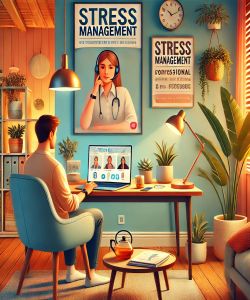
1. Overview of Stress Management
Stress management constitutes a strategic and disciplined framework of psychological and physiological techniques designed not for the eradication of stressors, which are an inexorable feature of contemporary existence, but for the systematic regulation of an individual's reactions to them. It is an essential competency for maintaining personal well-being, professional efficacy, and overall health in a demanding world. The fundamental premise is that whilst external pressures are often beyond one's immediate control, the internal response—encompassing cognitive appraisals, emotional states, and physiological arousal—can be deliberately and effectively controlled. This discipline operates on the understanding that unmitigated stress precipitates a cascade of negative consequences, including compromised immune function, diminished cognitive capacity, and the onset of chronic health conditions. Consequently, stress management is not a passive or remedial activity but a proactive and continuous practice of building resilience. It involves a multimodal approach, integrating cognitive restructuring to challenge and reframe negative thought patterns, behavioural modifications to alter counterproductive habits, and physiological regulation techniques such as controlled breathing and muscle relaxation to calm the body's fight-or-flight response. The objective is to equip individuals with a robust toolkit of coping mechanisms, enabling them to navigate challenges with composure and clarity, thereby transforming potentially debilitating pressure into a manageable and even motivating force. Effective stress management is therefore foundational to high performance and sustainable success, representing a non-negotiable investment in personal and organisational capital. It is the sophisticated art and science of maintaining equilibrium in the face of adversity, ensuring that an individual remains the master of their responses, rather than a victim of their circumstances. The mastery of these principles is, unequivocally, a hallmark of a resilient and capable individual.
2. What are Stress Management?
Stress management refers to the comprehensive and structured application of tools, strategies, and principles intended to control and reduce the chronic levels of stress an individual experiences. It is a proactive discipline focused on equipping a person with the skills necessary to manage the psychological and physiological impacts of internal and external pressures. This is not about the complete elimination of stress, an unrealistic and undesirable goal, but rather about optimising the response to it, thereby mitigating its detrimental effects on health, performance, and quality of life. At its core, stress management addresses the entire stress response cycle. It begins with identifying the specific sources of stress, known as stressors, and understanding their nature and impact. It then progresses to modifying the individual's appraisal of these stressors, often through cognitive techniques that reframe perceived threats into manageable challenges. A significant component involves learning to regulate the body's physiological arousal. When confronted with a stressor, the body initiates the fight-or-flight response, releasing hormones that increase heart rate and blood pressure. Stress management techniques, such as diaphragmatic breathing and progressive muscle relaxation, are designed to counteract this state by activating the parasympathetic nervous system, which promotes rest and recovery. Furthermore, stress management incorporates behavioural strategies. These may include improving time management, setting clear boundaries in personal and professional spheres, engaging in regular physical exercise, and ensuring adequate nutrition and sleep. Essentially, it is a holistic system that empowers individuals to exert deliberate control over their reactions, fostering a state of mental and physical equilibrium even amidst demanding circumstances. It is a learned competency, a vital element of personal and professional development that builds resilience and enhances overall functional capacity.
3. Who Needs Stress Management?
- Senior Executives and Organisational Leaders. Individuals in high-stakes leadership roles who bear ultimate responsibility for strategic decisions, financial performance, and personnel management. The constant pressure to perform, innovate, and navigate complex organisational politics necessitates a robust capacity to manage stress to maintain clarity, decisiveness, and emotional stability.
- Professionals in High-Pressure Industries. This includes medical practitioners, emergency service personnel, legal professionals, financial traders, and air traffic controllers. The inherent nature of their work involves critical, time-sensitive decisions where errors can have profound consequences, demanding exceptional resilience and emotional regulation.
- Entrepreneurs and Business Owners. Those who face the unique and relentless pressures of building and sustaining a commercial enterprise. The inherent uncertainty, financial risk, long working hours, and the burden of being accountable for every aspect of the business demand a structured approach to managing overwhelming stress.
- Academic Professionals and Researchers. Individuals operating within competitive academic environments who are subject to pressures related to securing funding, publishing influential work, meeting teaching obligations, and navigating institutional bureaucracy. The intellectual and performance-based demands require strong coping mechanisms.
- Individuals Undergoing Significant Life Transitions. This encompasses persons experiencing major life events such as bereavement, divorce, relocation, or significant career changes. Such transitions are inherently stressful and require adaptive strategies to navigate the associated emotional and practical challenges successfully.
- Caregivers for Individuals with Chronic Illnesses or Disabilities. Those providing long-term care for family members or clients. The emotional and physical toll of caregiving, often accompanied by social isolation and financial strain, makes stress management a critical tool for preventing burnout and maintaining their own health.
- High-Performance Athletes and Competitors. Individuals who must perform at their physical and mental peak under intense scrutiny and competitive pressure. Managing performance anxiety, recovery, and the psychological impact of both victory and defeat is fundamental to a sustainable and successful career.
- Any Individual Experiencing Chronic Symptoms of Stress. This applies to anyone, regardless of profession or status, who exhibits persistent signs of unmanaged stress, such as chronic fatigue, irritability, sleep disturbances, impaired concentration, or physical ailments without a clear medical cause.
4. Origins and Evolution of Stress Management
The conceptual origins of stress management are deeply rooted in twentieth-century medical and psychological research, primarily emerging from the pioneering work on the body's physiological response to perceived threats. The term "stress" in this context was popularised by the endocrinologist Hans Selye in the mid-1930s. Selye’s research on his General Adaptation Syndrome (GAS) provided the first formal, scientific framework for understanding how organisms, including humans, react to prolonged exposure to noxious stimuli. He delineated a three-stage process—alarm, resistance, and exhaustion—which laid the biomedical foundation for recognising chronic stress as a direct contributor to physical and mental pathology. This work shifted the paradigm from viewing stress as a purely psychological phenomenon to understanding it as a measurable, physiological process with tangible health consequences.
During the mid-twentieth century, the focus began to expand from purely physiological models to incorporate psychological and cognitive factors. The work of psychologists such as Richard Lazarus was instrumental in this evolution. Lazarus and his colleagues introduced the concept of cognitive appraisal, positing that an individual’s interpretation of an event is more significant than the event itself. This transactional model of stress emphasised that stress arises from a perceived imbalance between the demands of a situation and the individual's resources to cope with those demands. This pivotal shift opened the door for cognitive-behavioural interventions, which aimed to modify maladaptive thought patterns and beliefs about stressors, forming a cornerstone of modern stress management practice.
The latter part of the twentieth century and the early twenty-first century witnessed a further diversification and popularisation of stress management techniques. Influences from Eastern contemplative traditions, particularly mindfulness and meditation, were integrated into Western clinical practice, most notably through Jon Kabat-Zinn's development of Mindfulness-Based Stress Reduction (MBSR) in the late 1970s. This approach underscored the importance of non-judgmental present-moment awareness as a tool for disengaging from habitual stress reactions. Simultaneously, the corporate world began to recognise the profound impact of workplace stress on productivity and employee well-being, leading to the development of workplace wellness programmes and Employee Assistance Programmes (EAPs). The evolution continues today, with digital platforms and online interventions making stress management more accessible, personalised, and integrated into the fabric of daily life, transforming it from a clinical intervention into a fundamental life skill.
5. Types of Stress Management
- Action-Oriented Approaches. These strategies are focused on directly confronting and altering the stressful situation itself. This is a proactive and problem-solving methodology that seeks to eliminate the stressor at its source. It involves analysing the problem, brainstorming potential solutions, creating a concrete action plan, and implementing it. Examples include direct communication to resolve interpersonal conflicts, effective time management to handle workload pressures, or creating organisational systems to reduce chaos and inefficiency. This type is most effective for stressors that are tangible and controllable.
- Emotion-Oriented Approaches. When a stressor cannot be altered or removed, the focus must shift to managing the emotional response it provokes. These approaches do not change the external situation but rather change one's internal reaction to it. This category includes techniques designed to process and mitigate negative feelings. Practices such as journaling, seeking social support to share feelings, and engaging in therapeutic modalities to explore emotional triggers are central to this approach. The goal is to achieve emotional regulation and acceptance, preventing emotions from becoming overwhelming and debilitating.
- Acceptance-Oriented Approaches. These methods are employed for stressors that are entirely beyond one's control, such as a serious illness, a significant loss, or large-scale economic uncertainty. This approach centres on cultivating a mindset of acceptance and resilience in the face of unavoidable adversity. Key techniques include mindfulness, which involves observing thoughts and feelings without judgment, and meditation practices that foster a sense of inner calm and detachment. The objective is not to fight the reality of the situation but to find peace and continue to function effectively within it, thereby reducing the suffering associated with resistance to the unchangeable.
- Cognitive Restructuring Approaches. This type of stress management is based on the principle that an individual's thoughts and beliefs profoundly influence their emotional and physiological state. It involves identifying, challenging, and reframing negative, irrational, or catastrophic thought patterns that exacerbate the stress response. Techniques derived from Cognitive Behavioural Therapy (CBT) are paramount here. This includes practices like thought records to analyse automatic negative thoughts, Socratic questioning to test the validity of those thoughts, and developing more balanced, realistic perspectives. The aim is to fundamentally alter the cognitive appraisal of a stressor from a threat to a challenge.
6. Benefits of Stress Management
- Enhanced Physiological Health. Systematic stress management directly counteracts the deleterious effects of chronic stress on the body. It lowers resting heart rate, reduces blood pressure, and decreases the circulating levels of stress hormones such as cortisol and adrenaline, thereby reducing the risk of cardiovascular disease, metabolic disorders, and other stress-related somatic conditions.
- Improved Immune System Function. Unmitigated stress suppresses the immune system, rendering an individual more susceptible to infections and illnesses. Effective stress management practices bolster immune function, leading to increased resilience against pathogens and a reduction in the frequency and severity of common ailments.
- Augmented Cognitive Performance. Chronic stress impairs executive functions, including memory, concentration, and decision-making. By regulating the stress response, individuals can restore and enhance their cognitive clarity, improve focus, and strengthen their problem-solving and critical-thinking capabilities, leading to superior professional and personal performance.
- Greater Emotional Regulation. Stress management equips individuals with the tools to modulate their emotional responses. This results in reduced irritability, anxiety, and mood volatility. It fosters a more stable and positive emotional baseline, enabling more measured and constructive reactions to challenging circumstances.
- Increased Professional Efficacy and Productivity. By mitigating the cognitive and emotional drain of stress, individuals can maintain higher levels of energy, motivation, and engagement in their work. This translates into improved productivity, reduced absenteeism, lower rates of burnout, and enhanced job satisfaction.
- Strengthened Interpersonal Relationships. Unmanaged stress often leads to conflict, withdrawal, and communication breakdowns in both personal and professional relationships. Mastery of stress management techniques promotes patience, empathy, and more effective communication, thereby fostering healthier and more supportive connections with others.
- Enhanced Quality of Sleep. Stress is a primary driver of insomnia and poor sleep quality. Techniques that calm the nervous system, such as relaxation exercises and mindfulness, directly facilitate the onset and maintenance of restorative sleep, which is critical for physical and mental recovery.
- Development of Proactive Coping and Resilience. The ultimate benefit is the cultivation of a resilient mindset. Instead of being a passive victim of circumstances, the individual becomes an active agent, equipped with a versatile toolkit to anticipate, manage, and recover from adversity, fostering long-term psychological fortitude.
7. Core Principles and Practices of Stress Management
- Principle of Identification and Awareness. The foundational principle is the explicit identification of one's unique stressors and the subsequent awareness of one's cognitive, emotional, and physiological responses to them. This involves rigorous self-monitoring, often through journaling or structured reflection, to recognise patterns and triggers. Without this clear diagnostic phase, any intervention remains generic and ineffective. One must first know the enemy.
- Principle of Cognitive Appraisal and Reframing. This principle asserts that the perception of a stressor dictates the stress response. The core practice is cognitive restructuring, a systematic process of challenging and altering maladaptive thought patterns. Individuals must learn to dispute automatic negative thoughts, catastrophic thinking, and irrational beliefs, replacing them with balanced, rational, and constructive perspectives. This transforms a perceived threat into a manageable challenge.
- Principle of Physiological Regulation. The body's autonomic nervous system must be brought under deliberate control. The practice involves mastering techniques that counteract the fight-or-flight response by activating the parasympathetic nervous system (the 'rest and digest' system). Key practices include diaphragmatic (deep belly) breathing, progressive muscle relaxation (PMR), and autogenic training to induce a state of profound physical calm.
- Principle of Behavioural Modification. This principle dictates that certain behaviours perpetuate stress whilst others mitigate it. The core practice involves the strategic alteration of one's actions and routines. This includes implementing robust time management systems, practising assertiveness to set and enforce personal and professional boundaries, and eliminating unhealthy coping mechanisms like substance misuse or avoidance.
- Principle of Proactive Resilience Building. Stress management is not merely reactive; it must be proactive. This principle involves consistently engaging in activities that build a buffer against future stress. Core practices include ensuring adequate and restorative sleep, maintaining a nutritious diet, engaging in regular and vigorous physical exercise, and cultivating a strong social support network. These are non-negotiable foundations of resilience.
- Principle of Strategic Disengagement and Recovery. Continuous exposure to pressure without adequate recovery leads to exhaustion. This principle mandates the deliberate scheduling of downtime and restorative activities. The practice involves actively pursuing hobbies, engaging in mindfulness or meditation to quiet the mind, and ensuring periods of complete detachment from work and other primary stressors to allow for mental and physical replenishment.
8. Online Stress Management
- Unparalleled Accessibility and Convenience. Online stress management programmes dismantle geographical and temporal barriers. Individuals can access high-quality resources and structured guidance from any location with an internet connection, at any time that suits their schedule. This eliminates the need for travel and allows for integration into demanding professional and personal lives, making consistent engagement more feasible.
- Structured, Self-Paced Learning Environment. Digital platforms provide a highly structured curriculum, often broken down into modular units covering specific principles and techniques. This format allows individuals to progress at their own pace, revisiting complex topics as needed and mastering one skill before moving to the next. This self-directed approach fosters autonomy and ensures a deeper, more personalised understanding of the material.
- Anonymity and Reduced Stigma. For many individuals, particularly those in senior or public-facing roles, seeking help for stress can be perceived as a sign of weakness. The anonymous nature of online platforms provides a confidential and private space to learn and practise stress management techniques without fear of judgment or professional repercussions, thereby encouraging engagement from those who might otherwise avoid it.
- Integration of Diverse and Interactive Modalities. Online formats can leverage a rich combination of media to enhance learning and engagement. This includes video lectures from experts, interactive exercises, guided audio meditations, downloadable worksheets, and digital tools for tracking progress. This multimodal delivery caters to different learning styles and keeps the user actively involved, which is superior to passive information consumption.
- Data-Driven Feedback and Personalisation. Sophisticated online platforms can incorporate tools for self-assessment and progress tracking. Users can monitor changes in their perceived stress levels, sleep patterns, or mood over time. This data provides objective feedback on the effectiveness of the techniques being practised, allowing for adjustments and reinforcing motivation through tangible evidence of improvement.
- Cost-Effectiveness and Scalability. Compared to traditional, in-person consultations or workshops, online stress management programmes are typically more cost-effective. They eliminate venue and travel costs and can be delivered at scale to large numbers of individuals or entire organisations, making robust stress management training financially viable for a broader audience. This scalability is a decisive advantage for corporate wellness initiatives.
9. Stress Management Techniques
- Step 1: Execute the 4-7-8 Breathing Technique. This is a powerful physiological regulation tool. Sit or lie in a comfortable position with your back straight. Close your eyes. Place the tip of your tongue against the ridge of tissue just behind your upper front teeth. Exhale completely through your mouth, making a distinct whooshing sound. Close your mouth and inhale quietly through your nose to a mental count of four. Hold your breath for a count of seven. Exhale completely through your mouth, making the whoosh sound again, for a count of eight. This completes one cycle. Repeat this cycle a minimum of three more times. This technique directly activates the parasympathetic nervous system, inducing a state of calm.
- Step 2: Implement Progressive Muscle Relaxation (PMR). Find a quiet space where you will not be disturbed. Begin by taking a few deep, slow breaths. Start with your feet. Tense the muscles in your feet and toes as tightly as possible for a count of five, focusing intently on the sensation of tension. Then, abruptly release the tension and focus on the feeling of deep relaxation for a count of fifteen. Systematically work your way up through the body, repeating this tense-and-release cycle for each major muscle group: calves, thighs, buttocks, abdomen, back, hands, arms, shoulders, neck, and finally the muscles of the face. This practice teaches you to recognise and release physical tension.
- Step 3: Conduct a Cognitive Reframing Exercise. Identify a specific thought that is causing you significant stress. Write it down precisely. Now, treat this thought as a hypothesis to be tested, not as an objective fact. Challenge it with a series of critical questions. What is the evidence that supports this thought? What is the evidence against it? Are you engaging in cognitive distortions such as catastrophising or black-and-white thinking? What is a more balanced, rational, and objective way to view this situation? Formulate and write down an alternative, more constructive thought. Repeat this new thought to yourself. This process breaks the cycle of automatic negative thinking.
- Step 4: Engage in a Five Senses Grounding Exercise. When feeling overwhelmed by stress or anxiety, bring your awareness forcefully into the present moment. Systematically engage your senses. Identify and mentally name five things you can see around you. Next, identify four things you can physically feel (e.g., the texture of your chair, the fabric of your clothing). Then, identify three things you can hear. Next, identify two things you can smell. Finally, identify one thing you can taste. This technique pulls your focus away from internal ruminations and anchors you firmly in the immediate, tangible environment.
10. Stress Management for Adults
Stress management for adults is a non-negotiable discipline, essential for navigating the multifaceted pressures of modern professional and personal life. Unlike the more transient stressors of youth, adult stress is often chronic and complex, stemming from interwoven responsibilities in career, finance, family, and health. The imperative, therefore, is to move beyond reactive coping and cultivate a proactive, systematic framework for resilience. This demands a mature understanding that stress is an inherent component of a meaningful, engaged life, and the objective is not its elimination but its masterful regulation. For the adult, this involves a sophisticated integration of several domains. Cognitively, it requires the capacity to identify and dismantle entrenched negative thought patterns and limiting beliefs that have been reinforced over years. Behaviourally, it necessitates the implementation of firm boundaries, effective time management, and the assertiveness to protect one's energy and priorities. Physiologically, it demands a consistent commitment to practices that counteract the body's chronic fight-or-flight activation, such as regular physical exercise, disciplined sleep hygiene, and the mastery of targeted relaxation techniques. Furthermore, adult stress management must address existential dimensions, connecting individuals to a sense of purpose and values that can provide an anchor during periods of intense pressure or uncertainty. It is about building a robust internal locus of control, where the individual recognises their agency in managing their responses, regardless of external volatility. This sophisticated, holistic approach is what separates transient stress relief from enduring personal mastery and sustained high performance. It is a strategic investment in one's own longevity, efficacy, and overall quality of life.
11. Total Duration of Online Stress Management
The total duration required to complete a foundational online stress management course is rigorously structured to ensure maximum impact without demanding an unsustainable commitment of time. The standard and most effective model for such a programme is predicated on a weekly engagement of approximately 1 hr. This allocation of 1 hr per week is not arbitrary; it is a strategically determined timeframe designed to facilitate deep learning, meaningful practice, and progressive skill acquisition. This 1 hr session is typically segmented into distinct components: a portion for absorbing new theoretical concepts and principles, a period for engaging with guided practical exercises and techniques, and a phase for reflection and planning the integration of these skills into the forthcoming week. Spreading the learning over several weeks, with each week requiring a dedicated 1 hr of focused effort, allows for the crucial process of habit formation. It ensures that the techniques are not merely learned intellectually but are practised, internalised, and gradually automated. This measured, consistent investment of 1 hr weekly prevents overwhelm and promotes long-term retention and application, making it a far superior methodology to intensive, condensed workshops. The entire curriculum is therefore designed around this core commitment, establishing a manageable yet powerful rhythm of learning and practice that respects the demanding schedules of professionals whilst delivering profound and lasting results.
12. Things to Consider with Stress Management
Before embarking on any stress management programme, it is imperative to conduct a rigorous self-assessment and consider several critical factors to ensure its efficacy and suitability. Firstly, one must acknowledge that stress management is an active, ongoing discipline, not a passive cure or a one-time fix. It demands consistent effort, self-discipline, and a genuine commitment to behavioural and cognitive change. There are no shortcuts; success is contingent upon dedicated practice. Secondly, it is crucial to understand that there is no universal solution. Different techniques resonate with different individuals. A method that is profoundly effective for one person may be ineffectual for another. Therefore, an element of experimentation and personalisation is required to identify and assemble a toolkit of strategies that align with one's personality, lifestyle, and specific stressors. Thirdly, one must differentiate between manageable, everyday stress and the symptoms of a more severe underlying mental health condition, such as clinical anxiety or depression. Stress management techniques are powerful tools for building resilience, but they are not a substitute for professional psychiatric or psychological treatment when a clinical disorder is present. Misattributing symptoms of a serious condition to simple stress can delay essential medical intervention with potentially severe consequences. Finally, consider the context in which stress arises. Whilst individual coping skills are vital, it is also necessary to evaluate and address external environmental factors, such as a toxic work culture or dysfunctional relationships. True stress management is a dual approach: building internal resilience whilst simultaneously taking strategic action to modify or exit untenable external situations.
13. Effectiveness of Stress Management
The effectiveness of stress management, when implemented with discipline and consistency, is not a matter of conjecture but a well-established fact supported by a substantial body of empirical evidence from the fields of psychology, medicine, and neuroscience. Its efficacy is multifaceted, manifesting in measurable improvements across physiological, psychological, and behavioural domains. Physiologically, structured stress management interventions have been demonstrated to produce tangible benefits, including the reduction of hypertension, the lowering of resting cortisol levels, the enhancement of immune system function, and the improvement of sleep quality. These are not subjective claims but objective biological markers of reduced allostatic load—the cumulative wear and tear on the body from chronic stress. Psychologically, the results are equally profound. Individuals who engage in these practices consistently report significantly lower levels of perceived stress, anxiety, and depressive symptoms. Cognitive functions, particularly attention, memory, and executive decision-making, are shown to improve as the mental fog of chronic stress dissipates. Behaviourally, the effectiveness is observed in increased productivity, reduced absenteeism in professional settings, and enhanced quality of interpersonal relationships. The key determinant of this effectiveness, however, lies in the active and sustained application of the learned techniques. Stress management is a skill, and like any skill, its power is directly proportional to the rigour with which it is practised. Passive knowledge of the principles is worthless; it is the active, deliberate, and persistent engagement that unlocks its transformative potential and builds enduring resilience against life's inevitable pressures.
14. Preferred Cautions During Stress Management
It is imperative to approach stress management with a robust awareness of its limitations and potential misapplications, as a naive or undisciplined implementation can be counterproductive. Firstly, one must remain vigilant against the trap of 'toxic positivity'—the misguided notion that one should feel calm and in control at all times. Stress and other negative emotions are valid and necessary signals; their complete suppression is not the goal. The objective is regulation, not eradication. Attempting to force a state of perpetual serenity is an unrealistic and self-defeating endeavour that can lead to feelings of failure and exacerbate stress. Secondly, stress management techniques must never be used as a substitute for necessary medical or psychiatric intervention. Attributing the symptoms of a serious underlying condition, such as a major depressive disorder, an anxiety disorder, or a physical illness, to "just stress" is a dangerous oversimplification that can delay critical diagnosis and treatment. These techniques are supplementary tools for resilience, not curative agents for clinical pathology. Furthermore, individuals must be cautious about using stress management as a coping mechanism to endure a fundamentally intolerable or abusive environment, be it professional or personal. Building resilience is not about developing an infinite capacity to withstand toxicity. At a certain point, the correct strategy is not to manage the stress but to take decisive action to change or exit the situation. Using these skills merely to tolerate the unacceptable is a misuse of the discipline and ultimately unsustainable. One must maintain critical judgment.
15. Stress Management Course Outline
-
Module 1: The Foundation – Understanding the Stress Response.
- Defining Stress: Differentiating between Eustress (positive) and Distress (negative).
- The Physiology of Stress: A detailed examination of the fight-or-flight response, the role of the sympathetic nervous system, and the impact of cortisol and adrenaline.
- The Psychology of Stress: Introduction to cognitive appraisal theory and the transactional model of stress.
- Personal Stress Audit: A structured exercise to identify individual stressors and current coping mechanisms.
- Module 2: Cognitive Mastery – Re-engineering Your Thoughts.
- Introduction to Cognitive Restructuring: The link between thoughts, feelings, and behaviours.
- Identifying Cognitive Distortions: Learning to recognise patterns like catastrophising, black-and-white thinking, and overgeneralisation.
- Techniques for Disputing Negative Thoughts: Applying thought records and Socratic questioning.
- Developing Balanced and Realistic Perspectives: The practice of cognitive reframing.
- Module 3: Physiological Regulation – Commanding the Body.
- The Power of the Breath: Mastering diaphragmatic and coherence breathing techniques.
- Progressive Muscle Relaxation (PMR): A step-by-step guided practice for releasing physical tension.
- Introduction to Autogenic Training and Body Scan Meditation.
- Practical Application: Integrating quick relaxation techniques into daily routines.
- Module 4: Behavioural Strategy – Taking Control of Your Actions.
- Principles of Effective Time Management: Prioritisation, scheduling, and overcoming procrastination.
- The Art of Assertiveness: Learning to set firm personal and professional boundaries.
- Problem-Solving Skills: A structured approach to confronting and resolving controllable stressors.
- Lifestyle Foundations: The non-negotiable role of nutrition, physical exercise, and sleep hygiene.
- Module 5: Advanced Resilience and Maintenance.
- Introduction to Mindfulness: Cultivating present-moment awareness without judgment.
- Building Social Support Networks: The importance of connection and effective communication.
- Developing a Personalised Stress Management Plan: A capstone project to consolidate learning.
- Preventing Relapse and Maintaining Momentum: Strategies for long-term practice and continuous improvement.
16. Detailed Objectives with Timeline of Stress Management
- Weeks 1-2: Foundational Knowledge and Self-Assessment.
- Objective: To establish a comprehensive understanding of the personal stress signature. By the end of this period, the individual will be able to articulate the physiological and psychological mechanisms of the stress response. They will have completed a detailed personal stress audit, identifying and categorising their primary stressors and analysing their current, often unconscious, coping strategies. This forms the essential diagnostic baseline for all subsequent work.
- Weeks 3-4: Acquisition of Core Physiological Control Techniques.
- Objective: To gain demonstrable proficiency in regulating the body's autonomic nervous system on command. By the end of this fortnight, the individual will be able to successfully execute diaphragmatic breathing and Progressive Muscle Relaxation (PMR) to lower heart rate and induce a state of physical calm. They will practise these techniques daily to begin establishing them as habitual responses to rising tension.
- Weeks 5-6: Mastery of Cognitive Restructuring.
- Objective: To deconstruct and reframe maladaptive thought patterns. By the end of this period, the individual will be proficient in using a thought record to identify cognitive distortions in real-time. They will have developed the skill to challenge automatic negative thoughts and formulate more balanced, rational alternatives, thereby interrupting the cognitive cycle that fuels the stress response.
- Weeks 7-8: Implementation of Strategic Behavioural Changes.
- Objective: To translate internal skills into external action and environmental control. By the end of this period, the individual will have implemented at least one significant behavioural change, such as a new time management system or the establishment of a clear boundary in a professional or personal relationship. They will also have reviewed and optimised their lifestyle factors, including sleep, nutrition, and exercise.
- Weeks 9-10: Integration and Mindfulness Practice.
- Objective: To integrate all learned skills into a cohesive personal practice and introduce mindfulness. The individual will develop a personalised, written stress management plan that outlines their go-to strategies for different types of stressors. They will also begin a daily mindfulness practice to cultivate non-judgmental awareness and reduce reactivity.
- Weeks 11-12: Consolidation and Long-Term Strategy.
- Objective: To solidify learned skills for long-term resilience and prevent relapse. By the end of the programme, the individual will have a robust, personalised toolkit of stress management strategies. They will have developed a maintenance plan to ensure continued practice and will be able to proactively identify and manage potential future challenges, demonstrating true self-regulatory competence.
17. Requirements for Taking Online Stress Management
- A Reliable High-Speed Internet Connection. This is a non-negotiable prerequisite. The course delivery relies on streaming video content, participating in live sessions where applicable, and downloading resource materials. An unstable or slow connection will disrupt the learning process and cause frustration, undermining the very purpose of the course.
- A Suitable Digital Device. Participants must possess a functional computer, laptop, or tablet with a modern web browser. The device must be capable of playing video and audio content without issue and should have a screen size adequate for viewing detailed presentations and reading text comfortably. Use of a smartphone is discouraged as a primary device due to its limited screen real estate and potential for distraction.
- A Private and Quiet Environment. For the duration of any focused session or practical exercise, the individual must have access to a space where they will not be interrupted. This is critical for concentration during learning modules and essential for the effective practice of relaxation and mindfulness techniques, which are impossible to perform in a chaotic or noisy setting.
- A Functional Webcam and Microphone. Although not always mandatory for passive learning, these peripherals are essential for any interactive components, such as group discussions, Q&A sessions, or one-on-one coaching. They facilitate engagement and allow for personalised feedback, significantly enhancing the learning experience.
- Basic Digital Literacy. The individual must be comfortable navigating a web-based learning platform, downloading and opening files (such as PDFs and worksheets), and using basic communication tools. A fundamental level of technical self-sufficiency is required to engage with the course materials effectively without needing constant technical support.
- A Dedicated Time Commitment. The participant must be prepared to formally schedule and protect the time required for the course each week. This involves treating online sessions with the same seriousness as an in-person appointment, ensuring that this time is ring-fenced and free from other professional or personal obligations.
- An Attitude of Active Engagement and Self-Discipline. Online learning demands a higher degree of self-motivation than traditional settings. The individual must possess the discipline to complete modules independently, practise techniques as instructed, and take personal responsibility for their learning journey. A passive consumer of information will not achieve results.
18. Things to Keep in Mind Before Starting Online Stress Management
Before commencing an online stress management programme, it is imperative to adopt a mindset of strategic engagement and realistic expectation. Understand unequivocally that this is not a passive process of information consumption but an active training regimen. The onus of responsibility for progress rests entirely upon you. You must be prepared to move beyond intellectual understanding and commit to the rigorous, consistent practice of the techniques presented. This requires carving out and fiercely protecting dedicated time in your schedule, free from distractions, to engage with the material and perform the exercises. Evaluate your personal learning style and technical proficiency; ensure the chosen platform's format aligns with your preferences and that you possess the basic digital literacy to navigate it without undue frustration. Critically, you must temper expectations of an instantaneous transformation. The development of robust stress management skills is analogous to physical conditioning—it is a gradual process that yields results through persistent effort over time. There will be periods of slow progress and potential setbacks. It is crucial to approach these with a mindset of analytical curiosity rather than self-criticism, viewing them as data points for refining your approach. Finally, acknowledge the importance of application. The ultimate goal is not to perform perfectly within the confines of the course but to integrate these skills seamlessly into the high-pressure situations of your daily life. This requires a conscious and deliberate effort to transfer learning from the structured online environment to the unpredictable real world.
19. Qualifications Required to Perform Stress Management
The qualifications required to design and deliver credible stress management training are stringent and multifaceted, reflecting the serious responsibility of intervening in an individual's psychological and physiological well-being. A baseline requirement is a strong academic foundation in a relevant field. This typically means a degree in psychology, counselling, social work, or a related behavioural science. Such a qualification ensures a fundamental understanding of psychological theory, human development, and ethical principles. However, academic credentials alone are insufficient. The provider must possess specialised, postgraduate training and certification specifically in stress management modalities. This may include:
- Certification in Cognitive Behavioural Therapy (CBT) or Rational Emotive Behaviour Therapy (REBT). These are gold-standard approaches for cognitive restructuring, a core component of effective stress management.
- Accreditation as a Mindfulness Instructor. Specifically, qualifications in established programmes like Mindfulness-Based Stress Reduction (MBSR) or Mindfulness-Based Cognitive Therapy (MBCT) are highly regarded, as they require rigorous training, personal practice, and supervised teaching.
- Professional Coaching Certification. Credentials from reputable bodies like the International Coach Federation (ICF) can be valuable, provided they are supplemented with specific expertise in stress and resilience coaching.
- Biofeedback Certification. For those teaching physiological regulation techniques, certification from an entity like the Biofeedback Certification International Alliance (BCIA) demonstrates proficiency in using technology to help clients gain control over autonomic processes.
Beyond formal qualifications, extensive practical experience is non-negotiable. A credible professional will have a significant track record of working with individuals or groups, demonstrating a capacity to apply theoretical knowledge effectively in real-world scenarios. They must adhere to a strict code of professional ethics, including maintaining confidentiality, recognising the limits of their competence, and knowing when to refer a client to a medical or psychiatric specialist. In essence, a qualified provider is a blend of academic rigour, specialised training, proven experience, and unwavering ethical conduct.
20. Online Vs Offline/Onsite Stress Management
Online
Online stress management delivery is characterised by its unparalleled flexibility and accessibility. It removes geographical and logistical barriers, permitting individuals to engage with structured programmes from any location at any time. This asynchronous or semi-asynchronous model is highly advantageous for professionals with demanding and unpredictable schedules. The format inherently provides a degree of anonymity, which can reduce the stigma associated with seeking help and encourage participation from individuals in high-profile roles. Online platforms often utilise a rich, multimodal approach, integrating video lectures, interactive exercises, downloadable resources, and guided audio practices, catering to diverse learning styles. Furthermore, digital delivery allows for scalable deployment across large organisations in a highly cost-effective manner. The primary challenge, however, lies in the requirement for a high degree of self-discipline and motivation from the participant. The absence of direct, in-person accountability can lead to lower completion rates for some individuals. There is also a potential lack of personalised, nuanced feedback that can be gleaned from face-to-face interaction, and technical issues can present a barrier to entry or a source of frustration.
Offline/Onsite
Offline, or onsite, stress management is defined by direct, in-person interaction within a shared physical space. Its principal strength lies in the high level of engagement and accountability it fosters. The presence of an instructor and peers creates a dynamic and supportive learning environment, facilitating immediate, personalised feedback and rich group discussions. The nuances of body language and direct human connection can significantly enhance the therapeutic alliance and learning process, particularly for highly interactive or experiential techniques. Onsite delivery eliminates the distractions inherent in a remote setting, compelling participants to be fully present and focused. However, this model is inherently rigid and less accessible. It is constrained by geography, requiring physical travel to a specific location at a fixed time, which can be prohibitive for many. It is significantly less scalable and carries higher costs associated with venue hire, travel, and materials. The lack of anonymity can also be a deterrent for individuals concerned about privacy or perception within a corporate or community setting. The choice between models thus represents a trade-off between the unparalleled convenience of online delivery and the high-touch engagement of onsite interaction.
21. FAQs About Online Stress Management
Question 1. What exactly is online stress management? Answer: It is a structured programme delivered via digital platforms, designed to teach scientifically validated techniques for controlling and reducing the negative impacts of stress.
Question 2. Is it as effective as in-person training? Answer: For self-motivated individuals, research indicates that it can be equally effective, particularly for cognitive-behavioural and mindfulness-based approaches. Efficacy is contingent on user engagement.
Question 3. Who is the ideal candidate for this format? Answer: A self-disciplined individual with a demanding schedule who is comfortable with technology and capable of independent learning.
Question 4. Is it a substitute for therapy or medical advice? Answer: Categorically not. It is an educational and skill-building discipline. It must not replace professional medical or psychiatric consultation for clinical conditions.
Question 5. What technology is required? Answer: A reliable internet connection and a suitable device such as a computer or tablet are essential. A webcam and microphone may be required for interactive elements.
Question 6. How is my privacy protected? Answer: Reputable providers use secure, encrypted platforms and adhere to strict data protection and confidentiality policies. This should be verified before enrolment.
Question 7. Can I access the materials at any time? Answer: Most programmes offer asynchronous access to core materials, allowing you to learn at your convenience, though some may include scheduled live sessions.
Question 8. What if I am not technically proficient? Answer: The platforms are generally designed to be user-friendly. However, a basic level of digital literacy is a firm prerequisite for a smooth experience.
Question 9. Is it just about relaxation? Answer: No. Relaxation is one component. It is a comprehensive discipline that also includes cognitive restructuring, behavioural modification, and problem-solving skills.
Question 10. How quickly will I see results? Answer: This is not a quick fix. Some benefits, like a sense of calm after a breathing exercise, are immediate. Lasting change requires several weeks of consistent practice.
Question 11. What is the typical time commitment? Answer: This varies, but a standard model involves a commitment of approximately one to two hours per week for learning and practice.
Question 12. Are the techniques difficult to learn? Answer: The techniques are conceptually simple but require consistent practice to master and apply effectively under pressure.
Question 13. How is progress measured? Answer: Through a combination of self-report questionnaires assessing perceived stress levels, behavioural observation, and tracking of physiological indicators like sleep quality.
Question 14. Can this help with work-related stress specifically? Answer: Yes. The principles are universally applicable and highly effective for managing workplace pressures, such as workload, deadlines, and interpersonal conflict.
Question 15. What if I miss a week? Answer: The self-paced nature of most online courses allows you to catch up, but maintaining a consistent weekly rhythm is strongly advised for optimal results.
Question 16. Is the content scientifically validated? Answer: Credible programmes are based on evidence-based methodologies, primarily from Cognitive Behavioural Therapy (CBT) and mindfulness research.
Question 17. Will it eliminate all stress from my life? Answer: The goal is not elimination but effective regulation. You will learn to manage stress, not eradicate it, which is both impossible and undesirable.
22. Conclusion About Stress Management
In conclusion, stress management must be recognised not as a peripheral wellness activity but as a core competency for survival and success in the modern world. It is a rigorous, evidence-based discipline that empowers individuals to seize control over their internal responses to the relentless external pressures they face. The practice moves beyond simplistic advice, offering a structured and systematic framework for re-engineering cognitive patterns, regulating physiological arousal, and implementing strategic behavioural changes. Its value is not merely in the mitigation of negative health outcomes—though this is a critical benefit—but in the profound enhancement of overall human functioning. An individual proficient in stress management demonstrates superior cognitive clarity, emotional stability, and professional efficacy. They are more resilient, more decisive, and better equipped to lead and influence. To neglect this discipline is to cede control to circumstance, allowing unmanaged stress to erode health, corrode relationships, and sabotage performance. Therefore, the adoption and mastery of stress management principles are not optional considerations for the ambitious individual or the forward-thinking organisation; they are a fundamental, non-negotiable imperative. It is the definitive investment in one's most valuable asset: a focused, resilient, and capable mind. The ability to remain composed and effective under pressure is the ultimate competitive advantage, and a skill that will pay dividends across every facet of one's personal and professional life. The mandate is clear: one must either master stress, or be mastered by it.