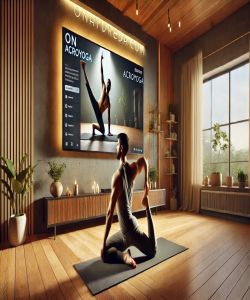
Overview of Acroyoga
Acroyoga is a unique physical practice that blends yoga, acrobatics, and Thai massage into a dynamic and interactive movement experience. Unlike traditional yoga, which is typically practiced alone on a mat, Acroyoga involves working with a partner or group to create poses, lifts, and sequences that challenge balance, strength, and flexibility. It emphasizes connection, communication, and trust, making it not just a workout but also a bonding experience.
The practice of Acroyoga consists of three primary roles: the base, the flyer, and the spotter. The base is the person on the ground, typically lying down or in a stable position, providing support for the flyer. The flyer is the person lifted into the air, performing various poses while relying on the stability of the base. The spotter plays a crucial role in ensuring safety, offering guidance, and preventing falls. This collaborative aspect makes Acroyoga not only a physical discipline but also a social and trust-building activity.
One of the key benefits of Acroyoga is the development of physical strength and flexibility. The practice engages core muscles, improves coordination, and enhances overall body awareness. Because it involves lifting and balancing, it also builds endurance and mobility. Unlike traditional weight training or cardio workouts, Acroyoga challenges the body in dynamic and functional ways, making it an effective and enjoyable way to stay fit.
Beyond physical fitness, Acroyoga promotes mental well-being and mindfulness. The practice requires deep focus, breath control, and clear communication between partners. By engaging in movement that requires trust and cooperation, practitioners develop patience, confidence, and emotional resilience. Many find that Acroyoga helps reduce stress and anxiety, offering a playful and meditative escape from daily pressures.
Acroyoga is also highly inclusive and adaptable, making it accessible to people of all ages and fitness levels. Beginners can start with simple poses and gradually progress to more advanced movements with practice and guidance. It is a practice that can be tailored to individual needs, whether someone seeks therapeutic benefits, a fun social activity, or a rigorous workout. Some variations of Acroyoga focus on acrobatic sequences, while others emphasize therapeutic elements, incorporating elements of Thai massage for relaxation and healing.
The origins of Acroyoga can be traced to ancient yoga and acrobatics traditions, but its modern form emerged in the early 2000s. Jason Nemer and Jenny Sauer-Klein co-founded AcroYoga International in 2003, formalizing a structured approach to teaching and spreading the practice. Since then, Acroyoga has grown into a global movement, with workshops, retreats, and communities forming worldwide. Today, it is practiced in yoga studios, parks, and even online, with countless practitioners sharing their experiences through social media.
Overall, Acroyoga is more than just a fitness trend; it is a discipline that fosters human connection, creativity, and personal growth. Whether practiced for fun, fitness, or mindfulness, it offers a unique and rewarding way to engage both body and mind. By combining movement, trust, and playfulness, Acroyoga continues to inspire individuals and communities worldwide.
What is Acroyoga?
Acroyoga is a dynamic physical practice that combines elements of yoga, acrobatics, and Thai massage. It is performed with a partner or in groups, emphasizing trust, communication, and balance. Unlike traditional yoga, which is often practiced individually on a mat, Acroyoga involves lifting, balancing, and flowing movements that require coordination between multiple participants. It typically consists of three key roles: the base, who provides support and stability; the flyer, who is lifted and performs poses in the air; and the spotter, who ensures safety and provides guidance. Acroyoga is not just about physical strength and flexibility; it also focuses on mindfulness, breath control, and deepening connections between partners. This practice can be adapted for beginners or advanced practitioners, making it accessible to people of all skill levels. Whether practiced for fun, fitness, or therapeutic benefits, Acroyoga fosters a sense of unity and joy, making it a unique and engaging form of movement.
Who Needs Acroyoga?
Acroyoga is for anyone looking to improve their physical strength, flexibility, and coordination while building strong connections with others. It is particularly beneficial for:
- Fitness Enthusiasts – Those who enjoy an active lifestyle and want to challenge their bodies in new ways.
- Yoga Practitioners – Individuals seeking to expand their yoga practice with partner-based movements.
- Couples & Friends – People looking to enhance trust, communication, and teamwork through a shared activity.
- Therapists & Healers – Professionals interested in incorporating therapeutic movement into their practice.
- Athletes & Dancers – Those who want to improve their balance, coordination, and body awareness.
- Stress-Relief Seekers – Anyone who wants to engage in a joyful, meditative practice that promotes relaxation and mindfulness.
Regardless of age or experience, Acroyoga is an inclusive practice that can be adapted to different fitness levels. Beginners can start with basic poses and gradually progress to more complex movements with practice and guidance.
Origins and Evolution of Acroyoga
Acroyoga has roots in multiple ancient traditions but has developed into a modern practice over the past few decades. It is influenced by traditional yoga, which dates back thousands of years, and acrobatics, which has been practiced in various cultures for centuries. Thai massage, which emphasizes healing through touch and movement, also plays a significant role in Acroyoga’s philosophy.
The modern form of Acroyoga was popularized in the early 2000s, primarily through the efforts of Jason Nemer and Jenny Sauer-Klein, who co-founded AcroYoga International in 2003. Their approach combined yoga's meditative and spiritual aspects with acrobatic playfulness and therapeutic bodywork. Over time, Acroyoga has evolved into a global movement, with communities forming in cities worldwide. Workshops, retreats, and online classes have made it more accessible, allowing practitioners of all backgrounds to participate.
Today, Acroyoga continues to grow and adapt, incorporating elements from gymnastics, circus arts, and even dance. It has become a popular form of movement therapy, fitness training, and social connection. Whether practiced indoors in studios or outdoors in parks, Acroyoga fosters creativity, trust, and a sense of adventure, making it a vibrant and evolving discipline.
Types of Acroyoga
Acroyoga is a unique blend of yoga, acrobatics, and therapeutic practices that has gained popularity worldwide. Over time, different styles and variations have developed, catering to various skill levels and personal preferences. The most common types of Acroyoga include L-basing, Standing Acroyoga, Therapeutic Acroyoga, and Partner Flows. Each type has distinct characteristics, benefits, and challenges, making Acroyoga a versatile and inclusive practice.
L-basing is one of the most popular forms of Acroyoga, where the base lies on the ground with their legs extended upward, supporting the flyer in various poses. This type is beginner-friendly, as it allows practitioners to focus on balance, coordination, and strength while minimizing the risk of falls. L-basing often includes foundational poses such as Bird, Throne, and Star, which serve as the building blocks for more advanced movements.
Standing Acroyoga is a more advanced form where the base supports the flyer while standing. This style requires greater strength, stability, and communication, as the flyer is elevated higher off the ground. Standing poses can include hand-to-hand balances, foot-to-hand balances, and dynamic lifts, making it physically demanding but visually impressive.
Therapeutic Acroyoga, also known as "Thai Fly," integrates elements of Thai massage and passive stretching. In this practice, one partner, usually the base, provides gentle movements and support to help the flyer release tension and relax. This type of Acroyoga focuses on healing, trust, and connection rather than strength and acrobatics. It is commonly used for stress relief, injury recovery, and deep relaxation.
Partner Flows involve seamless transitions between Acroyoga poses, creating a fluid and dance-like movement. This type encourages creativity and synchronization, as partners work together to execute graceful sequences. It combines elements of L-basing, standing poses, and transitions, making it a dynamic and engaging practice.
Each type of Acroyoga offers unique benefits, from strength-building to relaxation and artistic expression. Whether someone is looking for a physical challenge, therapeutic benefits, or a fun social activity, there is a style of Acroyoga that suits their needs.
Benefits of Acroyoga
Acroyoga offers a wide range of physical, mental, and emotional benefits, making it an excellent practice for individuals of all ages and fitness levels. By combining elements of yoga, acrobatics, and partner work, Acroyoga enhances strength, flexibility, balance, and overall well-being.
One of the primary physical benefits of Acroyoga is improved core strength. Many Acroyoga poses require engagement of the core muscles to maintain stability, whether in L-basing or standing positions. Additionally, the practice enhances flexibility, as flyers often stretch into various postures while being supported by their partners. The base also benefits from increased leg and upper body strength, as they provide the foundation for different poses.
Beyond the physical advantages, Acroyoga also promotes mental focus and concentration. Since the practice involves maintaining balance, coordinating movements, and communicating with a partner, it requires a high level of awareness and mindfulness. Practitioners learn to stay present in the moment, improving their ability to focus and manage stress.
Emotionally, Acroyoga fosters trust, connection, and communication. Since the practice involves working closely with a partner, participants develop strong bonds through mutual support and encouragement. This makes Acroyoga an excellent activity for couples, friends, and even strangers looking to build relationships through movement and play.
Another important benefit of Acroyoga is stress relief. The playful and interactive nature of the practice promotes joy and laughter, helping to release tension and reduce anxiety. Additionally, the therapeutic aspect of Acroyoga, which incorporates Thai massage techniques, can help soothe sore muscles and promote relaxation.
Whether practiced for fitness, mental clarity, emotional connection, or pure enjoyment, Acroyoga offers a well-rounded approach to health and wellness. It is a practice that nurtures both the body and the mind, making it a rewarding experience for anyone willing to try it.
Core Principles and Practices of Acroyoga
Acroyoga is built upon several key principles that guide its practice and philosophy. The three main principles of Acroyoga are trust, communication, and balance. These foundational elements ensure a safe and effective practice while fostering strong connections between partners.
Trust is at the heart of Acroyoga. Since the practice involves lifting, balancing, and supporting a partner, both individuals must trust each other to ensure safety and success. Whether acting as the base, flyer, or spotter, each role requires a commitment to reliability and confidence in one another.
Communication is another essential principle. Acroyoga relies heavily on verbal and nonverbal cues to coordinate movements and maintain balance. Clear instructions, feedback, and awareness of each other's body language help prevent miscommunication and ensure smooth transitions between poses.
Balance plays a crucial role in every aspect of Acroyoga. Both the base and flyer must distribute their weight properly to maintain stability. Proper alignment, core engagement, and controlled movements are necessary to achieve and sustain Acroyoga poses.
In addition to these principles, Acroyoga incorporates various practices, including static poses, dynamic transitions, and therapeutic techniques. Static poses involve holding a position for an extended period to develop strength and stability. Dynamic transitions focus on moving fluidly between poses, requiring coordination and timing. Therapeutic practices, such as Thai massage and restorative stretching, allow partners to relax and release tension.
Another important practice in Acroyoga is spotting. A spotter provides support and guidance, ensuring that both the base and flyer maintain balance and avoid falls. This role is especially important for beginners and when attempting new or advanced poses.
By understanding and applying these core principles and practices, Acroyoga practitioners can develop a strong foundation, improve their skills, and experience the many benefits of this unique discipline.
Online Acroyoga
The rise of digital technology has made it easier than ever to learn and practice Acroyoga online. Many instructors and studios offer virtual classes, tutorials, and workshops that allow practitioners to develop their skills from the comfort of their homes.
One of the biggest advantages of online Acroyoga is accessibility. People from different parts of the world can learn from experienced teachers without the limitations of location. Online classes are available in various formats, including live sessions, pre-recorded tutorials, and interactive workshops.
Another benefit of online Acroyoga is flexibility. Practitioners can learn at their own pace, pausing and replaying lessons as needed to master techniques. This allows for deeper learning and skill development. Many platforms also provide community support through discussion forums, live Q&A sessions, and social media groups, helping practitioners stay connected and motivated.
While in-person classes offer hands-on adjustments and real-time feedback, online Acroyoga serves as a valuable resource for learning and refining skills. It provides a convenient and effective way for both beginners and experienced practitioners to deepen their practice and stay engaged with the Acroyoga community.
Acroyoga Techniques
Acroyoga is a dynamic practice that combines elements of yoga, acrobatics, and therapeutic movements. To master Acroyoga, practitioners must learn various techniques that enhance strength, balance, coordination, and trust. The core techniques of Acroyoga include basing, flying, spotting, transitions, and inversions. Each of these techniques requires practice, communication, and awareness of body mechanics.
Basing is the technique where one person, known as the base, provides a stable foundation for the flyer. The base typically lies on their back with legs extended upward in L-basing or stands to support the flyer in standing Acroyoga. The base must maintain proper alignment, engage core muscles, and distribute weight evenly to create a solid and controlled structure for the flyer. Strong leg strength, stability, and body awareness are essential for effective basing.
Flying is the act of being lifted and balanced by the base. The flyer must engage their core, maintain body tension, and trust the base to execute various poses and transitions safely. Flexibility and balance play a key role in flying, as many poses require controlled movements and stable positioning. Some common flying techniques include Bird pose, Throne pose, and Star pose, which serve as foundational movements for more complex sequences.
Spotting is a critical safety technique where a third person assists in maintaining stability and preventing falls. The spotter closely observes the base and flyer, ready to intervene if necessary. They provide guidance, corrections, and physical support to ensure that movements are executed safely. Spotting is especially important for beginners and when practicing new or challenging poses.
Transitions involve moving smoothly from one Acroyoga pose to another. This technique requires coordination, timing, and precise communication between partners. Dynamic transitions help create fluid sequences that make Acroyoga appear effortless and dance-like. Some common transition techniques include Front Plank to Bird, Star to Side Star, and Hand-to-Hand Balances. Mastering transitions allows practitioners to explore more advanced sequences and partner flows.
Inversions are another fundamental Acroyoga technique where the flyer is positioned upside down. Inversions require strength, control, and balance. Some common inversion techniques include Foot-to-Hand Balances, Shoulder Stands, and Handstand Transitions. Practicing inversions helps improve body awareness, core strength, and overall confidence in Acroyoga.
Each Acroyoga technique plays a crucial role in developing a well-rounded practice. By mastering these techniques, practitioners can enhance their skills, build trust with their partners, and explore new possibilities in Acroyoga.
Acroyoga for Adults
Acroyoga is a rewarding practice for adults who want to improve their physical fitness, flexibility, and social connection. Unlike traditional yoga, which is often practiced individually, Acroyoga requires interaction with a partner, making it a fun and engaging way to build relationships while developing strength and balance. Adults of all fitness levels can benefit from Acroyoga, whether they are beginners or experienced practitioners.
One of the primary benefits of Acroyoga for adults is its ability to enhance core strength and stability. Many Acroyoga poses require active engagement of the core muscles, which improves posture, coordination, and balance. Adults who practice Acroyoga regularly often experience increased body awareness and mobility, which can be beneficial for daily activities and overall physical health.
Acroyoga also offers mental and emotional benefits. Since the practice involves trust and communication, it helps build confidence and improves interpersonal relationships. Working with a partner requires clear communication and cooperation, which can strengthen connections in personal and professional settings. Additionally, the playful and interactive nature of Acroyoga encourages laughter and stress relief, making it a great way for adults to unwind and enjoy movement in a social setting.
For adults new to Acroyoga, guided classes and workshops provide a safe environment to learn fundamental techniques. Certified instructors offer step-by-step guidance, ensuring that participants develop proper alignment and coordination. More advanced practitioners can explore creative sequences, challenging inversions, and dynamic transitions to deepen their practice.
Another advantage of Acroyoga for adults is its adaptability. Whether practiced recreationally, as a fitness routine, or as a meditative practice, Acroyoga offers something for everyone. It can be practiced indoors, outdoors, in a studio, or even at home with an online instructor.
Overall, Acroyoga provides a unique and enjoyable way for adults to stay active, relieve stress, and build meaningful connections. It is a practice that nurtures both the body and mind, making it an excellent choice for those looking to improve their overall well-being.
Total Duration of Online Acroyoga (1Hr per day)
Online Acroyoga courses are structured to provide a balanced and progressive learning experience. Most programs are designed to last for several weeks, with a recommended daily practice of one hour. This duration ensures steady improvement in flexibility, strength, and coordination without causing excessive fatigue. Acroyoga, which blends traditional yoga with acrobatics, requires consistency to master techniques and build trust between partners. A structured one-hour daily session allows practitioners to engage in focused training while maintaining energy levels.
A typical online Acroyoga course spans four to eight weeks, depending on the intensity and complexity of the program. The daily one-hour practice includes warm-ups, strength-building exercises, foundational techniques, and cool-down stretches. Since Acroyoga involves both solo and partner-based movements, this format provides ample time for skill development without overwhelming learners. Many online programs also offer recorded sessions, allowing students to review and refine their techniques at their own pace.
The one-hour daily practice is suitable for all levels, from beginners to advanced practitioners. It allows the body to gradually adapt to new movements, reducing the risk of injuries while ensuring continuous progress. Online courses also offer interactive elements such as live instructor feedback and community support, enhancing the learning experience. By committing to a structured one-hour session each day, Acroyoga enthusiasts can develop their skills effectively while enjoying the unique combination of yoga and acrobatics.
Things to Consider With Acroyoga
Acroyoga is a physically engaging practice that requires strength, flexibility, and trust. Before starting, several important factors should be considered to ensure a safe and enjoyable experience. One of the most critical aspects is choosing a suitable partner. Since Acroyoga involves teamwork, having a reliable and communicative partner is essential. Both practitioners should be comfortable working together and willing to support each other’s progress.
Another key factor is physical preparedness. While Acroyoga is accessible to beginners, it demands a certain level of strength, particularly in the core, legs, and arms. Regular yoga practice or strength training can be beneficial in building the necessary foundation. Additionally, warming up before each session is crucial to prevent muscle strains or injuries. Proper stretching routines improve flexibility, making it easier to execute Acroyoga poses safely.
Safety precautions are also vital. Practicing on a soft surface, such as a padded mat or grass, reduces the risk of injuries from falls. Beginners should start with the guidance of an experienced instructor who can demonstrate proper techniques and spotting methods. Clear communication between partners is equally important—both individuals should establish signals to indicate readiness, discomfort, or the need to stop.
Patience and mental focus play a significant role in mastering Acroyoga. Unlike solo yoga practices, this discipline requires coordination and trust between partners. Maintaining a positive mindset and embracing gradual progress will enhance the learning experience. By considering these essential factors, practitioners can enjoy a fulfilling and safe Acroyoga journey while improving their overall physical and mental well-being.
Effectiveness of Acroyoga
Acroyoga is an effective practice that combines yoga, acrobatics, and therapeutic movements to enhance physical strength and mental clarity. One of the primary benefits of Acroyoga is its ability to improve balance, flexibility, and coordination. Unlike traditional yoga, which focuses on individual poses, Acroyoga involves dynamic movements that engage multiple muscle groups simultaneously. This makes it a full-body workout that enhances core strength and stability.
Another reason Acroyoga is effective is its impact on partner communication and teamwork. Since most poses require two or more people to work together, practitioners develop trust, coordination, and non-verbal communication skills. This interaction fosters a sense of connection, making Acroyoga not just a physical practice but also a social and bonding experience. It helps individuals build confidence and improve their ability to work collaboratively.
Beyond physical fitness, Acroyoga is also beneficial for mental well-being. The practice incorporates mindfulness and deep breathing techniques, which help reduce stress and promote relaxation. The playful and engaging nature of Acroyoga encourages a positive mindset, making it an enjoyable way to stay active. Additionally, the sense of accomplishment that comes with mastering new poses boosts self-confidence and motivation.
Overall, Acroyoga is a highly effective practice for those seeking a unique combination of fitness, mindfulness, and social connection. Its ability to enhance physical strength while promoting relaxation and trust makes it a holistic approach to well-being. Whether practiced for fitness, fun, or therapeutic benefits, Acroyoga provides a rewarding experience that supports overall health and personal growth.
Preferred Cautions During Acroyoga
While Acroyoga is an enjoyable and rewarding practice, certain precautions must be taken to ensure safety and prevent injuries. One of the most important aspects of Acroyoga is proper warm-up before starting any session. Since this practice involves lifting, balancing, and holding postures, warming up helps loosen the muscles and reduce the risk of strains. Stretching exercises, joint rotations, and light cardio are effective ways to prepare the body for Acroyoga.
Another crucial precaution is choosing a safe practice environment. A soft mat, padded flooring, or even grass can help cushion any accidental falls. Beginners should always practice with a spotter or an experienced instructor who can guide them through poses and provide support if needed. Additionally, wearing comfortable and stretchable clothing allows for a better range of motion and prevents discomfort during movements.
Communication between partners is also essential in Acroyoga. Since many poses require balance and coordination, it is important to establish clear signals and feedback methods. If a movement feels unsafe or uncomfortable, practitioners should communicate immediately to avoid potential injuries. Trust is a key component of Acroyoga, and practicing with a reliable partner ensures a smoother experience.
Another precaution is knowing one’s physical limits. While it is tempting to try advanced poses quickly, progressing gradually is essential to avoid overstretching or muscle strain. Listening to the body and taking breaks when necessary helps in maintaining endurance and preventing fatigue. Hydration and proper nutrition also play a role in maintaining energy levels during practice.
By following these precautions, Acroyoga practitioners can enjoy a safe and fulfilling experience. With the right approach, this practice can be both physically enriching and mentally uplifting.
Acroyoga Course Outline
An Acroyoga course is structured to provide a step-by-step learning experience that builds strength, flexibility, and coordination. The course begins with foundational techniques, ensuring that participants understand the basics of balance, posture, and alignment. Warm-up exercises are an essential part of each session, helping to prepare the body and prevent injuries. These exercises typically include stretching, mobility drills, and partner-based warm-ups to build trust and connection.
As participants progress, they are introduced to beginner Acroyoga poses that focus on balance and coordination. These poses are practiced with the guidance of an instructor to ensure proper form and technique. The course gradually incorporates more complex movements, such as transitions between poses and dynamic balancing techniques. Each session includes exercises to strengthen core muscles, as core stability is crucial for executing Acroyoga movements effectively.
The course also emphasizes communication and teamwork, as Acroyoga relies on partner interactions. Participants learn spotting techniques to ensure safety and build confidence in their practice. Breathing exercises and mindfulness techniques are also integrated into the course to enhance focus and relaxation. Additionally, students are encouraged to explore therapeutic Acroyoga, which includes gentle partner stretches and massage techniques to release tension and improve flexibility.
By the end of the course, participants gain the ability to perform a variety of Acroyoga poses with confidence. The structured approach allows for gradual improvement, making the practice enjoyable and rewarding. Whether for fitness, relaxation, or social bonding, an Acroyoga course provides a holistic learning experience.
Detailed Objectives with Timeline of Acroyoga
Acroyoga is a dynamic blend of yoga and acrobatics that focuses on strength, flexibility, and trust between partners. The journey of learning Acroyoga follows a structured timeline to ensure that practitioners build their skills progressively. The initial phase is dedicated to building foundational strength, where participants engage in core-strengthening exercises and learn basic poses. This phase is crucial for beginners to gain confidence and develop stability. Following this, the training shifts towards partner work, emphasizing proper hand grips, balance techniques, and communication between the base and the flyer.
As the practice advances, students begin exploring dynamic movements, such as inversions, hand-to-hand balancing, and flowing transitions. These movements require coordination and body awareness, which are gradually refined through repetitive practice. The later stages of Acroyoga training introduce therapeutic flying and Thai massage techniques, allowing practitioners to experience the restorative aspects of the practice. These techniques focus on relaxation and spinal decompression, providing a balance between strength and recovery.
The timeline for Acroyoga training is structured into 34 sessions spread over 58 days, ensuring steady progress without overwhelming the practitioners. Sessions are conducted four days a week, allowing adequate time for practice and rest. With multiple time slots available, learners can choose a schedule that fits their routine. By the end of the training, participants develop confidence in their abilities, gain improved flexibility and strength, and build a deeper connection with their practice partners. Acroyoga is not just about physical skills but also about trust, mindfulness, and teamwork.
Requirements for Taking Online Acroyoga
Participating in online Acroyoga requires specific preparations to ensure a safe and effective practice. First and foremost, a stable internet connection is essential to follow live instructions without disruptions. A spacious practice area with a non-slip yoga mat is also necessary to provide comfort and safety during movements. Since Acroyoga involves partner work, having a dedicated partner is highly recommended. If a partner is unavailable, practitioners can still practice solo drills, flexibility exercises, and strength training to build the necessary skills.
Wearing comfortable, stretchable clothing is crucial for unrestricted movement. Tight or restrictive clothing may hinder flexibility and cause discomfort during balancing poses. Additionally, using a camera with a wide-angle view can help instructors provide better feedback on form and technique. Having a sturdy wall nearby for support during inversions can also be beneficial for beginners.
Since Acroyoga involves strength-based movements, it is advisable to have a basic fitness level before starting. Engaging in core-strengthening exercises, mobility drills, and balance training can enhance performance and reduce the risk of injuries. Mental readiness is equally important; Acroyoga requires patience, trust, and open communication with a partner. Participants should be prepared to engage in a learning process that involves both successes and challenges.
Finally, ensuring proper hydration and nutrition before sessions helps maintain energy levels. Since the practice can be physically demanding, eating a light meal at least an hour before the session is recommended. By fulfilling these requirements, practitioners can experience a smooth and enjoyable online Acroyoga journey.
Things to Keep in Mind Before Starting Online Acroyoga
Before beginning online Acroyoga, it is important to consider several factors to ensure a safe and rewarding experience. One of the key aspects is selecting the right class level. Beginners should start with foundational sessions before progressing to intermediate or advanced levels. Jumping into complex poses without mastering the basics can lead to injuries and frustration.
Another important factor is practicing in a safe environment. The practice space should be clear of obstacles, furniture, or sharp objects that may cause accidents. Using a thick yoga mat or crash pad can provide extra cushioning in case of falls. Proper warm-ups before each session are essential to prevent muscle strains and improve flexibility. Dynamic stretches, joint mobility exercises, and core activation drills can significantly enhance performance.
Communication with a practice partner is crucial for safety and progress. Since Acroyoga relies on trust and coordination, partners should establish clear signals and verbal cues to ensure smooth transitions between poses. If practicing alone, using wall support for balance training can be beneficial.
Another important aspect is understanding personal limitations. Flexibility, strength, and balance develop over time, so patience is key. Overexerting the body in an attempt to achieve advanced poses quickly can lead to injuries. Listening to the body and progressing gradually is the best approach.
Lastly, choosing a class with experienced instructors can make a significant difference. Certified instructors provide valuable guidance on alignment, technique, and injury prevention. Practitioners should also stay consistent with their training schedule to see steady progress. Keeping these factors in mind will help create a safe and enjoyable online Acroyoga experience.
Average Pricing Per Session for Online and Onsite Acroyoga
The cost of Acroyoga sessions varies based on factors such as location, instructor experience, and class format. Online Acroyoga tends to be more affordable than onsite sessions due to the reduced costs associated with renting studio space. The average price per session for online Acroyoga is INR 130, making it an accessible option for individuals looking to practice from home. This pricing structure allows learners to receive expert guidance without the additional costs of commuting or studio membership fees.
For onsite Acroyoga, the pricing per session can be higher, ranging from INR 200 to INR 500, depending on the instructor’s expertise and the location of the studio. In-person classes often include hands-on adjustments, immediate feedback, and access to additional props, which contribute to the higher cost. Additionally, some studios offer package deals that reduce the per-session price when booking multiple classes in advance.
The total cost for a structured online Acroyoga program consisting of 34 sessions over 58 days is INR 4430. This program provides a cost-effective way to learn and practice regularly. Since sessions are scheduled four days a week, participants receive consistent training without a heavy financial burden.
Ultimately, the choice between online and onsite Acroyoga depends on personal preferences, budget, and accessibility. While online classes offer flexibility and affordability, onsite sessions provide the benefits of in-person guidance and community interaction. Understanding these pricing differences helps individuals make informed decisions when choosing an Acroyoga training program.
Qualifications Required to Perform Acroyoga
Acroyoga is a blend of acrobatics, yoga, and Thai massage that requires a combination of strength, flexibility, coordination, and trust between partners. Unlike traditional yoga, Acroyoga involves lifting, balancing, and holding poses with a partner, making physical and mental preparedness crucial. While formal certifications are not mandatory to start practicing Acroyoga, certain qualifications and skills enhance one’s ability to perform and progress effectively in this discipline.
A basic level of physical fitness is essential for anyone looking to practice Acroyoga. Strength in the core, arms, and legs is required to maintain stability while supporting a partner. Flexibility is equally important to execute various poses smoothly without risking injuries. Practitioners should also develop balance and coordination to transition between poses seamlessly. Experience in yoga, gymnastics, or dance can be beneficial but is not mandatory.
Understanding body awareness and control is another key aspect of Acroyoga. Practitioners should be mindful of their posture, weight distribution, and breathing techniques to ensure safety during practice. Trust and communication are fundamental when working with a partner, as clear instructions and cooperation are necessary for executing complex movements.
For those who wish to teach Acroyoga, obtaining a certification from a recognized organization can be advantageous. Certified training programs provide in-depth knowledge about alignment, spotting techniques, and injury prevention. These programs also cover teaching methodologies and sequencing, helping instructors guide students safely and effectively. While beginners can start practicing Acroyoga without formal qualifications, ongoing training, practice, and mentorship help in mastering advanced techniques.
Online Vs Offline/Onsite Acroyoga
Acroyoga can be practiced both online and offline, and each method has its own advantages and limitations. Choosing between online and onsite classes depends on factors such as accessibility, personal preferences, learning style, and the availability of a practice partner.
Online Acroyoga classes provide the flexibility to learn from the comfort of home. These sessions are ideal for those who may not have access to local Acroyoga studios or instructors. Online platforms offer recorded lessons, live virtual classes, and detailed tutorials that allow practitioners to progress at their own pace. Additionally, online classes often provide cost-effective options compared to onsite training. However, a major drawback of online learning is the lack of direct supervision. Without an instructor physically present to correct posture and alignment, beginners may struggle with certain movements or risk injury if they do not execute poses correctly.
Onsite Acroyoga classes, on the other hand, offer hands-on guidance from experienced instructors. Practicing in a studio or a group setting provides opportunities for real-time feedback, immediate corrections, and personalized adjustments. The in-person environment also fosters a strong sense of community and support, which enhances motivation and progress. Additionally, spotting partners are readily available in an onsite setting, ensuring safety during practice. However, onsite classes may be more expensive and require commuting to a studio, which may not always be feasible for everyone.
Both online and offline Acroyoga have unique benefits, and the best approach depends on individual needs. Some practitioners choose a hybrid model, combining online learning for convenience with occasional onsite sessions for guided corrections and community engagement.
FAQs about Online Acroyoga
Online Acroyoga has gained popularity due to its accessibility and convenience. However, many practitioners have questions about how online training works, its effectiveness, and safety measures. Here are some frequently asked questions about online Acroyoga:
Can beginners practice Acroyoga online?
Yes, beginners can start Acroyoga online by following structured programs designed for their level. Many online courses provide step-by-step tutorials, safety guidelines, and beginner-friendly sequences to help learners progress safely.
Do I need a partner to practice Acroyoga online?
While Acroyoga is primarily a partner-based practice, some elements can be practiced solo, such as strength-building exercises, flexibility training, and foundational poses. However, to perform partner poses, having a practice partner is necessary.
How do I ensure safety while practicing Acroyoga online?
To practice safely, always follow proper warm-up routines, use a soft mat or padded surface, and progress gradually. Practicing near a supportive wall or having a spotter nearby can help prevent falls or injuries.
What equipment do I need for online Acroyoga?
A yoga mat, comfortable clothing, and sufficient space are essential. Some practitioners also use yoga blocks, resistance bands, or cushions for additional support.
How do online Acroyoga classes work?
Online classes are available in live-streamed formats or as pre-recorded sessions. Live classes provide real-time interaction with instructors, while recorded sessions allow flexible learning at one’s own pace.
Is online Acroyoga as effective as in-person classes?
While online learning provides accessibility and flexibility, in-person classes offer direct supervision and real-time corrections. A hybrid approach, combining online learning with occasional in-person sessions, can be an effective way to progress.
Conclusion about Acroyoga
Acroyoga is more than just a physical practice; it is an experience that fosters connection, trust, strength, and mindfulness. As a unique fusion of yoga, acrobatics, and therapeutic movements, Acroyoga provides a dynamic and engaging way to develop flexibility, core strength, balance, and coordination. Unlike traditional yoga, which is often a solitary practice, Acroyoga emphasizes partnership and teamwork, making it a social and interactive form of movement. Whether practiced for fitness, relaxation, personal growth, or community bonding, Acroyoga offers a multitude of benefits that extend beyond the mat and into everyday life.
One of the most significant advantages of Acroyoga is its ability to build a strong sense of trust and communication between practitioners. Because Acroyoga requires working with a partner—either as a base, flyer, or spotter—it teaches individuals how to communicate clearly and effectively. This aspect of the practice not only helps in performing poses safely but also strengthens relationships. Whether practiced between friends, couples, or even strangers in a group setting, Acroyoga fosters deep connections and enhances interpersonal skills. The ability to trust and support another person physically translates into mental and emotional trust in relationships outside of practice.
From a physical standpoint, Acroyoga is an excellent workout that engages multiple muscle groups. The practice requires and develops core stability, upper body strength, leg power, and overall body coordination. Because many poses involve lifting or balancing another person, Acroyoga challenges the body in ways that traditional workouts might not. At the same time, it promotes flexibility by incorporating yoga-based stretches and movements, helping practitioners achieve greater mobility and range of motion. As a full-body workout, Acroyoga improves posture, alignment, and overall physical endurance, making it beneficial for athletes, dancers, fitness enthusiasts, and yoga practitioners alike.
Beyond physical fitness, Acroyoga has therapeutic benefits as well. Many sequences include elements of Thai massage, which helps in releasing muscle tension, promoting relaxation, and enhancing circulation. The therapeutic aspect of Acroyoga makes it a holistic practice that not only strengthens the body but also calms the nervous system. Engaging in Acroyoga can help reduce stress, increase mindfulness, and improve overall well-being. The focus on breath control, body awareness, and intentional movement creates a meditative experience that allows practitioners to be present in the moment, reducing anxiety and promoting mental clarity.
One of the reasons Acroyoga has gained popularity worldwide is its adaptability. It can be practiced in different settings, whether in structured studio classes, outdoor parks, or even at home through online platforms. The rise of digital learning has made Acroyoga more accessible than ever, allowing practitioners to connect with global communities and follow structured programs at their own pace. Online classes offer flexibility, affordability, and convenience, while in-person classes provide hands-on guidance and real-time feedback from instructors. Many practitioners find that combining both online and in-person learning helps them progress effectively in their practice.
Another remarkable aspect of Acroyoga is the sense of community it creates. Unlike solo fitness activities, Acroyoga is inherently social, bringing people together in a supportive and encouraging environment. Practicing with partners and groups fosters a sense of belonging and teamwork, making it an enjoyable and interactive experience. Many Acroyoga communities host workshops, retreats, and festivals where practitioners from around the world come together to share their passion for movement, connection, and self-expression. This communal aspect adds to the joy of practicing Acroyoga, making it more than just a fitness routine—it becomes a lifestyle.
Despite its many benefits, Acroyoga requires dedication, patience, and practice. Beginners may find some poses challenging initially, but with consistent effort and proper guidance, they can build the strength, coordination, and confidence needed to progress. Safety is a crucial element in Acroyoga, and practitioners should always warm up properly, practice with a trusted partner, and use a spotter when attempting new or advanced moves. While the practice encourages pushing one’s limits, it is essential to respect individual boundaries and progress at a comfortable pace to avoid injuries.
Acroyoga is a practice that can be enjoyed by people of all fitness levels, backgrounds, and ages. Whether someone is looking for a fun way to stay active, a method to improve flexibility and strength, or a deeper connection with a partner or community, Acroyoga offers something for everyone. Its combination of physical challenge, mental focus, and emotional connection makes it a well-rounded practice that enhances overall well-being. With the growing interest in holistic movement practices, Acroyoga continues to inspire individuals worldwide to explore their potential, embrace trust, and experience the joy of movement in a collaborative and uplifting way.