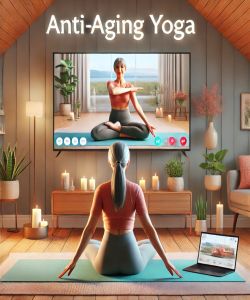
1. Overview of Anti-Aging Yoga
Anti-Aging Yoga constitutes a sophisticated and strategic application of yogic science, engineered specifically to counteract the physiological, cellular, and psychological decline associated with the aging process. It is not a modern contrivance but a targeted distillation of ancient practices, refined through the lens of contemporary knowledge regarding human biology, endocrinology, and neurology. This discipline transcends the superficial objectives of generic fitness, focusing instead on the systemic revitalisation of the body from its foundational levels. The methodology integrates specific sequences of physical postures (asanas) designed to stimulate the endocrine system, enhance circulatory efficiency, and detoxify vital organs. These are synergistically combined with advanced breathing techniques (pranayama) that serve to increase cellular oxygenation, expel metabolic waste, and regulate the autonomic nervous system, thereby mitigating the corrosive effects of chronic stress. Furthermore, the practice incorporates focused meditation and relaxation techniques that directly address the neurological aspects of aging, promoting neuroplasticity, preserving cognitive function, and fostering a state of mental resilience. The ultimate purpose of Anti-Aging Yoga is not the fanciful pursuit of immortality, but the deliberate cultivation of vitality, strength, and grace throughout the lifespan. It is an assertive, intelligent approach to health maintenance, empowering the individual to actively manage their biological trajectory, improve hormonal balance, enhance physical mobility, and maintain a sharp, lucid mind. This is a proactive, rather than a reactive, system for confronting the challenges of aging, demanding commitment and precision from its practitioners but offering profound rewards in functional longevity and an enhanced quality of life. It is, in essence, a masterclass in self-regulation and biological optimisation.
2. What are Anti-Aging Yoga?
Anti-Aging Yoga is a highly specialised branch of yogic practice meticulously designed to target and mitigate the multifaceted processes of biological aging. It is not a single, monolithic style but rather a comprehensive system that synthesises select principles and techniques from various yogic traditions, including Hatha, Restorative, and Kundalini yoga, all unified by the specific intention of promoting longevity and vitality. The practice operates on the understanding that aging is not merely a chronological inevitability but a complex interplay of genetic, environmental, and lifestyle factors, many of which can be positively influenced through targeted intervention.
The core components of this discipline are threefold and work in a powerful synergy:
-
Targeted Asanas (Postures): Unlike a general yoga class, the postures selected in an Anti-Aging sequence are chosen for their specific physiological effects. This includes a strong emphasis on inversions like Sarvangasana (Shoulder Stand) and Sirsasana (Headstand) to reverse gravitational pull on organs and improve circulation to the brain and facial skin. Twisting poses are employed to massage and detoxify the abdominal organs, while poses that stimulate the thyroid, adrenal, and pituitary glands are prioritised to optimise hormonal function, a critical factor in the aging process.
-
Prescriptive Pranayama (Breath Control): Breathing techniques are fundamental. Practices such as Kapalabhati (Skull-Shining Breath) and Bhastrika (Bellows Breath) are utilised to powerfully oxygenate the bloodstream, energise the system, and facilitate the expulsion of toxins. Conversely, calming breaths like Nadi Shodhana (Alternate Nostril Breathing) are employed to activate the parasympathetic nervous system, drastically reducing levels of the stress hormone cortisol, which is a known accelerator of cellular aging.
-
Mind-Body Rejuvenation: The practice is incomplete without meditation and deep relaxation (Yoga Nidra). These elements are crucial for reducing the oxidative stress that damages cells and DNA. By cultivating mental stillness, practitioners can lower inflammation, improve sleep quality, and enhance the body's innate repair mechanisms, directly contributing to a more youthful biological state and preserving cognitive acuity.
3. Who Needs Anti-Aging Yoga?
-
Individuals in Mid-Life and Beyond Seeking Proactive Health Management. This demographic, typically contending with the initial or established manifestations of aging such as diminished energy, joint stiffness, and metabolic changes, requires a structured system to preserve functional capacity. Anti-Aging Yoga provides a low-impact, high-efficacy methodology for maintaining muscle tone, safeguarding skeletal integrity through weight-bearing poses, and enhancing flexibility, thereby directly combating age-related physical decline and promoting sustained independence.
-
Professionals Subjected to High Levels of Chronic Stress. Executives, entrepreneurs, and individuals in high-pressure roles are prime candidates. The relentless exposure to stress elevates cortisol levels, accelerating cellular aging, impairing cognitive function, and compromising the immune system. This practice offers a potent antidote, utilising specific pranayama and meditative techniques to downregulate the sympathetic nervous system, thereby mitigating the physiological damage inflicted by a demanding professional life.
-
Those Experiencing Hormonal Imbalances. This includes individuals navigating perimenopause, menopause, or andropause, as well as those with thyroid or adrenal irregularities. Anti-Aging Yoga employs targeted postures that apply gentle pressure to and increase blood flow to the endocrine glands, assisting in the regulation of hormone production. This can help alleviate symptoms such as mood fluctuations, sleep disturbances, and energy troughs associated with hormonal shifts.
-
Persons Seeking to Maintain or Enhance Cognitive Function. The practice is essential for anyone wishing to preserve mental sharpness, memory, and focus. Inversions and specific breathing techniques increase cerebral blood flow, delivering vital oxygen and nutrients to the brain. The meditative aspects enhance neuroplasticity and have been demonstrated to preserve grey matter in brain regions associated with attention and sensory processing, offering a robust defence against age-related cognitive decline.
-
Individuals Noticing Premature Aesthetic Signs of Aging. Those concerned with deteriorating skin tone, elasticity, and facial muscle sagging will find this discipline highly relevant. Facial yoga components, combined with inversions that bathe the facial cells in freshly oxygenated blood, can improve complexion, reduce the appearance of fine lines, and promote a more vibrant, youthful appearance by addressing aging at a cellular level.
4. Origins and Evolution of Anti-Aging Yoga
The conceptual underpinnings of Anti-Aging Yoga are deeply rooted in classical yogic philosophy, which has long harboured the ambition of transcending physical limitations and extending vitality. Ancient texts, most notably the Hatha Yoga Pradipika and the Gheranda Samhita, contain explicit references to practices aimed at rejuvenation and the reversal of degenerative processes. The concept of kaya kalpa, or physical transformation and rejuvenation, describes advanced yogic techniques, including specific asanas, pranayama, and mudras, intended to purify the body and arrest the decay of time. These early yogis may not have possessed the language of modern biochemistry, but they intuitively understood the power of breath control, inversions, and internal cleansing to preserve the life force, or prana.
The evolution from these ancient esoteric practices to the structured discipline of modern Anti-Aging Yoga represents a sophisticated synthesis of old-world wisdom and new-world science. The twentieth and twenty-first centuries have witnessed an explosion in our understanding of the biological mechanisms of aging. The discovery of telomeres—the protective caps on our chromosomes that shorten with each cell division—provided a measurable biomarker for cellular aging. Similarly, research into oxidative stress, the damaging effects of free radicals, and the critical role of hormones like cortisol and DHEA has furnished a precise scientific framework for what was previously understood only in energetic or spiritual terms.
This scientific validation catalysed the transformation of the practice. Visionary yoga masters and therapeutic practitioners began to systematically deconstruct and reassemble traditional techniques, specifically selecting those whose effects could be directly correlated with modern anti-aging science. For instance, the calming effects of Nadi Shodhana pranayama were no longer seen merely as balancing psychic energies but as a verifiable method for reducing cortisol and activating the body’s 'rest and digest' system. Inversions were re-contextualised not just as 'turning the body upside down' but as a powerful tool for enhancing glymphatic drainage in the brain and stimulating the pituitary gland. The result is a highly intentional and evidence-informed discipline that retains the holistic spirit of its origins while leveraging contemporary biological insight to deliver targeted, potent, and verifiable results in the managed deceleration of the aging process.
5. Types of Anti-Aging Yoga
-
Hormonal Yoga Therapy (HYT). This is a highly specific and dynamic form of therapeutic yoga developed to reactivate hormone production, primarily in women but with adaptations for men. HYT combines vigorous asanas, intense pranayama (particularly Bhastrika), and Tibetan energy circulation techniques. The sequence is precisely structured to massage and stimulate the ovaries, thyroid, pituitary, and adrenal glands. Its objective is not general well-being but the measurable reactivation of the endocrine system to combat the symptoms of menopause, PCOS, and other hormonal imbalances that contribute significantly to the aging process.
-
Restorative Yoga for Cellular Repair. In stark contrast to dynamic styles, Restorative Yoga focuses on profound relaxation and passive stretching. Practitioners use extensive props such as bolsters, blocks, and blankets to hold poses for extended periods with zero muscular effort. The primary goal is to activate the parasympathetic nervous system, which governs the body’s 'rest, digest, and repair' functions. By minimising physiological stress and promoting deep rest, this practice facilitates cellular regeneration, reduces inflammation, and lowers cortisol levels, thereby creating the optimal internal environment for the body to heal and rejuvenate itself.
-
Facial Yoga. This specialised subset concentrates exclusively on the approximately 57 muscles of the face and neck. It involves a series of targeted exercises, massage techniques, and acupressure to tone and strengthen facial muscles, preventing sagging and the formation of deep-set wrinkles. By increasing blood circulation to the skin, it enhances collagen and elastin production, resulting in improved skin elasticity and a more vibrant complexion. It is a direct, non-invasive approach to counteracting the gravitational and expressive signs of aging on the face.
-
Inversion-Focused Hatha Yoga. While many yoga styles include inversions, this approach places them at the core of the practice. Extended holds in postures such as Sirsasana (Headstand), Sarvangasana (Shoulder Stand), and Halasana (Plough Pose) are central. The rationale is to reverse the effects of gravity, enhance venous return from the lower body, and dramatically increase the supply of oxygenated blood to the brain, sensory organs, and facial skin. This is believed to stimulate the pituitary and pineal glands, flush toxins, and nourish the complexion from within.
6. Benefits of Anti-Aging Yoga
-
Optimisation of Endocrine Function. The practice directly stimulates and massages the key glands of the endocrine system, including the thyroid, adrenals, and pituitary. This targeted stimulation aids in the regulation of hormonal output, which is critical as hormone levels naturally decline and fluctuate with age. Balanced hormones lead to improved metabolism, stable energy levels, better mood regulation, and a more robust response to stress.
-
Mitigation of Cellular Oxidative Stress. Through specific pranayama techniques that enhance oxygenation and circulation, coupled with meditative practices that lower stress markers, Anti-Aging Yoga actively combats the proliferation of free radicals. This reduction in oxidative stress protects cellular integrity, preserves the length of telomeres, and slows down the fundamental biological process of aging at a microscopic level.
-
Enhancement of Neuroplasticity and Cognitive Preservation. Inversions and focused breathing techniques increase cerebral blood flow, delivering a rich supply of oxygen and nutrients to the brain. This supports the maintenance of existing neural pathways and the formation of new ones. The meditative components have been shown to preserve grey matter density, sharpening memory, focus, and overall cognitive acuity, thereby serving as a powerful bulwark against age-related mental decline.
-
Improved Musculoskeletal Integrity and Flexibility. The regular practice of weight-bearing asanas strengthens bones, increasing their density and reducing the risk of osteoporosis. Simultaneously, it maintains and improves the flexibility of muscles, ligaments, and tendons. This dual benefit ensures greater mobility, reduces joint stiffness and pain, and preserves a strong, upright posture, counteracting the stooping and frailty often associated with aging.
-
Detoxification and Circulatory System Enhancement. Twisting postures and dynamic sequences massage the internal organs, promoting the efficient elimination of metabolic waste products and toxins. Inversions assist in lymphatic drainage and improve venous return to the heart. This comprehensive internal cleansing and circulatory boost results in higher energy levels, a stronger immune system, and improved skin health and vitality.
-
Regulation of the Autonomic Nervous System. By emphasising techniques that activate the parasympathetic (rest and repair) nervous system, the practice provides a powerful antidote to the chronic stress of modern life. This systematic reduction of stress hormones like cortisol lowers inflammation, improves sleep quality, supports digestive health, and fosters a profound sense of calm and emotional resilience.
7. Core Principles and Practices of Anti-Aging Yoga
-
Principle of Glandular Stimulation for Hormonal Regulation. The core tenet is that age-related decline is intrinsically linked to diminished endocrine function. The practice, therefore, prioritises asanas that apply direct, controlled pressure to or increase circulation around key glands.
- Practice: Employing Sarvangasana (Shoulder Stand) and Matsyasana (Fish Pose) to stimulate the thyroid and parathyroid glands. Utilising dynamic sequences and abdominal locks (bandhas) to invigorate the adrenal glands and pancreas.
-
Principle of Circulatory Inversion and Reversal. Gravity exerts a constant downward pull on the body, contributing to fluid pooling, venous insufficiency, and facial sagging. This principle dictates the strategic reversal of blood and lymphatic flow to counteract these effects.
- Practice: Regular and sustained practice of inversions such as Sirsasana (Headstand) and Adho Mukha Vrksasana (Handstand), and gentler variations like Viparita Karani (Legs-Up-the-Wall Pose), to flood the brain and facial tissues with oxygenated blood while draining stagnant fluid from the extremities.
-
Principle of Cellular Oxygenation and Purification through Breath. The vitality of every cell depends on an efficient supply of oxygen and the removal of carbon dioxide and other metabolic wastes. This principle asserts that controlled, conscious breathing is the most potent tool for managing this process.
- Practice: Mastery of pranayama techniques. This includes cleansing breaths like Kapalabhati to expel stale air and toxins, energising breaths like Bhastrika to supercharge the system with oxygen, and balancing breaths like Nadi Shodhana to soothe the nervous system and optimise oxygen absorption.
-
Principle of Spinal Flexibility and Neurological Integrity. The adage "you are as young as your spine is flexible" is taken as a literal biological directive. A supple spine ensures unimpeded nerve energy flow from the central nervous system to the entire body.
- Practice: A comprehensive routine of spinal movements in all directions: forward bends (Paschimottanasana), backbends (Ustrasana), lateral stretches (Trikonasana), and twists (Ardha Matsyendrasana) to nourish the intervertebral discs and maintain the conductivity of the spinal nerves.
-
Principle of Parasympathetic Dominance for Cellular Repair. Chronic stress, and its attendant state of sympathetic nervous system arousal, accelerates aging. This principle mandates the deliberate cultivation of deep relaxation to allow the body's innate healing mechanisms to function optimally.
- Practice: Concluding every session with deep relaxation techniques such as Yoga Nidra or a prolonged Savasana (Corpse Pose), consciously releasing muscular and mental tension to shift the body into a state of profound rest and cellular regeneration.
8. Online Anti-Aging Yoga
-
Unparalleled Access to Specialised Instruction. The discipline of Anti-Aging Yoga is highly specialised, and qualified instructors are not ubiquitously available. The online format demolishes geographical barriers, granting practitioners access to elite, highly trained experts from anywhere in the world. This ensures that the individual is receiving authentic, precise, and effective instruction, rather than a generic yoga class mislabelled for marketing purposes. It provides access to niche sub-specialities like Hormonal Yoga Therapy or Facial Yoga that are seldom found in local studios.
-
Absolute Consistency and Scheduling Autonomy. The efficacy of Anti-Aging Yoga is contingent upon relentless consistency. An online platform provides the ultimate flexibility, allowing the practitioner to integrate the practice into their daily life without being constrained by fixed studio timetables. This autonomy removes common barriers to commitment, such as commuting and scheduling conflicts, empowering the individual to maintain the disciplined regularity required to achieve tangible physiological results. The ability to practise at the optimal time for one’s own body clock further enhances the benefits.
-
A Private, Non-Competitive, and Focused Environment. The studio environment can, for some, foster a sense of competition or self-consciousness, which is antithetical to the introspective nature of this practice. An online setting provides a secure, private space where the practitioner can focus entirely on their own body, breath, and internal sensations without distraction or comparison. This encourages a deeper, more honest practice, where modifications are made intelligently based on personal need rather than ego, which is critical for safety and long-term progress.
-
Cost-Effectiveness and Resource Availability. Engaging in online courses or memberships typically presents a more financially viable alternative to repeated in-person studio fees. Furthermore, online platforms often provide a library of recorded sessions, allowing practitioners to repeat classes, focus on specific techniques, or access supplementary materials like tutorials and guides at their convenience. This creates a rich, reusable resource that supports a deeper and more comprehensive understanding of the practice, far beyond what a single drop-in class can offer.
9. Anti-Aging Yoga Techniques
-
Technique: Simhasana (Lion's Pose) for Facial Toning and Stress Release.
- Step 1: Assume a kneeling position, sitting back on the heels. Place the palms of the hands firmly on the knees, fingers spread wide.
- Step 2: Inhale deeply through the nose.
- Step 3: On the exhalation, execute the following actions simultaneously and with force: open the mouth as wide as possible, extend the tongue out and downwards towards the chin, and contract the muscles at the front of the throat.
- Step 4: As you exhale, produce a powerful "ha" sound originating from the abdomen. Gaze intently at the space between the eyebrows (the third-eye point).
- Step 5: Hold the pose and the breath out for a moment, maintaining the muscular tension in the face and neck. Relax on the inhalation. Repeat the sequence three to five times. This technique powerfully stimulates facial muscles, relieves tension in the jaw and throat, and improves circulation to the face.
-
Technique: Nadi Shodhana (Alternate Nostril Breathing) for Nervous System Regulation.
- Step 1: Sit in a comfortable, upright posture with a straight spine. Rest the left hand on the left knee. Bring the right hand to the face, folding the index and middle fingers towards the palm, leaving the thumb, ring finger, and little finger extended (Vishnu Mudra).
- Step 2: Gently close the right nostril with the right thumb. Exhale completely through the left nostril.
- Step 3: Inhale slowly and deeply through the left nostril.
- Step 4: Close the left nostril with the ring and little fingers, release the thumb from the right nostril, and exhale slowly and completely through the right side.
- Step 5: Inhale deeply through the right nostril. Close the right nostril with the thumb and exhale through the left. This completes one full round. Continue for at least ten rounds, focusing on making the breath smooth, silent, and even. This practice calms the mind and balances the hemispheres of the brain, drastically reducing stress hormones.
10. Anti-Aging Yoga for Adults
Anti-Aging Yoga for adults is a commanding and intelligent strategy, meticulously calibrated to address the specific biological and physiological realities of maturation. It is not a watered-down version of a more vigorous practice; rather, it is an intensified application of yogic principles focused with surgical precision on the preservation of function and the cultivation of resilience. For the adult practitioner, this discipline moves beyond general fitness to become an essential tool for proactive biomechanical and biochemical maintenance. The practice directly confronts the hallmarks of aging: diminished joint mobility is countered by gentle, sustained poses that lubricate the joints and maintain connective tissue elasticity; sarcopenia, or age-related muscle loss, is challenged by weight-bearing asanas that preserve lean muscle mass and support metabolic health; and osteopenia is resisted through postures that stimulate osteoblasts and enhance bone density. Furthermore, the emphasis on hormonal balance through glandular stimulation is of paramount importance for the adult body navigating the profound shifts of menopause and andropause. The practice provides a non-pharmacological means of regulating the endocrine system, thereby mitigating associated symptoms and supporting a smoother transition. Cognitively, the combination of increased cerebral blood flow from inversions and the neuro-protective effects of meditation offers a robust defence against mental fog and memory decline. For adults, Anti-Aging Yoga is therefore not an elective activity but a fundamental component of a sophisticated personal health protocol, designed to extend not just lifespan, but "healthspan"—the period of life spent in vibrant, functional well-being. It is the definitive declaration that one will not age passively but will actively and skilfully manage the process.
11. Total Duration of Online Anti-Aging Yoga
The standard, optimised duration for a single, comprehensive online Anti-Aging Yoga session is precisely 1 hr. This specific timeframe is not arbitrary; it is a deliberately structured period designed to ensure that every essential component of the practice is addressed with sufficient depth and focus to elicit the desired physiological and neurological responses. A session of this length allows for a logical and effective progression through the necessary stages of practice without inducing fatigue or rushing critical elements. The 1 hr is typically allocated with rigorous intention. It commences with a preparatory phase of gentle mobilisation and breath awareness to prepare the body and mind. This is followed by a dedicated segment for pranayama, where specific breathing techniques are practised with the concentration required to impact the autonomic nervous system and cellular oxygenation levels. The central, and largest, portion of the hour is devoted to the asana sequence, meticulously curated to include a balance of stimulating postures, twists for detoxification, backbends for spinal health, and the crucial inversions that define the practice. This main phase is not rushed, allowing for correct alignment and mindful engagement. The final segment of the session is non-negotiable and of critical importance: a dedicated period for cool-down stretches and, most significantly, a profound state of relaxation in Savasana or Yoga Nidra. This concluding rest is where the nervous system recalibrates and the body integrates the benefits of the preceding work, shifting into a state of deep cellular repair. To shorten this 1 hr duration would be to compromise the synergistic effect of its parts; to lengthen it unnecessarily risks diminishing returns. Therefore, the one-hour structure stands as the professional standard for a complete and efficacious session.
12. Things to Consider with Anti-Aging Yoga
Before embarking upon the disciplined practice of Anti-Aging Yoga, it is imperative to adopt a mindset of strategic patience and profound self-awareness. This is not a competitive sport or a quest for rapid, superficial transformation; it is a long-term investment in one’s biological and psychological capital. Practitioners must understand that consistency will always triumph over sporadic, high-intensity effort. The subtle, cumulative effects of a regular, mindful practice are what yield significant and lasting results in hormonal balance, cellular health, and cognitive function. One must also conduct an honest and unflinching assessment of their current physical condition, acknowledging any pre-existing injuries, chronic conditions, or structural limitations. The practice must be adapted to the individual, not the other way around; ego has no place where joint integrity and spinal health are at stake. Furthermore, it is crucial to recognise that yoga, however potent, is not a panacea. Its profound benefits are amplified exponentially when integrated into a holistically healthy lifestyle. This means due consideration must be given to supportive nutritional habits, adequate hydration, and, most critically, sufficient restorative sleep, as this is when the body undertakes the majority of its repair work. The practice should be viewed as a powerful catalyst within a broader, intelligent system of self-care. To isolate it from these other factors is to severely limit its potential and misunderstand its purpose as a cornerstone, not the entire edifice, of a vital and extended healthspan.
13. Effectiveness of Anti-Aging Yoga
The effectiveness of Anti-Aging Yoga is rooted in its direct and systematic intervention in the key biological processes that define aging. Its potency is not a matter of faith or esoteric belief but is based on a verifiable cause-and-effect relationship between specific yogic techniques and physiological responses. The practice’s pronounced emphasis on inversions, for instance, mechanically reverses blood flow, enriching the brain, pituitary gland, and facial tissues with a superior supply of oxygen and nutrients, which is fundamental for cognitive vitality and skin cell regeneration. The strategic use of twisting asanas and abdominal contractions acts as a form of internal massage for the digestive and detoxification organs, enhancing their efficiency in eliminating the metabolic waste that contributes to systemic inflammation and cellular degradation. On a biochemical level, the prescriptive use of pranayama and meditation has a powerful and measurable impact on the endocrine and nervous systems. By deliberately activating the parasympathetic nervous system, the practice systematically lowers the production of cortisol, a primary stress hormone known to accelerate the shortening of telomeres and suppress immune function. Simultaneously, certain dynamic sequences are designed to stimulate the natural production of beneficial hormones like DHEA and human growth hormone, both of which are central to maintaining muscle mass, bone density, and overall vitality. Therefore, the discipline's effectiveness lies in its multi-pronged assault on aging: it enhances circulation, detoxifies the system, balances the hormonal milieu, and rewires the neurological response to stress, creating a powerful, synergistic effect that promotes functional longevity and robust health from the inside out.
14. Preferred Cautions During Anti-Aging Yoga
It is imperative that the practice of Anti-Aging Yoga be approached with discipline, intelligence, and an uncompromising respect for the body’s limitations. This is not a domain for ego or recklessness. Individuals with specific medical conditions must exercise extreme caution and seek professional medical clearance prior to commencement. Those with high blood pressure, glaucoma, detached retinas, or hiatal hernias must avoid or rigorously modify all inverted postures, as these can dangerously increase intracranial and intraocular pressure. Similarly, any person with cervical spine issues, including disc herniation or instability, must abstain from unsupported headstands and shoulder stands without question; the risk of catastrophic injury is non-negotiable. During any posture, the practitioner’s primary guide must be internal feedback, not an external ideal of the pose. Pain is a definitive signal to cease the activity immediately; it is not a barrier to be "pushed through." The ambition to achieve a deeper twist or a more extreme backbend at the expense of structural integrity is a fool’s errand that leads directly to injury. Hydration is not optional but essential, yet one must avoid practising on a full stomach, allowing a minimum of two to three hours after a substantial meal. Finally, fatigue must be honoured. Pushing a tired body through a demanding sequence compromises form, increases the risk of injury, and negates the restorative purpose of the practice. Intelligent restraint is the hallmark of a mature and effective practitioner.
15. Anti-Aging Yoga Course Outline
-
Module 1: Foundational Principles & Breath as the Primary Agent of Rejuvenation. This introductory module establishes the core philosophy of the practice. It focuses on mastering correct postural alignment in foundational poses and introduces the science of pranayama. Key practices include Diaphragmatic Breathing for nervous system regulation and the powerful cleansing technique of Kapalabhati. The objective is to build a solid, safe foundation and to establish the mind-body connection.
-
Module 2: Asanas for Endocrine Health and Hormonal Optimisation. This module targets the endocrine system. The curriculum includes a specific sequence of asanas designed to stimulate the thyroid, adrenal, and pituitary glands. Postures such as Sarvangasana (Shoulder Stand), Matsyasana (Fish Pose), and dynamic abdominal sequences are taught with precision. The focus is on using physical forms to influence the body’s biochemical environment and support hormonal balance.
-
Module 3: The Power of Inversion and Systemic Detoxification. This section is dedicated to mastering inverted postures and deep twists. It covers the safe entry, hold, and exit for Sirsasana (Headstand) and its modifications, alongside a series of twisting poses like Ardha Matsyendrasana to massage the abdominal organs. The physiological goals are enhanced cerebral circulation, lymphatic drainage, and the detoxification of the internal system.
-
Module 4: Facial Yoga & The Cultivation of a Youthful Visage. This specialised module concentrates on the muscles of the face and neck. Practitioners will learn a series of targeted exercises, massage techniques, and acupressure points designed to tone facial muscles, increase blood flow to the skin, and stimulate collagen production. The aim is to naturally reduce the appearance of fine lines and improve skin vitality.
-
Module 5: Restorative Practices, Cellular Repair, and Deep Relaxation. The final module shifts focus from dynamic action to profound rest. It introduces the principles and practice of Restorative Yoga, using props for complete support in passive stretches. The pinnacle of this module is the mastery of Yoga Nidra (Yogic Sleep), a guided meditation technique designed to induce a state of deep relaxation where the body’s innate cellular repair mechanisms are maximally engaged.
16. Detailed Objectives with Timeline of Anti-Aging Yoga
-
Within the First Month: Foundational Establishment and Initial Re-Patterning. The primary objective is to establish unwavering consistency and master foundational techniques. Practitioners will achieve correct alignment in core postures, demonstrating an understanding of personal limitations. A tangible increase in daily energy levels and improved sleep quality will be observable, resulting from the regular practice of pranayama and the initial reduction in systemic stress. Postural awareness will begin to translate into daily life.
-
Within Three Months: Tangible Physiological and Cognitive Shifts. By this stage, practitioners will demonstrate proficiency in a broader range of asanas, including basic inversions. Objectives include a measurable improvement in flexibility, particularly in the spine and hamstrings, and enhanced muscular tone. Cognitively, an increase in mental clarity and focus will be apparent. The regulation of the nervous system will lead to a more balanced mood and a heightened sense of calm and resilience in the face of daily stressors.
-
Within Six Months: Hormonal and Cellular Impact. With six months of disciplined practice, deeper benefits will manifest. The objective is the tangible effect on the endocrine system, with individuals potentially noticing a regulation of cycles or a reduction in menopausal/andropausal symptoms. Skin tone and elasticity will show visible improvement due to enhanced circulation and detoxification. Proficiency in more advanced postures and pranayama techniques will be achieved, reflecting a significant increase in strength, balance, and respiratory capacity.
-
At One Year and Beyond: Embodiment and Sustained Vitality. The long-term objective is the full embodiment of the practice, where it becomes an integrated part of one's lifestyle. The practitioner will have a deep, intuitive understanding of their own body and can adapt the practice to their daily needs. The cumulative benefits will be profound: maintained bone density, robust cognitive function, a resilient immune system, and a sustained level of vitality and functional strength that significantly surpasses age-group norms. The practice becomes a primary tool for long-term healthspan management.
17. Requirements for Taking Online Anti-Aging Yoga
-
A Stable, High-Speed Internet Connection. This is the non-negotiable foundation of the online experience. A weak or intermittent signal will disrupt the flow of the class, compromise the ability to follow instruction, and create profound frustration, nullifying the stress-reducing intent of the practice. A reliable connection is mandatory for clear, uninterrupted audio and video transmission.
-
A Suitable Electronic Device with Adequate Display. A laptop or tablet is strongly preferred over a mobile phone. The larger screen is essential for observing the instructor’s demonstrations of posture and alignment with the necessary detail. The device must have a functional camera and microphone so that the instructor, where applicable, can provide feedback and ensure safety.
-
A Dedicated, Uncluttered, and Private Practice Space. The practitioner must designate an area exclusively for their yoga practice during the scheduled time. This space must be large enough to accommodate the full range of movement without obstruction. It must be quiet, free from the possibility of interruption by family members, pets, or notifications, to allow for the deep focus required.
-
Essential, High-Quality Yoga Equipment. This is not optional. A non-slip yoga mat is the absolute minimum. For Anti-Aging Yoga specifically, a set of props is required to ensure safety and efficacy. This must include two firm yoga blocks, a sturdy bolster for restorative poses, and at least one thick blanket. These props are not accessories; they are essential tools for modification, support, and deepening the practice safely.
-
Appropriate Attire and Pre-Session Preparation. Clothing must be comfortable, non-restrictive, and allow for a full range of motion without needing constant adjustment. The practitioner is required to be fully prepared and present in their designated space several minutes before the session begins, ensuring all technical elements are functional and the mind is ready to engage.
18. Things to Keep in Mind Before Starting Online Anti-Aging Yoga
Before initiating an online Anti-Aging Yoga practice, it is crucial to internalise that this endeavour demands a level of self-discipline and personal accountability that surpasses what might be required in a studio setting. You are solely responsible for creating a sanctuary for your practice, an environment entirely free from the pervasive digital and domestic distractions that define modern life. This means consciously disabling notifications, silencing telephones, and communicating firm boundaries to others in your household. The sanctity of your practice space and time is non-negotiable if you are to achieve the deep physiological and mental states the discipline targets. Furthermore, you must cultivate an acute sense of inner listening. Without the immediate physical presence and hands-on adjustments of an instructor, the onus is on you to interpret your body’s signals with honesty and intelligence. You must learn to distinguish between the discomfort of a muscle stretching and the sharp warning of potential injury. This requires abandoning ego and embracing modifications as a sign of wisdom, not weakness. Prepare yourself to be both student and guardian of your practice. This dual role requires a commitment not just to showing up on the mat, but to being fully present, attentive, and responsible for every movement and every breath you take within the virtual classroom. Your success is contingent on this rigorous self-management.
19. Qualifications Required to Perform Anti-Aging Yoga
The instruction of Anti-Aging Yoga is a serious responsibility that demands qualifications far exceeding those of a standard fitness or yoga instructor. It is a therapeutic modality requiring a deep, integrated understanding of both yogic science and human physiology as it pertains to the aging process. An instructor performing this role must be considered a specialist practitioner, and their credentials must reflect this high standard. A baseline qualification is insufficient; the instructor must possess a robust and verifiable educational background that unequivocally demonstrates their competence and ensures client safety.
The minimum, non-negotiable qualifications include:
-
Advanced Yoga Teacher Certification: A foundational 200-hour certification is inadequate. The instructor must hold an advanced certification, such as a 500-hour Registered Yoga Teacher (RYT-500) designation or its equivalent. This ensures a comprehensive grasp of asana, pranayama, anatomy, and philosophy beyond the introductory level.
-
Specialised Training in Therapeutic or Restorative Yoga: The instructor must have completed dedicated, post-graduate training in a relevant therapeutic discipline. This could include certifications in Yoga Therapy, Restorative Yoga, or a specific, recognised system like Hormonal Yoga Therapy. This specialised knowledge is critical for understanding how to adapt practices for individuals with age-related conditions, injuries, and health challenges.
-
A Demonstrable Knowledge of Anatomy, Physiology, and Endocrinology: The instructor must possess a profound understanding of the musculoskeletal, nervous, and, most importantly, the endocrine systems. They must be able to articulate precisely how a specific posture or breathing technique impacts hormonal glands, lowers cortisol, or stimulates the vagus nerve. This knowledge must be scientific, not speculative.
-
Significant Teaching Experience: A newly certified teacher is not qualified to lead this practice. The instructor must have a substantial track record of teaching experience, demonstrating a history of working safely and effectively with a diverse range of adult bodies and conditions. This experience ensures they possess the practical wisdom to guide students through a potent and potentially challenging practice.
20. Online Vs Offline/Onsite Anti-Aging Yoga
Online
The online modality for Anti-Aging Yoga offers an unparalleled level of convenience and accessibility. It eradicates geographical limitations, providing access to highly specialised instructors who may be unavailable locally. This format empowers the practitioner with absolute autonomy over their schedule, facilitating the unwavering consistency that is critical for achieving tangible results. The privacy of one’s own space can foster a deeper, more introspective practice, free from the potential for comparison or self-consciousness that can arise in a group setting. This encourages a more honest and internally-focused approach, where modifications are made based on genuine physical feedback rather than external pressures. However, this autonomy comes with significant demands. The practitioner must possess a high degree of self-discipline to maintain a regular schedule. The most critical drawback is the absence of hands-on adjustments from the instructor, which requires the practitioner to cultivate an acute sense of self-awareness to ensure correct alignment and prevent injury. Technical difficulties, such as a poor internet connection, can also disrupt the integrity of the session. The onus for creating a sacred, distraction-free environment falls entirely upon the individual.
Offline/Onsite
The traditional offline, or onsite, setting provides distinct advantages, chief among them being the direct presence of a qualified instructor. This allows for immediate, hands-on physical adjustments, which can profoundly deepen a posture’s effectiveness and provide a critical safeguard against incorrect alignment. The instructor can offer real-time, personalised verbal cues based on direct observation. The energy of a shared group practice in a dedicated studio space can be powerfully motivating, fostering a sense of community and shared purpose. The environment is curated specifically for yoga, eliminating the domestic distractions that can plague home practice. Conversely, the onsite model presents logistical challenges. It is bound by a fixed schedule and location, which can be inconvenient and create a barrier to consistency. The financial investment is typically higher than for online options. For some, the group environment can be intimidating, and the travel time to and from the studio represents a significant additional commitment. The choice of available, truly qualified instructors is limited to one's immediate geographical area, which can be a severe constraint for such a specialised practice.
21. FAQs About Online Anti-Aging Yoga
Question 1. Is this practice safe for absolute beginners? Answer: Yes, provided the instructor is qualified and you select a beginner-focused course. You must communicate your beginner status and any physical limitations clearly.
Question 2. How is this different from a regular online yoga class? Answer: It is highly specialised, focusing on postures and breathing techniques that directly target hormonal balance, cellular repair, and stress reduction, unlike a general fitness-oriented class.
Question 3. What equipment is absolutely essential? Answer: A non-slip yoga mat, two yoga blocks, one bolster, and one blanket. These are not optional for a safe and effective practice.
Question 4. Can Anti-Aging Yoga reverse grey hair or wrinkles? Answer: It cannot reverse these processes, but by improving circulation and reducing stress, it can improve skin vitality and potentially slow the rate of future aesthetic aging.
Question 5. How often must I practise to see results? Answer: Consistency is key. A minimum of three dedicated sessions per week is recommended for tangible benefits to manifest.
Question 6. Do I need my camera on during the class? Answer: It is strongly recommended. A camera allows the instructor to provide crucial feedback on your alignment and safety.
Question 7. Can this practice help with menopause symptoms? Answer: Yes, specific sequences, especially within Hormonal Yoga Therapy, are designed to stimulate glands and can help regulate hormones, mitigating symptoms like hot flushes and mood swings.
Question 8. What if I have a physical injury? Answer: You must obtain medical clearance first and inform your instructor in detail before the class begins. You are responsible for practising with caution.
Question 9. Will I lose weight with this practice? Answer: While not its primary goal, by balancing hormones, reducing cortisol (which contributes to abdominal fat), and building muscle, it can support healthy weight management.
Question 10. Is there a lot of chanting or spiritual talk? Answer: This depends on the instructor. However, the focus is generally on the physiological and scientific application of the techniques.
Question 11. Can men practise Anti-Aging Yoga? Answer: Absolutely. The principles of stress reduction, improved circulation, and hormonal balance are equally beneficial for men's health and vitality.
Question 12. What is the most important part of the online practice? Answer: Your own self-awareness and listening to your body’s signals, as there are no hands-on adjustments.
Question 13. How long until I feel a difference? Answer: Most people report improved sleep and reduced stress within the first few weeks. Deeper physiological changes take several months of consistent practice.
Question 14. What if I am not flexible? Answer: That is precisely why you should practise. Flexibility is a result of yoga, not a prerequisite. Use props to support your body.
Question 15. Can I practise if I have high blood pressure? Answer: Yes, but you MUST avoid or seriously modify all inverted postures. Inform your instructor immediately.
Question 16. Does this help with 'brain fog'? Answer: Yes. Increased cerebral blood flow and stress reduction directly contribute to enhanced mental clarity and focus.
22. Conclusion About Anti-Aging Yoga
In conclusion, Anti-Aging Yoga represents a formidable and highly sophisticated methodology for the intelligent management of the human aging process. It decisively elevates the practice of yoga from a generic pursuit of flexibility or relaxation to a strategic, science-informed discipline aimed at preserving and enhancing vitality at the cellular, systemic, and cognitive levels. It is an assertive declaration that one need not be a passive victim of chronological decline but can be an active agent in cultivating a life of sustained functional health, mental acuity, and physical grace. The synergy of its core components—targeted asanas for hormonal optimisation, prescriptive pranayama for cellular oxygenation, and meditative practices for neurological resilience—creates a potent, holistic system that addresses the root causes of aging rather than merely its superficial symptoms. This is not about the futile and narcissistic quest for eternal youth; it is about the dignified and powerful pursuit of an extended "healthspan." It is a testament to the profound potential that arises from the synthesis of ancient wisdom and modern biological understanding. For the committed practitioner, Anti-Aging Yoga is not merely an exercise regimen; it is a commanding life skill, a masterclass in self-regulation, and the ultimate tool for aging with power, intelligence, and unwavering vitality.