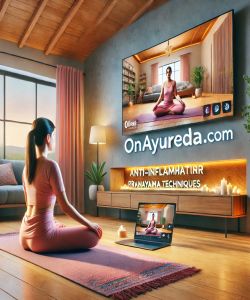
Overview of Anti-Inflammatory Pranayama Techniques
Anti-inflammatory pranayama techniques constitute a rigorous and systematic discipline of controlled respiration, engineered to modulate the body’s physiological stress responses and directly mitigate chronic, low-grade inflammation. This modality operates not through abstract or esoteric means, but via tangible neurobiological pathways, primarily through the targeted stimulation of the vagus nerve. By consciously manipulating the rhythm, depth, and pace of breath, a practitioner can shift the autonomic nervous system from a state of sympathetic dominance—characterised by the ‘fight-or-flight’ response that exacerbates inflammatory cascades—to one of parasympathetic prevalence, the ‘rest-and-digest’ state conducive to cellular repair and homeostatic balance. The practice is therefore a proactive, non-pharmacological intervention designed to regulate the hypothalamic-pituitary-adrenal (HPA) axis and down-regulate the production of pro-inflammatory cytokines. It is not merely deep breathing; it is a sophisticated method of autonomic self-regulation, demanding precision, consistency, and a comprehensive understanding of the intricate relationship between respiratory patterns and the immune system. The objective is unequivocal: to leverage the power of deliberate breath control as a potent tool to restore physiological equilibrium and combat the deleterious effects of persistent inflammation. This is achieved through specific, repeatable techniques that have been refined over centuries and are now increasingly validated by contemporary physiological science. The discipline demands unwavering focus and commitment, positioning itself as a formidable component of a strategic wellness protocol, rather than a passive relaxation exercise. It is a commanding application of internal control for discernible biological outcomes, asserting the individual's capacity to influence their own internal inflammatory environment through disciplined, methodical practice. The mastery of these techniques represents a profound assertion of control over bodily processes often considered involuntary, offering a pathway to enhanced resilience and systemic wellbeing.
What are Anti-Inflammatory Pranayama Techniques?
Anti-inflammatory pranayama techniques are a specialised subset of ancient yogic breathing exercises, meticulously selected and applied for the specific purpose of down-regulating the body’s inflammatory pathways. These are not arbitrary breathing patterns but are, in fact, highly structured methods of respiratory control that directly influence the autonomic nervous system. The core mechanism involves intentionally slowing and deepening the breath, with a particular emphasis on extending the exhalation phase. This specific action is known to enhance vagal tone, stimulating the vagus nerve, which serves as a primary component of the parasympathetic nervous system. This stimulation initiates a cascade of physiological responses, collectively known as the cholinergic anti-inflammatory pathway, which actively inhibits the production of inflammatory cytokines—the signalling proteins that promote systemic inflammation.
These techniques can be further defined by the following characteristics:
Intentional Regulation: Unlike autonomic, unconscious breathing, anti-inflammatory pranayama is a conscious, deliberate, and focused practice. Every aspect of the breath—its length, volume, pace, and the subtle pauses between inhalation and exhalation—is brought under methodical control to achieve a specific neurophysiological outcome.
Physiological Targeting: The express goal is to create a tangible shift in the body’s internal state. The practice is designed to move the practitioner from a stress-induced sympathetic state to a restorative parasympathetic state, thereby creating an internal environment less conducive to inflammation.
Systematic Application: The techniques are not practised randomly. They are employed as part of a disciplined regimen, requiring consistency to produce cumulative and lasting effects on the body’s baseline inflammatory levels and stress resilience.
Distinct from Aerobic Exercise: While physical exercise also impacts breathing, pranayama is fundamentally different. It is a low-exertion practice focused on the quality and control of breath itself, rather than on cardiovascular output, aiming for nervous system regulation over muscular conditioning.
Who Needs Anti-Inflammatory Pranayama Techniques?
Individuals with Chronic Inflammatory Conditions: Those diagnosed with conditions where chronic, low-grade inflammation is a key pathological driver, such as rheumatoid arthritis, inflammatory bowel disease, or psoriasis. These techniques serve as a complementary modality to manage systemic inflammation and modulate immune system hyperactivity.
Persons Experiencing High Levels of Chronic Stress: Professionals, caregivers, and individuals in high-pressure environments whose bodies are in a persistent state of sympathetic nervous system arousal. This chronic activation perpetuates the release of stress hormones like cortisol, which, over time, can lead to a pro-inflammatory state. Pranayama offers a direct mechanism to counteract this.
Those Seeking to Enhance Autonomic Nervous System Regulation: Individuals who exhibit symptoms of autonomic dysfunction, such as an overactive stress response, poor sleep quality, or digestive issues. The practice provides a direct method to train and improve the function of the parasympathetic nervous system, specifically enhancing vagal tone.
Athletes and Individuals Focused on Physical Recovery: Those engaged in strenuous physical activity require efficient recovery mechanisms. By promoting a parasympathetic state, these techniques can accelerate recovery, reduce exercise-induced inflammation, and improve overall physiological resilience.
Individuals Proactively Managing Age-Related Health Risks: As ageing is often associated with a gradual increase in systemic inflammation (termed ‘inflammaging’), middle-aged and older adults can utilise these techniques as a preventative strategy to mitigate this process and support long-term health and vitality.
Persons with Mood and Anxiety Disorders: Given the established link between inflammation and mental health conditions such as depression and anxiety, individuals experiencing these challenges can use pranayama to help regulate the neuro-inflammatory processes that contribute to their symptoms.
Anyone Seeking to Improve Resilience to Environmental and Psychological Stressors: The modern environment presents constant stressors. These techniques equip individuals with a robust internal tool to manage their physiological responses in real-time, preventing acute stress from escalating into chronic inflammation and its associated health consequences.
Origins and Evolution of Anti-Inflammatory Pranayama Techniques
The origins of pranayama are deeply embedded in the ancient yogic traditions of India, with foundational references appearing in seminal texts such as the Upanishads and, more explicitly, in Patanjali's Yoga Sutras, composed around 400 CE. In these early contexts, pranayama was presented primarily as a tool for spiritual advancement. The term itself, derived from Sanskrit—‘prana’ (life force energy) and ‘ayama’ (to extend or control)—signifies the regulation of vital energy, not merely breath. The primary objective was to still the fluctuations of the mind, preparing the practitioner for deeper states of meditation and self-realisation. The control of breath was understood as the most direct means to control the mind.
A significant evolution occurred with the emergence of Hatha Yoga, particularly with the codification of its practices in texts like the Hatha Yoga Pradipika around the 15th century. This text elaborated on specific pranayama techniques, such as Nadi Shodhana (Alternate Nostril Breathing) and Ujjayi (Victorious Breath), detailing their methods and intended effects. While the spiritual goal remained paramount, a greater emphasis was placed on the physiological and energetic purification of the body. The techniques were prescribed to cleanse the ‘nadis’ (energy channels) and balance the body’s internal systems, laying the groundwork for later therapeutic applications. The understanding was that a purified and balanced physical body was an essential vessel for spiritual progress.
The modern evolution of these practices into specifically "anti-inflammatory" techniques represents a convergence of ancient wisdom with contemporary scientific discovery. In the late 20th and early 21st centuries, medical science began to elucidate the profound connection between the autonomic nervous system and the immune system. The identification of the ‘inflammatory reflex’ and the role of the vagus nerve in modulating cytokine production provided a precise neurobiological mechanism through which controlled breathing could exert an anti-inflammatory effect. This scientific validation has transformed the perception of pranayama from a purely spiritual or general relaxation practice into a targeted, evidence-informed therapeutic modality. Today, specific pranayamas are selected and taught not just for mental clarity or spiritual attainment, but as a rigorous, non-pharmacological strategy for regulating the immune system and combating the pervasive health issues driven by chronic inflammation.
Types of Anti-Inflammatory Pranayama Techniques
Nadi Shodhana (Alternate Nostril Breathing): This is a cornerstone technique for autonomic nervous system balance. It involves the sequential blocking of one nostril while inhaling or exhaling through the other. The practice is designed to harmonise the body’s opposing energy channels, which corresponds physiologically to balancing the sympathetic and parasympathetic nervous systems. Its slow, methodical pace induces a state of calm and has a pronounced effect on reducing stress and anxiety, thereby mitigating the inflammatory response.
Ujjayi Pranayama (Victorious or Ocean Breath): This technique involves a gentle constriction at the back of the throat (the glottis), which creates a soft, audible sound on both inhalation and exhalation. This slight resistance slows the breath down, forcing it to become deeper and more controlled. The extended exhalation phase is particularly effective at stimulating the vagus nerve, promoting parasympathetic dominance and enhancing vagal tone, a key factor in regulating inflammation.
Bhramari Pranayama (Humming Bee Breath): The practitioner inhales deeply and then produces a low-pitched humming sound on the exhalation, typically while blocking the ears and eyes to internalise the sensation. The vibrations created by the humming, combined with the extended exhalation, have a powerful and immediate calming effect on the nervous system. This technique is highly effective for soothing agitation and has been shown to increase nitric oxide in the paranasal sinuses, a molecule with vasodilatory and anti-inflammatory properties.
Sheetali Pranayama (Cooling Breath): Performed by inhaling through a curled tongue (or through the teeth if curling the tongue is not possible, a variation known as Sitkari). This method is believed to have a direct cooling and calming effect on the body and nervous system. By reducing perceived and actual heat in the system, it helps to pacify states of agitation and irritation, which are often linked to inflammatory processes.
Dirga Pranayama (Three-Part Breath): This is a foundational technique focused on maximising diaphragmatic engagement. The breath is consciously directed first into the abdomen, then the rib cage, and finally the upper chest on inhalation, and released in the reverse order. This practice improves respiratory efficiency, massages the vagal nerve through diaphragmatic movement, and trains the body to adopt a deeper, more calming baseline breathing pattern.
Benefits of Anti-Inflammatory Pranayama Techniques
Direct Modulation of the Autonomic Nervous System: Systematically shifts the body from a pro-inflammatory sympathetic (‘fight-or-flight’) state to an anti-inflammatory parasympathetic (‘rest-and-digest’) state. This is not a passive outcome but a direct, controllable effect of the practice.
Enhancement of Vagal Tone: The techniques, particularly those emphasising long exhalations, are a potent stimulus for the vagus nerve. Increased vagal tone is directly correlated with the body’s capacity to regulate inflammatory responses via the cholinergic anti-inflammatory pathway.
Down-Regulation of Pro-Inflammatory Cytokines: Through vagal stimulation and stress reduction, the practice actively inhibits the production of inflammatory signalling molecules such as TNF-alpha, IL-6, and IL-1beta, which are key drivers of chronic inflammatory diseases.
Reduction in Oxidative Stress: The deep, controlled breathing patterns improve oxygenation efficiency and carbon dioxide exchange at a cellular level. This helps to mitigate oxidative stress, a critical factor that both drives and results from chronic inflammation.
Regulation of the Hypothalamic-Pituitary-Adrenal (HPA) Axis: The practice helps to normalise the body’s central stress response system. By reducing the perception of stress, it leads to lower circulating levels of cortisol, a hormone which, when chronically elevated, can dysregulate the immune system and promote inflammation.
Improved Respiratory and Cardiovascular Function: Strengthens the diaphragm and other respiratory muscles, leading to more efficient breathing patterns. It also improves heart rate variability (HRV), a key indicator of cardiovascular health and autonomic nervous system resilience.
Enhanced Interoceptive Awareness: The focused nature of the practice cultivates a heightened sensitivity to internal bodily signals. This allows individuals to become more adept at recognising the early signs of stress or imbalance, enabling pre-emptive self-regulation before a significant inflammatory response is triggered.
Non-Pharmacological and Self-Administered Intervention: Provides individuals with a potent, self-empowering tool to manage their own health. It requires no external equipment or medication, offering an accessible and sustainable strategy for long-term wellness and inflammation management.
Core Principles and Practices of Anti-Inflammatory Pranayama Techniques
Postural Integrity and Stability (Asana): A foundational principle mandates an upright, stable, and comfortable seated posture. The spine must be erect to allow for the full, unimpeded movement of the diaphragm and expansion of the thoracic cavity. A compromised posture constrains breath, negates the technique’s effectiveness, and hinders the proper flow of energy and nervous system signals.
Primacy of the Exhalation (Rechaka): The exhalation phase is paramount in techniques designed to stimulate the parasympathetic nervous system. The practice demands that the exhalation is deliberately extended to be equal to, and preferably longer than, the inhalation. This extended outflow of air is the primary trigger for vagal nerve stimulation, which initiates the body's anti-inflammatory cascade.
Diaphragmatic Engagement: Breathing must originate from the diaphragm, not the chest and shoulders. Shallow, thoracic breathing is a hallmark of the stress response. The conscious practice of deep, abdominal breathing is non-negotiable, as it directly massages the vagus nerve and ensures optimal gas exchange, calming the nervous system.
Rhythmic and Consistent Pacing (Laya): The breath must be smooth, even, and free from jerks or abrupt pauses, unless a specific retention (Kumbhaka) is part of the technique. A consistent rhythm entrains the cardiovascular and nervous systems, fostering a state of coherence and equilibrium. Irregularity in breath perpetuates physiological chaos.
Conscious Awareness and Focus (Dharana): The practitioner's mind must be fully engaged with the process of breathing. This is not a mechanical act but a mindful one. Attention is directed to the sensation of the breath, its sound, its path through the body, and the subtle counts. This unwavering focus prevents mental distraction and deepens the practice's neurological impact.
Systematic Progression (Vinyasa Krama): Practitioners must not attempt advanced techniques prematurely. The process begins with mastering foundational breaths like the Three-Part Breath, then progresses systematically to more complex methods like Nadi Shodhana or Ujjayi. Attempting advanced rhythms or breath retentions without proper preparation can over-stimulate the nervous system, producing the opposite of the desired effect.
Regularity and Discipline (Abhyasa): Sporadic practice yields negligible results. The physiological adaptations that lead to a lower inflammatory baseline require consistent, daily application. The body and nervous system must be trained repeatedly over time to establish a new, healthier homeostatic set point. Discipline is the core engine of transformation.
Online Anti-Inflammatory Pranayama Techniques
Unrivalled Accessibility and Geographic Independence: Online platforms eradicate all geographical barriers to high-calibre instruction. Individuals in remote locations or those with mobility limitations can access expert guidance that would otherwise be unavailable. This democratises the dissemination of these specialised techniques, making them accessible to a global audience irrespective of physical proximity to an instructor.
Facilitation of Consistent and Disciplined Practice: The digital format provides an unparalleled structure for regularity. Pre-recorded sessions and structured courses can be accessed at any time, allowing individuals to integrate the practice into their daily regimen with precision and without compromise. This on-demand availability is critical for building the physiological resilience that stems from consistent, disciplined application.
Creation of a Controlled and Private Environment: Practising online allows the individual to create a personal sanctuary, free from the potential distractions or social pressures of a group class. This privacy is essential for deep internal focus and for cultivating the interoceptive awareness necessary for effective practice, particularly for individuals managing sensitive health conditions.
Opportunity for Repetition and Mastery: The ability to pause, rewind, and repeat instructional segments is a distinct advantage of the online medium. It allows the practitioner to review nuanced instructions on posture, breath control, and technique at their own pace, ensuring a thorough and correct understanding, which is fundamental to safety and efficacy.
Discreet and Seamless Integration into Daily Life: Online sessions can be undertaken with minimal disruption to a professional or personal schedule. There is no travel time involved, enabling the practice to be seamlessly integrated into a lunch break or at the start or end of the day, thereby removing a significant barrier to adherence.
Access to a Wider Array of Specialised Instructors: The online space aggregates a diverse pool of highly qualified instructors, each with specific expertise. This allows a discerning practitioner to select a guide whose qualifications, teaching style, and specialisation—such as focusing on pranayama for autoimmune conditions—are precisely aligned with their individual requirements.
Anti-Inflammatory Pranayama Techniques Explained
The methodical execution of an anti-inflammatory pranayama technique, such as Nadi Shodhana (Alternate Nostril Breathing), is a precise protocol, not a casual exercise. Its efficacy is contingent upon adherence to a strict, step-by-step process.
Step 1: Establish a Stable Foundation. Assume a seated posture with an erect spine. This can be on a cushion on the floor in a cross-legged position or upright in a chair with both feet flat on the ground. The posture must be stable and sustainable, as it is the non-negotiable platform for effective respiratory control. The hands should rest on the knees, palms up or down.
Step 2: Prepare the Hand Position (Mudra). Raise the right hand. Fold the index and middle fingers towards the palm, leaving the thumb, ring finger, and little finger extended. This hand position is known as Vishnu Mudra. The thumb will be used to close the right nostril, and the ring finger will be used to close the left nostril. The left hand remains resting on the left knee.
Step 3: Initiate the Breathing Cycle. Take a deep, preparatory breath in and out through both nostrils. At the end of the exhalation, gently close the right nostril with the right thumb.
Step 4: Controlled Inhalation. Inhale slowly, deeply, and without strain through the open left nostril. The breath should be smooth and silent, filling the lungs from the diaphragm upwards. A mental count can be used to ensure consistency, for example, a count of four.
Step 5: Implement the Switch. After the full inhalation, close the left nostril with the ring finger, so both nostrils are now momentarily closed. Release the thumb from the right nostril.
Step 6: Controlled Exhalation. Exhale slowly and completely through the now-open right nostril. The exhalation should be at least as long as the inhalation, and ideally longer. For instance, if the inhalation was a count of four, the exhalation should be a count of four, six, or eight. This extended exhalation is critical for parasympathetic stimulation.
Step 7: Inhale through the Right Nostril. At the end of the exhalation, without pausing, inhale slowly and deeply through the same (right) nostril, maintaining the same count as before.
Step 8: Complete the Cycle. After the full inhalation on the right side, close the right nostril with the thumb, release the ring finger from the left nostril, and exhale slowly and completely through the left side. This completes one full cycle.
Step 9: Continue with Rhythmic Precision. Proceed without interruption, continuing this pattern of alternating nostrils for a designated number of rounds or a set duration. The focus must remain unwavering on the smooth, rhythmic flow of breath.
Anti-Inflammatory Pranayama for Adults
Anti-inflammatory pranayama techniques are exceptionally well-suited for the adult demographic, whose physiological and psychological landscapes are often shaped by the cumulative impact of chronic stress, lifestyle factors, and the natural ageing process. For adults, these practices are not a mere relaxation tool but a strategic intervention to actively manage the biological underpinnings of many age-related and stress-driven health issues. The adult capacity for disciplined, consistent practice is a critical asset, as the benefits of pranayama are cumulative and contingent upon regular application. Unlike younger individuals, adults often possess a greater appreciation for the long-term consequences of chronic inflammation, providing the intrinsic motivation required to adhere to a demanding regimen. Furthermore, the techniques directly address common adult concerns such as hypertension, poor sleep quality, anxiety, and metabolic dysregulation—all of which have inflammatory components. The practice offers a potent, self-directed method to enhance autonomic nervous system resilience, improve heart rate variability, and regulate the HPA axis, which can become dysregulated after years of sustained professional and personal pressures. It empowers adults to reclaim a degree of control over their internal environment, providing a tangible mechanism to counteract the physiological 'wear and tear' of life. The focus on interoceptive awareness also helps adults to better recognise and respond to their body’s stress signals, fostering a proactive rather than a reactive approach to health management. In essence, for the adult practitioner, anti-inflammatory pranayama is a mature, sophisticated, and effective discipline for cultivating physiological and psychological fortitude.
Total Duration of Online Anti-Inflammatory Pranayama Techniques
The standard, effective duration for a comprehensive online session of anti-inflammatory pranayama techniques is firmly established at 1 hr. This specific timeframe is not arbitrary; it is a requisite allocation designed to ensure that the practice is both deep and physiologically impactful, rather than superficial or rushed. A session of this length allows for a structured and logical progression through several critical phases, each non-negotiable for achieving the desired autonomic shift. It commences with a preparatory phase, involving postural alignment and gentle mobilisation to prepare the body for stillness. This is followed by foundational breathing exercises to establish diaphragmatic control and bring awareness to the breath. The central, and most substantial, portion of the 1 hr is dedicated to the core anti-inflammatory techniques themselves, such as Nadi Shodhana or Ujjayi, practised with sustained focus and for a sufficient number of rounds to induce a significant parasympathetic response. The session must then conclude with a period of quiet integration, allowing the nervous system to absorb and stabilise the effects of the practice. Attempting to condense this entire process into a shorter period would severely compromise its efficacy, preventing the practitioner from moving beyond a state of simple relaxation into the deeper physiological regulation that mitigates inflammation. Therefore, the 1 hr duration is a mandated standard, reflecting the time necessary to guide the body and mind into a state of profound restorative balance, ensuring that the benefits are not fleeting but are instead properly consolidated within the nervous system.
Things to Consider with Anti-Inflammatory Pranayama Techniques
Before embarking on a regimen of anti-inflammatory pranayama techniques, it is imperative to approach the practice with rigorous consideration and a clear understanding of its context. This is a potent modality that directly interacts with the autonomic nervous system and is not to be undertaken casually. Firstly, the guidance of a qualified and experienced instructor is non-negotiable, particularly in the initial stages. Improper technique, incorrect pacing, or the application of advanced practices without a solid foundation can be counterproductive, potentially causing anxiety or over-stimulating the very system one seeks to calm. Secondly, individuals with pre-existing medical conditions—especially severe respiratory ailments like COPD or asthma, cardiovascular issues including uncontrolled high blood pressure, or significant psychological disorders—must consult with their healthcare provider before commencing. Pranayama is a powerful complement to conventional medical treatment, not a substitute for it. It is crucial to dispel any notion that these techniques offer an instantaneous 'cure'; their effects are cumulative and contingent on consistent, long-term practice. Realistic expectations must be set. The practitioner must also cultivate a high degree of interoceptive awareness, learning to distinguish between productive challenge and harmful strain. Any experience of dizziness, significant discomfort, or panic is an unequivocal signal to cease the practice immediately and seek guidance. Finally, the environment for practice must be conducive to focus and calm—quiet, clean, and free from interruption. The discipline demands respect, precision, and an informed perspective to be applied safely and effectively.
Effectiveness of Anti-Inflammatory Pranayama Techniques
The effectiveness of anti-inflammatory pranayama techniques is unequivocal, grounded in robust physiological mechanisms rather than conjecture. These practices function as a direct and potent method of autonomic self-regulation, exerting a measurable influence on the body's core inflammatory pathways. Their efficacy is primarily derived from the targeted stimulation of the vagus nerve, the principal nerve of the parasympathetic nervous system. Slow, deep, and controlled breathing, with a prolonged exhalation, enhances vagal tone. This heightened activity on the vagus nerve activates the cholinergic anti-inflammatory pathway, a neuro-immune reflex that directly inhibits the production of pro-inflammatory cytokines like TNF-alpha by immune cells. This is not a passive or indirect effect; it is a specific, repeatable biological cascade. Furthermore, the consistent practice of these techniques helps to regulate the hypothalamic-pituitary-adrenal (HPA) axis, the body's central stress response system. By mitigating the perception of stress and reducing the chronic secretion of cortisol, pranayama helps to restore a balanced immune function, preventing the pro-inflammatory state that results from HPA axis dysregulation. The improved respiratory efficiency and enhanced gas exchange also reduce oxidative stress, another critical driver of inflammation. The result is a systemic shift away from a state of chronic, low-grade inflammation towards one of homeostasis and resilience. The effectiveness is therefore not a matter of belief but a consequence of applied neurophysiology, making it a formidable, evidence-based strategy for managing and reducing the body’s inflammatory burden.
Preferred Cautions During Anti-Inflammatory Pranayama Techniques
It is imperative that the practice of anti-inflammatory pranayama techniques be conducted with uncompromising caution and an acute awareness of personal physiological boundaries. These are not benign relaxation exercises; they are powerful interventions into the autonomic nervous system that demand respect and vigilance. Under no circumstances should any technique be forced. The breath must never be strained, and any sensation of gasping, dizziness, light-headedness, or undue pressure in the head, chest, or ears is an absolute contraindication to continuing. Should such symptoms arise, the practitioner must immediately cease the specific technique and return to normal, unrestricted breathing. Individuals with pre-existing conditions, particularly uncontrolled hypertension, serious cardiovascular disease, glaucoma, epilepsy, or severe respiratory disorders such as emphysema, must approach these practices with extreme care and only under the explicit guidance of both a medical professional and a highly qualified pranayama instructor. Breath retention (Kumbhaka) is an advanced practice and should be avoided entirely by beginners and those with the aforementioned conditions unless specifically prescribed and supervised. Furthermore, practice must not be undertaken on a full stomach, as this impedes diaphragmatic movement and can cause significant discomfort. The fundamental principle is one of non-violence (Ahimsa) towards oneself; the objective is to calm and regulate the system, and any practice that induces stress, anxiety, or physical distress is, by definition, being performed incorrectly or is inappropriate for the individual at that time. Prudence is not optional; it is a mandatory component of safe and effective practice.
Anti-Inflammatory Pranayama Course Outline
Module 1: Foundational Principles and Postural Integrity
Introduction to the Autonomic Nervous System and the Inflammatory Response.
The Role of the Vagus Nerve and the Cholinergic Anti-Inflammatory Pathway.
Establishing a Correct and Stable Seated Posture (Sukhasana, Siddhasana).
Mastery of Natural, Unforced Diaphragmatic Breathing.
Introduction to Dirga Pranayama (Three-Part Breath) for Breath Awareness.
Module 2: Core Calming and Balancing Techniques
Instruction and Practice of Ujjayi Pranayama (Victorious Breath): Mechanics and Application.
Detailed Breakdown and Guided Practice of Nadi Shodhana (Alternate Nostril Breathing) without Retention.
Focus on Achieving a Smooth, Rhythmic Flow and Extending the Exhalation.
Techniques for Maintaining Mental Focus and Interoceptive Awareness during Practice.
Module 3: Deepening the Parasympathetic Response
Introduction and Guided Practice of Bhramari Pranayama (Humming Bee Breath) for Profound Nervous System Calming.
Instruction in Sheetali/Sitkari Pranayama (Cooling Breaths) for Pacifying Heat and Irritation.
Exploration of Simple Breath Ratios (e.g., 1:1, 1:2 inhale-to-exhale ratio) to Enhance Vagal Tone.
Introduction to Safe and Gentle Breath Retention (Antara and Bahya Kumbhaka) for intermediate practitioners only.
Module 4: Integration and Sustained Practice
Sequencing different pranayama techniques into a cohesive daily practice.
Developing a personalised regimen tailored to individual needs and conditions.
Strategies for integrating pranayama into daily life to manage acute stress.
Techniques for tracking progress and recognising physiological shifts.
Concluding with a guided integration period (Savasana) to consolidate the effects on the nervous system.
Detailed Objectives with Timeline of Anti-Inflammatory Pranayama Techniques
Weeks 1–2: Establishment of Foundational Competency.
Objective: To achieve complete mastery of diaphragmatic breathing, eliminating all paradoxical or shallow chest breathing patterns. The practitioner will be able to sustain a stable, erect seated posture without discomfort for a minimum of fifteen minutes. They will demonstrate proficient execution of the Dirga (Three-Part) Breath, establishing a conscious connection between breath and bodily sensation.
Weeks 3–4: Proficiency in Core Balancing Techniques.
Objective: To attain competent and confident execution of Ujjayi Pranayama and Nadi Shodhana. The practitioner will be able to maintain the Ujjayi sound consistently and smoothly throughout a ten-minute practice. They will execute Nadi Shodhana with correct hand positioning and a steady rhythm, beginning to equalise the length of the inhalation and exhalation (1:1 ratio).
Weeks 5–6: Enhancement of Parasympathetic Dominance.
Objective: To integrate the principle of extended exhalation systematically into practice. The practitioner will demonstrate the ability to maintain a 1:2 inhalation-to-exhalation ratio (e.g., 4-second inhale, 8-second exhale) in Nadi Shodhana and Ujjayi for at least five minutes without strain. They will also become proficient in Bhramari Pranayama, utilising it to effectively down-regulate the nervous system after a demanding day.
Weeks 7–8: Development of a Personalised and Sustainable Practice.
Objective: To synthesise the learned techniques into a consistent, self-directed daily routine of 20-30 minutes. The practitioner will be able to intelligently select techniques based on their daily state (e.g., choosing Bhramari for agitation, Nadi Shodhana for general balance). They will report a discernible improvement in their response to stressors and an enhanced sense of internal calm and control.
Weeks 9–12: Consolidation and Advanced Refinement.
Objective: To solidify the practice as an integrated part of one's wellness regimen. The practitioner will explore more subtle aspects of breath control and may, if appropriate and under guidance, begin to experiment with brief, gentle breath retentions. They will demonstrate a high level of interoceptive awareness, capable of making micro-adjustments to their practice in real-time to maximise its regulatory effects.
Requirements for Taking Online Anti-Inflammatory Pranayama Techniques
A High-Speed, Stable Internet Connection: A non-negotiable requirement to ensure uninterrupted, clear audio and visual streaming. Lag, buffering, or disconnection severely disrupts the focus and rhythmic continuity essential for effective pranayama, rendering the session useless.
A Functional Audio-Visual Device: A computer, tablet, or smartphone with a high-quality webcam and microphone. The instructor must be able to clearly see the practitioner’s posture and breathing movements to provide necessary corrections, and the practitioner must be able to hear instructions with absolute clarity.
A Private, Dedicated, and Uninterrupted Space: The practice area must be free from all potential distractions. This includes other people, pets, and intrusive noises. The sanctity of the space is paramount for achieving the deep internal focus required to regulate the nervous system.
Appropriate Seating and Support: The practitioner must have a firm cushion, meditation bench, or a straight-backed chair that allows for an erect spine. The ability to maintain correct posture without strain for the duration of the session is critical for both safety and efficacy.
Comfortable and Unrestrictive Clothing: Attire must allow for the full and free expansion of the abdomen and rib cage. Any clothing that constricts the torso or diaphragm will physically impede the breathing techniques and must be avoided.
Commitment to Punctuality and Full Attendance: The practitioner is required to log in several minutes before the session begins to resolve any technical issues. The structured nature of a pranayama session means that missing the initial preparatory phase compromises the entire practice.
A Willingness to Follow Instructions with Precision: The practitioner must possess the discipline to listen attentively and follow the instructor’s guidance exactly as it is given. Adherence to technical detail is not optional; it is fundamental to the safety and intended physiological outcome of the practice.
Things to Keep in Mind Before Starting Online Anti-Inflammatory Pranayama Techniques
Before commencing any online programme in anti-inflammatory pranayama, it is imperative to adopt a mindset of rigorous discipline and informed caution. The digital medium, while convenient, places a greater onus on the individual for self-awareness and environmental control. One must first conduct a thorough vetting of the instructor and the programme; verify their qualifications, experience, and their specific expertise in therapeutic pranayama, as the internet is saturated with unqualified individuals. It is crucial to understand that this is a practical skill, not passive entertainment. The commitment must be absolute, involving the scheduling of non-negotiable time slots and the creation of a dedicated, sacrosanct space free from any and all interruptions. Technological readiness is not a minor detail; it is a prerequisite. Ensure your equipment and internet connection are robust, as technical failures are profoundly disruptive to the meditative state required. Acknowledge that the instructor’s ability to provide physical corrections is limited in an online format; therefore, you must cultivate an exceptional level of interoceptive awareness and be brutally honest with yourself about any discomfort or strain. This is not a competitive endeavour. The goal is internal regulation, not achieving a specific breath count or duration. One must be prepared to progress slowly and methodically, prioritising safety and precision over speed. Finally, recognise that while the practice is powerful, it is part of a larger wellness strategy and must be supported by adequate sleep, nutrition, and stress management.
Qualifications Required to Perform Anti-Inflammatory Pranayama Techniques
The instruction of anti-inflammatory pranayama techniques is a serious responsibility that demands qualifications far exceeding those of a standard yoga teacher. It is a specialised field at the intersection of contemplative practice and human physiology. A truly qualified instructor must possess a robust and verifiable portfolio of training and experience. This is not a discipline for the novice or the self-taught. The foundational requirement is an advanced certification from a credible, established institution that provides in-depth, specific training in pranayama, not just as a small component of a general yoga teacher training.
Within this framework, several specific qualifications are non-negotiable:
Advanced Certification in Pranayama Instruction: This must be a dedicated certification of significant duration, focusing explicitly on the theory, practice, and therapeutic application of a wide range of pranayama techniques. A 200-hour basic yoga certification is grossly insufficient.
Demonstrable Knowledge of Human Anatomy and Physiology: The instructor must possess a thorough, working knowledge of the respiratory, nervous, and cardiovascular systems. They must be able to articulate precisely how a specific technique influences the vagus nerve, the autonomic nervous system, and the HPA axis.
Verifiable Experience in Therapeutic Application: The instructor must have a proven track record of working with individuals, often in a one-to-one or small-group setting, to address specific health concerns. This includes experience in modifying techniques for different conditions and contraindications.
A Deep and Sustained Personal Practice: An instructor can only guide others as far as they have gone themselves. A long-term, dedicated personal practice of pranayama is essential for them to have an embodied understanding of the subtleties and potential challenges of the techniques they teach.
Adherence to a Strict Code of Professional Ethics: This includes a commitment to operating within their scope of practice, never making unsubstantiated medical claims, and referring students to healthcare professionals when necessary.
Without this comprehensive combination of theoretical knowledge, practical experience, and personal embodiment, an individual is not qualified to guide others in these potent physiological practices.
Online Vs Offline/Onsite Anti-Inflammatory Pranayama Techniques
Online
The online delivery of anti-inflammatory pranayama techniques is defined by its unparalleled accessibility and flexibility. It removes all geographical and logistical constraints, enabling individuals to access elite instruction regardless of their physical location. This format demands a high degree of self-discipline and interoceptive awareness from the practitioner, as the instructor's ability to provide direct, hands-on corrections is absent. The primary advantages lie in convenience, consistency, and control. Practitioners can create a perfectly controlled, private environment, free from external distractions, which can significantly deepen their internal focus. The ability to access recorded sessions allows for repetition and mastery at one's own pace, reinforcing correct technique. However, the online medium requires robust technology and places the full responsibility for maintaining a safe and effective practice squarely on the individual. It is ideally suited for self-motivated individuals who possess a foundational level of body awareness and require the flexibility to integrate a rigorous practice into a demanding schedule. The lack of group energy and immediate, physical feedback is its most significant trade-off.
Offline/Onsite
The offline, or onsite, method of instruction offers an immediacy and depth of interaction that cannot be replicated digitally. The instructor is physically present, allowing for precise, real-time postural adjustments and subtle corrections to breathing mechanics that are often imperceptible through a screen. This direct feedback loop is invaluable, particularly for beginners, as it ensures the safe and correct establishment of foundational techniques. The shared space of an onsite class also generates a collective energy and focused intent, which many find supportive and motivating. The practitioner benefits from a dedicated environment, intentionally designed for practice and free from the domestic or professional distractions inherent in an online setting. The primary disadvantages are logistical: the necessity of travel, fixed class schedules, and geographical limitations on the choice of instructor. It is the superior option for individuals who thrive on direct human interaction, require hands-on guidance to ensure proper form, and value the focused atmosphere and community of a dedicated physical practice space. The trade-off is a significant loss of convenience and flexibility compared to the online alternative.
FAQs About Online Anti-Inflammatory Pranayama Techniques
Question 1. Is this a scientifically-proven method?
Answer: Yes. The techniques directly stimulate the vagus nerve, which activates the cholinergic anti-inflammatory pathway—a scientifically validated neuro-immune mechanism that reduces the production of inflammatory proteins.
Question 2. How is this different from simple deep breathing?
Answer: It is vastly different. Pranayama involves the precise, conscious control of breath rhythm, ratio, and retention. Simple deep breathing lacks this systematic structure and physiological intentionality.
Question 3. Can I learn this from a video or an app?
Answer: It is strongly discouraged. Live, expert guidance is critical to ensure correct technique and safety. A pre-recorded video cannot offer real-time feedback or address individual needs and contraindications.
Question 4. How long until I see results?
Answer: While a sense of calm can be immediate, measurable physiological changes in inflammatory markers and stress resilience require consistent, daily practice over several weeks to months.
Question 5. Is it safe for everyone?
Answer: No. Individuals with severe respiratory or cardiovascular conditions, uncontrolled high blood pressure, or a history of psychosis should consult a medical doctor before beginning.
Question 6. What if I feel dizzy during practice?
Answer: Cease the technique immediately and return to normal, natural breathing. Dizziness is a sign of over-exertion or improper technique and must not be ignored.
Question 7. Can I practise after eating a meal?
Answer: No. It is imperative to practise on an empty stomach, waiting at least two to three hours after a main meal, to allow for unimpeded diaphragmatic movement.
Question 8. Do I need any special equipment?
Answer: You require a stable internet connection, a functional device, and appropriate seating (a firm cushion or chair) to maintain an erect spine. No other specialised equipment is necessary.
Question 9. Will this cure my autoimmune disease?
Answer: No. Pranayama is a powerful complementary modality to manage inflammation and symptoms. It is not a cure and must not be used as a substitute for prescribed medical treatment.
Question 10. Is it better to breathe through the nose or the mouth?
Answer: Unless a specific technique (like Sheetali) dictates otherwise, breathing must be conducted exclusively through the nose to warm, filter, and humidify the air.
Question 11. Can these techniques make me feel anxious?
Answer: If performed incorrectly or too aggressively, yes. This is why qualified instruction is essential. The goal is to calm the nervous system; any practice inducing anxiety is counterproductive.
Question 12. How important is posture?
Answer: Posture is fundamental. An erect spine is non-negotiable for enabling full diaphragmatic movement and ensuring the free flow of energy and nerve signals.
Question 13. What is the single most important part of the breath?
Answer: The extended exhalation. This is the primary trigger for stimulating the vagus nerve and activating the body's parasympathetic, anti-inflammatory response.
Question 14. Can I practise if I am pregnant?
Answer: You must seek guidance from an instructor specifically qualified in prenatal yoga and pranayama. Many techniques, especially those involving breath retention, are contraindicated during pregnancy.
Question 15. What if I cannot sit on the floor?
Answer: Practising while seated upright in a straight-backed chair with both feet flat on the floor is an entirely valid and effective alternative.
Question 16. How do I find a qualified online instructor?
Answer: Scrutinise their credentials. Look for advanced certifications specifically in pranayama, extensive experience, and verifiable testimonials. Avoid instructors with only basic-level yoga training.
Question 17. Is a 15-minute daily practice enough?
Answer: While any consistent practice is beneficial, a session of 20-30 minutes is generally considered a more effective duration for inducing significant physiological shifts.
Conclusion About Anti-Inflammatory Pranayama Techniques
In conclusion, anti-inflammatory pranayama techniques represent a formidable and sophisticated discipline of physiological self-regulation. Far from being a passive form of relaxation, this practice is an active, targeted intervention designed to command the body’s autonomic nervous system and directly mitigate the drivers of chronic inflammation. Its efficacy is not rooted in esoteric belief but is firmly grounded in the principles of modern neurophysiology, primarily through the deliberate enhancement of vagal tone and the subsequent activation of the cholinergic anti-inflammatory pathway. The mastery of these techniques empowers an individual with a non-pharmacological, sustainable, and profoundly effective tool for managing their internal environment, building resilience against stress, and actively combating the pathological processes that underlie a vast spectrum of contemporary health disorders. The practice demands unwavering discipline, precision, and respect for its potency. When approached with the requisite seriousness and under qualified guidance, it stands as an unequivocal assertion of an individual's capacity to leverage conscious control of the breath to achieve tangible, positive, and lasting biological change. It is, in essence, the application of ancient wisdom, validated by modern science, for the express purpose of cultivating a state of robust health and systemic equilibrium in a world that consistently challenges it.