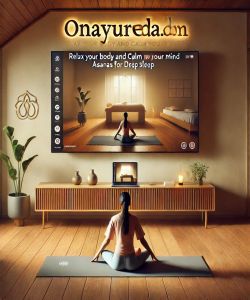
1. Overview of Asanas For Deep Sleep
Asanas for Deep Sleep constitute a highly specialised and strategic somatic discipline, meticulously designed to combat the pervasive issue of sleep deficiency by addressing its core physiological and neurological underpinnings. This practice is not to be misconstrued as a generalised relaxation method; it is a targeted intervention that employs a curated sequence of specific physical postures, or asanas, to systematically downregulate the sympathetic nervous system—the body's 'fight or flight' mechanism—and concurrently activate the parasympathetic nervous system, which governs the 'rest and digest' response. The fundamental premise is to create an internal environment that is optimally conducive to the initiation, maintenance, and deepening of sleep cycles. Through the deliberate and prolonged holding of supported, passive postures, the practice works to release deep-seated muscular and fascial tension, which often acts as a physical barrier to rest. Simultaneously, the requisite focus on slow, diaphragmatic breathing serves to quieten the relentless cognitive activity, or mental rumination, that characterises an overstimulated mind. This dual-pronged approach—addressing both the physical body and the agitated mind—interrupts the vicious cycle of stress and sleeplessness. It directly manipulates the body's neurochemical state, reducing the circulation of stress hormones like cortisol and facilitating the natural biological processes that precede profound, restorative, slow-wave sleep. This regimen, therefore, stands as a formidable, self-administered therapeutic tool for anyone seeking to restore the integrity of their sleep architecture in the face of modern life's unrelenting demands. It is a rigorous practice of conscious surrender, engineered to guide the practitioner from a state of chronic hyper-arousal to one of absolute physiological and psychological tranquility, paving the way for genuine, revitalising rest.
2. What are Asanas For Deep Sleep?
Asanas for Deep Sleep are a specific, curated subset of yogic postures, selected and sequenced with the explicit intention of preparing the body and mind for profound, restorative sleep. This practice is fundamentally distinct from more dynamic, athletic, or heat-building forms of yoga. Its purpose is not to strengthen or stretch in an active sense, but to soothe, release, and pacify the entire human system on a neurological level. The methodology is precise, focusing on postures that elicit a powerful relaxation response, thereby creating the ideal internal conditions for sleep to occur naturally and efficiently.
The core characteristics of these asanas can be defined as follows:
- Somatic and Neurological Focus: These are not mere physical positions. Each asana is chosen for its scientifically understood impact on the autonomic nervous system. Forward folds, for instance, are employed to gently stimulate the vagus nerve, which is a primary component of the parasympathetic nervous system, thereby inducing a state of calm.
- Emphasis on Passivity and Support: A defining feature is the extensive and non-negotiable use of props such as bolsters, blankets, and blocks. These tools are used to support the body completely, eliminating the need for any muscular effort. This total support signals safety to the nervous system, allowing for a deeper release than would otherwise be possible.
- Prolonged, Static Holds: Unlike the flowing sequences of Vinyasa yoga, these asanas are held for extended durations. This sustained holding period is critical; it provides the necessary time for the nervous system to shift from a state of sympathetic activation to one of parasympathetic dominance.
- Integration of Conscious Breathing: The practice is inextricably linked with pranayama, or breath control. Practitioners are guided to maintain a slow, deep, and rhythmic breath, often with an emphasis on a longer exhalation, which is a powerful technique for calming the mind and body.
- Inward-Directed Awareness: The practitioner's attention is constantly guided away from external stimuli and towards internal sensations (interoception). This act of turning focus inward is crucial for disengaging from the day's stressors and the thought loops that inhibit sleep.
In essence, Asanas for Deep Sleep form a structured, pre-sleep ritual designed to systematically quieten the body-mind complex.
3. Who Needs Asanas For Deep Sleep?
- Individuals Afflicted with Insomnia and Sleep Disorders. This includes persons experiencing any form of insomnia, whether it be sleep-onset (difficulty falling asleep), sleep-maintenance (difficulty staying asleep), or early-morning awakening. The practice directly targets the state of hyper-arousal that is the hallmark of these conditions, providing a structured, non-pharmacological method for re-establishing healthy sleep patterns.
- Professionals in High-Stress and High-Stakes Environments. Executives, emergency service workers, legal professionals, and others whose occupations demand constant vigilance and cognitive load are prime candidates. Their sympathetic nervous systems are often chronically activated, making the transition to a restful state exceptionally difficult. This practice provides a necessary tool for deliberate and effective nervous system downregulation.
- Persons Suffering from Anxiety and Chronic Rumination. Individuals whose minds are plagued by cyclical, anxious thought patterns and an inability to 'switch off' will find this practice essential. The combined focus on physical sensation and regulated breathing provides a powerful anchor that interrupts obsessive thinking, creating the mental space required for sleep.
- Athletes and Individuals with High Physical Demands. For those engaged in strenuous physical activity, deep sleep is not a luxury but a biological necessity for muscle repair, tissue regeneration, and hormonal regulation. This practice accelerates and enhances the recovery process by promoting entry into the most physically restorative stages of sleep.
- Individuals Experiencing Emotional Distress or Life Transitions. Periods of grief, significant change, or emotional turmoil invariably disrupt sleep architecture. These asanas offer a somatic approach to processing and releasing stored emotional tension from the body, providing a sense of grounding and stability during turbulent times.
- Those Seeking to Reduce or Eliminate Reliance on Sleep Medication. For individuals wishing to find a sustainable, side-effect-free alternative or adjunct to pharmacological sleep aids, this practice offers a potent, self-empowering solution. It addresses the root causes of sleeplessness rather than merely sedating the symptoms.
- The Ageing Population. As individuals age, natural changes in sleep patterns often lead to lighter, more fragmented sleep. This restorative practice can help to mitigate these changes, promoting a deeper and more consolidated sleep experience, which is vital for cognitive health and vitality in later life.
- Anyone whose Daytime Function is Impaired by Poor Sleep. If cognitive function, emotional stability, productivity, or overall quality of life is compromised by insufficient or low-quality sleep, this discipline is not merely beneficial but a critical intervention for restoring optimal daytime performance.
4. Origins and Evolution of Asanas For Deep Sleep
The conceptual roots of Asanas for Deep Sleep are deeply embedded within the ancient traditions of classical Hatha Yoga. In foundational texts such as the Hatha Yoga Pradipika, the primary purpose of asana was not physical fitness as it is often perceived today. Instead, postures were practised to purify the body's energy channels (nadis) and to cultivate a state of unwavering physical and mental stability (sthira sukham asanam—the posture should be steady and comfortable). This stability was considered an essential prerequisite for prolonged periods of meditation (dhyana) and entry into higher states of consciousness (samadhi). The underlying principle was that a restless, agitated body would invariably create a restless, agitated mind, thereby precluding any deeper spiritual progress. Thus, the original intent of asana was profoundly pacifying and preparatory, aimed at creating a calm, resilient, and quiet internal state.
The evolution of these ancient principles into the modern, specialised practice of 'Asanas for Deep Sleep' occurred primarily throughout the 20th century, particularly as yoga was transmitted to the West. Influential teachers began to adapt and modify traditional postures to address the specific maladies of modern industrialised society, chief among them being chronic stress, anxiety, and the resultant epidemic of sleeplessness. Pioneers of therapeutic and restorative yoga recognised the immense potential of certain asanas—particularly supported, passive postures—to elicit a profound relaxation response. They began to de-emphasise athletic accomplishment and instead focused on the use of props like blankets and bolsters to facilitate complete release and surrender, making the practice accessible to individuals of all physical capabilities.
In the contemporary era, this evolution has accelerated and become highly specialised. The practice has moved beyond the esoteric and into the realm of evidence-based wellness, informed and validated by modern neuroscience, physiology, and sleep science. Research into the autonomic nervous system, the vagus nerve, and the effects of cortisol has provided a scientific framework that explains why these practices are so effective. This has led to the curation of highly specific, targeted sequences designed explicitly for sleep induction. The modern iteration of Asanas for Deep Sleep is therefore a sophisticated synthesis: it retains the ancient yogic wisdom regarding the mind-body connection while integrating contemporary scientific understanding to create a potent, precise, and secular therapeutic modality for combating one of today's most pressing health challenges.
5. Types of Asanas For Deep Sleep
The asanas selected for a deep sleep practice are chosen for their specific capacity to pacify the nervous system and release somatic tension. They are categorised by their physiological function, and their efficacy is contingent on correct execution with comprehensive support.
- Supported Forward Folds (e.g., Supported Paschimottanasana).
- Definition: These are postures in which the torso folds forward over the legs, with the head and entire upper body resting completely on a prop such as a bolster. The primary function is to turn the senses inward (pratyahara), gently compress the abdominal organs to stimulate the parasympathetic nervous system, and create a profound sense of safety and release in the spinal muscles. The support is critical; it eliminates all muscular effort.
- Gentle Supine Inversions (e.g., Viparita Karani).
- Definition: Postures where the legs are elevated above the heart and head, typically by resting them against a wall while the practitioner lies on their back. These asanas reverse the effects of gravity on the circulatory system, facilitating venous return and lymphatic drainage. This has a direct calming effect, helping to reduce heart rate and blood pressure, and alleviating fatigue in the lower limbs.
- Supported Supine Twists (e.g., Supta Matsyendrasana with bolsters).
- Definition: Gentle, reclining twists of the spine, where props are used to support the bent knee and shoulders, ensuring the twist remains passive and restorative rather than muscular. These postures release tension along the entire length of the spine, decompressing the vertebral discs and calming the nerves that exit the spinal column. They also aid in releasing tension in the diaphragm, promoting deeper, more relaxed breathing.
- Restorative Hip Openers (e.g., Supta Baddha Konasana).
- Definition: Reclining postures designed to passively release tension in the deep muscles of the hips, groin, and pelvic floor. The practitioner lies back over a bolster with the soles of the feet together and knees falling apart, supported by blocks. As significant physical and emotional stress is often stored in the pelvic region, releasing this area is fundamental to achieving a state of deep relaxation.
- Fully Supported Corpse Pose (Savasana).
- Definition: The final and most crucial posture. The body lies flat on the back, but with meticulous support from props to encourage ultimate release. This may include a bolster under the knees to release the lower back, a blanket for warmth to prevent the nervous system from activating due to cold, and a light eye covering. It is the posture of complete integration, where the benefits of the preceding asanas are absorbed by the body-mind complex.
6. Benefits of Asanas For Deep Sleep
- Systematic Downregulation of the Autonomic Nervous System: The primary benefit is the direct and deliberate shifting of the nervous system from a state of sympathetic ('fight-or-flight') dominance to one of parasympathetic ('rest-and-digest') control. This is the fundamental physiological prerequisite for sleep.
- Measurable Reduction in Circulating Stress Hormones: The practice actively reduces the production and circulation of cortisol, the body's primary stress hormone. Elevated evening cortisol levels are a principal cause of sleep-onset and sleep-maintenance insomnia; this practice directly counteracts that pathological state.
- Discharge of Somatic and Muscular Tension: Prolonged, supported postures allow for the deep release of chronic tension held in the body's musculature and connective tissues (fascia). Releasing this physical discomfort and rigidity removes a significant obstacle to restful sleep.
- Interruption of Cognitive Rumination: The dual focus on physical sensation and regulated, conscious breathing provides a powerful cognitive anchor. This interrupts the cyclical and anxious thought patterns that prevent the mind from settling, effectively creating mental silence.
- -Enhancement of Sleep Architecture Quality: Consistent practice promotes an increase in the proportion of slow-wave sleep (SWS), which is the most physically restorative phase of the sleep cycle. It also helps to consolidate sleep, reducing the frequency and duration of nocturnal awakenings.
- Improved Respiratory and Cardiovascular Function: The emphasis on slow, diaphragmatic breathing improves gas exchange, lowers resting heart rate, and can contribute to a reduction in blood pressure. This creates a state of profound cardiovascular calm.
- Cultivation of Interoceptive Awareness: The practice trains the individual to become more attuned to the subtle internal signals of their body. This heightened awareness allows one to recognise the precursors to stress and to consciously apply relaxation techniques before they escalate.
- Provision of a Non-Pharmacological, Sustainable Sleep Solution: It empowers the individual with a lifelong skill to manage their own sleep and stress levels without reliance on external aids or medications, which often have undesirable side effects and can lead to dependency.
7. Core Principles and Practices of Asanas For Deep Sleep
- The Primacy of Support: The foundational principle is that the body must be completely and unequivocally supported in every posture. Props such as bolsters, blocks, and blankets are not ancillary aids but are integral, non-negotiable components of the practice. The goal is to eliminate all muscular effort, so the nervous system receives a clear signal of safety and can transition out of a state of defence and into one of surrender.
- Passivity Over Activity: This practice demands a radical shift from the conventional goal of 'doing' a posture to the state of 'being' in it. All striving, pushing, or ambition to achieve a deeper stretch must be abandoned. The objective is to yield, to let go, and to allow gravity and the props to hold the body. The work is one of conscious, deliberate release.
- Prolonged Duration: Asanas are held for extended periods, far longer than in dynamic yoga styles. This duration is critical. It allows the practitioner's awareness to move beyond the superficial layers of muscle and into the deeper realms of the connective tissue and, most importantly, the nervous system. The sustained hold is what facilitates the profound neurochemical shift towards relaxation.
- Breath as the Central Anchor: The breath (pranayama) is the primary tool for guiding the mind and body into a state of rest. The practice mandates a focus on slow, smooth, and quiet diaphragmatic breathing. A particular emphasis is placed on elongating the exhalation, as this directly stimulates the vagus nerve and potentises the parasympathetic response.
- Cultivation of Stillness: Both external and internal stillness are paramount. Externally, this means refraining from fidgeting or adjusting the posture once it is set. Internally, it involves learning to witness the flow of thoughts and sensations without engagement or judgment, allowing the mind's activity to settle like sediment in water.
- The Sanctity of the Environment: The practice must be conducted in an environment that is intentionally curated for tranquility. This requires dim lighting, a comfortable temperature, and the absolute elimination of noise and digital distractions. The external environment must mirror the desired internal state of quietude.
- Deliberate and Mindful Transitions: Movement into and out of each posture must be performed with extreme slowness and conscious awareness. Hasty or careless transitions can be jarring to the nervous system, counteracting the calming effects being cultivated. Each movement is a part of the practice itself.
8. Online Asanas For Deep Sleep
- Unrivalled Logistical Efficiency: The online modality provides the ultimate advantage of practising within one's own domestic space, immediately prior to the intended bedtime. This eradicates the disruptive process of travelling home from a physical studio, a journey that can easily re-stimulate the nervous system and negate the benefits of the practice. The transition from the final resting pose to bed can be seamless.
- Absolute Environmental Control: The practitioner has complete autonomy to create an optimised pre-sleep sanctuary. This includes the precise control of lighting, ambient temperature, and the use of personalised aromatherapy or soundscapes, if desired. This level of customisation is impossible in a shared public space and significantly enhances the therapeutic effect by tailoring the environment to individual sensitivities.
- Enhanced Psychological Safety and Privacy: The solitude of the online setting eliminates the potential for self-consciousness, comparison, or performance anxiety that can arise in a group class. This privacy fosters a deeper state of vulnerability and surrender, which is essential for releasing deep-seated physical and emotional tension. The practitioner is free to be fully present with their own experience without distraction.
- Facilitation of Unwavering Consistency: Online platforms, particularly those with on-demand libraries, provide unparalleled access to the practice. This allows for the establishment of a rigorous and consistent pre-sleep ritual. The ability to repeat the exact same sequence nightly builds a powerful conditioned response, training the body-mind complex to associate the practice with the imminent onset of deep sleep.
- Accessibility for All Geographical Locations: The online format removes all geographical barriers, granting access to specialised, expert instruction regardless of the practitioner's physical location. This democratises access to high-quality therapeutic guidance that might otherwise be unavailable locally.
- Cost-Effectiveness and Resource Management: Engaging in an online programme is often a more financially viable option than attending regular in-person studio classes. It eliminates travel costs and typically offers a better value proposition for consistent, frequent practice, which is a requirement for achieving meaningful results in sleep improvement.
9. Asanas For Deep Sleep Techniques
- Step One: Consecrate the Environment. Before initiating any physical movement, render the practice space a sanctuary. Dim lighting to a bare minimum, using warm-toned light sources only. Ensure the room is comfortably warm to prevent the body from tensing against a chill. All electronic devices must be silenced and removed from sight. Assemble your props—a bolster, two blocks, and several folded blankets—so they are within immediate reach. This preparatory phase is not optional; it is a critical signal to the nervous system to begin decelerating.
- Step Two: Establish the Breath. Assume a comfortable seated position on a folded blanket to elevate the hips. Close the eyes and bring all awareness to the breath. Initiate deep, diaphragmatic breathing. Inhale through the nose into the belly, and exhale slowly and completely, also through the nose. Consciously lengthen each exhalation, making it slightly longer than the inhalation. This is the primary trigger for the relaxation response. Maintain this for several minutes until the breath is rhythmic and effortless.
- Step Three: Supported Child's Pose (Salamba Balasana). Place a bolster lengthwise in front of you. Kneel with the big toes touching and knees wide apart. Fold forward, resting your entire torso and one cheek on the bolster. Allow the arms to rest passively on the floor. Remain here, breathing into the back of the body. After a few minutes, turn the head to rest on the opposite cheek to ensure a balanced release in the neck.
- Step Four: Reclining Bound Angle Pose (Supta Baddha Konasana). Sit on the floor and place the bolster lengthwise directly behind you, touching your sacrum. Bring the soles of the feet together and let the knees fall open to the sides. Place a block or blanket under each knee for complete support. Gently recline back, ensuring your entire spine and head are supported by the bolster. This passively opens the chest and hips, releasing deep-seated tension.
- Step Five: Legs-Up-the-Wall Pose (Viparita Karani). Place the bolster a few inches from a wall. Sit sideways on the bolster, then swing your legs up the wall as you lie back on the floor. Your sacrum should be resting on the bolster; adjust your distance from the wall for comfort. The legs should be relaxed, not held rigidly. This is a powerful, restorative inversion that calms the entire system.
- Step Six: Integrated Corpse Pose (Savasana). Lie flat on your back. Place the bolster under the knees to release the lower back. Cover your body with a blanket for warmth. An eye pillow or folded cloth can be placed over the eyes to block out light and apply gentle pressure. Release all control of the breath and body. Remain in absolute stillness, allowing the system to absorb and integrate the effects of the practice.
10. Asanas For Deep Sleep for Adults
For the adult demographic, navigating the relentless pressures of career, financial obligations, and familial responsibilities, the disciplined practice of Asanas for Deep Sleep transcends mere self-care to become an essential component of strategic, long-term health management. Adult life in the modern world frequently induces a state of chronic sympathetic nervous system activation, a sustained 'fight-or-flight' mode that, over time, degrades physiological and psychological well-being. This manifests as elevated cortisol levels, adrenal fatigue, systemic inflammation, and a critically compromised sleep architecture. The practice serves as a direct, potent, and somatic antidote to this condition. It provides a structured, repeatable methodology for discharging the accumulated stress that becomes physically embedded in the body’s tissues—in the tense shoulders of the office worker, the constricted hips of the commuter, and the tight jaw of the constantly vigilant parent. It directly addresses the pervasive 'tired but wired' paradox, where an individual is physically exhausted yet mentally incapable of disengaging. Through the meticulous application of supported postures and conscious breathing, the practice rigorously re-trains the adult nervous system, teaching it the forgotten skill of consciously and deliberately transitioning from a state of high alert to one of profound surrender and rest. This is not about temporary relaxation; it is about re-patterning fundamental neurological pathways. For the adult, this translates into enhanced cognitive function, improved emotional regulation, greater resilience to daily stressors, and the preservation of long-term health, all of which are critically dependent on the non-negotiable biological function of deep, restorative sleep.
11. Total Duration of Online Asanas For Deep Sleep
The rigorously determined and optimal total duration for a therapeutic online session of Asanas for Deep Sleep is precisely 1 hr. This specific timeframe is not a casual estimation but a strategically calculated duration engineered to achieve maximum physiological and neurological impact. A session of 1 hr provides the necessary scope to move through the complete arc of a restorative practice without inducing haste or, conversely, physical restlessness from excessive stillness. This duration is perfectly structured to include all indispensable components. It allows for an initial phase of approximately ten minutes dedicated to environmental settling, centring, and the establishment of deep, diaphragmatic breathing, which is crucial for signalling the beginning of the relaxation process. The central portion of the session, lasting around forty minutes, provides sufficient time to engage with a series of four to five key restorative postures, holding each for the required extended period to allow the nervous system to fully absorb their calming effects. Finally, the 1 hr structure guarantees a concluding Savasana, or final rest, of at least ten minutes, a non-negotiable period for the body to integrate the practice's benefits fully. A session shorter than this would be superficial, failing to penetrate the deeper layers of nervous system arousal. A significantly longer session risks becoming counterproductive, potentially leading to discomfort. Therefore, the 1 hr session stands as the gold standard, a complete, self-contained, and perfectly timed intervention designed to guide the practitioner from a state of waking stress to one of profound pre-sleep tranquility.
12. Things to Consider with Asanas For Deep Sleep
Engaging in the practice of Asanas for Deep Sleep demands a level of consideration that extends far beyond the mere execution of the physical postures. To unlock its full therapeutic potential, a holistic and disciplined approach is imperative. Foremost, one must consider the absolute necessity of consistency. Sporadic, infrequent practice will yield negligible results; the benefits are cumulative and depend on the establishment of a regular, unwavering routine that conditions the nervous system over time. The timing of the practice is also a critical factor; it must be strategically positioned as the final activity before bed to create a seamless bridge to sleep, rather than being followed by stimulating activities like screen-time or engaging conversations. Furthermore, the practitioner must honestly assess and address their broader sleep hygiene. This practice is a powerful tool, but it is not a panacea that can override the detrimental effects of poor lifestyle choices. Factors such as evening caffeine consumption, alcohol intake, and exposure to blue light from electronic devices must be managed in parallel. The acquisition of proper props is another non-negotiable consideration; attempting these postures without adequate support from bolsters and blankets is not only ineffective but also unsafe. Finally, one must cultivate the appropriate mindset: an attitude of patience, non-striving, and acceptance is paramount. The goal is surrender, not achievement. Overlooking these vital considerations will severely undermine the practice's efficacy, reducing a potent discipline to a mere physical exercise.
13. Effectiveness of Asanas For Deep Sleep
The effectiveness of a consistently applied regimen of Asanas for Deep Sleep is both profound and physiologically verifiable. Its potency is not derived from esoteric principles or placebo effect, but from its direct and methodical influence on the human autonomic nervous system. The practice functions as a powerful, self-administered form of neurological regulation, systematically deactivating the sympathetic 'fight-or-flight' response that lies at the heart of most chronic sleep disturbances. Through the precise combination of prolonged, passively-held postures and deep, rhythmic breathing, the practice stimulates the vagus nerve, the primary conduit of the parasympathetic 'rest-and-digest' system. This intervention precipitates a cascade of measurable physiological changes conducive to sleep: heart rate variability increases, resting heart rate and blood pressure decrease, and the nocturnal production of the stress hormone cortisol is significantly curtailed. By providing a tangible focus for the mind on breath and bodily sensation, the practice effectively interrupts the cycles of mental rumination and anxiety that form a major barrier to sleep onset. Consequently, the effectiveness manifests not only in a subjective sense of calm but in objective improvements to sleep architecture, including reduced sleep latency, fewer nocturnal awakenings, and an increased proportion of time spent in the critical, restorative phases of slow-wave sleep. When executed with rigour and discipline, its capacity to restore healthy sleep patterns is not a matter of conjecture but a demonstrable outcome of its targeted, scientific approach to calming the body-mind complex.
14. Preferred Cautions During Asanas For Deep Sleep
Adherence to a strict set of cautions during the practice of Asanas for Deep Sleep is not merely recommended; it is an uncompromising requirement for ensuring personal safety and preventing iatrogenic injury. This is a therapeutic practice, and its gentle appearance belies the need for vigilance. Any individual with significant pre-existing medical conditions—including but not limited to spinal pathologies such as herniated discs or stenosis, uncontrolled hypertension, glaucoma, or recent surgery—must secure explicit clearance from a qualified medical professional before attempting any posture. The guiding principle of the practice must be the absolute absence of pain. Any sensation that is sharp, pinching, burning, or electric in nature is a definitive signal to withdraw from the posture immediately, with slow and deliberate movement. While props are used for support, there remains a risk of overstretching ligaments or joint capsules, particularly in hypermobile individuals; therefore, one must consciously avoid the temptation to push to an extreme range of motion. Pregnant practitioners must seek out specialised prenatal instruction, as numerous standard restorative postures, including deep twists and certain inversions, are contraindicated. Furthermore, one must be acutely aware of the body's signals and resist any ego-driven impulse to force a posture. The objective is therapeutic surrender, not gymnastic performance. Disregarding these fundamental cautions is an act of negligence that transforms a potent tool for healing into a potential mechanism for harm.
15. Asanas For Deep Sleep Course Outline
- One: Theoretical Foundations and Environmental Protocol. This foundational provides the critical 'why' behind the practice. It delivers a comprehensive briefing on the physiology of sleep, the role of the autonomic nervous system, and the science of the relaxation response. It establishes strict, non-negotiable protocols for preparing the personal practice space, covering optimal lighting, temperature control, and the complete elimination of all digital and auditory distractions to create a therapeutic sanctuary.
- Two: Mastering the Breath as a Neurological Tool. This is dedicated exclusively to the mastery of pranayama (breath regulation) for restorative purposes. It provides detailed instruction on the mechanics of diaphragmatic breathing and introduces specific techniques such as Sama Vritti (Equal Ratio Breathing) and extended exhalation breathing, elucidating their precise effects on calming the central nervous system.
- Three: The Non-Negotiable Role and Use of Props. This is a practical, hands-on focused on the correct and strategic use of restorative props. It provides exhaustive demonstrations on how to effectively use bolsters, blocks, straps, and blankets to create stable, completely supportive structures for the body, ensuring the principle of total passivity is achieved safely and effectively.
- Four: Core Postures - Grounding and Forward Surrender. This introduces the first category of asanas. It provides meticulous, step-by-step guidance into supported forward-folding postures and grounding hip-openers, such as Supported Child's Pose and Reclining Bound Angle Pose. The focus is on precise prop setup for maximum therapeutic benefit and safety.
- Five: Core Postures - Restorative Inversions and Spinal Release. This section advances to gentle inversions like Legs-Up-the-Wall Pose and supine spinal twists. It explains the physiological rationale behind these posture categories, detailing their benefits for circulation and spinal health, and provides unambiguous instructions for safe entry, maintenance, and exit.
- Six: The Art of Integration - Savasana and Intelligent Sequencing. The final is dedicated to the most important posture: Savasana (Corpse Pose). It teaches techniques for achieving profound levels of release and integration. Furthermore, it imparts the principles of intelligent sequencing, empowering the practitioner to construct their own effective, personalised pre-sleep routine from the postures learned throughout the course.
16. Detailed Objectives with Timeline of Asanas For Deep Sleep
- Phase One: Foundational Habituation (Weeks 1-2).
- Objective: To establish an unwavering, non-negotiable daily practice schedule and to achieve mechanical proficiency with the foundational elements. By the end of this phase, the practitioner will demonstrate mastery of setting up their environment, executing deep diaphragmatic breathing, and correctly utilising props for basic postures without hesitation. The primary outcome is the formation of the habit itself, superseding any immediate expectation of sleep improvement.
- Phase Two: Somatic Awareness and Initial Shifts (Weeks 3-4).
- Objective: To cultivate deep interoceptive awareness—the ability to sense the internal state of the body. The practitioner will learn to identify and consciously release specific areas of muscular and fascial tension during prolonged holds. The expected outcome is a tangible reduction in physical restlessness and pre-sleep anxiety, with initial, subjective reports of finding it easier to relax in bed.
- Phase Three: Neurological Conditioning and Measurable Improvement (Months 2-3).
- Objective: To solidify the conditioned neurological response, whereby the body-mind system automatically associates the practice with deep rest. The key performance indicator for this phase is a consistent and measurable reduction in sleep latency (the time taken to fall asleep). Practitioners should also report a noticeable improvement in sleep quality, evidenced by feeling more refreshed and restored upon waking.
- Phase Four: Autonomy and Sustained Efficacy (Month 4 and Ongoing).
- Objective: To achieve full practitioner autonomy and integrate the practice as a permanent feature of personal health management. The individual will be capable of intuitively modifying their practice based on daily needs, confidently selecting postures to address specific areas of tension or stress. The sustained outcome is a resilient and stable sleep pattern, with benefits extending to improved daytime stress resilience, emotional regulation, and overall well-being. The practice will have transitioned from a learned technique to an ingrained skill.
17. Requirements for Taking Online Asanas For Deep Sleep
- An Uncompromising Commitment to Consistency: The foremost requirement is not physical ability but mental discipline. The practitioner must commit to a regular, unwavering schedule, understanding that the neurological benefits are cumulative and that sporadic engagement will produce insignificant results.
- A Designated and Sanctified Practice Space: The participant must secure a physical space within their home that can be rendered entirely private and silent for the full duration of the session. This space must be non-negotiable and free from any potential interruption from family, pets, or domestic duties.
- A Robust and Uninterrupted Internet Connection: A high-speed, stable internet service is mandatory. Technical glitches, buffering, or dropped connections are profoundly jarring to a nervous system being guided into a state of deep relaxation and will render the session entirely ineffective. A wired Ethernet connection is strongly preferred over Wi-Fi.
- Possession of a Complete Set of Professional-Grade Props: Attempting this practice without the correct tools is futile and unsafe. The mandatory equipment includes one firm, rectangular yoga bolster, two dense foam or cork yoga blocks, and a minimum of three sturdy, foldable blankets. These are not suggestions; they are requirements.
- An Adequately Sized Viewing Device: Viewing the instructor on a small mobile phone screen is unacceptable. It causes eye and neck strain, which is directly counterproductive to the goals of the practice. A laptop, a large tablet, or a screen mirrored to a television is required for clear, relaxed viewing.
- The Maturity for Autonomous Self-Regulation: In an online setting, the instructor cannot provide physical correction. The practitioner must therefore possess the maturity and self-awareness to listen intently to their body's signals, to adhere strictly to alignment and safety cues, and to resist the ego's urge to push into pain or discomfort.
- Medical Self-Assessment and Clearance: The individual is solely responsible for assessing their physical suitability for the practice. If any pre-existing injuries or medical conditions are present, obtaining clearance from a qualified healthcare professional before commencing the course is an absolute requirement.
18. Things to Keep in Mind Before Starting Online Asanas For Deep Sleep
Before embarking on an online programme of Asanas for Deep Sleep, it is absolutely critical to internalise several uncompromising truths to ensure both safety and success. Firstly, this is a rigorous therapeutic discipline, not a form of passive relaxation or light entertainment. One must approach it with the gravity and focus it demands. A thorough and honest self-assessment of one's physical condition is the mandatory first step; any existing injuries, chronic conditions, or physical limitations must be acknowledged, and professional medical clearance must be sought if any doubt exists. It is imperative to understand that in the online modality, the instructor cannot see you with clarity or provide physical, hands-on adjustments. Therefore, the total responsibility for safe practice, for listening to the body’s intrinsic feedback, and for avoiding pain falls squarely upon the practitioner. This requires a high degree of maturity and self-awareness. Furthermore, one must be prepared to invest in the requisite professional-grade props—a bolster, blocks, and blankets are not optional accessories but are the fundamental tools of the trade. Attempting the practice without them is to misunderstand it completely. Finally, manage expectations with stern realism. This practice is not a magic pill for instantaneous results. It is a process of systematically re-patterning a lifetime of neurological habits. This requires unwavering patience, discipline, and consistency. To begin without this mindset is to set oneself up for failure.
19. Qualifications Required to Perform Asanas For Deep Sleep
It is of paramount importance to state that the individual qualified to instruct Asanas for Deep Sleep is not a generic yoga teacher but a highly trained specialist. The safe and effective delivery of this therapeutic modality demands a level of expertise that significantly transcends standard certifications. To entrust one's neurological well-being to an under-qualified instructor is to take an unacceptable risk. The non-negotiable qualifications for a competent guide in this discipline are as follows:
- Advanced Certification in a Relevant Speciality: A baseline 200-hour Yoga Teacher Training certificate is fundamentally insufficient. The instructor must hold an advanced certification (300-hour or higher) with a specific, documented specialisation in either Restorative Yoga, Therapeutic Yoga, or Yoga for Mental Health. This ensures they have studied the nuanced application of yoga for specific conditions.
- Profound Knowledge of Applied Anatomy and Neurophysiology: The instructor must possess and be able to articulate a deep, functional understanding of the autonomic nervous system, the role of the vagus nerve, the endocrine system's stress response, and the biomechanics of the postures being taught. They must know why a posture works, not just what it looks like.
- Demonstrable Expertise in Pranayama: Comprehensive training in various breathing techniques is essential. The instructor must understand the distinct physiological effects of different pranayamas and be able to teach them with precision and an awareness of contraindications, specifically for the purpose of sedation and calming.
- Training in Trauma-Informed Teaching Methodologies: Given the strong correlation between stress, trauma, and sleep disturbances, it is imperative that the instructor is trained in trauma-sensitive language and practices. This creates a safe, non-triggering container for all participants, which is a prerequisite for genuine relaxation.
An instructor without this multifaceted and rigorous educational background lacks the necessary depth to guide practitioners safely and effectively. They are not qualified to handle the specific needs and potential contraindications that arise within a therapeutic context, and their guidance should be unequivocally avoided.
20. Online Vs Offline/Onsite Asanas For Deep Sleep
Online
The online modality for practicing Asanas for Deep Sleep offers a unique and powerful set of advantages centred on environmental control and the seamless transition to rest. Its most compelling benefit is the complete elimination of post-practice travel. The practitioner can move directly from their final resting pose, Savasana, into their own bed, preserving the fragile, deeply relaxed state that has been cultivated. This direct transition is a critical factor for efficacy that an onsite class simply cannot offer. Furthermore, the online environment grants the practitioner absolute authority over their personal sanctuary. They can meticulously control the lighting, temperature, and ambient sound to create a perfectly optimised, distraction-free space tailored to their individual needs. This fosters a profound sense of safety and privacy, removing any potential for performance anxiety or social comparison that can inhibit full surrender in a group setting. The accessibility of recorded sessions also promotes a rigorous consistency, allowing the practitioner to repeat a specific, effective sequence nightly. This repetition is key to building a powerful conditioned response in the nervous system, where the practice becomes a potent and reliable trigger for sleep. The online format, therefore, excels in privacy, convenience, and its ability to integrate directly into an effective bedtime ritual.
Offline/Onsite
The offline, or onsite, practice of Asanas for Deep Sleep provides benefits that are primarily rooted in direct, expert human interaction and a contained, dedicated environment. The single greatest asset of an in-person class is the physical presence of a highly qualified instructor. This allows for immediate, nuanced, and personalised hands-on adjustments. An expert teacher can use tactile cues to help a practitioner release deeper into a posture, ensure precise alignment for maximum therapeutic effect, and provide real-time modifications for individual injuries or limitations. This level of personalised, physical guidance is impossible to replicate remotely. Additionally, the studio environment is a space exclusively dedicated to the practice, free from the potential domestic distractions of home. The collective energy of a group moving and breathing with a shared, quiet intention can also be a powerful force, helping to settle the mind and deepen the experience for some individuals. However, the distinct disadvantage remains the unavoidable disruption of travelling to and from the studio, which can be jarring to the nervous system and can counteract the calming effects that were the very purpose of the session. The choice between the two modalities is therefore a strategic one, weighing personalised guidance against logistical purity.
21. FAQs About Online Asanas For Deep Sleep
Question 1. Is this just a gentle stretching class? Answer: No. It is a targeted neurological discipline using passive, supported postures to intentionally downregulate the sympathetic nervous system and prepare the body for deep sleep.
Question 2. Do I need to have prior yoga experience? Answer: No. This practice is accessible to absolute beginners, as the focus is on release and surrender, not on physical prowess or complex positions.
Question 3. Must I have all the props you mention? Answer: Yes. The props—bolster, blocks, blankets—are not optional. They are essential tools required to support the body correctly and achieve the intended therapeutic effect.
Question 4. Can I practise on my bed? Answer: No. A firm, stable surface like the floor is required to provide the correct support for the spine and joints. A bed is too soft and will not be effective or safe.
Question 5. What if I fall asleep during the practice? Answer: This is a positive sign that your nervous system is responding. The instructor will guide you out at the end, or if you are practising alone, simply transition to your bed.
Question 6. How is this different from taking a sleeping pill? Answer: This practice addresses the root cause of sleeplessness—a hyper-aroused nervous system—while medication typically masks the symptom. It is a sustainable skill, not a dependency.
Question 7. Will I see results after one session? Answer: While you will likely feel calmer after one session, consistent practice is required to re-pattern the nervous system for lasting improvement in sleep quality.
Question 8. Is it safe if I have a bad back? Answer: You must consult a medical professional before starting. A qualified instructor can offer modifications, but medical clearance is your responsibility.
Question 9. What should I wear for the practice? Answer: Wear loose, warm, comfortable clothing that does not restrict movement or breathing in any way. Layers are advisable.
Question 10. Can I do this practice in the morning? Answer: It is specifically designed as a pre-sleep ritual. Practising it at other times will induce relaxation but will not serve its primary purpose of preparing for immediate sleep.
Question 11. Does the practice involve any chanting or spiritual elements? Answer: Typically, modern, secular versions focus purely on the physiological and neurological aspects—the physical postures and breathwork—without religious or spiritual dogma.
Question 12. What if I am not flexible at all? Answer: Flexibility is completely irrelevant. The props are used to bring the floor to you and support you exactly as you are. The goal is release, not range of motion.
Question 13. How long are the postures held? Answer: Postures are held for extended periods, typically several minutes each, to allow the nervous system time to shift into a parasympathetic state.
Question 14. Can this help with anxiety during the day? Answer: Yes. While designed for sleep, the skills learned—particularly the breathwork and ability to calm the nervous system—are directly transferable to managing daytime stress and anxiety.
Question 15. Is it better to have a live online class or a pre-recorded one? Answer: Both are effective. A live class offers a sense of community and a fixed schedule, while a pre-recorded session offers ultimate flexibility and the ability to repeat a favourite sequence.
Question 16. What if my mind is too busy to relax? Answer: That is precisely the condition the practice is designed to address. The focus on breath and physical sensation gives the busy mind a simple, non-negotiable task, which gradually quietens it.
22. Conclusion About Asanas For Deep Sleep
In conclusion, the practice of Asanas for Deep Sleep represents a formidable, non-pharmacological strategy for systematically dismantling the physiological and psychological barriers to restorative rest. It is not a passive or gentle hobby but a rigorous, evidence-based discipline that directly intervenes at the level of the autonomic nervous system. By mandating a fusion of specific, passively-held postures, controlled breathing, and profound interoceptive focus, it methodically shifts the body-mind complex from a state of hyper-arousal and chronic stress to one of deep, parasympathetic calm. The consistent application of these principles addresses the root causes of sleeplessness—somatic tension, mental rumination, and hormonal imbalance—rather than merely masking the symptoms. Its efficacy is therefore predicated on disciplined, consistent execution and an uncompromising adherence to its core tenets of surrender and support. This practice is not a quick fix but a long-term investment in neurological health, empowering the individual with a tangible, self-sufficient skill set to actively manage their own state of being. For the modern individual besieged by stimuli that disrupt natural sleep rhythms, this practice is not merely beneficial; it is an essential, empowering tool for reclaiming the fundamental human requirement for deep, revitalising sleep, thereby restoring cognitive function, emotional stability, and overall physiological health. It is a direct and powerful reclamation of tranquility in a turbulent world.