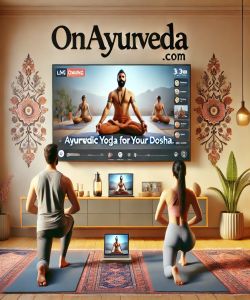
Overview of Ayurvedic Yoga for Your Dosha
Ayurvedic Yoga for Your Dosha represents a sophisticated and highly personalised synthesis of two ancient Indian disciplines: Ayurveda, the science of life, and Yoga, the science of self-realisation. This integrated practice is not a generic form of physical exercise; it is a strategic therapeutic modality designed to restore and maintain an individual’s unique constitutional balance. The fundamental premise rests upon the Ayurvedic concept of the three doshas—Vata, Pitta, and Kapha—which are the primary energetic forces governing all physiological and psychological functions. Each person possesses a distinct combination of these doshas, with one or two typically being dominant. Imbalances in these energies, caused by lifestyle, diet, stress, and environmental factors, are considered the root cause of disharmony and disease. Ayurvedic Yoga directly addresses this by prescribing a specific regimen of asanas (postures), pranayama (breathing techniques), and meditation tailored to pacify the aggravated dosha. For an individual with excess Vata, the practice is grounding, warming, and stabilising. For a Pitta-dominant person, it is cooling, calming, and non-competitive. For a Kapha constitution, the approach is stimulating, invigorating, and dynamic. This bespoke methodology transcends the one-size-fits-all approach of many modern yoga systems, positioning itself as a precise instrument for achieving profound homeostatic equilibrium and cultivating a state of robust, resilient well-being. It is an exacting science of self-healing, demanding unwavering commitment to principles of individualised wellness and constitutional integrity. The practice is therefore an endeavour in self-regulation, using the physical body as a direct conduit to influence the subtle energetic systems that define health.
What is Ayurvedic Yoga for Your Dosha?
Ayurvedic Yoga for Your Dosha is a prescriptive system of yoga that customises physical postures (asanas), breath control (pranayama), and meditative practices to suit an individual's specific mind-body constitution, or ‘Prakriti’, as defined by the principles of Ayurveda. It fundamentally rejects a generalised approach to yoga, asserting that a practice beneficial for one constitutional type may be detrimental or aggravating for another. The system is predicated on the three primary doshas, which are bio-energetic forces that govern an individual’s physical, mental, and emotional characteristics.
These doshas are:
Vata (Air and Ether): Governing all movement in the body, from nerve impulses to respiration. A Vata-pacifying yoga practice is characteristically slow, grounding, and warming, designed to counteract Vata’s inherent qualities of coldness, lightness, and irregularity. It emphasises stability and consistency.
Pitta (Fire and Water): Responsible for metabolism, digestion, and transformation. A Pitta-pacifying practice is cooling, calming, and moderately paced. It is structured to reduce intensity and competitiveness, thereby mitigating Pitta’s tendencies towards heat, aggression, and inflammation.
Kapha (Earth and Water): Providing structure, stability, and lubrication. A Kapha-pacifying practice is dynamic, stimulating, and vigorous. It is engineered to combat Kapha’s qualities of heaviness, slowness, and stagnation through active, heat-building sequences that promote circulation and detoxification.
In essence, Ayurvedic Yoga is a therapeutic application of yogic science. A practitioner first identifies their dominant dosha and any current imbalances (Vikriti). Based on this assessment, a specific sequence, pace, and environment for practice are prescribed. This includes not only the selection of asanas but also the manner in which they are performed—holding times, transitions, and focal points. It is a rigorous, targeted methodology for utilising yoga as a potent tool to restore an individual’s unique state of equilibrium, thereby promoting holistic and sustainable health.
Who Needs Ayurvedic Yoga for Your Dosha?
Individuals experiencing chronic symptoms of imbalance such as anxiety, digestive distress, lethargy, or inflammation, who seek a targeted, non-pharmacological modality to address the root energetic cause rather than merely managing symptoms.
Yoga practitioners who have reached a plateau in their practice or find that certain styles of yoga exacerbate their mental or physical state, such as feeling overly agitated after a dynamic class or sluggish after a gentle one.
Persons seeking to deepen their self-awareness and understand their innate constitutional tendencies, enabling them to make more informed lifestyle, dietary, and exercise choices that align with their specific mind-body type.
Individuals undergoing significant life transitions or periods of high stress, who require a stabilising practice that is specifically designed to counteract the destabilising effects of their unique doshic response to external pressures.
Those who are committed to a preventative healthcare model and wish to proactively maintain their constitutional balance to mitigate the risk of future illness and cultivate long-term vitality and resilience.
Practitioners of Ayurveda who wish to integrate a physical and meditative discipline that is fully congruent with their Ayurvedic principles, creating a cohesive and synergistic approach to their overall wellness regimen.
Individuals with a dual-dosha constitution who struggle to find a balanced practice, as this system provides the nuanced framework to address the needs of both dominant doshas simultaneously or seasonally.
Health and wellness professionals, including yoga instructors and Ayurvedic practitioners, who need to acquire a sophisticated skillset to provide genuinely individualised and effective guidance to their clients.
Anyone disenchanted with generic, fitness-oriented yoga classes, who demands a more profound, therapeutic, and intellectually rigorous system that honours the authentic, holistic roots of both Yoga and Ayurveda.
Origins and Evolution of Ayurvedic Yoga for Your Dosha
The conceptual framework of Ayurvedic Yoga for Your Dosha is not a modern invention but a logical and profound synthesis of two of India’s most ancient and revered Vedic sciences. Its origins are deeply embedded in classical texts that form the bedrock of both Yoga and Ayurveda. The Vedas, particularly the Atharvaveda, contain hymns and knowledge related to health, healing, and the elemental forces that govern life, laying the philosophical groundwork for both disciplines. Ayurveda, codified in foundational treatises like the Charaka Samhita and Sushruta Samhita, meticulously detailed the principles of the three doshas—Vata, Pitta, and Kapha—as the cornerstones of human physiology and pathology.
Simultaneously, the yogic tradition, articulated in texts such as the Yoga Sutras of Patanjali and later the Hatha Yoga Pradipika, outlined the path to self-realisation through physical and mental discipline. While these texts did not explicitly use the term "Ayurvedic Yoga," the intrinsic connection was always present. Yoga was historically considered a vital component of a comprehensive Ayurvedic lifestyle for maintaining health and treating illness. The classical understanding was that asanas and pranayama were not merely physical exercises but powerful tools to influence the flow of prana (life force) and, by extension, the balance of the doshas. The Gheranda Samhita, for example, prescribes specific practices for purification and health that align closely with Ayurvedic principles.
The evolution into the distinct, modern practice known as "Ayurvedic Yoga" represents a more conscious and systematic codification of this ancient synergy. In the latter half of the twentieth century, as both Yoga and Ayurveda gained prominence in the West, pioneering teachers and physicians began to articulate this integration more explicitly. They developed structured methodologies for assessing an individual's doshic constitution and then prescribing specific yoga routines to pacify or balance their unique energies. This evolution was a response to the growing demand for personalised wellness and a reaction against the homogenisation of yoga into a one-size-fits-all fitness trend. It marked a return to the therapeutic and individualised roots of the practice, re-establishing the non-negotiable link between one’s unique constitution and the path to genuine well-being. The practice today stands as a rigorous, sophisticated system, a direct inheritor of thousands of years of Vedic wisdom.
Types of Ayurvedic Yoga for Your Dosha
Vata-Pacifying Yoga: This practice is specifically engineered to counteract the inherent qualities of the Vata dosha—cold, light, dry, irregular, and mobile. The methodology is therefore grounding, warming, stabilising, and consistent. It demands slow, deliberate, and fluid movements with a strong emphasis on maintaining contact with the ground. Asanas are held for longer durations to cultivate stillness and stability, directly opposing Vata’s tendency towards restlessness and flightiness. The sequences are rhythmic and predictable, avoiding jarring transitions or rapid, unpredictable movements like jumping. Key postures include foundational standing poses like Mountain Pose (Tadasana) and Warrior Poses (Virabhadrasana), gentle forward bends like Paschimottanasana to calm the nervous system, and restorative poses like Child’s Pose (Balasana). The core objective is to soothe the nervous system and foster a sense of profound security and rootedness.
Pitta-Pacifying Yoga: This form is designed to mitigate the fiery, intense, and sharp qualities of the Pitta dosha. The practice must be cooling, calming, and non-competitive. It requires a relaxed and spacious approach, with an emphasis on surrendering into postures rather than aggressively pushing to achieve them. The pace is moderate, and the environment should be cool and well-ventilated to prevent overheating, which severely aggravates Pitta. Sequences avoid excessive heat-building vinyasas or postures that create intense internal pressure. Instead, they incorporate heart-opening poses like Cobra (Bhujangasana), gentle twists to detoxify the liver (a primary Pitta organ), and wide-legged forward folds. A non-judgmental attitude is paramount, as Pitta types are often goal-oriented and competitive. The ultimate aim is to release tension, dissipate excess heat, and cultivate a state of tranquil acceptance.
Kapha-Pacifying Yoga: This practice is formulated to counterbalance the heavy, slow, cold, and dense nature of the Kapha dosha. Consequently, the methodology is stimulating, invigorating, dynamic, and warming. It is the most vigorous of the three types, designed to challenge stagnation and build internal heat. The practice involves continuous movement, such as flowing through Sun Salutations (Surya Namaskar) at a brisk pace, and incorporates challenging postures that demand strength and effort. Backbends, strong standing poses, and inversions are highly beneficial for stimulating circulation and metabolism. Breathwork is powerful and energising, such as Breath of Fire (Bhastrika). The objective is to break through lethargy, promote detoxification, and create a feeling of lightness and vitality, compelling the practitioner to move beyond their comfort zone of inertia.
Benefits of Ayurvedic Yoga for Your Dosha
Bespoke Physiological Regulation: It provides a highly targeted methodology to directly address and pacify the specific physiological and psychological imbalances associated with an individual's dominant dosha, moving beyond generic wellness protocols.
Enhanced Self-Awareness: The practice compels an individual to develop a profound understanding of their unique constitutional nature (Prakriti) and their current state of imbalance (Vikriti), fostering greater bodily intelligence and intuition.
Root-Cause Correction: Instead of merely alleviating superficial symptoms like anxiety or indigestion, it targets the underlying doshic aggravation, facilitating more sustainable and long-term resolution of chronic conditions.
Prevention of Disease: By consistently maintaining doshic equilibrium, the practitioner proactively mitigates the risk of constitutional imbalances escalating into more severe, diagnosable pathologies.
Optimised Energy Levels: It calibrates the yoga practice to either ground and conserve energy (Vata), cool and moderate energy expenditure (Pitta), or stimulate and build energy (Kapha), resulting in optimised and stable vitality.
Improved Mental and Emotional Resilience: The tailored approach directly soothes dosha-specific emotional tendencies—calming Vata anxiety, tempering Pitta anger and intensity, and uplifting Kapha lethargy and attachment.
Increased Efficacy of Yoga Practice: It transforms a standard yoga routine into a potent therapeutic tool, ensuring that every posture and breath is purposefully selected to maximise its healing potential for the individual’s specific needs.
Synergistic Lifestyle Integration: The principles learned on the mat are directly transferable to other areas of life, empowering the individual to make congruent choices regarding diet, daily routines, and relationships that support their doshic balance.
Adaptability to Life’s Changes: The system provides a framework for intelligently modifying one's practice in response to seasonal changes, age, and stressful life events, all of which directly impact the doshas.
Authentic Embodiment of Yogic Principles: It restores the authentic therapeutic intention of yoga, moving it from the realm of pure physical fitness to its rightful place as a sophisticated science of self-healing and mind-body harmonisation.
Core Principles and Practices of Ayurvedic Yoga for Your Dosha
Principle of Individual Constitution (Prakriti): The absolute foundation of the practice is the recognition that each individual possesses a unique, unchangeable mind-body constitution determined at conception. All practices are tailored to honour and support this inherent nature, rather than forcing the individual into a standardised mould.
Principle of Imbalance (Vikriti): The practice operates on the diagnostic principle of identifying the current state of doshic imbalance. The primary objective of any session is to address the Vikriti by applying opposing qualities to pacify the aggravated dosha and return the individual to their state of Prakriti.
Principle of Gunas (Qualities): Every posture, breathing technique, and meditative practice embodies specific qualities (gunas), such as heating/cooling, heavy/light, or sharp/dull. The core practice involves the strategic application of gunas that are opposite to those of the imbalanced dosha (e.g., applying warming, grounding qualities to balance cold, mobile Vata).
Practice of Doshic Assessment: Before engaging in practice, a rigorous self-assessment or a consultation with a qualified practitioner is imperative. This involves analysing physical symptoms, mental and emotional states, sleep patterns, and digestive health to accurately determine which dosha requires pacification.
Practice of Asana Customisation: Asanas are selected and modified based on the target dosha. This includes the choice of posture, the pace of entry and exit, the duration of the hold, and the energetic intention. For instance, a Warrior II pose can be held steadily to ground Vata, performed with relaxed effort to cool Pitta, or moved through dynamically to stimulate Kapha.
Practice of Prescriptive Pranayama: Breathing techniques are not chosen arbitrarily. Cooling breaths like Shitali are prescribed for Pitta, grounding breaths like Nadi Shodhana for Vata, and stimulating breaths like Bhastrika for Kapha. The breath is recognised as a primary vehicle for influencing the body's subtle energies.
Practice of Seasonal and Diurnal Adaptation: The practice is not static. It must be adapted to the time of day and the season, as these external factors naturally influence the doshas. A practice in the cold, dry winter will differ from one in the hot, humid summer to maintain equilibrium.
Practice of Mindful Intention (Sankalpa): The mental and emotional state brought to the practice is critical. A Vata practice requires an intention of stability, a Pitta practice demands surrender and non-judgement, and a Kapha practice necessitates an intention of invigoration and motivation.
Online Ayurvedic Yoga for Your Dosha
Unparalleled Accessibility: The online format removes geographical barriers, granting individuals access to highly specialised instructors and niche expertise that would otherwise be unavailable in their locality. This democratises access to an authentic, sophisticated practice, ensuring that guidance is not contingent on physical proximity to a qualified teacher.
Ultimate Personalisation of Environment: Practitioners have absolute control over their practice space. They can meticulously adjust lighting, temperature, and ambient sound to create an environment with the precise qualities (gunas) needed to pacify their dominant dosha—a warm, dimly lit space for Vata; a cool, airy setting for Pitta; or a bright, stimulating area for Kapha. This level of environmental customisation is impossible to achieve in a public studio.
Enhanced Self-Reliance and Bodily Intelligence: Without the direct physical presence of an instructor for adjustments, the practitioner is compelled to cultivate a heightened state of internal awareness and self-reliance. This fosters a deeper, more intuitive understanding of their own body’s signals and constitutional needs, accelerating the development of genuine bodily intelligence.
Consistency and Routine Adherence: The convenience of practising from home eliminates common obstacles such as travel time and scheduling conflicts. This facilitates unwavering consistency, which is a non-negotiable requirement for effectively managing and balancing the doshas, particularly for the irregular nature of Vata.
Cost-Effectiveness and Resource Efficiency: Online platforms typically offer a more economically viable alternative to in-person studio memberships or private consultations. This removes financial impediments, allowing for sustained, long-term engagement with the practice, which is essential for achieving profound and lasting results.
Privacy and Removal of Competitive Tendencies: The private setting of an online session is particularly beneficial for Pitta-dominant individuals, who may have a tendency towards competition and self-criticism in a group environment. Practising alone encourages an internal focus and the cultivation of a non-judgemental attitude, which is critical for pacifying Pitta.
Direct Integration with Daily Life: Practising within one’s own living space seamlessly integrates the principles of Ayurvedic Yoga into the fabric of daily life. The transition from the mat back into one’s routine is immediate, reinforcing the understanding that this is not a compartmentalised activity but a holistic lifestyle approach.
Ayurvedic Yoga for Your Dosha Techniques
Step 1: Foundational Doshic Identification. The first and most critical step is to identify your primary dosha (Prakriti) and any current imbalance (Vikriti). This is achieved through rigorous self-enquiry, observing physical characteristics, metabolic tendencies, and psychological responses, or through a formal consultation with an Ayurvedic practitioner. This assessment dictates the entire structure of the subsequent practice. Without this knowledge, any application of techniques is arbitrary and potentially counterproductive.
Step 2: Environment Structuring. Before commencing physical practice, you must engineer the environment to possess qualities opposite to your aggravated dosha. For Vata imbalance, ensure the room is warm, quiet, and dimly lit. For Pitta, the space must be cool, spacious, and well-ventilated. For Kapha, the environment should be warm, bright, and stimulating, perhaps with invigorating music. This preparation is not optional; it is an integral part of the therapeutic process.
Step 3: Prescriptive Asana Selection and Execution. Select a sequence of postures specifically designed for your dosha.
For Vata: Focus on grounding poses. Execute them slowly and mindfully. Hold each posture with unwavering stability for an extended period. Maintain a steady, deep, and rhythmic breath throughout. Transitions between poses must be slow and deliberate.
For Pitta: Choose cooling and heart-opening poses. Practise with a relaxed effort and a non-competitive mindset. Avoid pushing to your absolute limit. Maintain a soft gaze and focus on exhaling completely to release heat and tension.
For Kapha: Engage in a dynamic and vigorous sequence. Move briskly between postures, generating internal heat. Emphasise stimulating poses like backbends and inversions. The practice must be challenging enough to counteract lethargy.
Step 4: Targeted Pranayama Application. Following the asana practice, apply a specific breathing technique to further balance your dosha. Vata requires the calming and balancing effect of Alternate Nostril Breathing (Nadi Shodhana). Pitta benefits from a cooling breath like Sheetali Pranayama (inhaling through a curled tongue). Kapha demands a stimulating and cleansing breath like Bellows Breath (Bhastrika).
Step 5: Doshic-Specific Meditation. Conclude the session with a short, tailored meditation. Vata types require a grounding visualisation or a simple body scan to enhance presence. Pitta individuals should focus on a loving-kindness or compassion meditation to cool fiery emotions. Kapha types benefit from a focus-based meditation on an uplifting concept or mantra to maintain mental alertness.
Ayurvedic Yoga for Your Dosha for Adults
Ayurvedic Yoga for Your Dosha offers a uniquely sophisticated and effective framework for adults navigating the complex physiological and psychological demands of modern life. Unlike generalised fitness regimens, this practice provides a precise, bio-individualised toolkit for managing the specific stressors and imbalances that manifest during adulthood. For the Vata-dominant adult, often prone to anxiety, nervous system burnout, and irregular digestion due to high-pressure careers and responsibilities, the practice prescribes a grounding, warming, and stabilising routine. This directly counteracts the depleting effects of a fast-paced lifestyle, restoring a sense of security and systemic calm. For the Pitta-inclined adult, typically driven, ambitious, and susceptible to inflammation, burnout from overwork, and irritability, the system mandates a cooling, calming, and non-competitive approach. This teaches the essential skill of tempering intensity, releasing pent-up frustration, and preventing the physiological manifestations of chronic stress. For the Kapha-natured adult, who may contend with lethargy, metabolic sluggishness, and a tendency towards complacency, the practice is necessarily invigorating, dynamic, and stimulating. It serves as a potent catalyst to break through inertia, boost metabolism, and cultivate a proactive, energetic disposition. This tailored methodology ensures that the adult practitioner is not engaging in an activity that could inadvertently exacerbate their innate constitutional vulnerabilities. Instead, it transforms their yoga practice into a strategic, therapeutic intervention, a powerful instrument for maintaining resilience, vitality, and mental equilibrium throughout the various stages of adult life. It is a mature approach for individuals who demand more than mere exercise.
Total Duration of Online Ayurvedic Yoga for Your Dosha
The standard, professionally mandated duration for a single, comprehensive online session of Ayurvedic Yoga for Your Dosha is meticulously structured to be 1 hr. This specific timeframe is not arbitrary but is clinically and practically determined to be the optimal duration required to execute a complete and effective doshic-balancing sequence without inducing fatigue or being insufficiently thorough. Within this 1 hr container, a precise allocation of time is dedicated to each essential component of the practice. The session commences with a brief period for grounding and intention setting, followed by a targeted warm-up designed to prepare the body according to the specific needs of the Vata, Pitta, or Kapha constitution. The core of the session, dedicated to the dosha-specific asana sequence, is given the most substantial portion of the time, allowing for proper execution, holding of postures, and mindful transitions. Following the asana work, a dedicated segment is reserved for a prescriptive pranayama technique, which is critical for influencing the subtle energetic body and consolidating the effects of the physical practice. The final portion of the 1 hr is allocated to a tailored meditation and a period of Savasana (corpse pose) for deep integration and relaxation. This structure ensures that the practitioner moves through a complete therapeutic arc—from preparation and active intervention to pacification and integration. A shorter duration would compromise the integrity and depth of the practice, while a significantly longer one risks over-taxing the system, which could itself lead to a doshic imbalance. Therefore, the 1 hr duration represents the industry standard for a complete, safe, and maximally effective online session.
Things to Consider with Ayurvedic Yoga for Your Dosha
Engaging with Ayurvedic Yoga for Your Dosha demands a level of intellectual rigour and self-awareness that transcends that required by conventional yoga practices. It is imperative to understand that this is not a static system; it is a dynamic and responsive discipline. A primary consideration is the necessity for an accurate initial doshic assessment. A misidentification of one's constitution or current imbalance will render the entire practice ineffective at best, and actively detrimental at worst, by applying aggravating qualities to an already imbalanced system. Furthermore, the practitioner must remain vigilant to the shifting nature of their own state. Doshic balance is not a permanent achievement but is constantly influenced by diet, season, stress levels, and age. Therefore, the practice requires continuous, honest self-assessment and the willingness to adapt one's routine accordingly, for instance, by shifting from a Kapha-pacifying practice in spring to a Pitta-pacifying one in the heat of summer. One must also discard the competitive, goal-oriented mindset prevalent in many fitness cultures. The objective here is not to achieve a perfect posture but to elicit a specific energetic and physiological response. This requires a profound internal focus and a commitment to therapeutic intention over aesthetic performance. Finally, the integration of this practice with congruent lifestyle choices is non-negotiable. To engage in a Vata-pacifying yoga routine while consuming a Vata-aggravating diet and maintaining an irregular schedule is a futile endeavour. The practice must be viewed as one component of a holistic, self-regulatory system.
Effectiveness of Ayurvedic Yoga for Your Dosha
The effectiveness of Ayurvedic Yoga for Your Dosha is predicated on its core principle of bio-individuality, a concept that is conspicuously absent from most modern, homogenised wellness systems. Its potency lies in its diagnostic precision and prescriptive, targeted application. Unlike a generic yoga class where a single sequence is offered to a diverse group of individuals, this modality functions as a therapeutic intervention tailored to the unique constitutional needs and current imbalances of the practitioner. By systematically applying practices with qualities that directly oppose and pacify an aggravated dosha, the system works to restore the body’s innate homeostatic intelligence. For instance, the grounding and stabilising nature of a Vata-pacifying practice has a demonstrable effect on soothing the sympathetic nervous system, thereby reducing anxiety and improving sleep quality. Similarly, the cooling and calming effects of a Pitta-focused routine can mitigate inflammatory responses and temper mental agitation. The stimulating and invigorating qualities of a Kapha practice are highly effective in boosting metabolism and counteracting physical and mental lethargy. The efficacy of this approach is therefore not a matter of subjective belief but is rooted in the logical, time-tested Ayurvedic principle of treating with opposites (samanya-vishesha siddhanta). When applied with accuracy, consistency, and in conjunction with supportive lifestyle factors, Ayurvedic Yoga is an exceptionally effective and powerful methodology for resolving the root causes of disharmony and cultivating a state of sustained, resilient, and authentic well-being. Its effectiveness is directly proportional to the practitioner’s commitment to its principles.
Preferred Cautions During Ayurvedic Yoga for Your Dosha
A rigorous and non-negotiable level of caution must be exercised when engaging in this highly specific practice to prevent the inadvertent aggravation of one's constitution. It is absolutely imperative that practitioners avoid a 'more is better' mentality, particularly those with Pitta or Vata dominance. Over-exertion, pushing into pain, or practising with aggressive intensity is strictly contraindicated, as it will severely disrupt doshic balance, leading to burnout, injury, or heightened mental agitation. Individuals must exhibit unwavering honesty in their self-assessment; ego-driven denial of one's current state of imbalance can lead to the selection of an inappropriate practice that exacerbates the very condition one seeks to remedy. Furthermore, practising the wrong type of yoga for one's dosha is not a neutral act—it is actively harmful. A Kapha-dominant individual performing a slow, restorative yoga class will only deepen their state of stagnation, while a Vata-dominant person engaging in a fast-paced, stimulating practice will severely destabilise their nervous system. Caution must also be applied to the practice environment; a cold, drafty room is toxic for Vata, and an overheated room is poison for Pitta. Finally, this system is not a substitute for professional medical diagnosis or treatment for serious health conditions. It is a complementary therapeutic modality. Any individual with significant pre-existing health issues must secure approval from a qualified medical professional before commencing this or any other physical discipline. Adherence to these cautions is not a suggestion but a requirement for safe and effective practice.
Ayurvedic Yoga for Your Dosha Course Outline
Module 1: Foundational Principles of Ayurveda and the Three Doshas
Introduction to the philosophical origins of Ayurveda.
Detailed examination of the five elements (Pancha Mahabhutas).
In-depth study of the three doshas: Vata, Pitta, and Kapha, including their qualities (gunas), primary functions, and sites in the body.
The concepts of Prakriti (innate constitution) and Vikriti (current imbalance).
Module 2: Doshic Assessment and Self-Diagnosis
Methodologies for determining one's own Prakriti.
Techniques for identifying the signs and symptoms of Vata, Pitta, and Kapha imbalance.
Introduction to pulse and tongue diagnosis as indicators of Vikriti.
The role of seasonal and diurnal cycles in influencing the doshas.
Module 3: Vata-Pacifying Yoga Practice
Core principles: Grounding, warming, stabilising.
Analysis of asanas suitable for Vata: standing poses, gentle forward bends, restorative postures.
Instruction on Vata-specific practice methodology: slow pace, long holds, mindful transitions.
Vata-pacifying pranayama (Nadi Shodhana) and meditation techniques.
Module 4: Pitta-Pacifying Yoga Practice
Core principles: Cooling, calming, non-competitive.
Analysis of asanas suitable for Pitta: heart openers, gentle twists, spacious postures.
Instruction on Pitta-specific practice methodology: moderate pace, relaxed effort, releasing tension.
Pitta-pacifying pranayama (Shitali/Sitkari) and meditation techniques.
Module 5: Kapha-Pacifying Yoga Practice
Core principles: Stimulating, invigorating, dynamic.
Analysis of asanas suitable for Kapha: Sun Salutations, backbends, inversions, challenging sequences.
Instruction on Kapha-specific practice methodology: brisk pace, strong effort, heat generation.
Kapha-pacifying pranayama (Bhastrika/Kapalabhati) and meditation techniques.
Module 6: Integration and Lifestyle
Designing a personalised daily and seasonal practice.
Principles of Ayurvedic diet and daily routine (Dinacharya) to support the yoga practice.
Sequencing strategies for dual-dosha constitutions.
Final assessment and application of principles to create a complete, individualised wellness plan.
Detailed Objectives with Timeline of Ayurvedic Yoga for Your Dosha
Weeks 1-2: Foundational Knowledge and Doshic Identification. The primary objective is to achieve a comprehensive theoretical understanding of the three doshas and the core principles of Ayurveda. By the end of this period, the practitioner must be capable of accurately identifying their own Prakriti (innate constitution) and Vikriti (current imbalance) through structured self-assessment protocols. This phase is purely diagnostic and foundational; no tailored physical practice is yet undertaken.
Weeks 3-4: Mastery of Vata-Pacifying Techniques. The objective is to learn and embody the principles of a Vata-pacifying practice. This involves mastering the slow, grounding, and deliberate execution of prescribed asanas, as well as the technique of Nadi Shodhana pranayama. The practitioner will be able to independently construct and perform a basic 30-minute Vata-balancing sequence by the end of this timeline.
Weeks 5-6: Mastery of Pitta-Pacifying Techniques. The objective is to internalise the cooling, calming, and non-competitive approach required for Pitta balance. The practitioner will learn to execute heart-opening and tension-releasing postures with relaxed effort and master the Shitali/Sitkari cooling breaths. The goal is the ability to independently perform a 30-minute Pitta-balancing sequence.
Weeks 7-8: Mastery of Kapha-Pacifying Techniques. The objective is to develop the capacity for a stimulating and dynamic practice to counteract Kapha’s inertia. This involves learning to execute vigorous sequences, such as flowing Sun Salutations, and mastering energising pranayama like Bhastrika. The practitioner will be capable of independently performing a 30-minute Kapha-balancing sequence.
Weeks 9-10: Practice Integration and Adaptation. The objective is to synthesise the knowledge from the previous weeks to create a nuanced, personalised practice. The practitioner will learn how to intelligently modify their routine based on the time of day, season, and shifting personal state. The goal is to move beyond rigid sequences and cultivate a responsive, intuitive practice.
Weeks 11-12: Lifestyle Congruence and Autonomy. The final objective is to achieve full autonomy in one’s Ayurvedic Yoga practice and to integrate it with supportive lifestyle choices. The practitioner will be able to confidently design a comprehensive weekly practice schedule that addresses their specific needs and will have established basic Ayurvedic dietary and daily routine habits that reinforce the effects of their practice.
Requirements for Taking Online Ayurvedic Yoga for Your Dosha
Unwavering Self-Discipline: The practitioner must possess a high degree of personal accountability and motivation. The online format necessitates the commitment to create and adhere to a consistent practice schedule without external supervision.
A Dedicated and Controlled Practice Space: A private, quiet area free from interruption is non-negotiable. The practitioner must have the ability to control the temperature, lighting, and ambient noise of this space to create an environment that is therapeutically aligned with their doshic needs.
Stable, High-Speed Internet Connection: A reliable and uninterrupted internet connection is an absolute requirement to ensure clear and continuous access to instructional content, whether live or pre-recorded. Technical failures are the practitioner’s responsibility to mitigate.
Appropriate Technical Hardware: A device with a screen large enough to clearly view instructional demonstrations (e.g., a laptop, tablet, or smart television) is necessary. A small smartphone screen is insufficient for proper anatomical observation and safe practice.
Standard Yoga Equipment: The practitioner must procure their own high-quality yoga mat. Depending on the doshic prescription, additional props such as blocks, bolsters, and blankets may be required to support a safe and effective practice.
Capacity for Honest Self-Assessment: The online practitioner must be willing and able to engage in rigorous and truthful self-enquiry to assess their doshic state. This is critical in the absence of an in-person instructor to provide diagnostic feedback.
A Mature and Receptive Mindset: The individual must approach the practice with a therapeutic, non-competitive mindset. The goal is internal balance, not external performance. An ego-driven approach is counterproductive and will impede progress.
Basic Physical Fitness and Medical Clearance: The practitioner should have a baseline level of physical health and be free from any serious, acute injuries. It is their responsibility to seek medical clearance from a qualified physician if they have any pre-existing health conditions.
Things to Keep in Mind Before Starting Online Ayurvedic Yoga for Your Dosha
Before commencing an online course in Ayurvedic Yoga, it is imperative to acknowledge that you are embarking on a rigorous discipline of self-regulation, not a casual fitness programme. Your success will be directly proportional to your personal investment in its principles. Understand that the digital format places the onus of responsibility squarely upon your shoulders. You must be prepared to cultivate an unwavering commitment to consistency, as the therapeutic benefits are cumulative and cannot be achieved through sporadic or half-hearted engagement. Critically, you must source your instruction from a highly reputable and authentically qualified practitioner. The online space is saturated with unqualified instructors; it is your duty to perform due diligence and select a guide with verifiable credentials in both Ayurveda and Yoga. Be prepared to create a sacrosanct practice space in your home, an environment that is not merely functional but is actively engineered to support your doshic needs. This is not a practice to be squeezed into a cluttered, noisy corner. Furthermore, you must be willing to engage in honest, and at times uncomfortable, self-assessment. The practice will reveal your constitutional tendencies and imbalances, and you must be prepared to address them without judgement. Finally, recognise that the asana practice is only one pillar of this system. To achieve profound results, you must be open to integrating its principles into your wider life, particularly concerning diet and daily routine. This is a holistic commitment, and you must be prepared to embrace it as such.
Qualifications Required to Perform Ayurvedic Yoga for Your Dosha
The performance and instruction of Ayurvedic Yoga for Your Dosha demand a sophisticated and dual-disciplinary qualification that significantly exceeds the standard certification for a generic yoga teacher. A legitimately qualified practitioner must possess a deep and integrated knowledge of both classical Yoga and foundational Ayurveda. Simply holding a basic yoga teacher training certificate is grossly insufficient. The requisite qualifications are built upon a specific and rigorous educational pathway.
The essential credentials include:
Certified Yoga Instructor (Minimum 200-hour, preferably 500-hour): A foundational certification from a reputable yoga school is the baseline requirement. This ensures a thorough understanding of asana, anatomy, physiology, and safe teaching practices. However, this is merely the starting point.
Certified Ayurvedic Practitioner or Health Counsellor: This is the non-negotiable component. The individual must have completed a comprehensive, formal training programme in Ayurveda from a recognised institution. This education must cover Ayurvedic philosophy, anatomy (Sharira Rachana), physiology (Kriya Sharira), pathology, and diagnostics, with a specific focus on the three doshas, gunas, and the principles of balancing them.
Specialised Certification in Ayurvedic Yoga: The practitioner must have undertaken advanced training specifically focused on the synthesis of these two disciplines. Such a programme would explicitly teach the science of prescribing asana, pranayama, and meditation according to doshic principles, contraindications, and therapeutic sequencing.
A qualified professional will therefore be able to not only guide a physically safe yoga class but also accurately assess an individual's constitution (Prakriti) and imbalance (Vikriti), and then design and articulate a bespoke practice with a clear therapeutic rationale. They must demonstrate fluency in the language and principles of both sciences. Anything less represents a critical gap in knowledge that compromises the safety, integrity, and effectiveness of the practice.
Online Vs Offline/Onsite Ayurvedic Yoga for Your Dosha
Online
The online modality for Ayurvedic Yoga for Your Dosha is defined by its autonomy and environmental control. Its primary advantage is supreme accessibility, removing all geographical constraints and allowing practitioners to connect with elite, specialised instructors regardless of location. The practitioner holds absolute authority over their practice environment, enabling them to meticulously curate the temperature, lighting, and sound to create a space with the precise qualities (gunas) needed to pacify their specific dosha—a level of customisation that is fundamentally impossible in a shared, public studio. This format necessitates and cultivates a high degree of self-reliance, discipline, and heightened proprioceptive awareness, as the individual must become their own primary monitor for alignment and effort. The privacy of the online setting is also a significant asset, particularly for Pitta types, as it eliminates the potential for comparison and competition, fostering a more introspective and non-judgemental practice. However, it lacks the direct, hands-on adjustments and the immediate, nuanced feedback that an in-person instructor can provide. It places the full responsibility for safety and consistency on the individual.
Offline/Onsite
The offline, or onsite, modality offers the distinct advantages of direct human interaction and tangible energetic exchange. The most significant benefit is the presence of a qualified instructor who can provide immediate, physical adjustments to ensure anatomical safety and energetic alignment, a critical element that cannot be replicated digitally. The instructor can also offer real-time verbal cues and diagnostic observations based on the practitioner's breath, complexion, and energy, allowing for dynamic modifications to the practice. Furthermore, the onsite group setting can foster a powerful sense of community and shared energy (satsang), which can be highly motivating, particularly for Kapha-dominant individuals who may struggle with inertia when practising alone. The structured, scheduled nature of an in-person class imposes a framework of accountability. However, the practitioner has zero control over the practice environment, which may be energetically unsuited to their doshic needs (e.g., a hot, crowded room for a Pitta person). It also introduces the potential for distraction and the very competition and self-consciousness that the practice seeks to quell.
FAQs About Online Ayurvedic Yoga for Your Dosha
Question 1. What exactly is a ‘dosha’?
Answer: A dosha is a fundamental bio-energetic principle in Ayurveda. The three doshas—Vata, Pitta, and Kapha—are forces derived from the five elements that govern all physiological and psychological functions in the body.
Question 2. Do I need to know my dosha before starting an online course?
Answer: Yes. Accurate identification of your primary constitution (Prakriti) and current imbalance (Vikriti) is a non-negotiable prerequisite. Reputable online courses will include a comprehensive self-assessment module for this purpose.
Question 3. Is online Ayurvedic Yoga suitable for complete beginners?
Answer: It can be, provided the individual is highly self-motivated and chooses a course designed for beginners. However, it demands more self-awareness than a standard in-person class.
Question 4. How is this different from a regular online yoga class?
Answer: It is entirely different. A regular class offers a generic sequence. This is a prescriptive, therapeutic practice where every element—from the postures to the breathing—is specifically chosen to balance your unique constitutional needs.
Question 5. What technology do I require?
Answer: You require a stable high-speed internet connection and a device with a sufficiently large screen, such as a laptop or tablet, to clearly observe the instructor’s demonstrations.
Question 6. Do I need a lot of space?
Answer: You need a dedicated, private space large enough for a yoga mat with clear, unobstructed room around it to move your limbs freely in all directions.
Question 7. Can this practice help with specific health issues like anxiety or indigestion?
Answer: Yes. The practice is designed to address the root doshic imbalances that often manifest as symptoms like Vata-driven anxiety or Pitta-driven indigestion.
Question 8. What if I have more than one dominant dosha?
Answer: Most people have a dual-dosha constitution. A proper course will teach you how to create a balanced practice that honours the needs of both dominant doshas or addresses the one that is currently most aggravated.
Question 9. Will I receive personal feedback in an online course?
Answer: This depends on the format. Some premium live-streamed courses offer feedback, while pre-recorded courses do not. This is a critical factor to check before enrolling.
Question 10. Is the online format less effective than in-person instruction?
Answer: Not necessarily. While it lacks hands-on adjustments, the ability to control your environment and the cultivation of self-reliance are significant benefits. Its effectiveness depends on your discipline.
Question 11. What kind of equipment do I need?
Answer: A high-quality yoga mat is essential. Depending on your dosha, you may also need props like blocks, blankets, and a bolster to support your practice.
Question 12. How often should I practice?
Answer: Consistency is paramount. A disciplined practice of three to five times per week is generally recommended for substantial and sustained results.
Question 13. Can I practice at any time of day?
Answer: Ayurveda recommends specific times of day for optimal practice based on the prevailing doshic energies. A good course will provide guidance on this.
Question 14. Is there a lot of chanting or meditation?
Answer: The practice includes targeted meditation and may include mantra recitation, as these are integral tools for balancing the mind and doshas. The emphasis varies by instructor.
Question 15. Will this practice help me lose weight?
Answer: While weight loss may be a secondary benefit, especially for Kapha-balancing practices that boost metabolism, the primary goal is constitutional balance, not aesthetics.
Question 16. What if I have a physical injury?
Answer: You must seek medical clearance before starting. It is your responsibility to practice safely and modify poses as needed, which can be more challenging without an in-person instructor.
Question 17. How do I choose a credible online instructor?
Answer: Scrutinise their credentials. They must have formal, verifiable qualifications in both Yoga and Ayurveda from reputable institutions. Be wary of those with only a basic yoga certification.
Conclusion About Ayurvedic Yoga for Your Dosha
In conclusion, Ayurvedic Yoga for Your Dosha stands as a formidable and intellectually rigorous system of self-healing, representing a definitive move away from the homogenised, one-size-fits-all paradigm of modern yoga. It is not merely a style of practice but a sophisticated therapeutic methodology grounded in the immutable principles of Ayurvedic science. By insisting on the primacy of individual constitution—the unique blueprint of Vata, Pitta, and Kapha that governs every aspect of one’s being—it re-establishes yoga in its rightful context as a potent tool for precision wellness. The practice demands an unwavering commitment from the individual: a commitment to honest self-assessment, to disciplined and consistent application, and to the integration of its principles into the broader fabric of one’s life. It is an exacting discipline that requires intelligence, intuition, and self-reliance. For those willing to engage with its depth and rigour, Ayurvedic Yoga offers a powerful and sustainable path to achieving profound physiological and psychological equilibrium. It provides a clear and logical framework for navigating the complexities of one’s own nature, empowering the practitioner to become the primary agent in the cultivation of their own health and vitality. It is, in its most authentic form, the ultimate expression of personalised medicine, a timeless science for achieving enduring balance in a world of constant flux.