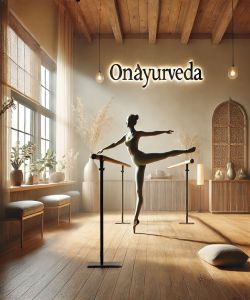
1. Overview of Barre Yoga
Barre Yoga represents a formidable synthesis of three distinct yet complementary disciplines: the precision and poise of classical ballet, the core-centric stabilisation of Pilates, and the mindful flexibility of Hatha yoga. This hybrid modality is not a diluted compromise but a potent and highly targeted system of physical conditioning designed to cultivate long, lean musculature, profound core strength, and enhanced postural integrity. The practice fundamentally revolves around the use of a ballet barre, or a suitable substitute, as a tool for stability and resistance, enabling practitioners to execute a series of isometric contractions and small, controlled movements with unparalleled precision. These micro-movements, often repeated to the point of muscular fatigue, are meticulously engineered to sculpt and tone the body without inducing hypertrophy or bulk. Integrated within this physically demanding framework are the foundational principles of yoga—namely, controlled pranayamic breathing, mindful body awareness, and extended stretching sequences. This fusion ensures that while the body is subjected to intense muscular work, the mind remains focused and the nervous system regulated. The result is a uniquely holistic and demanding regimen that challenges the body’s endurance, stability, and flexibility in equal measure, forging a physique that is simultaneously strong, graceful, and resilient. It is a discipline that commands absolute focus and commitment, eschewing high-impact, explosive movements in favour of a more intelligent, alignment-focused approach to physical cultivation. It is, in essence, a sophisticated methodology for achieving a comprehensively conditioned state, demanding discipline and delivering substantial, visible results. Barre Yoga is therefore positioned not as a fleeting fitness trend, but as a structured and rigorous pathway to superior physical control and aesthetic refinement, accessible to those with the requisite dedication to master its demanding yet rewarding principles.
2. What is Barre Yoga?
Barre Yoga is a highly structured fitness methodology that amalgamates the most effective components of ballet conditioning, Pilates, and yoga into a single, cohesive workout system. It is an exacting practice predicated on precision, control, and muscular endurance, designed to sculpt the physique, enhance postural alignment, and cultivate a powerful mind-body connection. The central apparatus is the ballet barre, which is utilised not for complex choreography but as a sophisticated tool for balance and support. This allows the practitioner to isolate and engage specific muscle groups with an intensity that would be unachievable in free-standing exercises. The movements are characteristically small and controlled, often involving isometric holds and high-repetition pulses, which are designed to work muscles to the point of fatigue. This process stimulates the slow-twitch muscle fibres, responsible for endurance and tone, resulting in a lean, defined musculature rather than bulk. The discipline’s efficacy is rooted in this unique combination of principles:
- Ballet Conditioning: From ballet, Barre Yoga borrows foundational positions like pliés and relevés. It adopts the focus on posture, graceful alignment, and the use of the barre for stability. This element is responsible for sculpting the muscles of the lower body, particularly the glutes, quadriceps, and calves, creating a distinctively elongated and powerful aesthetic.
- Pilates Principles: The influence of Pilates is most evident in the relentless focus on core stabilisation. Every movement in Barre Yoga is initiated from a strong, engaged core. Concepts such as the neutral spine, pelvic stability, and controlled, deliberate motion are central to the practice, ensuring that the work is not only effective but also safe and supportive of spinal health.
- Yogic Integration: Yoga contributes the crucial elements of breathwork (pranayama), mindfulness, and flexibility. Yogic breathing techniques are integrated throughout the class to oxygenate the muscles and maintain focus during intense holds. The practice typically concludes with a series of deep, yoga-inspired stretches to release muscular tension, improve flexibility, and facilitate recovery. This integration ensures a balanced approach, addressing not only muscular strength but also joint mobility and mental clarity.
3. Who Needs Barre Yoga?
-
Individuals Seeking Low-Impact, High-Intensity Conditioning: Those who require a rigorous and effective workout but must avoid high-impact activities due to joint sensitivities, previous injuries, or personal preference. Barre Yoga’s controlled, fluid movements protect the joints whilst demanding maximum muscular engagement, offering a safe yet intensely challenging alternative to plyometrics or running.
-
Practitioners Focused on Postural Correction and Alignment: Professionals who spend prolonged periods seated, or individuals with postural imbalances such as kyphosis or forward head posture. The discipline’s unyielding focus on core strength, spinal alignment, and strengthening the posterior chain directly counteracts the negative effects of a sedentary lifestyle, systematically retraining the body to maintain correct posture.
-
Athletes and Dancers Requiring Cross-Training: Sportspeople and dancers who need to enhance their muscular endurance, stability, and core strength will find Barre Yoga to be a formidable cross-training tool. It targets and strengthens the smaller stabilising muscles often neglected in traditional strength training, leading to improved performance, injury prevention, and greater body control.
-
Individuals Aiming for Muscular Definition without Hypertrophy: Those whose aesthetic goal is a lean, toned, and sculpted physique rather than significant muscle bulk. The methodology of using high repetitions with light resistance or bodyweight specifically targets slow-twitch muscle fibres, which are responsible for creating long, defined muscles, not size.
-
Post-Rehabilitation Clients: Individuals who have completed formal physical therapy and are seeking a safe and structured method to continue building strength, stability, and mobility. Under appropriate guidance, the scalable and alignment-focused nature of Barre Yoga makes it an excellent transitional fitness modality.
-
Those Desiring Enhanced Mind-Body Connection: Practitioners who understand that physical fitness is incomplete without mental focus. The precision and concentration required to maintain proper form during challenging isometric holds and pulsing sequences necessitate a deep level of mindfulness, forging a powerful connection between mental intention and physical execution.
-
Pre- and Post-Natal Women: With appropriate modifications, Barre Yoga is exceptionally well-suited for the pre- and post-natal periods. Its emphasis on pelvic floor engagement, core stability, and gentle strength building provides essential support during pregnancy and aids in effective postpartum recovery.
4. Origins and Evolution of Barre Yoga
The genesis of the barre methodology can be traced back to London in the mid-twentieth century, conceived not as a fitness trend but as a rehabilitative tool by Lotte Berk, a German-born ballet dancer. Following a severe spinal injury, Berk collaborated with an osteopath to develop a series of exercises that fused her ballet conditioning knowledge with therapeutic principles. Her objective was to create a system that could heal her back whilst maintaining her dancer’s strength and physique. The Lotte Berk Method, established in her West End basement studio in 1959, was born from this necessity. It was a demanding, core-centric regimen that utilised the ballet barre for support to perform small, intense, and targeted movements. Her method was revolutionary, focusing on building a strong, stable core and sculpting the body with meticulous, isometric contractions.
The evolution from this foundational method to the modern Barre Yoga hybrid occurred primarily through geographical and philosophical expansion. In the 1970s, one of Berk’s American students, Lydia Bach, brought the method to the United States, opening The Lotte Berk Method studio in New York City. This marked a critical turning point, as the practice began to attract a wider audience beyond the dance community, establishing itself as a formidable fitness discipline. Over the subsequent decades, former students and instructors from this studio began to innovate, creating their own branded variations of the barre workout. This period of divergence saw the core principles of the Berk method preserved but adapted, with different schools placing varying emphasis on cardiovascular elements, equipment use, and intensity.
The final and most significant evolutionary step was the conscious integration of yoga. As the wellness landscape shifted towards more holistic and mindful practices in the late 20th and early 21st centuries, fitness innovators recognised the synergistic potential of combining the intense, muscularly focused work of barre with the flexibility, breathwork, and mental discipline of yoga. This fusion was not merely a superficial addition of a few stretches at the end of a class. Instead, it was a fundamental reimagining of the practice. Pranayama (yogic breathing) was woven into the fabric of the exercises to enhance endurance and focus, whilst dynamic yogic flows were incorporated as warm-ups and cool-downs. The inclusion of asana (yoga postures) provided a more profound approach to increasing flexibility and releasing the intense muscular engagement generated during the barre sequences. This synthesis created Barre Yoga, a sophisticated, dual-focus discipline that conditions the body for both strength and suppleness, representing the modern culmination of a journey from a dancer’s personal rehabilitation tool to a globally recognised, holistic fitness system.
5. Types of Barre Yoga
-
Classic Barre Yoga: This is the foundational form of the discipline, maintaining a strict balance between the three core modalities. A typical session is methodically structured, including a warm-up with light yogic flows, an upper-body segment using light weights, intensive thigh and glute work at the barre utilising ballet-inspired positions and isometric pulses, a dedicated core section based on Pilates principles, and a comprehensive cool-down featuring deep yoga stretches. The focus is on precision, alignment, and controlled muscular engagement.
-
Cardio Barre Yoga: This variation elevates the cardiovascular demand of the practice. It incorporates larger, more dynamic movements and faster-paced sequences, often set to a high-tempo rhythm. Whilst still rooted in barre principles of control and alignment, Cardio Barre Yoga integrates plyometric elements like small jumps (sautés) and fluid, continuous transitions between exercises to maintain an elevated heart rate throughout the session. The yogic element is often expressed through vigorous vinyasa flow segments.
-
Power Barre Yoga: This type intensifies the strength-training aspect of the practice. It employs heavier weights, resistance bands, and more challenging bodyweight positions to maximise muscular load and fatigue. The holds are longer, the repetitions are pushed further, and the focus is on building significant muscular endurance and strength. The yoga component in this variant often leans towards power yoga, incorporating demanding postures like arm balances and deep core work to complement the intensity of the barre sections.
-
Restorative Barre Yoga: This is a gentler, more therapeutic iteration of the practice, designed for recovery, rehabilitation, or for individuals seeking a less intense experience. The pace is significantly slower, with a profound emphasis on mindful movement, correct form, and deep muscular activation without strain. The barre is used extensively for support and balance. The yogic integration is paramount, featuring longer holds in restorative yoga postures, guided meditation, and extended pranayama (breathing) exercises to release tension and calm the nervous system.
-
Barre Yoga Fusion: This category encompasses a broad range of creative interpretations that blend the core Barre Yoga framework with other disciplines. Examples include Barre-HIIT, which alternates intense barre segments with short bursts of high-intensity interval training, or Barre-Yin, which combines a standard barre workout with a concluding series of long-held, passive yin yoga poses to target the body’s deep connective tissues. These fusions are designed to target specific fitness goals by leveraging the strengths of multiple modalities.
6. Benefits of Barre Yoga
-
Enhanced Muscular Endurance and Tone: The practice’s reliance on high-repetition isometric and isotonic contractions works muscles to the point of fatigue. This systematically improves muscular endurance and creates a distinctively toned, sculpted, and lean physique without promoting significant hypertrophy.
-
Profound Improvement in Posture: Barre Yoga places relentless emphasis on core stabilisation and correct spinal alignment. By strengthening the deep muscles of the abdomen, back, and pelvic floor, it provides the foundational support necessary to maintain an upright, aligned posture, directly counteracting the detrimental effects of a sedentary lifestyle.
-
Increased Flexibility and Range of Motion: The integration of dynamic and static yoga stretches ensures that the practice is balanced. Whilst one part of the session focuses on intense muscular contraction, the other is dedicated to lengthening those same muscles, leading to a significant and functional increase in overall flexibility and joint mobility.
-
Low-Impact, High-Efficacy Conditioning: The controlled, precise movements are performed without jumping or jarring actions, placing minimal stress on the joints, including the ankles, knees, hips, and spine. This makes it an exceptionally safe yet highly effective form of exercise for individuals of all ages and for those with joint sensitivities.
-
Strengthened Mind-Body Connection: The intense focus required to maintain proper form, control micro-movements, and endure challenging holds necessitates a high degree of concentration and body awareness. This cultivates a powerful neuromuscular connection, enhancing proprioception and overall physical control.
-
Targeted Muscle Sculpting: The methodology is specifically designed to target and isolate muscles that are often underutilised in traditional exercise, particularly the gluteus medius, inner and outer thighs, and transverse abdominis. This leads to a more balanced and comprehensively developed physique.
-
Core Strength and Stability: Every movement in Barre Yoga is initiated and supported by an engaged core. This constant activation results in exceptional strength and stability throughout the entire midsection, which is fundamental to athletic performance, injury prevention, and everyday functional movement.
-
Stress Reduction and Mental Focus: The inclusion of yogic breathing techniques (pranayama) and the demand for unwavering concentration during the practice help to calm the nervous system and clear the mind. This mindful aspect of the discipline serves as a form of active meditation, effectively reducing stress levels.
7. Core Principles and Practices of Barre Yoga
-
Isometric Contraction and Control: The foundational principle is the use of isometric contractions, where muscles are tensed without changing their length. This is combined with small, one-inch movements known as pulses. This practice is designed to engage muscles deeply and work them to fatigue, fostering endurance and tone rather than bulk. Absolute control over every micro-movement is paramount.
-
Neutral Spine and Pelvic Alignment: Practitioners must maintain a neutral spine throughout the majority of exercises to ensure safety and maximise core engagement. This involves a natural curvature of the spine, avoiding excessive arching or rounding. The pelvis is typically held in a neutral position or a slight posterior "tuck" to engage the lower abdominals and protect the lumbar region. This alignment is non-negotiable.
-
Core-Initiated Movement: Every action, from the smallest pulse to a larger range-of-motion stretch, must originate from a deeply engaged core. The transverse abdominis, obliques, and rectus abdominis are actively drawn in and stabilised before any limb movement occurs. This ensures that the body works as an integrated, powerful unit and prevents strain on peripheral joints.
-
Mind-Muscle Connection: Practitioners are required to cultivate an intense and focused awareness of the specific muscle group being targeted. This is not passive exercise; it demands active mental engagement to ensure the correct muscles are firing and to push through the point of fatigue. This conscious connection is critical for achieving the sculpted results the discipline promises.
-
Precision over Momentum: Barre Yoga is the antithesis of ballistic, momentum-based exercise. Every movement is deliberate, slow, and controlled. The emphasis is on the quality of the contraction and the precision of the form, not on the speed or range of motion. Using momentum is considered a failure of form and control.
-
Integration of Pranayama (Controlled Breathing): Yogic breathing techniques are woven into the practice. A deep, steady breath is used to oxygenate the working muscles, maintain focus during challenging holds, and regulate the nervous system. The breath is synchronised with the movement, typically inhaling to prepare and exhaling on the exertion, to enhance stability and power.
-
Systematic Muscular Fatigue: The practice is structured to work individual muscle groups to the point of complete fatigue before moving to the next. This is achieved through high repetitions and sustained holds. This systematic overload is the catalyst for muscular adaptation, leading to increased strength, endurance, and definition.
-
Active Flexibility and Lengthening: Following each intense strengthening sequence, the targeted muscle group is immediately taken through a series of deep, yoga-inspired stretches. This practice of stretching a warm, fatigued muscle is designed to release tension, promote the development of long, lean muscle fibres, and improve overall flexibility.
8. Online Barre Yoga
-
Unparalleled Accessibility and Convenience: The primary advantage of online Barre Yoga is the removal of geographical and temporal barriers. Practitioners can engage in high-calibre instruction from any location with an internet connection, eliminating travel time and the constraints of a fixed studio timetable. This allows for seamless integration of the practice into demanding professional and personal schedules.
-
Enhanced Focus and Reduced Self-Consciousness: The private environment of a home setting eliminates the potential for distraction or self-consciousness that can arise in a group class. This allows the practitioner to direct their full concentration inward, fostering a deeper mind-muscle connection and a more focused, meditative experience. One can fully engage with the physical sensations and challenges of the practice without external pressures.
-
Cost-Effectiveness and Resource Efficiency: Online platforms typically offer access to a vast library of classes for a recurring fee that is substantially more economical than per-class payments at a physical studio. This model provides superior value and encourages more frequent practice. Furthermore, it eliminates ancillary costs associated with attending a studio, such as transport and specialised apparel.
-
Personalised Pacing and Repetition: The online format grants the user complete control over the learning process. Beginners can pause the instruction to refine their form, rewind to re-observe a complex sequence, or repeat a particular class until they have mastered its intricacies. This capacity for self-paced learning is invaluable for ensuring correct technique and building a solid foundation.
-
Access to Elite, Specialised Instructors: The digital landscape provides access to a global pool of elite Barre Yoga instructors and specialised programmes that would otherwise be geographically inaccessible. A practitioner in a remote location can learn from a master instructor based in a major metropolitan centre, benefiting from their expertise and unique instructional style.
-
Customisation of the Practice Environment: Participants have absolute authority over their workout environment. This includes control over lighting, temperature, music selection, and volume. This ability to create a personalised, optimised space can significantly enhance the quality of the practice and the practitioner’s ability to achieve a state of flow and concentration.
-
Consistency and Accountability through On-Demand Access: The on-demand nature of online Barre Yoga libraries removes common excuses for missing a session. With a class available at any time of day, it is far easier to maintain a consistent practice schedule, which is the absolute cornerstone of achieving tangible and lasting results from the discipline.
9. Barre Yoga Techniques
-
The Foundational Plié in Second Position:
- Step 1: Stand parallel to the barre, one hand resting lightly upon it for balance. Position the feet wider than the hips, turning the legs out from the hip sockets so the toes point towards the corners of the room. Ensure the spine is erect and the core is engaged.
- Step 2: Inhale to prepare. As you exhale, bend the knees, tracking them directly over the middle toes. Lower the hips vertically, maintaining a perfectly straight spine. Do not lean forward.
- Step 3: Lower only to the point where the neutral spine can be maintained and the thighs are parallel to the floor, or as low as form allows.
- Step 4: Engage the glutes and inner thighs to press back up to the starting position with control. This constitutes one repetition. For pulsing, remain in the lowered position and perform small, one-inch up-and-down movements.
-
The Parallel Thigh Squeeze:
- Step 1: Face the barre, lightly holding it with both hands. Bring the feet and knees together so they are touching. Engage the core to support a neutral spine.
- Step 2: Press up onto the balls of the feet into a high relevé, keeping the heels lifted as high as possible.
- Step 3: Bend the knees and lower the hips, maintaining the high relevé and keeping the spine vertical.
- Step 4: Squeeze the inner thighs and glutes powerfully. Perform small, controlled pulses in this position, ensuring the movement originates from the muscular contraction, not momentum.
-
The Core Abdominal Tuck:
- Step 1: Sit on the mat with knees bent and feet flat on the floor. Lean back slightly, creating a 'C' shape with the spine by scooping the abdominal muscles inward. The hands can be placed behind the thighs for support.
- Step 2: Engage the transverse abdominis by drawing the navel firmly towards the spine.
- Step 3: Perform a small, powerful pelvic tilt, or 'tuck', by contracting the lower abdominal muscles. This is a subtle movement, not a full sit-up. The upper body should remain relatively still.
- Step 4: Release the tuck with control, returning to the 'C' curve starting position. The focus must be on a deep, isolated contraction of the lower abdominal wall.
-
The Fold-Over Gluteal Press:
- Step 1: Face the barre, placing forearms upon it. Walk the feet back until the torso is parallel to the floor, creating a flat back. Engage the core to prevent the back from sagging.
- Step 2: Extend one leg straight back behind you at hip height, with the foot flexed. The hips must remain square to the floor.
- Step 3: Squeeze the gluteal muscles of the extended leg to lift it one inch higher.
- Step 4: Lower the leg one inch with absolute control. This is a small, targeted press, isolating the gluteus maximus and hamstrings.
10. Barre Yoga for Adults
Barre Yoga is an exceptionally sophisticated and highly suitable fitness modality for the adult population across all ages and fitness strata. Its fundamental design, which prioritises low-impact movements and meticulous muscular control over ballistic, high-impact actions, makes it a superior choice for the mature body. Adults often contend with cumulative joint wear and a greater need for joint-preserving exercise; Barre Yoga directly addresses this by building formidable strength and endurance without imposing detrimental stress on the ankles, knees, hips, and spine. The practice is inherently scalable, allowing for precise modifications to accommodate varying levels of strength, flexibility, and physical limitations. An individual can adjust the range of motion, reduce the intensity of a hold, or utilise additional support to ensure the workout remains challenging yet safe and productive. This intrinsic adaptability is crucial for adults, who may be returning to exercise after a hiatus, managing chronic conditions, or simply seeking a sustainable, lifelong fitness practice. Furthermore, the discipline's profound emphasis on postural integrity is of paramount importance. It systematically strengthens the core and posterior chain muscles, which are essential for supporting the spine and counteracting the postural degradation often associated with prolonged sitting and ageing. The integration of yoga provides vital flexibility and mobility work, maintaining suppleness in the joints and muscles, which is critical for functional movement and injury prevention in daily life. Barre Yoga is not about brute force; it is an intelligent system of movement that fosters body awareness, builds functional, resilient strength, and cultivates a graceful, aligned posture that serves the adult body exceptionally well. It is a demanding yet rewarding discipline that respects the body’s limits while relentlessly pushing its capabilities.
11. Total Duration of Online Barre Yoga
The standard and most effective total duration for a comprehensive online Barre Yoga session is precisely 1 hr. This timeframe is not arbitrary; it is a deliberately structured period designed to accommodate all the essential components of the discipline in a manner that maximises physiological benefits without leading to over-fatigue or diminished form. A typical session allocated this duration is methodically partitioned to ensure a balanced and holistic workout. It will invariably commence with a 5-to-10-minute warm-up, often incorporating dynamic yogic flows and mobility exercises to increase blood flow, prepare the joints, and activate the core. This is followed by a dedicated upper-body segment of approximately 10 minutes, utilising light hand weights or resistance bands to sculpt the arms, shoulders, and back. The core of the session, lasting a substantial 20 to 25 minutes, is devoted to intensive work at the barre, targeting the thighs, glutes, and calves with a series of pliés, relevés, and isometric holds. Following this demanding lower-body sequence, a rigorous 10-minute segment is allocated to mat-based core work, focusing on abdominal and oblique strength through Pilates-inspired exercises. The final 5 to 10 minutes of the 1 hr duration are critically reserved for a cool-down. This concluding phase is dominated by deep, static yoga stretches designed to lengthen the muscles that have been intensely contracted, release tension, and facilitate the recovery process. This carefully calibrated 1 hr structure ensures that every major muscle group is systematically engaged and fatigued, then adequately stretched, providing a complete, full-body conditioning experience that is both efficient and profoundly effective. Any shorter duration would necessitate compromising one of these vital components, thereby diminishing the overall integrity and efficacy of the workout.
12. Things to Consider with Barre Yoga
Engaging in the practice of Barre Yoga demands careful consideration of several critical factors to ensure both efficacy and safety. Foremost is the absolute necessity of maintaining impeccable form. The discipline is predicated on small, precise movements and isometric contractions; improper alignment not only negates the benefits but also introduces a significant risk of strain or injury. Without the immediate, hands-on correction of an in-person instructor, online practitioners must cultivate a heightened sense of self-awareness and proprioception, utilising mirrors or recording themselves to scrutinise and refine their technique. The selection of appropriate equipment, or lack thereof, is another key consideration. Whilst a dedicated ballet barre is ideal, a sturdy chair, countertop, or wall can serve as a functional substitute. However, one must ensure this support is stable and at the correct height to prevent compromising form. The surface upon which one practises is also important; a non-slip yoga mat is essential for floor work, and appropriate footwear or grip socks may be required to prevent slipping during standing exercises. Furthermore, practitioners must be prepared for a unique type of muscular challenge. The high-repetition, endurance-based nature of the exercises elicits a deep muscular burn and shaking, which is a sign of effective work. It is crucial to differentiate this sensation of muscular fatigue from the sharp, acute pain of an injury, and to have the discipline to modify or rest when necessary. Finally, consistency is non-negotiable for achieving the results Barre Yoga promises. Sporadic engagement will yield minimal returns. One must commit to a regular and disciplined practice schedule to allow for the cumulative physiological adaptations that lead to enhanced strength, tone, and postural improvement.
13. Effectiveness of Barre Yoga
The effectiveness of Barre Yoga as a fitness modality is unequivocal, deriving its potency from a sophisticated and multi-faceted approach to physical conditioning. Its efficacy is not based on a single principle but on the synergistic fusion of isometric strength work, high-repetition muscular endurance training, and integrated flexibility. The core of its effectiveness lies in its ability to target and fatigue slow-twitch muscle fibres through controlled, sustained contractions and small, pulsing movements. This methodology is scientifically sound for building exceptional muscular endurance and creating a lean, toned aesthetic without inducing the significant hypertrophy associated with heavy-load, low-repetition training. The discipline is ruthlessly effective in sculpting specific, often neglected, muscle groups—such as the gluteus medius, transverse abdominis, and inner thighs—leading to a balanced, strong, and aesthetically refined physique. Furthermore, its relentless focus on core stabilisation and neutral spinal alignment translates directly into measurable improvements in posture and functional strength. This is not merely cosmetic; a stronger core and better posture reduce the risk of back pain and enhance overall physical capability. The integration of yoga-derived stretching is also a critical component of its effectiveness, ensuring that as muscles are strengthened, they are also lengthened. This dual approach prevents the tightness and restricted range of motion that can result from strength training alone, fostering a body that is as pliable as it is powerful. The low-impact nature of the practice enhances its effectiveness by allowing for a high degree of consistency; practitioners can engage in this demanding workout frequently without the joint strain and forced recovery days associated with high-impact alternatives, leading to faster and more sustainable results. Barre Yoga is, therefore, a highly effective and intelligent system for anyone seeking profound improvements in muscular tone, posture, core strength, and functional flexibility.
14. Preferred Cautions During Barre Yoga
Adherence to strict cautions during the practice of Barre Yoga is not merely advisable; it is imperative for ensuring safety and maximising the discipline's benefits. The practitioner must maintain a state of hyper-vigilance regarding physical sensations, learning to distinguish between the acceptable, intense burn of muscular fatigue and the sharp, unacceptable signal of joint or ligamentous pain. Any sensation of pinching, sharp-shooting pain, or joint discomfort must be met with an immediate cessation or modification of the movement. Overexertion presents a significant risk; the ethos of pushing to the point of muscular shaking must be tempered with the intelligence to know when a muscle has reached its functional limit. Pushing beyond this point leads to a breakdown in form, transferring stress to vulnerable joints and connective tissues. Particular caution must be exercised with respect to the lumbar spine. Maintaining a neutral spine or a slight, controlled pelvic tuck is paramount, especially during core work. Any tendency to arch the lower back must be aggressively corrected by re-engaging the deep abdominal muscles. Hyperextension of the joints, particularly the knees and elbows, must be avoided at all costs. In standing positions, a micro-bend should always be maintained in the supporting leg to protect the knee joint. Finally, for individuals with pre-existing conditions, such as herniated discs, osteoporosis, or joint replacements, a consultation with a medical professional prior to commencing the practice is non-negotiable. Even with medical clearance, such practitioners must be prepared to employ significant modifications and must approach the discipline with an abundance of caution, prioritising safety and control over intensity and depth of movement at all times.
15. Barre Yoga Course Outline
-
Module 1: Foundational Principles and Alignment
- Introduction to the core tenets of Barre Yoga: The fusion of Ballet, Pilates, and Yoga.
- Mastering Neutral Spine and Pelvic Alignment: The anatomical basis for all movements.
- Technique Workshop: Correct execution of the foundational positions (First, Second, Parallel).
- Introduction to Pranayama: Integrating controlled breathing with movement.
-
Module 2: Mastering the Plié and Relevé
- Deep Dive into Plié Variations: Grand and Demi-pliés in multiple positions.
- Building Lower Body Strength: High-repetition plié pulse sequences.
- Ankle Stability and Calf Sculpting: Technique and endurance drills for relevé (rising onto the balls of the feet).
- Integration: Combining plié and relevé into fluid, controlled sequences.
-
Module 3: Upper Body and Core Integration
- Sculpting the Arms and Shoulders: Utilising light weights with high-repetition, precision movements.
- Strengthening the Posterior Chain: Exercises for the back and postural muscles.
- Introduction to the Abdominal 'C-Curve' and 'Tuck': Foundational Pilates-based core exercises.
- Plank Variations and Core Stabilisation Drills.
-
Module 4: Advanced Barre Techniques and Isometric Holds
- The Fold-Over Series: Intensive gluteal and hamstring isolation exercises.
- Inner and Outer Thigh Work: Targeted exercises using resistance bands and balls.
- Developing Muscular Endurance: Introduction to extended isometric holds.
- Technique Refinement: Focus on maintaining form under extreme fatigue.
-
Module 5: Flexibility, Flow, and Synthesis
- Deep Stretching Sequences: Post-fatigue yoga stretches for all major muscle groups.
- Introduction to Barre Yoga Flow: Linking movements together in a seamless, dance-like sequence.
- Mind-Body Connection: Advanced focus techniques for maximising muscular engagement.
- Culmination: A full-length, comprehensive Barre Yoga class integrating all learned principles and techniques.
16. Detailed Objectives with Timeline of Barre Yoga
-
Weeks 1-2: Foundational Competency
- Objective: The practitioner will demonstrate consistent and correct execution of foundational Barre Yoga postures, including first position, second position, and parallel.
- Objective: The participant will achieve and maintain a neutral spine and stable pelvis during basic plié and relevé sequences without instructor correction.
- Objective: The individual will successfully integrate diaphragmatic breathing (pranayama) with introductory movements, demonstrating control and focus.
-
Weeks 3-4: Development of Muscular Endurance
- Objective: The practitioner will endure a full two-minute parallel thigh work sequence, including pulses and isometric holds, without breaking form.
- Objective: The participant will exhibit improved core strength by holding a proper forearm plank for a sustained period and executing 20 controlled abdominal tucks.
- Objective: The individual will demonstrate an enhanced mind-muscle connection, being able to articulate which specific muscles are being targeted during key exercises like the fold-over series.
-
Weeks 5-6: Technique Refinement and Increased Intensity
- Objective: The practitioner will execute more complex choreographic sequences, transitioning smoothly between different exercises without compromising alignment.
- Objective: The participant will effectively incorporate resistance tools, such as light hand weights and resistance bands, into upper body and gluteal work while maintaining impeccable form.
- Objective: The individual will show a measurable increase in flexibility, particularly in the hamstrings and hip flexors, as assessed during the final stretching sequence.
-
Weeks 7-8: Mastery and Flow
- Objective: The practitioner will complete a full 1 hr advanced Barre Yoga class, demonstrating stamina, precision, and control throughout all segments.
- Objective: The participant will be capable of self-correcting minor form deviations in real-time, indicating a deep internalisation of the discipline's core principles.
- Objective: The individual will achieve a state of 'flow', moving with grace, power, and mindful intention, synthesising the physical demands of barre with the focused consciousness of yoga.
17. Requirements for Taking Online Barre Yoga
18. Things to Keep in Mind Before Starting Online Barre Yoga
Before embarking on an online Barre Yoga programme, it is critical to adopt a mindset of rigorous self-discipline and heightened body awareness. The absence of an in-person instructor to provide immediate, tactile feedback places the onus of responsibility for correct form and safety squarely upon the practitioner. One must be prepared to become one’s own most stringent critic, utilising a mirror or recording device to meticulously analyse and correct alignment. This is not a discipline that tolerates approximation; precision is paramount. Furthermore, one must mentally prepare for a unique and demanding form of physical challenge. The workout is not about explosive power but about sustained muscular endurance. The sensation of intense burning and muscle shaking is an intended and integral part of the process, and the practitioner must cultivate the mental fortitude to work through this discomfort while maintaining absolute control. It is also essential to manage expectations. The sculpted physique and postural improvements promised by Barre Yoga are not achieved overnight; they are the result of unwavering consistency over time. One must commit to a regular schedule and resist the discouragement of a slow initial learning curve. Finally, it is crucial to create a dedicated and sacrosanct practice space. This physical demarcation helps to foster the mental focus required for the practice, signalling a transition from daily life into a period of intense, mindful physical work. Without this dedicated environment and a disciplined mindset, the profound benefits of the practice will remain elusive.
19. Qualifications Required to Perform Barre Yoga
The instruction of Barre Yoga is a demanding role that requires a multi-disciplinary skill set; therefore, a credible instructor must possess a robust portfolio of qualifications. As the discipline is a hybrid, a single certification is often insufficient to demonstrate true expertise. A highly qualified instructor will typically hold credentials across the three foundational pillars of the practice. The following qualifications are considered the industry standard for a competent and safe Barre Yoga professional:
-
Certified Barre Instructor Qualification: This is the primary and most essential credential. A reputable Barre certification, from established bodies such as Balanced Body, Merrithew, or other specialised Barre training organisations, ensures the instructor has undergone rigorous training specifically in barre methodology. This includes the principles of isometric movement, class structuring, use of the barre and other equipment, and a deep understanding of the specific exercises and their modifications.
-
Registered Yoga Teacher (RYT) Certification: Given the "Yoga" component of the name, a certification from a recognised body like the Yoga Alliance (e.g., RYT 200 or RYT 500) is critical. This qualification guarantees that the instructor is proficient in yogic asana (postures), pranayama (breathing techniques), and philosophy. It ensures they can effectively and safely guide the flexibility, mindfulness, and cool-down portions of the class, which are integral to the Barre Yoga experience.
-
Certified Pilates Instructor Qualification: A comprehensive Pilates certification (either mat or full apparatus) is a highly valuable, and often expected, qualification. Barre methodology borrows heavily from Pilates principles of core stabilisation, neutral spine alignment, and precision of movement. An instructor with a Pilates background will have a superior understanding of core anatomy and biomechanics, leading to safer and more effective instruction, particularly during the abdominal and floor work segments.
Beyond these core certifications, a strong understanding of anatomy, physiology, and biomechanics is non-negotiable. A degree in a related field or supplementary workshops in kinesiology are indicators of a top-tier professional. Ultimately, an instructor’s qualifications must reflect a deep, integrated knowledge of all facets of this complex and sophisticated fitness discipline.
20. Online Vs Offline/Onsite Barre Yoga
Online
The online delivery of Barre Yoga offers a paradigm of supreme convenience and autonomy. Its primary advantage is the complete dissolution of geographical and scheduling constraints, allowing practitioners to access elite instruction from any global location at any time that suits their personal timetable. This format fosters a private and focused environment, free from the perceived judgment or distraction of a group setting, which can be highly conducive to developing a strong mind-body connection. The practitioner has absolute control over their environment—from temperature to music—and can pause, rewind, and repeat segments of the class to master complex techniques at their own pace. Financially, online subscriptions often provide a more economical model for frequent practice compared to the per-class cost of a physical studio. However, this modality demands a high degree of self-motivation, discipline, and bodily awareness, as the absence of a live instructor means there is no opportunity for immediate, hands-on correction of form. The onus of safety and technical precision rests entirely on the individual, which can be a significant challenge for beginners.
Offline/Onsite
The offline, or onsite, Barre Yoga experience provides an entirely different set of benefits, centred on community and expert oversight. The most significant advantage is the presence of a qualified instructor who can provide real-time, tactile adjustments and personalised verbal cues to correct and refine a practitioner’s form. This direct feedback is invaluable for preventing injury, accelerating the learning curve, and ensuring maximal efficacy of each exercise. The energy of a group class can provide powerful motivation and a sense of shared endeavour that is difficult to replicate in a solitary setting. Physical studios are equipped with professional-grade barres, a full range of props, and mirrors strategically placed to aid in alignment checks. This professional environment is optimised for the practice. The primary disadvantages are the rigidity of class schedules, the time and cost associated with travel, and a higher per-session financial investment. The communal setting, while motivating for some, may feel intimidating or distracting to others. The choice between the two formats is ultimately a trade-off between the convenience and autonomy of online practice and the expert guidance and community of the onsite experience.
21. FAQs About Online Barre Yoga
Question 1. What exactly is Online Barre Yoga?
Answer: It is a digital fitness programme delivering structured workouts that fuse ballet barre conditioning, Pilates core work, and yoga flexibility, accessible via an internet-connected device.
Question 2. Is it suitable for absolute beginners?
Answer: Yes, but it demands extreme diligence. Beginners must select introductory-level classes and focus relentlessly on learning correct form, as there is no instructor for hands-on correction.
Question 3. What equipment is essential to start?
Answer: A stable support (sturdy chair or countertop), a non-slip yoga mat, and fitted clothing are mandatory. Light weights and resistance bands are highly recommended for a complete experience.
Question 4. Will I see results as quickly as in an onsite class?
Answer: Results are contingent on consistency and correct form, not the delivery method. If you are disciplined, the results can be equivalent.
Question 5. How often must I practise to achieve noticeable results?
Answer: A minimum of three to four dedicated sessions per week is required to drive the physiological adaptations that lead to visible improvements in muscle tone and posture.
Question 6. Can I practise Barre Yoga if I have no dance experience?
Answer: Absolutely. The practice uses ballet principles for conditioning, not complex choreography. No dance background is necessary.
Question 7. Is Barre Yoga a form of cardiovascular exercise?
Answer: While some variations (Cardio Barre) are designed to elevate the heart rate, classic Barre Yoga is primarily an anaerobic, muscular endurance workout.
Question 8. Will Barre Yoga help with weight loss?
Answer: It contributes to weight management by building metabolically active muscle mass and burning calories. However, it must be combined with a disciplined nutritional plan for significant weight loss.
Question 9. What should I use as a barre substitute at home?
Answer: A high-backed dining chair, a kitchen counter, a windowsill, or any stable surface at approximately hip height is a functional substitute.
Question 10. Is there a risk of injury with online practice?
Answer: Yes. The primary risk stems from incorrect form due to the lack of real-time correction. Prioritising alignment over intensity is crucial to mitigate this risk.
Question 11. What is the muscle shaking I experience during class?
Answer: This is an involuntary muscle tremor indicating that you have worked the muscle to the point of deep fatigue, which is the intended goal of the exercise.
Question 12. Why are the movements so small?
Answer: The small, one-inch movements (pulses) are designed to keep tension on the muscle for a longer duration, maximising engagement and fatigue without relying on momentum.
Question 13. What should I wear for an online class?
Answer: Wear form-fitting athletic clothing that allows for a full range of motion and enables you to see your own alignment clearly. Grip socks or bare feet are standard.
Question 14. Can I do Barre Yoga while pregnant?
Answer: With medical clearance and specific pre-natal modifications, it is an excellent form of exercise during pregnancy. Seek out classes specifically designed for this.
Question 15. How do I know if my form is correct?
Answer: Practise in front of a mirror. Pay meticulous attention to the instructor's cues. Consider recording yourself to compare your form against the instructor's.
Question 16. What is the purpose of the 'tuck'?
Answer: The pelvic tuck is a small, controlled movement designed to engage the deep lower abdominal muscles and protect the lumbar spine from arching.
Question 17. My wrists hurt during plank work. What can I do?
Answer: Ensure your shoulders are stacked directly over your wrists and press down through all parts of your hands. Alternatively, perform planks on your forearms.
22. Conclusion About Barre Yoga
In conclusion, Barre Yoga stands as a formidable and highly sophisticated fitness discipline, engineered for the discerning individual who seeks more than mere exertion from their physical practice. It is an intelligent synthesis of ballet conditioning, Pilates, and yoga that delivers a unique and potent combination of benefits: profound muscular endurance, a lean and sculpted physique, uncompromising core strength, and vastly improved postural integrity. Its methodology—characterised by precision, control, and the principle of working muscles to deep fatigue through isometric contractions—is both demanding and exceptionally effective. The discipline’s low-impact nature renders it a sustainable and joint-preserving practice suitable for a broad demographic, yet its intensity ensures it remains a significant challenge for even the most conditioned athlete. The integration of yogic principles elevates it beyond a purely physical workout, instilling a sense of mindfulness, focus, and flexibility that creates a truly holistic conditioning of both body and mind. Barre Yoga is not a transient trend; it is a structured, results-oriented system grounded in sound biomechanical and physiological principles. It commands dedication, rewards consistency, and ultimately forges a physique that is the epitome of resilient grace and controlled power. It is, without question, a superior modality for achieving a comprehensively conditioned and aesthetically refined physical state.