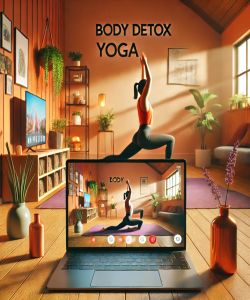
1. Overview of Body Detox Yoga
Body Detox Yoga is a specialised and rigorous discipline engineered to support and amplify the body's intrinsic purification processes through a systematic application of yogic techniques. It is not a passive or gentle practice; rather, it is an assertive methodology that integrates specific physical postures (asanas), controlled breathing exercises (pranayama), and focused meditative states to stimulate the circulatory, digestive, and lymphatic systems. The fundamental premise of this practice is that targeted physical manipulation, combined with profound respiratory control, can facilitate the elimination of metabolic by-products and environmental toxins, thereby restoring systemic equilibrium and enhancing physiological vitality. This discipline is distinct from general yoga practice in its explicit and uncompromising focus on purification. It systematically employs twisting postures to massage the abdominal organs, inversions to alter circulatory dynamics and encourage lymphatic drainage, and dynamic sequences to generate internal heat, which promotes perspiration. The practice demands significant mental and physical fortitude, compelling the practitioner to move beyond mere physical exercise into a realm of deep internal cleansing. It is a holistic system where every movement, every breath, and every moment of stillness is purposefully directed towards achieving a state of corporeal and mental clarity, free from the burdens of accumulated physical and energetic stagnation. This is a formidable practice for individuals committed to taking decisive action in the pursuit of optimal well-being.
2. What are Body Detox Yoga?
Body Detox Yoga constitutes a modern, purpose-driven application of ancient yogic principles aimed squarely at enhancing the body's natural detoxification pathways. It is a structured system that deliberately selects and sequences yogic practices for their perceived cleansing effects on the internal organs and systems. This is not a distinct, historical lineage of yoga but rather a contemporary categorisation of practices drawn from various schools, primarily Hatha and Vinyasa yoga, and organised around the central theme of purification. The core components of this practice are threefold and work in powerful synergy.
Firstly, it involves a specific selection of Asanas (Physical Postures). These are not chosen for their aesthetic value but for their physiological impact. The sequence is dominated by:
-
Twisting Poses: Asanas such as Ardha Matsyendrasana (Half Lord of the Fishes Pose) are utilised to compress and then release abdominal organs like the liver and kidneys, a 'squeeze-and-soak' action purported to flush out stagnant blood and stimulate fresh, oxygenated flow.
-
Forward Folds and Compressions: Poses like Paschimottanasana (Seated Forward Bend) are used to massage the digestive tract, aiding peristalsis and elimination.
-
Inversions: Postures ranging from Sarvangasana (Shoulder Stand) to simple legs-up-the-wall poses are employed to reverse the effects of gravity, stimulating the lymphatic system—a critical component of the body's immune and cleansing network—and enhancing venous return.
Secondly, a significant emphasis is placed on Pranayama (Breath Control). Techniques such as Kapalabhati (Skull Shining Breath) and Bhastrika (Bellows Breath) are integral. These are vigorous breathing exercises designed to oxygenate the blood, increase carbon dioxide expulsion, and generate internal heat (tapas), further supporting the cleansing process.
Finally, the practice incorporates Meditation and Intention (Dhyana and Sankalpa). A clear, focused intention on purification is considered essential to direct the body's energy towards the goal of cleansing, reducing the physiological impact of stress, which is itself regarded as a form of internal toxicity. In essence, Body Detox Yoga is a potent, integrated system for profound internal housekeeping.
3. Who Needs Body Detox Yoga?
-
Sedentary Professionals and Individuals with Postural Imbalances: Those confined to desk-bound roles for extended periods often suffer from compromised circulation, lymphatic stagnation, and chronic muscular tension in the back and shoulders. This practice is imperative for them to counteract the debilitating effects of a static lifestyle, actively stimulating fluid movement and releasing deep-seated physical restrictions.
-
Individuals Experiencing Systemic Sluggishness and Fatigue: Persons reporting persistent feelings of lethargy, mental fog, and low energy, which are not attributable to a specific medical diagnosis, require this discipline. The practice is designed to invigorate the entire system, enhance metabolic function, and improve oxygenation, thereby directly combating feelings of inertia and revitalising both mind and body.
-
Practitioners Seeking to Deepen Their Mind-Body Connection: Individuals who have a foundational yoga practice but wish to explore a more profound and purposeful application of its techniques will find this discipline necessary. It demands a heightened level of internal awareness and control, compelling the practitioner to move beyond superficial physical execution and engage with the subtle physiological processes of the body.
-
Those Exposed to High-Stress Environments: Chronic stress floods the body with hormones like cortisol, which can disrupt digestive, immune, and metabolic functions. This practice is essential for such individuals as it combines physically challenging sequences with calming pranayama and meditation, directly addressing both the physical and neurological symptoms of stress and facilitating a return to homeostatic balance.
-
Individuals Committed to Proactive Wellness and Preventative Health: Proactive individuals who understand that optimal health is not merely the absence of disease but a state of vibrant well-being need this practice. It serves as a powerful, regular maintenance tool, assisting the body in efficiently managing its metabolic waste and mitigating the impact of environmental stressors before they accumulate and manifest as dysfunction.
4. Origins and Evolution of Body Detox Yoga
The concept of "Body Detox Yoga" as a distinct, branded practice is a thoroughly modern phenomenon, born from the confluence of twentieth-century wellness culture and the Western popu larisation of yoga. It has no direct, unbroken lineage to a single ancient text or school that named it as such. However, its foundational principles are deeply rooted in the ancient, classical traditions of Hatha Yoga and its sister science, Ayurveda. The origins are therefore not of a name, but of its core methodologies.
The classical Hatha Yoga texts, such as the Hatha Yoga Pradipika and the Gheranda Samhita, explicitly detail a series of purification techniques known as the Shatkarmas or Shatkriyas (the six actions). These are rigorous cleansing practices designed to purify the entire physical and energetic body in preparation for higher states of yogic practice. They include techniques for cleansing the nasal passages (Neti), the digestive tract (Dhauti), and the abdominal organs (Nauli). These ancient practices represent the philosophical bedrock of yogic purification, establishing the principle that a clean, balanced body is a prerequisite for a clear mind and spiritual progress. It is from this uncompromising emphasis on internal cleansing that the modern concept of detox yoga draws its primary inspiration.
The evolution from these specific, often extreme, kriyas to the modern asana-based practice occurred primarily in the West. As yoga transitioned from a spiritual discipline for a select few into a mainstream wellness modality, its more accessible elements—asanas and pranayama—were re-contextualised to meet contemporary demands. The wellness movement of the late twentieth and early twenty-first centuries, with its focus on combating environmental toxins, poor dietary habits, and chronic stress, created a fertile ground for a practice that promised "detoxification."
Yoga instructors and studios began to curate specific sequences of asanas—particularly twists, compressions, and inversions—that were believed to mechanically stimulate the organs of elimination. They integrated vigorous Vinyasa flows to induce sweating and powerful pranayama techniques like Kapalabhati, marketing the combination as "Detox Yoga." This evolution represents a shift from the original, spiritually-oriented Shatkarmas to a more physiologically-focused, accessible, and marketable system tailored for a modern audience concerned with physical health and vitality. It is an adaptation, a re-packaging of ancient principles for a new context and a new set of perceived needs.
5. Types of Body Detox Yoga
While not a formally codified system with ancient lineages, the modern application of Body Detox Yoga can be categorised into several distinct types based on methodology, intensity, and primary focus. Each type utilises the core principles of purification but adapts the approach to suit different objectives and practitioner capabilities.
-
Dynamic Vinyasa Detox Flow: This is a vigorous and athletic type of practice characterised by the continuous, flowing movement between postures, synchronised with the breath. The primary mechanism for detoxification here is the generation of intense internal heat (tapas), leading to profuse sweating, which is considered a primary channel for eliminating toxins. The sequences are complex and physically demanding, incorporating numerous twisting postures, core work, and dynamic transitions to elevate the heart rate, boost metabolism, and vigorously stimulate the circulatory system. This type is for practitioners with a solid level of fitness and yoga experience.
-
Hatha-Based Deep Twists and Holds: This approach is more static and methodical than Vinyasa. It focuses on entering specific detoxifying postures—such as deep twists, forward folds, and abdominal compressions—and holding them for extended periods. The emphasis is less on cardiovascular intensity and more on the sustained, deep mechanical pressure applied to the internal organs. This 'squeeze-and-soak' method is believed to methodically wring out stagnant fluid from the organs, encouraging a subsequent influx of fresh, oxygenated blood upon release. It is a deeply introspective and physically intense practice that demands patience and focus.
-
Restorative Lymphatic Stimulation: This is the gentlest form, yet it remains potent in its objectives. It utilises extensive props such as bolsters, blocks, and blankets to support the body in passive, gentle inversions and supported twists. The goal is not muscular effort but complete relaxation within a posture that encourages a specific physiological response. The primary target is the lymphatic system. By placing the body in supported poses like Viparita Karani (Legs-Up-the-Wall Pose) for long durations, this practice facilitates passive lymphatic drainage without stressing the cardiovascular system, making it suitable for all levels, particularly those seeking recovery and stress reduction.
-
Heated-Room Detox Practice: This type involves performing a sequence, often a Vinyasa or Hatha style, in a room heated to a high temperature and humidity. The external heat is a catalyst, designed to accelerate the onset of sweating and deepen the stretch of muscles. The detoxification claim here is twofold: elimination of toxins through sweat and a deeper muscular and fascial release, which is believed to free stored toxins from the tissues. This is an extremely intense and demanding practice requiring rigorous attention to hydration and physical limits.
6. Benefits of Body Detox Yoga
-
Enhanced Function of Digestive and Eliminatory Organs: The systematic application of deep twisting and compression postures directly massages the abdominal organs, including the liver, kidneys, spleen, and intestines. This mechanical stimulation improves blood flow to these organs, supports their intrinsic functions, and encourages more efficient processing and elimination of metabolic waste.
-
Stimulation of the Lymphatic System: Unlike the circulatory system, the lymphatic system lacks a central pump. Its movement relies on muscular contraction and gravity. The inclusion of dynamic sequences and, crucially, inversions, directly facilitates lymphatic drainage. This is imperative for immune function, as the lymphatic system is responsible for transporting immune cells and removing cellular debris and toxins.
-
Improved Circulatory Efficiency: Dynamic flows and postures that alternate between compression and release enhance venous return and overall circulation. This ensures that oxygen and vital nutrients are delivered more effectively to all bodily tissues, whilst simultaneously improving the transport of waste products away from the cells for processing and removal.
-
Regulation of the Nervous System: The practice demands a profound connection between breath and movement. The deliberate use of specific pranayama techniques, alongside focused meditation, directly down-regulates the sympathetic nervous system (fight-or-flight response) and activates the parasympathetic nervous system (rest-and-digest). This mitigates the corrosive physiological effects of chronic stress.
-
Increased Respiratory Capacity and Efficiency: Vigorous breathing exercises such as Kapalabhati and Bhastrika strengthen the diaphragm and intercostal muscles. This leads to a more profound and efficient gas exchange in the lungs, maximising oxygen uptake and ensuring the complete expulsion of carbon dioxide, a primary metabolic waste product.
-
Heightened Proprioception and Interoceptive Awareness: The intense focus required to execute these postures safely and effectively cultivates a deep awareness of the body's position in space (proprioception) and its internal state (interoception). This enhanced mind-body connection is fundamental to recognising and responding to the body's needs, preventing the build-up of tension and imbalance.
-
Promotion of Cutaneous Elimination: Practices that generate significant internal heat or are performed in a heated environment induce perspiration. Whilst primarily a thermoregulatory function, sweating does provide a secondary route for the elimination of certain metabolic by-products and environmental compounds from the body through the skin.
7. Core Principles and Practices of Body Detox Yoga
-
Sankalpa (Purposeful Intention): Before the physical practice commences, the practitioner must establish a clear and unwavering intention focused on purification and release. This is not a passive wish but a powerful, active resolve that directs the entirety of one's energy and focus throughout the session. Every posture and every breath is then infused with this guiding principle, transforming the practice from mere physical exercise into a potent ritual of cleansing.
-
Tapas (Disciplined Heat Generation): This principle refers to the disciplined generation of internal heat through rigorous physical effort and powerful breathwork. Tapas is the transformative fire that burns away physical and energetic impurities. It is cultivated through dynamic Vinyasa sequences, sustained postural holds, and vigorous pranayama. This internal heat is considered essential for stimulating metabolism, inducing perspiration, and dissolving deep-seated blockages.
-
Vinyasa Krama (Intelligent Sequencing): The postures within a Body Detox Yoga session are not arranged randomly. They follow a specific, intelligent sequence (Vinyasa Krama) designed to maximise physiological benefits. The practice will typically build in intensity, moving from gentle warm-ups to deep twists, then to stimulating inversions, and finally to cooling, restorative postures. This methodical progression ensures the body is safely prepared for each stage of the cleansing process.
-
Asana as Physiological Manipulation: The physical postures (asanas) are executed not for aesthetic achievement but as precise tools for internal manipulation. Twists are performed to their safe maximum to 'wring out' the abdominal organs. Forward folds are used to compress the digestive system. Inversions are employed to reverse gravitational pull and flush the lymphatic and circulatory systems. The practitioner must engage with each pose as a targeted internal action.
-
Pranayama as a Cleansing Agent: Breath control (pranayama) is a central pillar, not an afterthought. Specific techniques are mandatory. Kapalabhati (Skull Shining Breath) is used for its powerful, expulsive action on the respiratory system and its stimulating effect on the abdominal organs. Bhastrika (Bellows Breath) is employed to fully oxygenate the blood and generate significant heat. Ujjayi (Victorious Breath) is maintained throughout the asana practice to build and retain heat and focus.
-
Apana Vayu (Downward-Flowing Energy): The practice places a strong emphasis on cultivating and directing Apana Vayu, the energetic current within the body that governs all processes of elimination, from the physical to the subtle. Poses that ground the body and focus on the lower abdomen, combined with specific breath retentions and locks (bandhas), are used to enhance this downward and outward flow, facilitating release on every level.
-
Savasana (Conscious Integration): The final resting pose, Savasana, is not optional; it is critical. After the intense stimulation and agitation of the practice, this period of mandatory, conscious stillness allows the nervous system to recalibrate. It is during this phase that the physiological benefits are integrated, and the body returns to a state of profound homeostatic balance, completing the purification cycle.
8. Online Body Detox Yoga
-
Uncompromising Accessibility and Autonomy: The online format dismantles geographical and logistical barriers. It grants the practitioner absolute autonomy over their schedule, enabling the integration of this rigorous practice into demanding professional and personal lives without the need for travel. This accessibility ensures that consistency, a cornerstone of any effective discipline, can be maintained with military precision, independent of external constraints like studio timetables or location.
-
Creation of a Controlled, Private Environment: Practising online allows for the creation of a personal sanctuary, free from the perceived judgement, comparison, or distractions inherent in a group studio setting. This privacy is paramount for a practice focused on internal processes. It fosters a deeper level of introspection and allows the practitioner to engage fully with the sensations of their own body without the self-consciousness that can inhibit authentic practice and exploration of physical limits.
-
Direct Access to Specialised, Global Instruction: The digital platform provides access to elite, highly specialised instructors from around the globe, whose expertise might otherwise be geographically inaccessible. A practitioner is no longer limited to local options but can seek out and learn from a leading authority in the field of detox yoga, ensuring the instruction received is of the highest possible calibre and aligns perfectly with their specific goals.
-
Enhanced Personal Responsibility and Self-Discipline: The absence of a physically present instructor necessitates a heightened degree of personal accountability and self-discipline. The practitioner must become their own primary motivator and observer, cultivating a powerful sense of self-reliance. This forced development of internal discipline is not a drawback but a core benefit, strengthening the practitioner's resolve and mental fortitude, which are central tenets of the yoga tradition itself.
-
Cost and Resource Efficiency: Engaging with Body Detox Yoga online is an economically efficient endeavour. It eliminates recurring costs associated with studio memberships, travel, and parking. It allows the practitioner to utilise their own space and resources, making a consistent and high-quality practice financially sustainable over the long term. This pragmatic advantage ensures that commitment to the practice is not derailed by financial pressures.
9. Body Detox Yoga Techniques
This is a disciplined, step-by-step methodology. Each phase must be executed with precision and focus to achieve the desired physiological outcomes. Adherence to the sequence is not optional; it is integral to the practice's efficacy and safety.
-
Phase One: Centring and Breath Ignition (Sankalpa and Ujjayi Pranayama): Begin in a stable, seated position (Sukhasana or Virasana). The spine must be erect. Close the eyes and establish a clear, unwavering intention (Sankalpa) for the practice: purification and release. Initiate Ujjayi Pranayama (Victorious Breath) by creating a soft constriction at the back of the throat, making the breath audible. Maintain this breath throughout the entire physical practice to build and contain internal heat (Tapas). This phase is foundational and sets the tone for the entire session.
-
Phase Two: Abdominal Activation and Gentle Spinal Warm-up (Cat-Cow with Core Engagement): Transition to a tabletop position (hands and knees). Inhale to arch the spine, drawing the chest forward (Cow Pose). Exhale, rounding the spine forcefully towards the ceiling and drawing the navel in sharply towards the spine (Cat Pose). The exhalation must be powerful to begin stimulating the abdominal organs. Repeat this cycle with rhythmic intensity to warm the spinal column and begin the process of abdominal compression.
-
Phase Three: The Twisting Sequence (Parivrtta Trikonasana and Ardha Matsyendrasana): From a standing position, move into Parivrtta Trikonasana (Revolved Triangle Pose). This is a deep, standing spinal twist that compresses the side body and abdominal cavity. Hold with steady Ujjayi breath. Later in the practice, move to a seated position for Ardha Matsyendrasana (Half Lord of the Fishes Pose). This seated twist provides an even deeper, more targeted compression of the liver, spleen, and kidneys. The principle is to 'wring out' the organs, and the twist must be initiated from the base of the spine, not the neck.
-
Phase Four: Compressive Forward Folds (Paschimottanasana): From a seated position with legs extended, engage in Paschimottanasana (Seated Forward Bend). The objective here is not merely to touch the toes but to lengthen the spine on the inhale and fold from the hips on the exhale, bringing the abdomen into firm contact with the thighs. This action directly massages the entire digestive tract, stimulating peristalsis and aiding elimination.
-
Phase Five: Inversion for Lymphatic and Circulatory Flush (Viparita Karani): Move towards a wall. Lie on your back and extend the legs straight up the wall, bringing the hips as close to the wall as is comfortable. This is Viparita Karani (Legs-Up-the-Wall Pose). This passive inversion reverses the flow of gravity, powerfully encouraging lymphatic drainage from the lower extremities and enhancing venous blood return to the heart with minimal effort. Remain here in complete stillness, breathing deeply.
-
Phase Six: Mandatory Integration (Savasana): Conclude by lying flat on the back in Savasana (Corpse Pose). This is a non-negotiable phase. The body must be allowed to rest completely to integrate the profound physiological shifts that have occurred. This is where the nervous system recalibrates and the benefits of the practice are consolidated.
10. Body Detox Yoga for Adults
Body Detox Yoga is an exceptionally potent modality for the adult practitioner, addressing the specific physiological and psychological challenges that accumulate with age, professional responsibilities, and a sedentary lifestyle. For adults, the practice transcends mere physical fitness, becoming a critical tool for systemic maintenance and the proactive management of well-being. The adult body often contends with decreased metabolic efficiency, postural degradation from years of desk work or repetitive tasks, and the cumulative impact of chronic stress on the nervous and endocrine systems. This discipline directly confronts these issues. The emphasis on deep twisting postures systematically targets the abdominal organs, supporting digestive and eliminatory functions that can become sluggish over time. The inclusion of controlled inversions and dynamic flows is not for acrobatic display but serves the vital purpose of stimulating the lymphatic and circulatory systems, combating the stagnation that can lead to oedema, fatigue, and a compromised immune response. Furthermore, the mandatory focus on pranayama and mindfulness provides a powerful antidote to the mental load carried by most adults. It offers a structured method for shifting the nervous system from a state of high-alert, sympathetic dominance to a restorative, parasympathetic state, thereby mitigating the harmful effects of cortisol and adrenaline. The practice is adaptable; an experienced instructor can modify postures to accommodate common adult concerns such as joint sensitivity or lower back issues, ensuring that the profound benefits of the practice remain accessible without compromising physical integrity. It is, therefore, not simply a yoga class, but a sophisticated, results-oriented strategy for adult health optimisation.
11. Total Duration of Online Body Detox Yoga
The standard and optimal duration for a dedicated online Body Detox Yoga session is precisely 1 hr. This timeframe is not arbitrary; it is a meticulously structured period designed to allow for the full, unhurried, and effective execution of all necessary components of the practice. A session shorter than 1 hr would necessitate compromising the integrity of the sequence, potentially rushing through critical phases and diminishing the physiological benefits, whilst increasing the risk of injury. A significantly longer session risks physical exhaustion and mental fatigue, which would be counterproductive to the practice’s restorative goals. Within this 1 hr duration, the session is intelligently partitioned. The initial phase, comprising approximately ten to fifteen minutes, is devoted to centring, intention setting (Sankalpa), and foundational breathwork (Pranayama), which prepares the mind and body for the work ahead. The main body of the practice, lasting around thirty to thirty-five minutes, involves the vigorous execution of the core detoxifying sequence, including dynamic warm-ups, deep twists, compressions, and standing postures. The final fifteen to twenty minutes are critically reserved for the cool-down phase, which includes gentle counter-poses, a sustained inversion to facilitate lymphatic drainage, and, most importantly, a non-negotiable period of Savasana (Corpse Pose) for complete systemic integration and nervous system recalibration. The 1 hr structure is therefore a complete, self-contained therapeutic arc, providing sufficient time for stimulation, purification, and subsequent restoration, ensuring the practitioner emerges not depleted, but revitalised.
12. Things to Consider with Body Detox Yoga
Engaging in Body Detox Yoga demands a mature and informed perspective; it is a powerful practice that must be approached with respect for its intensity and purpose. It is imperative to understand that this discipline is a supportive modality, not a medical panacea. It is designed to enhance and support the body’s natural, existing detoxification systems—primarily the liver, kidneys, lymphatic system, and skin—not to act as a substitute for professional medical treatment or diagnosis for any condition. The term "detox" must be contextualised within a wellness framework, referring to the elimination of metabolic by-products and the mitigation of stress, rather than the purging of specific, named poisons in a clinical sense. Practitioners must prioritise hydration rigorously, as the practice, particularly heated variations, can induce significant fluid loss through perspiration. Dehydration is counterproductive to the cleansing process and poses a significant health risk. Furthermore, one must cultivate and honour an acute awareness of the body's limits. The line between a challenging, therapeutic edge and injurious strain is fine. The ego must be set aside; there is no merit in forcing a posture beyond the body’s safe capacity. Individuals with pre-existing medical conditions, particularly high blood pressure, glaucoma, spinal injuries, or those who are pregnant, must seek explicit clearance from a qualified medical professional before undertaking this or any other vigorous form of physical exercise. This practice is a tool, and like any powerful tool, its effectiveness and safety depend entirely upon the wisdom and prudence of its user.
13. Effectiveness of Body Detox Yoga
The effectiveness of Body Detox Yoga is contingent upon consistent practice, correct execution, and realistic expectations. Its efficacy should be measured not by unsubstantiated claims of purging specific environmental toxins, but by its observable and palpable impact on overall physiological function and subjective well-being. When performed correctly, the practice is exceptionally effective at enhancing the body’s own homeostatic and cleansing mechanisms. The targeted sequence of deep twists, compressions, and inversions mechanically stimulates the organs of the digestive and eliminatory systems, promoting improved motility and circulatory perfusion. This is not a speculative outcome; it is a direct consequence of physical manipulation. The stimulation of the lymphatic system through muscular contraction and inversion is a key area of its effectiveness, aiding in the crucial process of immune surveillance and waste removal. Furthermore, its profound impact on the autonomic nervous system is undeniable. The disciplined combination of vigorous asana with focused pranayama is a potent tool for mitigating the physiological cascade of chronic stress, effectively reducing the body's "stress load." Practitioners consistently report tangible results: increased energy levels, improved digestion, reduced bloating, enhanced mental clarity, and a greater sense of physical lightness and vitality. Therefore, the effectiveness of Body Detox Yoga is best understood as a holistic re-tuning of the body's systems, optimising their inherent functions to create a state of heightened health and resilience. It is a powerful discipline for those who execute it with integrity.
14. Preferred Cautions During Body Detox Yoga
The practice of Body Detox Yoga, whilst highly beneficial, demands an uncompromising adherence to specific and stringent cautions to ensure safety and prevent injury. This is a powerful discipline, and its intensity must be met with intelligence and restraint. It is absolutely imperative that practitioners avoid any sharp, ballistic, or forceful movements, particularly when entering or exiting deep twisting postures. The spine is a sophisticated structure, and any rotational movements must be initiated slowly and deliberately from the base, not forced from the neck or shoulders, to prevent vertebral or disc injury. Hydration is not a suggestion; it is a command. Adequate water intake before, and especially after, the practice is essential to support kidney function and replenish fluids lost through perspiration, thereby preventing the strain of dehydration. Individuals with untreated high blood pressure, glaucoma, or retinal issues must approach inversions with extreme caution or avoid them entirely, seeking modifications from a qualified instructor. The pressure changes in the head during inversion are significant and can exacerbate these conditions. Furthermore, this practice is contra-indicated during pregnancy, as deep twisting and abdominal compression can be harmful. Listening to the body is not a platitude but a critical safety directive. Any signal of sharp pain, dizziness, or nausea is a clear instruction to cease the posture immediately and rest. The ego has no place in this practice; pushing through pain is not a sign of strength but a failure of judgement that will invariably lead to harm.
15. Body Detox Yoga Course Outline
This course is structured as a progressive, four-week immersion designed to build knowledge and capacity systematically.
Week 1: Foundational Principles and Breath as a Purifier
-
Module 1.1: Introduction to the core philosophy of yogic purification (Saucha) and the role of intention (Sankalpa).
-
Module 1.2: Mastery of Ujjayi Pranayama (Victorious Breath) as the foundational breath for generating and containing internal heat.
-
Module 1.3: Introduction to and practice of Kapalabhati (Skull Shining Breath); focus on the forceful exhalation and passive inhalation as a primary abdominal and respiratory cleanser.
-
Module 1.4: Foundational Asana Practice: Sun Salutations (Surya Namaskar) integrated with Ujjayi, focusing on establishing the mind-body-breath connection.
Week 2: The Art of Twisting and Compression
-
Module 2.1: Anatomy and safe biomechanics of spinal twisting. Understanding contraindications and modifications.
-
Module 2.2: Standing Twisting Postures: In-depth practice of Revolved Triangle Pose (Parivrtta Trikonasana) and Revolved Side Angle Pose (Parivrtta Parsvakonasana).
-
Module 2.3: Seated Twisting Postures: Mastery of Half Lord of the Fishes Pose (Ardha Matsyendrasana) and Marichi's Pose C (Marichyasana C) for deep organ massage.
-
Module 2.4: Integrating twists into a dynamic flow sequence.
Week 3: Forward Folds, Heat Generation, and Elimination
-
Module 3.1: The role of forward folds and abdominal compression in stimulating the digestive system (Agni).
-
Module 3.2: Practice of intense forward folds: Seated Forward Bend (Paschimottanasana) and Head-to-Knee Pose (Janu Sirsasana).
-
Module 3.3: Introduction to core work (Navasana) to build the internal fire (Tapas) necessary for purification.
-
Module 3.4: Combining twists, folds, and core work into a peak Vinyasa sequence designed for maximum heat generation and stimulation.
Week 4: Inversions, Restoration, and Integration
-
Module 4.1: The physiology of inversions: Understanding their impact on the lymphatic and circulatory systems.
-
Module 4.2: Safe practice of foundational inversions: Legs-Up-the-Wall Pose (Viparita Karani) and supported Shoulder Stand (Salamba Sarvangasana).
-
Module 4.3: The critical role of the cool-down and counter-poses in restoring systemic balance.
-
Module 4.4: Mastery of Savasana (Corpse Pose) as the ultimate state for integrating the benefits of the practice and completing the detoxification cycle.
16. Detailed Objectives with Timeline of Body Detox Yoga
The objectives of this programme are precise and are expected to be met within the specified timeline. Progress is measured by demonstrated competency and physiological awareness.
-
By the End of Week 1 (Foundational Competency):
-
The practitioner will be able to articulate the core principle of Sankalpa (intention) and establish a clear, focused intention for each practice.
-
The practitioner will demonstrate the ability to sustain Ujjayi Pranayama continuously throughout a 30-minute asana sequence.
-
The practitioner will correctly execute three rounds of Kapalabhati Pranayama, demonstrating a clear distinction between the sharp, active exhalation and the passive inhalation.
-
By the End of Week 2 (Mastery of Twisting Mechanics):
-
The practitioner will demonstrate the ability to safely enter, hold for five breaths, and exit Parivrtta Trikonasana and Ardha Matsyendrasana, initiating the twist from the thoracic spine rather than the lumbar spine or neck.
-
The practitioner will be able to articulate the intended physiological effect of twisting postures on the abdominal organs.
-
The practitioner will successfully integrate three different twisting postures into a seamless Vinyasa flow without losing the connection to their Ujjayi breath.
-
By the End of Week 3 (Cultivation of Internal Heat):
-
The practitioner will hold Navasana (Boat Pose) for a minimum of 30 seconds, maintaining spinal integrity and controlled breathing, demonstrating the cultivation of Tapas.
-
The practitioner will demonstrate a deep understanding of abdominal compression in Paschimottanasana by making contact between the abdomen and thighs, prioritising this over reaching the feet.
-
The practitioner will successfully perform a 20-minute, non-stop Vinyasa sequence designed to induce perspiration and elevate the heart rate in a controlled manner.
-
By the End of Week 4 (Proficiency in Inversion and Integration):
-
The practitioner will demonstrate the safe setup and execution of a supported Sarvangasana (Shoulder Stand) using blankets, holding the pose steadily for a minimum of one minute.
-
The practitioner will be able to articulate the role of the lymphatic system and how inversions are utilised to support its function.
-
The practitioner will demonstrate the ability to remain in Savasana for ten minutes in complete stillness and silence, showing a mastery of the crucial integration phase of the practice.
17. Requirements for Taking Online Body Detox Yoga
Participation in an online Body Detox Yoga programme is not a passive activity. It demands that the practitioner meets a series of stringent requirements to ensure safety, efficacy, and the integrity of the practice. These are non-negotiable prerequisites.
-
Technical and Environmental Requirements:
-
A reliable, high-speed internet connection is mandatory. Buffering or disconnection is not only disruptive but can be dangerous if it occurs during a complex posture.
-
A functional device (laptop, tablet, or computer) with a screen large enough to clearly view the instructor's demonstrations without straining.
-
A dedicated, private, and uncluttered physical space of sufficient size to allow for a full range of movement without risk of collision or injury. This space must be free from interruptions and distractions for the full duration of the session.
-
Physical Equipment Requirements:
-
A high-quality, non-slip yoga mat is essential for stability and safety.
-
A set of standard yoga props is required for modifications and support. This includes at least two yoga blocks, a sturdy yoga strap, and one to two firm blankets or a bolster. Attempting the practice without these tools compromises safety and limits access to the full range of techniques.
-
Personal and Physiological Requirements:
-
A baseline level of physical fitness is assumed. This is not a programme for absolute beginners to physical exercise. Some prior experience with basic yoga or a similar movement discipline is strongly advised.
-
The practitioner must provide a declaration of being free from any of the major contraindicating medical conditions (e.g., untreated high blood pressure, glaucoma, spinal injury, pregnancy). If any such conditions exist, explicit written clearance from a qualified medical professional is required prior to commencement.
-
An unwavering commitment to personal responsibility is paramount. The practitioner must accept full accountability for their own safety, including the responsibility to listen to their body, rest when needed, and not push beyond their safe, individual limits.
18. Things to Keep in Mind Before Starting Online Body Detox Yoga
Before commencing an online Body Detox Yoga programme, it is imperative to adopt a mindset of rigorous self-discipline and informed awareness. This is not a passive viewing experience; it is an active, demanding practice that requires your full engagement. You must understand that the virtual environment places the primary responsibility for safety squarely upon your shoulders. The instructor cannot see you with the same clarity as in a physical studio and cannot provide hands-on adjustments. Therefore, you must commit to becoming your own most vigilant observer, moving with intelligence and an unwavering respect for your body's signals. Sharp pain is a directive to stop, not a challenge to be overcome. It is essential to curate your practice space meticulously. This means more than simply clearing a physical area; it means creating a sanctuary free from the digital and domestic distractions that will dilute your focus and compromise the integrity of the practice. Turn off phones, silence notifications, and inform others in your household that you are not to be disturbed. Furthermore, approach the practice with a clear understanding of its purpose. It is a system to support your body's innate wisdom, not a magic bullet. The benefits are cumulative and are directly proportional to the consistency and integrity you bring to the mat. You must be prepared to be patient, to work methodically, and to accept that progress is not always linear. This is a formidable discipline that requires and builds fortitude. Prepare accordingly.
19. Qualifications Required to Perform Body Detox Yoga
The instruction of Body Detox Yoga is a significant responsibility that demands a level of qualification far exceeding a superficial understanding of yoga postures. As "Body Detox Yoga" is not a protected, ancient lineage with a singular, formal certification, a practitioner seeking a qualified instructor must look for a robust combination of foundational training, specialised knowledge, and practical experience. An instructor's credibility is not established by their marketing but by their demonstrable expertise.
The absolute, non-negotiable baseline is a foundational yoga teacher certification. However, the level of this certification is critical. A minimum standard would be:
-
Registered Yoga Teacher (RYT® 200/500): A 200-hour certification is the bare minimum, but a 500-hour certification is strongly preferred. This ensures the instructor has a comprehensive understanding of asana, pranayama, anatomy, physiology, and yoga philosophy as recognised by a governing body like the Yoga Alliance.
Beyond this foundation, a truly qualified instructor must possess specialised knowledge relevant to the practice's intense physiological focus. This includes:
-
Advanced Anatomy and Physiology Training: The instructor must demonstrate a sophisticated understanding of the digestive, circulatory, and, crucially, the lymphatic systems. They must be able to articulate precisely why a certain posture is being used and what its intended mechanical and physiological effects are.
-
Knowledge of Kriya and Pranayama: The instructor must have received specific, advanced training in the powerful breathing techniques (pranayama) and cleansing actions (kriyas) that are central to this practice. Techniques like Kapalabhati or Bhastrika are potent and can be harmful if taught incorrectly.
-
Understanding of Contraindications and Modifications: A qualified instructor must be able to identify the significant risks associated with the practice for individuals with common health conditions and must be proficient in providing safe, effective modifications for every posture.
Finally, practical experience is paramount. A credible instructor will have a substantial history of both personal practice and teaching, with a clear focus on vigorous, alignment-based, and physiologically-informed yoga styles.
20. Online Vs Offline/Onsite Body Detox Yoga
The decision to engage with Body Detox Yoga in an online or offline format is a significant one, with distinct advantages and challenges inherent to each. A thorough understanding of these differences is essential for selecting the modality that best aligns with a practitioner’s needs, discipline, and objectives.
Online
The online environment offers unparalleled autonomy and accessibility. Its primary advantage is the elimination of all geographical and temporal constraints. The practitioner can access elite instruction from anywhere in the world, at any time, integrating a rigorous practice into a demanding schedule with maximum efficiency. This format fosters extreme self-reliance and discipline, as the onus of motivation, focus, and safety rests squarely on the individual. The privacy of an online session can be a significant benefit, removing the potential for distraction or self-consciousness that may arise in a group setting and allowing for a more deeply introspective experience. Furthermore, the online modality is typically a more cost-effective solution, removing expenses related to studio fees and travel. However, its principal drawback is the absence of direct, physical feedback. The instructor cannot provide hands-on adjustments, and their ability to observe subtle misalignments through a screen is limited, increasing the need for the practitioner’s own bodily awareness.
Offline/Onsite
The offline, or onsite, experience in a physical studio provides a different set of powerful advantages. The most significant of these is the direct presence and guidance of the instructor. A qualified teacher can provide immediate, tactile feedback and hands-on adjustments, correcting alignment in real-time to enhance efficacy and, crucially, prevent injury. The dedicated studio environment is specifically designed to be a sanctuary for practice, free from the domestic and digital distractions that can plague an at-home session. There is also the energetic component of a group setting; practicing alongside other committed individuals can foster a sense of community and shared purpose that can be highly motivating. The primary disadvantages are logistical. The practitioner is bound by the studio’s fixed schedule and location, which demands a greater commitment of time for travel and less overall flexibility. The cost is also invariably higher than online alternatives.
21. FAQs About Online Body Detox Yoga
Question 1. Is this practice suitable for complete beginners? Answer: No. Online Body Detox Yoga is an intense discipline. A baseline of physical fitness and prior experience with foundational yoga postures is strongly recommended to ensure safety and an understanding of basic alignment.
Question 2. What does "detox" actually mean in this context? Answer: It refers to supporting the body's natural purification systems—the liver, kidneys, lymph, and digestive tract—through specific physical postures and breathing techniques. It is not a medical procedure for removing specific poisons.
Question 3. Do I need any special equipment? Answer: Yes. A non-slip yoga mat, two yoga blocks, a strap, and a blanket are considered mandatory for safety, support, and proper modification.
Question 4. How is this different from a regular online Vinyasa class? Answer: The difference lies in its explicit and targeted intention. Every posture and technique is specifically chosen for its perceived cleansing effect, particularly deep twists and compressions, which may be less emphasised in a general flow class.
Question 5. Can I practise this if I have a bad back? Answer: You must consult a medical professional first. While some postures can help, deep twisting can exacerbate certain spinal conditions. Professional clearance is non-negotiable.
Question 6. Will I lose weight? Answer: While weight loss may be a secondary outcome due to the practice's vigorous nature and potential to boost metabolism, its primary goal is systemic purification and enhanced physiological function, not weight reduction.
Question 7. How often should I do this practice? Answer: For tangible benefits, a consistent practice of two to three times per week is recommended. Daily practice is not advised, as the body needs time to rest and integrate.
Question 8. What if I feel dizzy during an inversion? Answer: You must come out of the posture immediately and safely. Dizziness is a clear signal from your body to stop. Rest until it passes completely.
Question 9. Is it safe to practise in a heated room at home? Answer: This is strongly discouraged without professional supervision. The risk of overheating and dehydration is significantly increased, and it is unsafe to do alone.
Question 10. Can I eat before a session? Answer: It is imperative to practise on an empty stomach. Wait at least two to three hours after a full meal. A full stomach will cause significant discomfort during twisting and compression poses.
Question 11. What is Kapalabhati breath? Answer: It is a powerful pranayama technique involving forceful, sharp exhalations and passive inhalations. It is a core cleansing technique in this practice.
Question 12. Why is Savasana (Corpse Pose) so important at the end? Answer: Savasana is mandatory for integration. It allows your nervous system to recalibrate after intense stimulation and for the physiological benefits of the practice to be absorbed by the body.
Question 13. I am not very flexible. Can I still do this? Answer: Yes. The goal is not extreme flexibility but the application of postures for internal effect. Props like blocks and straps are used to make the poses accessible regardless of flexibility.
Question 14. What if I can't keep up with the online instructor's pace? Answer: You must prioritise your own body over the instructor's pace. Rest when you need to. The advantage of online practice is the ability to pause and rejoin when ready. Your safety is paramount.
Question 15. Is this practice suitable during menstruation? Answer: It is generally advised to avoid deep inversions and strong abdominal work during the heaviest days of menstruation. A gentler practice is preferred during this time.
Question 16. What qualifications should my online instructor have? Answer: Look for a minimum of an RYT-200, preferably RYT-500, with additional, verifiable training in anatomy, physiology, and advanced pranayama.
Question 17. Will I feel sore afterwards? Answer: Mild muscle soreness (DOMS) is normal, especially when you are new to the practice. Sharp, joint-related pain is not normal and should be addressed.
22. Conclusion About Body Detox Yoga
In conclusion, Body Detox Yoga stands as a formidable and highly specialised discipline within the broader landscape of modern wellness. It must be understood not as a passive or restorative pursuit, but as a rigorous, proactive methodology for enhancing the body's intrinsic purification capabilities. Its efficacy is rooted in a potent synthesis of ancient yogic techniques—specifically selected asanas, powerful pranayama, and focused intention—re-contextualised to address contemporary health concerns such as sedentary lifestyles, chronic stress, and systemic sluggishness. The practice demands significant physical and mental commitment, compelling the practitioner to engage in a profound dialogue with their own physiology. It is a system that works by mechanically stimulating the organs of elimination, optimising circulatory and lymphatic flow, and calming the nervous system. When approached with intelligence, respect for its intensity, and unwavering consistency, Body Detox Yoga serves as a powerful tool for achieving a state of heightened vitality, mental clarity, and robust physical well-being. It is not a trend, but a testament to the enduring power of applying yogic science with precision and purpose. For the individual willing to undertake its challenges, the rewards are a tangible and profound sense of internal cleanliness and renewed energy.