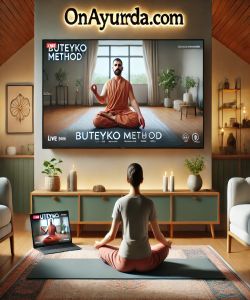
Overview of Buteyko Method
The Buteyko Method is a rigorous, physiologically-based system of breathing retraining designed to normalise aberrant respiratory patterns and restore optimal levels of carbon dioxide in the body. It operates on the fundamental premise that a multitude of chronic health conditions, particularly those of a respiratory and immunological nature, are direct consequences of chronic hidden hyperventilation—a state of habitual over-breathing. This is not about deep, forceful breaths, which the method posits as detrimental, but about correcting the resting breathing volume to align with metabolic requirements. Developed by Soviet physiologist Konstantin Buteyko, the discipline employs a series of targeted exercises and lifestyle modifications aimed at reducing breath volume, promoting consistent nasal breathing, and enhancing the body's tolerance to carbon dioxide. The core objective is to recalibrate the brain's respiratory centre, which in many individuals has become sensitised to carbon dioxide, thereby triggering an excessive breathing response. Practitioners are guided through a structured process to measure their progress, principally via the 'Control Pause' metric, which serves as a biomarker for breathing efficiency and overall health. The method is not a cure but a powerful self-management tool, demanding significant discipline and commitment from the individual. It fundamentally challenges conventional wisdom regarding 'deep breathing' and instead champions the principle of quiet, calm, and physiologically efficient respiration as the cornerstone of robust health. The ultimate goal is the cessation of dysfunctional breathing habits, leading to a marked reduction in symptoms and an enhanced state of physiological equilibrium. This is a demanding yet potentially transformative approach to health management, rooted in the uncompromising principles of respiratory science.
What are Buteyko Method?
The Buteyko Method constitutes a specific form of complementary therapy focused on the normalisation of human breathing patterns. At its core, the method identifies chronic hyperventilation, or over-breathing, as a primary pathogenic factor in a wide array of health disorders. This is not necessarily the dramatic, overt gasping associated with panic attacks, but a subtle, habitual pattern of breathing in excess of the body's metabolic needs. This excessive ventilation leads to a depletion of carbon dioxide (CO2) in the alveoli of the lungs, a condition known as hypocapnia. Contrary to popular misconception, CO2 is not merely a waste product; it is a vital regulator of numerous physiological processes. It is essential for the release of oxygen from haemoglobin to the tissues and organs (the Bohr effect), and it acts as a natural relaxant for the smooth muscle lining the airways and blood vessels. Consequently, a chronic deficiency in CO2 can lead to bronchospasm, vasoconstriction, and reduced oxygenation of tissues, creating a self-perpetuating cycle of dysfunction. The Buteyko Method, therefore, is a strategic intervention designed to break this cycle. It consists of a series of specific breathing exercises and lifestyle guidelines aimed at reducing the overall volume of air breathed per minute. The primary techniques involve teaching individuals to maintain strictly nasal breathing, to engage the diaphragm correctly, and to practise 'reduced breathing' exercises, which gently create a tolerable sensation of 'air hunger'. This process systematically recalibrates the respiratory centre in the brain, increasing its tolerance to CO2 and thereby establishing a new, healthier, and more efficient baseline breathing pattern. It is an educative, self-regulatory system demanding active participation.
Who Needs Buteyko Method?
Individuals diagnosed with bronchial asthma and other chronic respiratory conditions who seek a non-pharmacological adjunct or alternative to conventional management. This includes those experiencing exercise-induced asthma, nocturnal asthma, and persistent coughing.
Persons suffering from chronic rhinitis, sinusitis, and persistent nasal congestion. The method’s unwavering emphasis on nasal breathing is specifically designed to address and alleviate inflammation and obstruction of the nasal passages.
Individuals afflicted by anxiety disorders, panic attacks, and chronic stress. The practice directly counters the physiological driver of these states—hyperventilation—and promotes autonomic nervous system regulation, fostering a state of calm.
Those experiencing sleep-disordered breathing, including habitual snoring and diagnosed obstructive sleep apnoea. Normalising daytime breathing patterns is foundational to correcting respiratory dysfunction during sleep.
Athletes and individuals engaged in strenuous physical activity who wish to enhance their performance, stamina, and recovery. The method optimises oxygen delivery to muscles and improves respiratory efficiency under load.
Persons with dental and orthodontic issues linked to mouth breathing, such as malocclusion or developmental abnormalities of the jaw and facial structures. Correcting the breathing pattern is a prerequisite for lasting orthodontic success.
Individuals suffering from chronic fatigue syndrome and related conditions where inefficient oxygenation and autonomic dysregulation are considered contributing factors.
Anyone exhibiting the common symptoms of chronic hidden hyperventilation, which include frequent sighing or yawning, breathlessness, chest tightness, light-headedness, cold hands, and poor concentration.
Proactive individuals who recognise the foundational role of correct breathing in preventative health and wish to master a skill for lifelong wellness, resilience, and physiological self-regulation.
Origins and Evolution of Buteyko Method
The Buteyko Method originated in the Soviet Union during the 1950s, the product of intensive research by the Ukrainian-born physician and scientist, Dr Konstantin Pavlovich Buteyko. While working as a clinical physician, Buteyko observed a direct correlation between the depth and rate of his patients' breathing and the severity of their illness. He hypothesised that, contrary to prevailing medical belief, it was not a lack of oxygen but a deficiency of carbon dioxide, caused by chronic over-breathing (hyperventilation), that was the root cause of conditions like asthma and hypertension. This radical idea formed the bedrock of his life's work.
His initial investigations were conducted within the confines of Soviet state-run medical institutions. He developed a set of breathing exercises designed to retrain patients to breathe less, thereby allowing carbon dioxide levels to normalise. Central to his methodology was the development of the 'Control Pause', a simple diagnostic tool to measure an individual’s level of hyperventilation. For years, his work was met with deep scepticism and outright hostility from the Soviet medical establishment, which was heavily reliant on pharmacological interventions. His methods were seen as unconventional and unsubstantiated.
Despite this official resistance, Buteyko and his small team of dedicated doctors persisted, achieving remarkable results with patients who had been failed by conventional treatments. Word of these successes spread, and by the 1980s, the Buteyko Method gained a degree of official recognition within the USSR following a successful state-sponsored clinical trial for asthma. With the fall of the Soviet Union, the method began its migration to the West. In the early 1990s, practitioners trained by Buteyko introduced the technique in Australia, where it quickly gained traction, particularly after a successful televised trial. From there, it spread to the United Kingdom, Europe, and North America, evolving from a fringe Soviet therapy into a globally recognised approach for managing respiratory and other chronic conditions, supported by a growing body of clinical evidence.
Types of Buteyko Method
Classical Buteyko Method: This is the original, unadulterated form of the method as developed by Dr Konstantin Buteyko. It is characterised by its rigorous, often intense application of reduced breathing and pauses. The focus is uncompromisingly on achieving specific 'Control Pause' targets. This approach is typically taught by practitioners who trained directly under Dr Buteyko or his immediate protégés and adhere strictly to his original protocols, which can be demanding for the participant.
Buteyko Clinic International (BCI) Method: Popularised by Patrick McKeown, this is a modernised and often more accessible adaptation of the classical method. While retaining all the core principles of nasal breathing, reduced breathing, and CO2 tolerance, the BCI approach places a significant emphasis on practical application for modern lifestyles, including specific programmes for athletes (Oxygen Advantage®), children, and those with anxiety. It tends to introduce the concepts and exercises in a more graduated and gentler manner than the classical approach.
Buteyko Breathing Association (BBA) Approach: This represents a UK-centric standardisation of the Buteyko Method. The BBA was formed to ensure high standards of training and practice among UK practitioners. While individual practitioners may have different styles, the BBA approach ensures a consistent curriculum based on the core tenets of Buteyko's discovery. It often integrates the method within a broader context of holistic health, while maintaining fidelity to the foundational principles of breathing normalisation.
Clinical Buteyko: This refers to the application of Buteyko principles by medically qualified professionals such as physiotherapists, respiratory therapists, or doctors. In this context, the Buteyko exercises are often integrated into a comprehensive medical treatment plan. The delivery is tailored to the specific clinical condition of the patient and is documented and monitored according to conventional medical standards. This type often involves collaboration with the patient’s primary physician.
Benefits of Buteyko Method
Normalisation of Respiratory Function: Systematically reduces chronic hyperventilation, leading to a calmer, more efficient, and physiologically appropriate breathing pattern, thereby decreasing breathlessness and respiratory distress.
Significant Reduction in Asthma Symptoms: Leads to a decreased frequency and severity of asthma attacks, reduced nocturnal awakenings, and a substantially lower reliance on reliever and preventer medications.
Alleviation of Nasal Congestion: The mandatory practice of nasal breathing, coupled with specific decongestion exercises, effectively reduces inflammation and clears chronic rhinitis and sinusitis.
Improved Sleep Quality: Addresses respiratory disturbances during sleep, such as snoring and sleep apnoea, by correcting daytime breathing patterns, leading to more profound and restorative sleep.
Enhanced Autonomic Nervous System Regulation: Calms the 'fight or flight' response by correcting the physiological trigger of hyperventilation, resulting in a marked reduction in anxiety, panic disorders, and overall stress levels.
Increased Oxygenation of Tissues: By normalising CO2 levels, the method enhances the release of oxygen from haemoglobin to the body’s cells and organs (the Bohr effect), improving overall cellular function and energy levels.
Improved Cardiovascular Health: The reduction of hyperventilation-induced vasoconstriction can contribute to the normalisation of blood pressure and improved circulation.
Enhanced Athletic Performance: Increases respiratory efficiency, delays the onset of lactic acid build-up, and improves oxygen delivery to working muscles, leading to greater stamina, endurance, and faster recovery times.
Empowerment and Self-Management: Equips individuals with a powerful, non-pharmacological tool to control their symptoms and actively manage their health, fostering a sense of autonomy and reducing dependence on external interventions.
Core Principles and Practices of Buteyko Method
The Principle of Normalisation: The ultimate objective is not to teach a specific breathing technique for temporary use, but to permanently retrain the body’s automatic breathing pattern to a physiologically normal level. This involves recalibrating the respiratory centre in the brain to tolerate higher levels of carbon dioxide.
The Centrality of Carbon Dioxide (CO2): Contrary to the common perception of it as a mere waste gas, CO2 is recognised as a vital metabolic regulator. The method is founded on the scientific principle that chronic CO2 deficiency (hypocapnia) from over-breathing is a primary cause of smooth muscle spasm and reduced oxygen delivery.
Strictly Nasal Breathing: All breathing, at all times, including during sleep and physical exertion, must be performed through the nose. The nose warms, filters, and humidifies incoming air, and promotes the production of nitric oxide, a potent bronchodilator and vasodilator. Mouth breathing is treated as a serious dysfunction to be eliminated.
Reduced Breathing (RB) Practice: This is the cornerstone exercise. It involves consciously and gently reducing the volume of air inhaled to create a tolerable and stable sensation of 'air hunger'. This practice directly challenges the habit of hyperventilation and builds CO2 tolerance over time.
Relaxation of the Diaphragm and Respiratory Muscles: All exercises must be performed without tension. The individual learns to relax the diaphragm and accessory breathing muscles to achieve a calm, quiet, and effortless breathing pattern. Tension is counterproductive as it increases respiratory rate.
The Control Pause (CP) as a Bio-Marker: The CP is a crucial measurement taken throughout the training. It is the duration one can comfortably hold their breath after a normal, passive exhalation until the first definite desire to breathe. It provides an objective measure of CO2 tolerance and progress. A low CP indicates significant hyperventilation.
Lifestyle Integration: The principles must be applied to all aspects of daily life. This includes maintaining correct posture, breathing correctly during speech, managing diet to support stable breathing, and adapting physical exercise to maintain nasal breathing and control.
Online Buteyko Method
Unparalleled Accessibility and Convenience: Online delivery eradicates geographical barriers, providing individuals in remote or underserved locations access to highly qualified practitioners. It eliminates the need for travel, fitting seamlessly into demanding personal and professional schedules. Sessions can be conducted from any location with a stable internet connection, offering maximum flexibility.
Structured, Self-Paced Learning Environment: Digital platforms facilitate a highly structured learning experience. Course materials, instructional videos, and supplementary resources are typically available on demand, allowing participants to review complex concepts and practise exercises at their own pace. This reinforces learning and accommodates different learning styles more effectively than a time-limited, in-person session.
Consistent Monitoring and Objective Feedback: Modern online platforms enable robust tracking of progress. Participants can digitally log their 'Control Pause' measurements and other relevant metrics, which the practitioner can review remotely. This provides a continuous feedback loop, allowing for timely adjustments to the programme and ensuring the individual remains accountable and on track.
Enhanced Discretion and Comfort: For many, addressing health concerns is a private matter. The online format offers a discreet and comfortable environment, free from the potential self-consciousness of a group setting. Individuals can learn and practise in the familiarity of their own home, which can be more conducive to the relaxation required for the exercises.
Cost and Resource Efficiency: By removing the costs associated with travel, venue hire, and physical materials, online courses can often be delivered more cost-effectively. This financial efficiency makes the method accessible to a broader demographic. Furthermore, all course materials are typically digitised, reducing environmental impact and providing a permanent resource library for the participant.
Buteyko Method Techniques
Step 1: Establishing Baseline Measurement – The Control Pause (CP): Sit upright in a chair with a straight but relaxed posture. Breathe normally and calmly through the nose for several minutes. After a normal, passive exhalation (do not force air out), gently pinch the nose closed with your fingers and start a timer. Hold the breath only until you feel the first definite, involuntary contractions of your diaphragm or the first distinct urge to breathe. Release the nose and resume calm nasal breathing. The number of seconds you held your breath is your Control Pause. This is not a maximum breath-hold; it is a measure of comfortable breath-hold time.
Step 2: The Core Practice – Reduced Breathing (RB): Remain seated in a correct posture. Become aware of your natural breathing pattern. Now, consciously and gently reduce the depth of each inhalation, so you are breathing slightly less air than you feel you need. The aim is to create a mild, tolerable, and constant sensation of 'air hunger'. It is critical to maintain this reduced volume while keeping the respiratory muscles, particularly the diaphragm and upper chest, completely relaxed. There must be no tension. Practise this for several minutes at a time, ensuring your breathing remains quiet, calm, and exclusively through the nose.
Step 3: Nasal Decongestion Exercise: If the nose is blocked, sit upright. Take a small, silent breath in through the nose (if possible) and a small, silent breath out. Pinch the nose closed and hold the breath. While holding the breath, gently nod your head up and down or sway your body from side to side until you feel a strong urge to breathe. Release the nose and resume the calmest, quietest nasal breathing possible. Rest for a minute, breathing as little as possible, then repeat the cycle until the nasal passages clear.
Step 4: Integrating Reduced Breathing with Physical Activity: Begin by walking at a slow pace, ensuring your mouth is closed and all breathing is nasal. Synchronise your breathing with your steps. As you become comfortable, gradually increase your pace, while strictly maintaining nasal breathing. If you feel a strong urge to open your mouth, you have exceeded your current capacity. Slow down immediately to a pace where nasal breathing can be comfortably maintained. The goal is to gradually increase physical capacity while reconditioning the body to breathe correctly under load.
Buteyko Method for Adults
The application of the Buteyko Method for adults is a disciplined, educational process that demands commitment and intellectual engagement. It is not a passive treatment but an active retraining of a fundamental physiological function. For an adult, the journey begins with a comprehensive assessment of their existing breathing patterns and symptoms, benchmarked by the critical 'Control Pause' (CP) measurement. This provides an objective starting point and a clear metric for progress. The core of the practice involves the conscious and deliberate implementation of 'reduced breathing', an exercise that requires sustained focus to create a state of tolerable 'air hunger', thereby challenging the body's hypersensitivity to carbon dioxide. This is complemented by an unwavering commitment to exclusive nasal breathing, day and night, which can be a significant challenge for habitual mouth breathers. Adults are required to integrate these principles into all facets of life: maintaining correct posture to free the diaphragm, modifying speech patterns to reduce air loss, and adapting physical exercise to stay within the limits of nasal respiration. The process is one of unlearning deeply ingrained, dysfunctional habits and replacing them with physiologically optimal ones. It necessitates a high degree of self-awareness and personal responsibility. The practitioner acts as a guide and a technical expert, but the onus of daily practice and lifestyle modification rests entirely on the individual. Success is contingent on consistency and perseverance, as the recalibration of the autonomic nervous system is a gradual process. For the diligent adult, the method offers a powerful means of regaining control over their health, reducing dependency on medication, and achieving a profound and lasting state of physiological stability.
Total Duration of Online Buteyko Method
The total duration of a standard online Buteyko Method course is structured around a series of intensive, direct instructional sessions, complemented by a period of mandatory daily practice and subsequent support. A typical foundational course consists of several live or pre-recorded modules, with direct practitioner contact time often totalling five distinct sessions. Each of these core instructional sessions is meticulously designed to be approximately 1 hr in length. This focused 1 hr session is the cornerstone of the learning process, where new techniques are introduced, principles are explained in detail, and the practitioner provides direct feedback and guidance. Following this initial intensive phase, which may be spread over one to two weeks, the participant is then required to engage in a sustained period of independent daily practice. This subsequent phase is critical for the consolidation of new habits and the physiological adaptation to normalised breathing. The formal instruction is therefore contained within these specific sessions, but the overall commitment extends for several weeks or months of consistent application to achieve lasting results. The initial 1 hr sessions serve as the catalyst for a long-term change in physiological function, with ongoing support often provided via email or brief follow-up consultations to ensure the individual remains on a correct and effective trajectory. The concentrated instructional time is designed for maximum impact and knowledge transfer, empowering the individual to continue the practice autonomously.
Things to Consider with Buteyko Method
Embarking on the Buteyko Method necessitates a clear-eyed assessment of its demands and implications. This is not a passive therapy or a quick fix; it is a rigorous, self-regulatory discipline that requires unwavering commitment and significant lifestyle modification. Prospective participants must understand that the initial stages can be challenging. The core practice of 'reduced breathing' intentionally induces a sensation of 'air hunger', which can feel counterintuitive and uncomfortable, particularly for those with anxiety or severe respiratory distress. It is imperative that the method is learned from a properly qualified and experienced practitioner. Attempting to learn from unqualified sources or basic texts can lead to incorrect application of the techniques, which may be ineffective at best and, at worst, could exacerbate certain symptoms. Individuals on medication, particularly for asthma or hypertension, must not alter their prescribed dosage without explicit consultation and approval from their medical doctor. The Buteyko Method can lead to a rapid reduction in the need for certain medications, and this process must be managed professionally to avoid adverse events. Furthermore, the participant must be prepared to adopt exclusive nasal breathing at all times, including during sleep and physical exertion, which can represent a substantial behavioural challenge. The method's success is directly proportional to the consistency of practice. Sporadic effort will yield negligible results. It is a re-education of the autonomic nervous system, a process that demands patience, perseverance, and a genuine readiness to take full responsibility for one’s own health.
Effectiveness of Buteyko Method
The effectiveness of the Buteyko Method is most substantially documented in the context of asthma management, where it has been subjected to multiple clinical trials. The consensus from this body of research indicates that the method does not typically improve underlying lung function parameters, such as FEV1 (Forced Expiratory Volume in 1 second). However, it has been shown to be highly effective in reducing asthma symptoms and, most notably, in significantly decreasing the requirement for both reliever (bronchodilator) and preventer (corticosteroid) medications. This suggests that its primary mechanism of action is not a reversal of the core pathology of asthma, but an exceptional improvement in symptom control and a reduction in bronchial hyper-responsiveness. The method’s efficacy is predicated on the participant’s adherence to the programme; it is an active technique whose results are directly correlated with the diligence of practice. Beyond asthma, a growing body of anecdotal and preliminary clinical evidence supports its effectiveness for a range of conditions linked to dysfunctional breathing, including anxiety disorders, sleep apnoea, chronic rhinitis, and hypertension. By addressing the foundational issue of chronic hyperventilation, the method exerts a systemic effect, improving autonomic nervous system balance, enhancing tissue oxygenation via the Bohr effect, and reducing smooth muscle spasm. Its effectiveness, therefore, lies not in curing disease, but in correcting a fundamental physiological imbalance, thereby empowering the body to function more optimally and mitigating the symptoms of a wide spectrum of chronic conditions. The results are contingent upon correct instruction and consistent application.
Preferred Cautions During Buteyko Method
It is imperative to approach the Buteyko Method with stringent discipline and an awareness of specific contraindications and necessary precautions. This method must not be undertaken by individuals with certain severe and unstable medical conditions, including uncontrolled hypertension, recent stroke or heart attack, malignant arrhythmia, or acute-stage psychiatric illness, without explicit clearance from their treating physician. Pregnant individuals should only practise a significantly modified and gentler version of the method under the supervision of a practitioner highly experienced in this specific cohort. The core exercises, particularly those involving breath holds and strong 'air hunger', must be modified or avoided entirely in such cases. For individuals with diabetes, it is critical to monitor blood glucose levels closely, as the changes in autonomic nervous system function and blood chemistry can influence glycaemic control. The most critical caution pertains to medication adjustment: under no circumstances should an individual unilaterally reduce or cease prescribed medications, especially for asthma, hypertension, or cardiac conditions. Any reduction in medication must be a gradual process, conducted in strict collaboration with the prescribing medical doctor, guided by objective improvements and symptomatic relief. The practice of 'reduced breathing' must never be pushed to the point of dizziness, significant stress, or panic; the sensation of 'air hunger' must remain tolerable and controlled. The method is a gentle re-trainer, not a forceful intervention. Finally, learning from a certified practitioner is not merely recommended; it is an absolute prerequisite for safe and effective application. Unsupervised practice based on incomplete information is strongly discouraged.
Buteyko Method Course Outline
Module 1: Foundational Theory and Initial Assessment
Introduction to the physiology of breathing and the pathophysiology of chronic hyperventilation.
Explanation of the role of carbon dioxide and the Bohr effect.
Detailed instruction on how to accurately measure the Control Pause (CP) as a baseline diagnostic.
Identification of individual dysfunctional breathing habits (e.g., mouth breathing, sighing, upper chest breathing).
Module 2: Core Technique – Reduced Breathing (RB)
Step-by-step instruction in the primary exercise of Reduced Breathing (or Very Light Breathing).
Guidance on achieving a tolerable and sustained state of 'air hunger' without muscular tension.
Practice session with direct practitioner feedback on posture and technique.
Establishing a daily practice schedule.
Module 3: Management of Symptoms and Nasal Health
Techniques for arresting acute symptoms such as coughing fits, wheezing, or panic attacks using breath control.
Instruction in the specific exercise for clearing nasal congestion and promoting permanent nasal breathing.
Strategies for maintaining nasal breathing during sleep.
Module 4: Integration into Daily Life and Physical Activity
Application of Buteyko principles during daily activities: speaking, eating, and walking.
The crucial relationship between posture and efficient breathing.
Guidance on how to modify physical exercise to maintain strict nasal breathing and use it as a training tool to improve CO2 tolerance.
Introduction to the Steps exercise.
Module 5: Advanced Practices and Long-Term Strategy
Introduction to extended pauses and advanced Reduced Breathing exercises for experienced practitioners.
Discussion of dietary and lifestyle factors that influence breathing patterns.
Developing a long-term personal plan for maintaining progress and achieving health goals.
Final review of progress, troubleshooting common challenges, and establishing a sustainable lifelong practice.
Detailed Objectives with Timeline of Buteyko Method
Week 1: Foundation and Habit Interruption.
Objective: To comprehend the core theory of chronic hyperventilation and establish a baseline Control Pause (CP). To cease all mouth breathing and establish 100% nasal breathing during waking hours.
Timeline: By day 3, the individual must be able to accurately measure their CP. By day 7, they must have eliminated conscious mouth breathing and be consistently practising the basic Reduced Breathing (RB) exercise for prescribed periods daily.
Weeks 2-3: Consolidation and Symptom Control.
Objective: To increase the morning CP by a demonstrable and consistent margin. To master the techniques for managing acute symptoms (e.g., cough, wheeze) as they arise.
Timeline: A consistent increase in the morning CP should be evident. The individual must be able to deploy symptom-control breathing techniques reflexively and effectively. Daily RB practice time is increased as per practitioner guidance.
Weeks 4-6: Integration into Physical Activity and Sleep.
Objective: To integrate correct breathing patterns into moderate physical activity, such as brisk walking, while maintaining strict nasal breathing. To successfully maintain nasal breathing throughout the night.
Timeline: The individual should be able to walk for a specified duration without resorting to mouth breathing. Evidence of improved sleep quality (e.g., reduced snoring, waking refreshed) should be apparent. The CP should continue its upward trend.
Months 2-3: Normalisation and Medication Review.
Objective: To achieve and stabilise a target CP level as determined by the practitioner, indicating a significant normalisation of the breathing pattern. To begin a medically supervised review of medication requirements.
Timeline: The morning CP should become stable at a significantly higher level. In consultation with their doctor, the individual may begin a carefully managed reduction of reliever and/or preventer medications, based on the sustained absence of symptoms.
Months 4-6 and Beyond: Autonomy and Advanced Application.
Objective: To have fully automated the new breathing pattern, making it the default, unconscious state. To maintain a high and stable CP with minimal formal practice.
Timeline: Correct, quiet, nasal breathing is now second nature. The individual is fully equipped to self-manage their condition, using the Buteyko techniques as a tool for lifelong health maintenance and can explore advanced applications for stress resilience and peak performance.
Requirements for Taking Online Buteyko Method
A Stable, High-Speed Internet Connection: Uninterrupted connectivity is non-negotiable. The practitioner must be able to clearly observe the subtle physical aspects of the participant’s breathing pattern and posture via live video. Lag, freezing, or poor-quality video will severely compromise the instructional quality.
A Functional Computing Device with a High-Quality Webcam and Microphone: A laptop, desktop computer, or large-format tablet is required. The webcam must be of sufficient resolution to provide a clear, well-lit image of the participant from the waist up. The microphone must transmit clear audio without distortion or significant background noise.
A Private, Quiet, and Undisturbed Environment: The participant must secure a physical space where they will not be interrupted for the full duration of each session. The environment must be free from distracting background noise, other people, or pets to allow for the intense focus required for the breathing exercises.
Appropriate Seating and Physical Space: The individual must have access to a firm, upright chair (not a soft sofa) that allows for correct posture. There must be adequate space around the chair for the practitioner to observe the participant's full upper body and for the participant to perform minor physical movements if required.
Commitment to Independent Practice: The online format necessitates a high degree of self-discipline. The participant must possess the personal commitment to perform the required daily breathing exercises and log their progress diligently without direct, in-person supervision between sessions.
Basic Technical Proficiency: The individual must be comfortable using video conferencing software (e.g., Zoom, Skype), managing their device’s camera and microphone settings, and accessing any online course materials or portals provided by the practitioner.
Medical Clearance: For individuals with significant pre-existing health conditions, documented clearance or an expression of non-objection from their primary healthcare physician is a mandatory prerequisite to ensure safety.
Things to Keep in Mind Before Starting Online Buteyko Method
Before commencing an online Buteyko Method course, it is crucial to understand that this format, while convenient, places a heightened degree of responsibility upon the participant. You must be prepared to be an active, not passive, learner. The practitioner’s inability to provide direct physical correction means your capacity for self-awareness and your ability to accurately interpret and implement verbal instructions are paramount. You must honestly assess your level of self-discipline; the success of the method hinges on consistent, daily practice undertaken independently between guided sessions. The digital environment demands that you create your own clinical space—a quiet, private, and professional setting free from all distractions. It is your responsibility to ensure your technology is robust and reliable, as technical failures disrupt the learning process and disrespect the practitioner’s time. Furthermore, you must be proactive in your communication. Any ambiguities in instruction, or any adverse or unexpected reactions to the exercises, must be reported to your practitioner immediately and clearly. The distance inherent in the online format makes transparent communication essential for safety and efficacy. Finally, recognise that while the core principles are universal, the online experience is different from an in-person one. You are trading the directness of physical presence for the flexibility of remote access, a trade-off that requires you to be more diligent, more focused, and more self-reliant to achieve the same powerful results. Your commitment level must compensate for the lack of physical proximity.
Qualifications Required to Perform Buteyko Method
The performance and instruction of the Buteyko Method must be restricted to individuals who have undergone rigorous, formal training and received certification from a recognised and reputable governing body. The title of 'Buteyko Practitioner' is not legally protected in most jurisdictions, making it incumbent upon the consumer to verify credentials with extreme prejudice. A qualified practitioner must possess more than a superficial understanding of the exercises; they require a deep and comprehensive knowledge of respiratory physiology, the pathophysiology of conditions the method addresses, and the precise biochemical mechanisms underpinning the technique. The required qualifications typically include:
Direct Training and Certification: The individual must have completed a comprehensive training programme from an established Buteyko organisation, such as Buteyko Clinic International (BCI) or the Buteyko Breathing Association (BBA). This training involves extensive theoretical study, practical application, and supervised clinical practice.
In-Depth Knowledge of Contraindications: A certified practitioner is trained to identify individuals for whom the method may be unsuitable or require significant modification. This includes understanding the risks associated with specific medical conditions and the importance of liaising with the client’s medical doctor.
Continuing Professional Development (CPD): Reputable practitioners are committed to ongoing education to remain current with emerging research and refinements to the method. Membership in a professional body often mandates a certain number of CPD hours annually.
Professional Indemnity Insurance: A practitioner must hold valid professional liability insurance. This is a hallmark of professionalism and provides a layer of protection for both the practitioner and the client.
It is critically insufficient for an individual to have simply read a book or attended a brief workshop. Proper qualification is the result of a dedicated, structured educational pathway that ensures the practitioner can deliver the method safely, effectively, and with the nuance required to tailor it to individual needs.
Online Vs Offline/Onsite Buteyko Method
Online
The online delivery of the Buteyko Method is defined by its accessibility and flexibility. It leverages digital technology to connect practitioners with clients irrespective of geographical location, making instruction available to those in remote areas or with mobility constraints. The format necessitates a high degree of client autonomy and self-discipline, as the practitioner cannot provide direct, physical feedback. Instruction is conveyed through verbal cues and visual demonstration via video link. This requires the client to be highly attuned to their own internal bodily sensations and to accurately implement the techniques based on verbal guidance. The online environment allows for convenient scheduling, eliminates travel time and costs, and provides a discreet learning setting within the client’s own home. Course materials are often provided in a digital format, creating a permanent and easily accessible resource. However, the efficacy of this mode is heavily dependent on the quality of the technology used and the client's ability to create a focused, distraction-free learning environment. It is exceptionally well-suited for self-motivated individuals who are comfortable with technology and self-directed learning.
Offline/Onsite
The offline, or onsite, method of instruction is the traditional model, involving direct, face-to-face interaction between the practitioner and the client, either one-on-one or in a small group. Its principal advantage is the immediacy of feedback. A practitioner can physically observe the subtle nuances of a client’s breathing pattern, posture, and muscular tension, and provide immediate, hands-on correction. This can be particularly valuable for individuals who struggle with body awareness or find it difficult to grasp the techniques from verbal instruction alone. The group dynamic of an onsite workshop can also foster a sense of community and shared experience, which some find motivating. This format removes technological variables and ensures a controlled, dedicated learning environment. However, it is inherently limited by geography, requiring clients to travel to the practitioner's location. It is generally less flexible in terms of scheduling and can be more costly due to overheads such as venue hire. It is the preferred method for those who value direct personal interaction and benefit from hands-on guidance.
FAQs About Online Buteyko Method
Question 1. Is the online method as effective as in-person training?
Answer: Yes, for a committed and self-disciplined individual, the outcomes can be identical. Effectiveness depends on the quality of the practitioner and the diligence of the participant, not the delivery medium.
Question 2. What technology do I require?
Answer: You require a reliable computer or tablet with a high-speed internet connection, a quality webcam, and a functional microphone.
Question 3. How does the practitioner assess my breathing online?
Answer: Assessment is conducted through careful visual observation of your posture and respiratory movements, listening to your breathing, and analysing your self-reported Control Pause measurements and symptoms.
Question 4. Is it safe to learn online?
Answer: Yes, provided you learn from a certified, reputable practitioner and have disclosed all relevant medical information. A professional will ensure safety protocols are followed.
Question 5. Can I ask questions during a session?
Answer: Absolutely. Live online sessions are interactive, and direct communication with the practitioner is a critical component of the learning process.
Question 6. What if my internet connection fails?
Answer: Practitioners typically have a protocol for this eventuality, which may involve rescheduling the session or completing it via telephone.
Question 7. Are online sessions recorded?
Answer: This depends on the practitioner’s policy. Some may offer recordings for later review, while others do not for privacy reasons. This should be clarified beforehand.
Question 8. Who is not suitable for online training?
Answer: Individuals with severe, unstable medical conditions, those who are not technologically proficient, or those who cannot create a private, quiet space for practice may be better suited for in-person training.
Question 9. How long is a typical online session?
Answer: Online sessions are generally structured to last for approximately one hour to ensure optimal focus and information retention.
Question 10. Do I need to purchase any special equipment?
Answer: No. The method primarily requires your body and mind. A simple stopwatch or a timer on your phone is the only tool needed.
Question 11. What is the ‘Control Pause’?
Answer: It is a key diagnostic tool: a comfortable breath-hold time after a normal exhalation that measures your body's tolerance to carbon dioxide.
Question 12. Will the method cure my asthma?
Answer: The Buteyko Method is not a cure. It is a powerful management technique to control symptoms and significantly reduce medication dependency.
Question 13. How quickly will I see results?
Answer: Many individuals report noticeable improvements in symptoms like nasal congestion and sleep quality within the first few days of correct practice.
Question 14. Is the method difficult to learn?
Answer: The concepts are simple, but changing deeply ingrained habits requires consistent effort and discipline. It is a skill that is developed over time.
Question 15. Do I have to practise every day?
Answer: Yes. Daily practice, especially in the initial weeks and months, is non-negotiable for achieving lasting physiological change.
Question 16. Can children learn the Buteyko Method online?
Answer: Yes, though it typically requires active parental involvement and supervision to ensure the exercises are performed correctly and consistently.
Question 17. Must I stop my medication to start the course?
Answer: No, absolutely not. You must continue all prescribed medication. Any changes must be made only in strict consultation with your medical doctor.
Conclusion About Buteyko Method
In conclusion, the Buteyko Method stands as a formidable and coherent system of physiological self-regulation, grounded in the scientific principle that chronic over-breathing is a primary driver of widespread systemic dysfunction. It fundamentally challenges the prevailing cultural and medical narratives that champion deep, voluminous breathing, positing instead that respiratory efficiency and optimal health are achieved through quiet, calm, and reduced respiration. The method is not a passive cure but an active, educational discipline that demands significant commitment, discipline, and personal responsibility from the individual. Its efficacy, particularly in the management of asthma and other respiratory conditions, is supported by a growing body of evidence, highlighting its capacity to drastically reduce symptoms and medication reliance. By focusing on the restoration of normal carbon dioxide levels, the Buteyko Method addresses a foundational element of human physiology, offering a powerful, non-pharmacological pathway to improved health. It equips individuals with the knowledge and techniques to take direct control of their breathing, thereby influencing their autonomic nervous system, sleep quality, and overall resilience. While it requires perseverance through an initial period of counterintuitive practice, the ultimate reward for the diligent practitioner is the permanent installation of a healthy, functional breathing pattern—the very bedrock of a robust and well-regulated physiological state. It represents a potent paradigm shift from symptom management to the correction of an underlying cause.